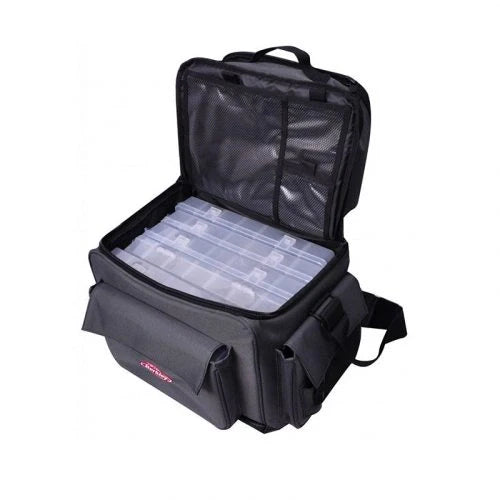
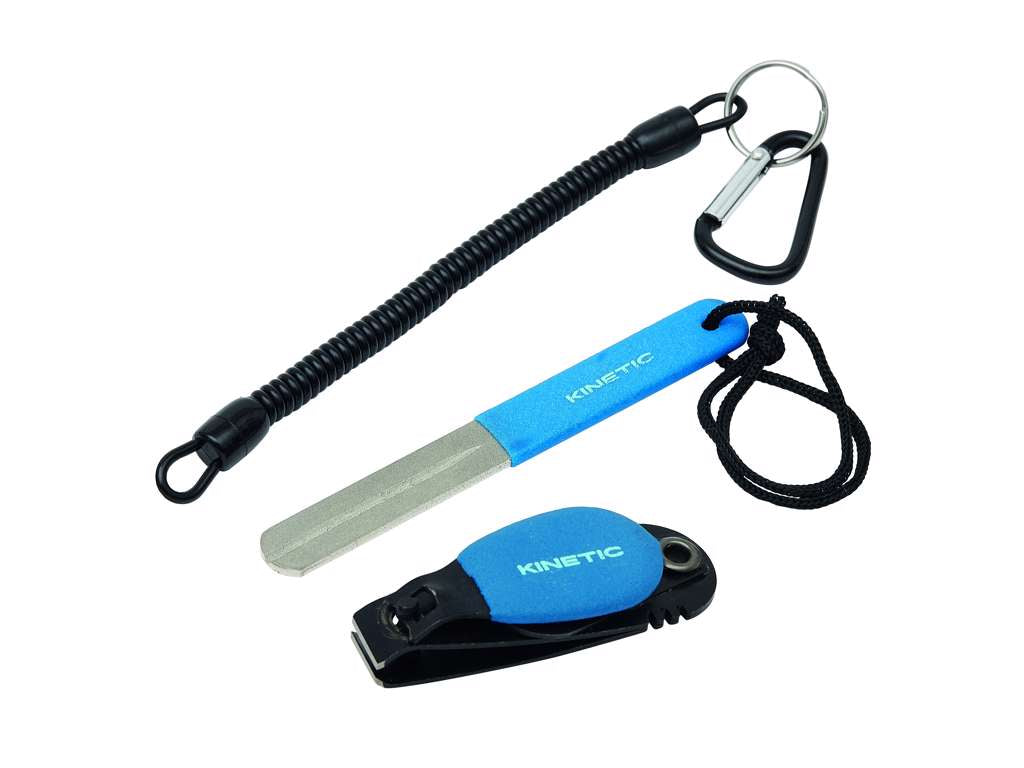
Fishing accessory bags for organised tackle
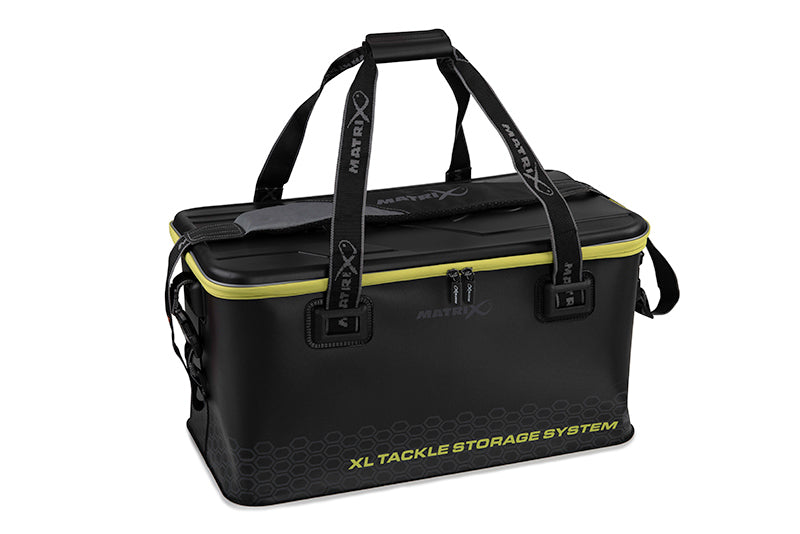
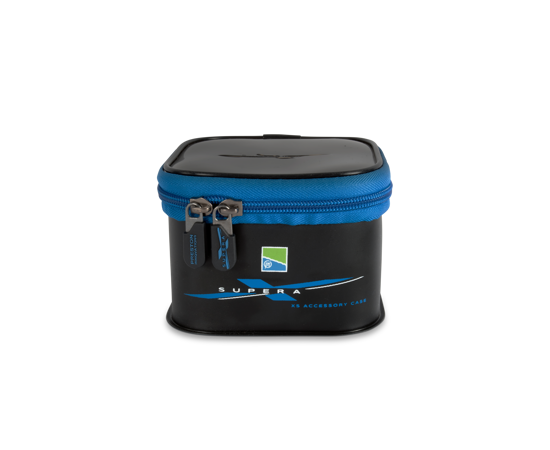
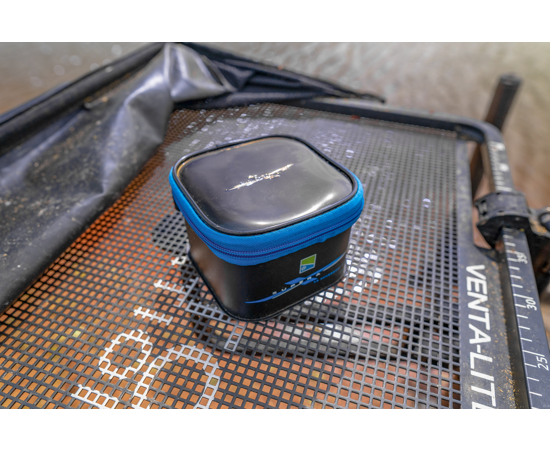
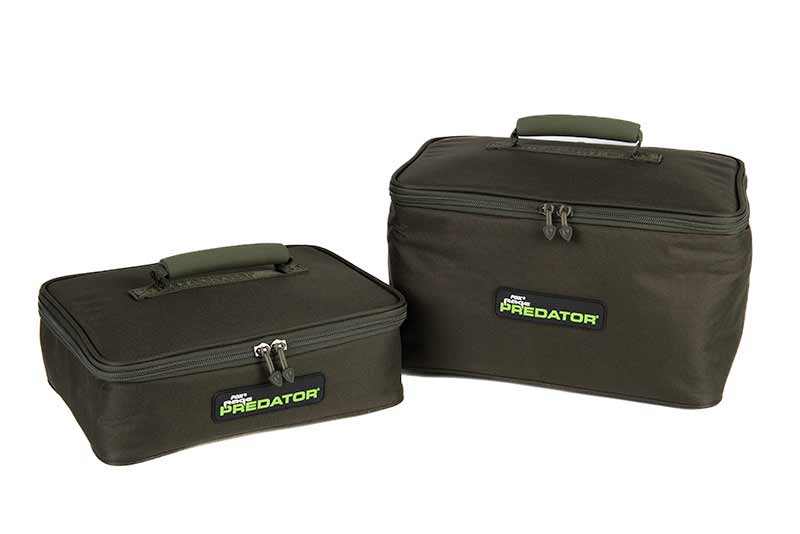
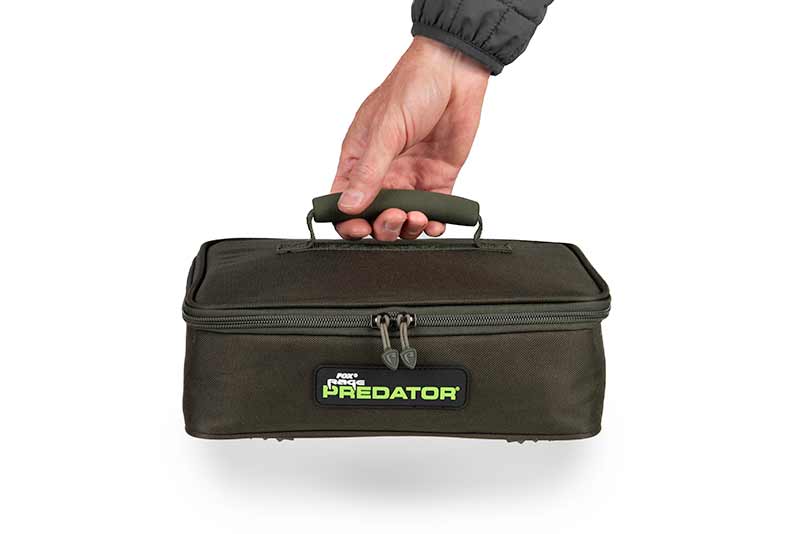
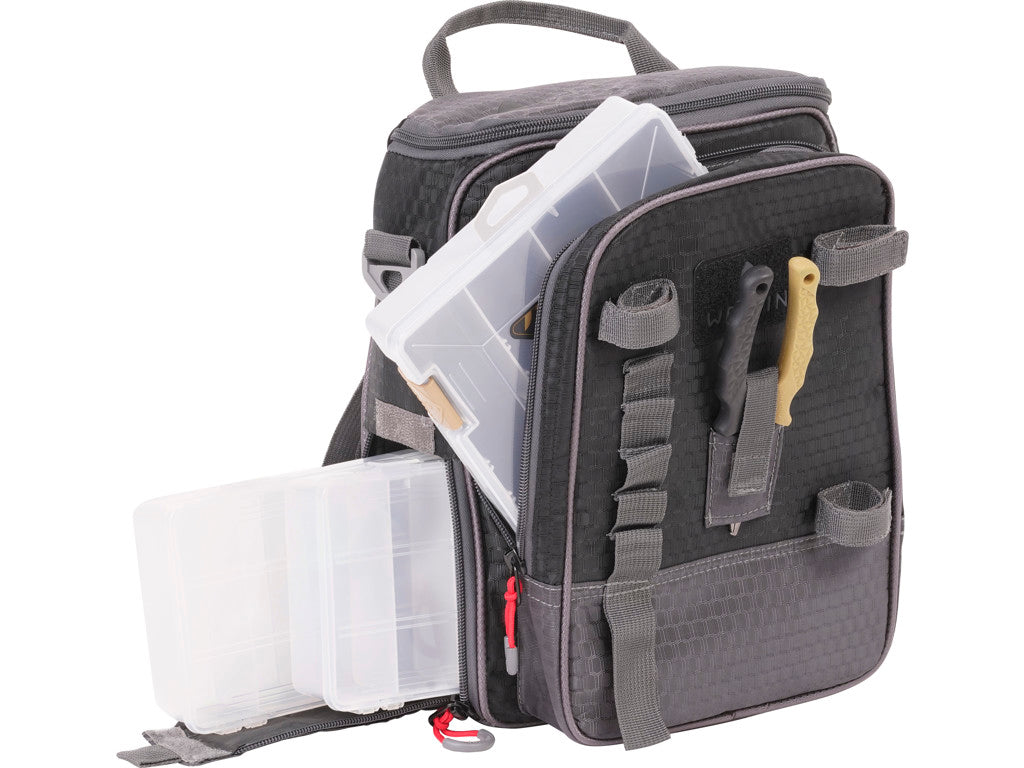
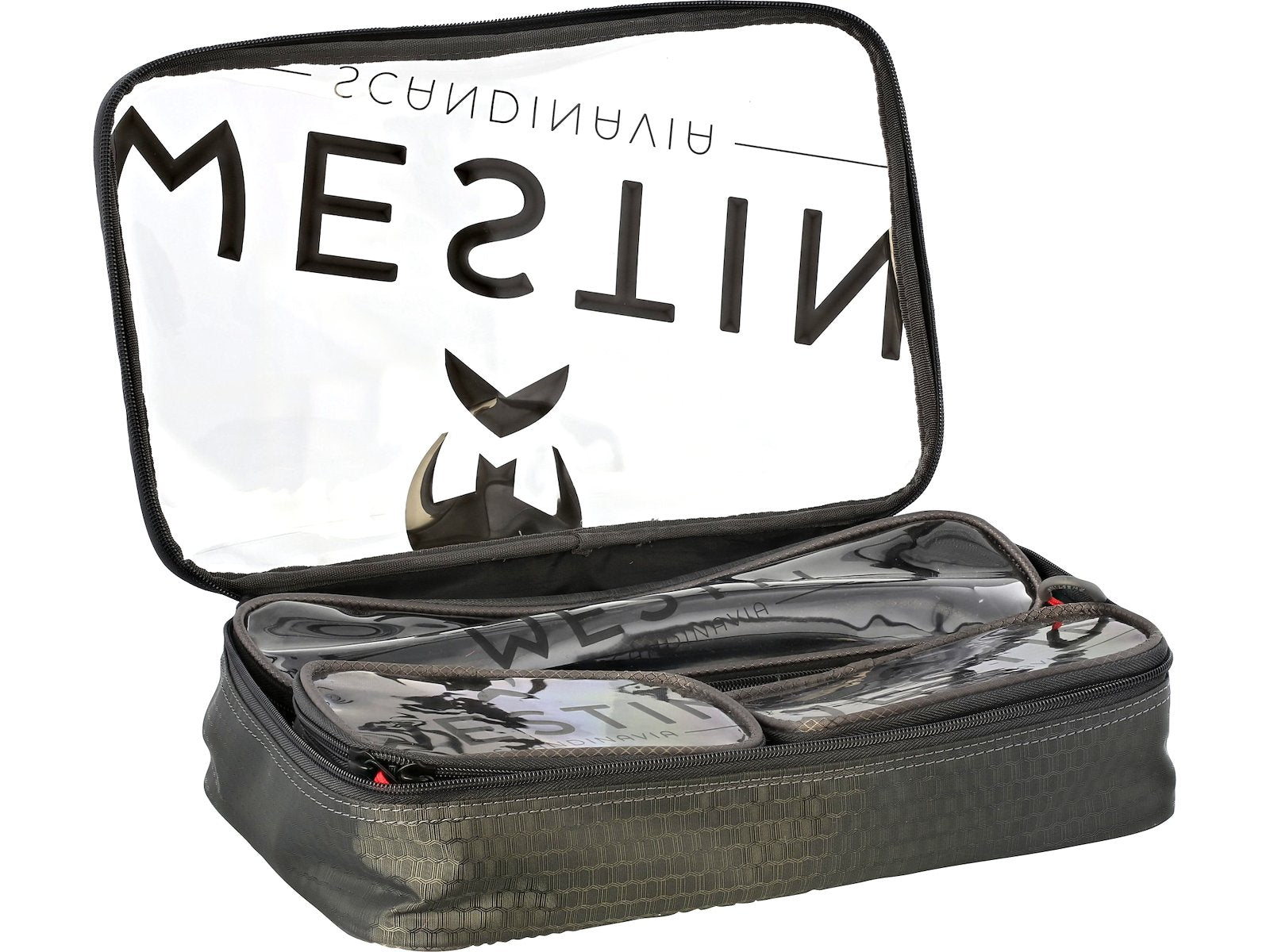
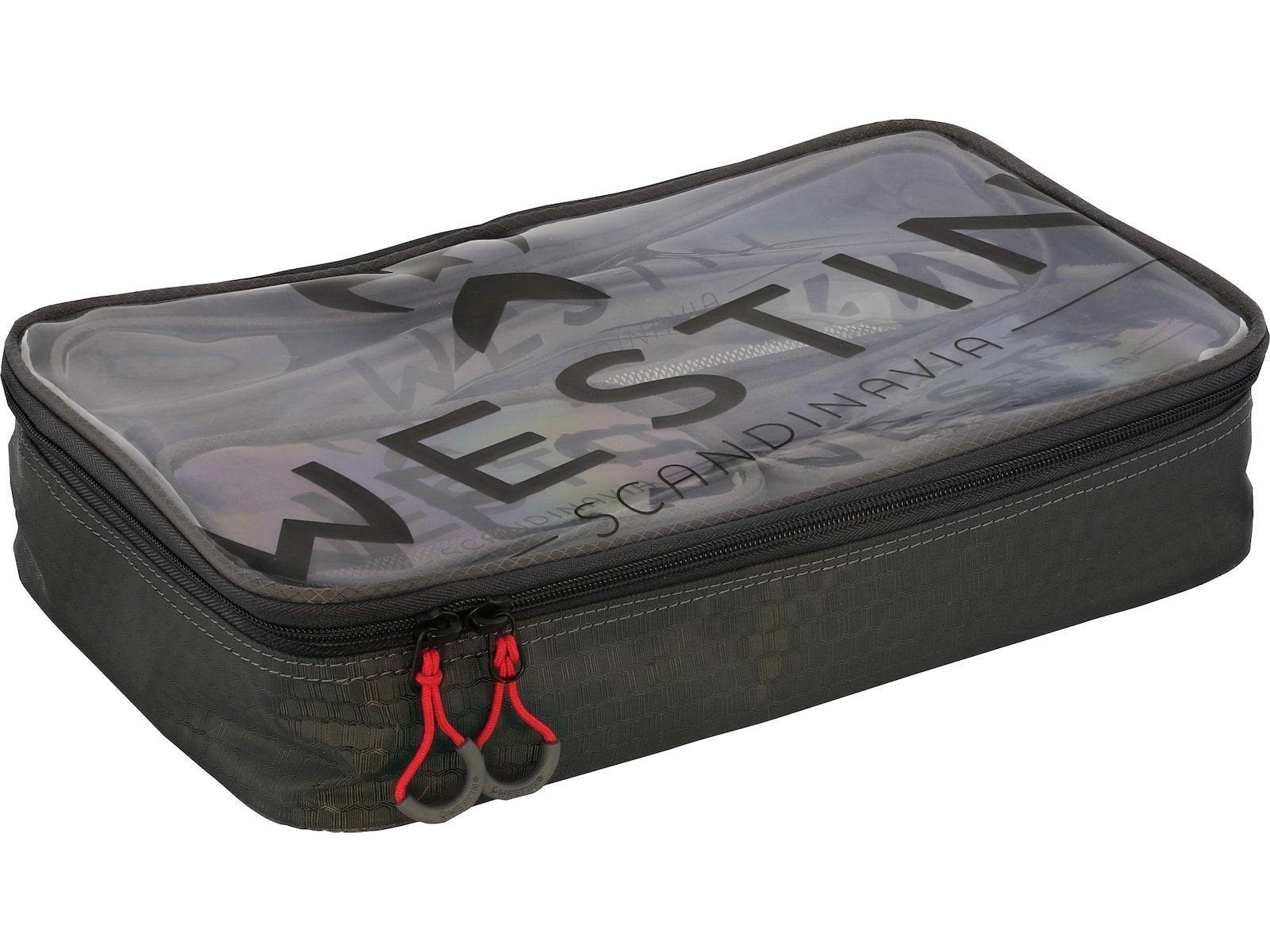
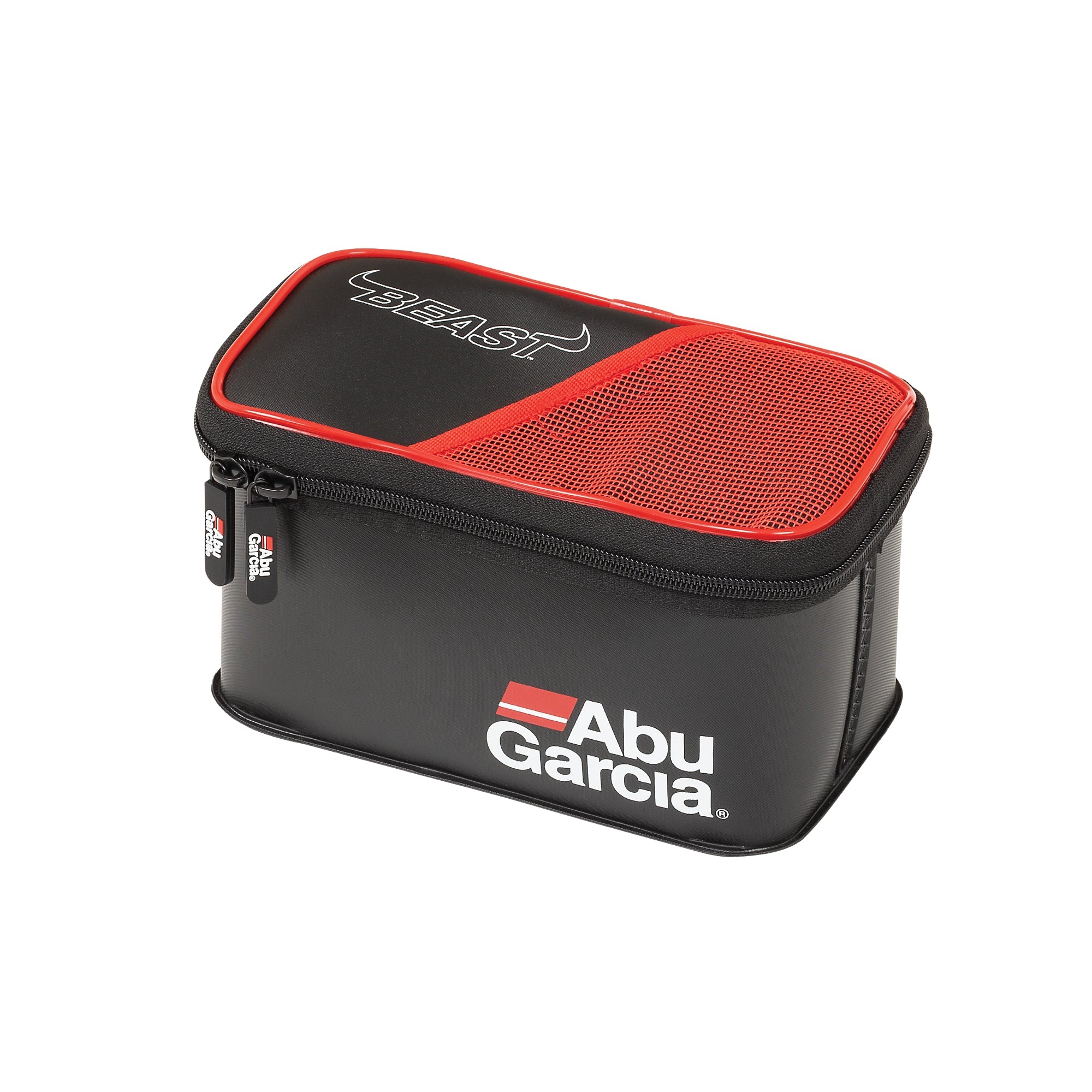
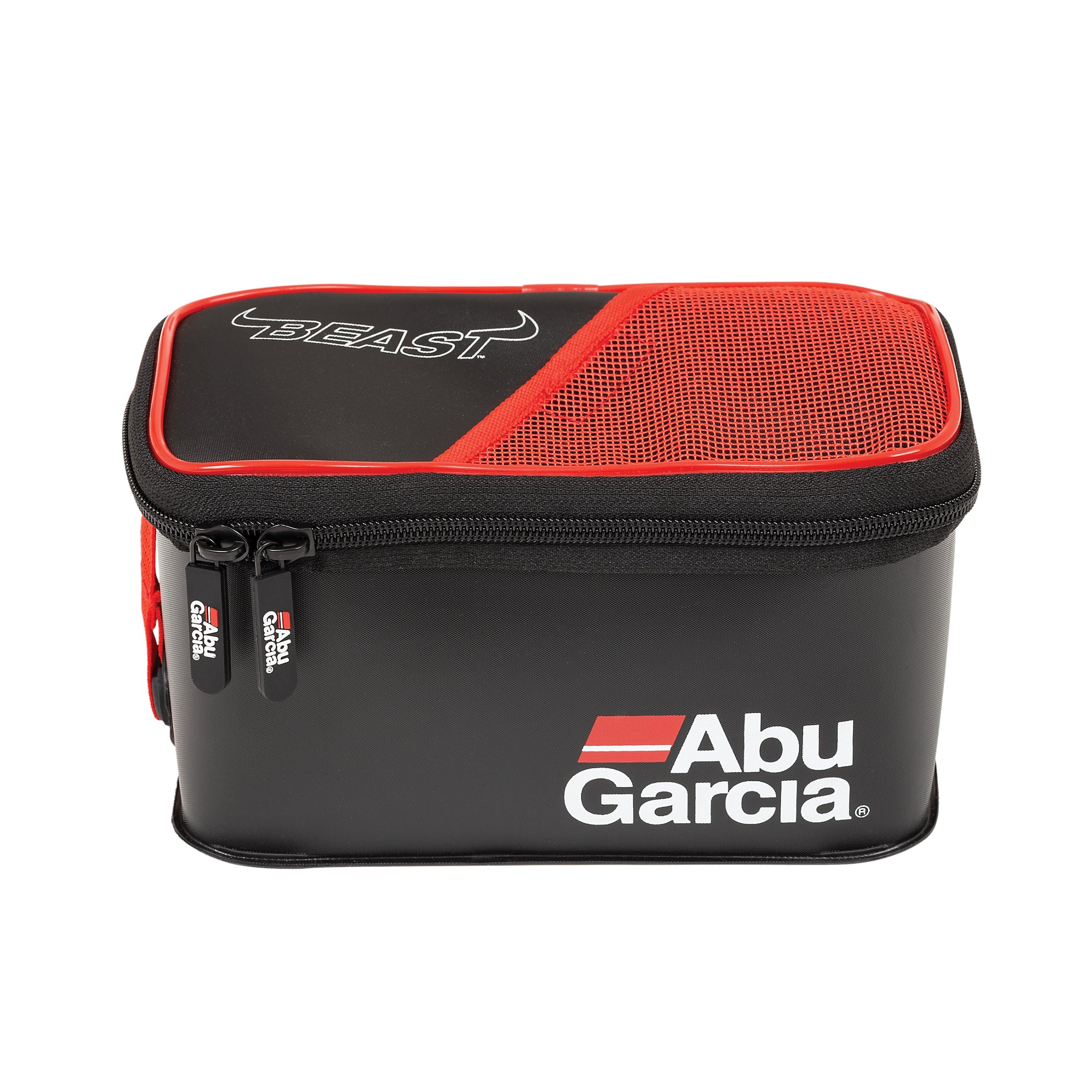
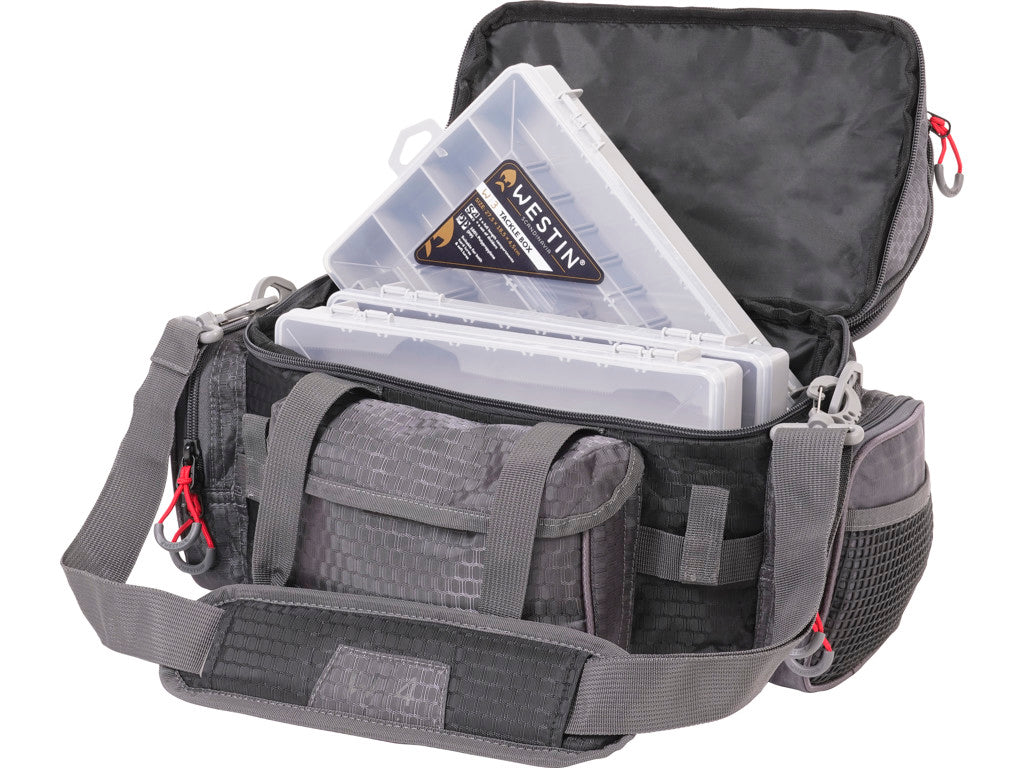
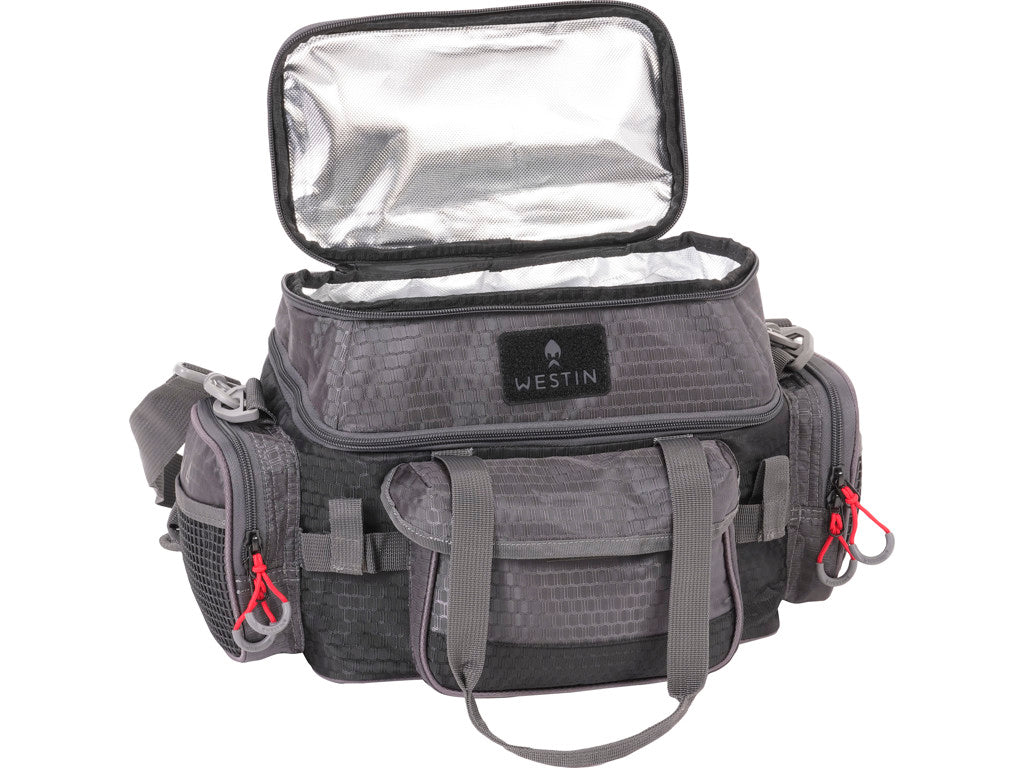
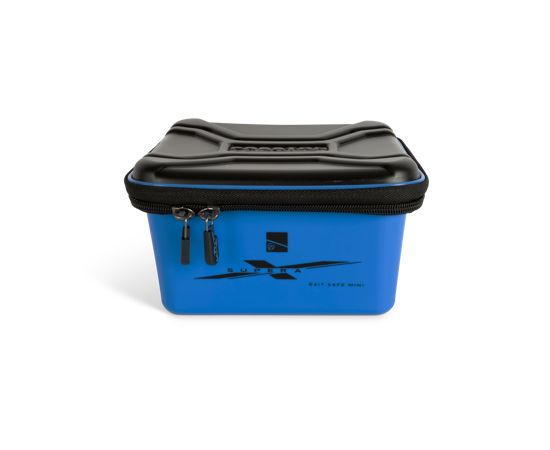
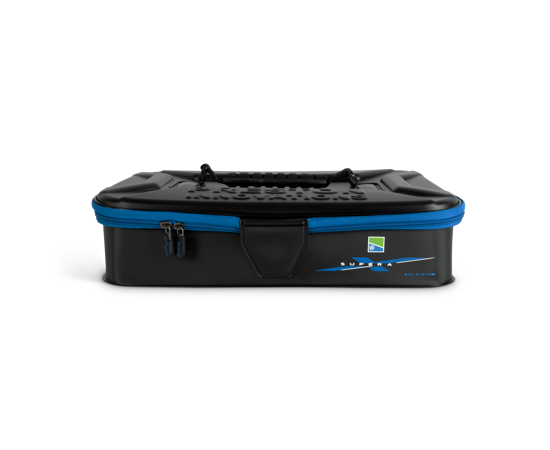
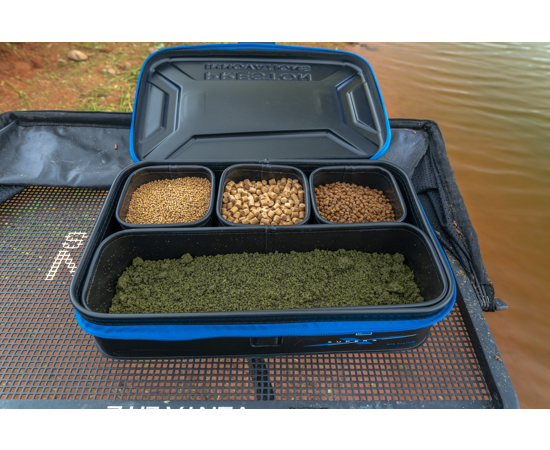
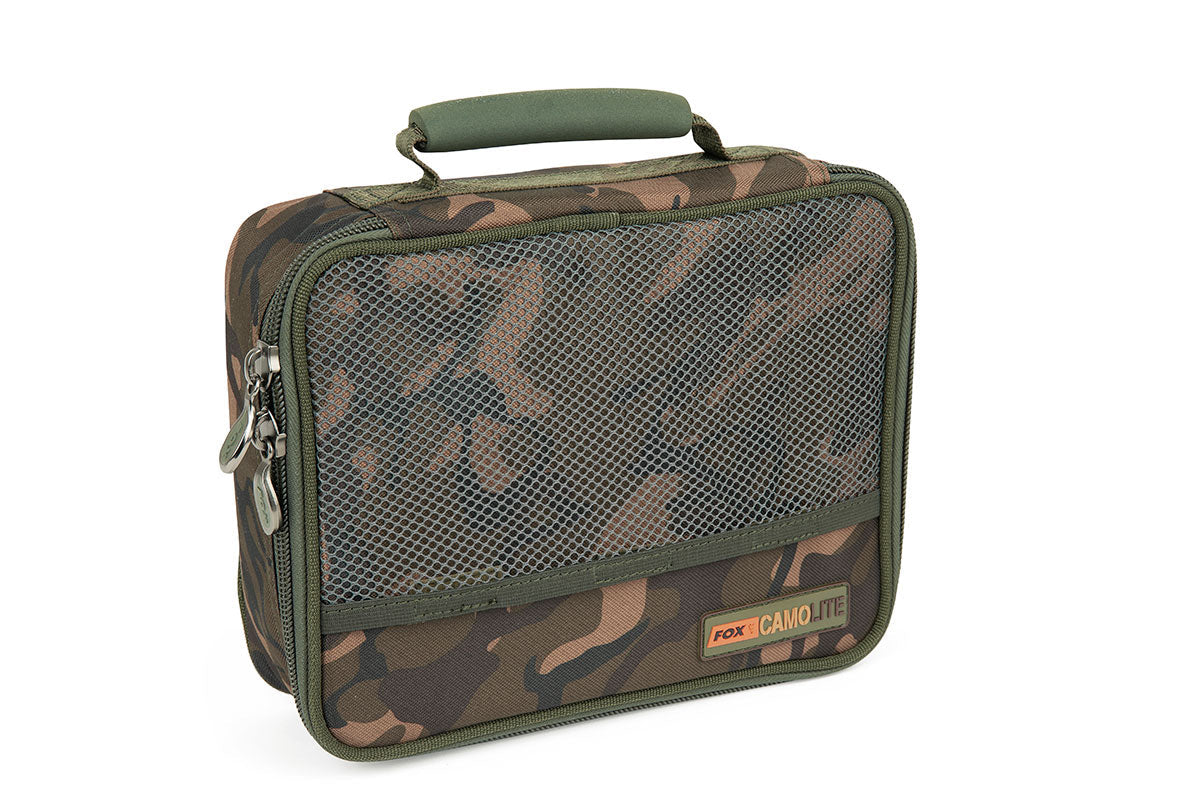
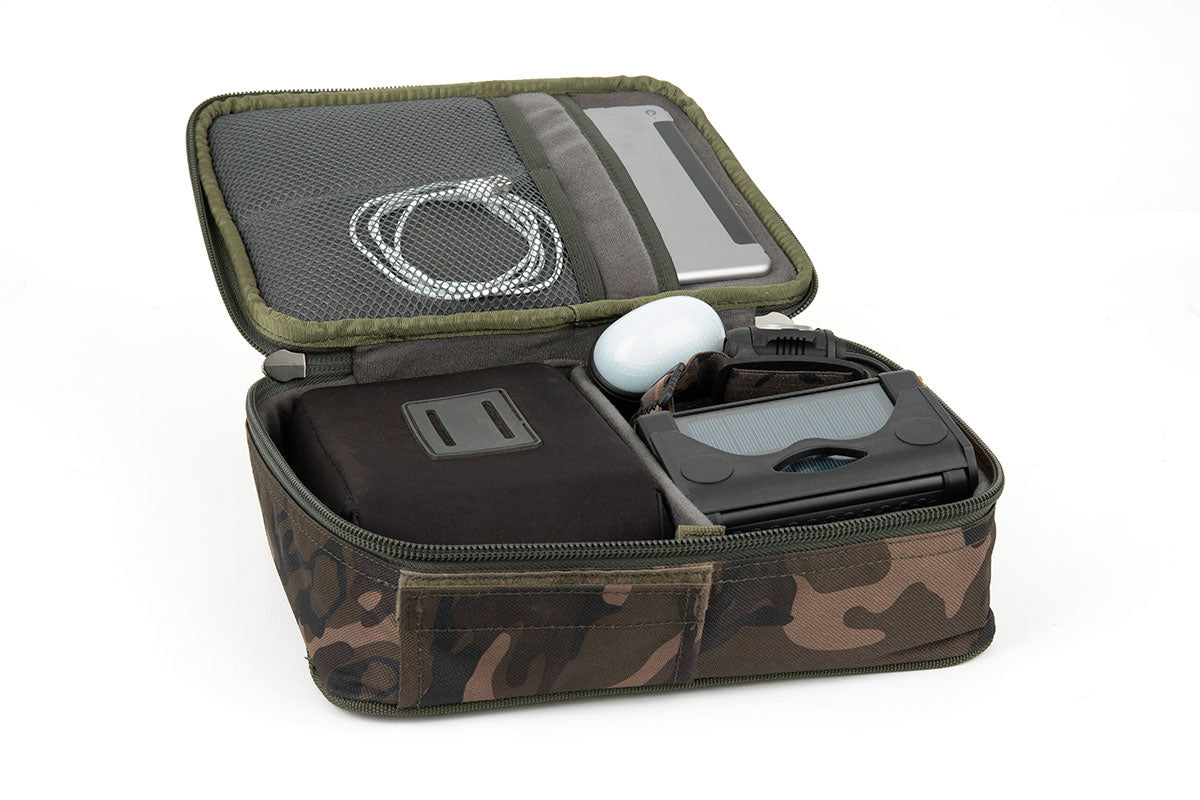
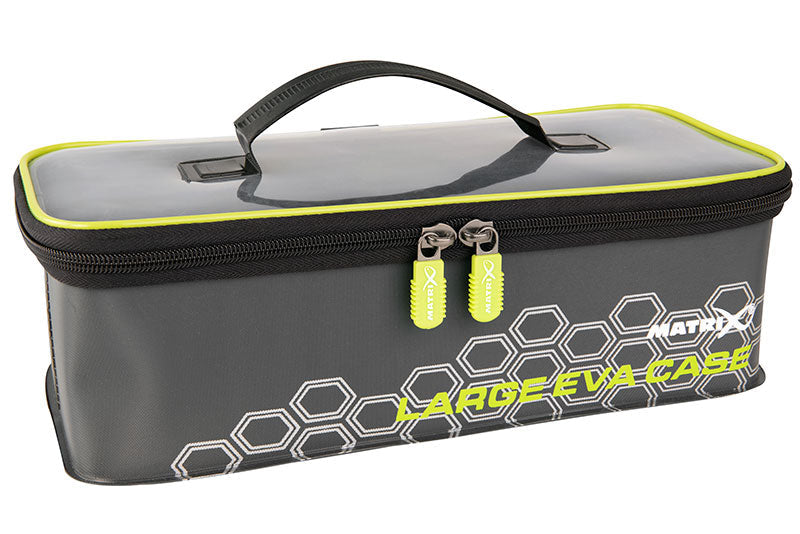
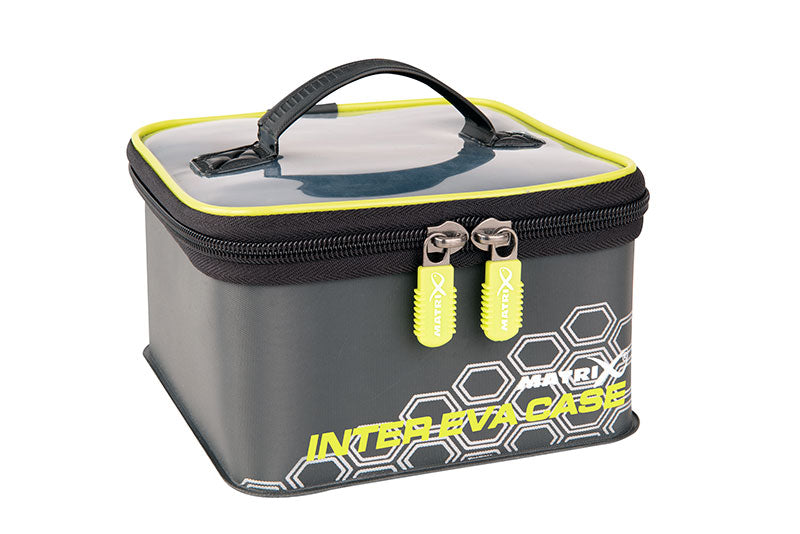
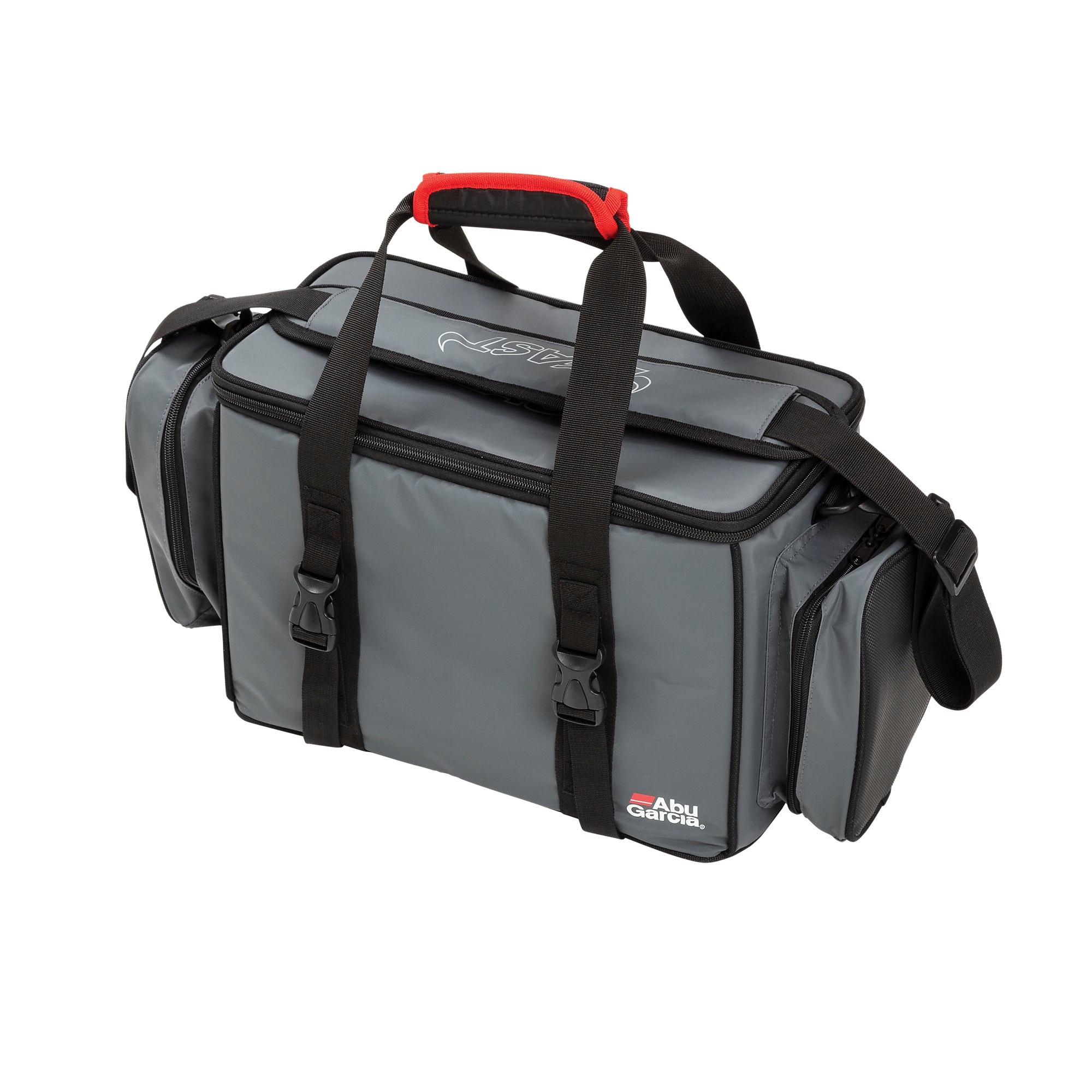
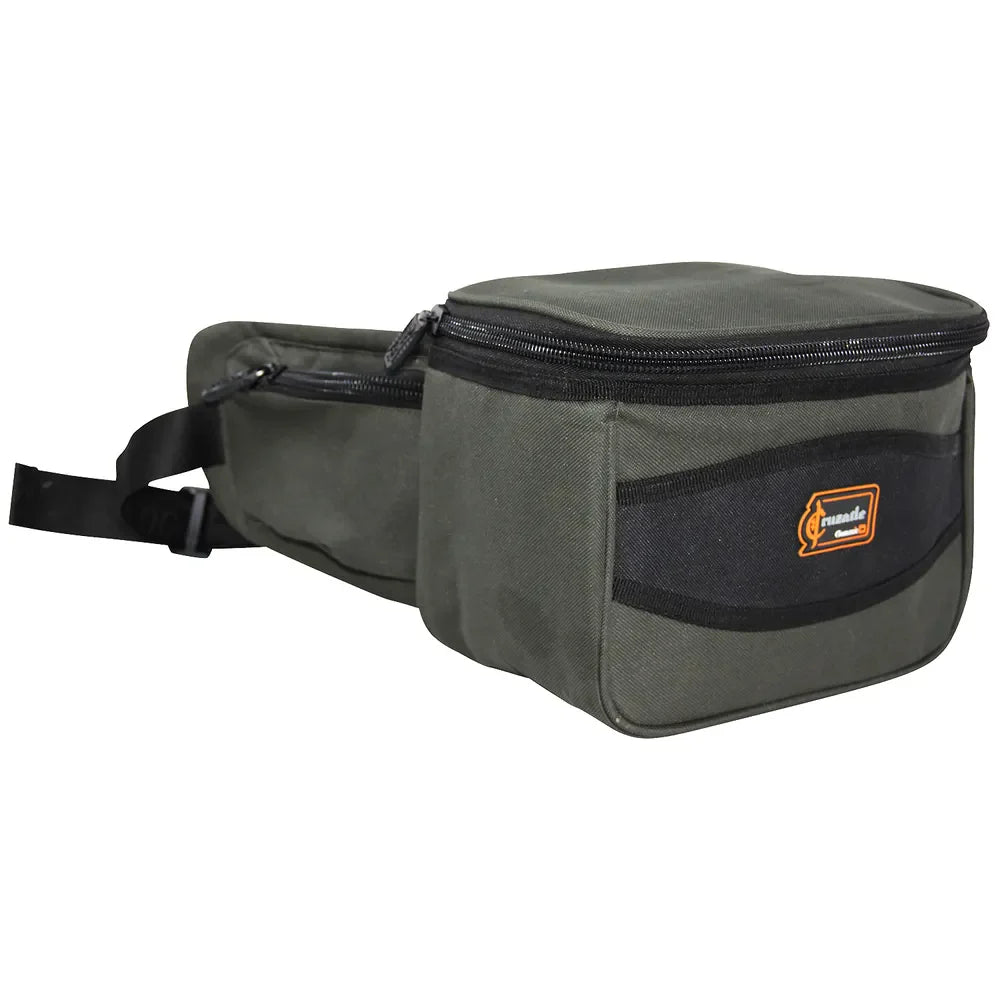
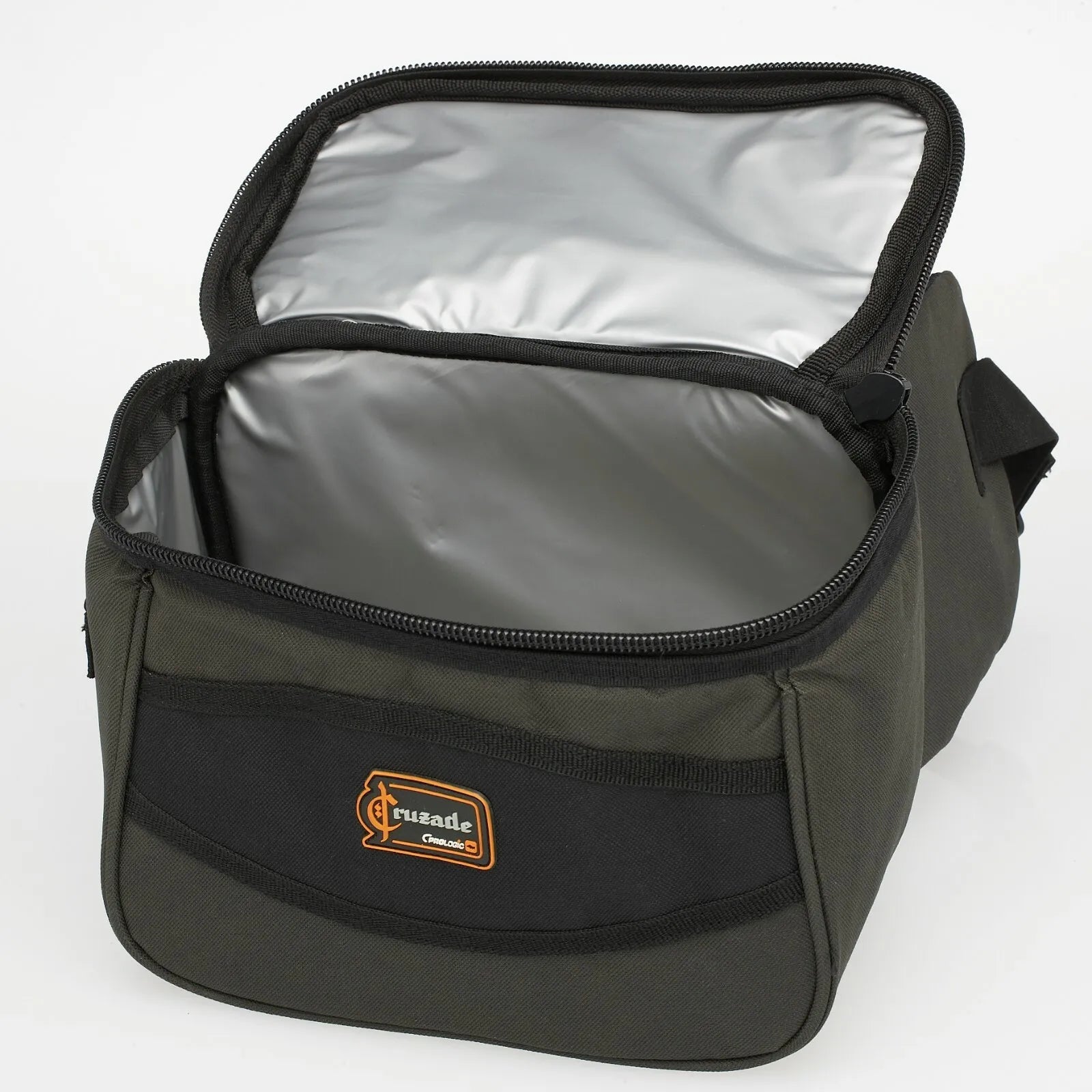
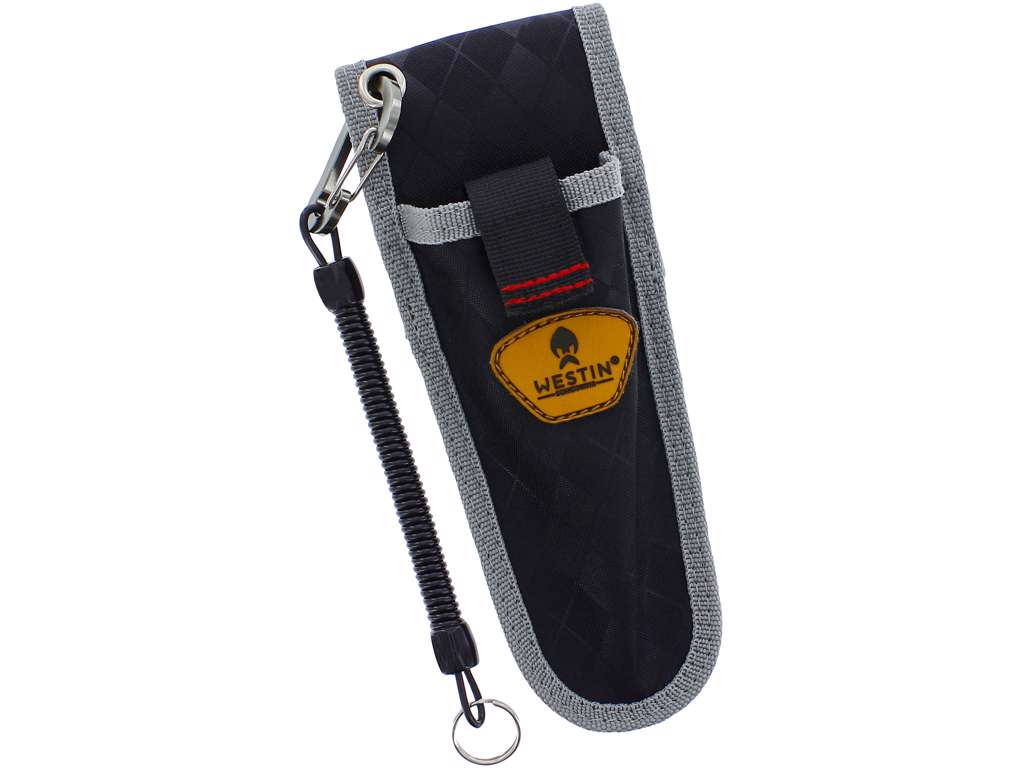
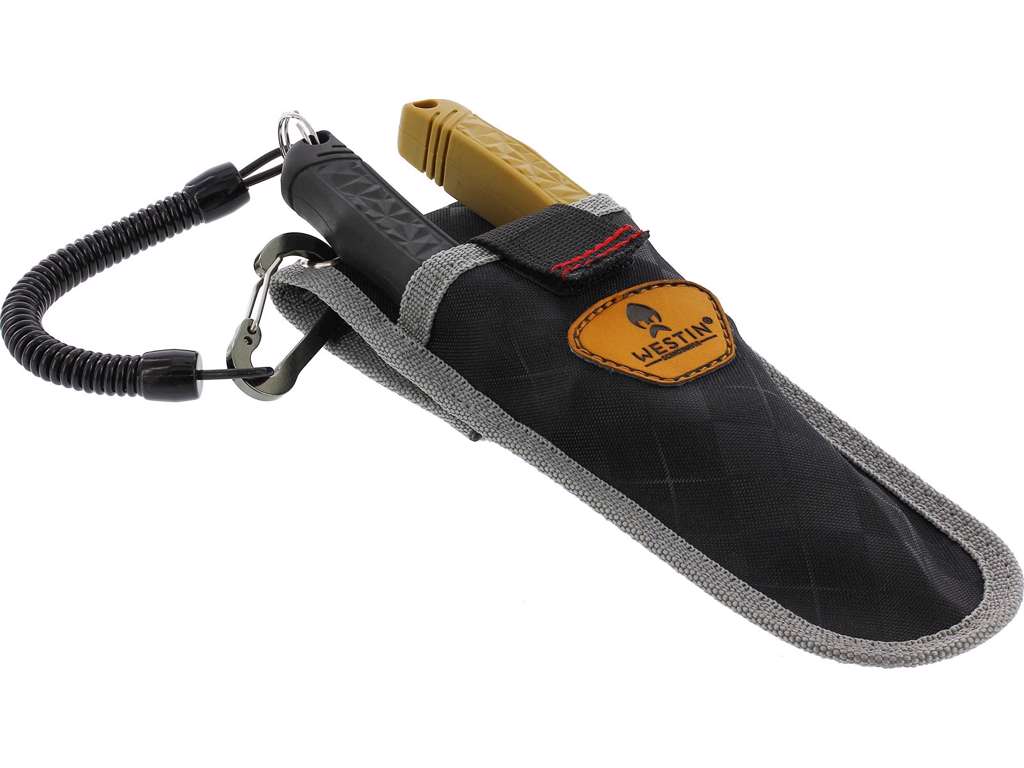
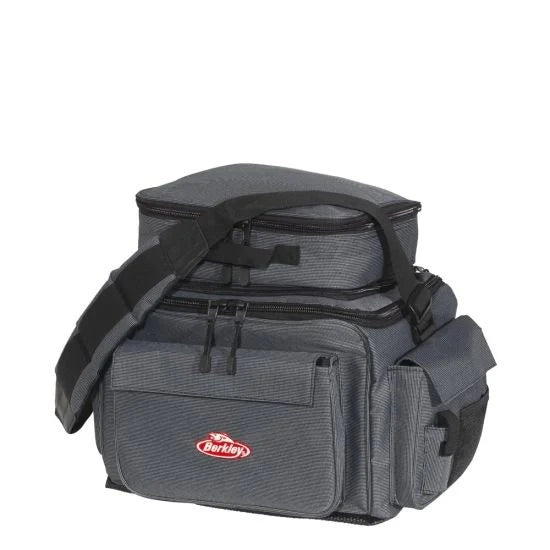
An accessory bag creates a dedicated place for smaller items that become difficult to find inside a large holdall. Compact cases can separate tools, leaders, indicators, spare spools or maintenance products, while larger modular bags can group several boxes by method. The correct format depends on the actual contents and how often they must be reached.
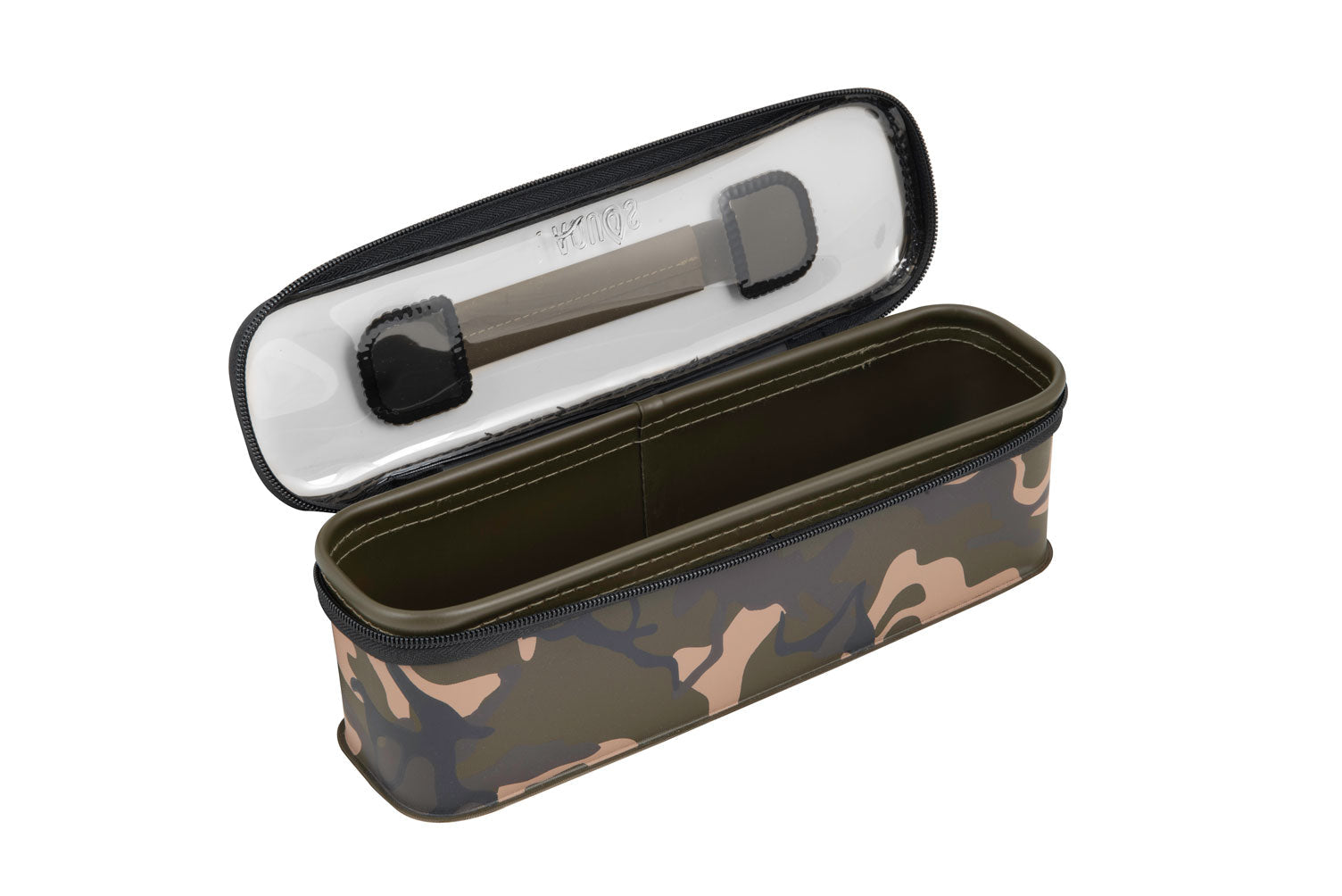
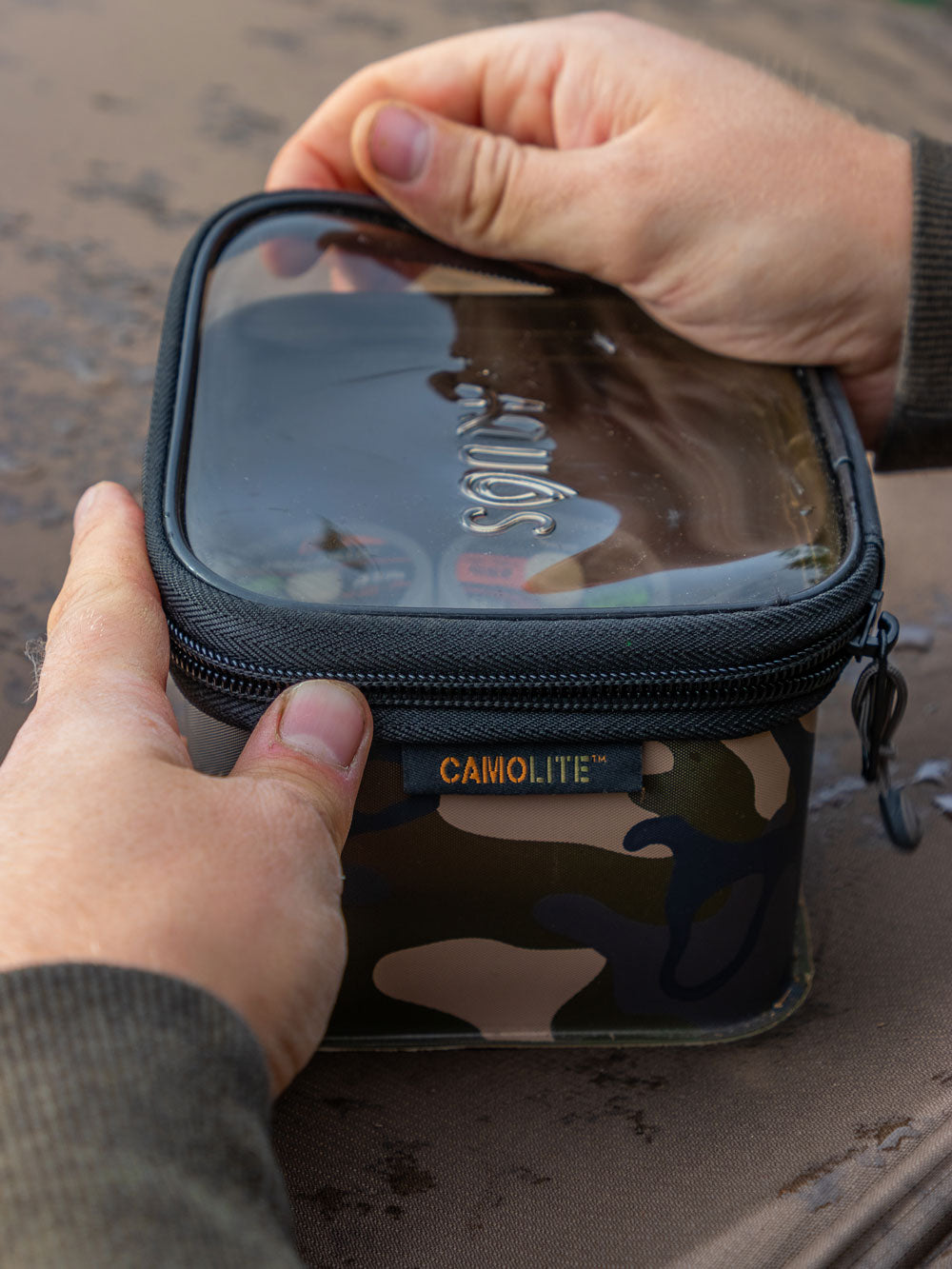
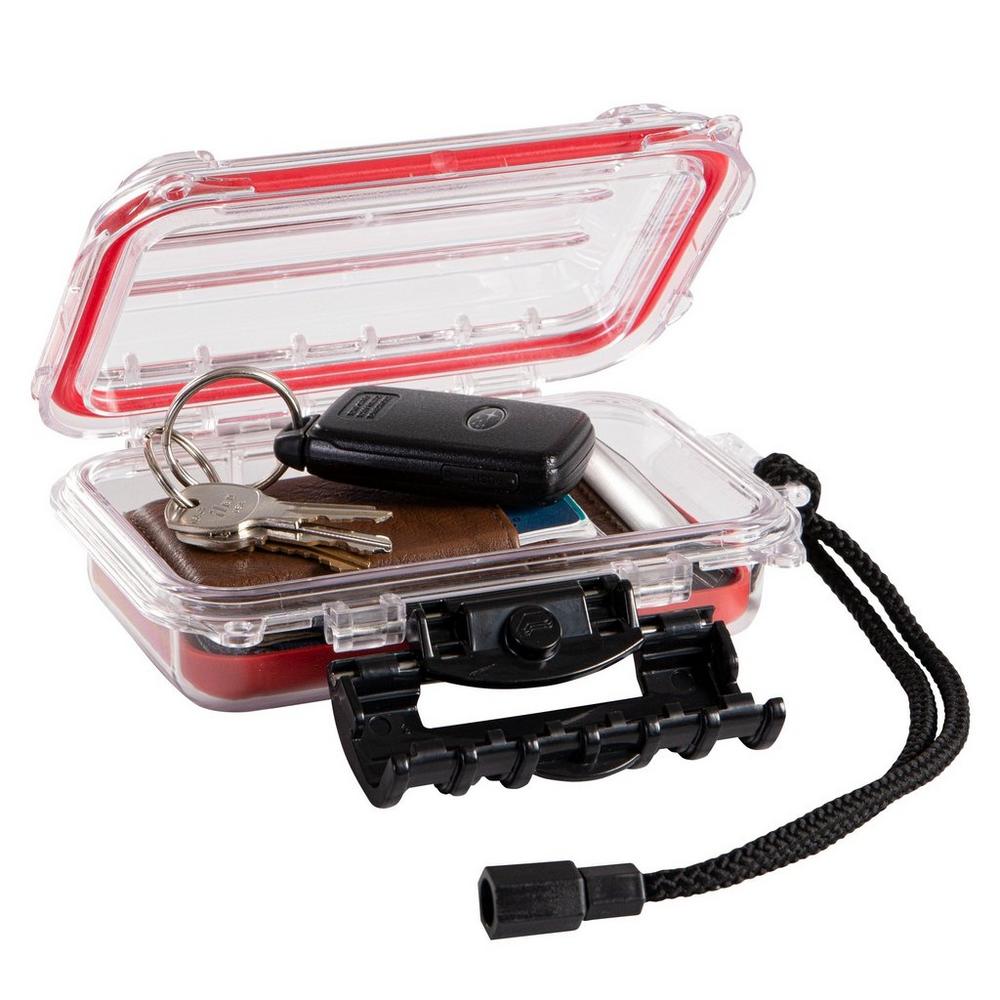
Check internal dimensions as well as the outside size. Padding, dividers and rounded corners reduce usable space, and a box described by a nominal size may not fit through the opening. A clear lid or labelled panel can speed up identification, but closure strength and a stable base matter when the bag is carried full.
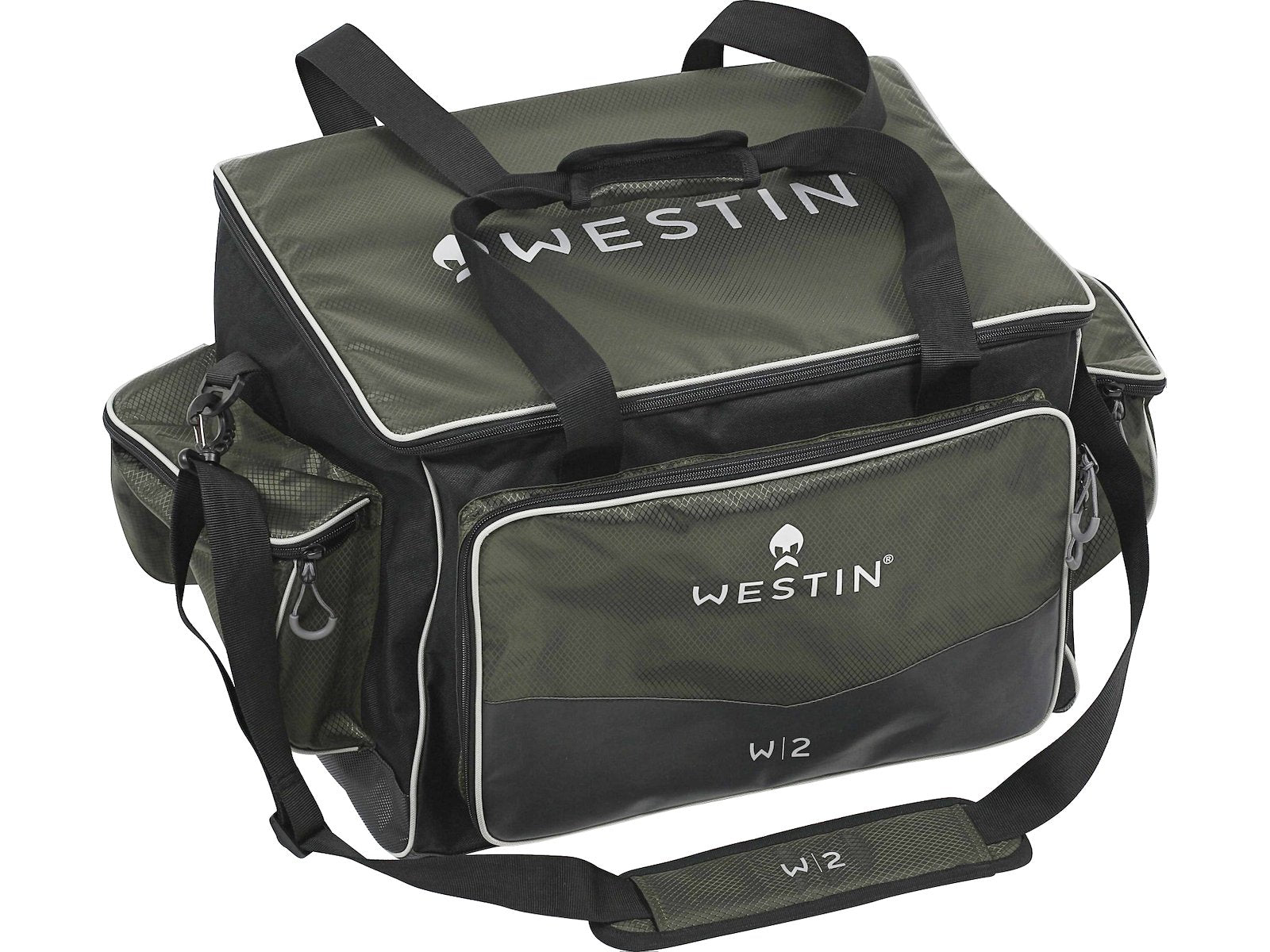
Browse all fishing luggage, compare higher-capacity carryalls, organise lure boxes in lure bags, or keep prepared traces in dedicated rig wallets. The GC Sintez EVA accessory case review provides a practical storage example.
Choose compartments, materials and access
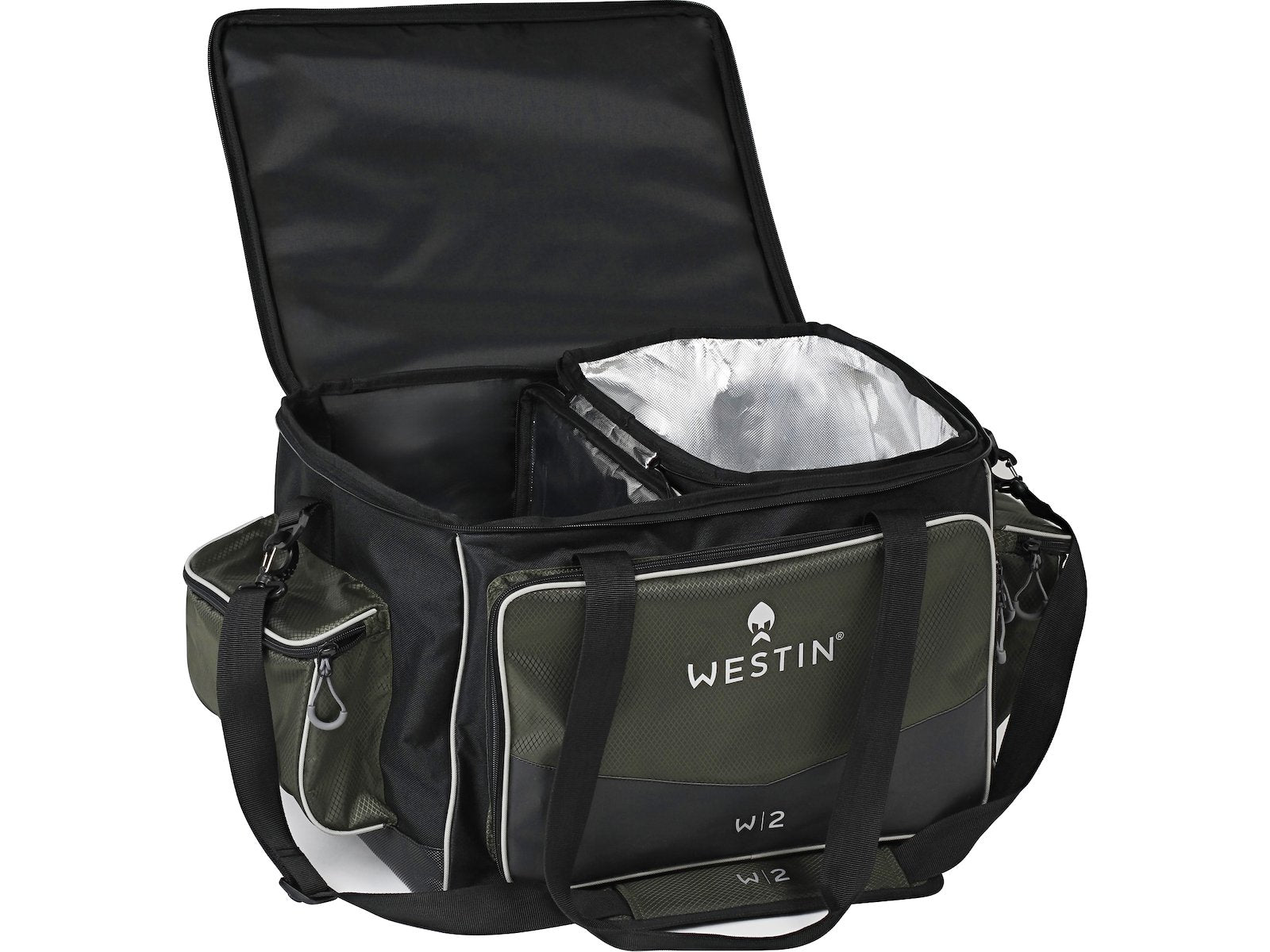
Fixed compartments suit a repeated layout, while removable dividers allow the bag to change between sessions. Check whether small components can move underneath or above dividers when the case is inverted. Exposed hook points need individual protection, and heavy weights should sit low without pressing against reels, floats or delicate electronics.
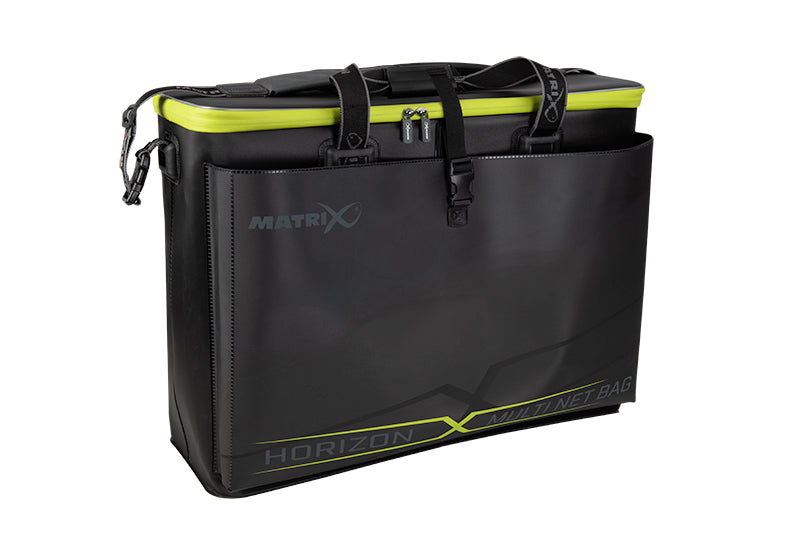
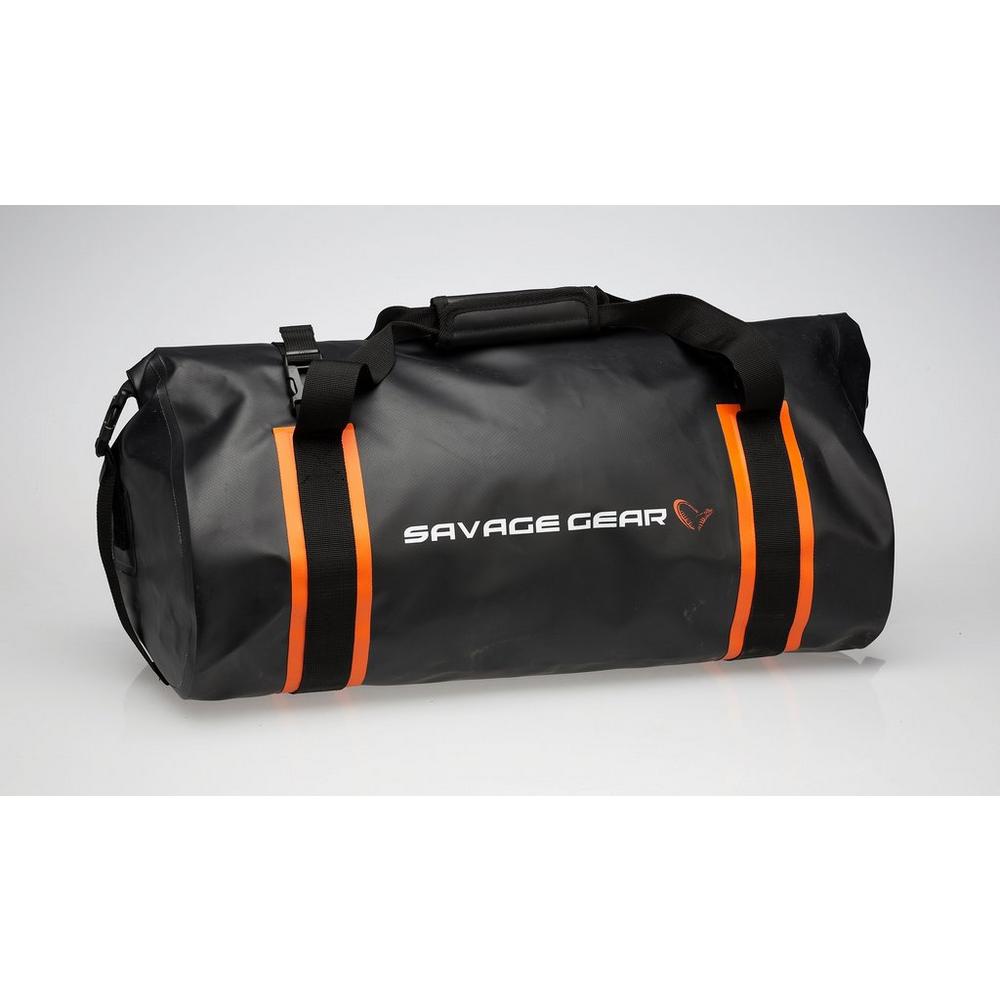
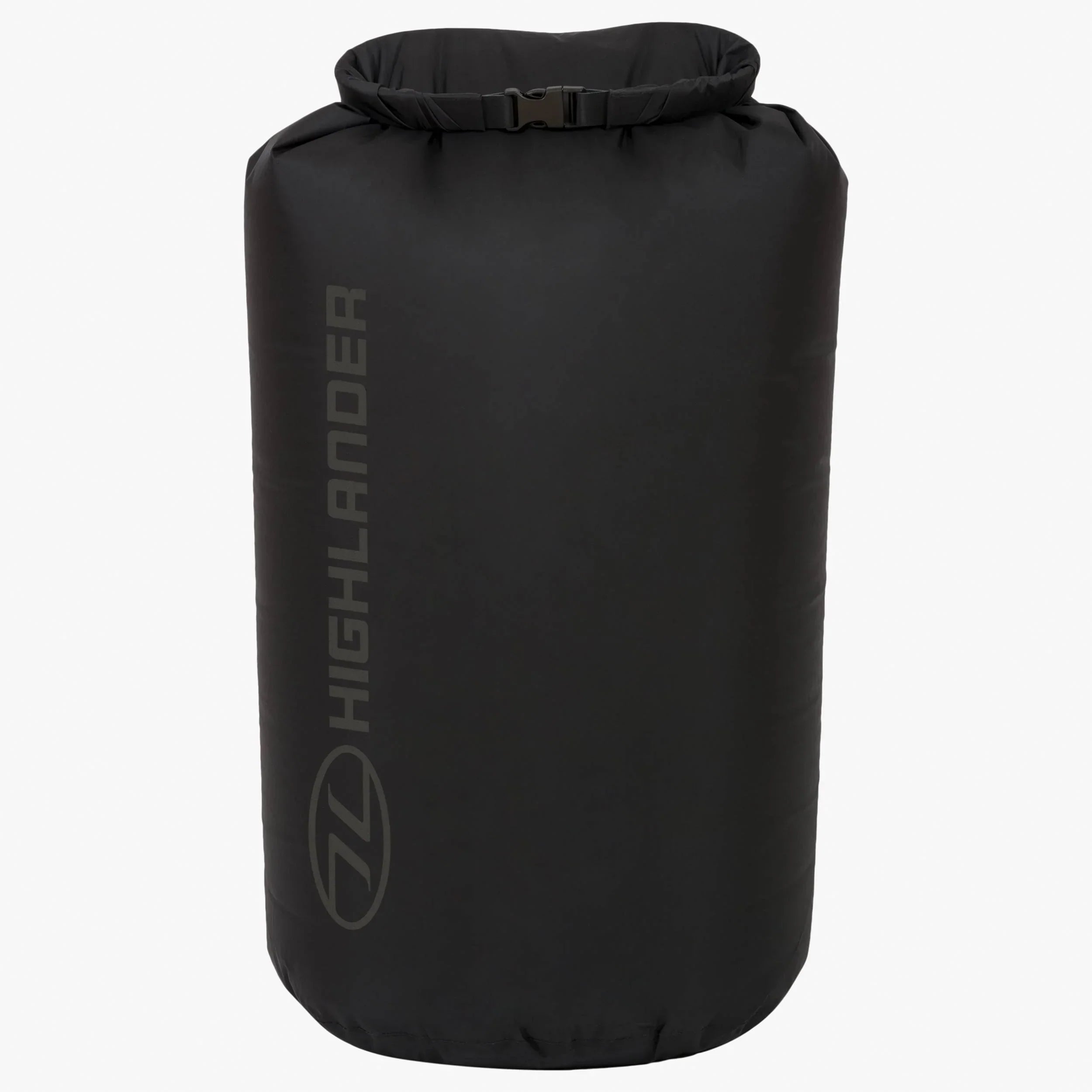
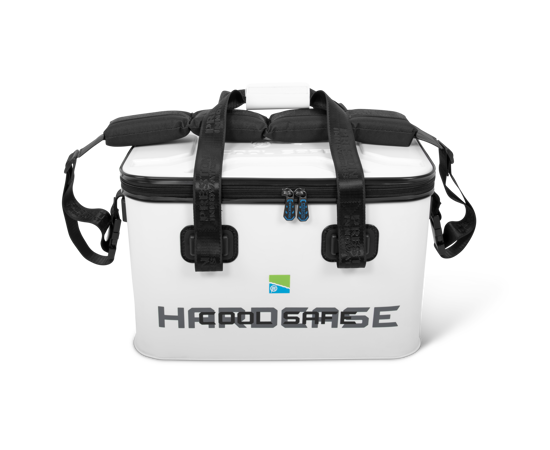
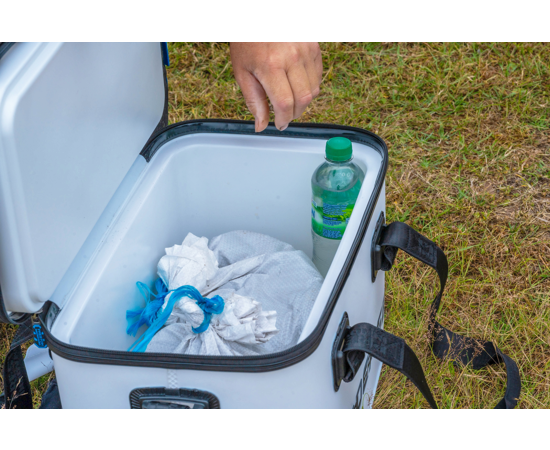
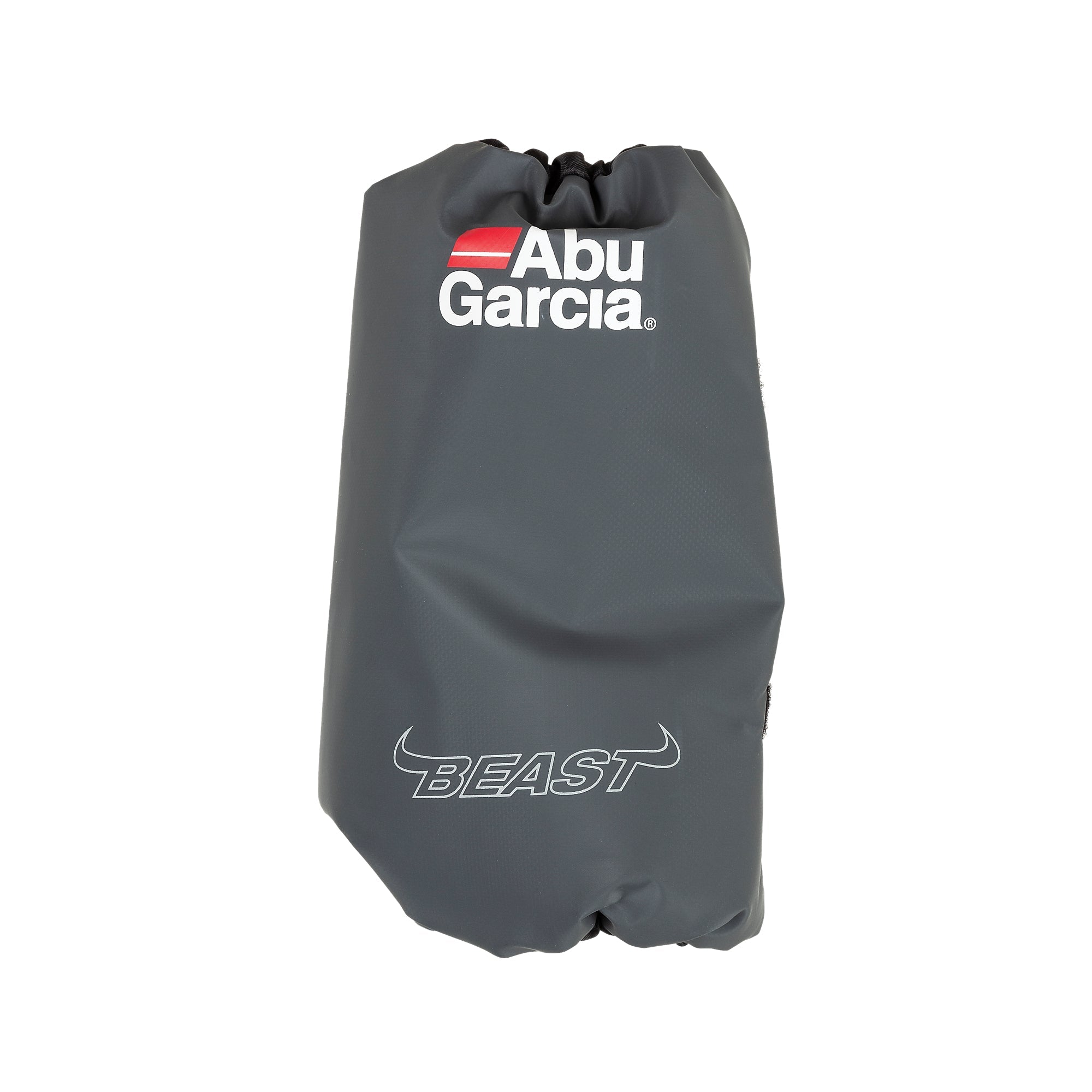
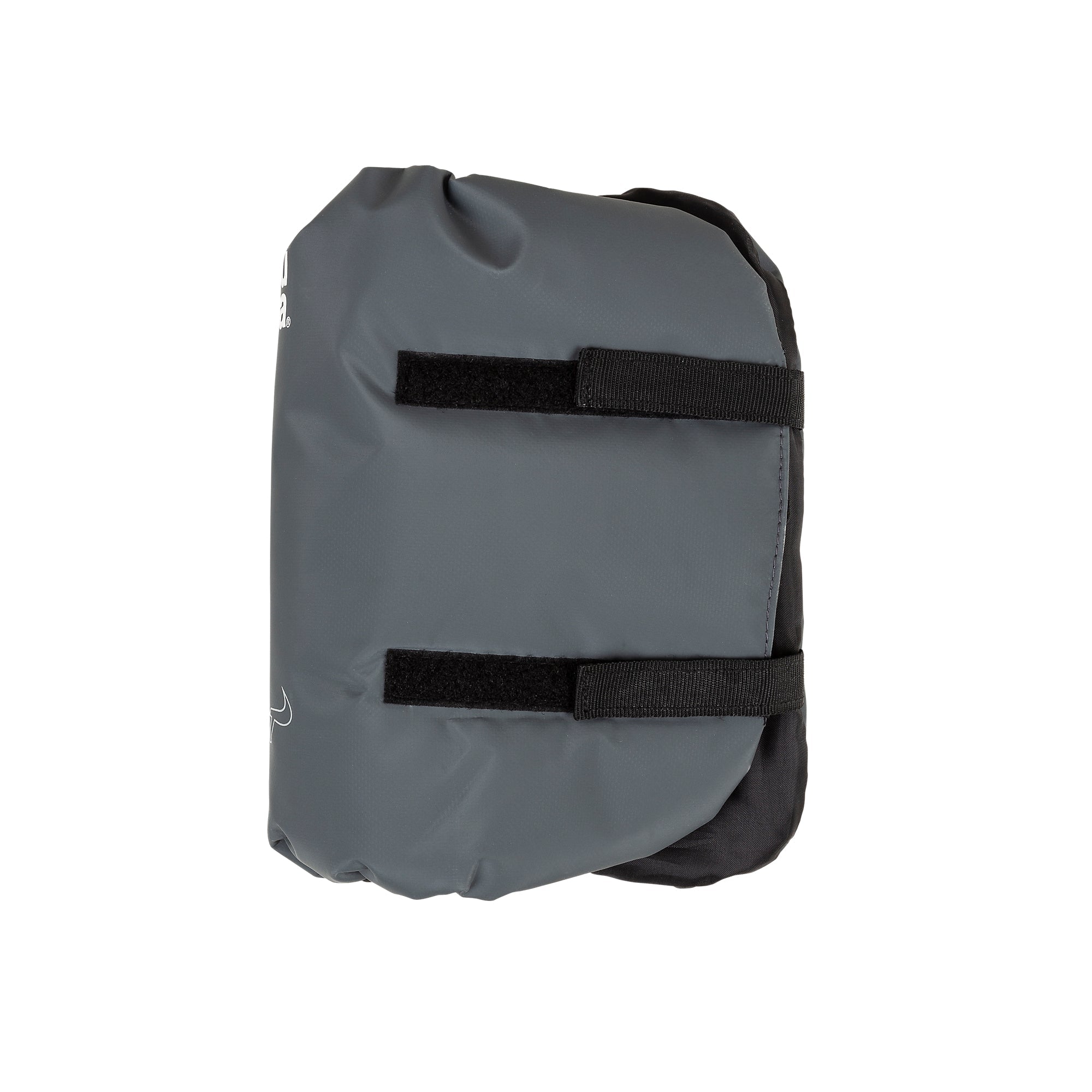
Water-resistant fabric, welded construction and waterproof zips describe different levels of protection. Confirm the stated rating rather than assuming a closed bag is submersible. A rigid or moulded base can help on wet ground, while a soft bag may pack more easily inside another piece of luggage.
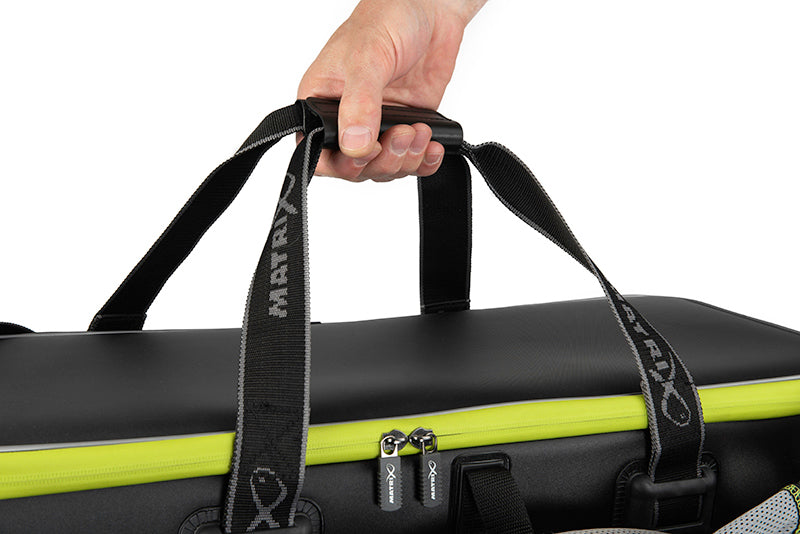
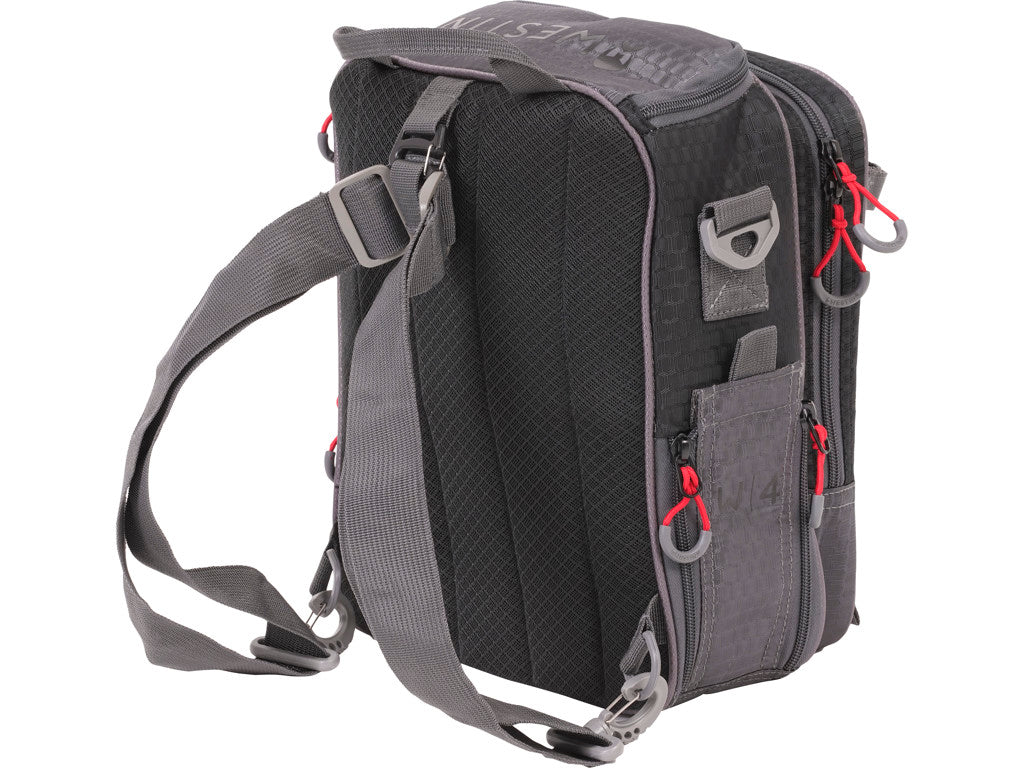
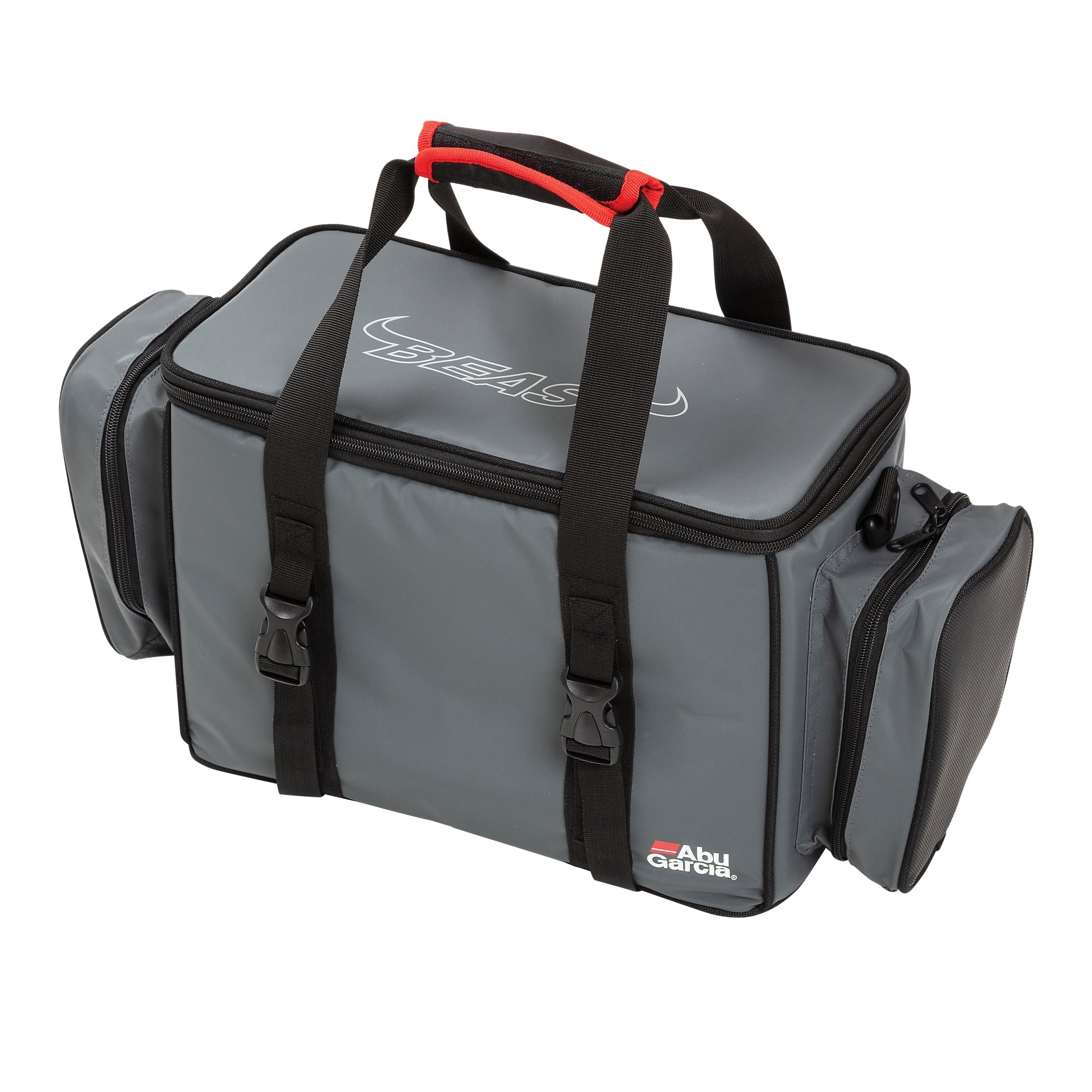
Handles, shoulder straps and attachment loops should match the loaded weight. Inspect stitching and anchor points, and check that the bag can be opened without removing several other items. If it will be stored in a carryall, leave enough clearance for the zip and handle rather than forcing it into a tight compartment.
Pack, clean and audit an accessory bag
Group items by task and label each section. Keep oils, glues and attractants upright in their original containers, away from food and absorbent materials. Separate wet rigs, salty lures and used tools until they can be cleaned and dried.
After fishing, empty grit and bait residue, wipe the bag according to its care instructions and dry every compartment open. Inspect zips, seals, straps and dividers. Remove damaged hooks, leaking bottles and unnecessary duplicates so the next trip begins with a lighter, safer and more useful kit.