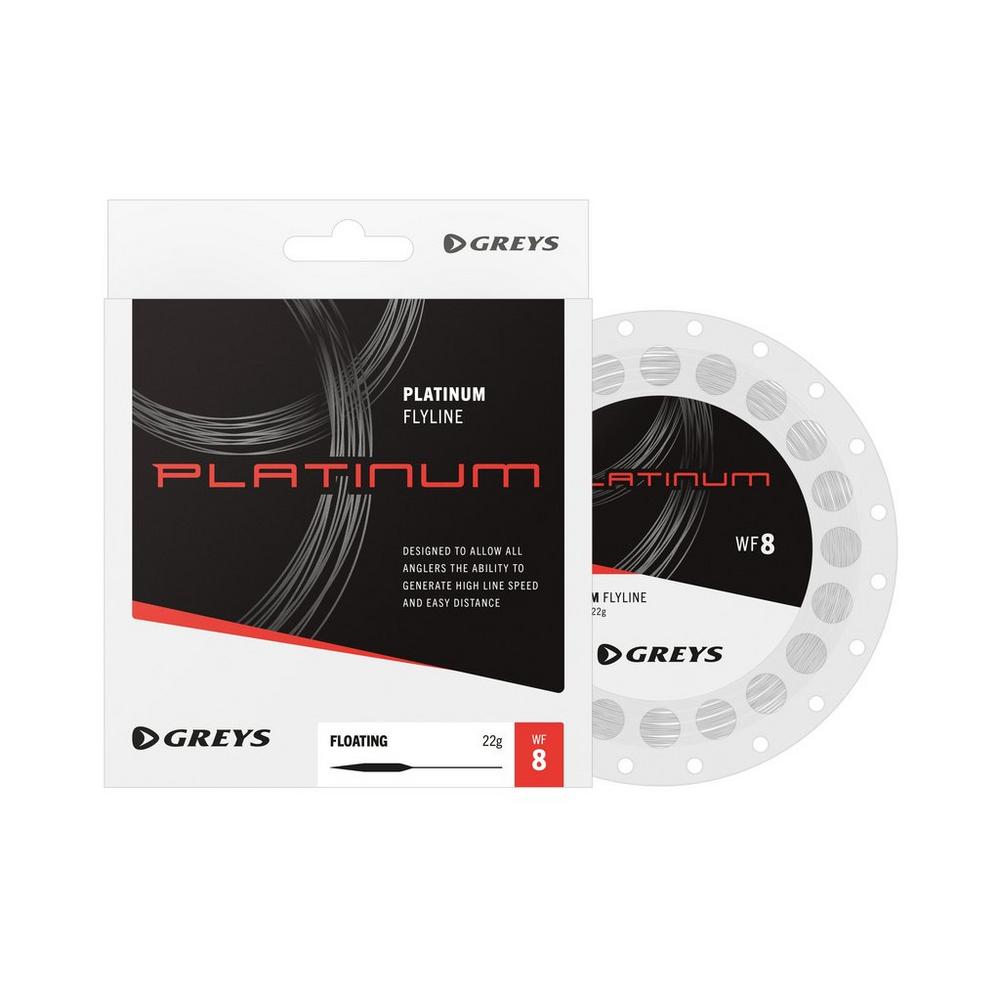
Fly line for floating, intermediate and sinking presentations
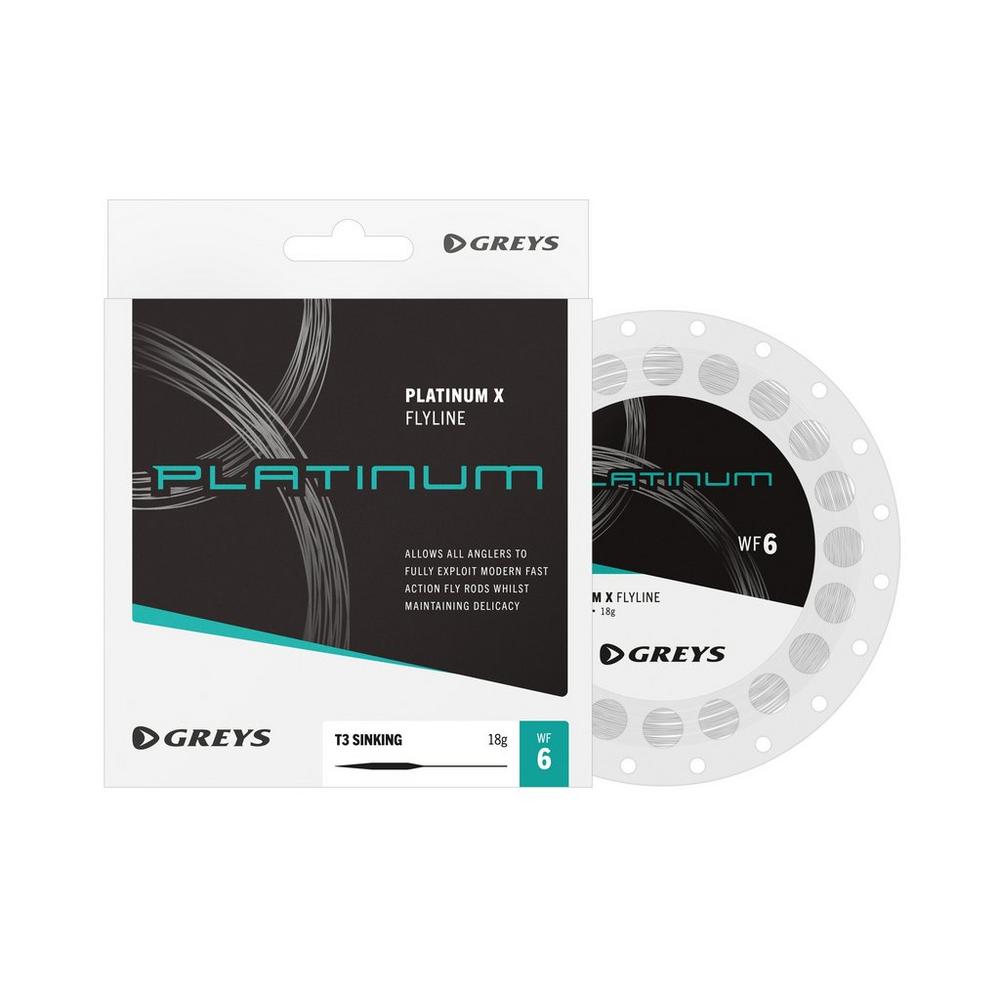
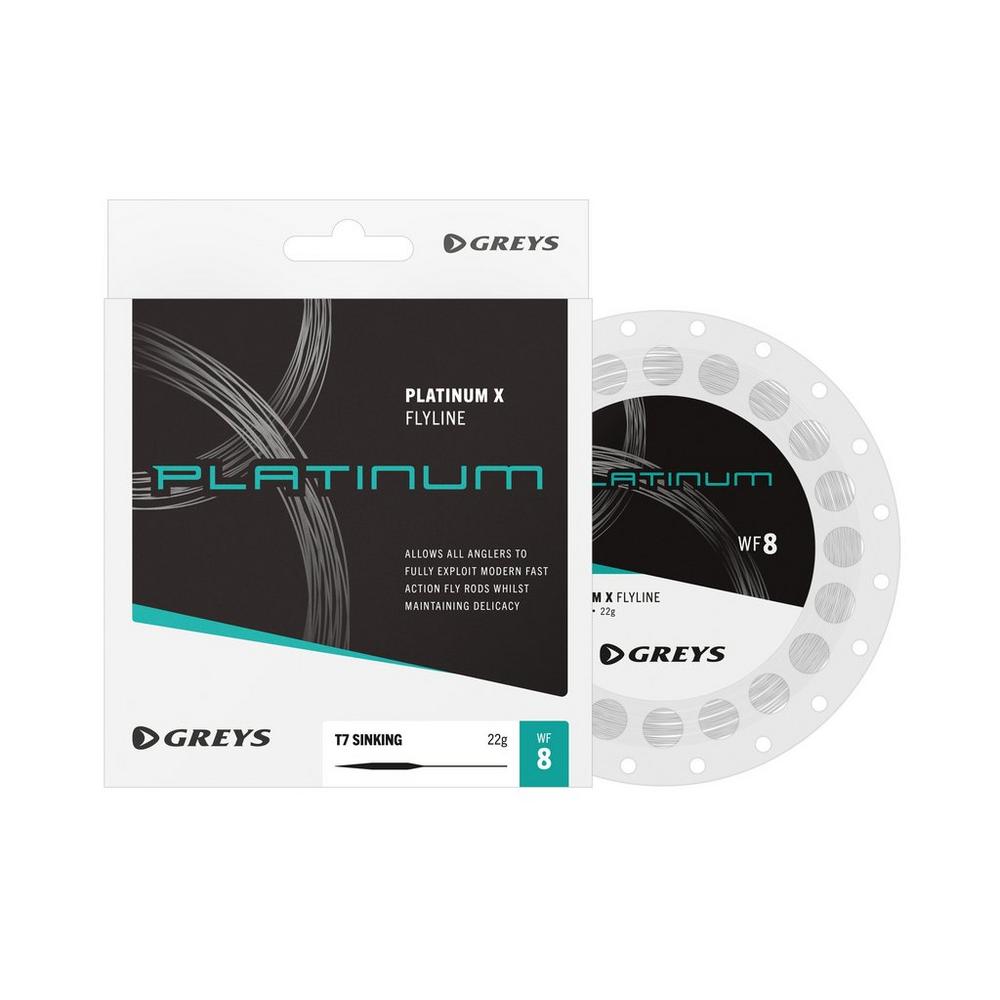
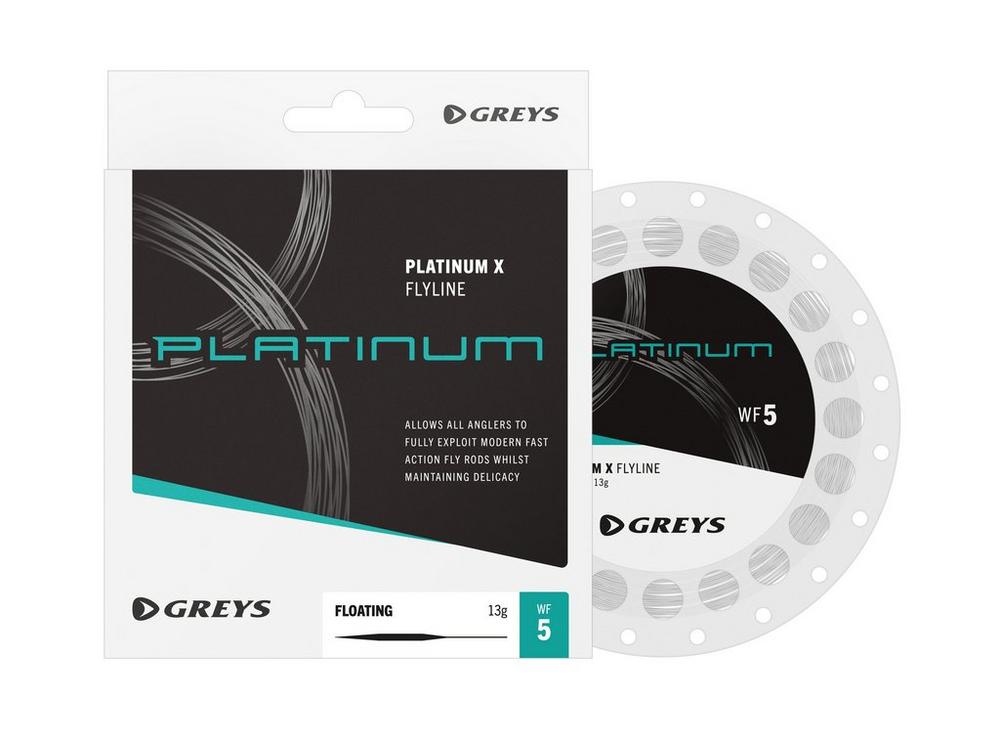
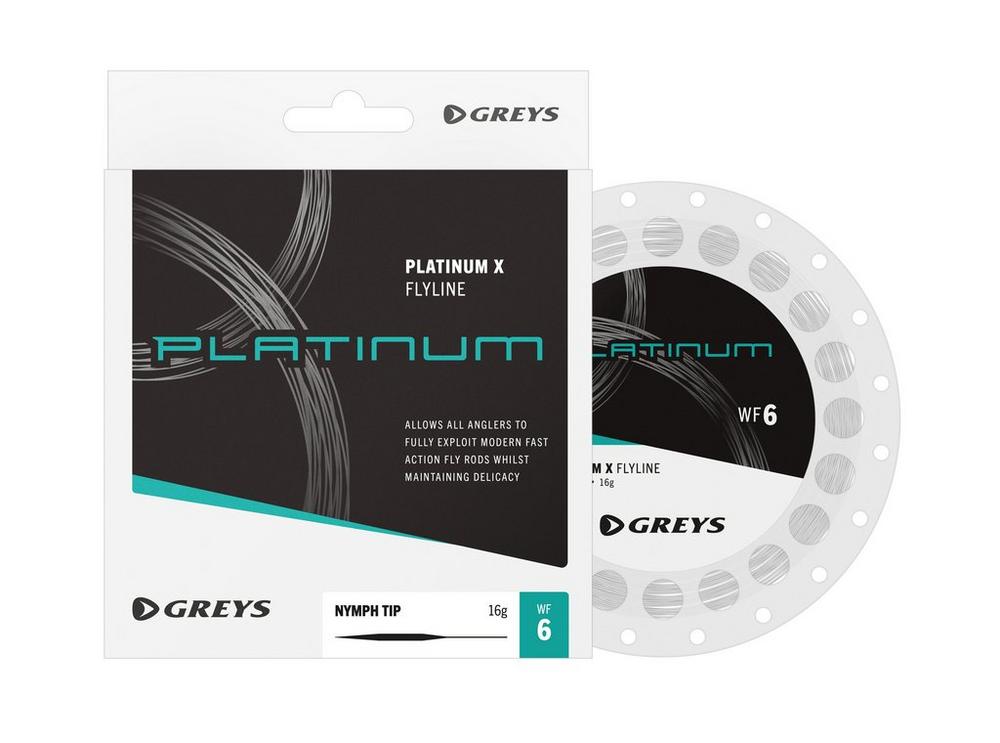
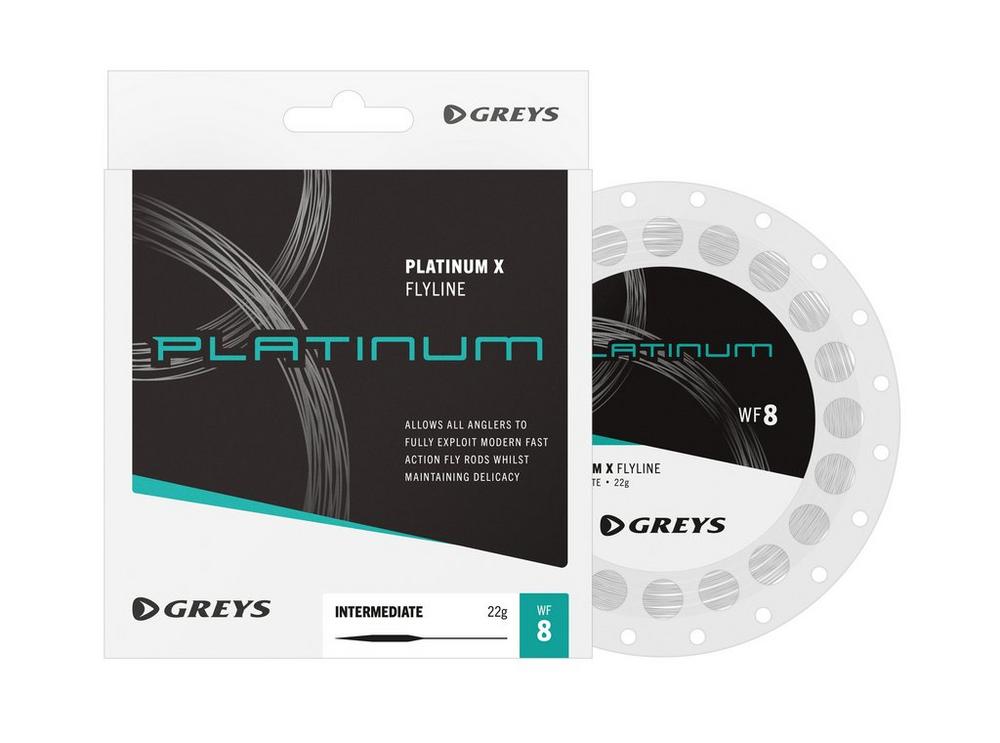
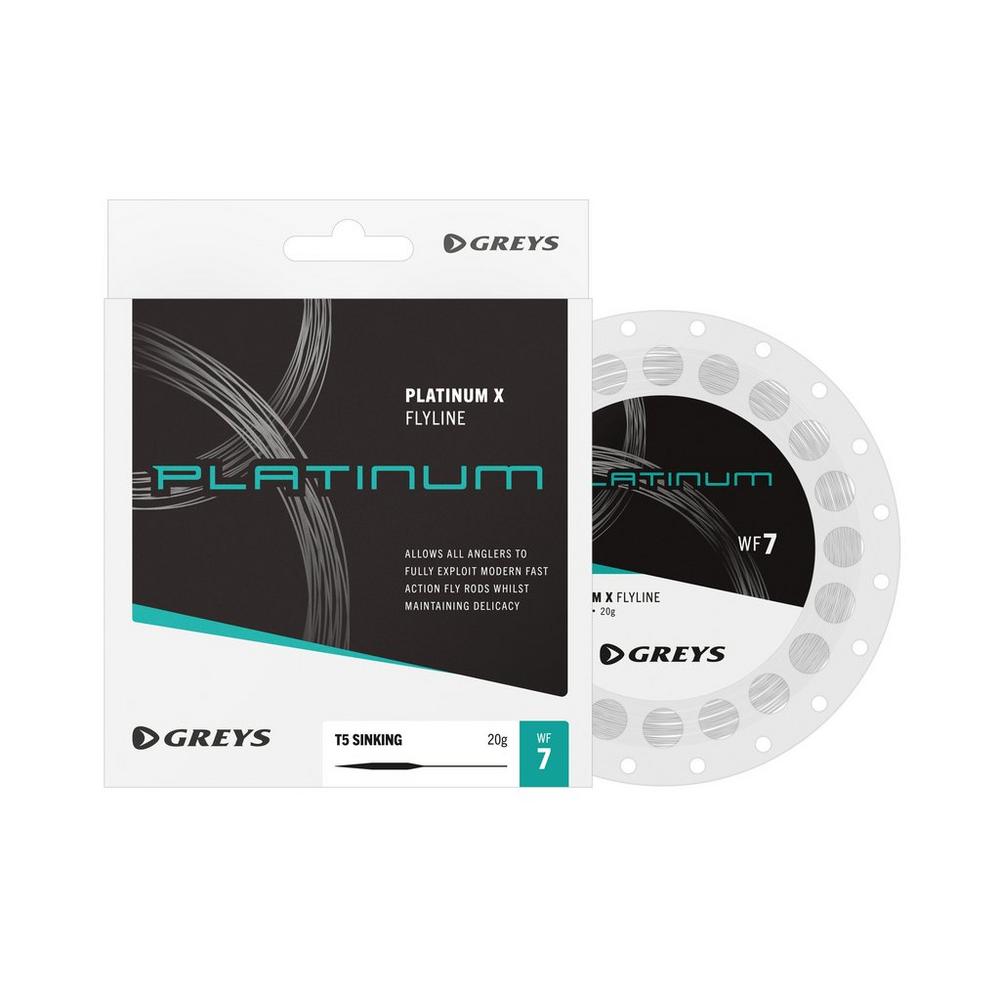
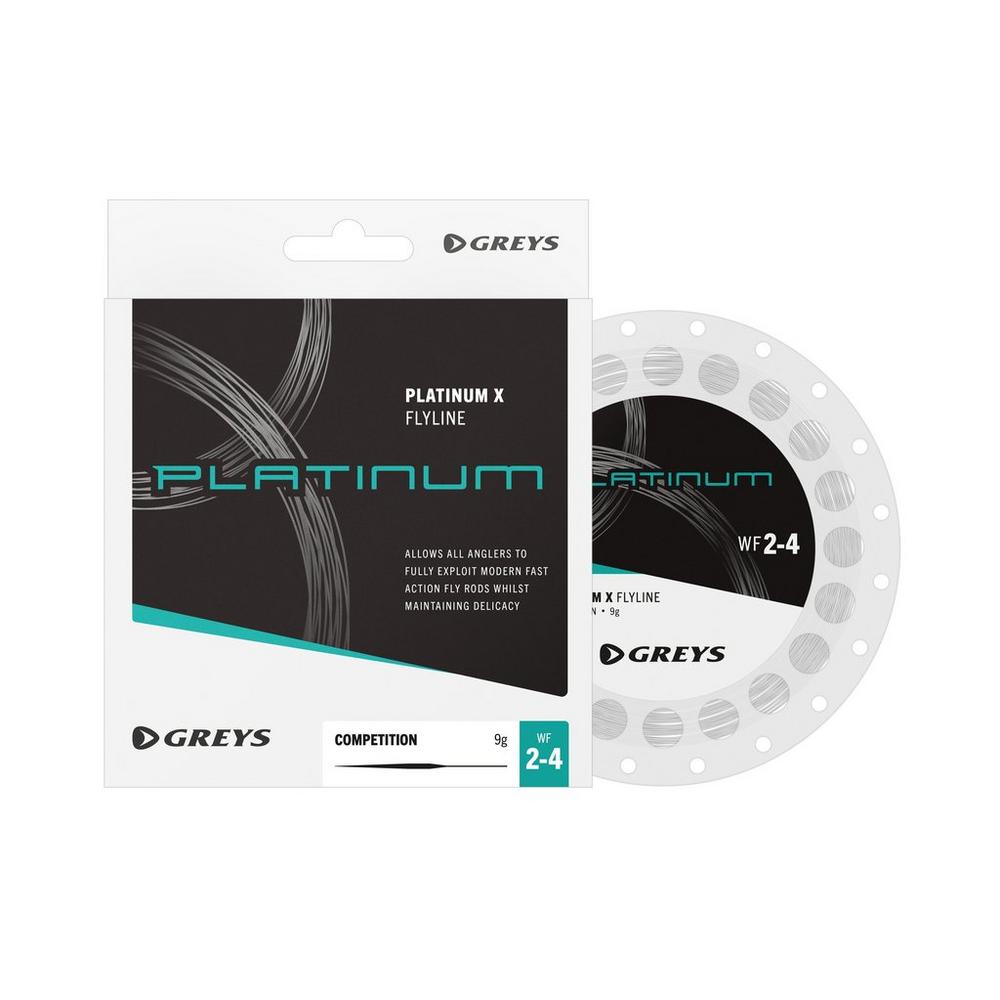
Fly line provides the mass that loads the rod and carries the leader and fly. The current collection is focused on Greys lines, including floating, intermediate, nymph-tip and several sinking densities. Each option controls a different part of the water column, so line weight and density must be selected before colour or price.
Floating line is a versatile starting point for dry flies, indicators and many river techniques. Intermediate line sinks slowly beneath surface disturbance, while faster sinking lines reach deeper stillwater or moving fish. Sink rates are product-specific; labels such as T3, T5 or T7 must be checked against the manufacturer's specification rather than treated as universal depth guarantees.
Browse all fishing lines, compare hooklength line for final rig sections, view fly line accessories, or consider fluorocarbon line where suitable leader or tippet material is required.
Match line weight, taper and density
Start with the rating printed on the fly rod. A correctly matched line helps the blank load through the intended casting stroke. Head length and taper affect turnover, roll casting, distance and presentation. Large or wind-resistant flies may require more deliberate turnover than small dry flies, even within the same nominal line rating.
Check the reel's capacity for the full line plus backing. A balanced fly reel should hold the system without crowding the spool. Follow the marked front and back ends, make smooth connections and confirm that knots or loops pass through the guides without catching.
Select density around the water and retrieve. A fast sinking line can pass below feeding fish, while a floating line may struggle in deep wind. Carrying alternative densities is useful, but change only when the presentation requires it. The fly fishing guide for beginners explains the complete setup.
Clean, store and inspect fly line
Stretch and clean the line only as the manufacturer recommends. Dirt and damaged coatings reduce shooting performance and can wear guides. Inspect loops, welded connections and the first metres regularly, especially after stepping on the line or pulling it through vegetation.
Rinse after saltwater use, dry before winding tightly for storage and avoid heat or direct sunlight. Replace line with cracked coating, exposed core or unreliable loops. Collect backing, leader and line offcuts securely so they cannot entangle wildlife.