
Side Cutters
3 products
Showing 1 - 3 of 3 products
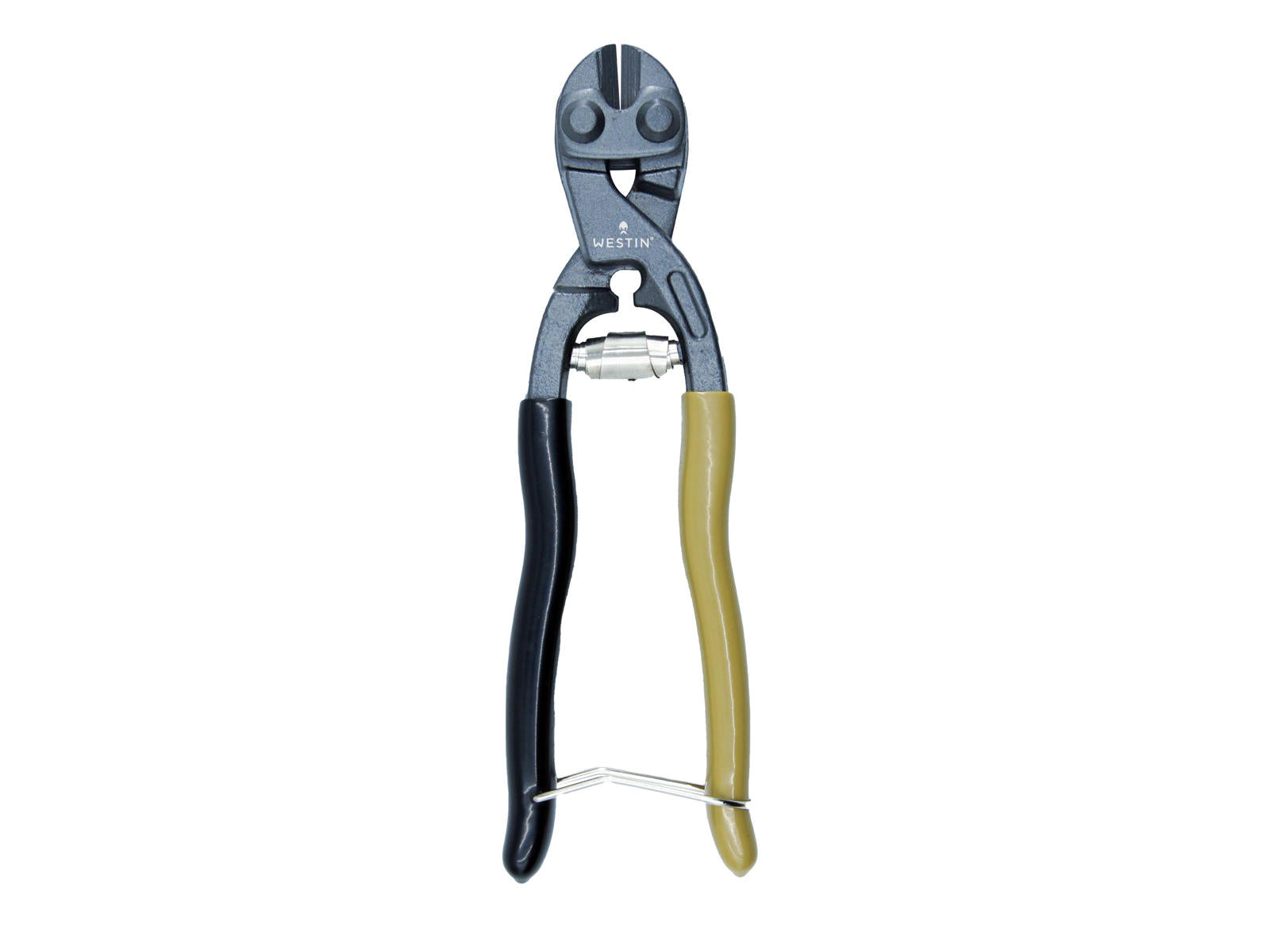
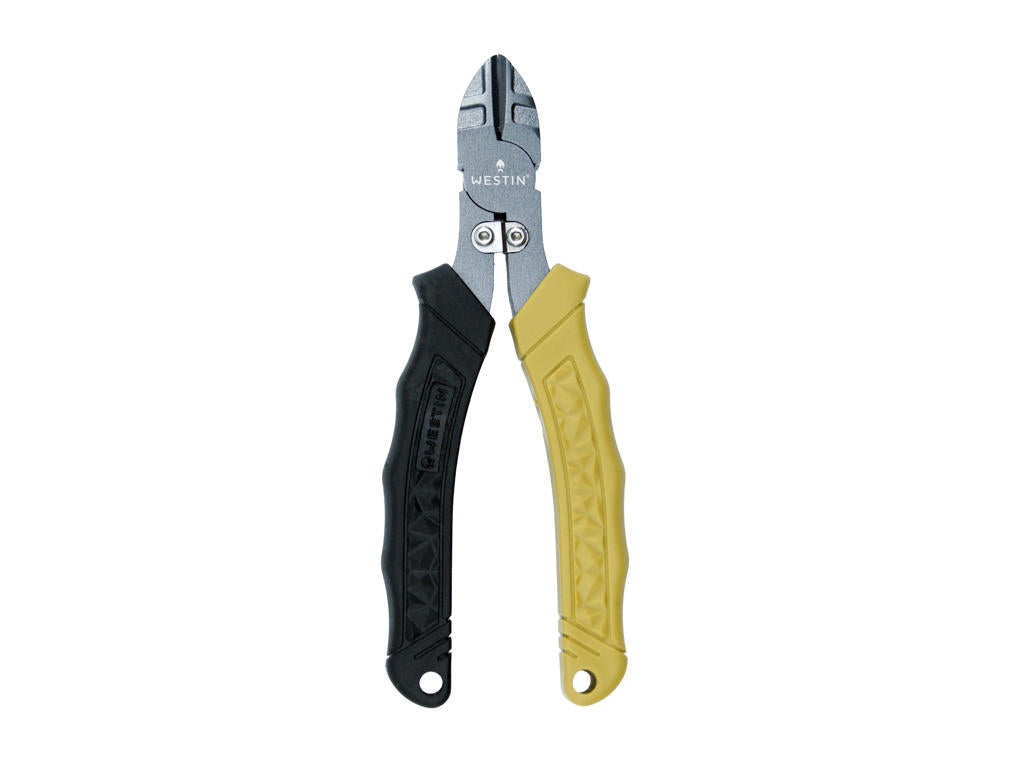
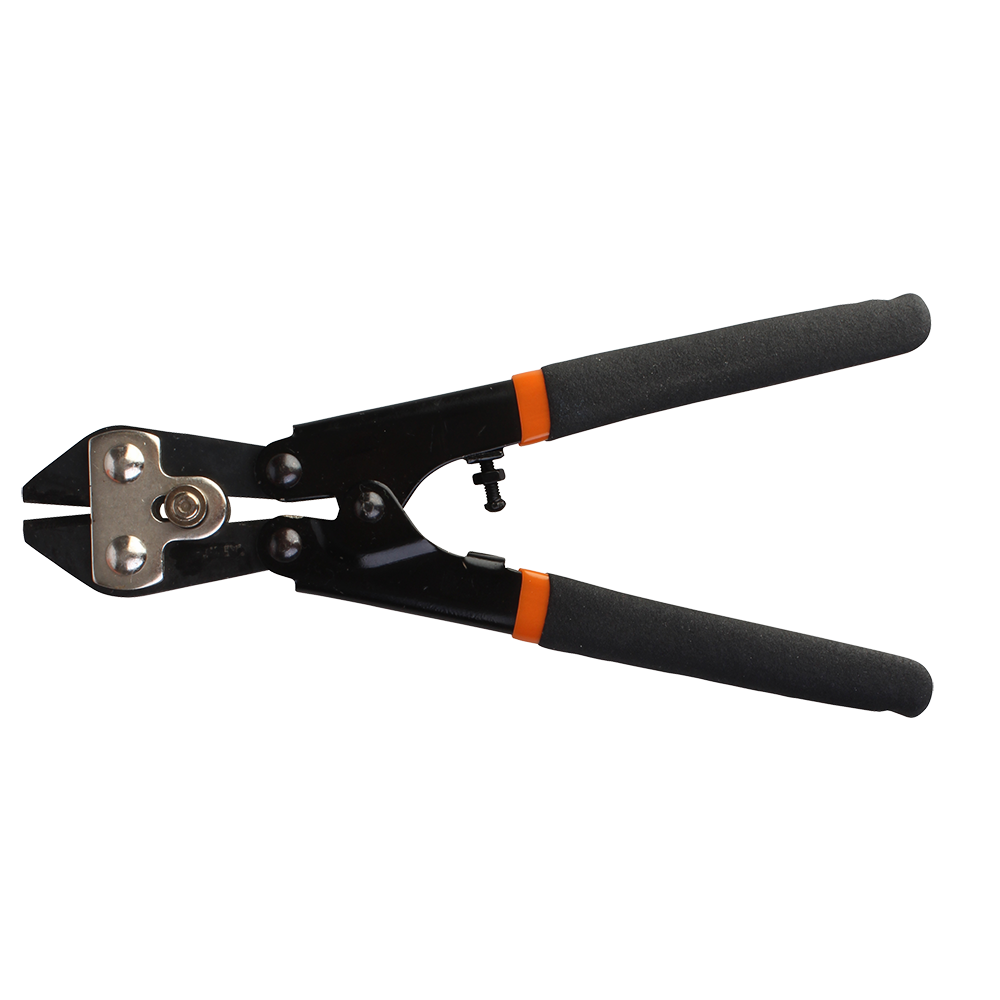
Explore side cutters for cutting compatible hooks, trace wire, leaders and terminal components during fishing and emergency unhooking in Ireland. Compare jaw material, cutting capacity, leverage, overall length, spring, handle grip, sheath and corrosion resistance around the exact material. Choose cutters with a verified rating, wear eye protection and control both cut ends before applying force.
Recently viewed
Side cutters for wire, hooks and emergency rig work
Side cutters use opposed cutting jaws to sever compatible wire, hooks and terminal components. They can be essential when a hook must be cut during difficult unhooking, but capacity varies widely. A tool intended for fine trace wire may be damaged by a hardened hook or heavy leader.
Jaw material, bevel, pivot and handle length determine cutting performance. Greater leverage reduces hand force but increases tool size. Spring-assisted handles reopen automatically, while a lock keeps jaws closed in storage. Every feature must remain reliable when wet, cold or contaminated with grit.
Browse all fishing tools, compare bait-focused chopped-worm scissors, maintain points with a hook sharpener, or use fishing scissors for suitable line and rig materials.
Choose cutters by material and capacity
Check the stated maximum diameter and material before cutting. Hardened hooks, cable and titanium or steel trace can require different tools. Never test capacity on a live rig under uncontrolled tension, and do not twist the jaws sideways to finish an incomplete cut.
For emergency hook cutting, secure the fish and free hook, cover or control the fragment and wear eye protection. Position the jaws squarely and keep people away from the expected direction of release. Replace the remaining hook and terminal parts after the incident.
Handles should provide a non-slip grip and enough leverage without forcing the wrist into an unsafe position. A sheath and lanyard keep the tool accessible, provided they cannot interfere with landing, unhooking or boat equipment.
Inspect cutting edges before every session
Rinse suitable cutters after saltwater use, dry the pivot and apply an appropriate lubricant. Check jaws for chips, gaps, rolling or corrosion and test them on a safe offcut of rated material before relying on them.
Store the cutters locked in a sheath, keep them away from children and dispose of sharp fragments securely. Do not repair cracked handles or seriously damaged jaws for further high-force use. Practise opening the lock and positioning the jaws before an emergency, because speed should never replace controlled placement and clear visibility at night.