Fishing base layers for moisture and warmth
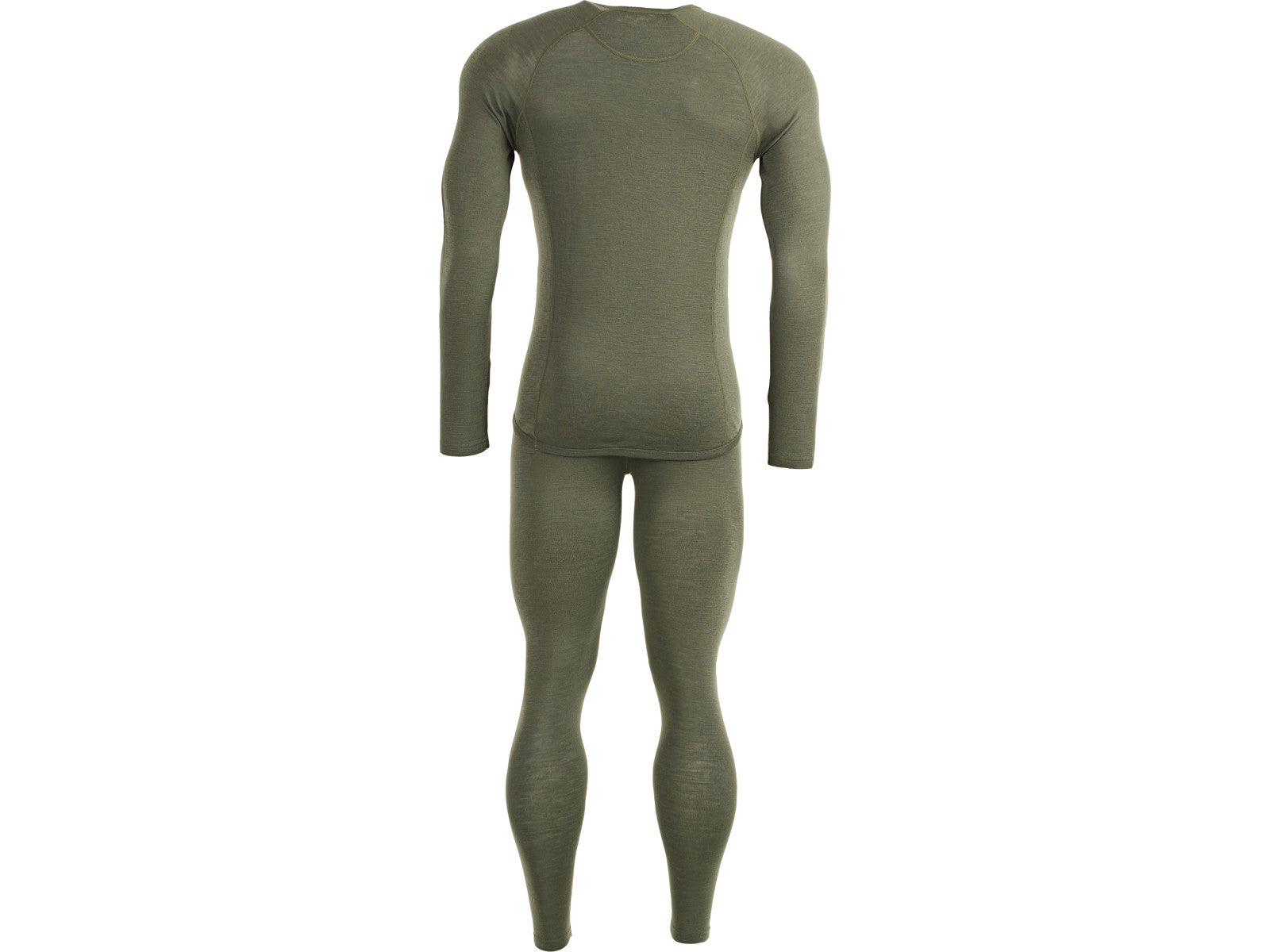
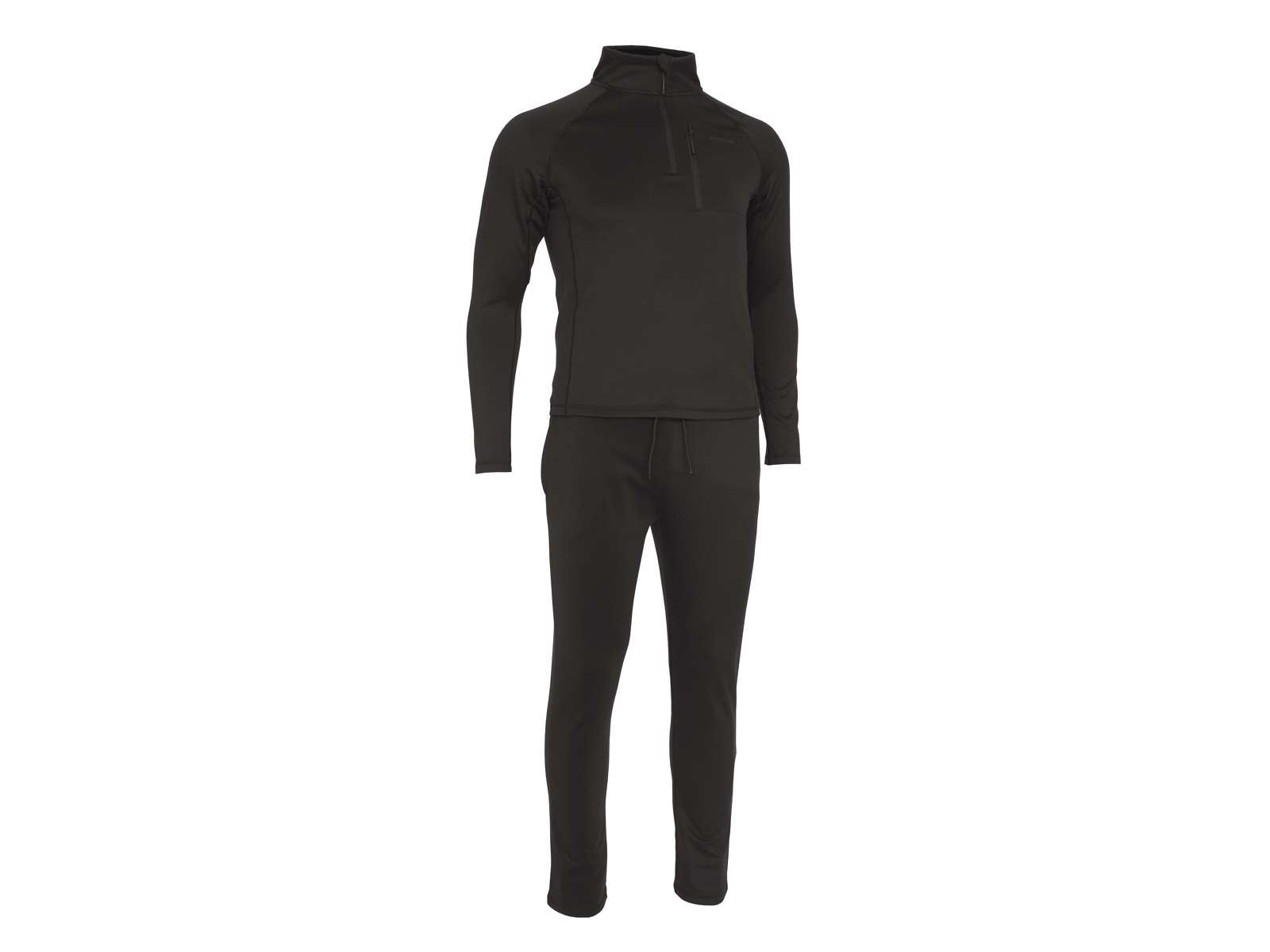
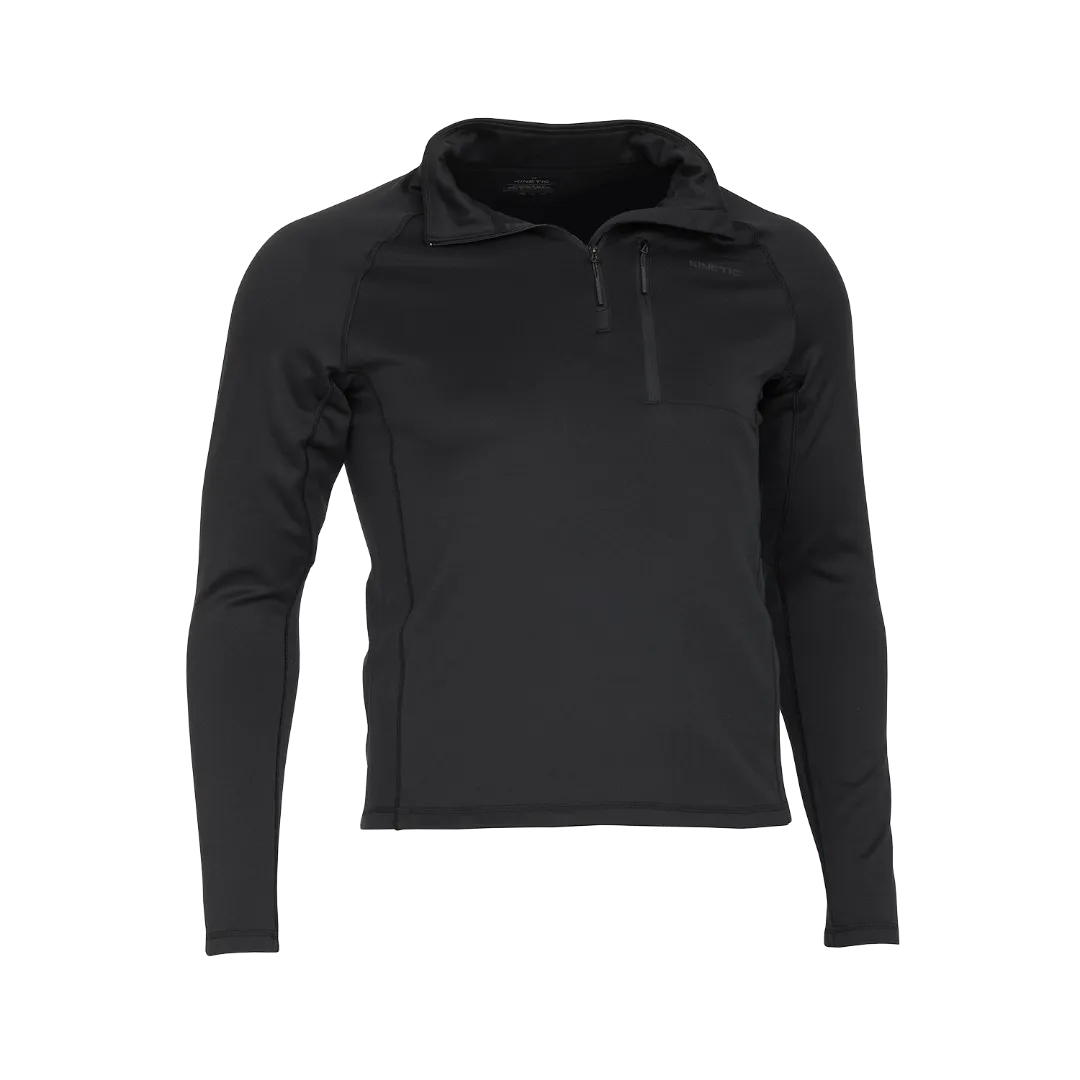
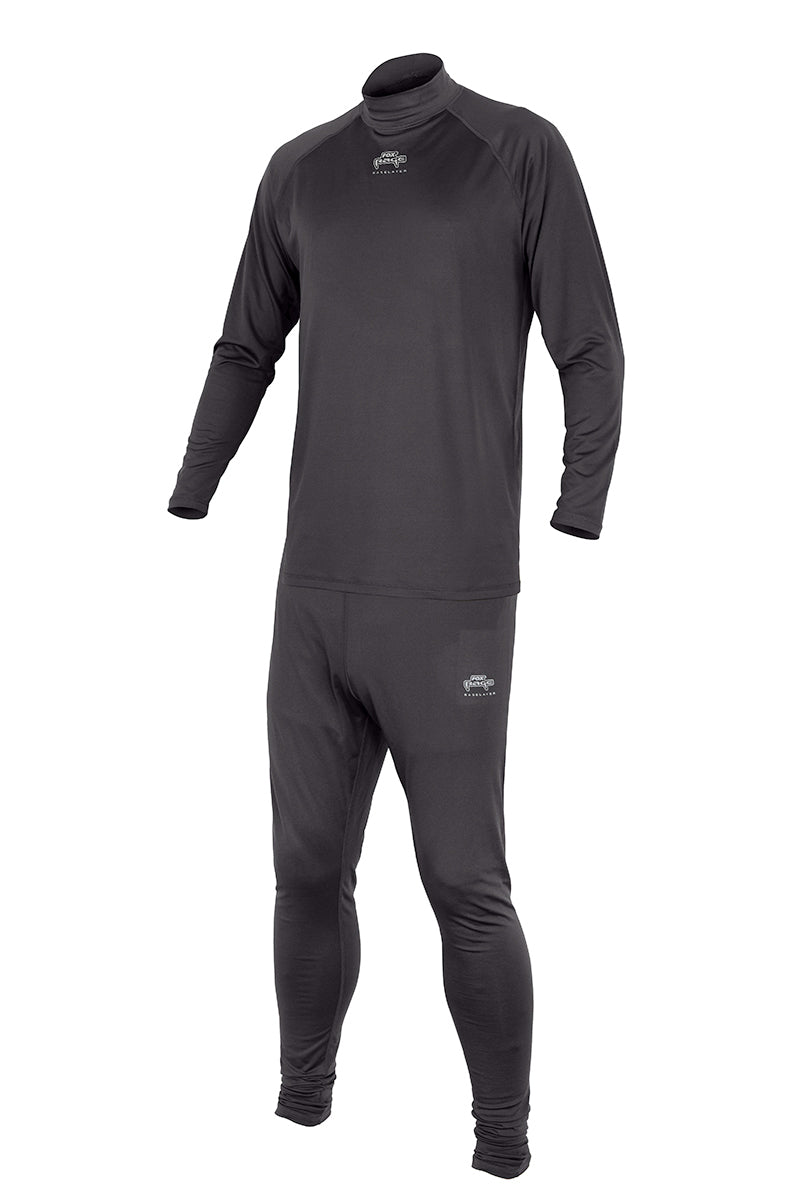
A base layer sits next to the skin and helps move perspiration into the wider clothing system. Lightweight fabrics suit active or mild sessions, while heavier thermal layers retain more warmth. Performance depends on activity, insulation above and the ability of outer garments to release moisture.
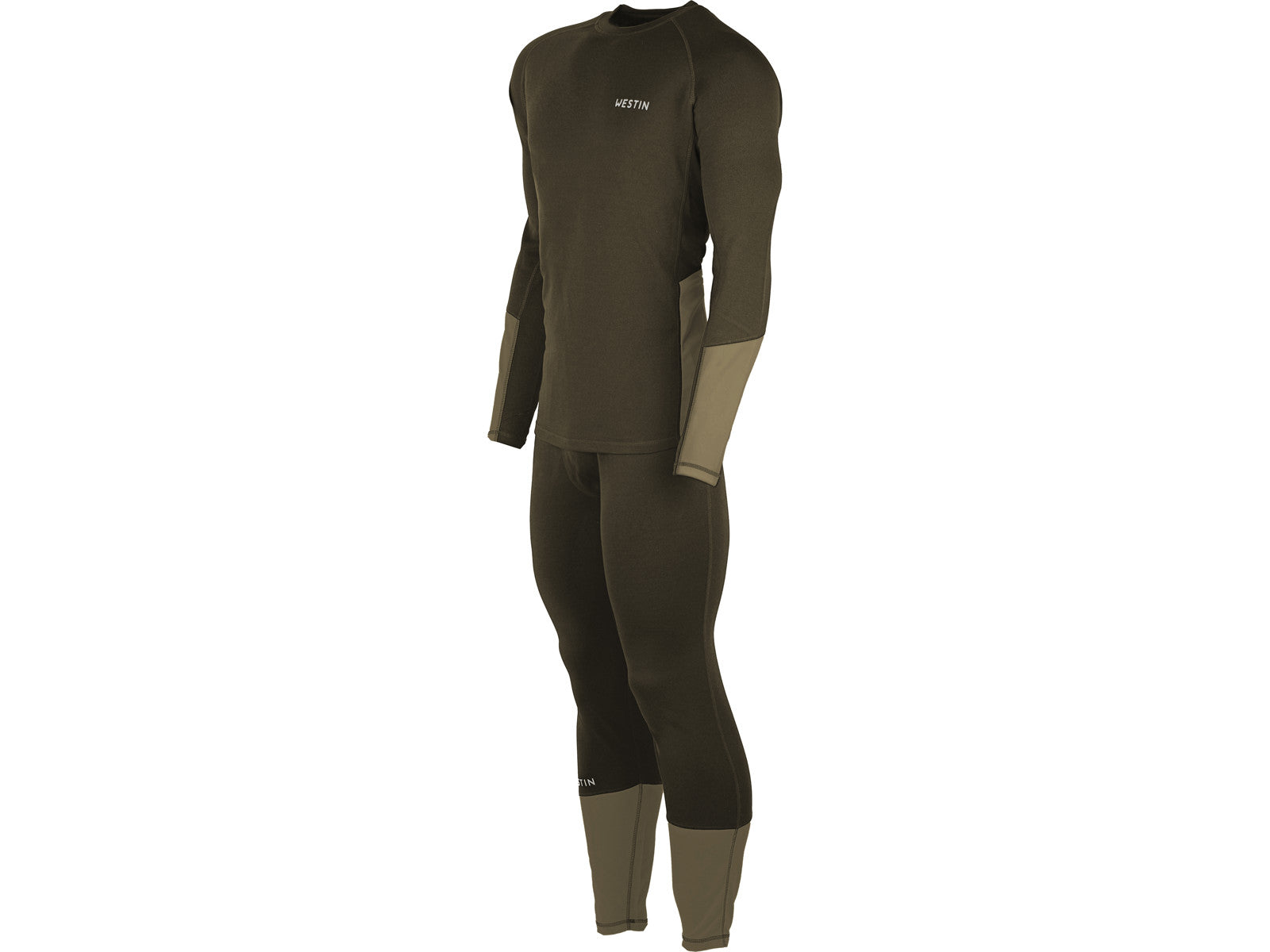
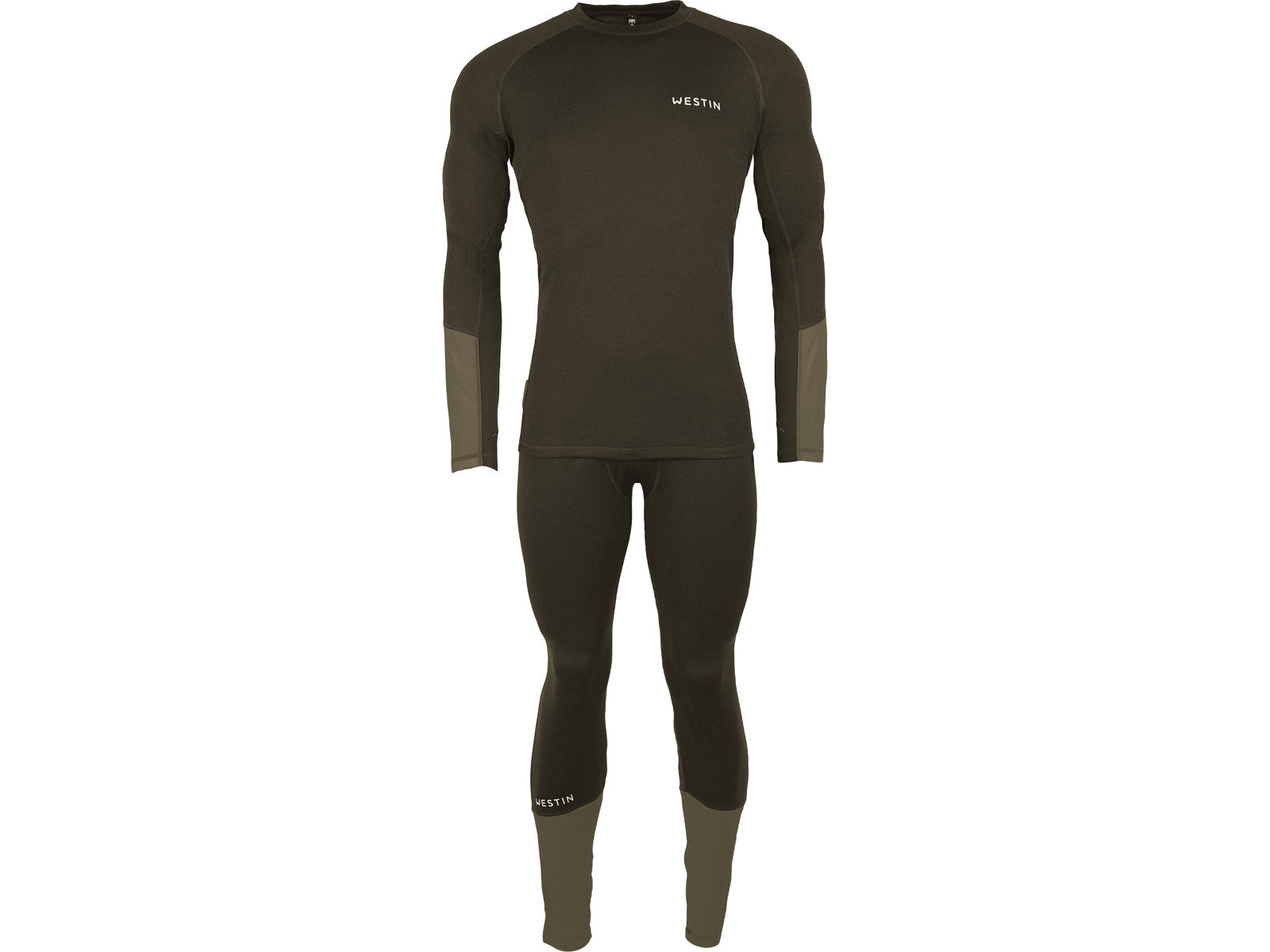
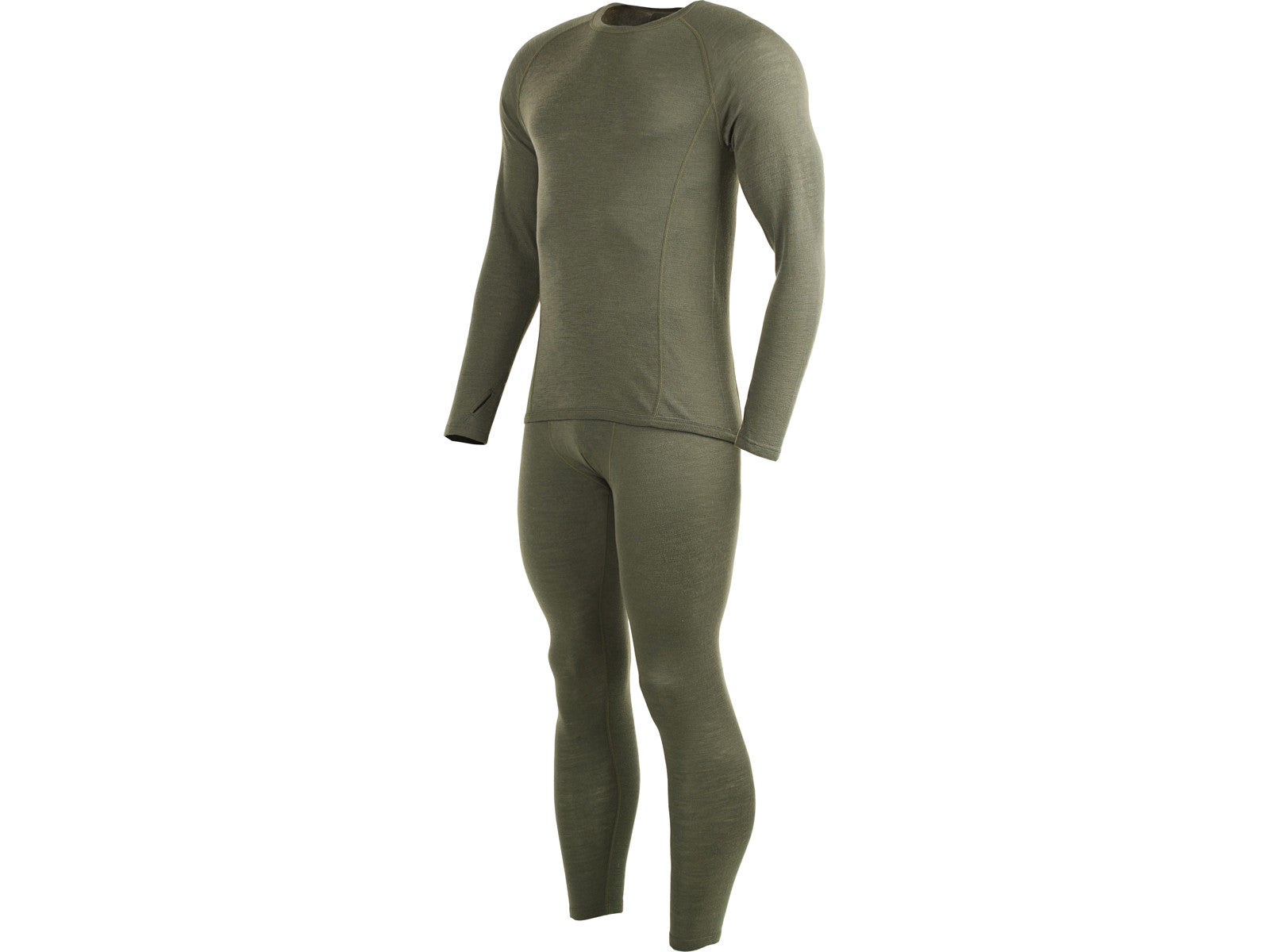
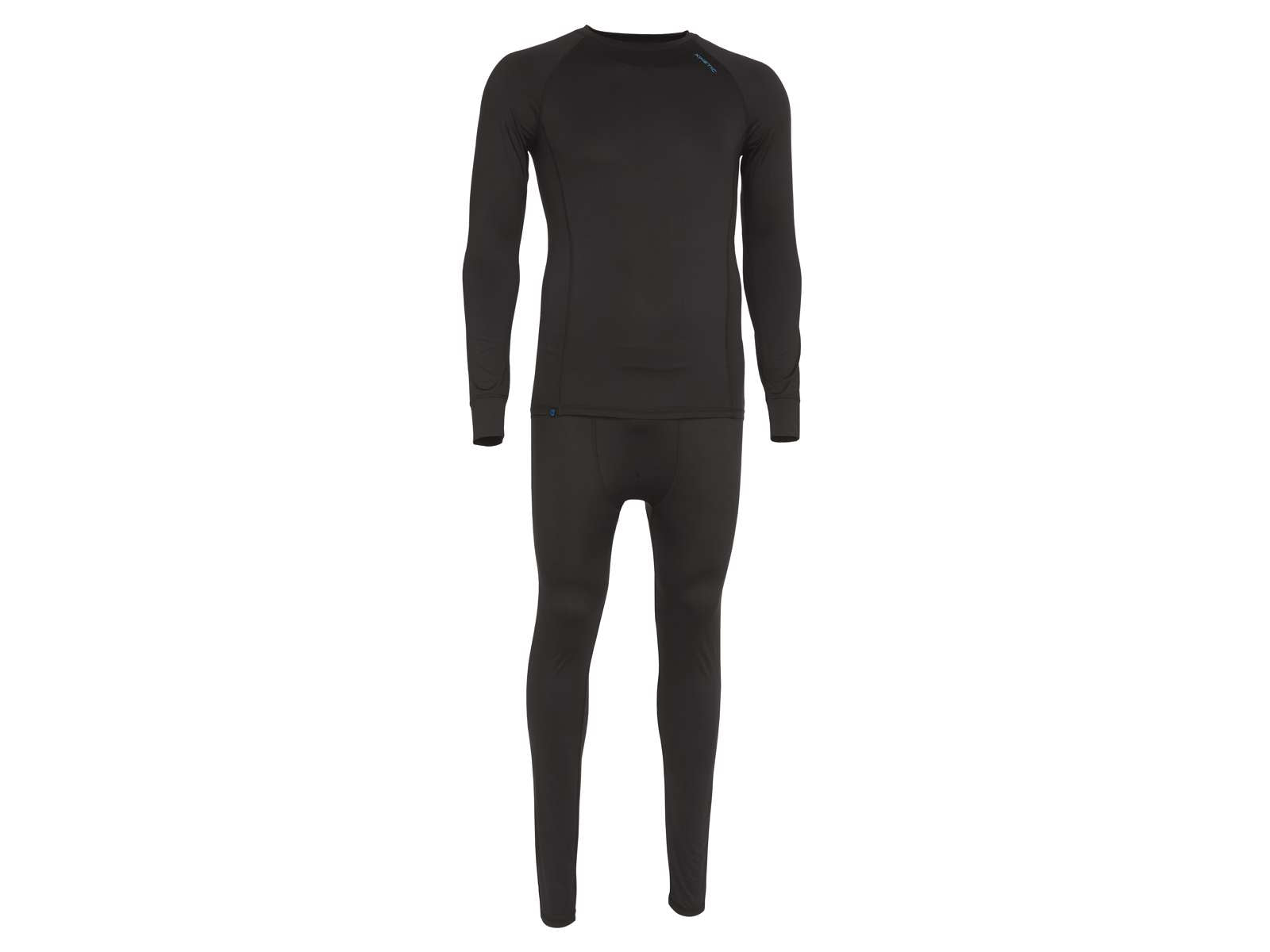
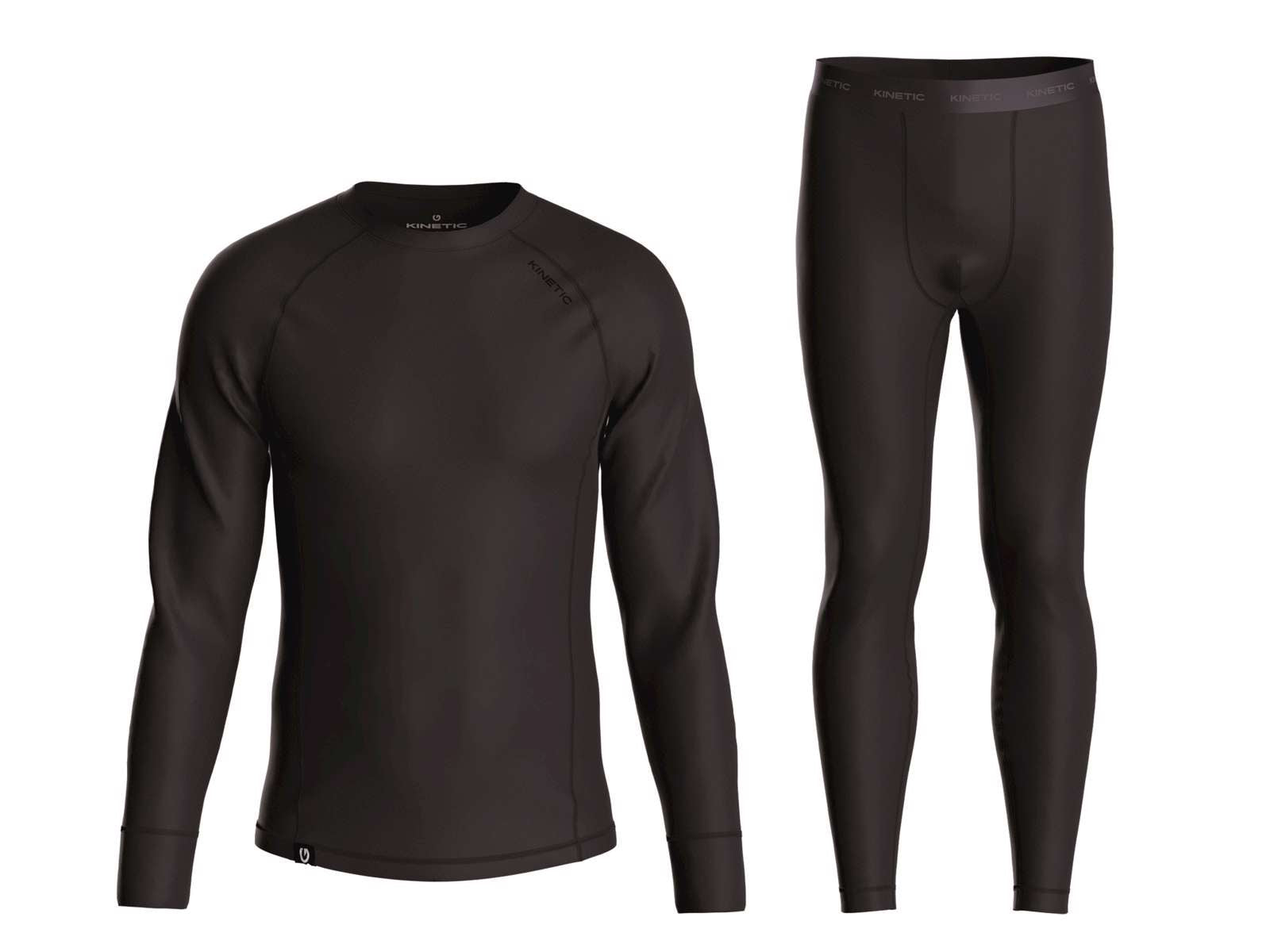
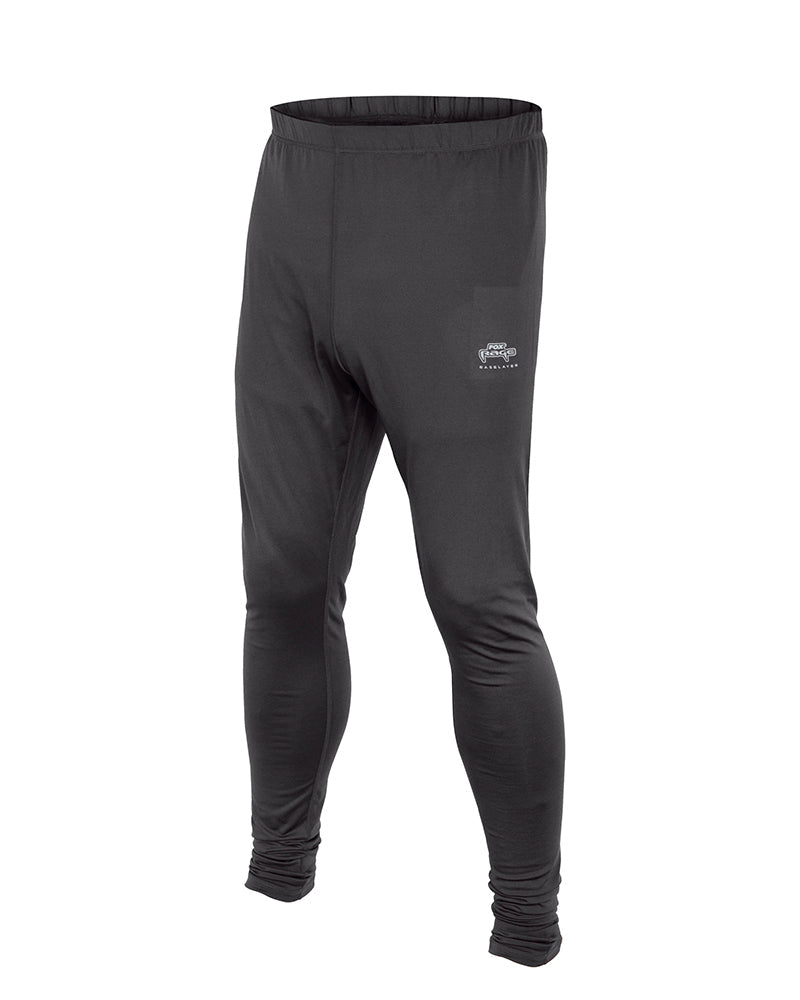
Base layers should fit close enough to manage moisture without restricting circulation or movement. Loose folds can rub under braces and waders, while excessive compression may feel uncomfortable during long periods of sitting. Flat seams and longer hems can reduce pressure and gaps beneath outerwear.
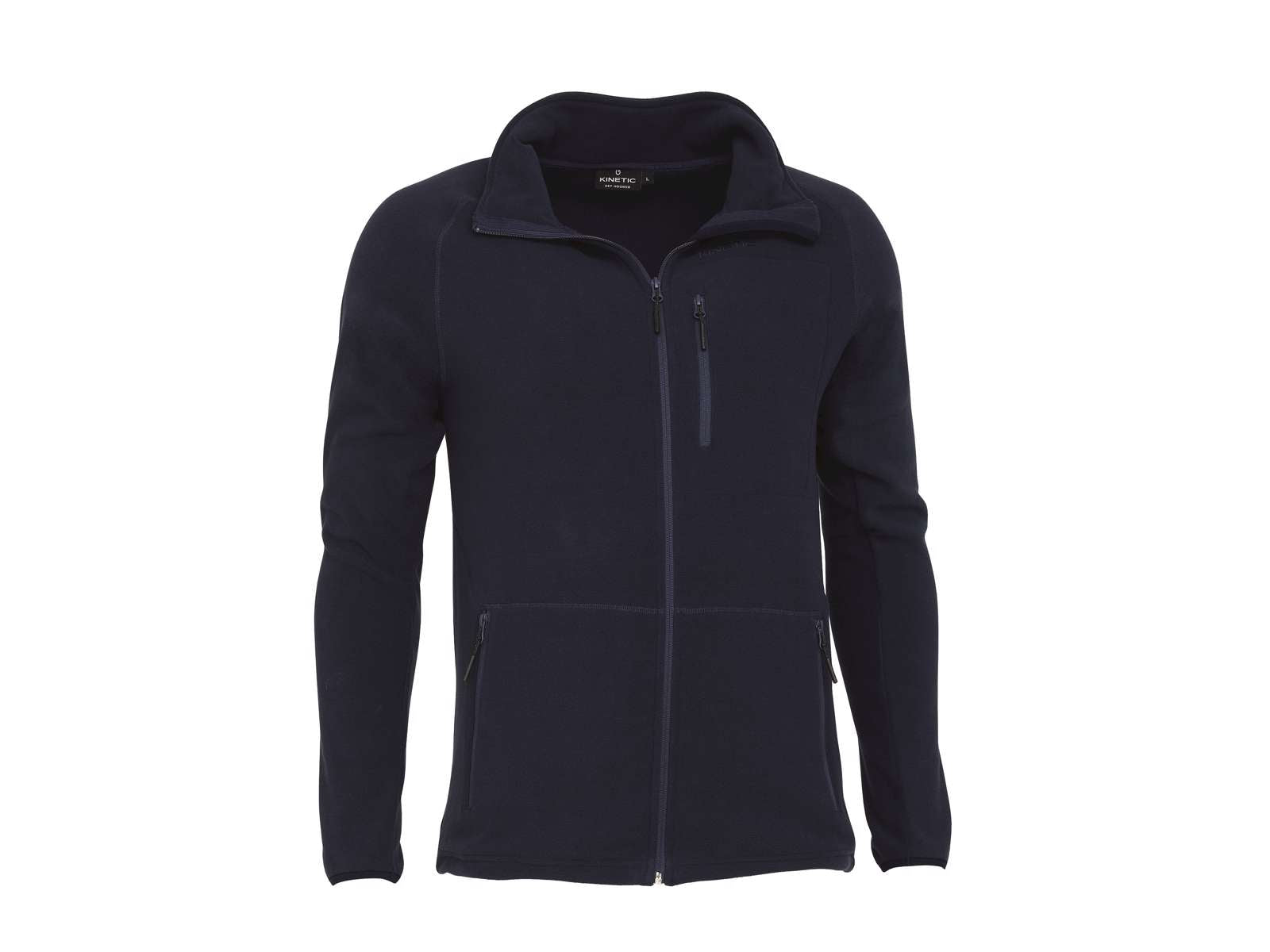
Browse the parent fishing clothing range, add adaptable fishing vests, protective jackets and compatible trousers. Complete fishing suits can provide matched outer protection, while waders require layers that suit water temperature and activity.
Choose weight, fabric and fit
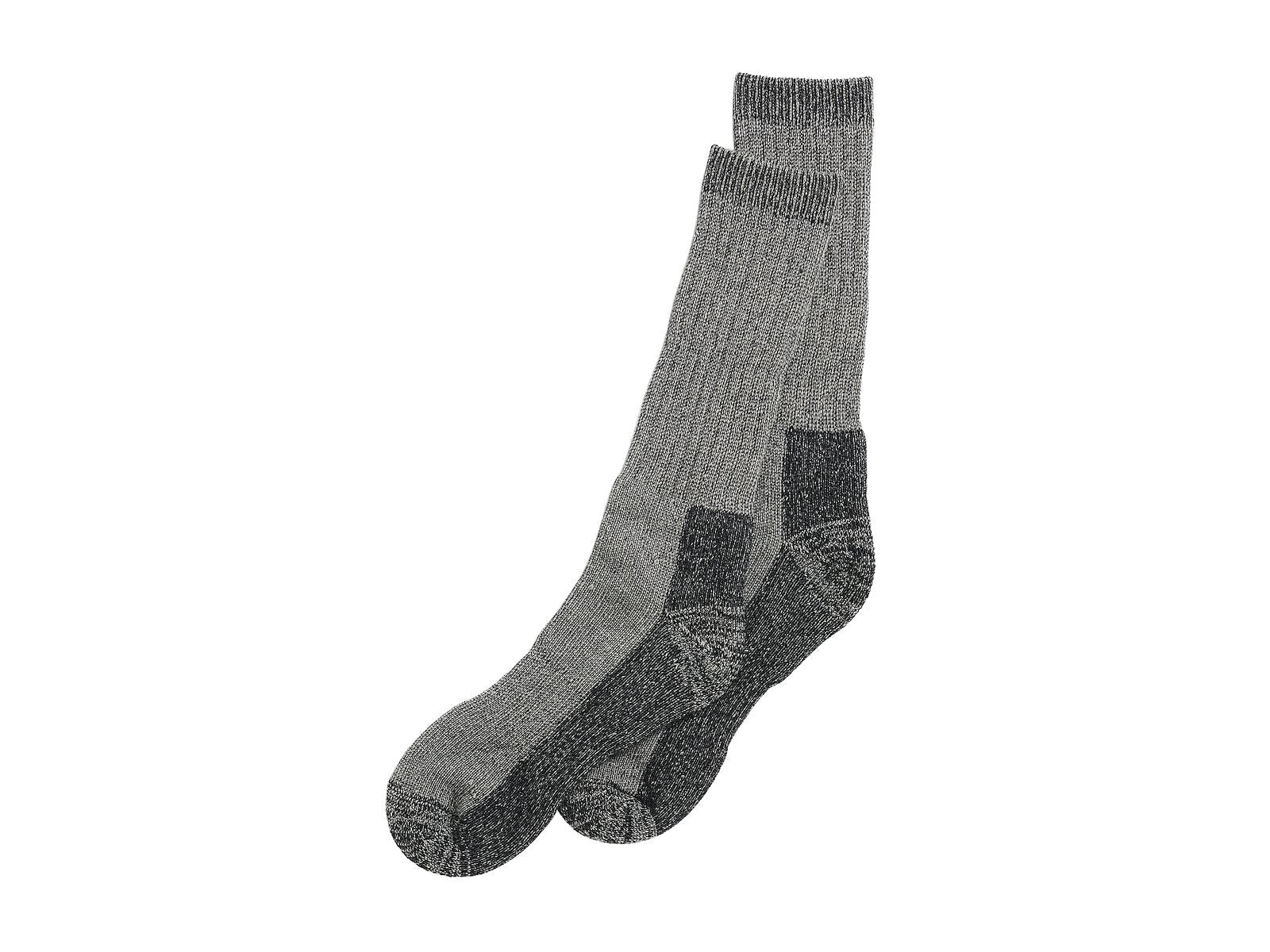
Compare lightweight, midweight and thermal options by the product description rather than assuming thickness equals warmth. Synthetic fibres, wool blends and other materials differ in drying time, odour control and skin feel. Check allergies, fibre content and washing requirements before ordering.
Use chest, waist, hip and inseam measurements from the size chart. Test reach, crouching and high steps with the intended mid and outer layers. Tops should remain tucked or overlapped, and bottoms should not bunch inside boots or wader socks.
Change out of damp layers before the body cools. A dry spare stored in a sealed bag is important during long, remote or winter sessions. Base layers add comfort but do not replace waterproof outerwear, insulation or emergency preparation.
Pack a spare top and bottom separately in a dry bag so one damp garment does not compromise the entire clothing reserve.
Wash and store technical layers
Wash garments according to their care labels, using only permitted detergent. Fabric softener and high heat can reduce moisture management or damage fibres. Treat wool and delicate blends with their specified programme.
Dry each layer fully before storage, checking seams, cuffs and waistbands. Replace stretched or damaged garments that no longer fit smoothly. Store clean sets together so the correct top and bottom weight can be selected quickly.