Fishing scissors for line, rigs and bait
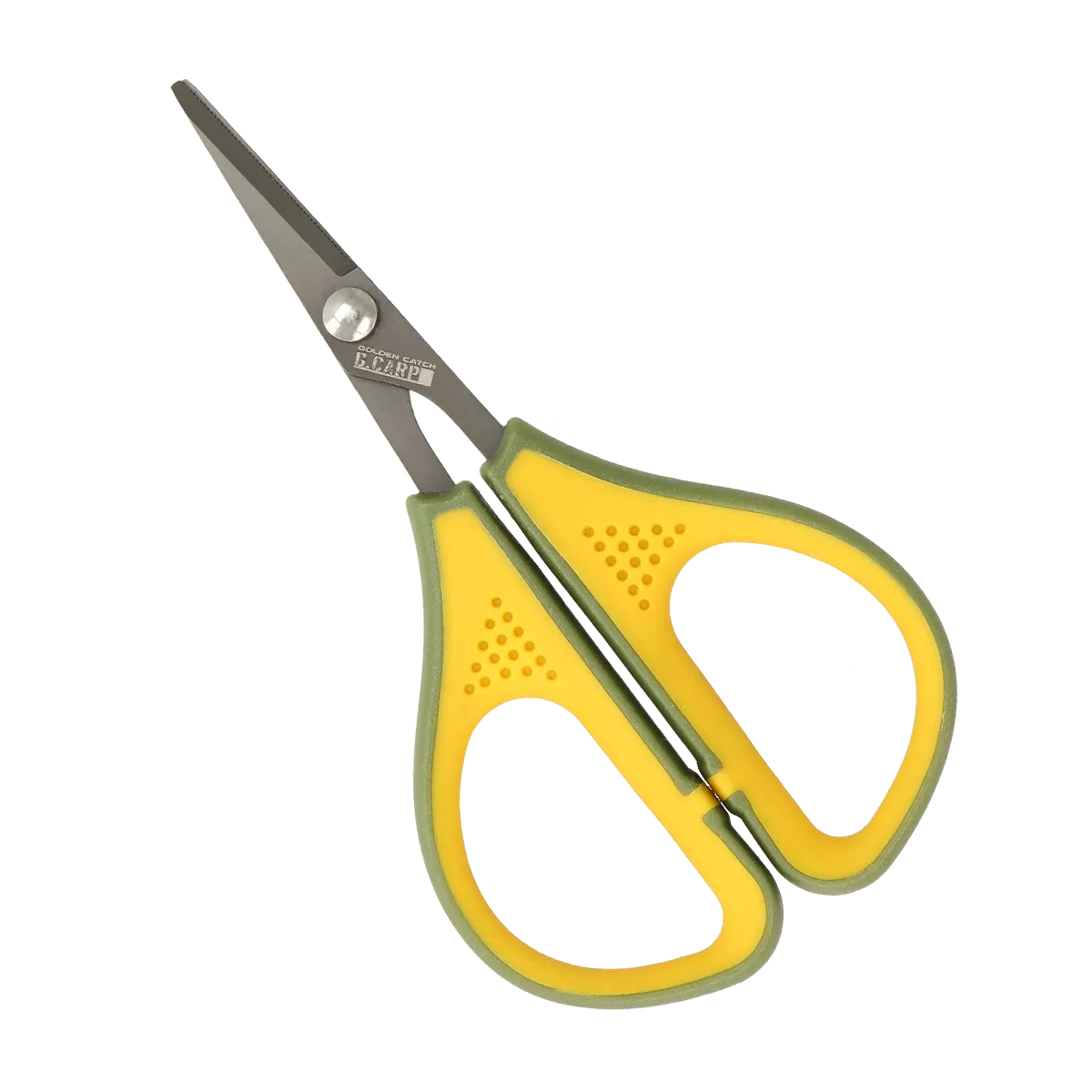
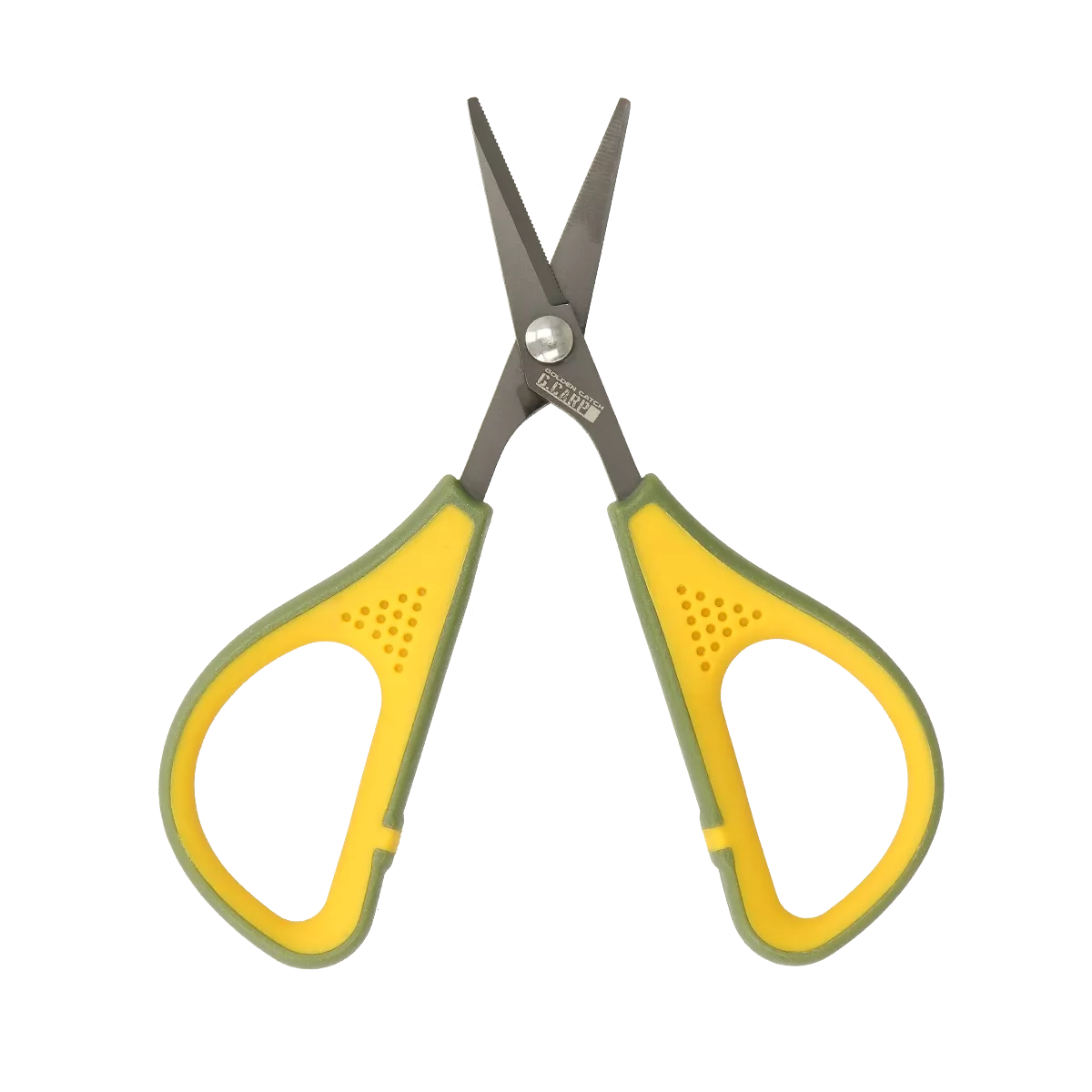
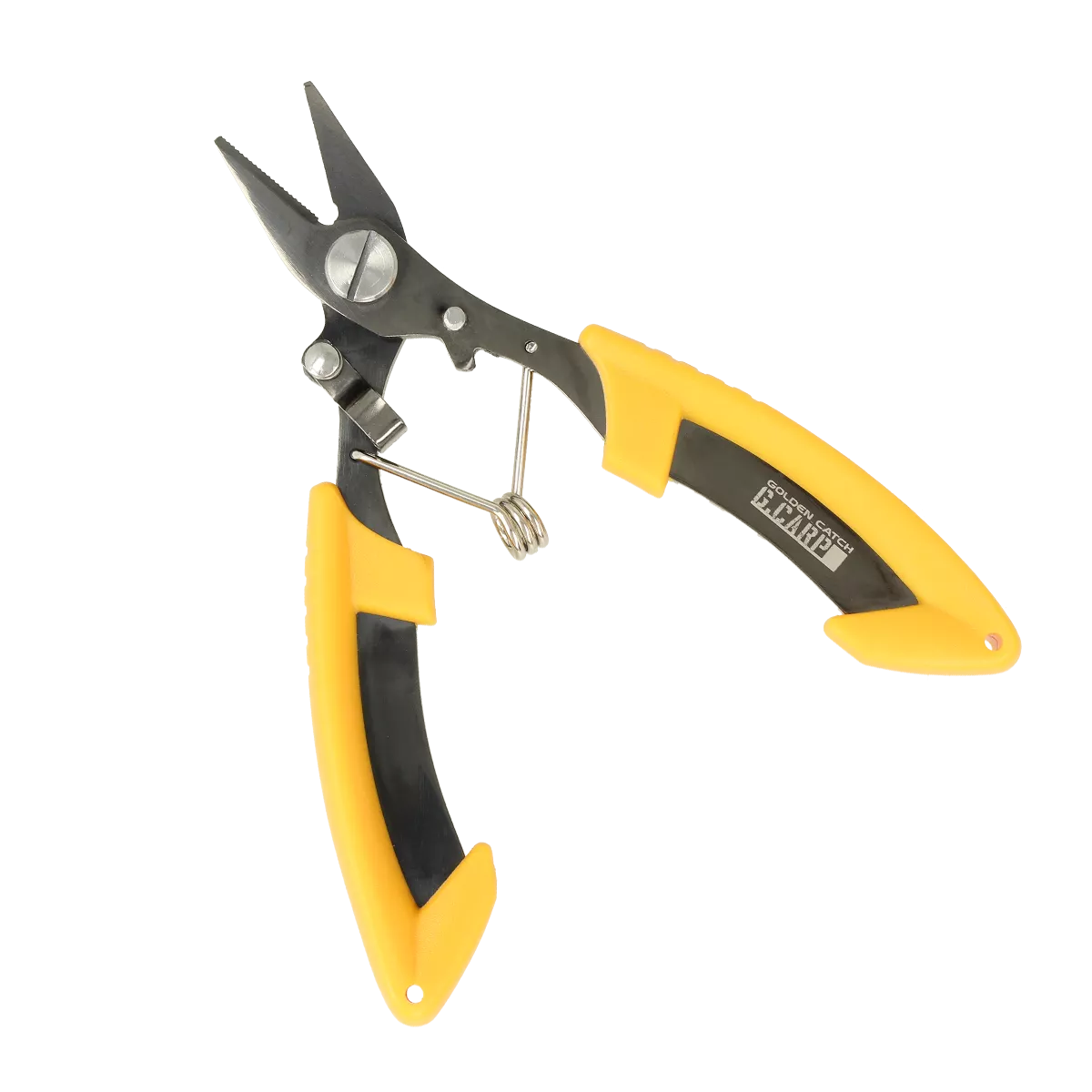
Fishing scissors provide controlled cuts for line, hooklengths, rig materials and suitable bait. Blade geometry must match the material. Fine monofilament can be cut by sharp plain edges, while braid often benefits from close-fitting serrated blades that grip fibres instead of pushing them away.
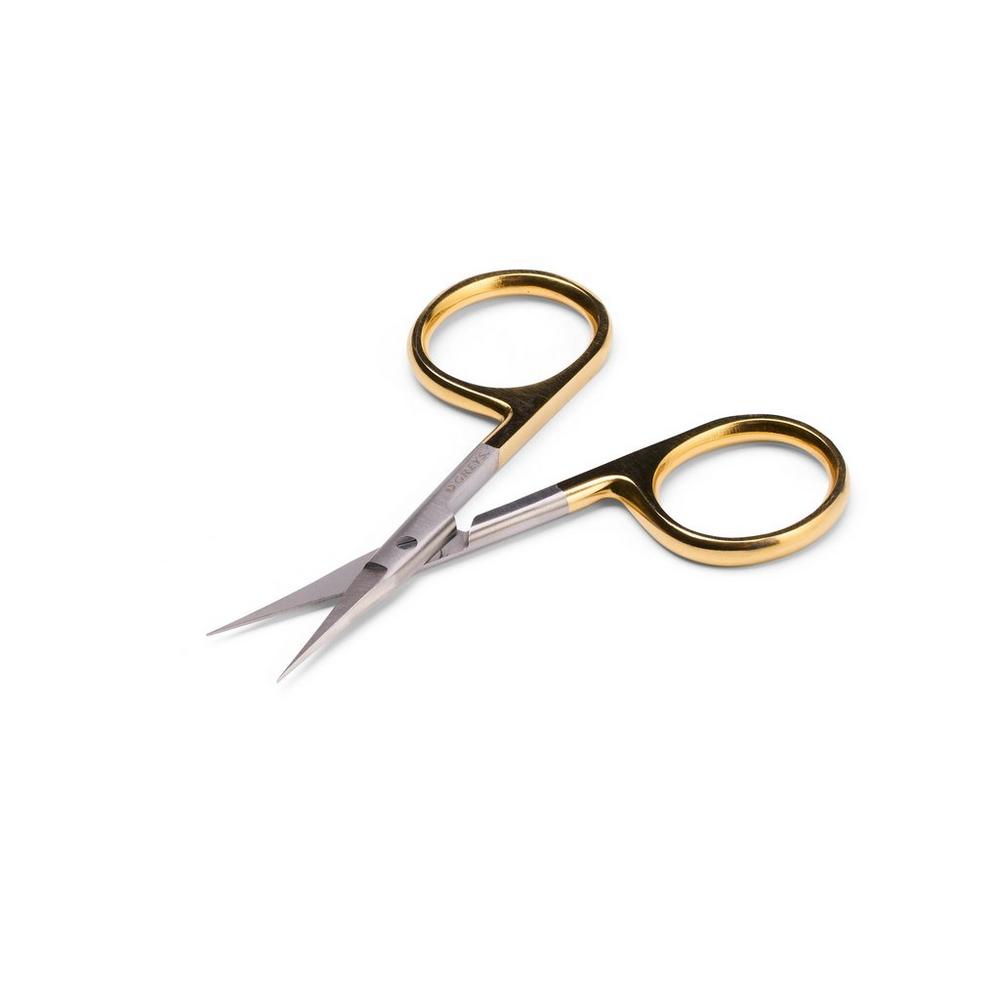
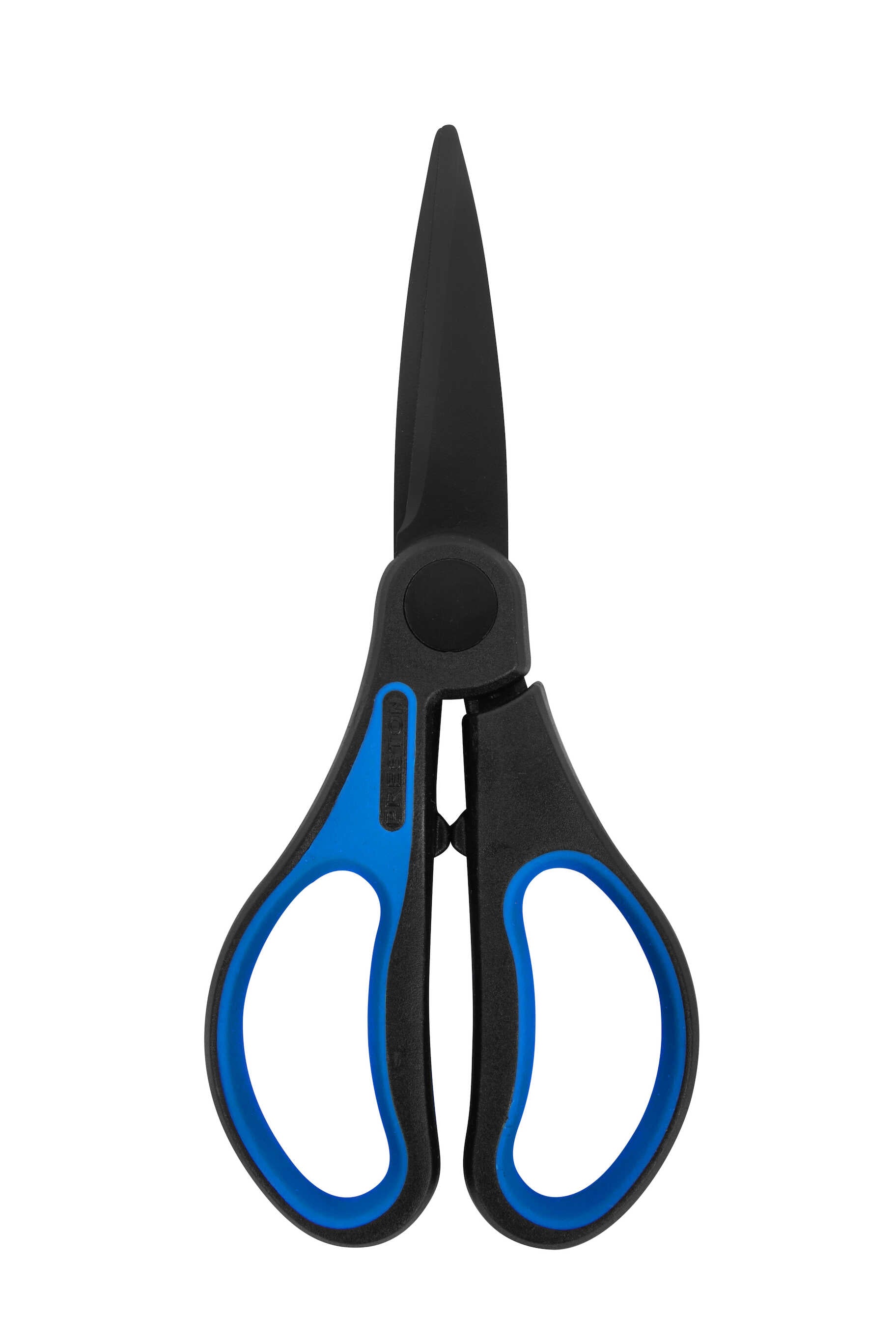
Short blades improve precision around knots, while longer blades handle broader material and bait preparation. Rounded points reduce accidental punctures; pointed tips reach tight rig work but require careful storage. Multi-purpose scissors should still be cleaned between bait and line tasks.
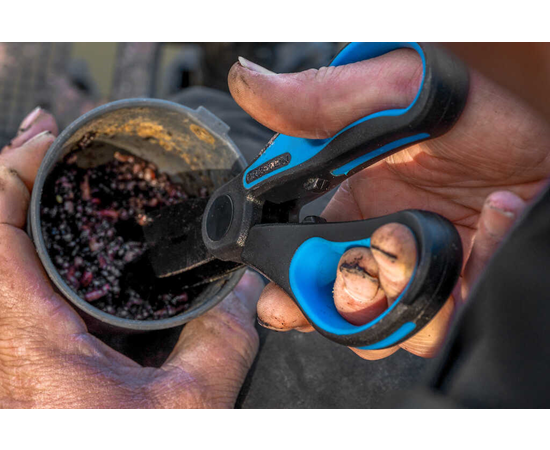
Browse all fishing tools, compare forceps for hook removal, use purpose-built chopped-worm scissors, or choose crimping pliers for compatible leader sleeves.
Choose blades for the material
Test scissors on a short offcut before tying the final rig. The cut should be clean, with no flattened monofilament or frayed braid. Do not use fine scissors on hooks, heavy wire or hard plastic. Those materials need cutters rated for the load.
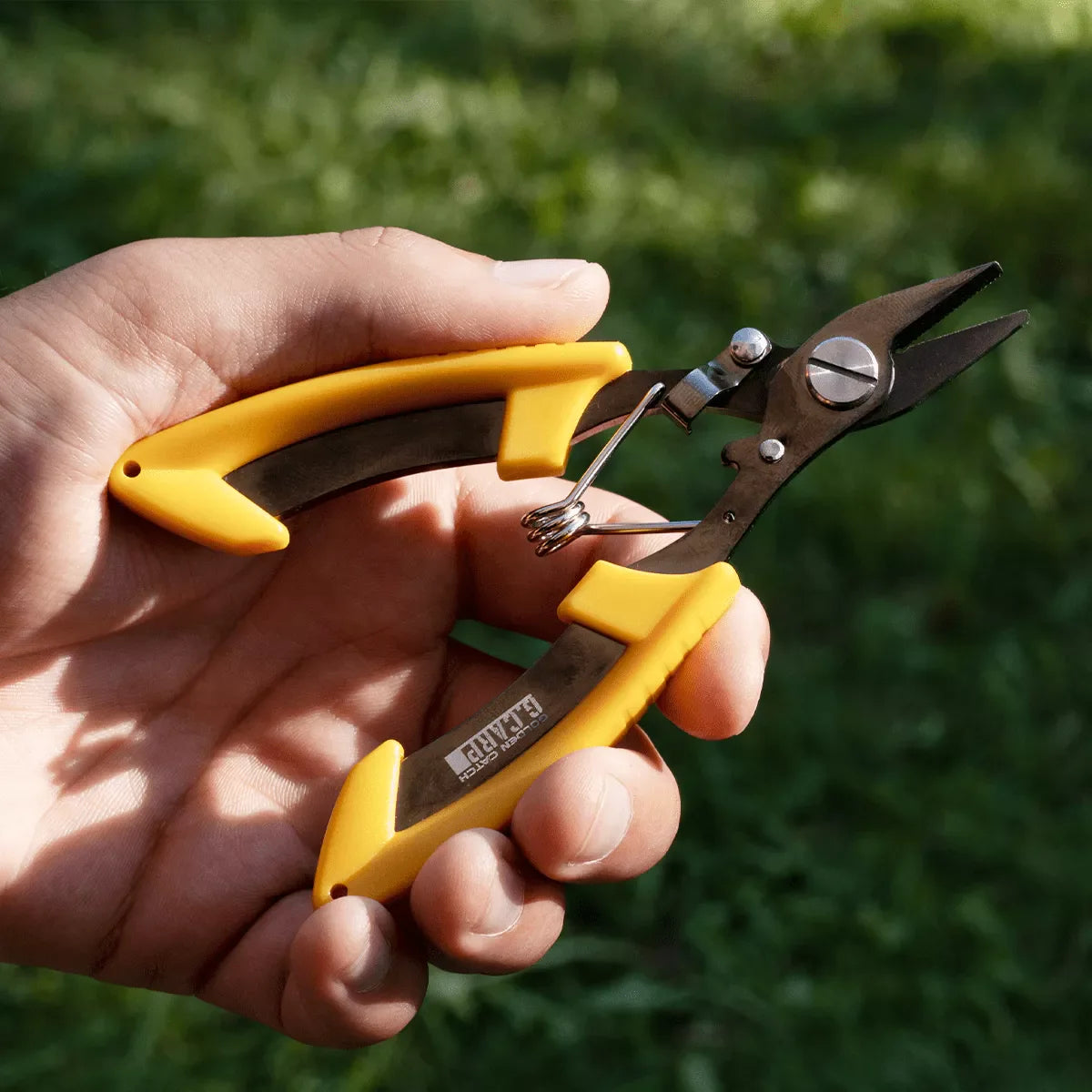
Handle loops must fit securely with wet or cold hands without forcing the fingers. Spring-assisted designs can speed repeated cuts, while conventional pivots offer simple control. Check that blades meet along their length and do not wobble sideways.
When trimming knots, leave the correct tag length and keep the blades away from the main knot. Cut bait on a stable washable surface and avoid contaminating rig materials with salt, oil or residue that could affect knots or PVA.
Clean, dry and protect the edges
Rinse suitable scissors after bait or saltwater use, dry the pivot and blades and apply an appropriate lubricant. Remove fibres carefully and replace scissors with nicked edges, loose pivots, cracked handles or corrosion that affects the cut.
Store them closed in a sheath or rigid compartment, never loose among hooks. Keep them away from children, use a lanyard only where it cannot tangle and dispose of damaged blades safely. Reserve one pair for clean rig work and another for bait whenever possible. This protects cutting performance, reduces contamination and makes wear easier to identify. Label both pairs clearly before storage and safe transport.