Fishing sleeping bags for longer bank sessions
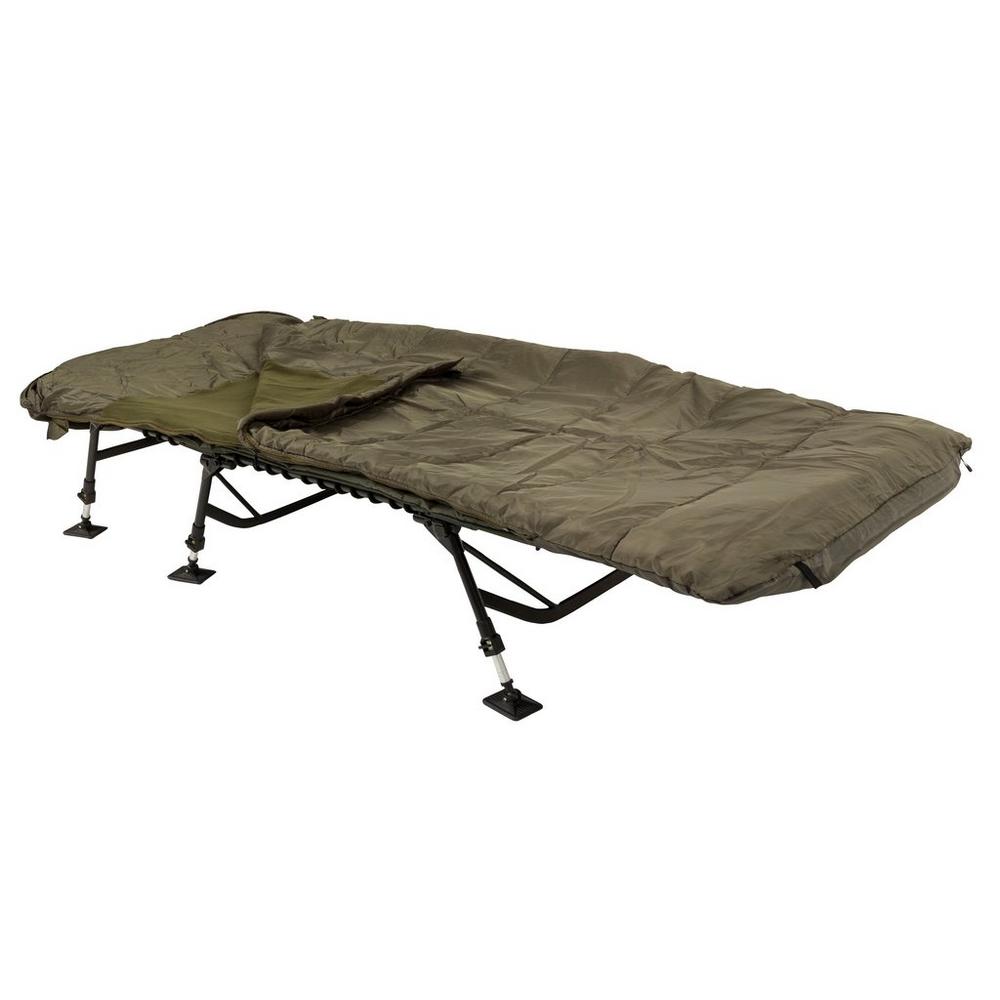
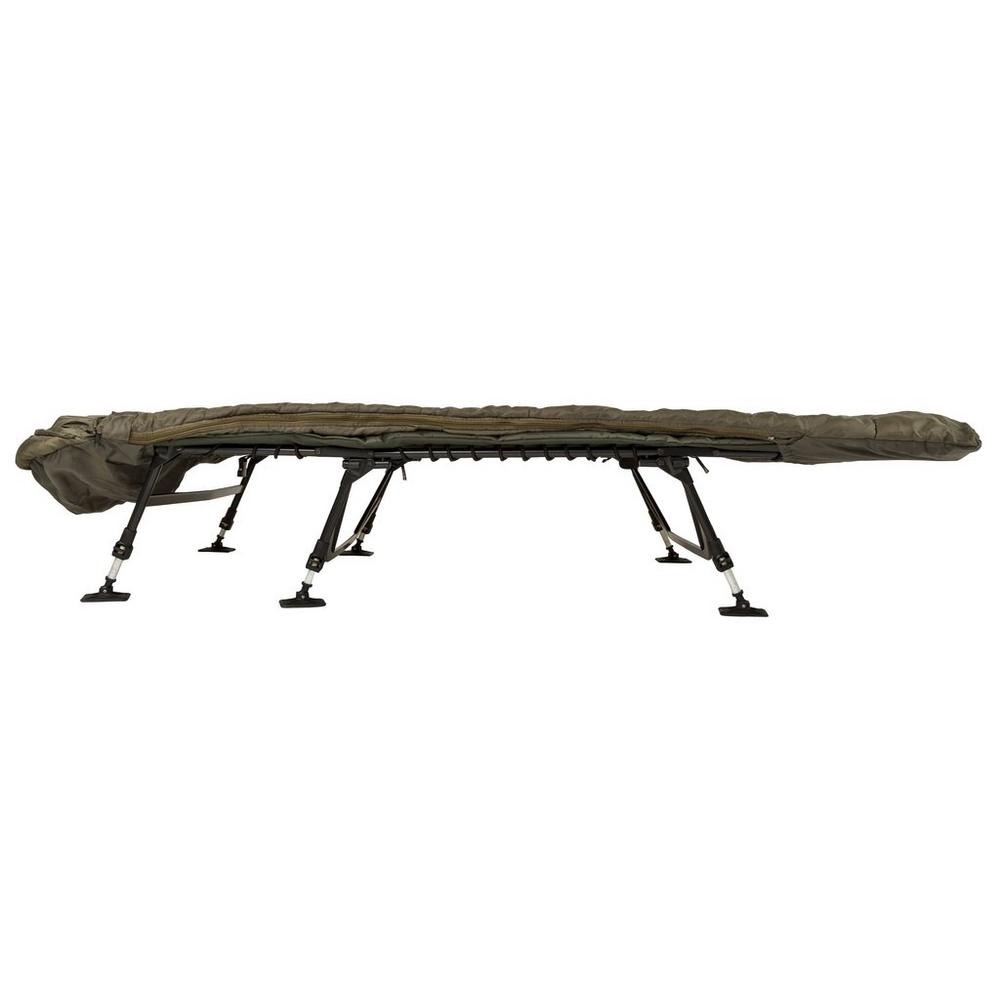
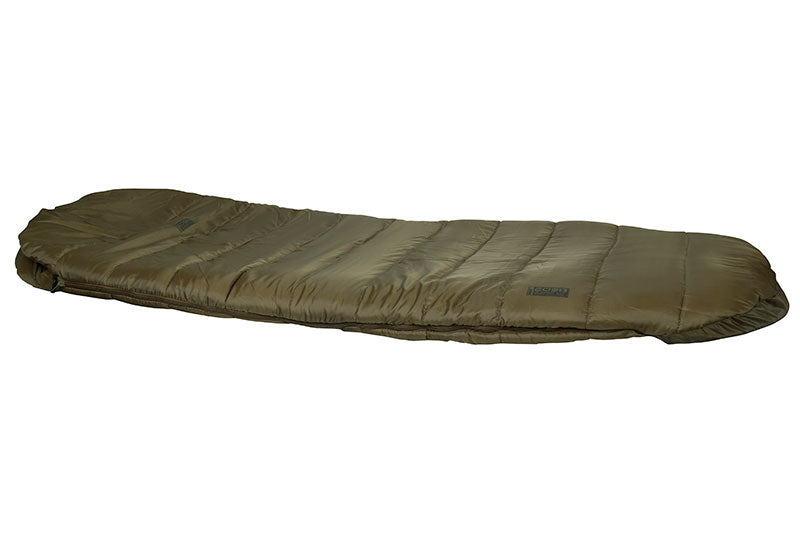
A fishing sleeping bag provides insulation around the body during permitted overnight or extended sessions. Rectangular, mummy-style and bed-chair systems offer different movement and heat retention. The correct model depends on air temperature, wind, shelter, clothing, mat or bed insulation and individual tolerance.
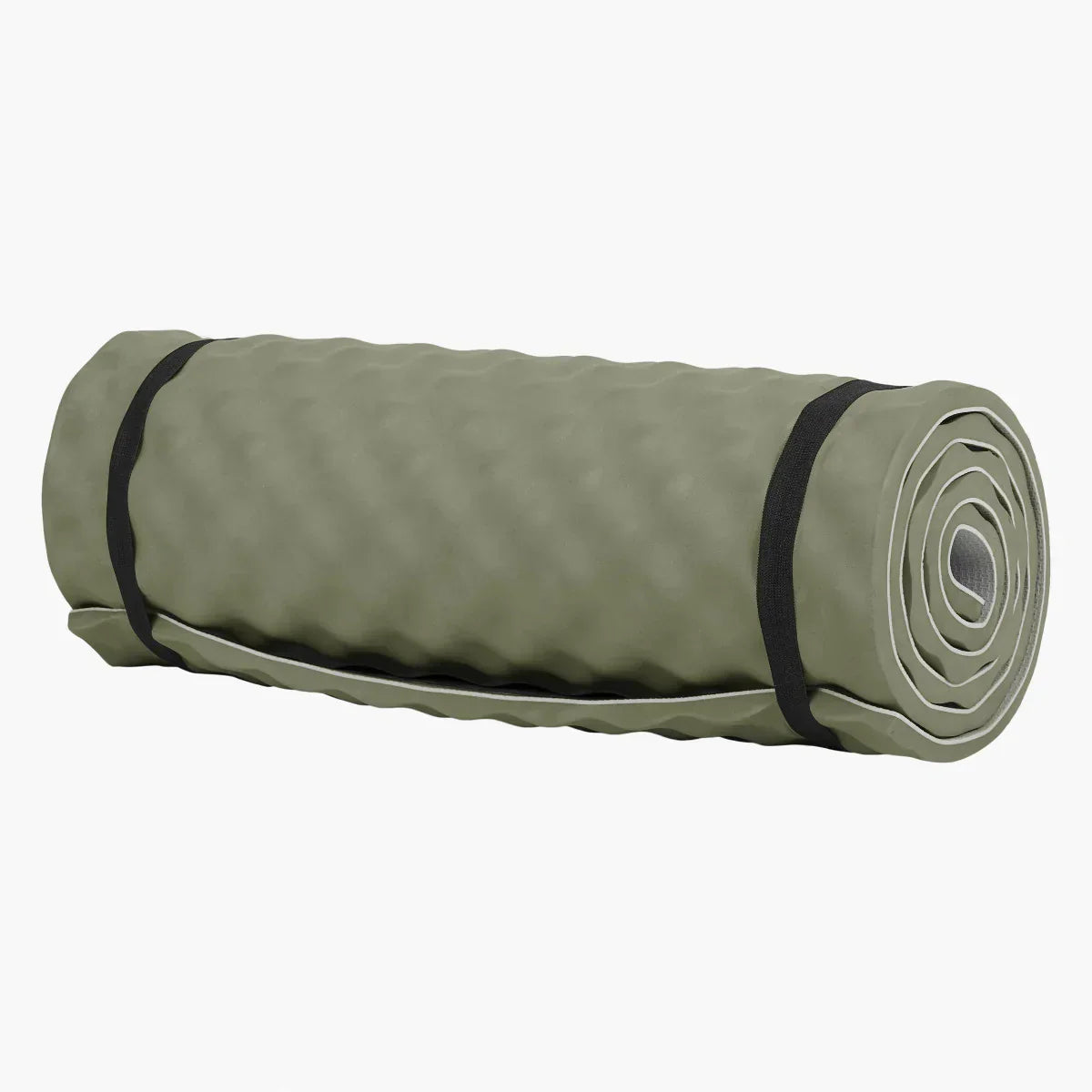
Comfort, limit and season descriptions use different methods between products. Treat them as guidance, not guarantees. Dampness, compression, fatigue and inadequate ground insulation reduce warmth, so plan for conditions colder than the optimistic forecast.
Browse all bank-fishing equipment, pair sleeping bags with suitable fishing seating or bed chairs, organise shelter through fishing tents, and prepare food and hot drinks with appropriate camping and cooking equipment. Add dry fishing clothing as part of the sleep system.
Choose insulation, dimensions and attachment
Check shoulder width, length and foot space while wearing intended layers. A bag that is too tight compresses insulation; one that is too large requires more body heat to warm. Bed-chair straps and sleeves must match the chosen chair without blocking hinges or adjustment.
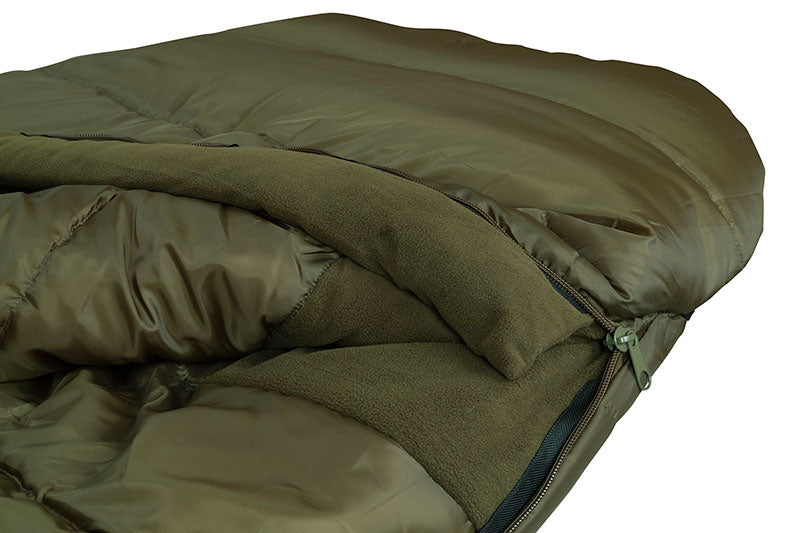
Insulation type, baffles and lining affect warmth, weight and drying time. Water-resistant shells reduce light condensation or splash but do not make a sleeping bag waterproof. Use a dry inner or outer storage system and keep the bag away from wet mats and clothing.
Zips should open from inside and move without catching fabric. Know the exit before sleeping and do not obstruct it with tackle or cooking equipment.
Before an overnight session, test the full sleep system at home. Check that the bag closes while wearing intended layers, that the bed or mat insulates beneath the body and that the packed bundle fits the available luggage. Carry a dry backup layer and review the forecast again before departure.
Dry and store a fishing sleeping bag
Ventilate the bag after use and dry it fully before storage. Wash only according to the care label, using the specified process for its insulation.
Store loose rather than tightly compressed where instructed. Inspect zips, seams, straps and insulation distribution, and replace a bag that cannot provide dependable closure or warmth.