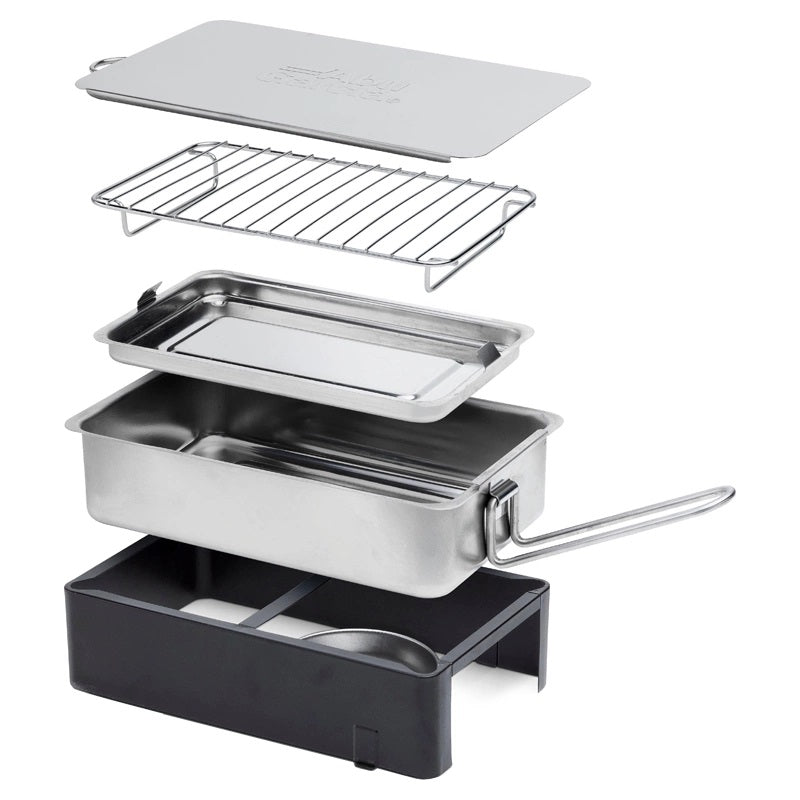
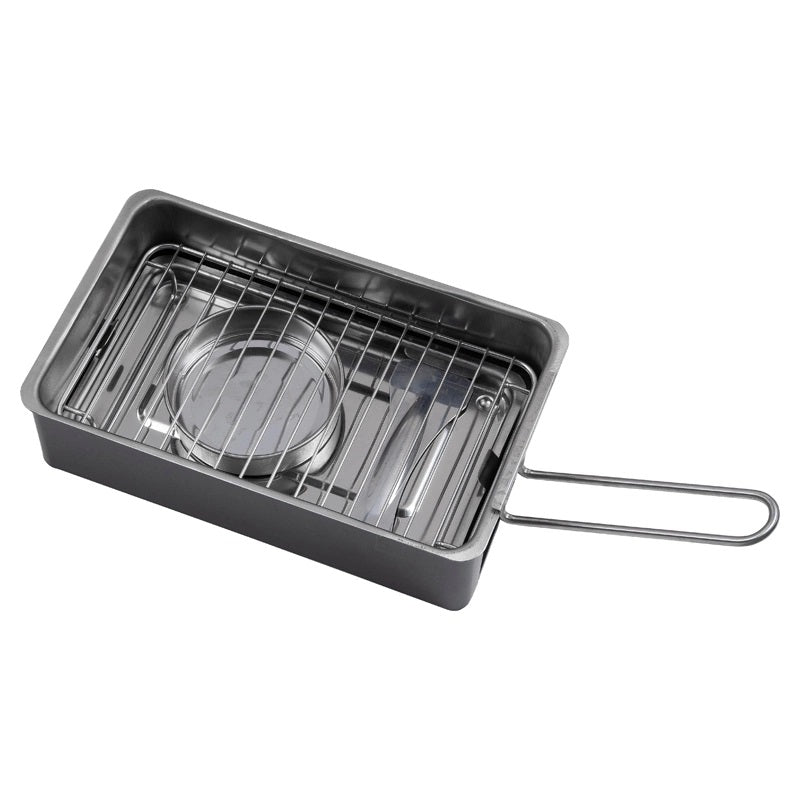
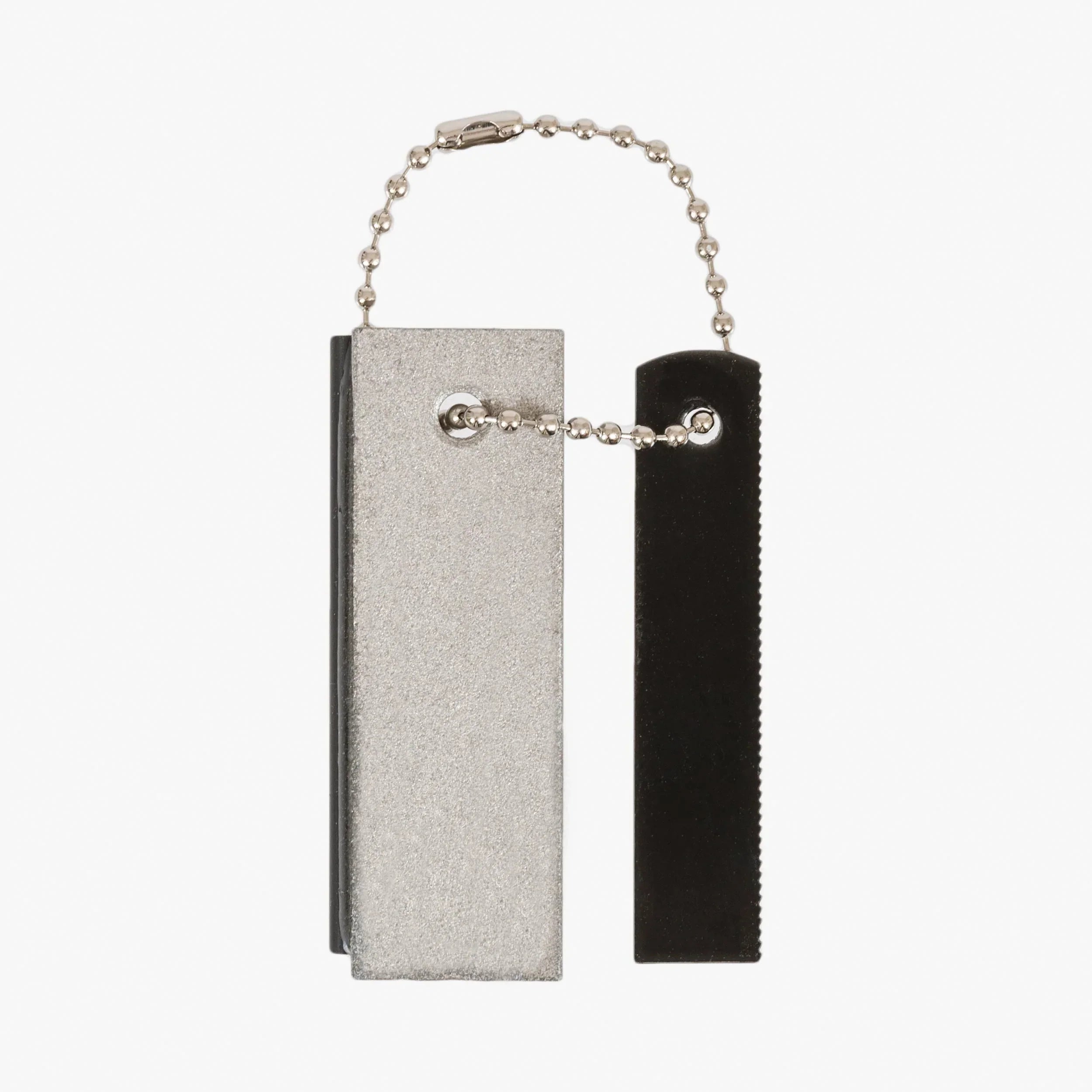
Fishing camping and cooking equipment
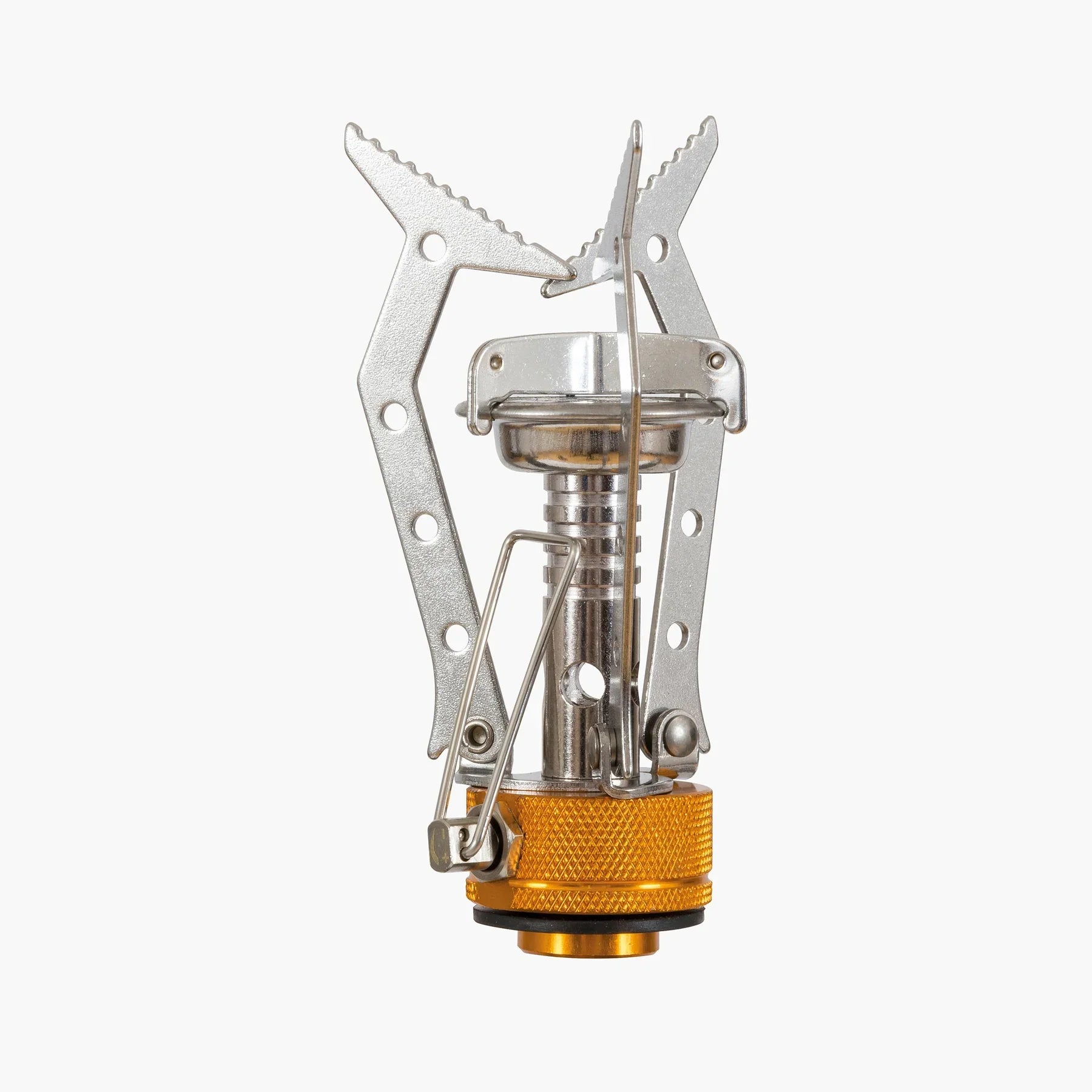
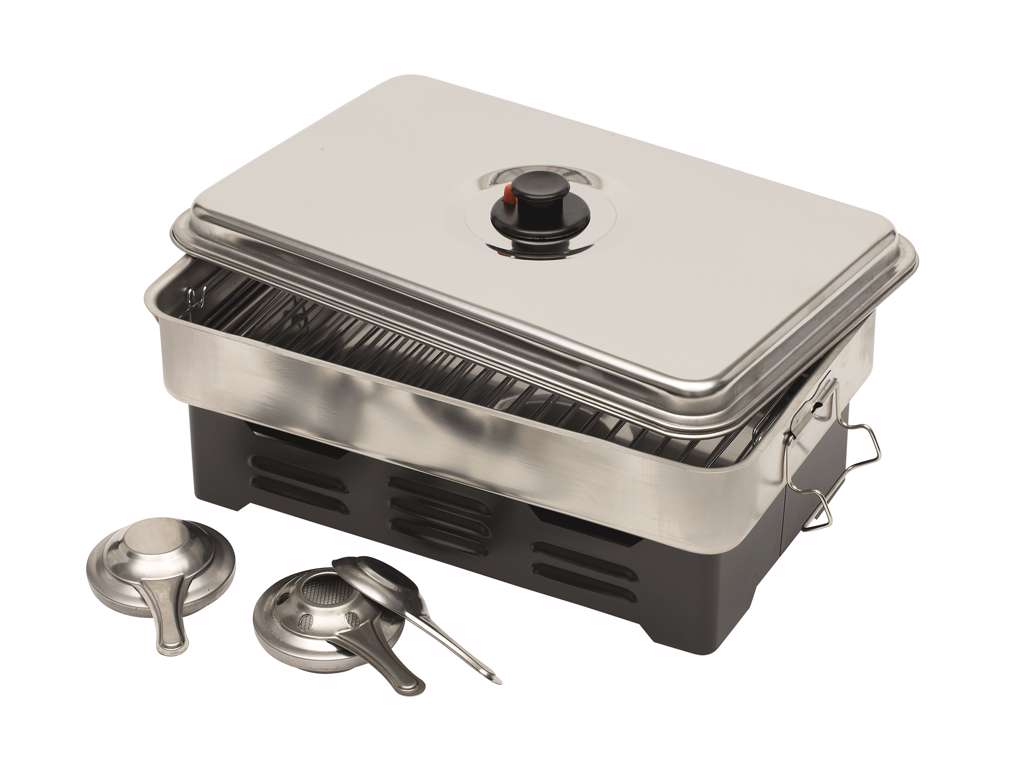
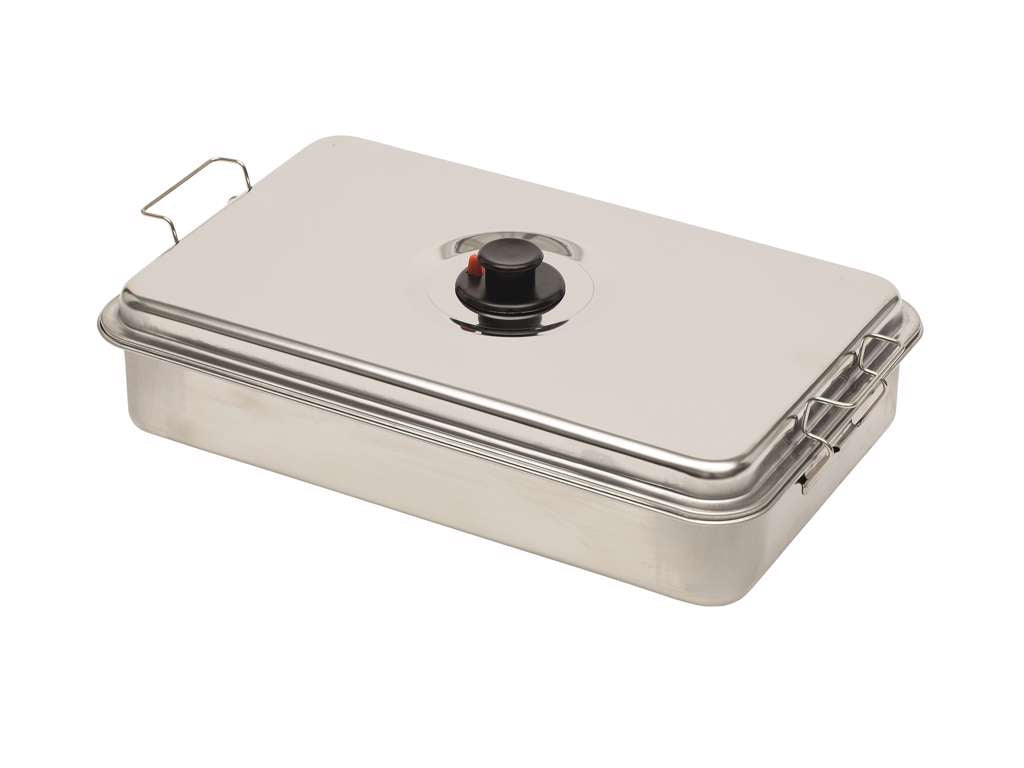
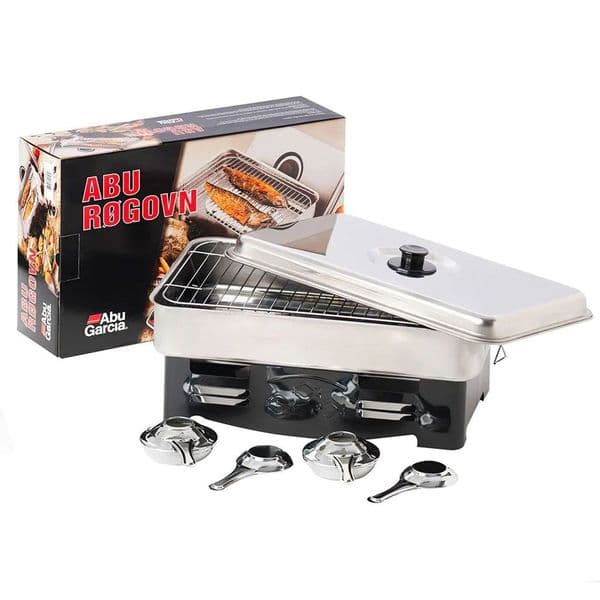
Camping and cooking equipment supports meals, hot drinks and organised rest during permitted bank sessions. Compact stoves, kettles and cookware reduce packed weight, while larger systems suit longer stays. Every item must be designed for outdoor use and compatible with the chosen fuel, vessel and number of people.
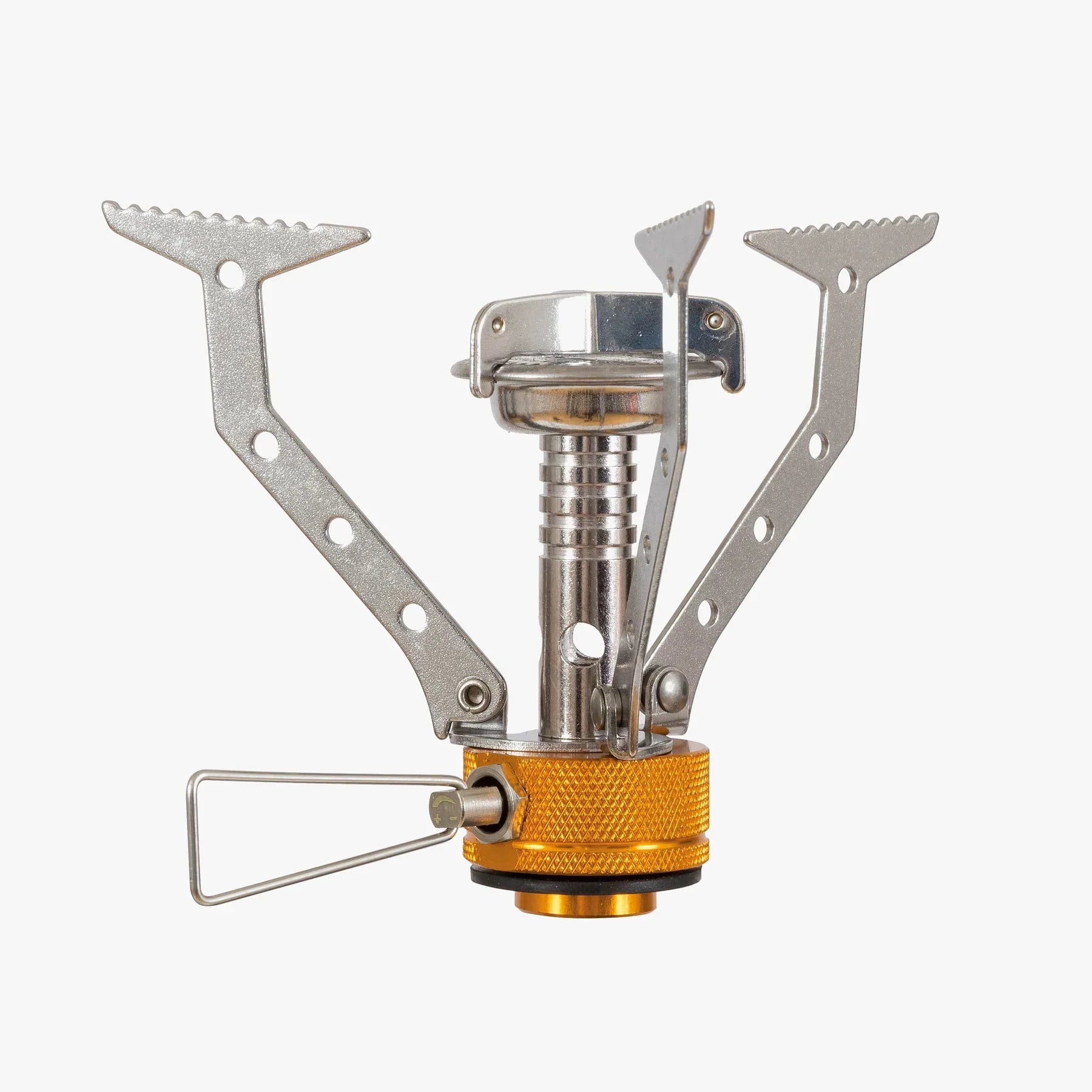
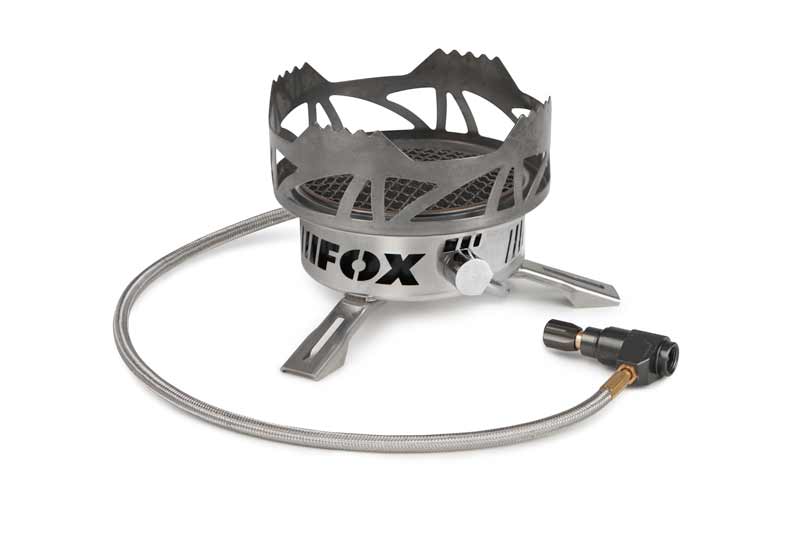
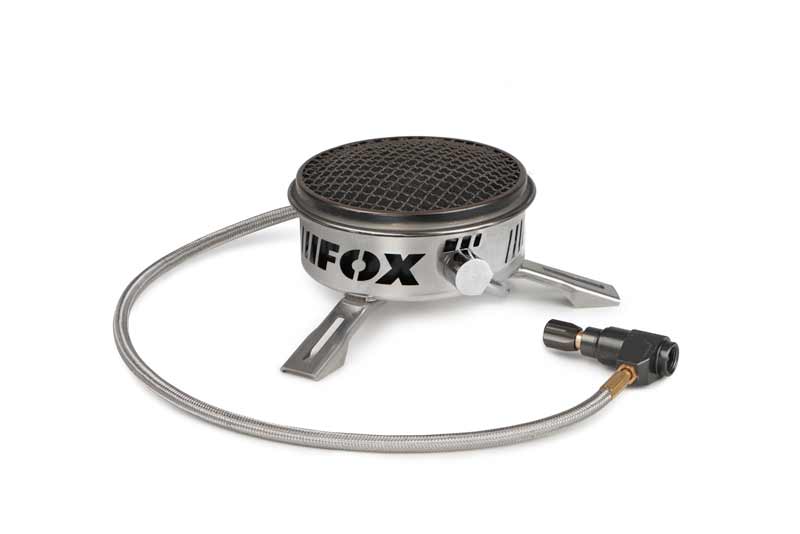
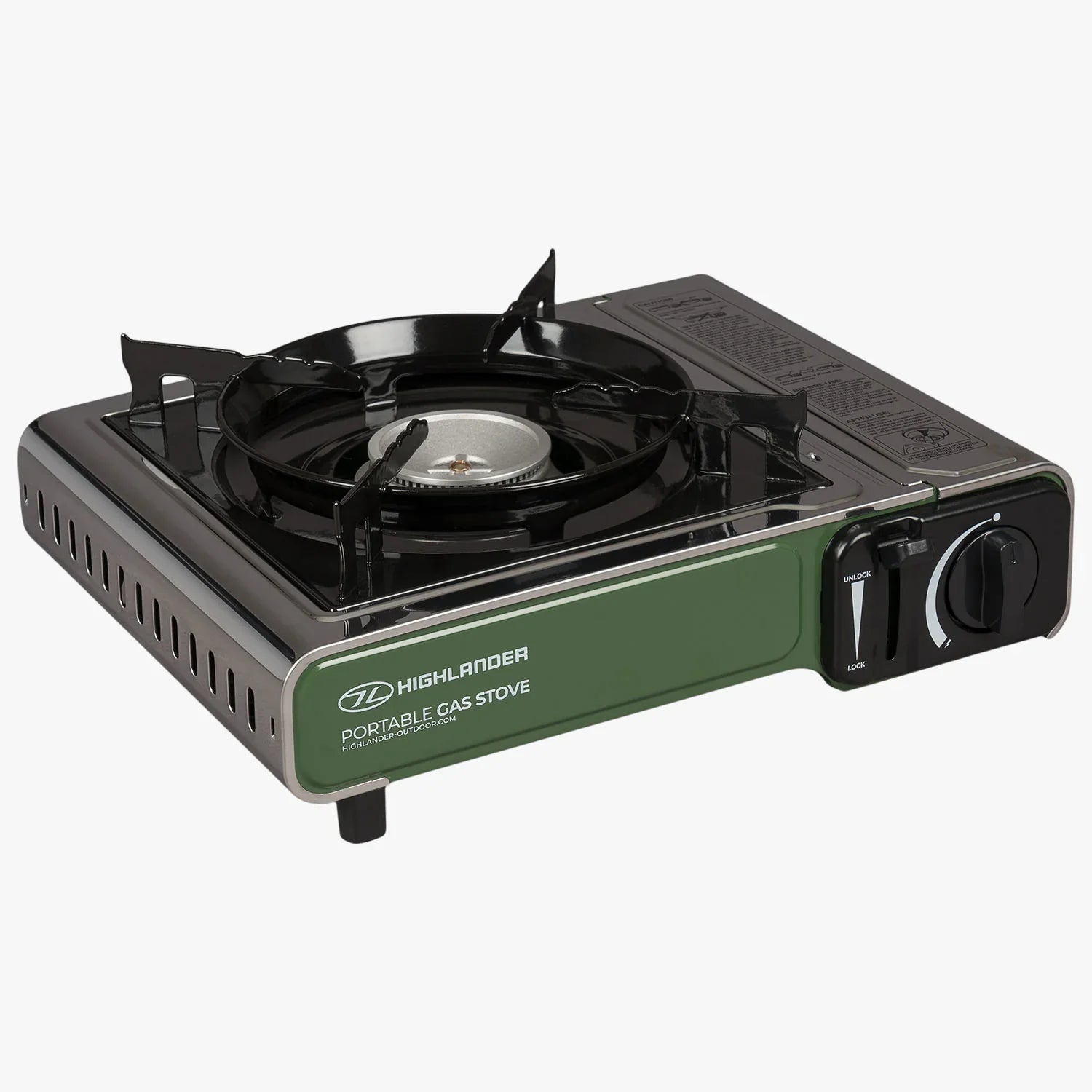
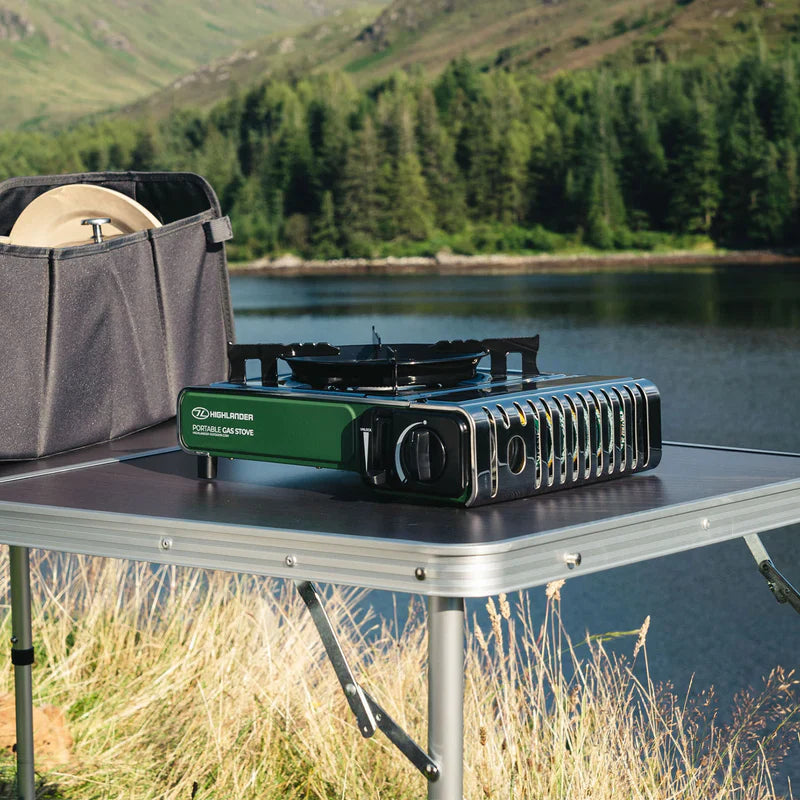
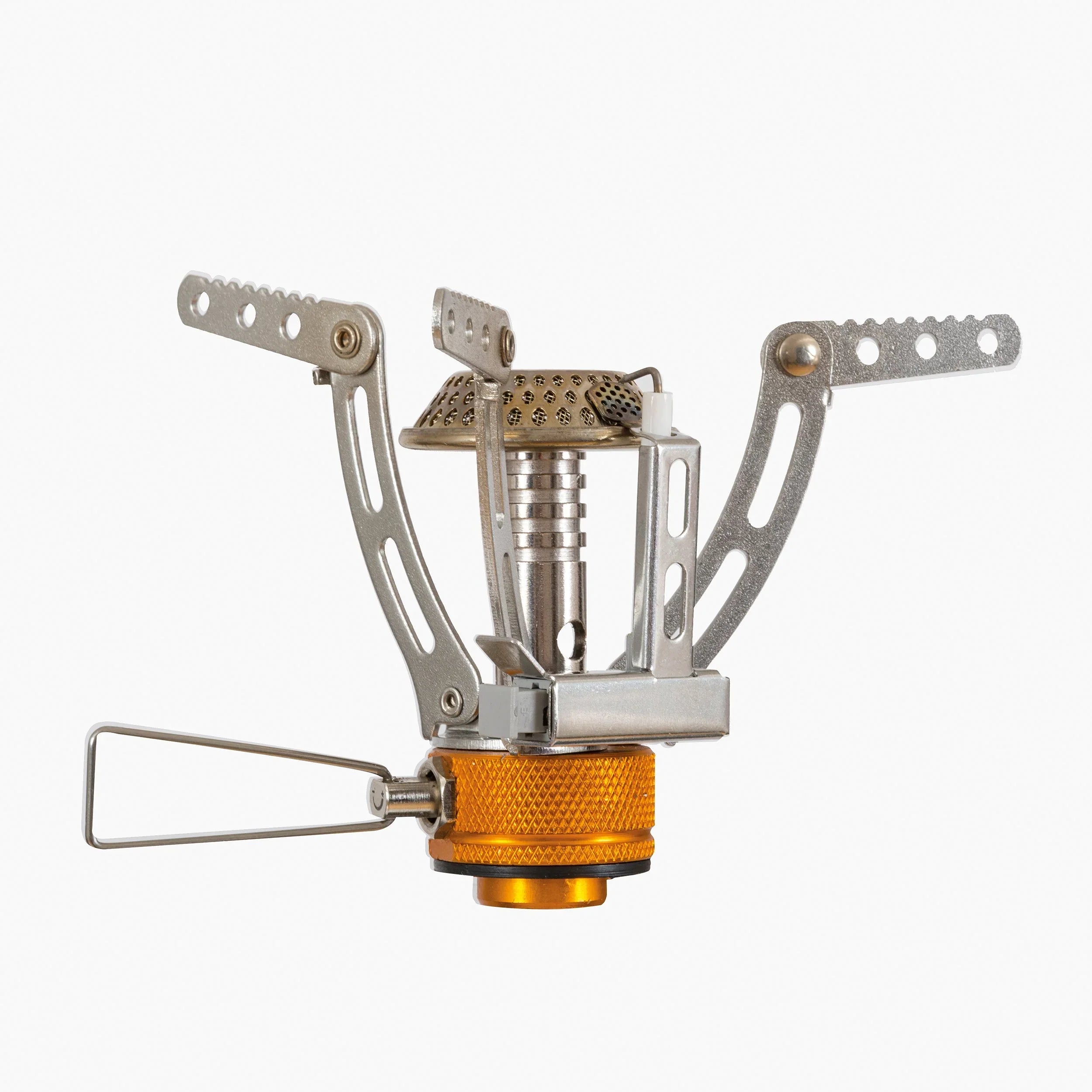
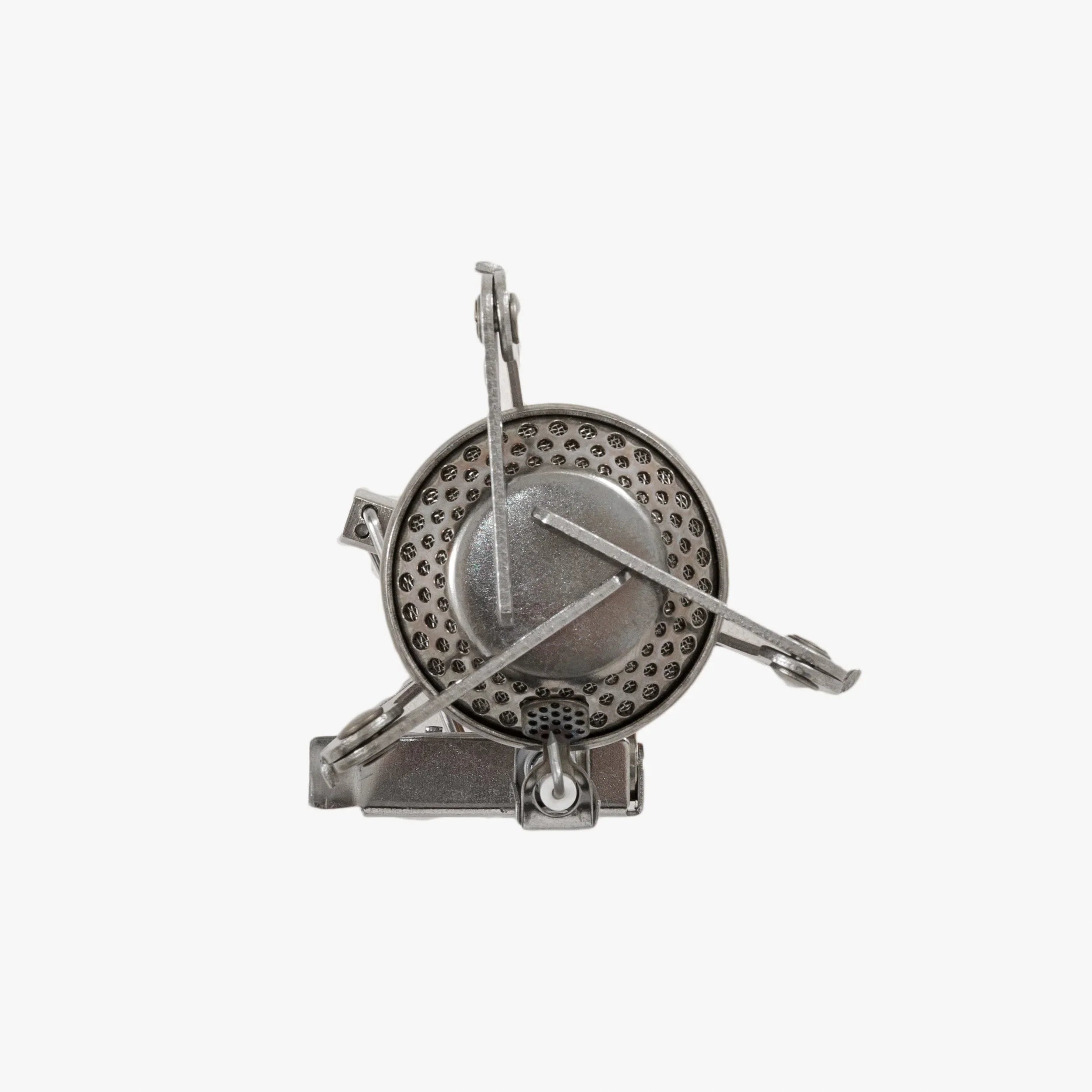
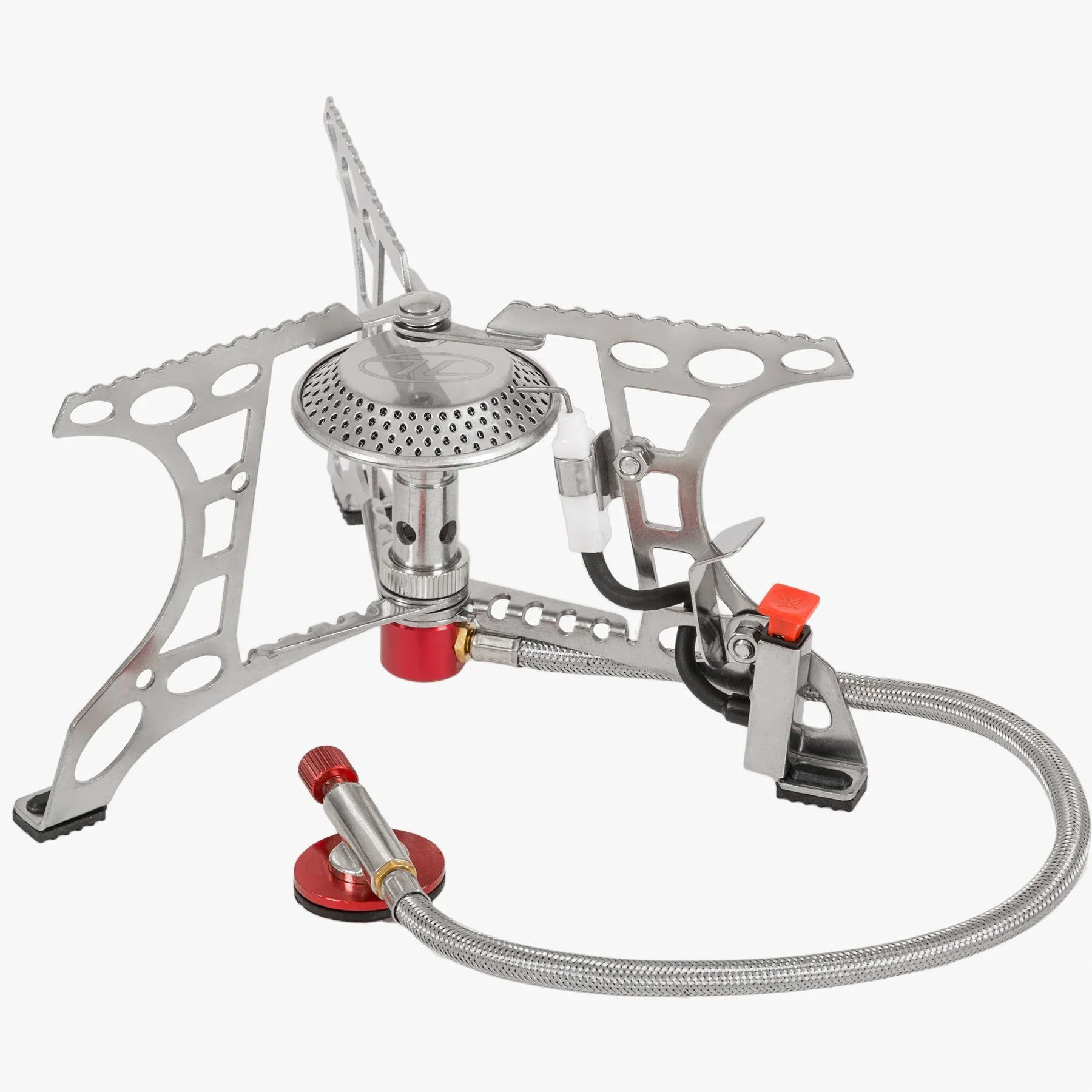
Check stove power, fuel connection, pot support and wind guidance. Use only approved cartridges or fuel, inspect seals and never improvise adaptors. A windscreen must not trap heat around a canister, and combustion equipment requires open-air ventilation.
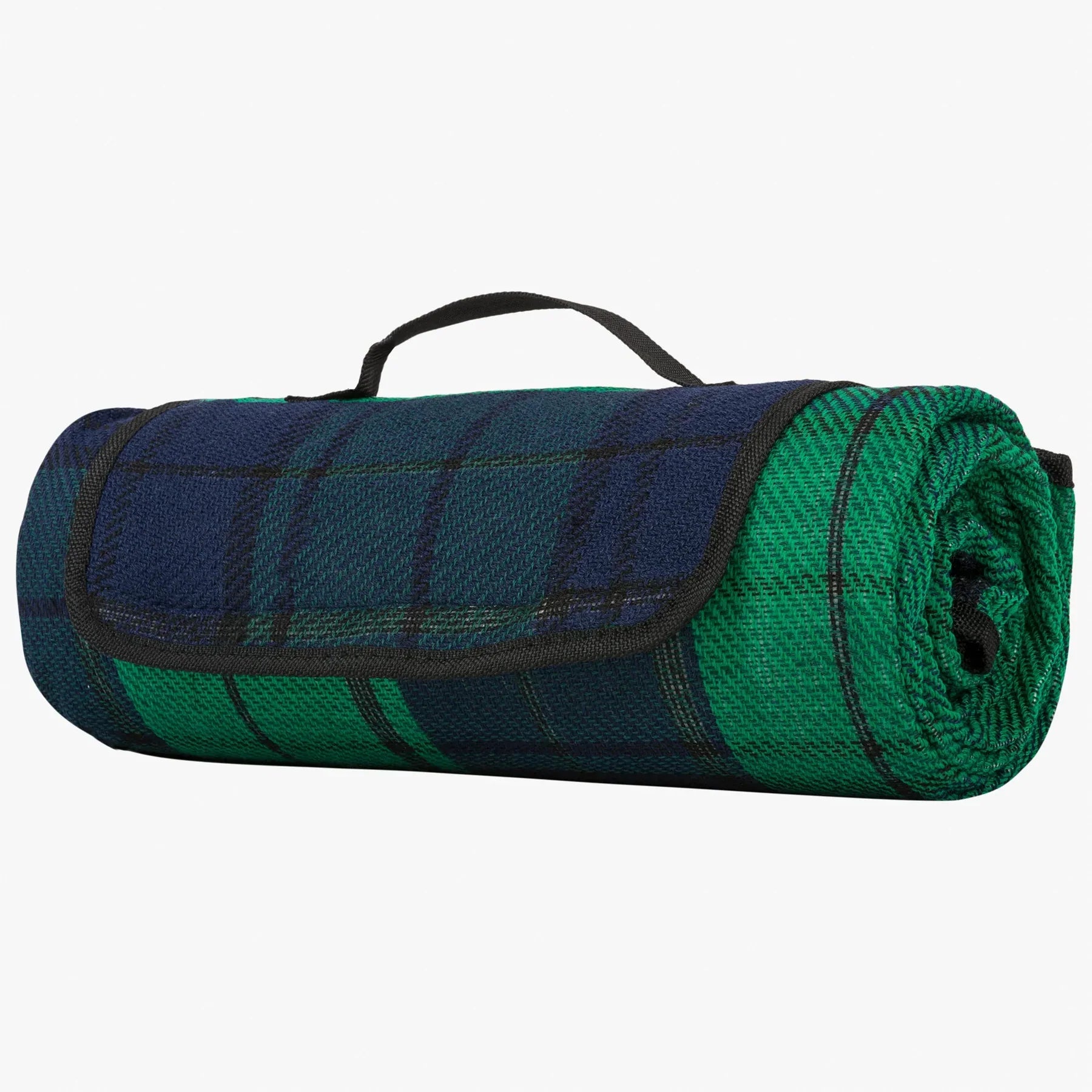
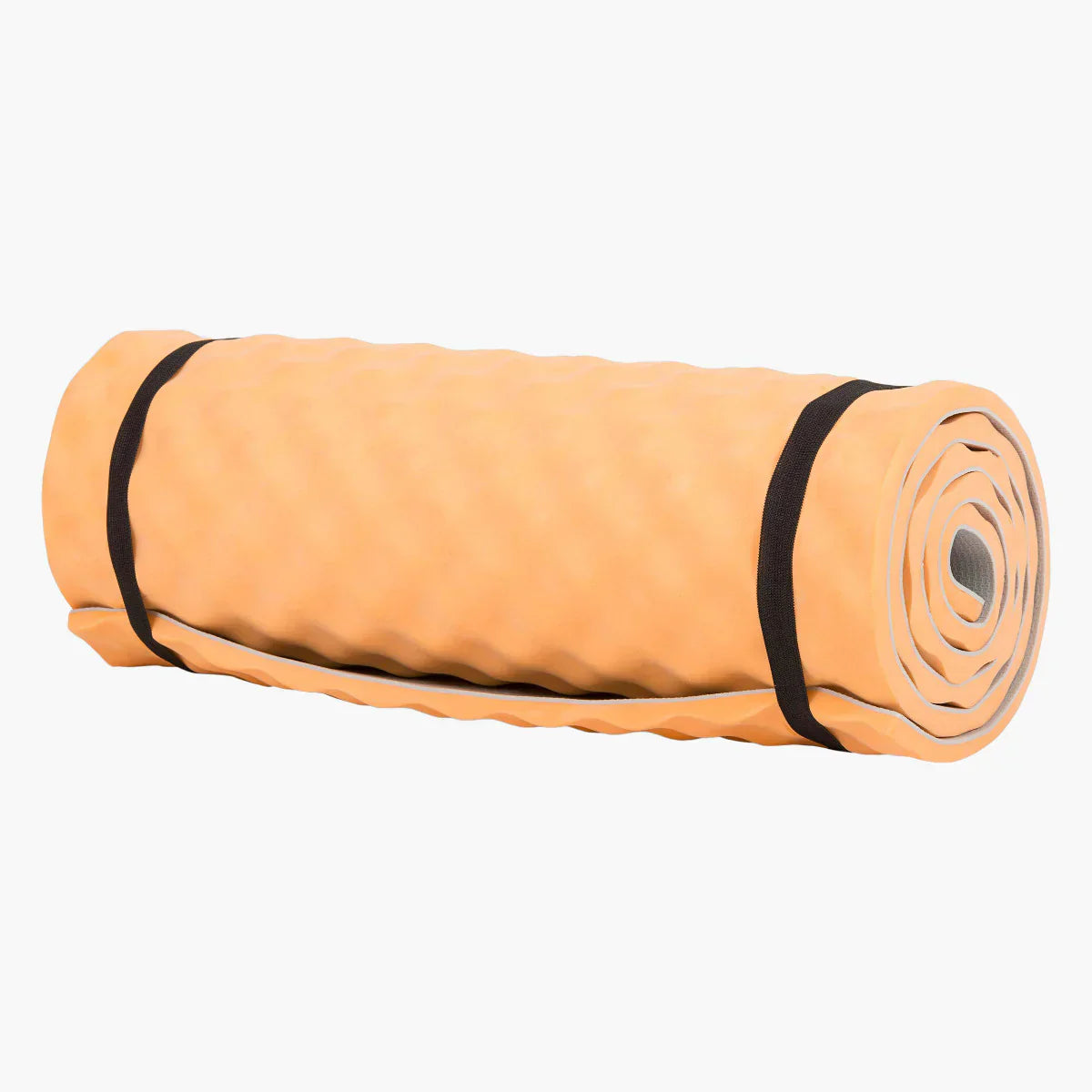
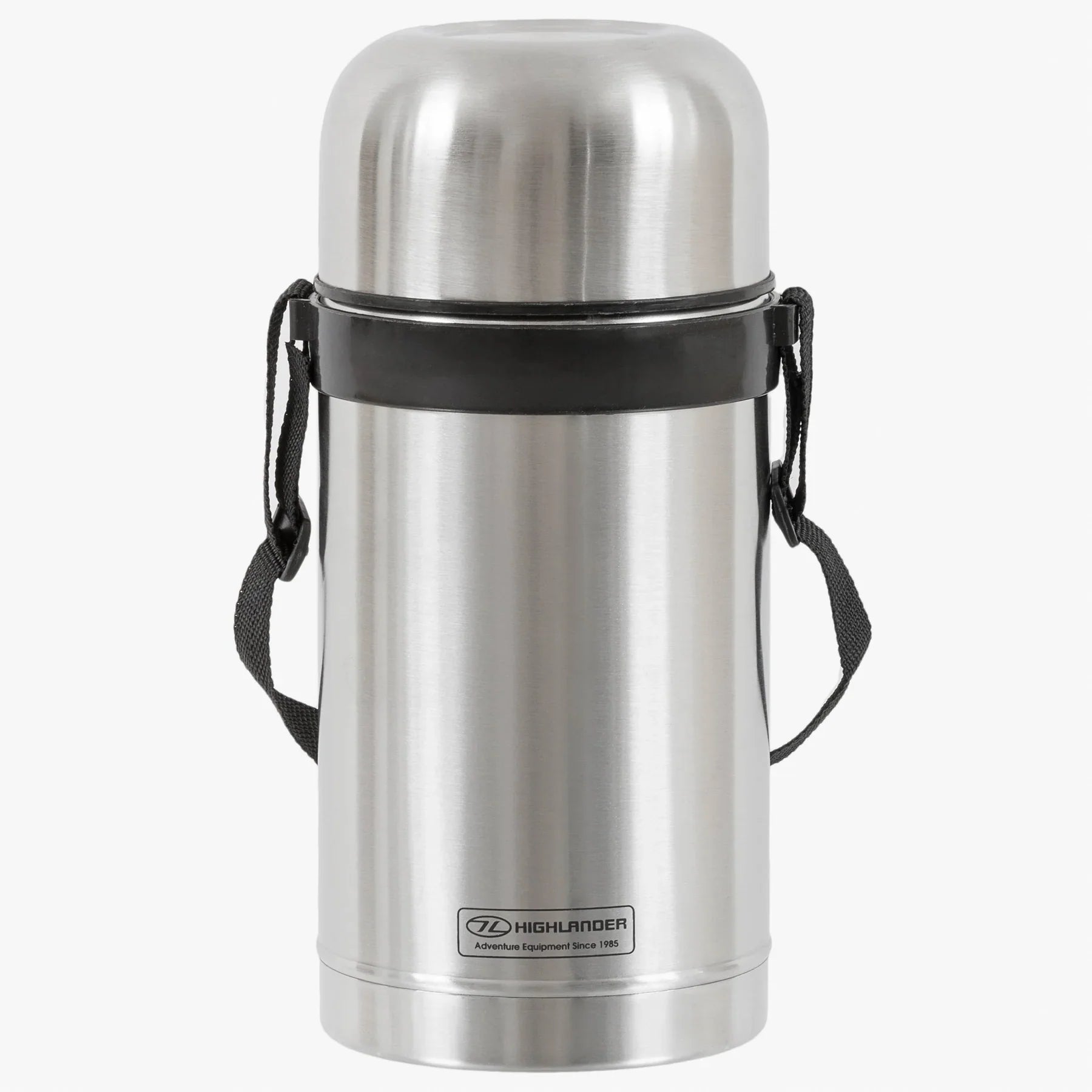
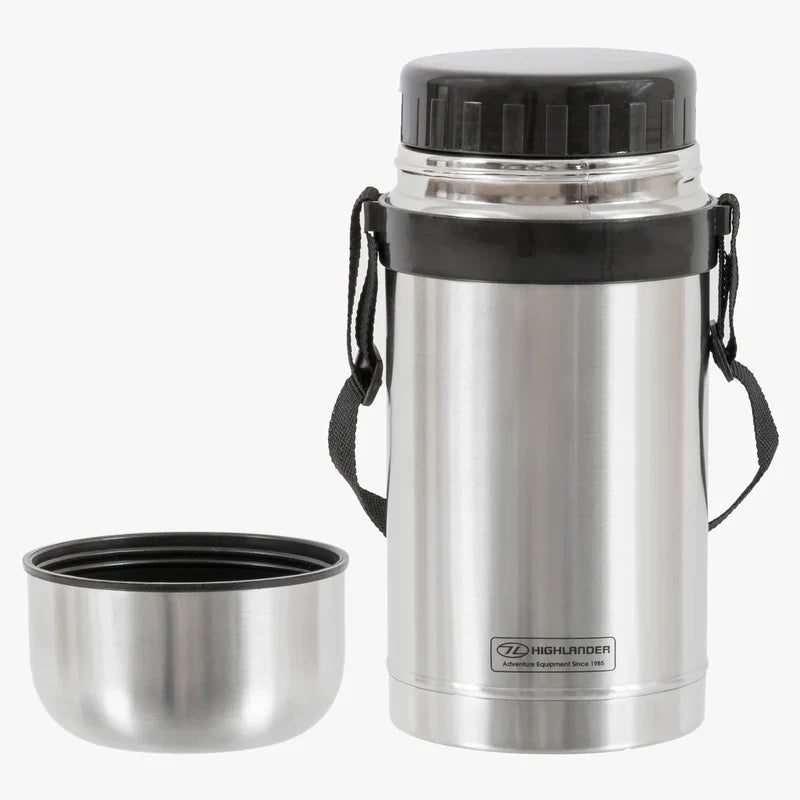
Browse all bank-fishing equipment, coordinate overnight gear with sleeping bags and fishing tents, and create a stable rest area with suitable fishing seating. Insulated drinkware is available under vacuum bottles and mugs.
Choose safe, practical cooking gear
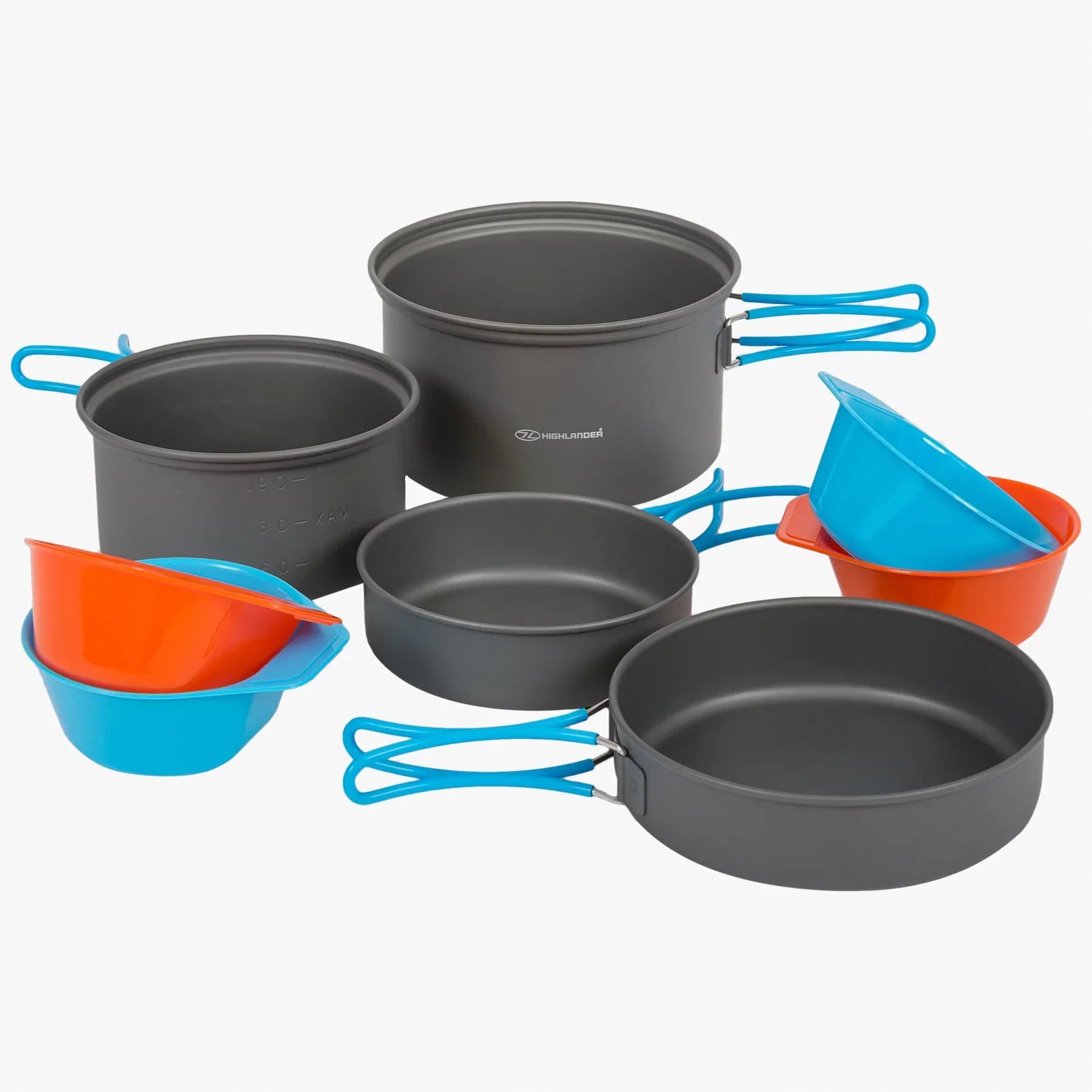
Match cookware diameter and weight to the stove support. Overhanging pans can tip, while tightly enclosed burners can overheat. Place the system on level, non-combustible ground away from dry grass, lines, bait and people.
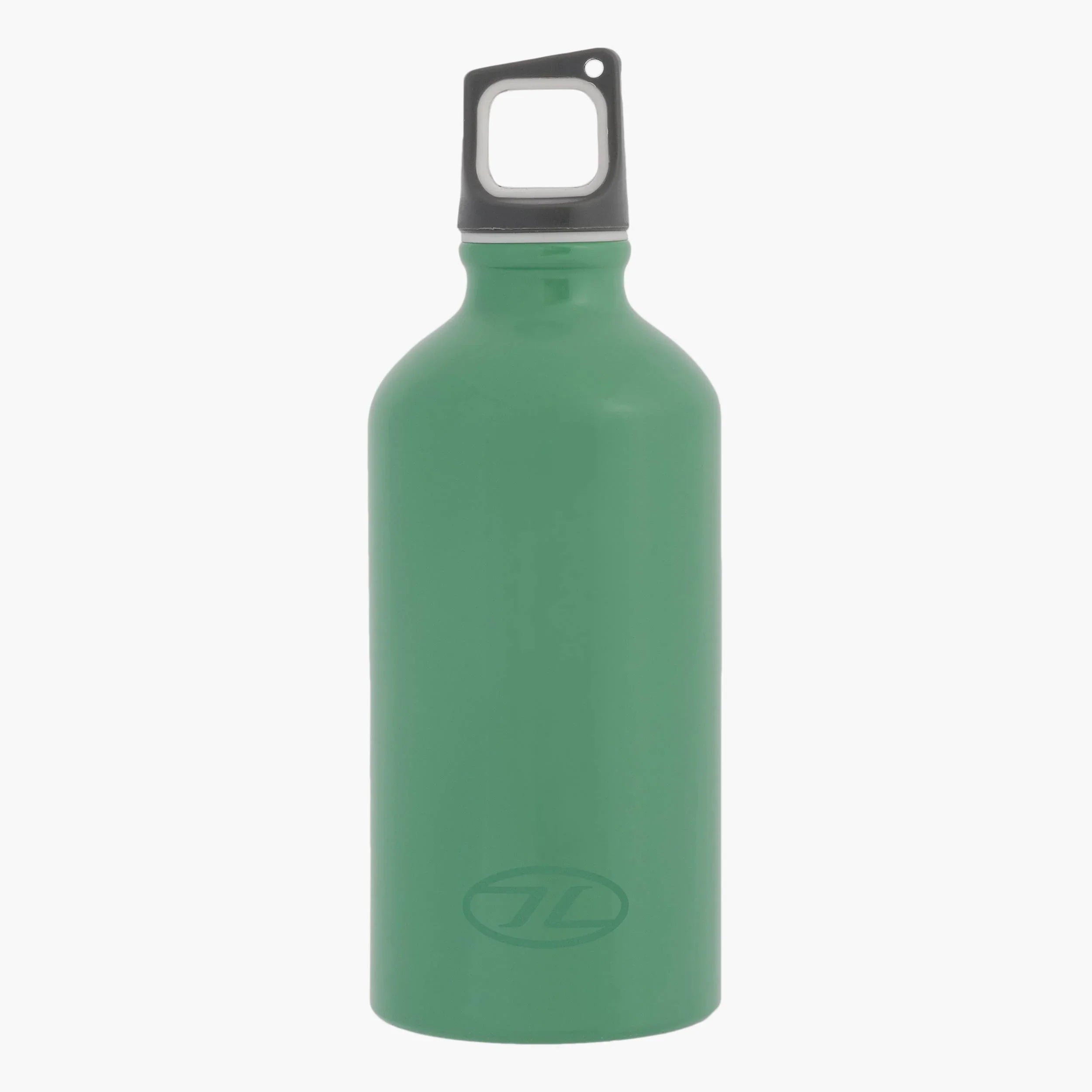
Store food separately from bait and chemicals, keep raw and cooked items apart and maintain safe temperatures. Cool bags slow warming but do not replace correct food handling. Carry enough clean water and never use water of uncertain quality for cooking.
Follow venue restrictions on flames, overnight stays and waste. Keep fire-extinguishing means appropriate to the equipment and stop cooking if wind, dry vegetation or unstable ground creates risk.
Plan portions and fuel before leaving so the system is not run longer than necessary. Keep a clear cooking zone separate from rods, lines and the main walking route, and supervise hot vessels until cool. Children and pets should remain outside the working area. Never use a stove to heat a shelter or dry clothing.
Clean, pack and remove all waste
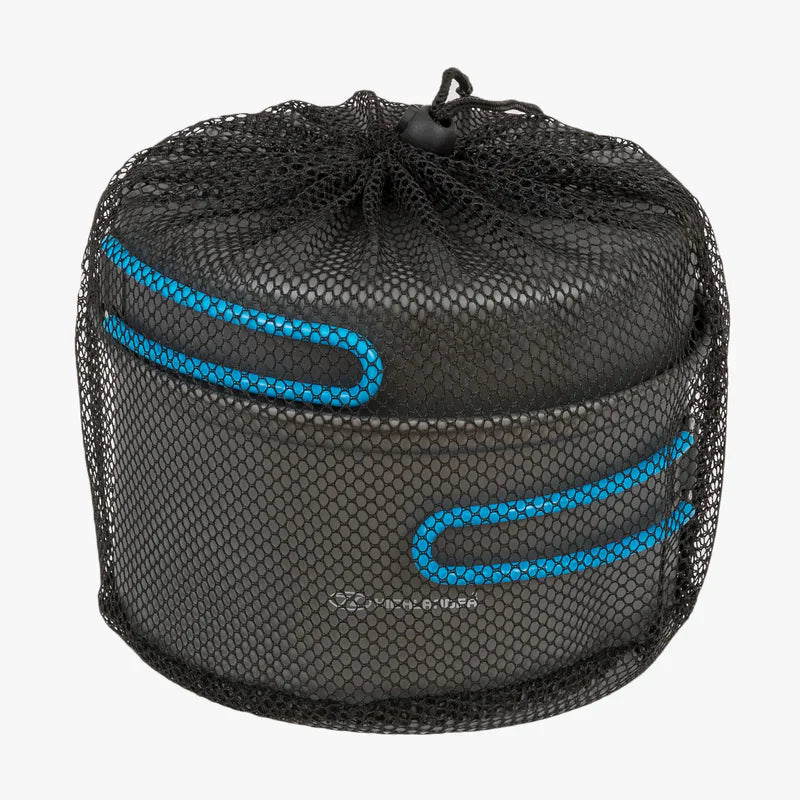
Allow stoves and cookware to cool before cleaning or packing. Disconnect fuel exactly as instructed and store cartridges upright away from heat, vehicles in strong sun and sharp tackle.
Wash food-contact items, dry them fully and inspect seals, valves, handles and coatings. Take all food, packaging and fuel waste home, leaving the swim clean and safe.