Tail spinners for compact casting and deep presentation
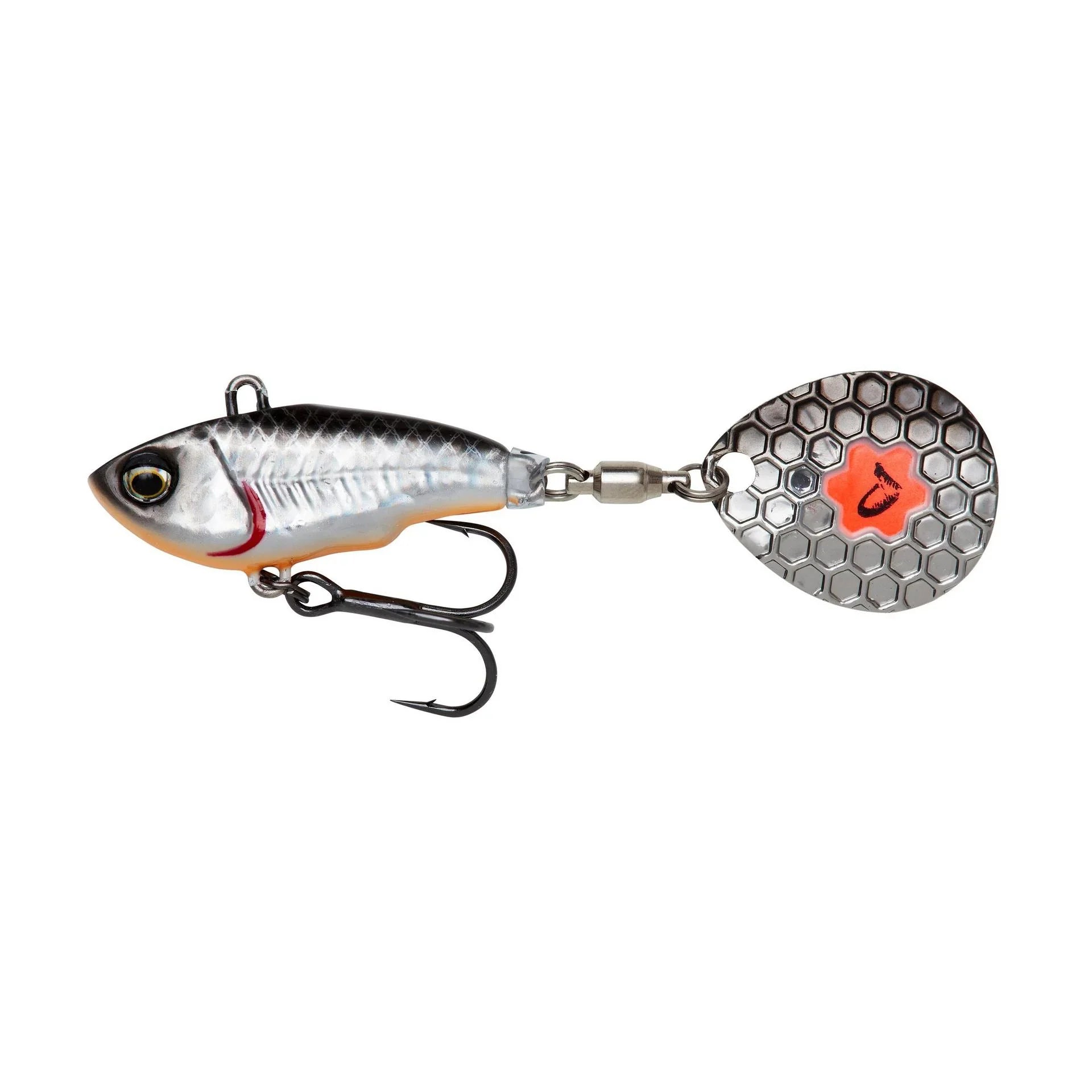
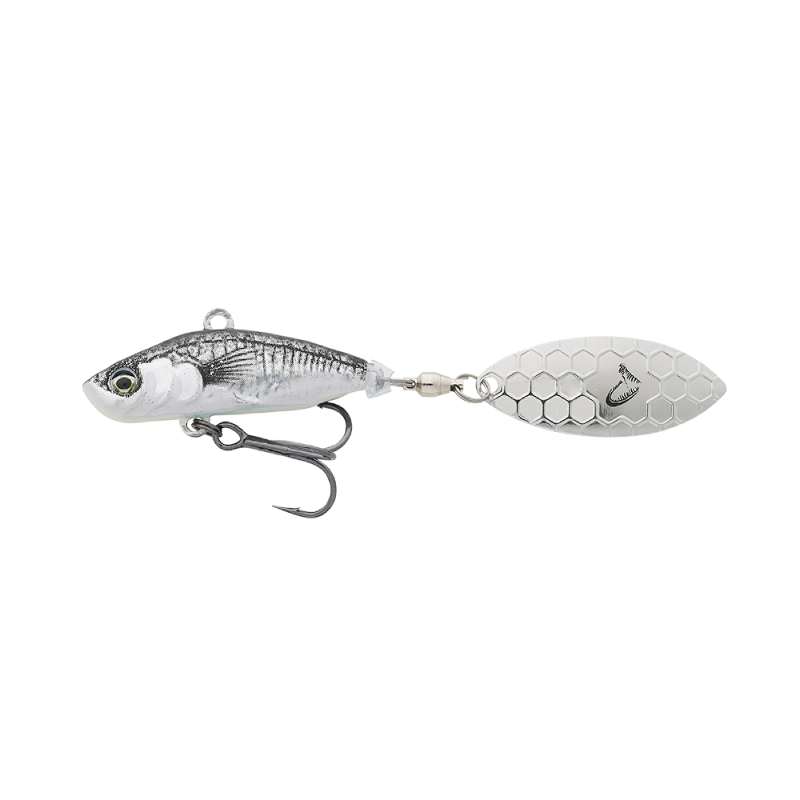
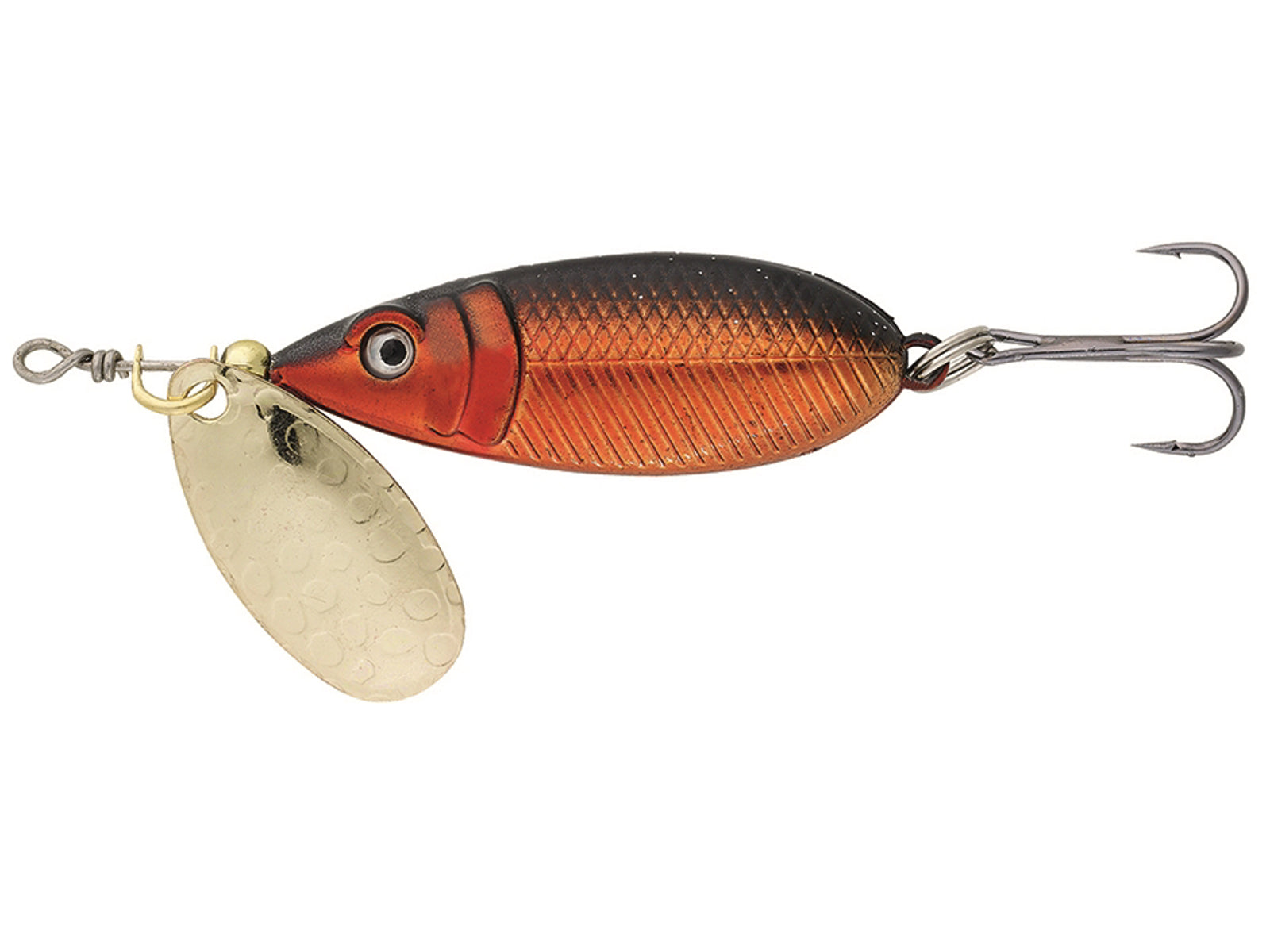
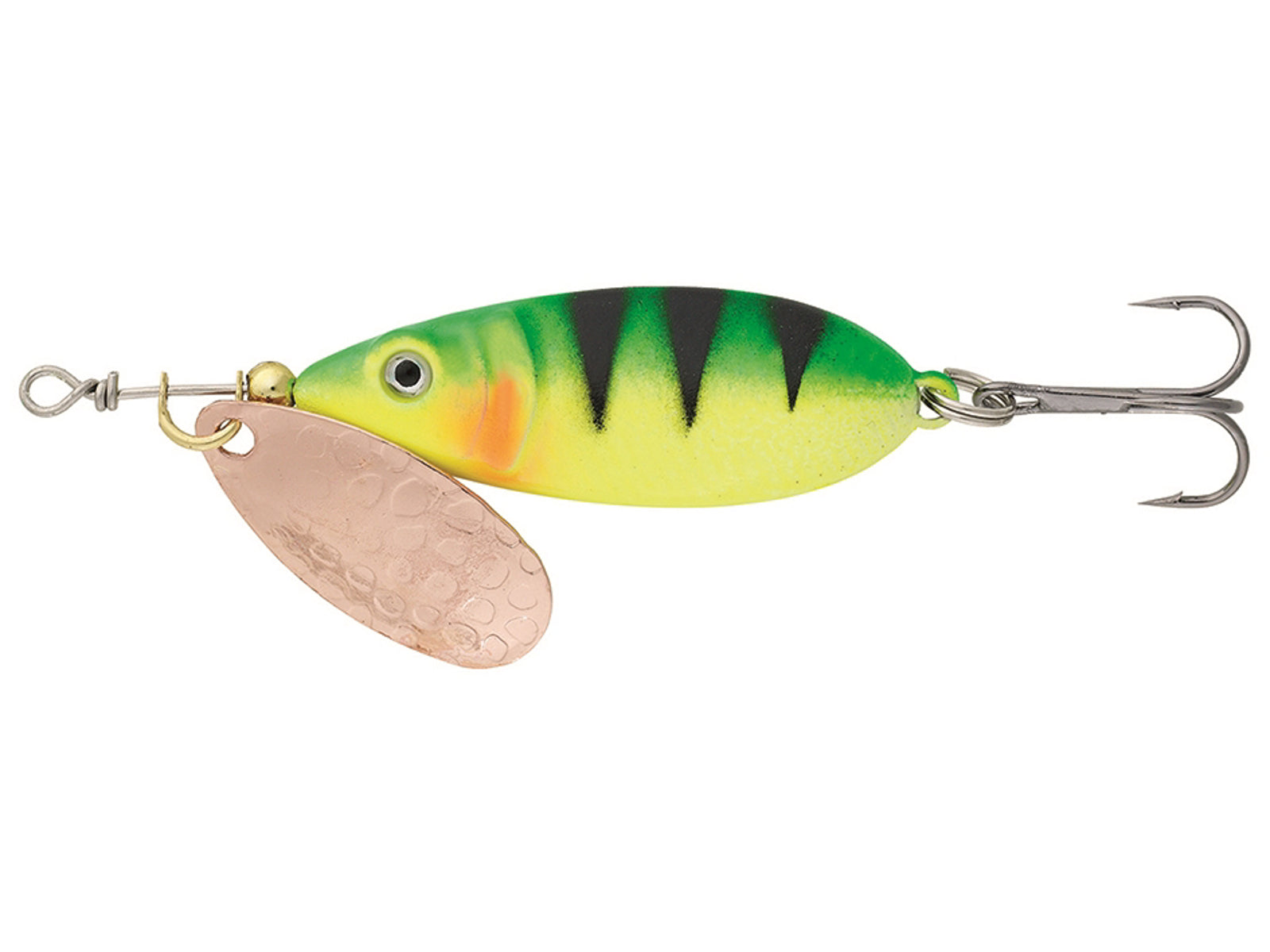
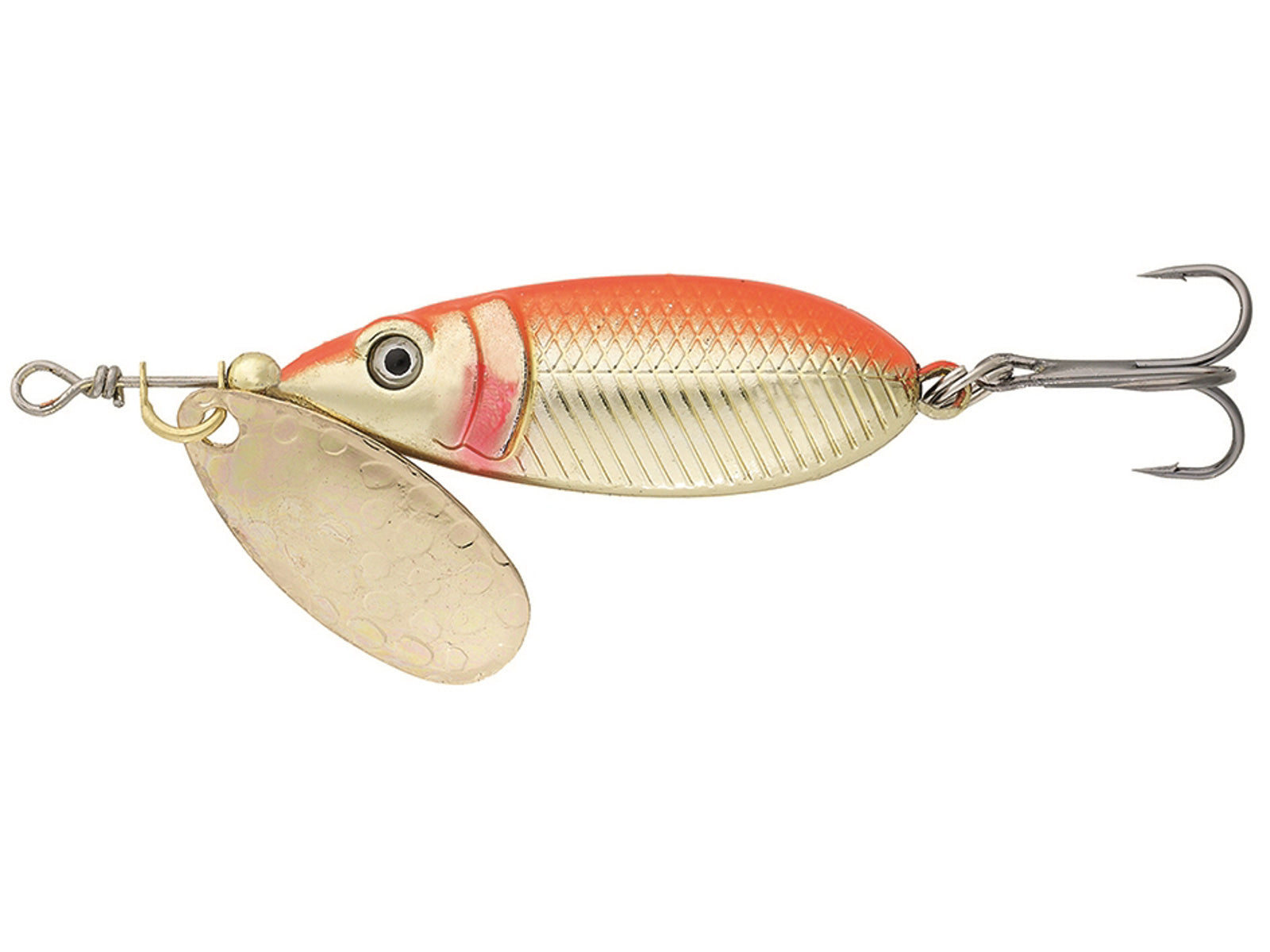
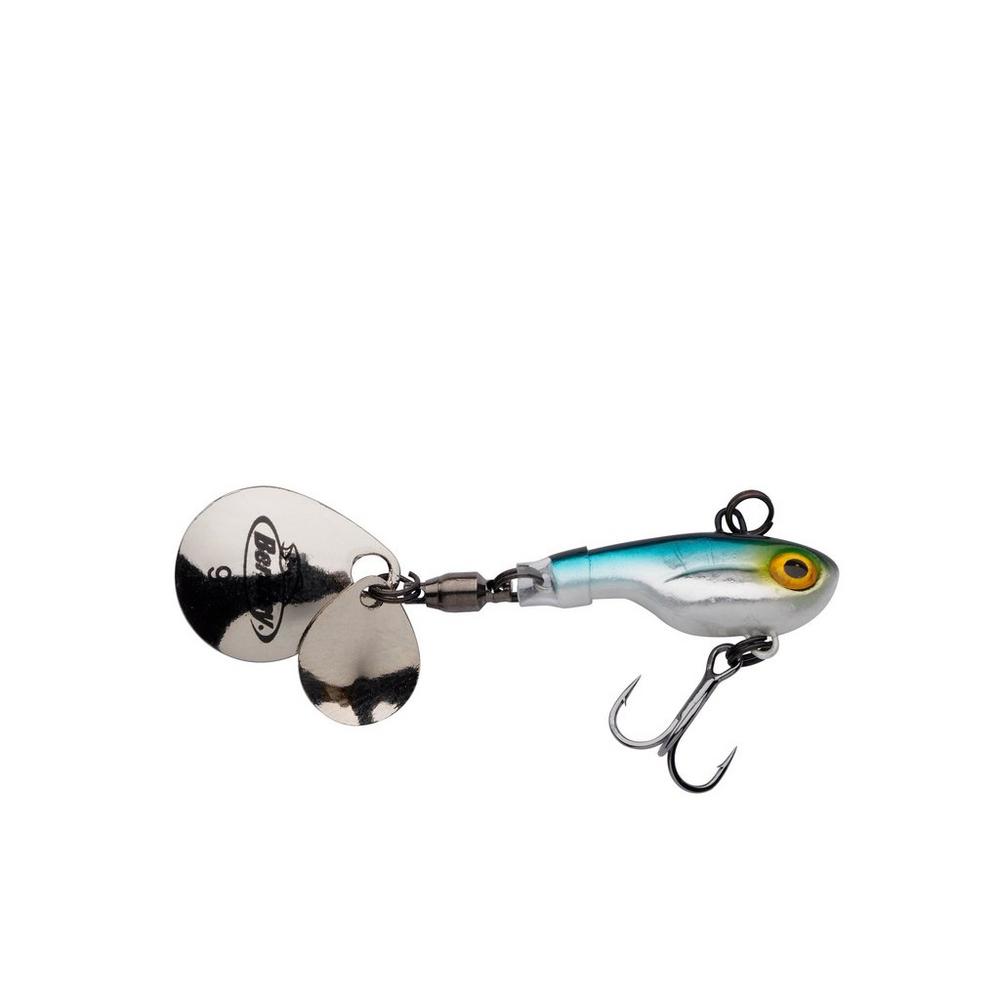
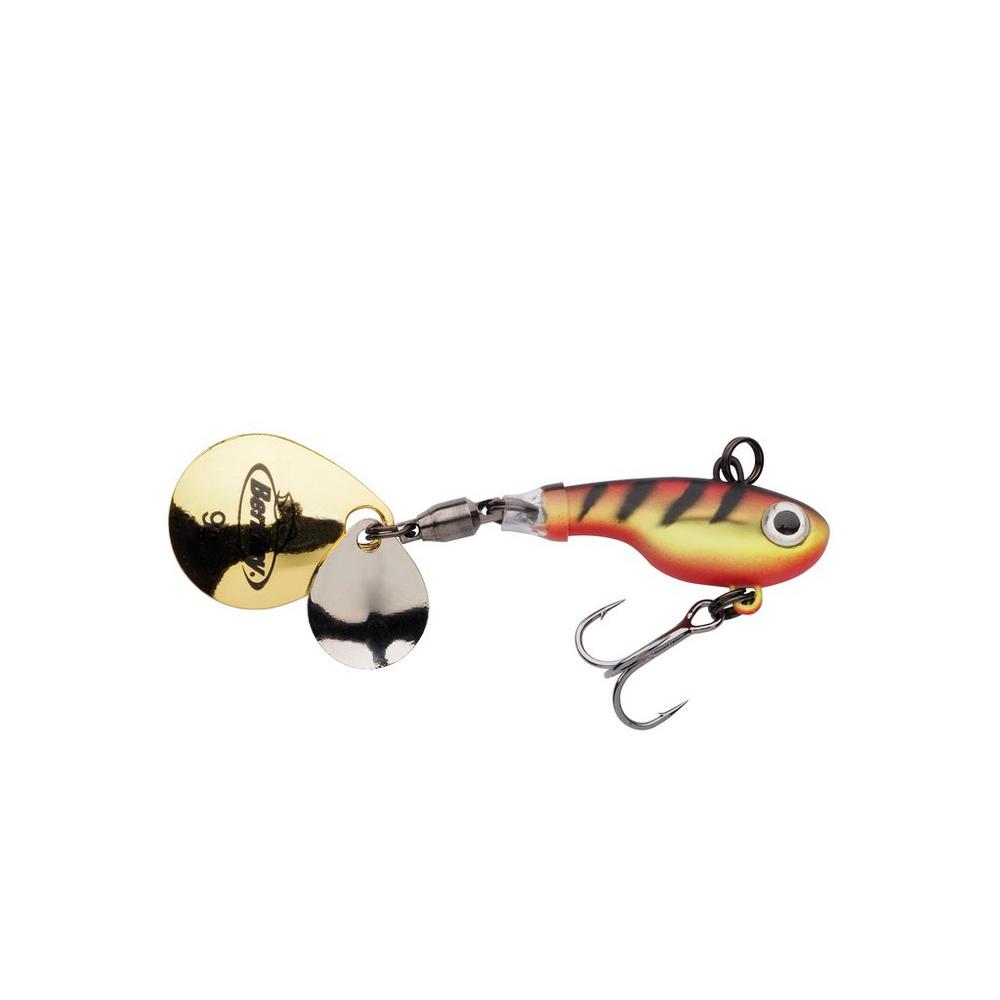
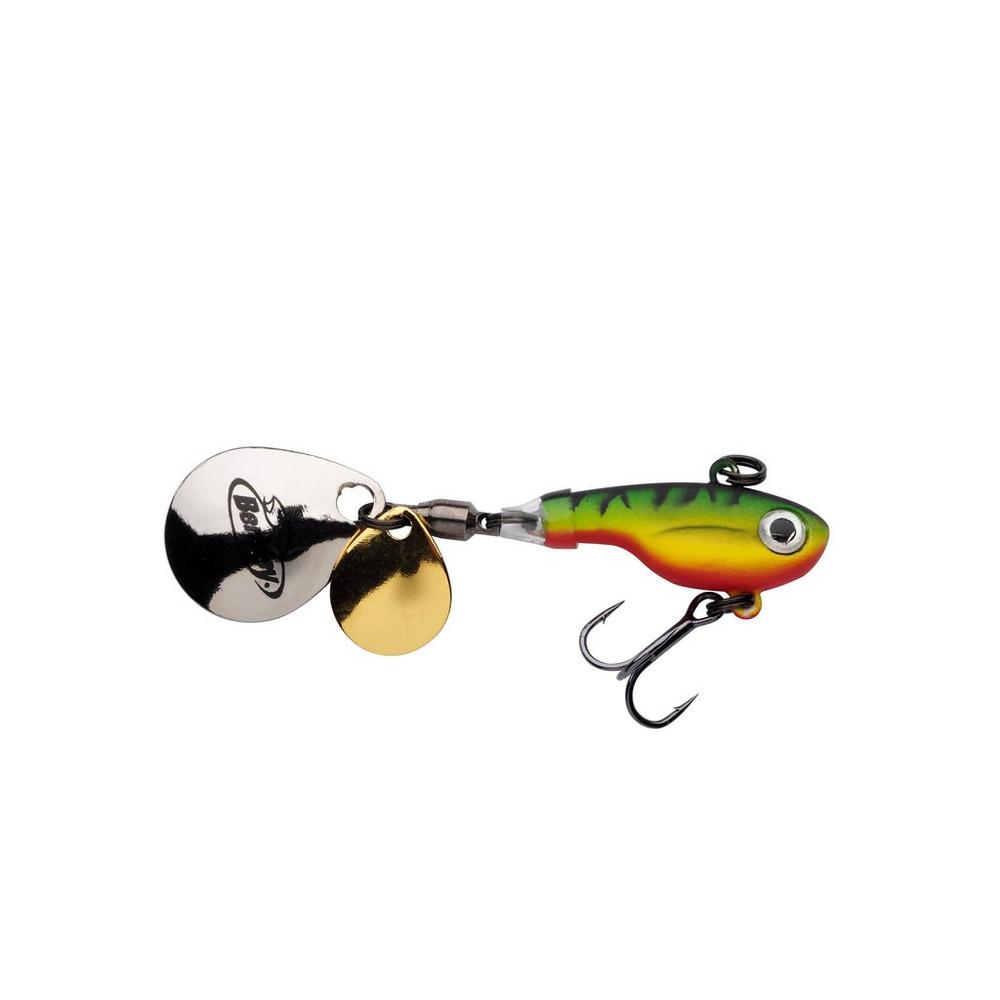
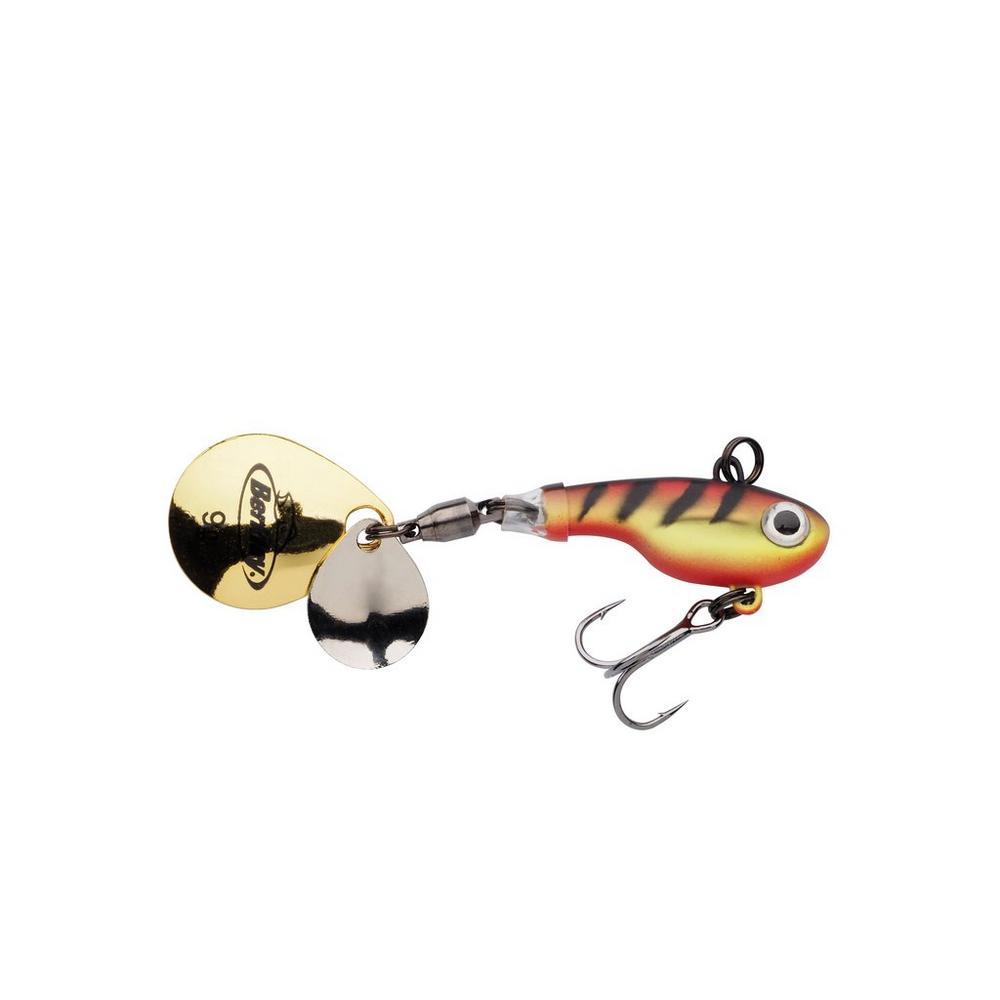
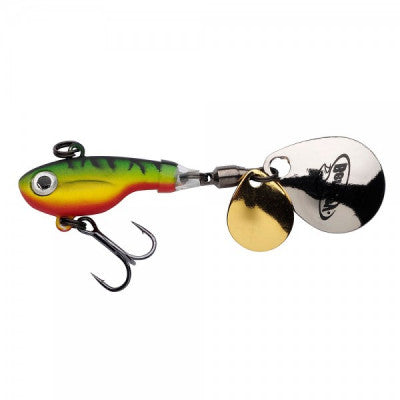
Tail spinners combine a dense fish-shaped or metal body with a rotating blade at the rear. The compact weight casts efficiently, sinks quickly and creates flash and vibration during a steady retrieve or controlled lift-and-fall presentation. The collection includes Berkley, Savage Gear, Kinetic and DAM in weights for perch, pike and other predators.
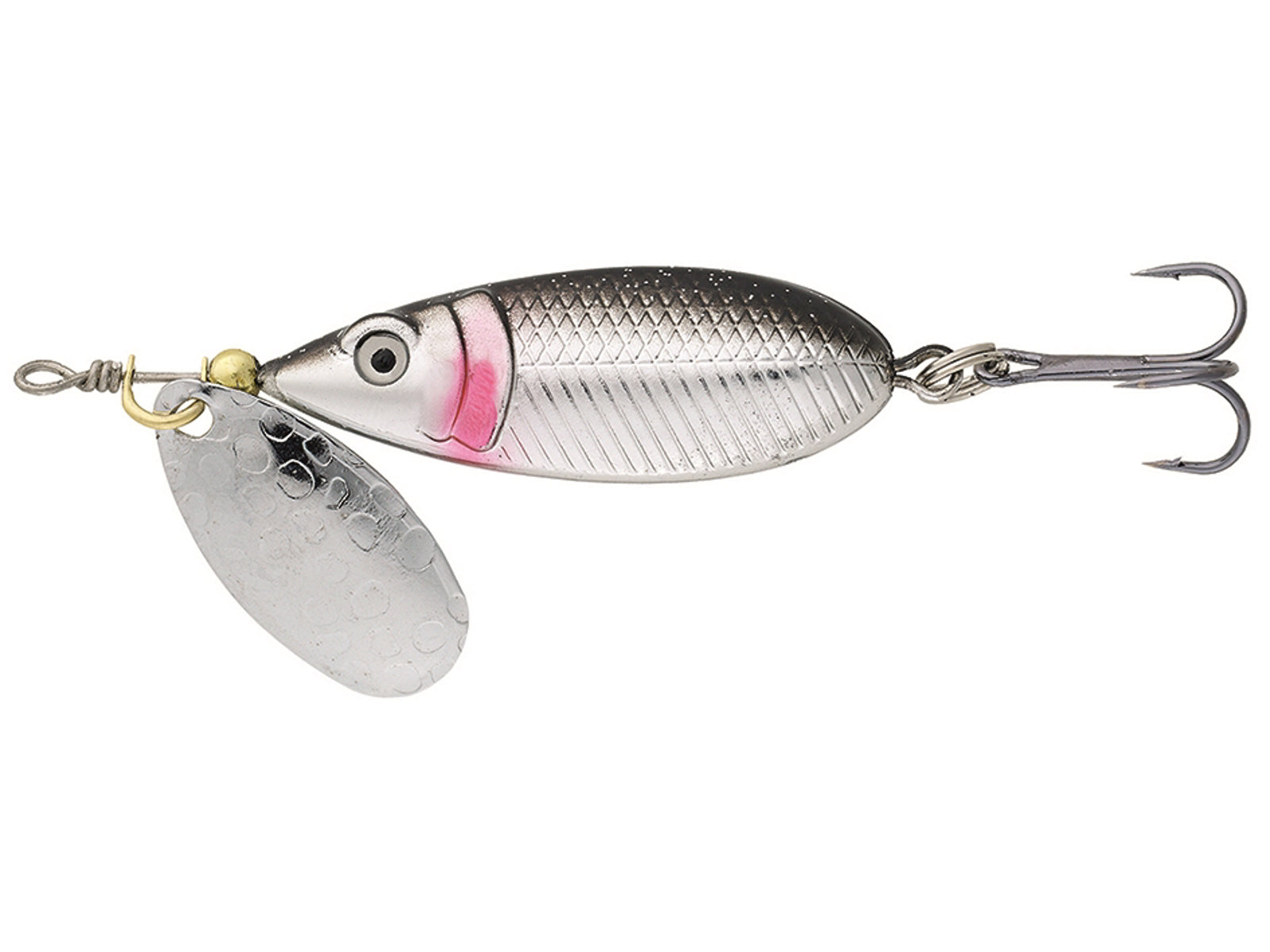
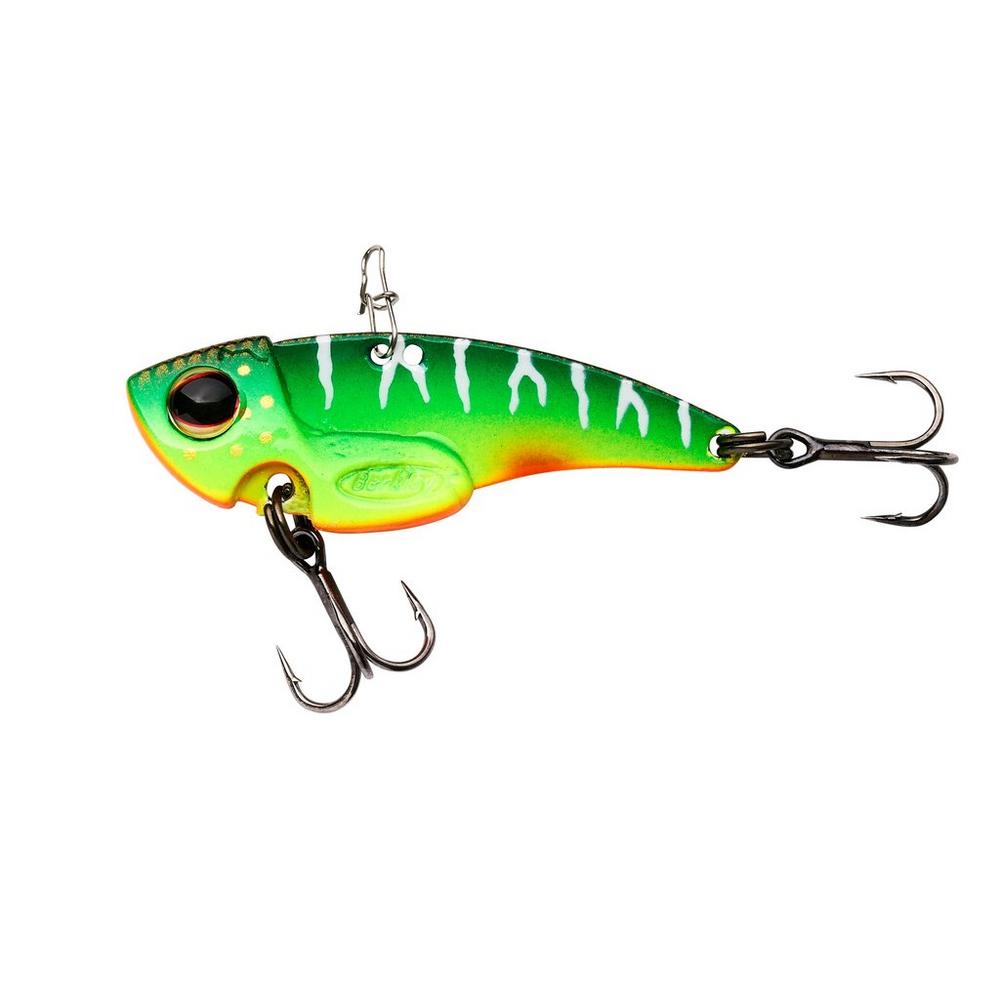
Because the blade sits behind the body, it begins working as the lure moves forward or falls under tension. Some models use a treble hook beneath the body; others may vary in hook placement. Check the actual product image and specification, especially when fishing venues with single-hook or barbless requirements.
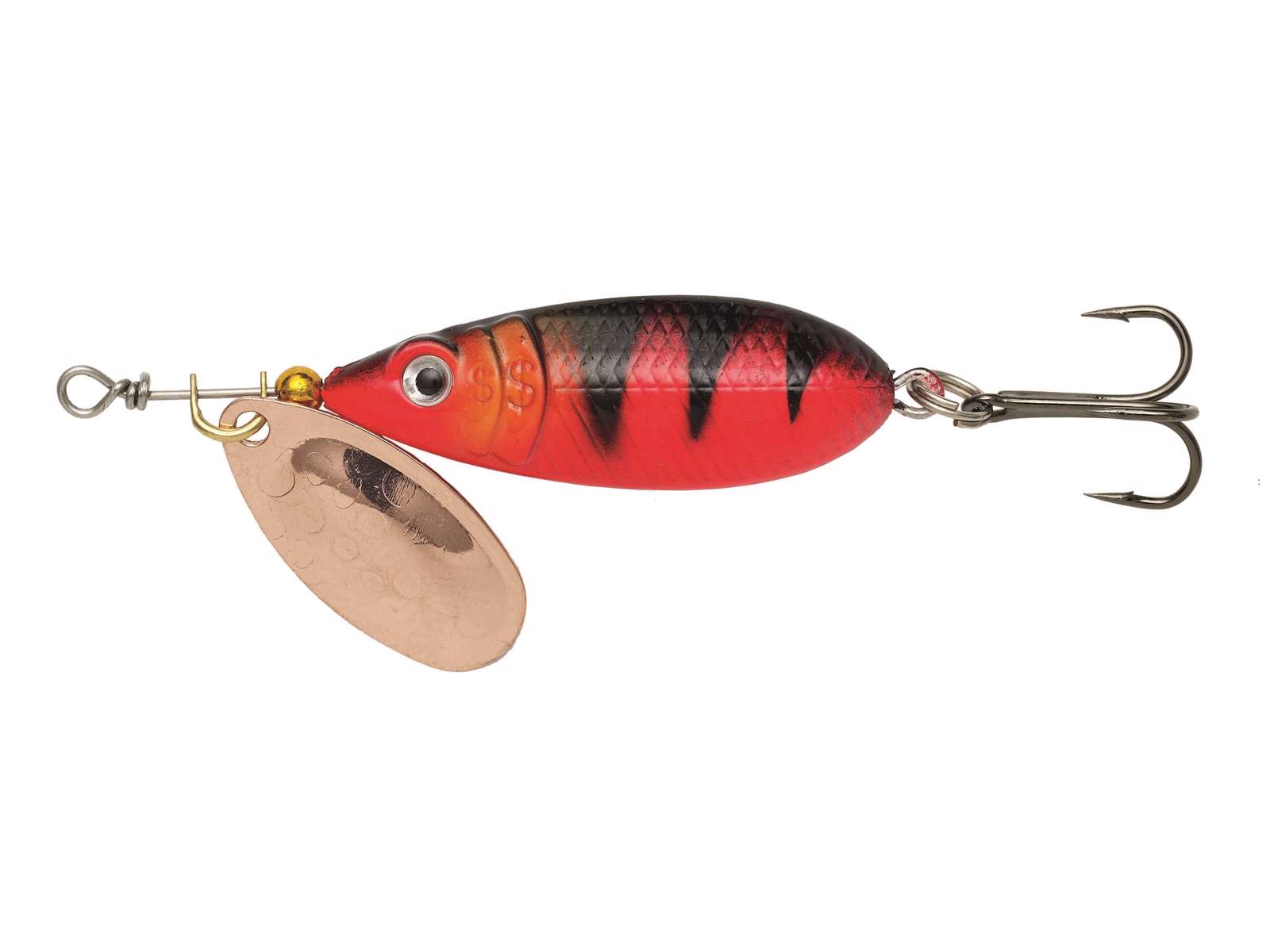
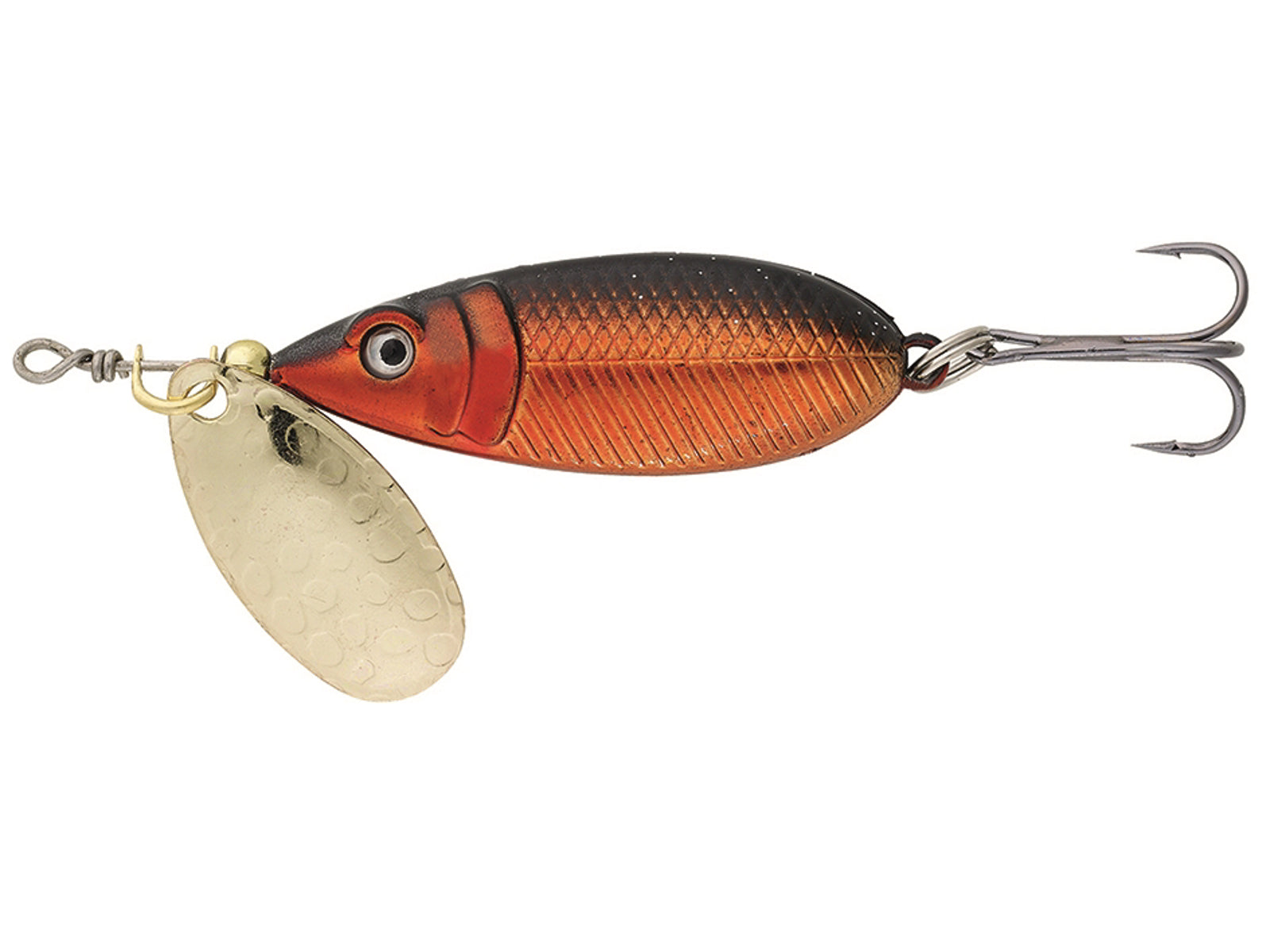
Browse all fishing lures, compare wire-framed spinnerbaits, explore vibrating vibe lures, or use traditional spinners when a lighter blade-led presentation is preferable.
Choose weight, sink rate and retrieve
Weight controls casting distance and the speed at which the lure reaches depth, but body shape and blade resistance also matter. Use the lightest model that maintains contact and reaches the required zone. Count the lure down only in clear water first, as tail spinners can snag quickly when allowed to fall onto rock, timber or dense weed.
A steady retrieve searches open water, while short lifts followed by a controlled drop can cover different levels. Maintain enough line tension to feel the blade and detect takes, but avoid pulling the lure out of the strike zone. If it rises too quickly, slow the retrieve or select more weight rather than lowering the rod into an unsafe or awkward position.
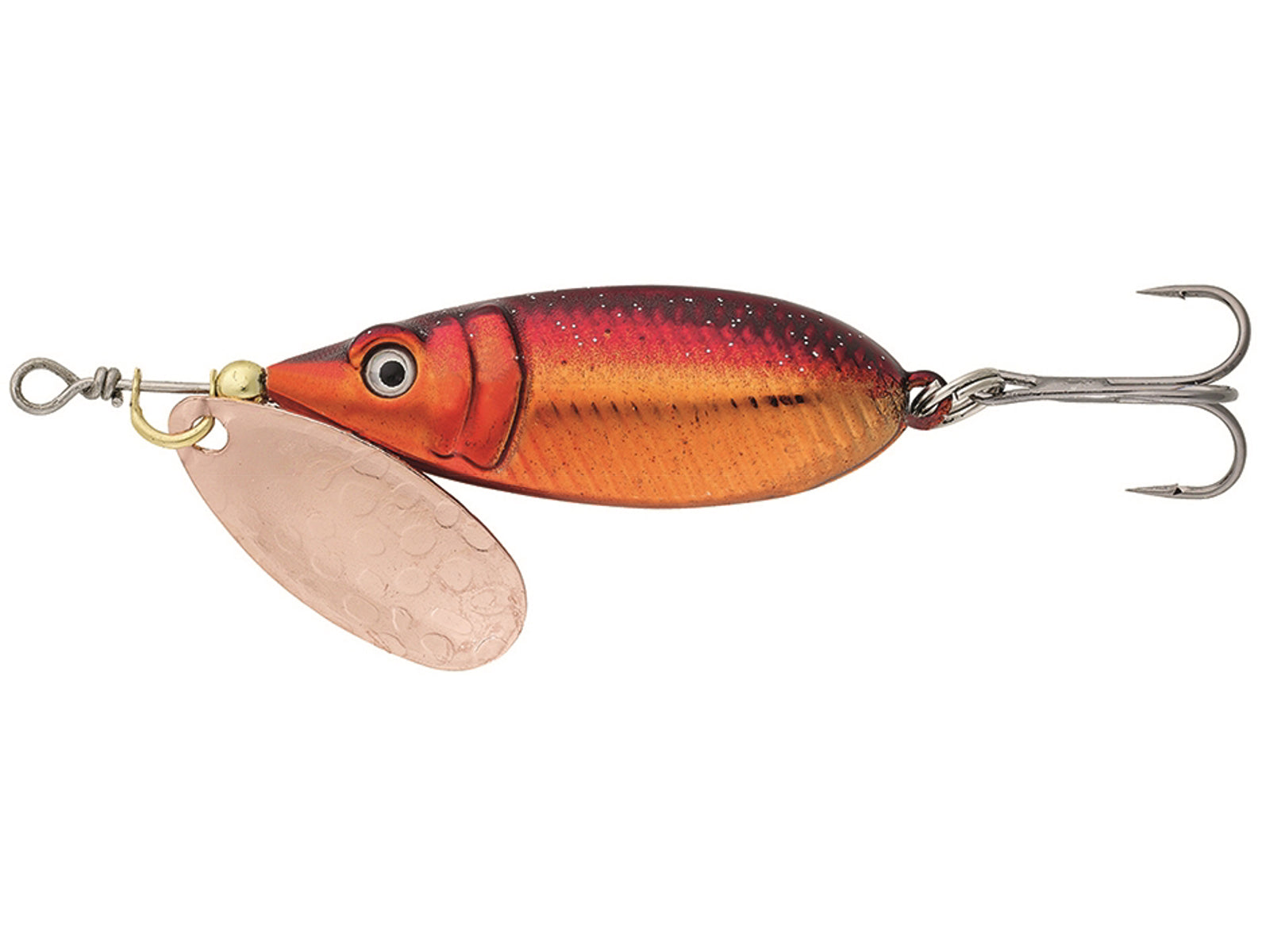
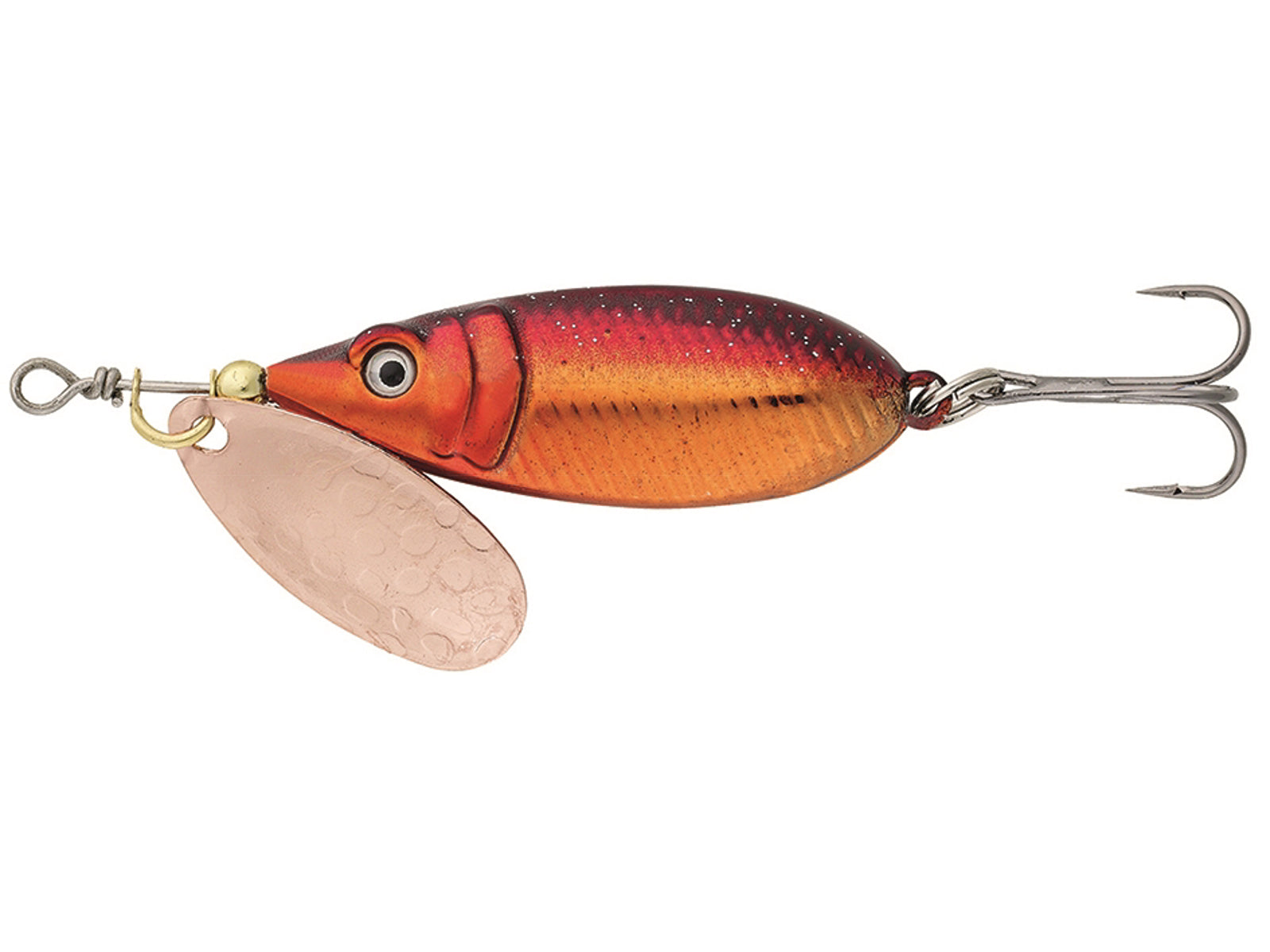
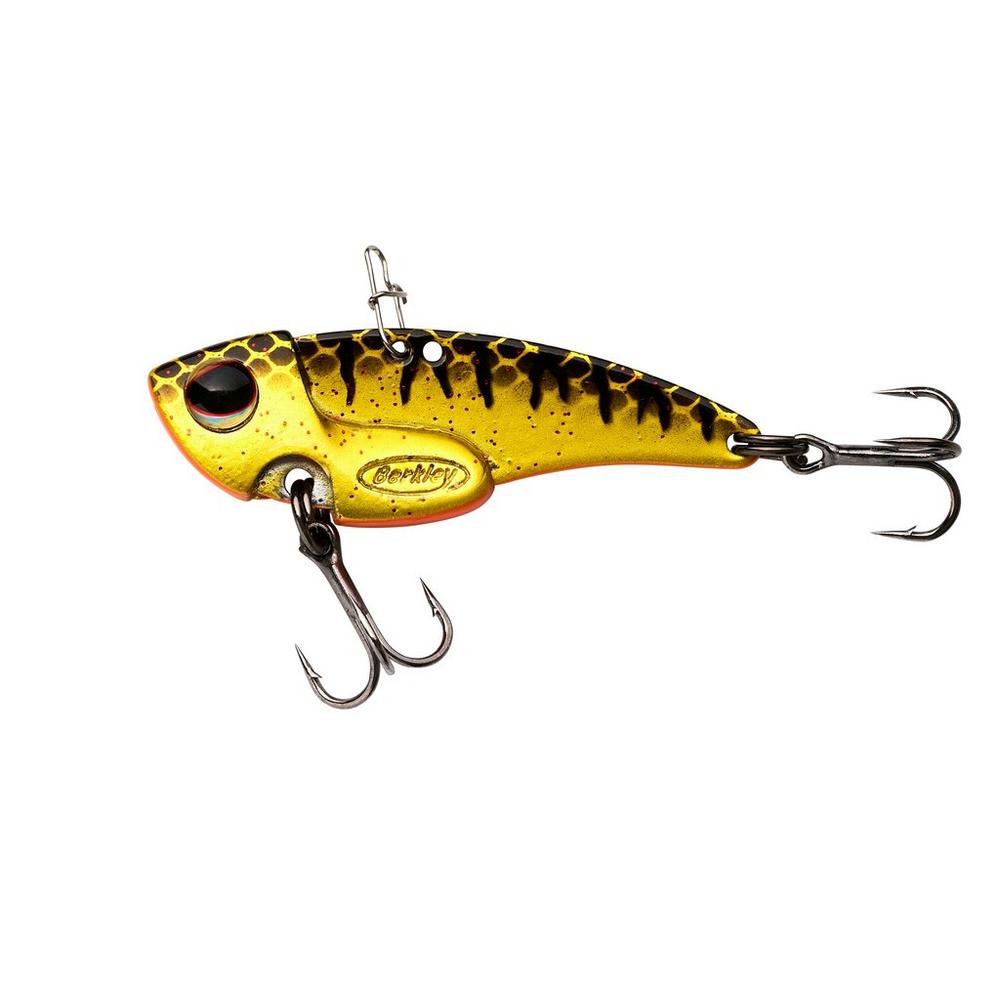
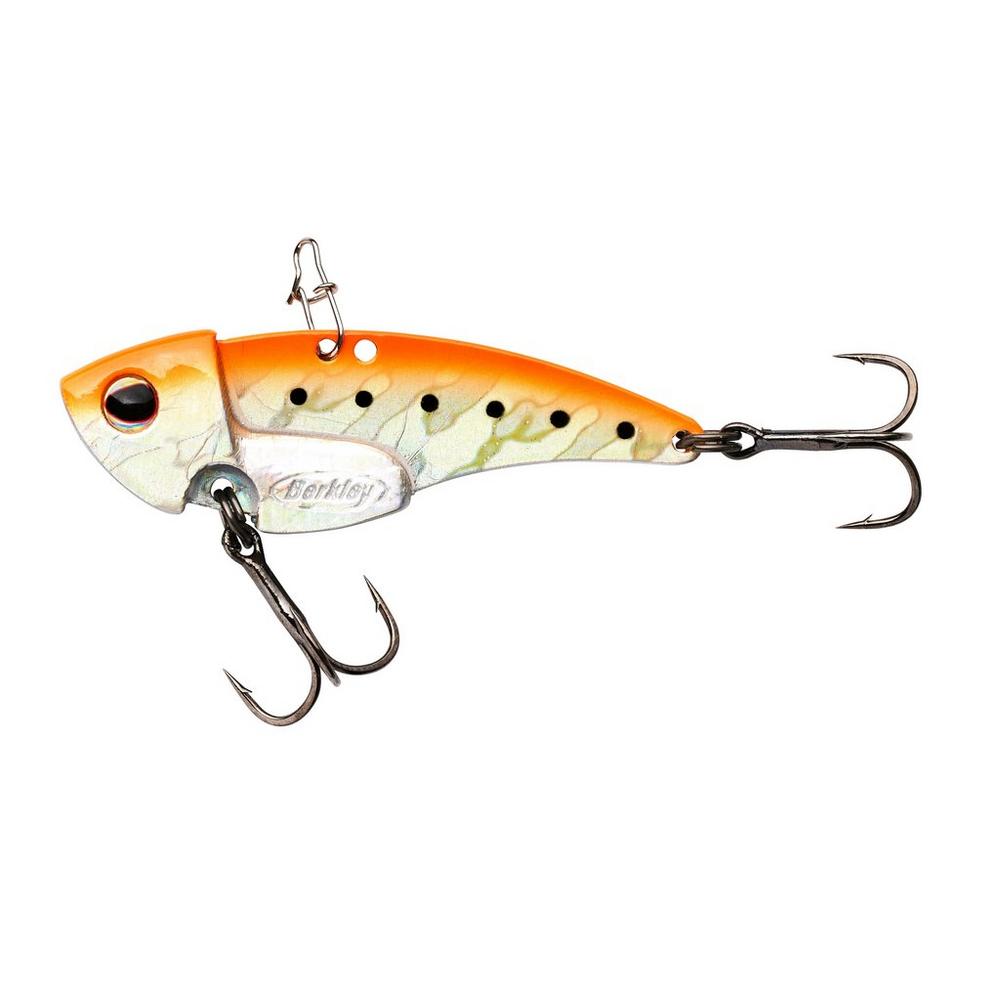
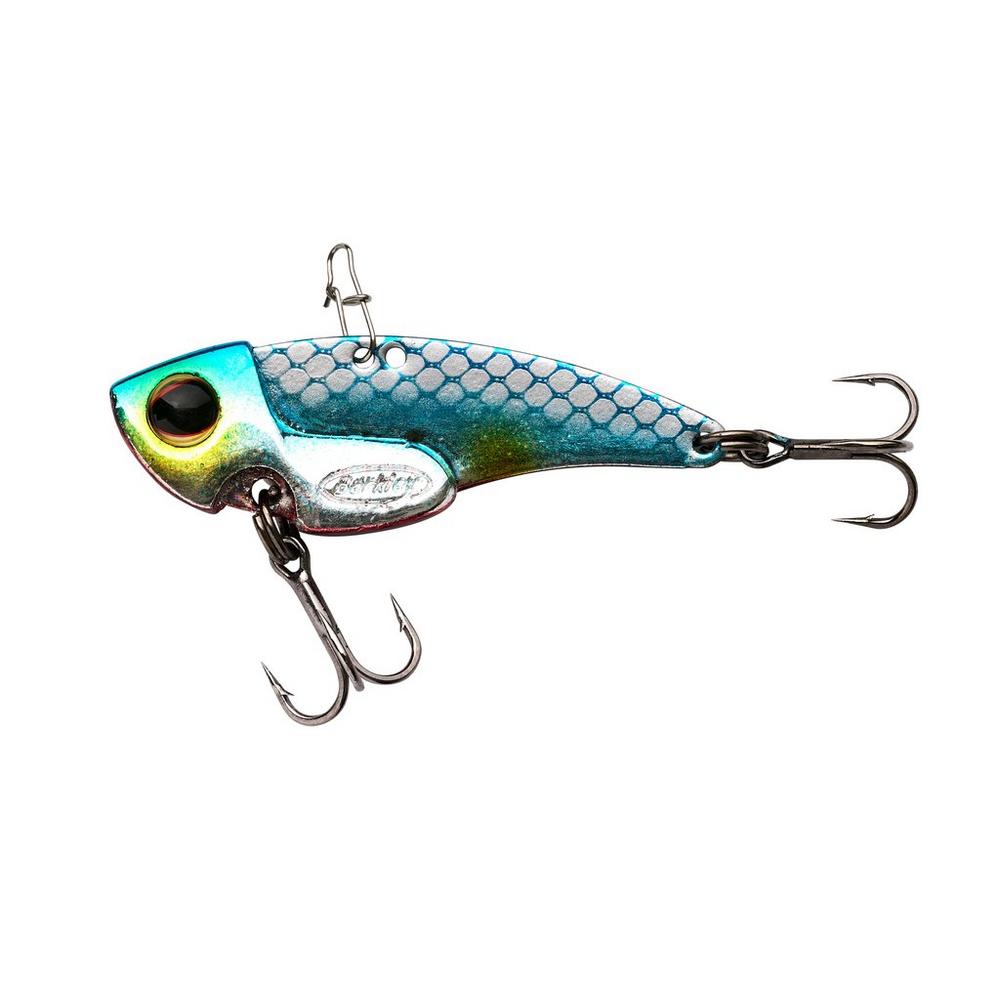
Compact profiles can imitate small baitfish even at relatively high weights. Natural silver, perch or roach patterns suit clear conditions, while gold, black or bright contrast may be easier to track in coloured water. Check whether replacement blades or hooks alter balance, as oversized hardware can reduce the intended action.
Match line, leader and hook care
Pair the lure with a rod whose casting range covers its complete weight. Braided line provides direct contact at depth, while the leader should match abrasion risk and the target species. Use a suitable bite-resistant trace wherever pike may be present, and carry cutters and long-handled tools for treble-hooked lures.
Inspect the swivel or blade hanger, split rings and hook after contact with the bottom. A blade that binds loses much of the lure's attraction. Rinse after saltwater use, dry before storage and replace corroded or distorted hardware with components of appropriate size and strength.