Fishing zingers for accessible small tools
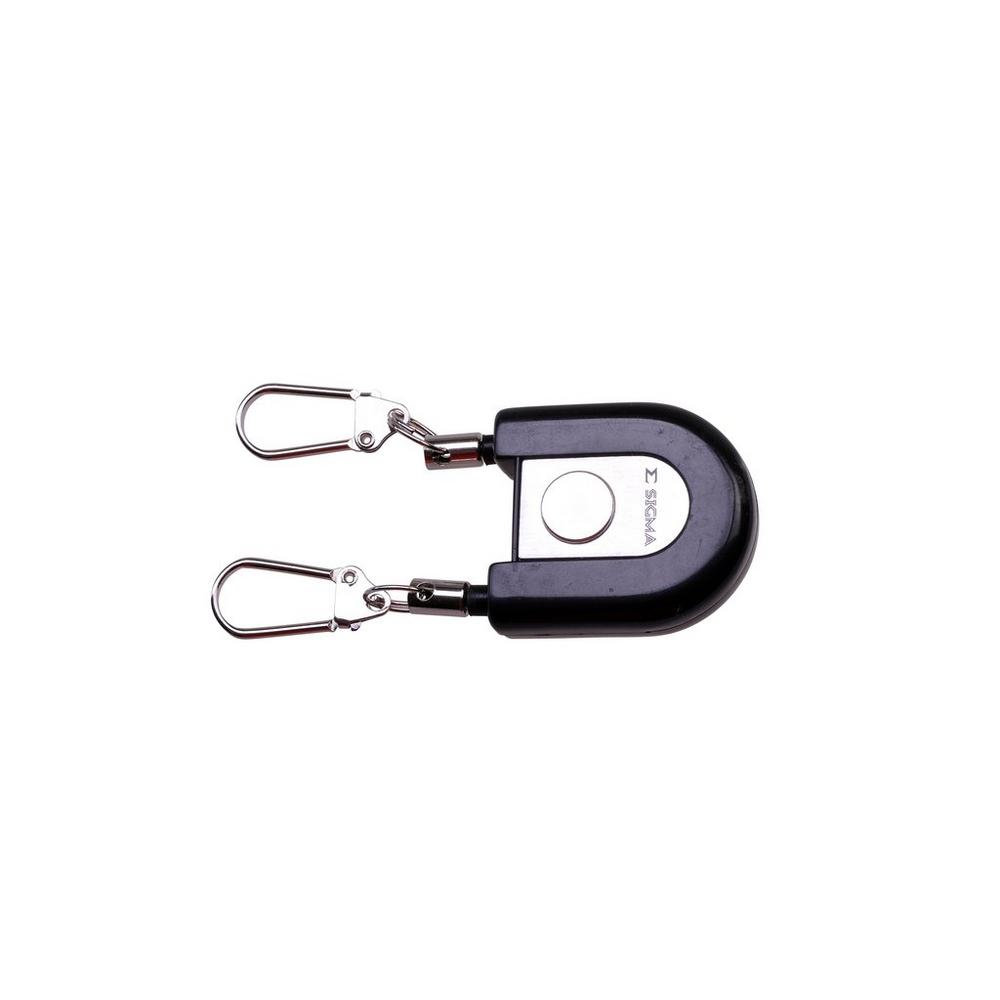
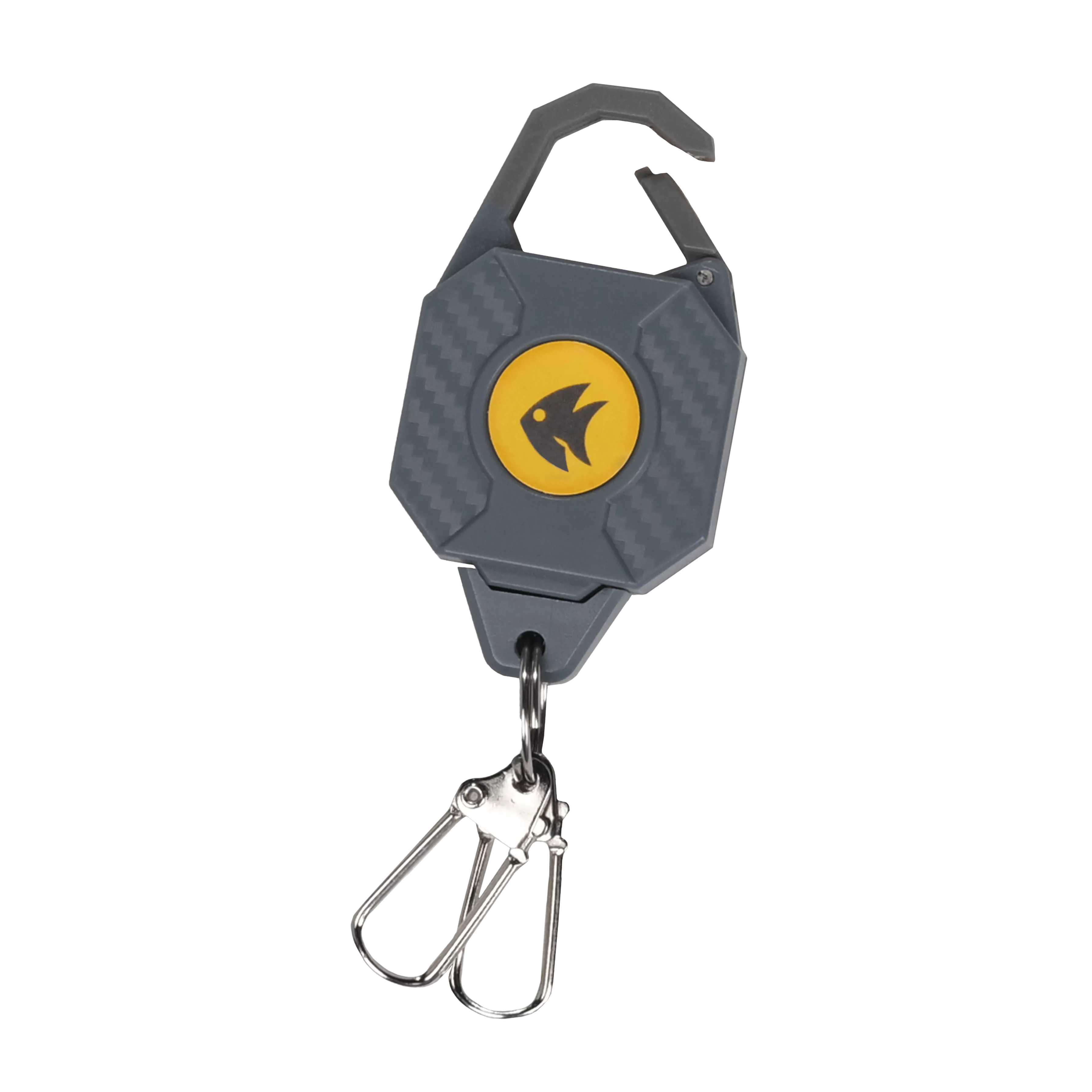
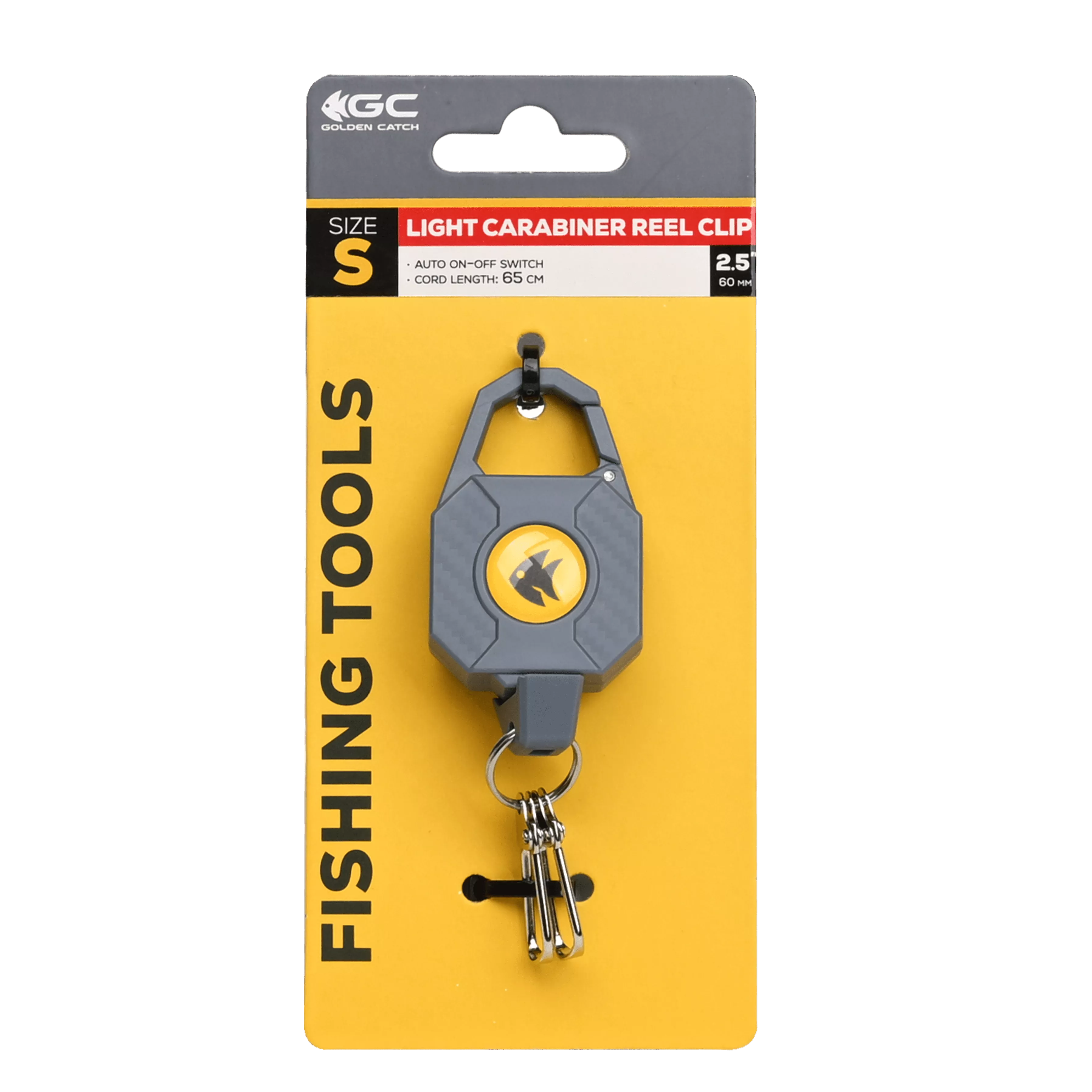
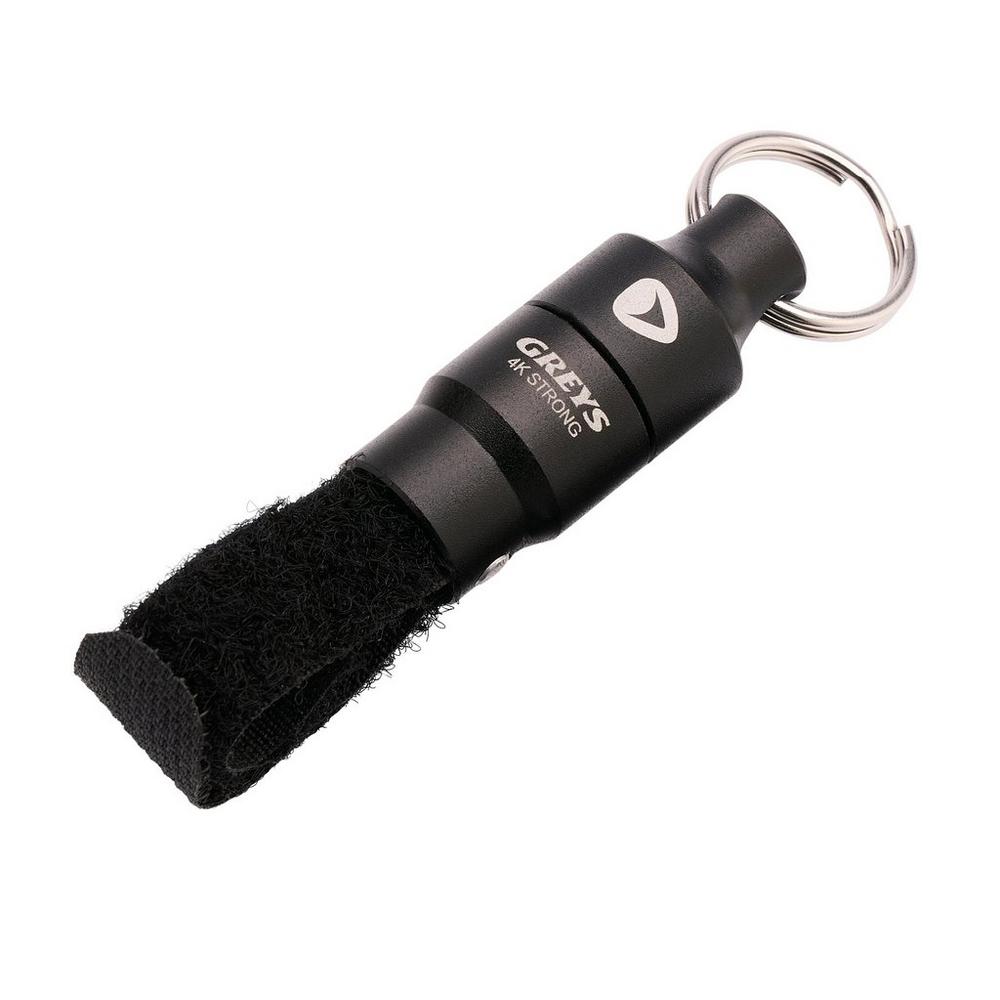
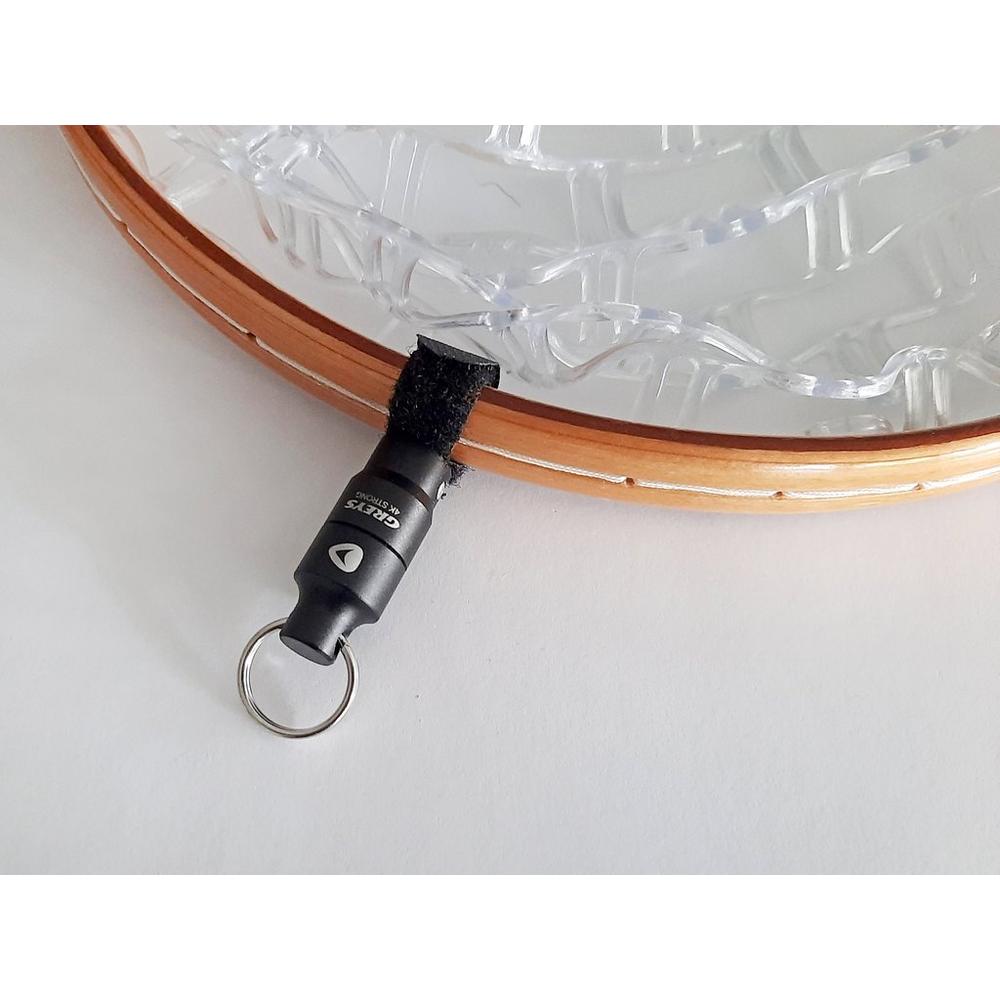
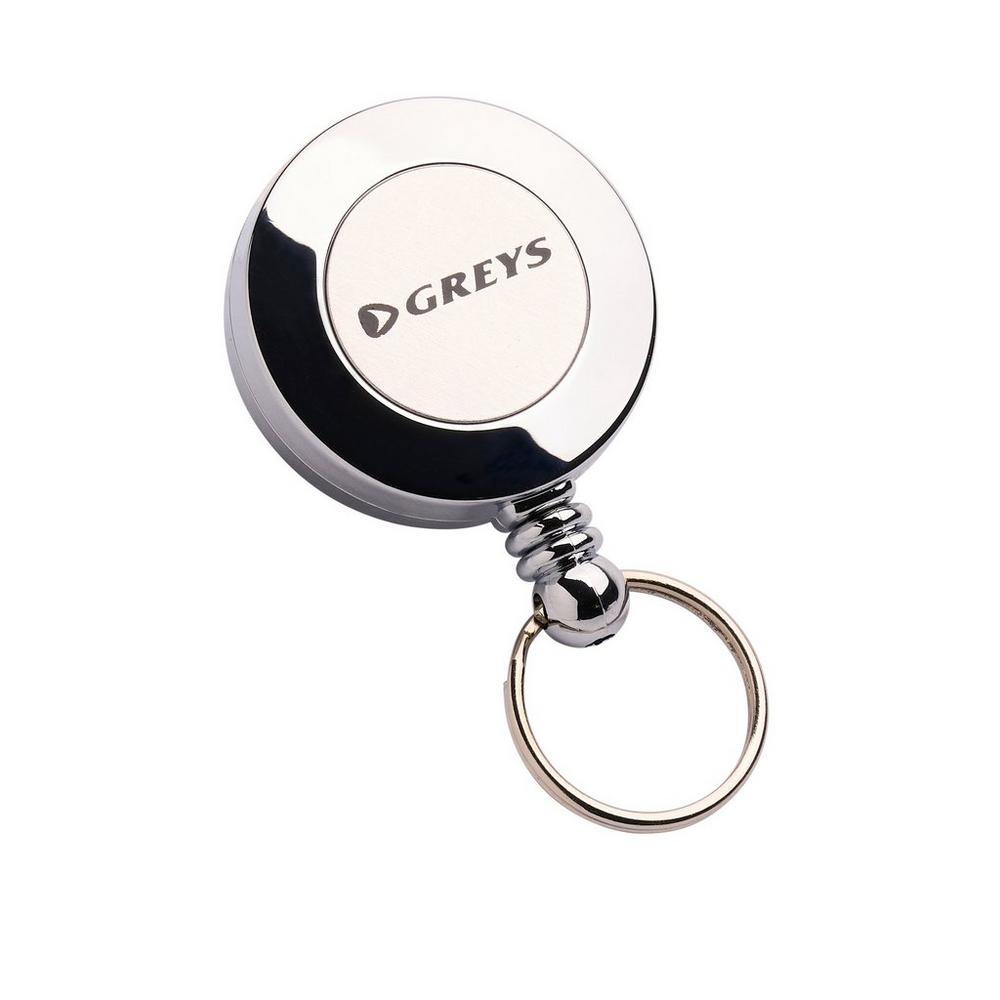
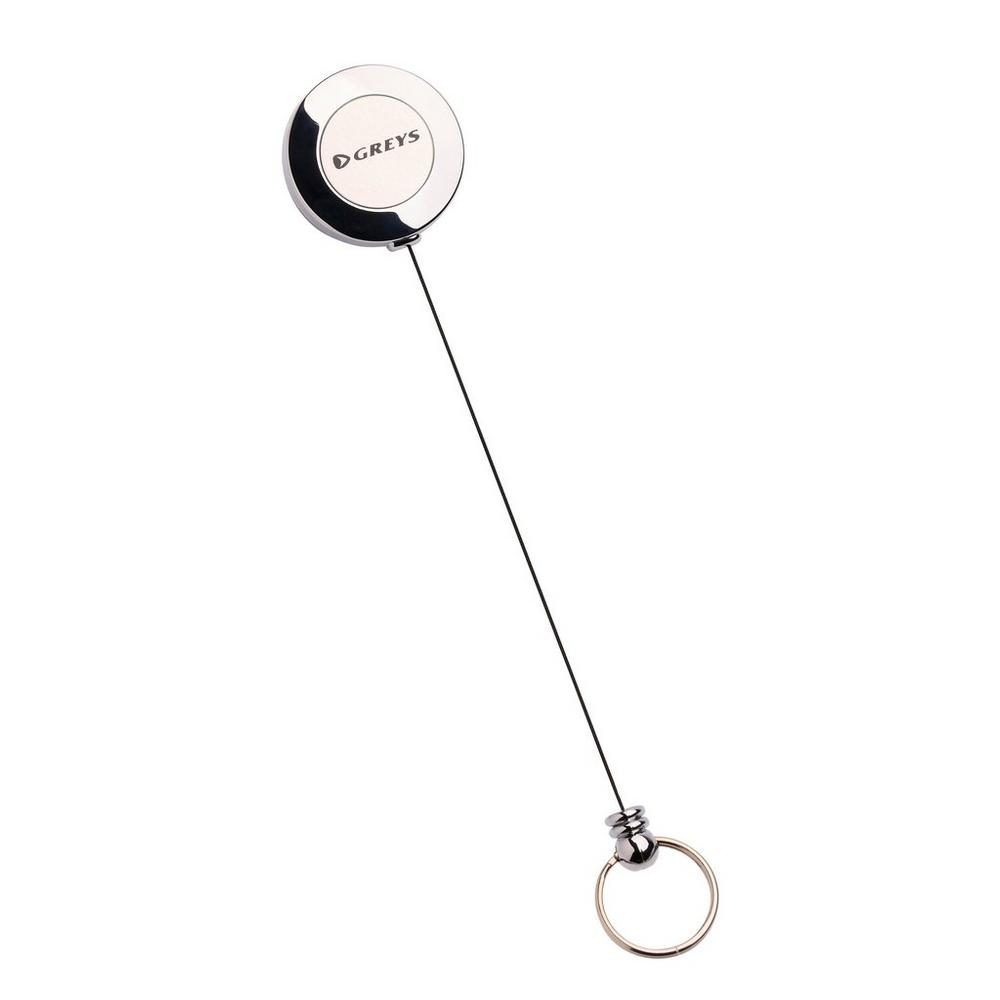
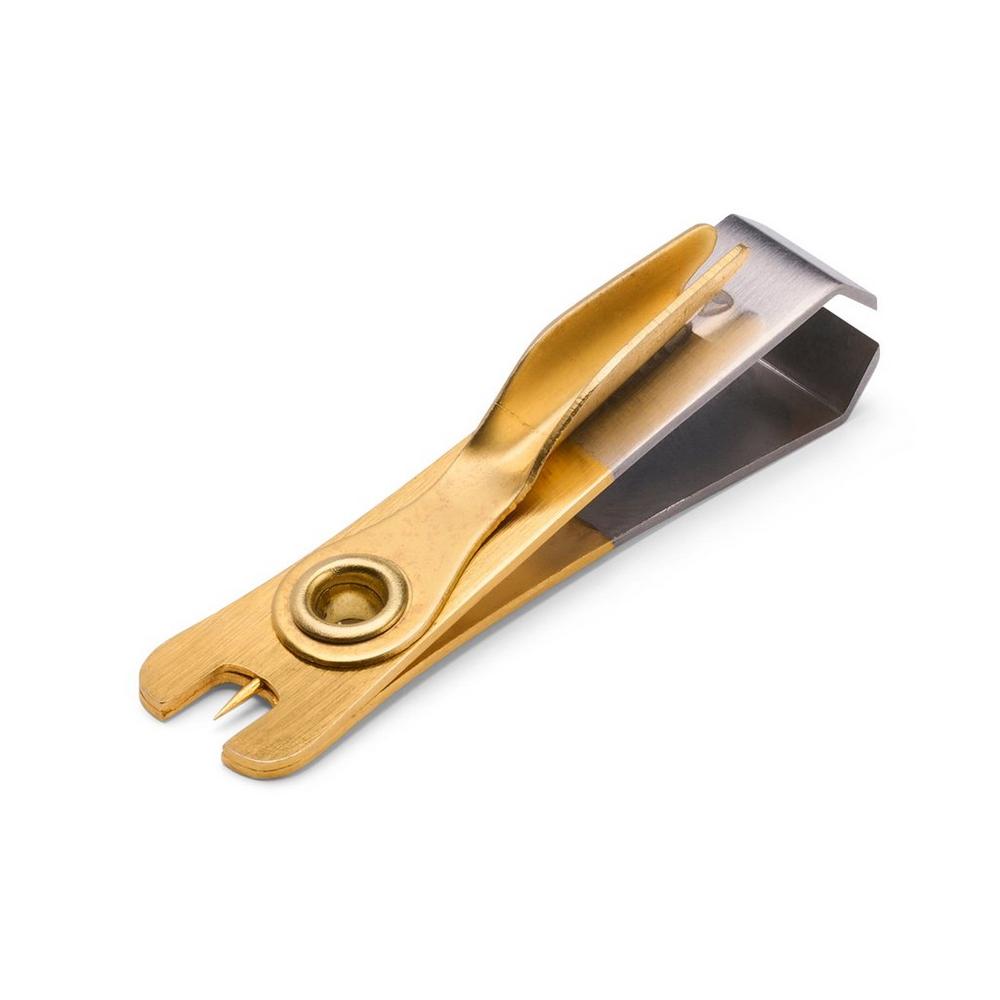
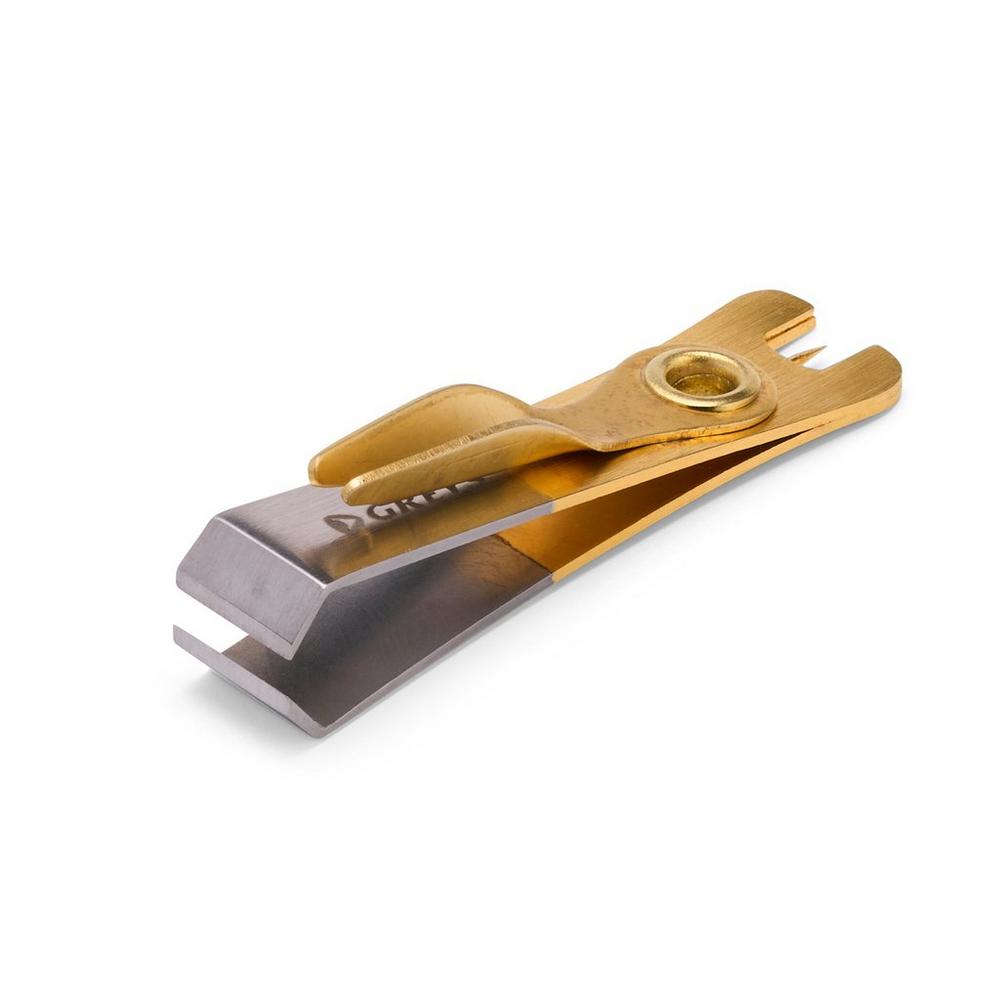
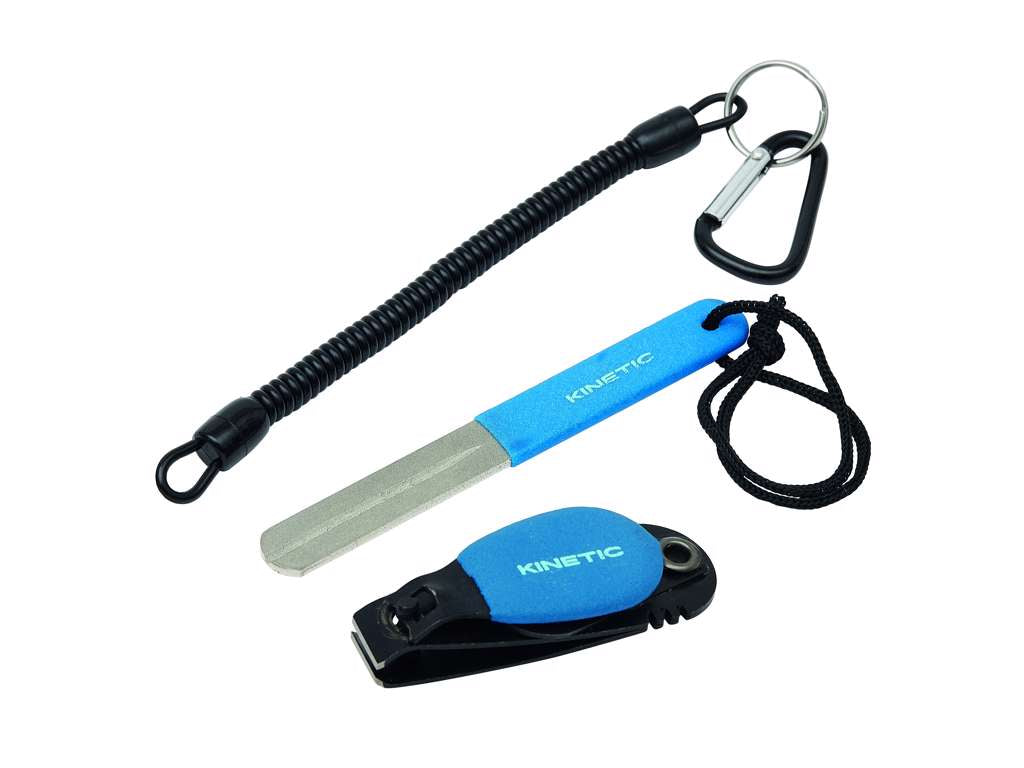
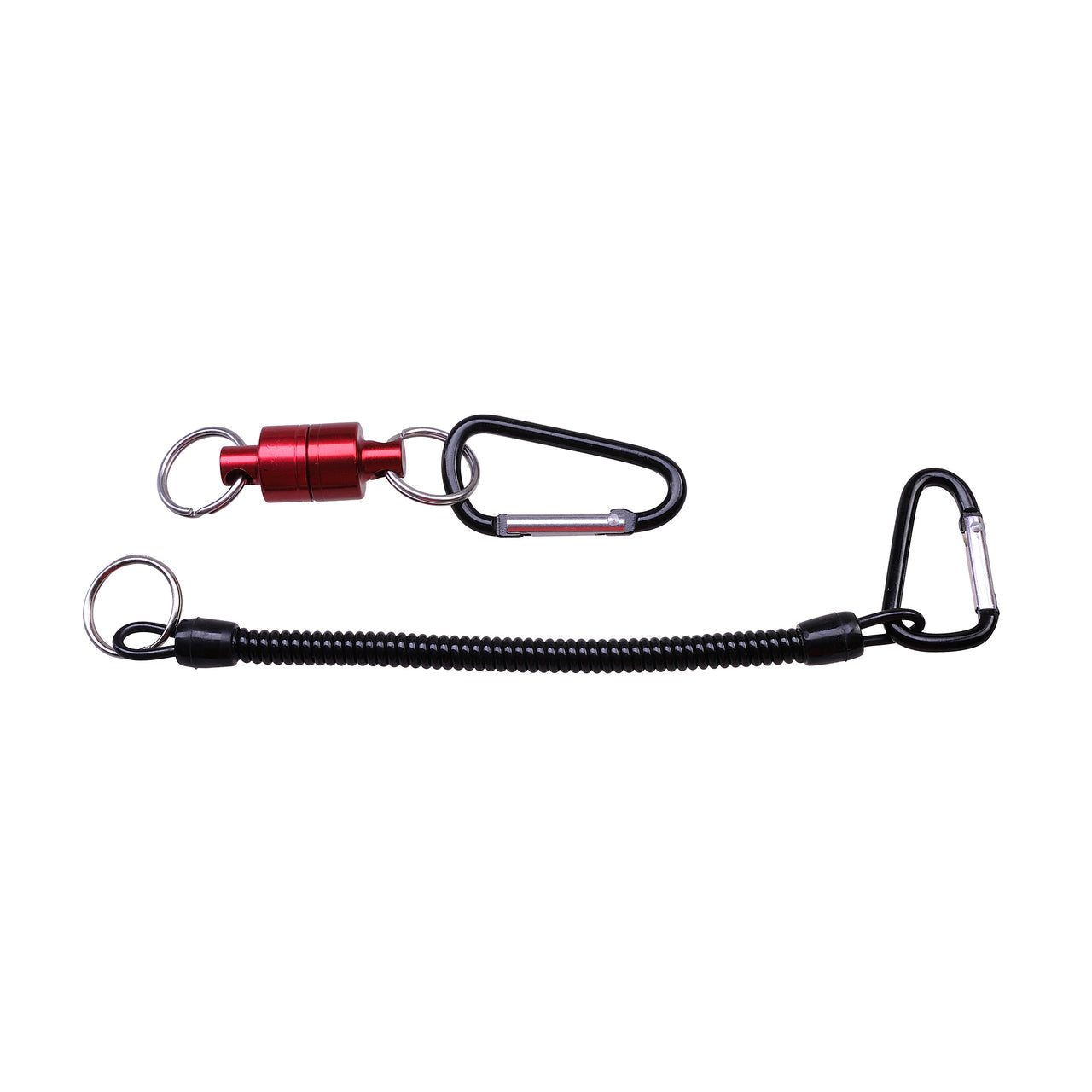
A zinger is a compact retractable holder that keeps a lightweight tool attached while allowing it to be pulled into use. It can reduce dropped snips or forceps and speed routine rig work. Retraction strength, cord length and attachment style must suit the accessory and mounting point.
Pin, clip and loop fittings attach differently to garments, packs and tackle. A rotating connection can help the tool follow hand movement, while a covered housing protects the internal spring. The stated load should include the complete tool, connector and any protective cover.
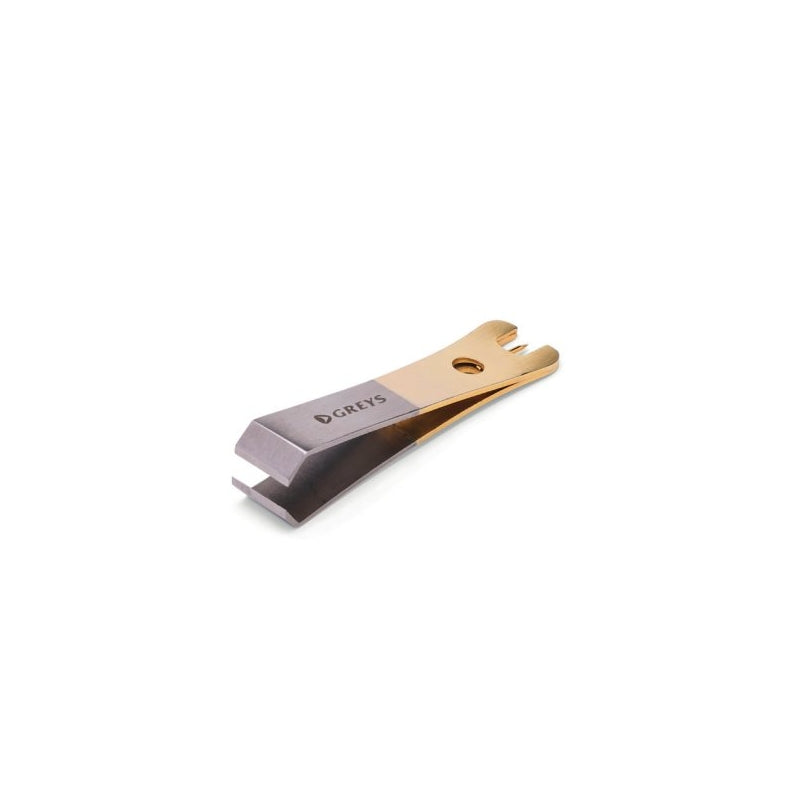
Browse the parent fishing tools range, fit pellets with a bait bander, attach compact line snips, or compare bait delivery using fishing catapults.
Match retraction, cord and attachment
Choose enough cord to reach the working position without pulling clothing or forcing the housing. The retractor should return the tool smoothly but not snap it into the body. Test the full travel at home and keep sharp points directed away from hands and face.
Mount the zinger where the tool will not catch line, rod handles, lifejacket fittings or boat controls. Secure scissors and snips closed, and cover forceps or other pointed items. Do not attach a heavy tool that can overload the spring or become a swinging hazard.
Standard tackle zingers are accessory holders, not load-bearing carabiners, fall protection or rescue equipment. Never use one to secure a person, valuable rod, landing net or equipment whose loss could create danger.
Inspect the spring, cord and connectors
Rinse suitable housings after saltwater exposure without flooding a mechanism that is not designed to open. Dry the cord extended where practical and check for fraying, corrosion, cracks and weak return. Do not dismantle a spring housing unless its instructions permit servicing.
Replace a zinger that sticks, retracts unpredictably or has a damaged attachment. Store it without sharp tools pressing against the cord and remove grit before the next session. Periodically confirm that the chosen mounting point remains sound and that the tool cannot reach an eye or exposed hook when released. Keep spare holders dry and labelled for their intended tools.