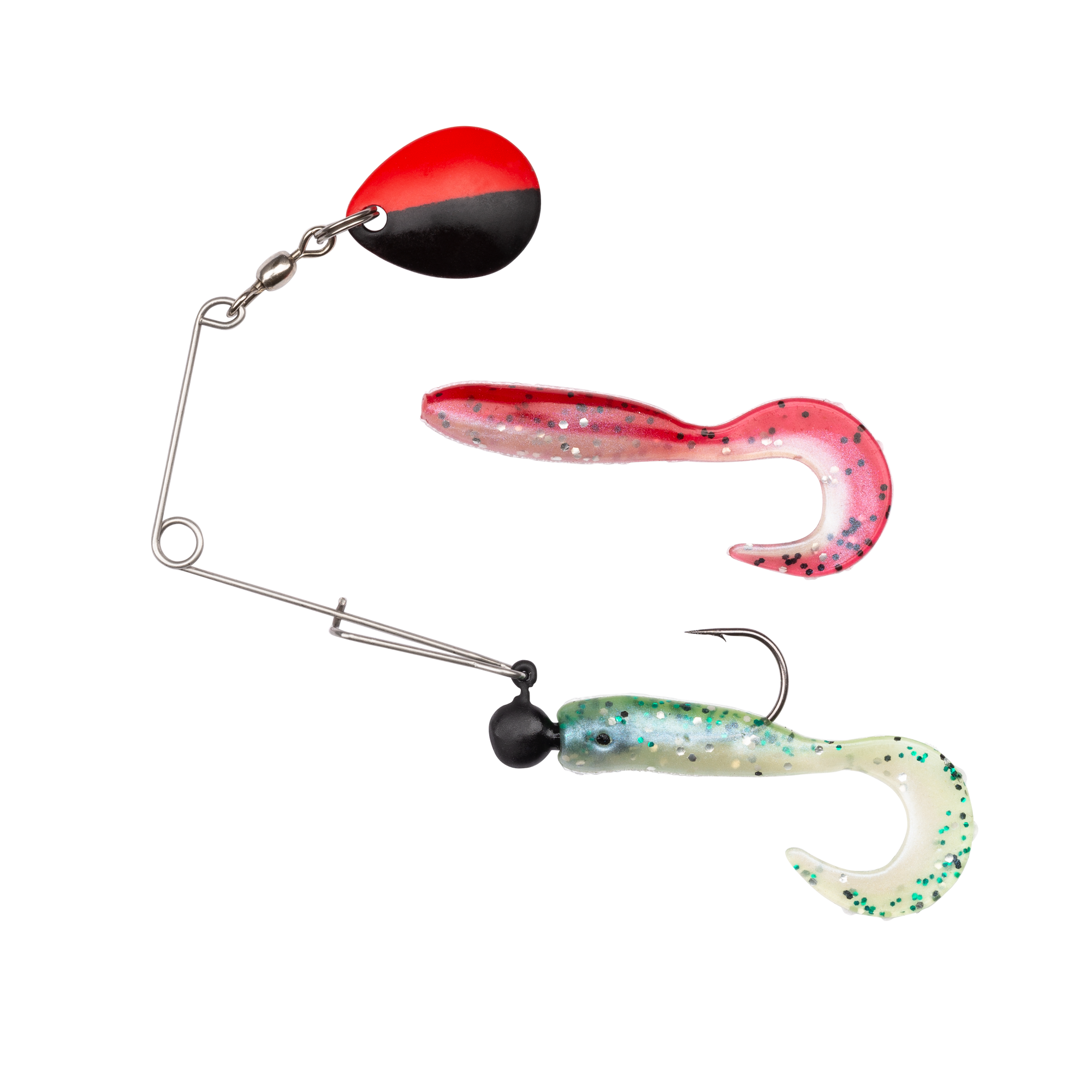
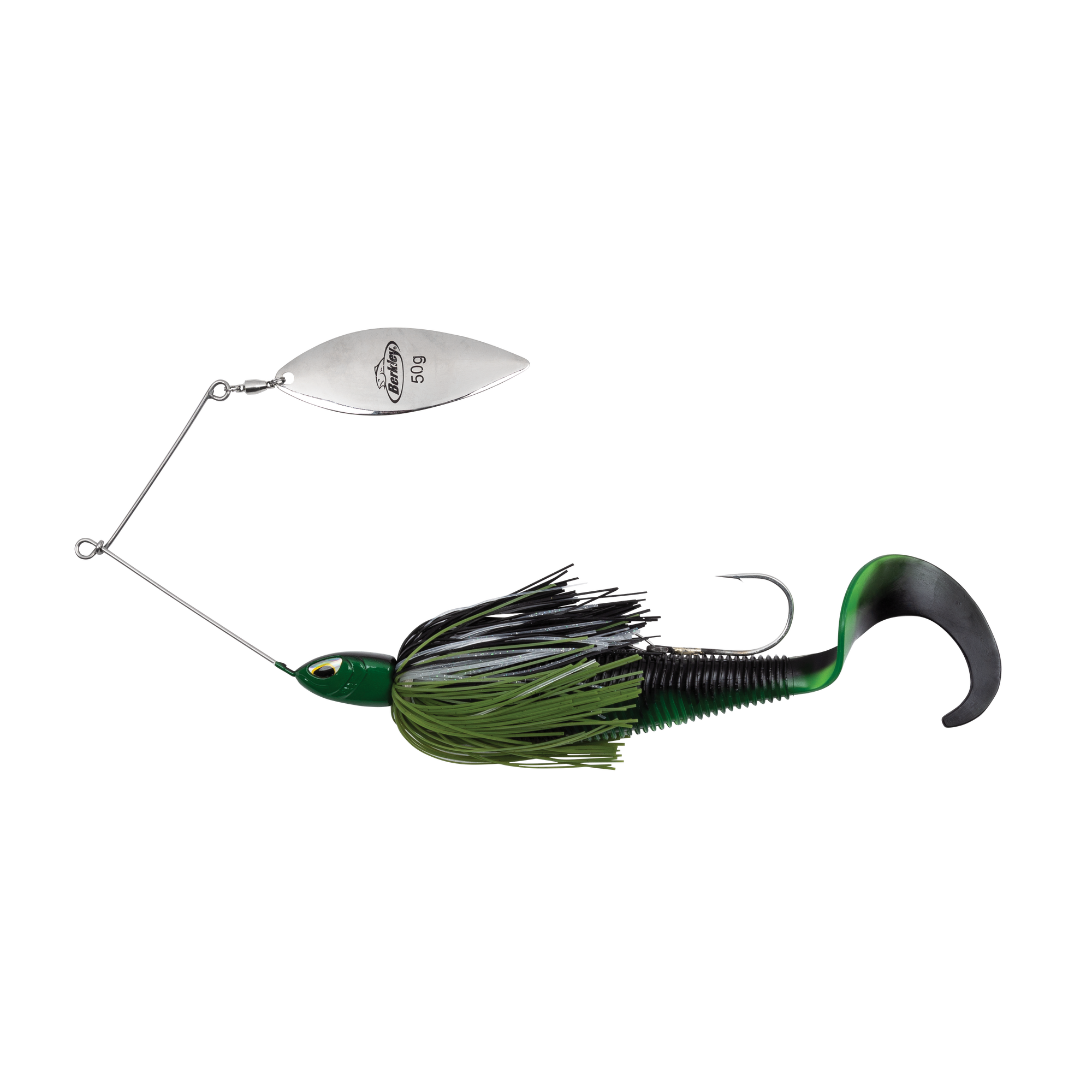
Spinnerbaits and bladed jigs for predator fishing
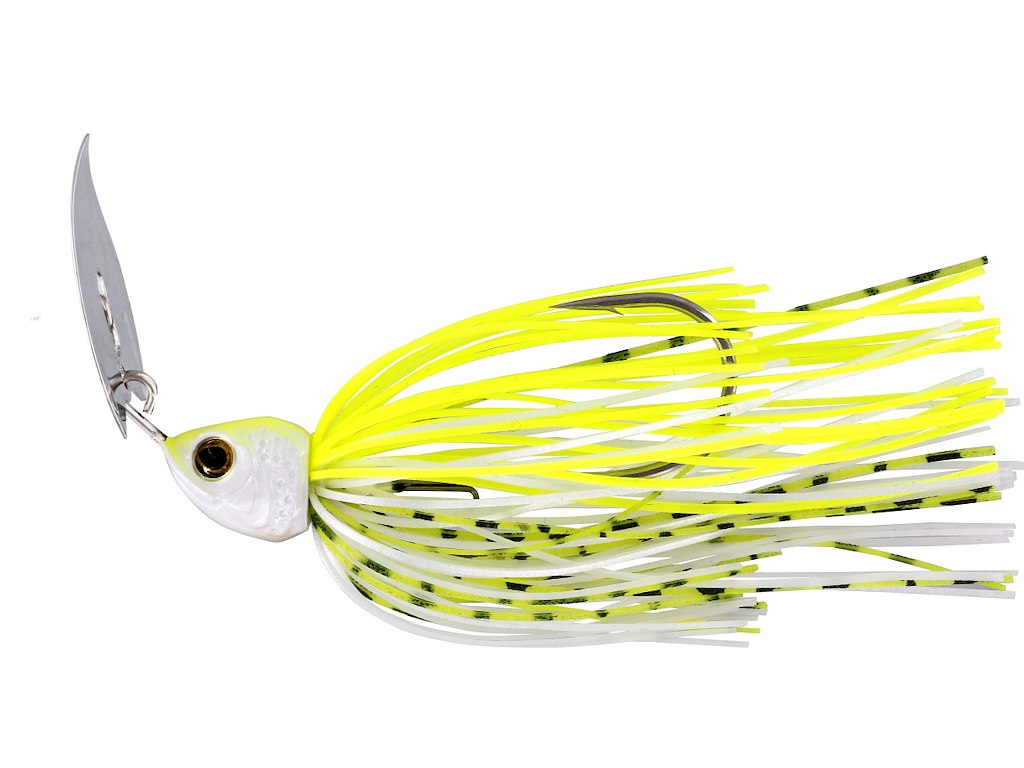
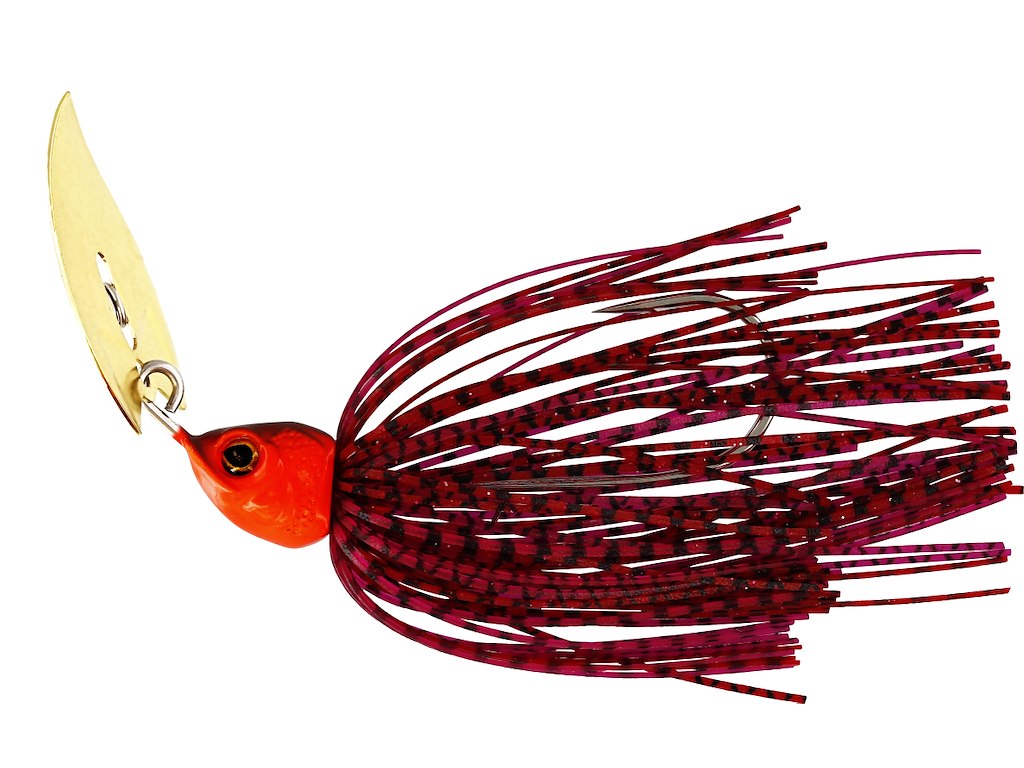
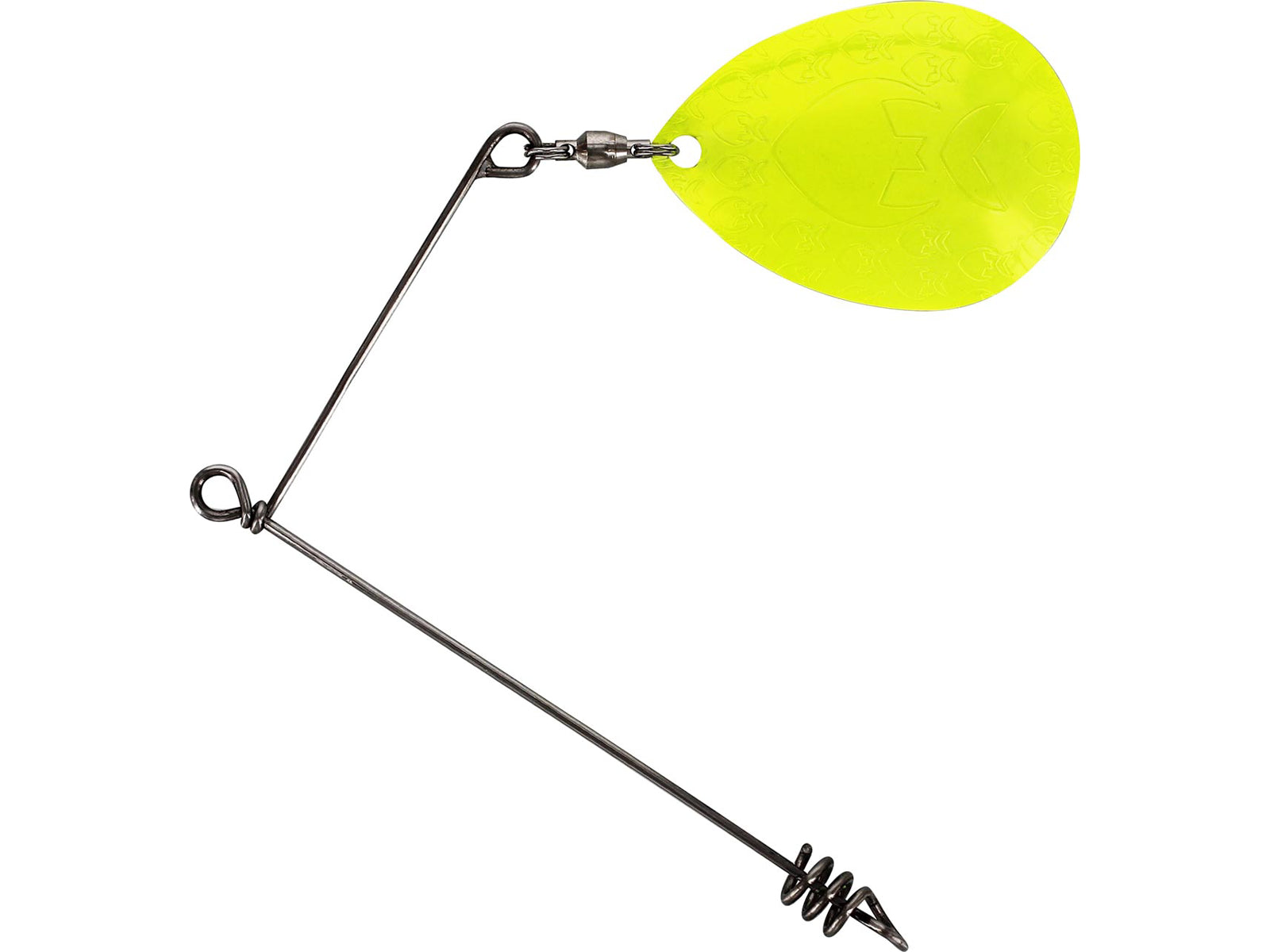
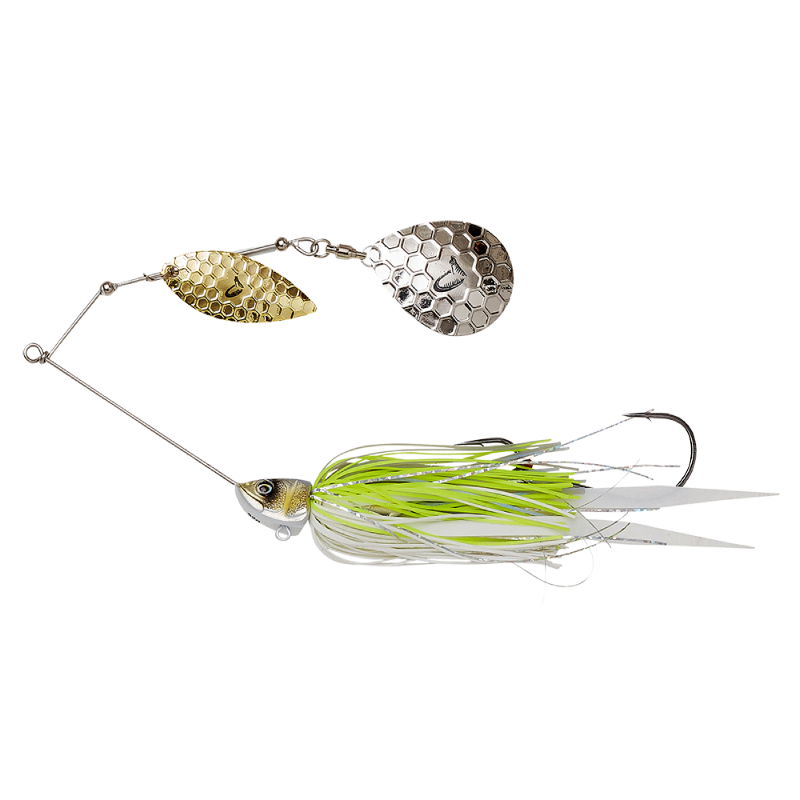
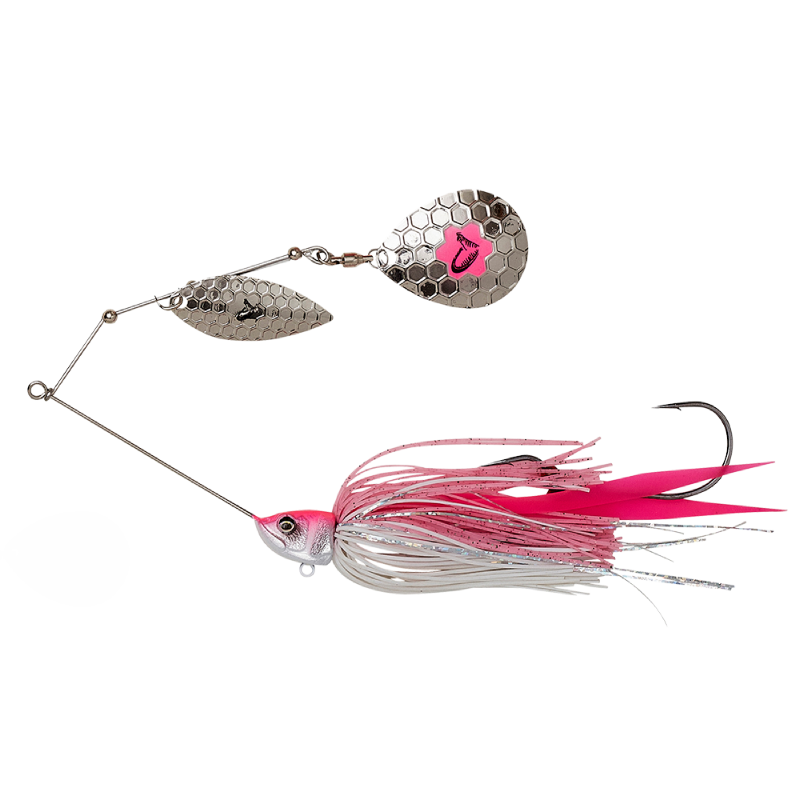
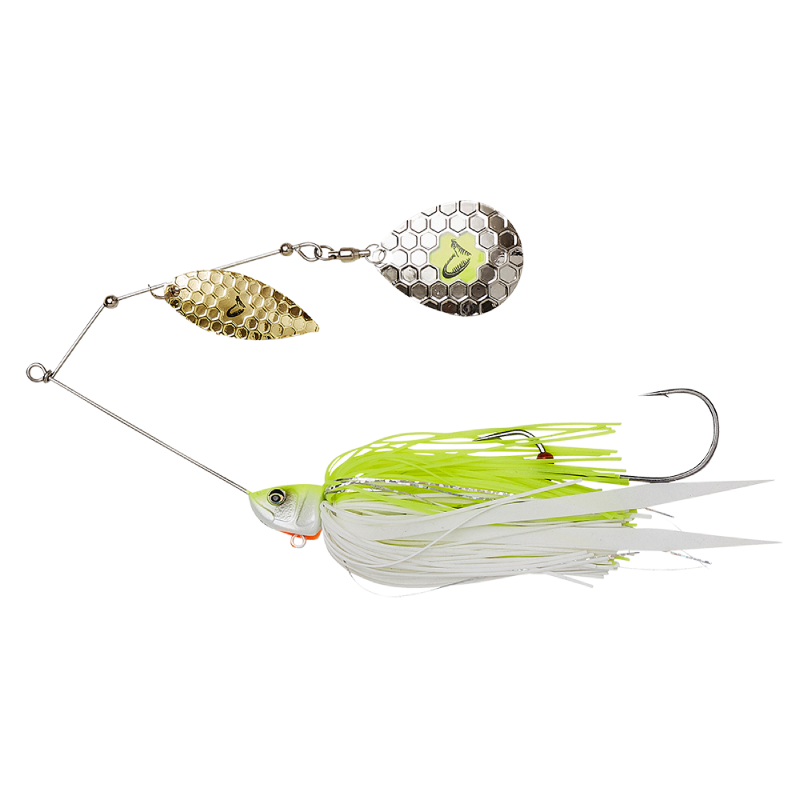
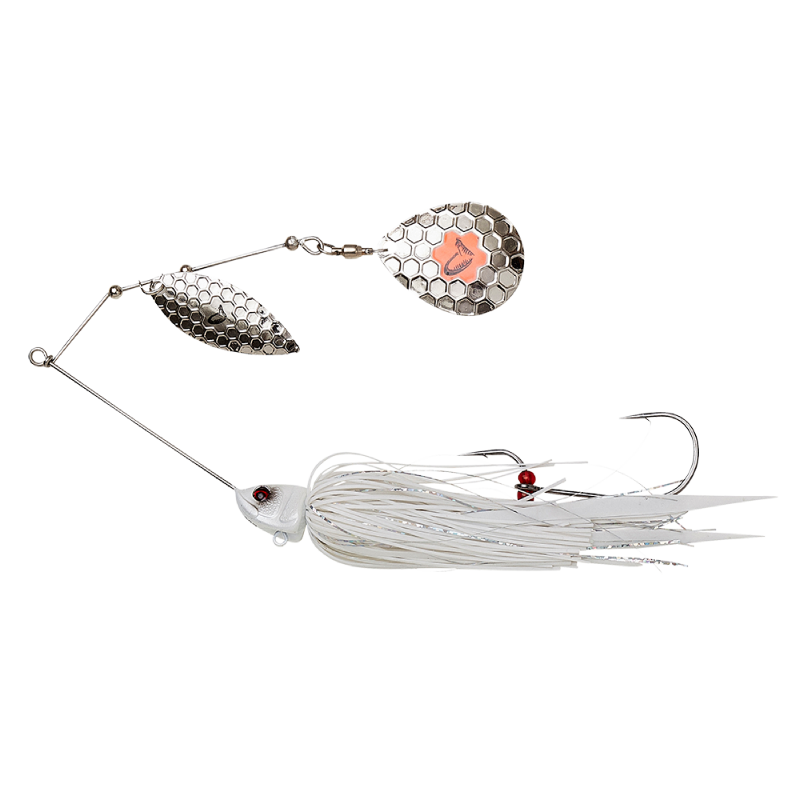
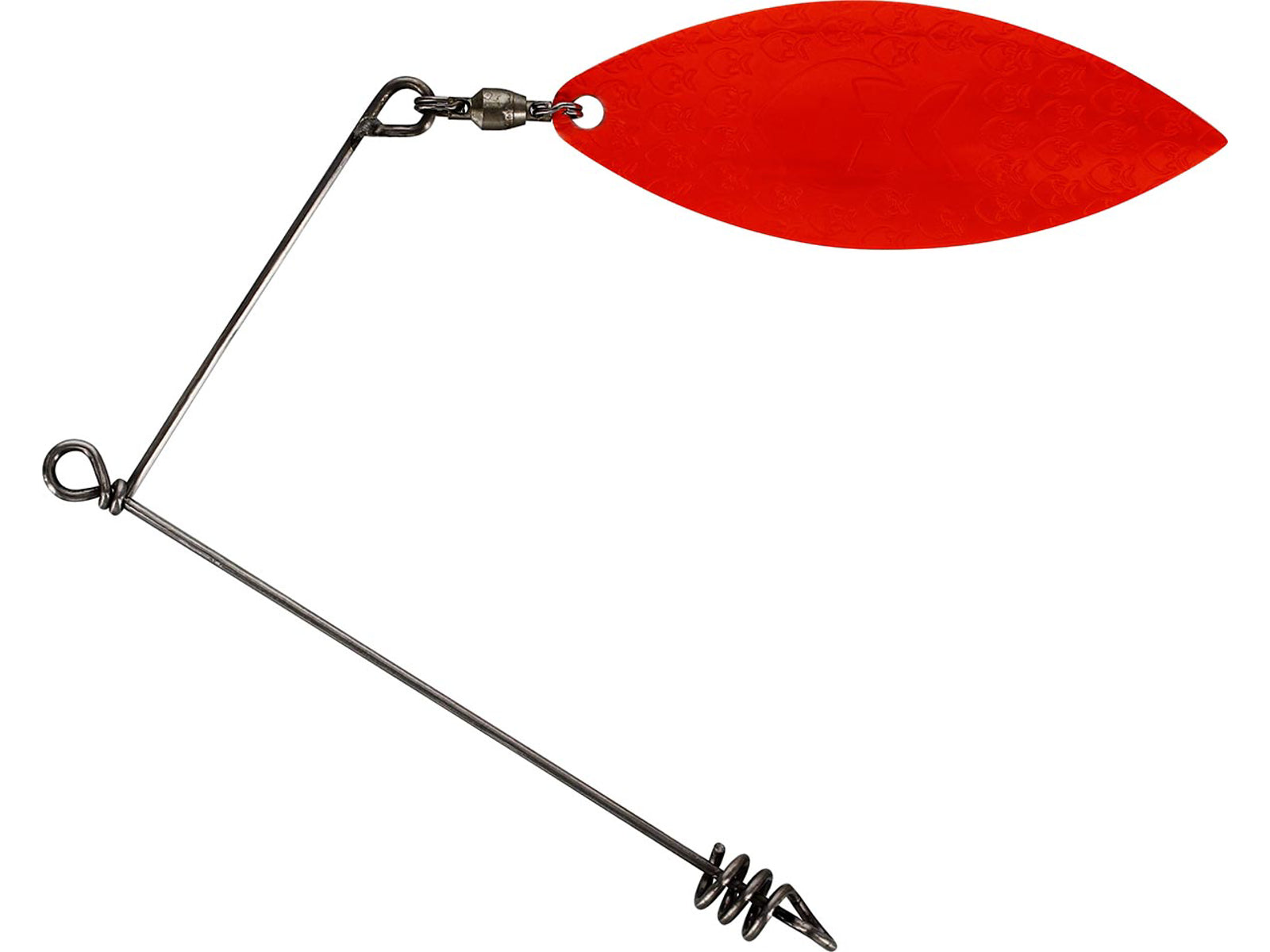
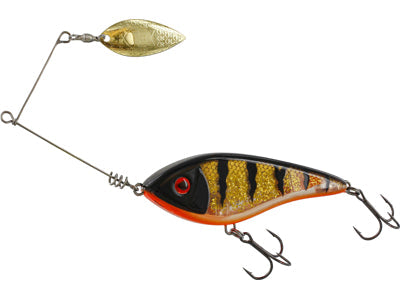
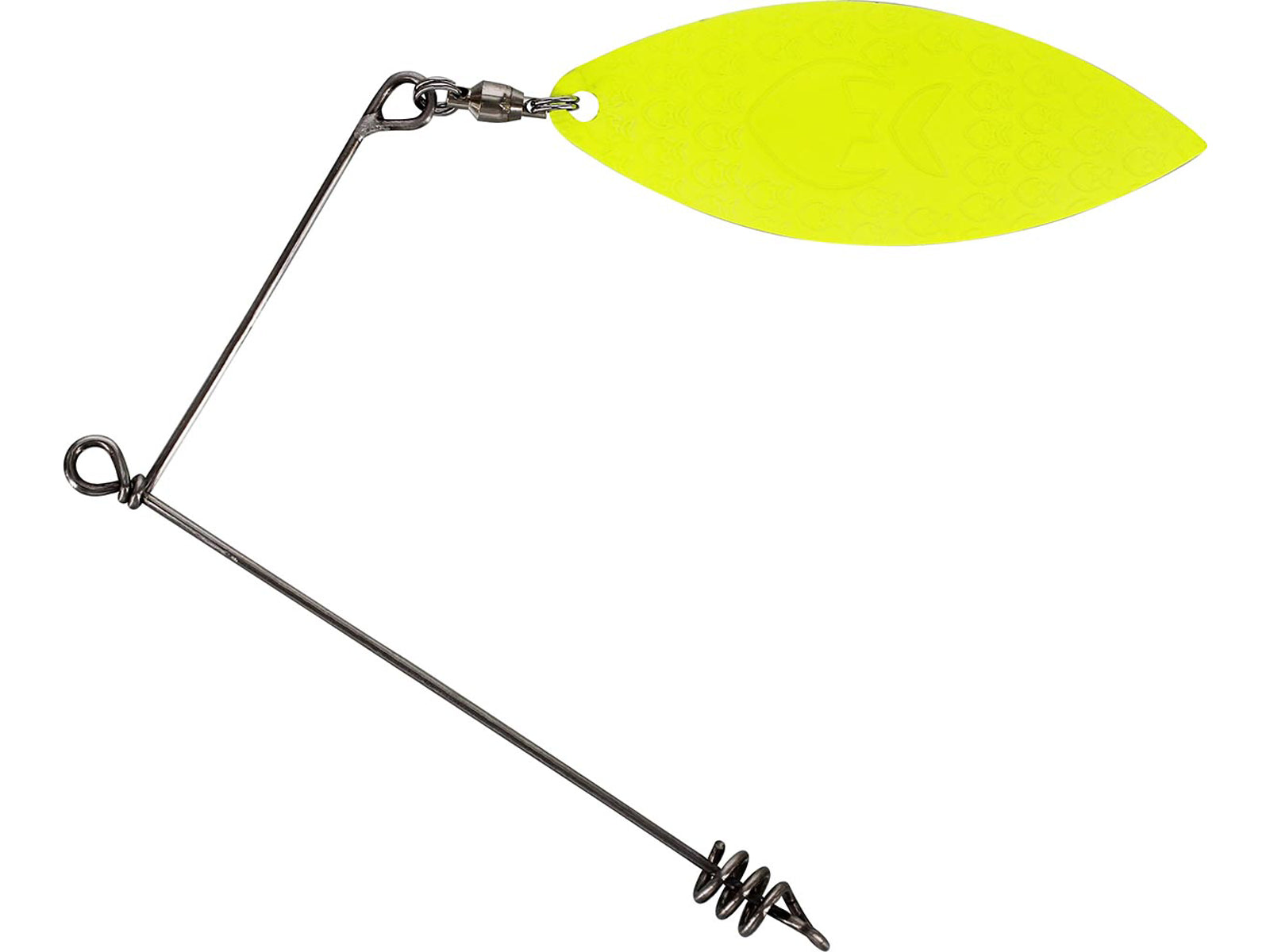
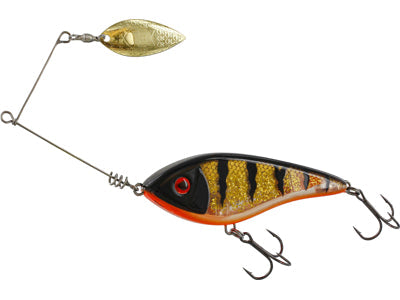
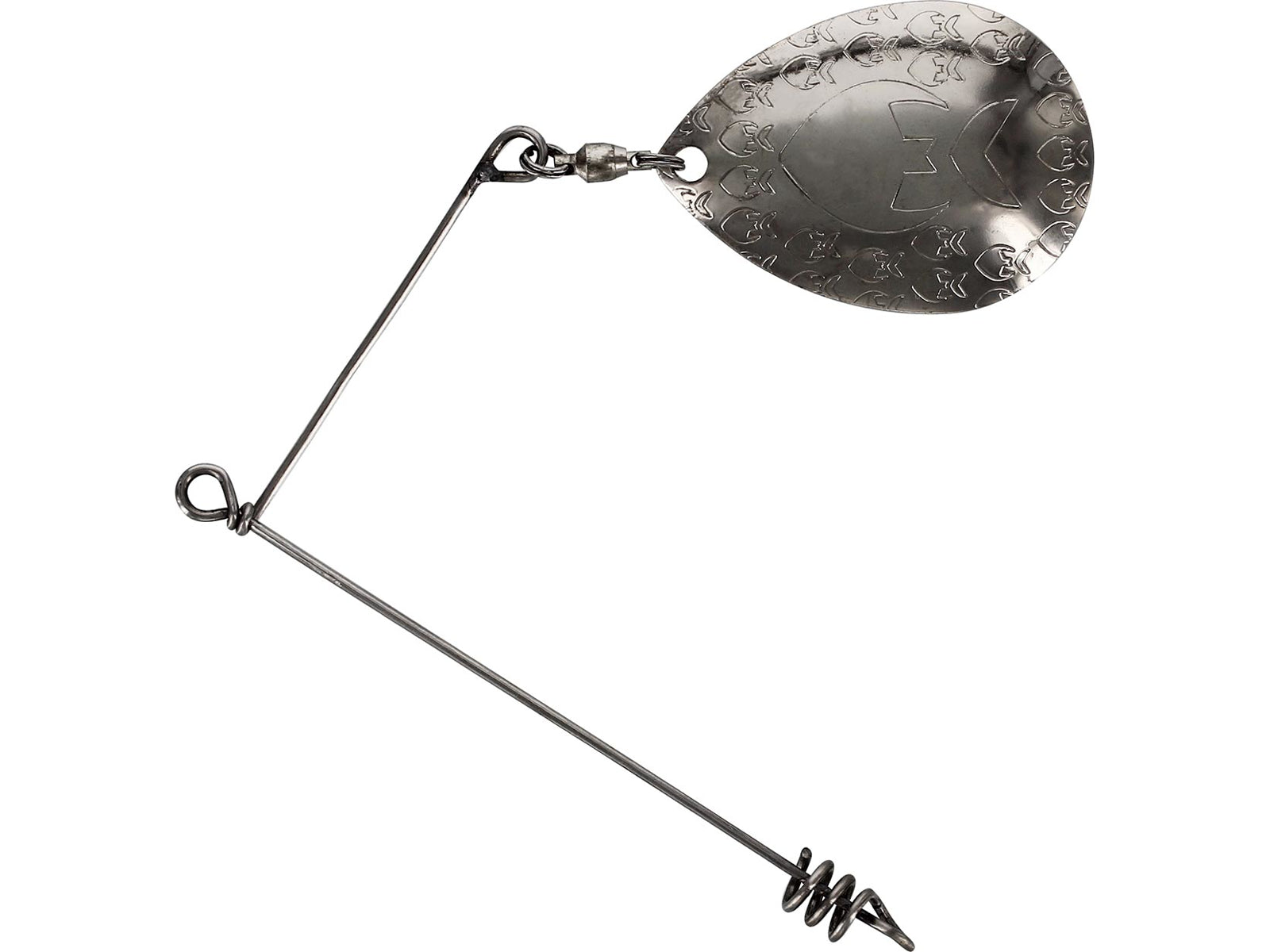
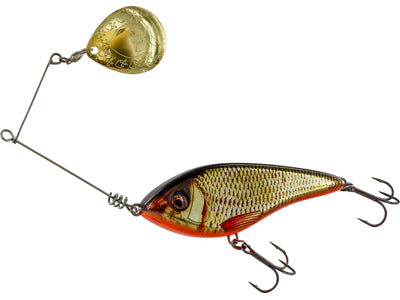
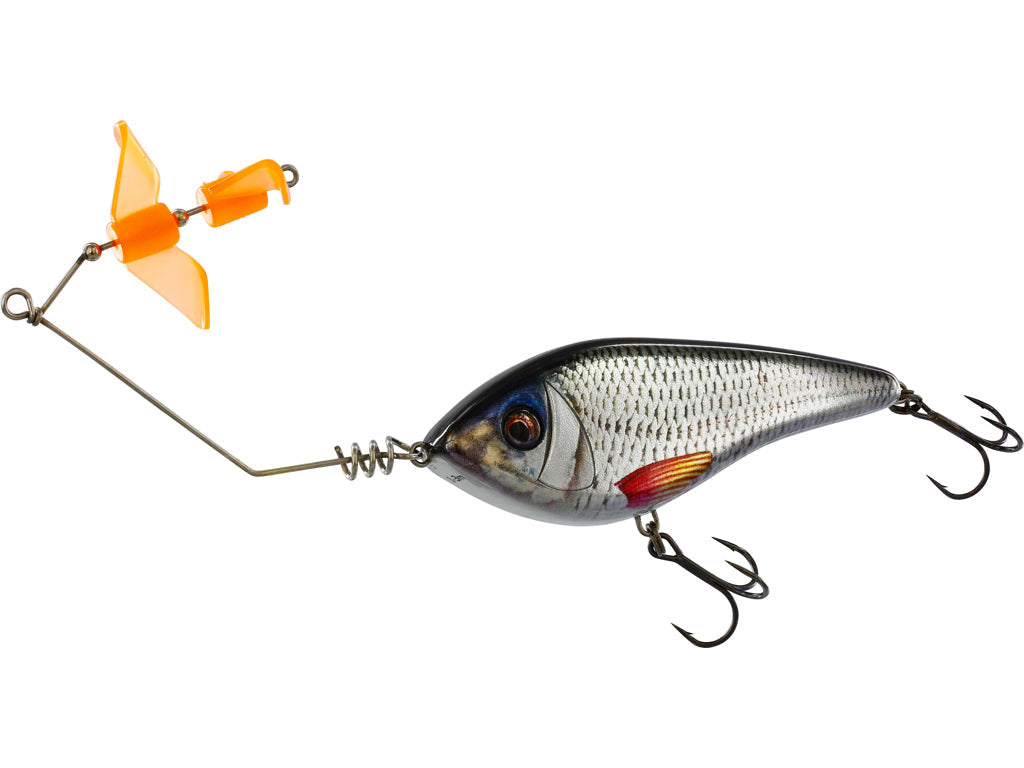
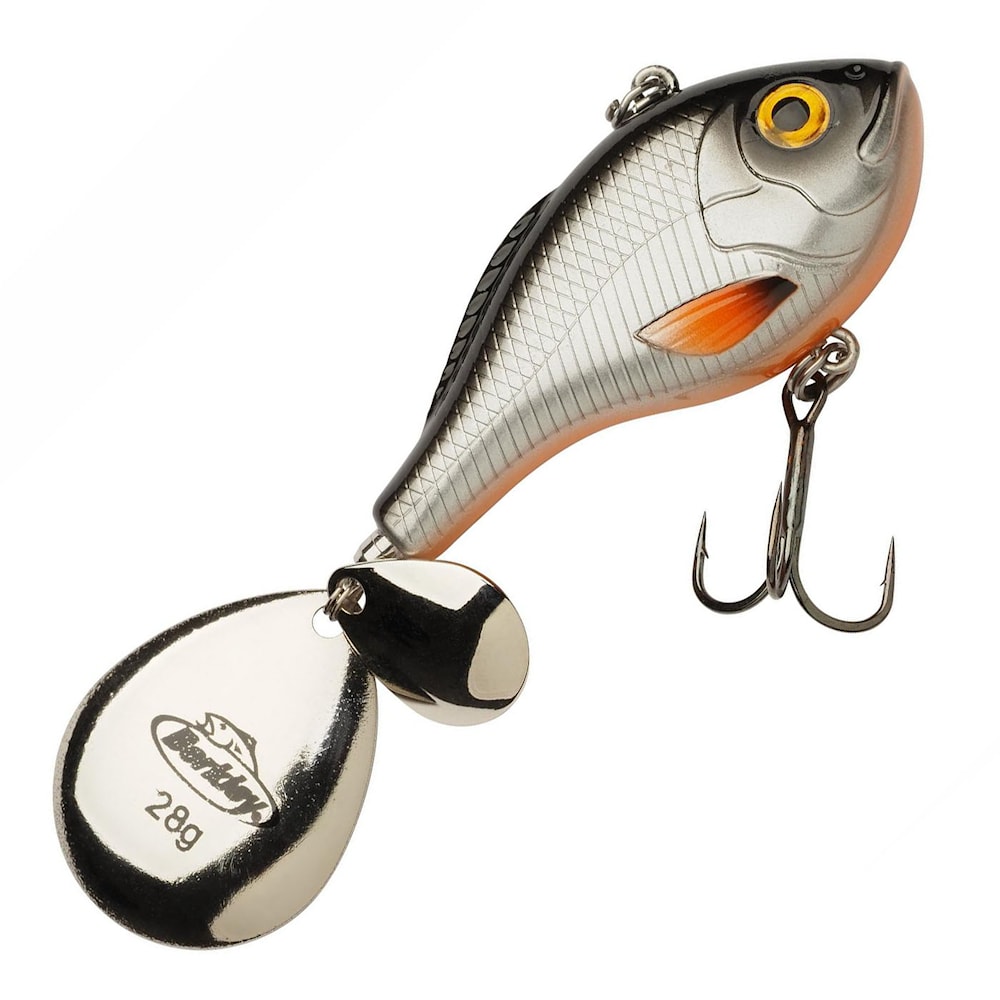
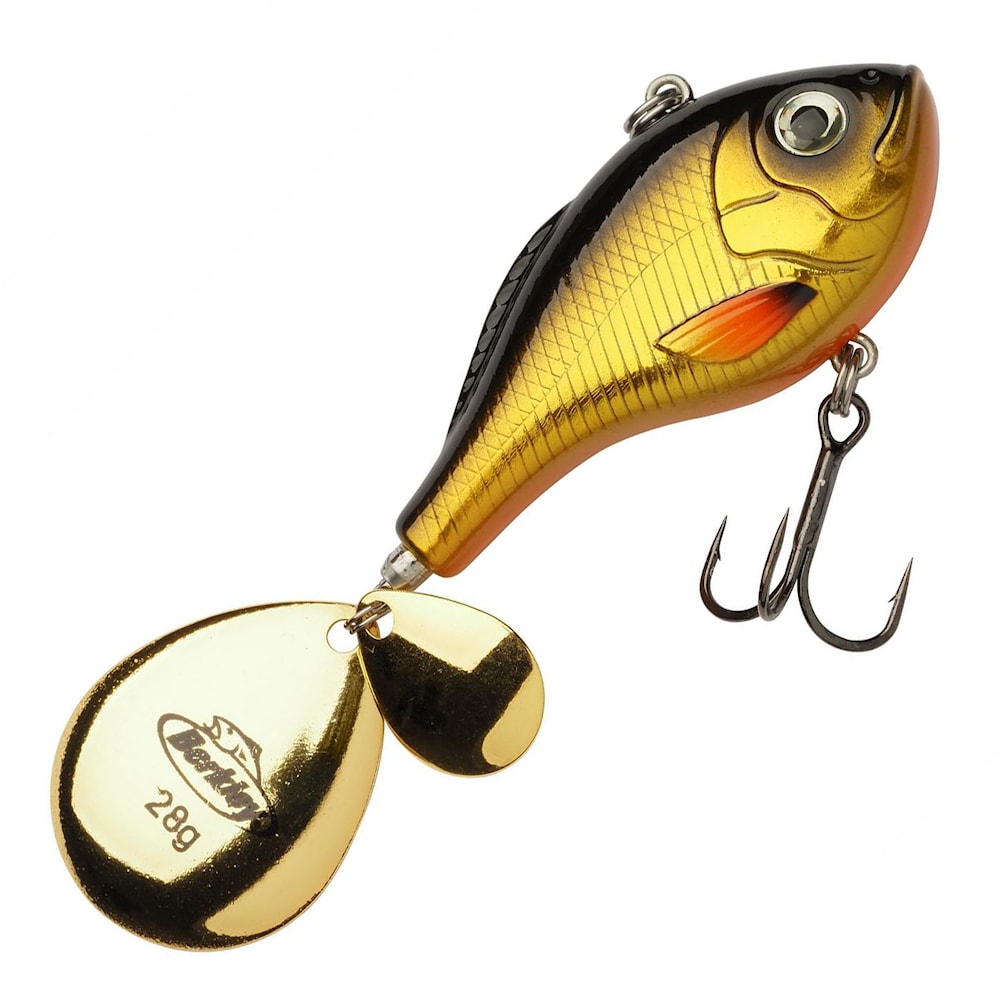
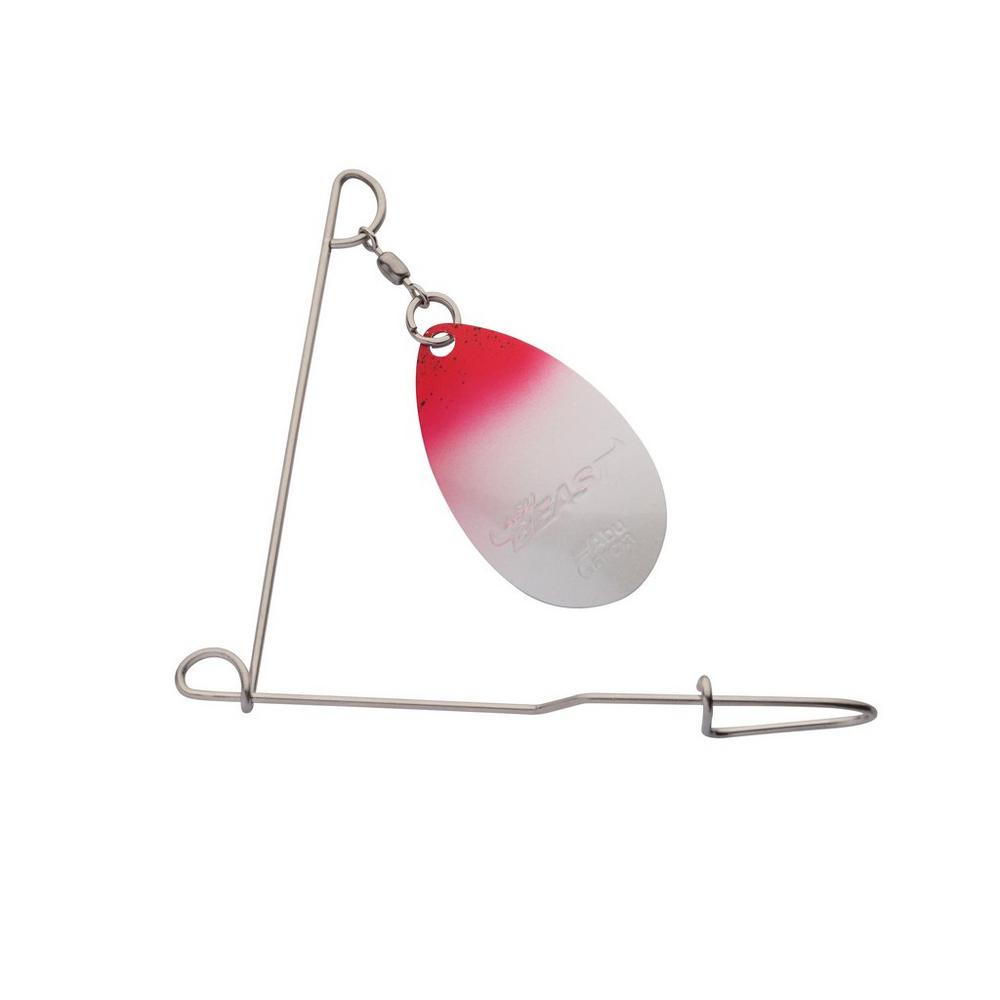
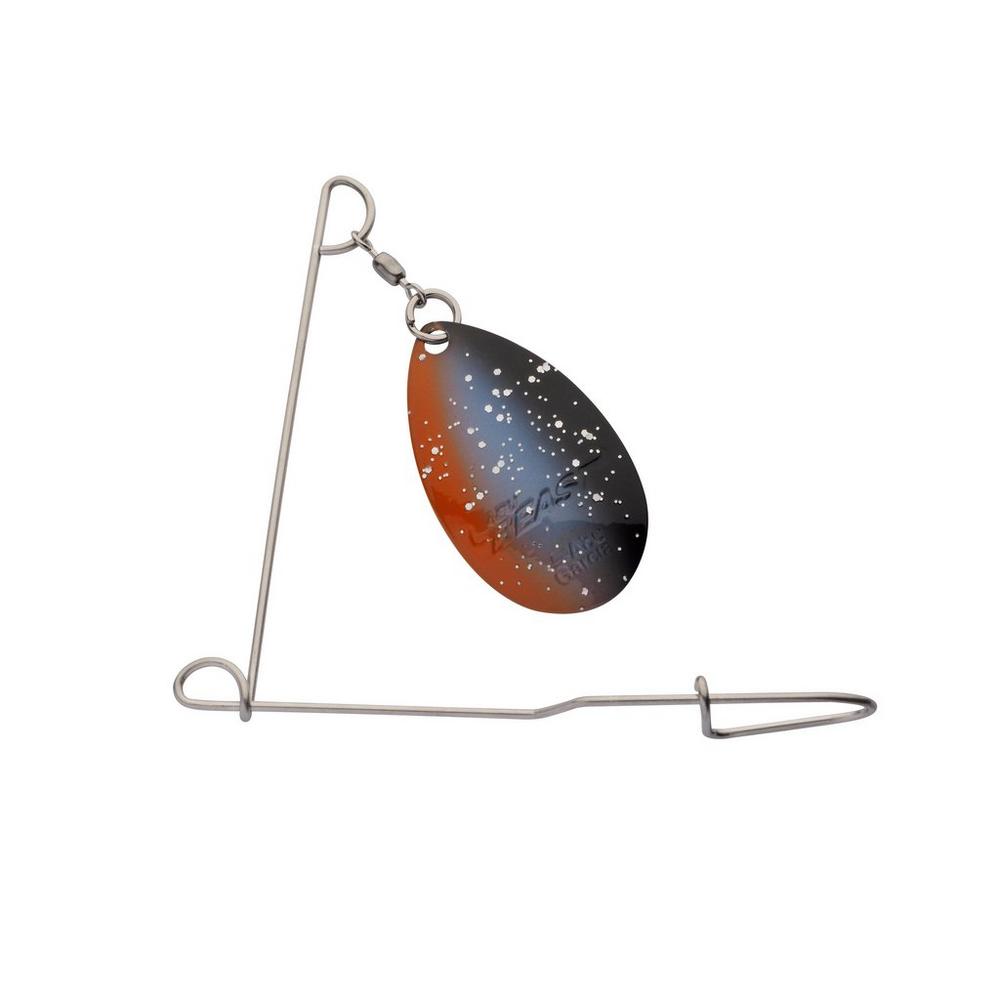
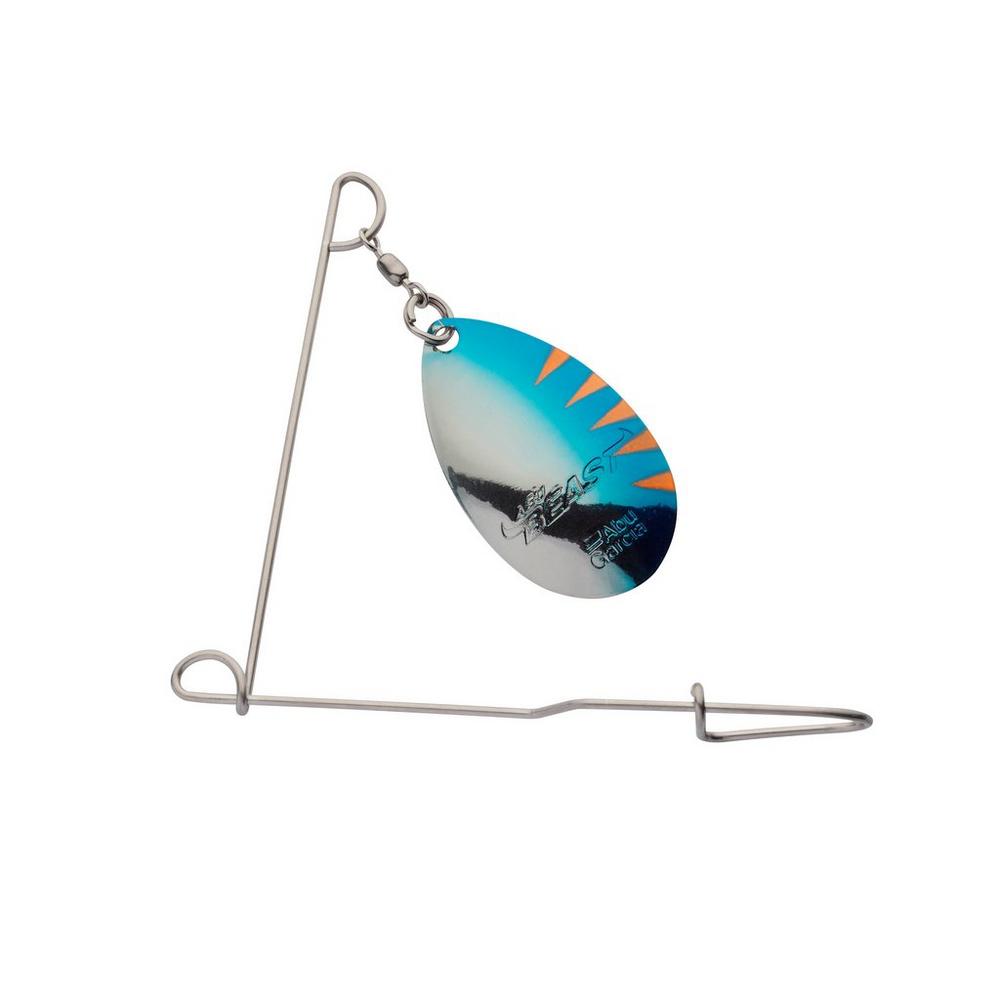
Spinnerbaits combine flash, vibration and a substantial prey profile. Traditional designs use a bent wire arm with one or more blades above a weighted, skirted single hook. Bladed jigs place a vibrating blade directly ahead of the jig head. The collection includes Westin, Berkley, Savage Gear, Abu Garcia and Megabass across both approaches.
The raised blade arm can help a spinnerbait pass through reeds, branches and other cover, but it is not snag-proof. Bladed jigs have a tighter, direct vibration and can be effective over weed or along edges. Both styles may accept a soft-plastic trailer to add bulk, movement or lift, provided the total weight remains suitable for the rod.
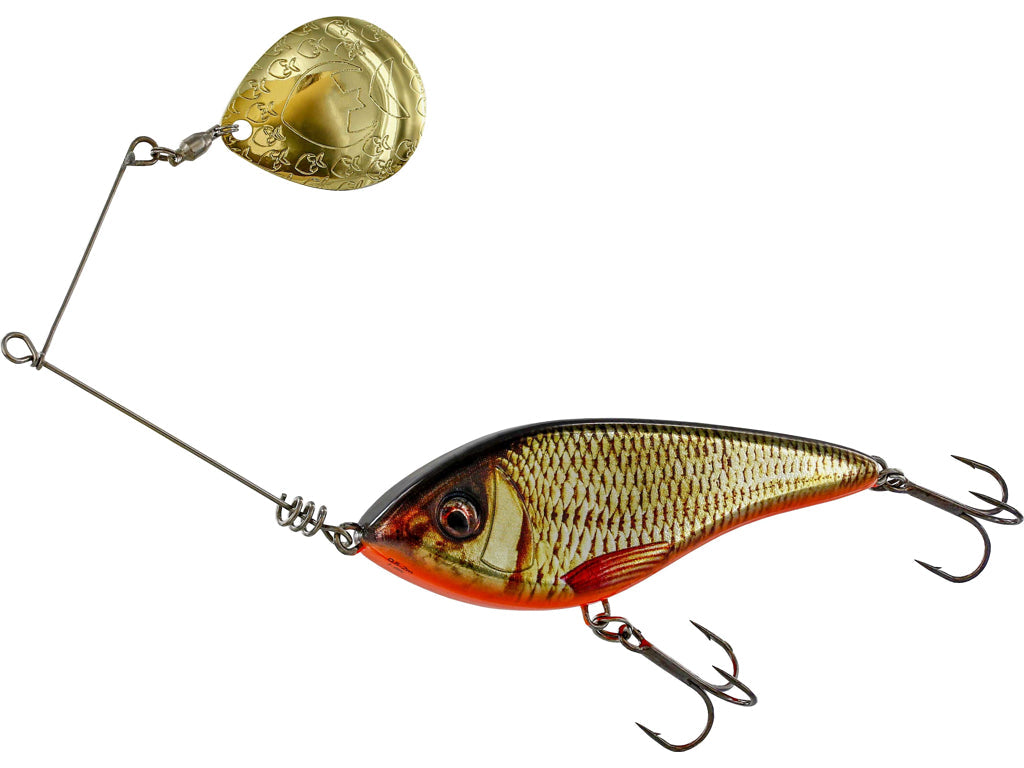
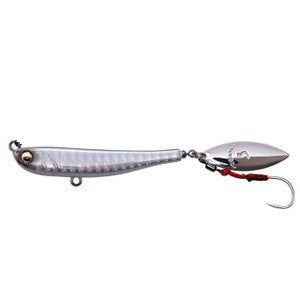
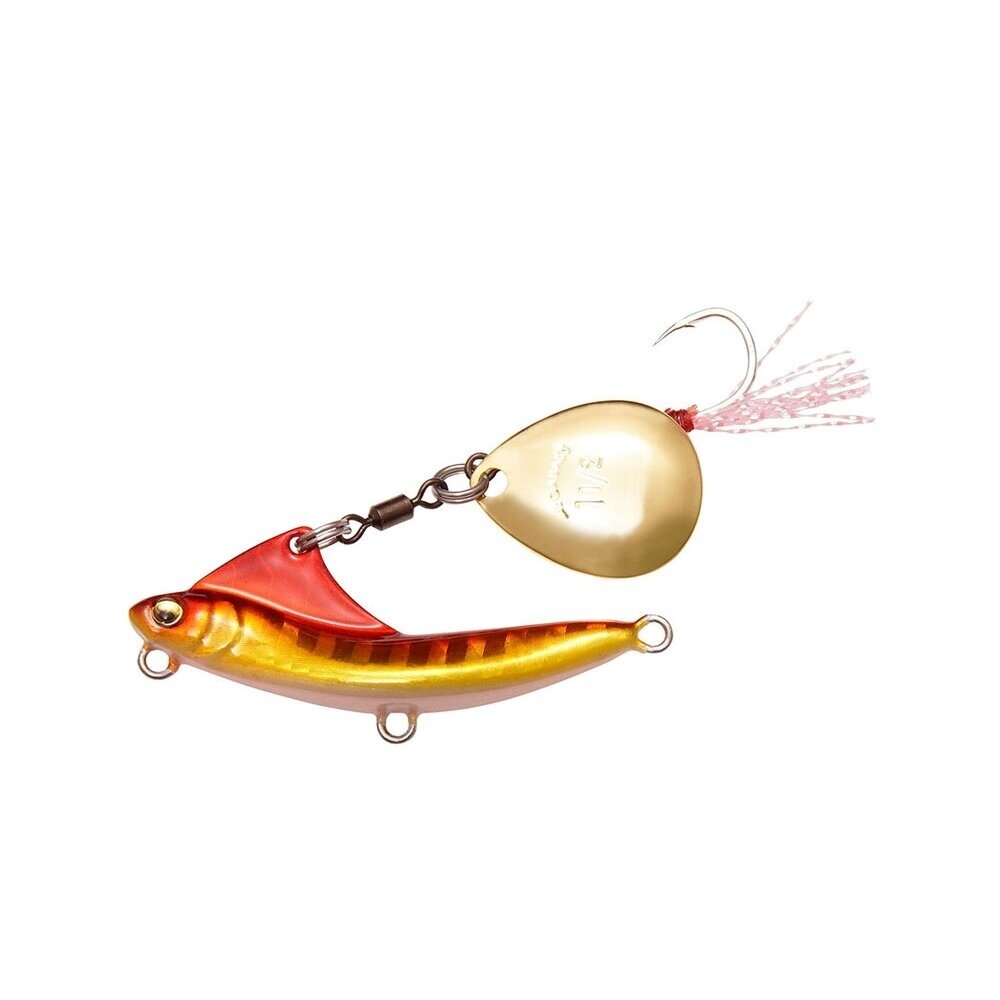
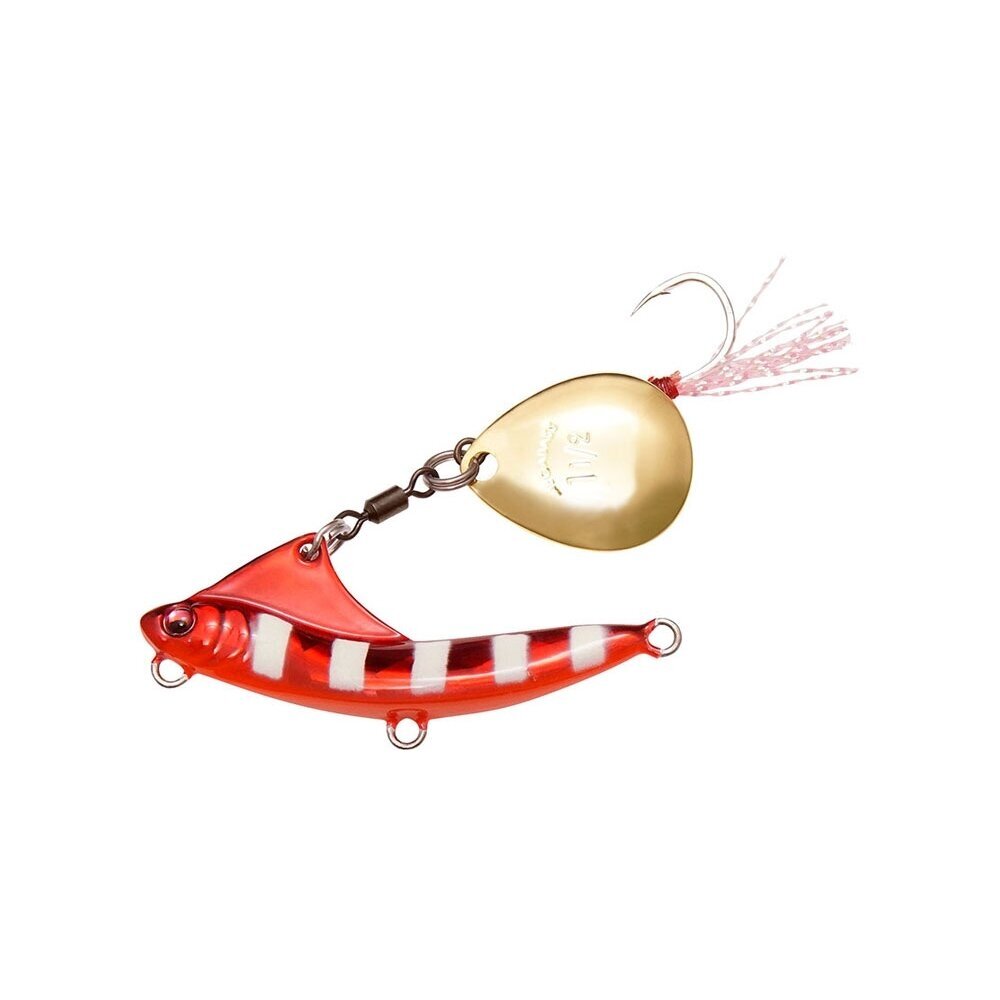
Browse the parent fishing lures range, compare compact spinners, explore weighted tail spinners, or switch to jerkbaits when pauses and directional changes are more useful.
Choose blade setup, weight and trailer
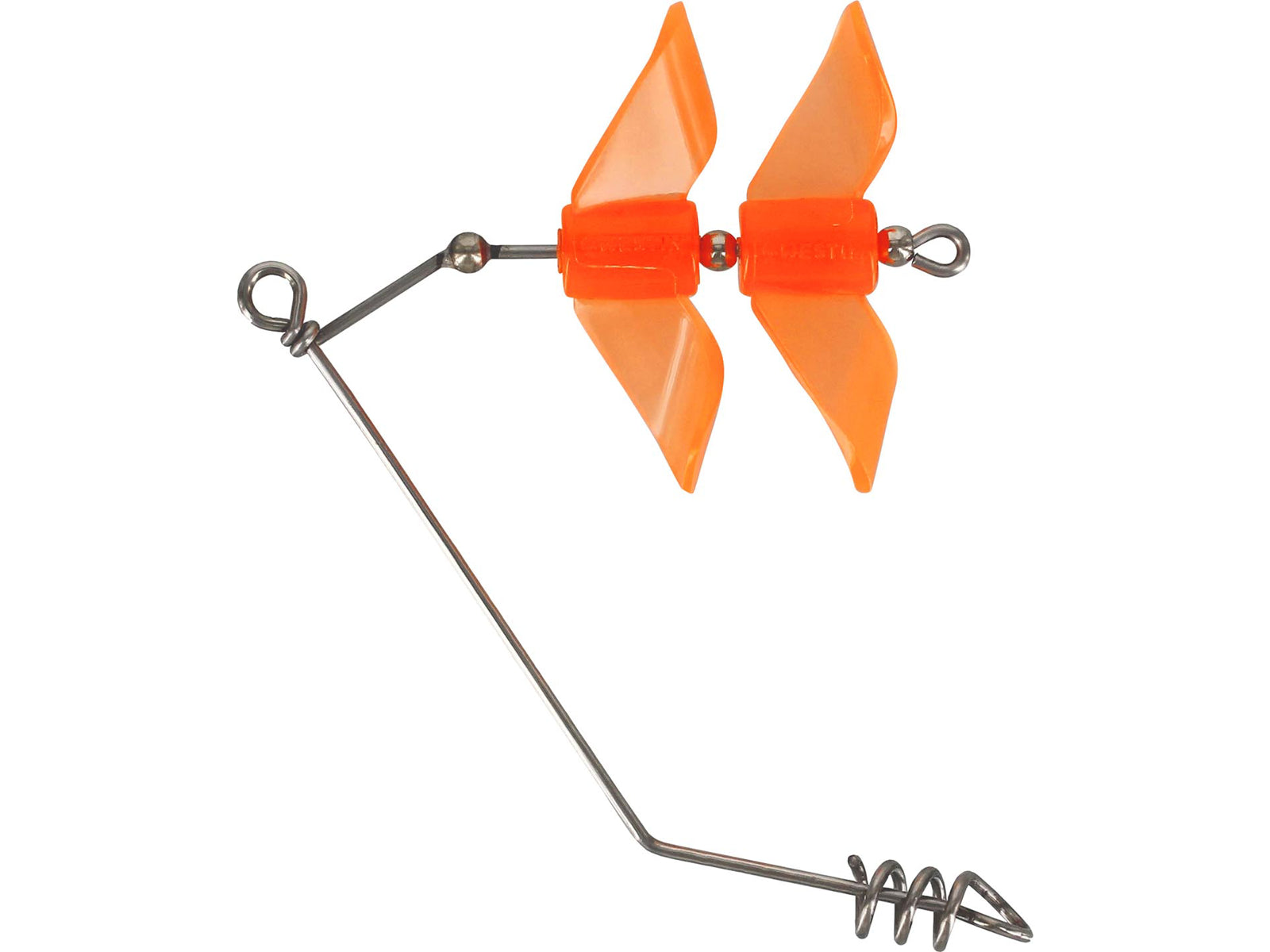
Single and tandem blades produce different combinations of flash, lift and resistance. Larger or rounder blades generally thump more and can keep the lure higher, while narrower blades may run more cleanly in current. Weight and head shape determine casting, balance and depth. Use a retrieve slow enough to stay in the strike zone without letting the lure roll.
A trailer can change the lure substantially. A paddle tail increases vibration and lift; a straight or split tail offers a leaner profile. Thread it centrally so the bait tracks straight and the hook gap remains clear. If short strikes occur, vary trailer length or retrieve speed before adding extra hooks, and follow local rules on hook arrangements.
Skirt colour, blade finish and trailer contrast can be tuned to visibility. Natural baitfish combinations suit clear water, while white, chartreuse, black or metallic contrast may stand out in coloured water. Replace damaged skirts and straighten only minor wire distortion; discard a frame that is cracked or repeatedly weakened.
Match the tackle and fish cover carefully
Use a rod with enough power to drive the single hook and enough control to guide the lure through cover. Braided line can improve contact, but the leader must suit abrasion, water clarity and any pike risk. Keep knots and clips clear of the blade so they do not restrict movement.
Pause briefly after contacting cover, then restart the blades rather than pulling hard into a snag. Check the hook point, blade swivels, split rings and wire frame after every impact. Rinse and dry the lure after saltwater use, and store skirts so they are not compressed against reactive soft-plastic materials.