Mach rods and long float-fishing options
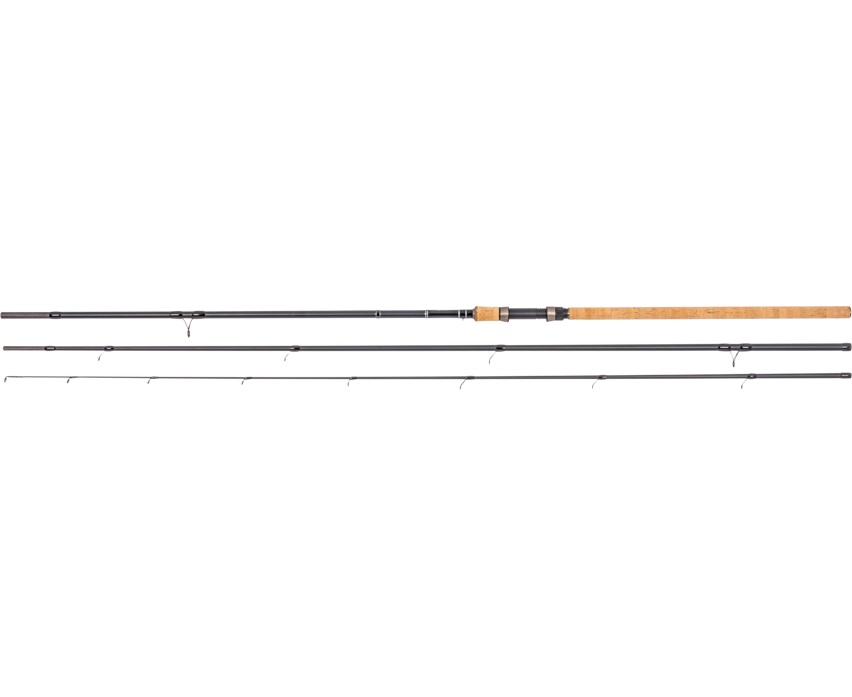
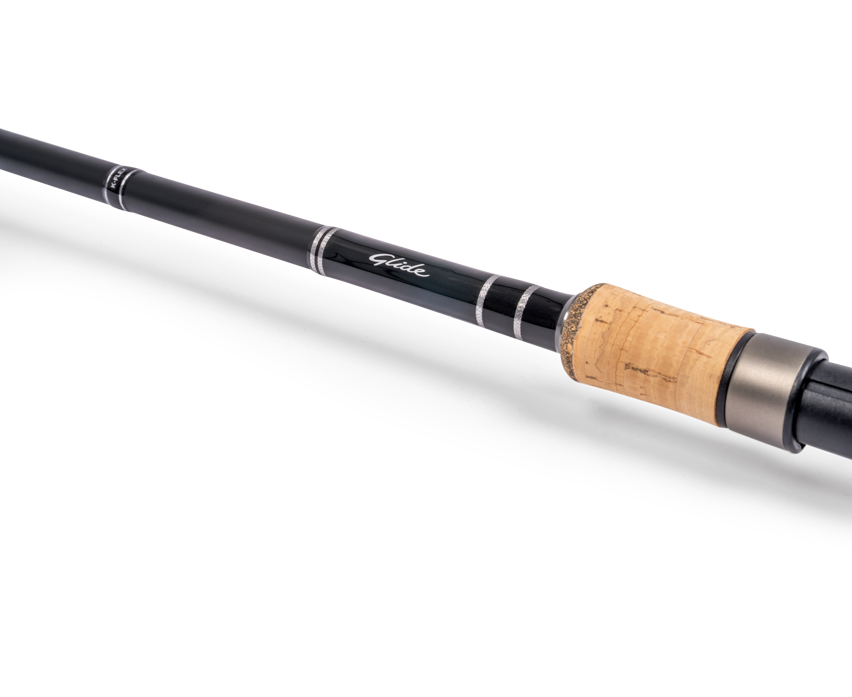
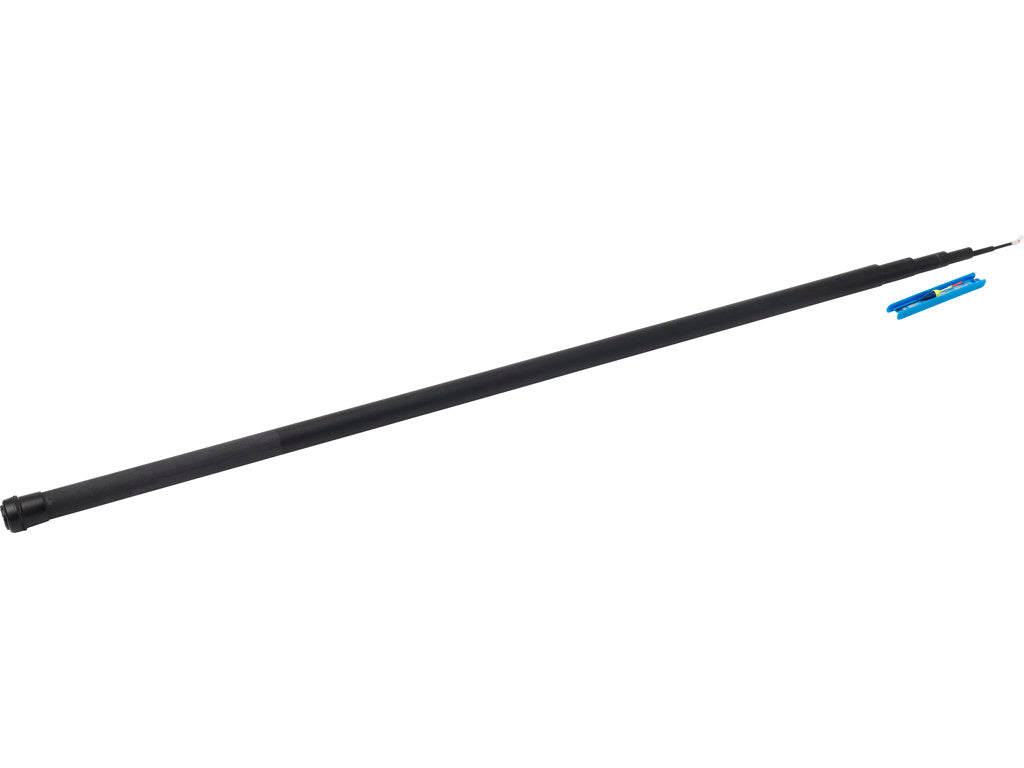
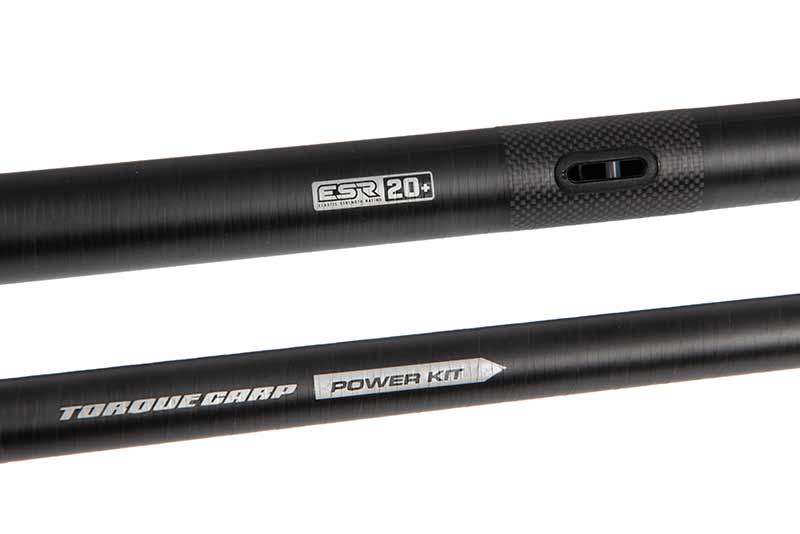
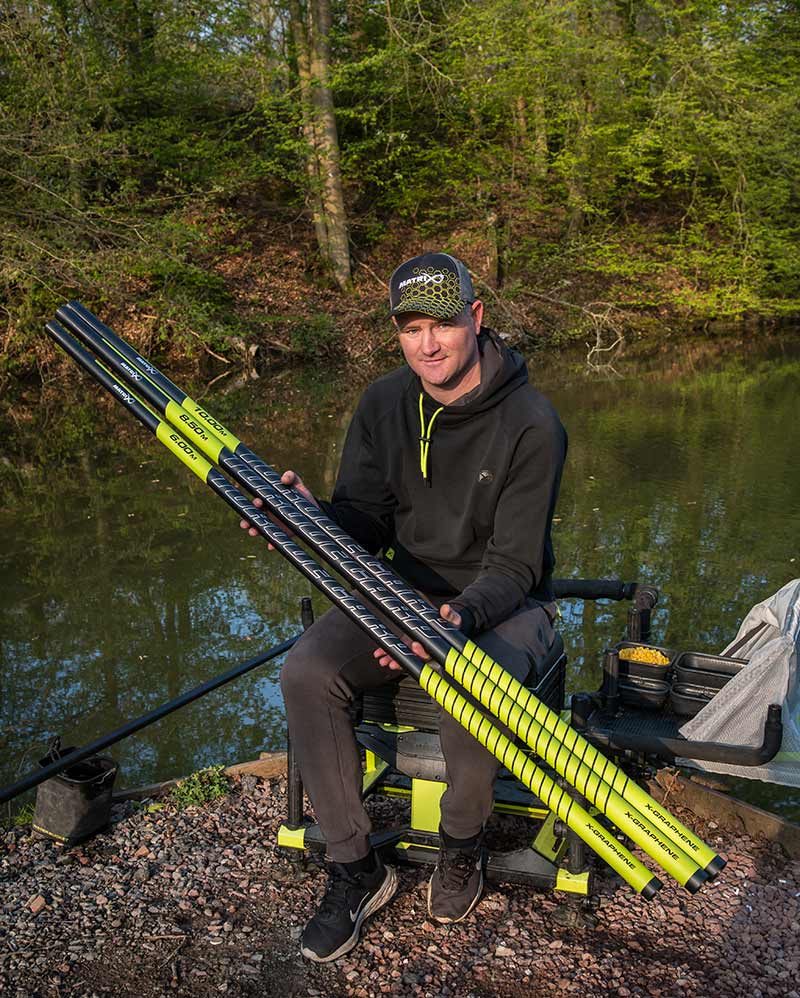
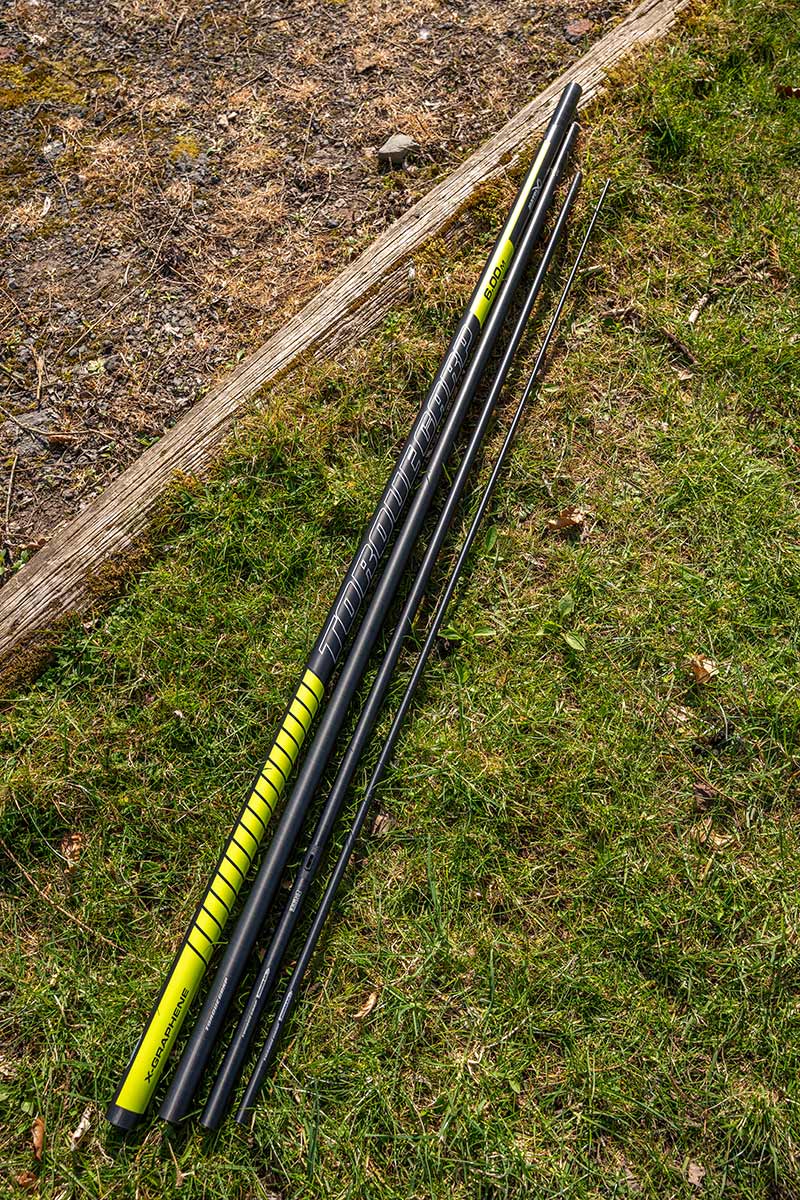
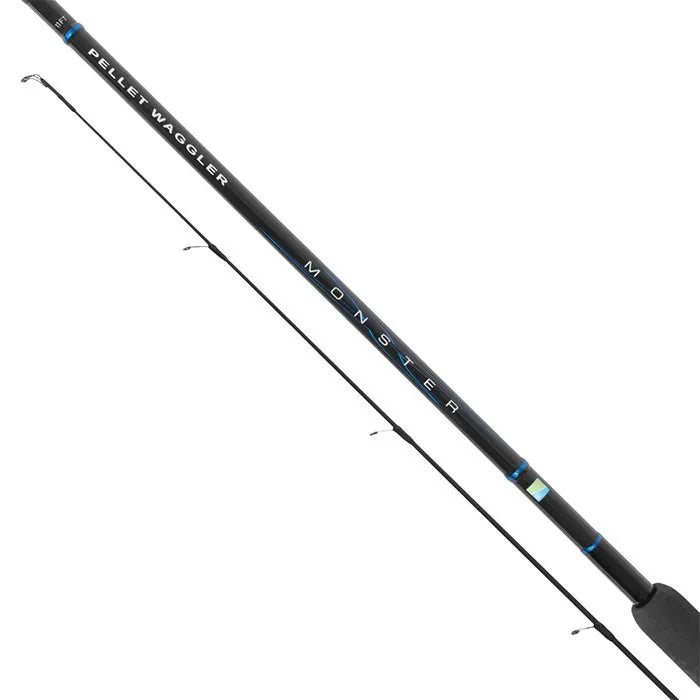
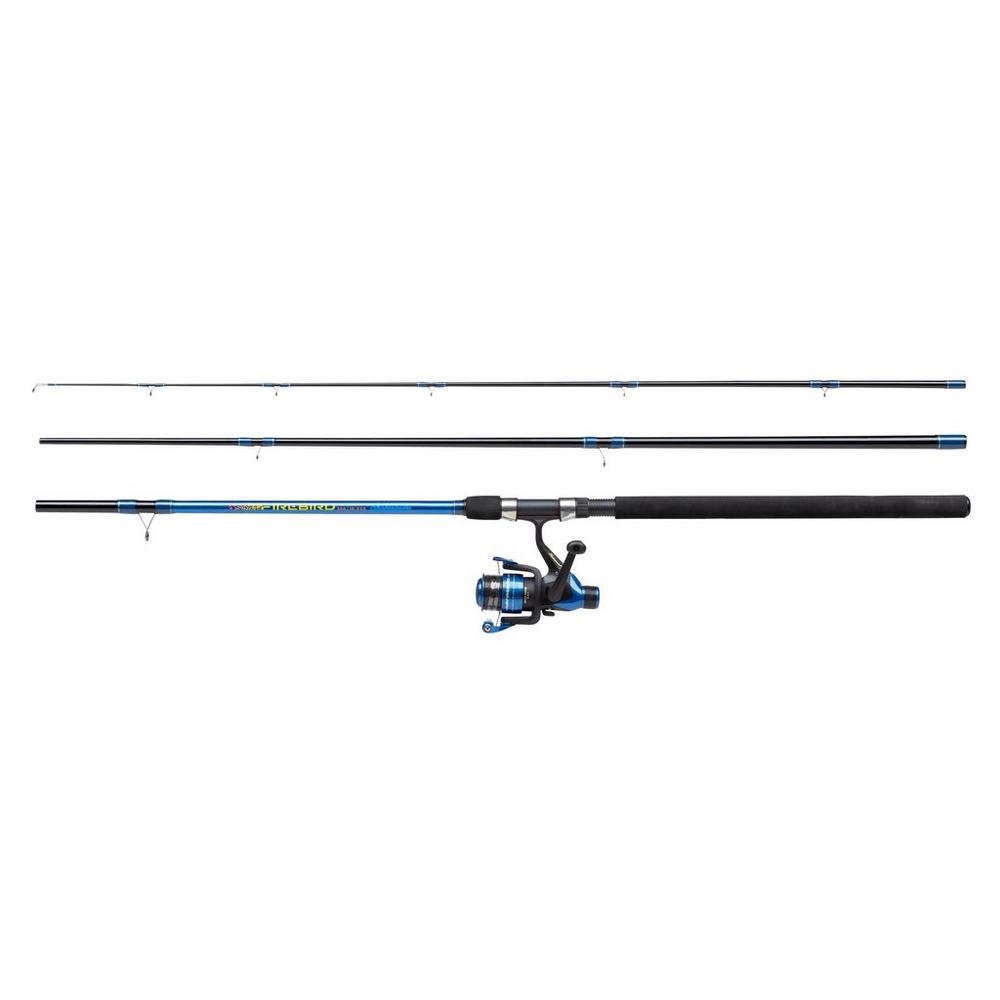
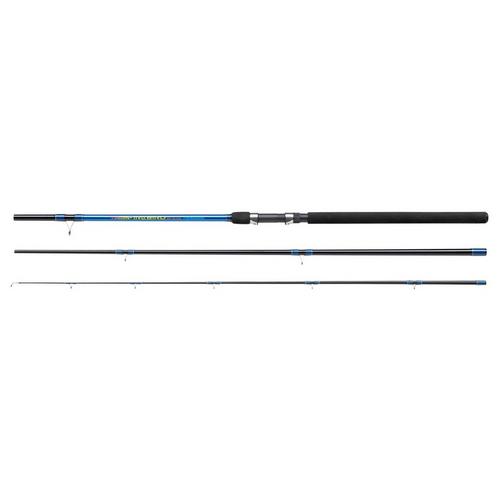
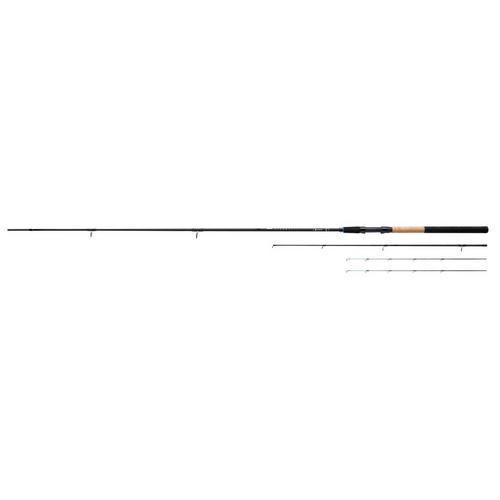
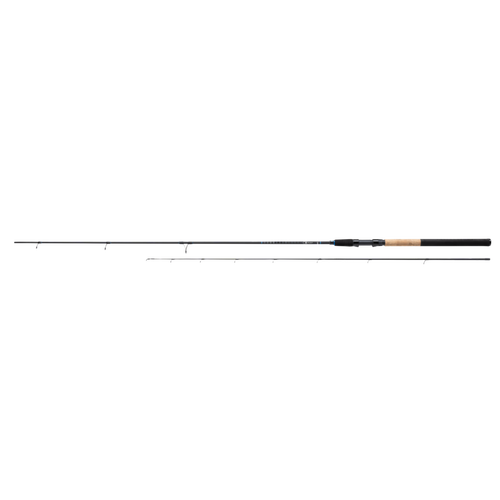
Mach Rods is a small existing collection centred on long float and match-style rods. The live page currently lists Korum and Mitchell models, including a power-float design and a Mach-named rod, with stock availability limited at the time of review. Check the individual product status and specification before planning a purchase.
These rods are intended for fishing with a reel, unlike a fixed-line whip. Their length helps control line, mend a float and guide the rig through a river swim or along a stillwater margin. The exact method depends on the model, so do not assume every rod in the category has the same casting range, action or target species.
Because the collection is narrow, buyers should compare it with adjacent methods before deciding. A power-float rod may be intended for heavier floats and stronger fish, whereas a lighter match rod prioritises presentation and hooklength protection. Product specifications, not the category name alone, should guide the choice.
How to choose a long float rod
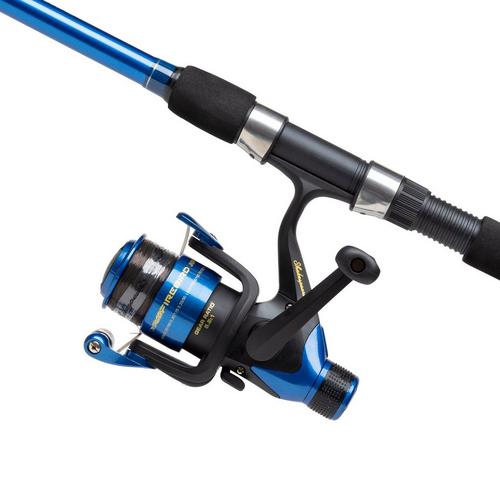
Compare length against the venue and the angler's reach. A longer rod improves line control but becomes more demanding in wind and around trees. Match the casting rating to the float, shot and any additional rig weight, and select a reel whose size and line capacity balance the handle. Check guide size where thicker main line or leader knots may be used.
Progressive actions can protect lighter hooklengths, while added power helps control larger fish or stronger flow. Neither feature replaces correct drag adjustment and a landing net. The pole and feeder rod guide provides wider context on close-range and reel-based coarse-fishing methods.
Compare nearby coarse-fishing methods
For fixed-line fishing, browse fishing whips. Feeder rods use a weighted feeder and quivertip, with compatible spare feeder tips available separately. The wider fishing rods collection covers additional techniques.
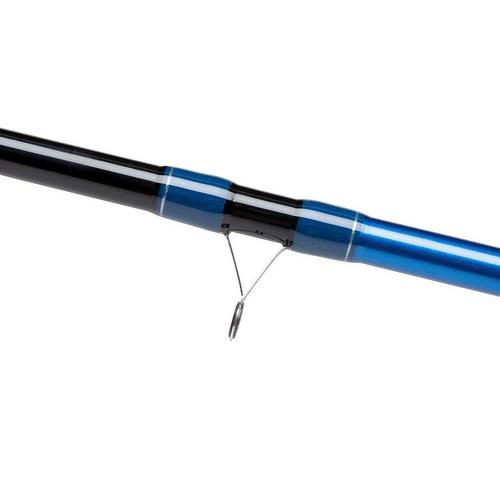
Inspect every guide and joint before fishing, keep the blank clear of overhead power lines and use an open casting area. Clean and dry the sections after use, especially around grit or salt, and support the rod during transport so the tip cannot be crushed.