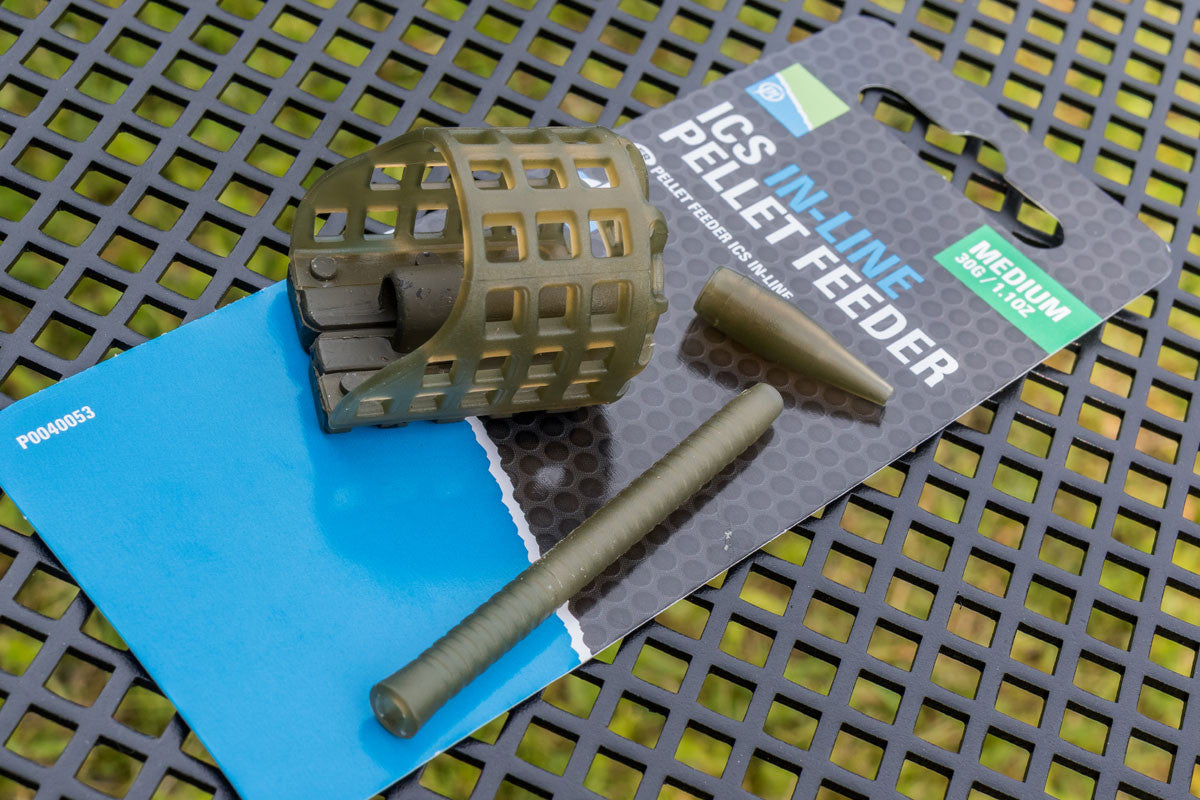
Pellet feeders for controlled feed delivery
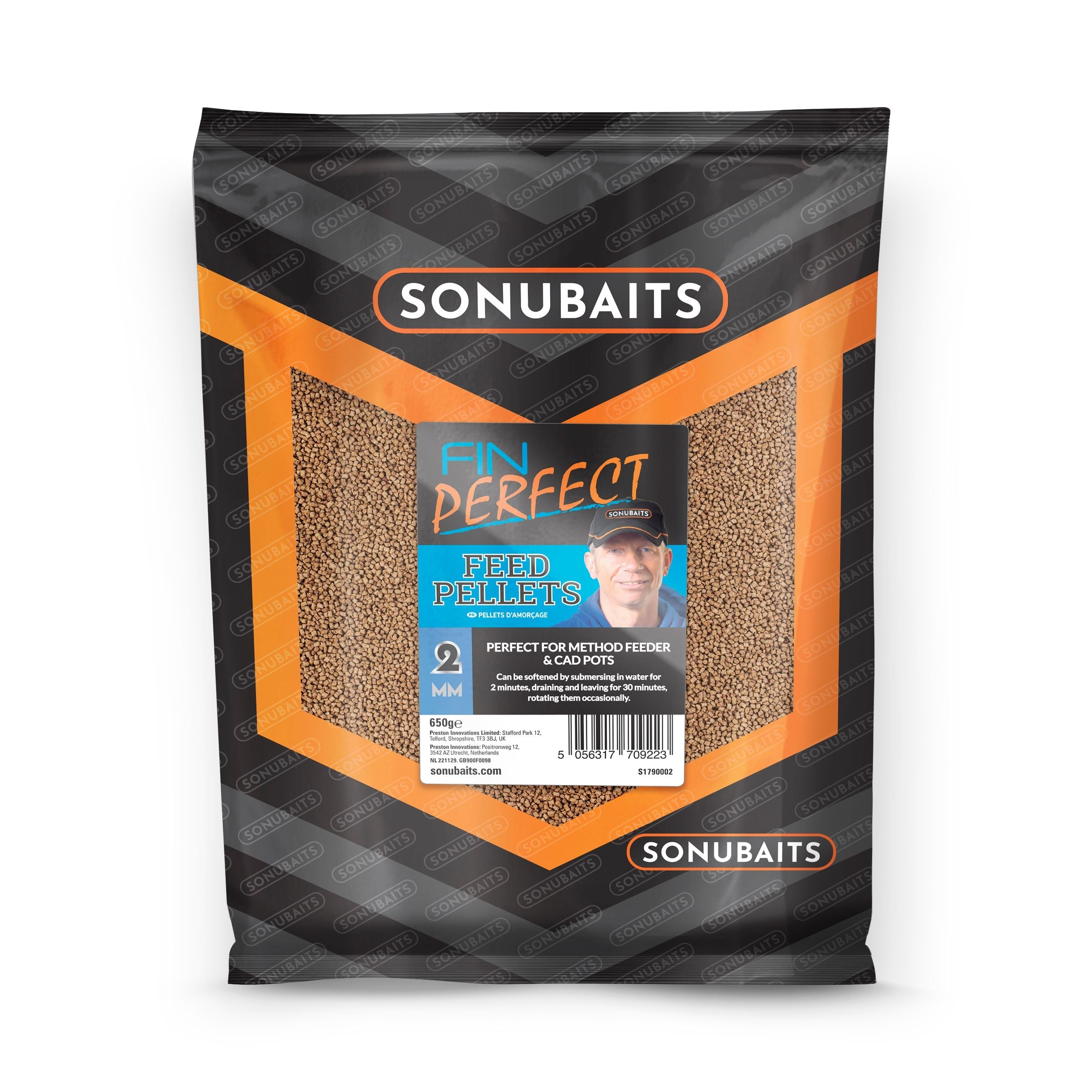
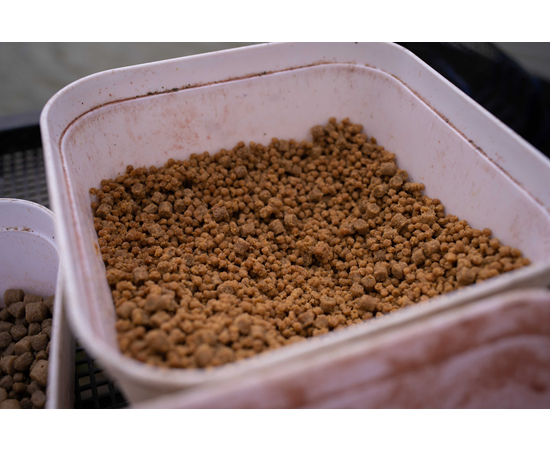
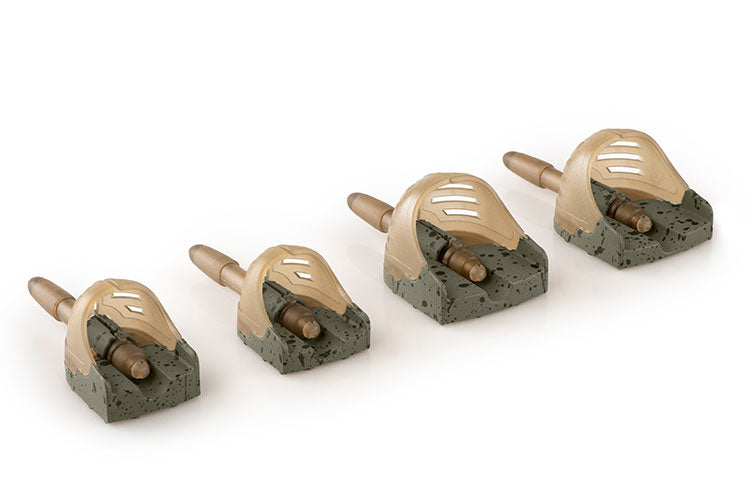
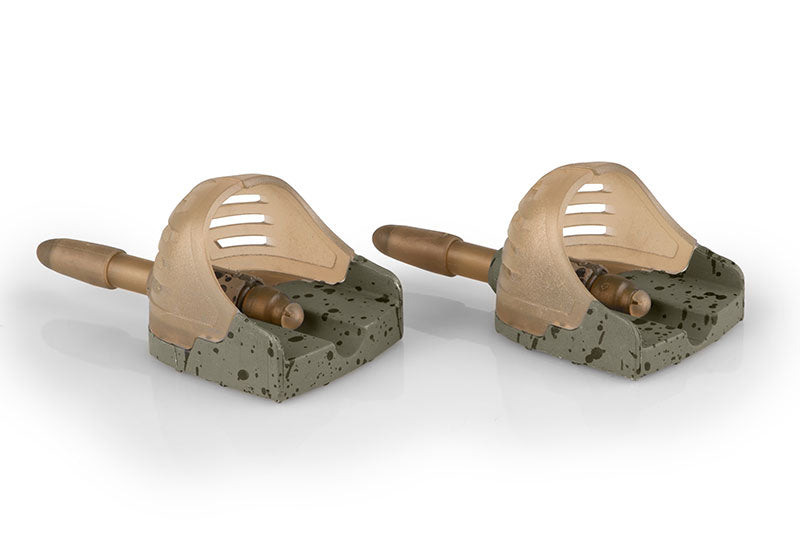
Pellet feeders carry dampened pellets to the swim and release them around the hook bait. Body shape, holes or openings and packing method determine how securely pellets remain during casting and how quickly they break away on the bottom. Pellet preparation is as important as feeder design.
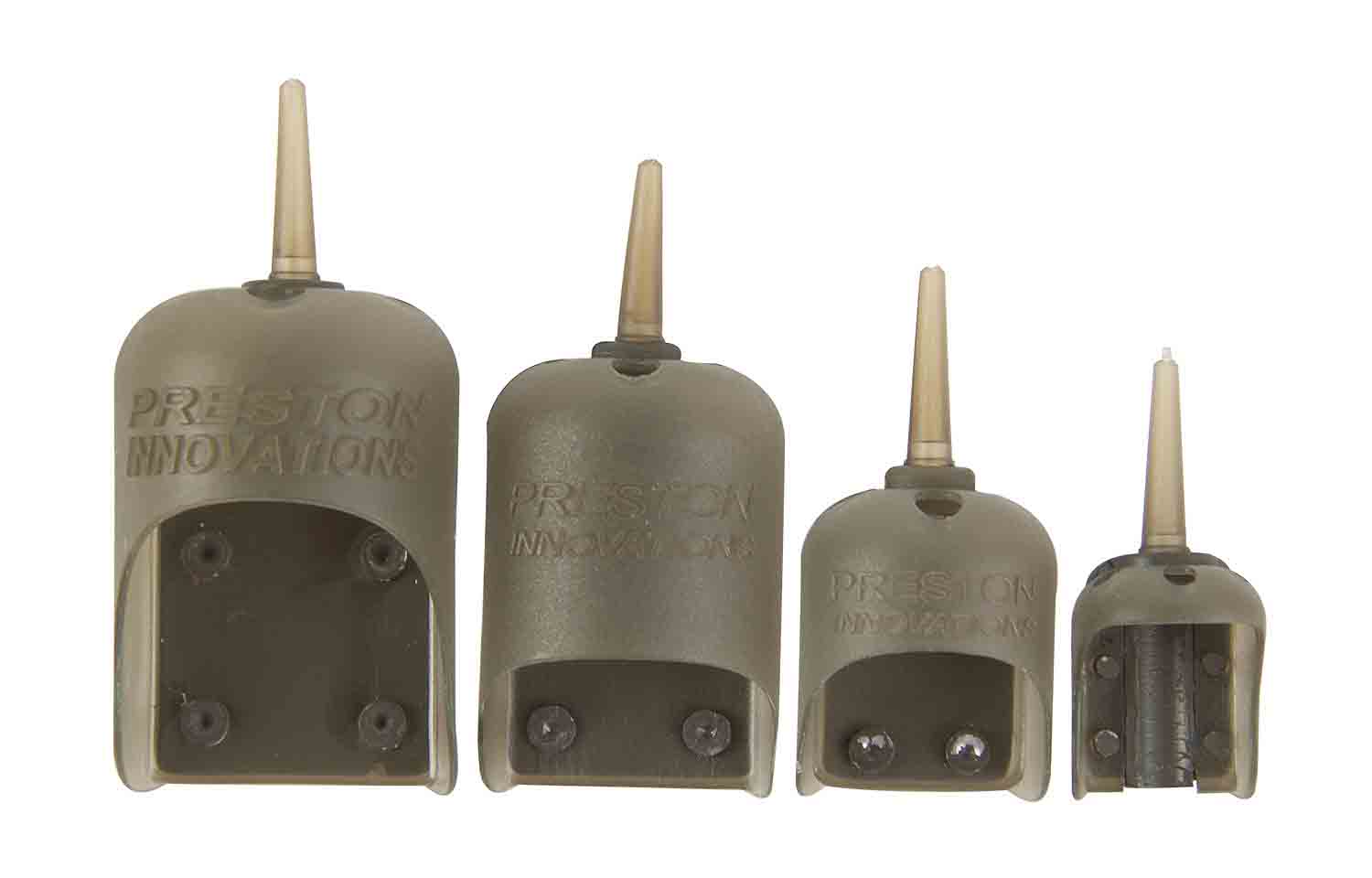
Small feeders suit measured, frequent deposits, while larger bodies introduce more bait but increase total casting weight. Open designs release prepared pellets quickly, whereas more enclosed formats can slow escape. Check the intended pellet size and attachment before choosing a feeder.
Browse all fishing feeders, compare compatible method moulds, review method feeders, or use maggot feeders for a different live-bait presentation.
Choose capacity, weight and pellet preparation
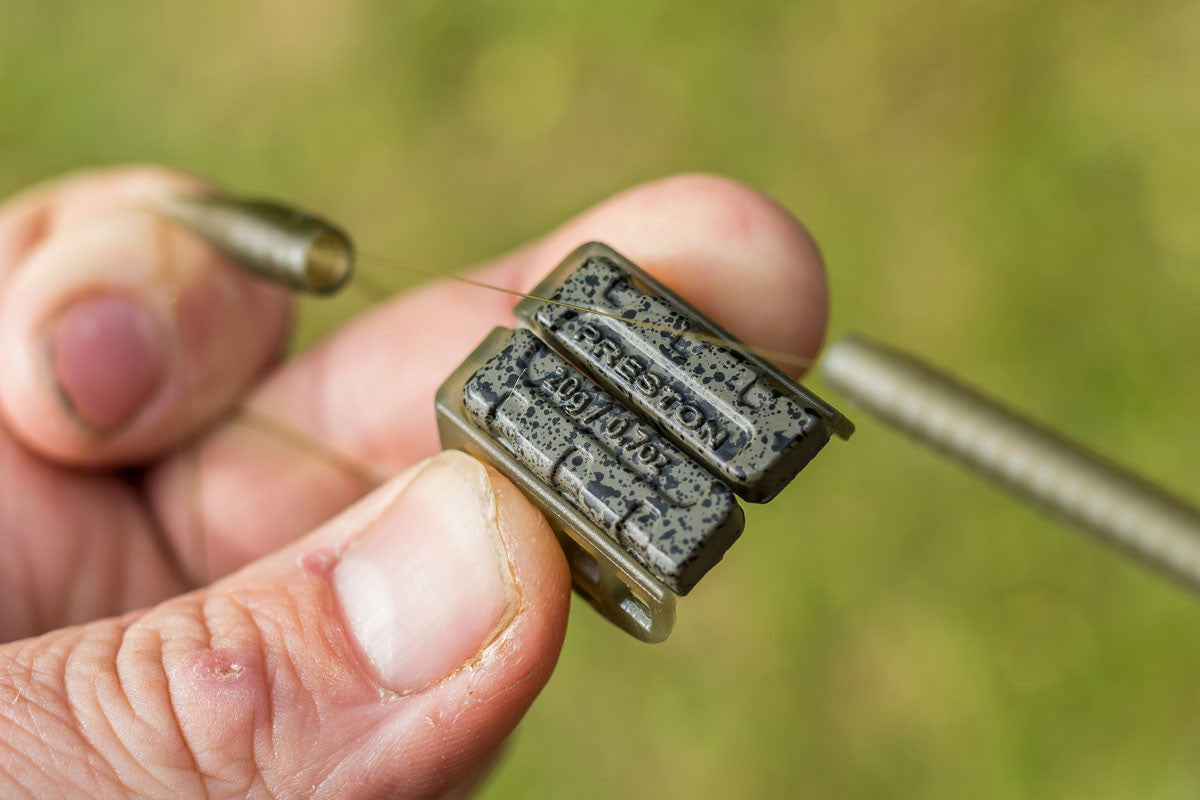
Match feeder size to the target species, feeding response and casting rhythm. A compact load reduces disturbance and supports cautious feeding, while a larger load can build the swim quickly. Count wet pellets and all terminal components when checking the rod's casting limit.
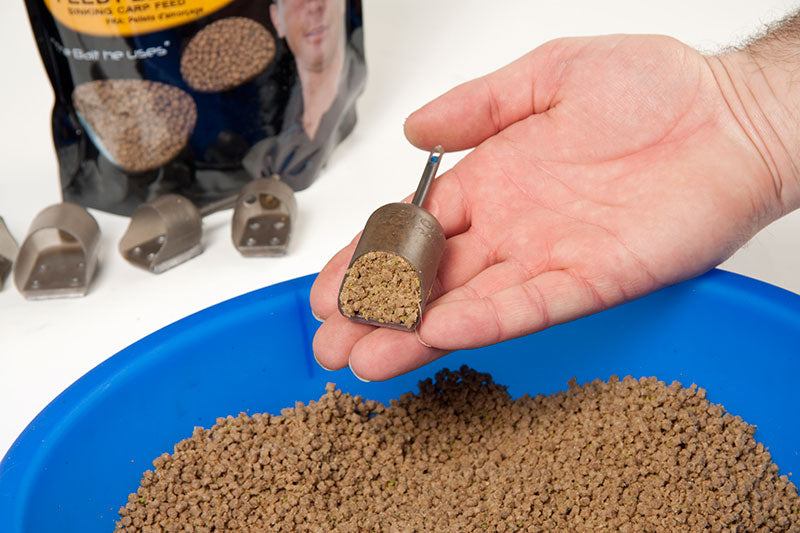
Soak pellets according to size and product instructions, then drain them evenly. Under-soaked pellets may not bind; over-soaked pellets can become paste and release poorly. Test the loaded feeder in the margin and change soaking time before compressing the bait more aggressively.
Pair the rig with suitable feeder rods and feeder reels. Check line strength, hooklength, connector and fish-safe release. In current or deep water, feeder weight and pellet binding must keep the parcel intact until it reaches the target.
Load, cast and maintain the feeder
Fill the body evenly, position the hook bait as intended and remove loose pellets that could fall during the cast. Use a smooth stroke and a consistent target. If the feeder returns full, review pellet preparation, openings and soak time.
Clean dried bait from the body, inspect the attachment, weight and openings and replace cracked or sharp components. Follow venue limits on pellets, feed quantity and feeder systems, and take unused bait and packaging home. Keep notes on pellet size, soaking time, water temperature and release. Small preparation changes can alter the entire presentation during every cast.