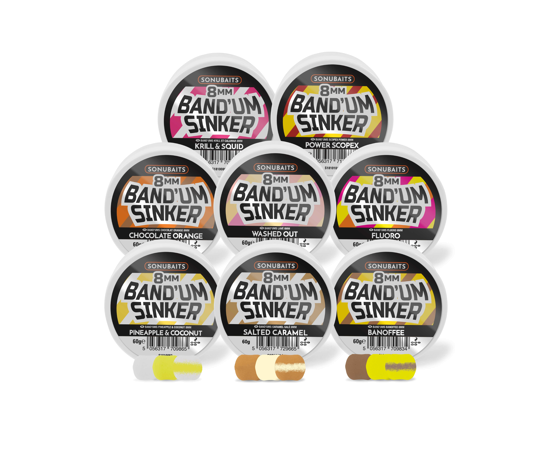
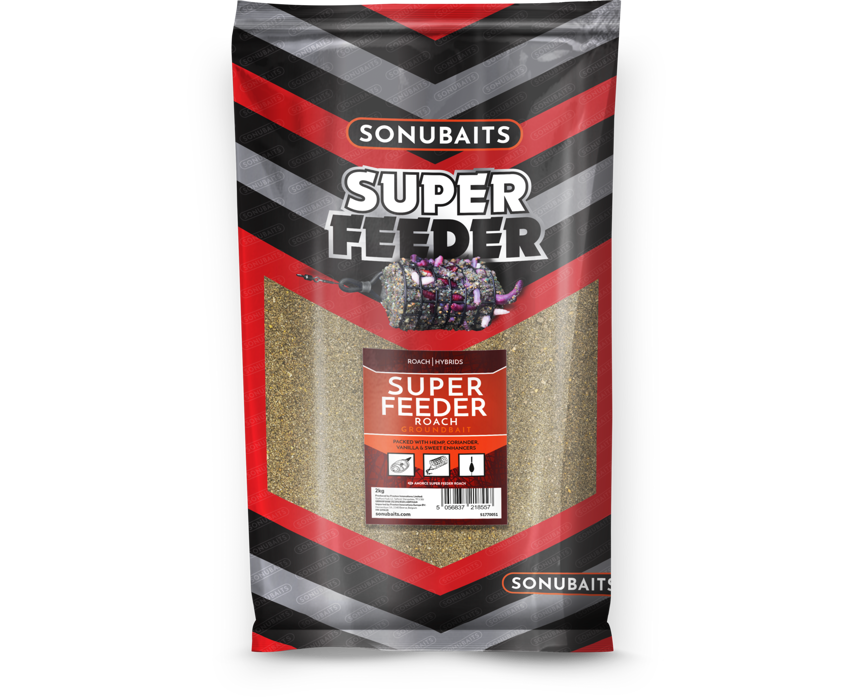
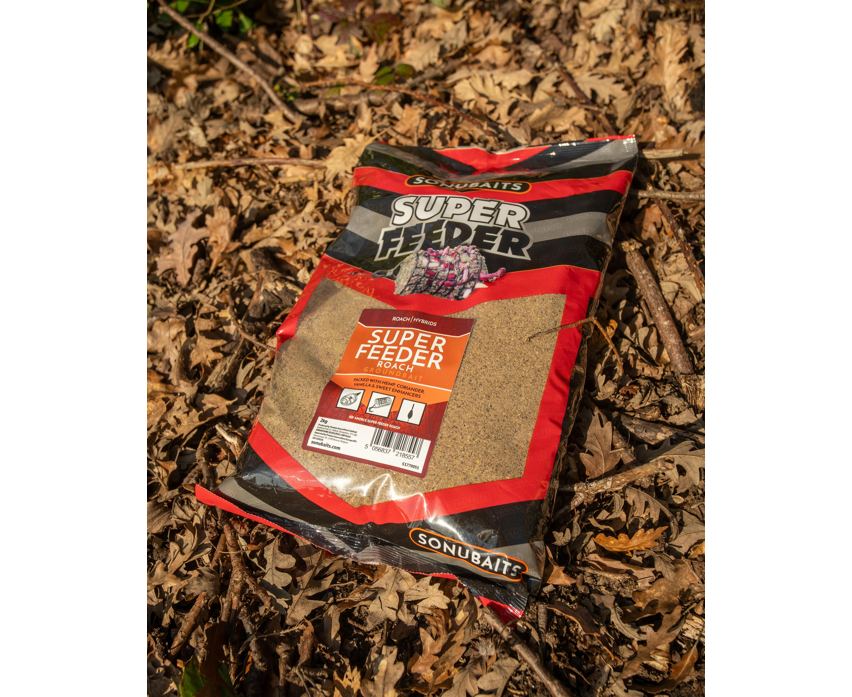
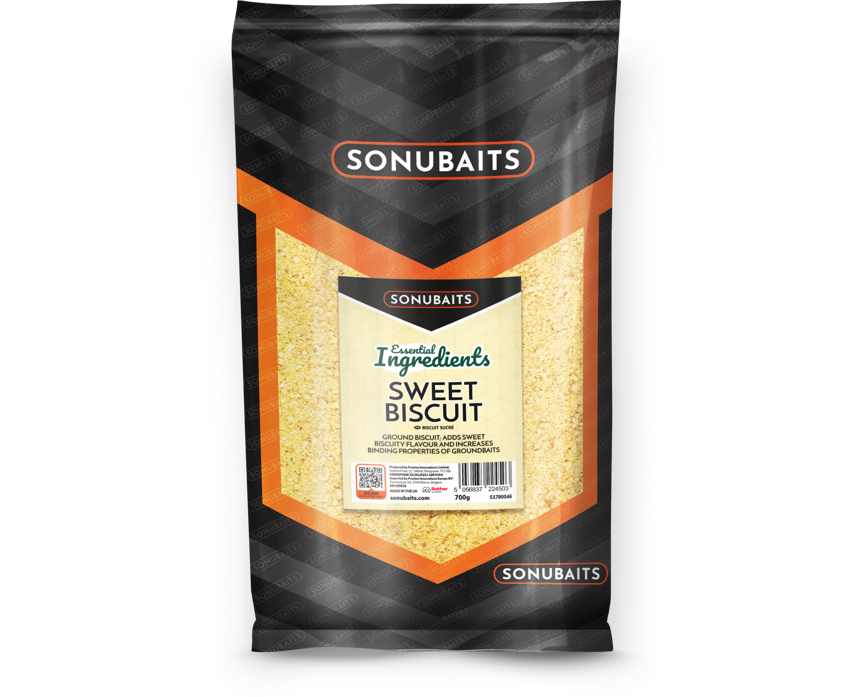
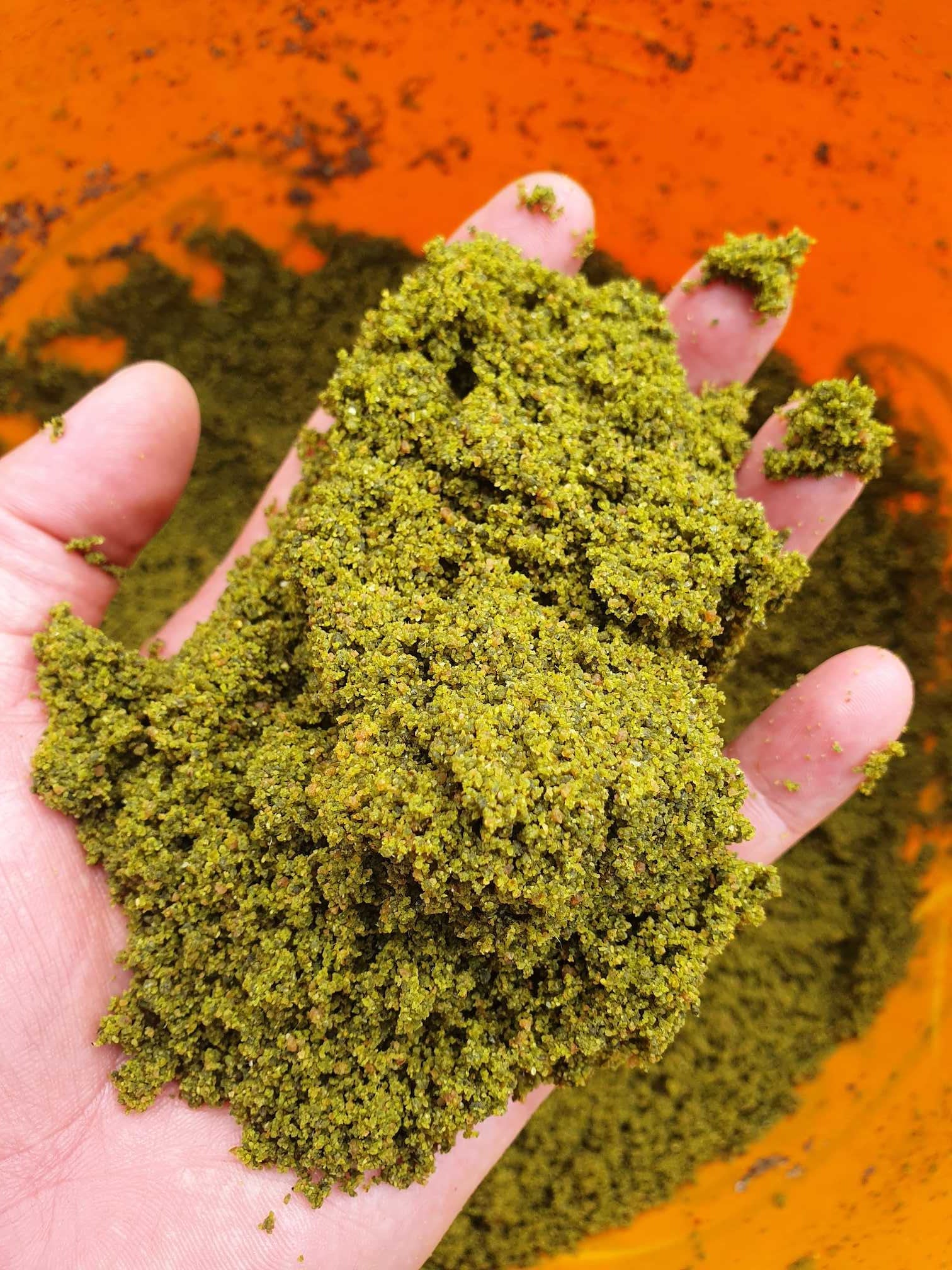
Coarse and carp bait for different methods
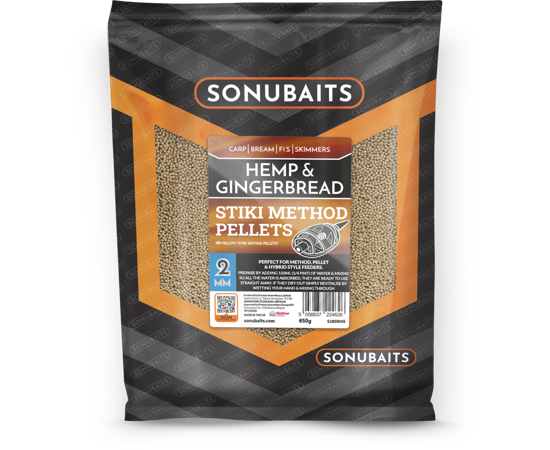
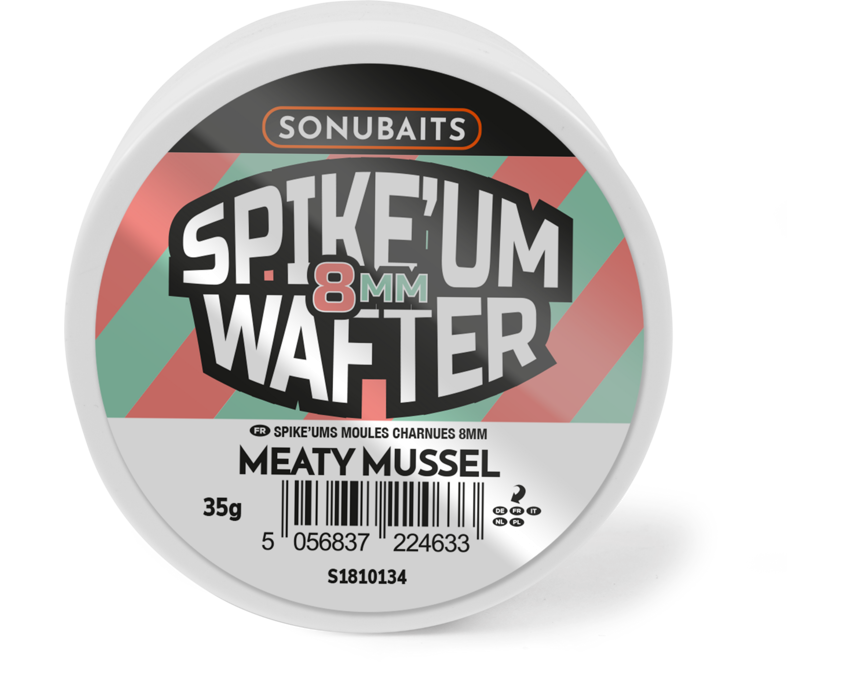
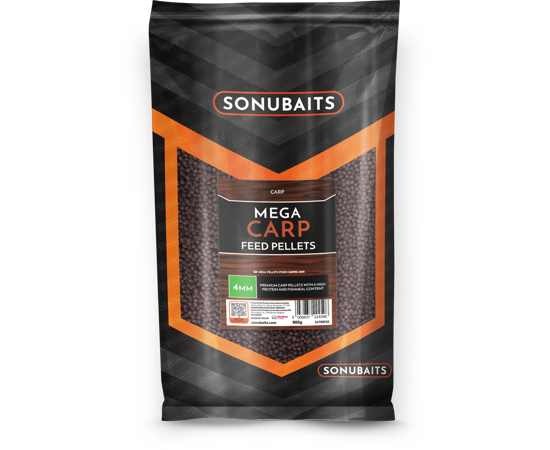
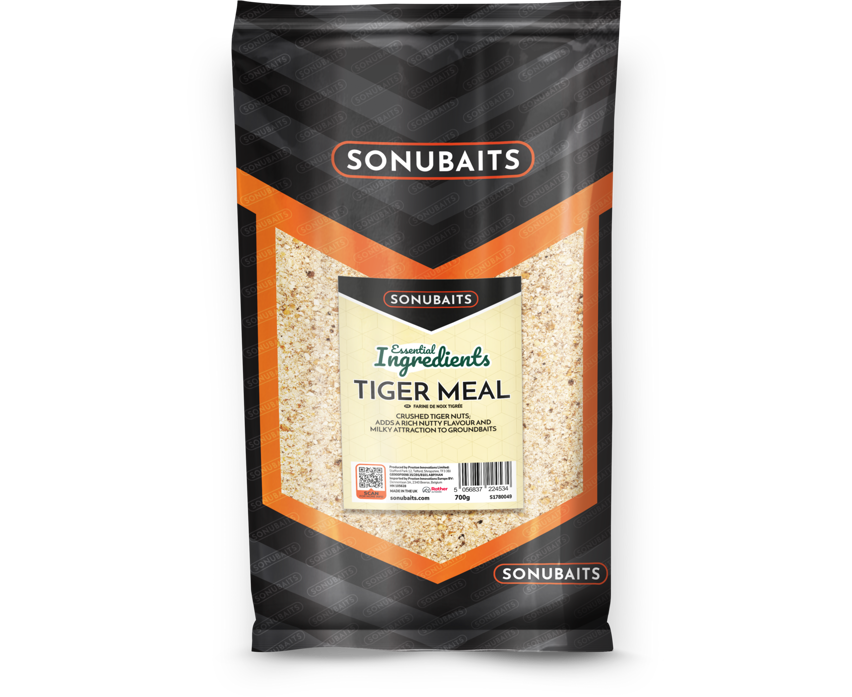
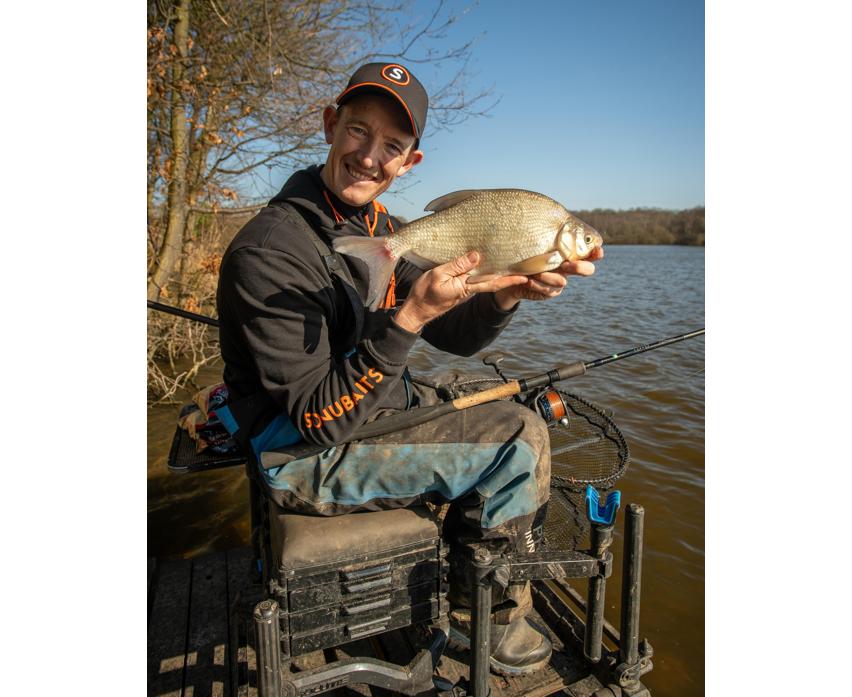
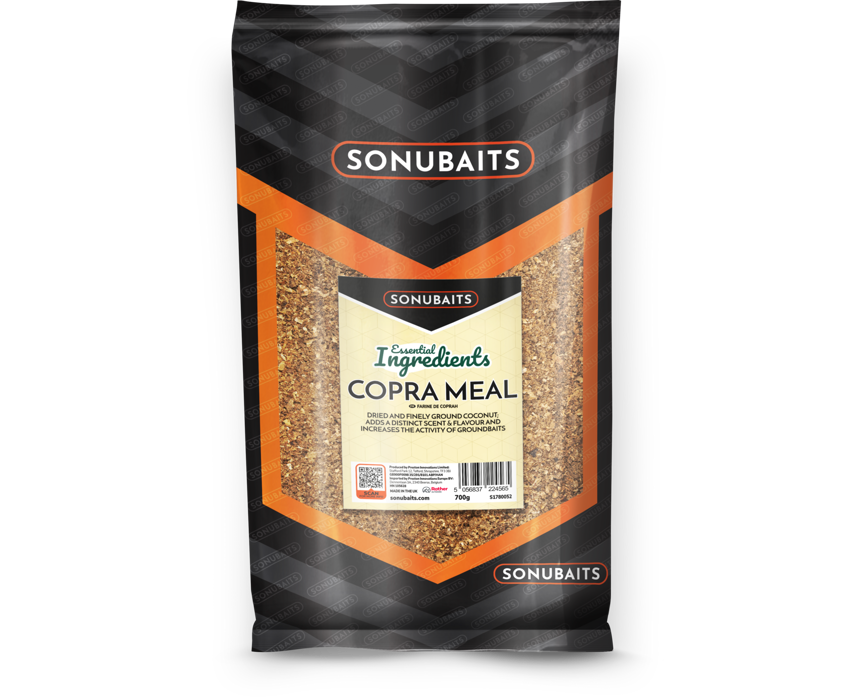
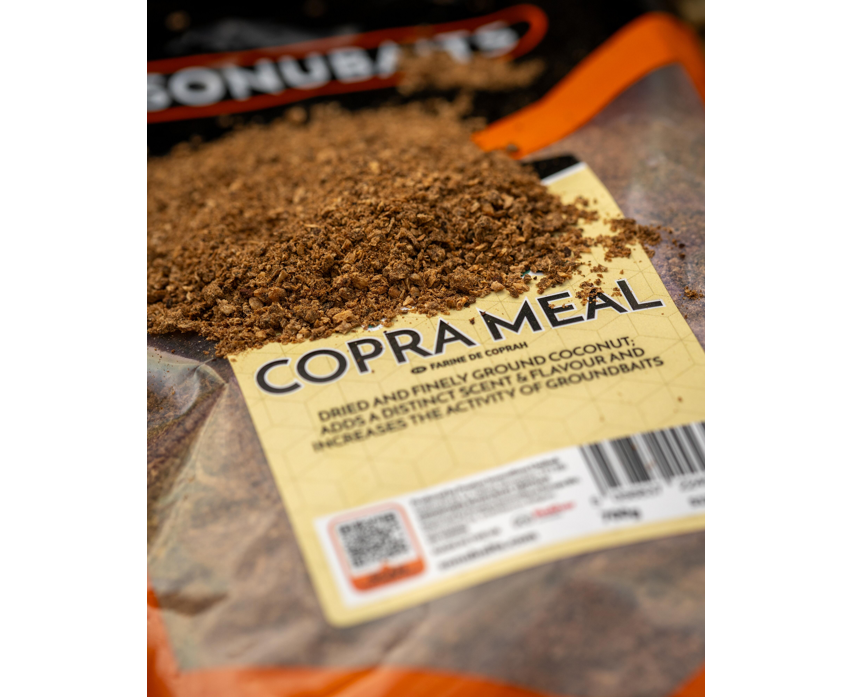
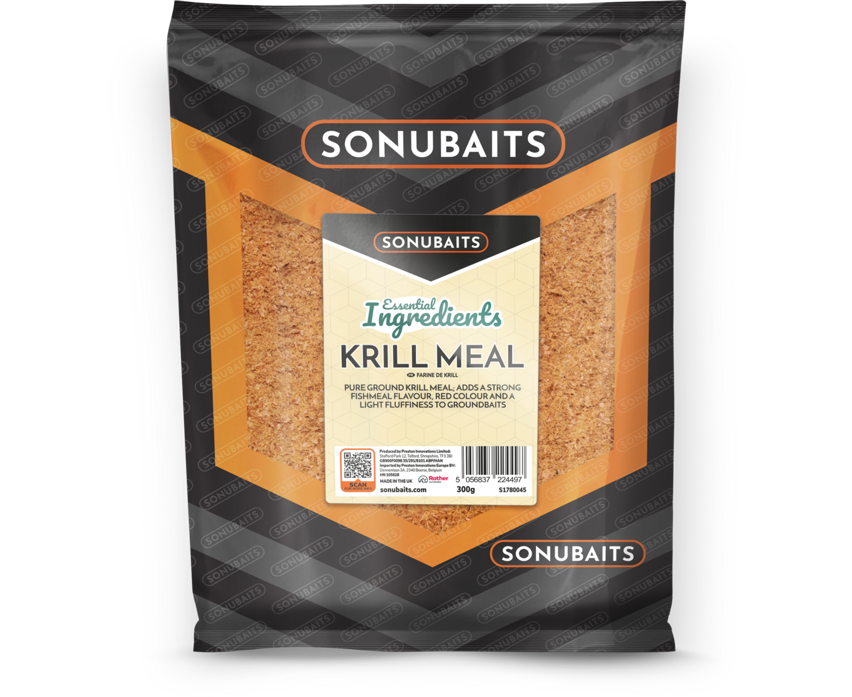
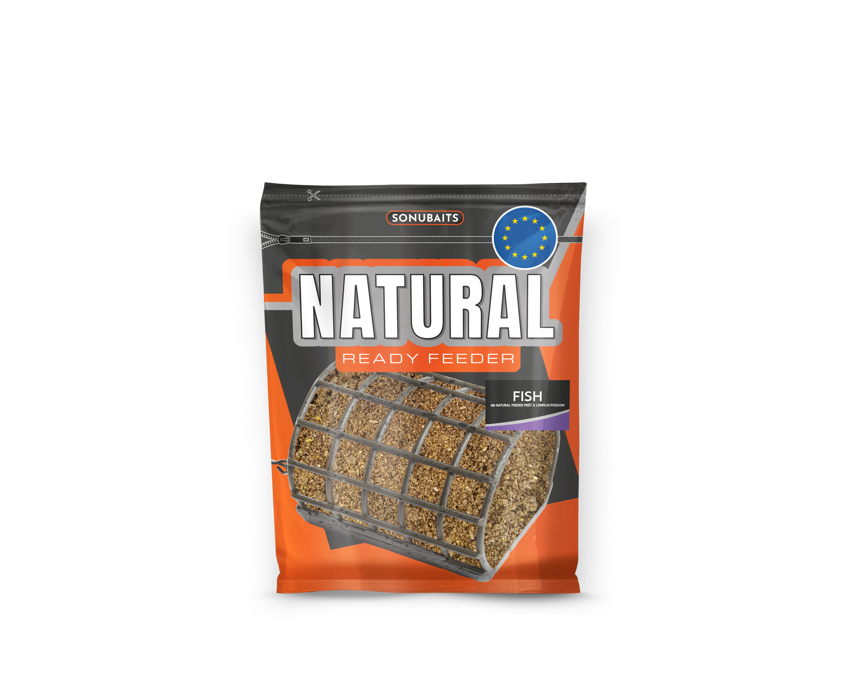
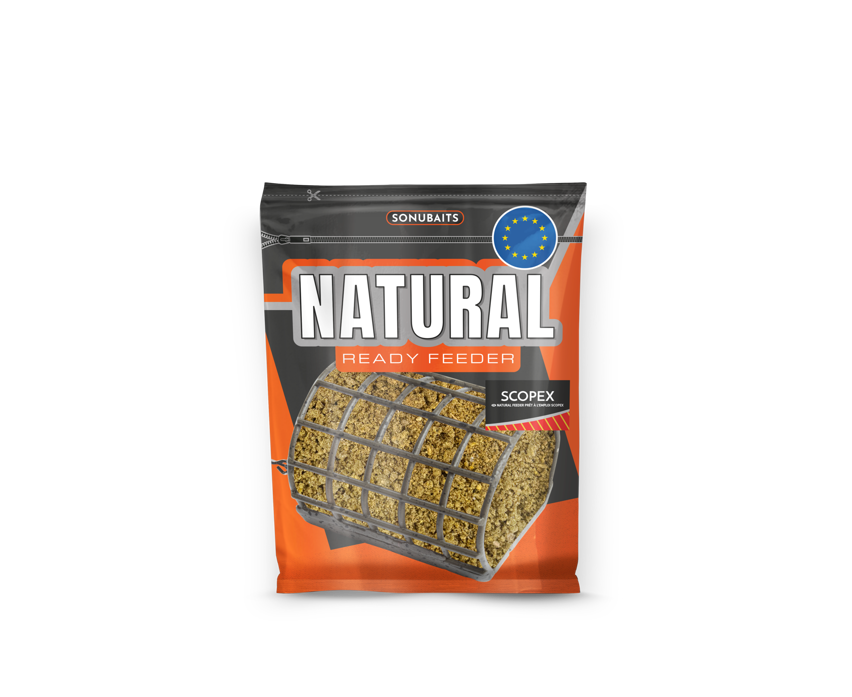
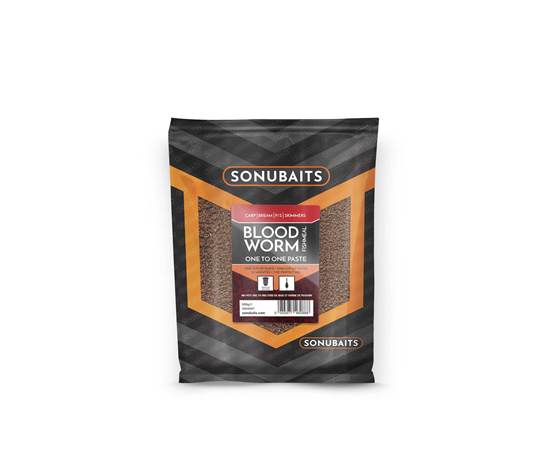
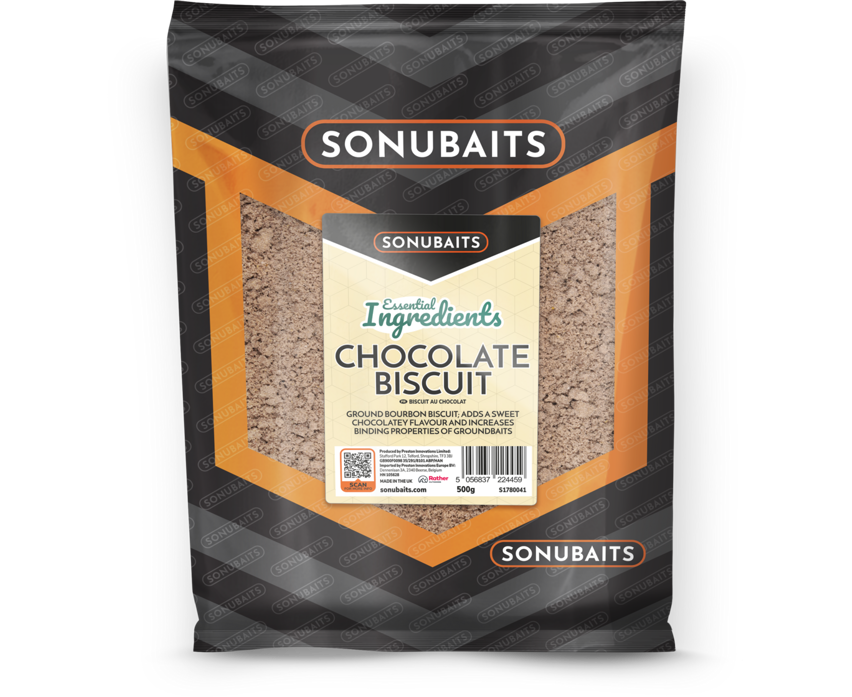
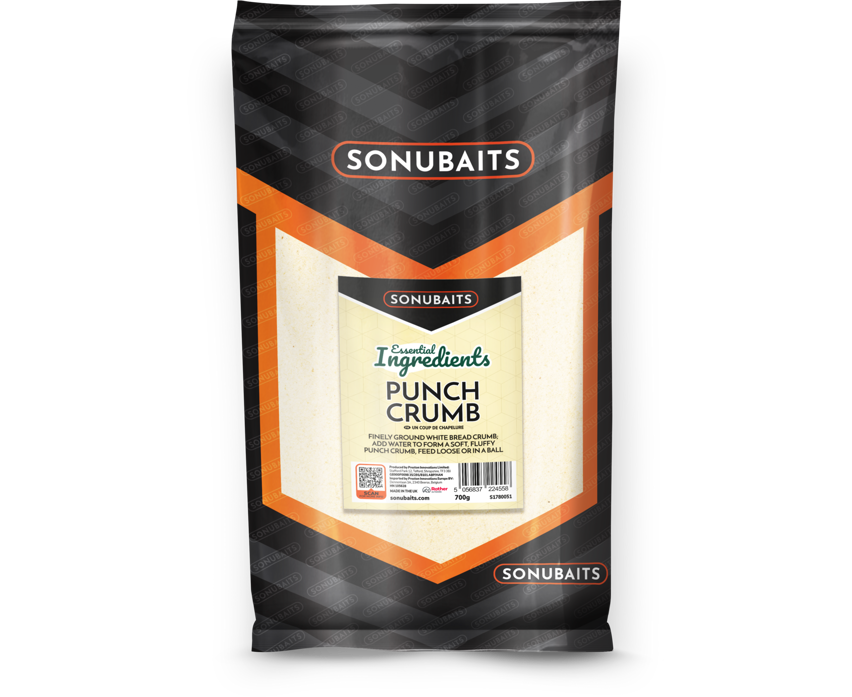
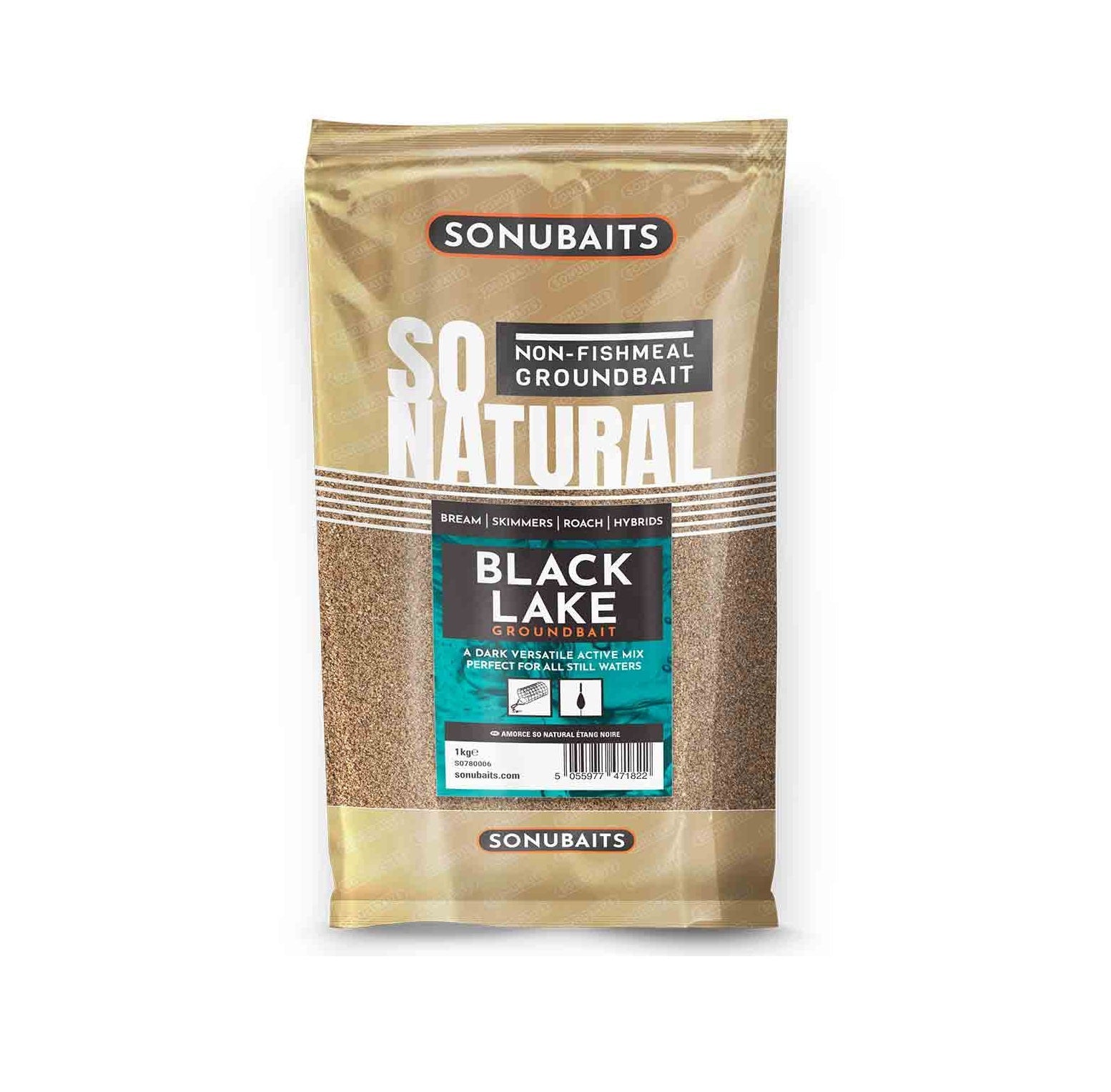
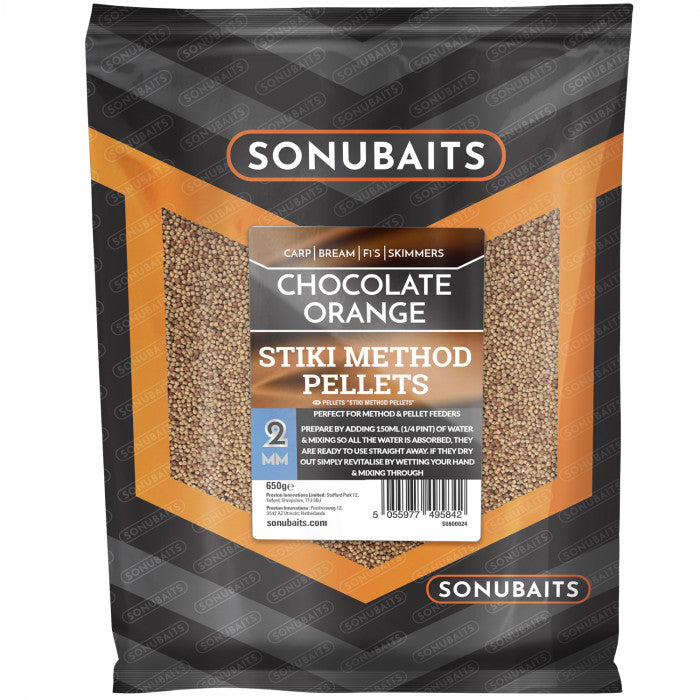
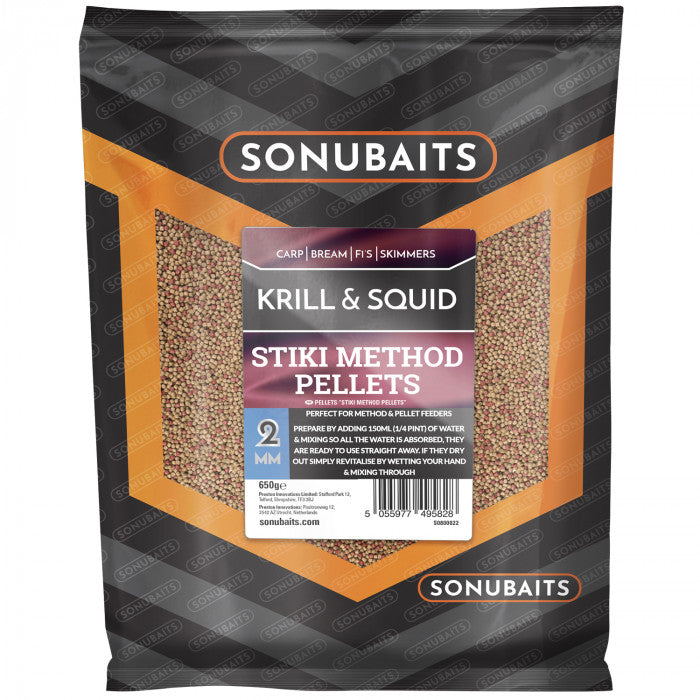
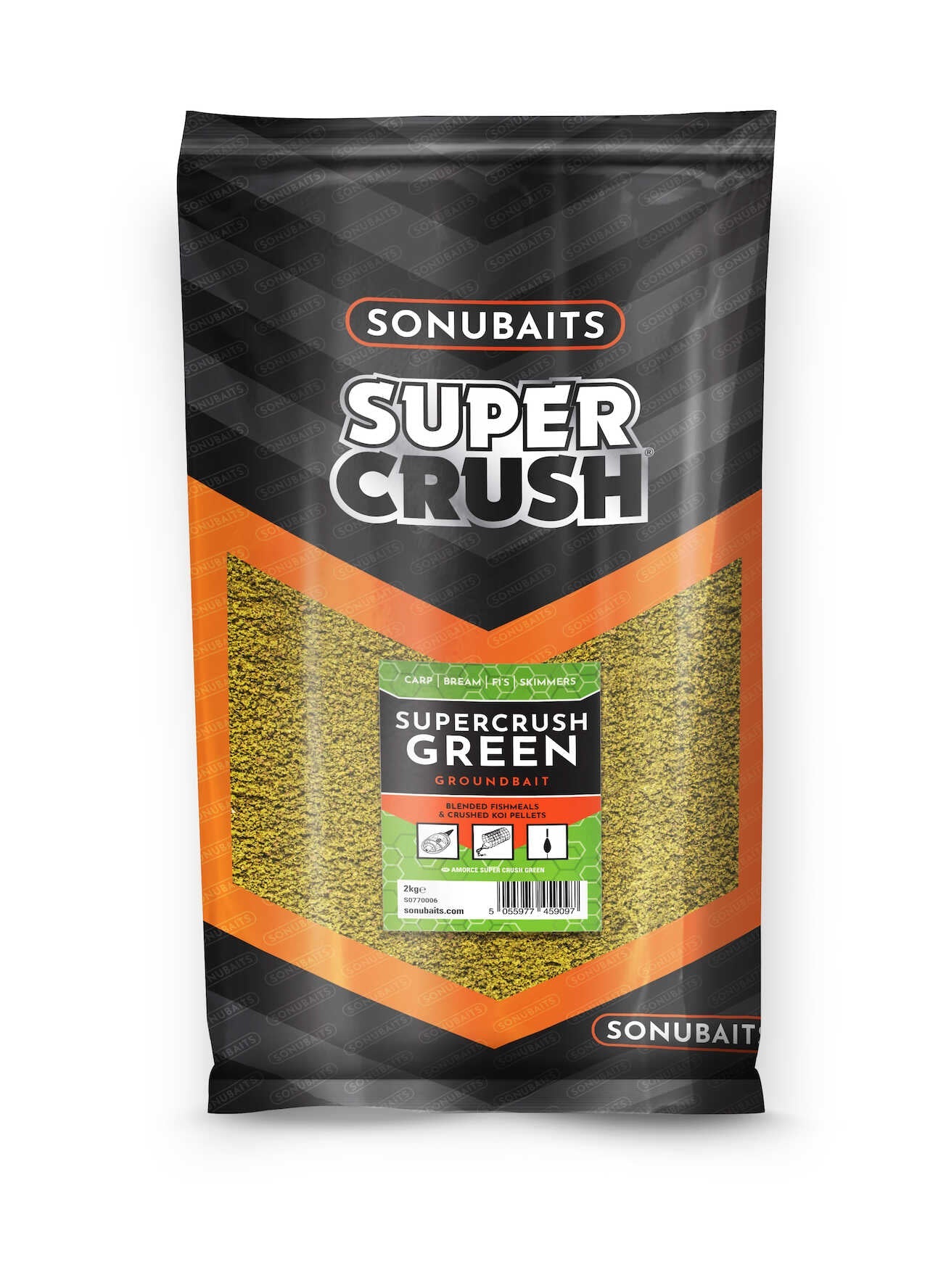
Coarse and carp bait covers hook baits and loose feed for species such as carp, bream, tench, roach and other freshwater fish. Groundbait, pellets, boilies, particles and natural baits behave differently in water. Selection should reflect the target species, venue, season, depth and how the rig presents the hook bait.
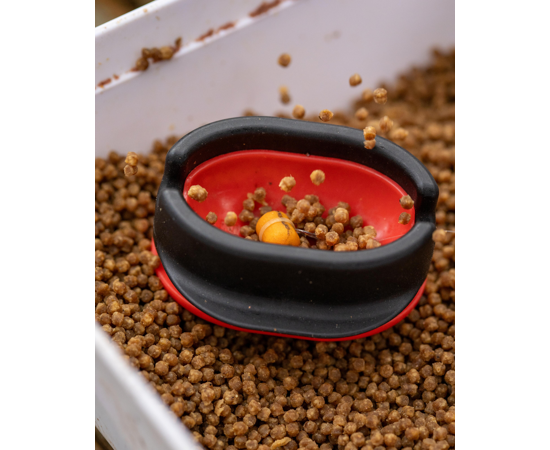
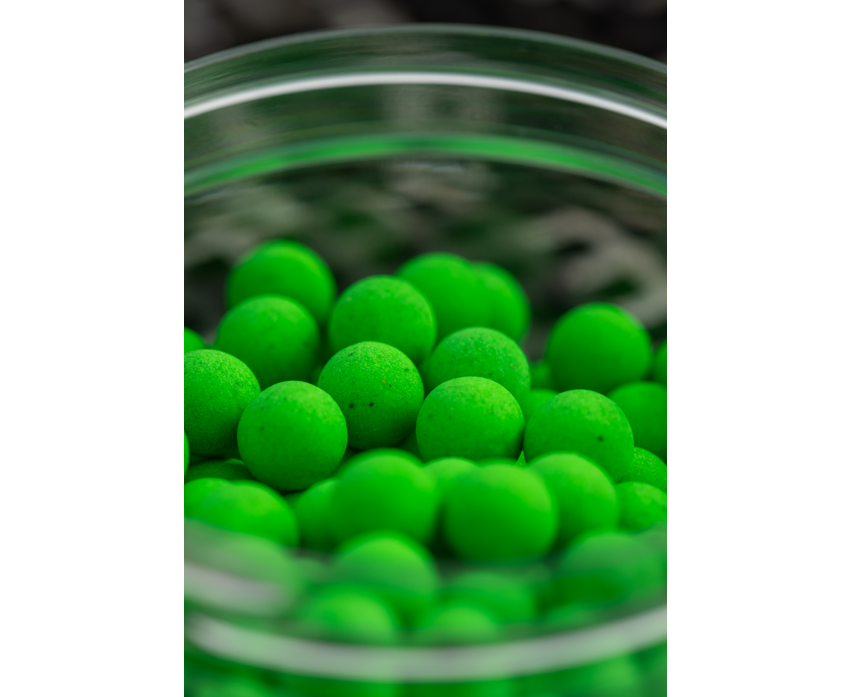
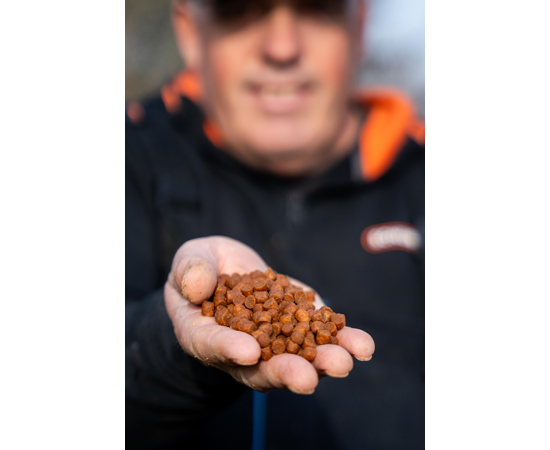
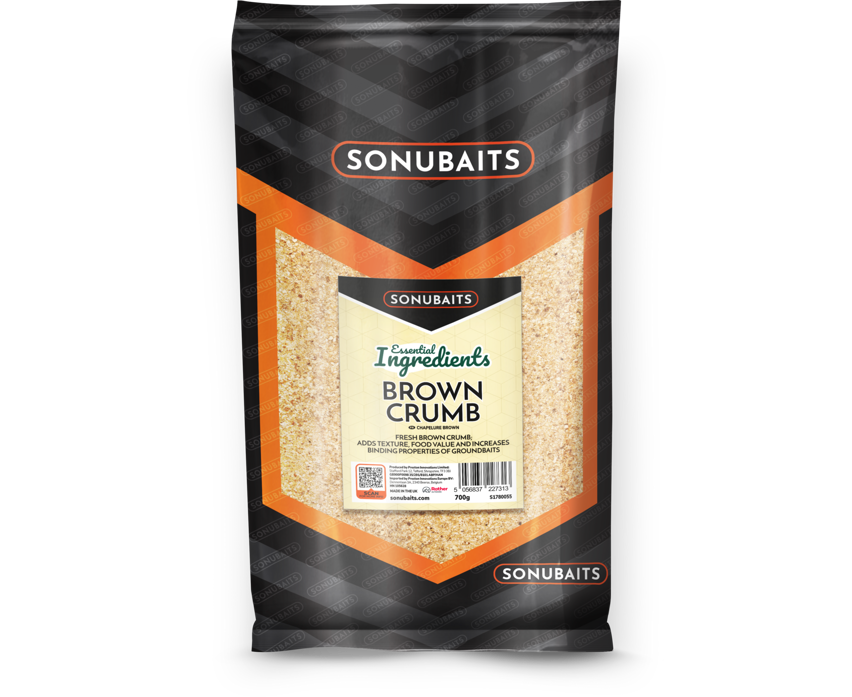
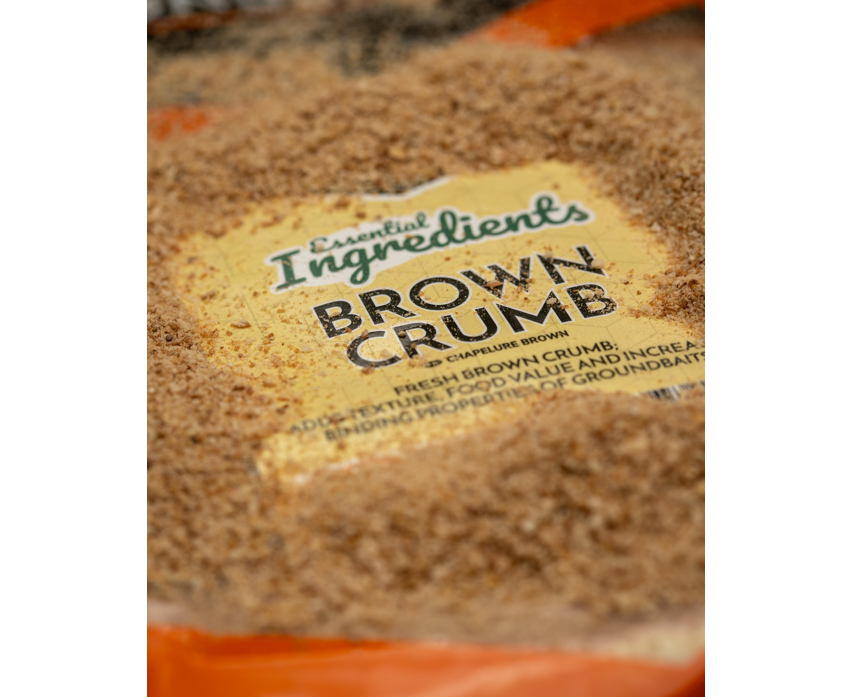
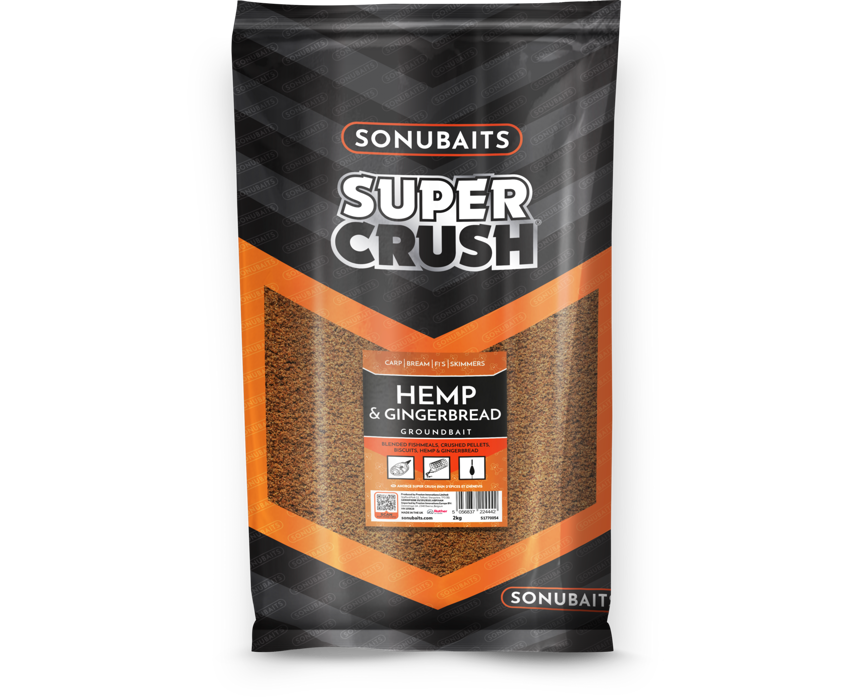
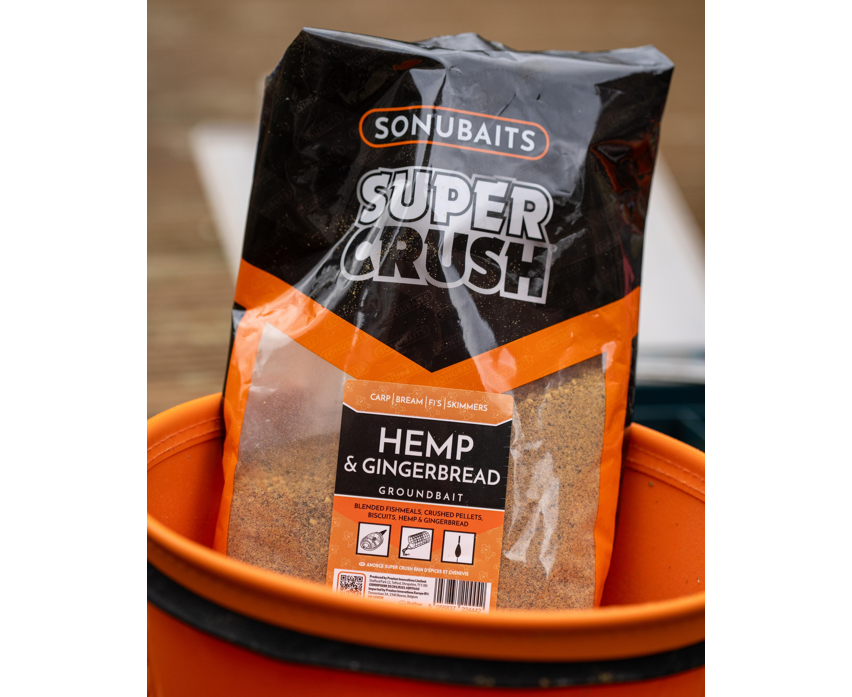
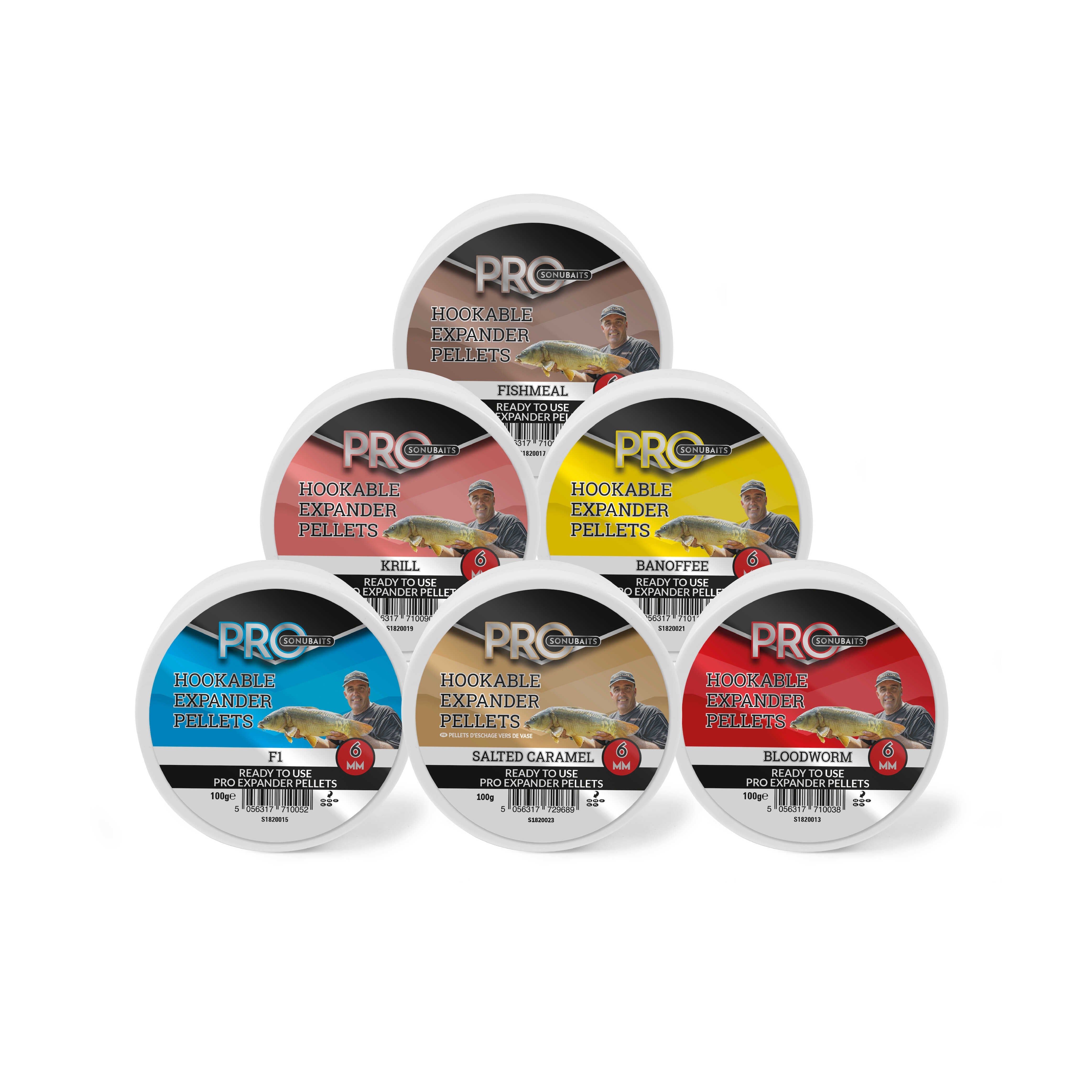
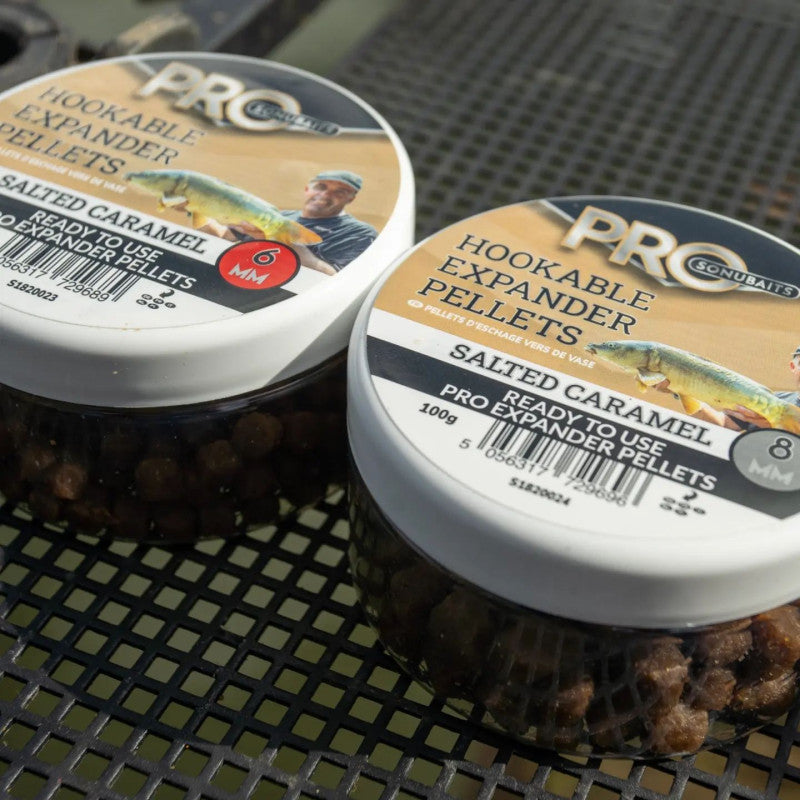
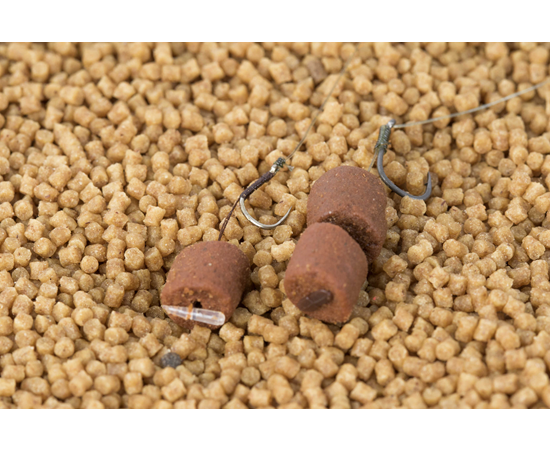
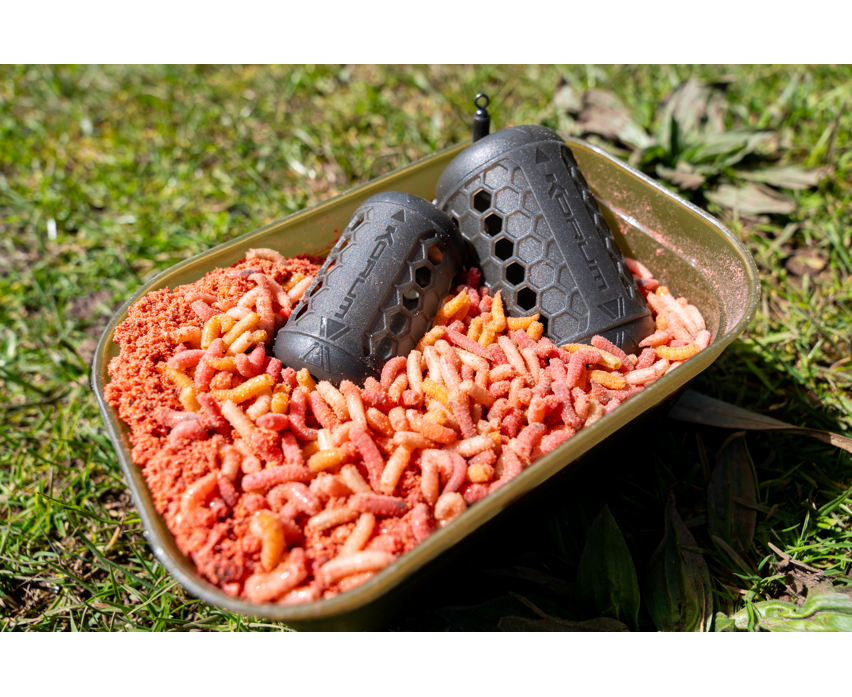
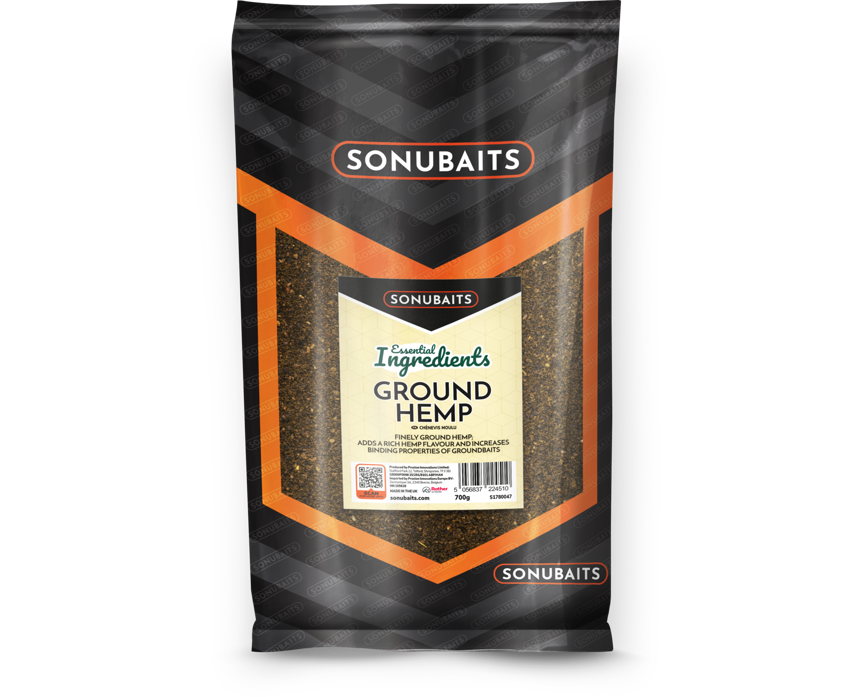
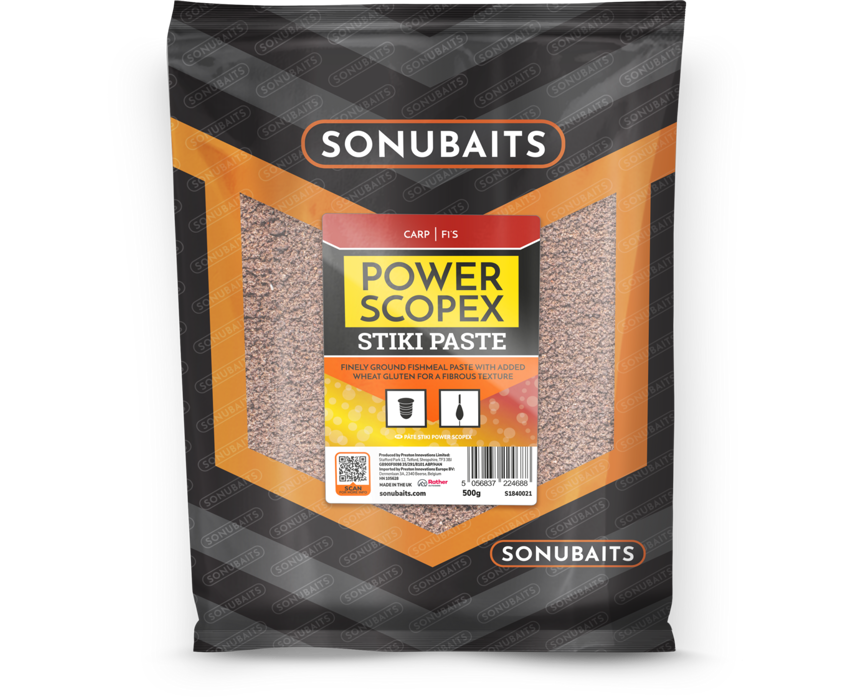
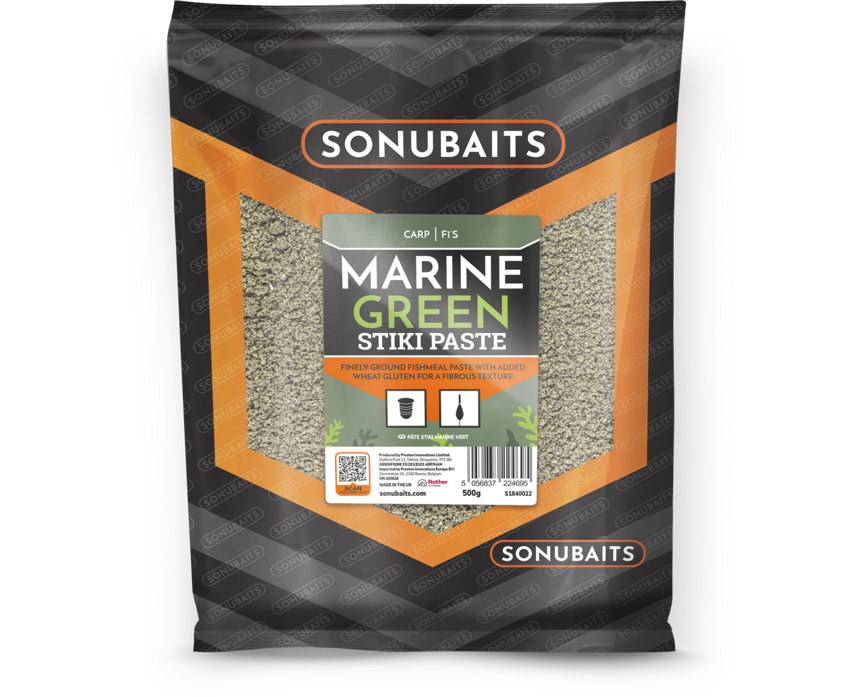
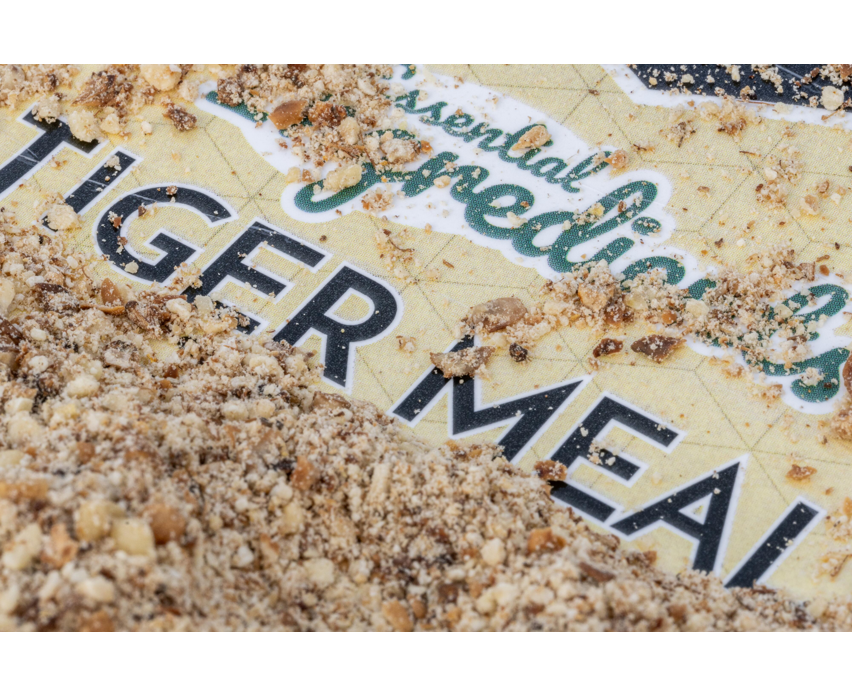
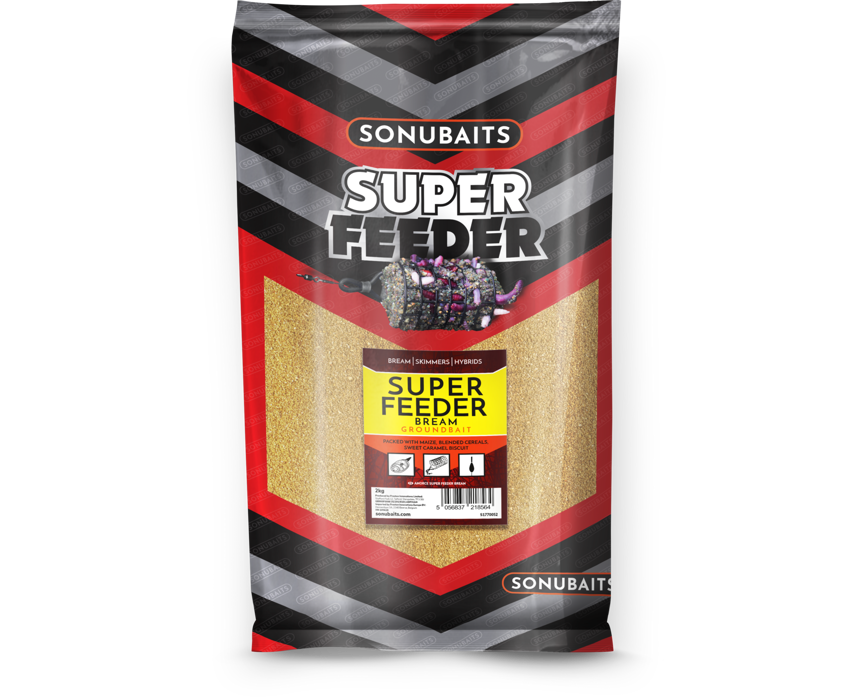
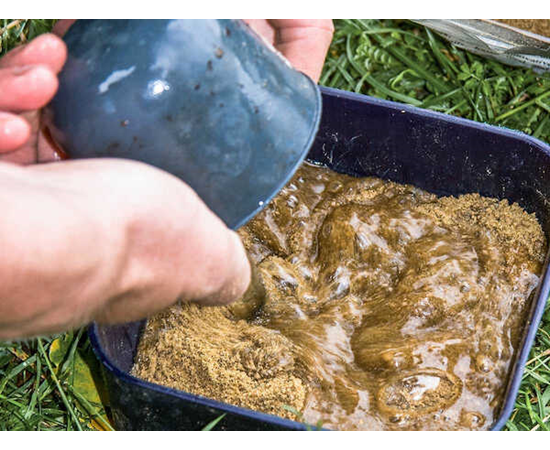
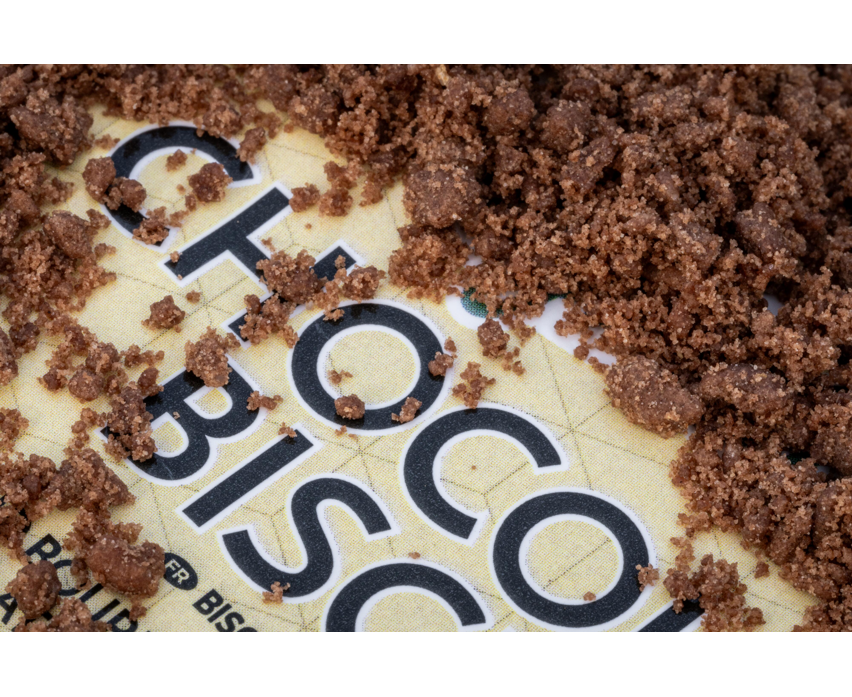
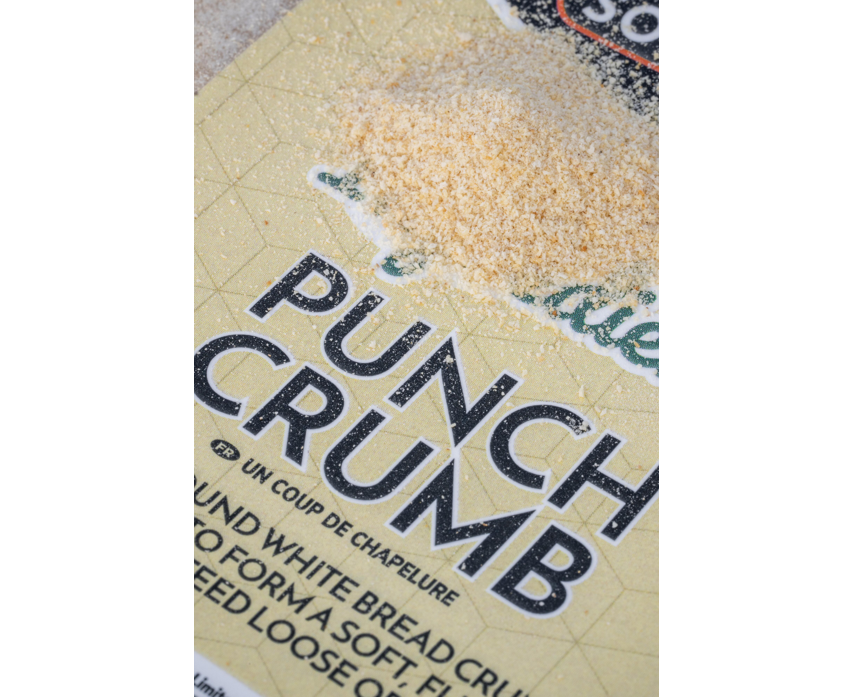
Groundbait creates a bed or cloud of attraction, while pellets and particles can provide more distinct food items. Boilies offer varied sizes, buoyancy and breakdown. Maggots and other natural baits can be effective for many coarse species. Check preparation instructions and fishery rules before soaking, cooking, mixing or introducing any bait.
Browse the parent fishing bait range, compare specialist trout bait, review deadbait fish for permitted predator methods, or add compatible bait attractants without overwhelming the base mix.
Choose bait by presentation and conditions
Match bait size to the hook, hair, target fish and nuisance species. Small particles and fine groundbait can build activity, while larger hook baits may remain selective for longer. Sinking, critically balanced and buoyant presentations each require a rig that allows the bait to behave as intended.
Cold or difficult conditions often call for measured feeding and easily digestible bait. Warmer, active sessions may support a greater quantity, but observation should guide every top-up. Account for current, tow and depth: a light mix may disperse quickly, while a heavier or stickier mix reaches the bottom more reliably.
Pair the approach with suitable carp rods and carp reels. The best carp baits guide explains common bait choices, while the fishing with maggots guide covers a versatile natural-bait approach.
Prepare, store and feed responsibly
Keep bait sealed, dry or chilled as instructed, check expiry information and avoid cross-contamination between fishing bait and food. Prepare particles fully according to the product directions. Test hook baits for attachment and buoyancy before casting.
Follow venue limits on bait type and quantity, avoid leaving unused bait on the bank and never introduce spoiled material. Clean buckets and tools between waters where required, take packaging home and adjust feeding to fish response rather than following a fixed quantity.