Sea metal jigs for shore and boat fishing
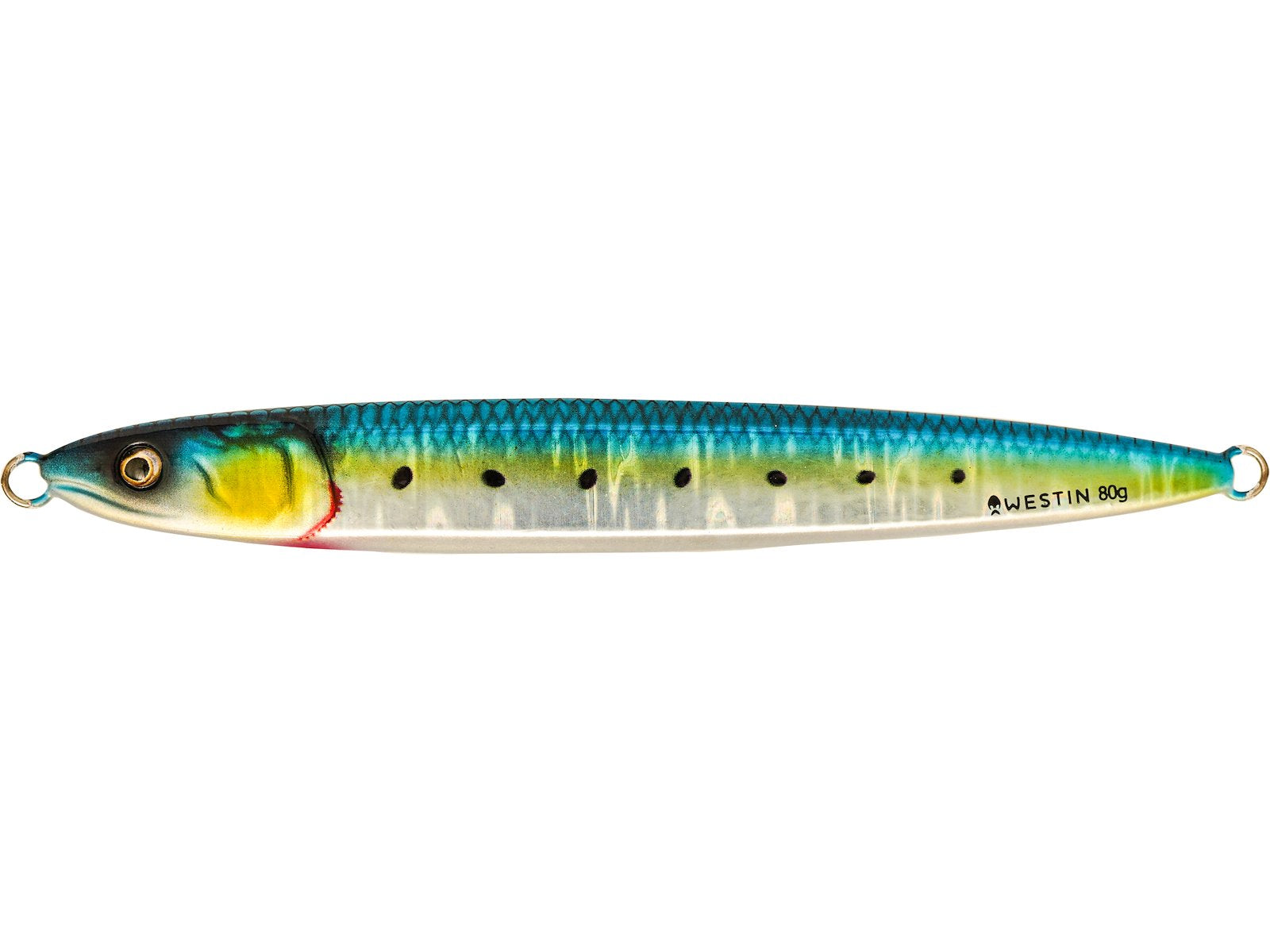
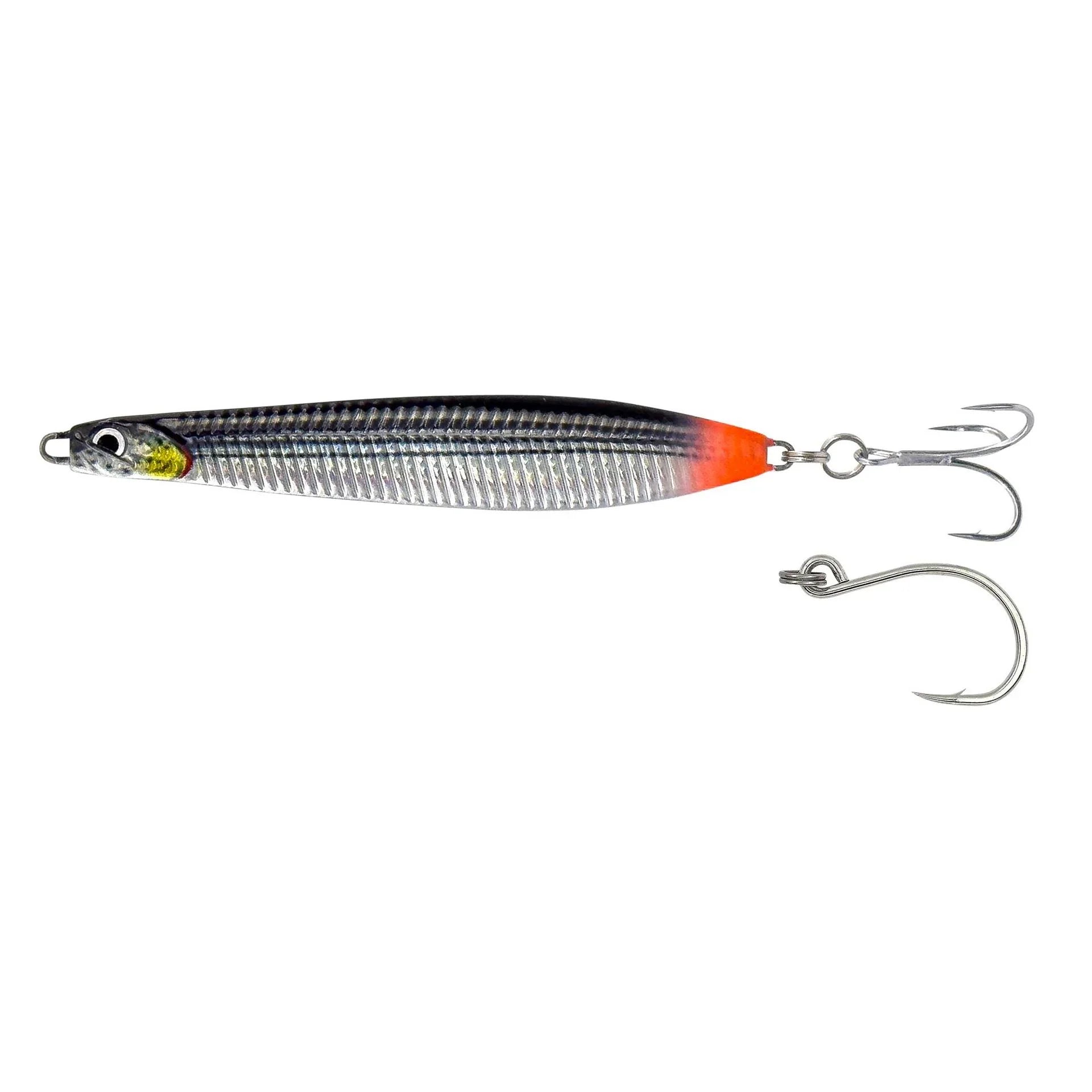
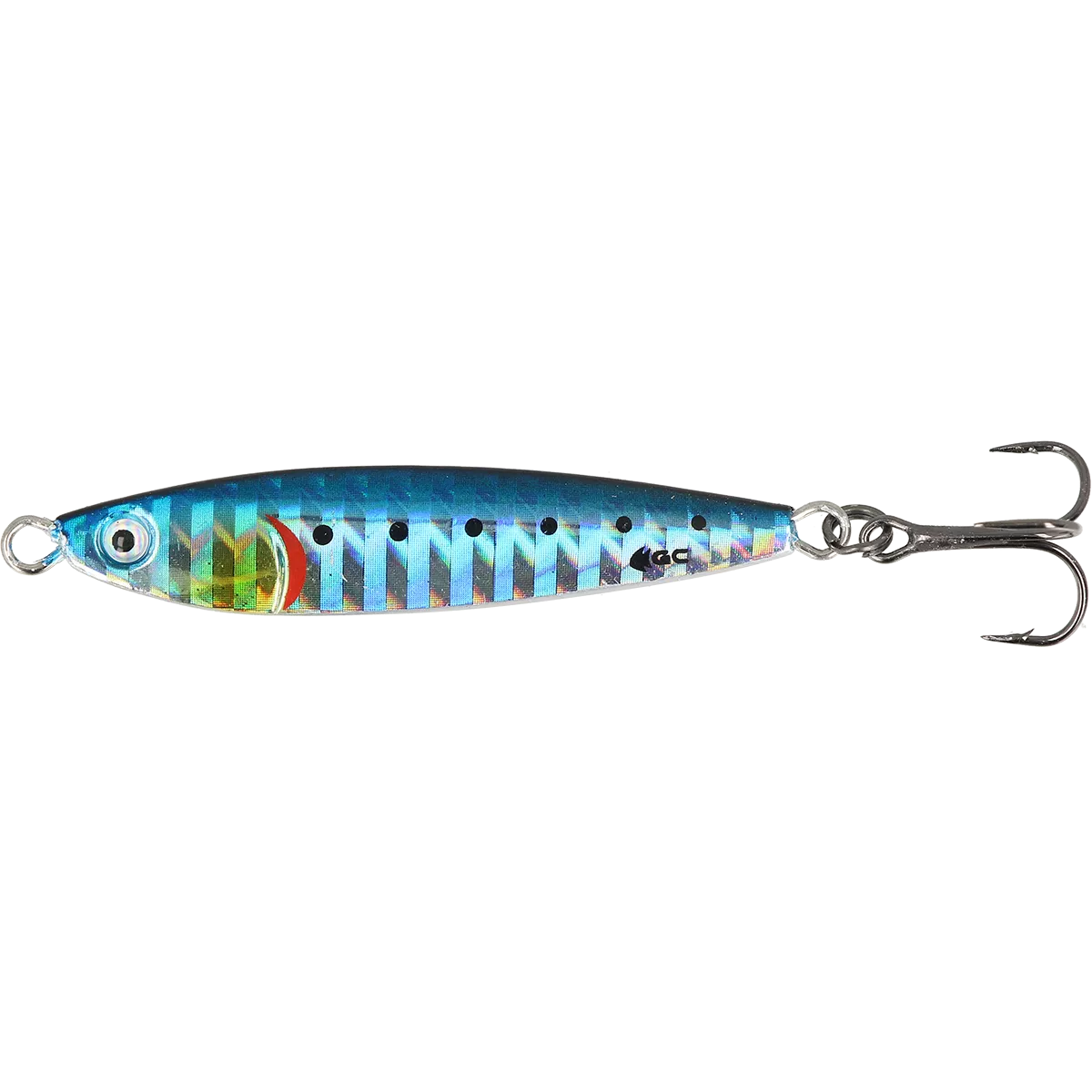
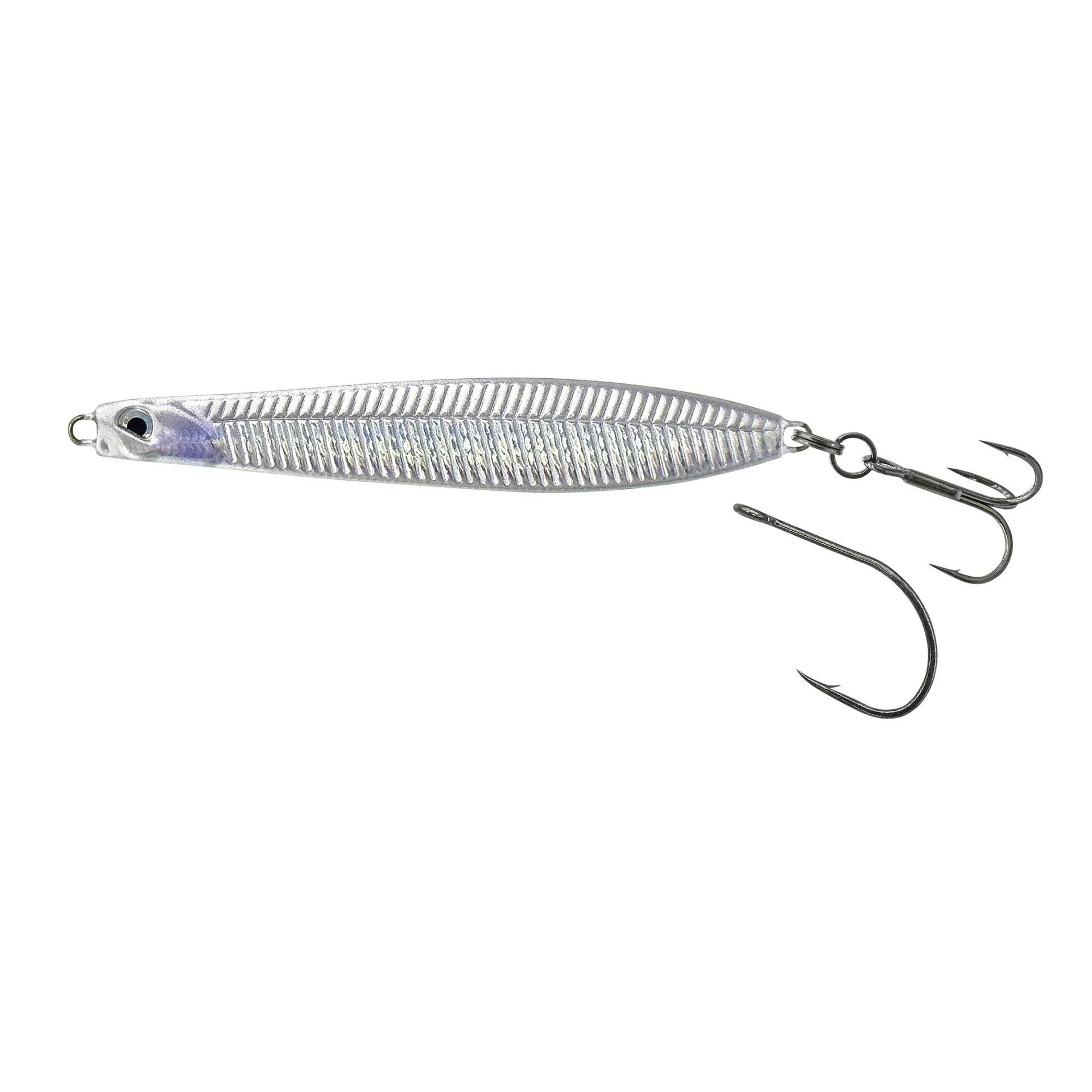
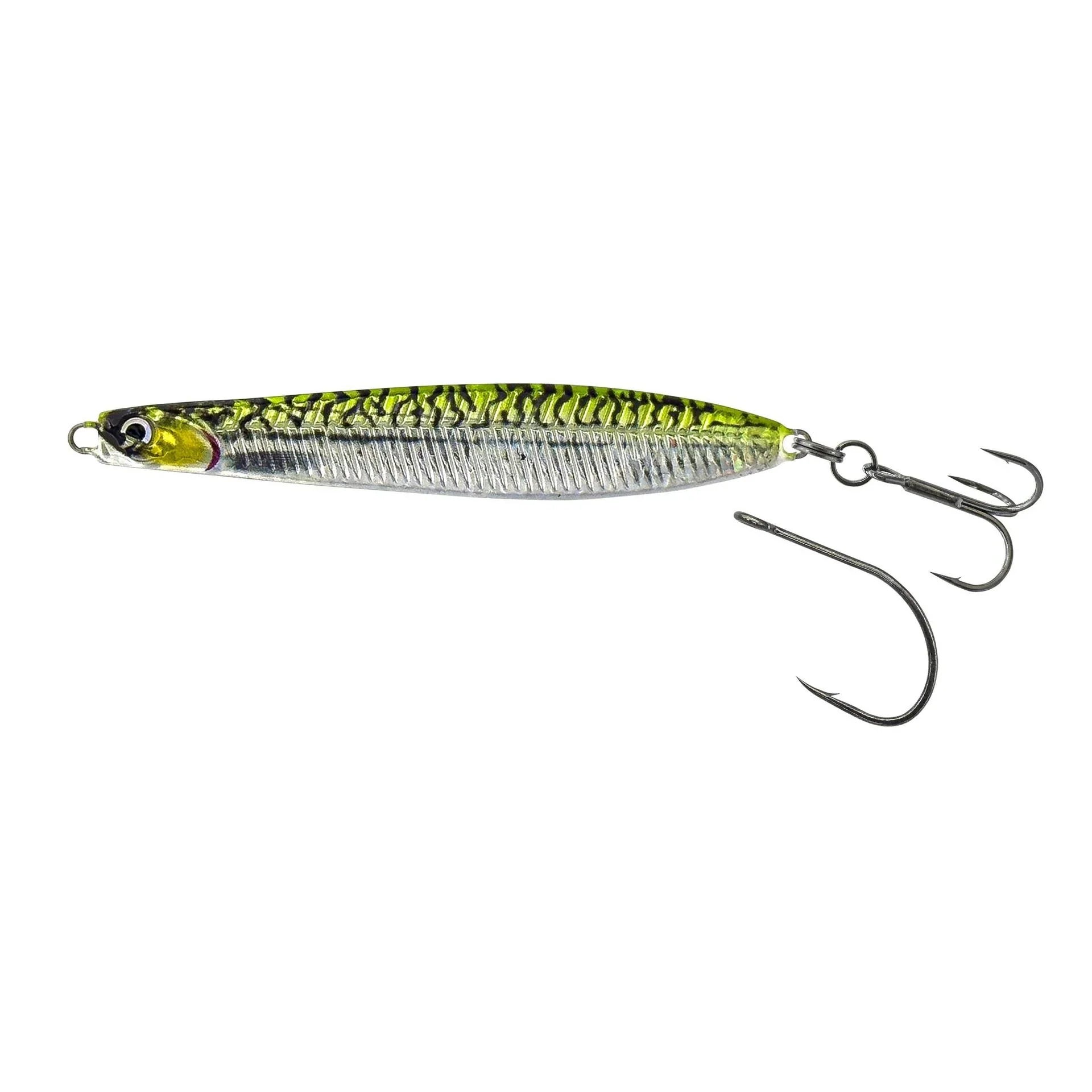
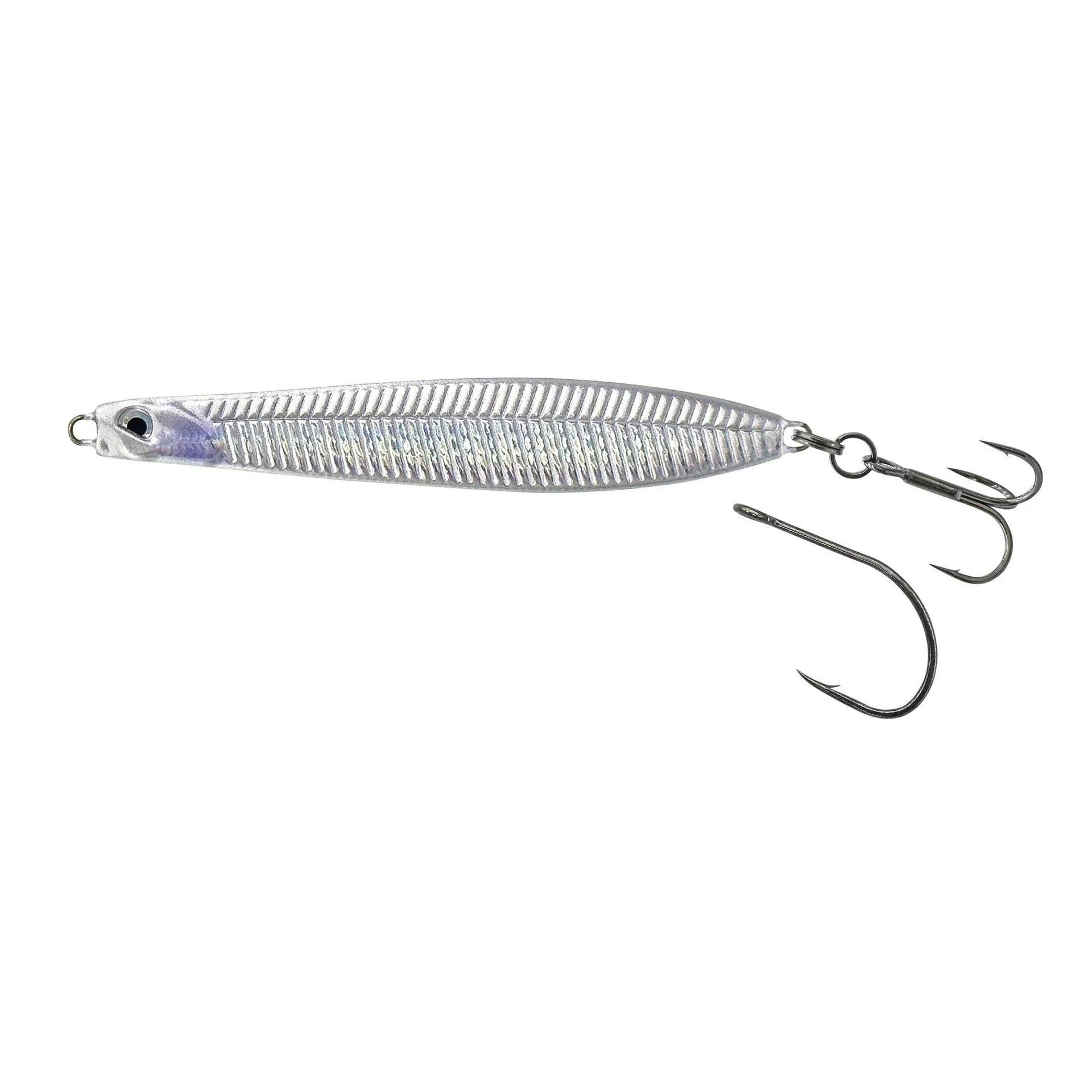
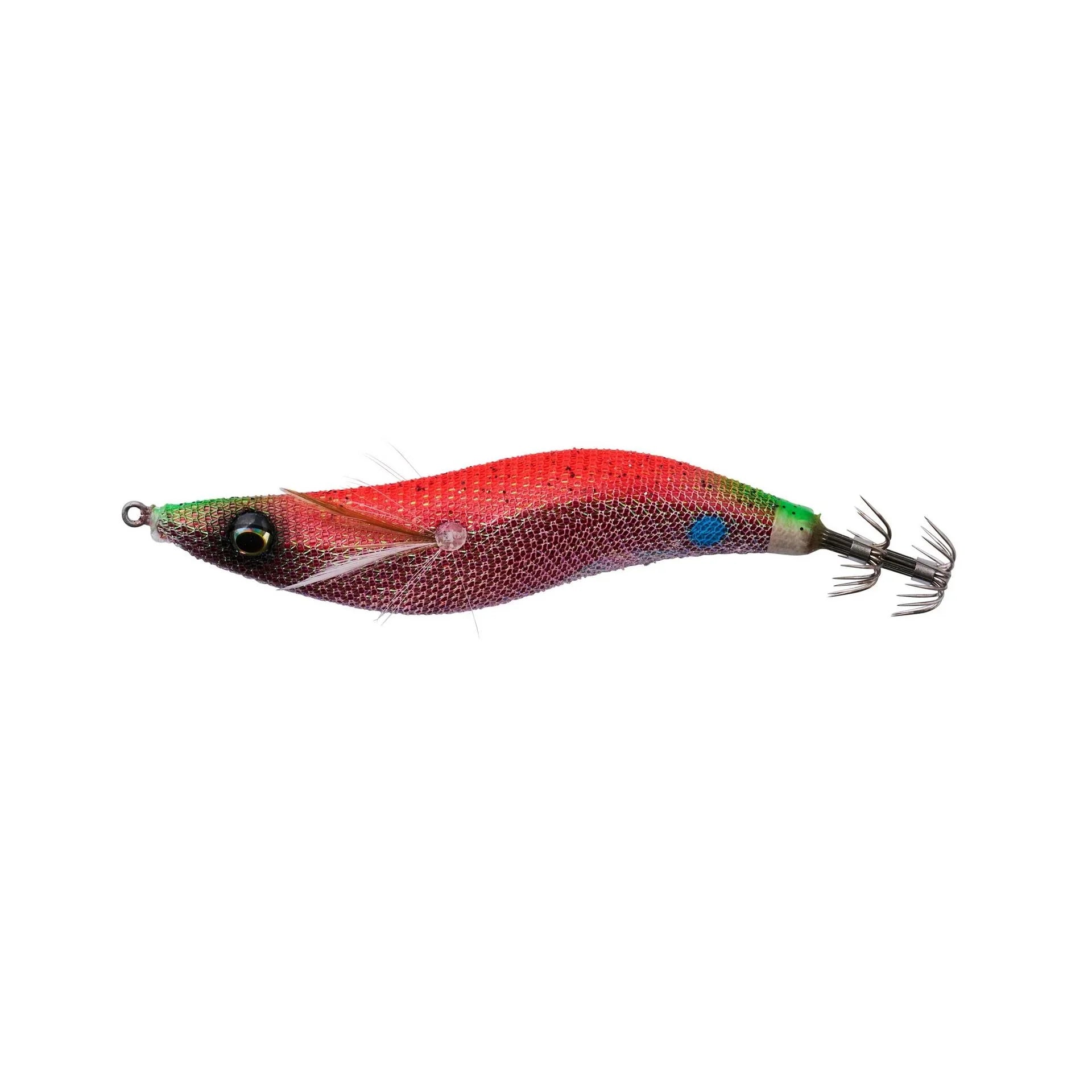
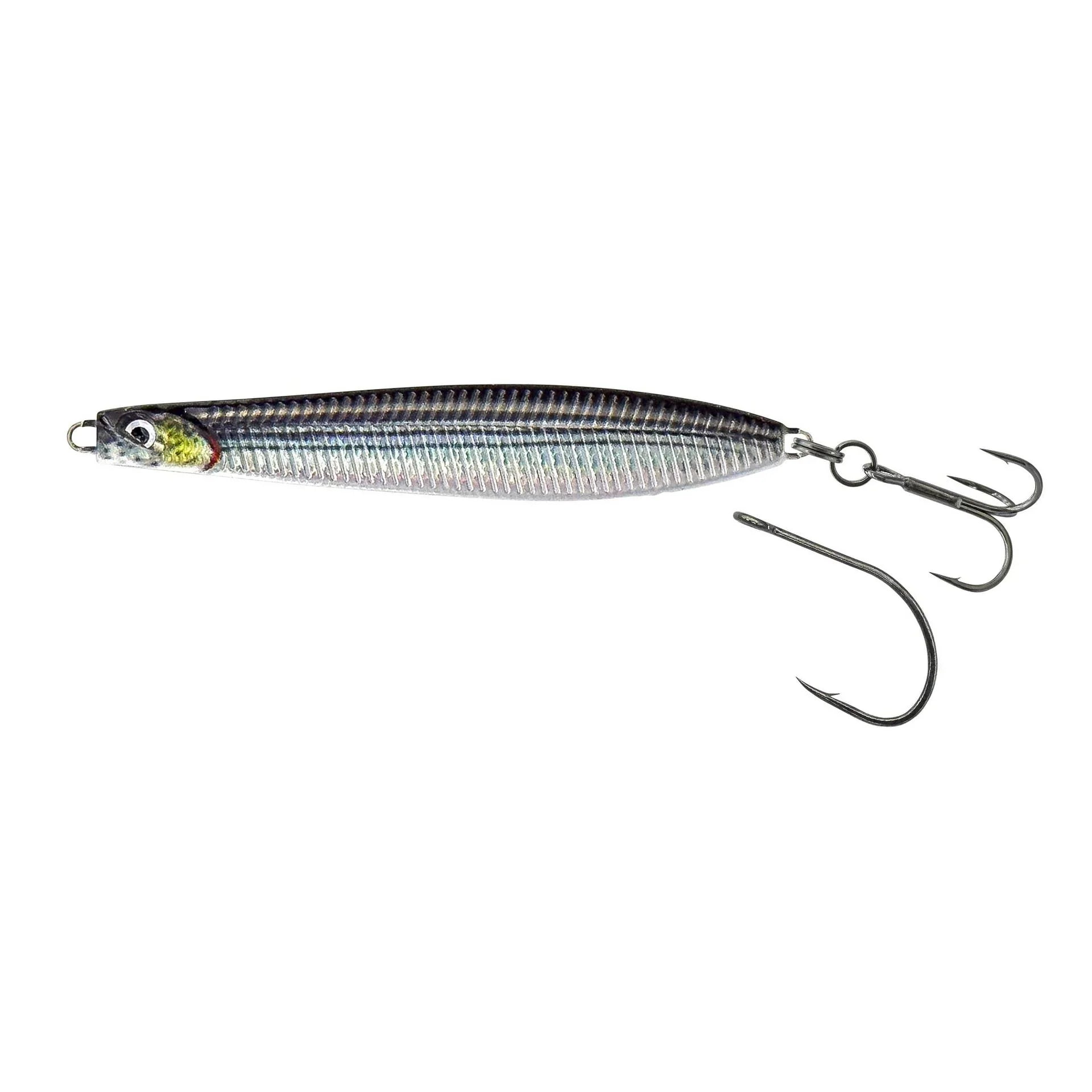
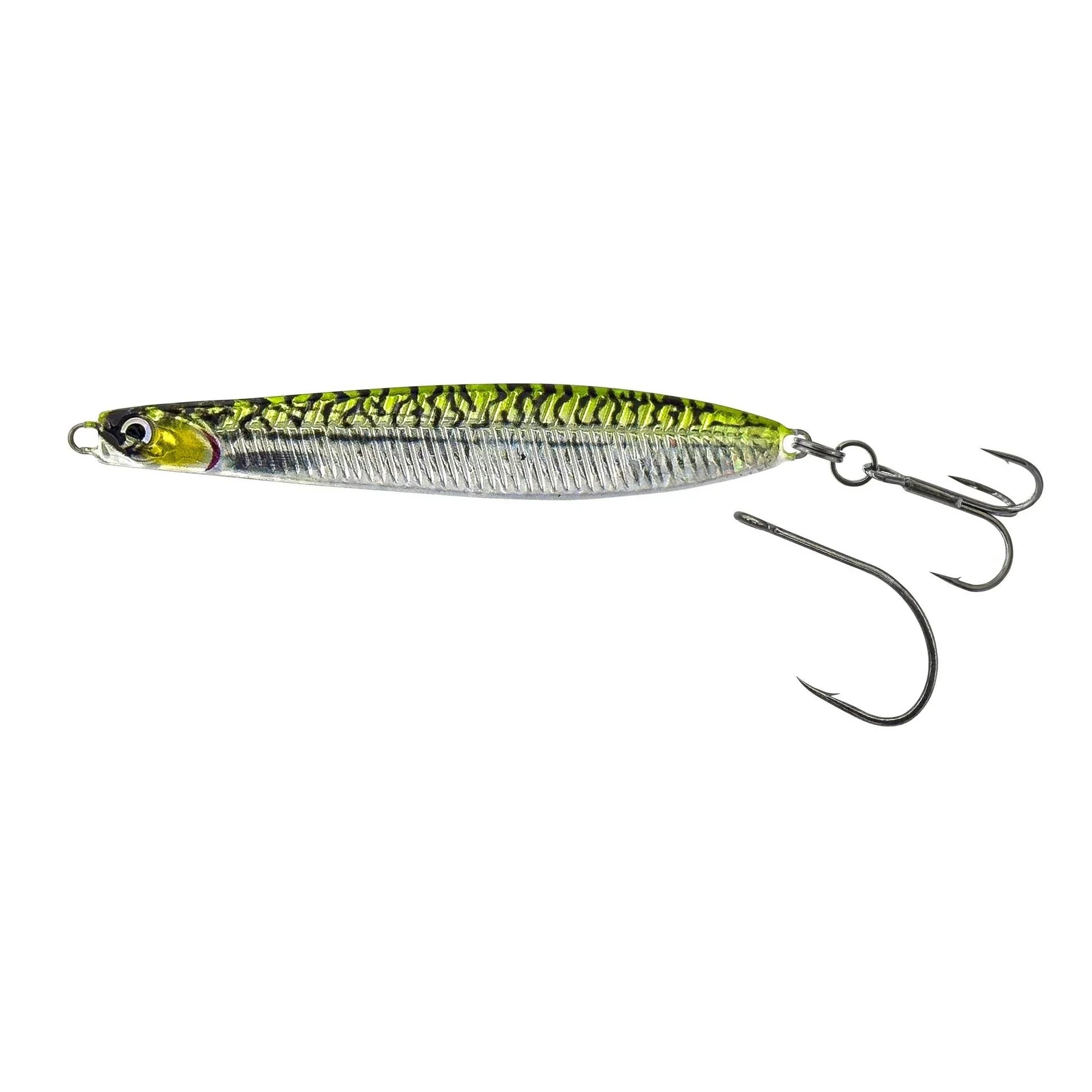
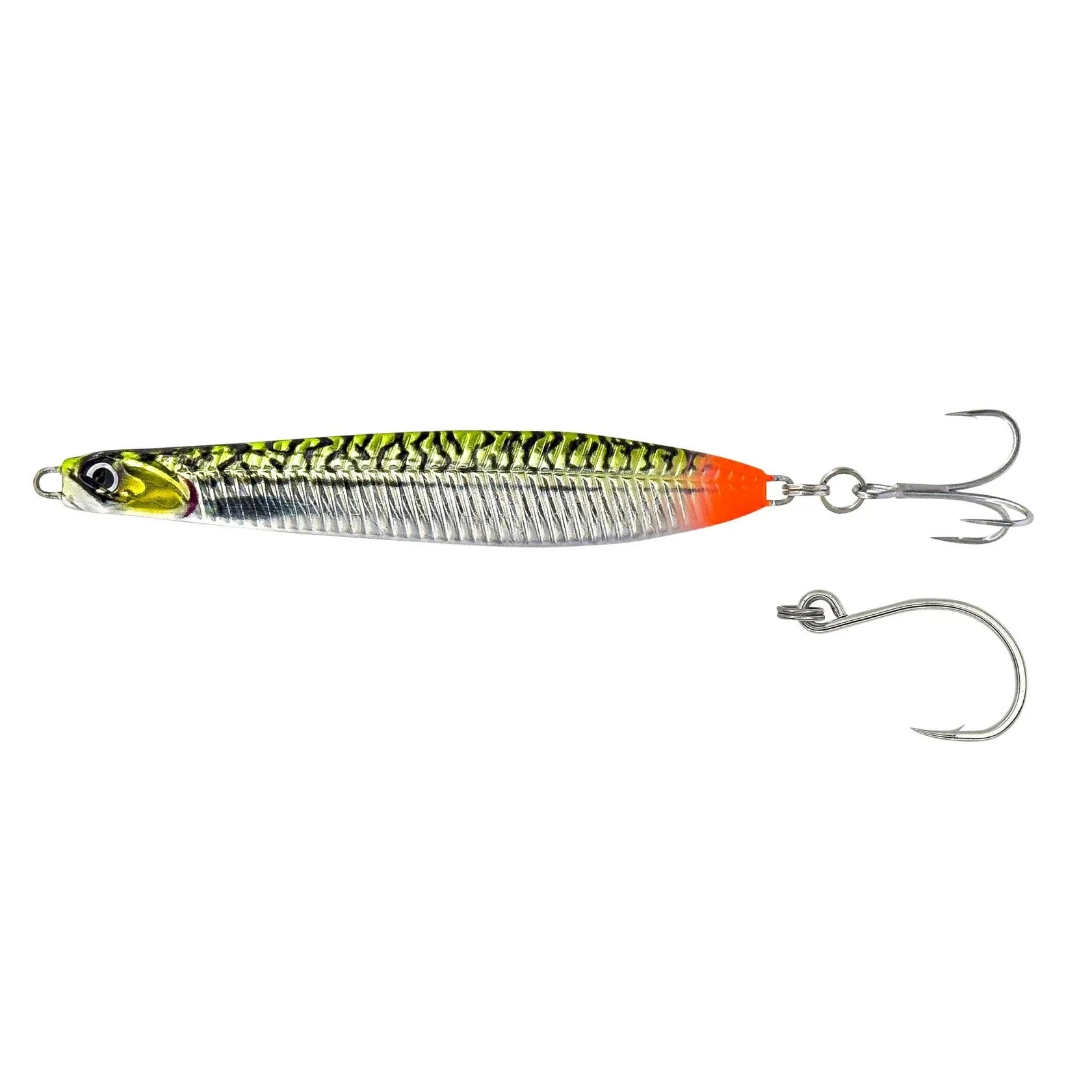
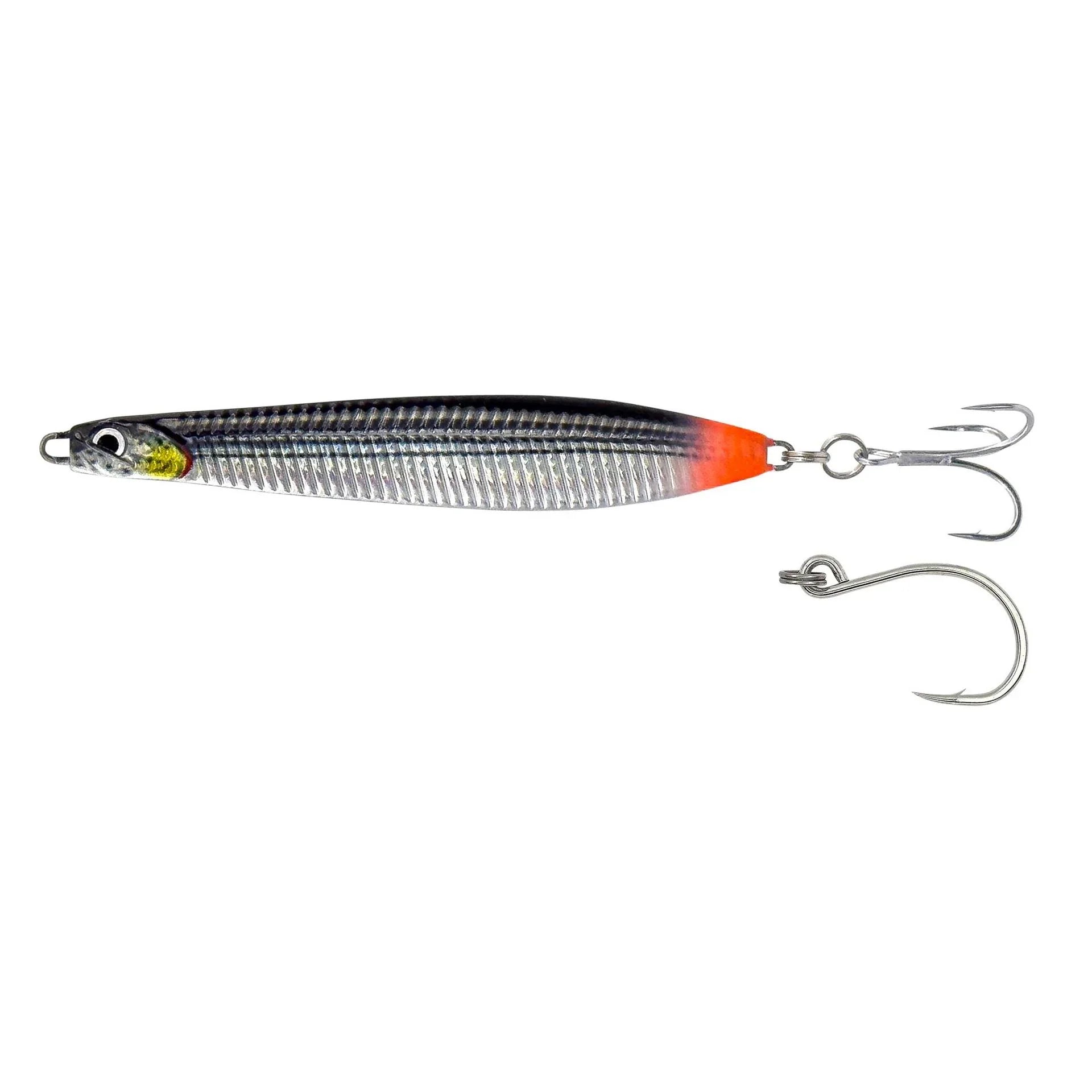
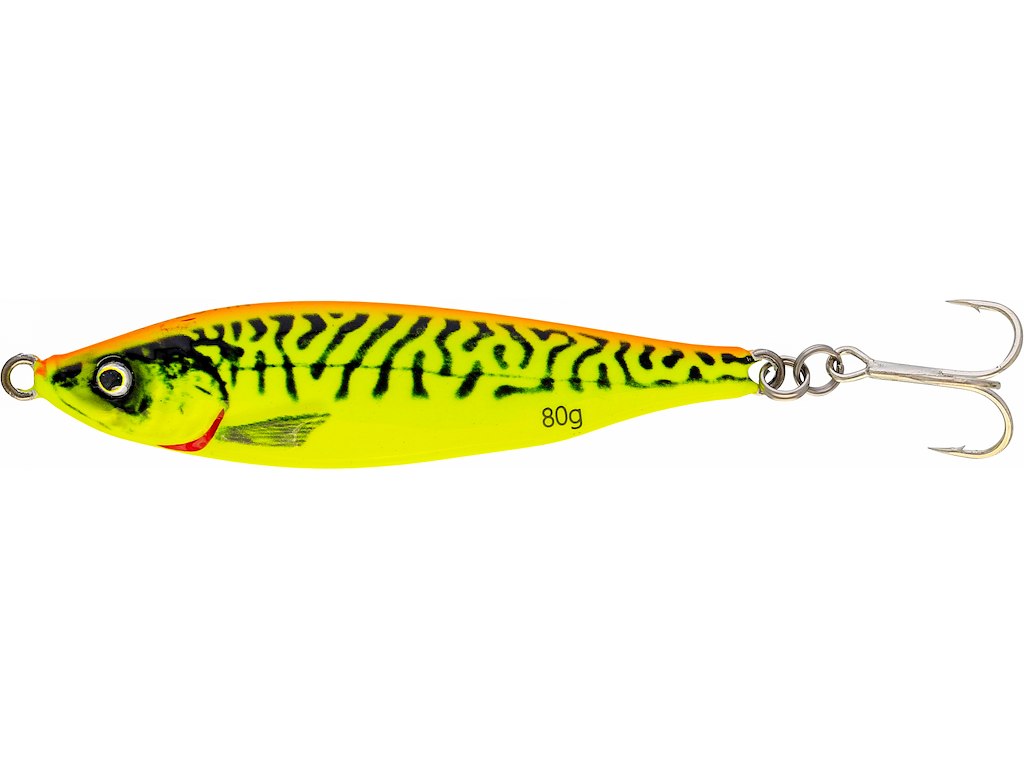
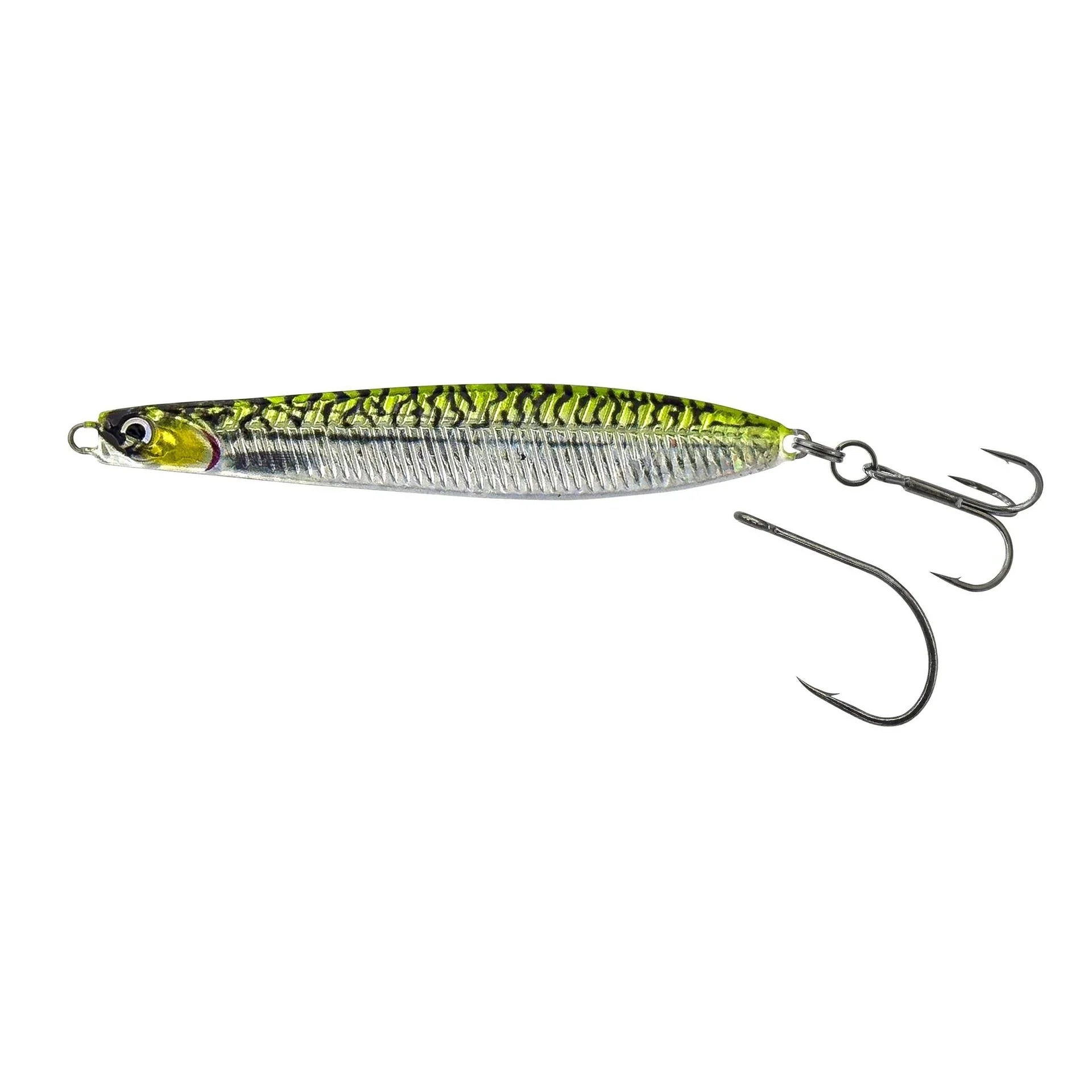
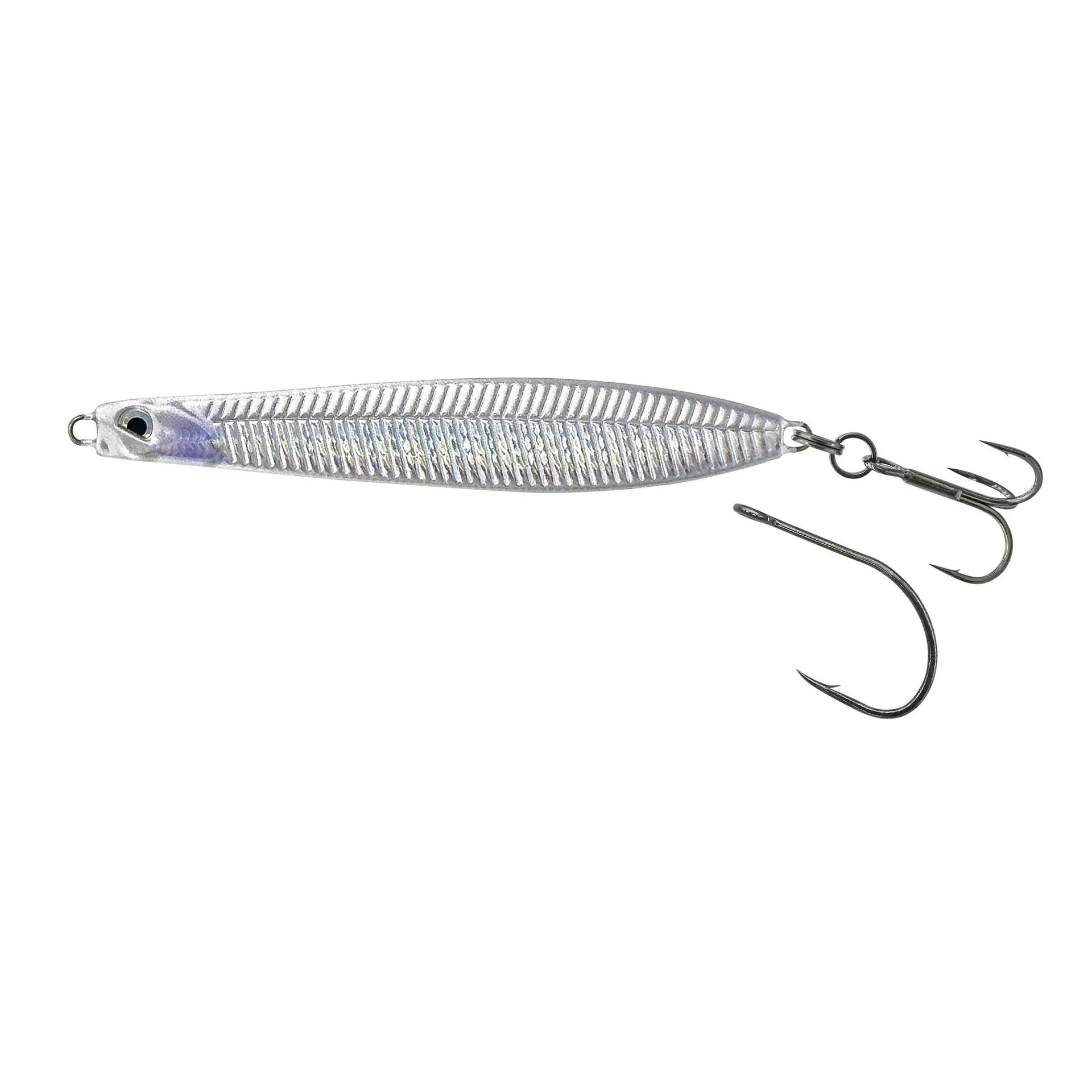
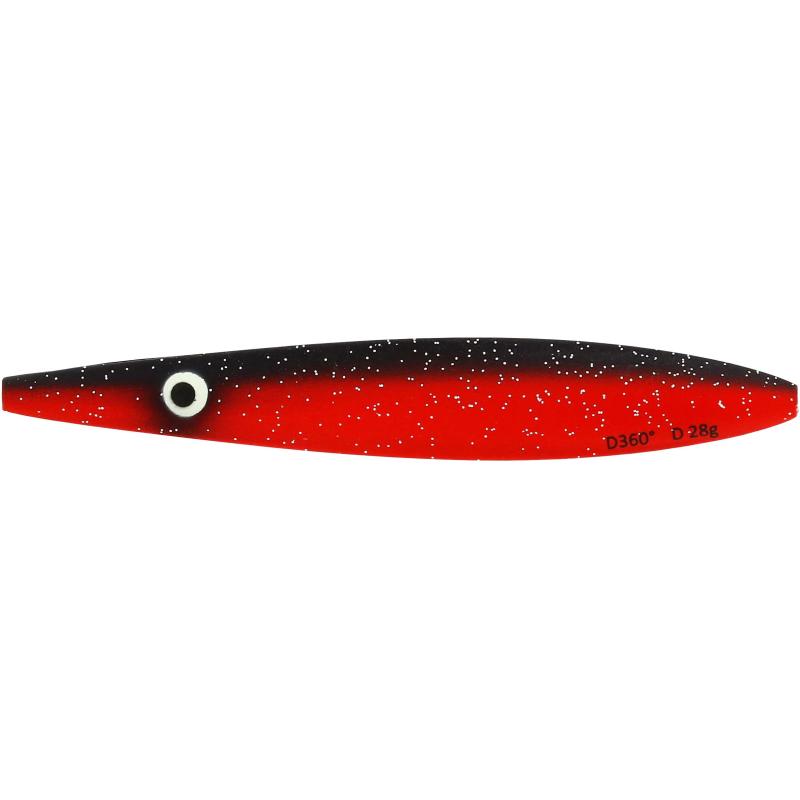
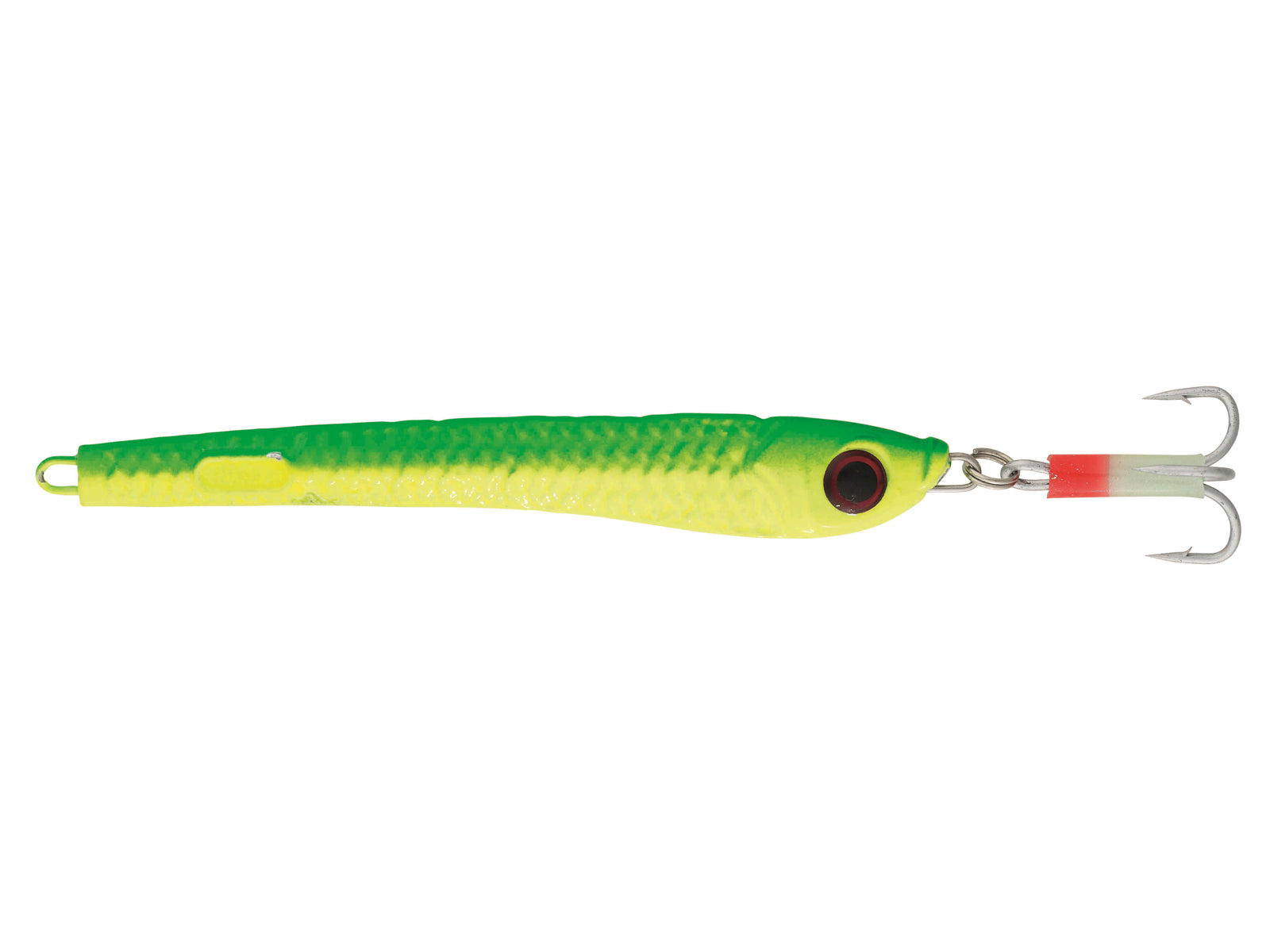
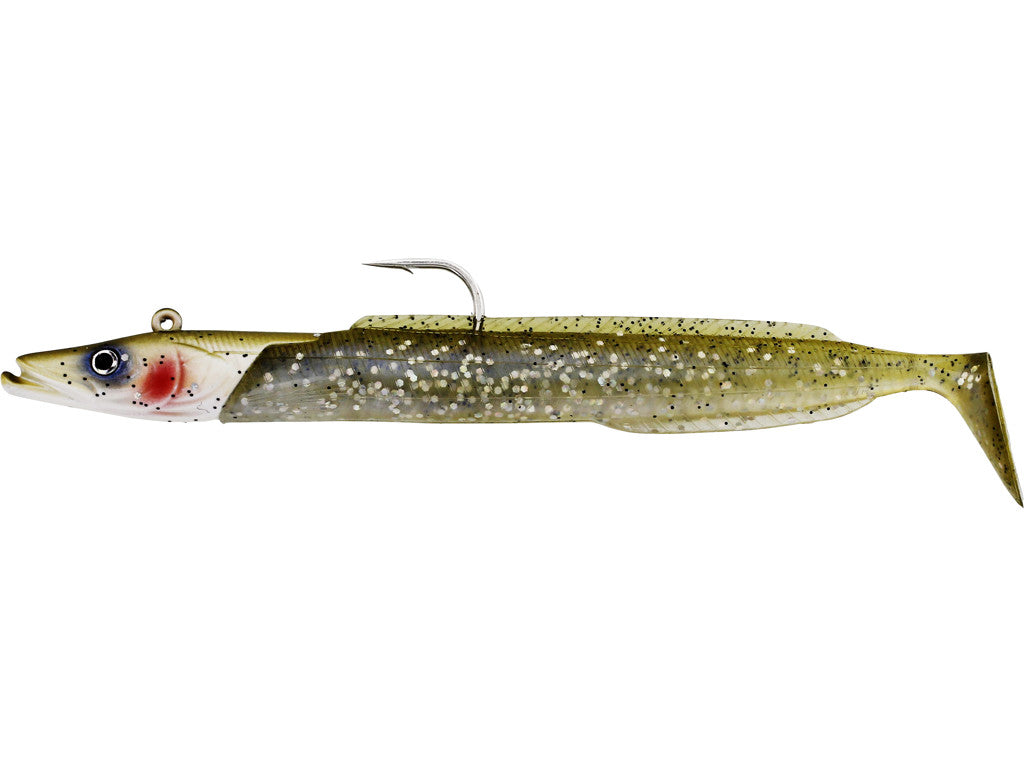
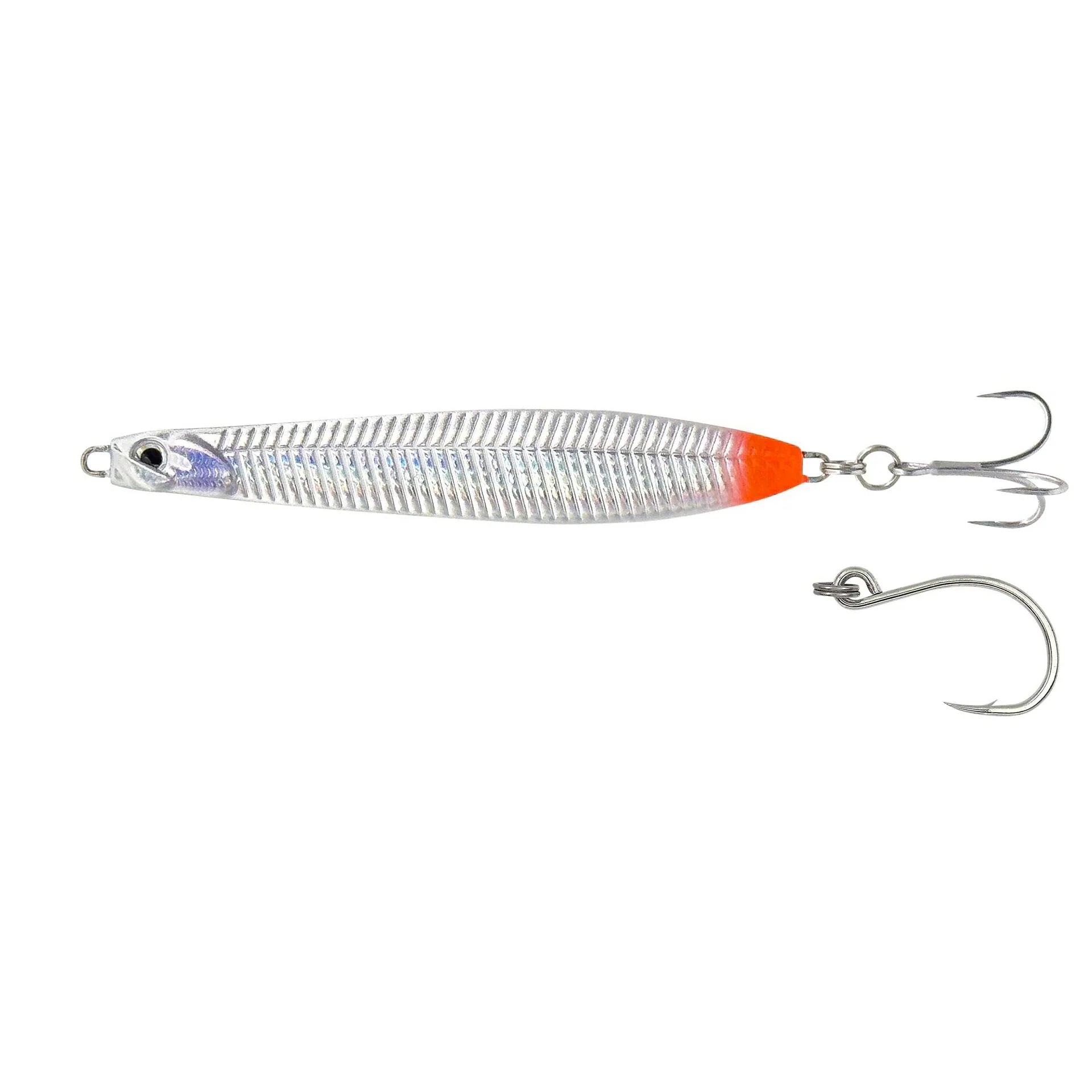
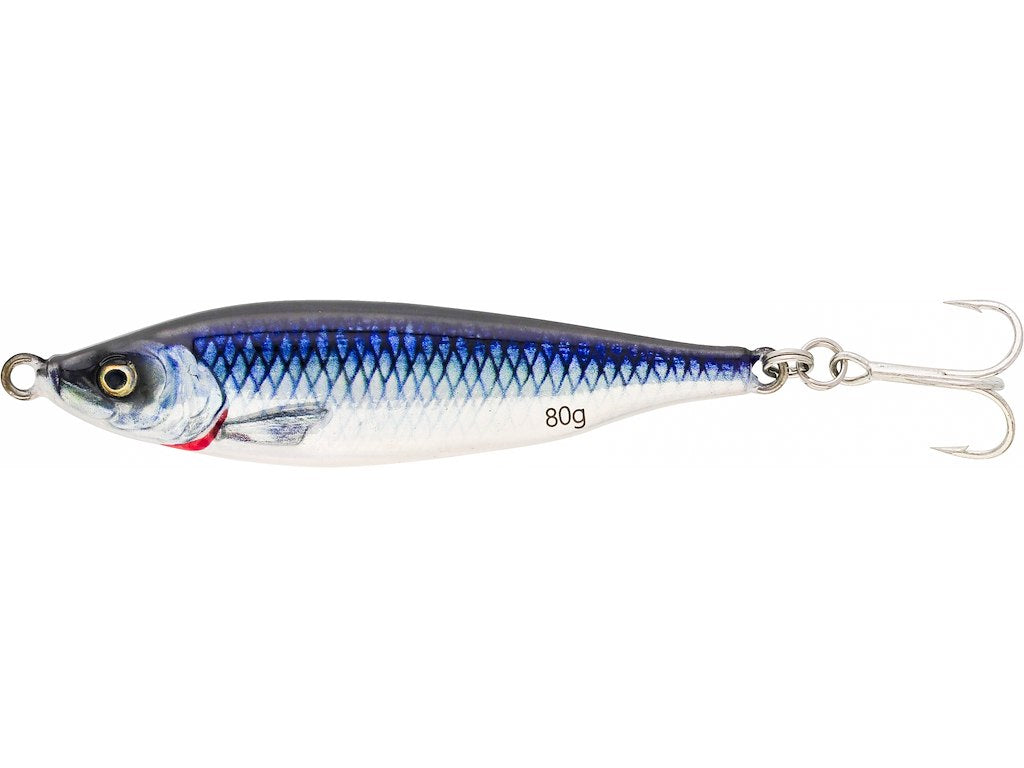
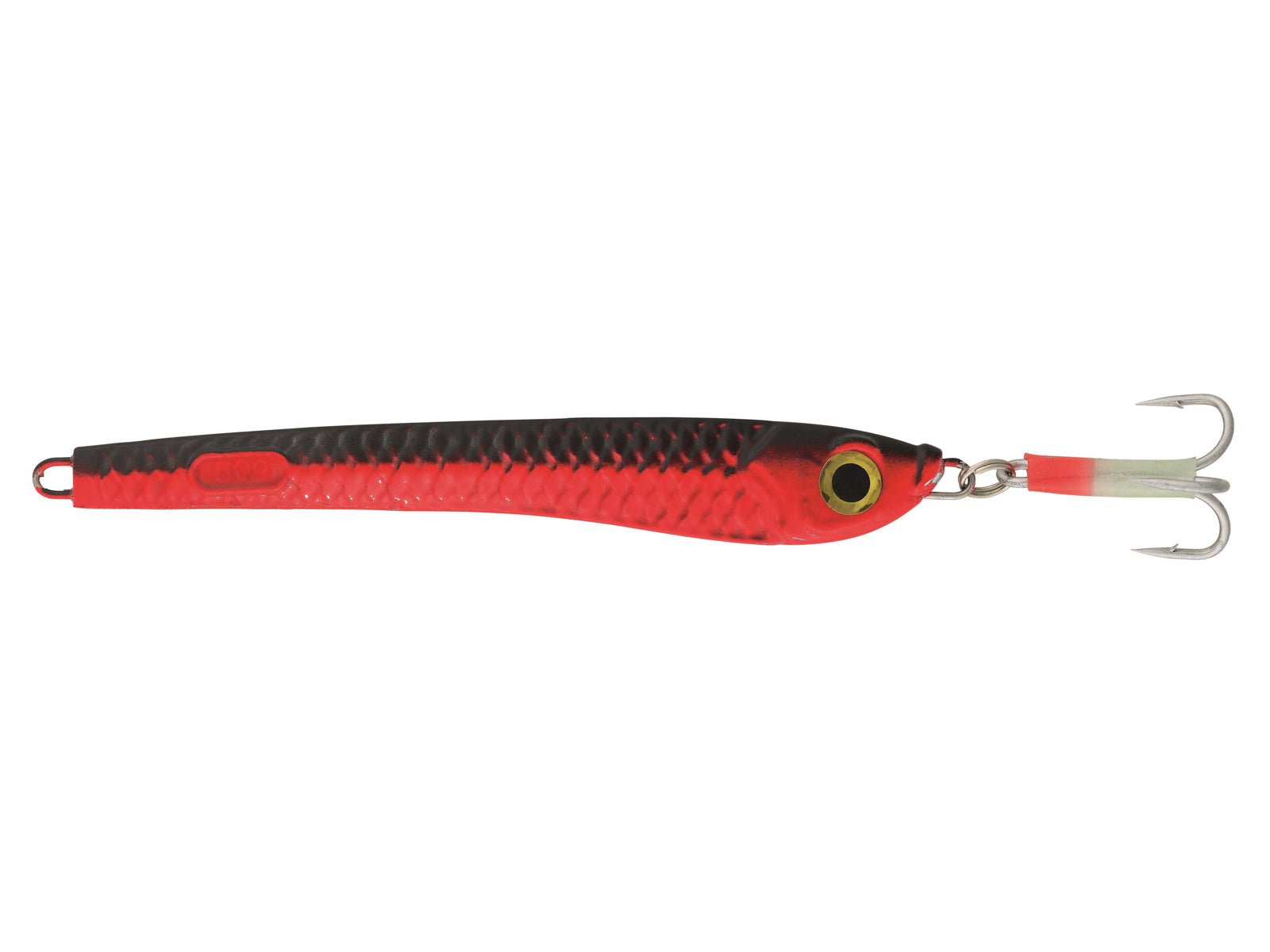
Sea metal jigs use a compact weighted body to cast efficiently, reach depth and imitate small baitfish. They can be worked from rocks, beaches, piers or boats for pollock, mackerel, cod, sea bass and other marine predators. The collection includes Kinetic, Abu Garcia, Westin, Savage Gear, DUO, Golden Catch and Shakespeare.
Body shape controls the fall. A slim jig drops quickly and holds better in current, while a wider or asymmetrical profile flutters more and remains in view for longer. Weight must suit the rod's stated casting range and the water rather than simply being the heaviest available option. Count the hook, split rings and assist cord within the complete load.
Browse the parent fishing lures range, compare spoons over 10g for a broader wobbling action, explore traditional pirks, or step down to spoons from 5g to 10g for lighter presentations.
Choose weight, profile and hook arrangement
From the shore, use the lightest jig that reaches the required distance and maintains contact through wind and current. From a boat, select enough weight to keep the line near the intended angle without overloading the rod. A fast-sinking profile searches deep water efficiently; a slower flutter can stay in the strike zone around suspended fish.
Hooks may be mounted at the head, tail or both, using trebles or assist hooks according to the model. Check fishery rules and consider the risk of snagging around kelp or rock. An assist hook can reduce some bottom contact, but no rig is snag-proof. Inspect every cord, split ring and hook point after impact.
Retrieve choices include a steady wind, sweeping lifts, short speed changes or a controlled lift-and-fall. Keep contact as the jig drops because takes often occur then. The pollock lure retrieve guide explains a practical shore approach.
Build a safe saltwater setup
Use line and leader strength for the jig weight, species, rock edges and landing position. Keep clear of people and animals before casting, wear suitable eye protection, and never fish exposed rocks without checking tide, swell, wind and a safe route back.
For coastal lure selection, read how to choose sea bass lures. Rinse jigs and hardware after saltwater use, dry them before storage and replace any corroded or opened components with equivalent strength.