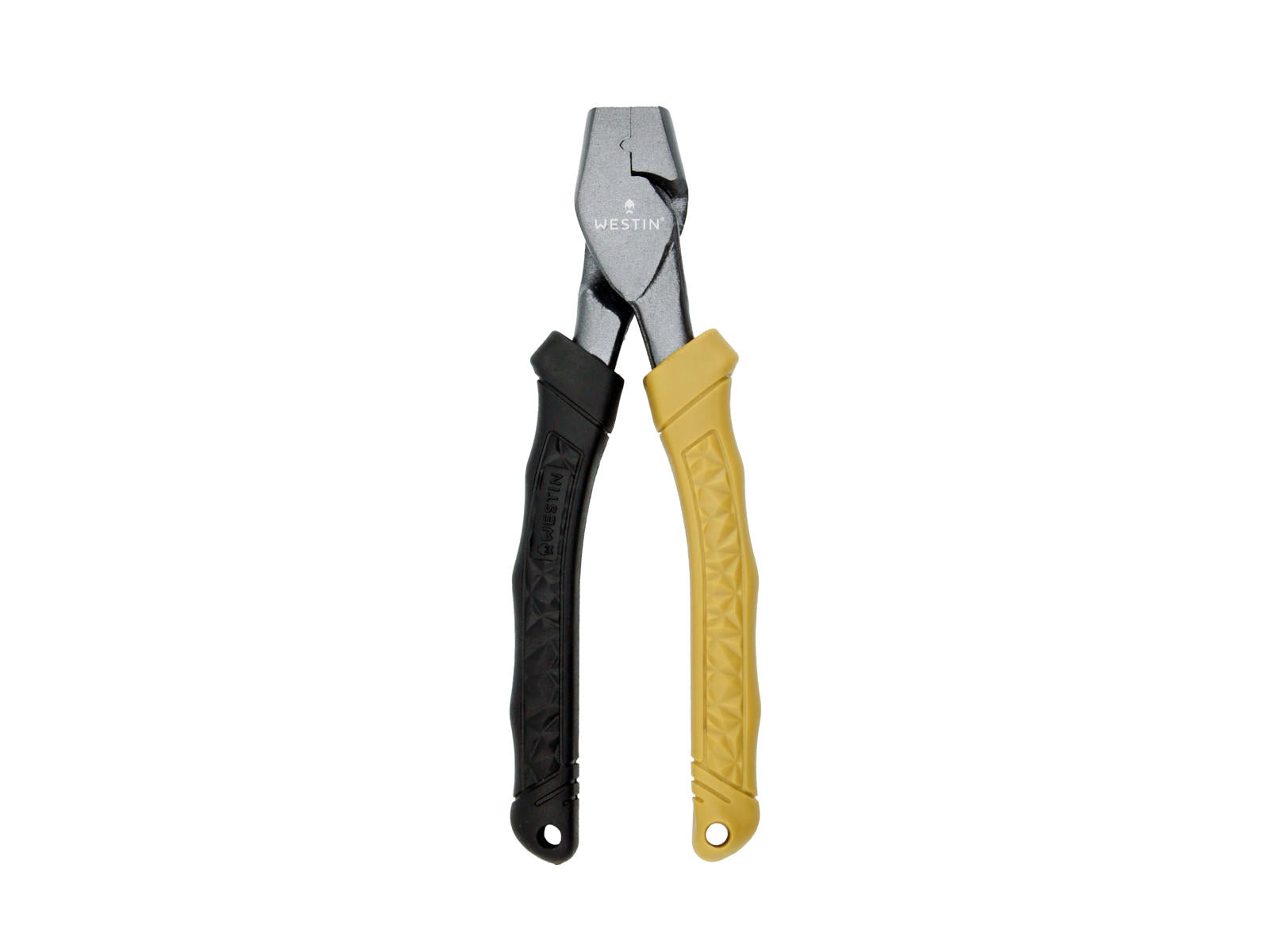
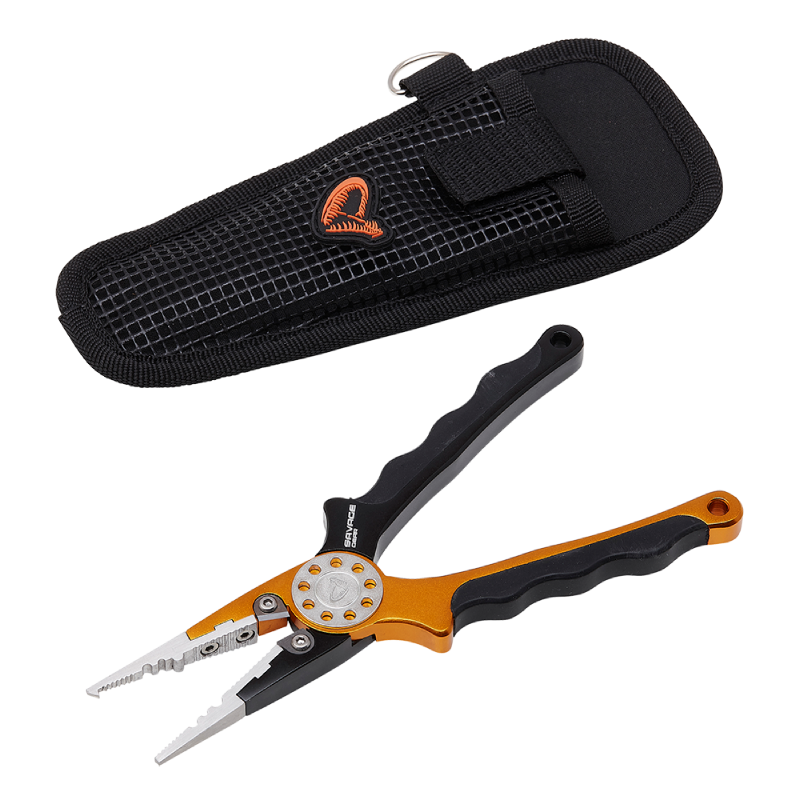
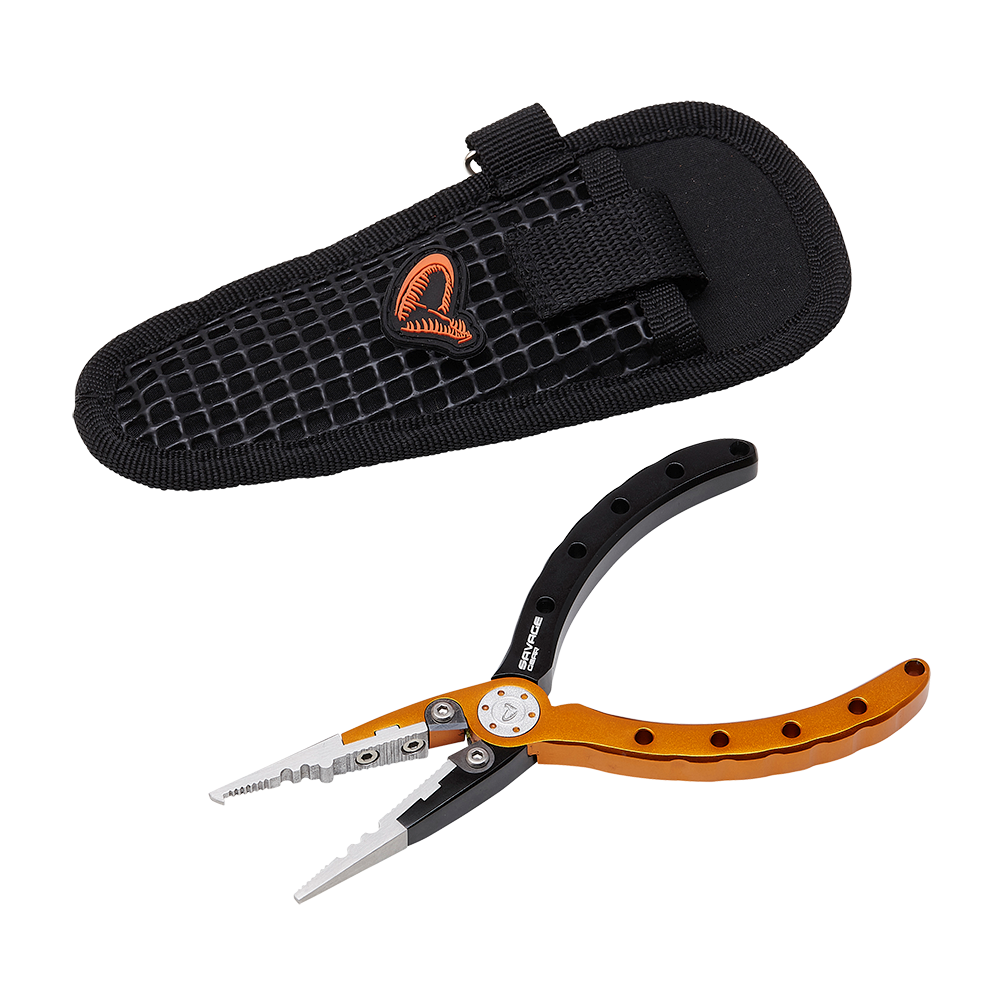
Crimping pliers for consistent leader connections
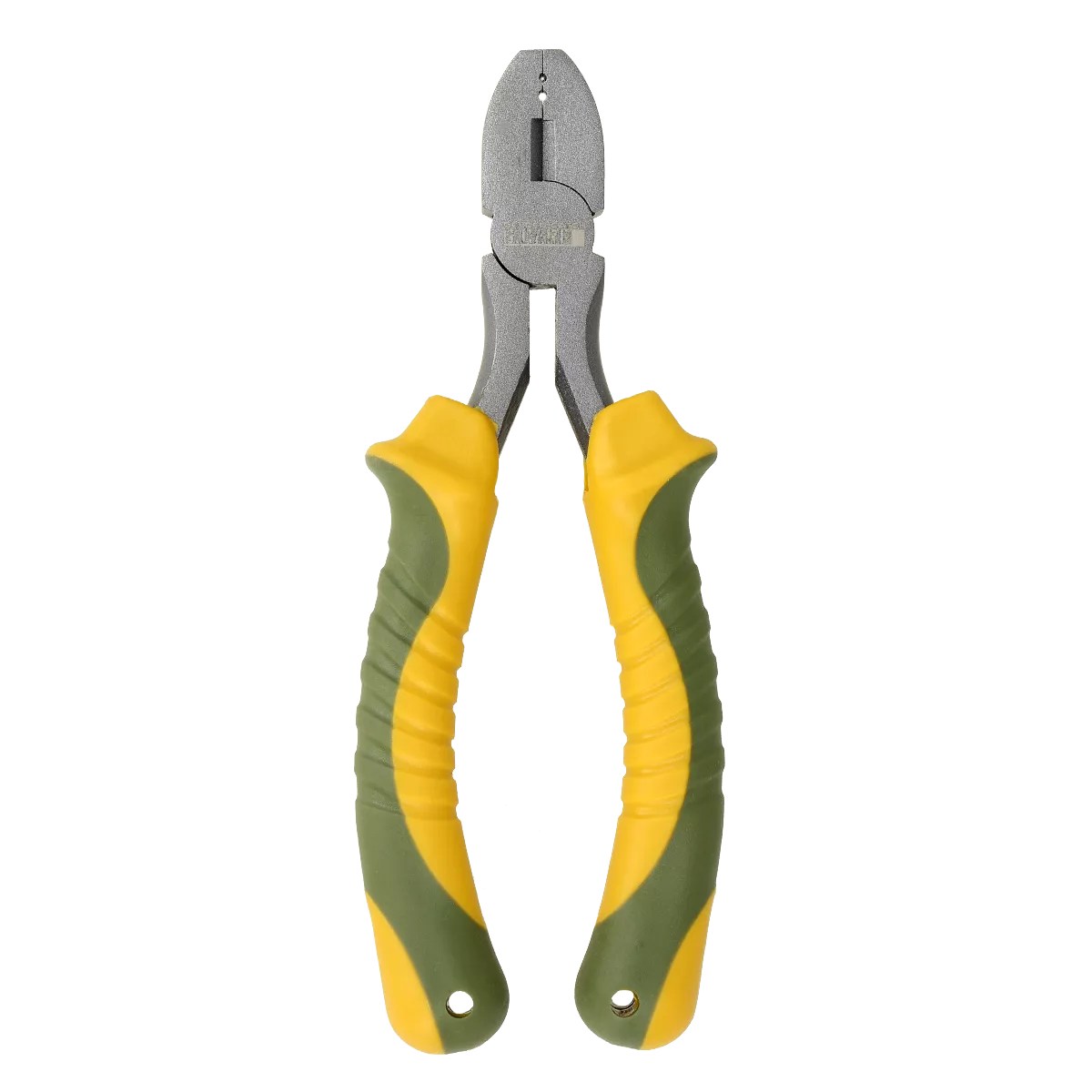
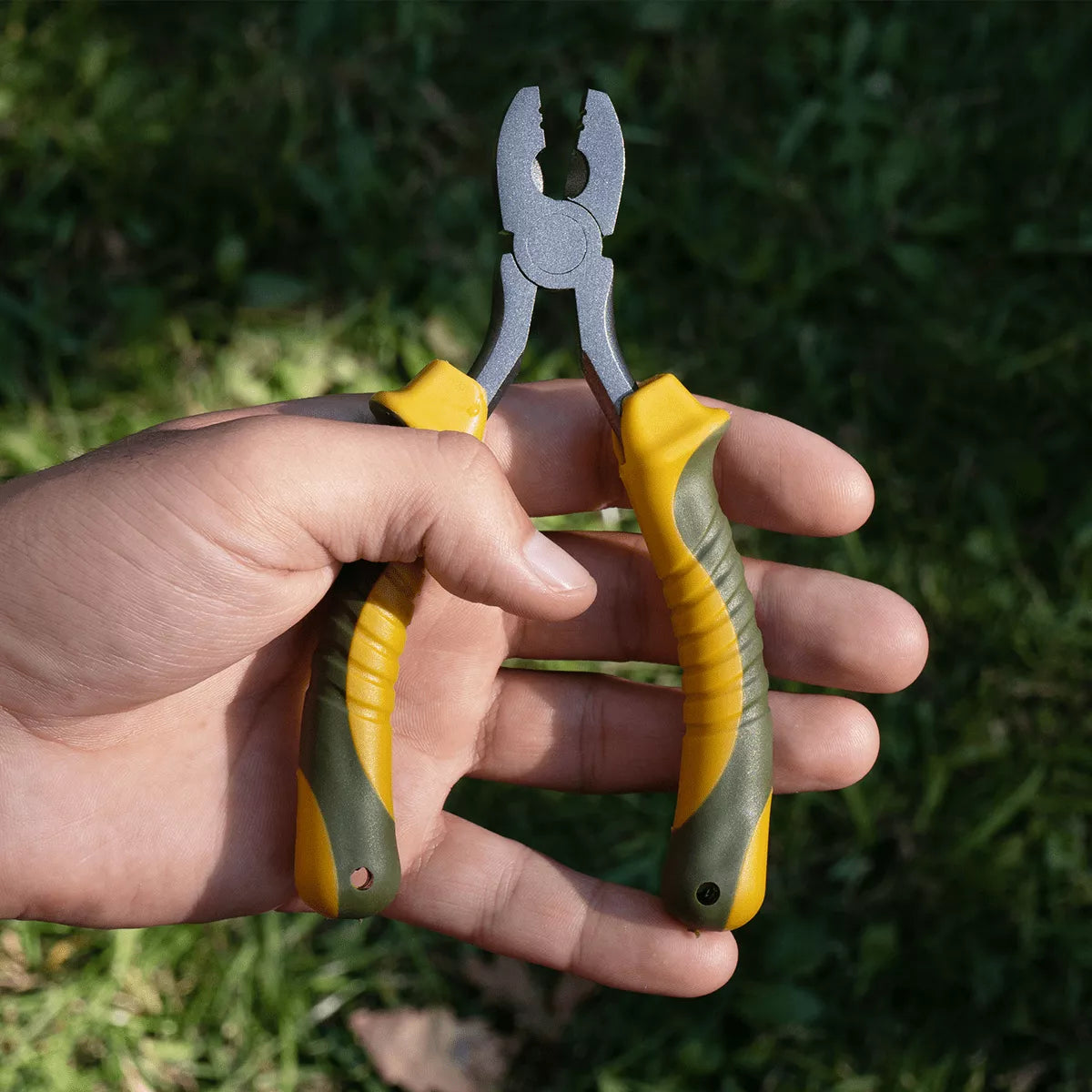
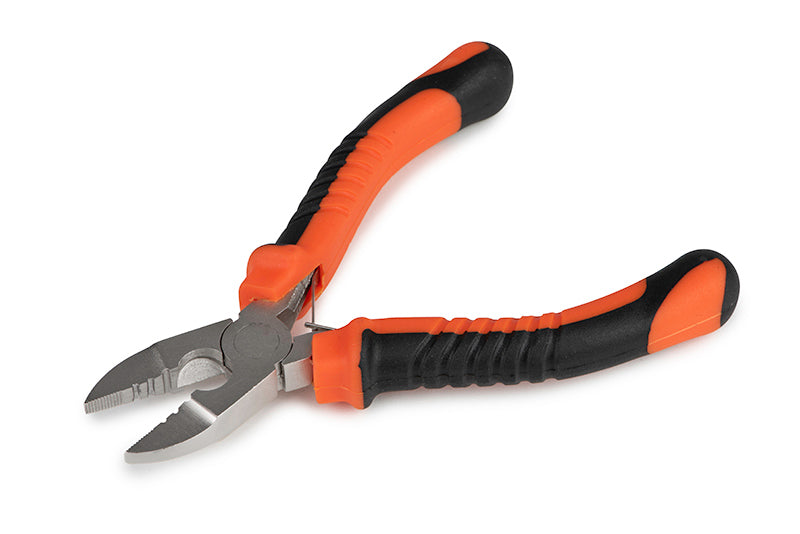
Crimping pliers compress sleeves around compatible leader material to form loops and terminal connections. The result depends on the leader, sleeve and jaw profile working together. An unsuitable crimp station or excessive force can cut, flatten or weaken the material even when the connection appears secure.
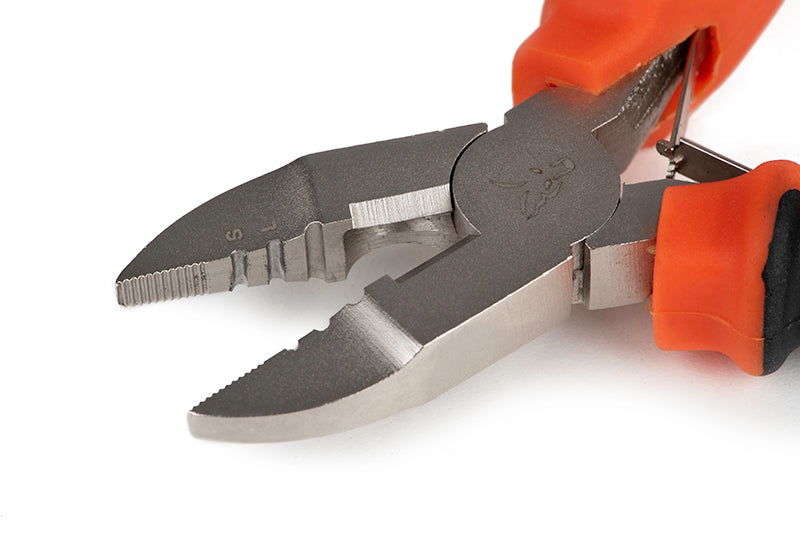
Single, double and multi-position jaws create different compression patterns. The sleeve manufacturer may specify a particular tool, barrel shape and number of compressions. General fishing pliers are not a substitute when their jaws cannot apply the intended profile evenly.
Browse all fishing tools, compare split-ring pliers, keep forceps ready for hook removal, or use general fishing pliers for other gripping tasks.
Match jaws, sleeves and leader material
Identify leader diameter and construction, then select the exact sleeve size and type. The material should pass through without scraping or requiring force. Place the sleeve in the correct jaw station and keep loops large enough for movement but compact enough to avoid unnecessary tangling.
Apply pressure smoothly and stop when the intended compression is complete. Avoid crushing the sleeve edges into the leader. Where several compressions are required, follow the specified order and leave any recommended gap near the loop or sleeve end.
Pull-test every finished connection with controlled force greater than normal fishing pressure but within the system rating. Check for slipping, cracked coating, sharp burrs and unequal compression. Discard the leader and rebuild if there is doubt.
Inspect and protect crimping tools
Keep crimp stations clean and free from metal fragments. Rinse suitable tools after saltwater use, dry the pivot and lubricate it appropriately. Check that the jaws close squarely and that cutters, handles and locks remain secure.
Store sleeves by type and size, never use unidentified components and keep the pliers in a protective case. Wear eye protection when testing heavy leaders and dispose of cut wire and failed crimps safely. Record the sleeve, leader and jaw station used for every successful test. This prevents similar-looking components being mixed later and makes damaged rigs easier to diagnose at home before another fishing session begins. Keep notes.