
Landing Net Handles
1 product
Showing 1 - 1 of 1 product
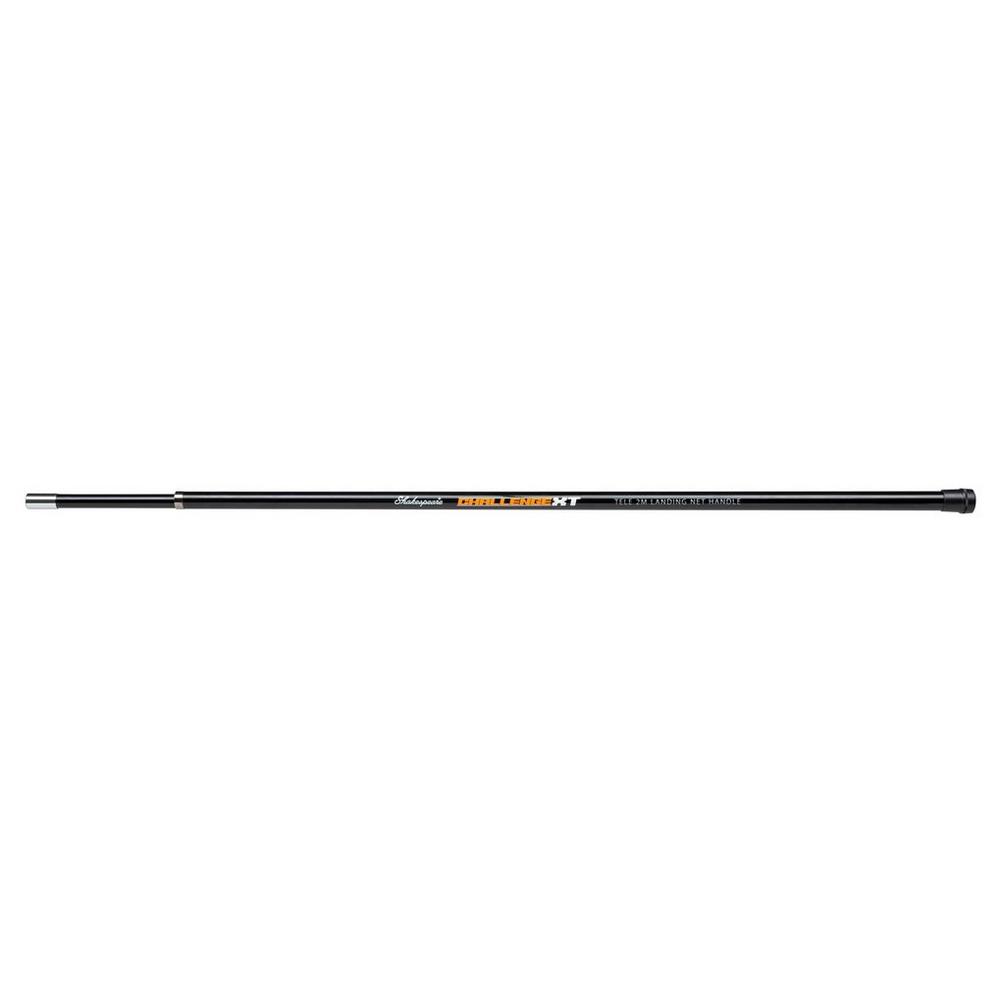
Explore landing-net handles for coarse, carp, match and general angling in Ireland. Compare extended length, packed length, sections, construction, thread, stiffness, locking system, grip and weight around the landing-net head, target fish, bank height and transport needs. Confirm head compatibility before ordering and choose enough reach without making the assembled net difficult to control or support.
Recently viewed
Landing-net handles for reach and control
A landing-net handle must extend the net head to the fish while remaining stiff enough for accurate control. Length alone does not determine suitability: section construction, wall strength, joint design, grip and compatibility with the head all affect how the complete net behaves under load.
Telescopic handles adjust quickly, while put-over or multi-section designs may offer a different balance of stiffness, packed length and serviceability. Carbon-composite and other lightweight materials reduce fatigue but still require careful handling. Never assume that a long handle is designed to lift a heavy fish horizontally.
Browse all fishing nets, pair a handle with compatible landing-net heads, compare complete landing nets, or review keepnets for permitted match and coarse retention.
Choose length, sections and thread
Measure the reach needed from the normal fishing position, considering reeds, shallow margins, high banks and platforms. Extra length helps over obstacles but increases leverage and may reduce precision. Select the shortest handle that lands fish safely in the expected conditions.
Compare extended and transport length, because two handles of the same reach can pack very differently. Check how sections lock, whether a shorter configuration can be used and whether spare parts are available. Joints should seat fully without grit or forced twisting.
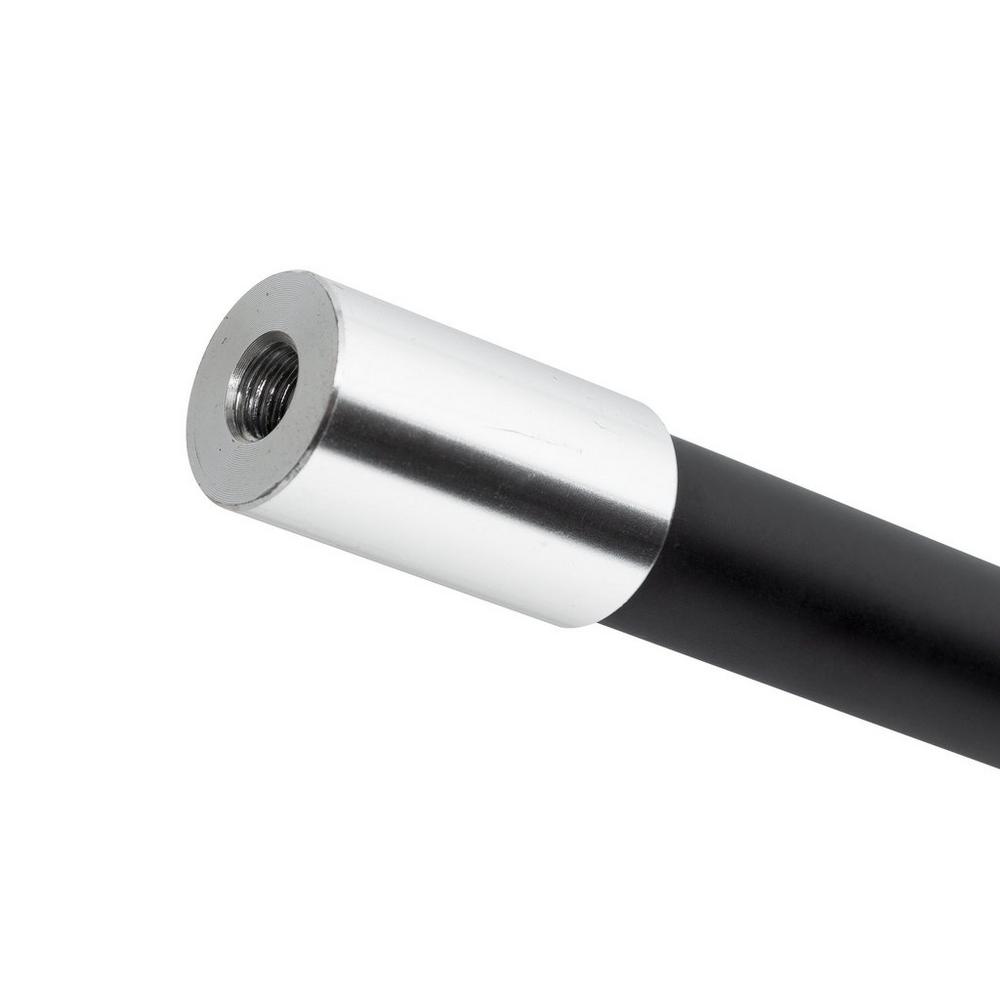
Confirm the thread size and spreader-block fit with the selected head. A loose or mismatched connector can damage both parts. Tighten by hand only, avoid cross-threading and use an approved adapter where the manufacturer permits one.
Support the handle and maintain its joints
Guide the fish into the net and draw it towards the bank. For heavy fish, grip close to the net head or separate the handle as instructed before lifting. Do not lever a loaded net upwards from the far end of a fully extended handle.
Rinse dirt and salt from suitable sections, dry them separately and inspect joints, threads and locks. Store the handle in a protective sleeve, avoid crushing or striking thin sections and stop using any part with cracks, loose fittings or severe wear. Check it again before every fishing session and after hard knocks.