
Planer Boards
2 products
Showing 1 - 2 of 2 products
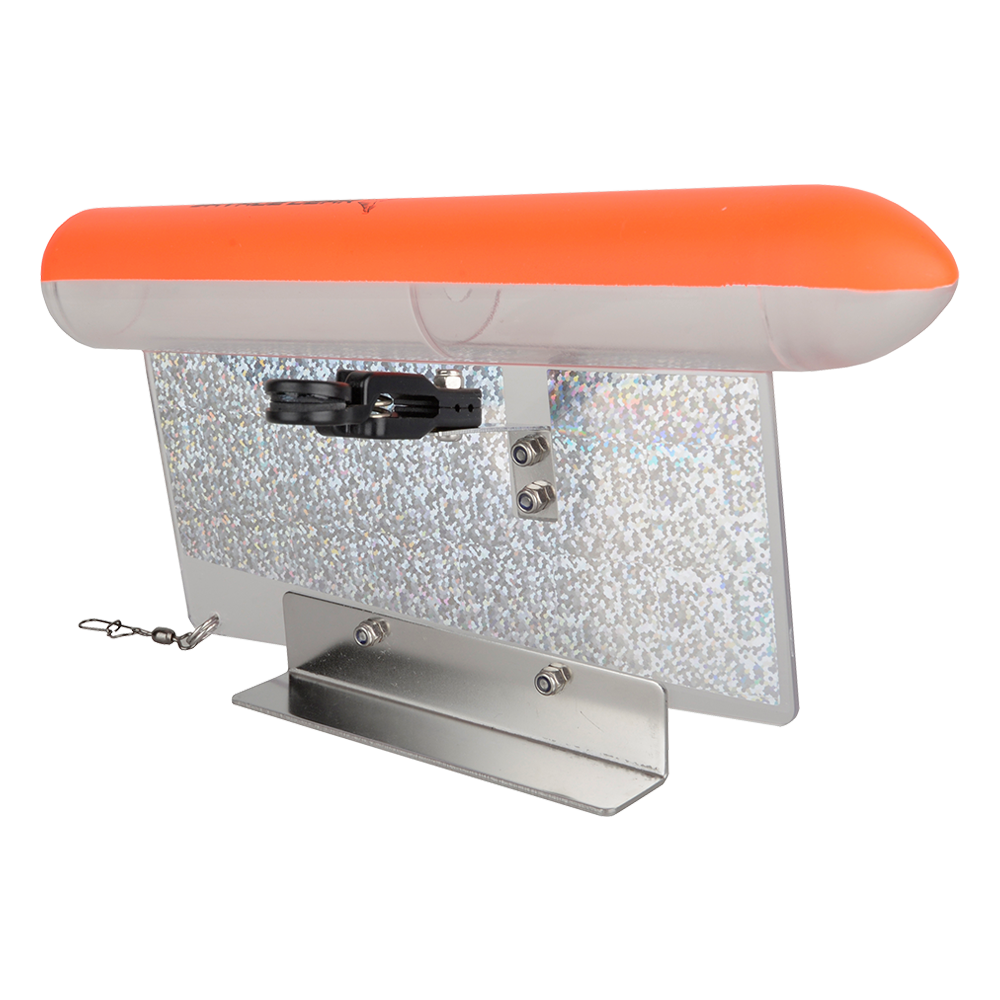
Explore planer boards and paravanes for spreading trolling lines away from a boat in suitable freshwater and coastal fishing. Compare left- and right-side versions, board size, keel, release clip, tow point, line class, lure or bait resistance, operating speed, visibility and storage. Match every board to the intended side and method, then practise deployment in clear water.

Recently viewed
Planer boards for spreading trolling lines
A planer board or side-running paravane uses water pressure and an angled surface or keel to move a trolling line away from the boat. This can widen a spread and keep several presentations separated, but only when board direction, tow point, clip setting, speed and line resistance work together.
Left and right versions are not interchangeable in use. Select the board for the intended side as viewed from the boat’s direction of travel, and confirm how the release or retaining system works. Some designs remain attached to the line after a strike; others are managed differently.
Board size and keel affect side pull and the lure or bait load the system can carry. A compact board may suit lighter presentations, while a larger format can offer more authority but adds drag. Always follow the specific line, speed and terminal-tackle guidance when products are added to this collection.
Build a balanced trolling setup
Browse all boating equipment and check related paravanes or mounting items under boating accessories. Compare drift control separately in fishing drogues: a drogue slows the craft, while a planer board spreads a fishing line during controlled movement.
Pair the board with suitable boat rods and multiplier reels, allowing for added resistance in the rod, line, knots and drag setting. The release clip must hold the chosen line without flattening or damaging it, and every connection should be tested before deployment.
Use fishing electronics to support depth and route planning where appropriate, but maintain a visual watch and safe speed. If an electric motor is used, confirm that its control and available battery reserve suit steady trolling without compromising the return journey.
Deploy, retrieve and store planer boards
Practise with one board in open water before building a multi-line spread. Let line out under control, watch the board track and keep it clear of the propeller, other craft, markers and shore anglers. Do not deploy when turning room, visibility or crew experience is insufficient.
Mark port and starboard boards clearly and monitor them continuously. A board changing angle, sinking or dropping back can indicate weeds, a strike, speed change or incorrect setup. Reduce speed before recovery and bring lines in methodically so clips and boards do not swing into passengers or the hull.
After use, rinse salt and debris, dry foam, plastic, metal and clips and inspect the keel, tow point and release mechanism. Store left and right boards together with protected clips. Replace cracked bodies, bent hardware or rough line-contact surfaces before using the system again.