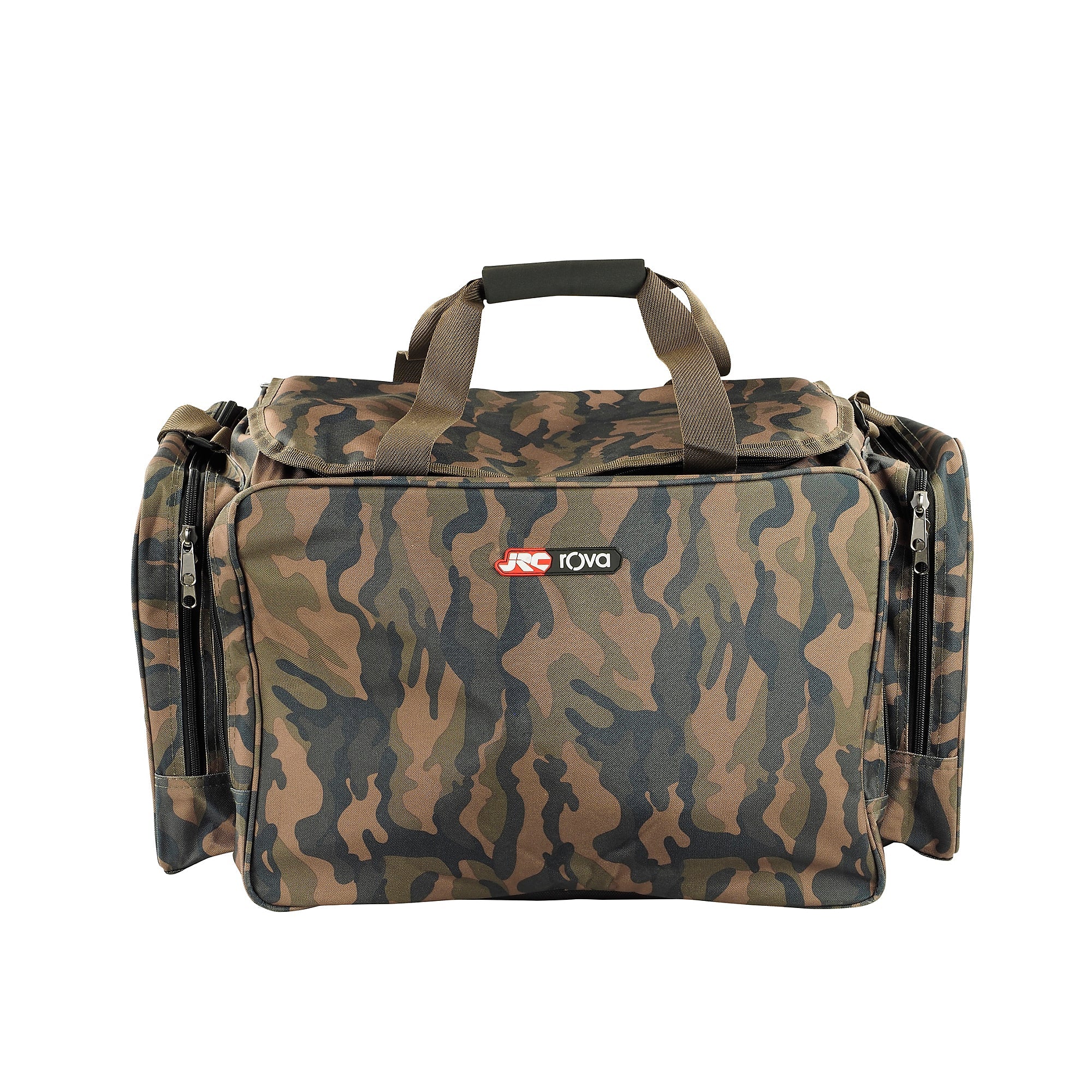
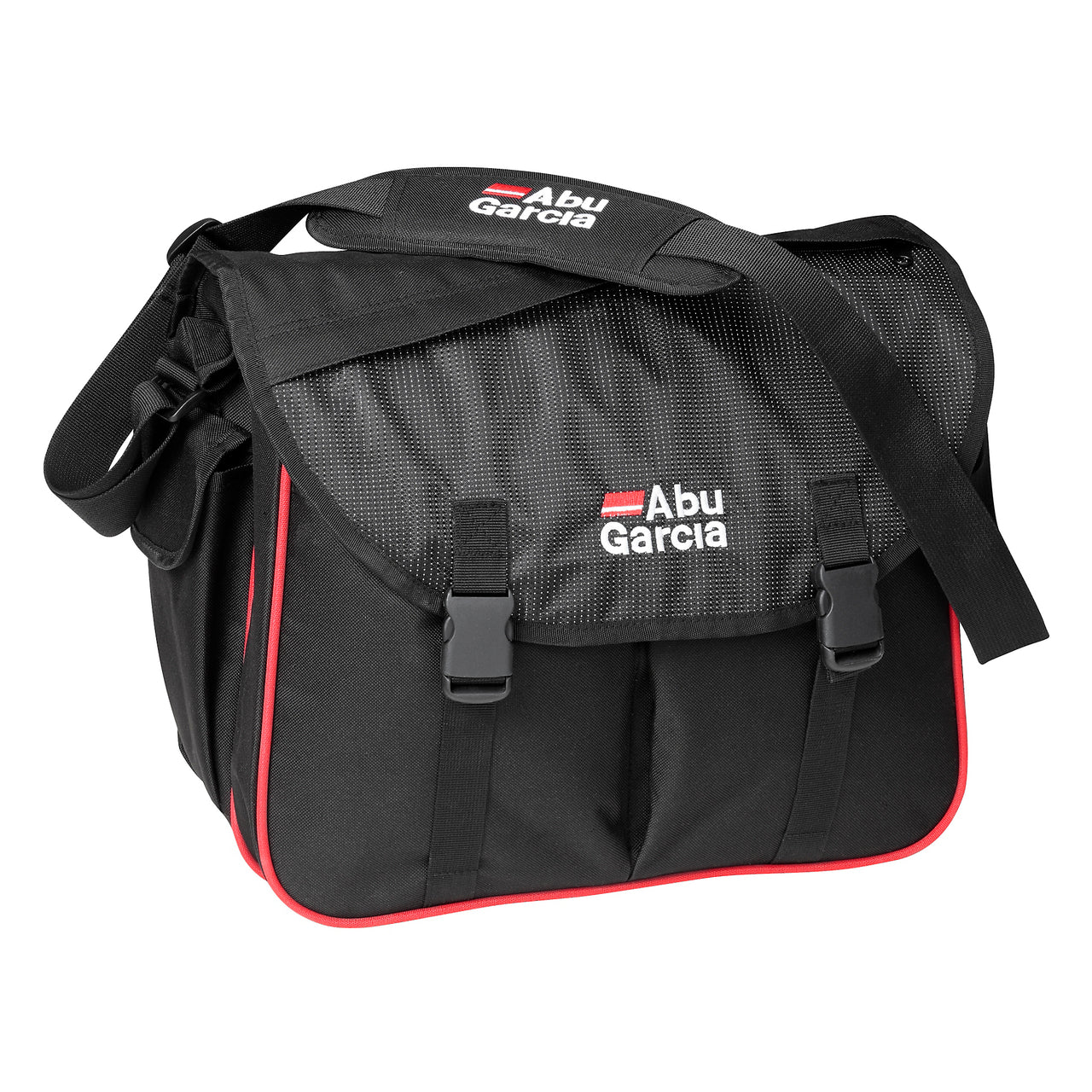
Fishing carryalls for complete session gear
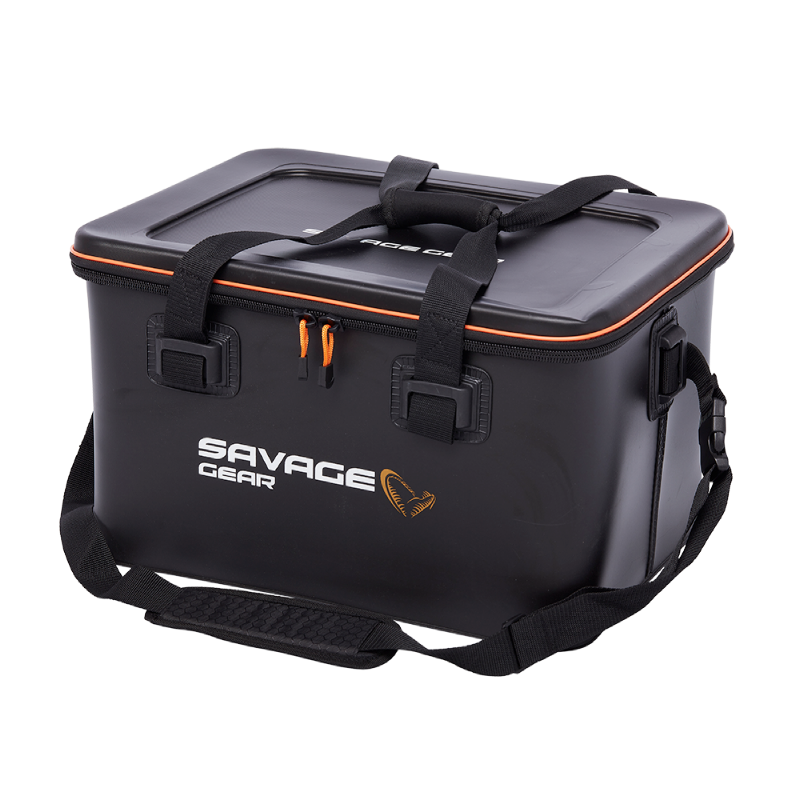
A carryall combines a main compartment with pockets or modular storage for the equipment used during a bank or shore session. It can hold tackle boxes, bait-preparation items, spare clothing and accessories in one organised load. The best capacity is not the largest available; it is the smallest size that fits the planned kit without compressing delicate items.
Measure the main boxes and equipment before comparing bag dimensions. Internal padding, stiffened panels and lid construction reduce usable space. A wide opening improves access, while pockets are useful only when their shape and depth match the items assigned to them.
Browse the full fishing luggage range, separate small items with accessory bags, carry temperature-sensitive items in suitable cool bags, and protect rods separately with rod holdalls. For larger loads, compare practical transport under barrows and trollies.
Choose capacity, pockets and carrying comfort
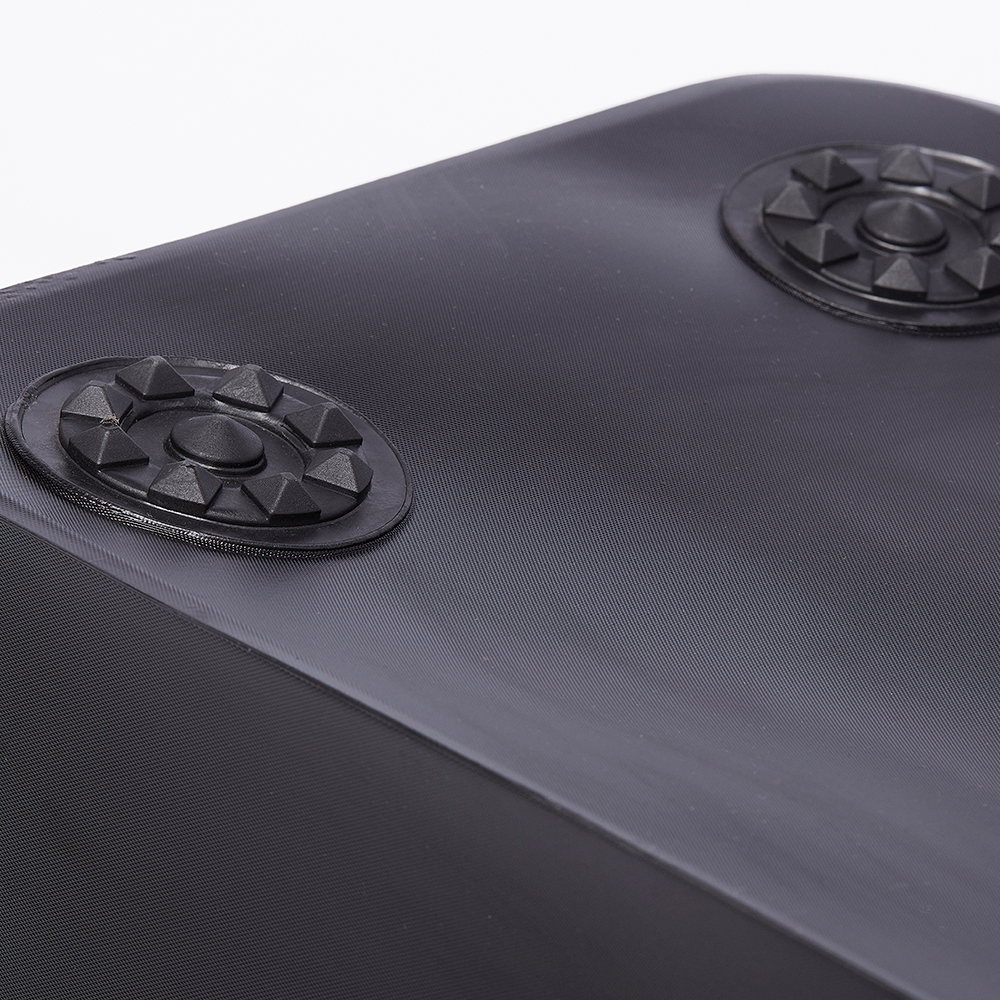
Capacity should be judged by the intended contents and full carrying weight. A structured base can help the bag remain upright on damp ground, while feet or a raised panel may reduce direct contact with mud. Water-resistant material does not automatically make zips, seams or openings waterproof, so confirm the exact specification.
Check handle length, grip and stitching, then adjust the shoulder strap while the bag is loaded. The strap should sit securely without cutting into the neck, and attachment points should not twist the bag. If the carry is long or the terrain uneven, several smaller balanced bags may be easier to manage than one overloaded carryall.
Plan pocket use before filling the main compartment. Put frequently used tools where they can be reached without unpacking the whole bag, but keep hooks and cutters inside secure cases. Dense feeders and weights belong low and close to the centre; reels, floats and electronics need padding and space.
Pack and maintain a fishing carryall
Use a repeatable layout so missing items are obvious. Keep bait liquids, oils and adhesives upright, close every internal box and isolate wet nets, towels or clothing in a separate washable container. Do not store food alongside bait or contaminated tackle.
After the session, remove every damp item and dry the bag open. Brush away grit, clean surfaces as directed and inspect the base, zips, buckles, straps and seams. Repair small non-structural faults promptly and stop using a carryall if a handle or load-bearing attachment shows damage.