
Optics
2 products
Showing 1 - 2 of 2 products
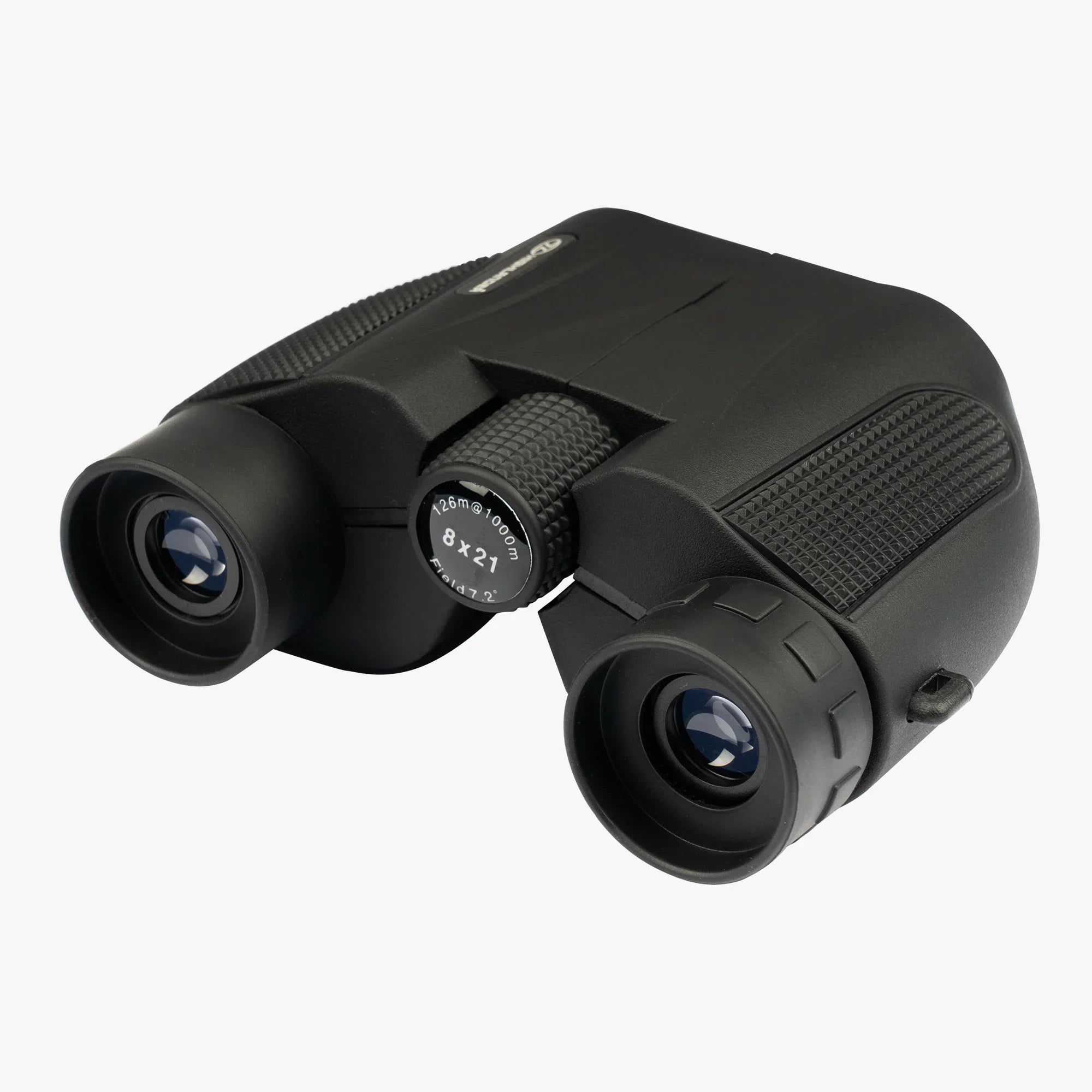
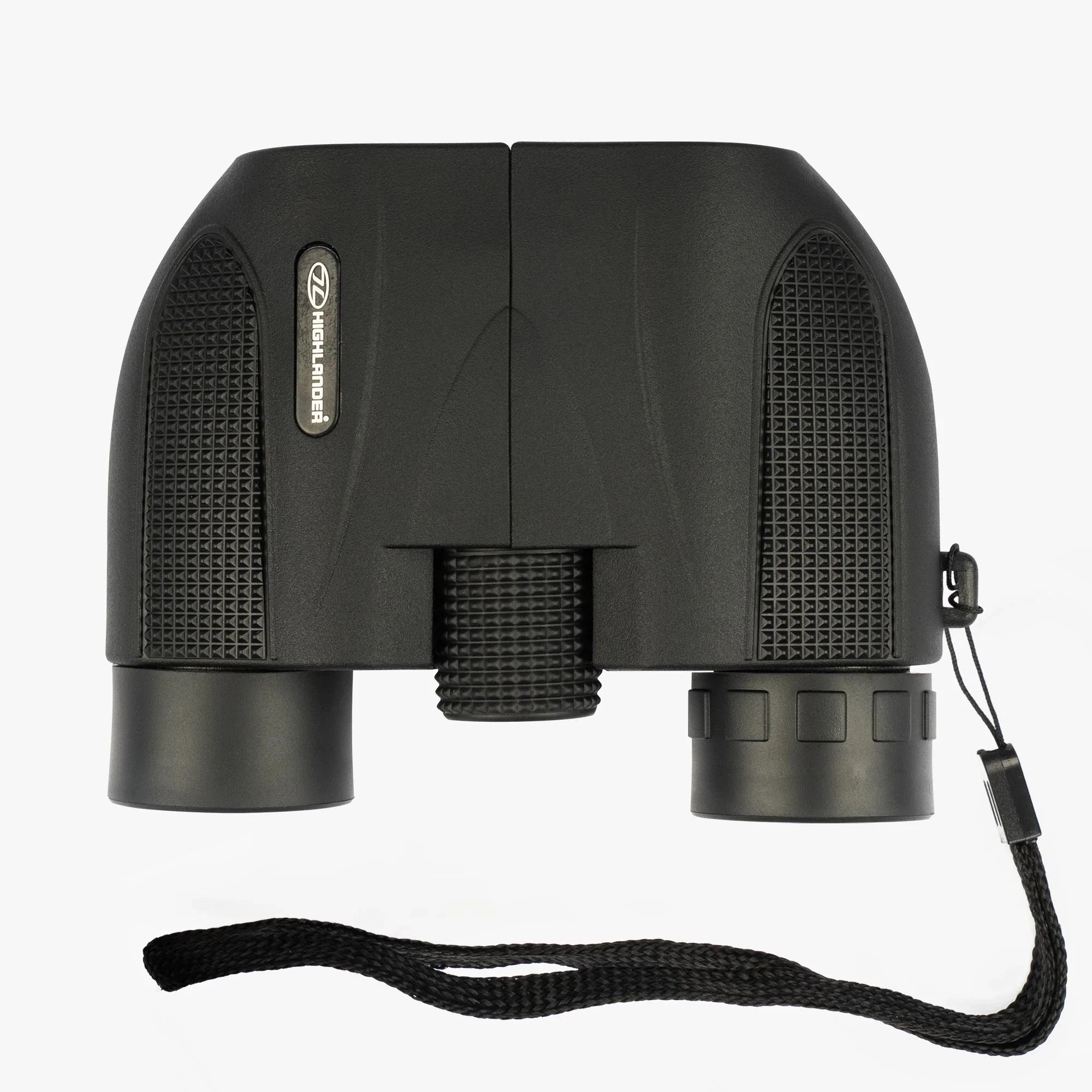
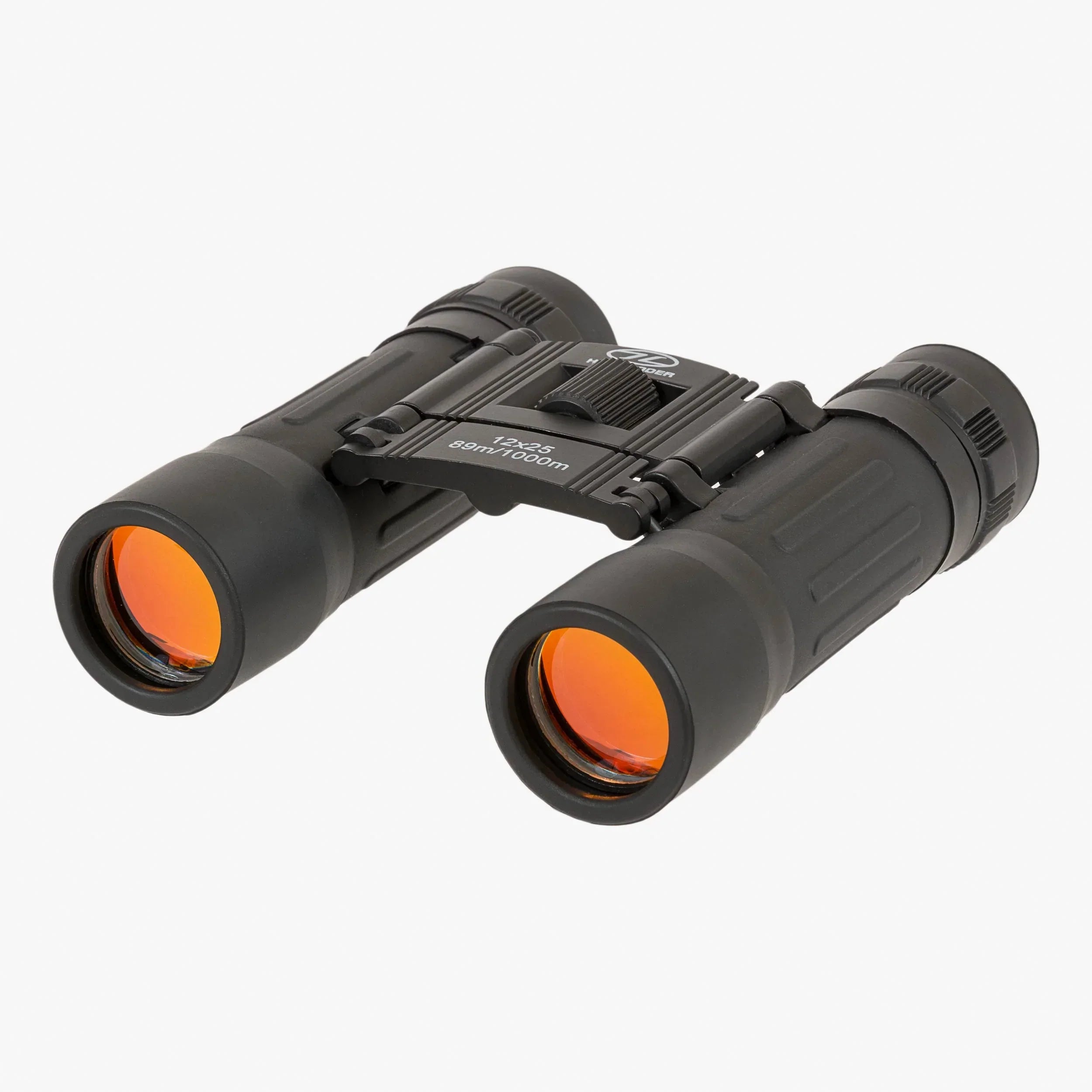
Explore fishing optics for observing water, features, wildlife and fine tackle details in Ireland. Compare magnification, objective size, field of view, close-focus distance, optical coating, waterproofing, weight, grip and protective storage around bank, boat and coastal use. Choose only the power you can hold steadily, confirm the intended viewing distance and never look directly at the sun.
Recently viewed
Fishing optics for observation and detailed work
Fishing optics can support long-range observation, feature spotting and close inspection of hooks, knots or fly patterns. Binocular-style instruments prioritise field of view and distance, while magnifiers and close-focus tools serve detailed rig work. The required magnification and construction depend on the task rather than maximum power alone.
Higher magnification enlarges detail but also exaggerates hand movement and narrows the field of view. A larger objective can gather more light but increases bulk and weight. Waterproofing, fog resistance and protective coatings matter around rain, spray and temperature changes, but the exact rating must be confirmed for each product.
Browse all fishing accessories, compare glare-reducing polarised sunglasses, protect compact equipment in tackle boxes, or organise rig-inspection tools with hook and rig storage.
Choose magnification and field of view
For handheld distance viewing, moderate magnification is generally easier to stabilise. Compare field of view when tracking birds, boats or moving fish activity. Close-focus distance matters when the instrument is intended for tackle inspection rather than far-bank observation.
Check eye relief and eyecup adjustment, especially when wearing prescription glasses. A clear central image is not enough if the instrument causes strain or cannot be aligned comfortably. Try the focus mechanism with dry hands and gloves where relevant.
Use a neck strap, harness or wrist loop that is rated for the instrument. Around water, keep the optic secured and never assume it floats. Do not use magnified optics while walking over uneven ground, steering a boat or monitoring nearby hazards.
Clean lenses and prevent internal fogging
Remove grit with air or a soft brush, then use lens-safe fluid and a clean cloth. Avoid wiping salt crystals across coatings. Dry the exterior before storage and leave the case open until moisture has dispersed.
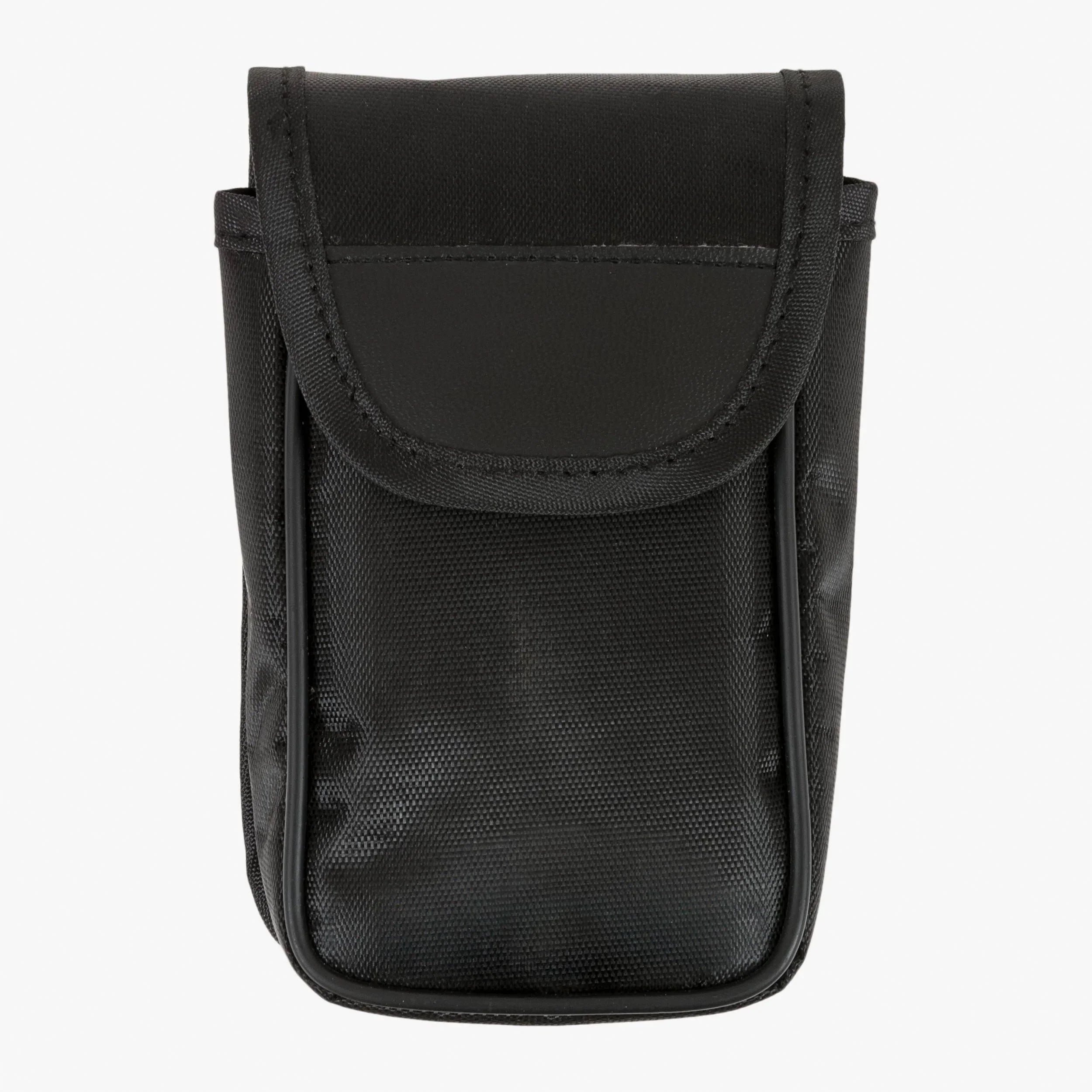
Store optics away from heat and crushing pressure, inspect straps and lens caps and follow manufacturer instructions on waterproofing and desiccants. Never look at the sun or intense artificial light through magnifying optics. Carry a soft brush and spare dry cloth so spray and fingerprints can be removed without scratching the coating.