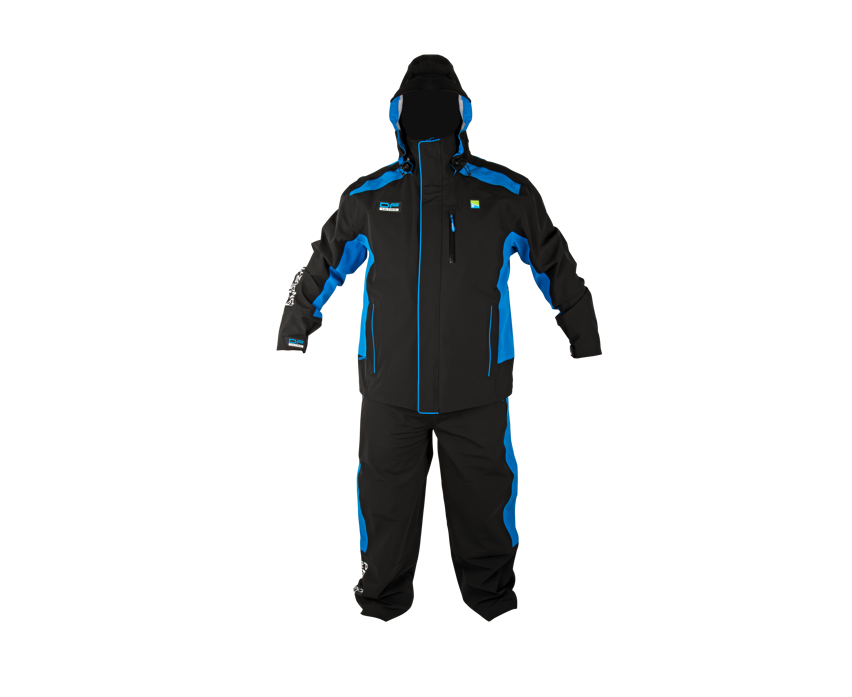
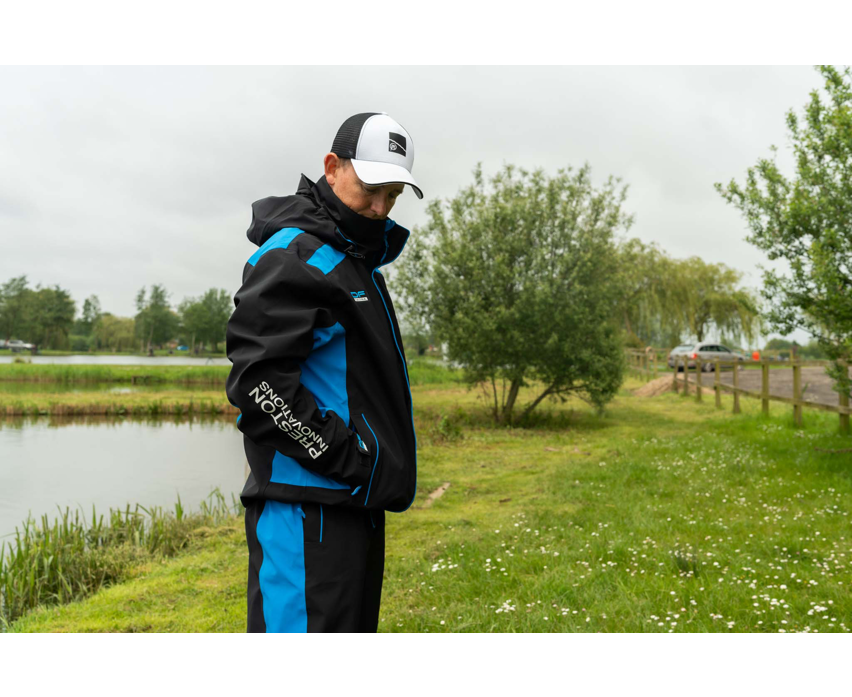
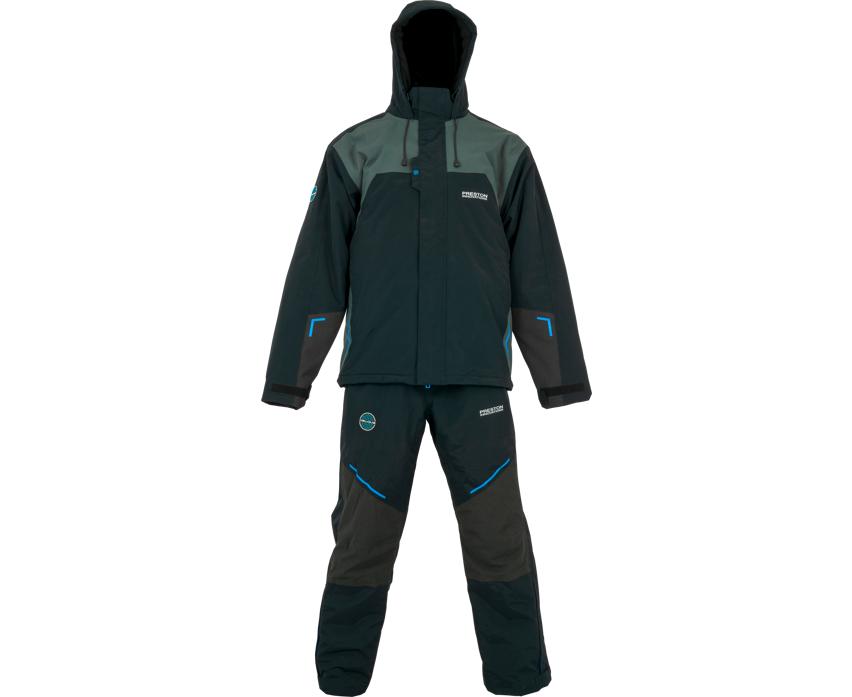
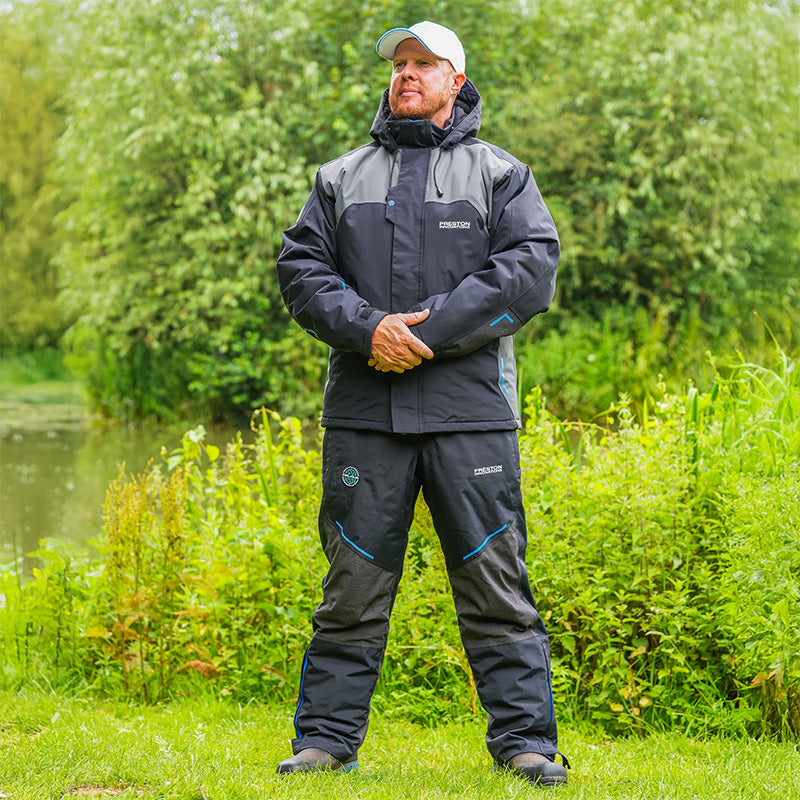
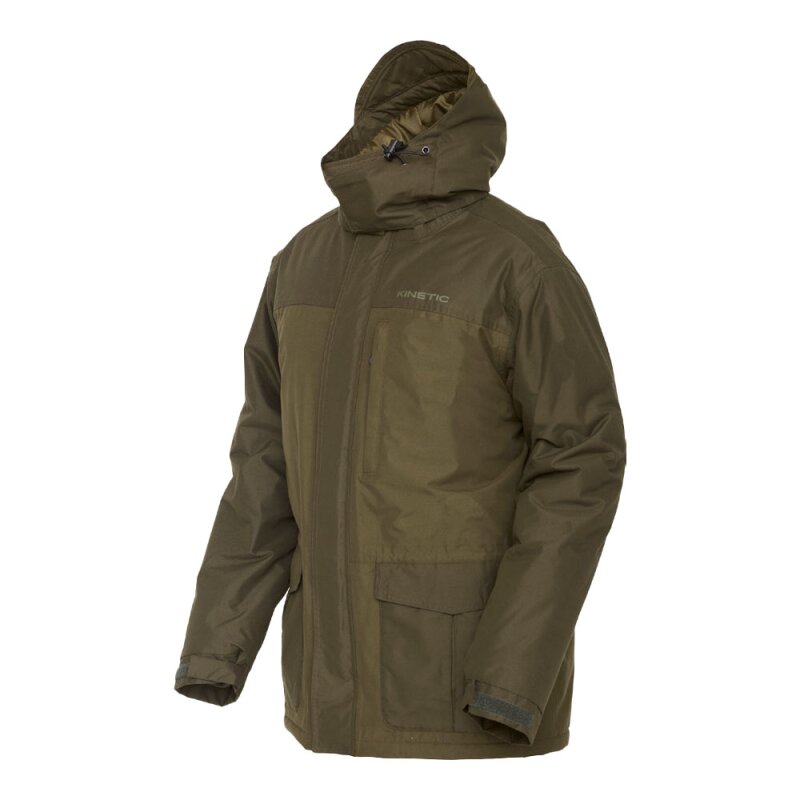
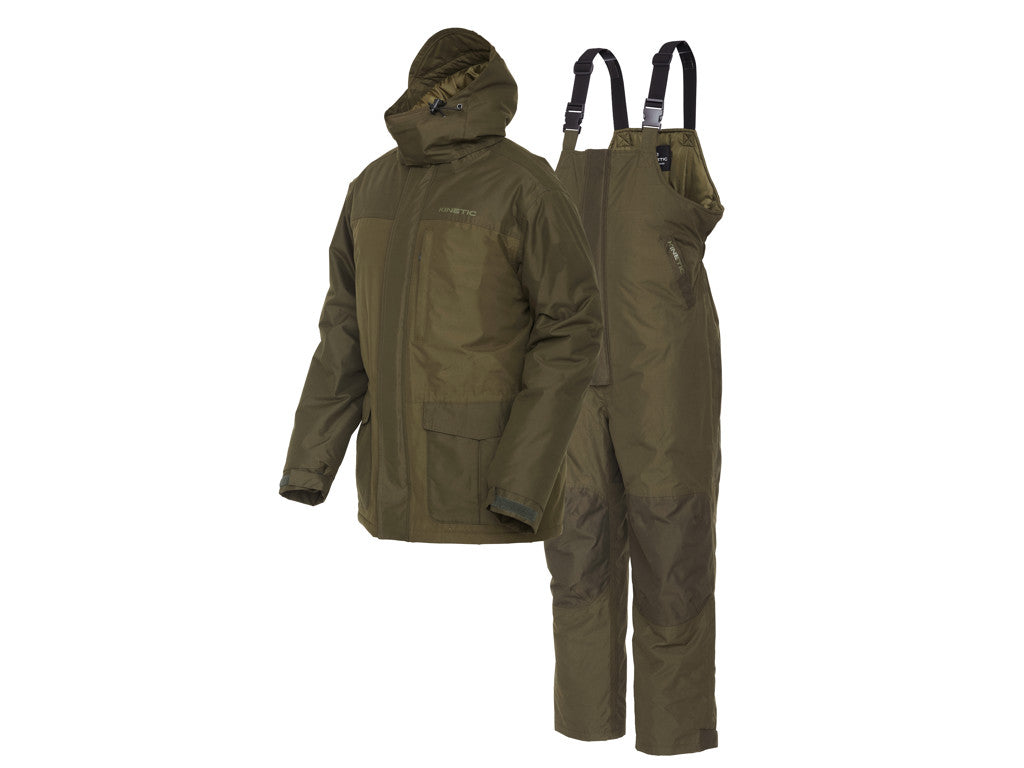
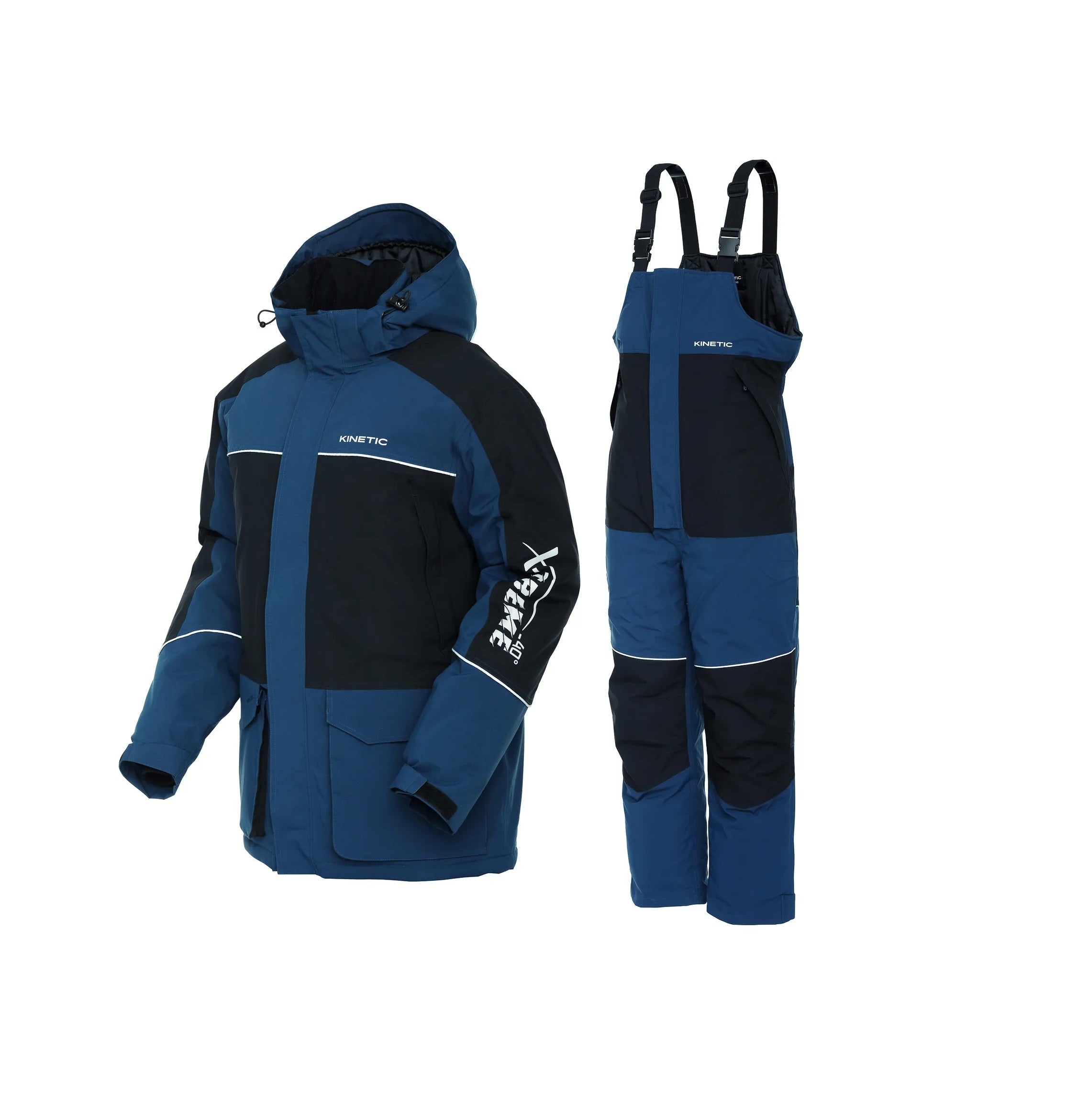
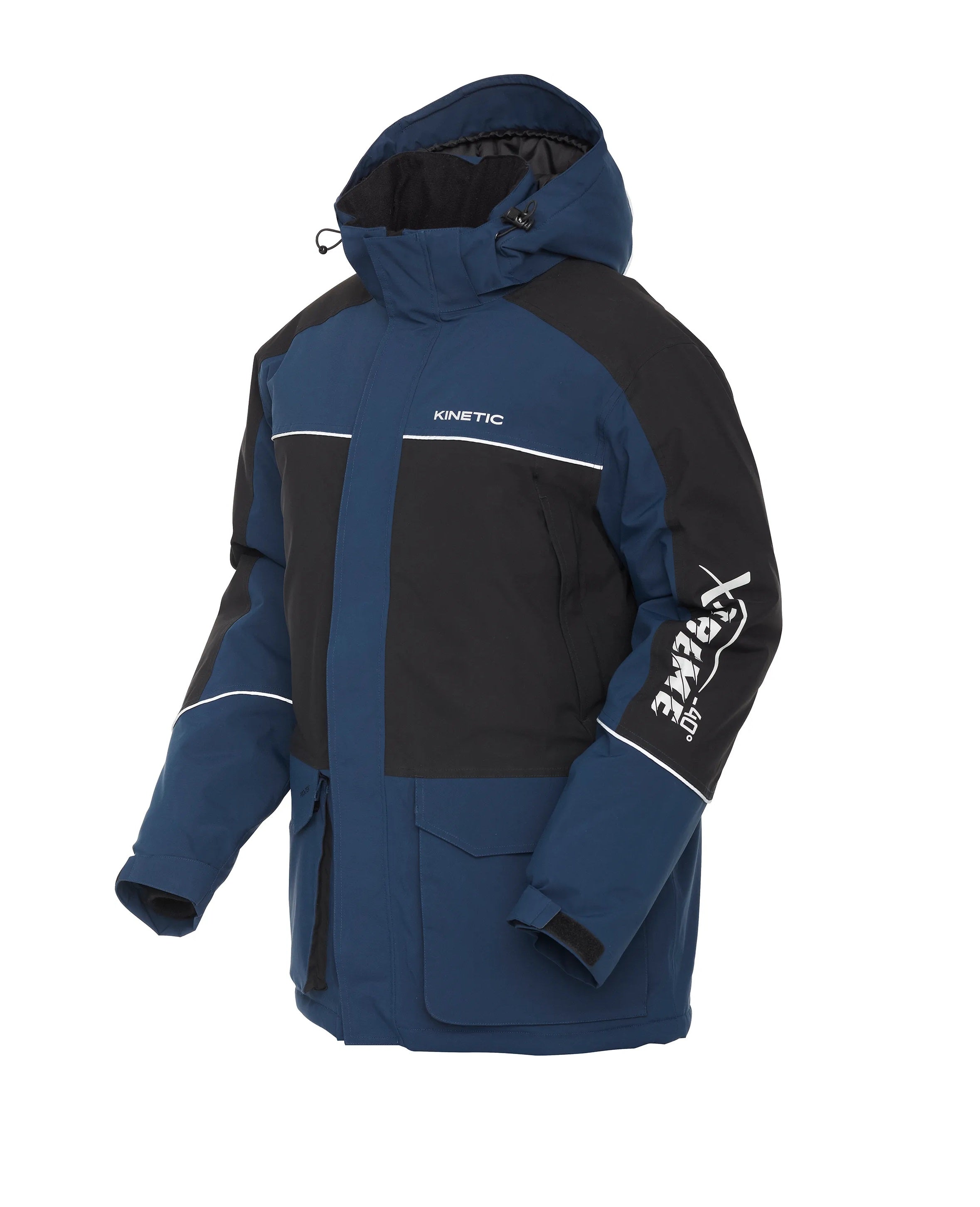
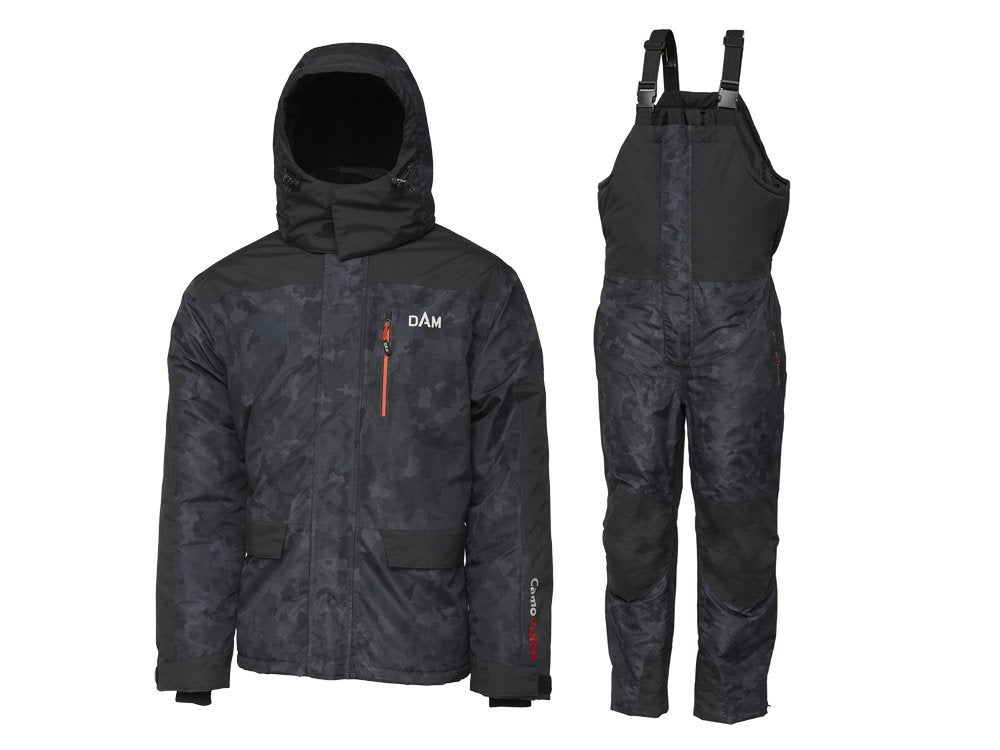
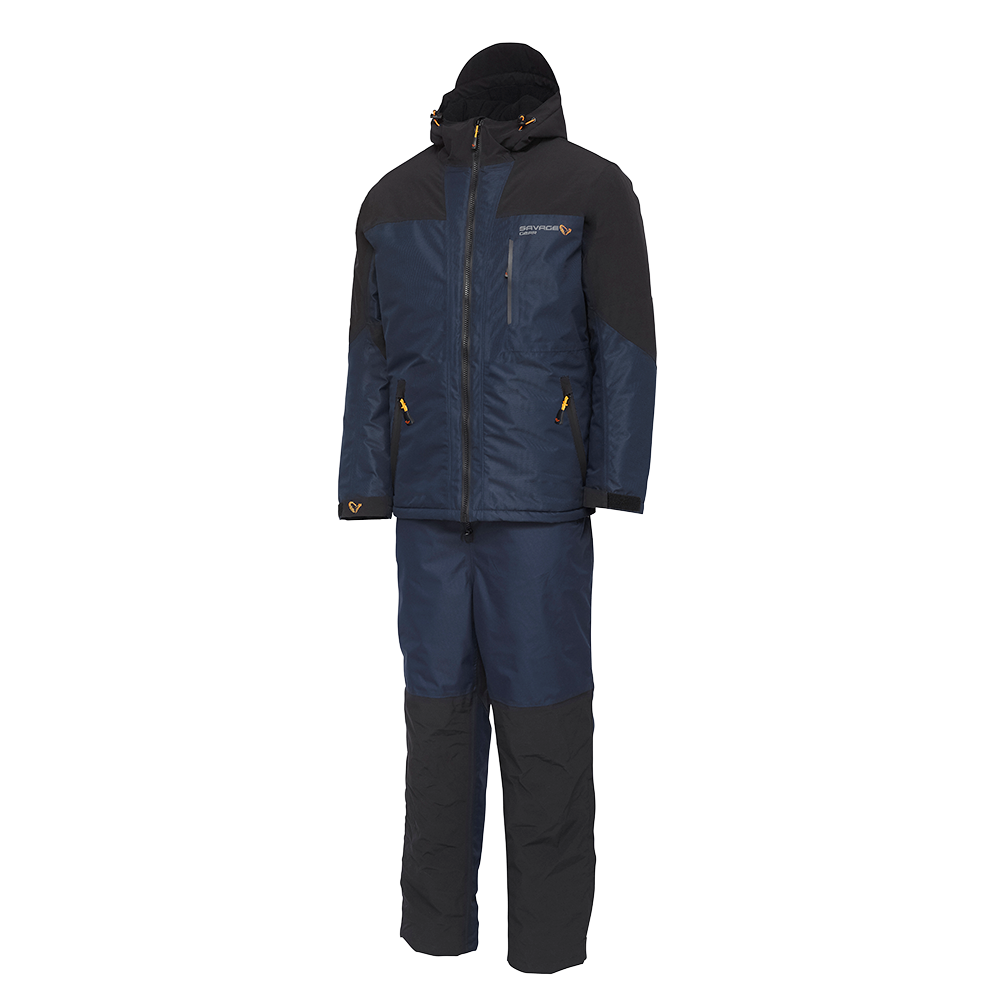
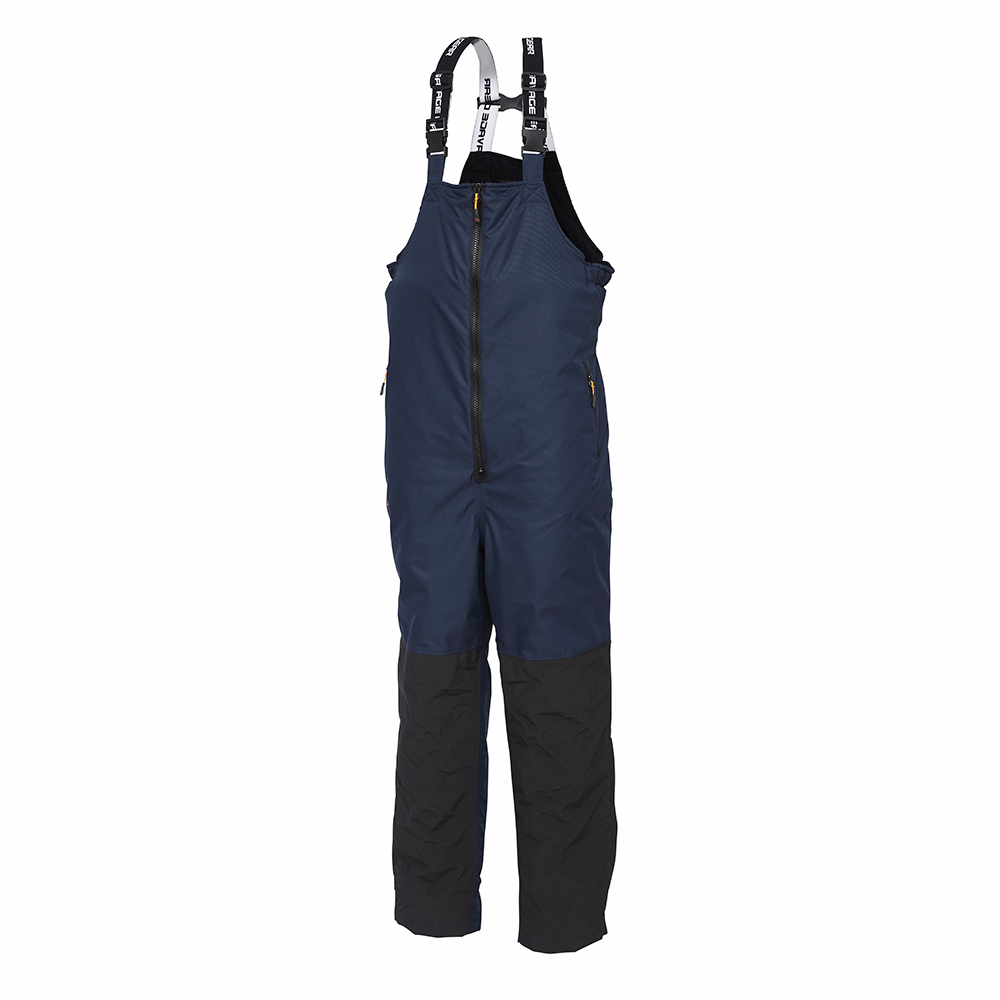
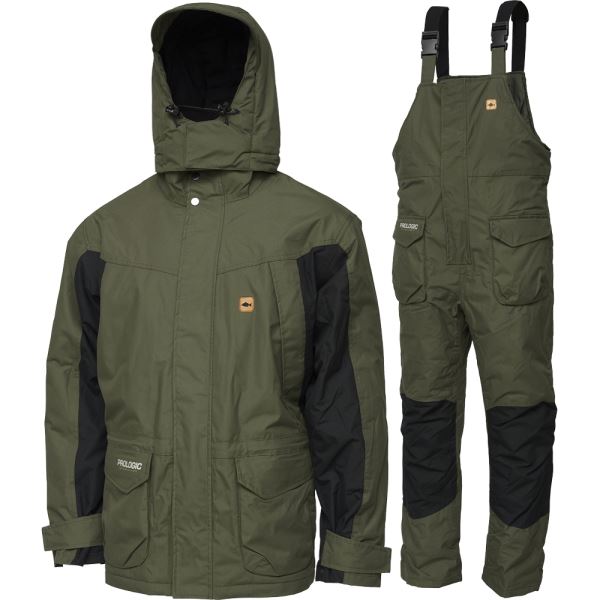
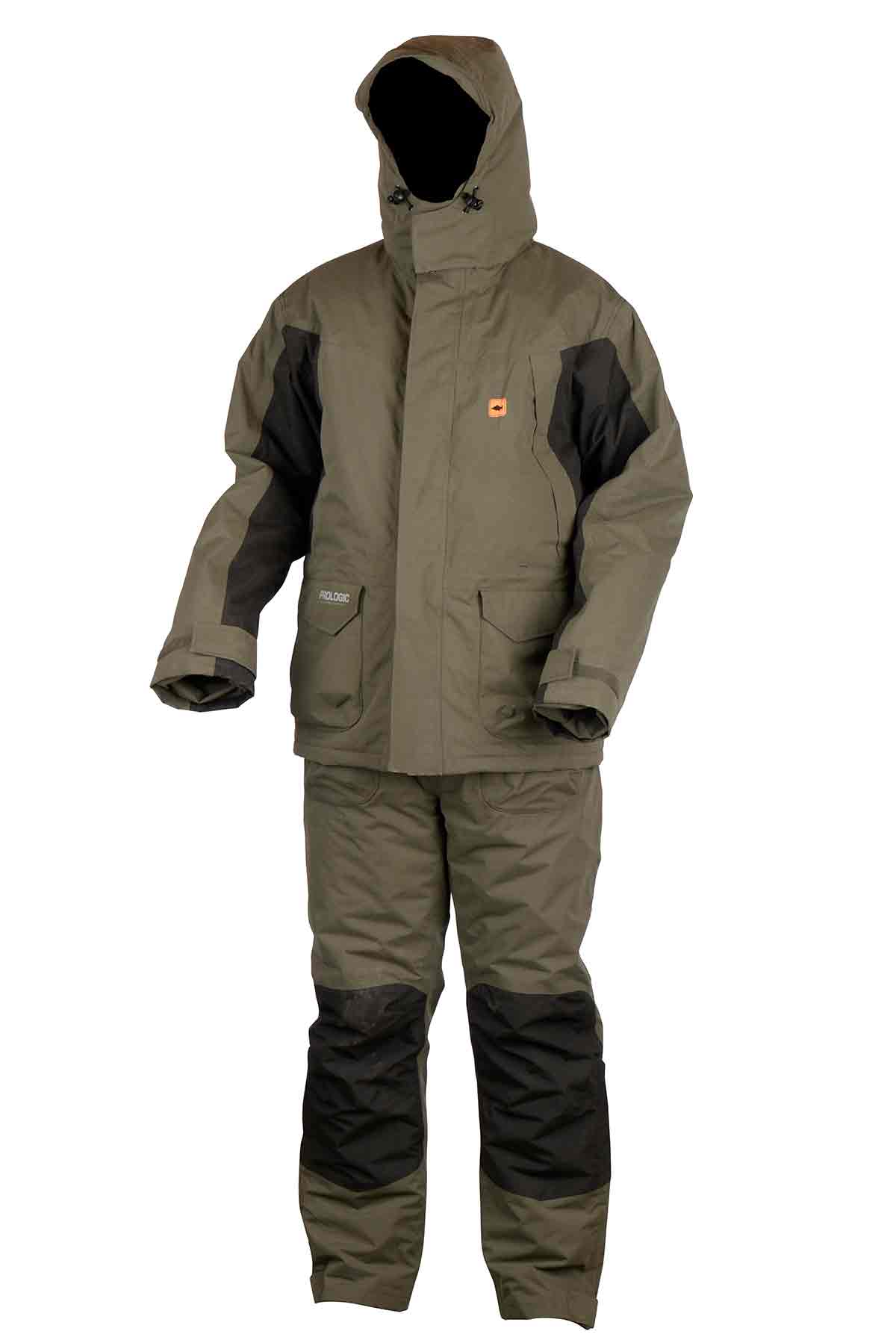
Fishing suits for coordinated weather protection
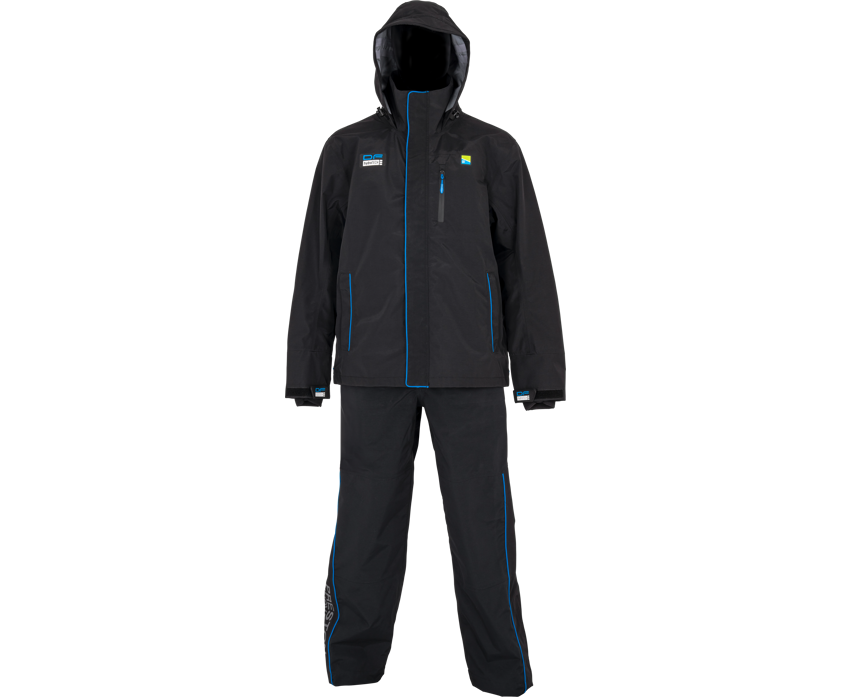
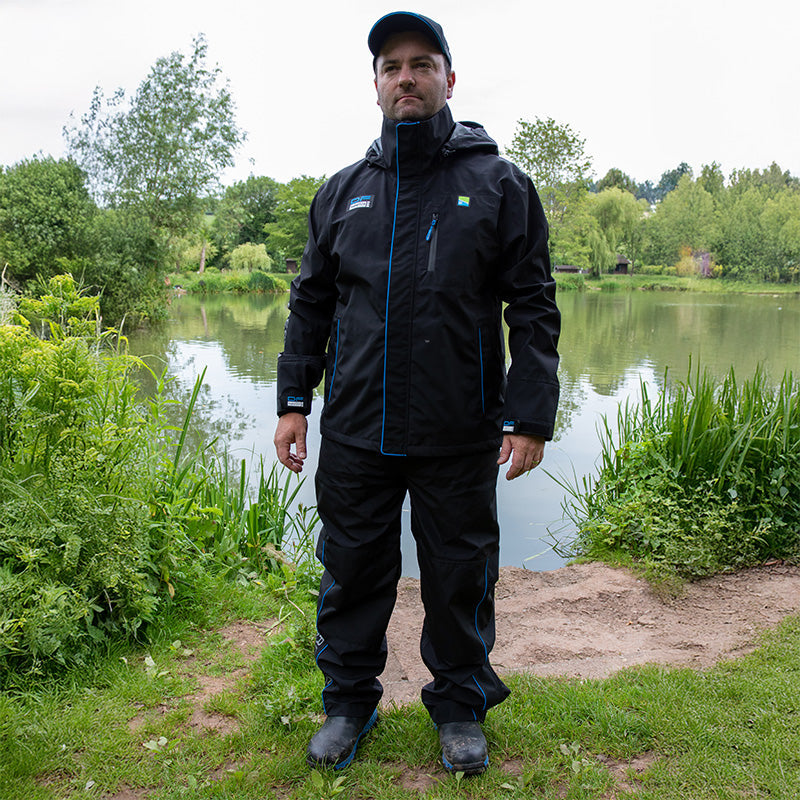
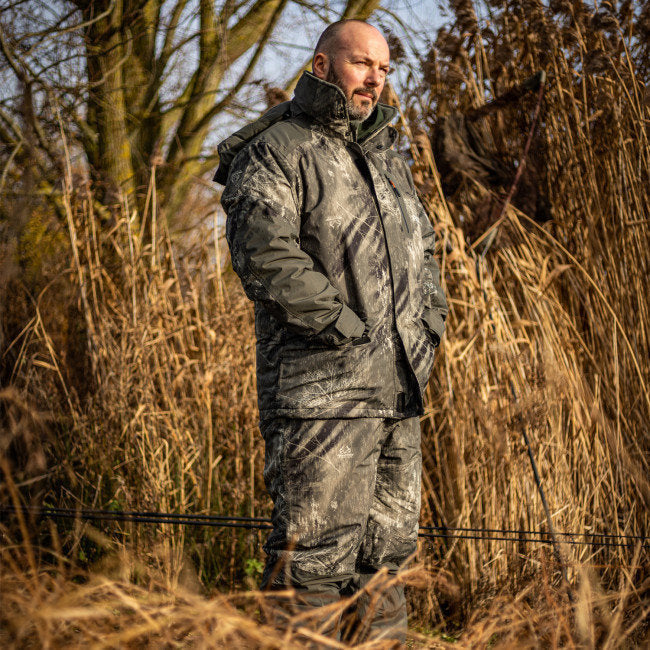
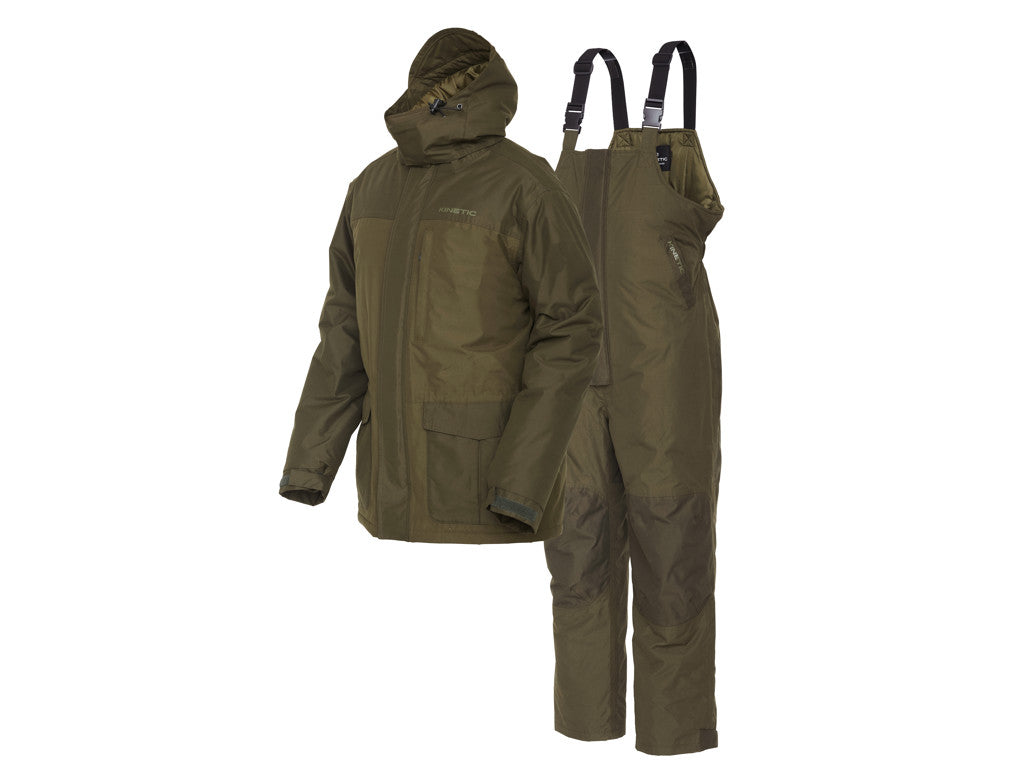
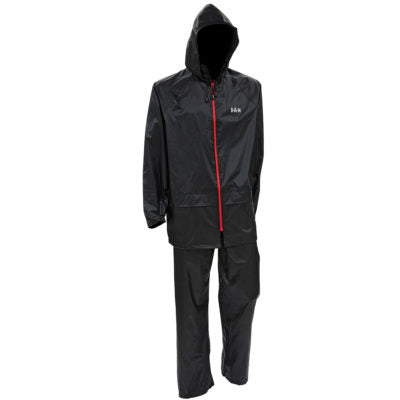
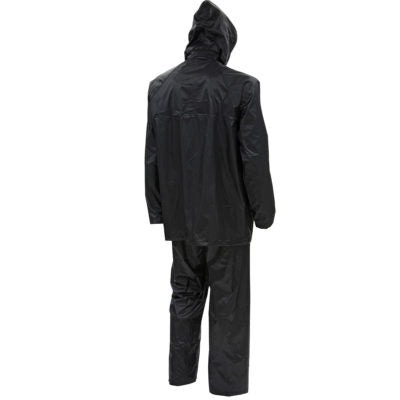
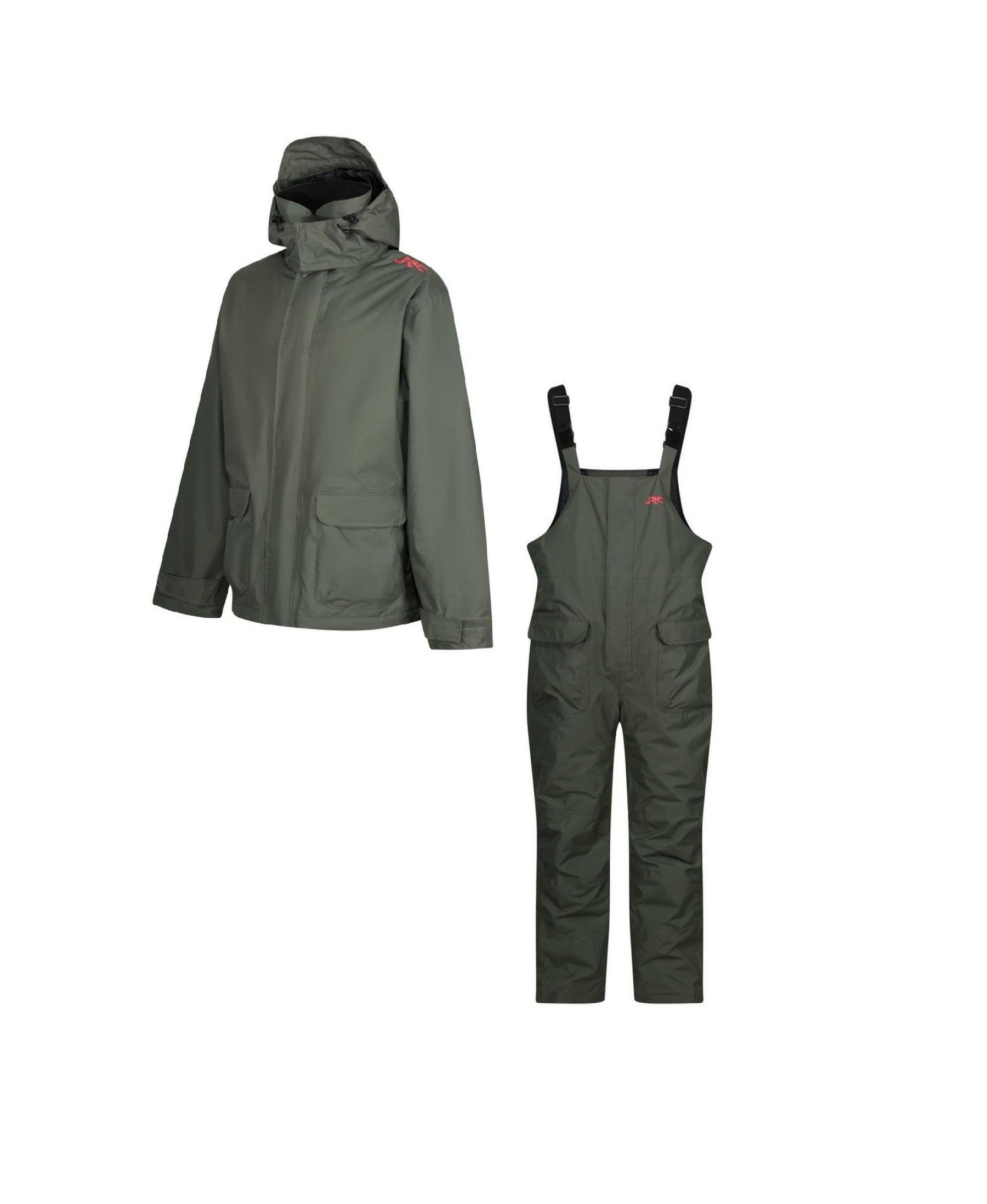
A fishing suit combines upper and lower garments designed to work together around rain, wind or cold. Two-piece systems offer flexible layering and easier temperature control, while one-piece designs reduce gaps at the waist. Insulated suits prioritise warmth; lighter waterproof shells provide protection over separate base and mid layers.
Check waterproof and breathability ratings, seam construction and the overlap between jacket and trousers. Pockets, cuffs, hood and ankle openings should remain usable when both parts are worn. A matched appearance does not guarantee identical protection across every panel, so read the full product specification.
Browse the parent fishing clothing range and complete the system with suitable headwear, gloves, footwear and moisture-managing base layers. Compare certified life jackets separately where flotation equipment is required.
Choose construction, fit and layering
Use the size chart for chest, waist, hip, inseam and height, allowing space for intended layers. Test casting reach, sitting, crouching and high steps. Excess bulk can interfere with movement, while a tight suit compresses insulation and strains zips and seams.
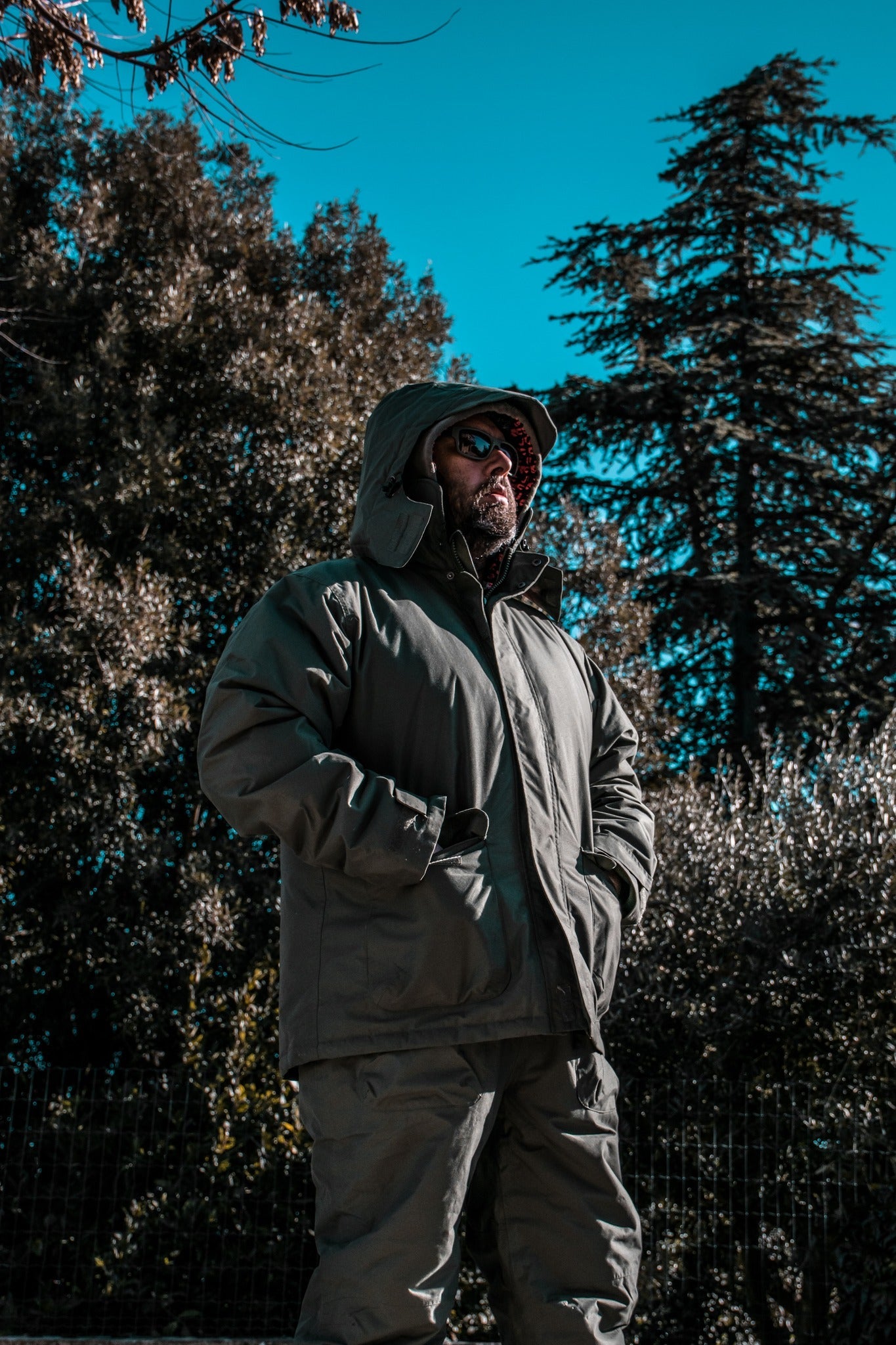
Adjust braces, cuffs, hem and hood so water is directed away from openings. Check whether pockets remain accessible beneath a life jacket or other equipment. High collars and storm flaps add coverage but must not obstruct breathing, hearing or side vision.
Ordinary waterproof or thermal fishing suits are not flotation suits. Only rely on buoyancy, thermal-immersion or safety performance when the exact product is certified for that purpose and is worn, maintained and serviced according to its instructions.
Carry separate dry layers in a sealed bag so a damaged or soaked suit does not become the only protection available.
Clean, dry and inspect fishing suits
Wash both pieces as directed, using only permitted detergent and reproofing treatments. Empty pockets, close fasteners where instructed and avoid fabric softener or high heat when prohibited.
Dry the suit fully before storage and inspect seams, zips, braces, cuffs and reflective details. Store without crushing insulation or sharply folding coated fabric. Repair approved minor damage promptly and replace garments whose protection, closure or fit is no longer dependable.