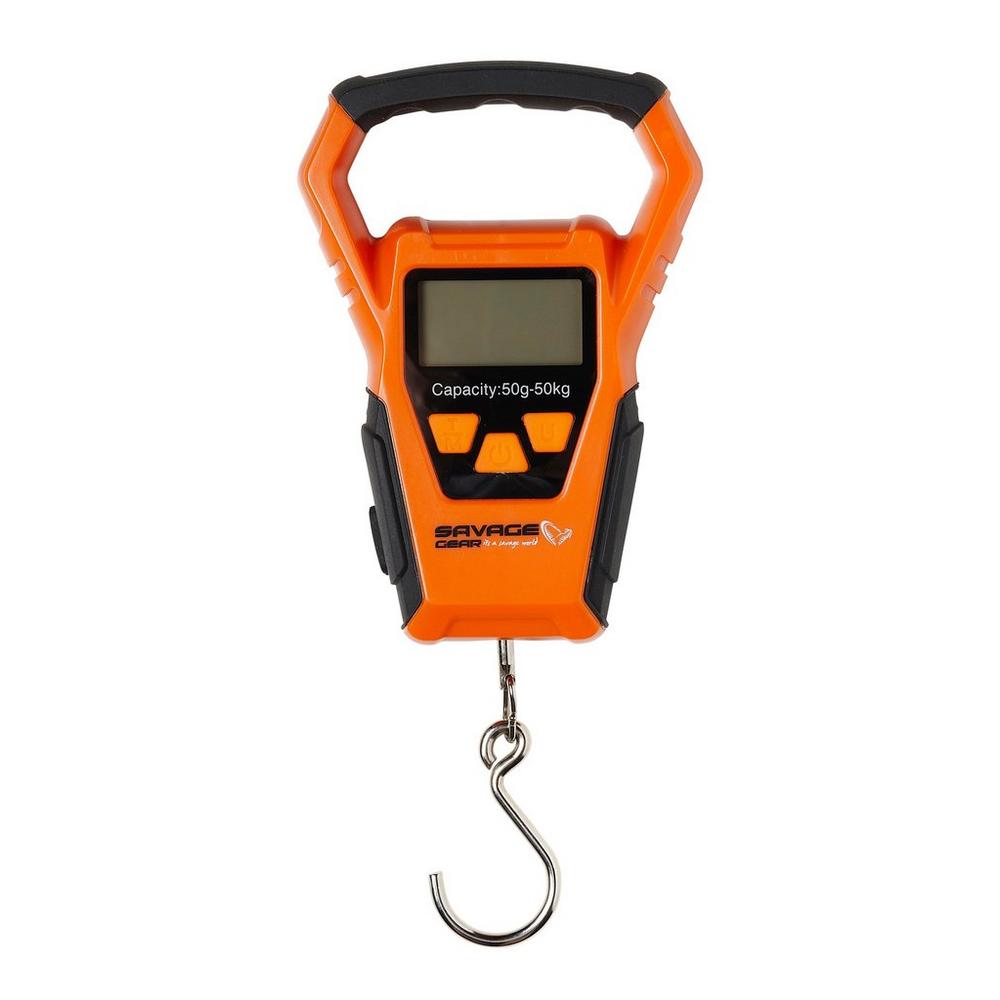
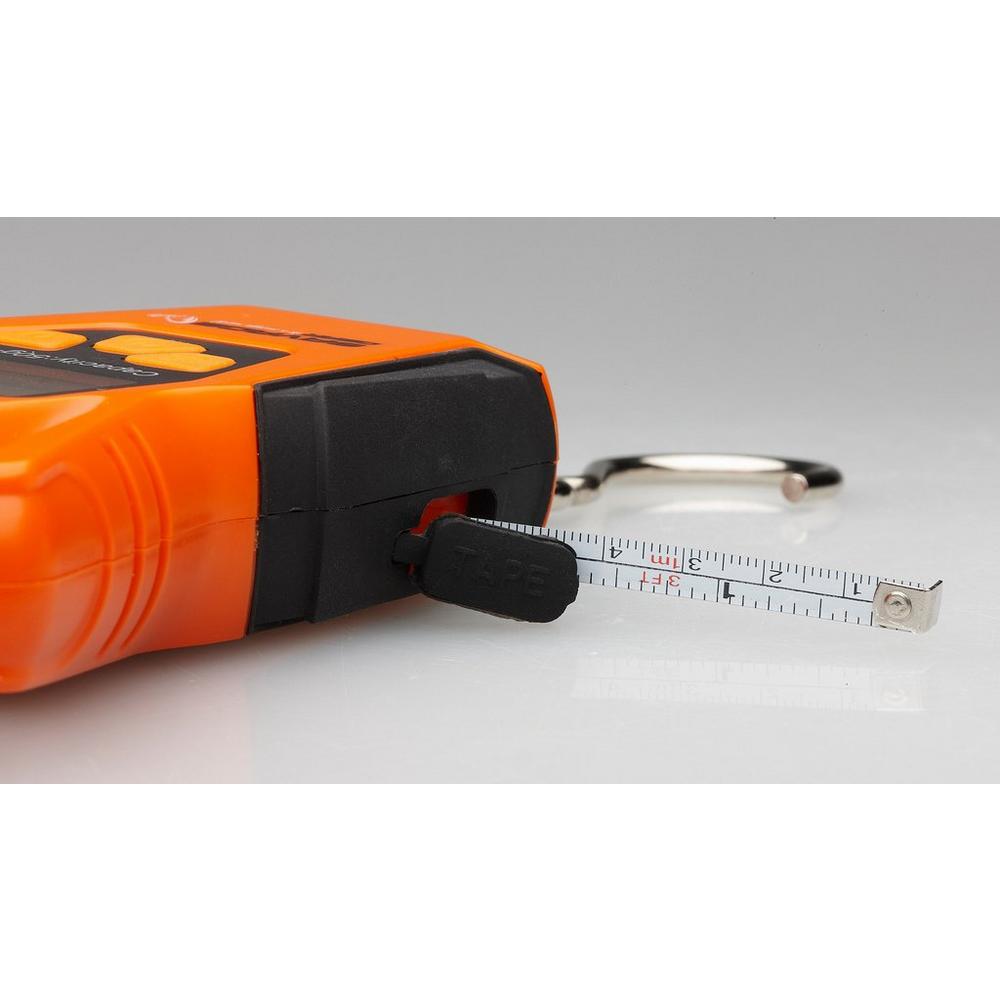
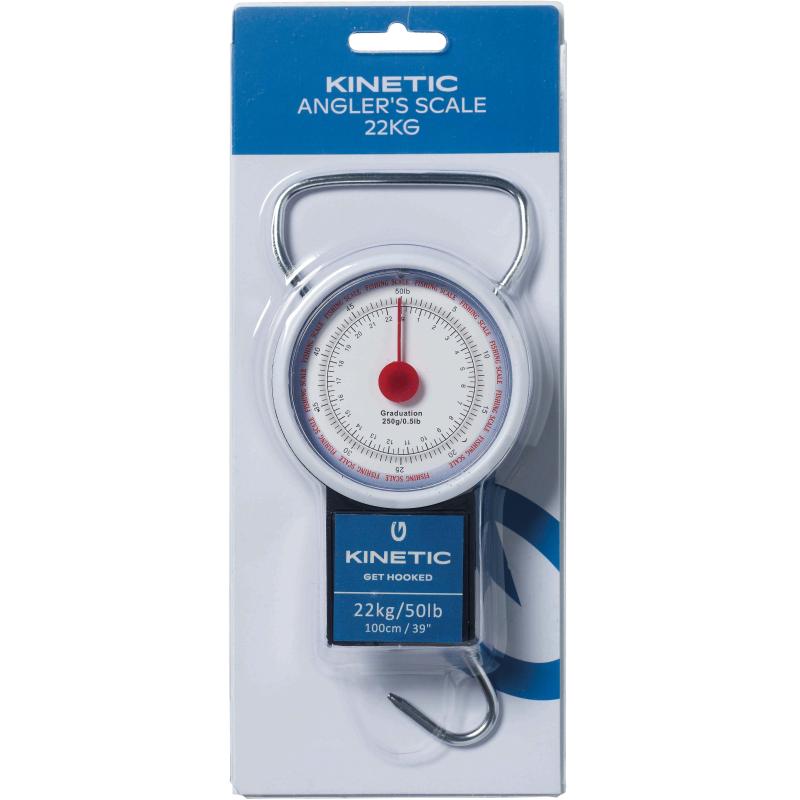
Fish measures for accurate catch length
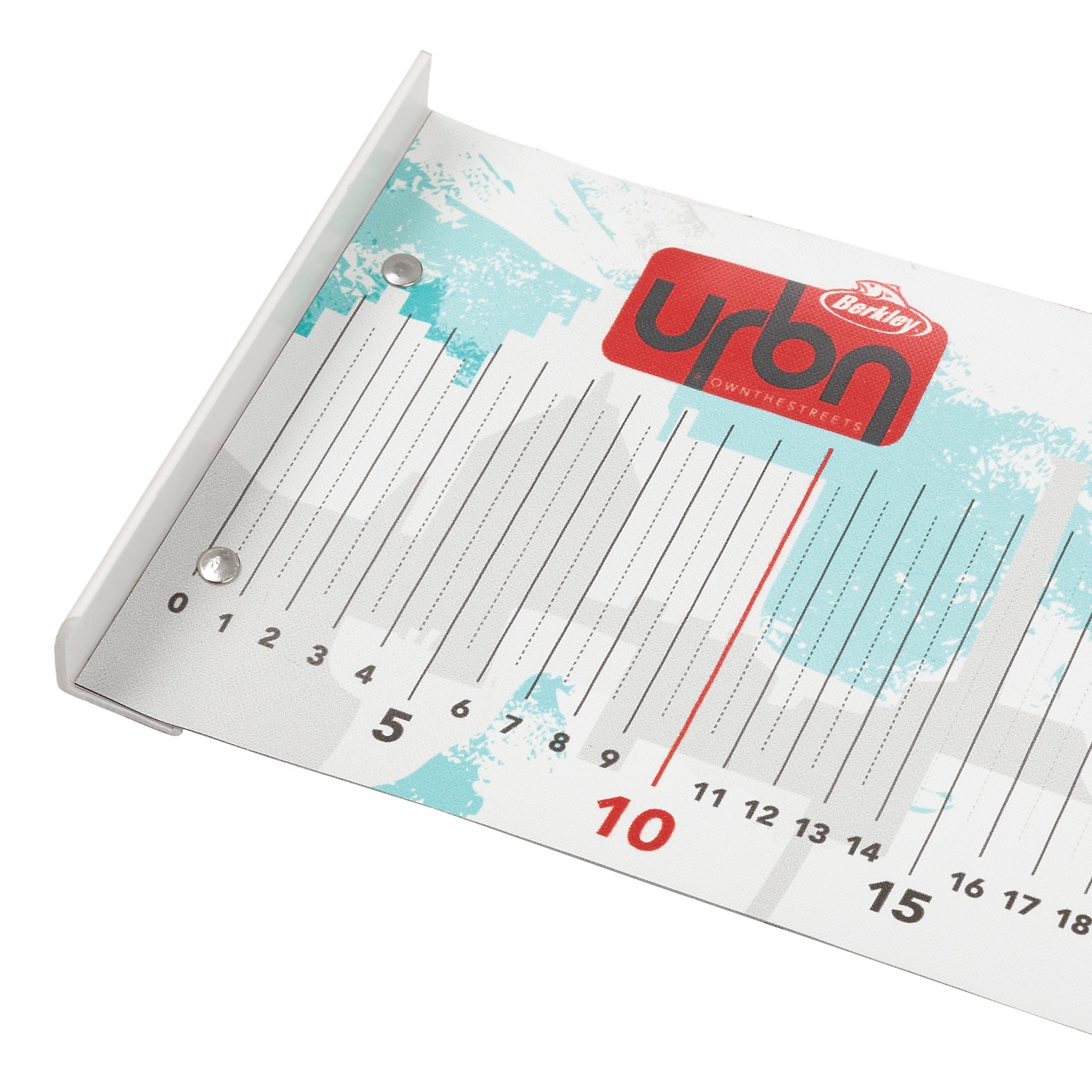
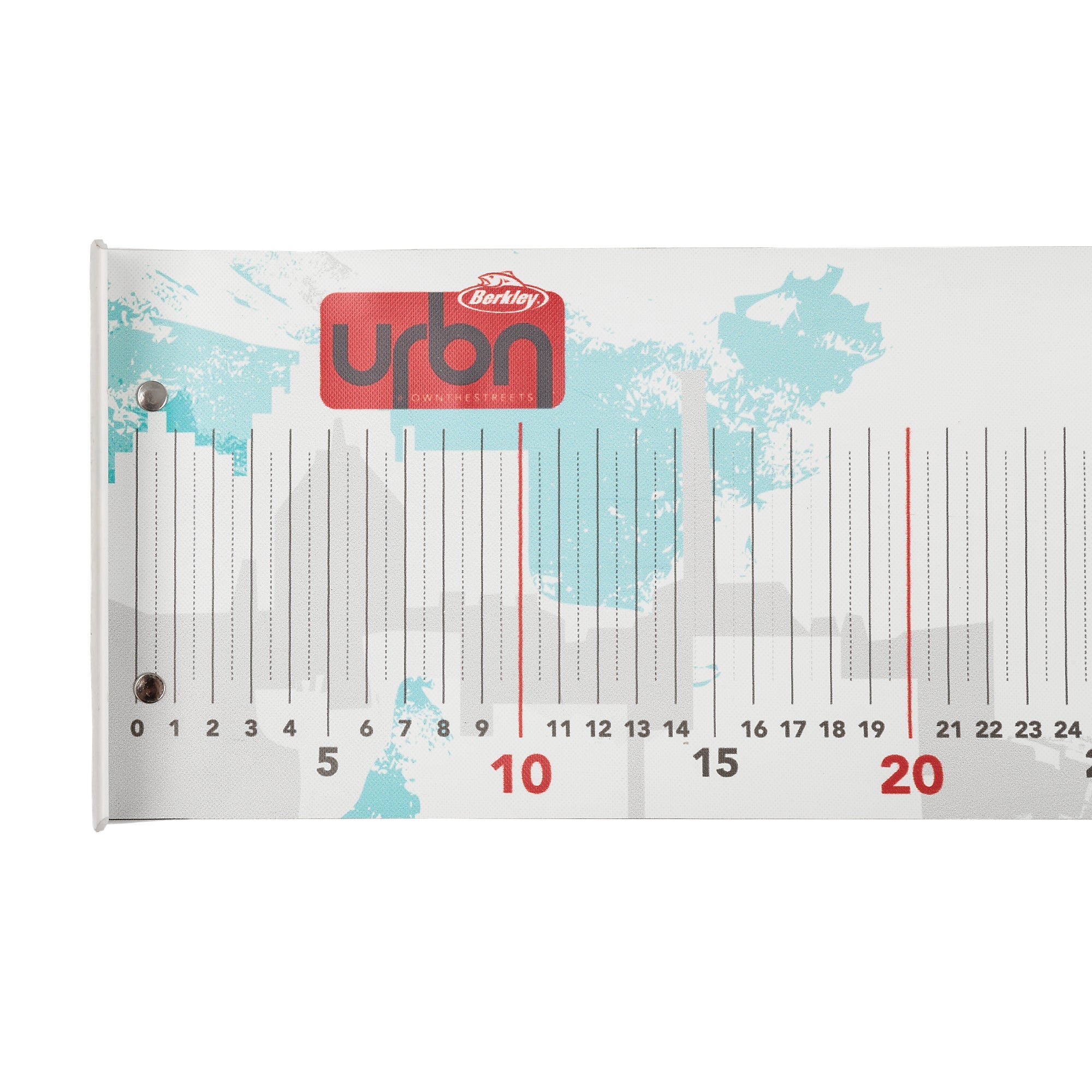
A fish measure records length using a marked mat, tape, ruler or rigid board. Accuracy depends on a clear zero point, readable scale and a flat position. The measure must be long and wide enough for the expected species while providing a clean, wet surface that protects the fish.
A raised end stop makes it easier to position the closed mouth at zero, while bold centimetre markings improve quick reading. Soft roll-up mats pack compactly, and rigid boards can stay flatter. Flexible tapes are useful for general measurement but need careful alignment to avoid curves and slack.
Browse the parent fishing tools range, maintain hooks with a hook sharpener, keep disgorgers ready for unhooking, or carry side cutters for suitable emergency rig work.
Choose range, markings and fish-safe construction
Select a measuring range longer than the largest realistic fish. Check whether markings are printed, moulded or stitched and whether they remain readable when wet. If records or competitions require a particular method, follow the organiser's approved measure and positioning rules.
Wet the mat before use and place it on flat ground away from sharp stones. Keep the fish low, support the body and align it gently without stretching the tail or pressing the head. Prepare camera and tools beforehand to minimise time out of water.
Read the same reference point consistently, photograph the entire fish and scale where required and return the fish promptly. Never suspend a fish from a tape or measure it on a dry abrasive bank surface.
Clean and verify the scale
Rinse slime and dirt after each session, disinfect according to biosecurity guidance and dry the measure before rolling or storing it. Inspect mats for grit, torn edges and delamination, and boards for warping or sharp damage.
Periodically compare the scale with a known accurate ruler. Replace a measure with stretched fabric, faded markings or a shifted end stop. Store it separately from hooks and oily bait equipment. Keep a clean wet towel nearby to cover the fish's eyes briefly if this helps calm handling during quick measurement only.