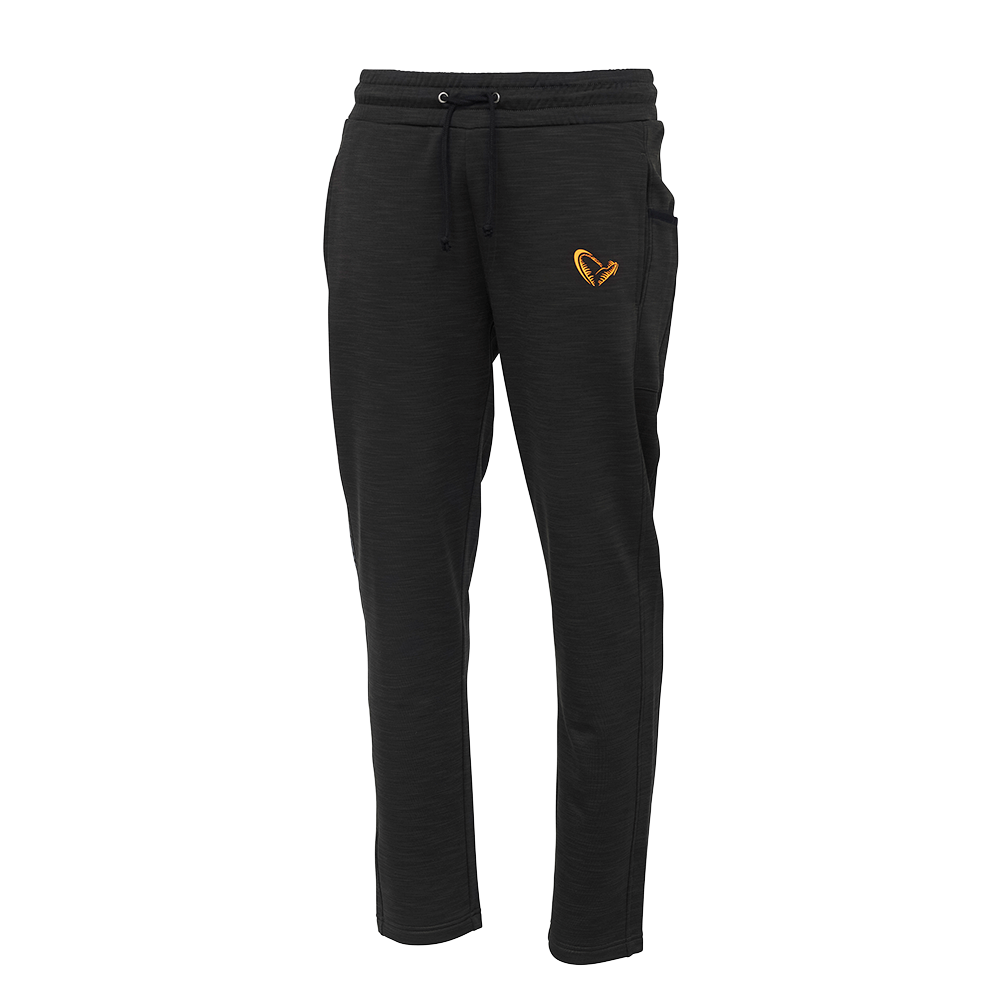
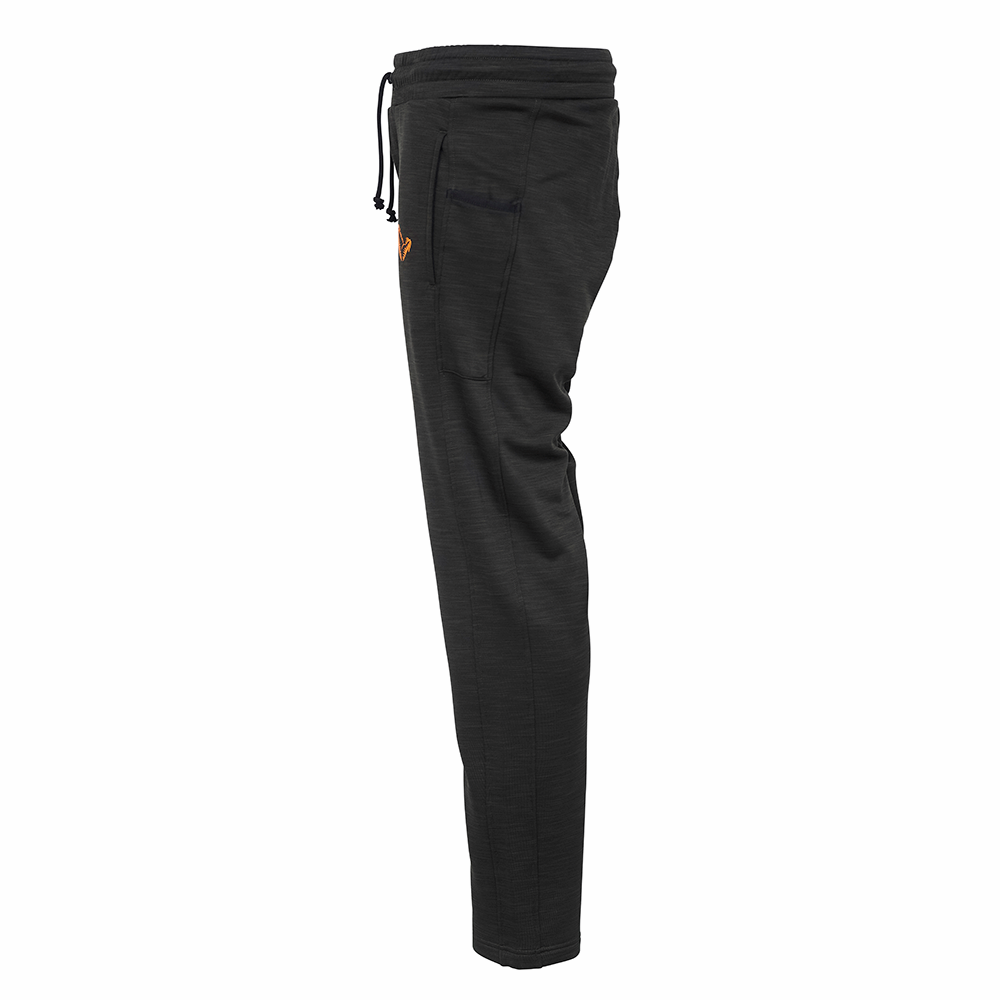
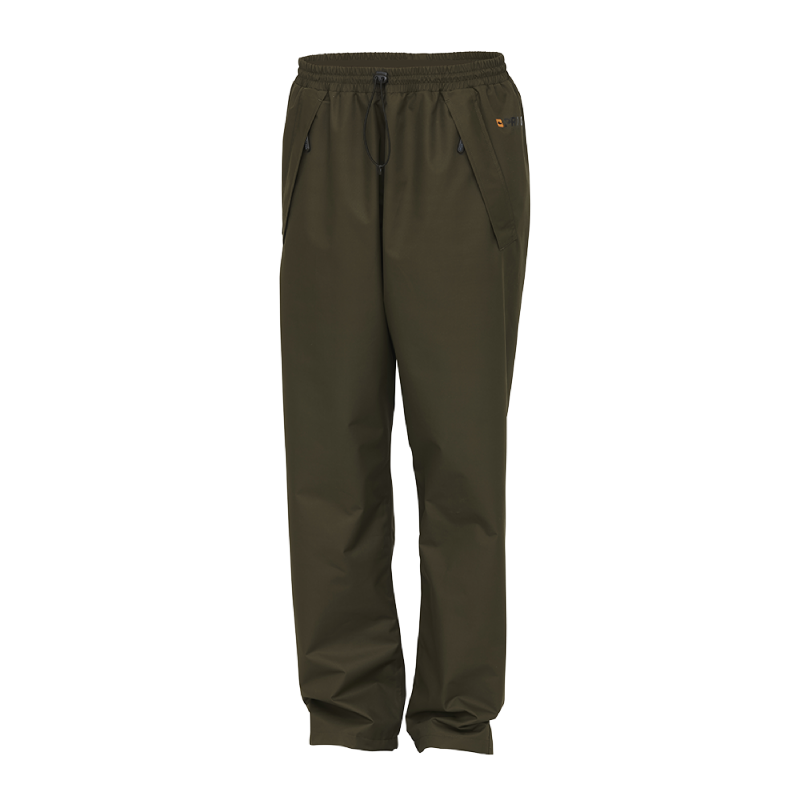
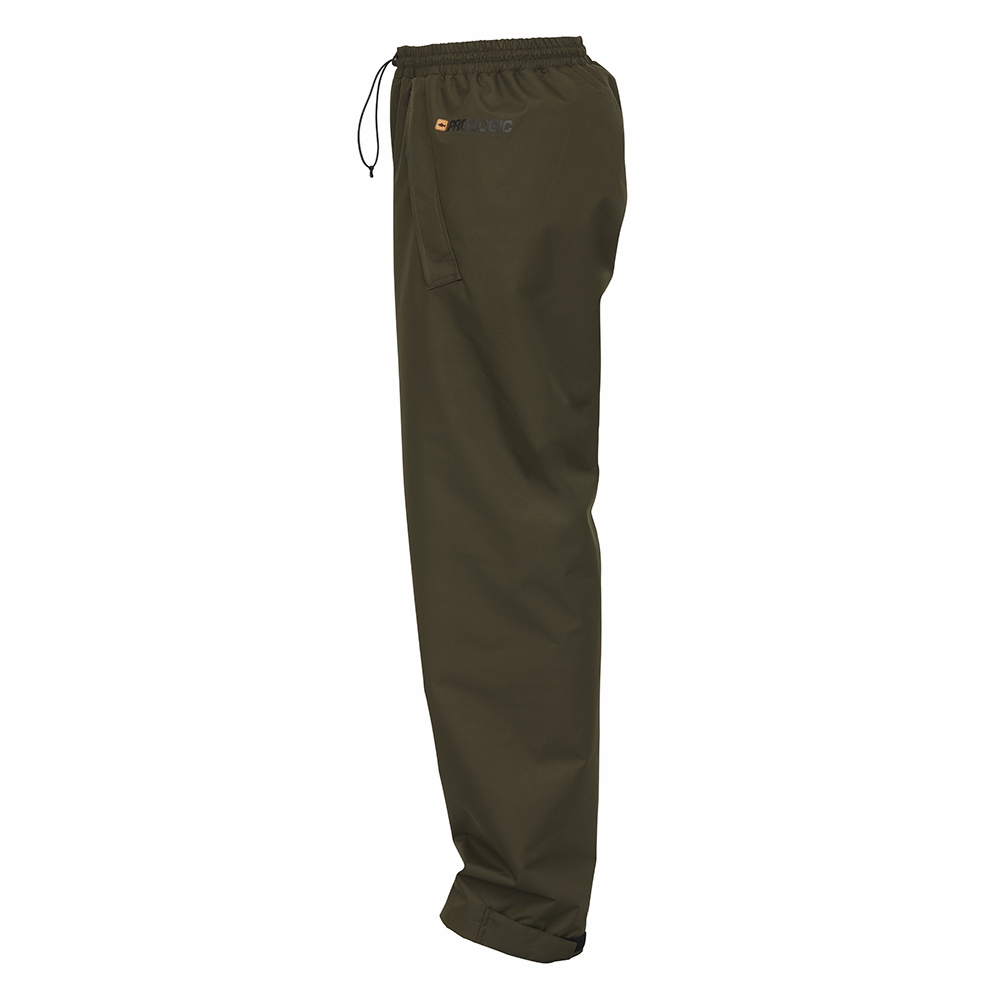
Fishing trousers for wet and changing conditions
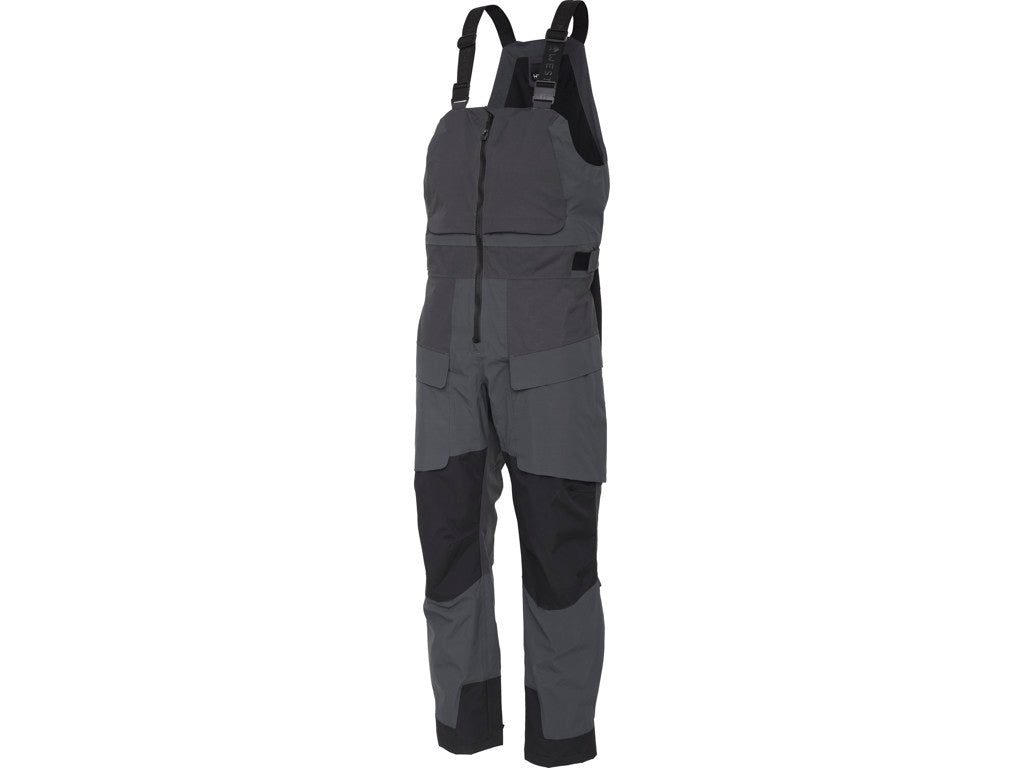
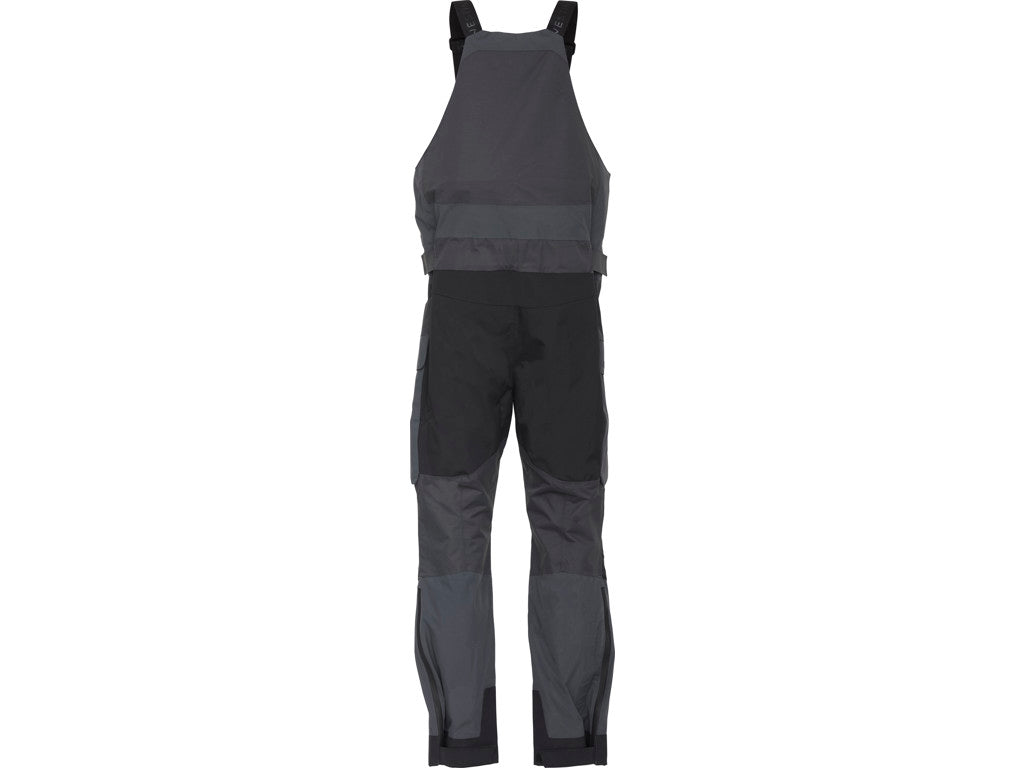
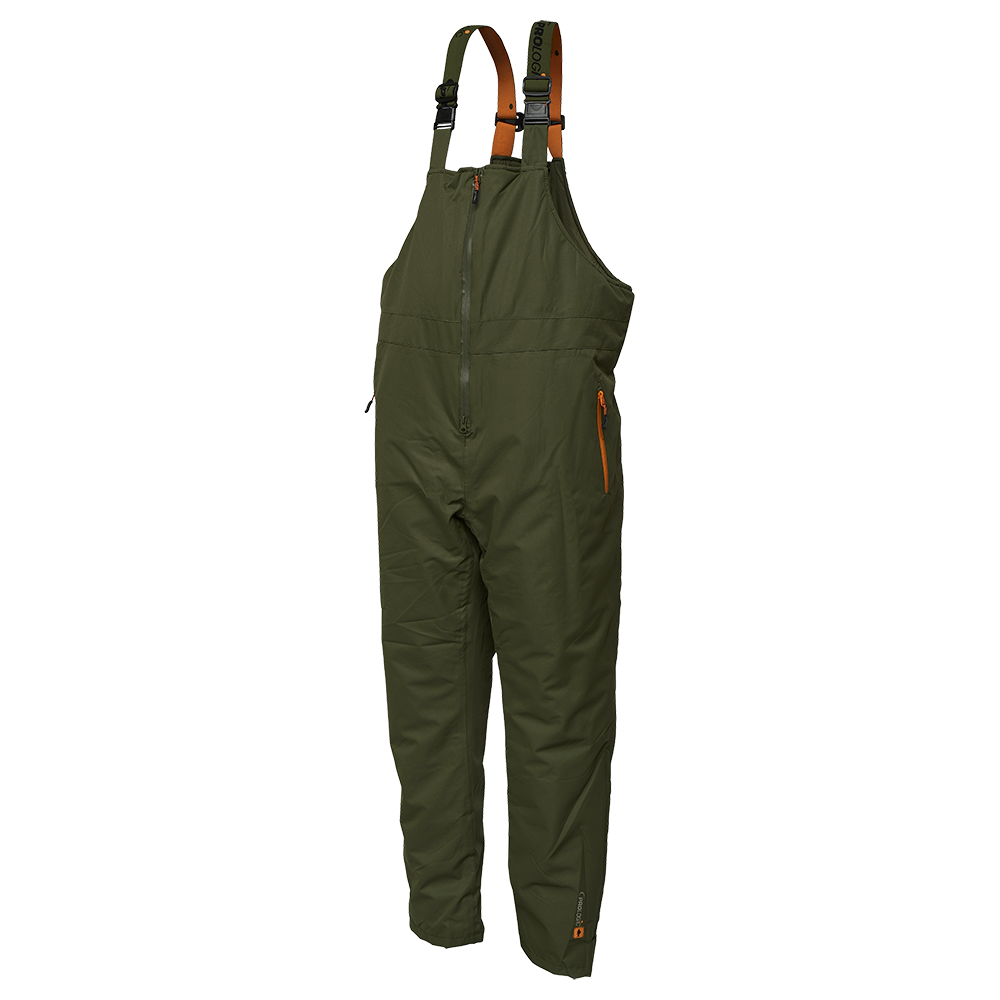
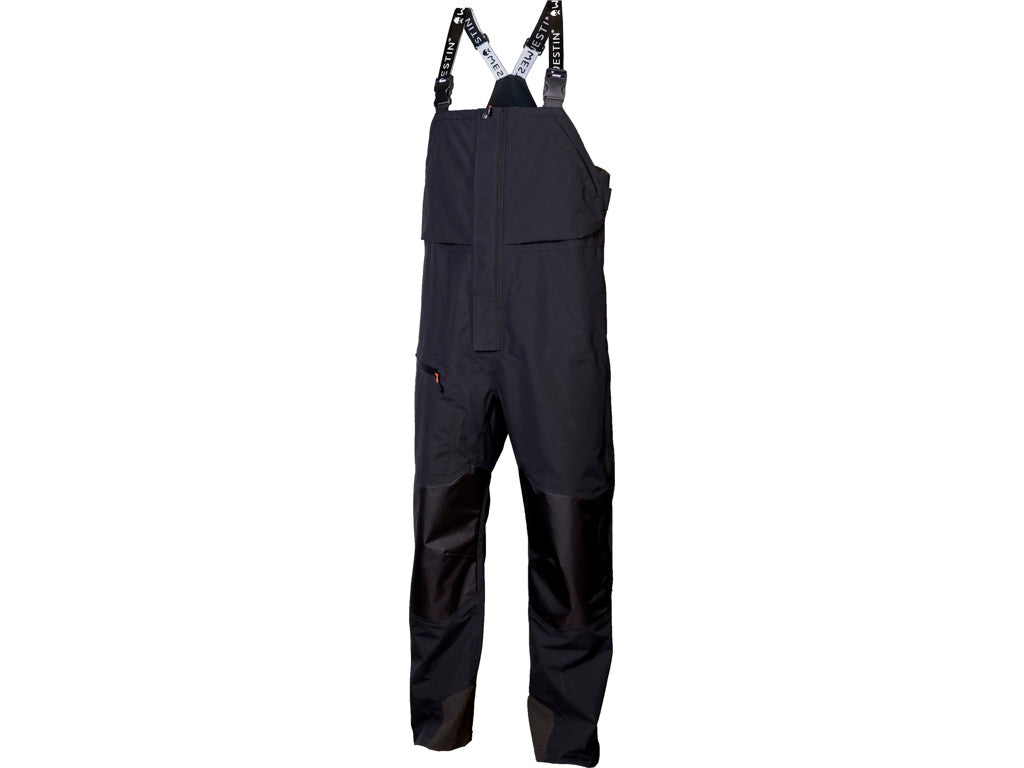
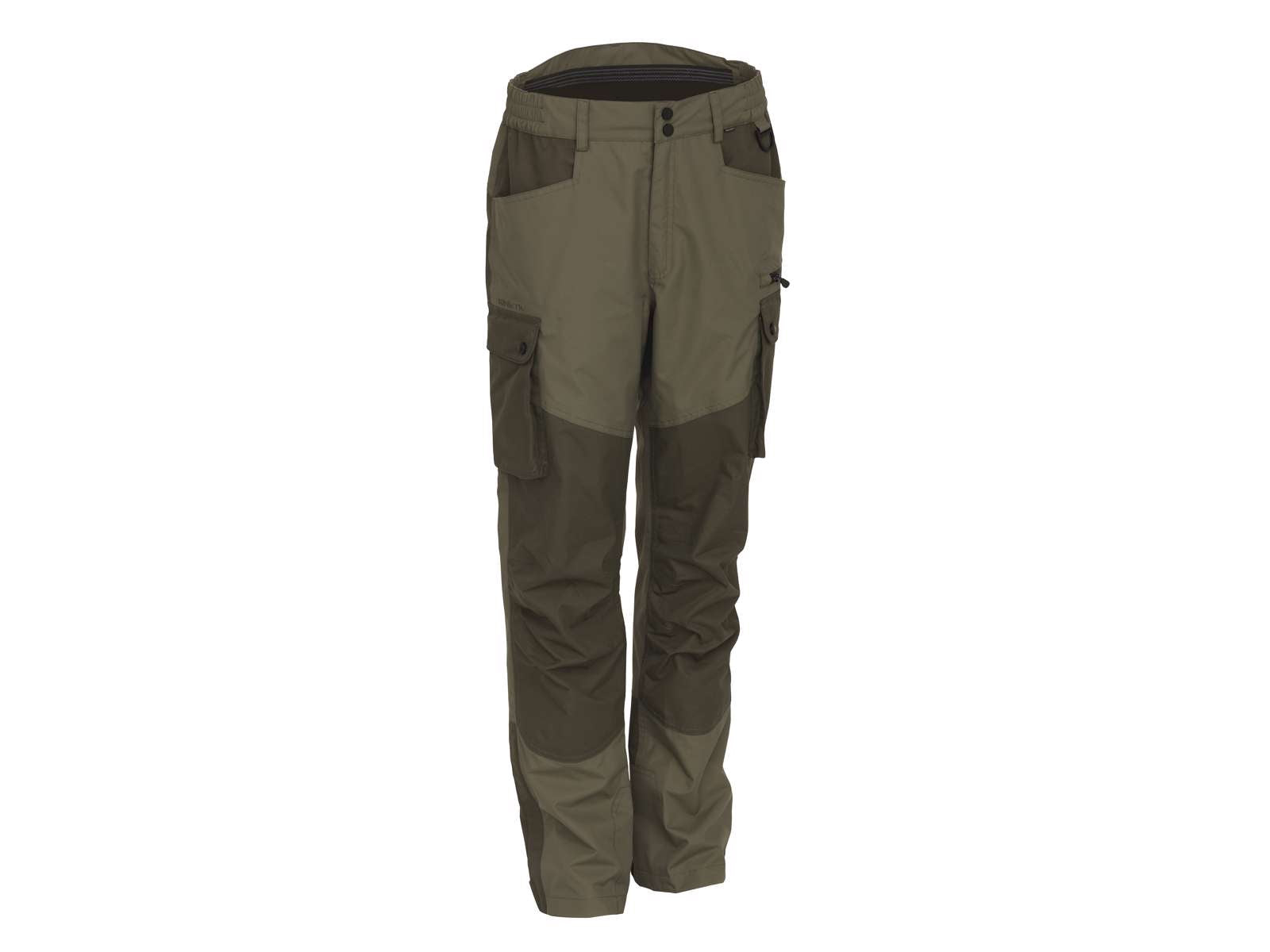
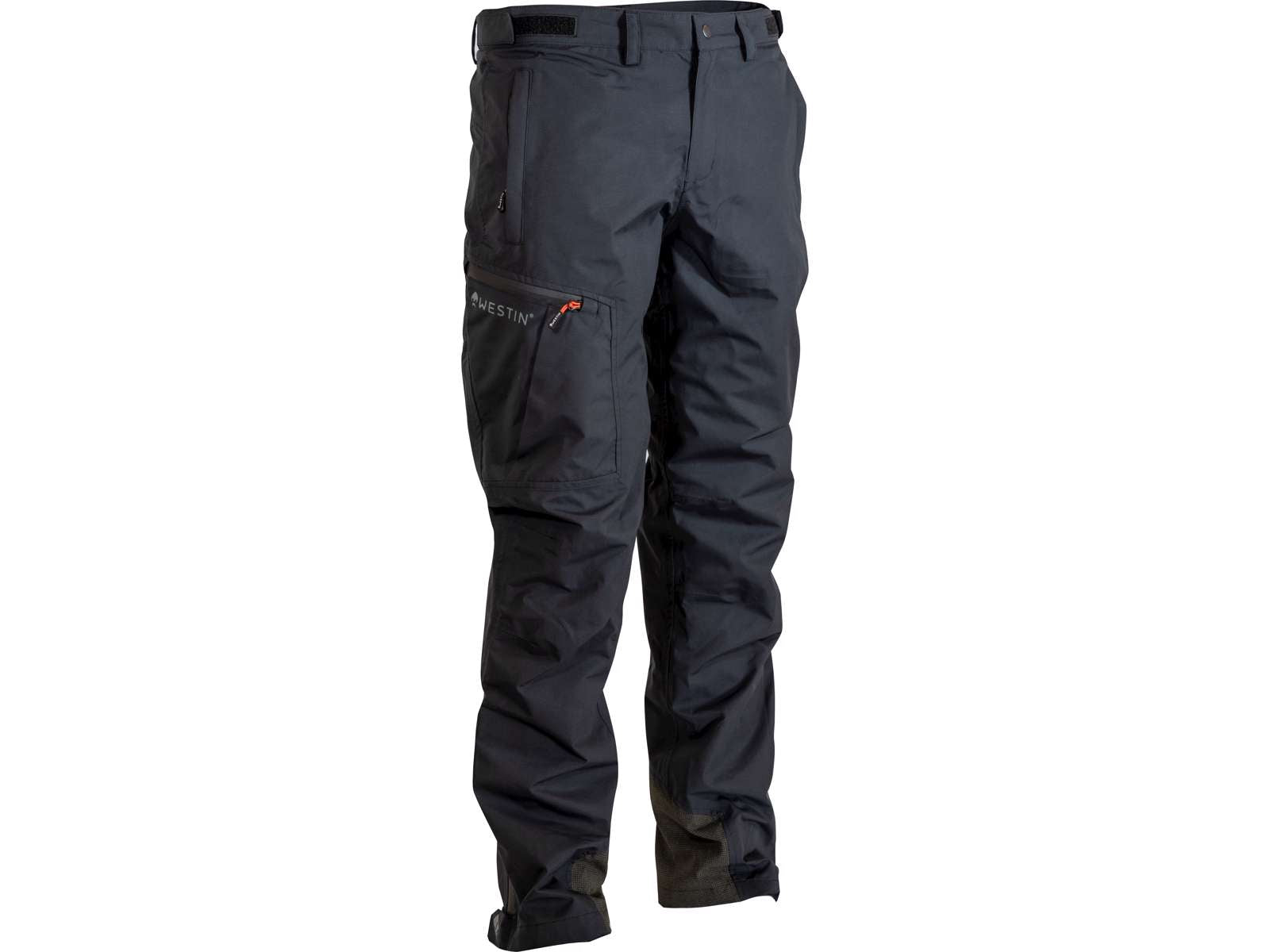
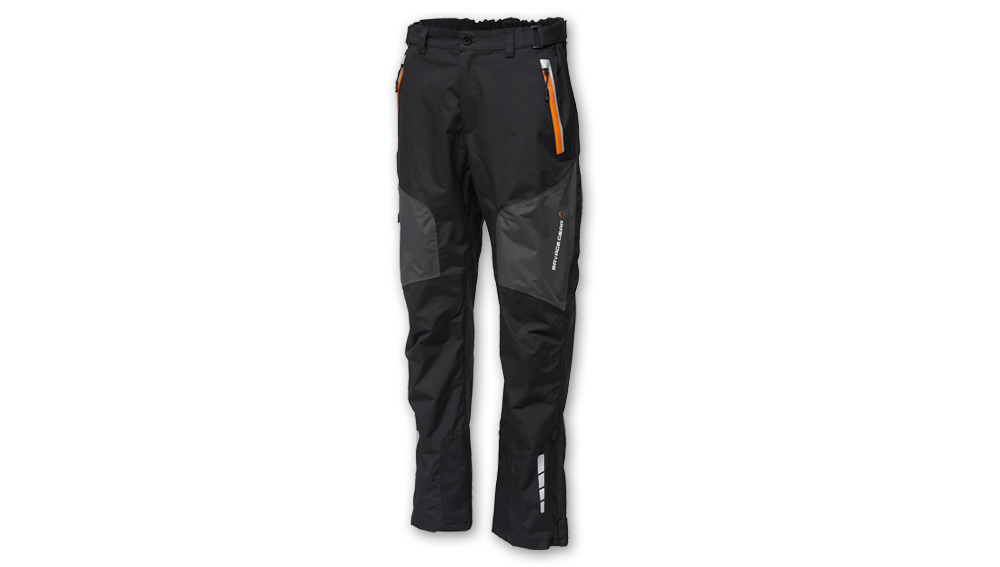
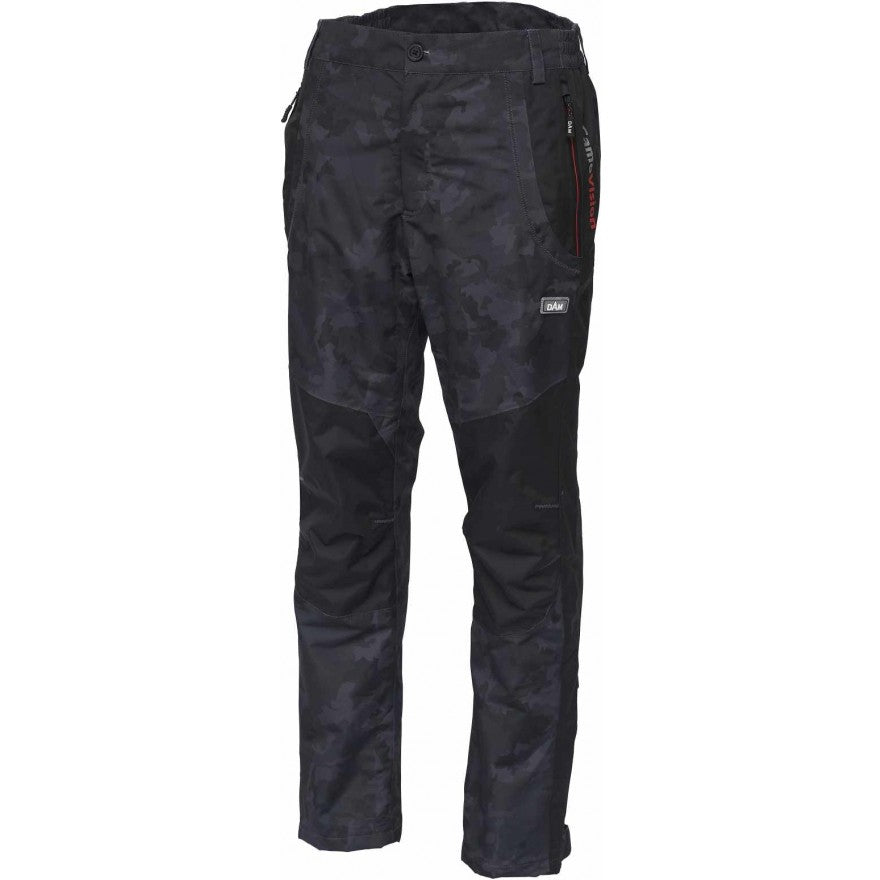
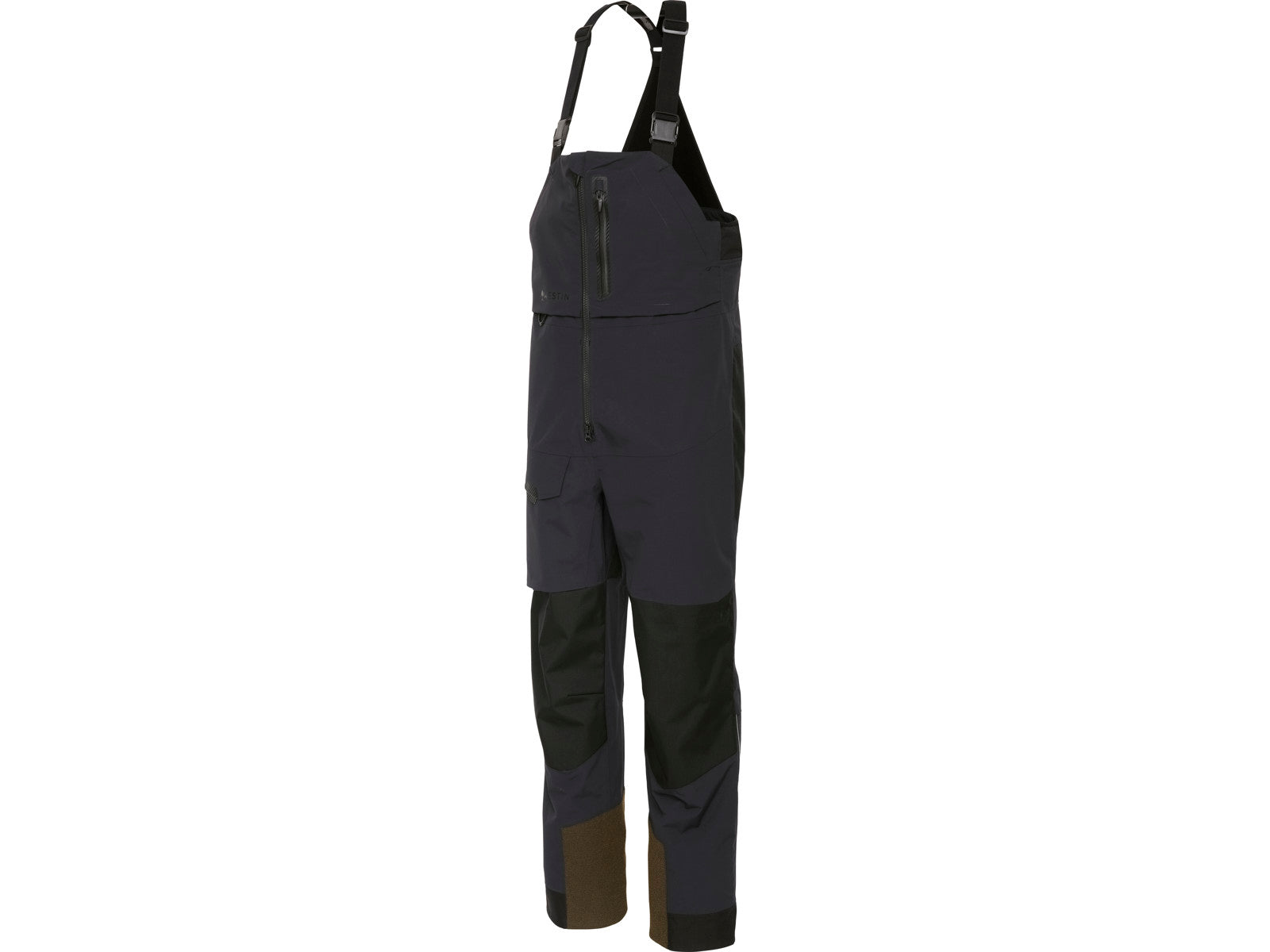
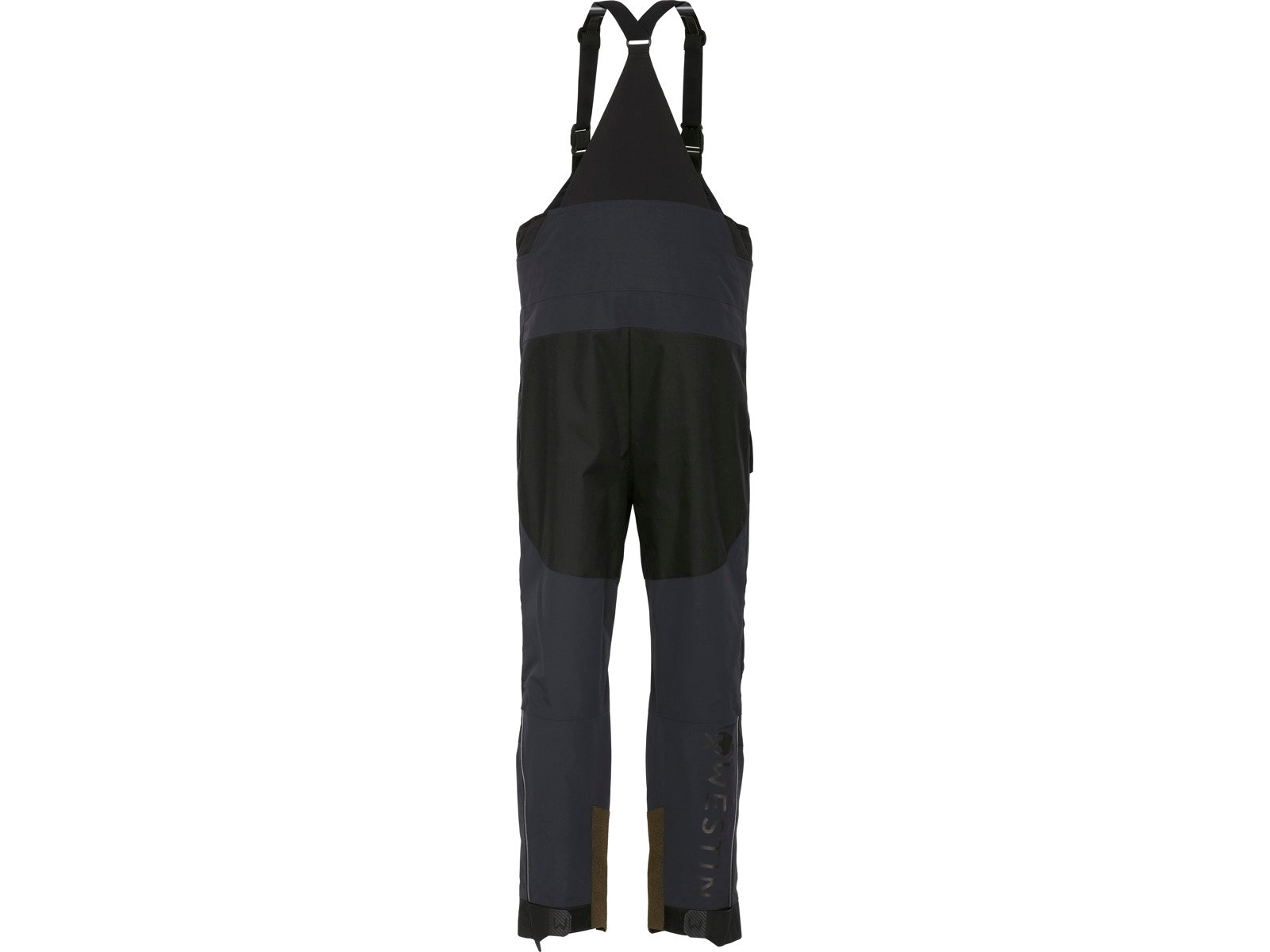
Fishing trousers protect the lower body while walking, sitting, kneeling and handling tackle. Waterproof overtrousers focus on rain and spray, insulated designs add warmth, and lighter technical or casual trousers prioritise movement. The correct option depends on weather, activity and whether the garment is worn alone or over base and mid layers.
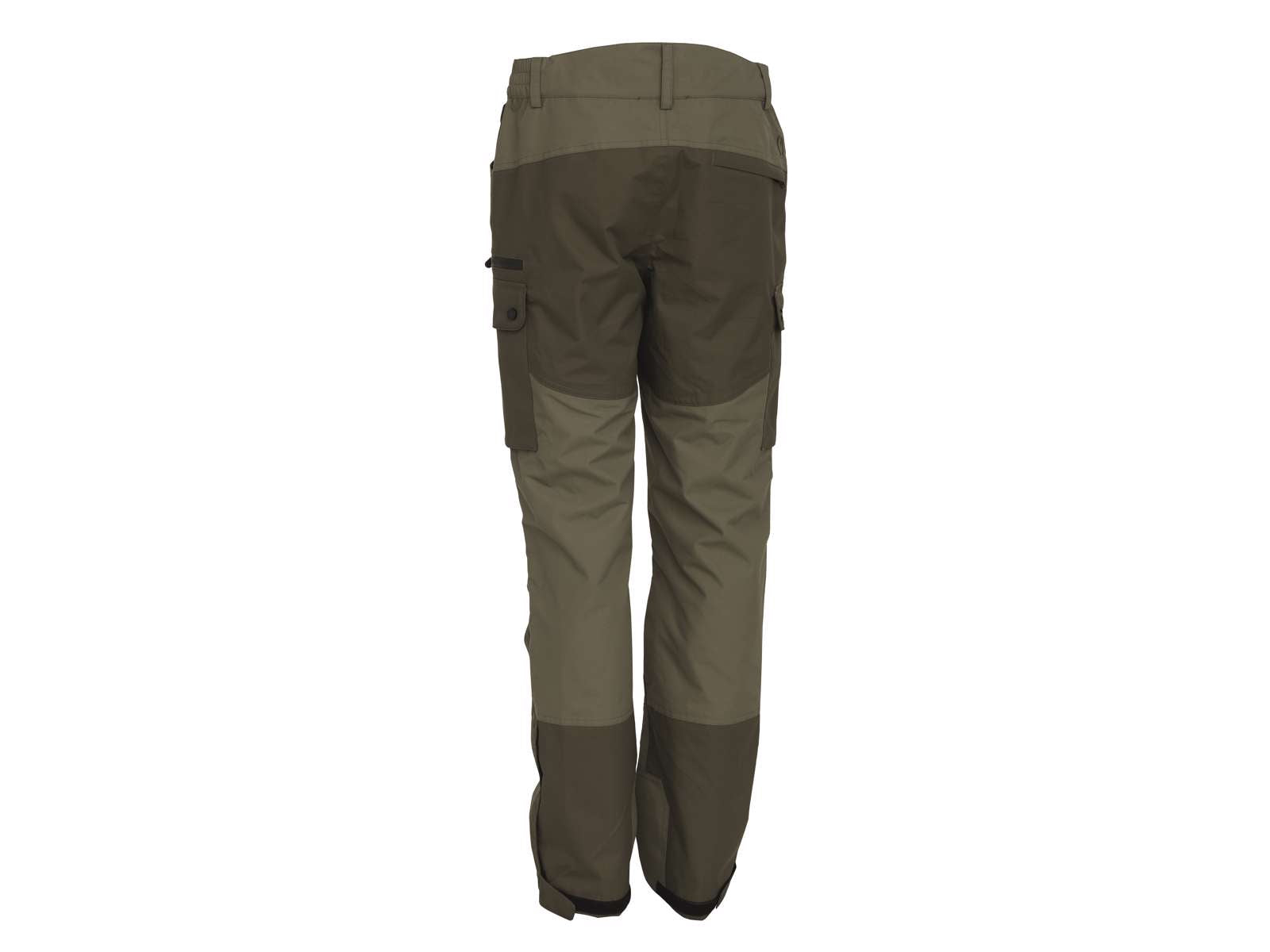
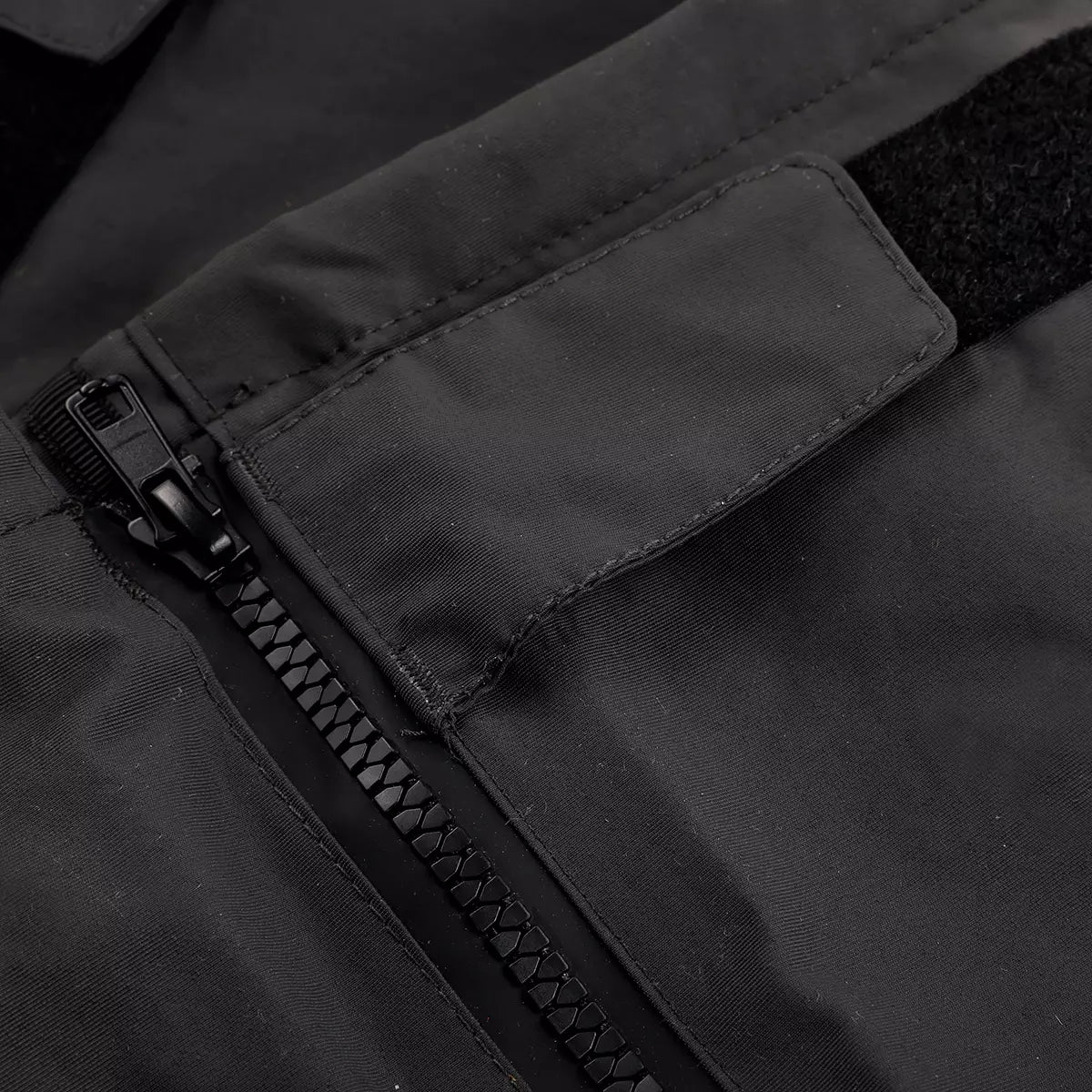
Check the stated waterproof and breathability information, seam construction and fabric durability. Reinforced knees and seat can help in high-wear areas, but no fabric is immune to hooks, thorns or rough concrete. Keep sharp tools contained and use an unhooking mat rather than kneeling directly on abrasive ground where possible.
Browse all fishing clothing, combine trousers with a compatible fishing jacket and appropriate footwear, or compare waders for shallow-water access. Add base layers in cold conditions and consider complete fishing suits where matched upper and lower protection is preferred.
Choose fit, layering and ankle access
Use waist, hip and inseam measurements from the product size chart. Allow enough room for planned layers and high steps without excess fabric folding around the boot. Test sitting, crouching and bending; strain across the seat or knees can damage seams and restrict safe movement.
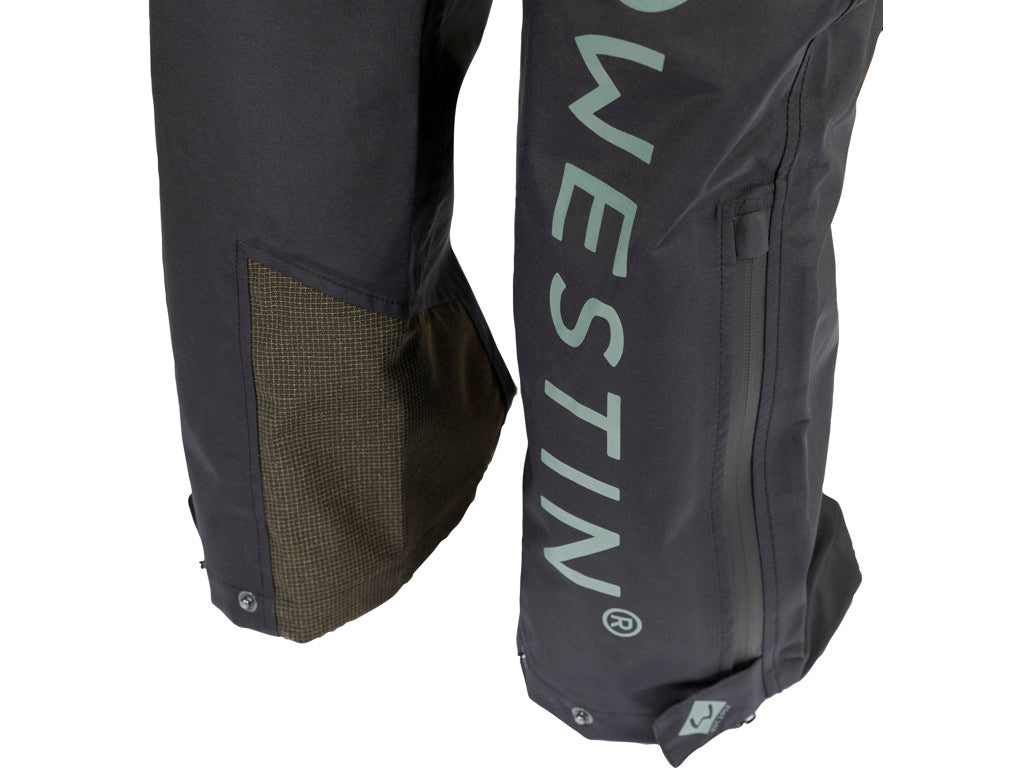
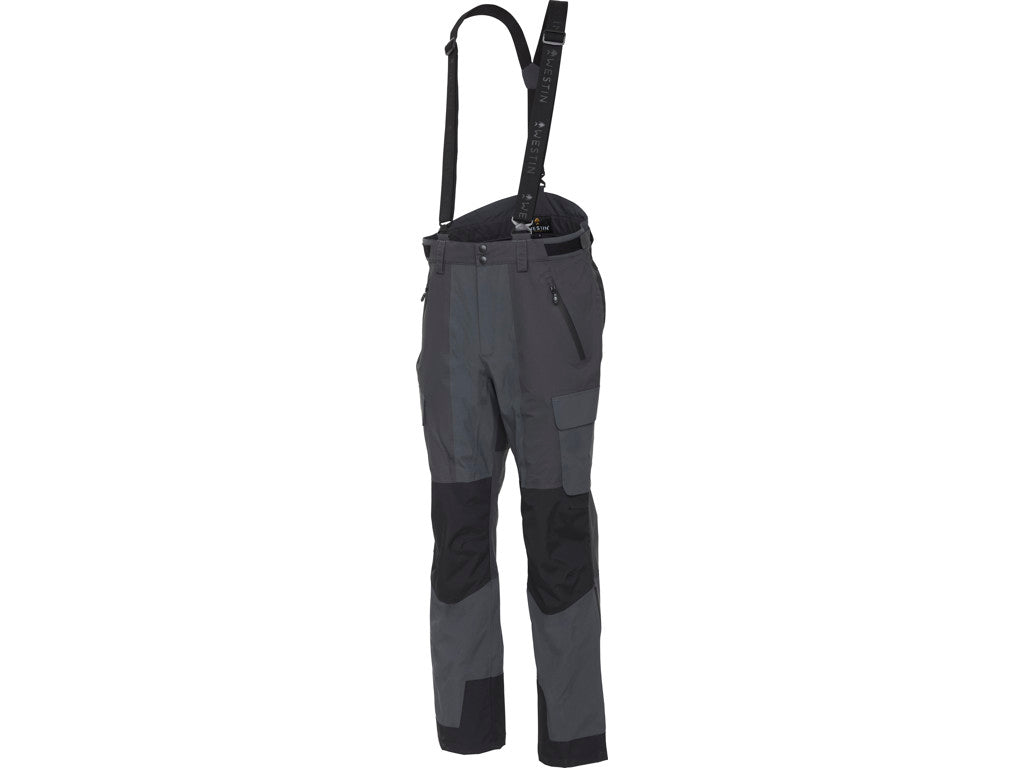
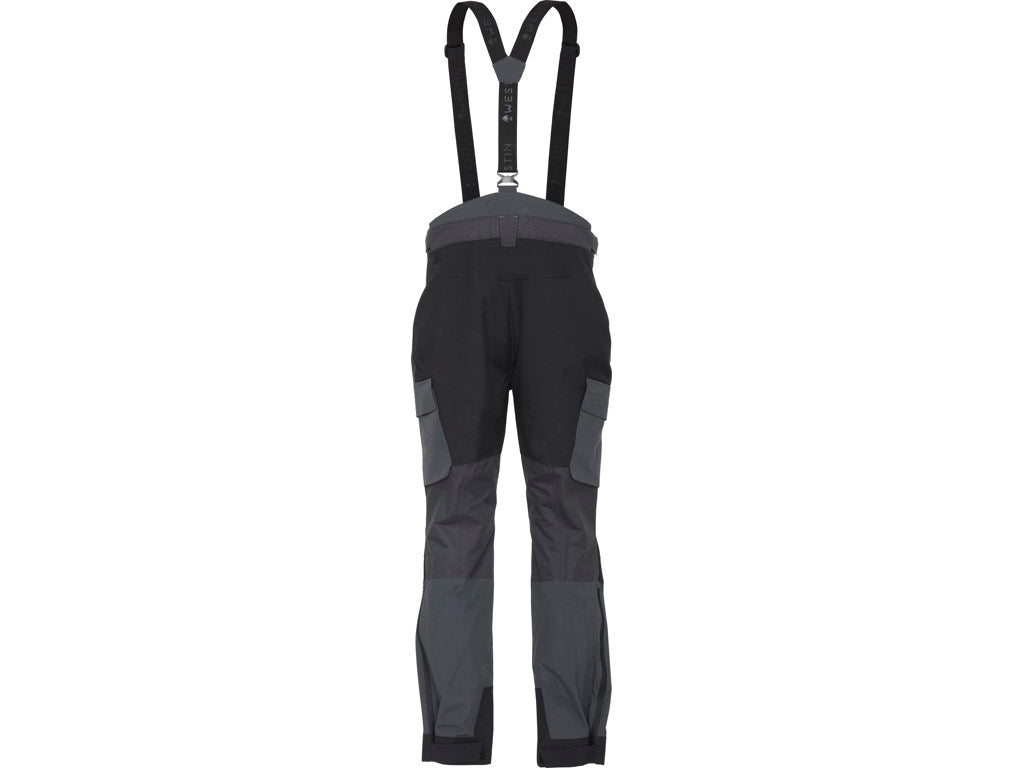
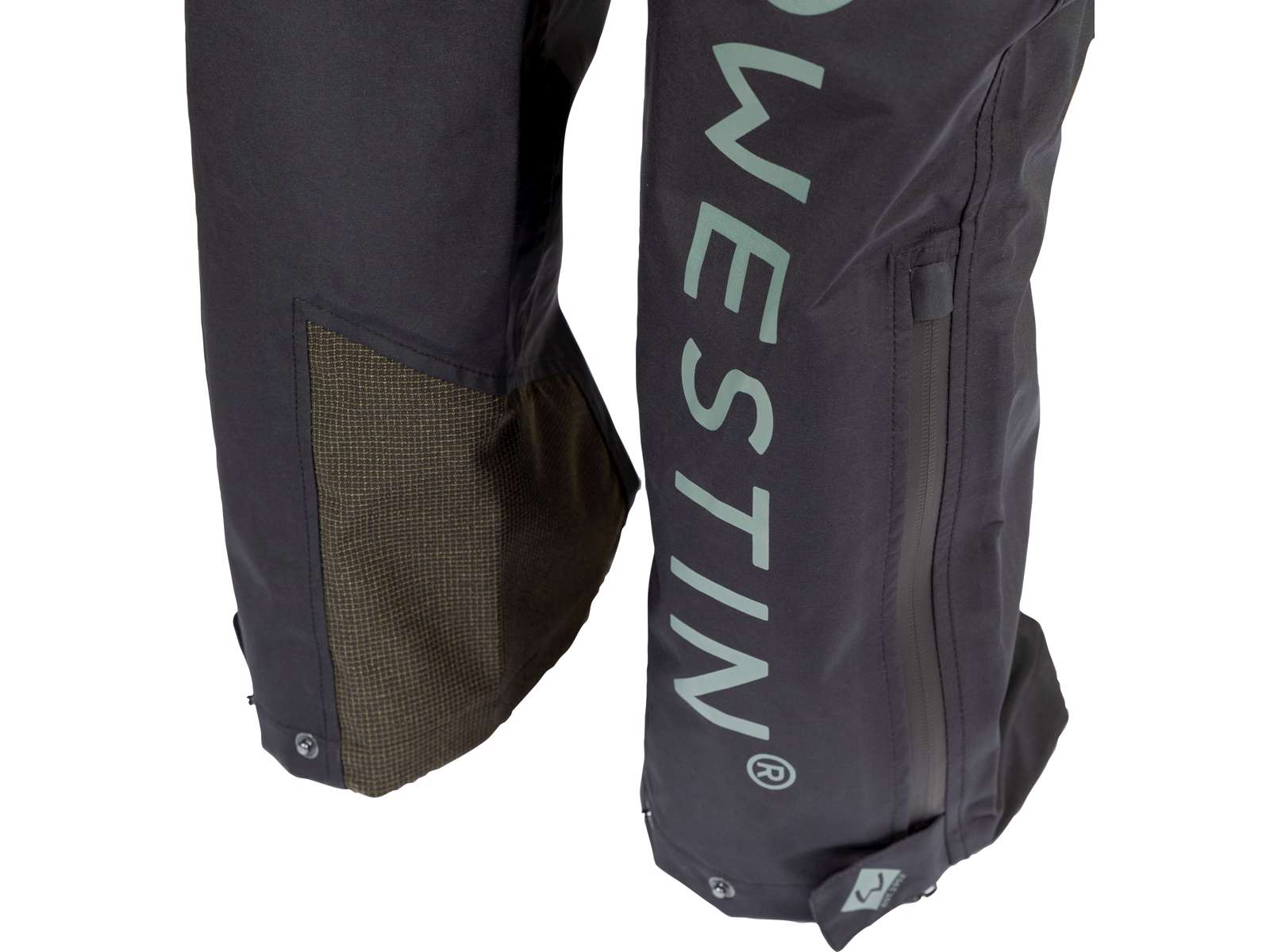
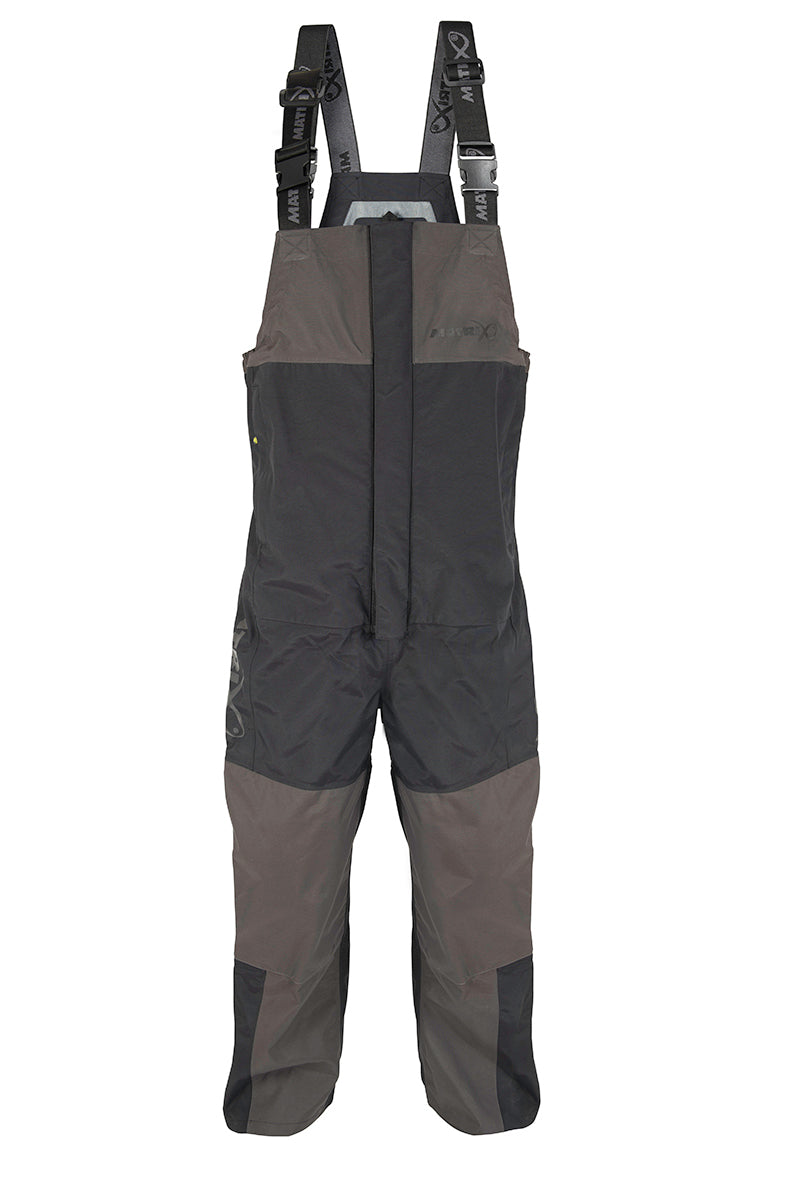
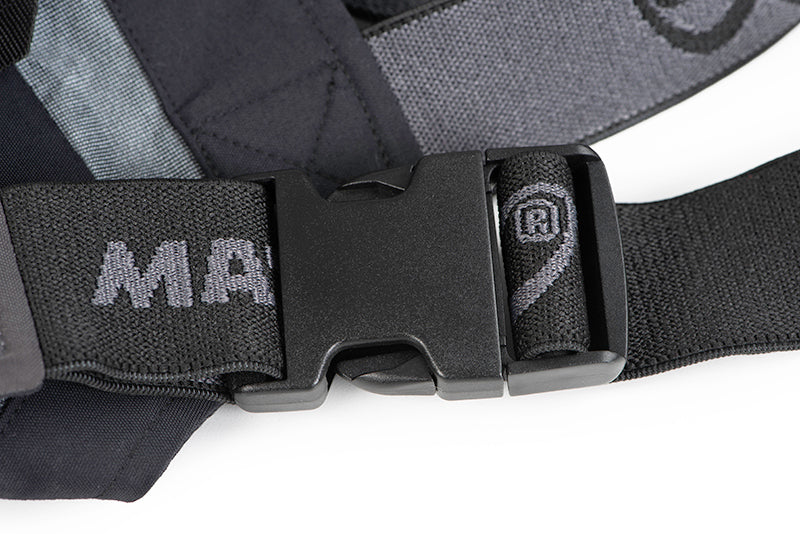
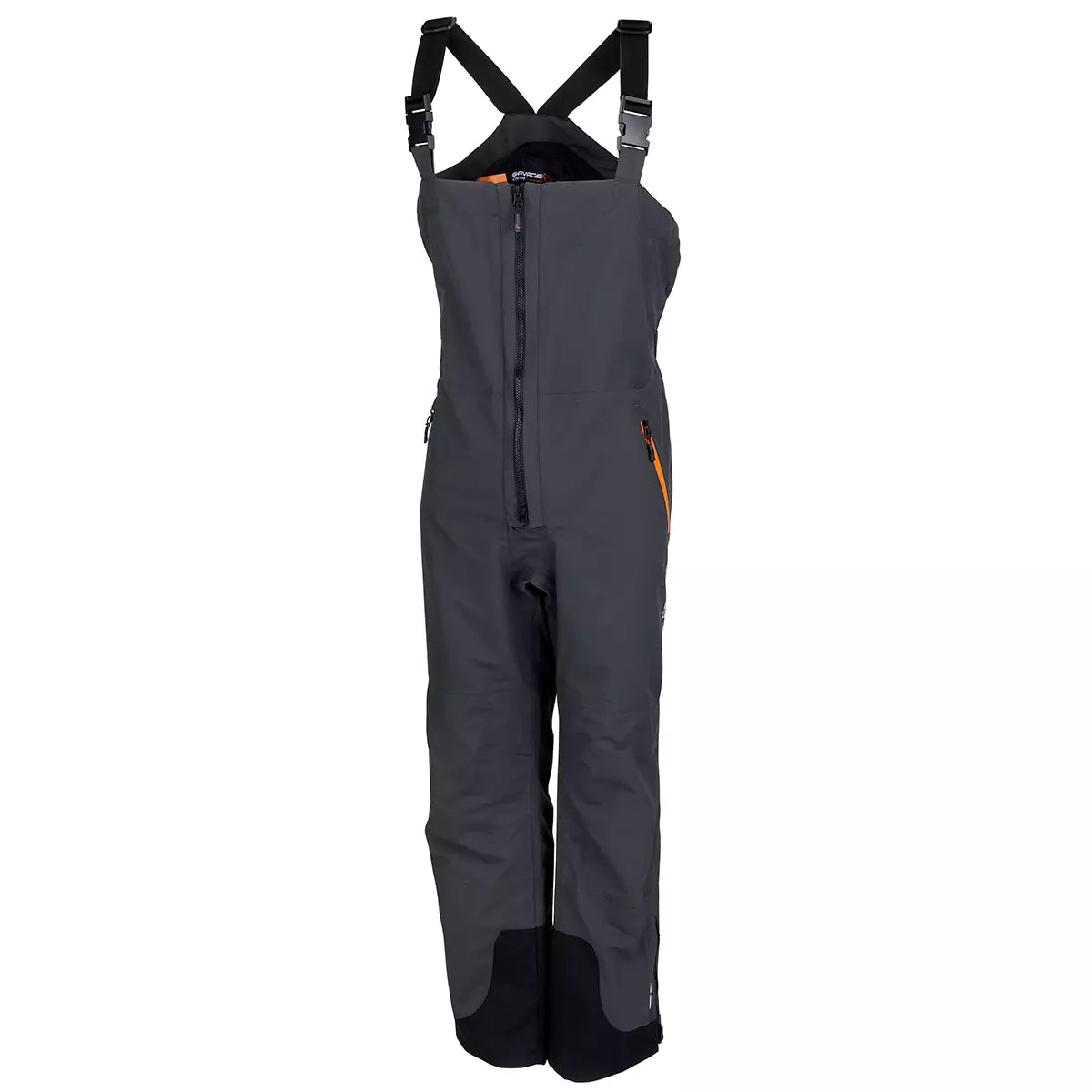
Braces can stabilise heavier trousers, while an adjustable waist suits lighter use. Check whether pockets remain reachable beneath a jacket and whether closures protect their contents from rain. Ankle zips or wide openings make boots easier to cover, but they must close without bunching.
For shoreline and boat use, inspect hems and fasteners so loose fabric cannot catch fittings. Trousers provide weather protection only; they are not flotation equipment and should not interfere with a correctly fitted life jacket or wading belt.
Clean and maintain fishing trousers
Remove mud and salt according to the care label, close fasteners and use only permitted detergents. Reproof waterproof garments with a compatible treatment when recommended, and avoid heat that can damage coatings or seam tape.
Dry trousers fully before storage, checking the seat, knees, hems, braces and zips. Repair approved minor damage early and replace garments whose fit, seams or protective fabric have failed.