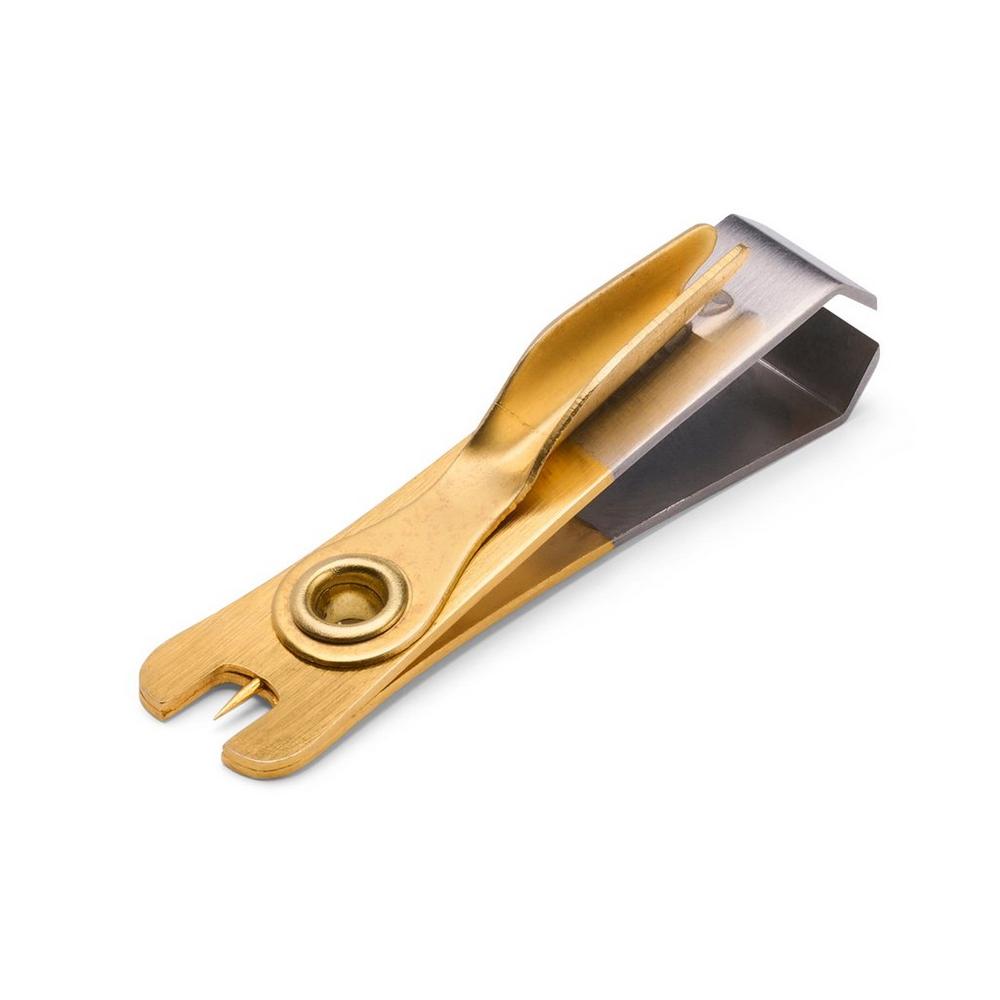
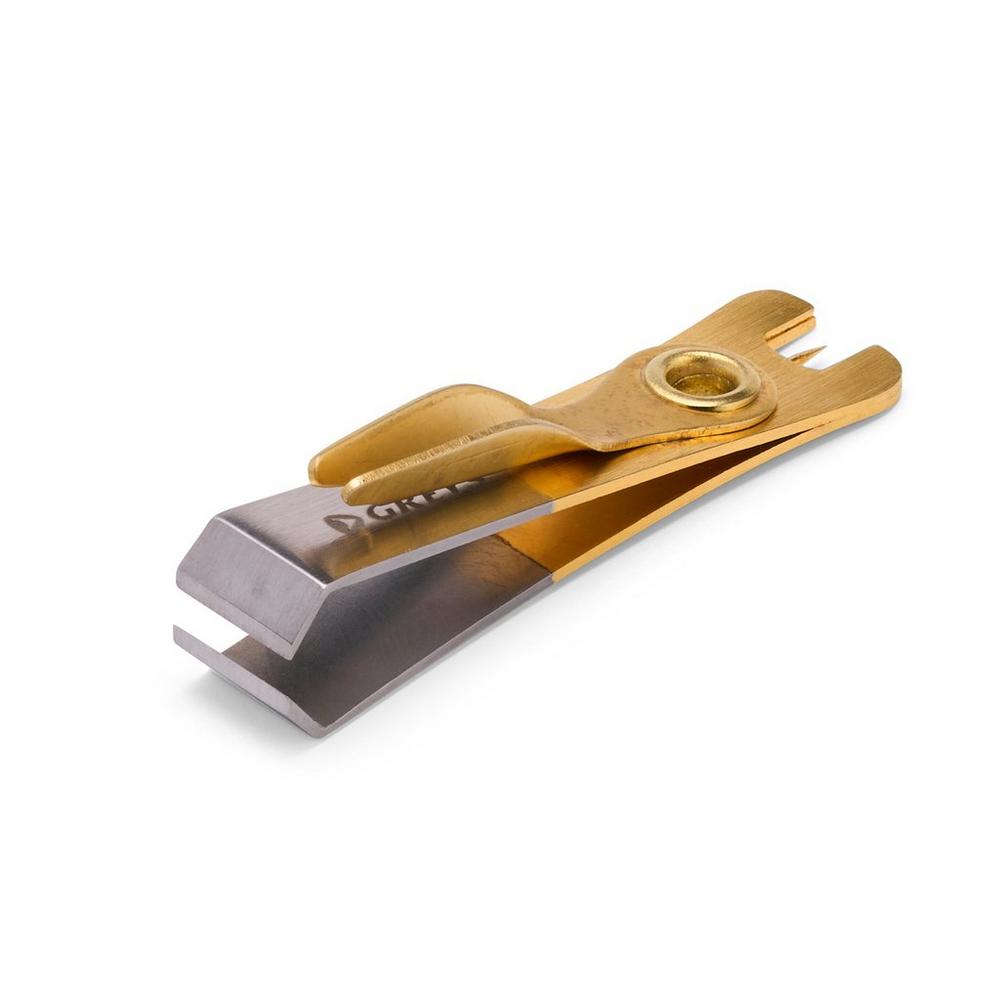
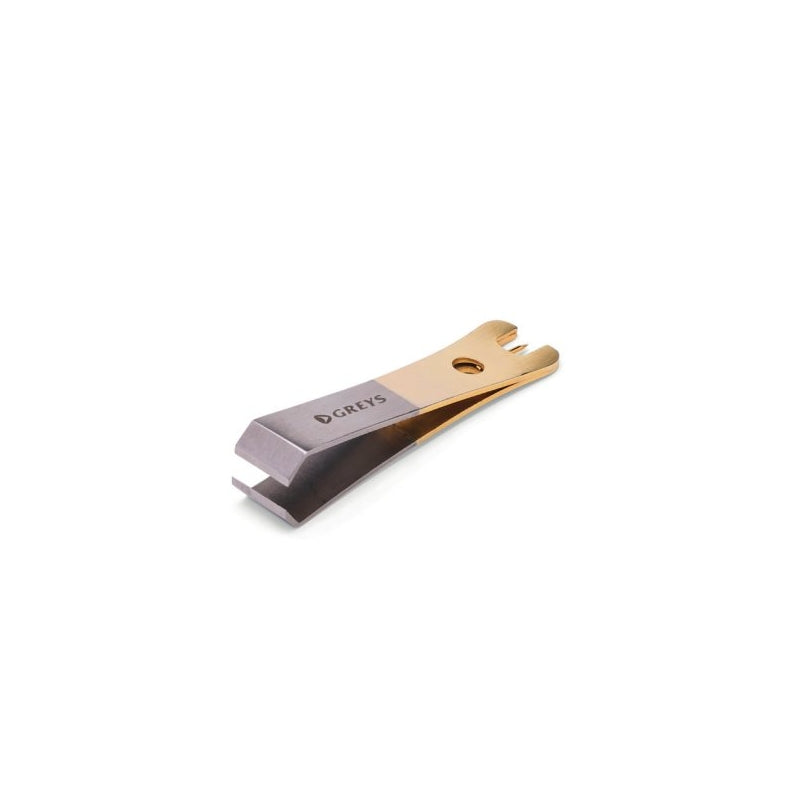
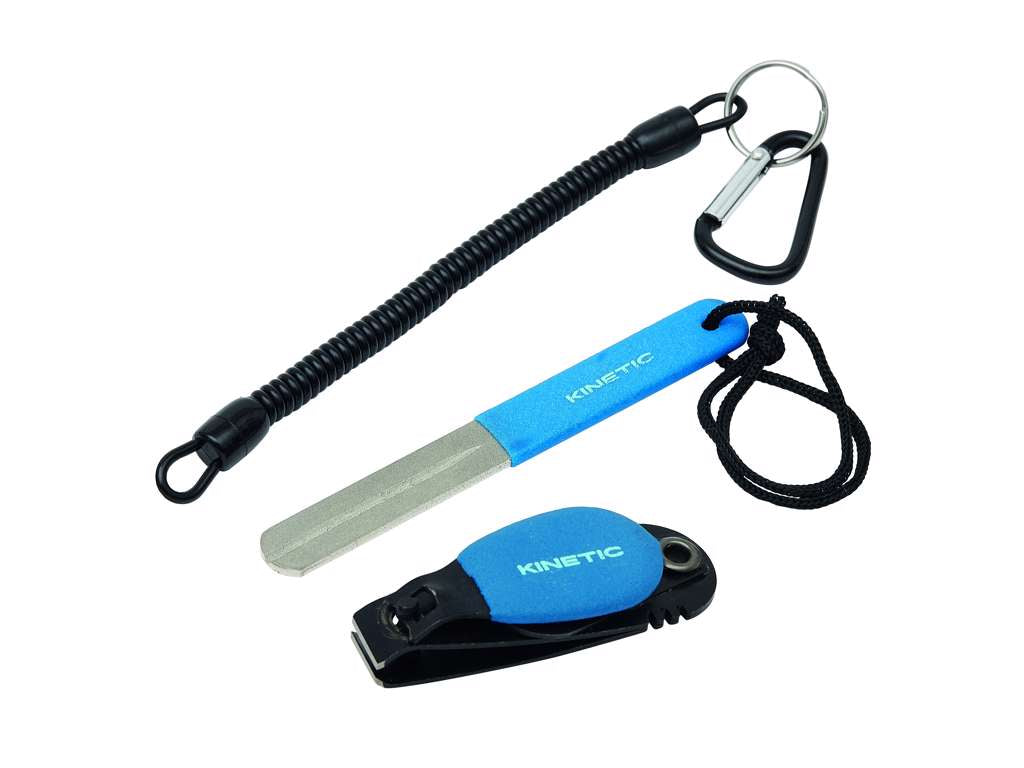
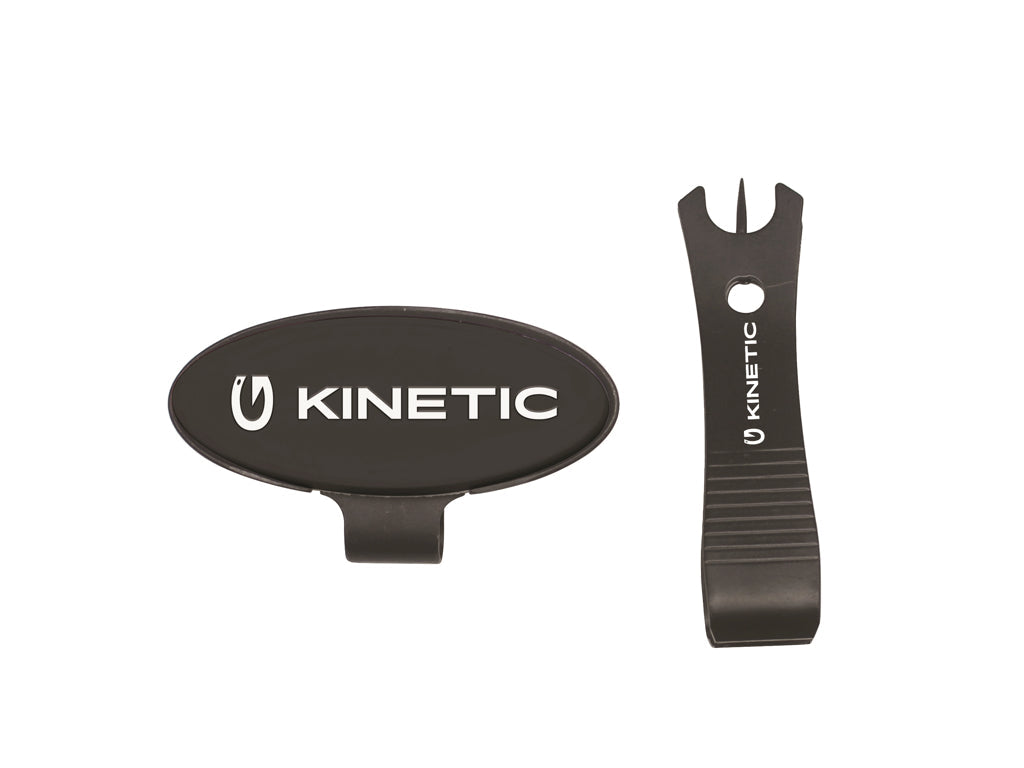
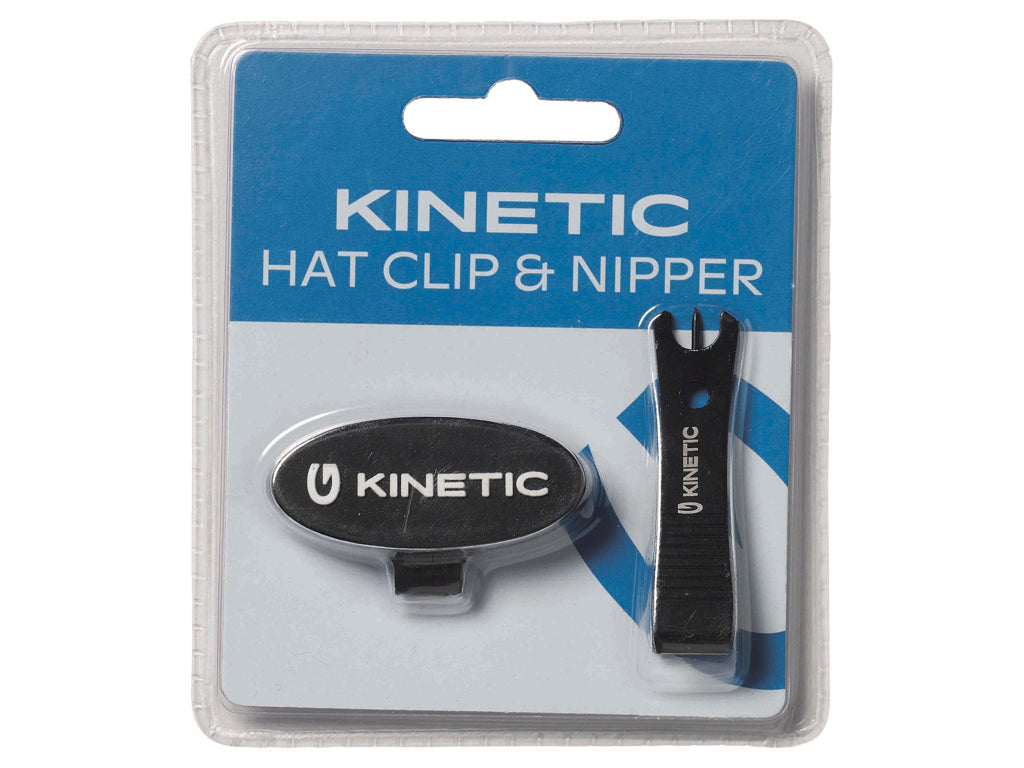
Line snips for clean knot and rig finishing
Line snips provide a compact way to trim tag ends and cut compatible fishing lines. Clean cuts make rig preparation easier and avoid unnecessary fraying. Blade alignment and sharpness matter more than overall size, especially with fine braid that can fold between worn plain edges.
Serrated blades grip fibres, while close plain edges can suit monofilament and fluorocarbon. Spring action supports repeated cuts, and a lock or cover protects the blades in storage. Pointed tips improve access near knots but need more careful handling than rounded profiles.
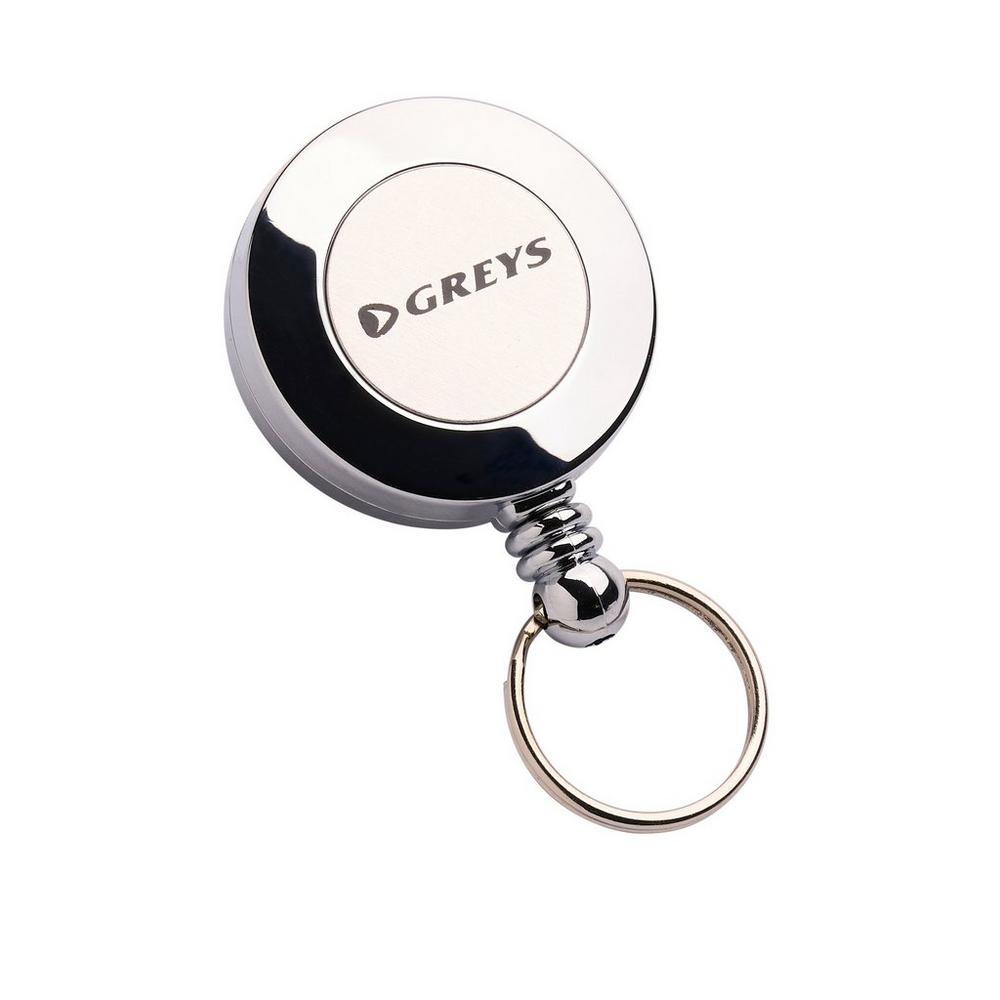
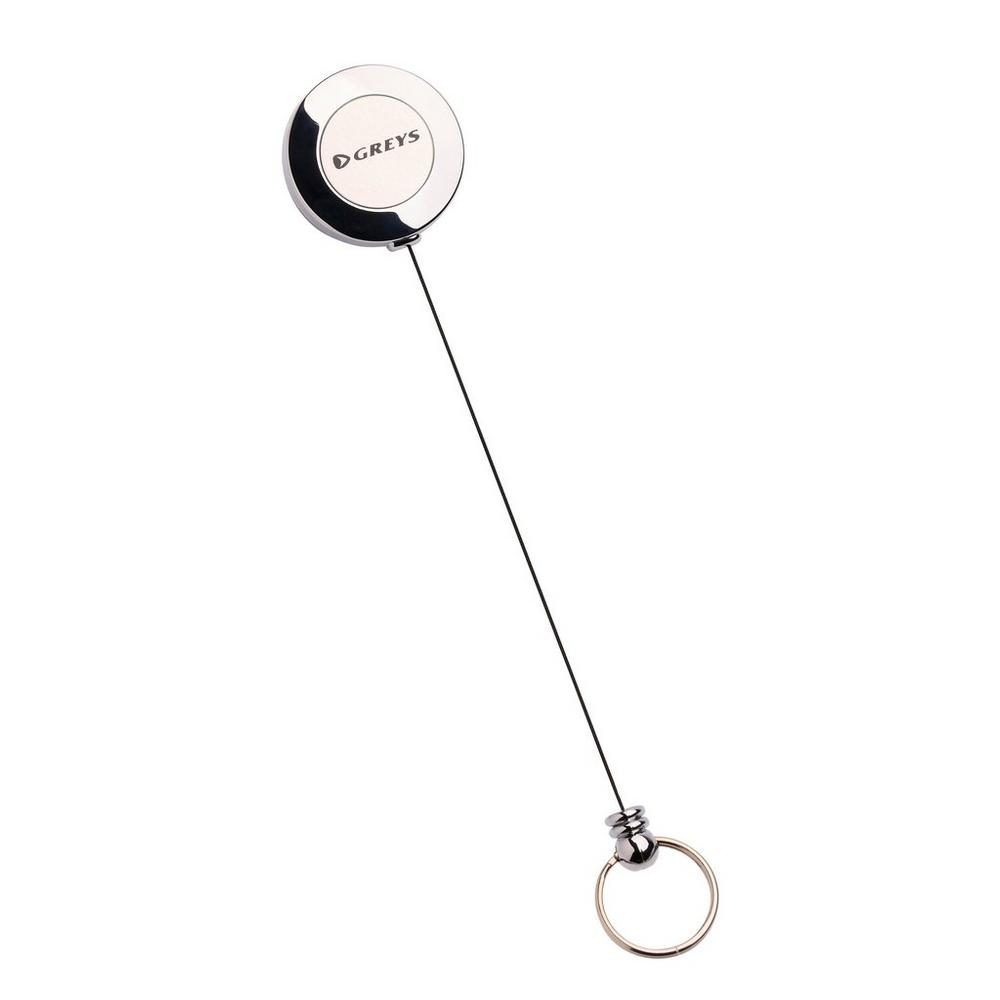
Browse all fishing tools, keep snips attached with fishing zingers, compare fishing catapults for loose feed, or use a bait bander for compatible pellets.
Choose blades for the fishing line
Check the stated materials and capacity before cutting. Test a short offcut of the actual line; the result should be clean rather than flattened, pulled or feathered. If braid frays, clean the blades and use a tool designed for braided fibres.
Keep tension light and place the line fully between the cutting edges. When trimming a knot, protect the standing line and leave the recommended tag length. Do not cut loaded line, because the released ends can recoil and the rig may move unpredictably.
Fine snips are not suitable for hooks, steel leaders, cable or hard plastic unless explicitly rated. Use dedicated cutters for those materials. Close or cover the tool immediately after use and position any tether where it cannot tangle with line.
Clean the pivot and protect the edges
Remove line fibres, bait and grit from the blades. Rinse suitable snips after saltwater contact, dry the pivot and apply only an appropriate lubricant. Check that the blades meet evenly and that spring, lock, grip and tether point remain secure.
Replace nicked, loose or corroded snips instead of forcing a cut. Store them closed in a sheath or rigid compartment, separate from exposed hooks. Collect all tag ends and take them home for disposal so short line fragments do not remain on the bank or enter the water. Test blade alignment again before every fishing session.