Fishing barrows and trollies for moving tackle
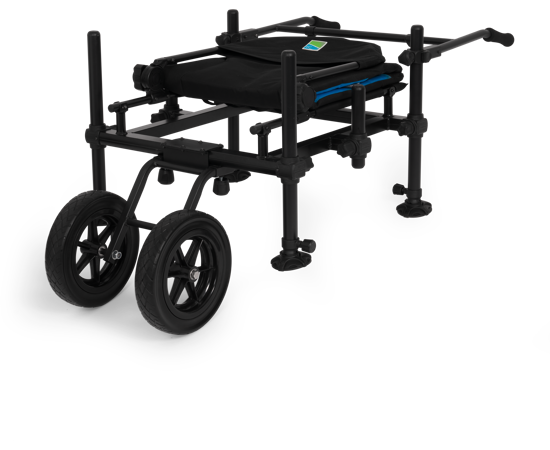
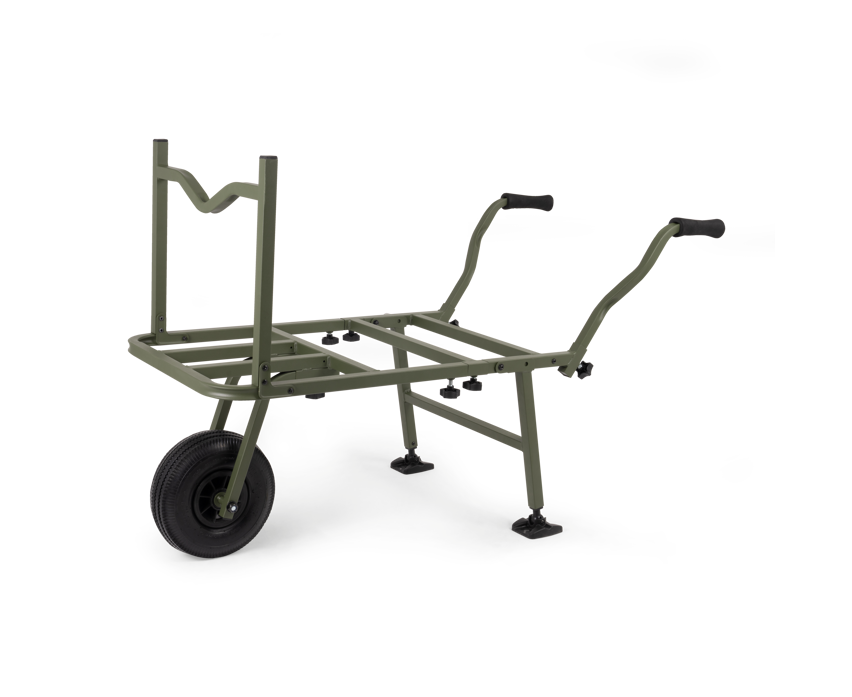
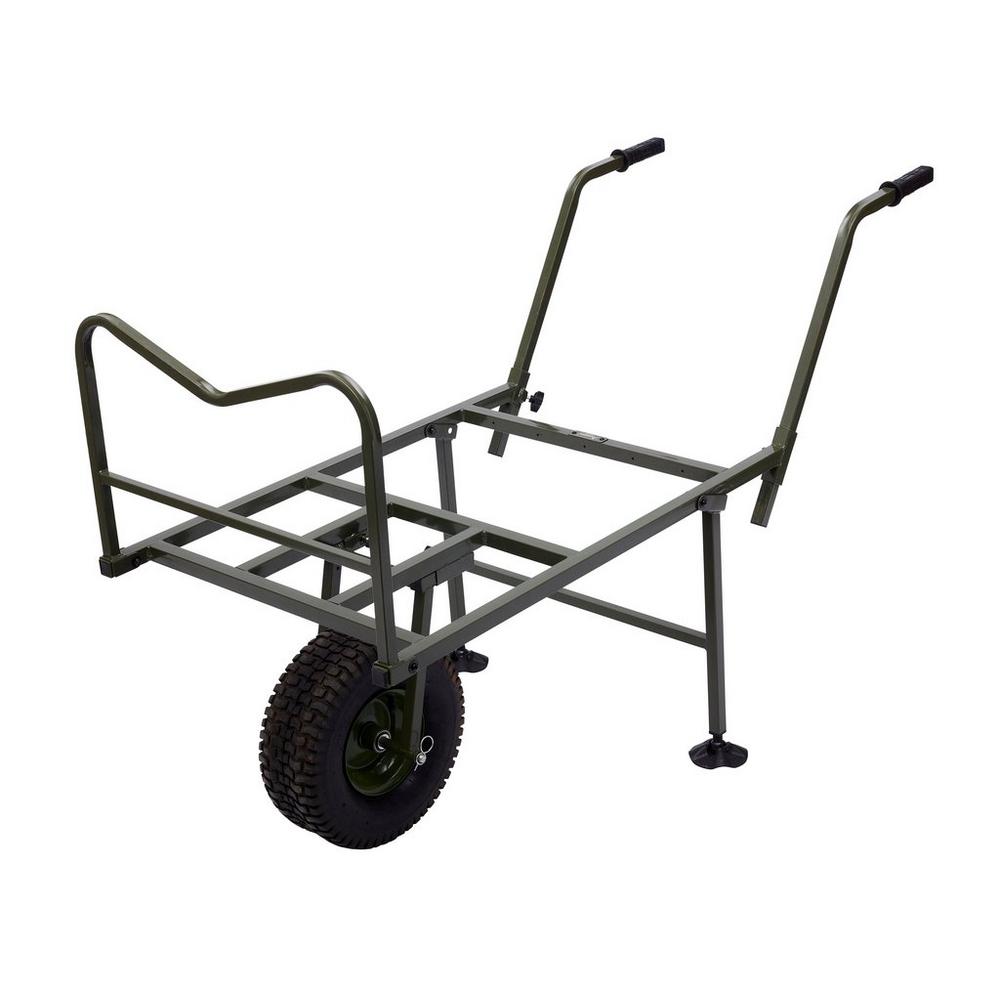
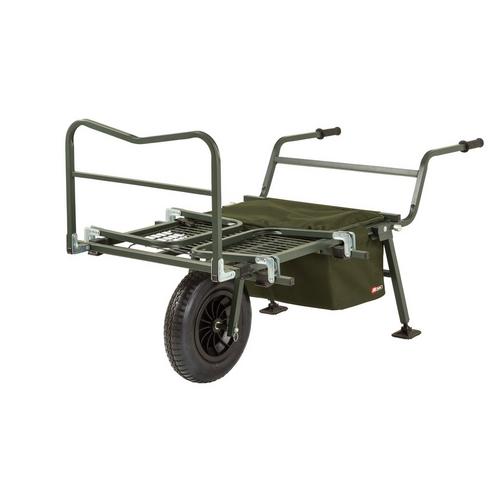
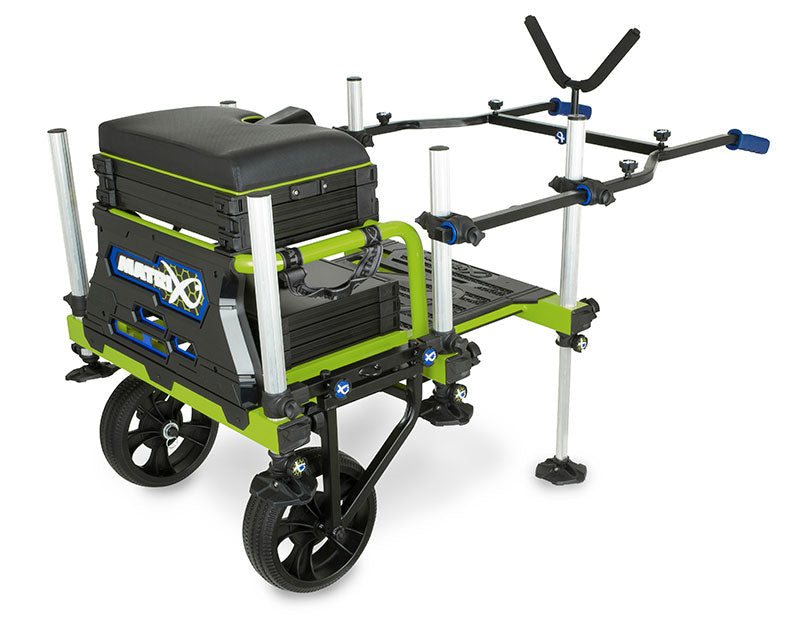
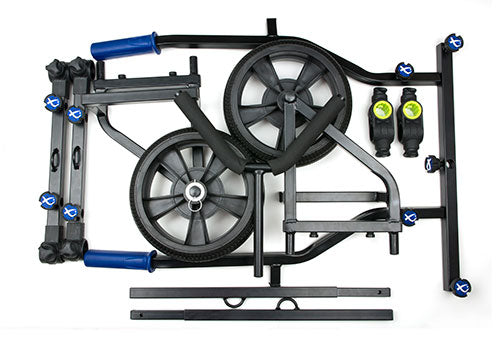
A fishing barrow or trolley reduces the number of journeys needed when rods, bait, seating and shelter must be moved from a vehicle to the bank. The best design depends on load size, access route and storage space. One-wheel layouts can turn through narrow paths, while multi-wheel platforms may feel steadier on suitable level ground; actual performance depends on the product and how it is loaded.
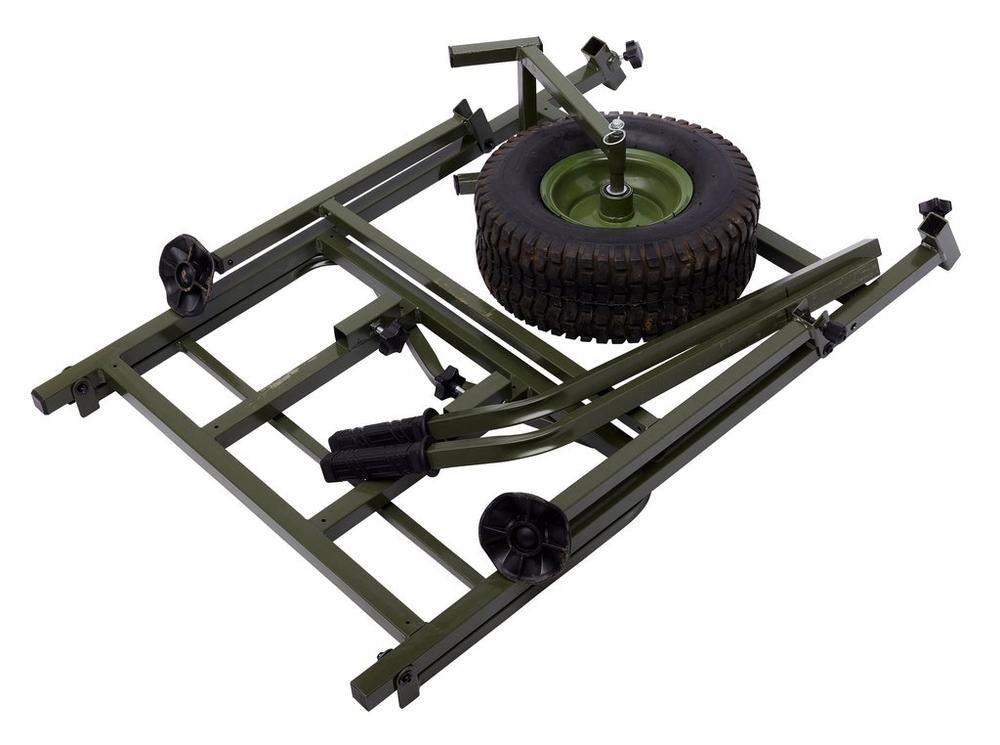
Start by checking the stated load capacity and usable platform dimensions. A high maximum figure is not useful if bags overhang the frame, block the handles or make the unit too wide for gates. Measure the longest and widest items, then compare the folded dimensions with the car boot, shed or other storage area.
Browse the parent fishing accessories range, organise the load with suitable fishing luggage, prepare the rest of the swim with bank-fishing equipment, and keep a fishing towel accessible for wet or muddy hands.
Choose wheels, handles and packed size
Wheel diameter, width and tyre construction influence how easily the trolley crosses gravel, mud, grass or uneven tracks. A wider tyre can spread the load, while a larger wheel may roll over small obstacles more smoothly. Pneumatic, solid and low-pressure designs have different maintenance needs, so check the exact specification, recommended pressure and availability of replacement parts.
Handle height and spacing should allow a neutral grip without forcing the user to stoop or lift with straight arms. Adjustable or removable handles can reduce packed size, but every pin, latch and fastener must lock positively. Check ground clearance around the frame, especially where paths have roots, stones or steep transitions.
Folding joints save space but also need inspection. Confirm that hinges move freely, locking mechanisms engage fully and no loose strap or bag can touch a wheel. If the route includes steps, narrow bridges or a steep bank, plan an alternative rather than assuming a loaded trolley can be carried or controlled safely.
Load, secure and maintain transport equipment
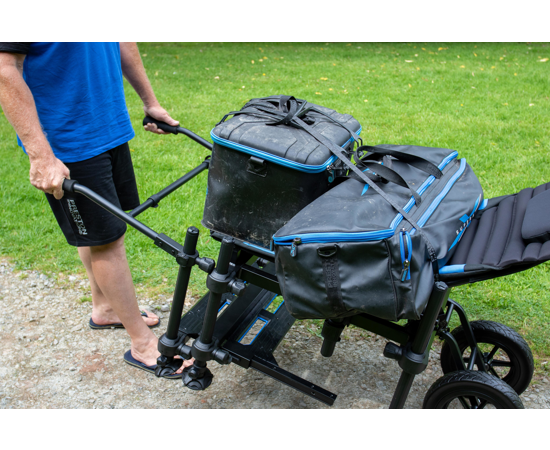
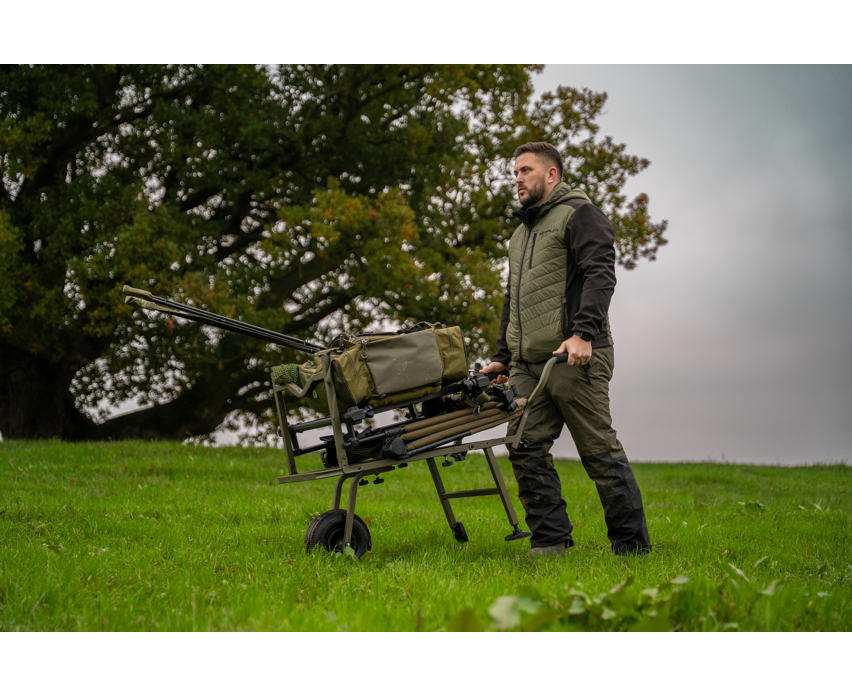
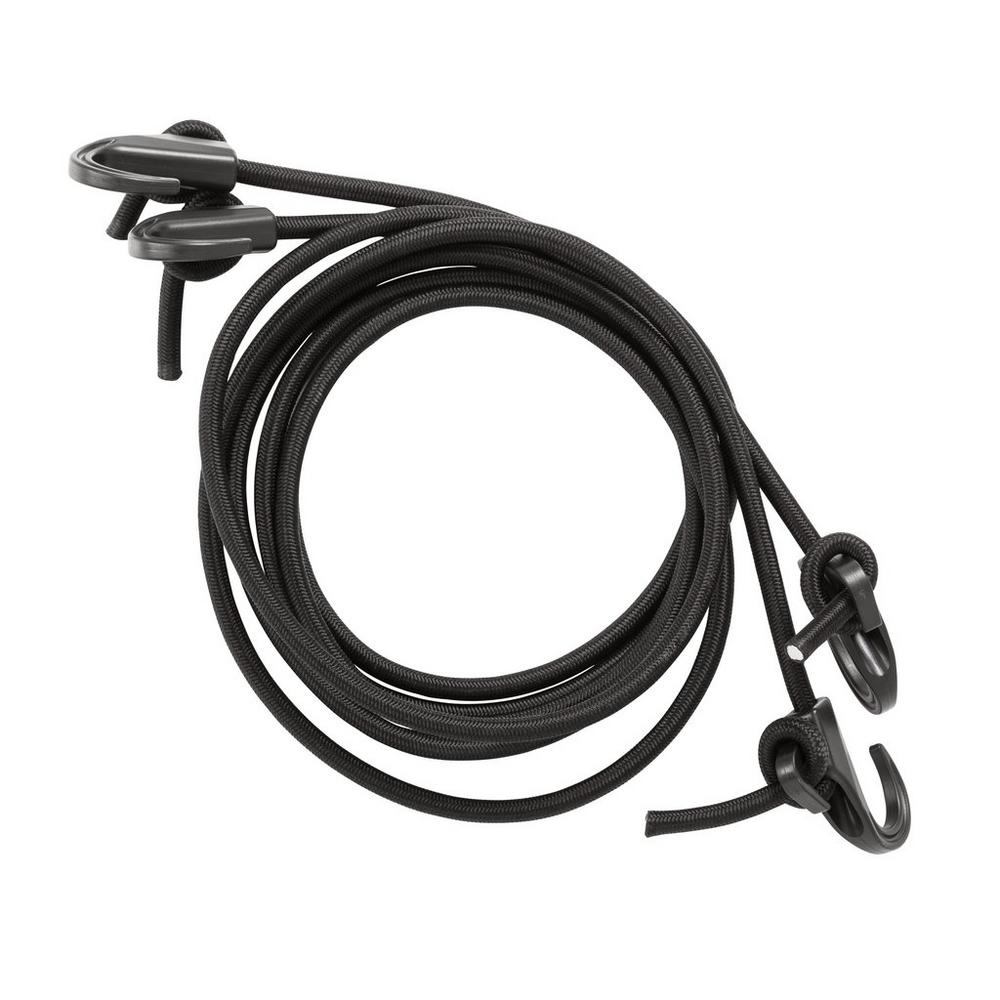
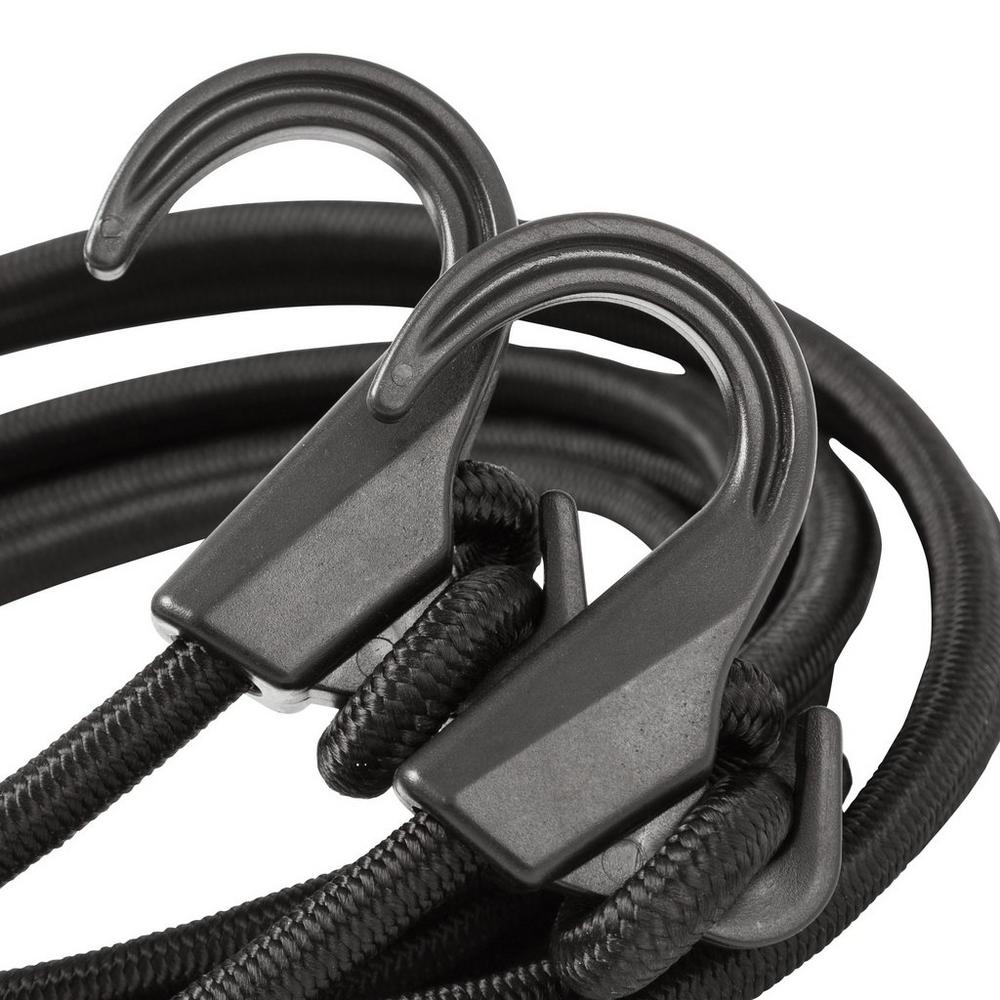
Place dense items low and near the axle or centre of support, then add lighter bags above them. Keep the load within the frame, use suitable straps and test balance before leaving the vehicle. Rods, handles and shelter poles should not project where they can catch vegetation, strike another person or obstruct the user’s view.
Push or pull only as directed by the manufacturer. Slow down on slopes and loose surfaces, keep hands clear of folding parts and never leave a loaded unit where it can roll towards the water. A fishing trolley is equipment transport, not a seat or passenger carrier unless its documentation explicitly states otherwise.
After use, remove mud and bait residue, rinse appropriate parts exposed to salt or grit and dry the frame before storage. Inspect tyres, bearings, welds, fasteners, straps and locks. Replace damaged parts before the next trip, lubricating only where the manufacturer specifies a compatible product.