Watersnake and Savage Gear electric boat engines
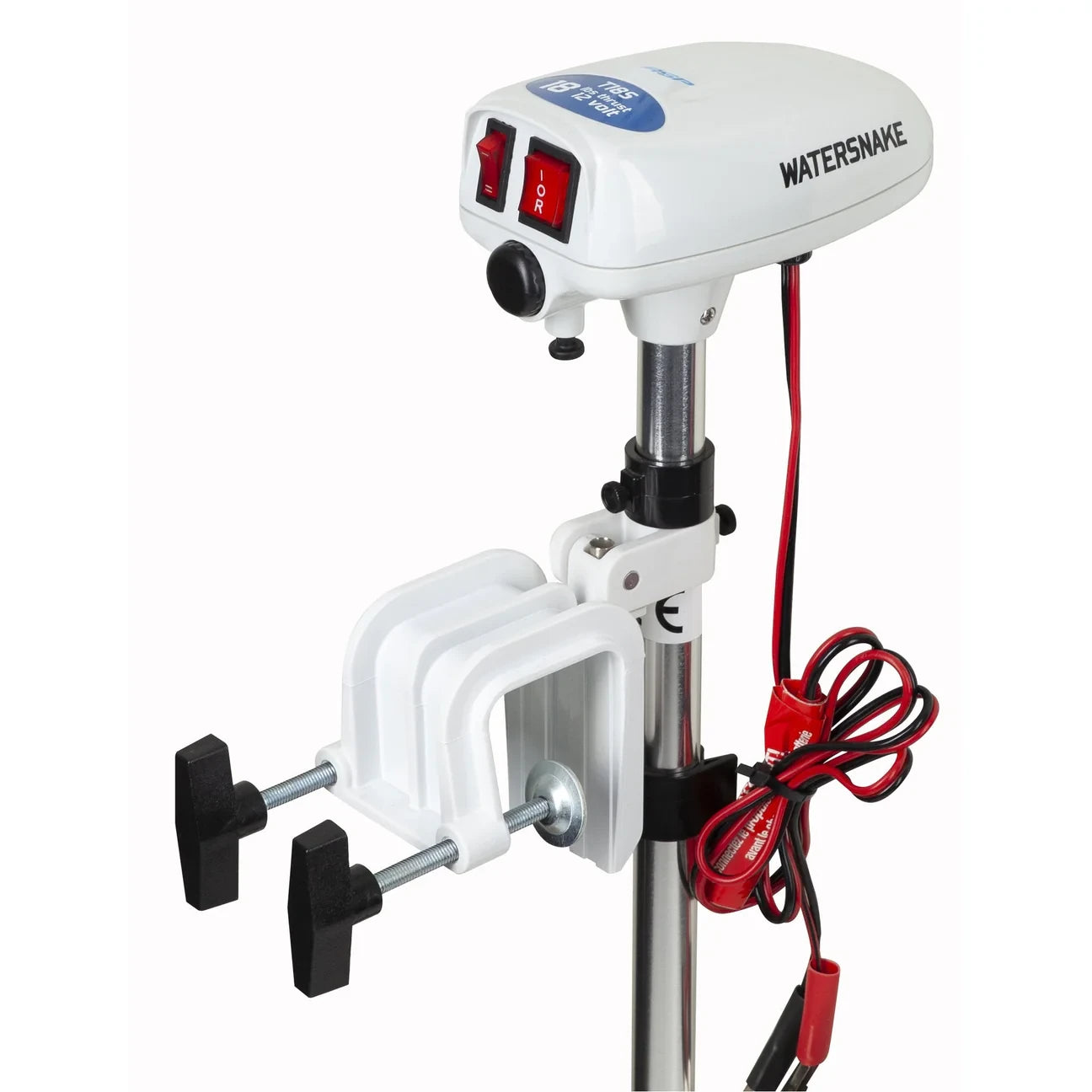
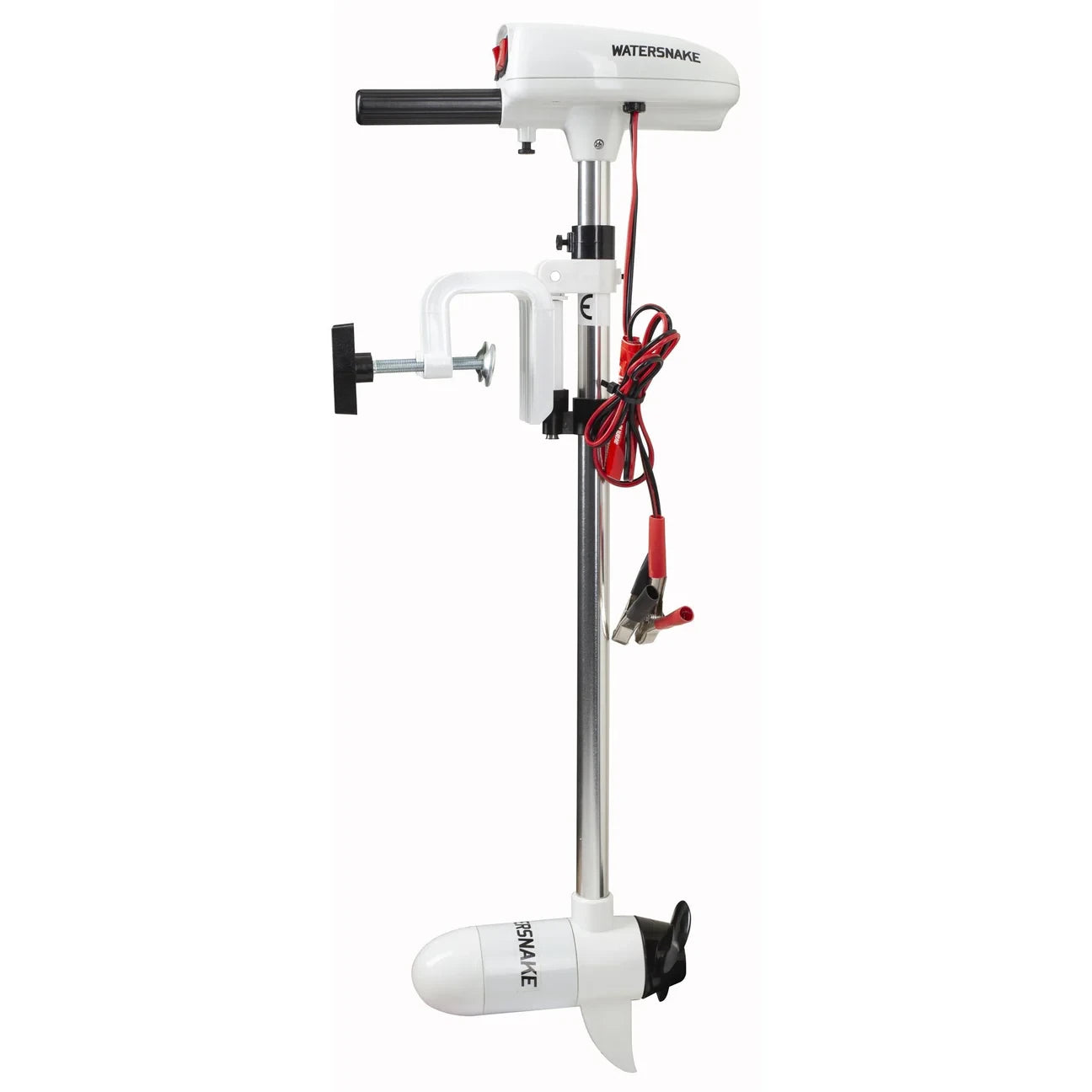
The current range covers compact and higher-thrust transom-mounted trolling motors from Watersnake and Savage Gear. The portable Watersnake ASP T18 is intended for kayaks and small canoes, with high and low speeds, forward and reverse control, an adjustable mount and suitability for fresh or salt water.
Watersnake Venom SXW options include 54lb models with 26-inch and 42-inch shaft choices. The specified 26-inch model uses a 12V system, five forward and three reverse speeds, a telescopic tiller, digital voltage meter and three-blade weedless propeller. Compare the exact listing when choosing between shaft versions.
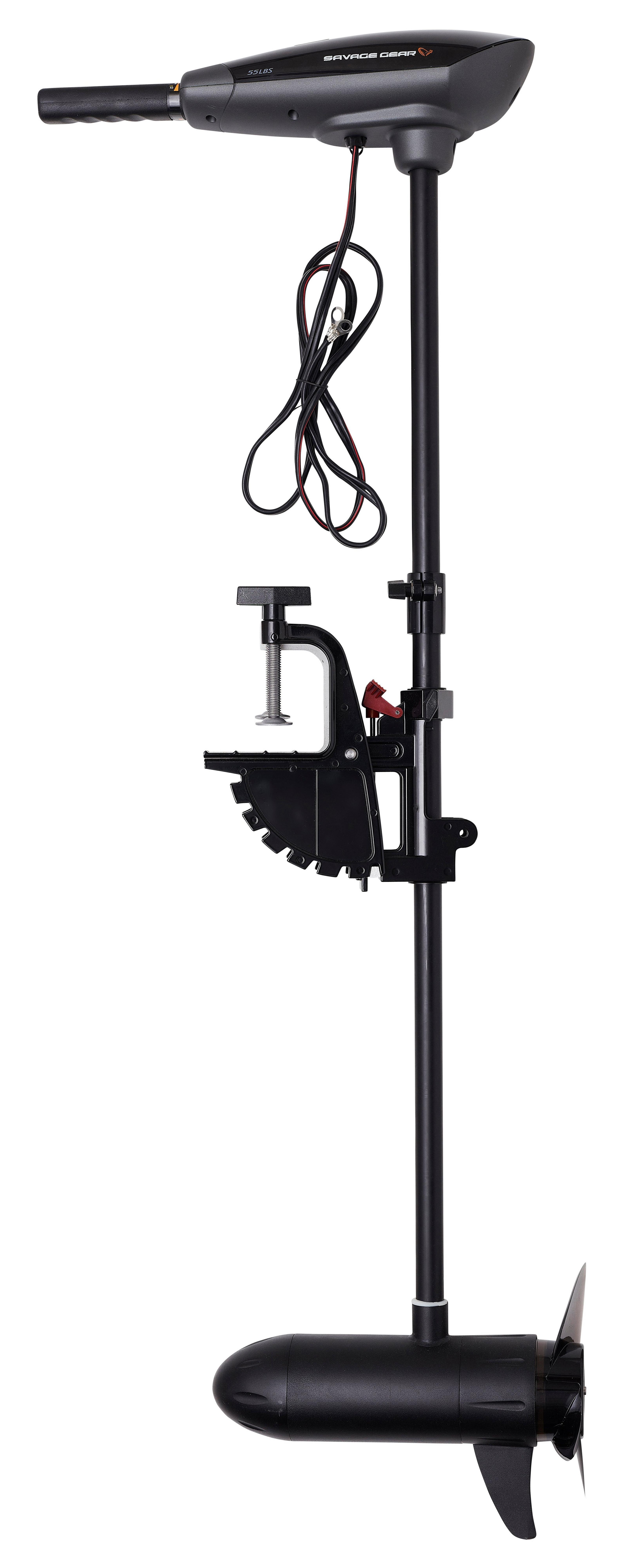
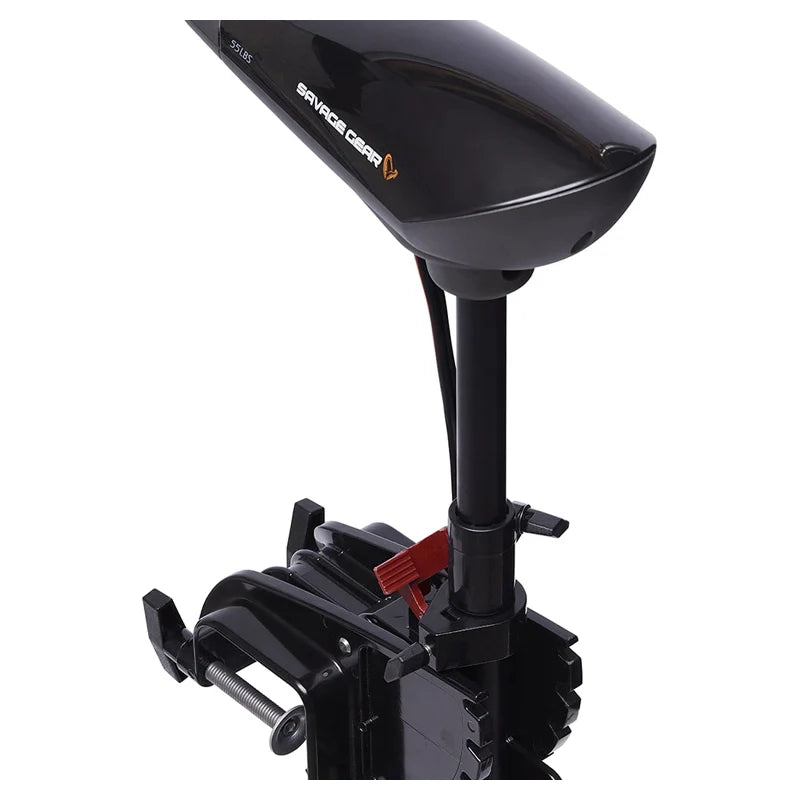
Savage Gear Thruster models provide 36lb or 55lb of thrust from 12V power. Both offer five forward and two reverse settings; the smaller version uses a two-blade propeller, while the 55lb model uses three blades. Choose from the electric boat engine range only after matching the craft and water.
Match thrust, shaft and power to the craft
Thrust does not translate directly into a guaranteed speed. Hull shape, total load, wind, current and propeller condition all affect performance and battery use. The published Savage Gear specifications distinguish the lighter 36lb unit from the heavier 55lb version, so compare boat limits, motor weight and intended water rather than choosing by thrust alone.
Browse all boating equipment, check motor approval for selected inflatable boats, and organise the fishing outfit with compatible boat rods and multiplier reels. Include the battery, motor and every accessory when calculating the boat’s load.
Use only the specified voltage, battery type, cable, connectors and circuit protection. Shaft length must hold the propeller at the required depth without placing the controls awkwardly. Confirm transom thickness, clamp opening, steering clearance and fresh- or saltwater approval from the exact product instructions.
Install and operate a trolling motor safely
Fit the motor as directed and test clamp security, steering, tilt, depth adjustment and speed control before leaving shore. Plan fishing electronics and transducer mounts so cables and hardware remain clear of the propeller and motor movement. Disconnect power before clearing weeds or inspecting the propeller.
Carry enough reserve power for the return and monitor weather and battery condition throughout the trip. An electric motor does not replace navigation planning, suitable flotation equipment or an alternative way to reach safety. Turn back early if wind, current, load or remaining charge becomes uncertain.
After use, disconnect and charge the battery with the correct charger in a ventilated, dry location. Rinse suitable motor components after salt exposure, dry connections and inspect the propeller, shaft, bracket, cable and plug. Arrange approved service if the unit develops heat, vibration, damaged wiring or unreliable controls.