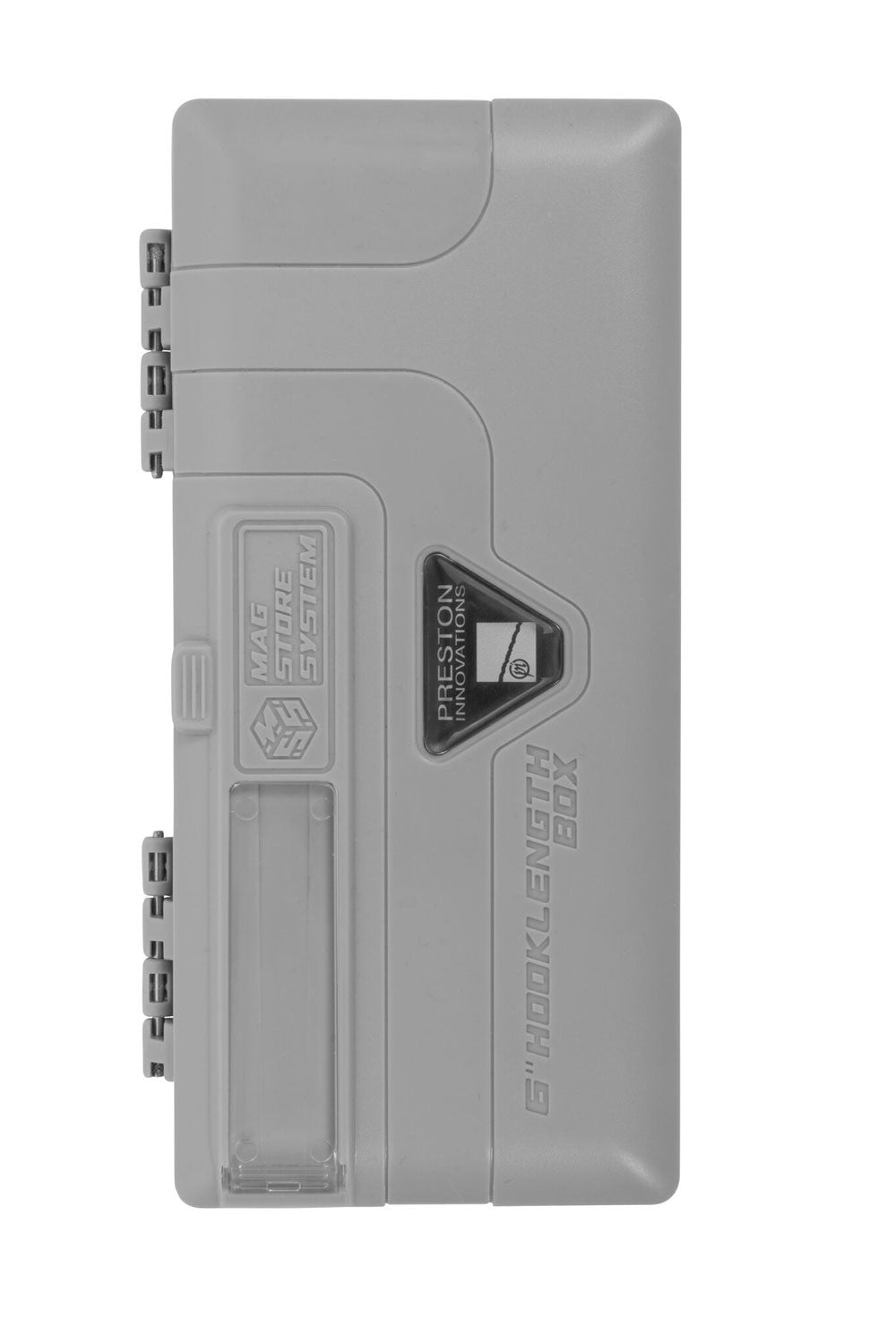
Hook and rig storage for prepared tackle
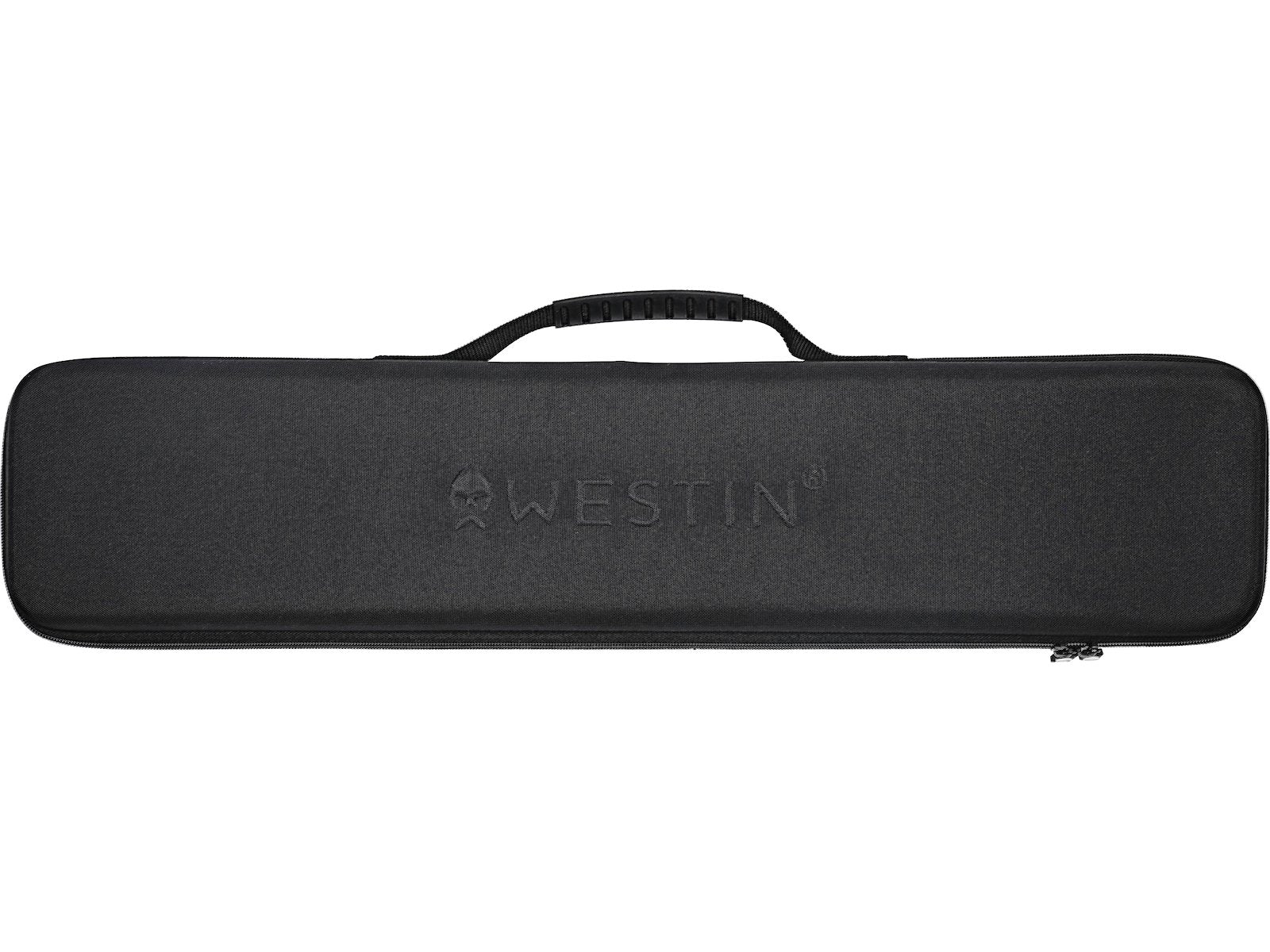
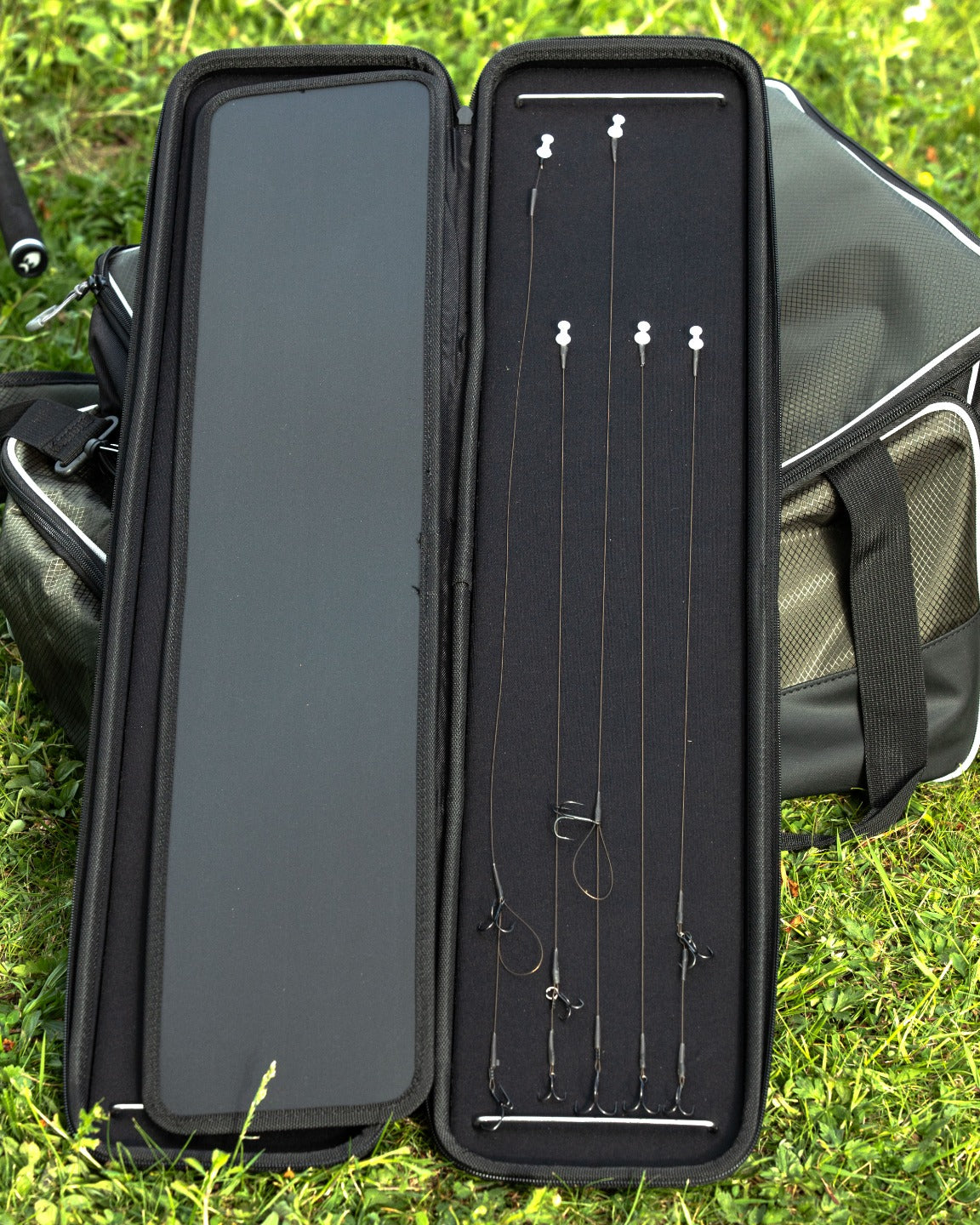
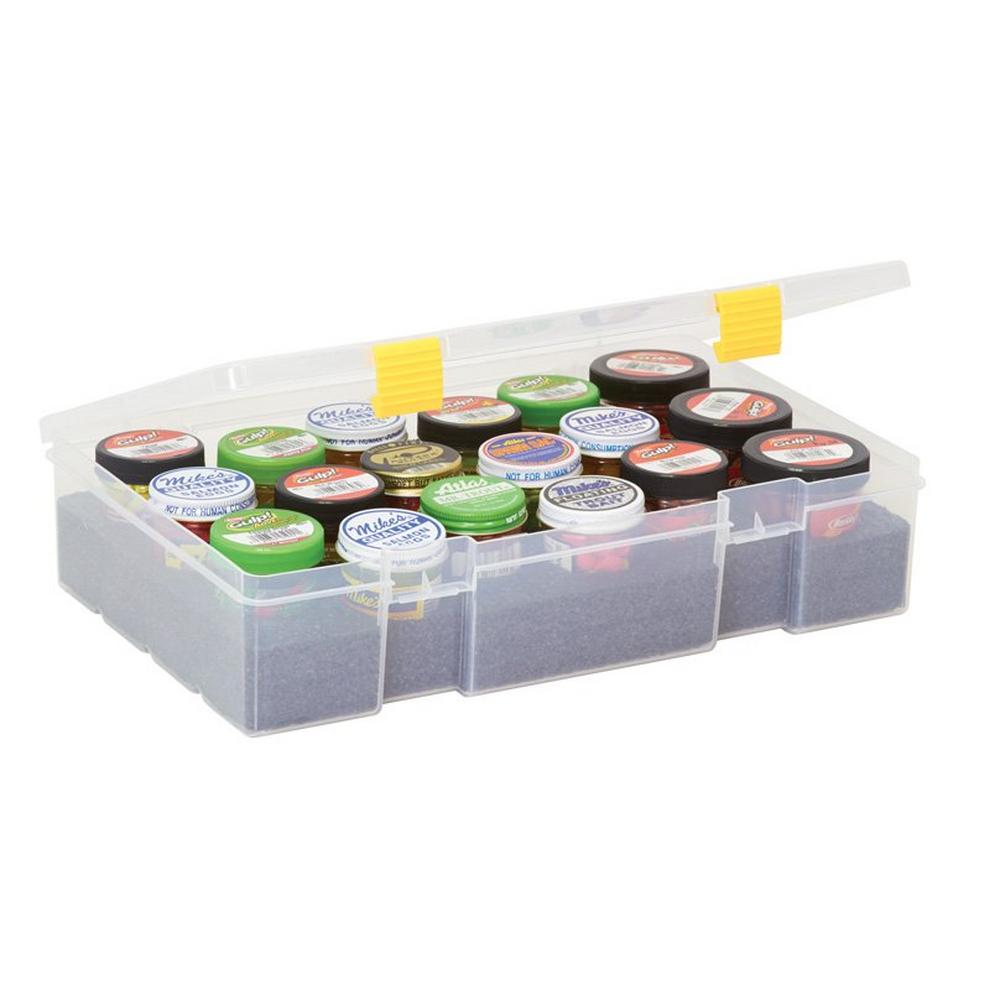
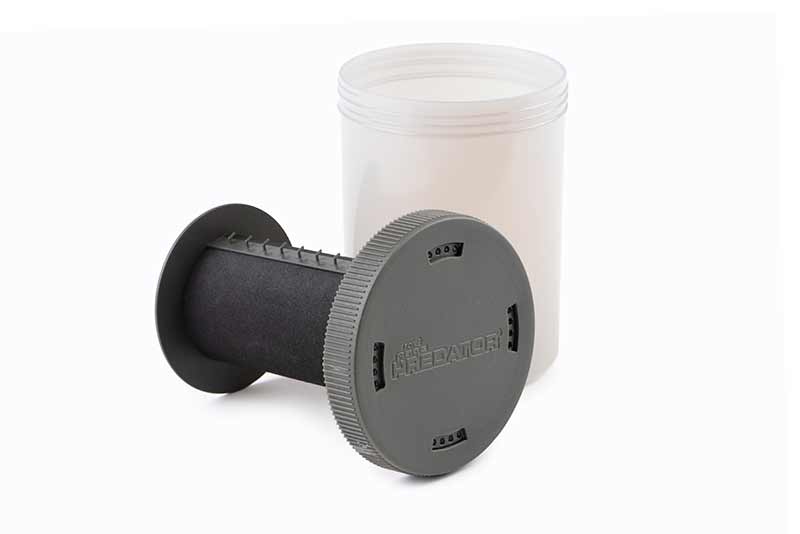
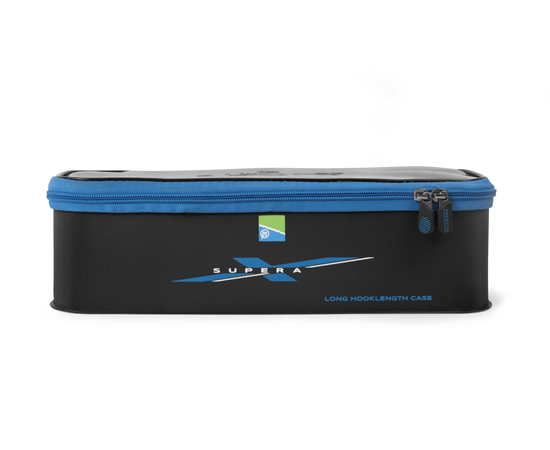
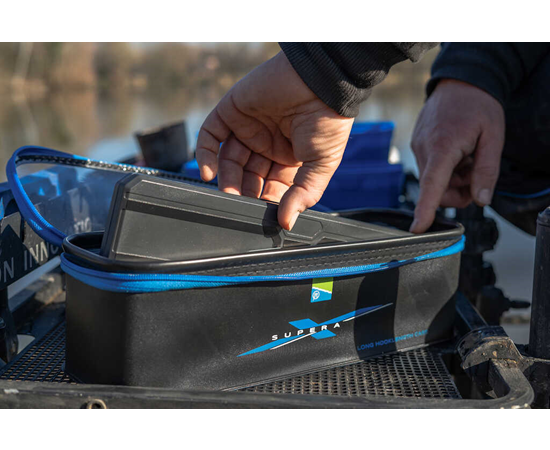
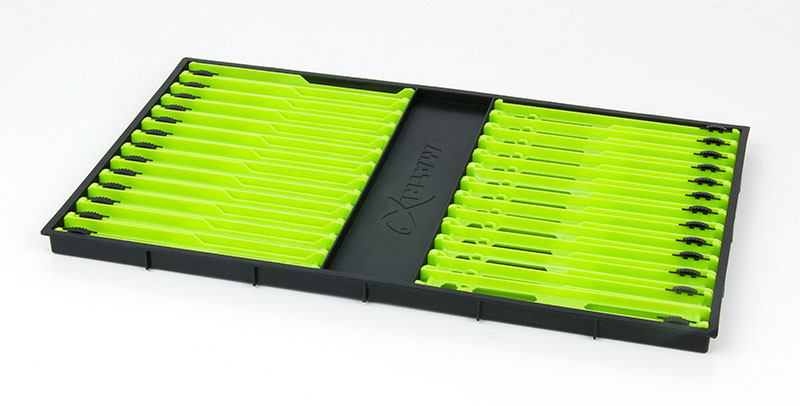
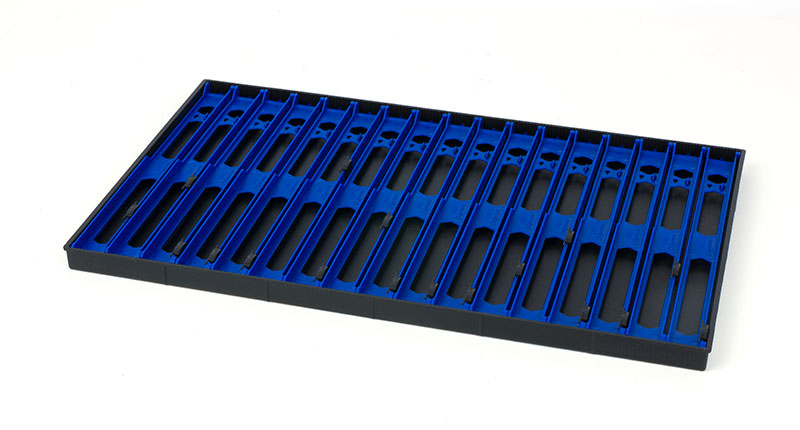
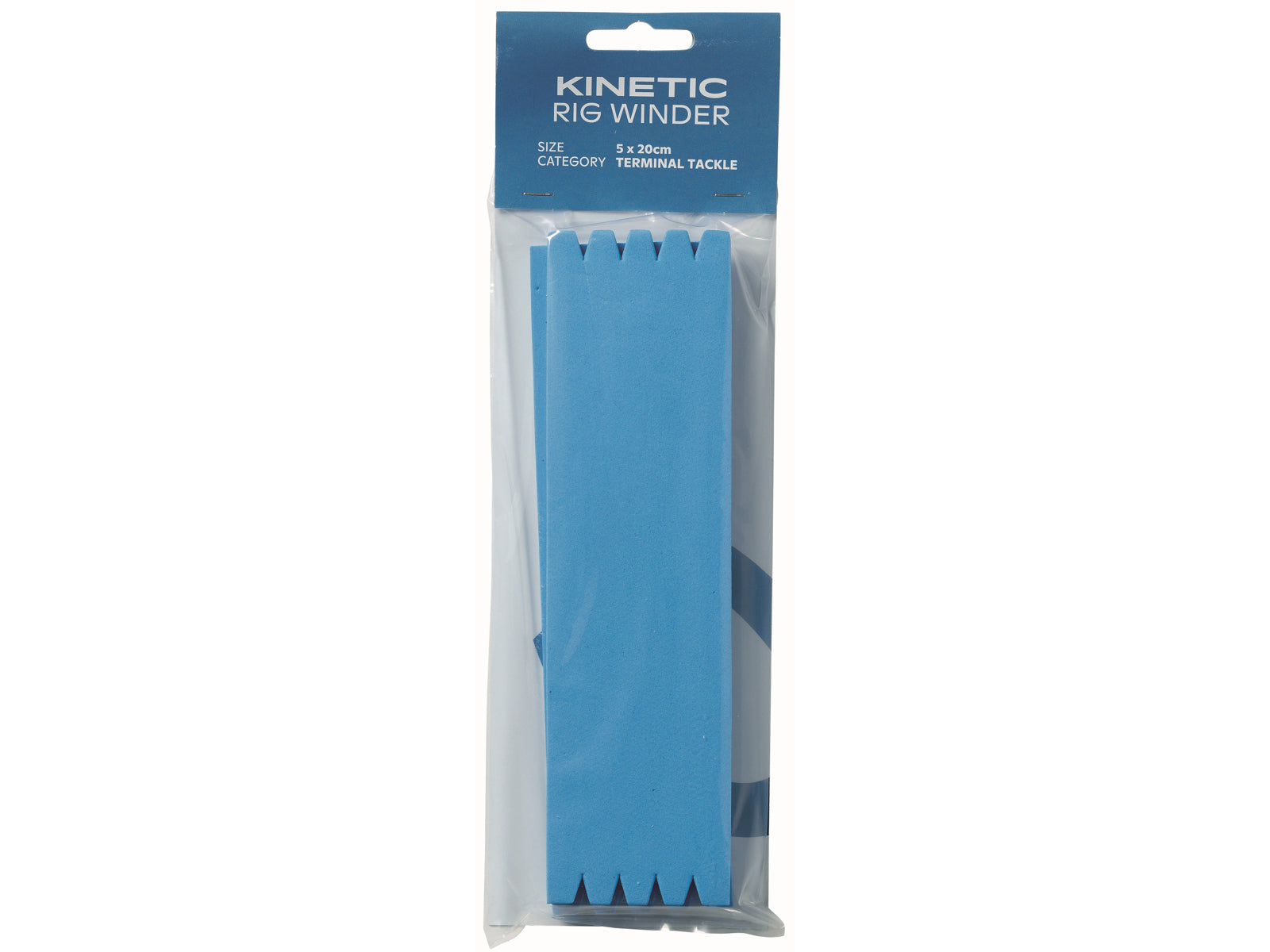
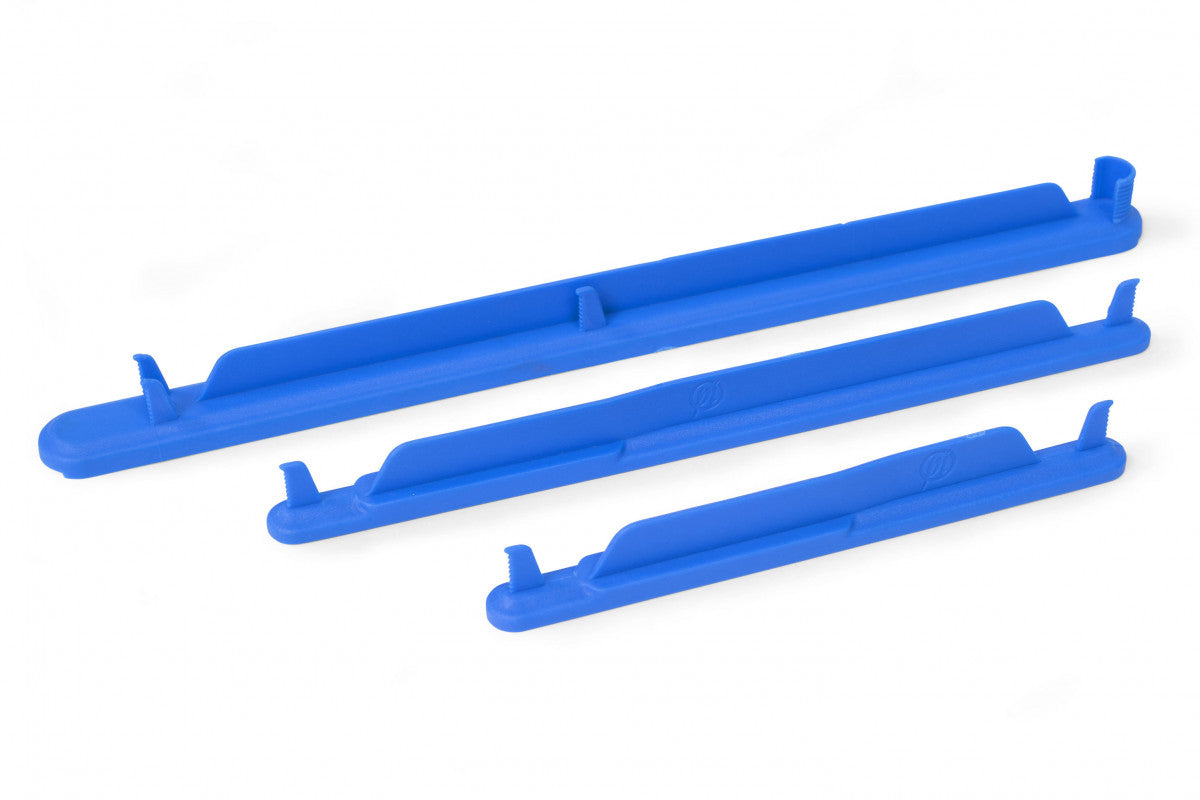
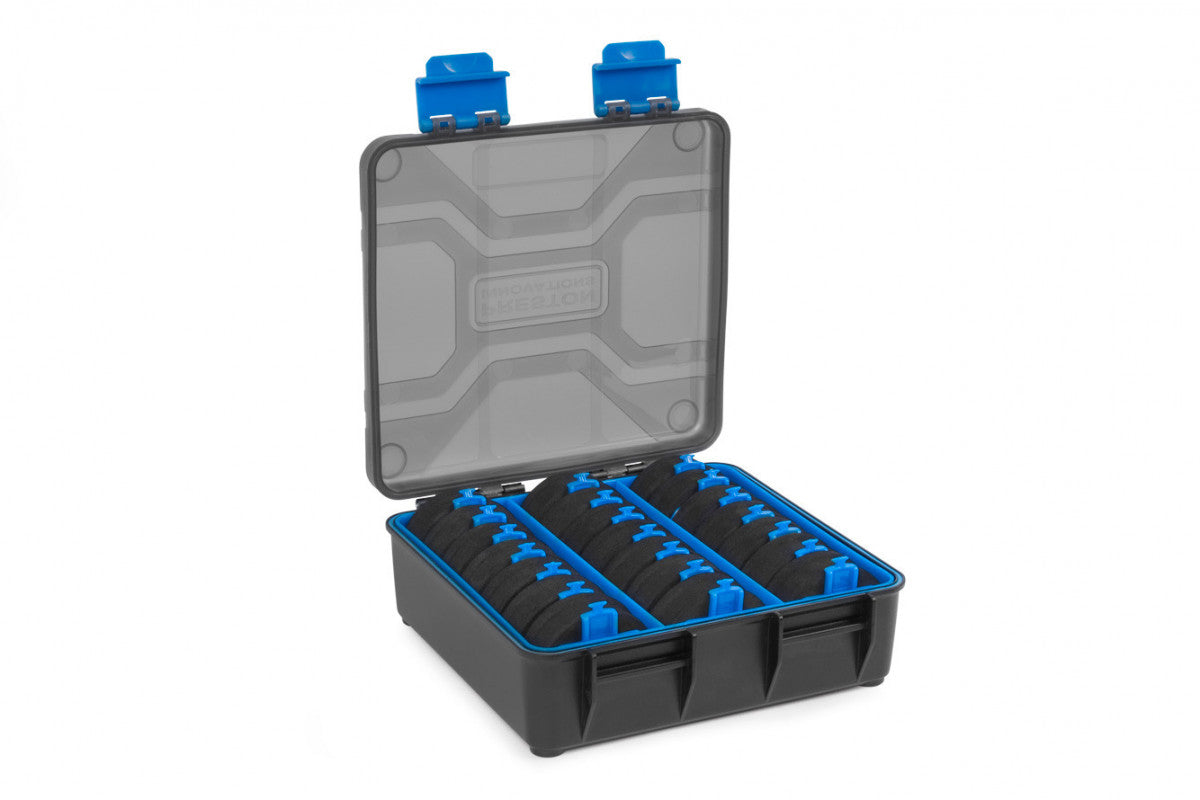
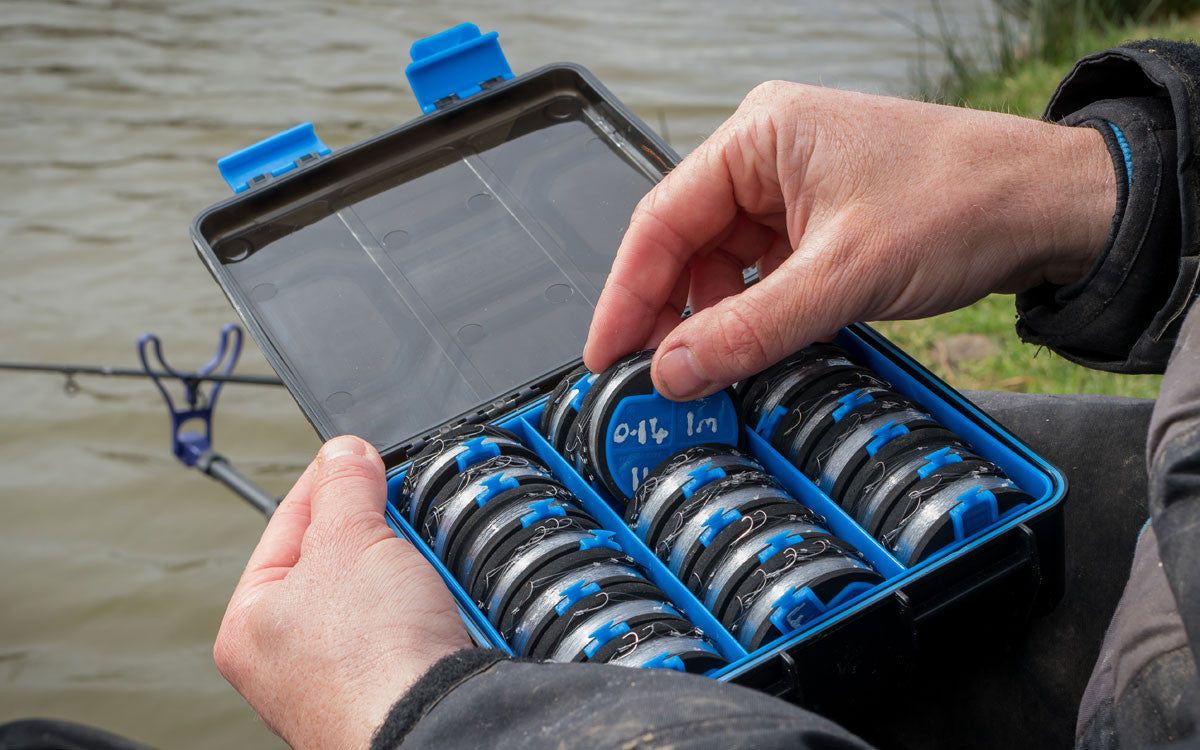
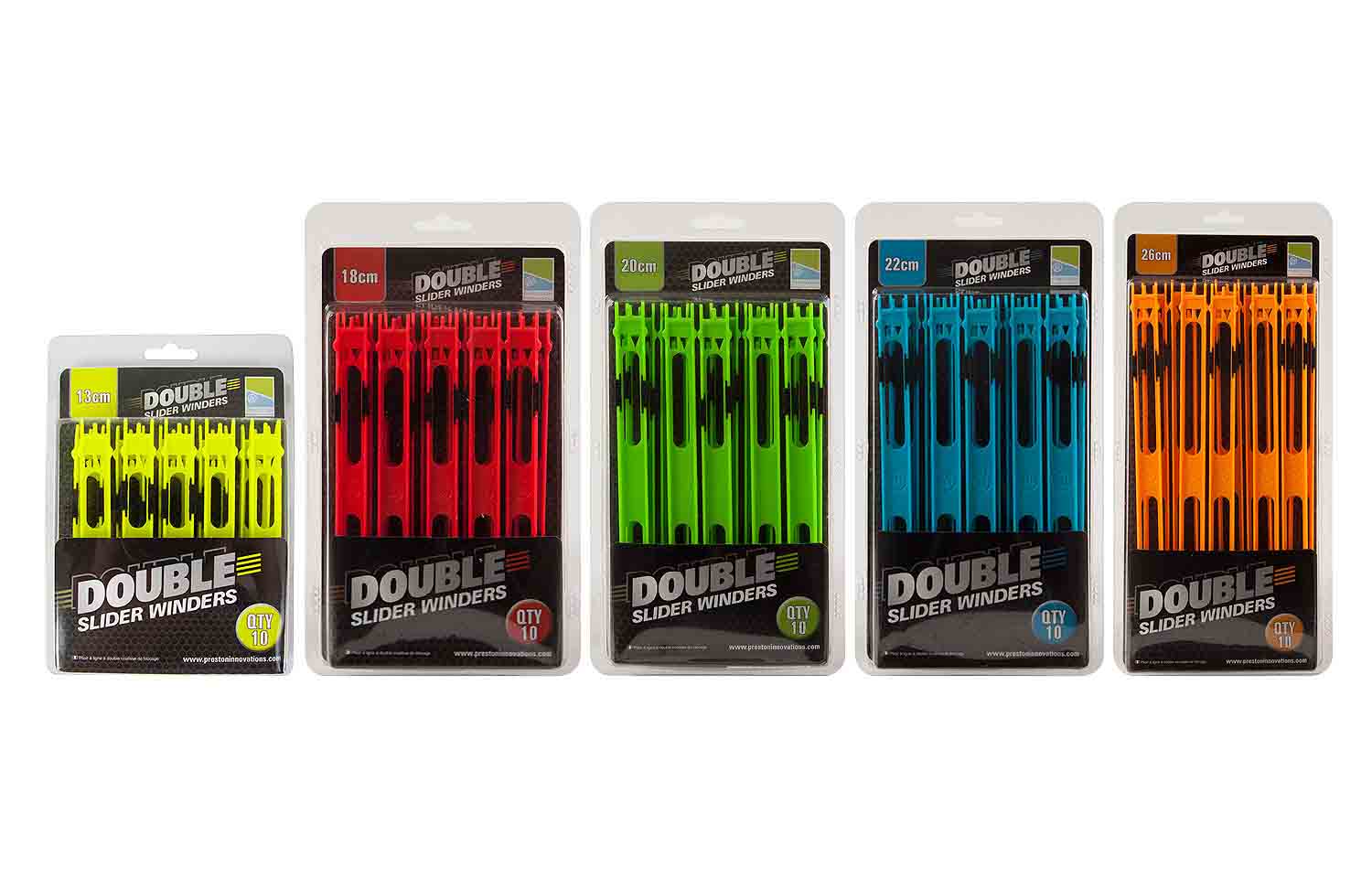
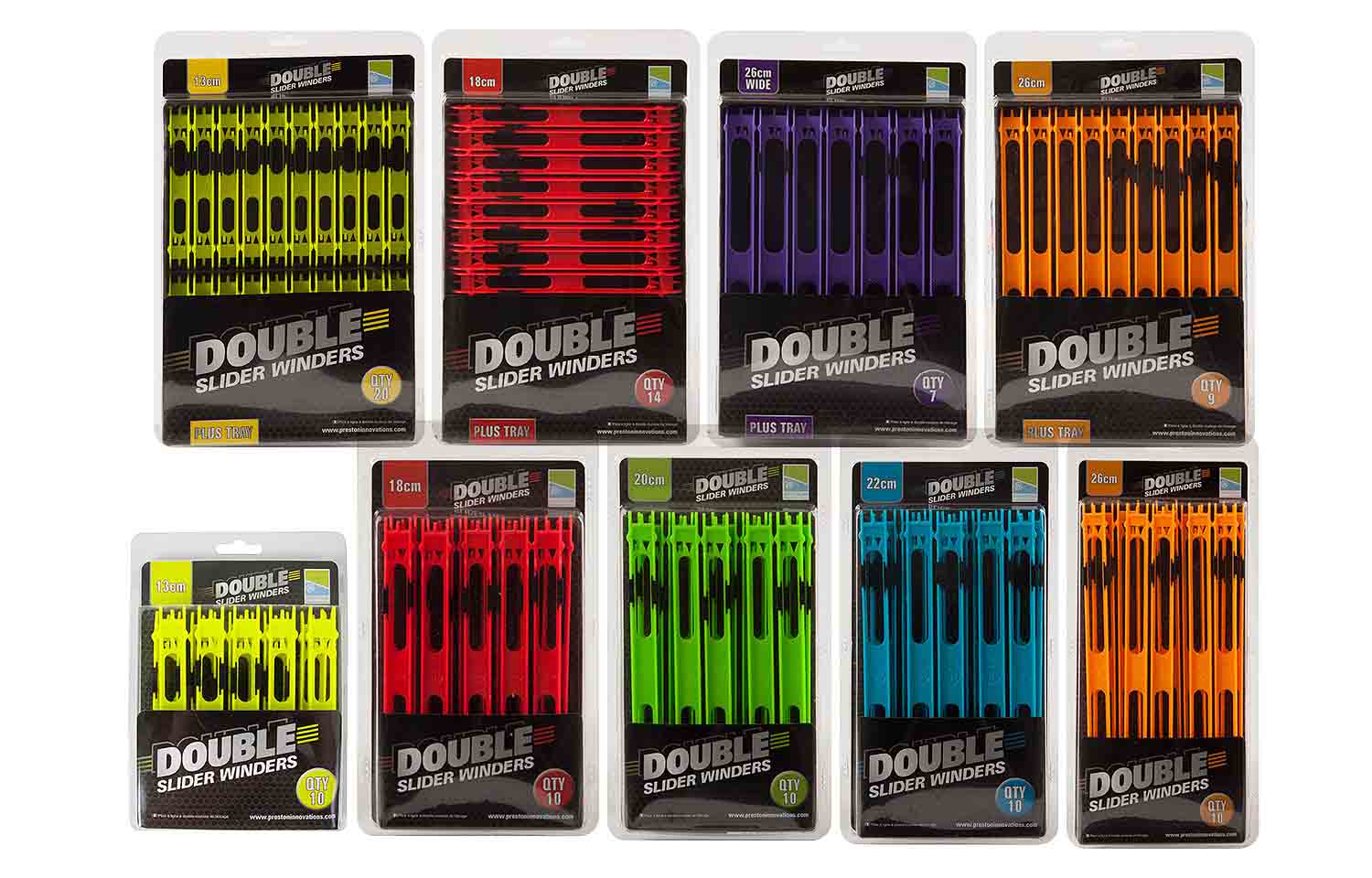
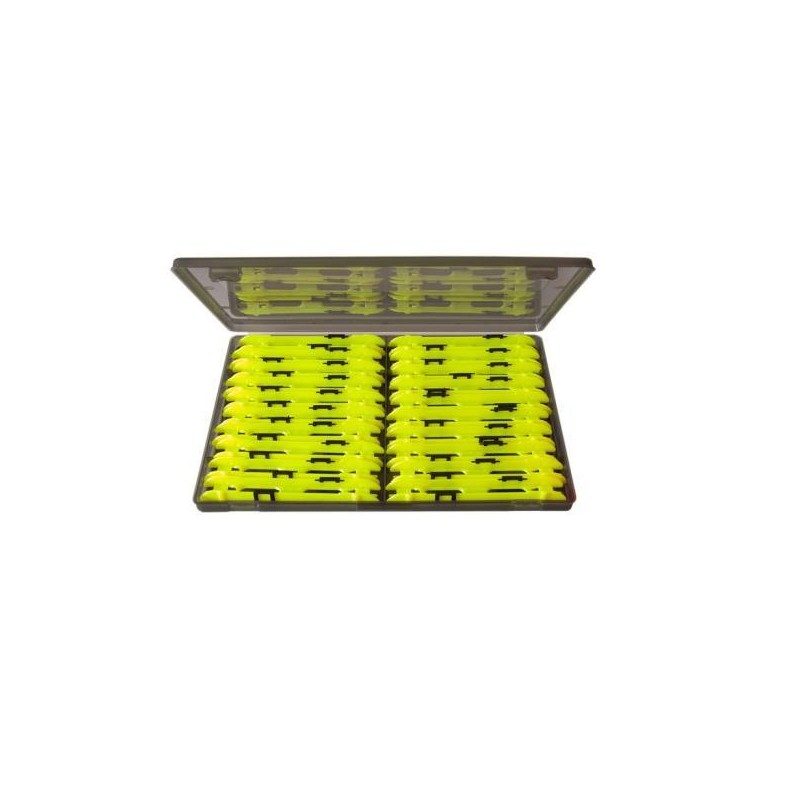
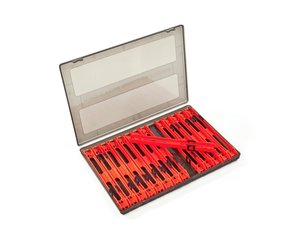
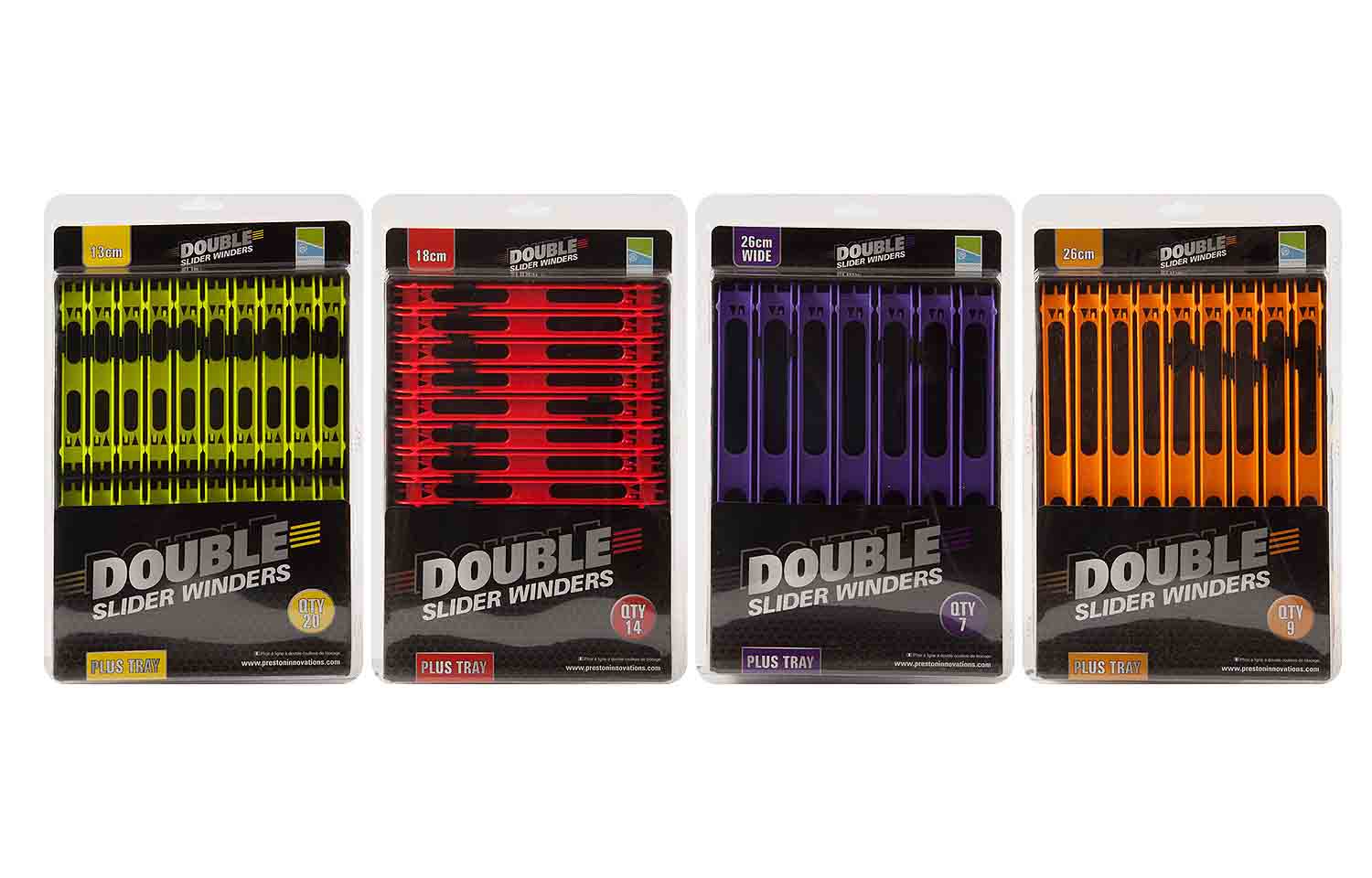
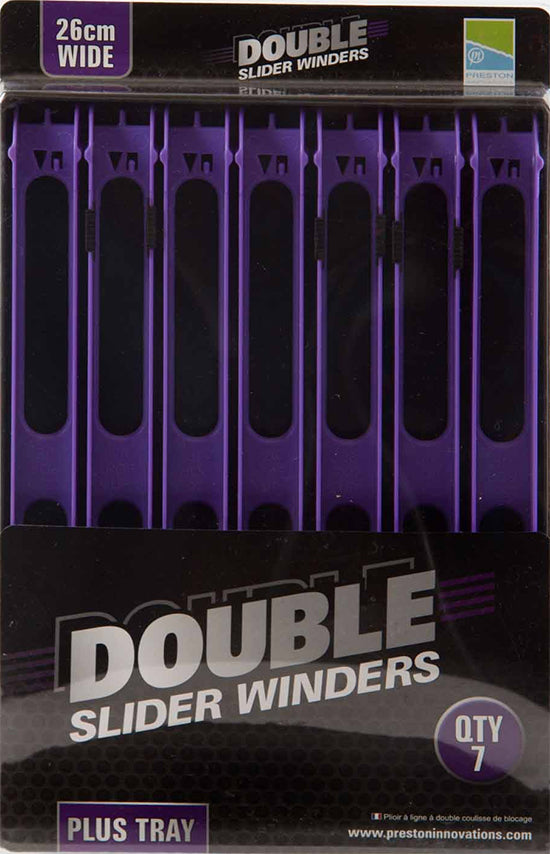
Dedicated storage protects hook points, keeps leaders straight and separates rigs by size or method. Hook boxes suit loose patterns, rig boards and winders support pre-tied lengths, and wallets can organise traces or packets. The correct format depends on rig length, hook size, leader material and how the tackle will be transported.
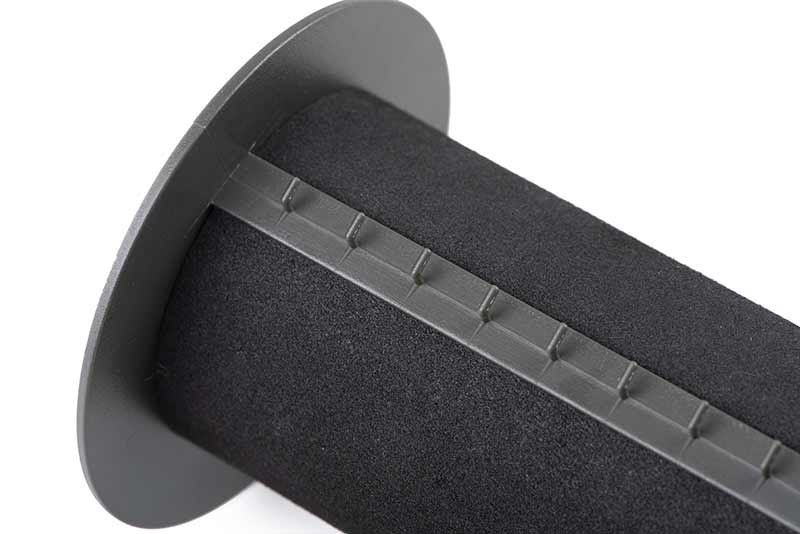
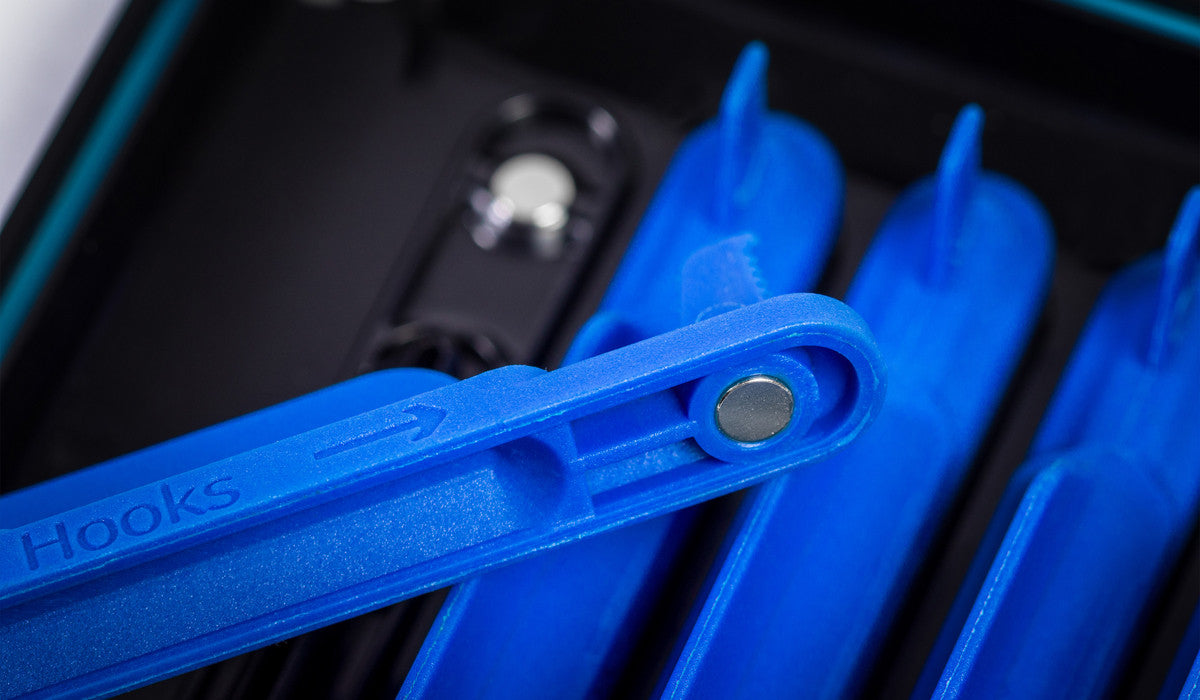
Foam, pins, grooves and spools hold components differently. Fine hooklengths need smooth contact without sharp bends, while coated wire traces should not be folded tightly. Exposed points must remain covered so they cannot damage line, fabric or hands when the storage is opened.
Browse all fishing accessories, compare general tackle boxes, select suitable hooklength line, or prepare and store leaders and traces.
Choose capacity and rig support
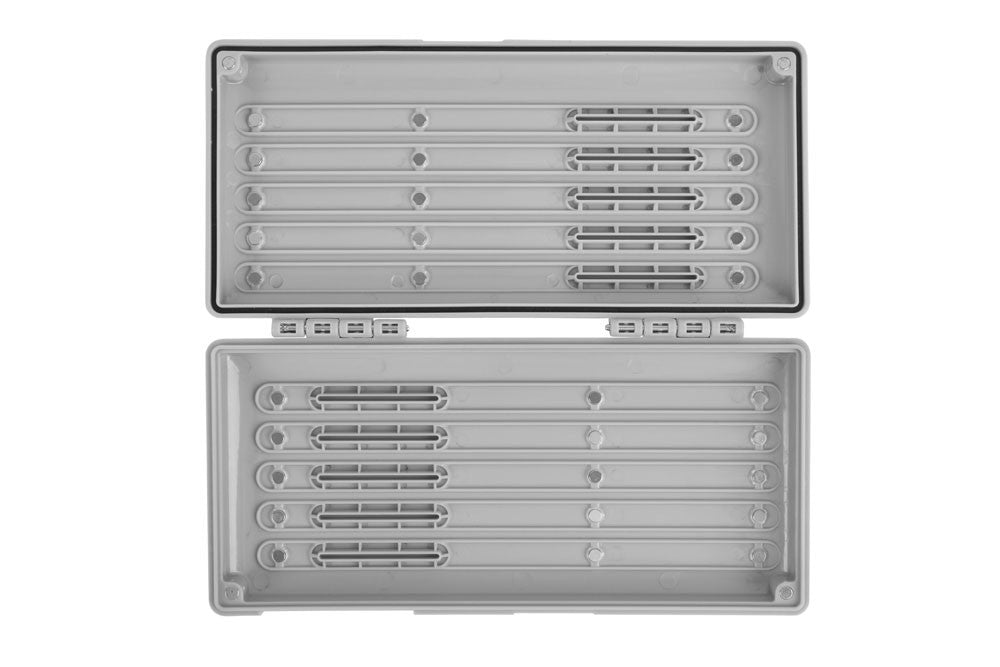
Measure the longest rig and check whether it can be stored straight or around a suitable diameter. Tight coils create memory, while repeated folds can weaken wire and fluorocarbon. Use pins only where they cannot touch or damage a knot, coating or hook point.
Compartments should close securely and prevent small hooks moving between sections. Clear labels for hook size, line diameter, breaking strain and rig type reduce mistakes. Keep barbed and barbless rigs distinct where venue rules vary.
Use a hook sharpener only on suitable hooks and inspect the point before returning it to storage. The GC Sintez accessory case review offers a wider example of protecting prepared tackle and accessories.
Dry, inspect and replace stored rigs
Do not seal wet hooks or traces in an airtight box. Rinse appropriate tackle, dry it fully and check points, knots, crimps and coatings. Remove rusty, blunt, kinked or unidentified rigs rather than leaving them mixed with ready-to-use tackle.
Keep storage away from heat and direct sun, cover every point and dispose of damaged hooks and line securely. Audit labels periodically because old line strength and hook details are easily forgotten. Carry a small inventory card inside the case, noting hook pattern, size, line diameter and date tied. Replace old prepared rigs on a planned schedule instead of waiting for a failure.