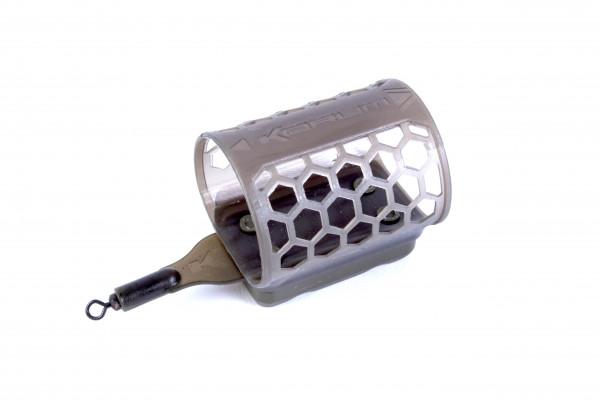
Fishing feeders for different baits and venues
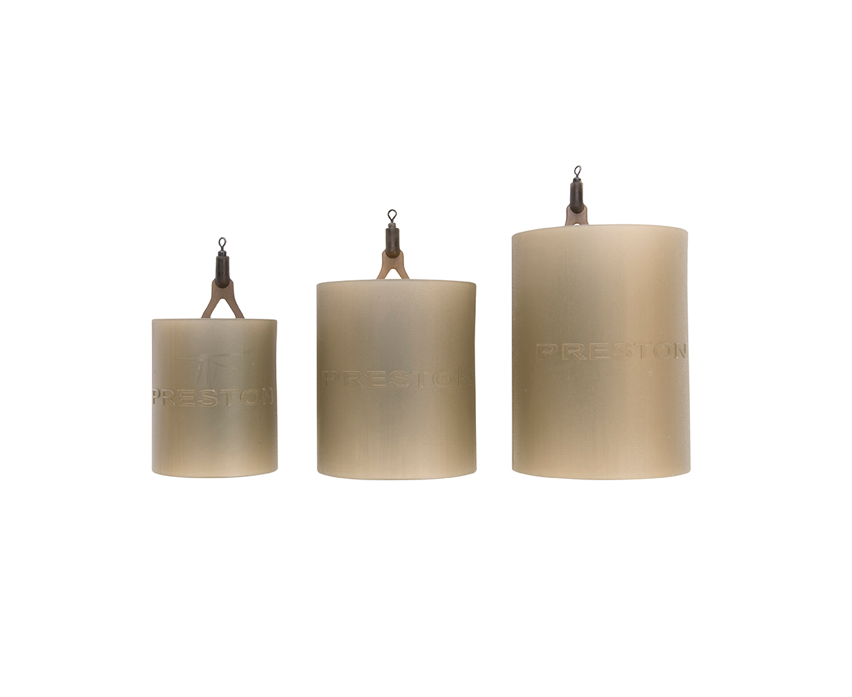
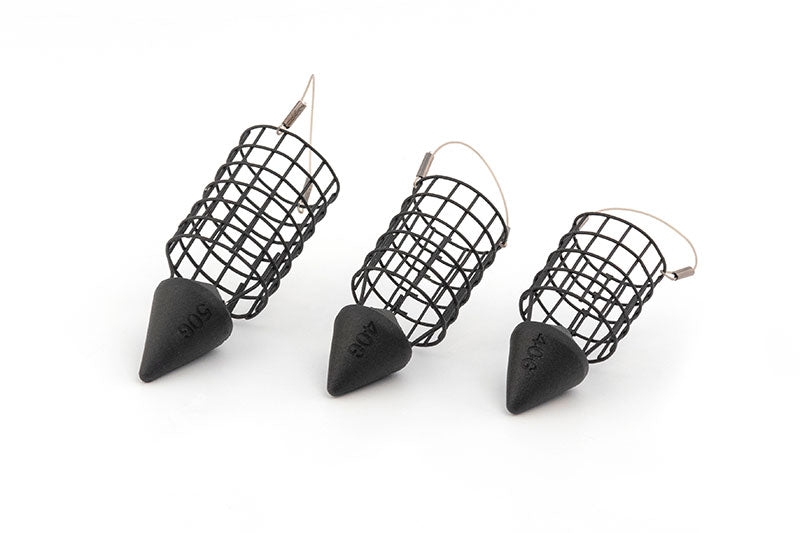
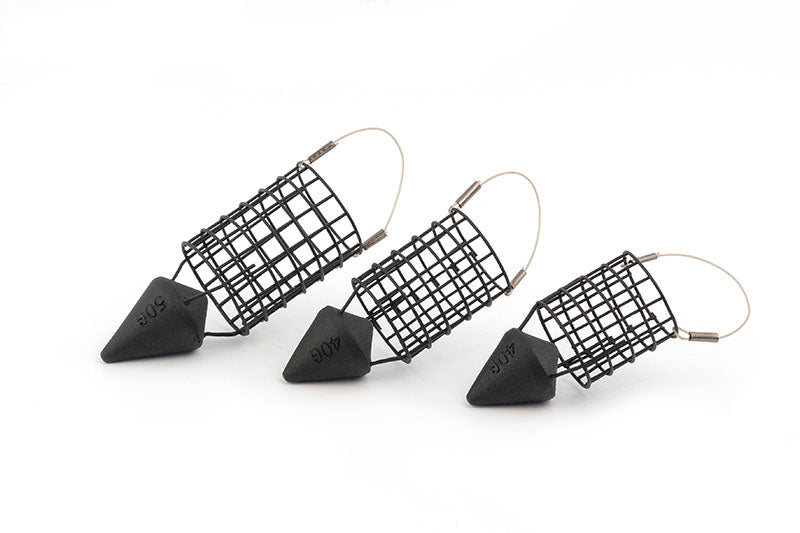
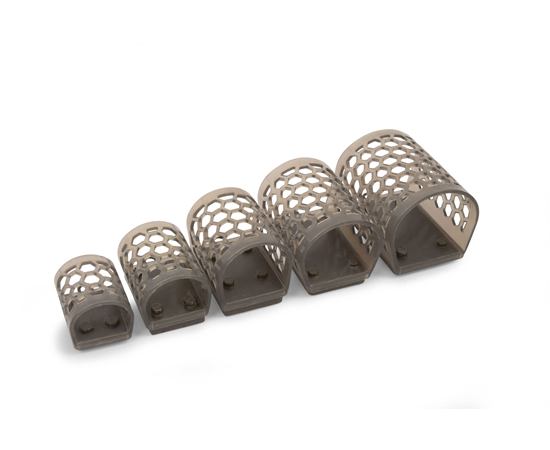
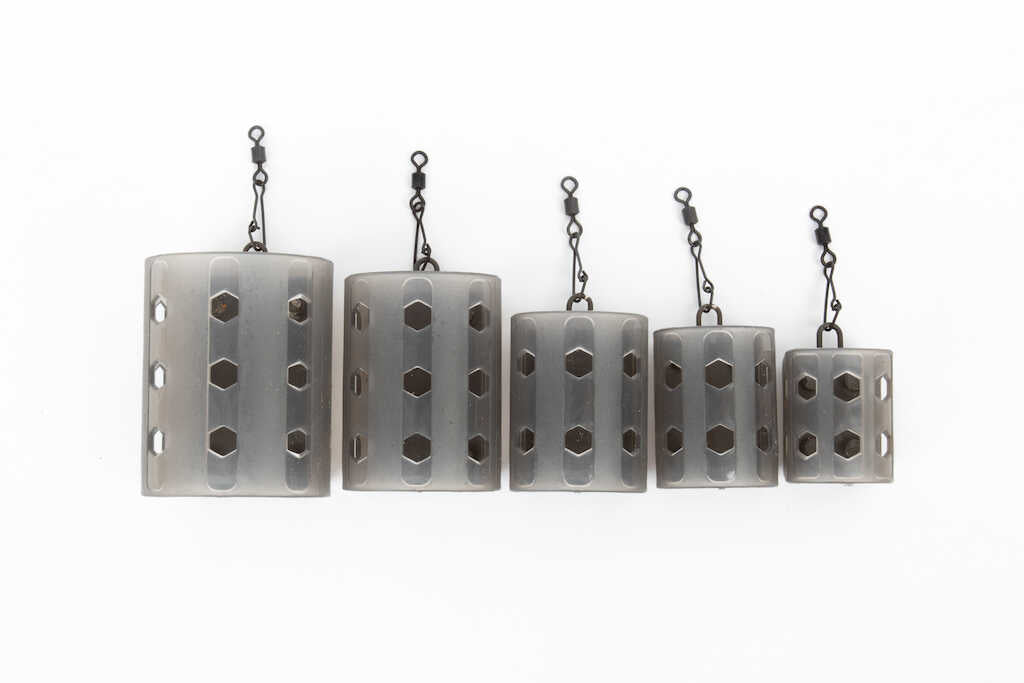
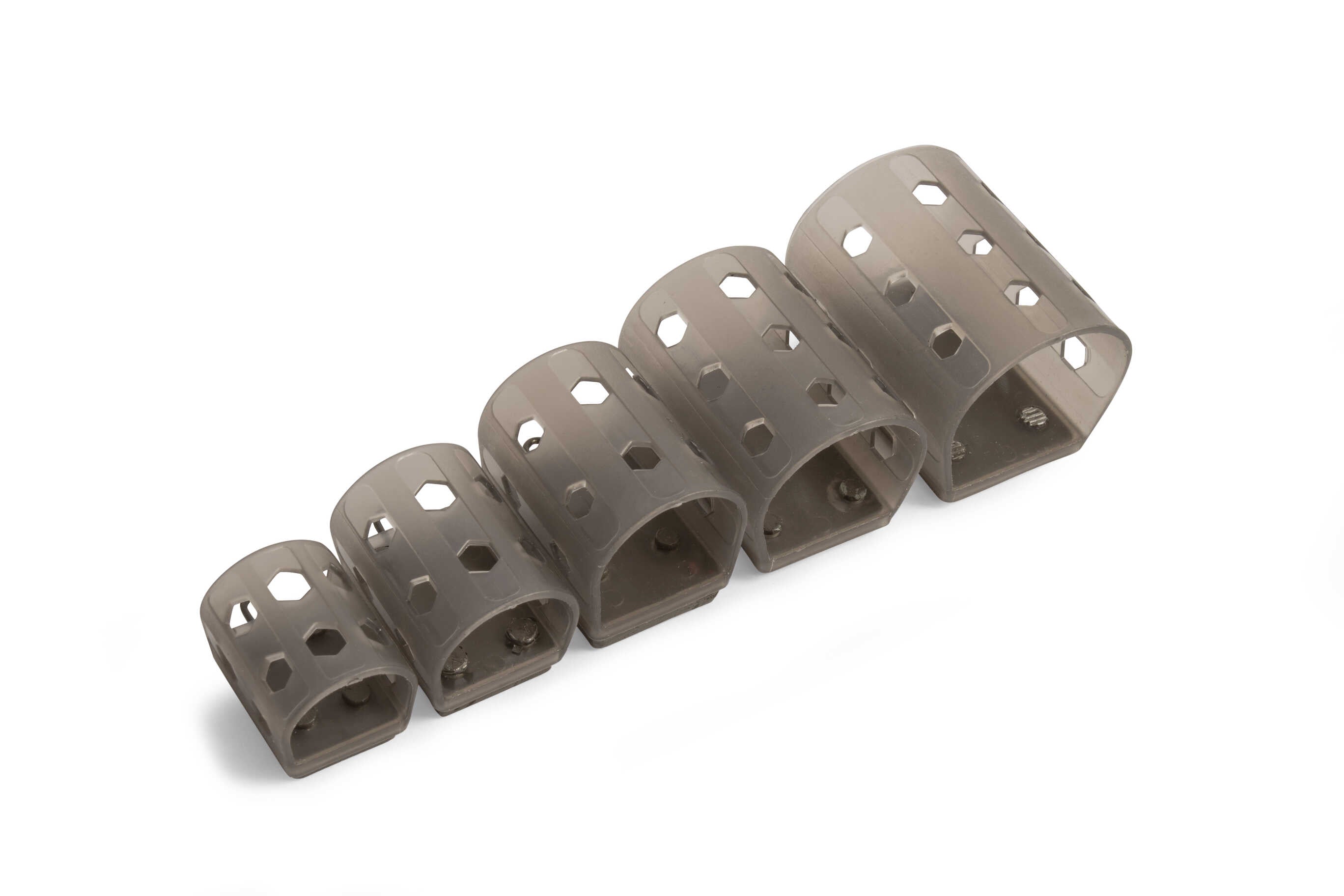
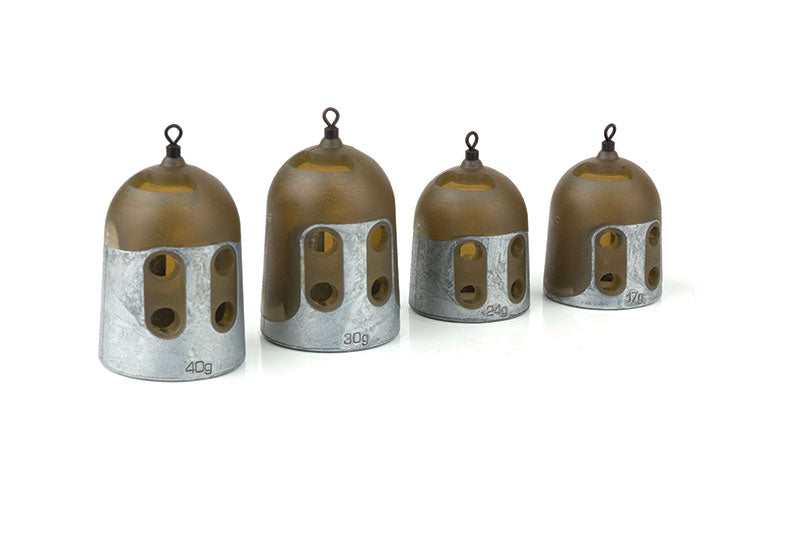
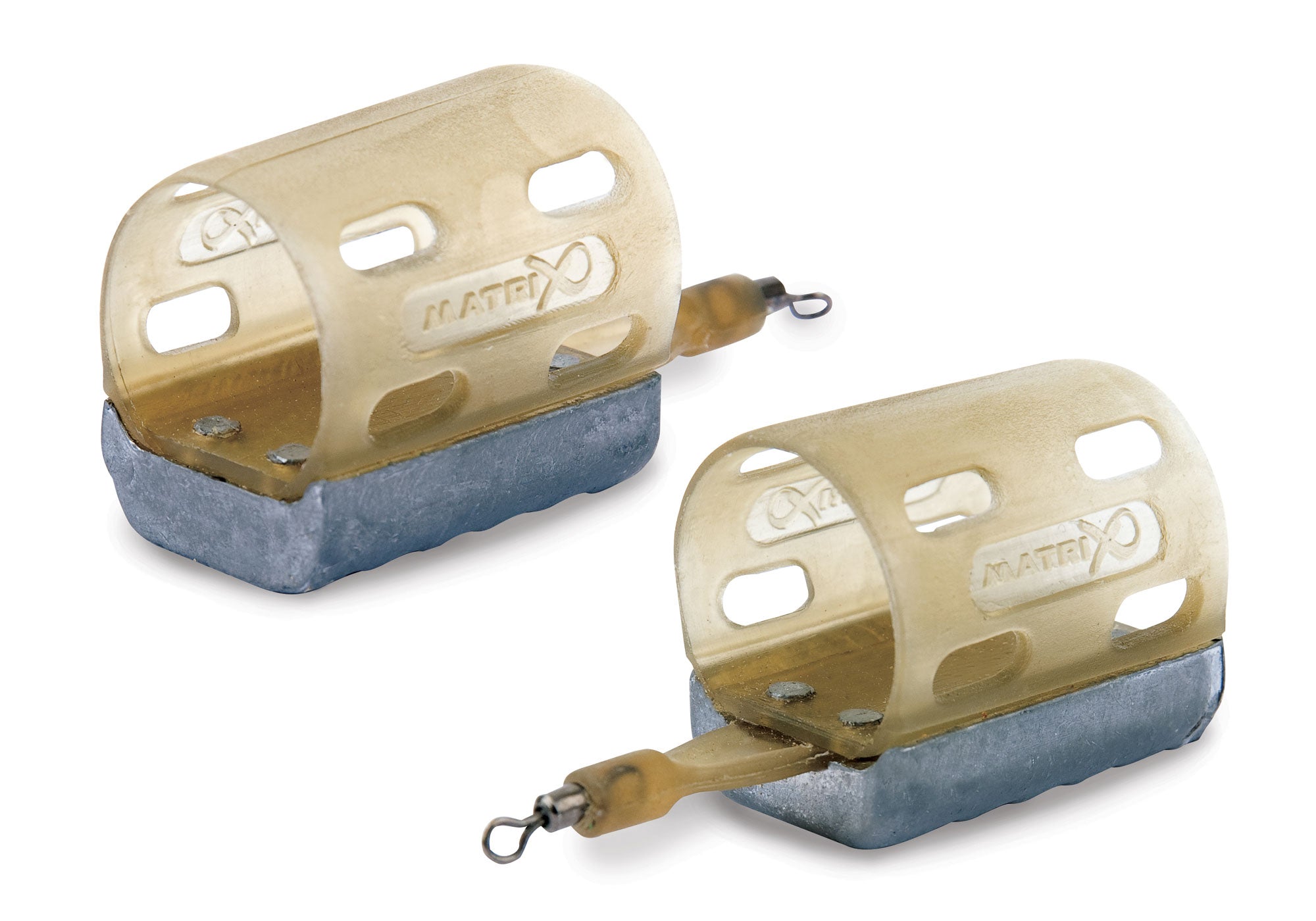
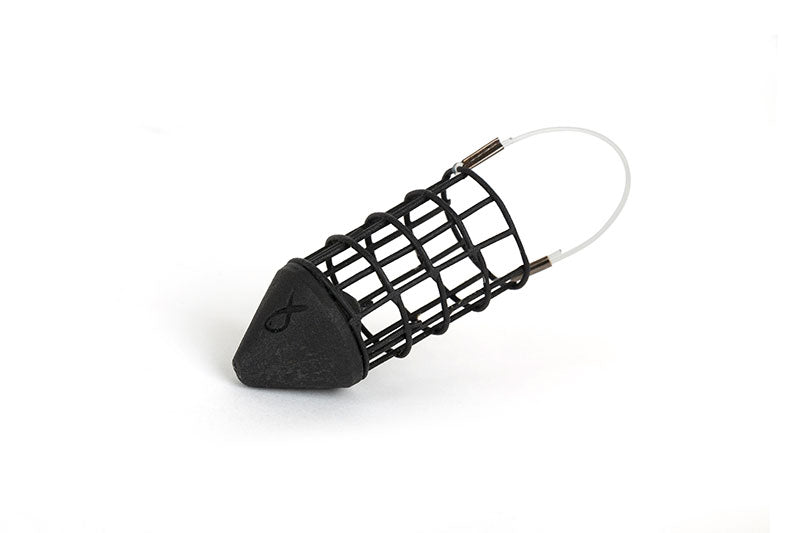
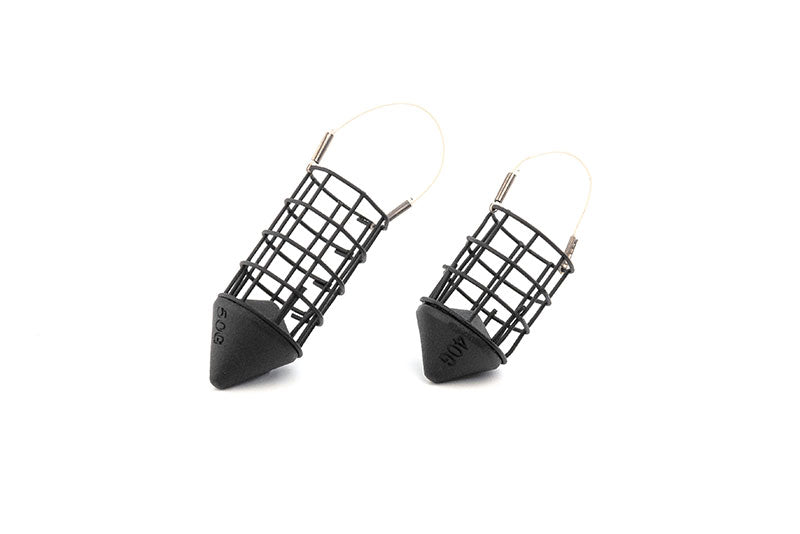
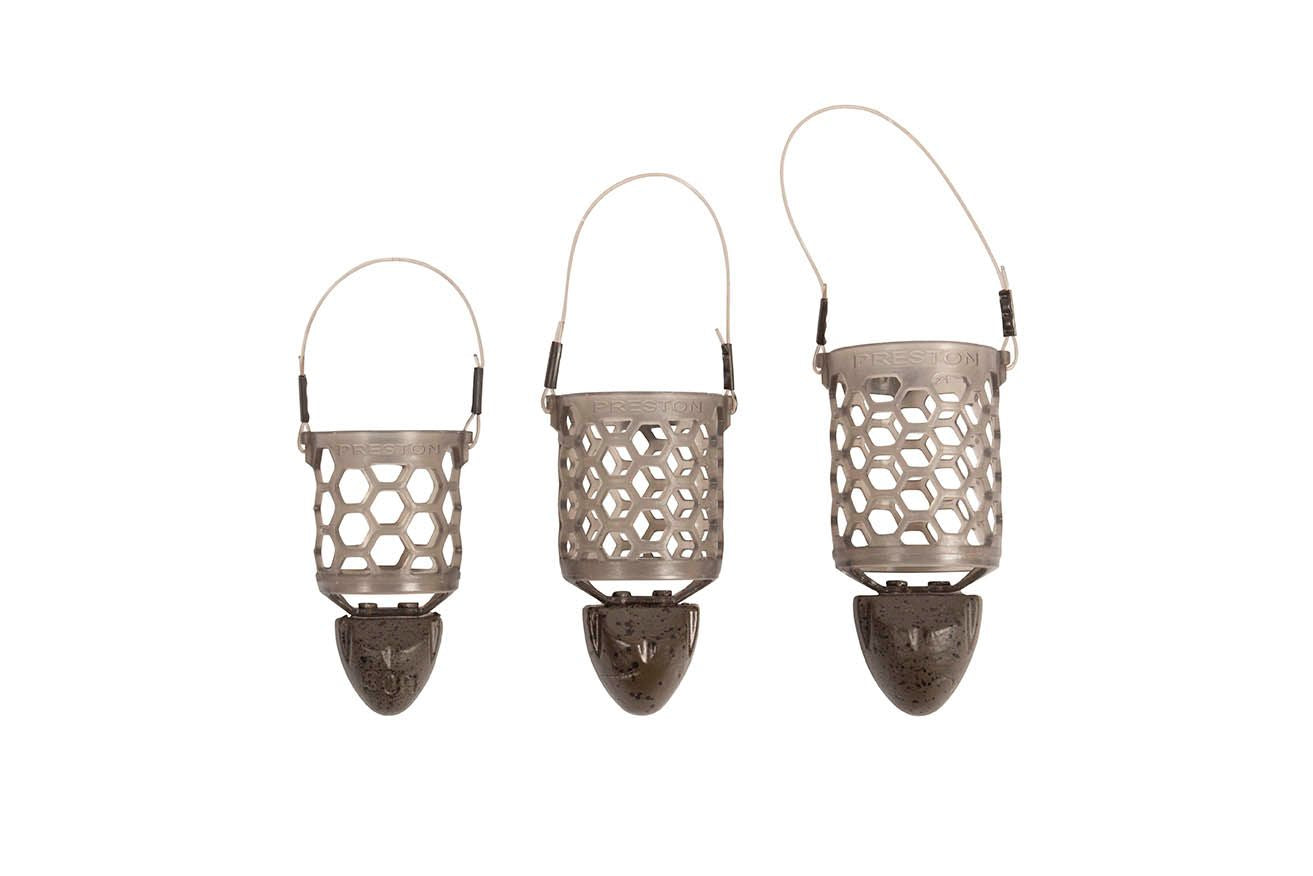
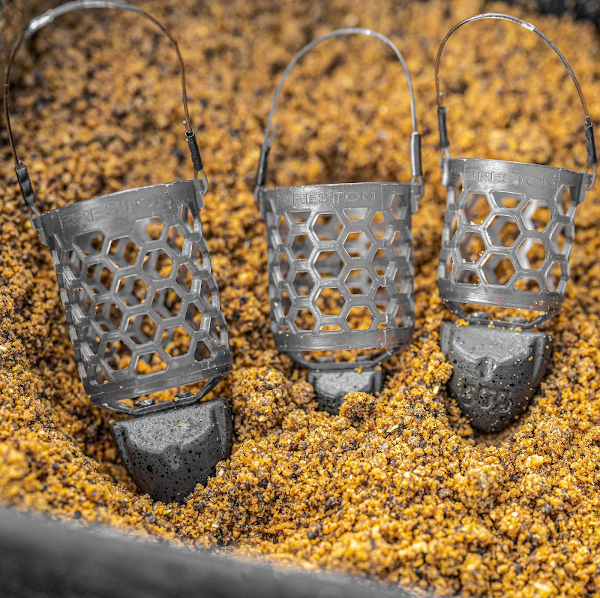
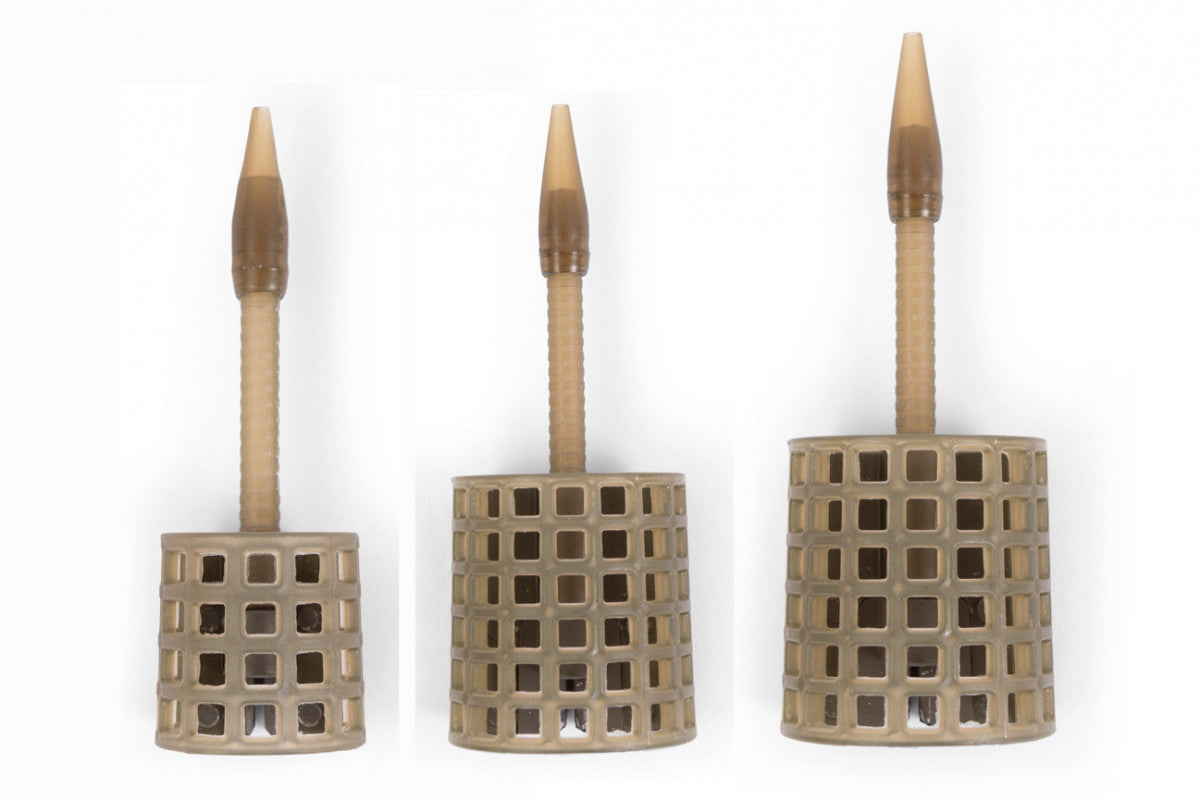
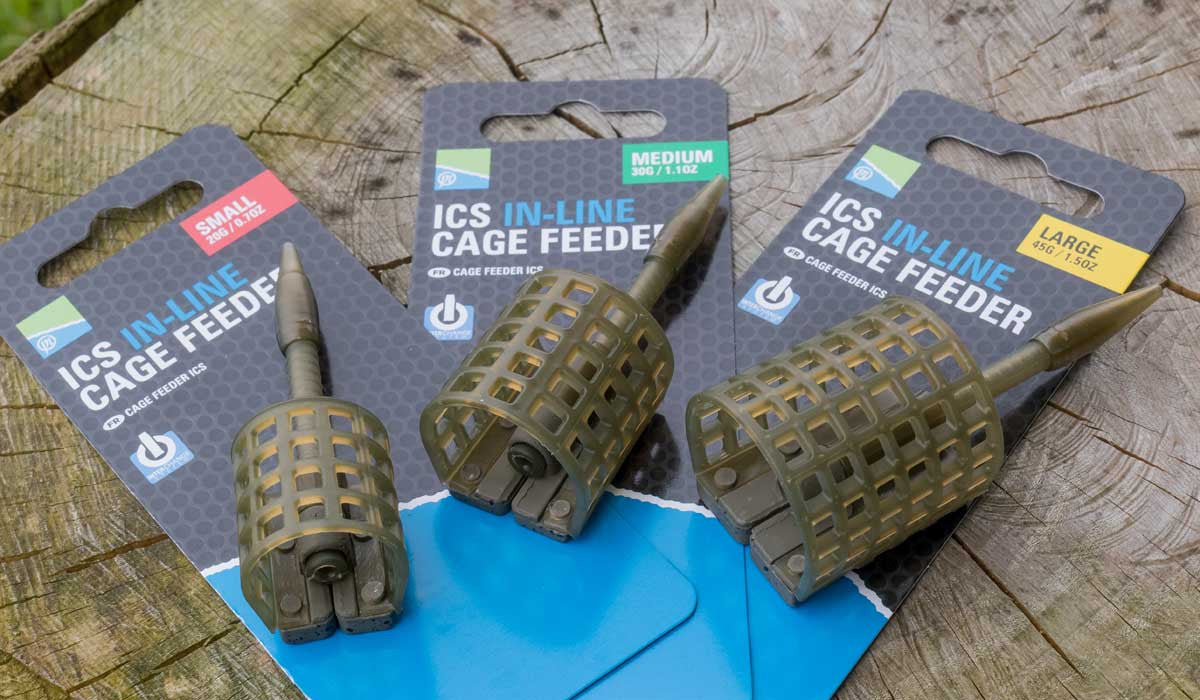
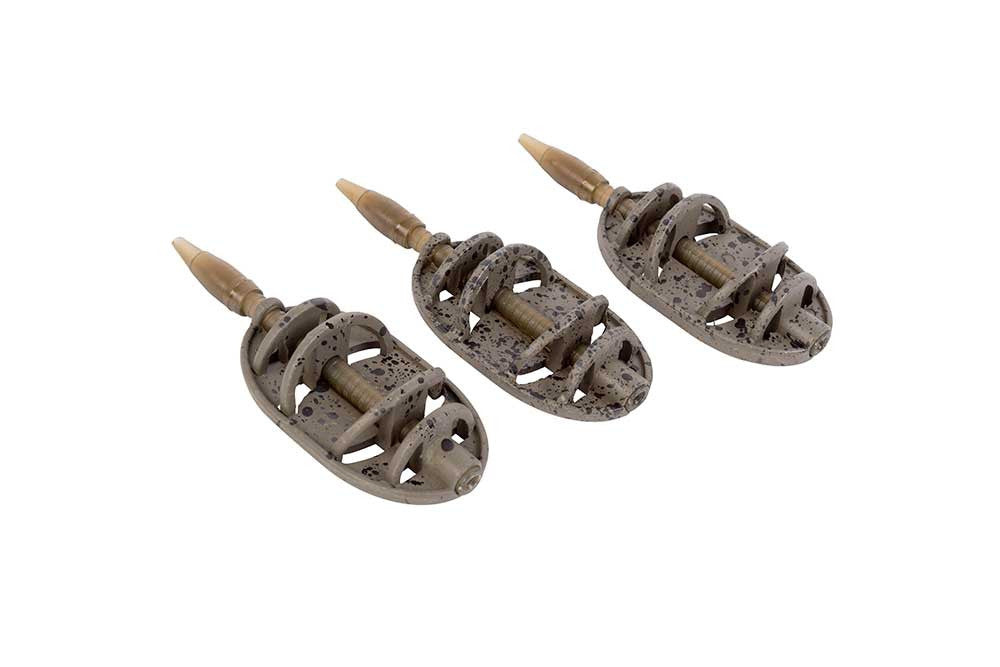
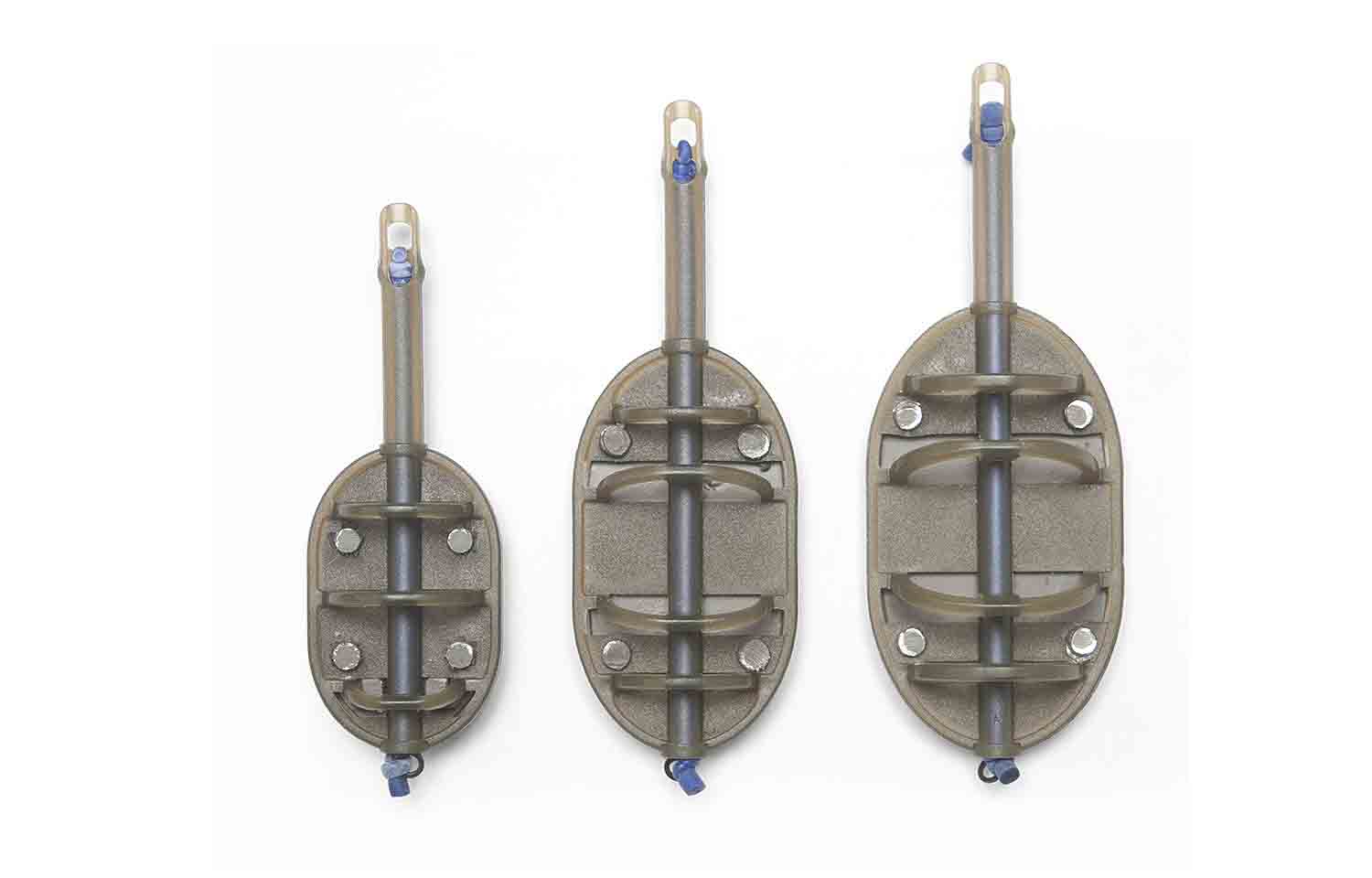
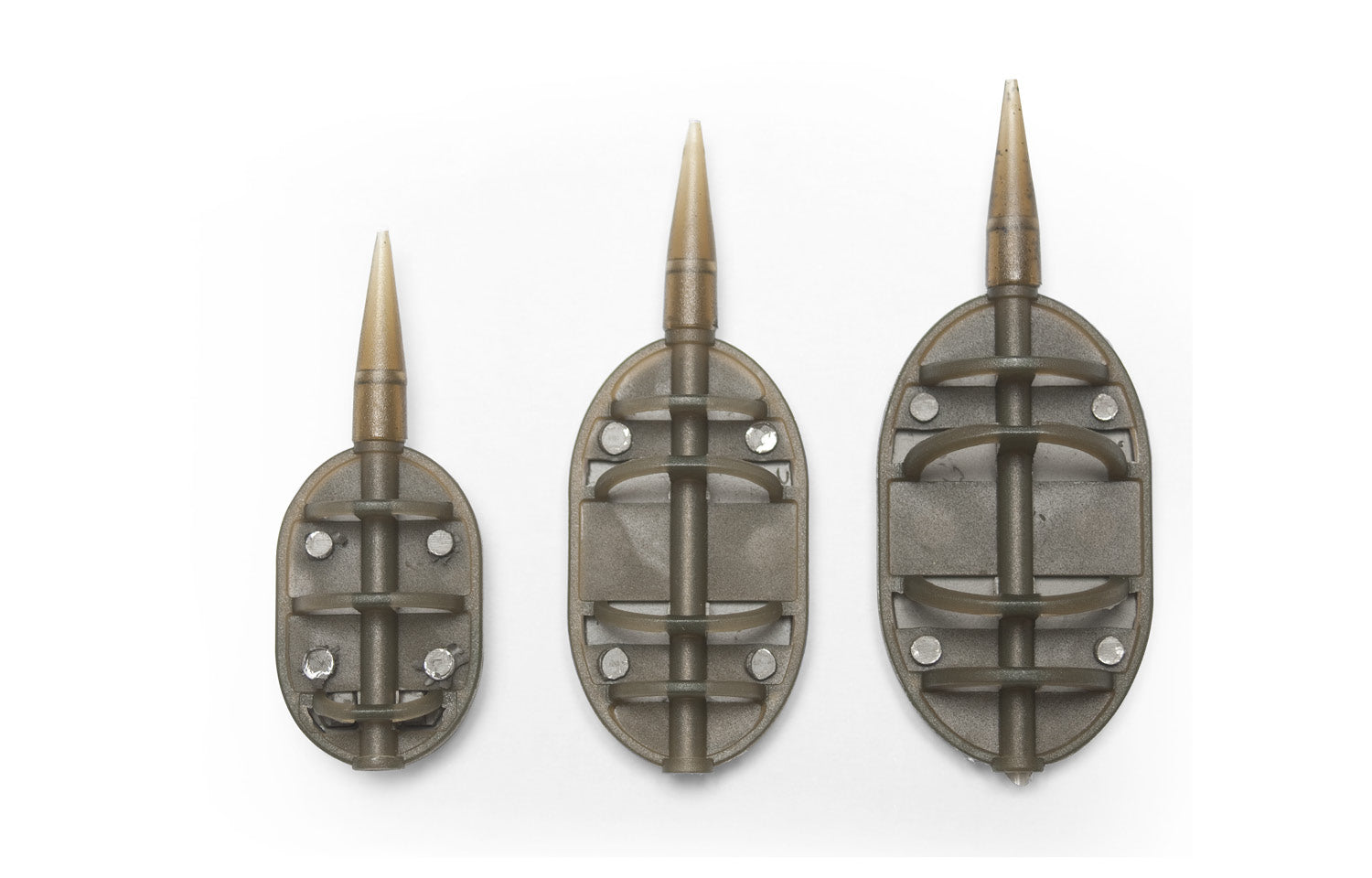
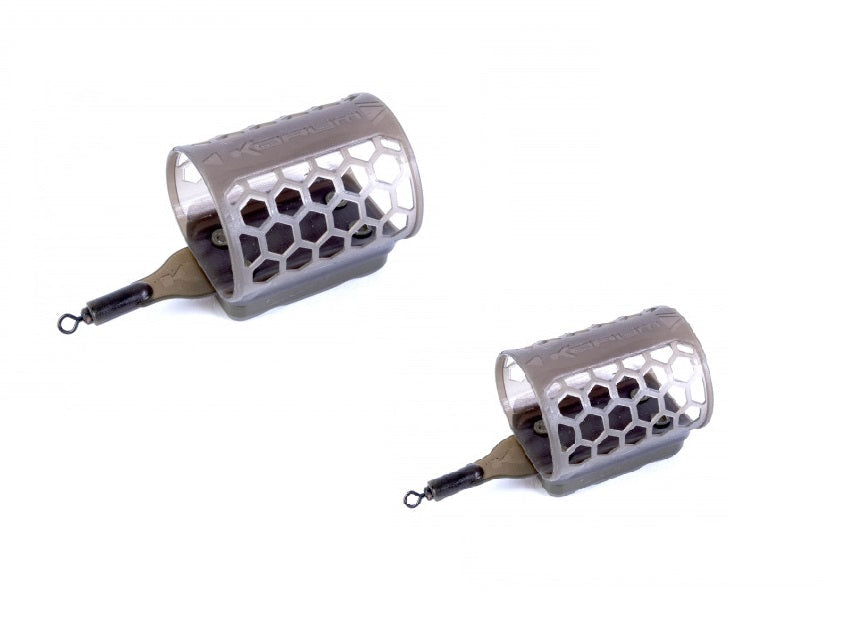
Feeders carry bait close to the hook and help build an accurate feeding area on the bottom. Cage feeders allow groundbait and particles to escape through an open mesh or frame. They are a versatile choice for rivers, canals, lakes and commercial fisheries, with weight and size selected according to casting distance, flow and the amount of feed required.
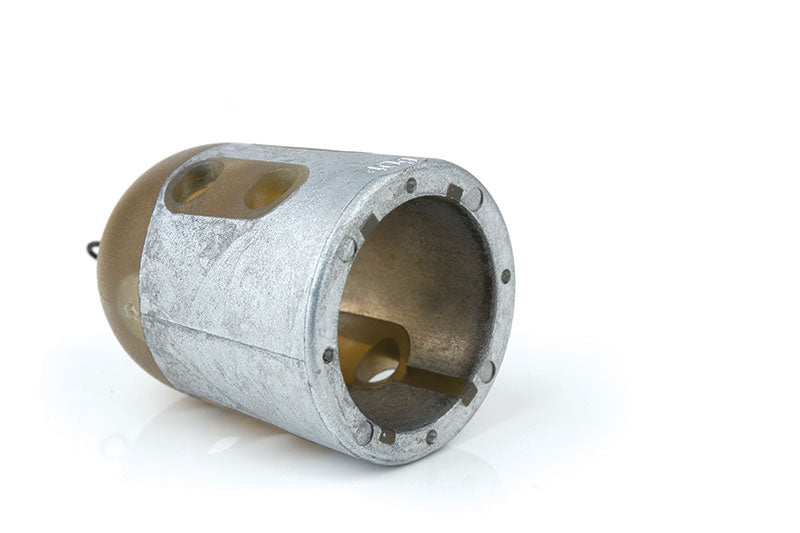
Distance feeders are shaped and weighted for stable flight when the target area is farther from the bank. A streamlined design and forward weight can improve accuracy, but the feeder must remain within the rod's casting range. Maggot feeders release live maggots through holes or openings, helping concentrate feed around the hookbait over time.
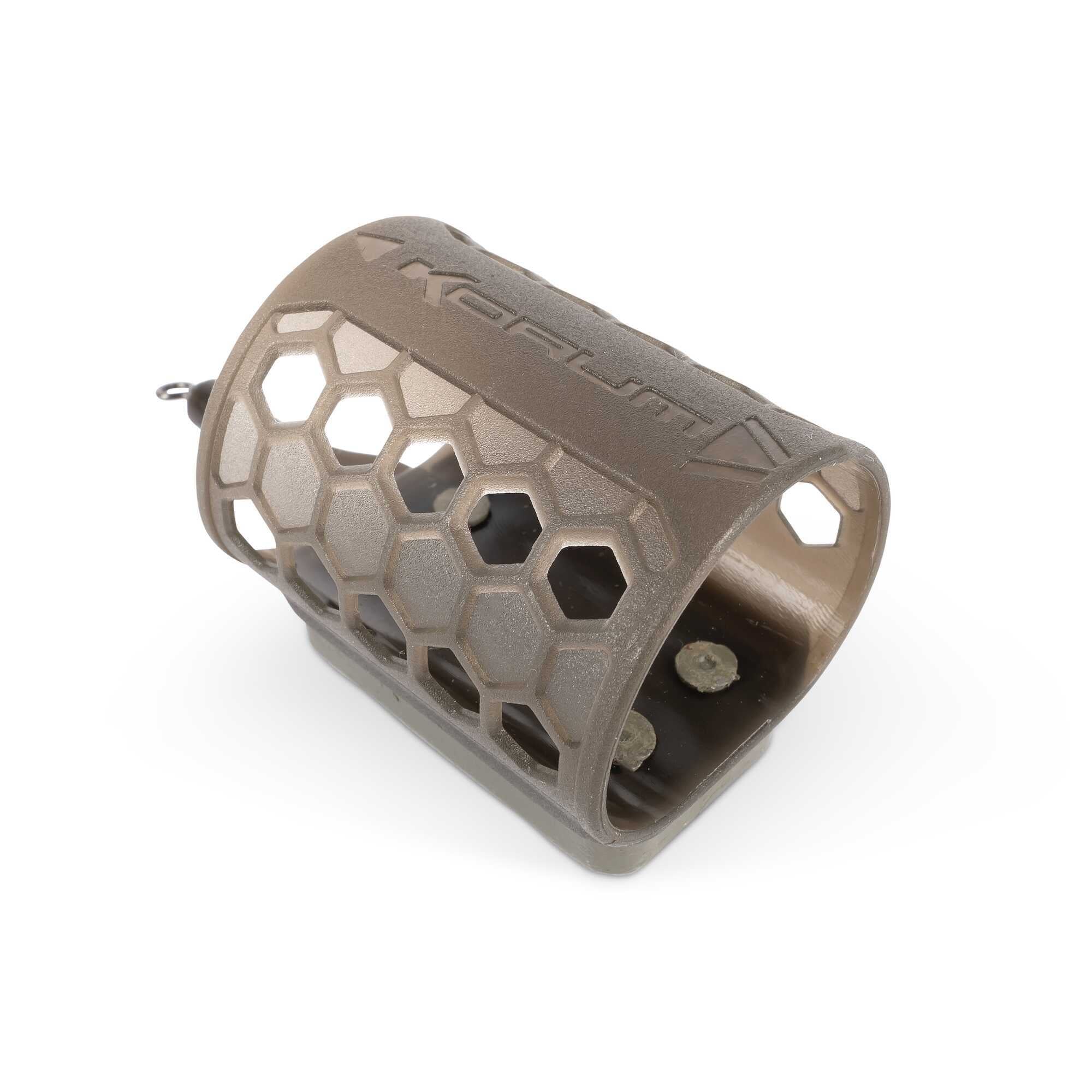
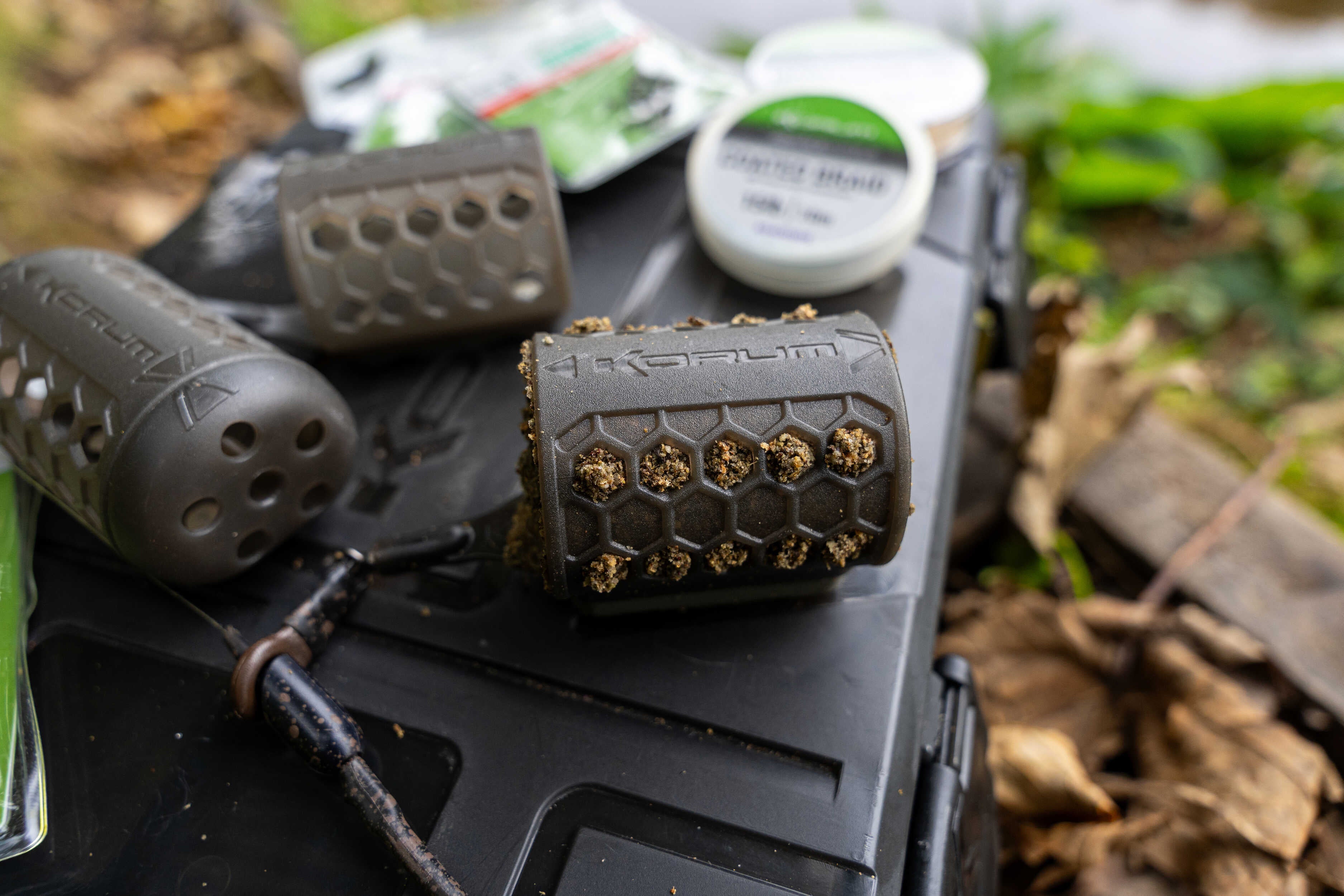
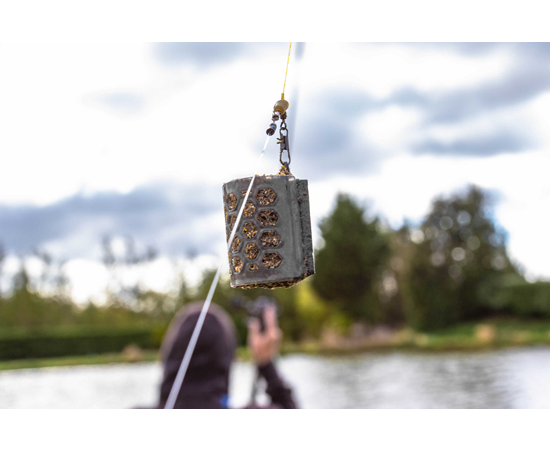
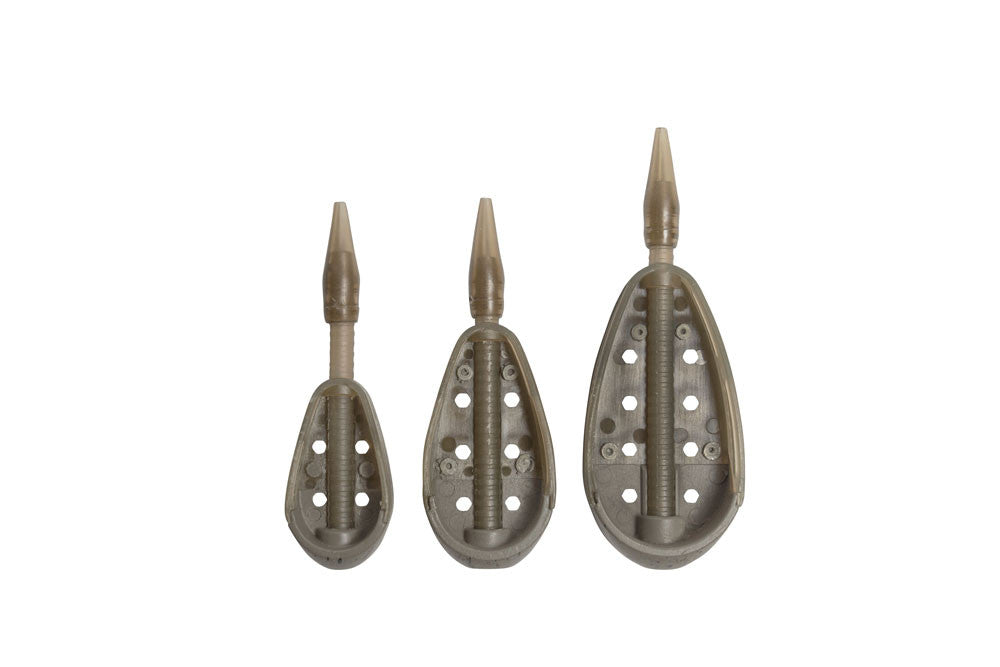
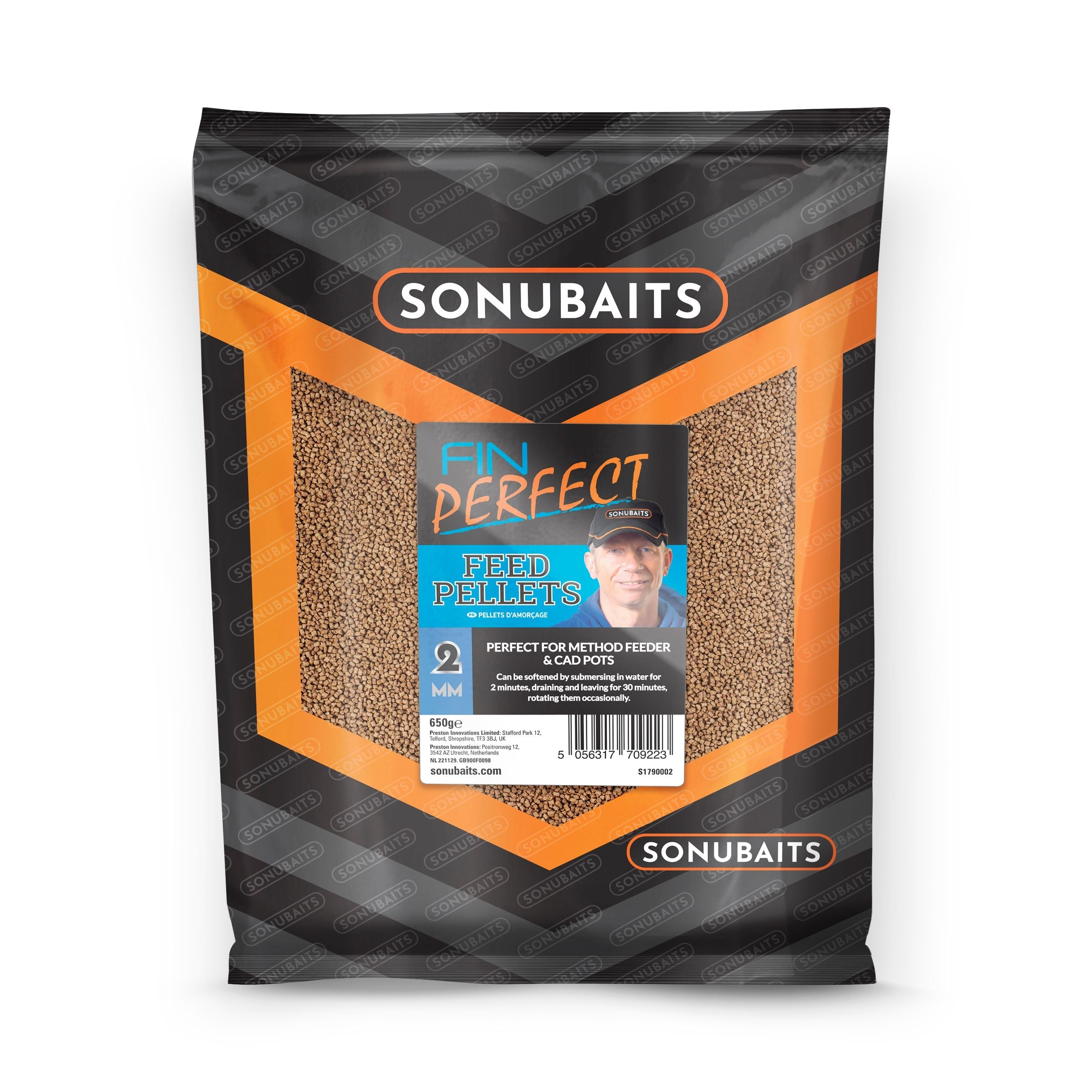
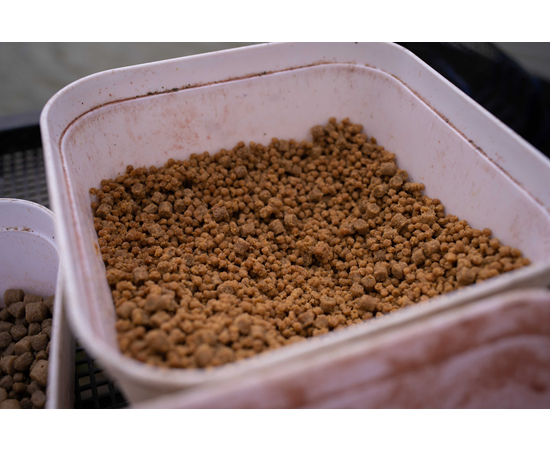
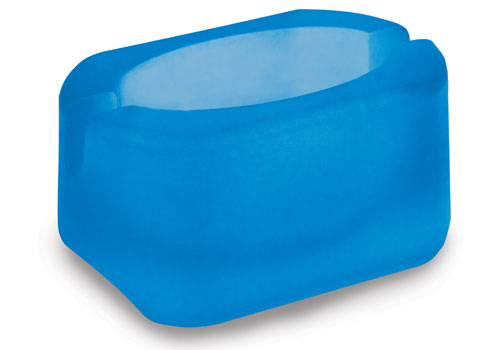
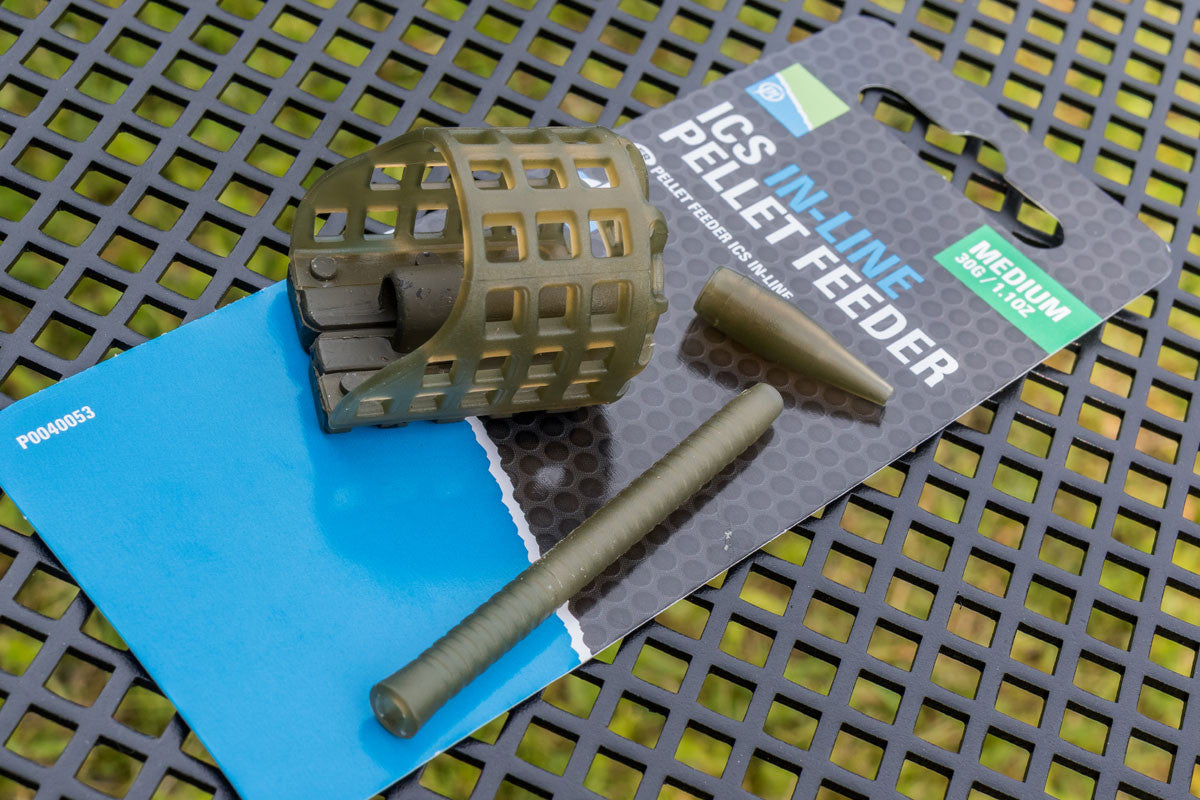
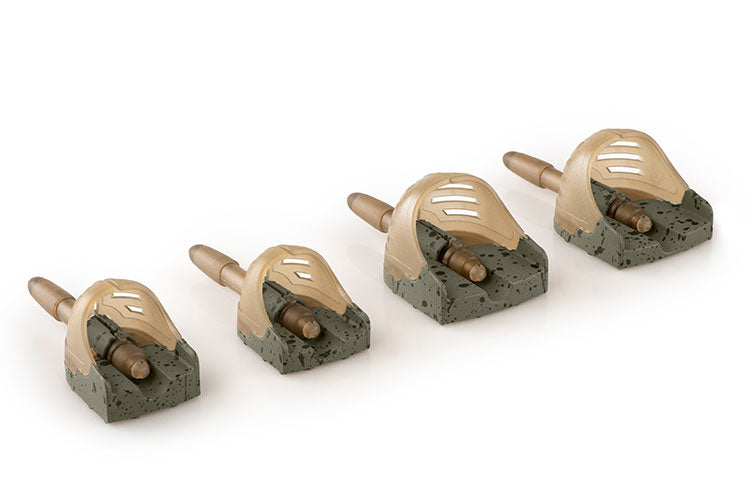
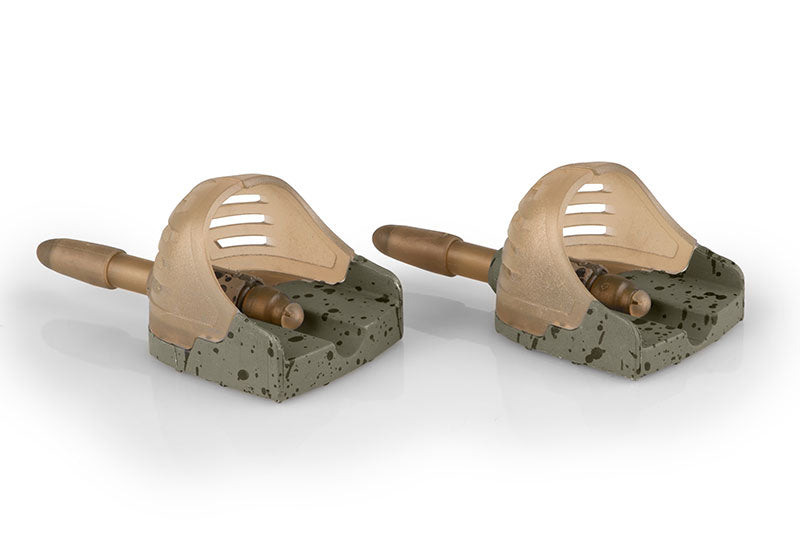
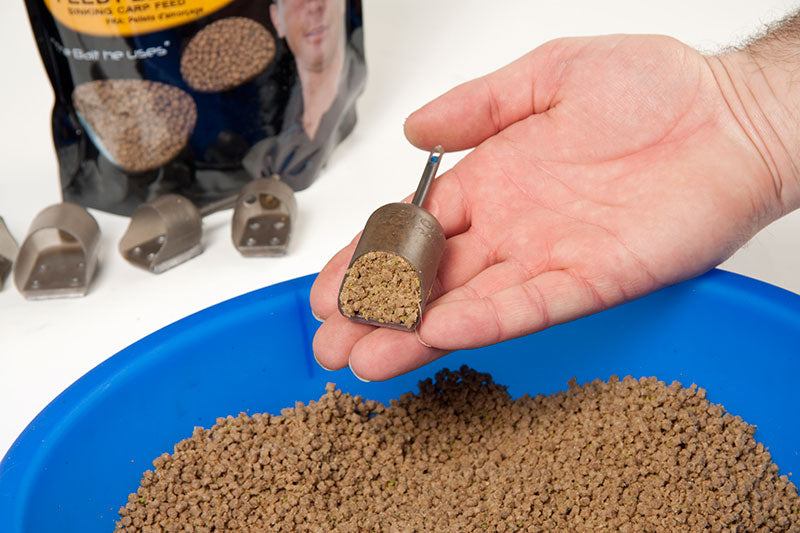
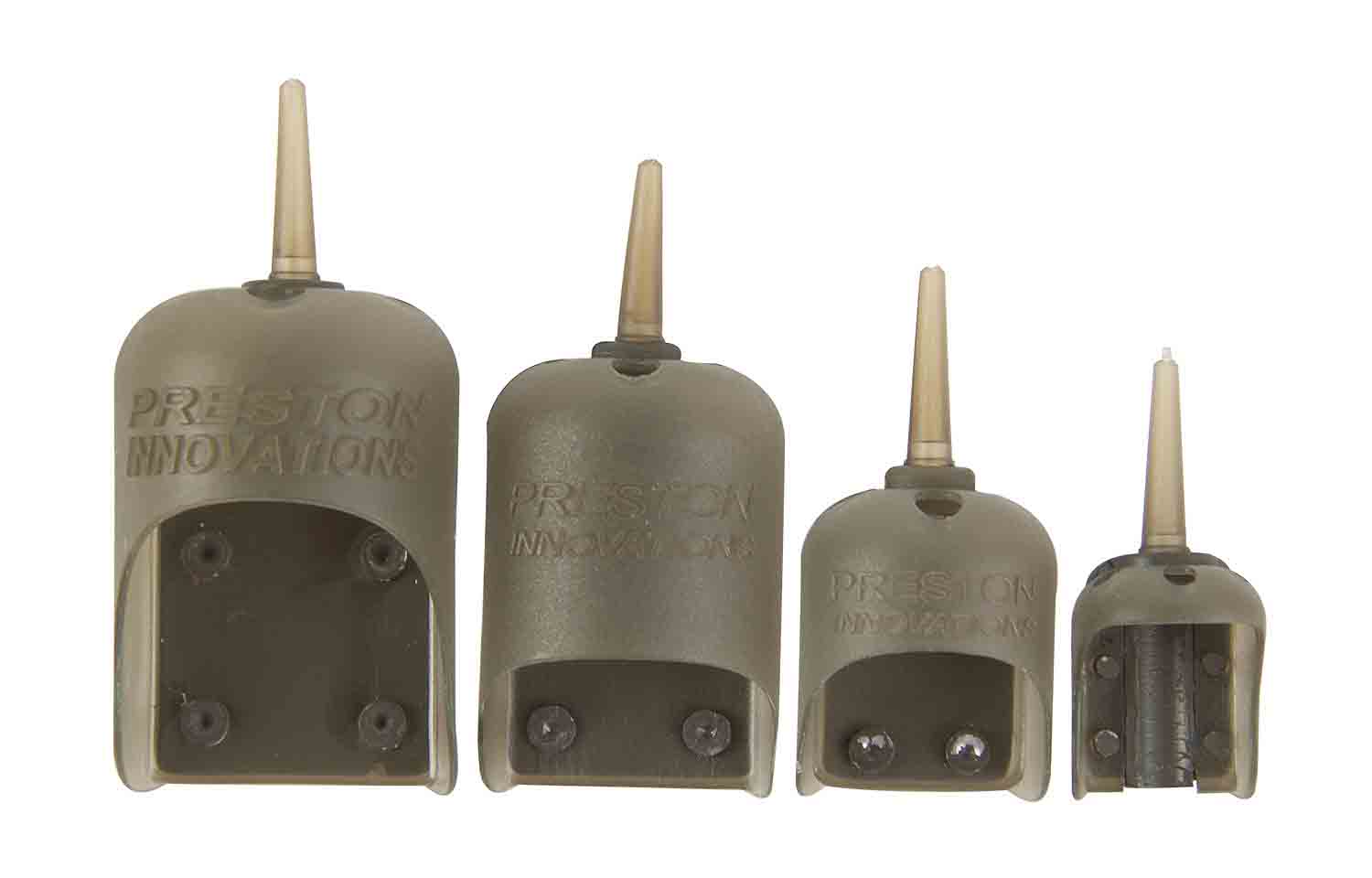
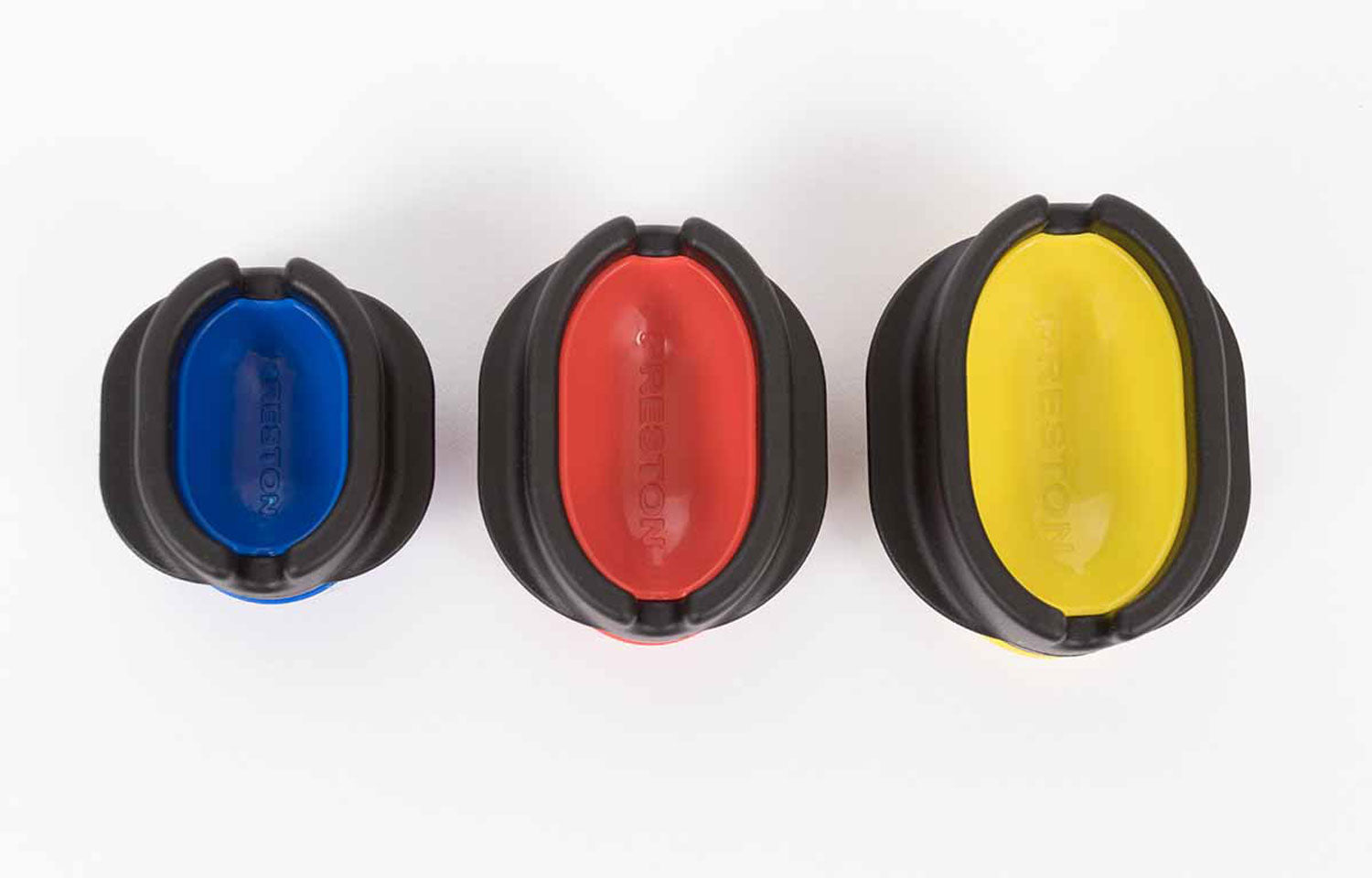
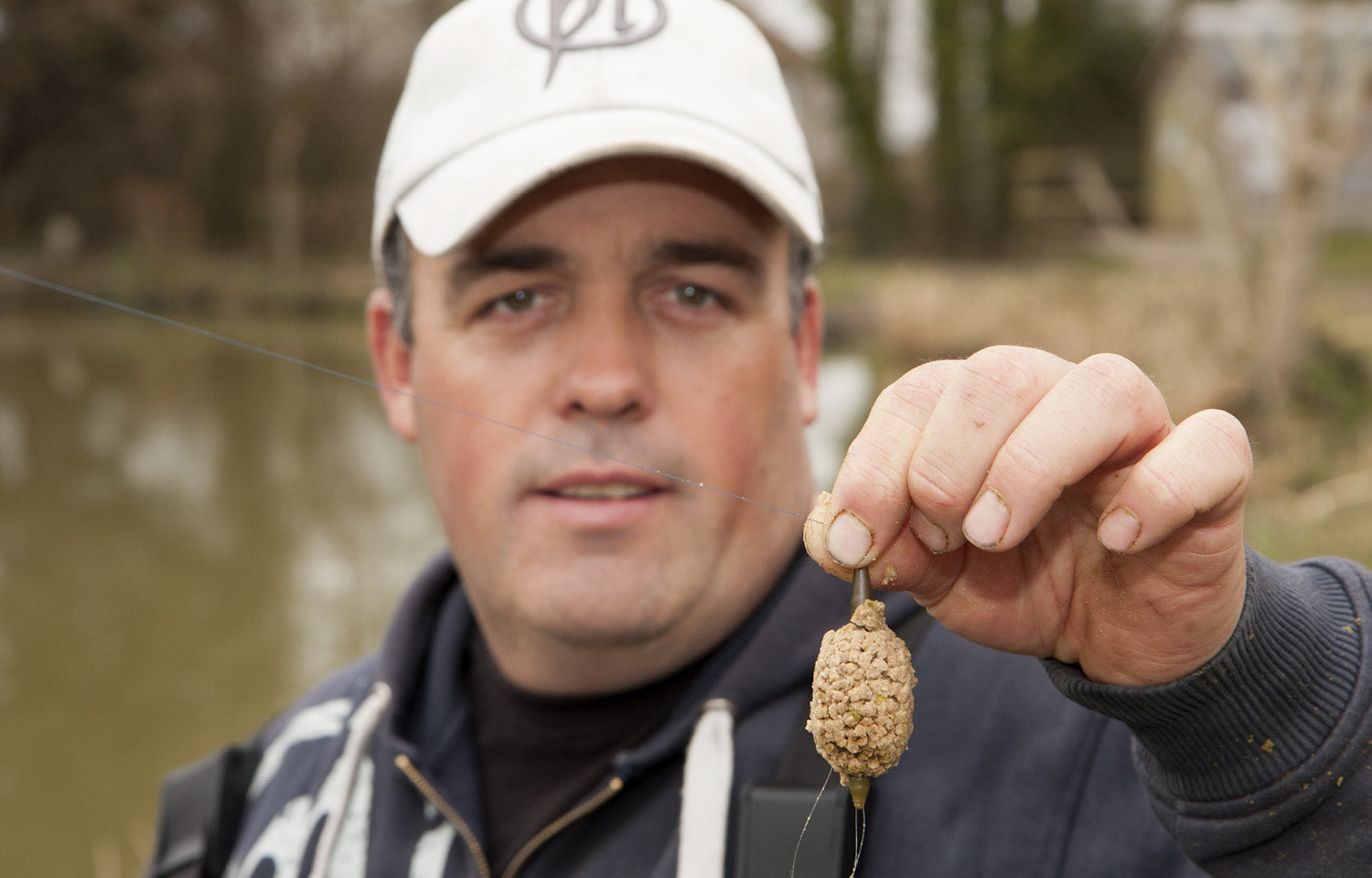
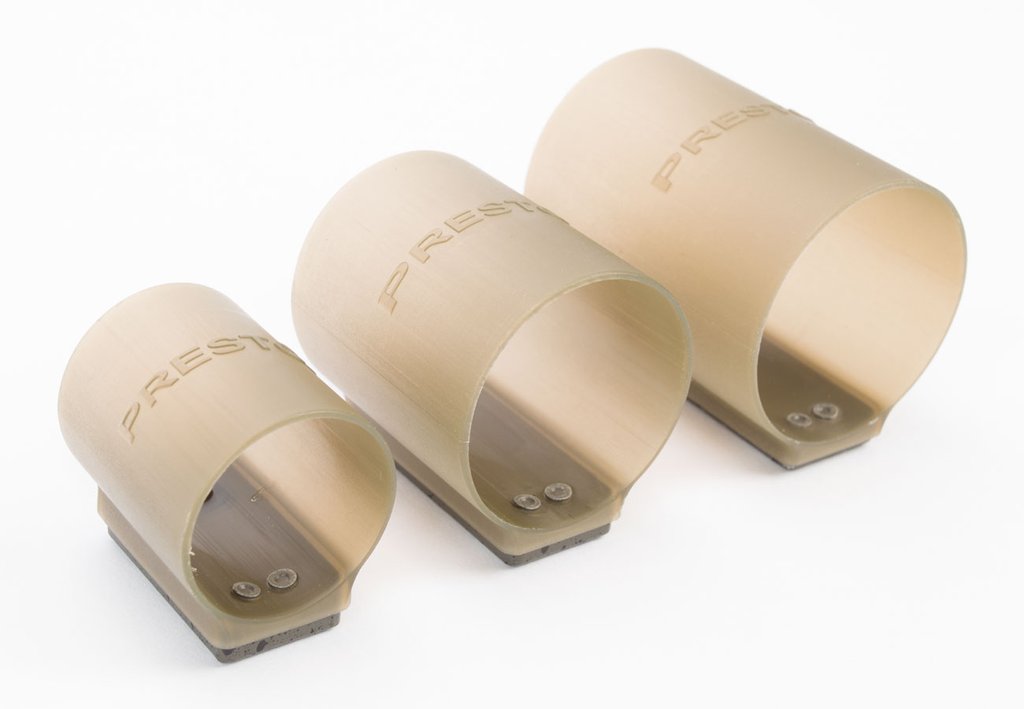
Method feeders present a compact load of groundbait or pellets around a short hooklength and hookbait. Use compatible method moulds where required to create a consistent shape and place the hookbait correctly. Pellet feeders are designed around softened or prepared pellets, providing another controlled way to deliver feed close to the rig.
The current range includes Preston Innovations, Matrix, Korum and Sonubaits. Compare feeder style, stated weight, dimensions, material and attachment rather than choosing by brand alone.
How to choose the right feeder
Start with the bait and how quickly it should be released. An open cage can distribute groundbait rapidly, while a more enclosed feeder protects contents during the cast and releases them more gradually. Method and pellet feeders create a compact presentation close to the hookbait. Test the prepared mix at the edge to confirm that it stays on during casting but breaks down as intended after reaching the bottom.
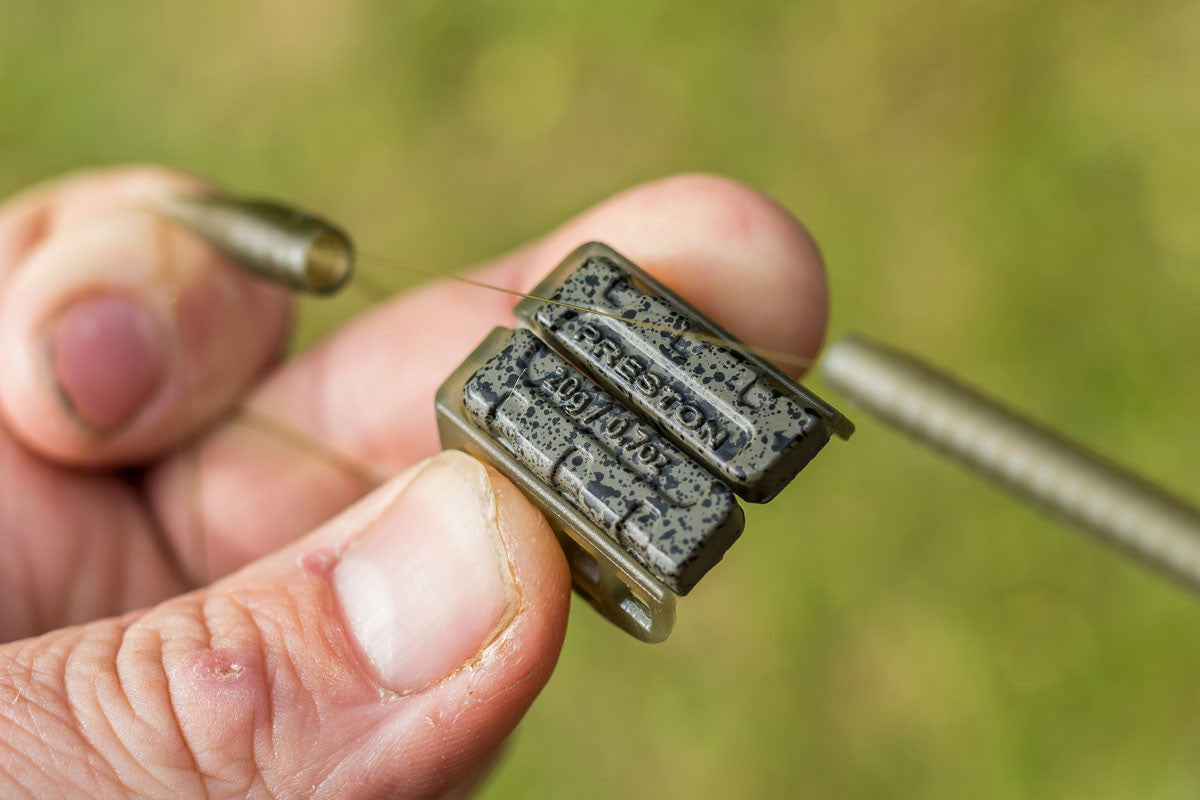
Choose the lightest weight that still casts accurately and holds position. Rivers or strong undertow may require additional weight and a stable shape, while calm commercial fisheries often allow a lighter setup. For long casts, balance feeder weight, bait load and aerodynamic shape. Remember that the total casting weight includes the feeder and its contents, not only the number moulded into the frame.
Consider the bottom and local snags. Flat or low-profile designs can sit steadily, while some cage and distance feeders may retrieve more cleanly over weed or debris. Check whether the feeder is inline, elasticated, free-running or attached by a link, and build the rig according to the product instructions and fishery rules. Carry several sizes and weights so you can adapt if wind, flow or casting range changes during the session.
Complete a balanced feeder setup
Pair feeders with suitable feeder rods and feeder reels. Select the right fishing bait, compatible fishing hooks and suitable hooklength line. Check the rod's casting range, line strength and every connection before casting a loaded feeder.