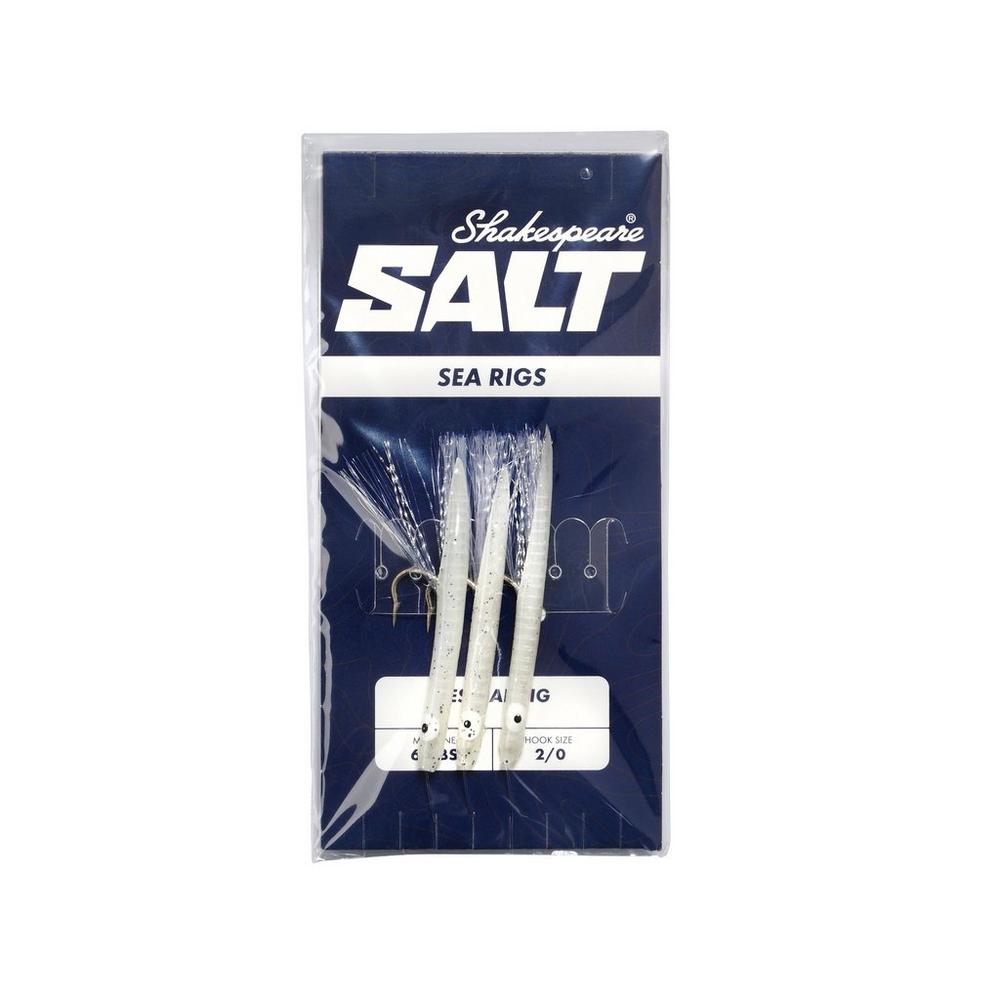
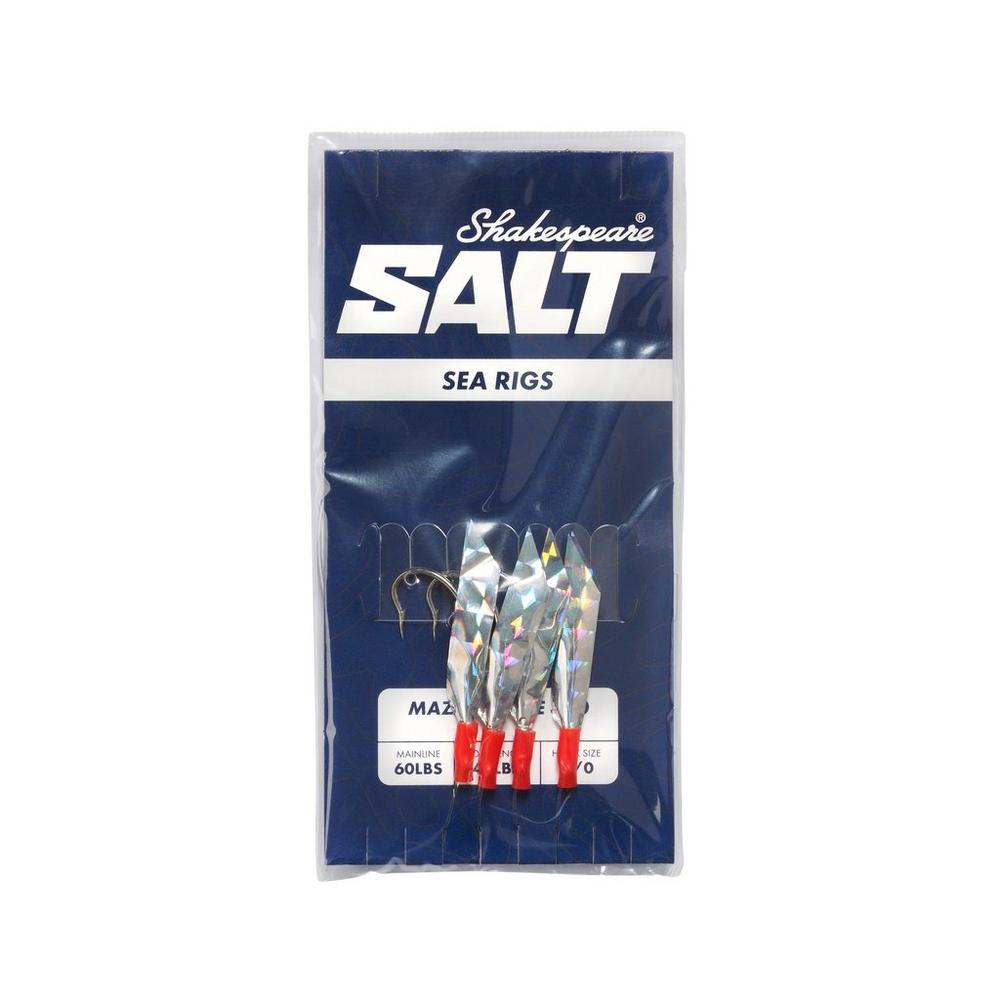
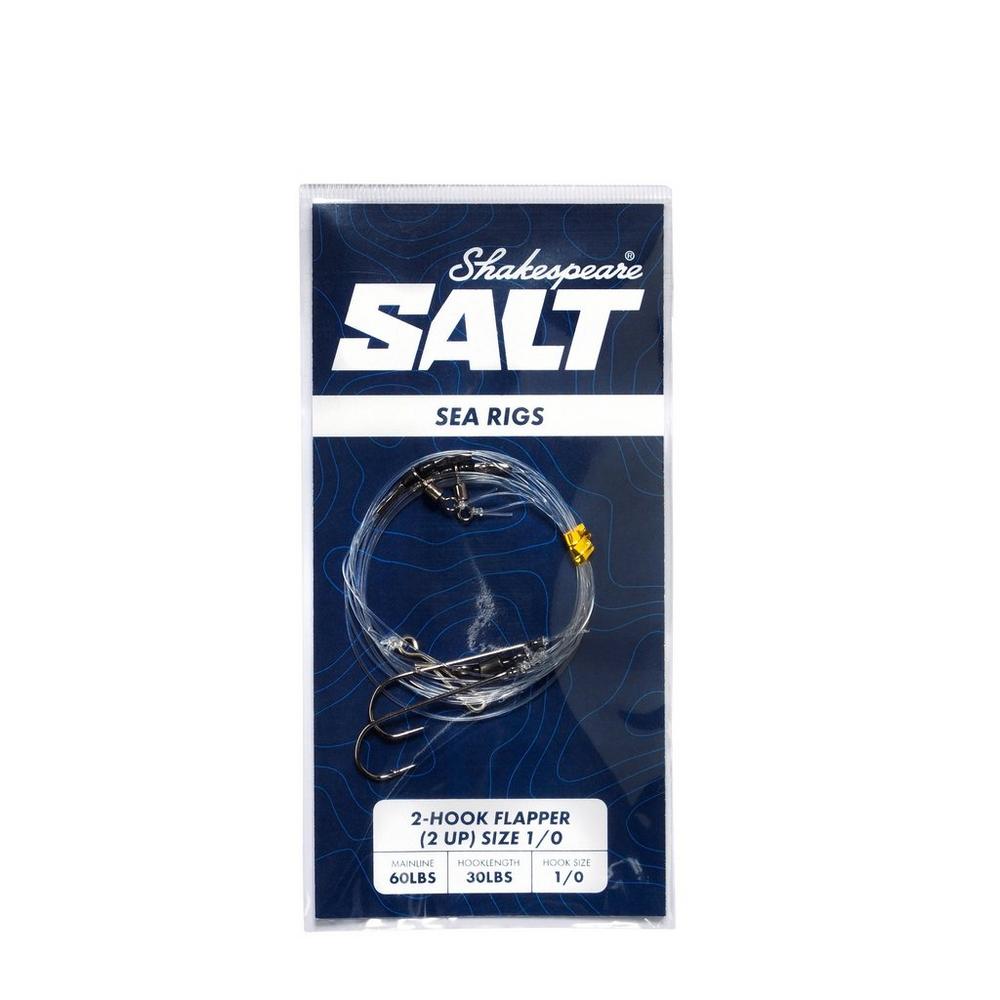
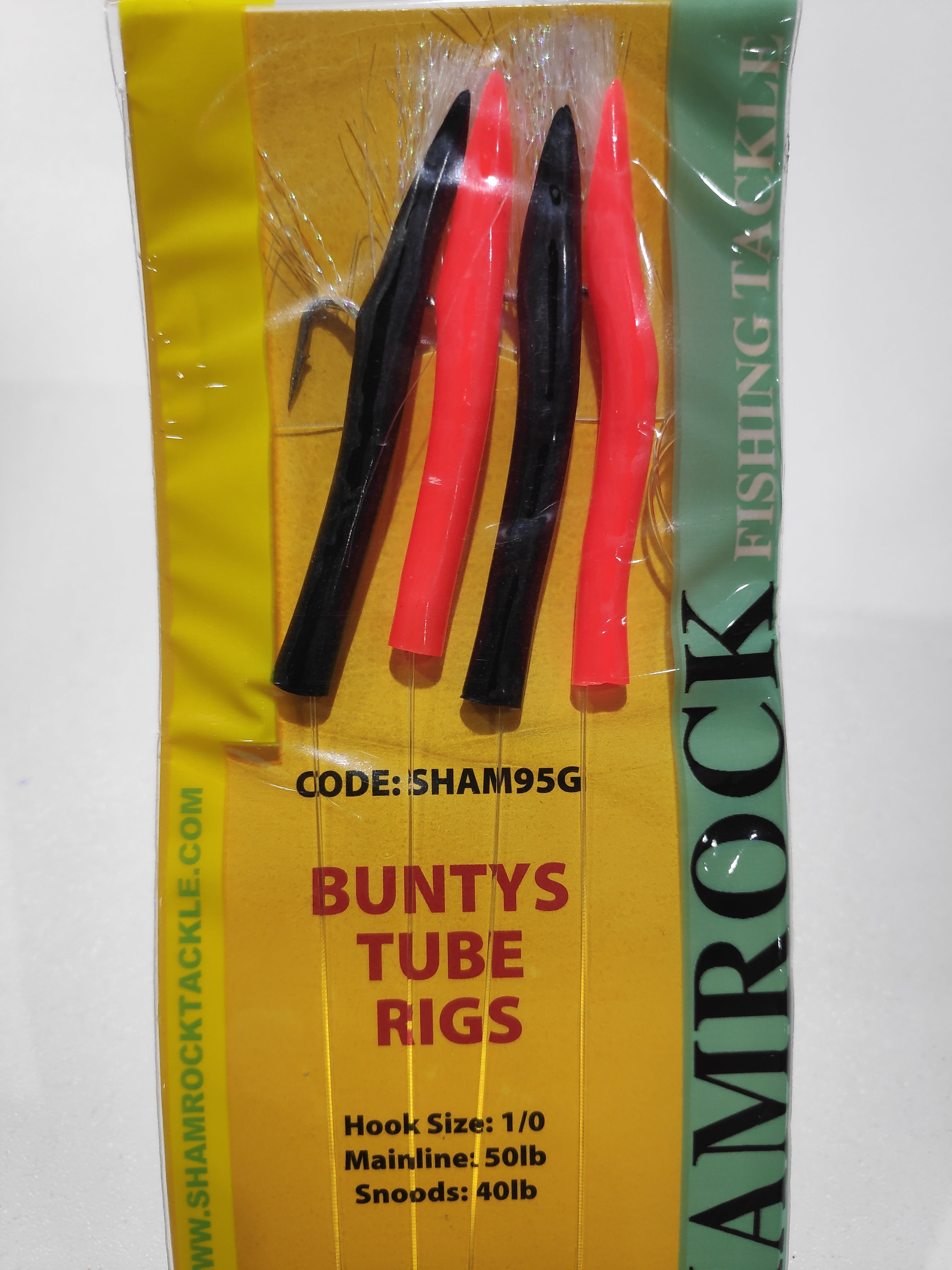
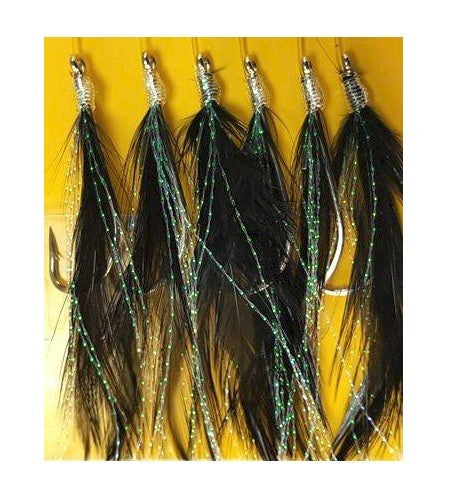
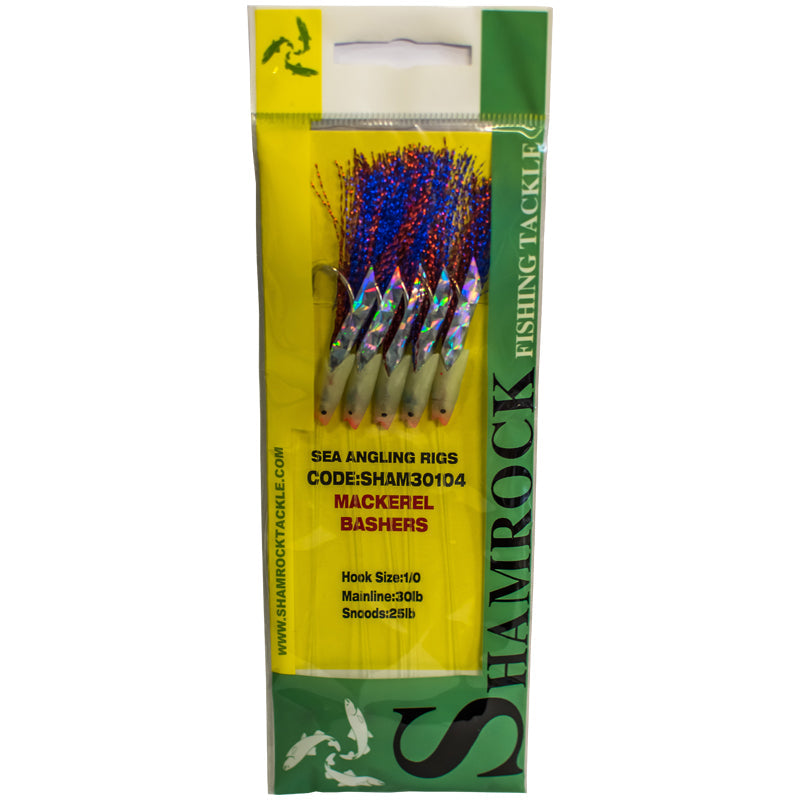
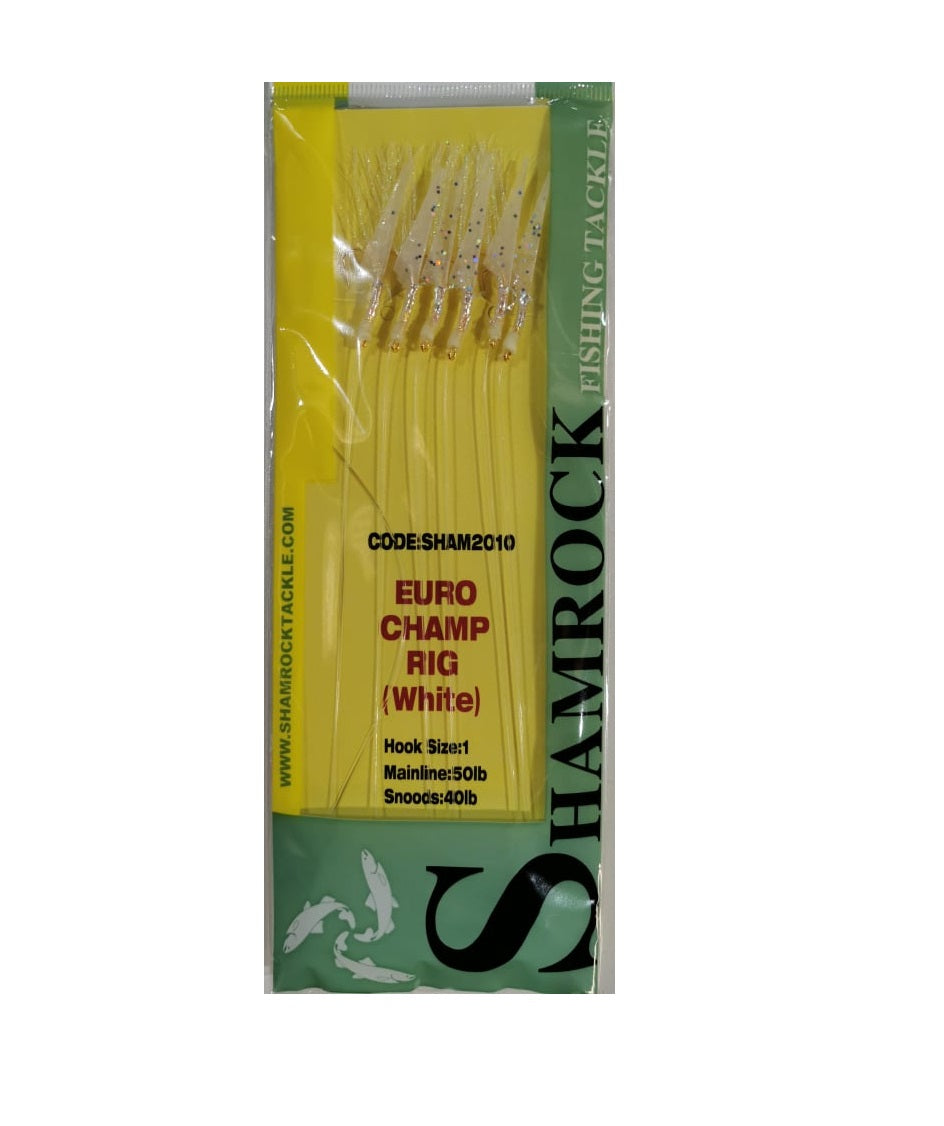
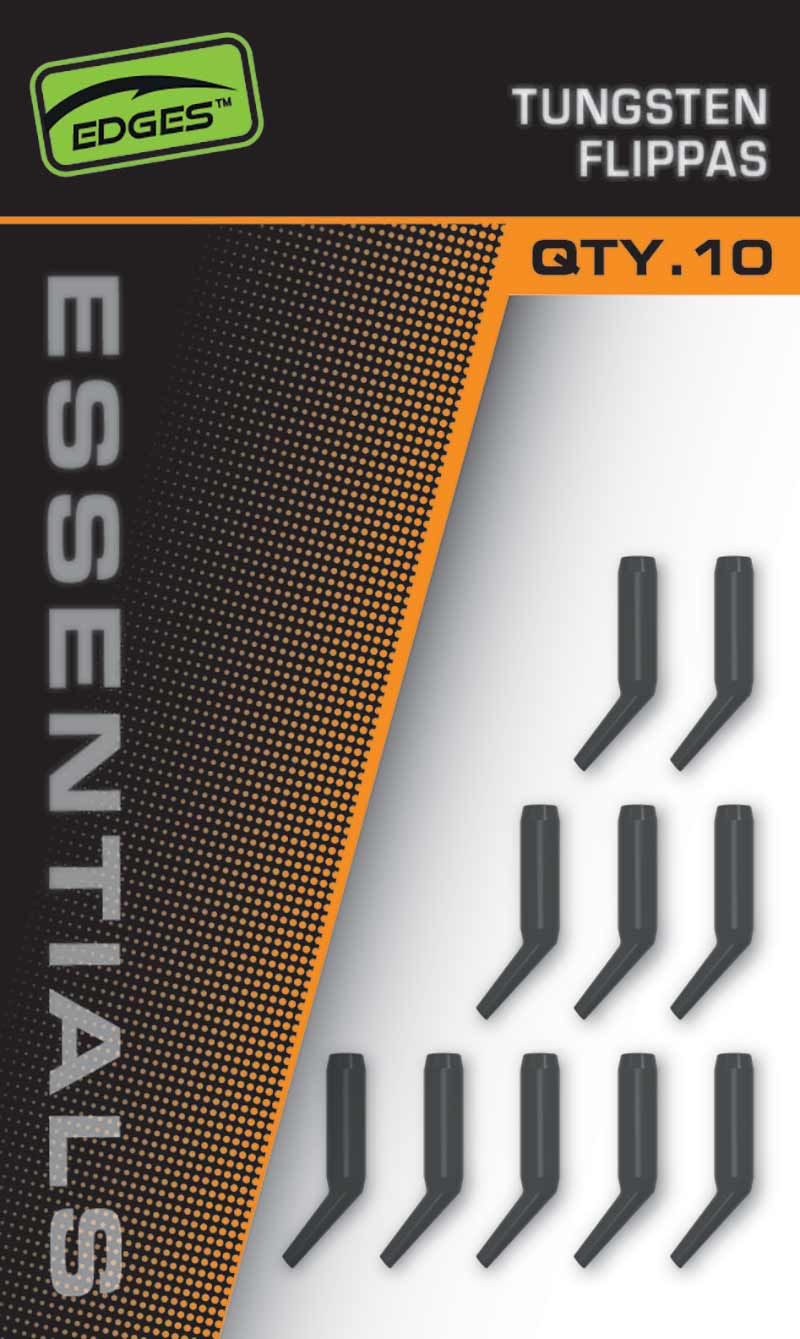
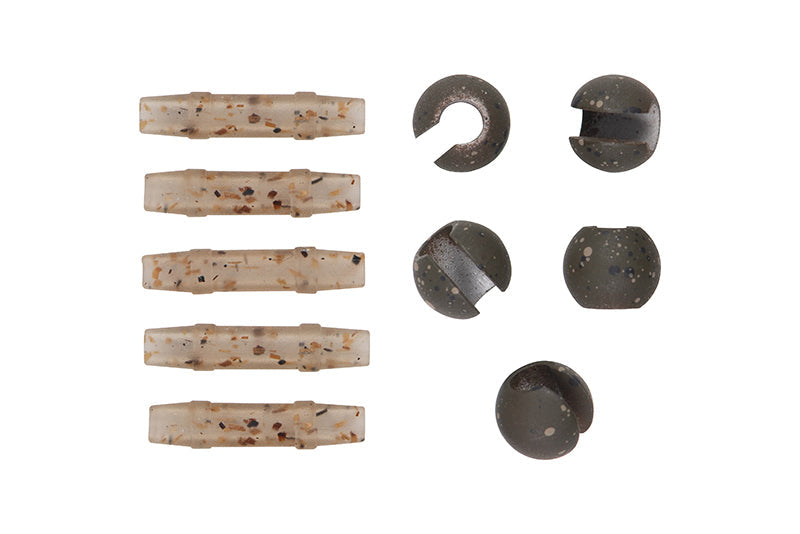
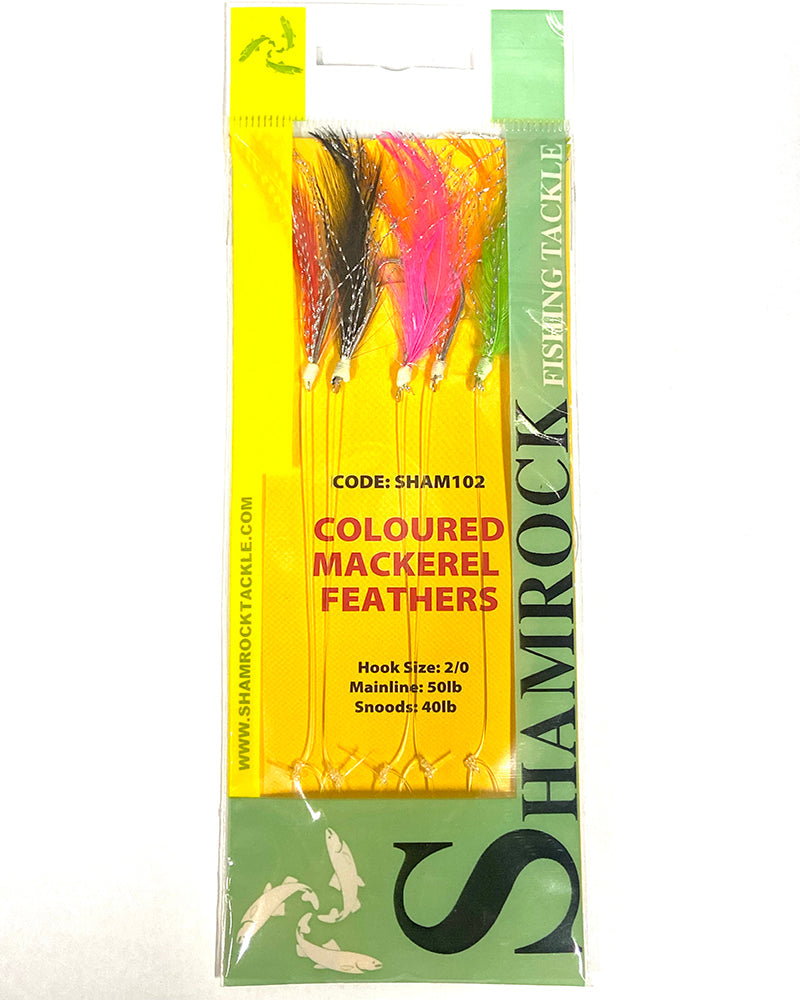
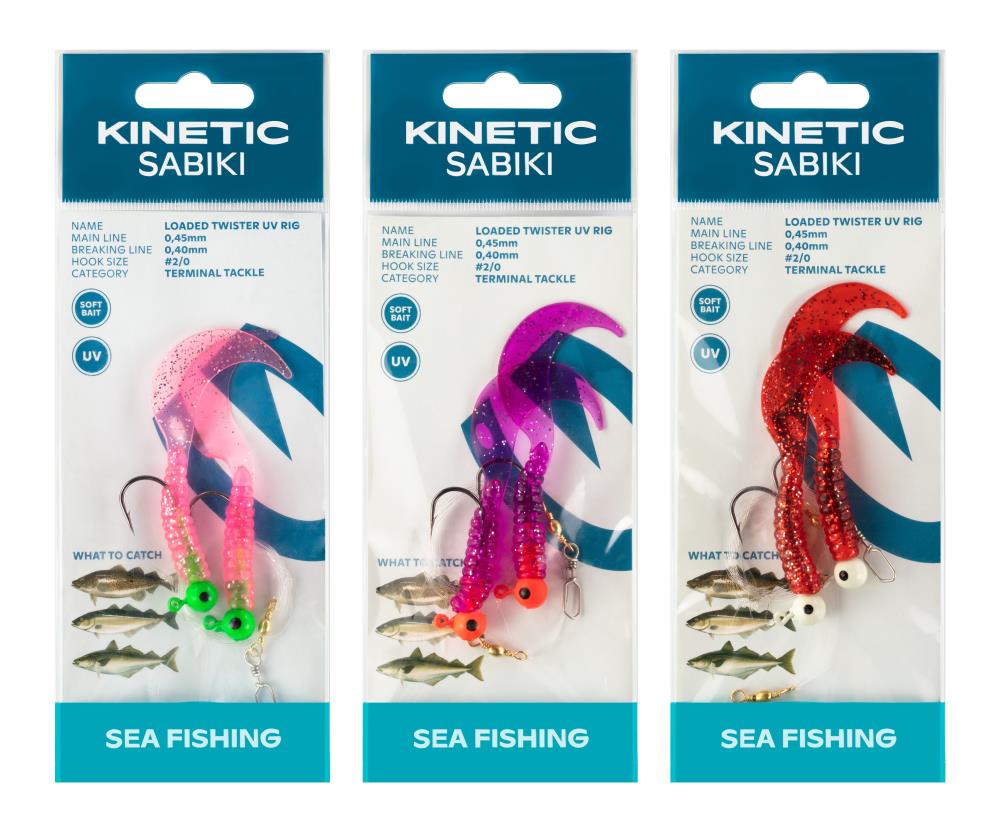
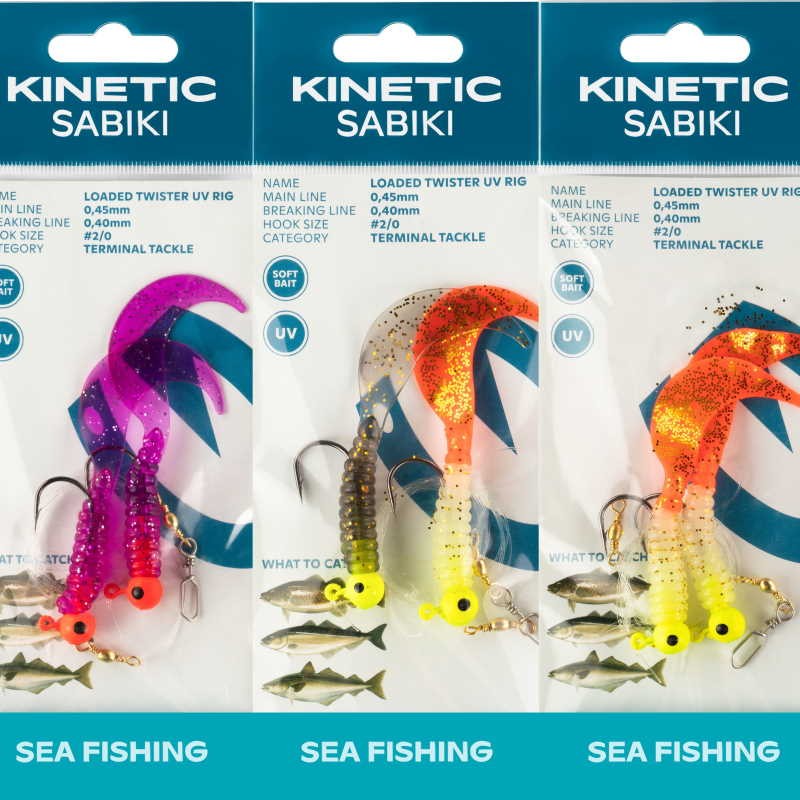
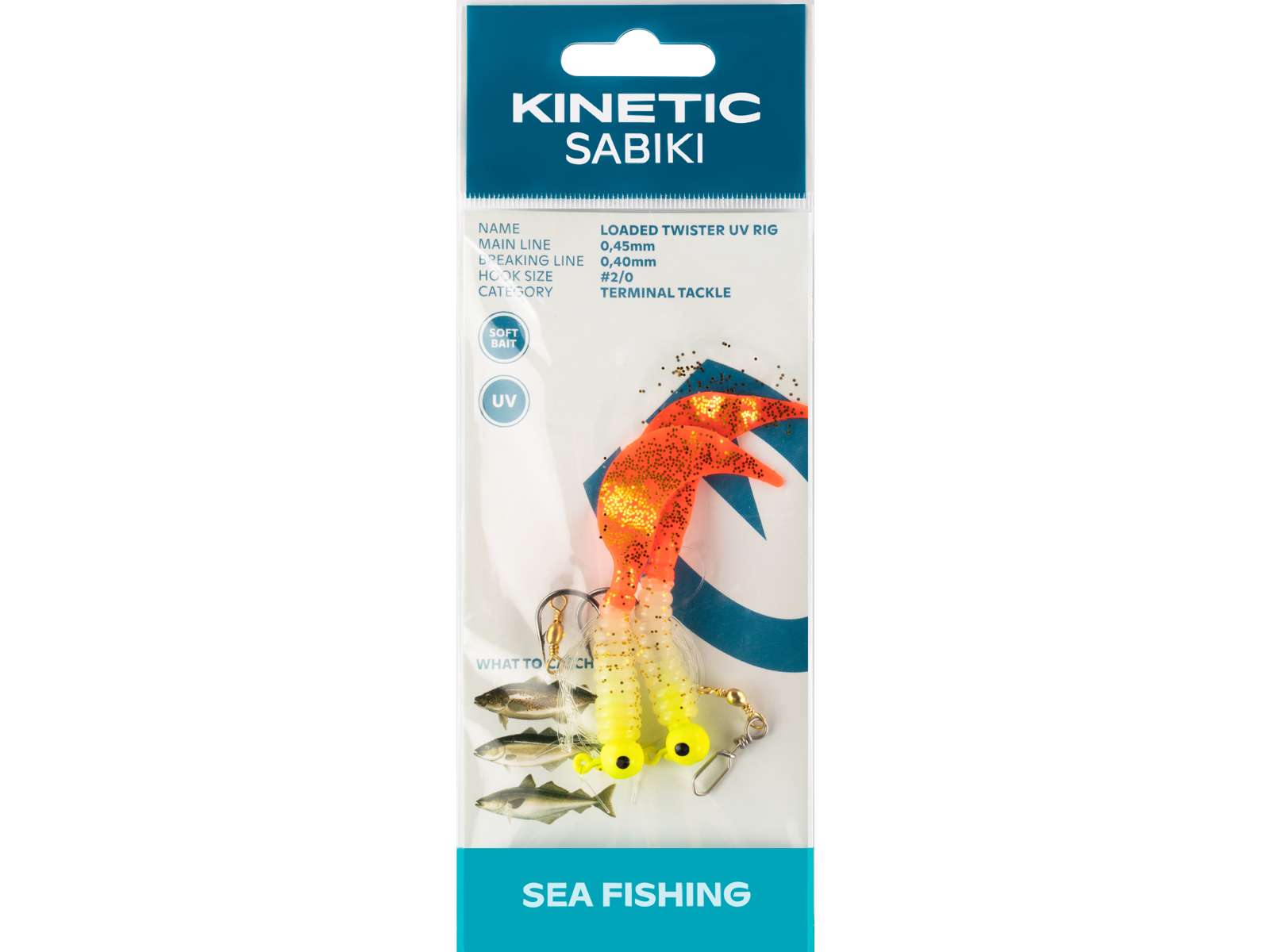
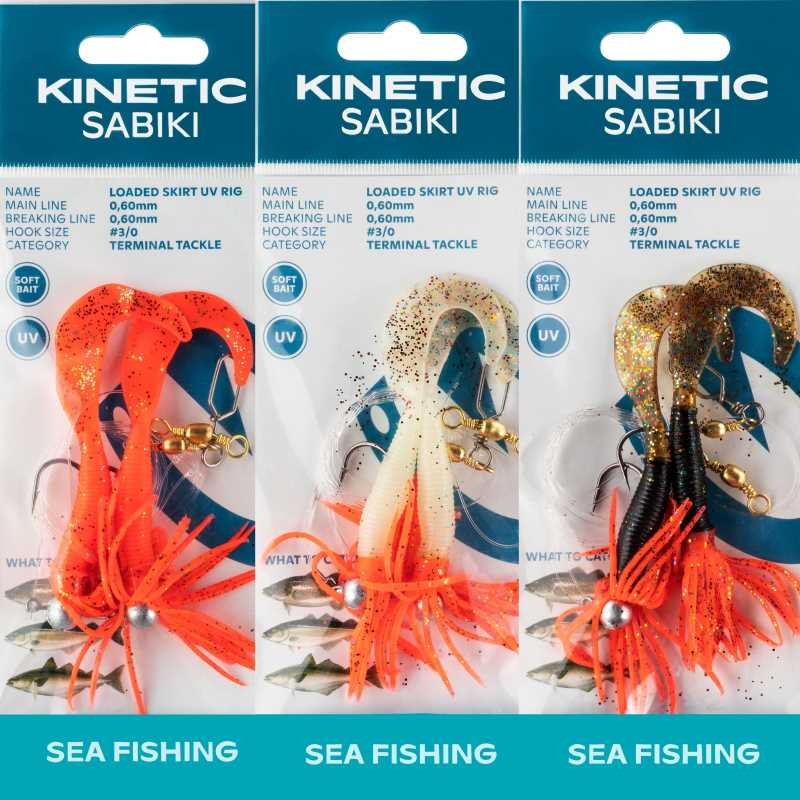
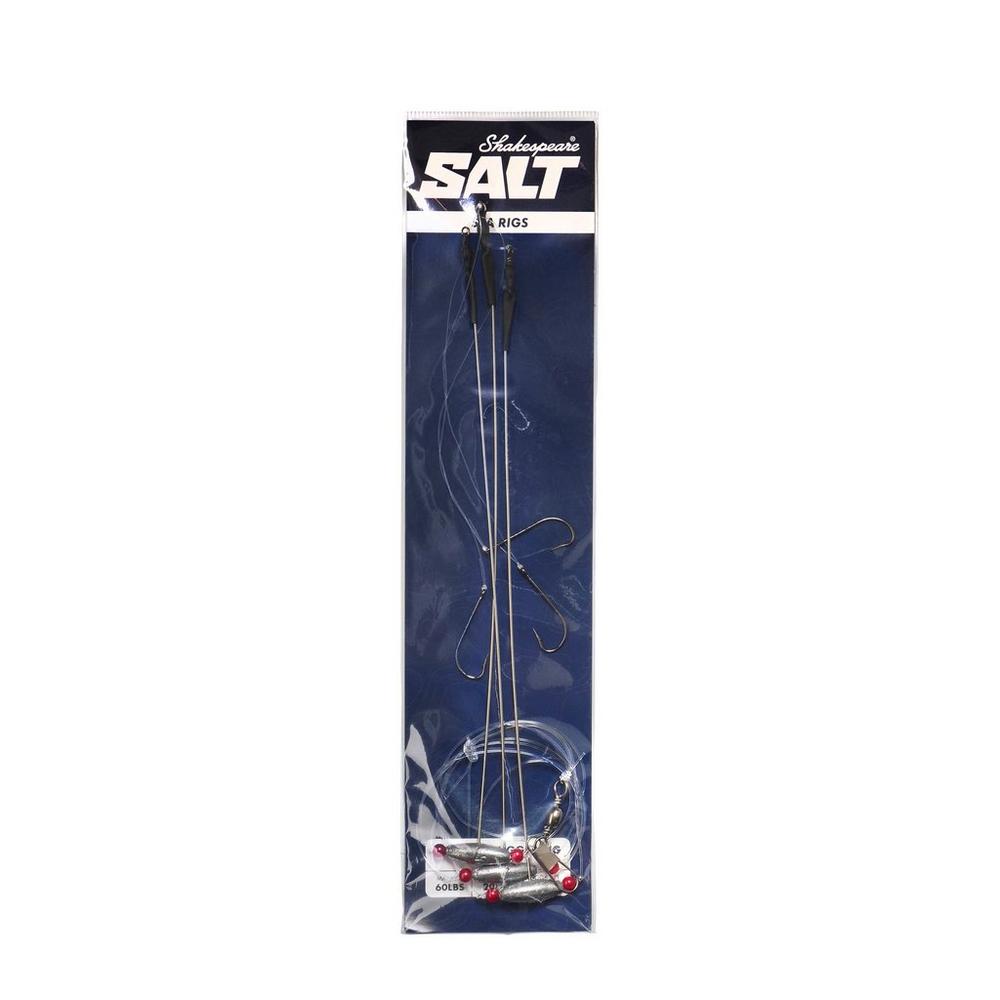
Ready-made fishing rigs for quicker setup
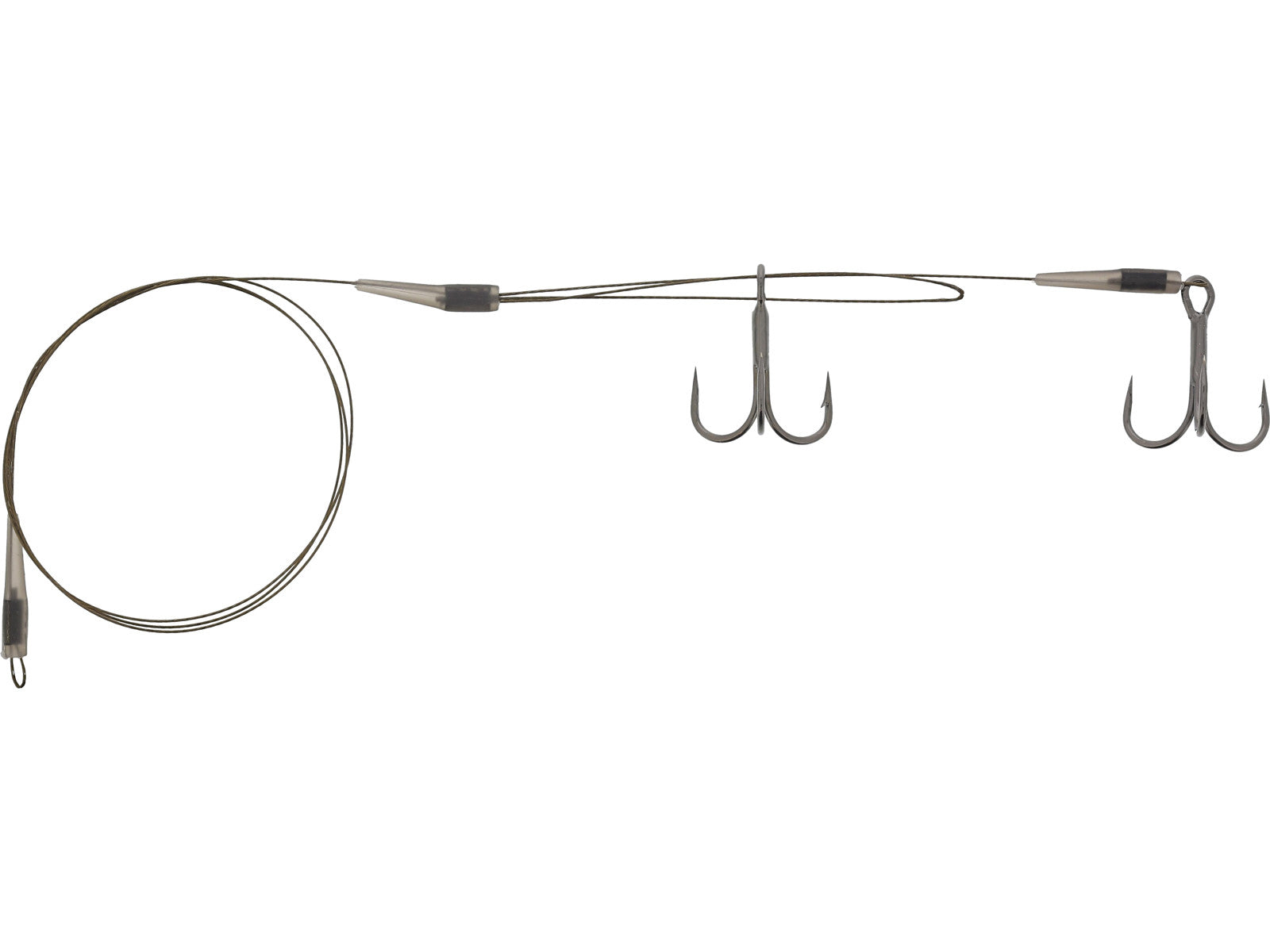
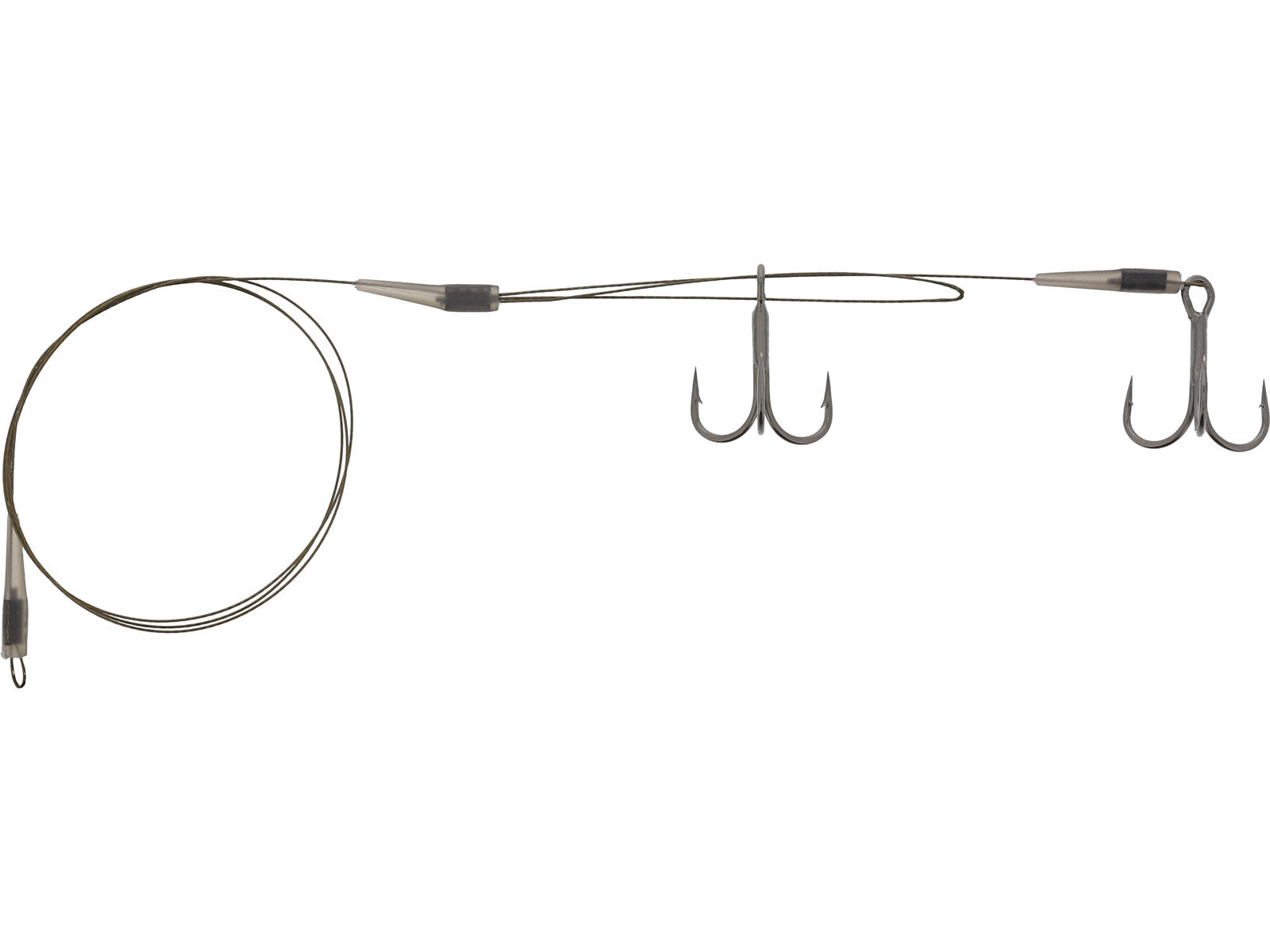
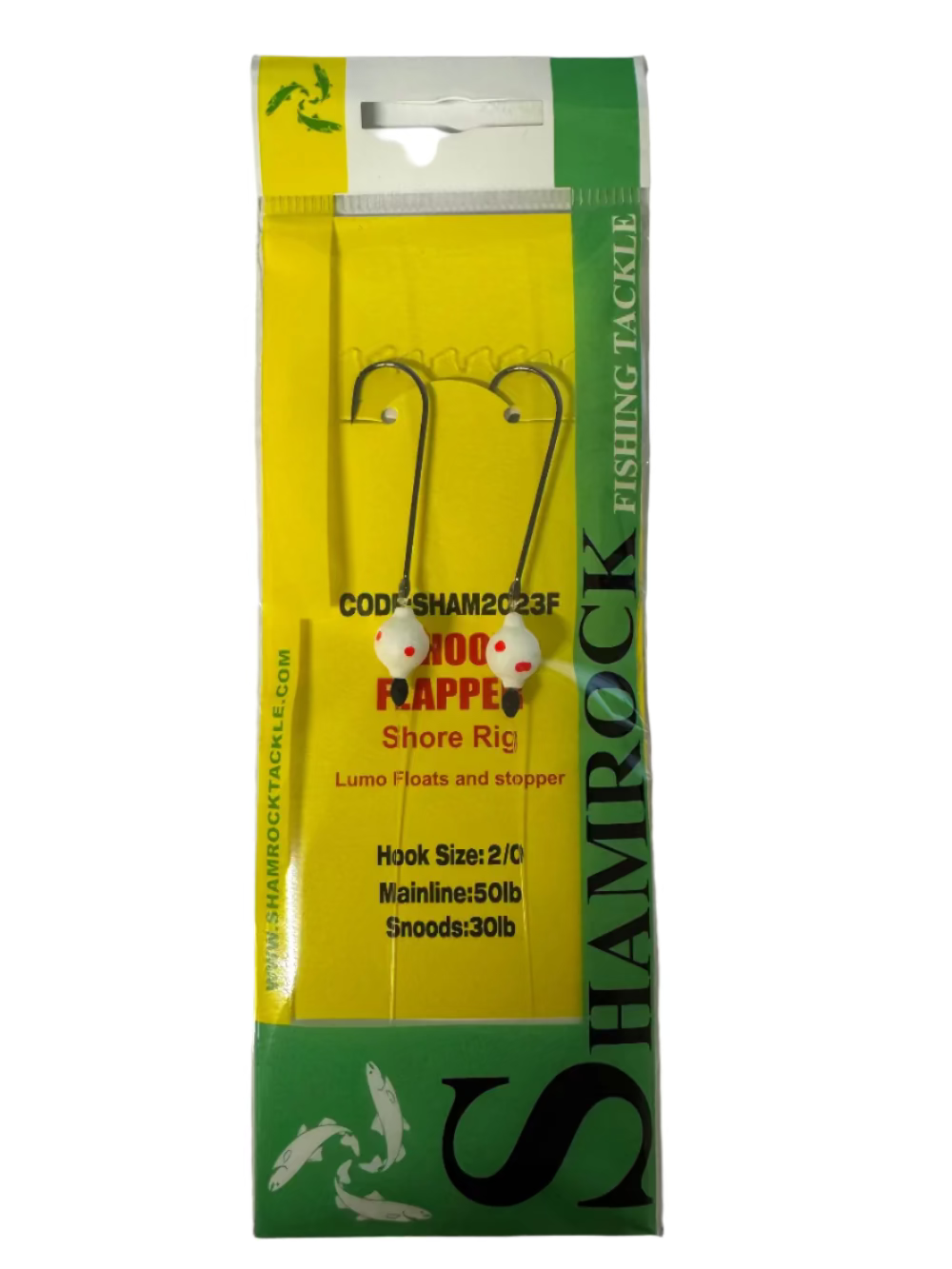
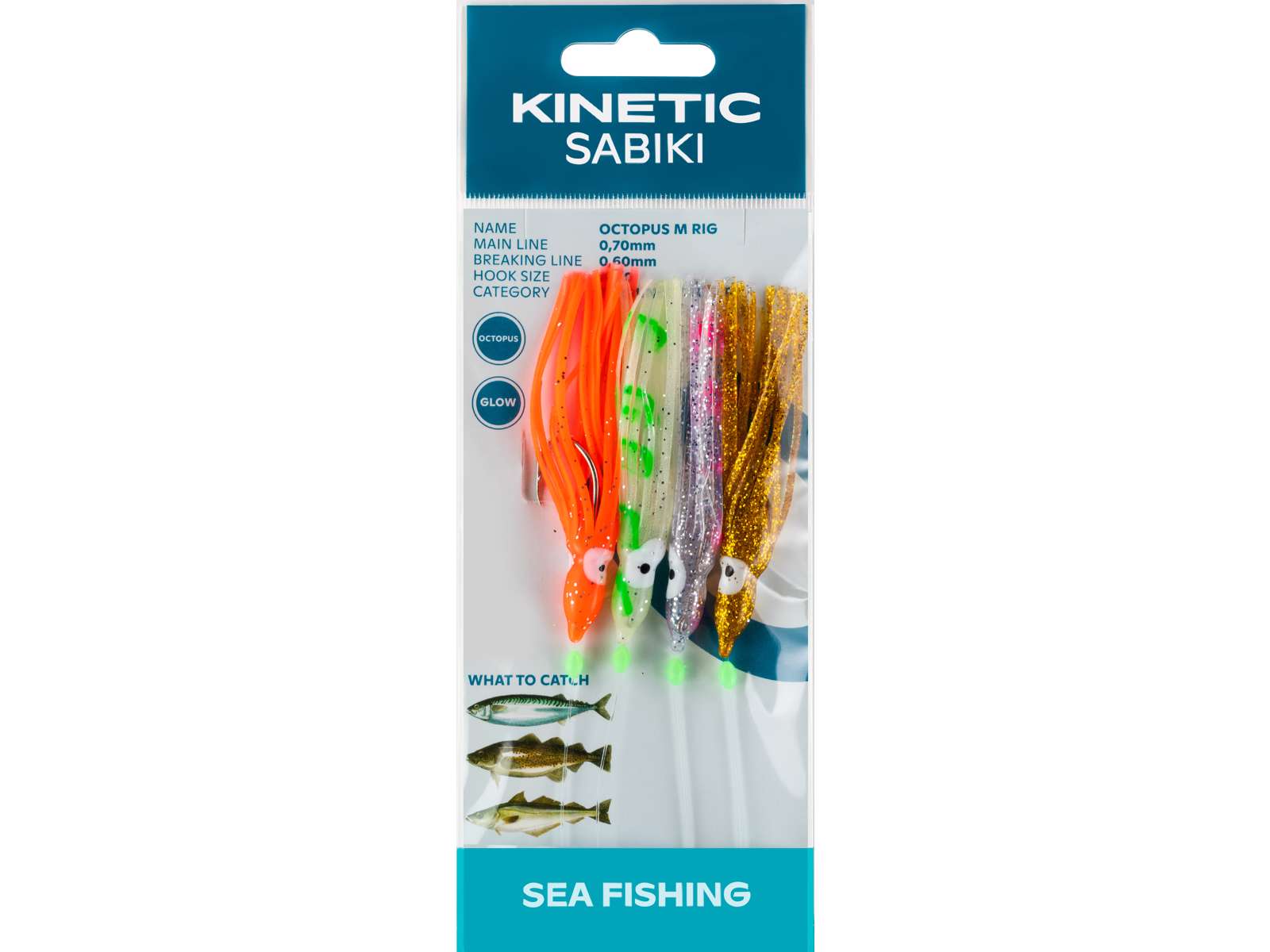
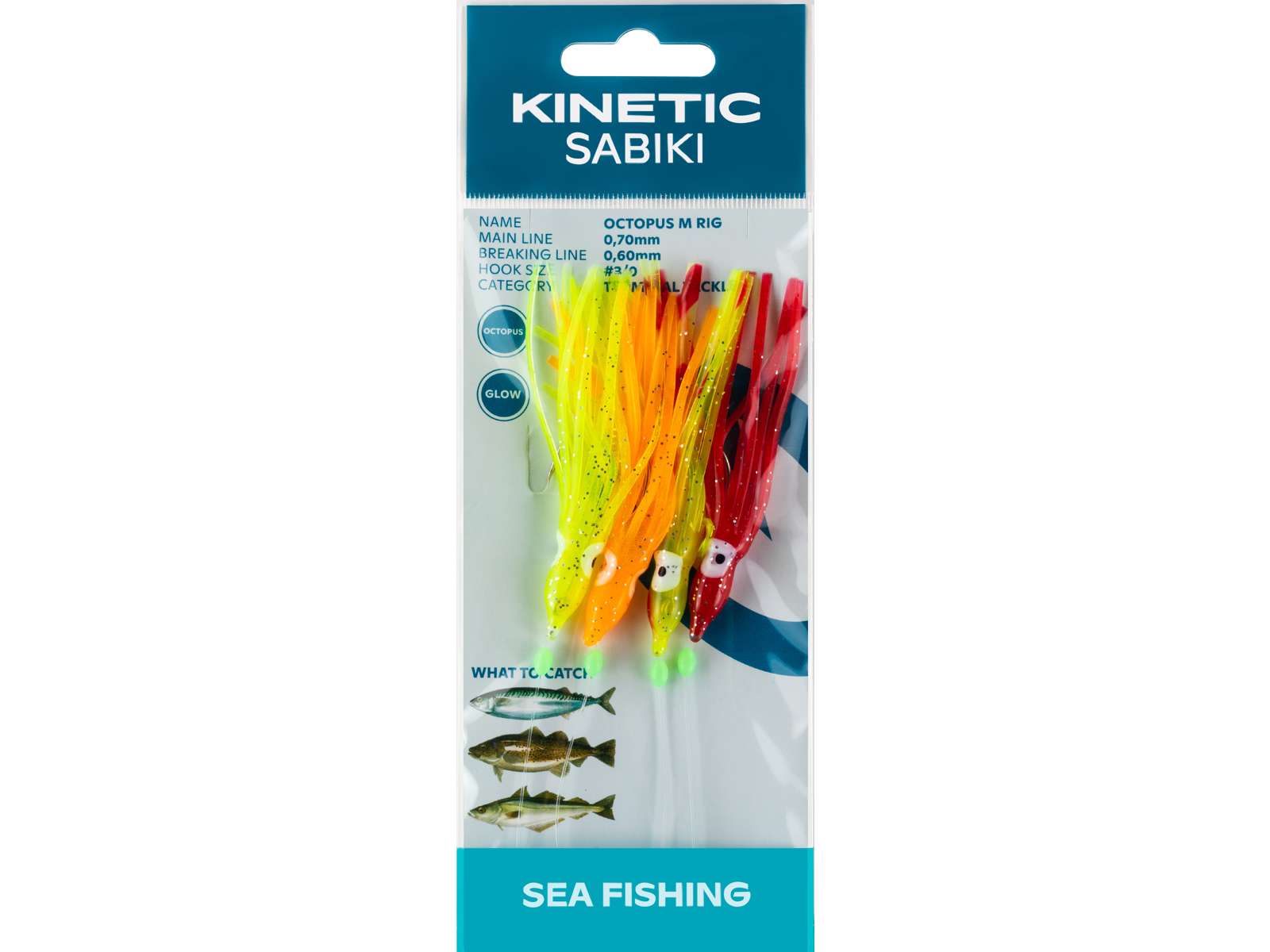
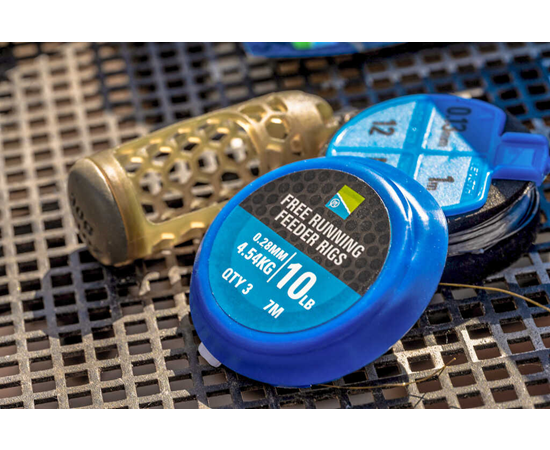
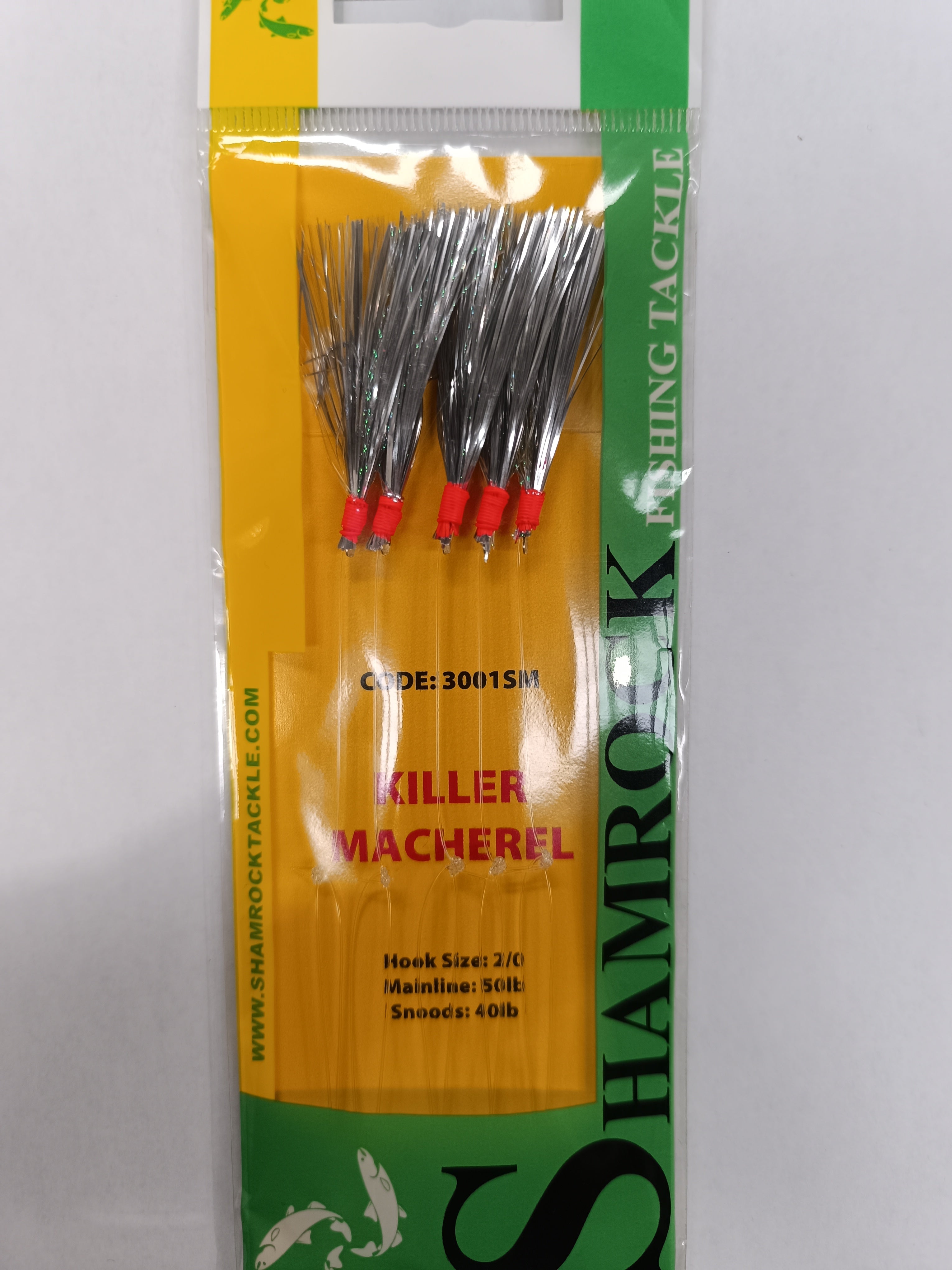
Ready rigs combine pre-selected terminal components for a stated method, bait or target species. They can save tying time and provide a repeatable arrangement, but a prepared rig is not automatically suitable for every water. Exact contents, line strength, hook pattern, weight and connection method must be checked before fishing.
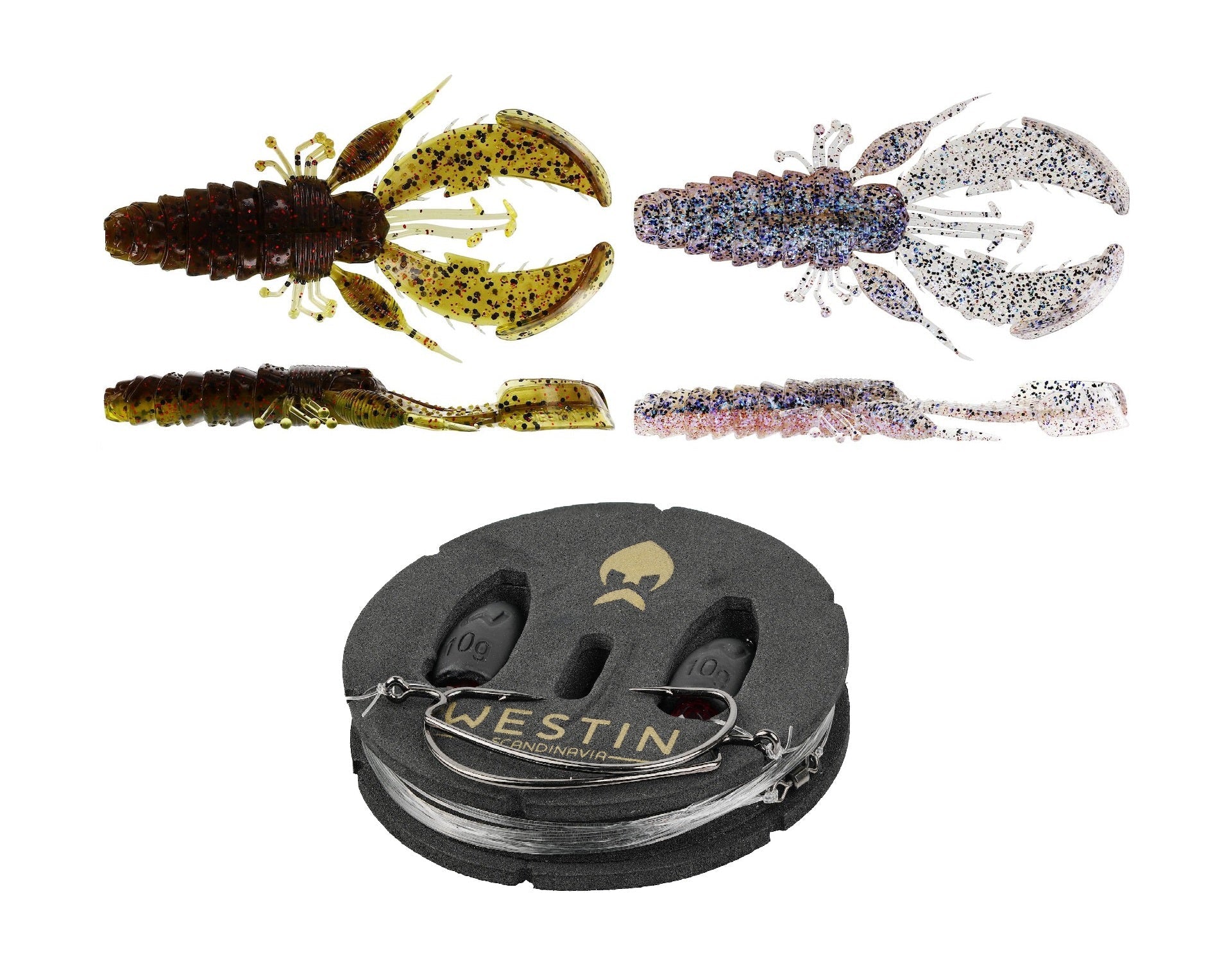
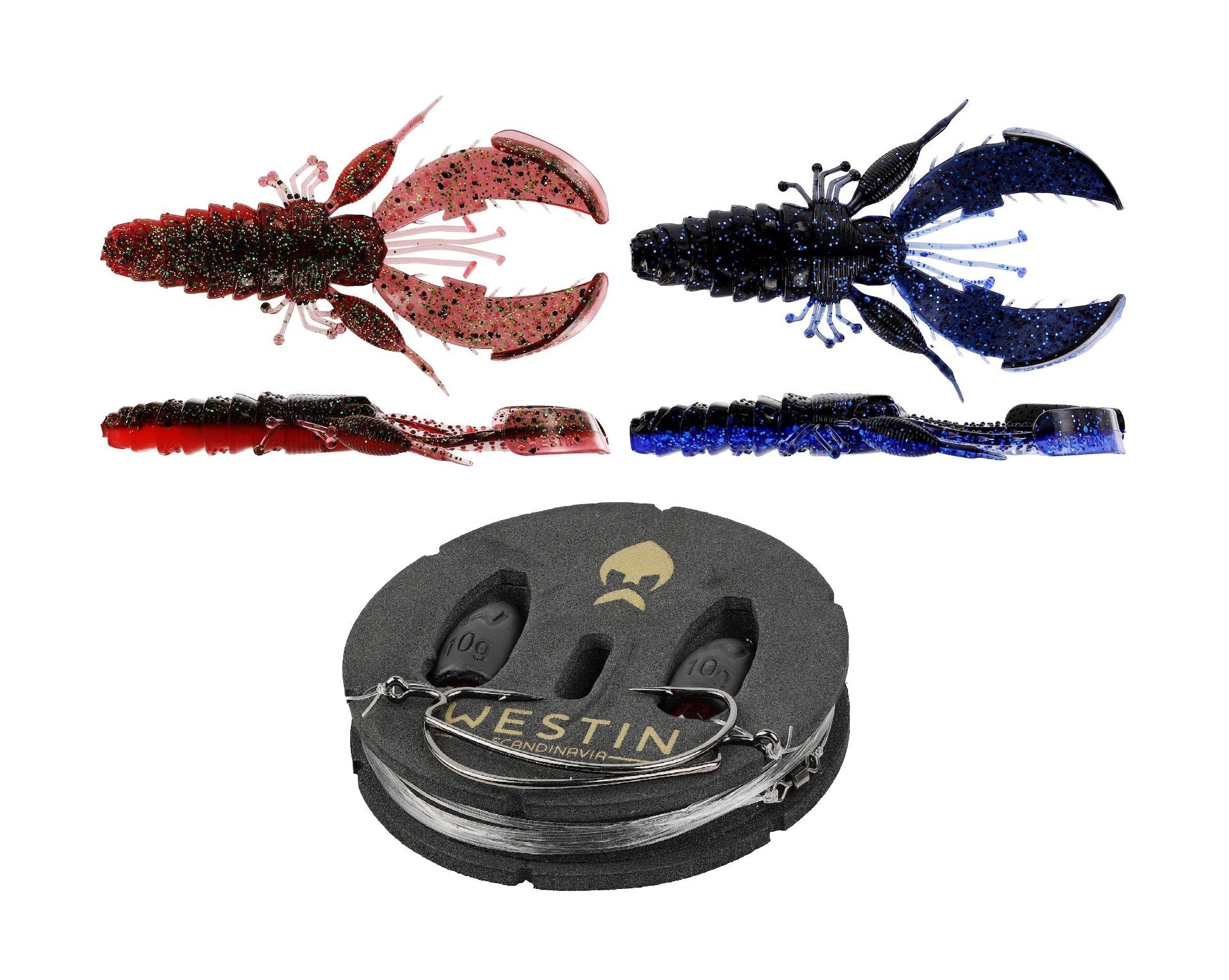
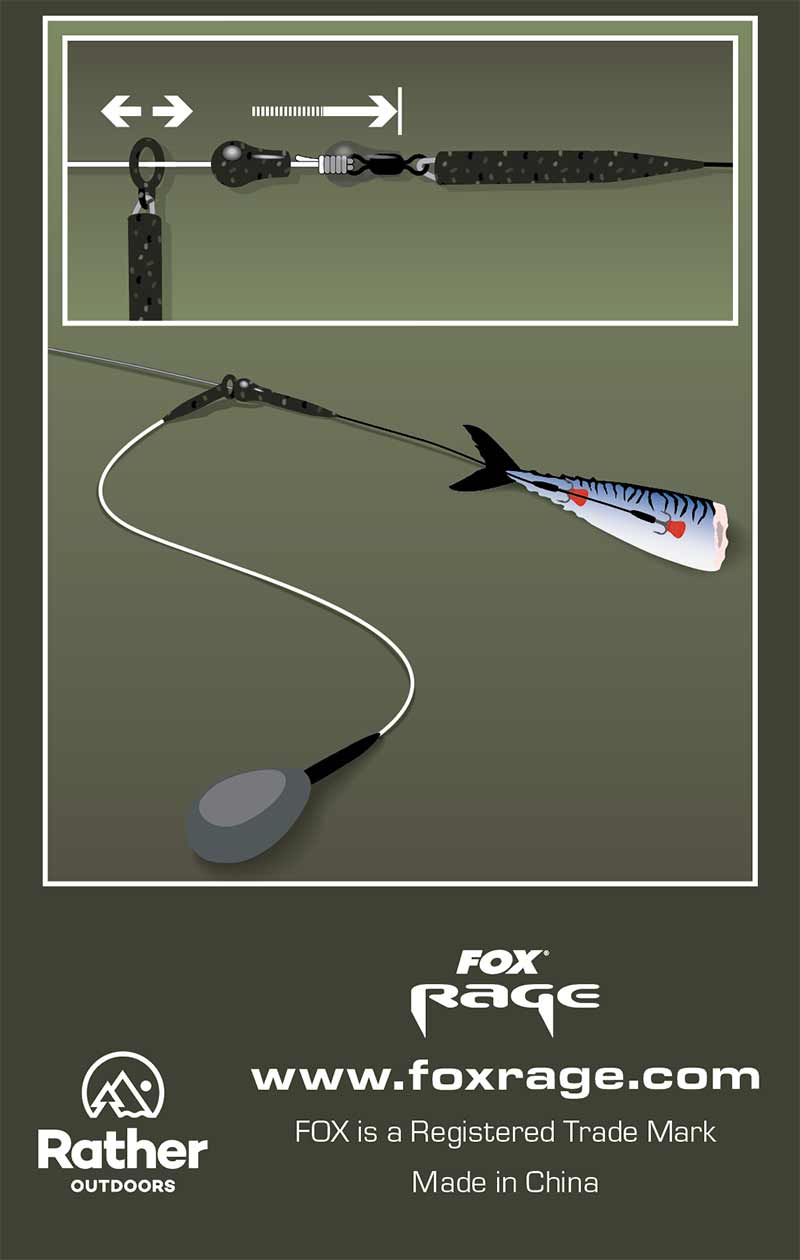
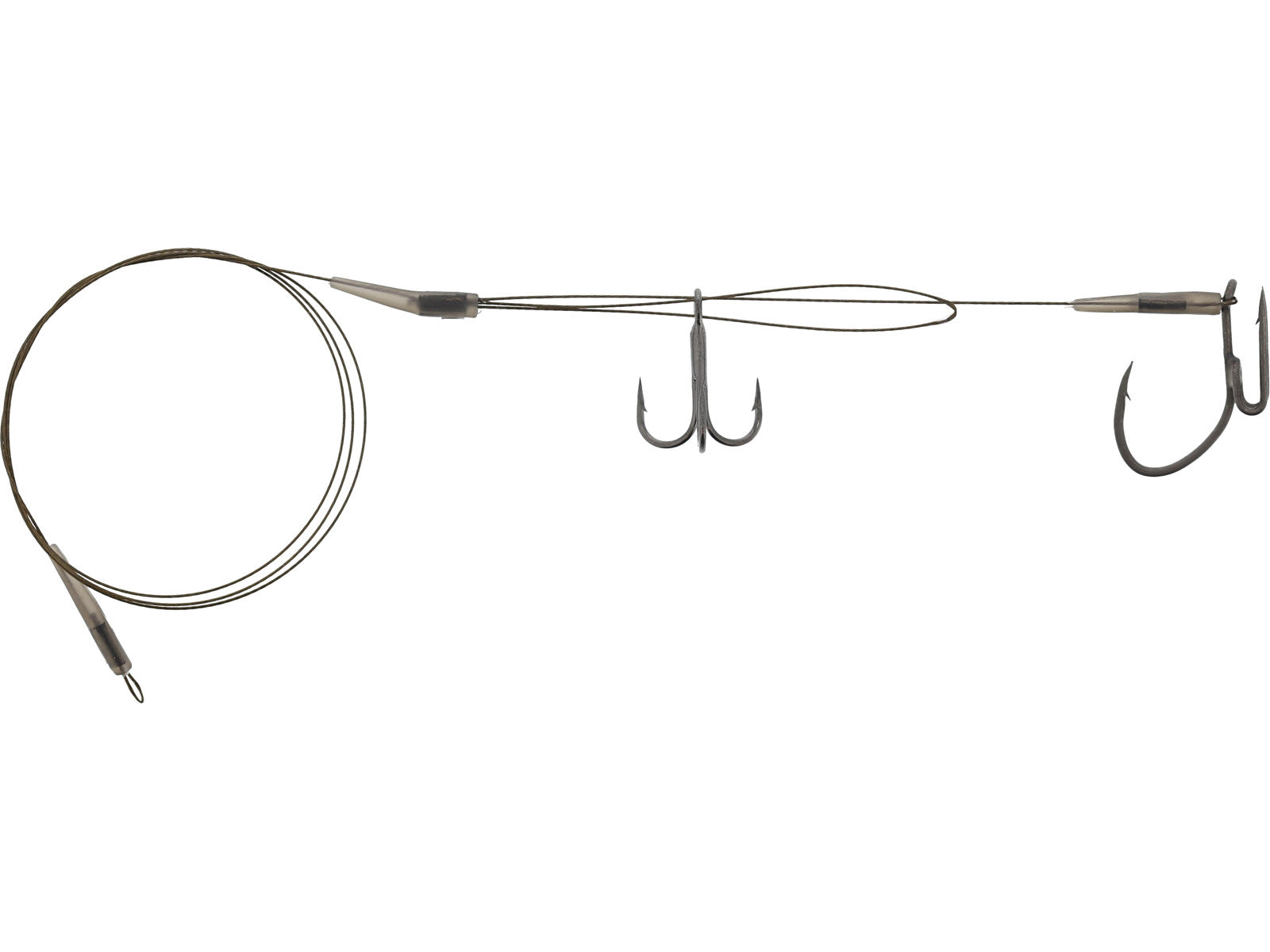
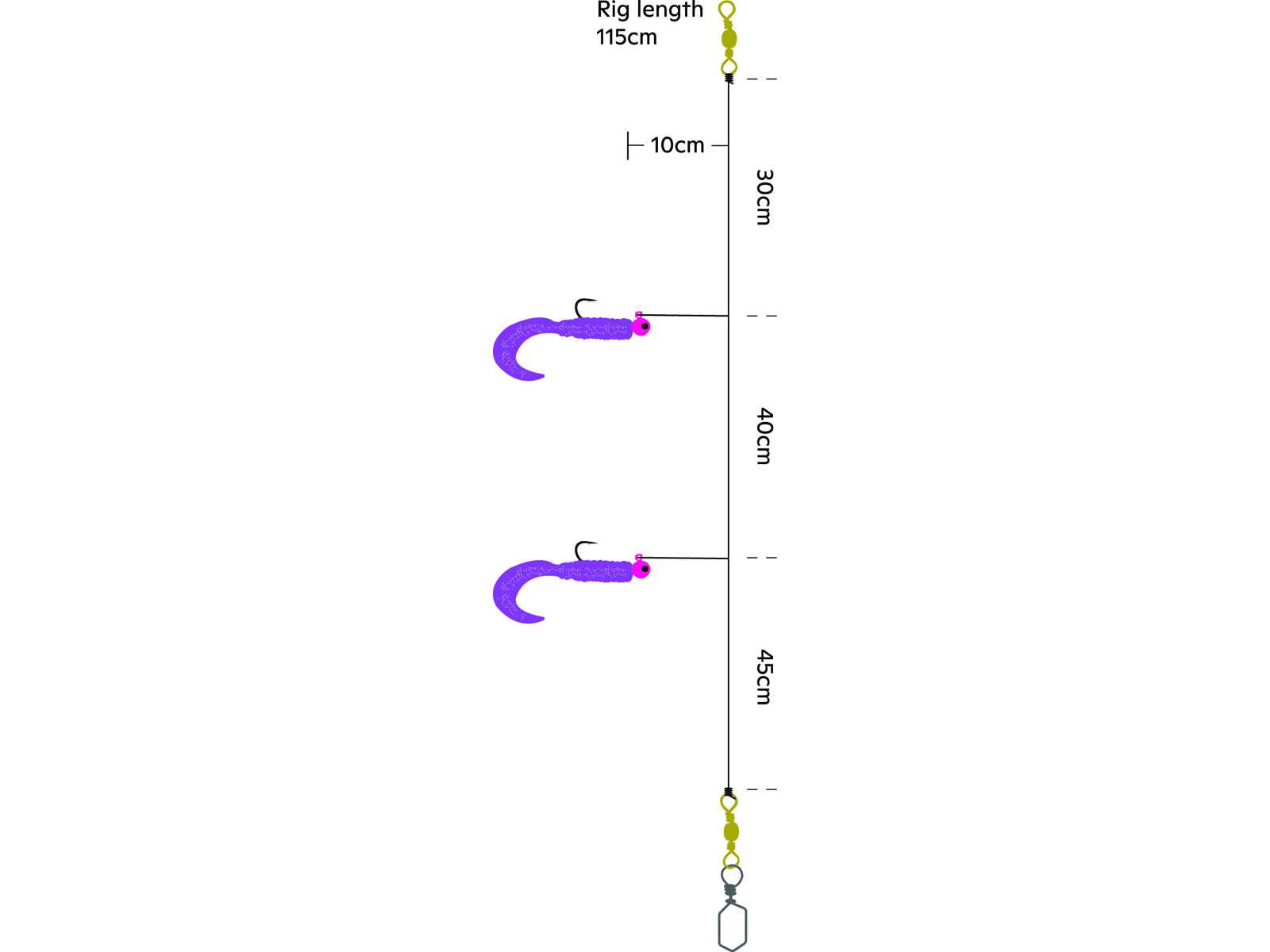
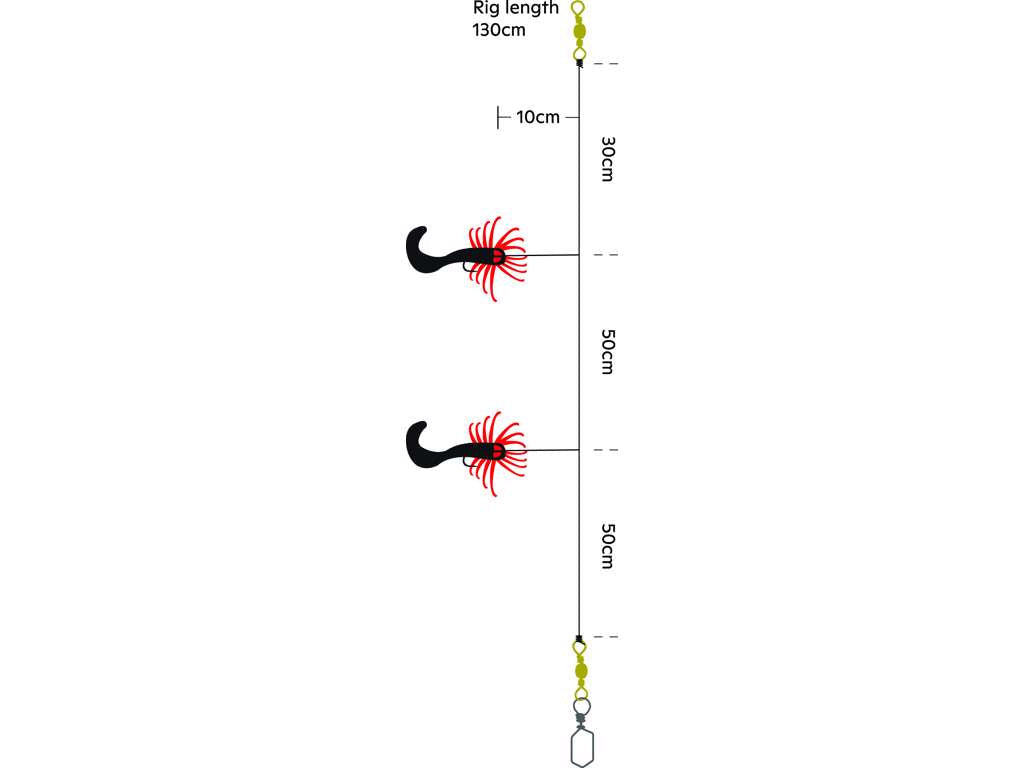
Some products may be complete hook-and-leader rigs, while others are terminal assemblies that still require a main line, weight, feeder, lure or hooklength. Read the individual specification carefully and confirm whether the listed length and breaking strain apply to the full rig or one section only.
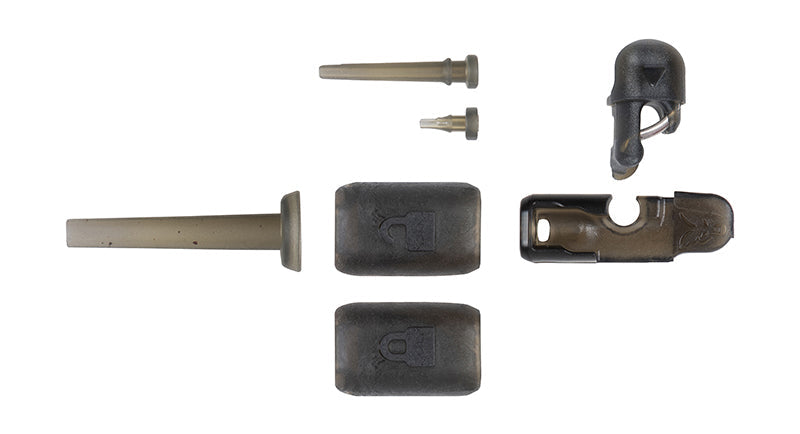
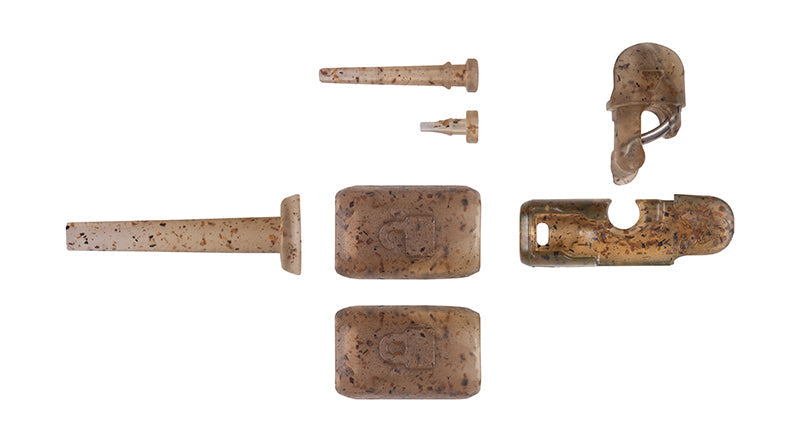
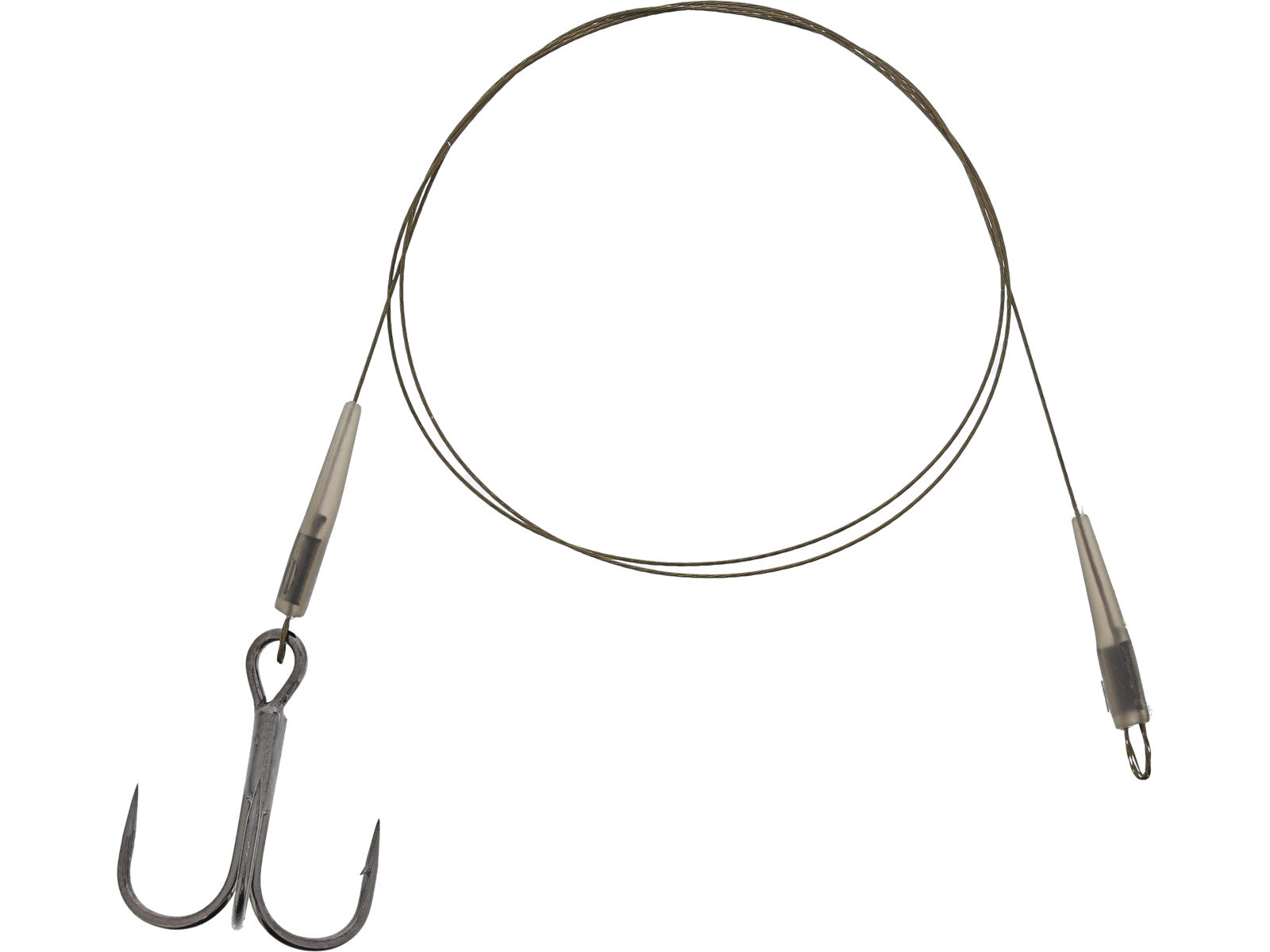
Browse all terminal tackle, compare predator stinger rigs, use jig heads for soft-lure presentations, or select beads, tubing and sleeves for building and protecting custom terminal systems.
Choose a rig by method and specification
Start with the intended method, then compare hook size and style, line material, diameter, breaking strain, rig length and included swivels or clips. A rig labelled for one species may still conflict with local rules on barbs, hook number, bait, lead arrangement or trace material. Venue requirements always take priority.
Match the complete casting load to the rod and main line. Check that connectors fit without binding and that any running component moves as designed. Where pike may contact the rig, use a verified bite-resistant trace. For sea or rough-ground use, consider abrasion and corrosion as well as headline strength.
The broader carp rigs collection currently sits beneath Single Hooks in the menu. Its taxonomy should be reviewed because a ready-made rig is more naturally associated with Terminal Tackle or Ready Rigs. Avoid creating duplicate collection pages while that navigation decision is made.
Inspect every pre-tied connection
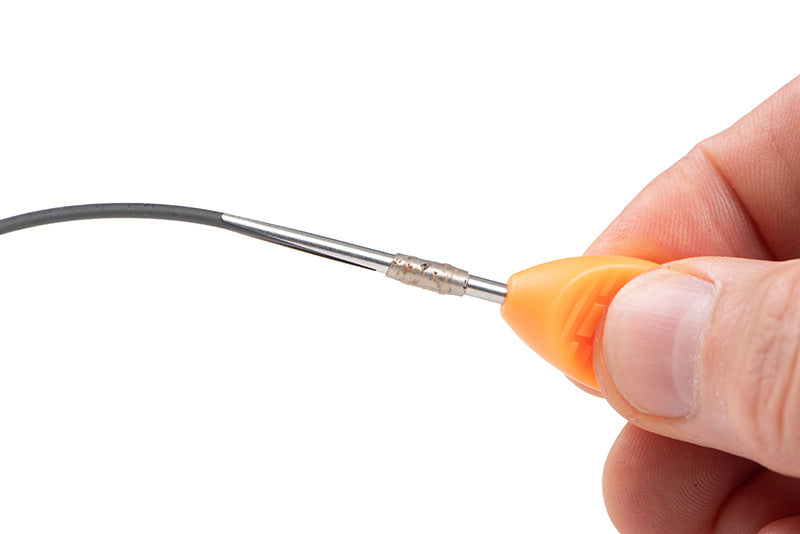
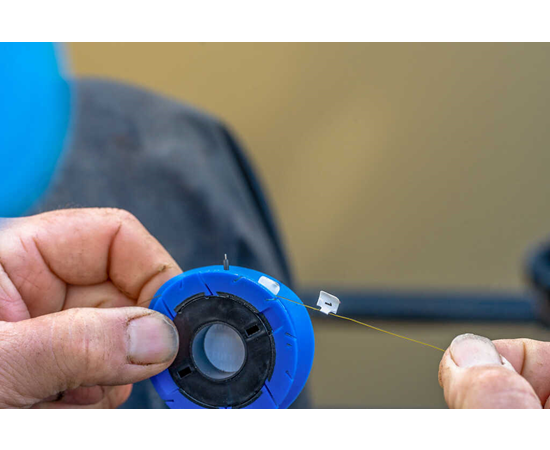
Pre-tied does not mean pre-tested. Check knots, crimps, loops, coatings, hooks, swivels and clips before the first cast. Apply steady pressure, replace blunt or corroded hooks and discard line that is kinked, rough, flattened or damaged in packaging.
Store rigs straight or on suitable winders, keep hooks covered and label opened packs with their specification. Rinse appropriate rigs after saltwater use and dry them before storage. Dispose of hooks, wire and line securely, and never use an unidentified rig whose strength or construction cannot be confirmed.