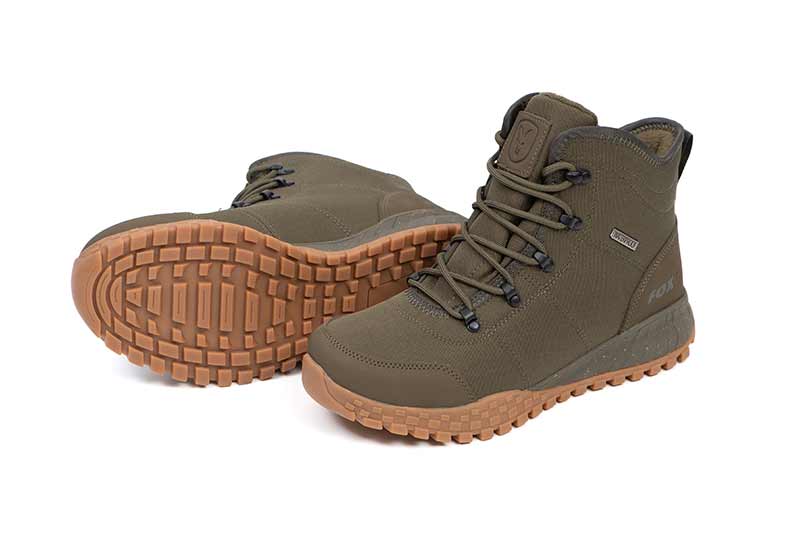
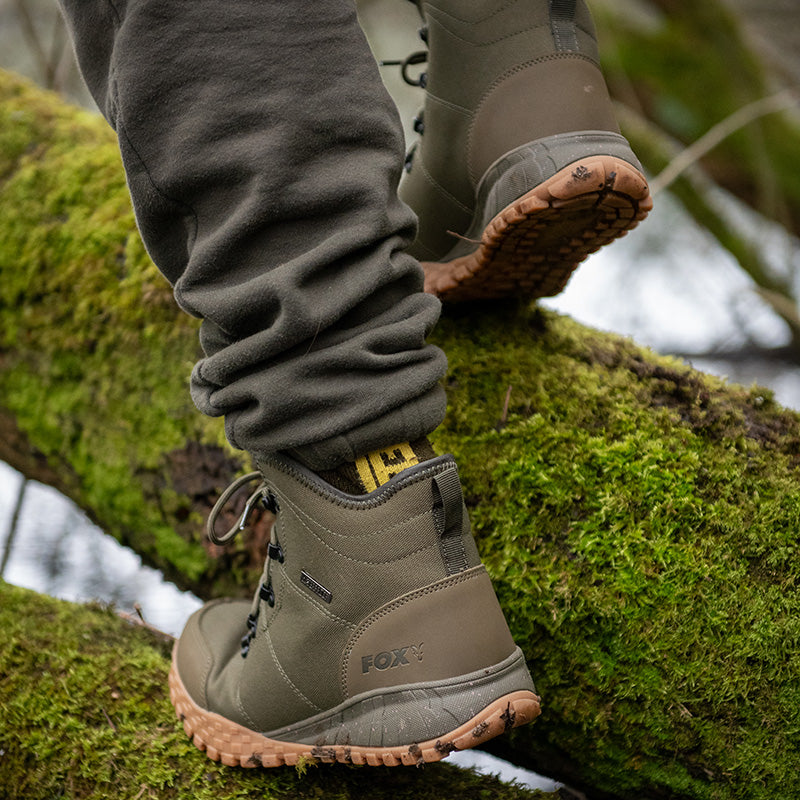
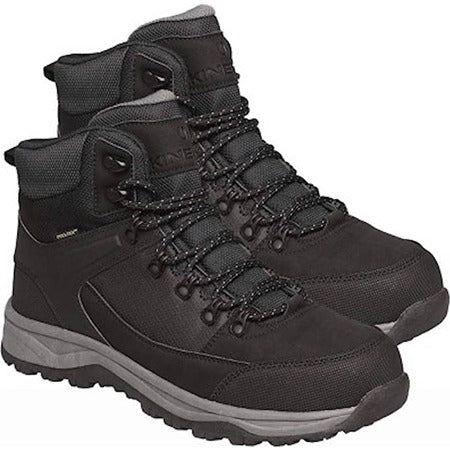
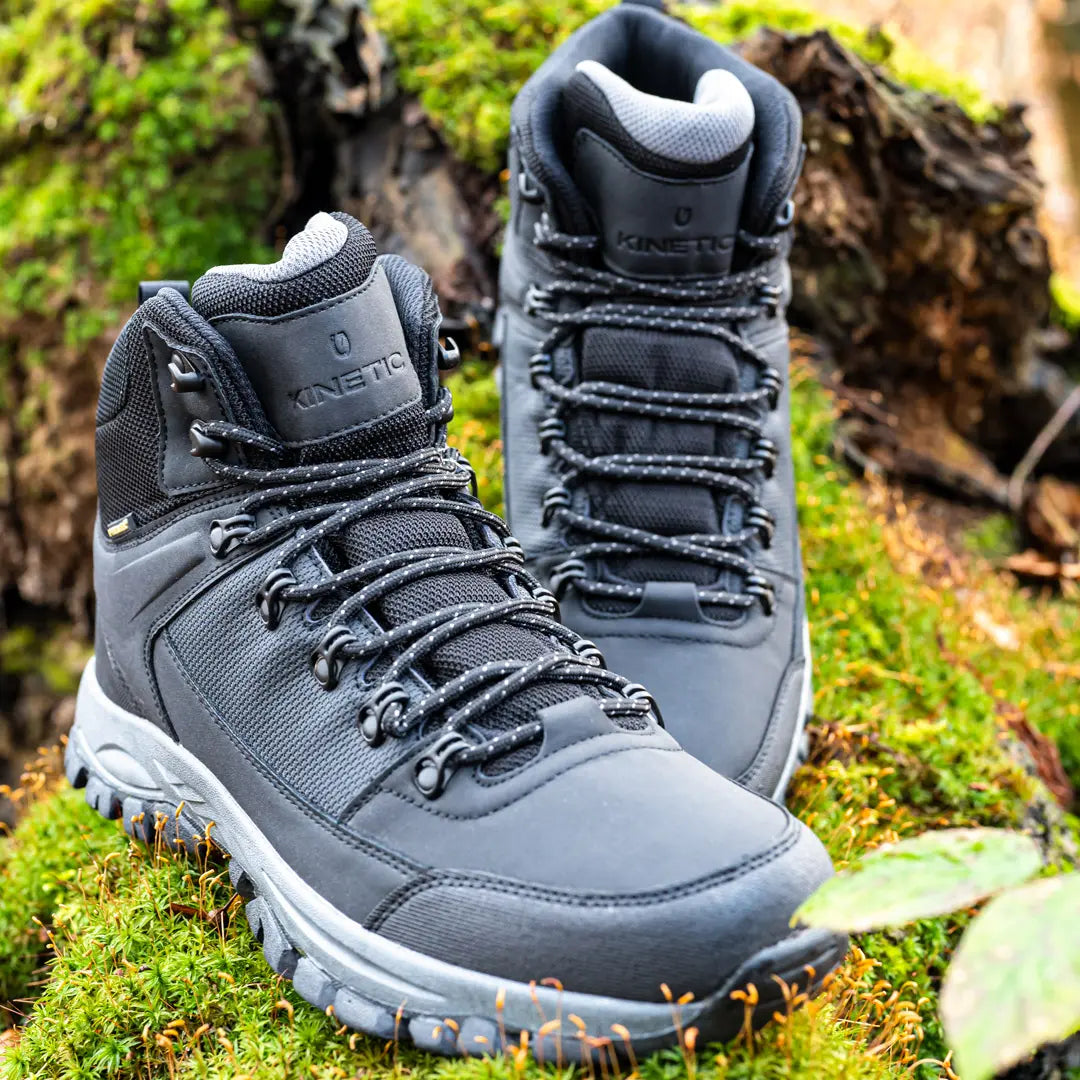
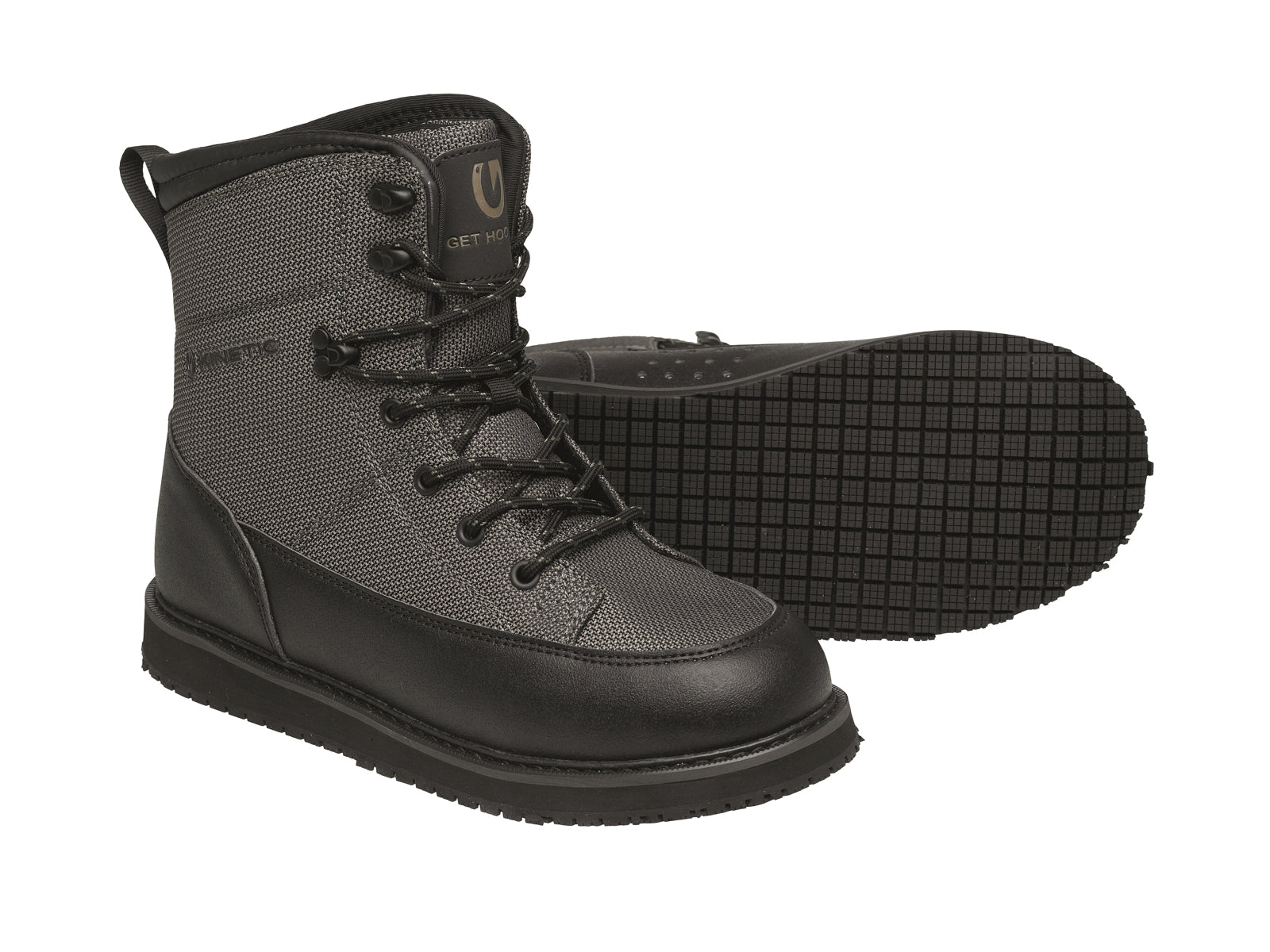
Fishing footwear for banks, shorelines and boats
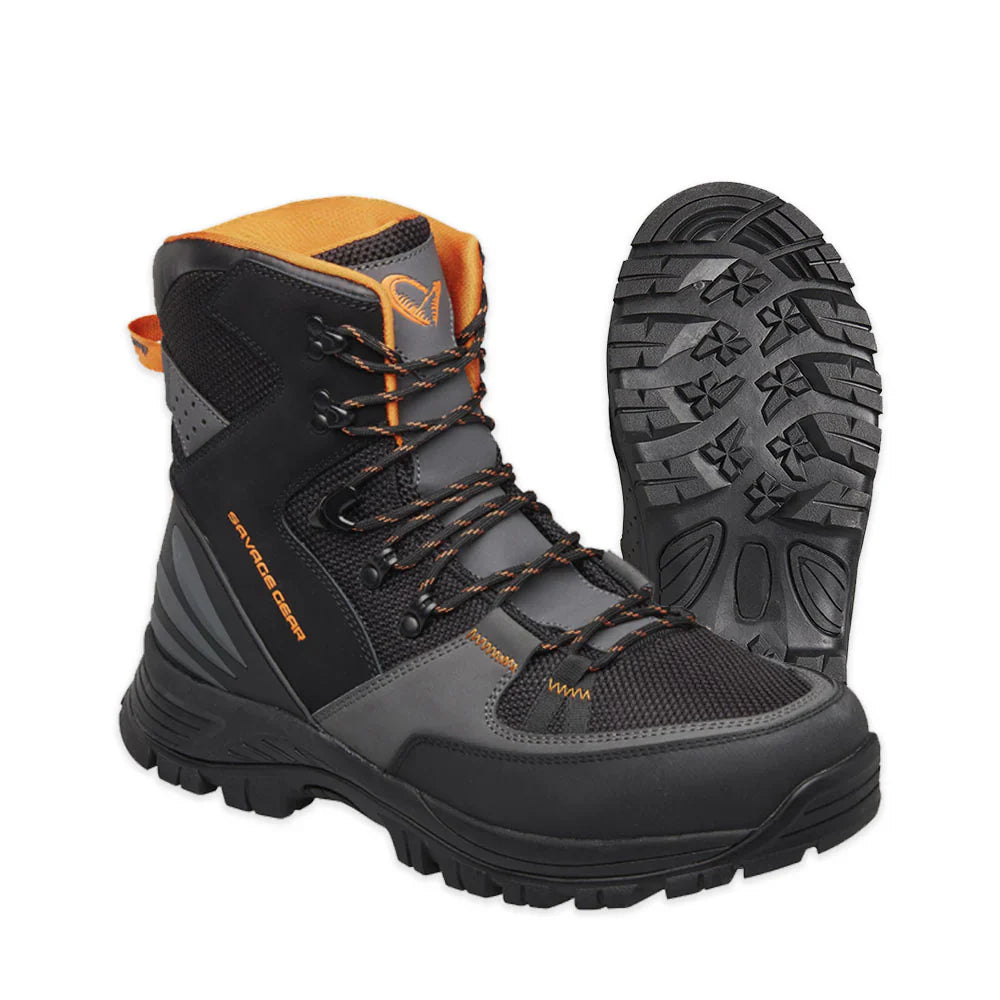
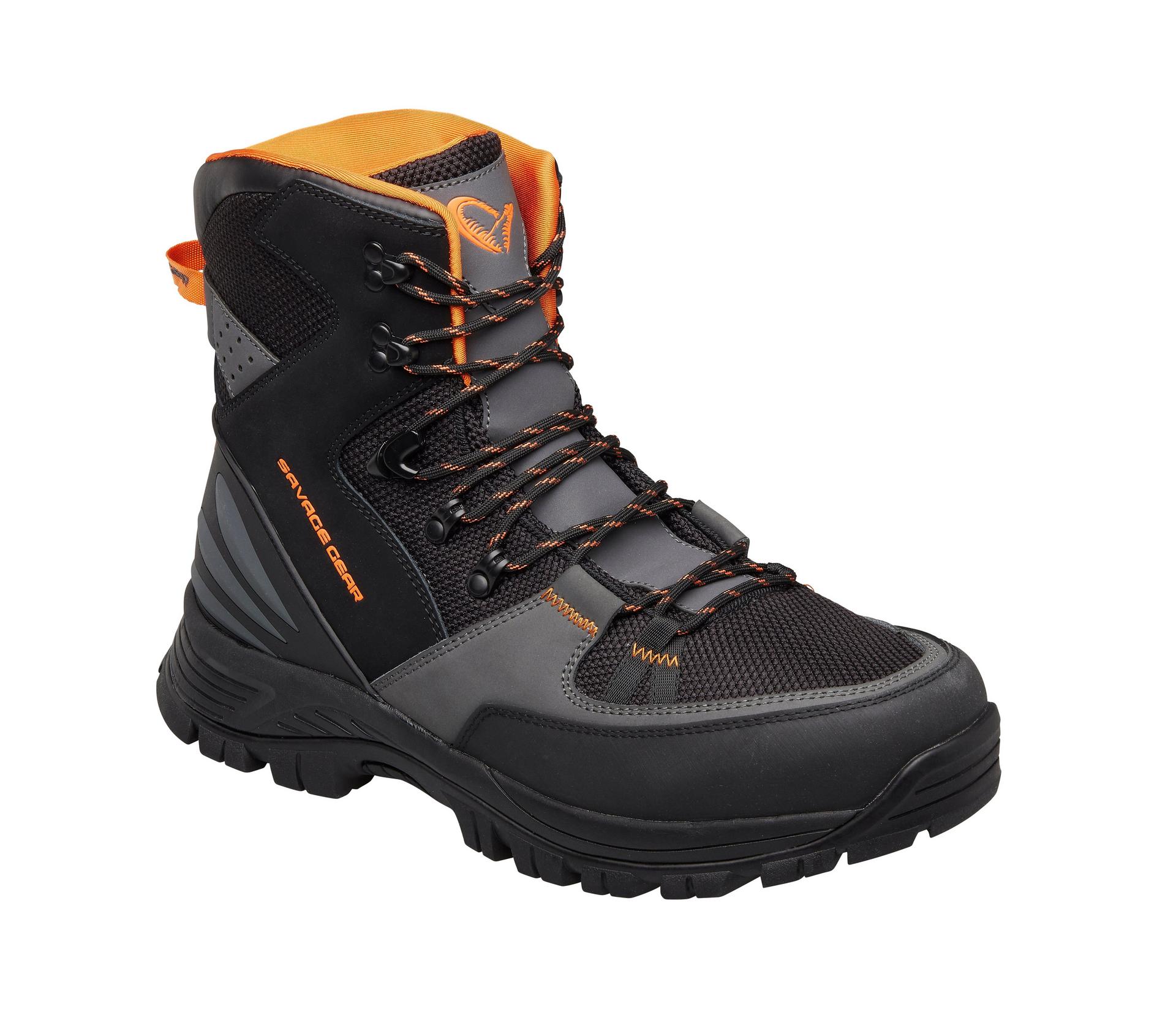
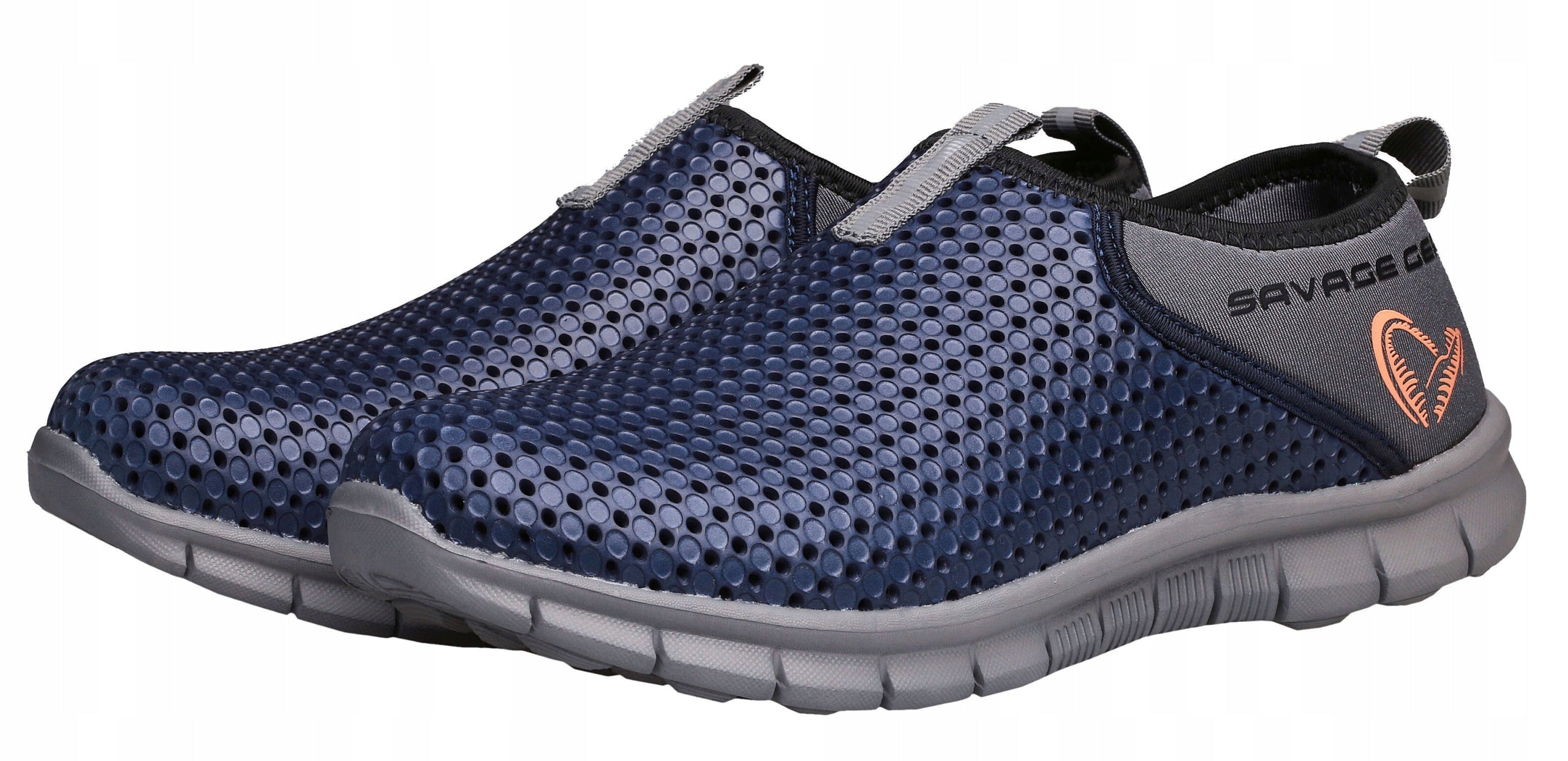
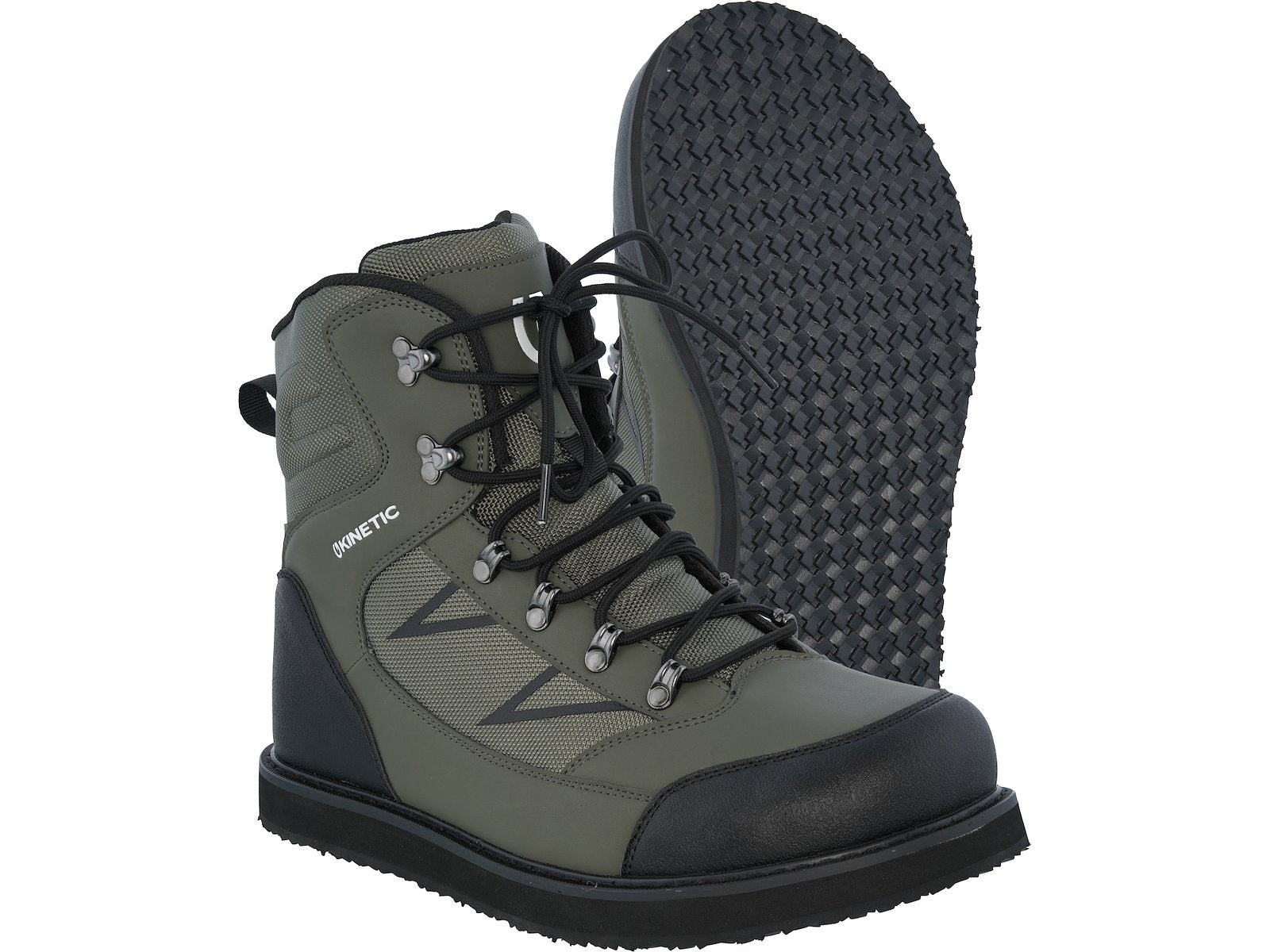
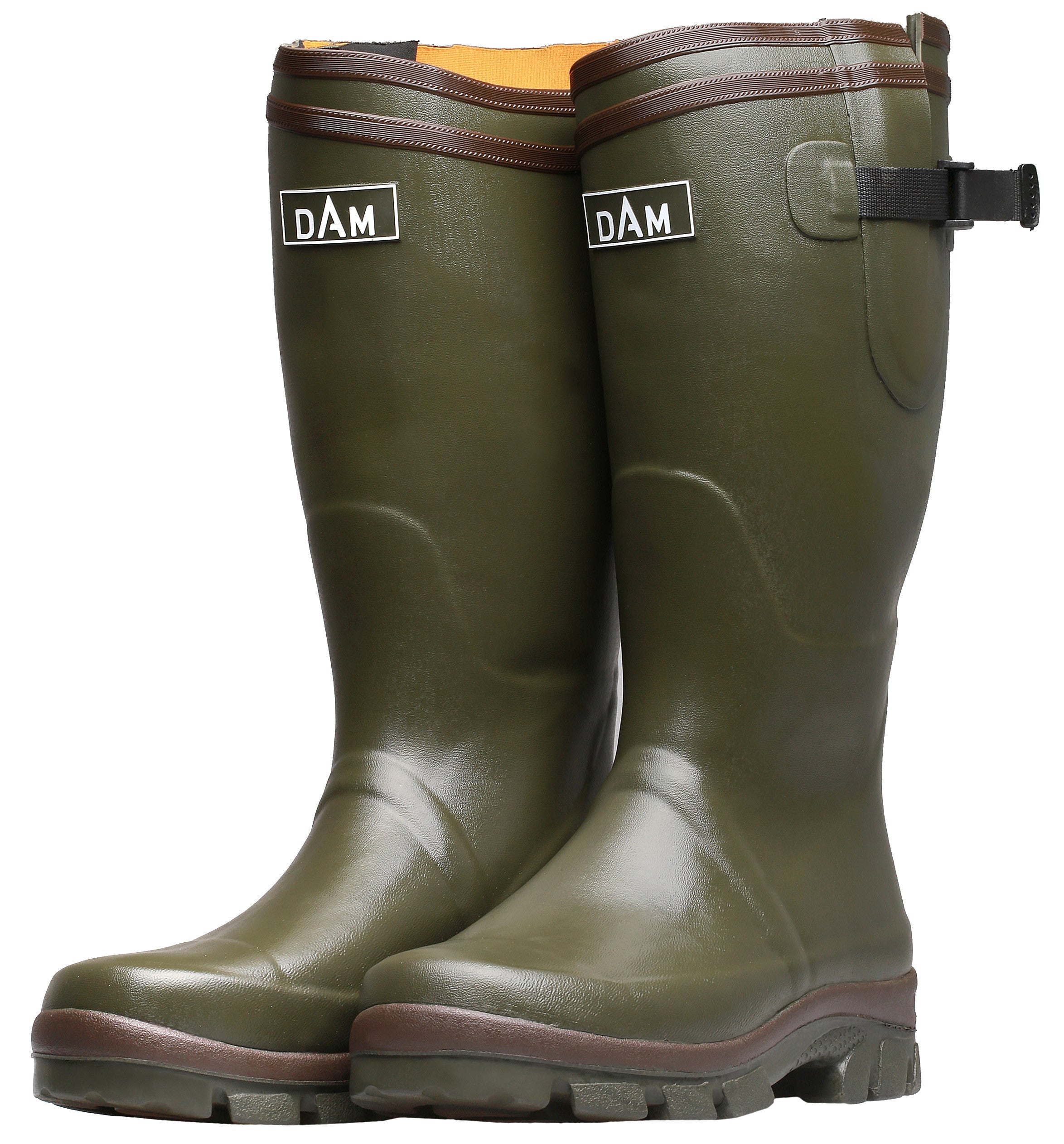
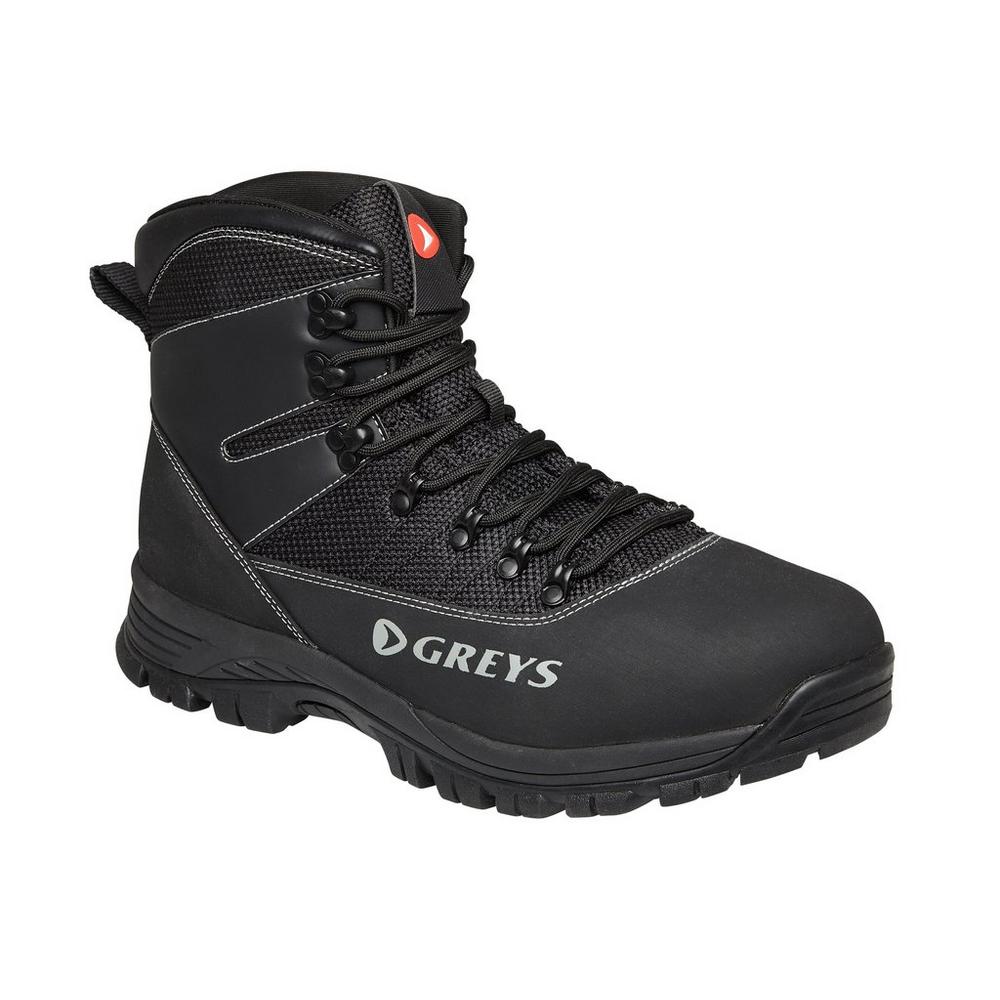
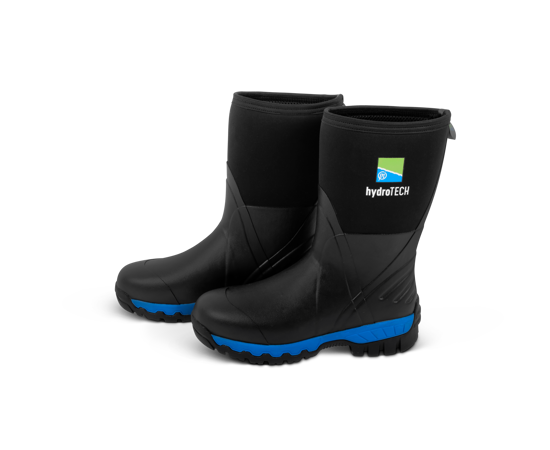
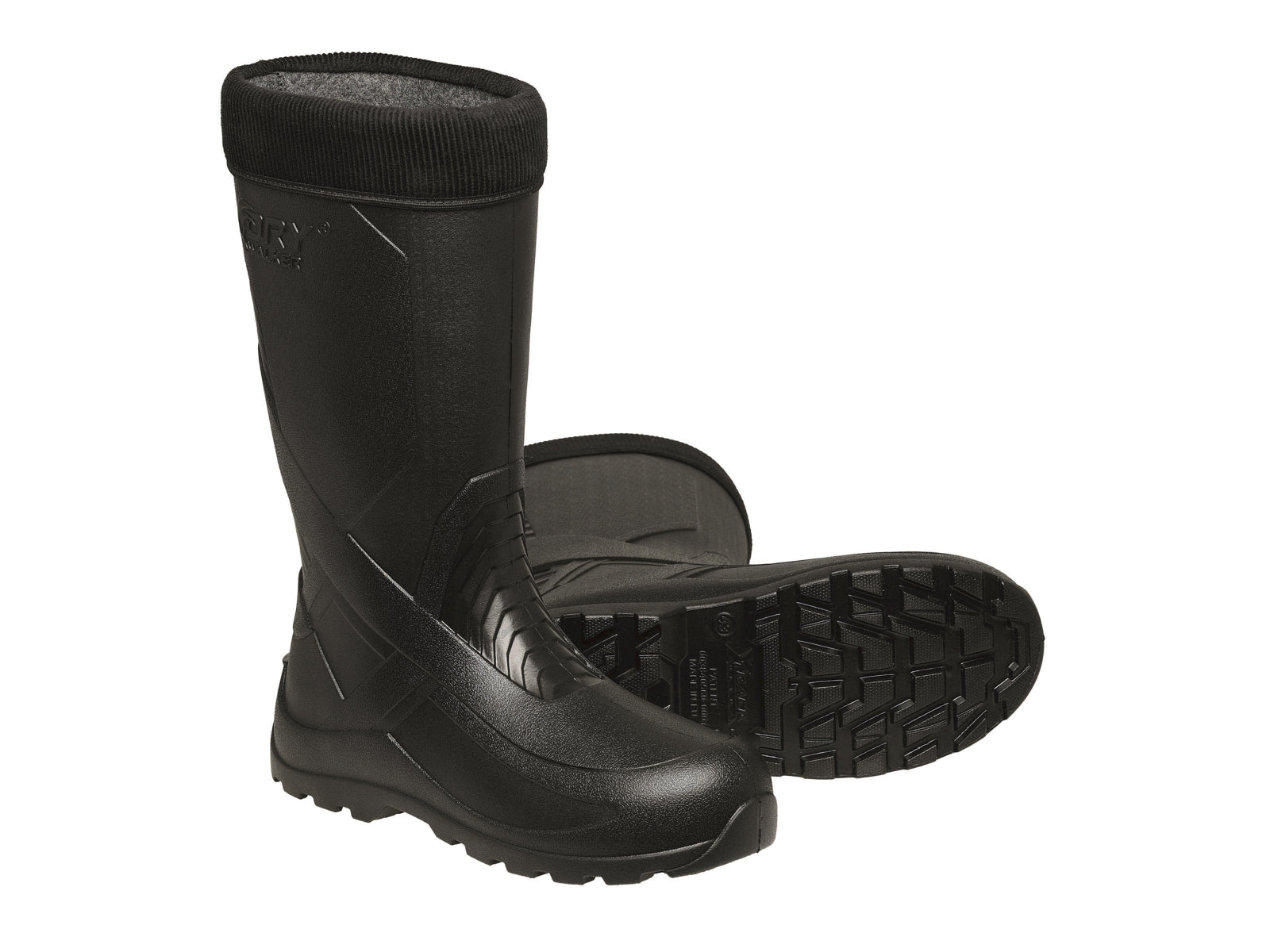
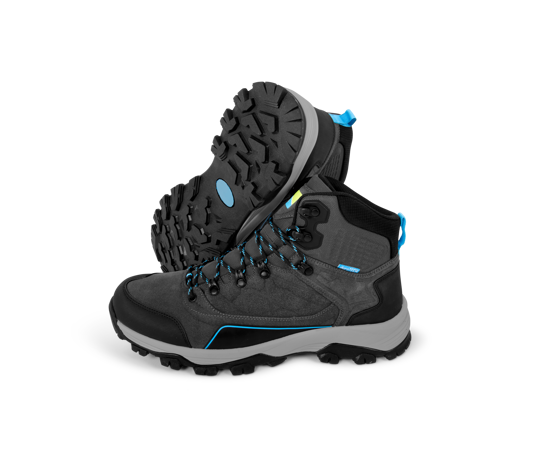
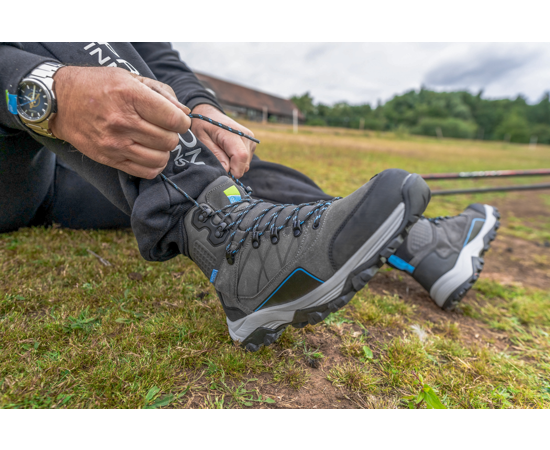
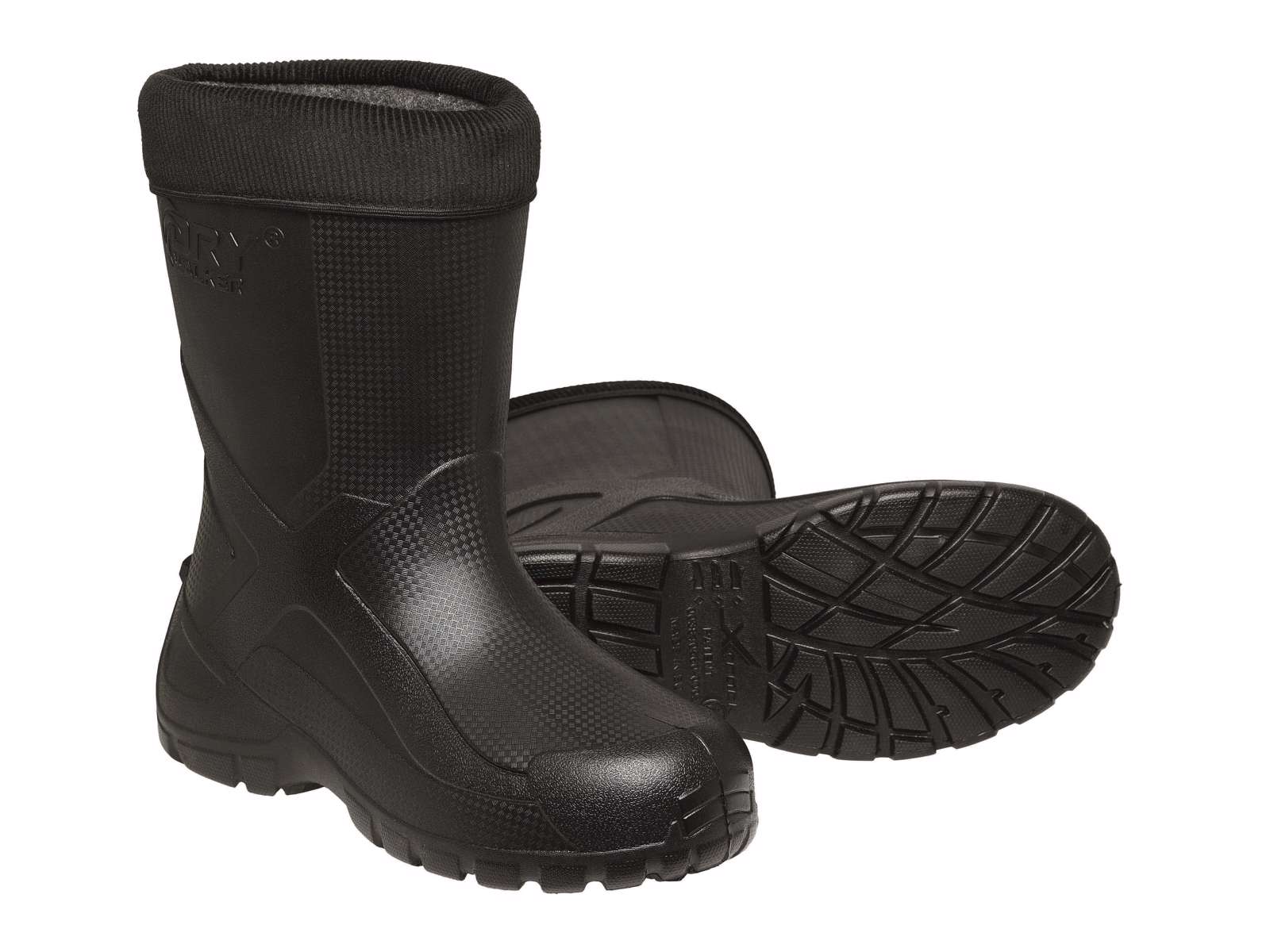
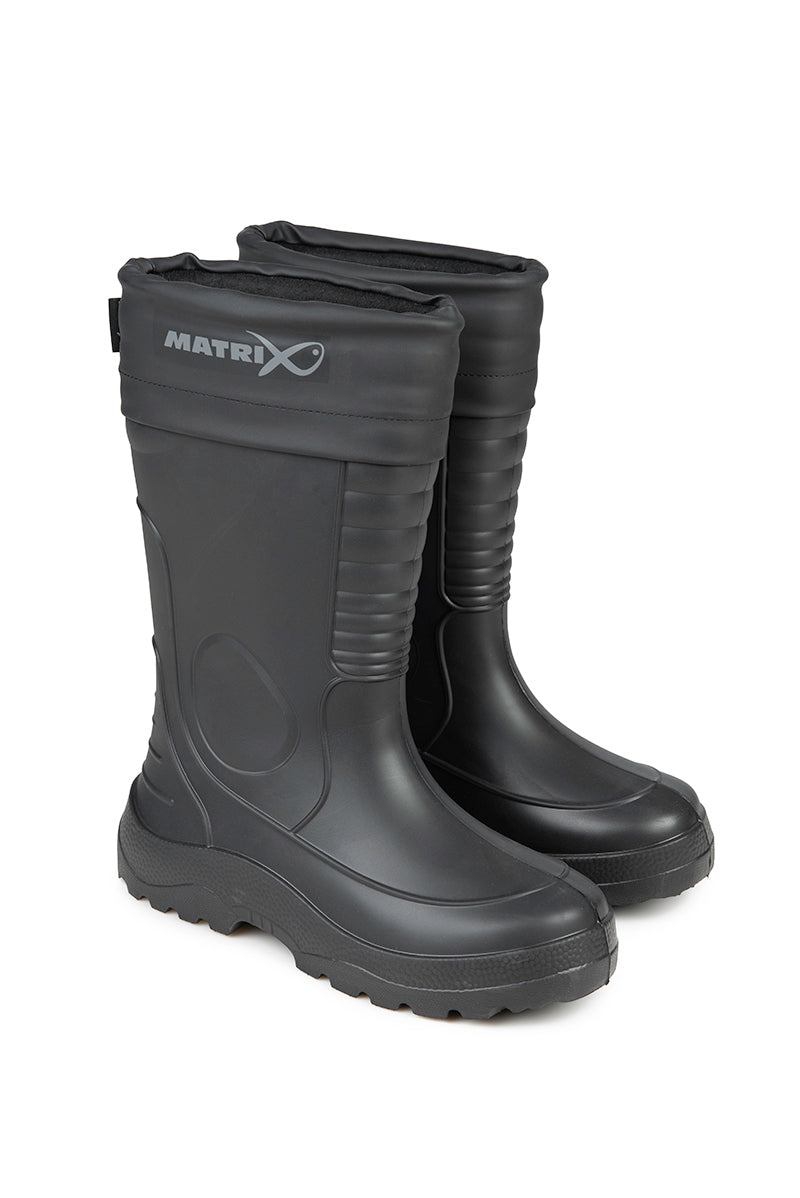
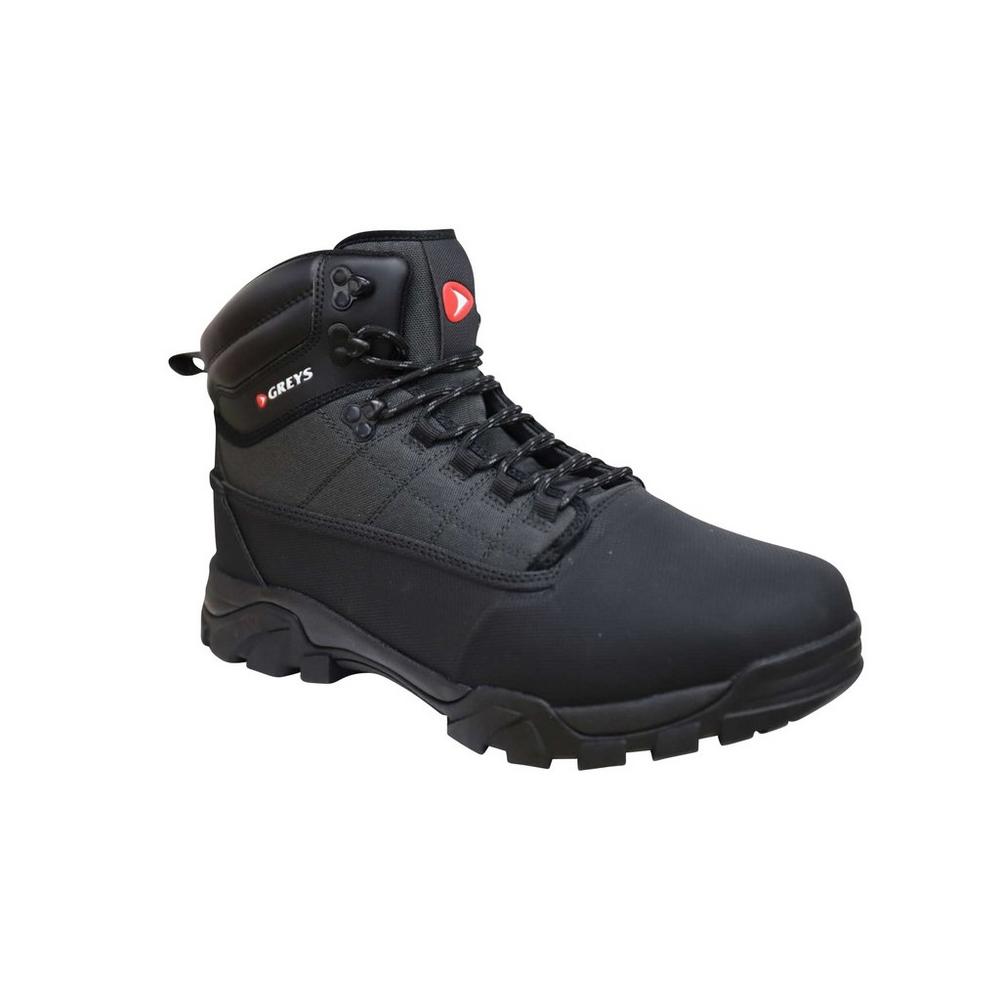
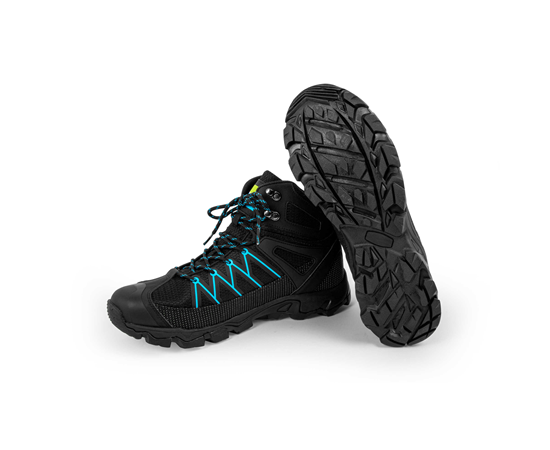
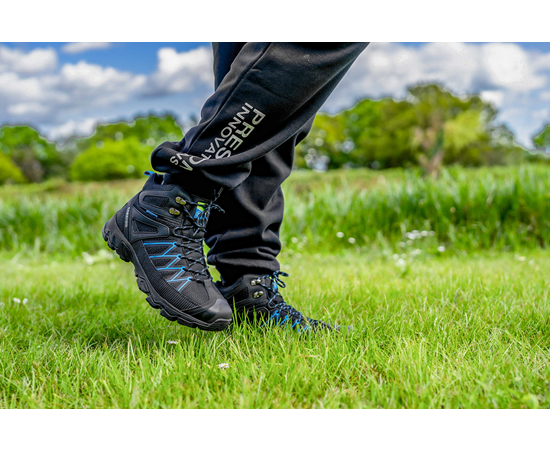
Fishing footwear supports balance, warmth and comfort while moving over wet or uneven ground. Low shoes prioritise mobility, ankle and high boots add coverage, and insulated or waterproof designs suit colder and wetter conditions. The correct outsole and upper depend on mud, gravel, rock, sand, a boat deck or mixed access paths.
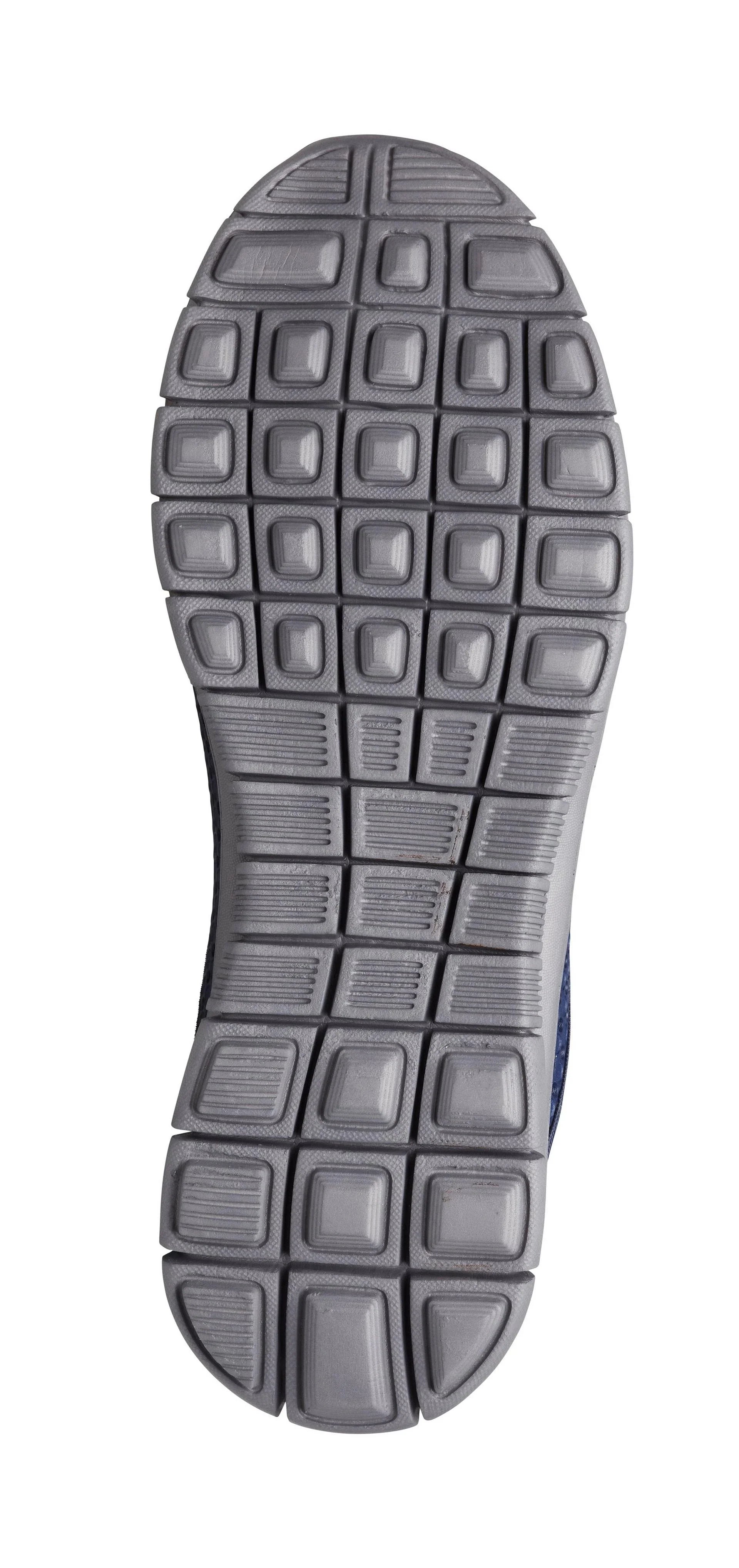
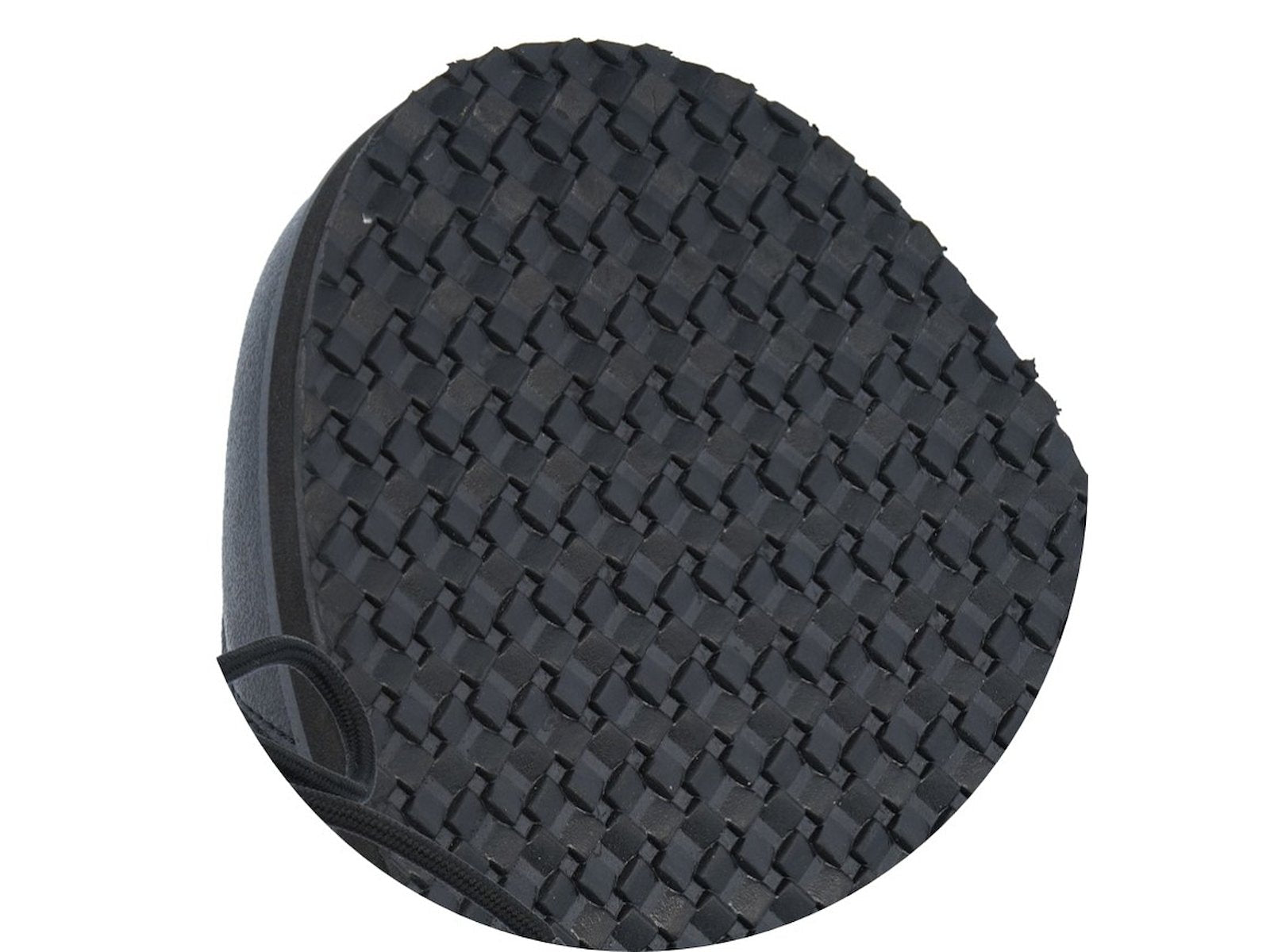
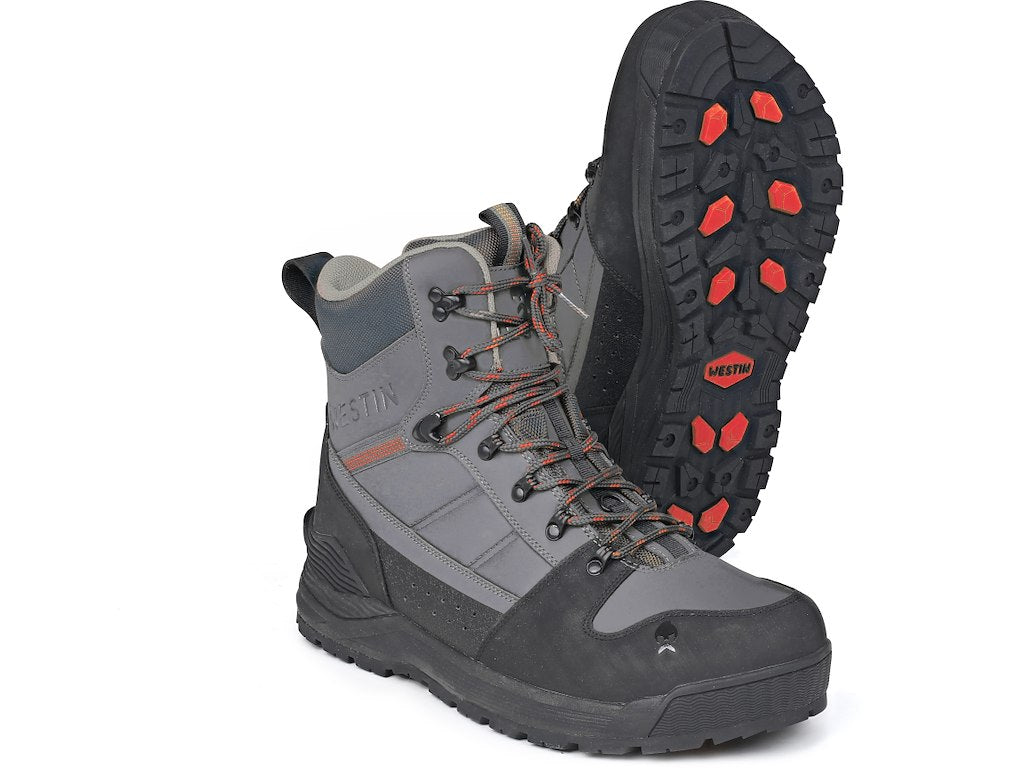
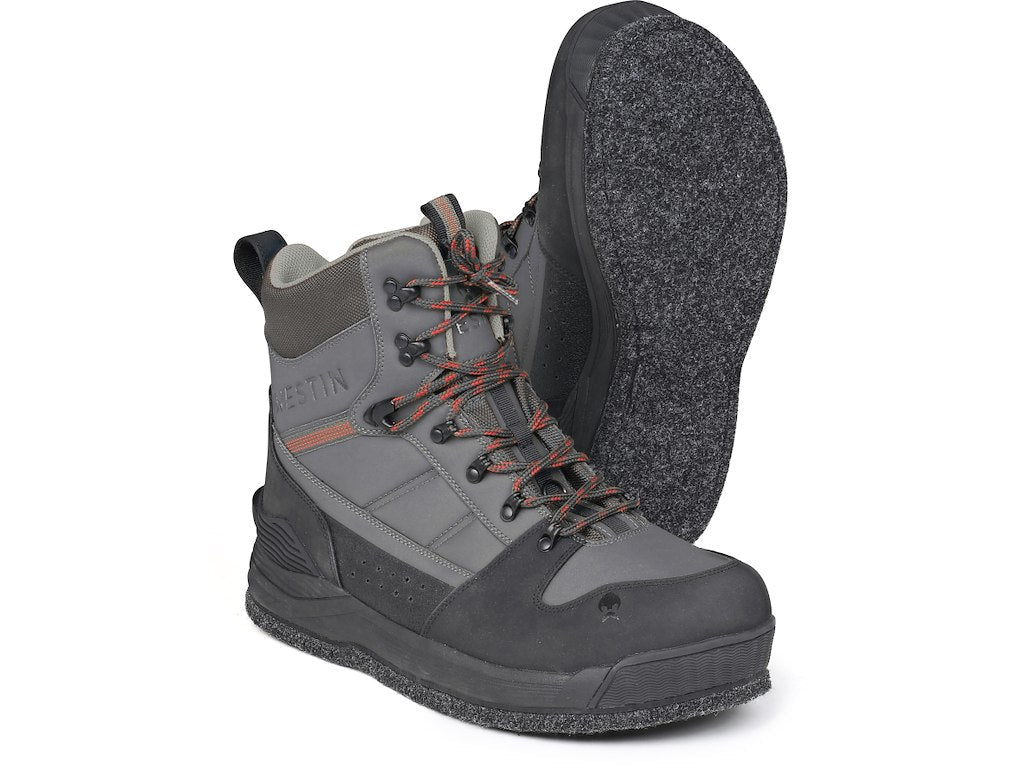
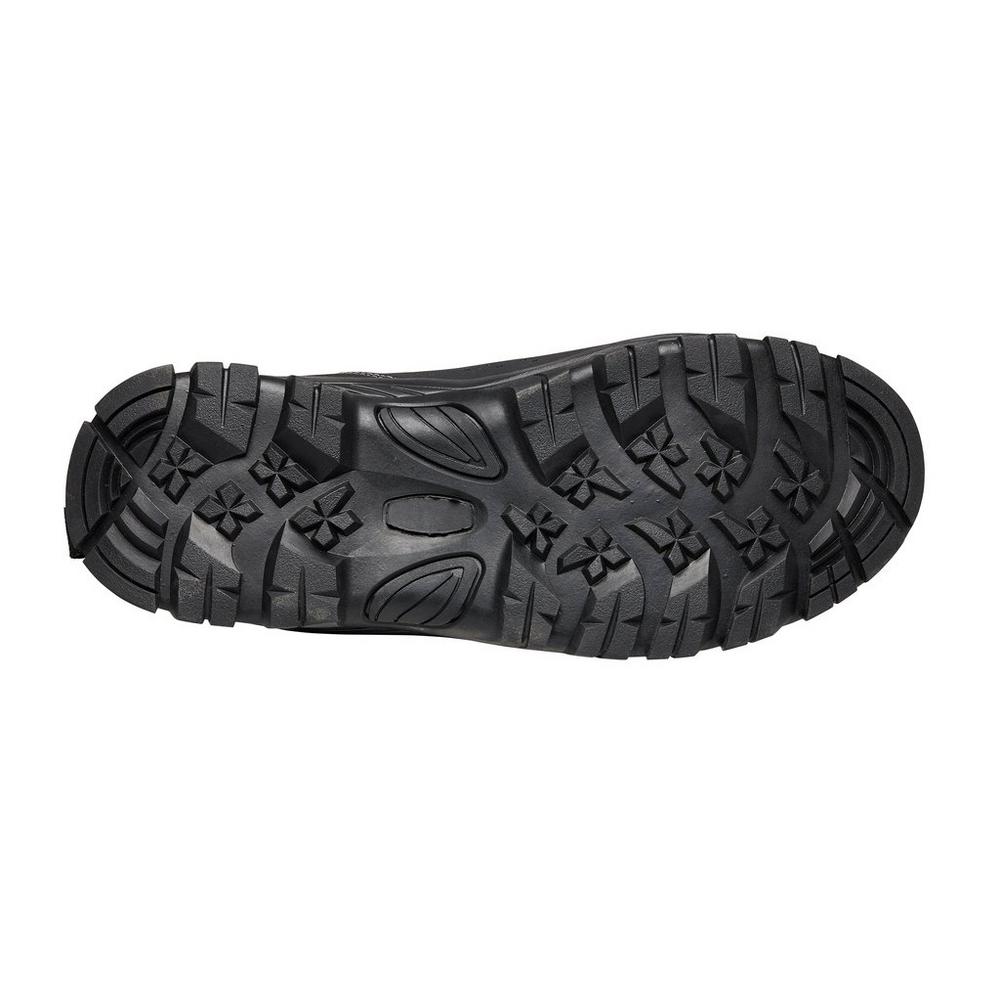
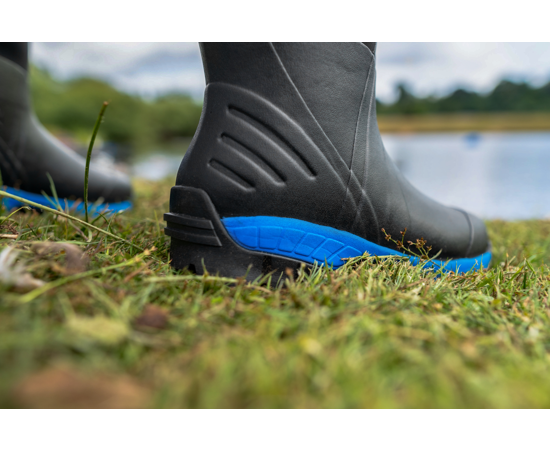
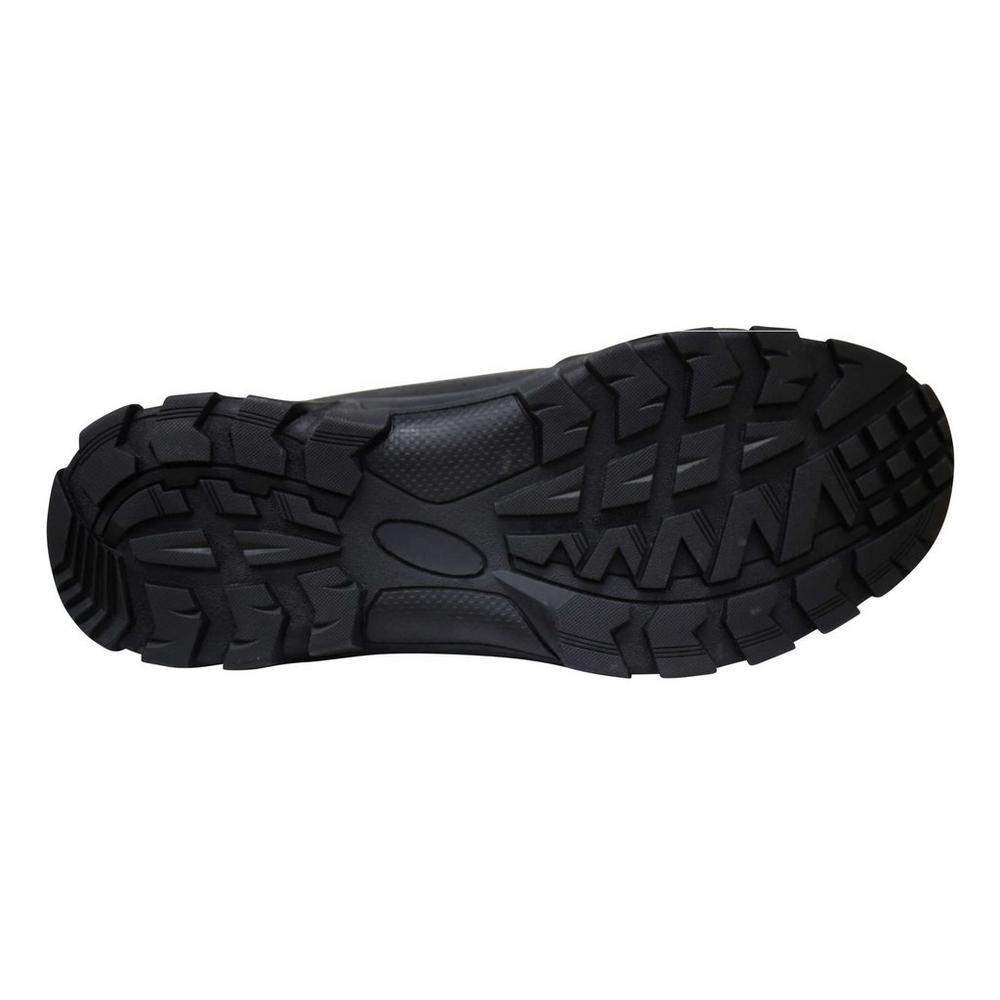
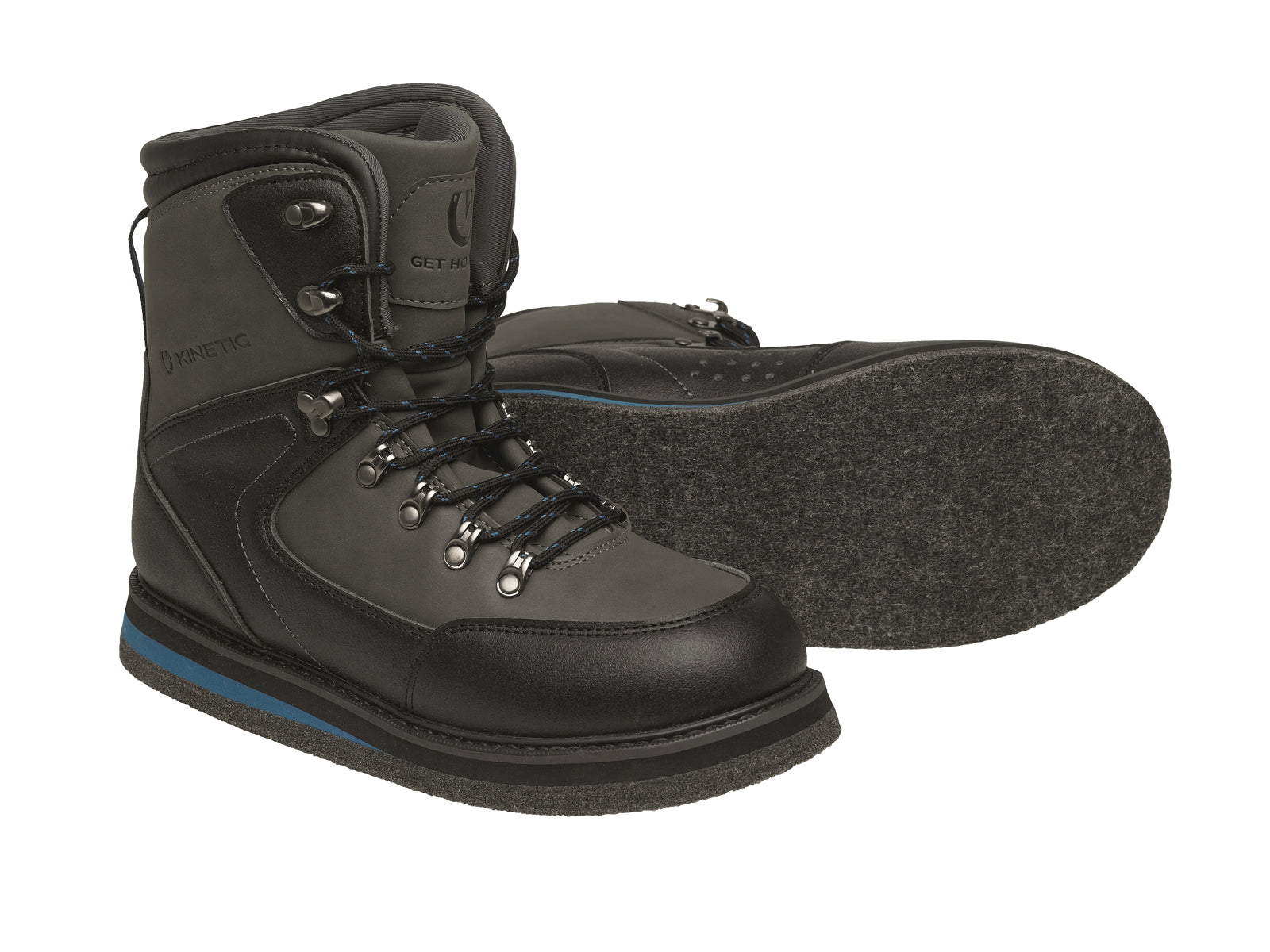
Grip is a combination of tread, rubber compound, surface condition and user movement. Deep lugs can clear soft ground, while other patterns suit firmer surfaces. Felt, studs or specialised soles may be restricted at some waters and can transfer invasive material, so check local rules and cleaning requirements.
Browse the parent fishing clothing range, combine footwear with suitable trousers and jackets, or compare integrated and separate boot systems under fishing waders. Transport muddy pairs away from clean gear with suitable boot bags.
Choose fit, sole and weather protection
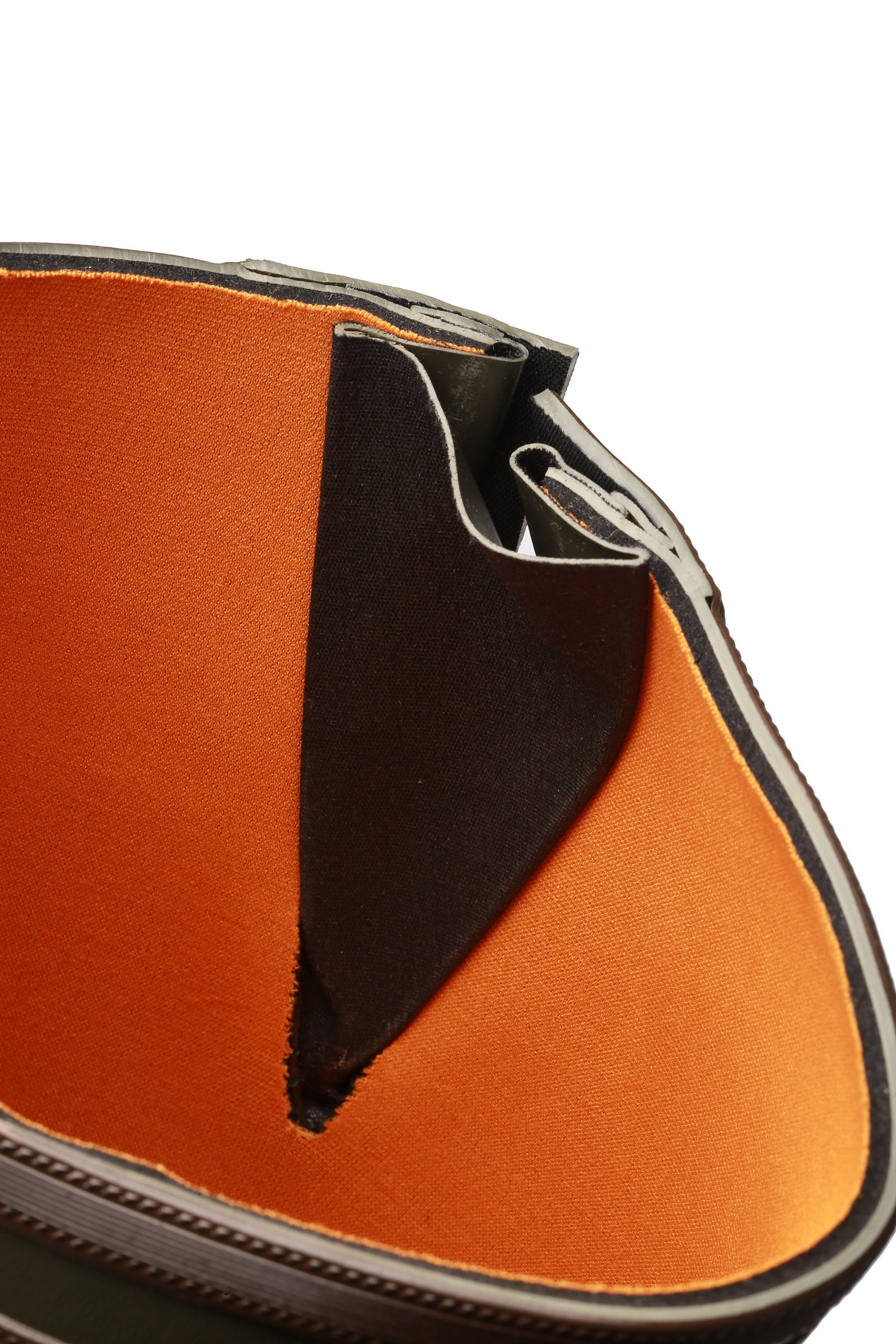
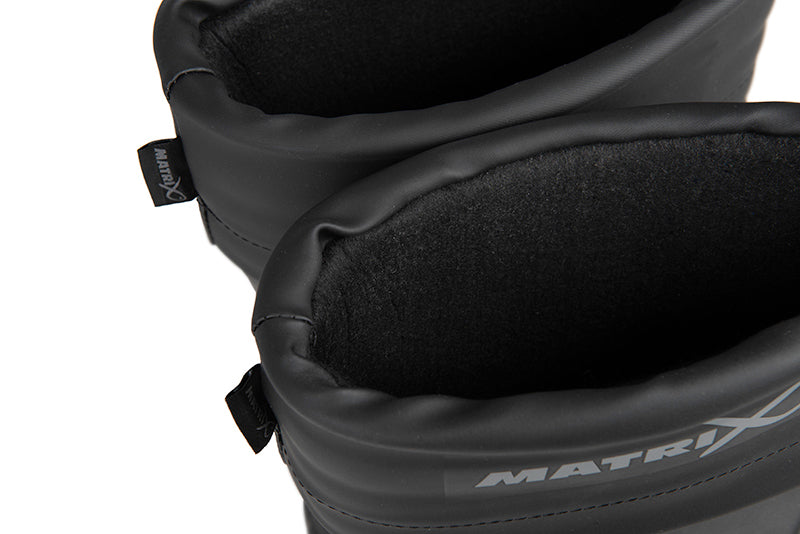
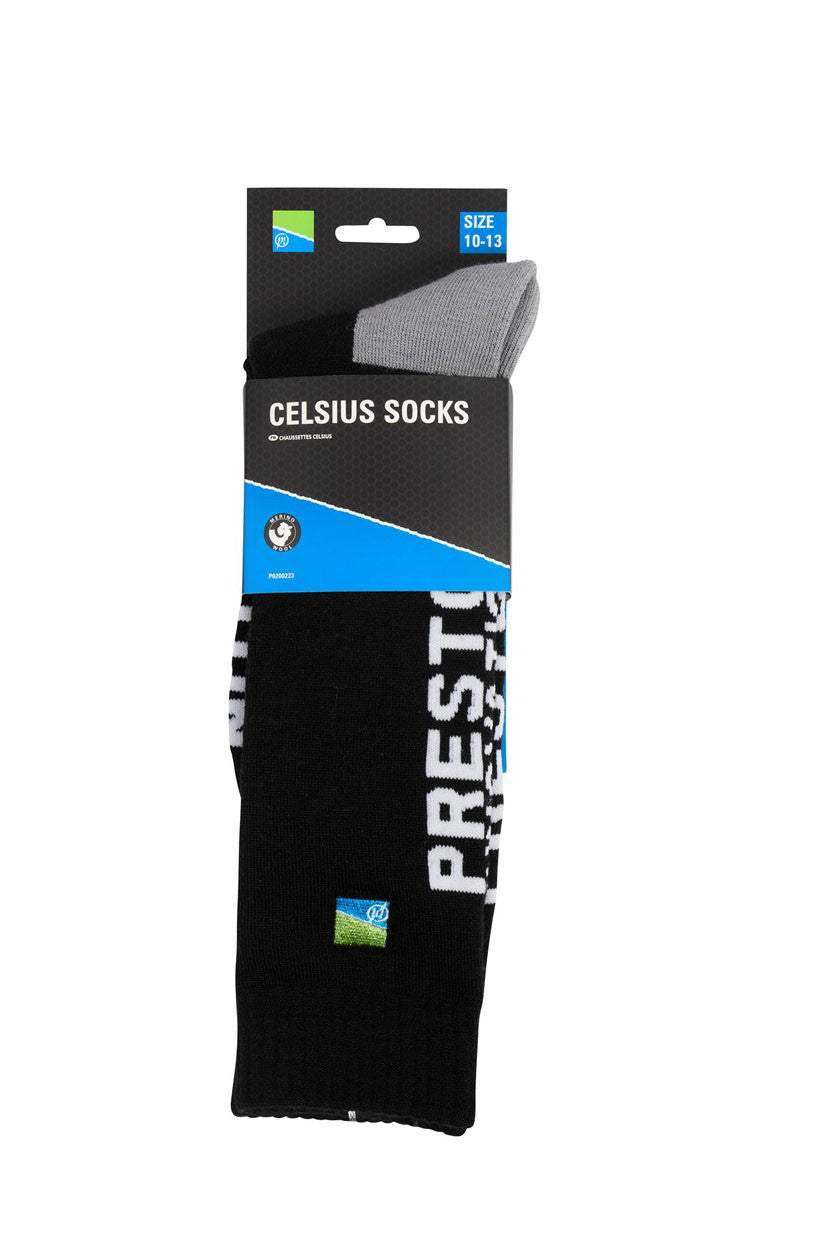
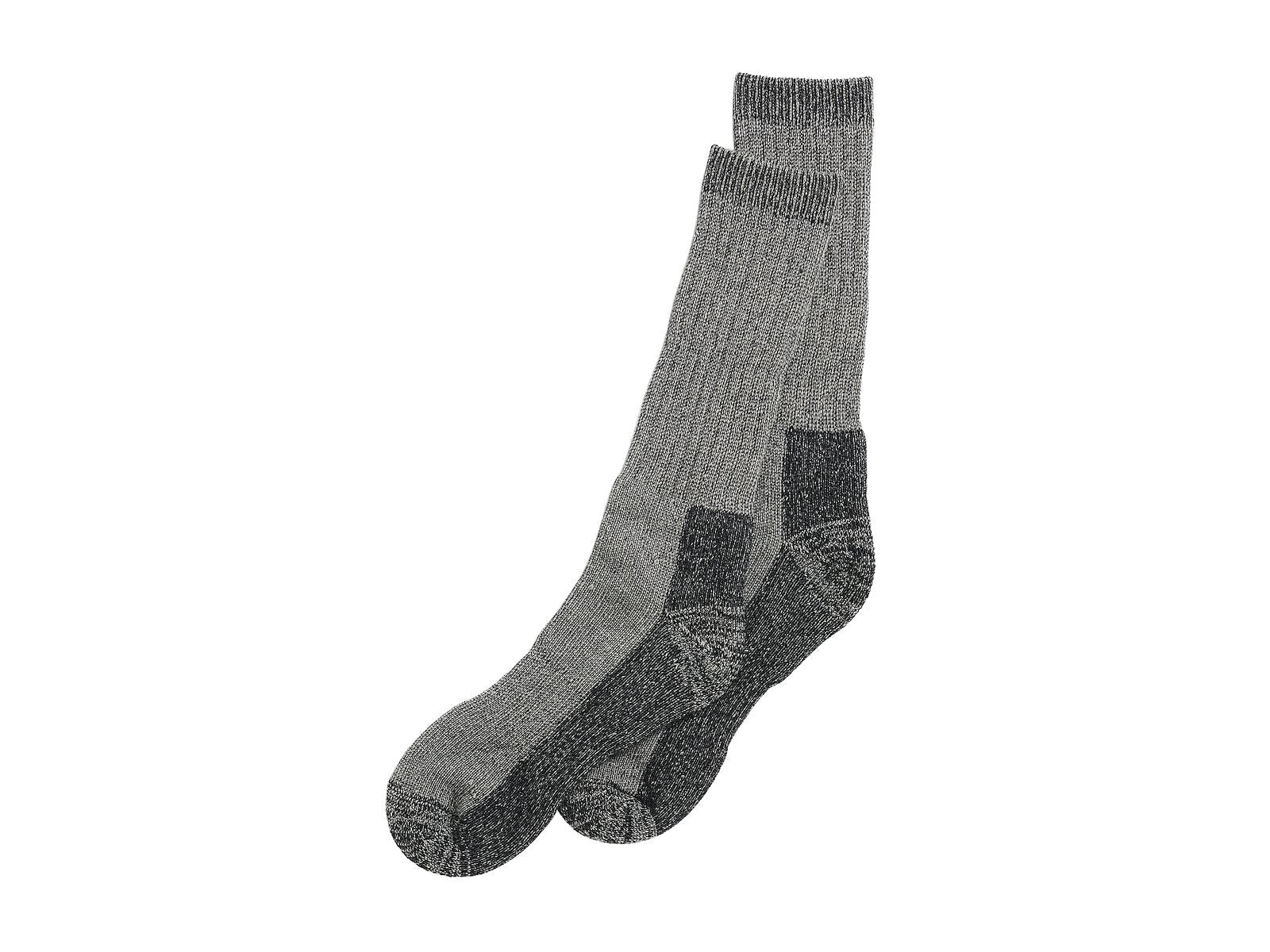
Measure both feet with the socks and layers intended for fishing, then follow the brand’s size guide. Toes need room without sliding, the heel should remain controlled and the closure must secure the foot without restricting circulation. Thick insulation can reduce internal volume.
Waterproof membranes, rubber shells and treated leather require different care. Waterproof footwear still admits water over the top, through damage or around an unsuitable closure. Drainage-oriented shoes are designed to release water instead of sealing it out, so select the construction for the method.
Toe caps and ankle support provide different levels of protection, but ordinary fishing boots are not automatically certified safety footwear. Do not use them for occupational hazards unless the product carries the required standard.
Clean soles and dry footwear
Remove mud, vegetation and salt after the session, paying attention to tread channels and studs. Disinfect where fishery or biosecurity guidance requires it. Dry footwear naturally with insoles removed where permitted, avoiding direct heat that can damage adhesives, rubber or membranes.
Inspect tread depth, seams, laces, eyelets and uppers before each trip. Retest grip after long storage. Replace footwear with split soles, poor grip or unstable support, and store clean pairs in a ventilated place.