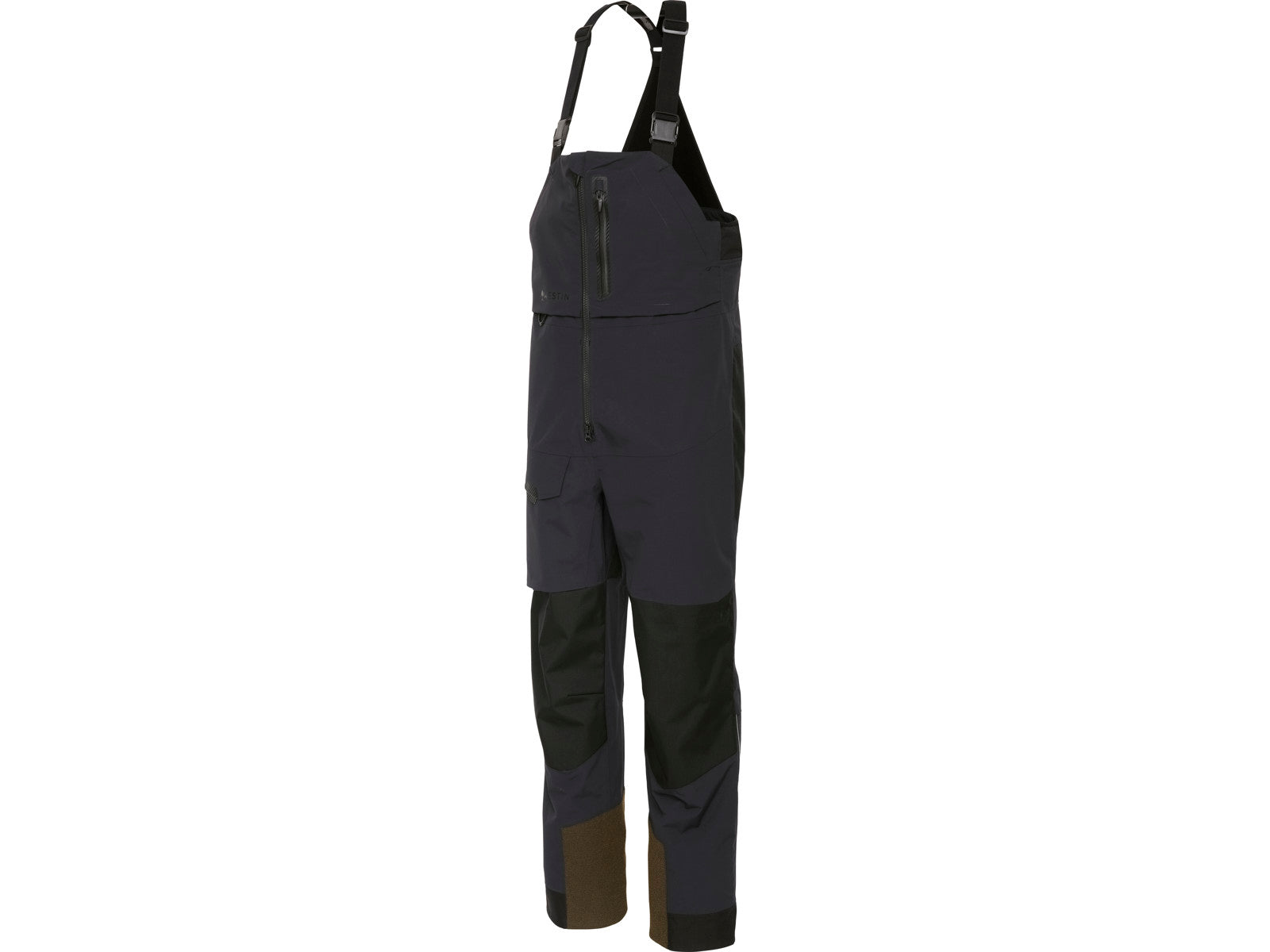
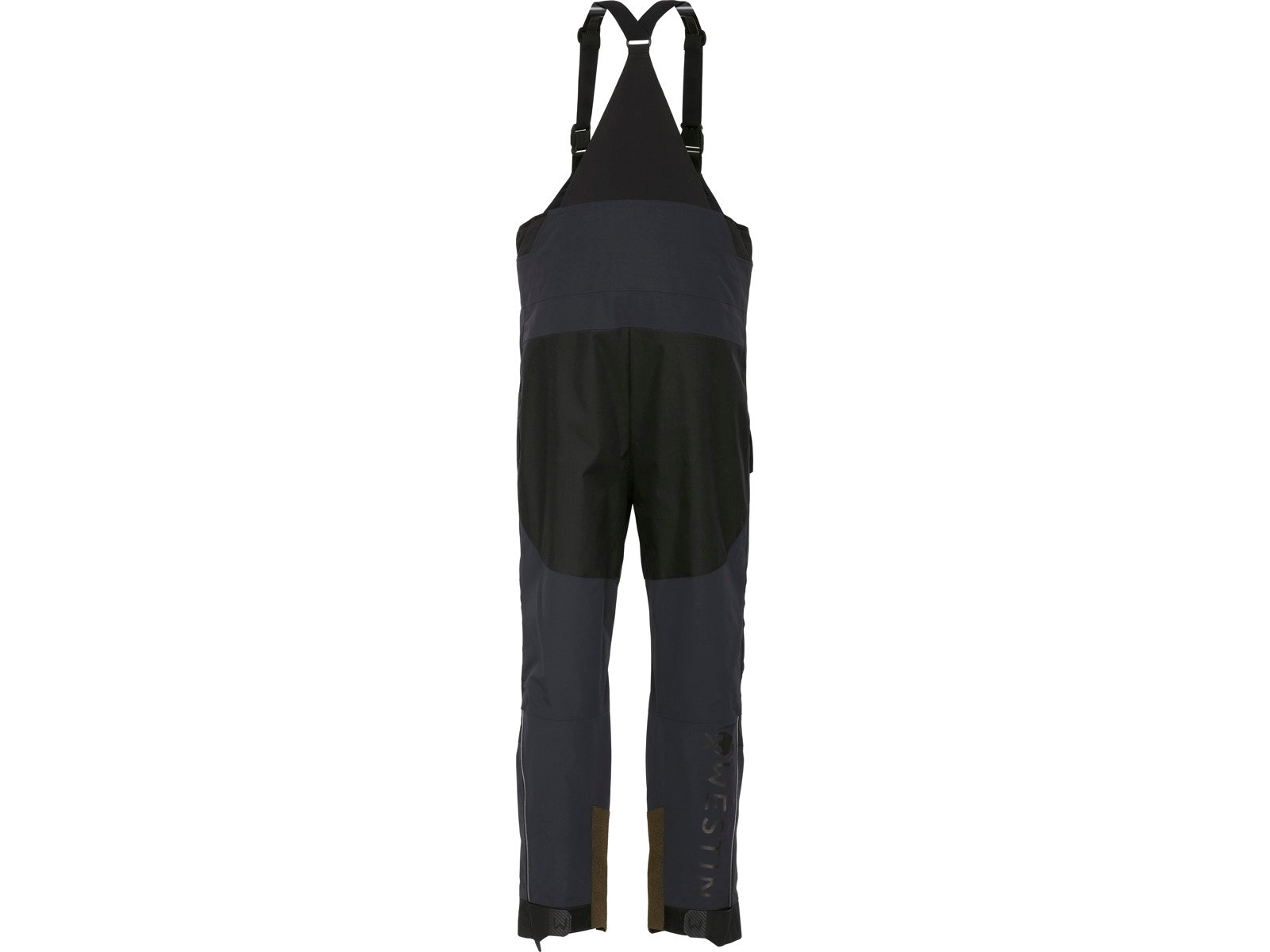
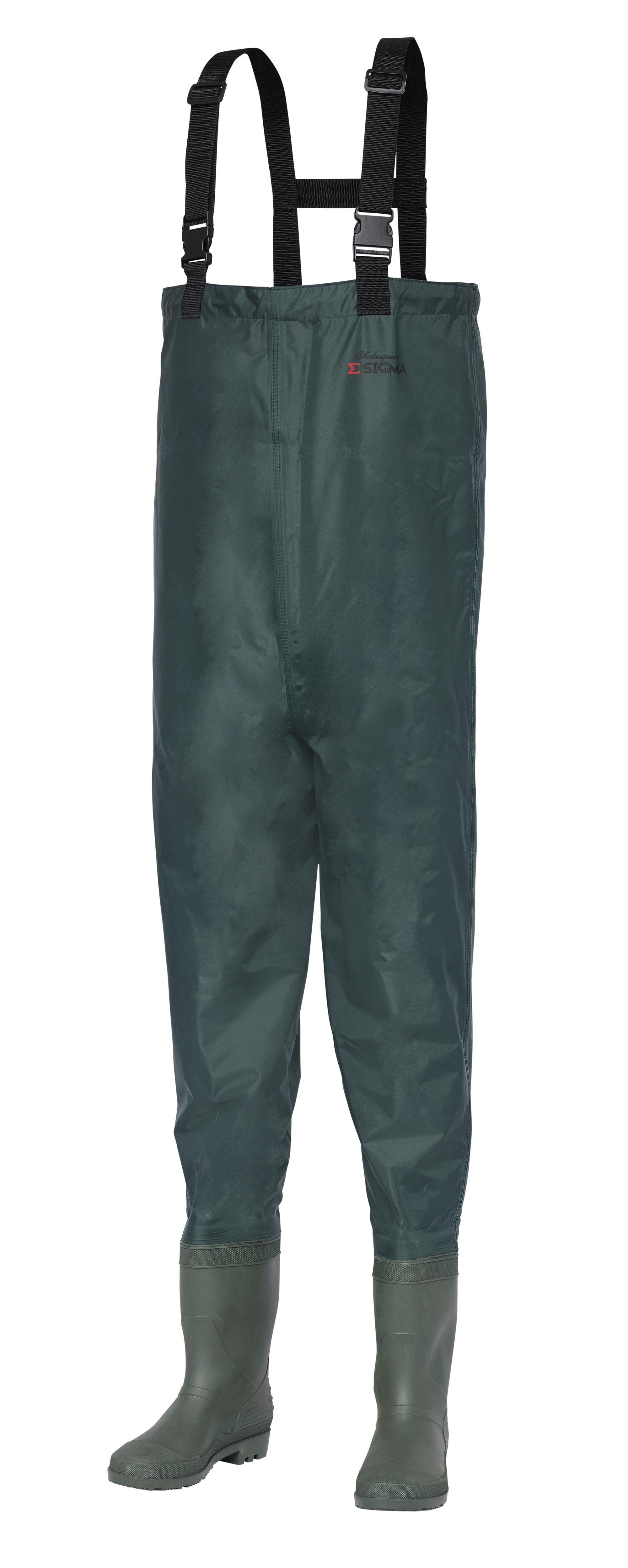
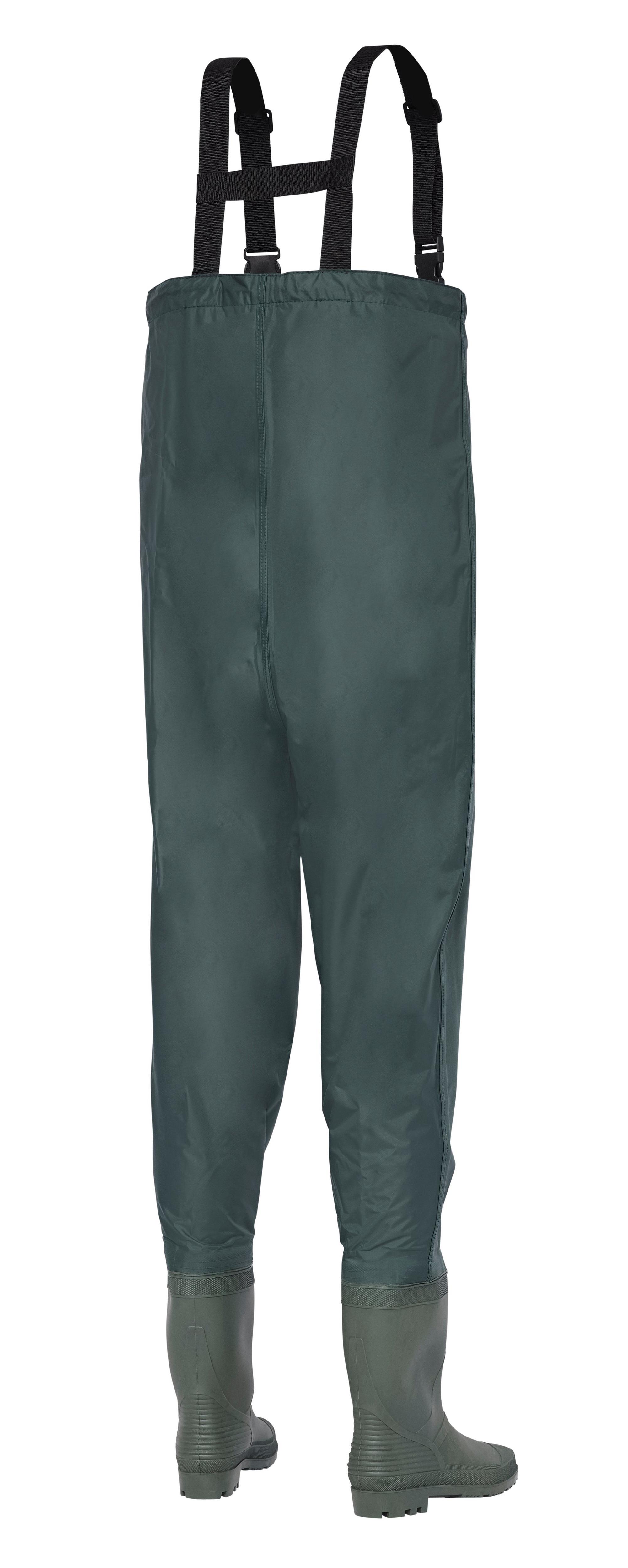
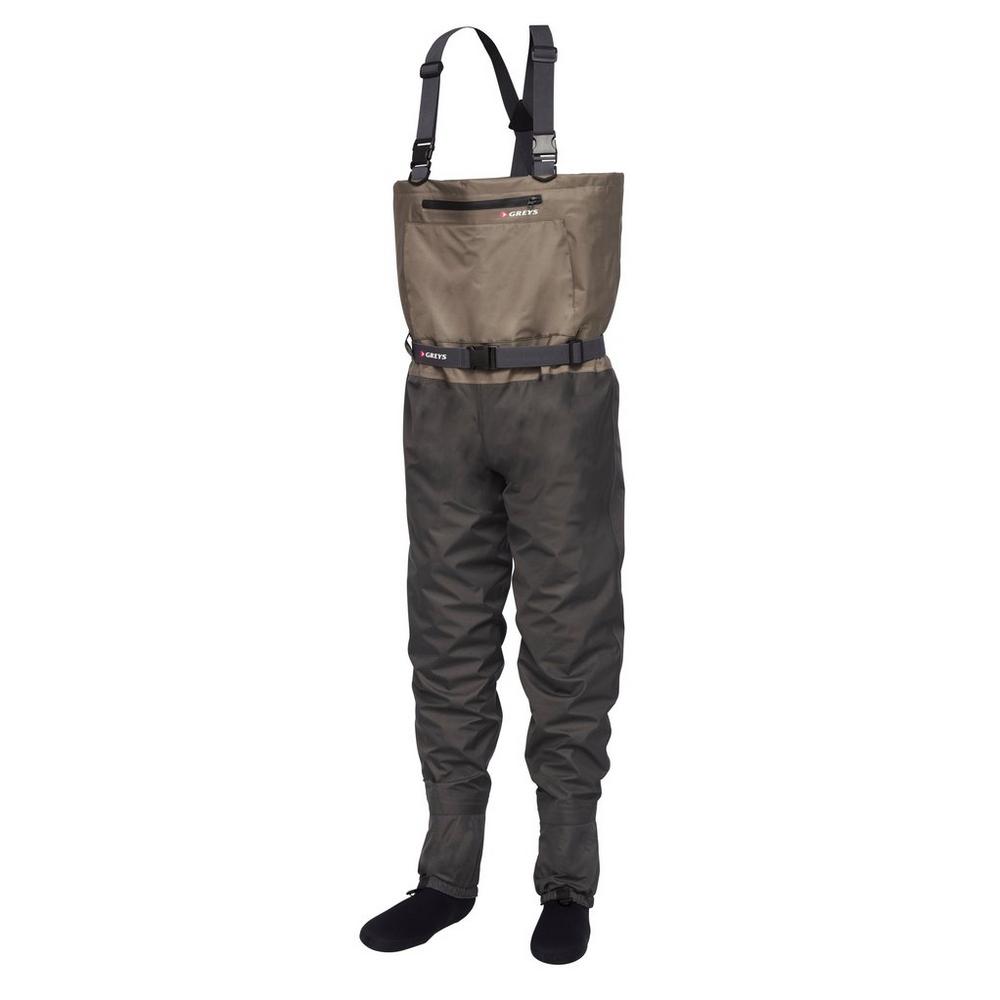
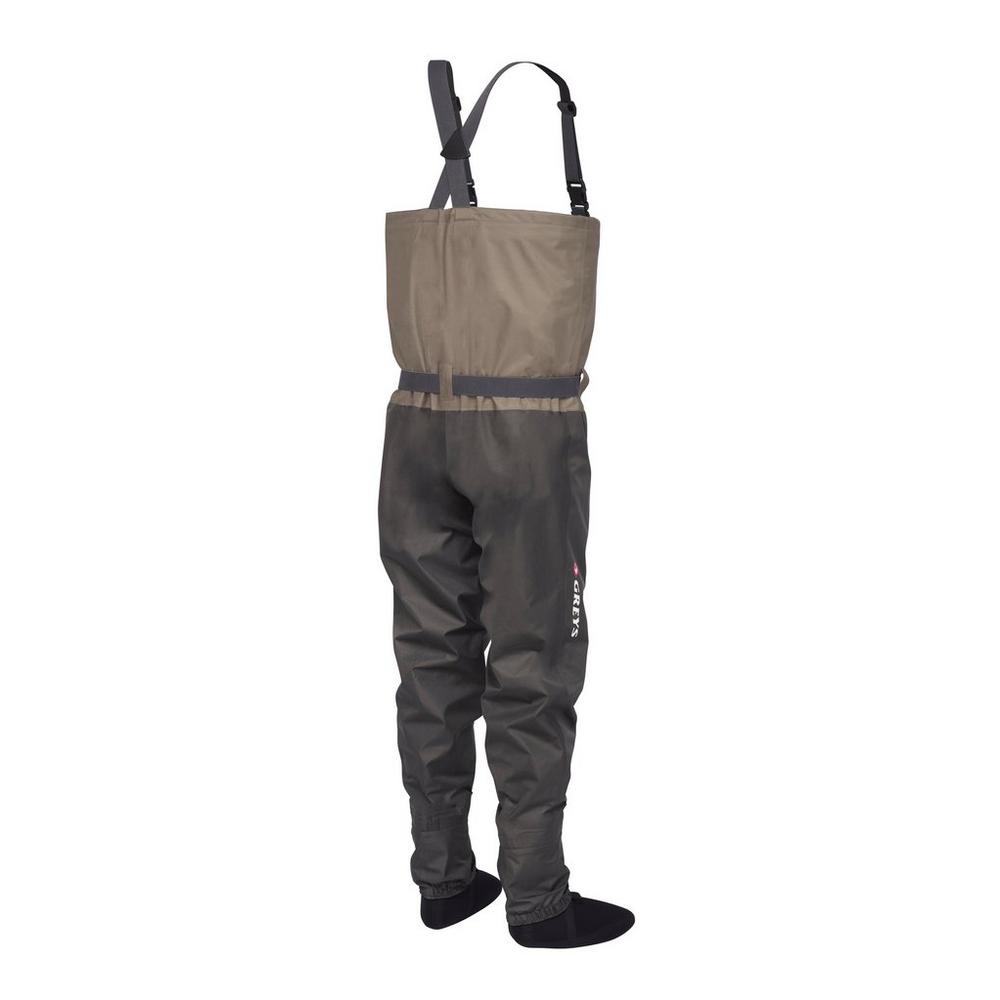
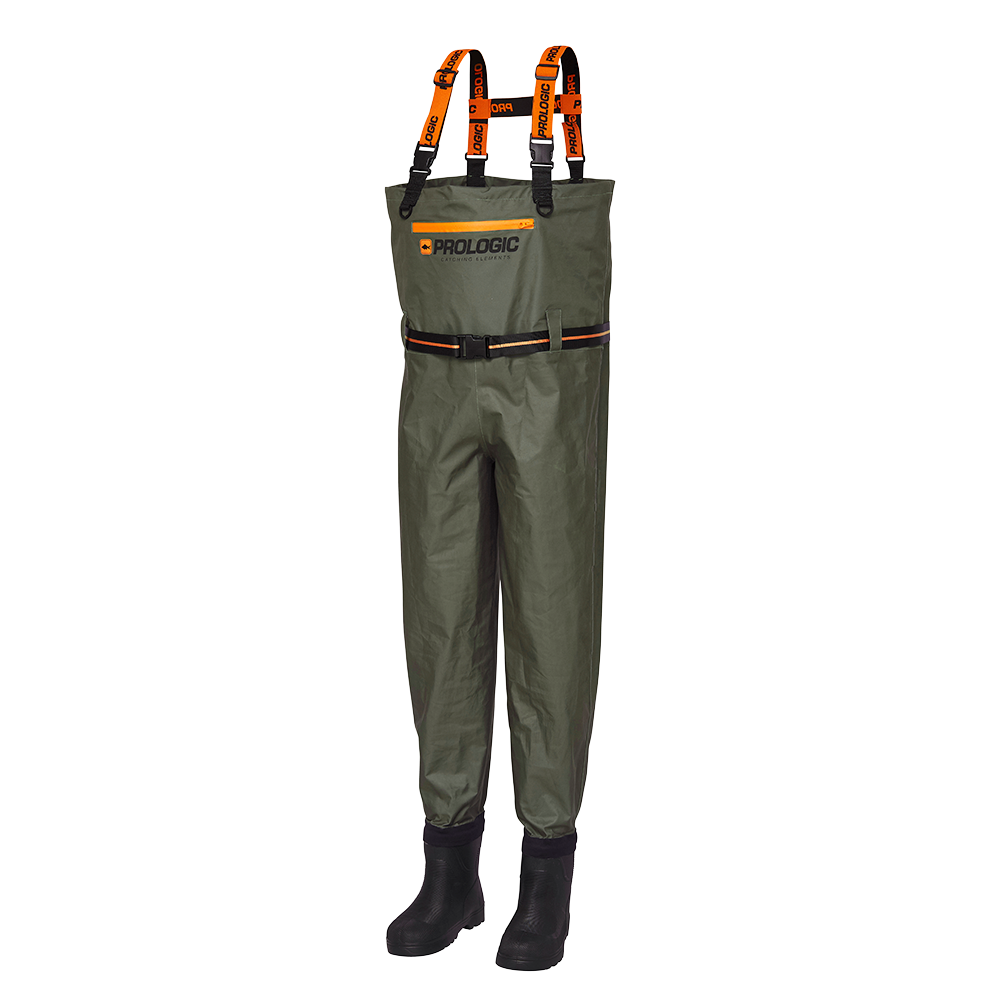
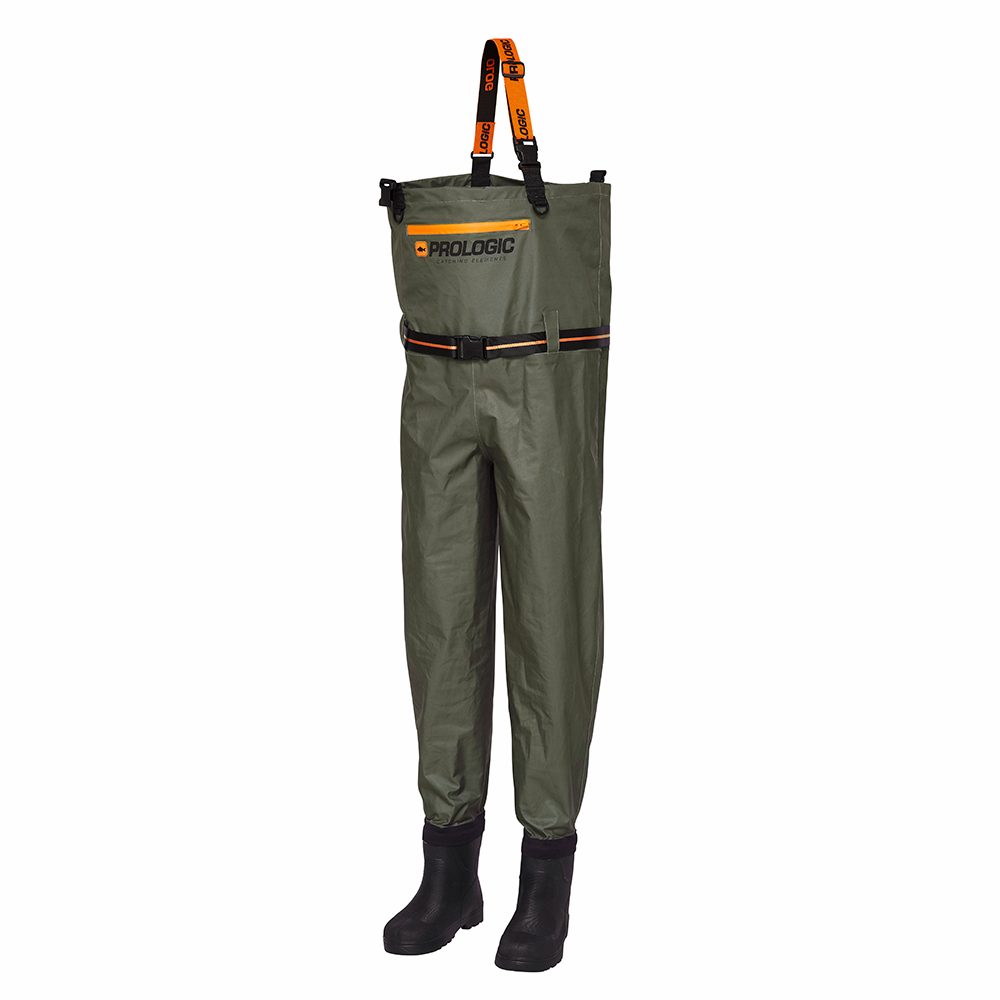
Fishing waders for rivers, lakes and shorelines
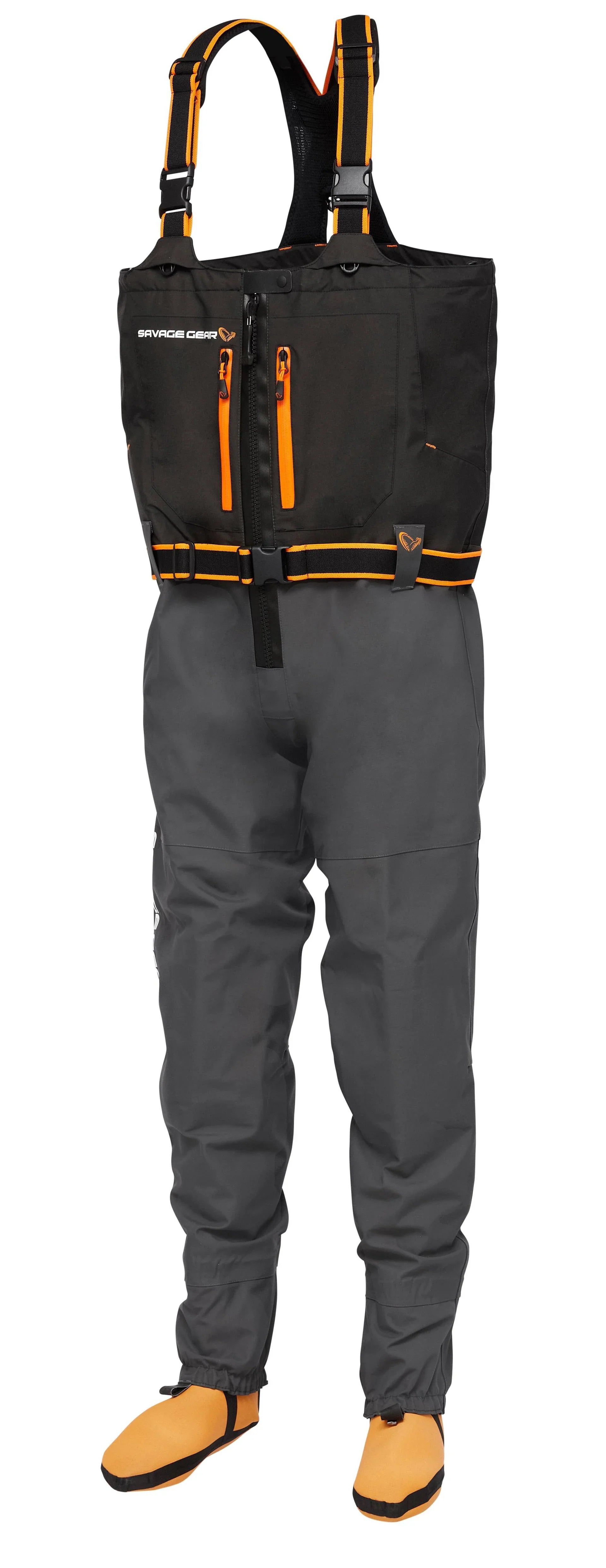
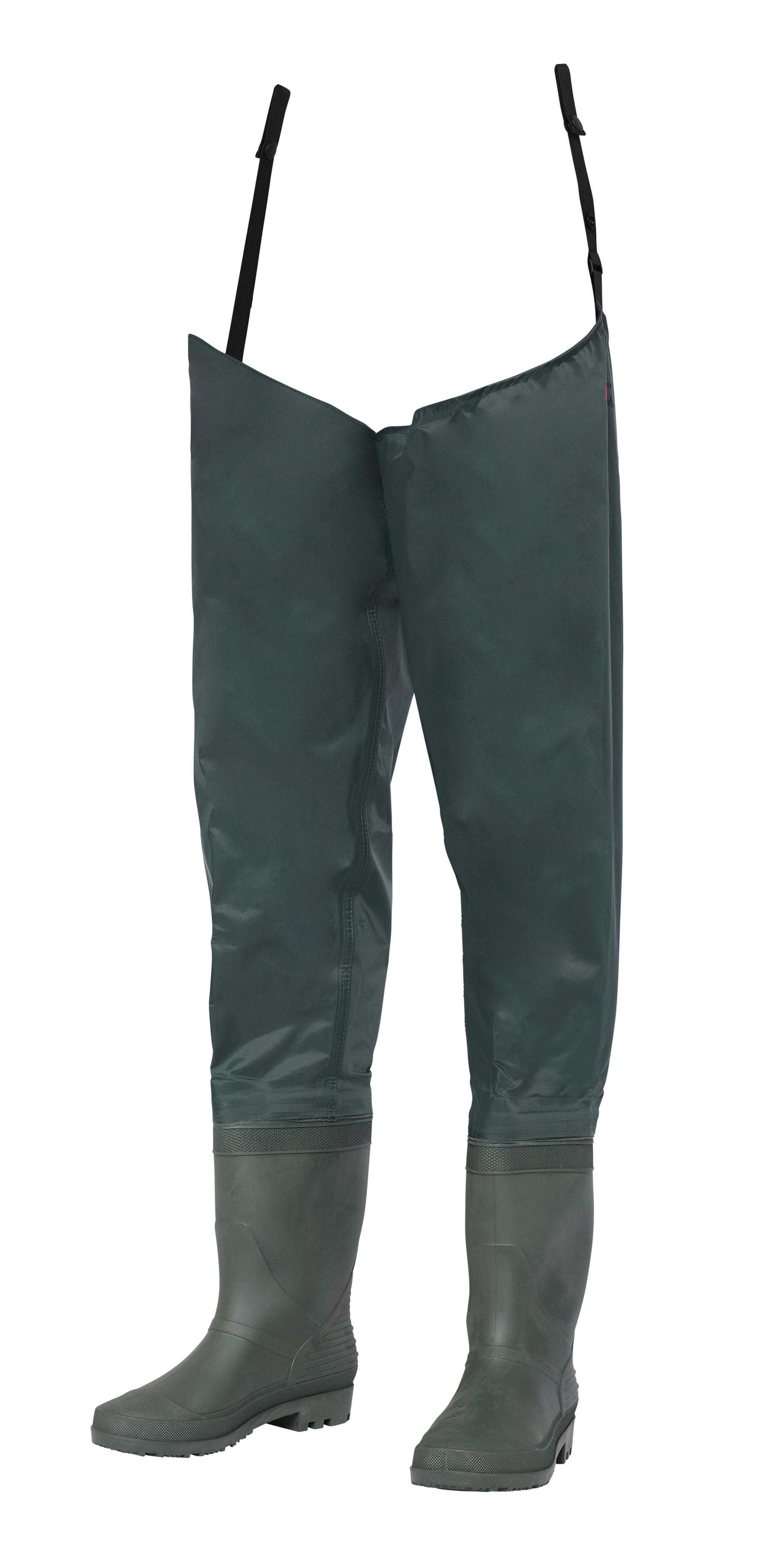
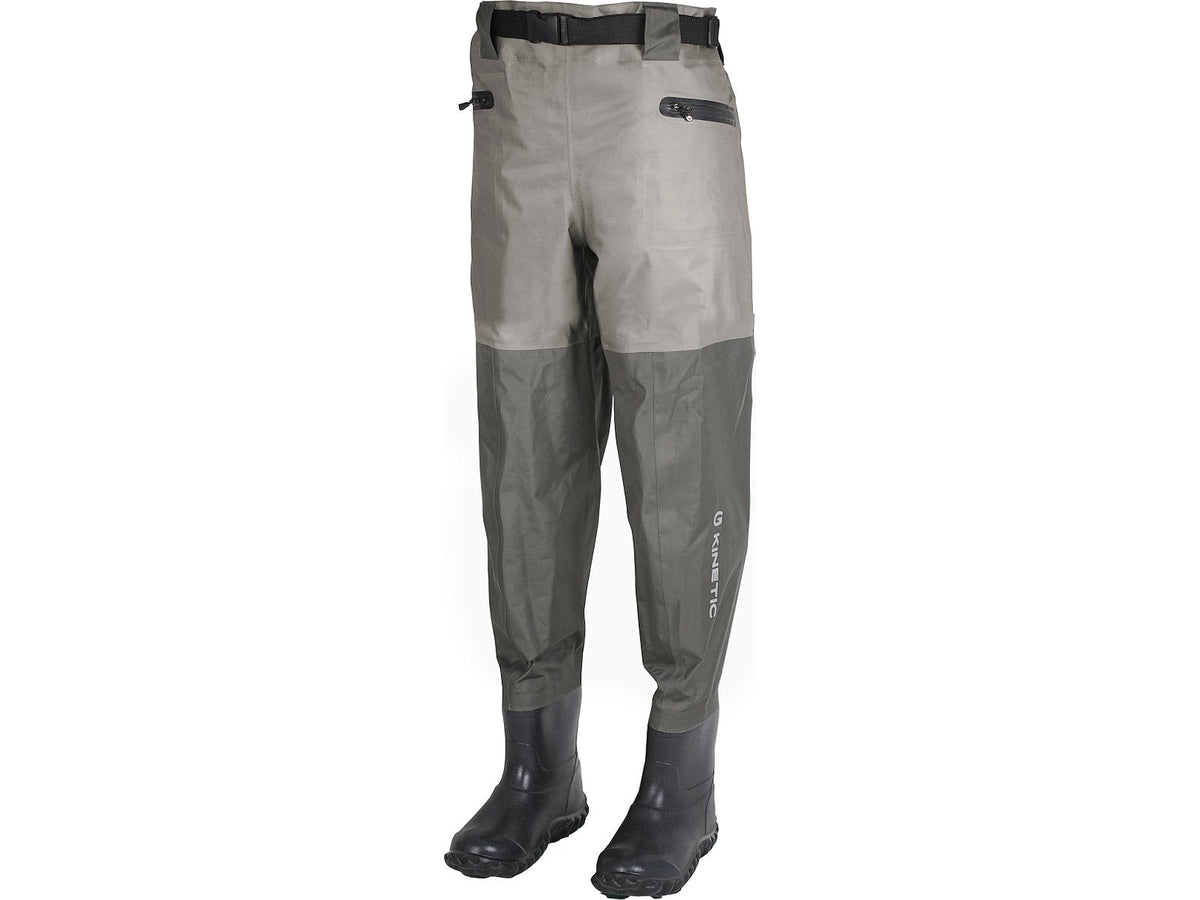
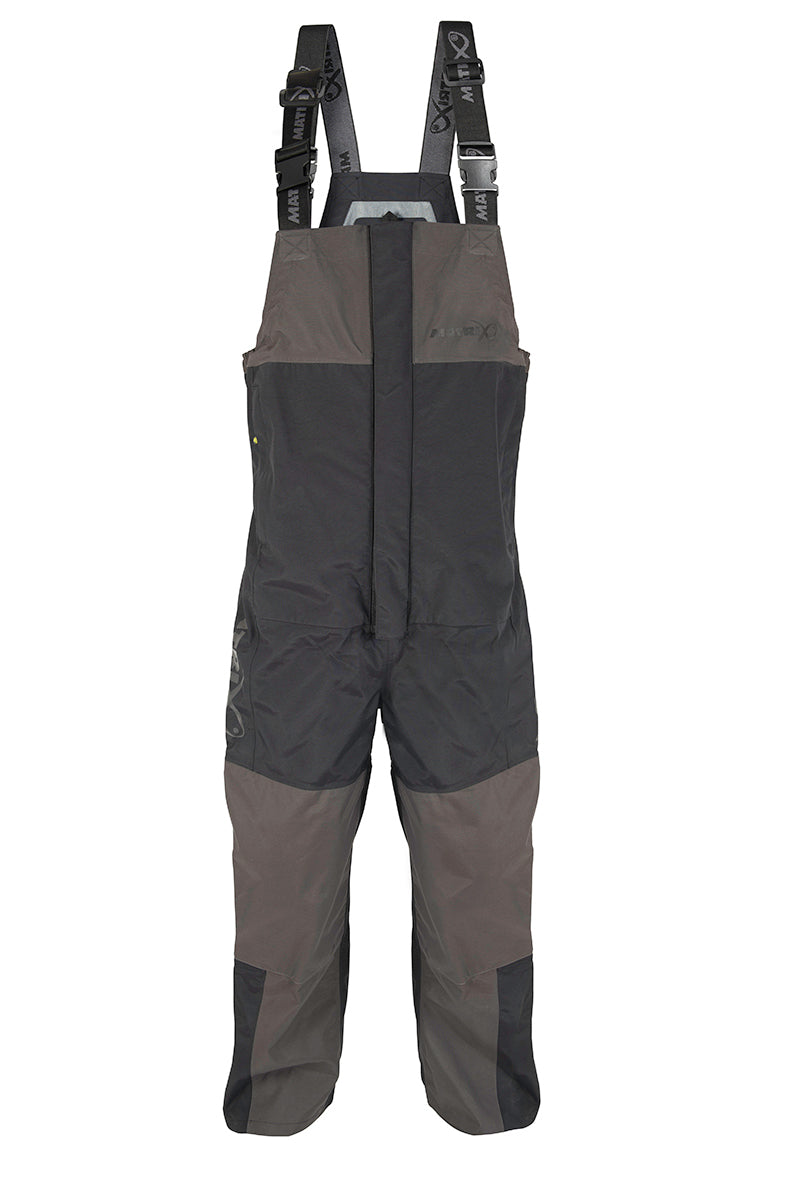
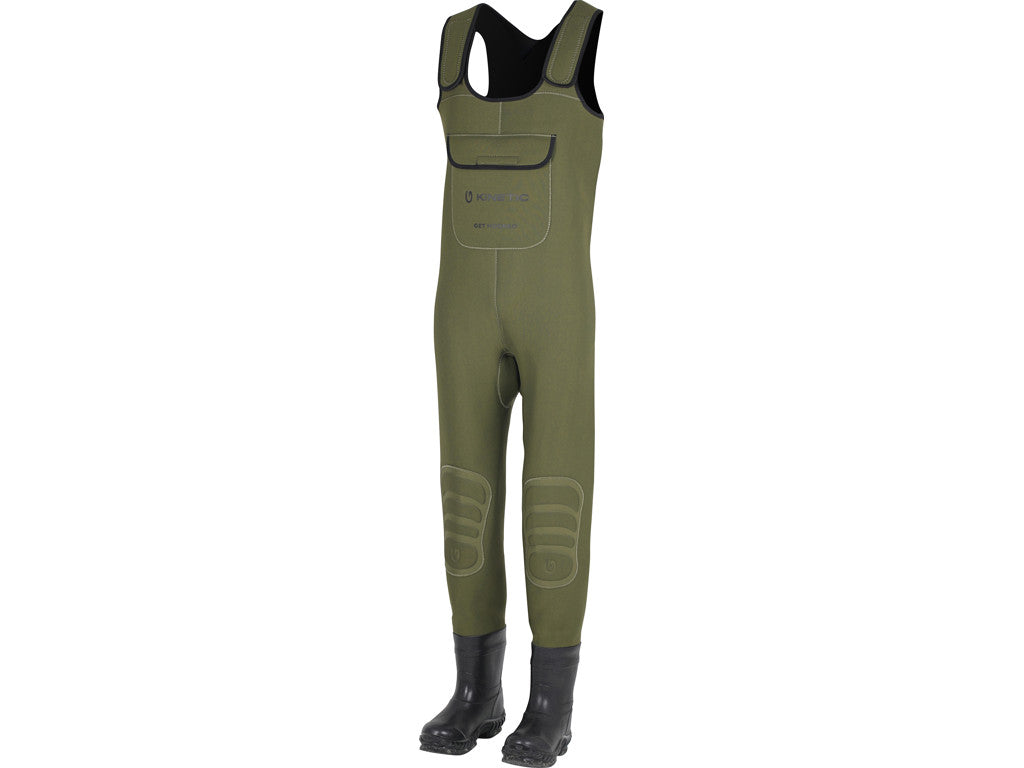
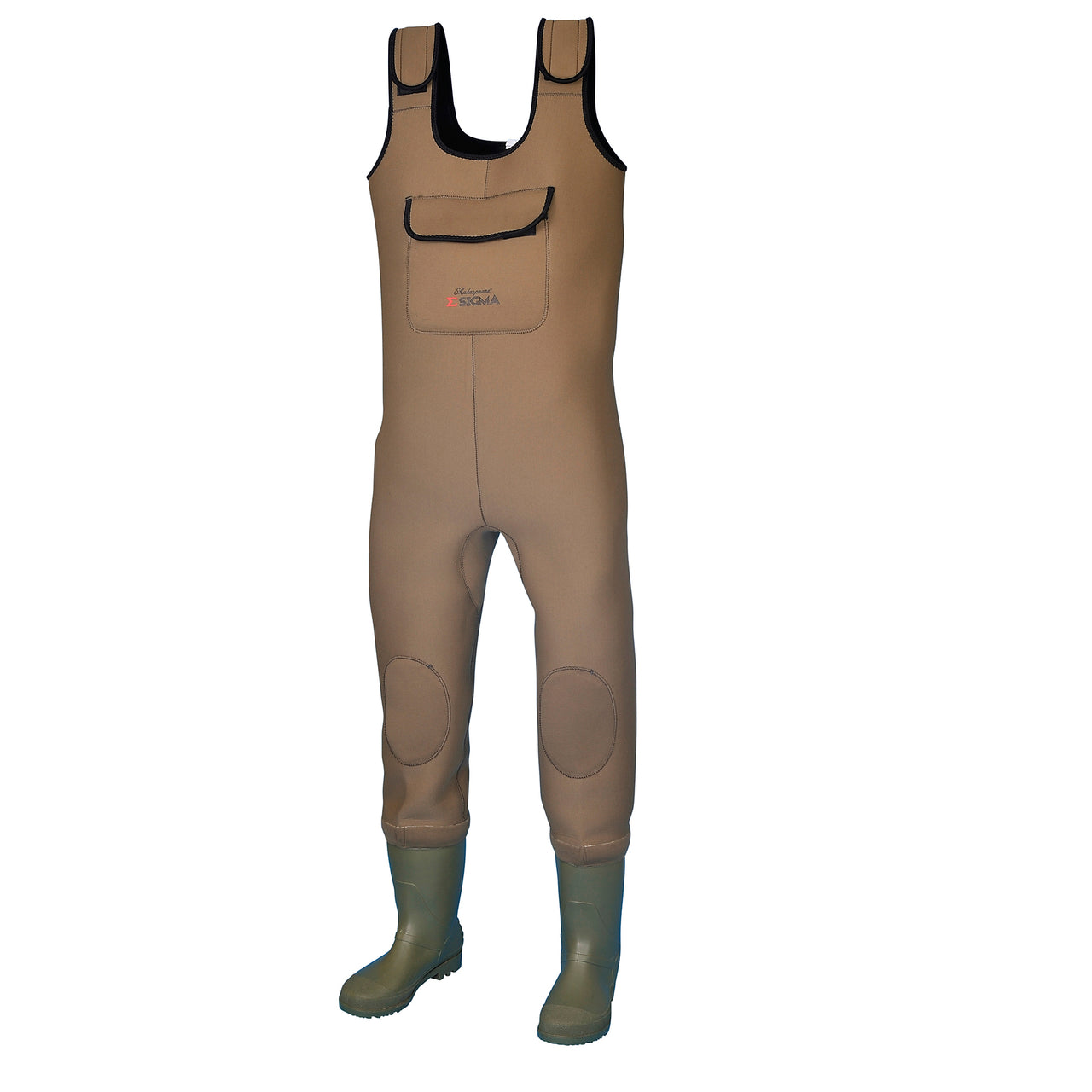
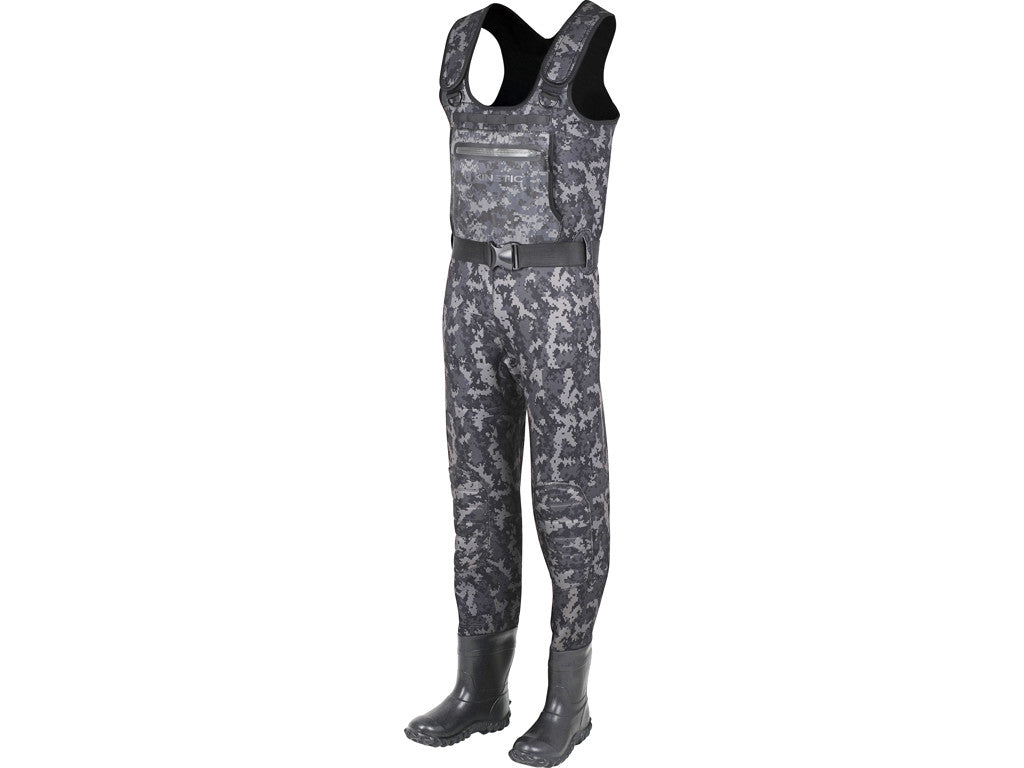
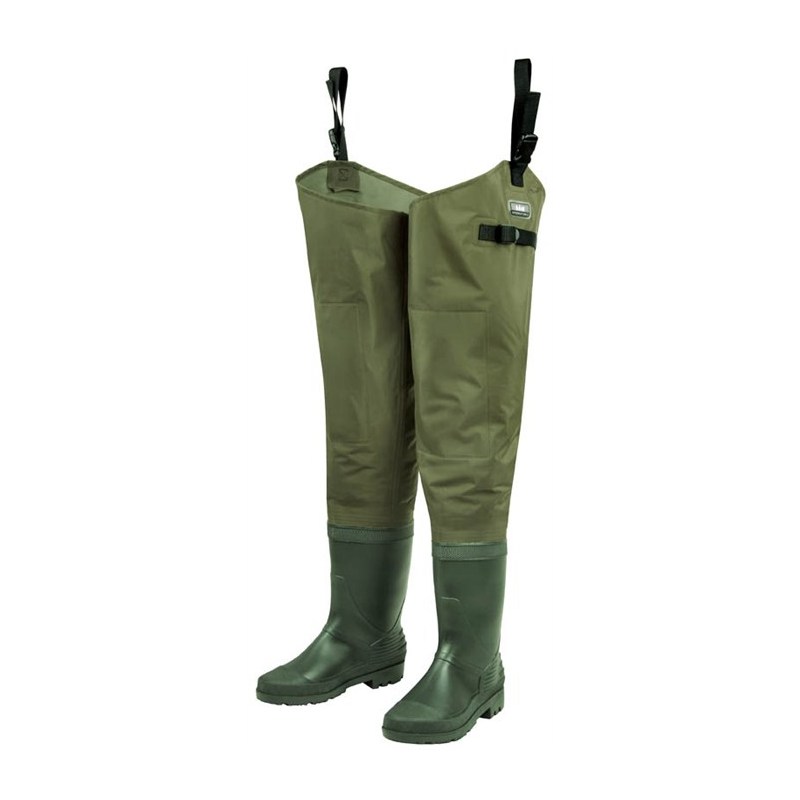
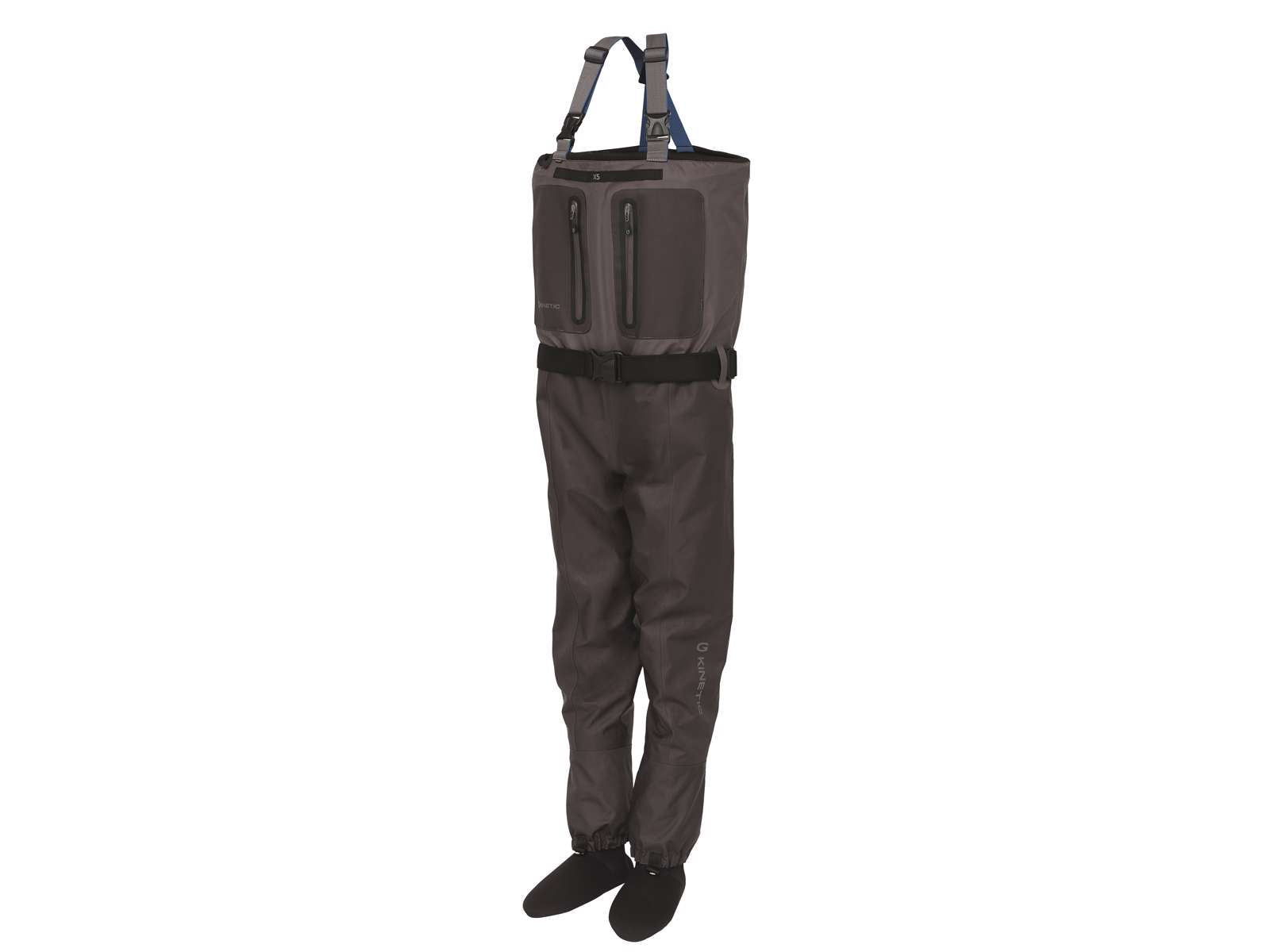
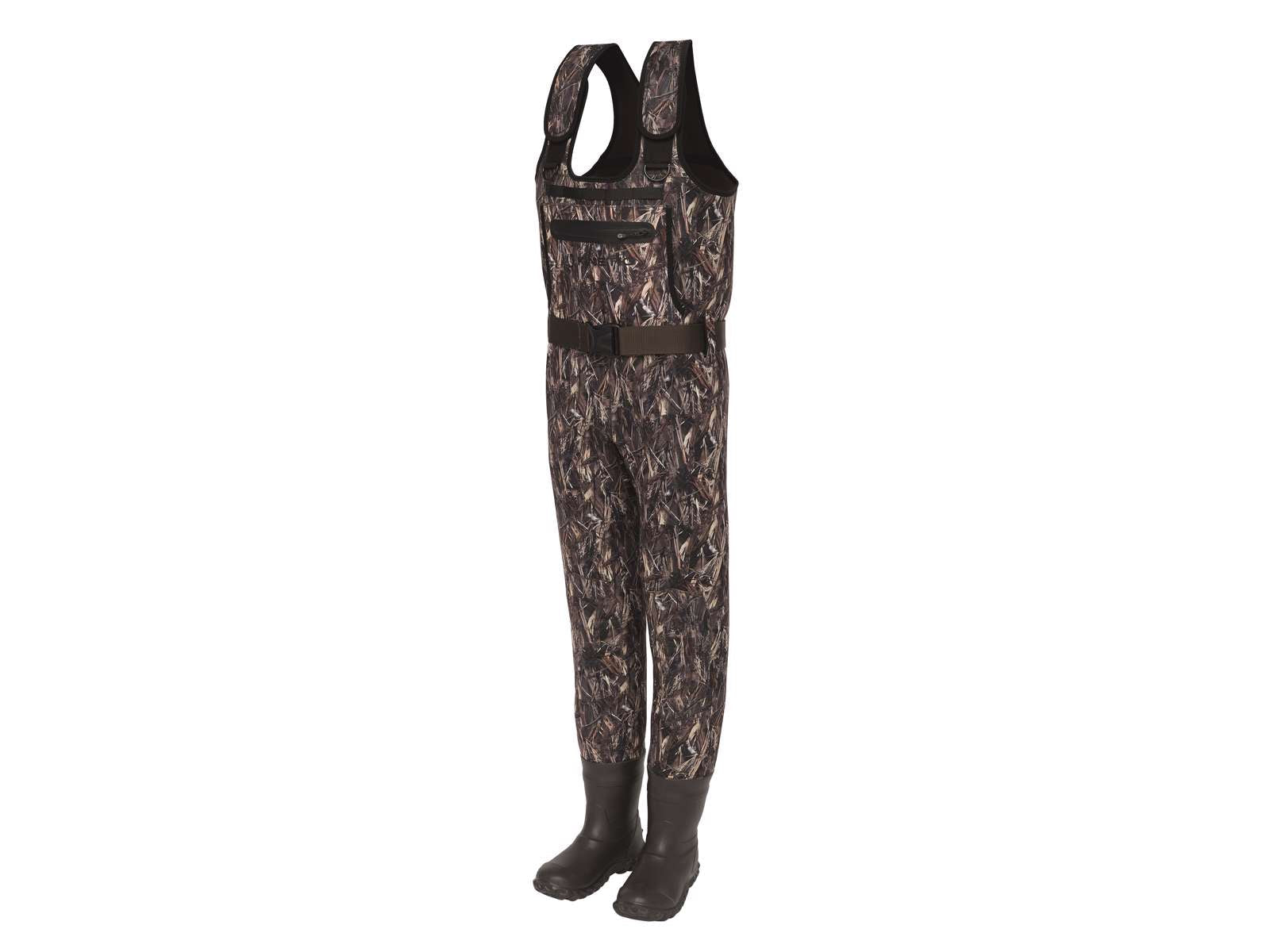
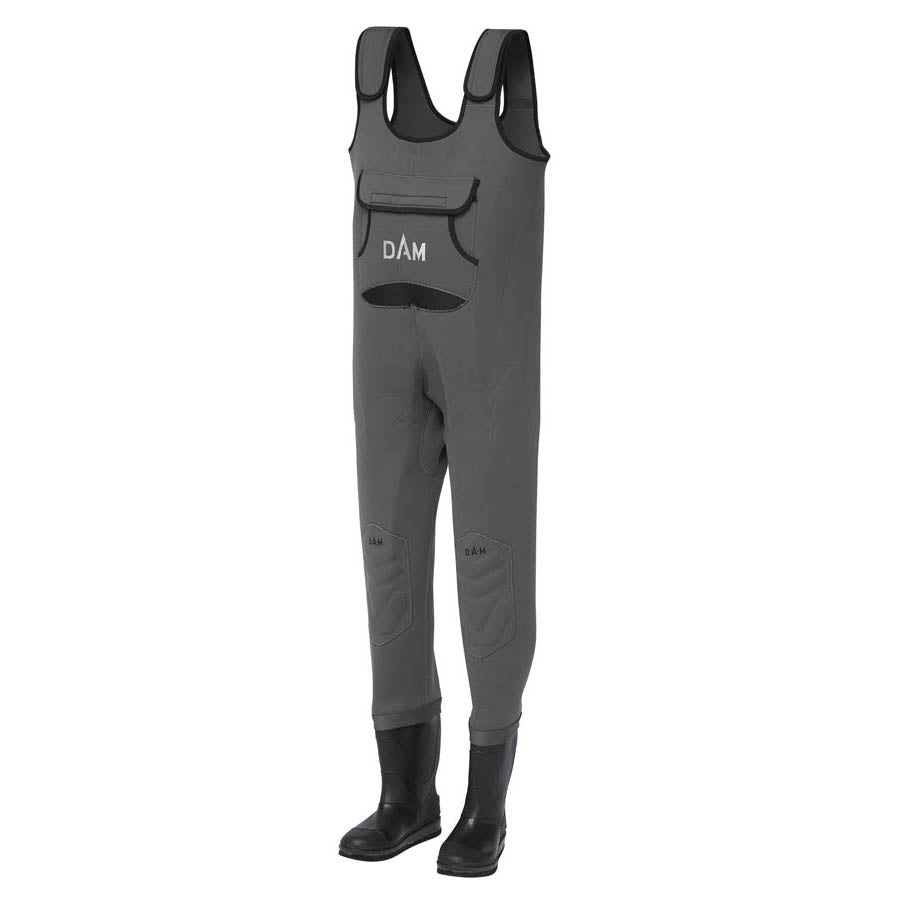
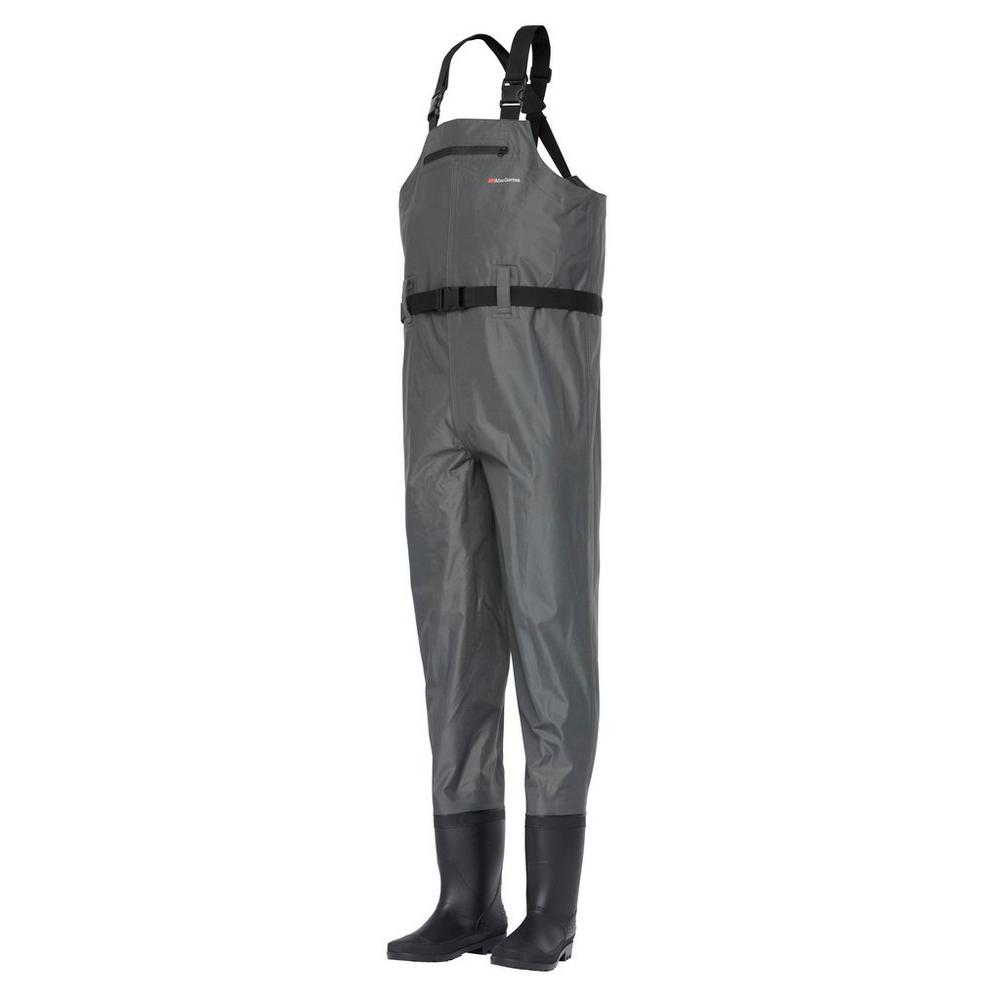
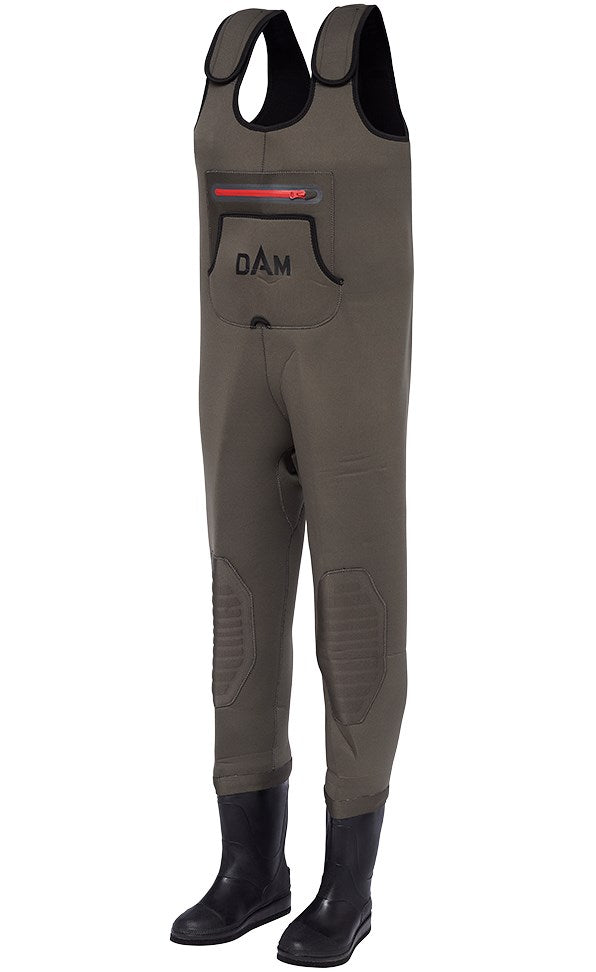
Waders keep clothing dry during shallow-water access, launching, netting and wet-bank tasks when used within their design. Chest, waist and hip-height formats provide different coverage. Breathable constructions manage heat differently from neoprene or insulated designs, so water temperature, air temperature and walking distance all influence the choice.
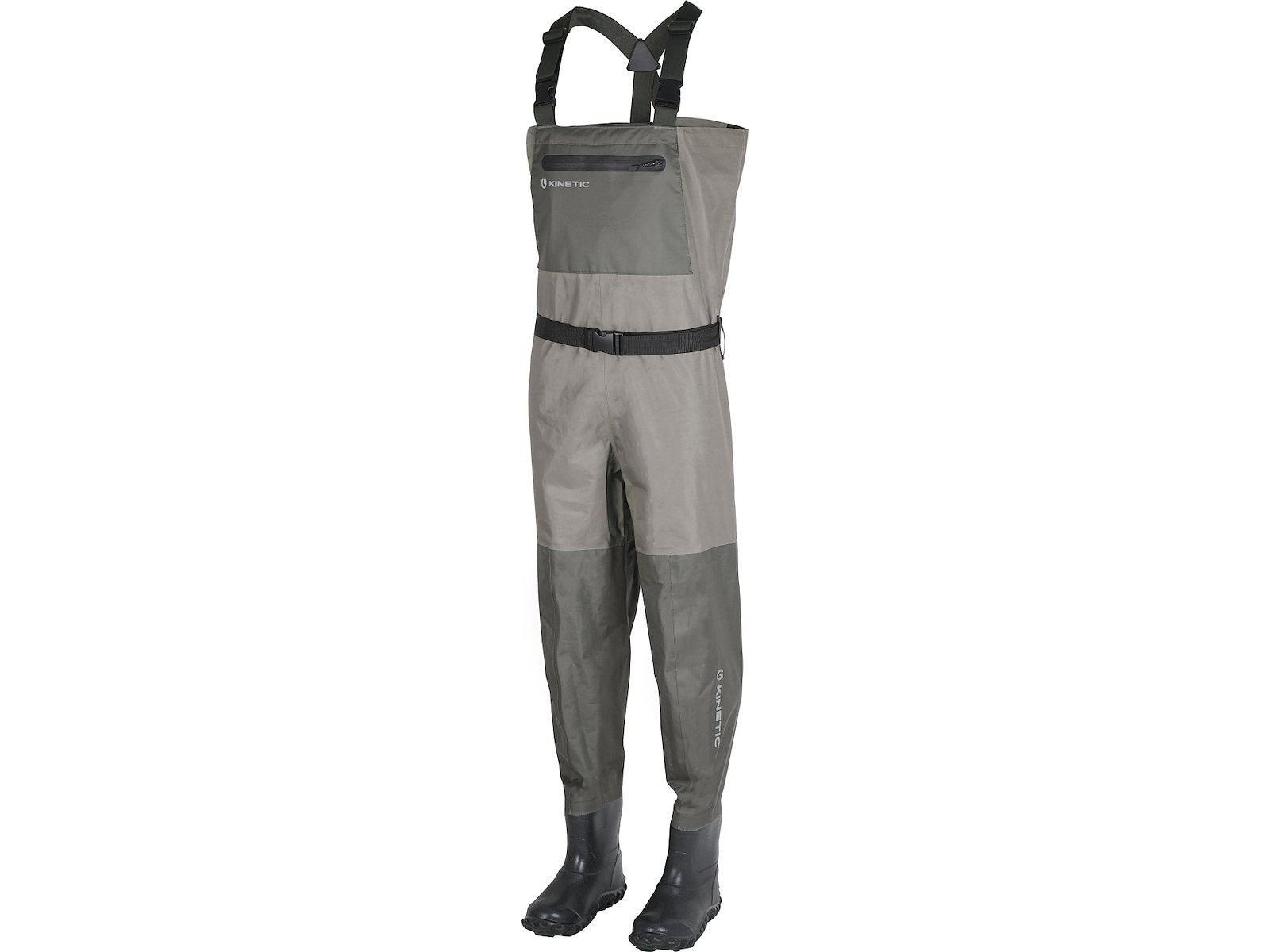
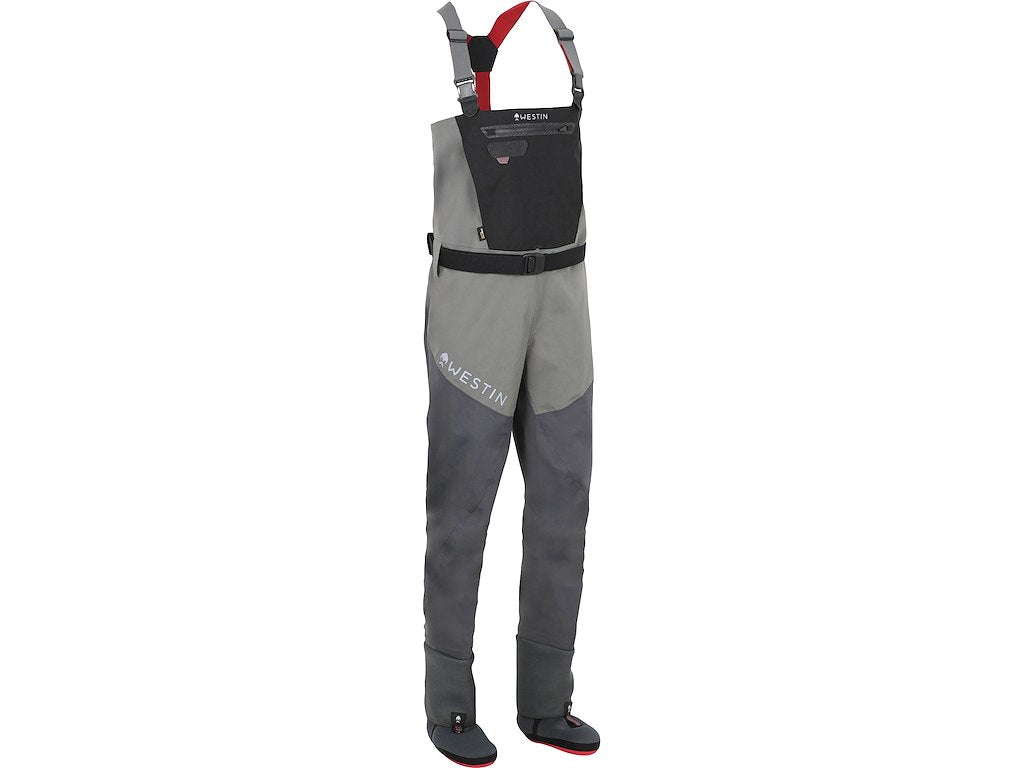
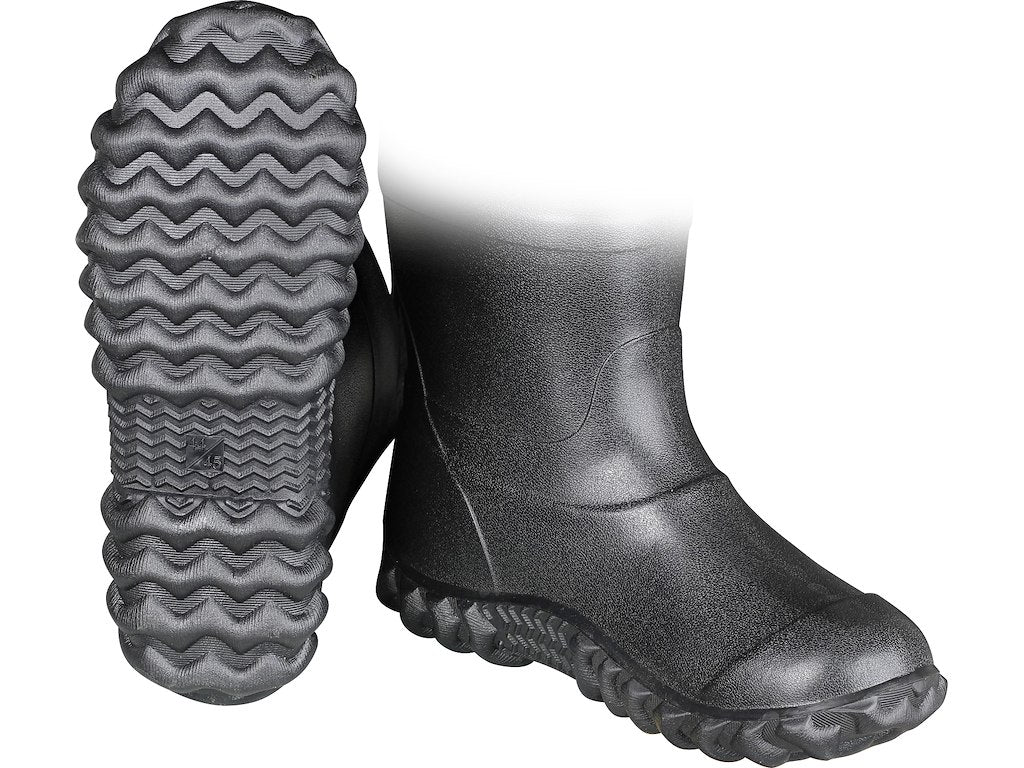
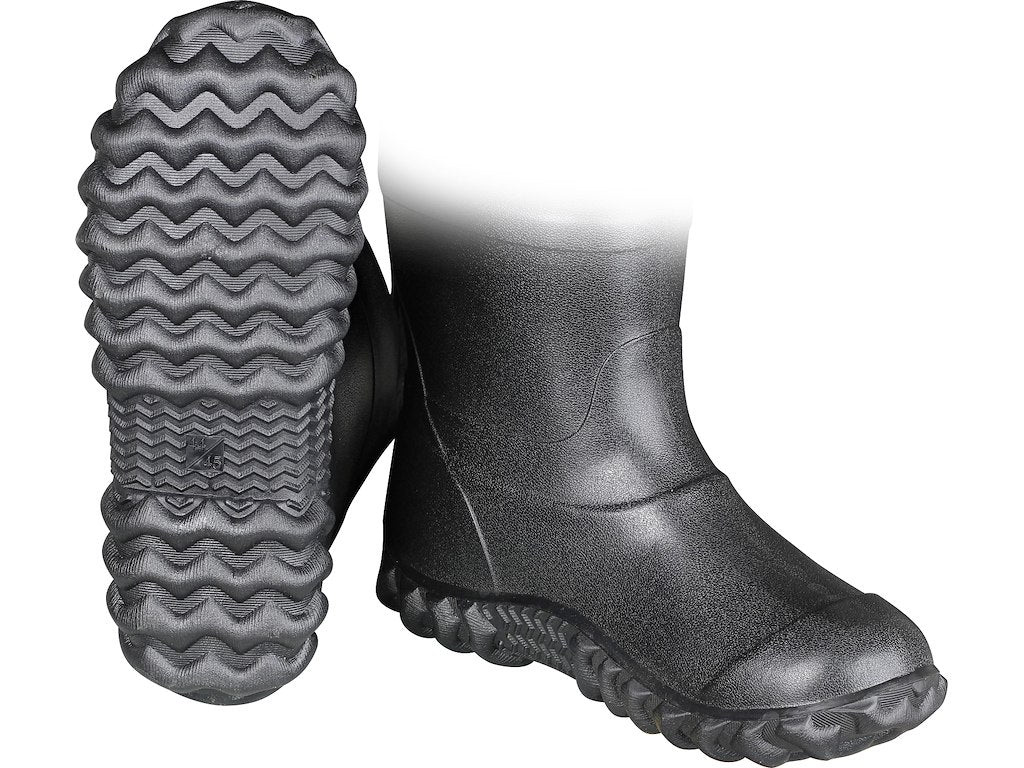
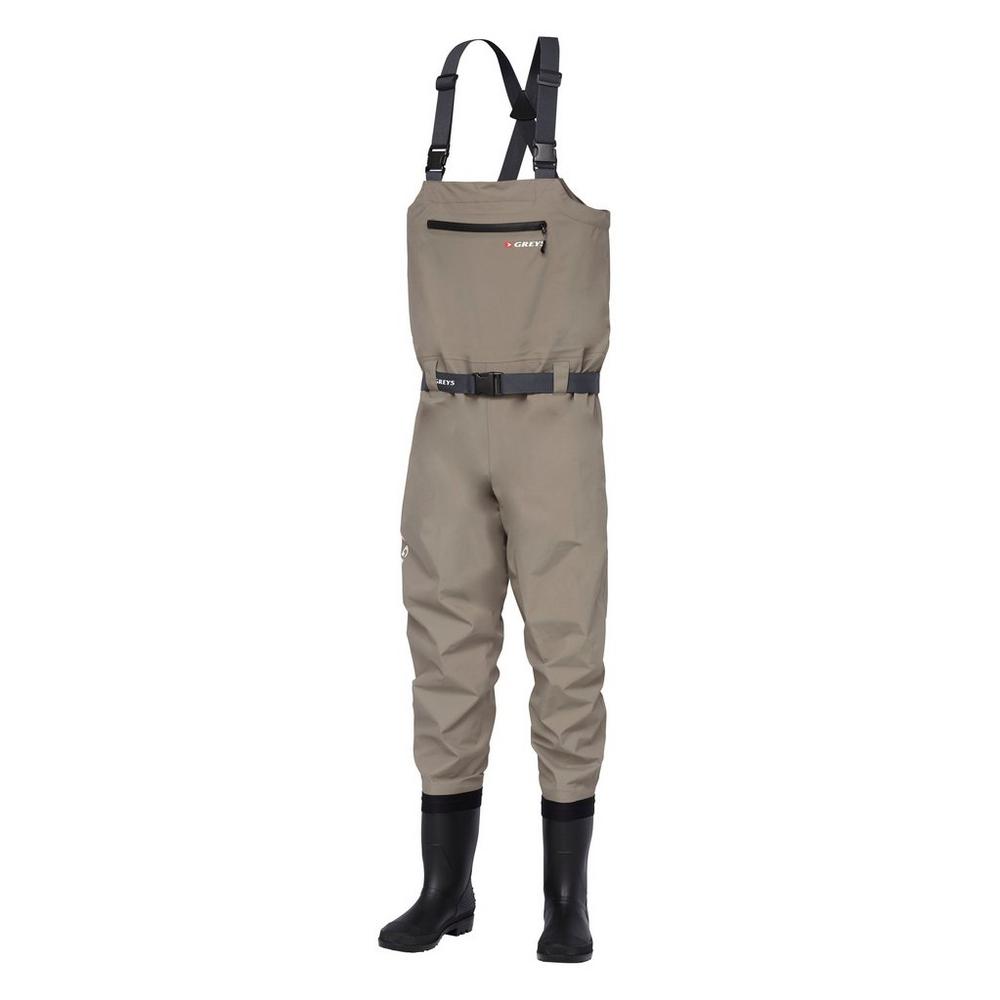
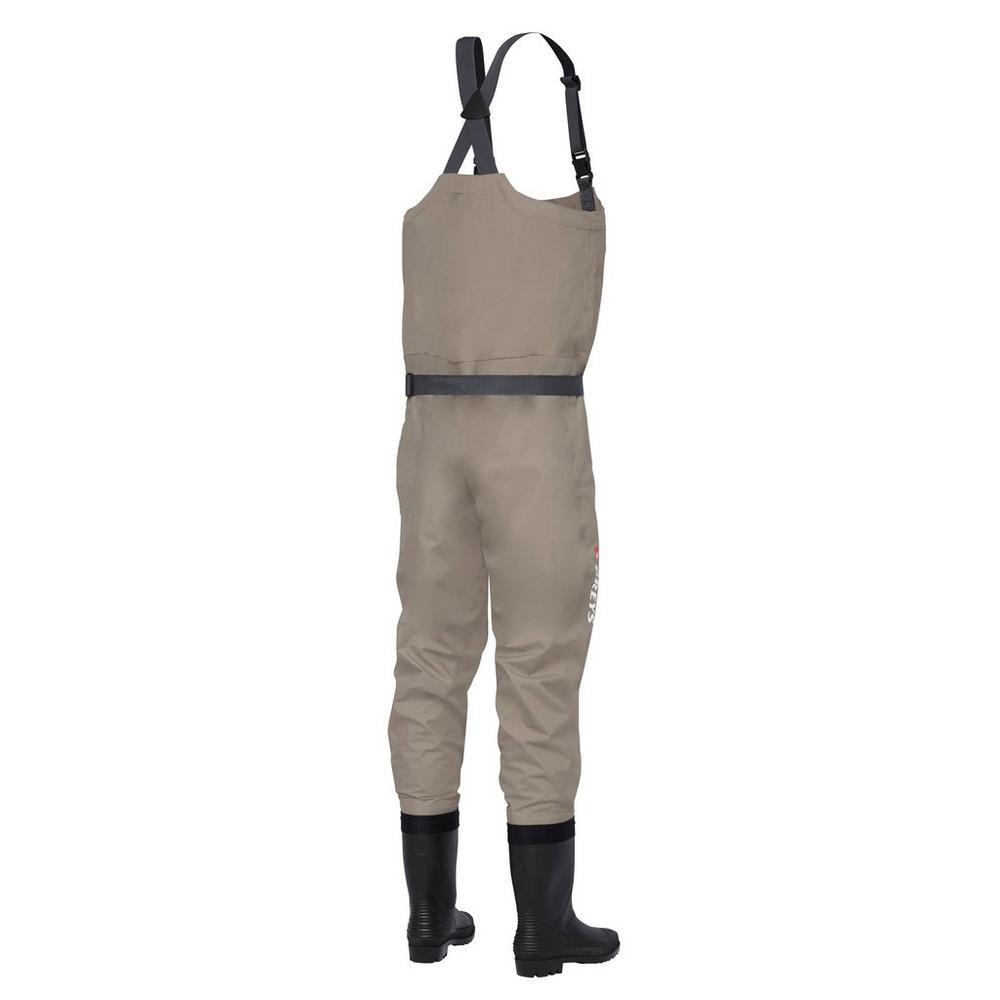
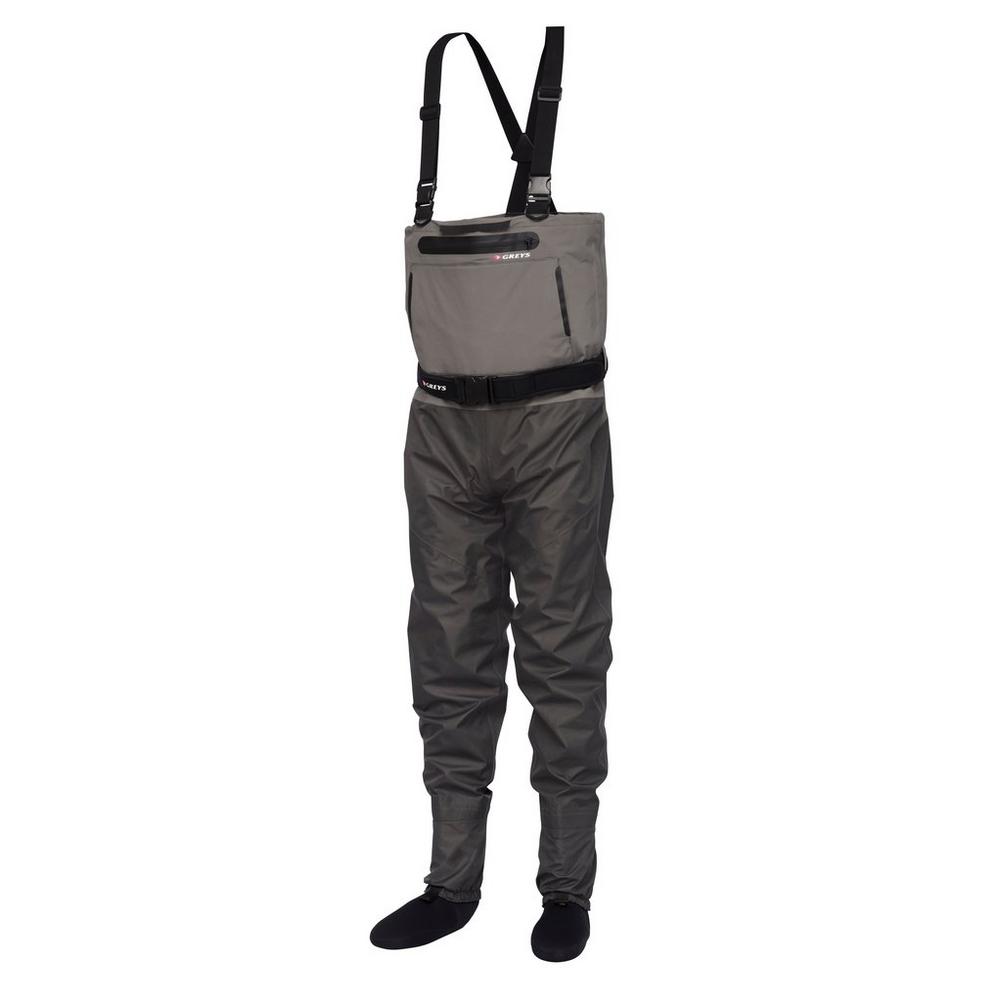
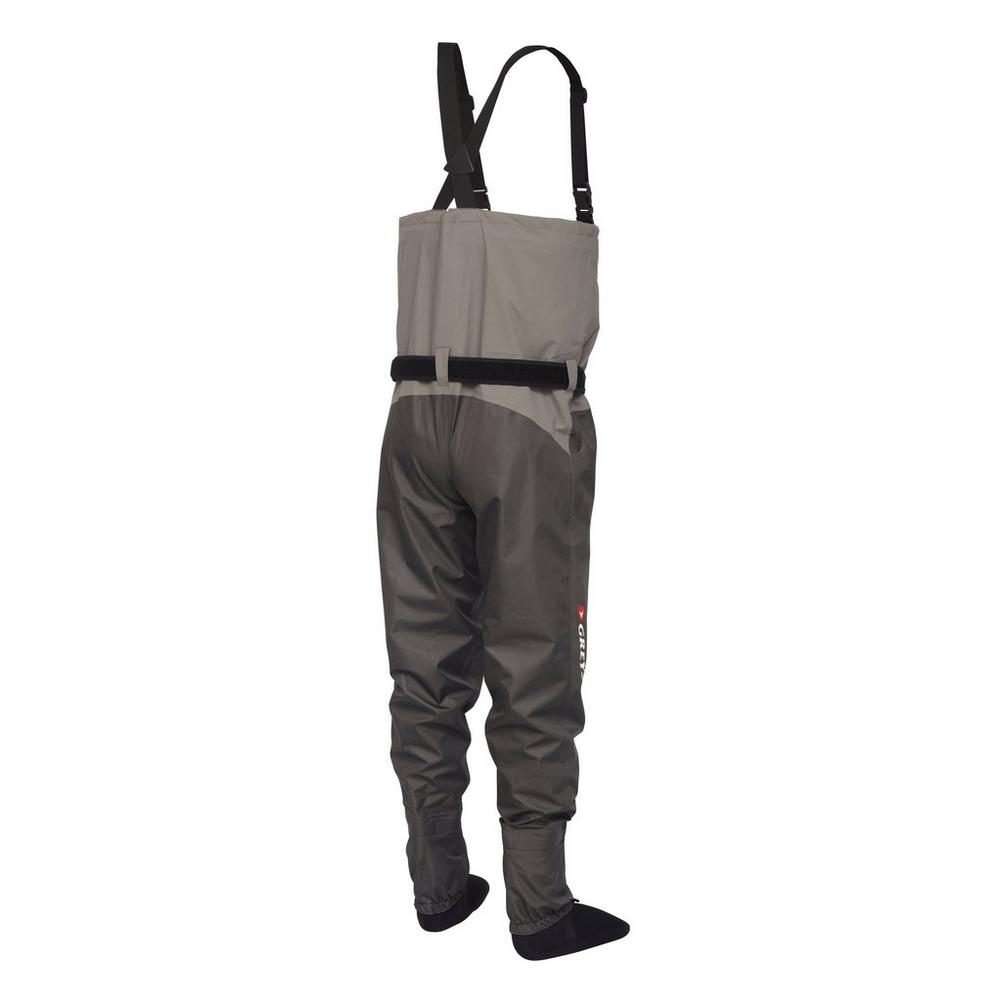
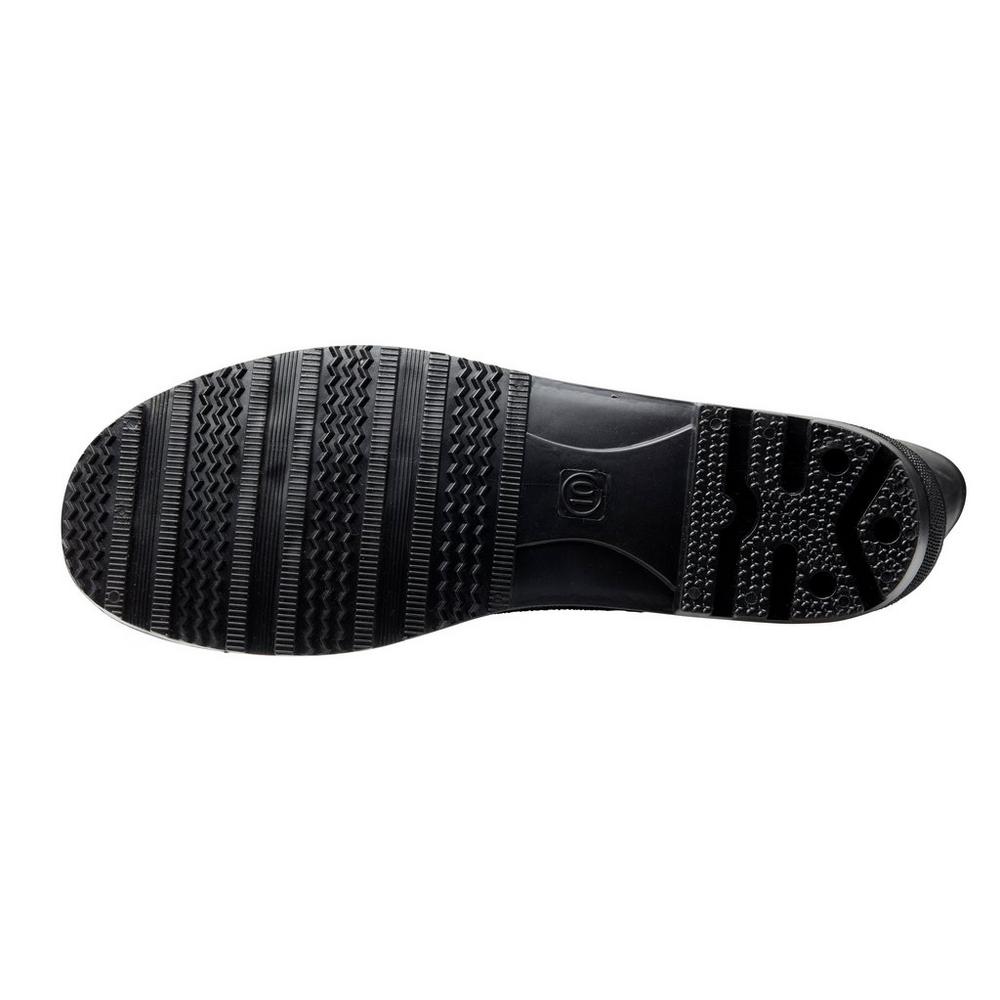
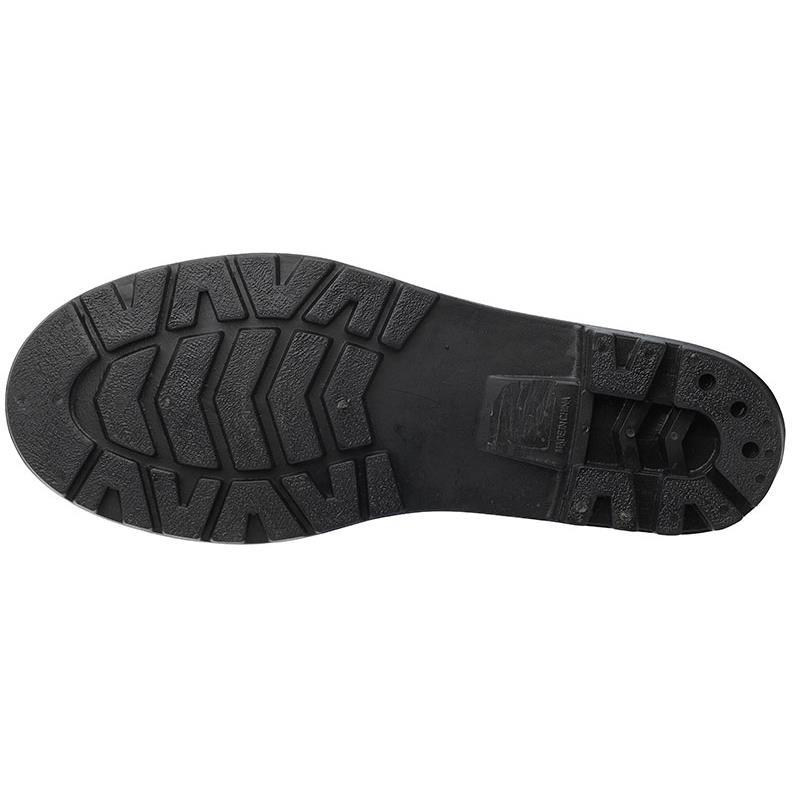
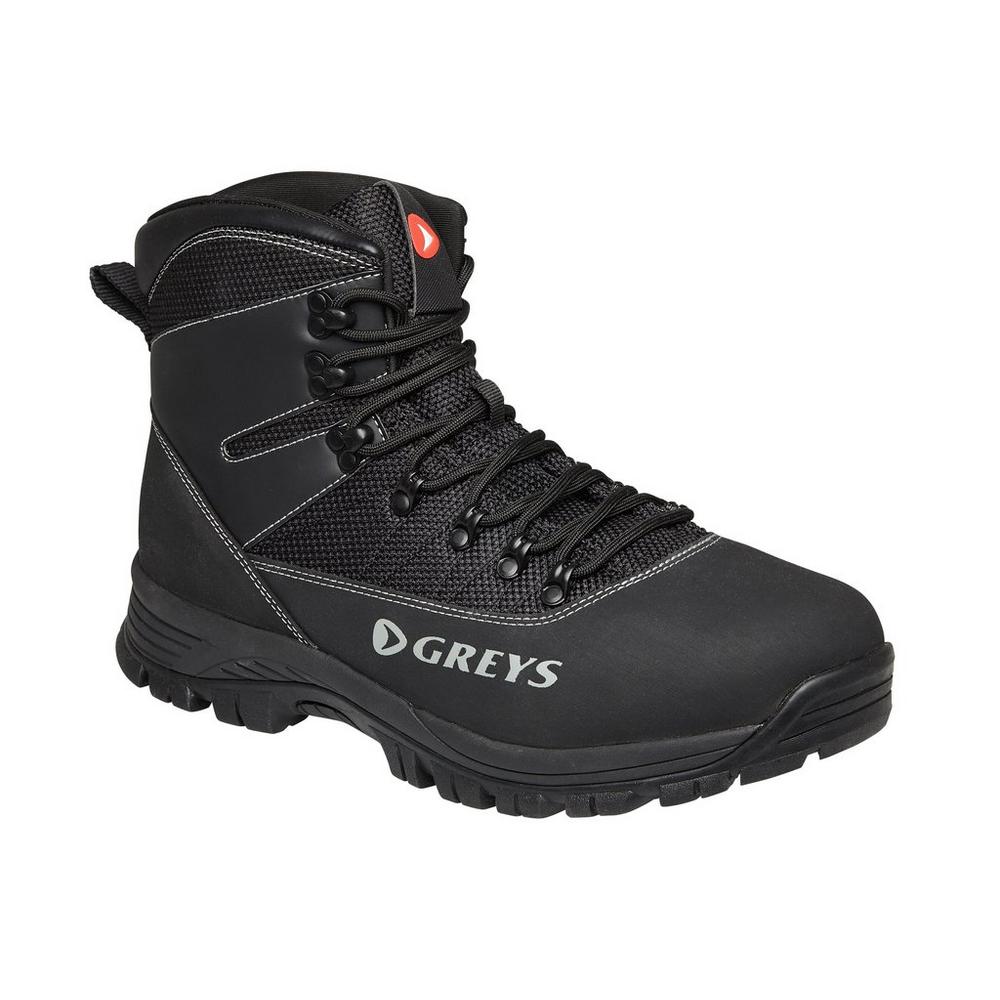
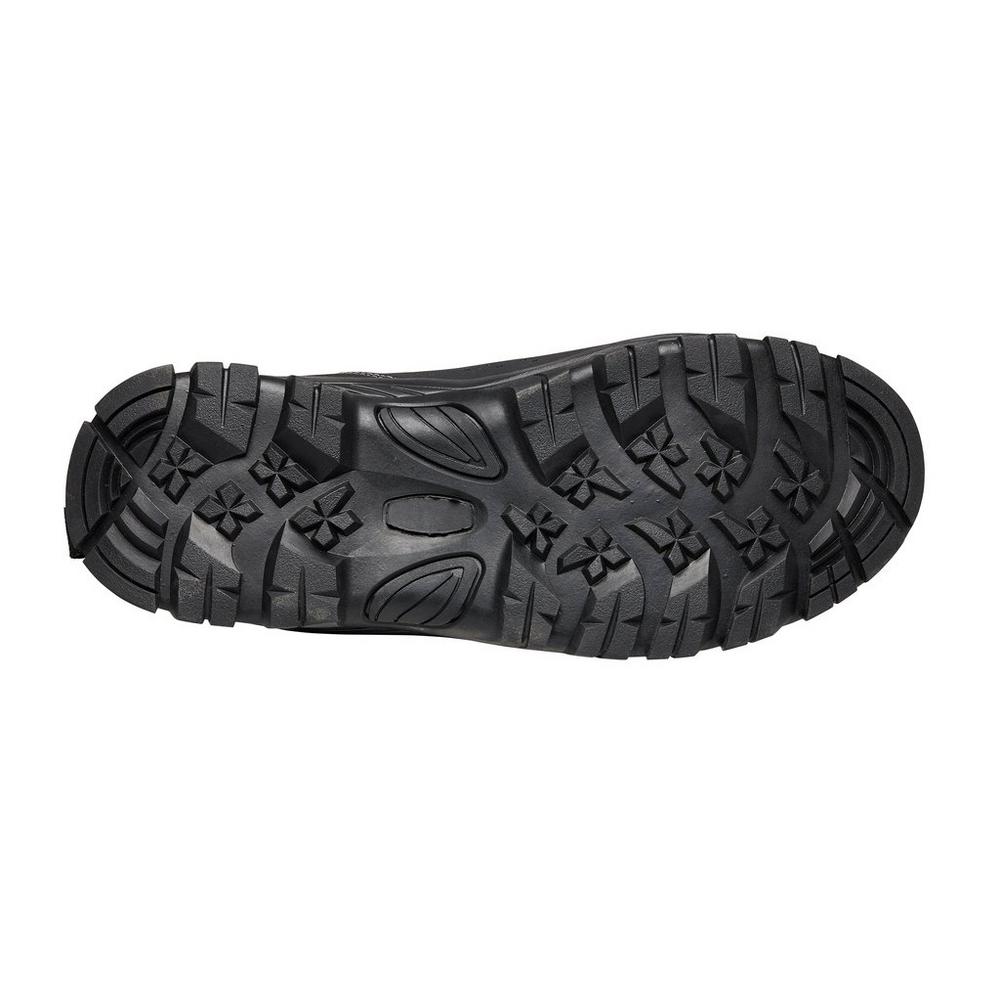
Bootfoot waders combine the upper and boot, while stockingfoot waders require compatible separate boots. Check sole type and grip for mud, gravel, rock or a wet deck; no outsole is secure on every surface. Fit must allow bending and layering without loose folds that obstruct movement.
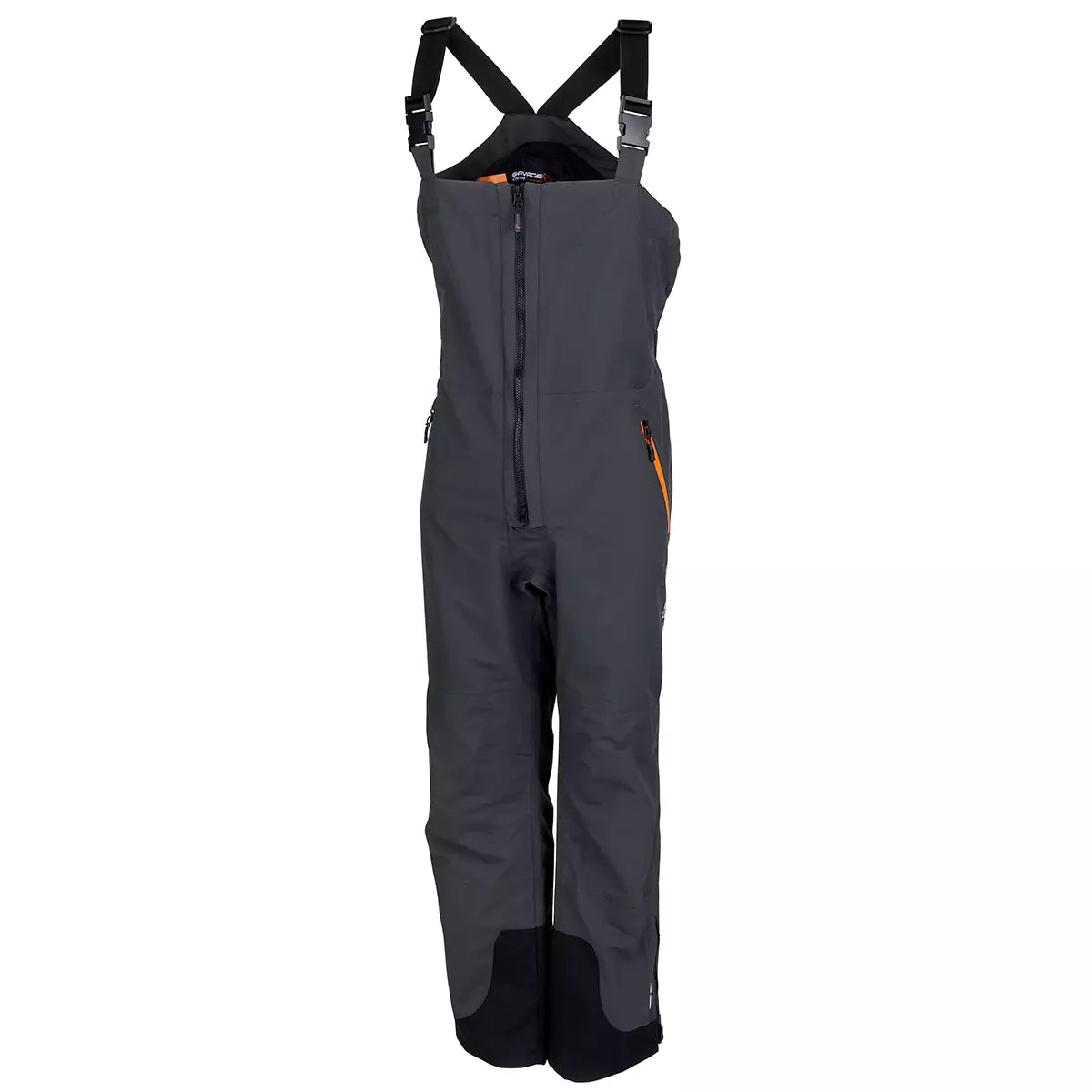
Browse all fishing clothing, add weather-ready jackets, dexterous fishing gloves and suitable fishing footwear. Compare fishing trousers for bank use where full waders are unnecessary, and check appropriate life jackets for boat or water activities that require flotation equipment.
Choose fit, construction and sole type
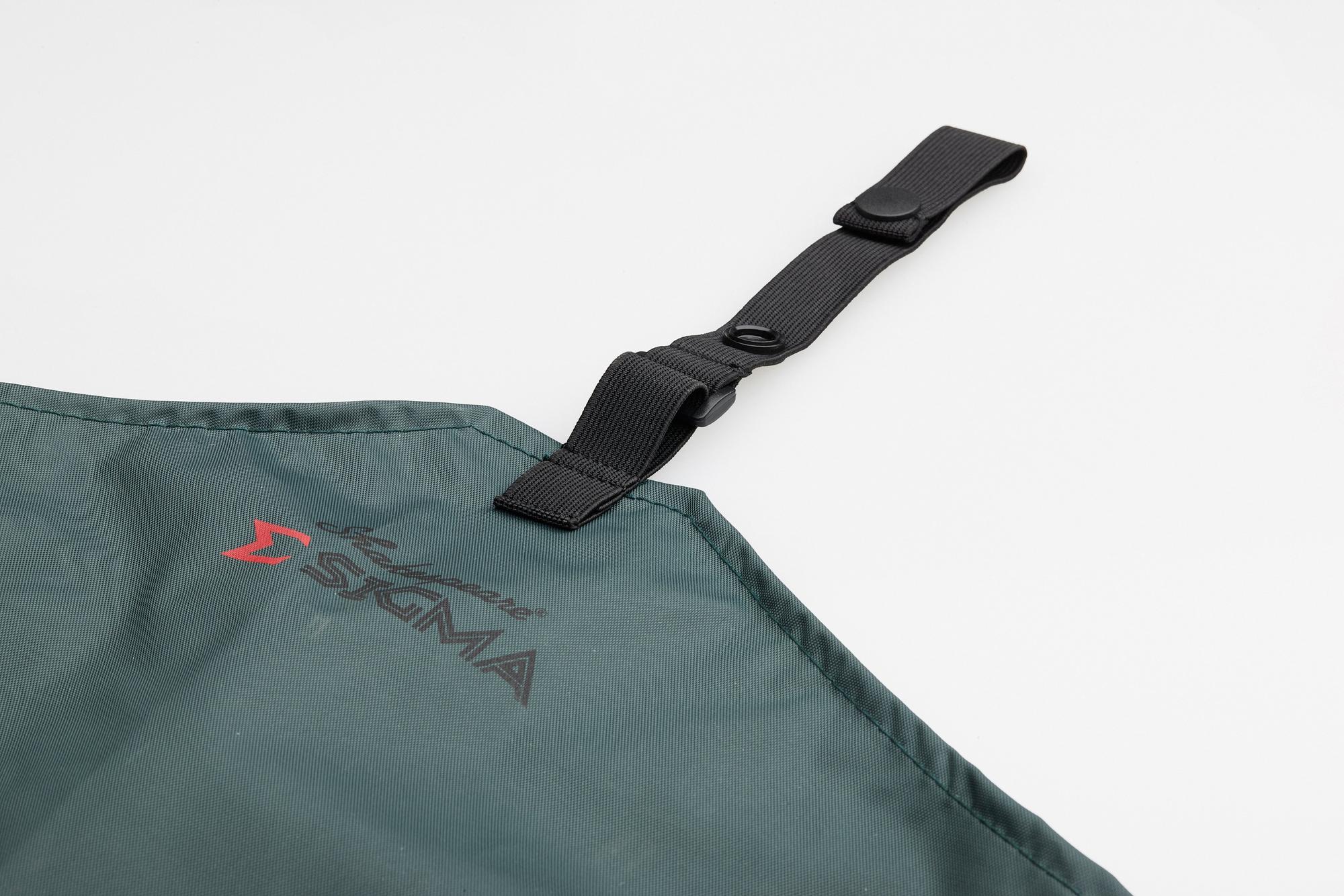
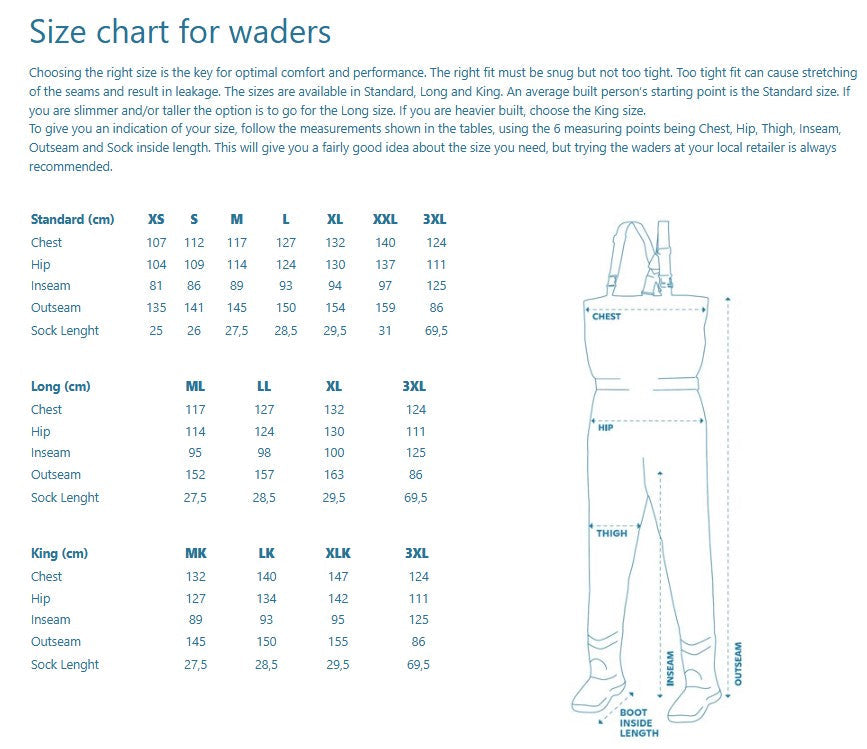
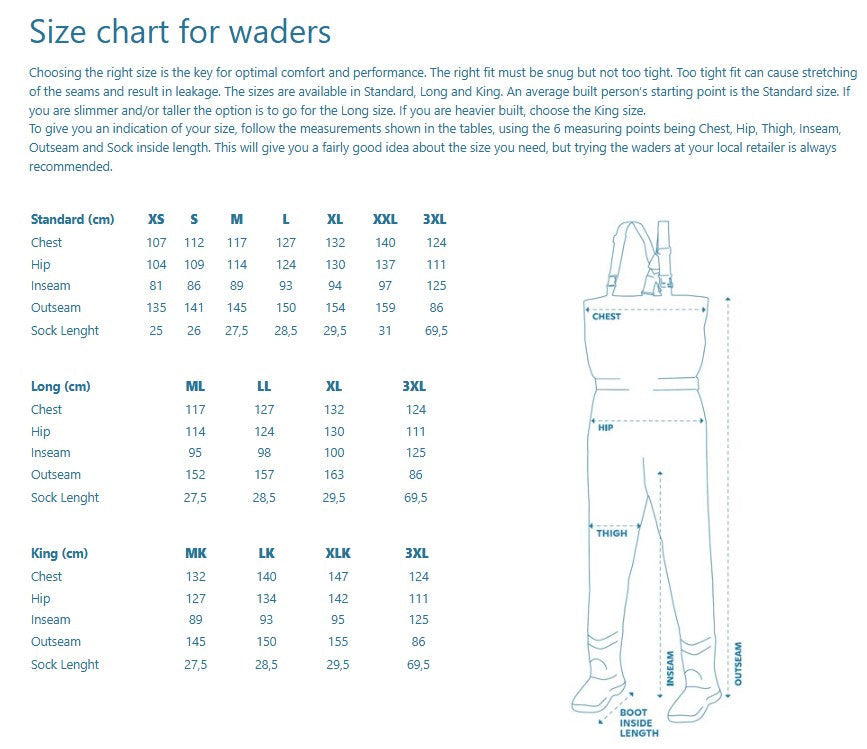
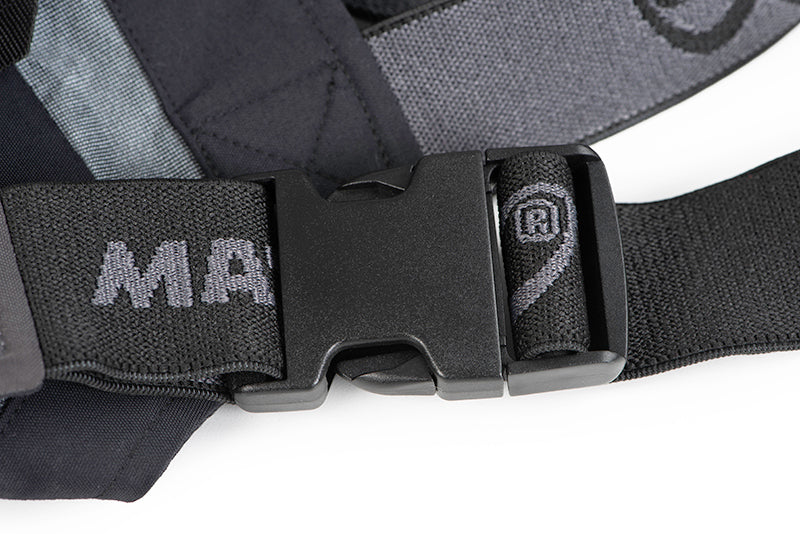
Use the product size chart for chest, waist, inseam, foot and layering measurements. Too little room strains seams and restricts movement; too much material can fold, snag and increase water drag. Adjustable braces and a correctly positioned belt should be comfortable without cutting into the body.
Seam tape, welded joints and waterproof fabric need routine inspection. A stated waterproof rating does not remove the risk of punctures from hooks, wire, thorns or sharp rocks. Carry an approved repair method where appropriate, but do not rely on an emergency patch for structural damage.
Plan entry and exit before stepping into water. Use a staff and wade with a partner where conditions call for them, move slowly, avoid strong current and stop if depth, visibility or footing becomes uncertain. Waders are not buoyancy aids, and filling with water can make movement difficult.
Inspect, clean and dry waders
Before each trip, check seams, boots, soles, braces and belt. After use, rinse mud and salt as directed, clean the inside where required and dry both sides fully away from damaging heat.
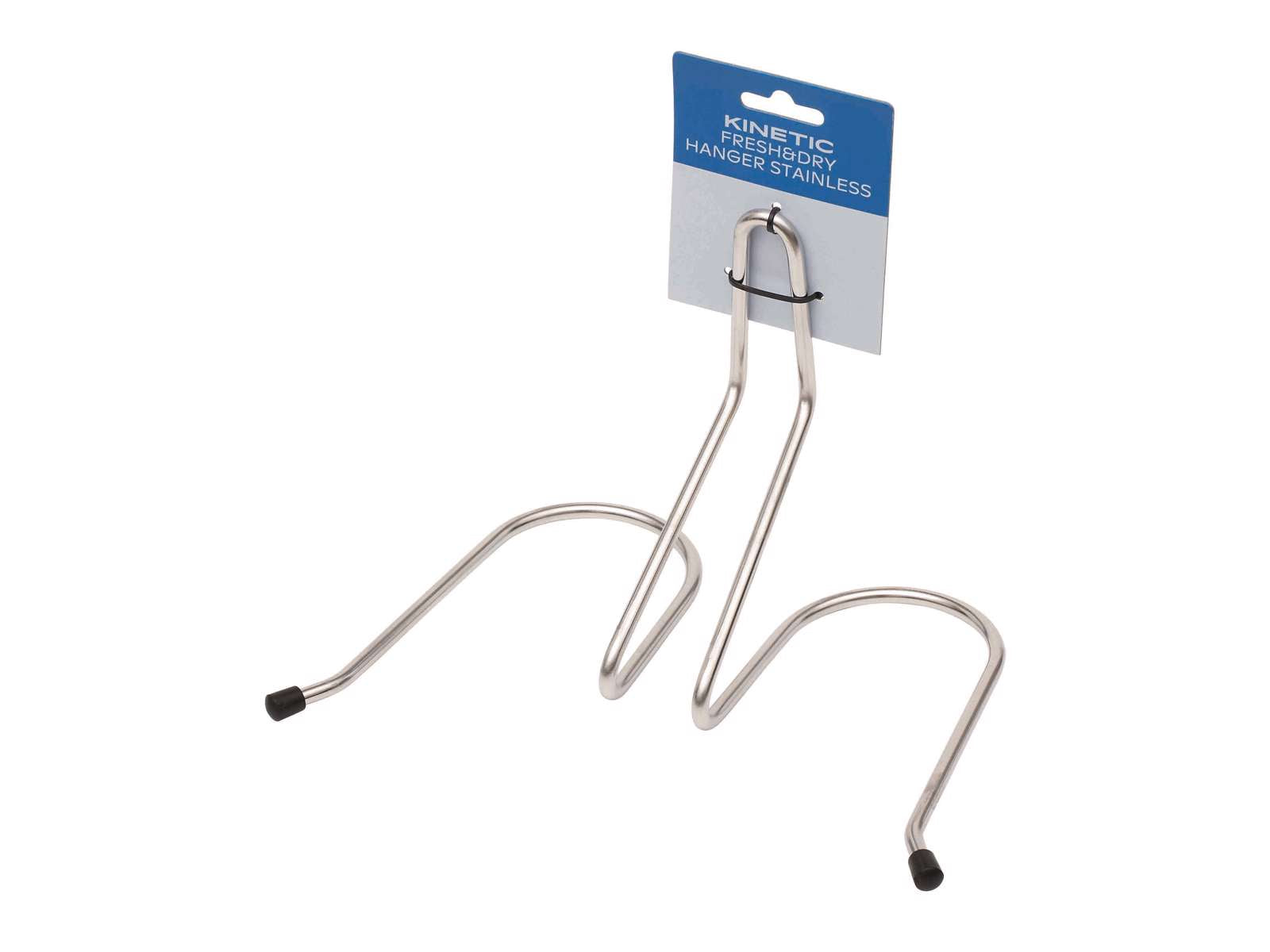
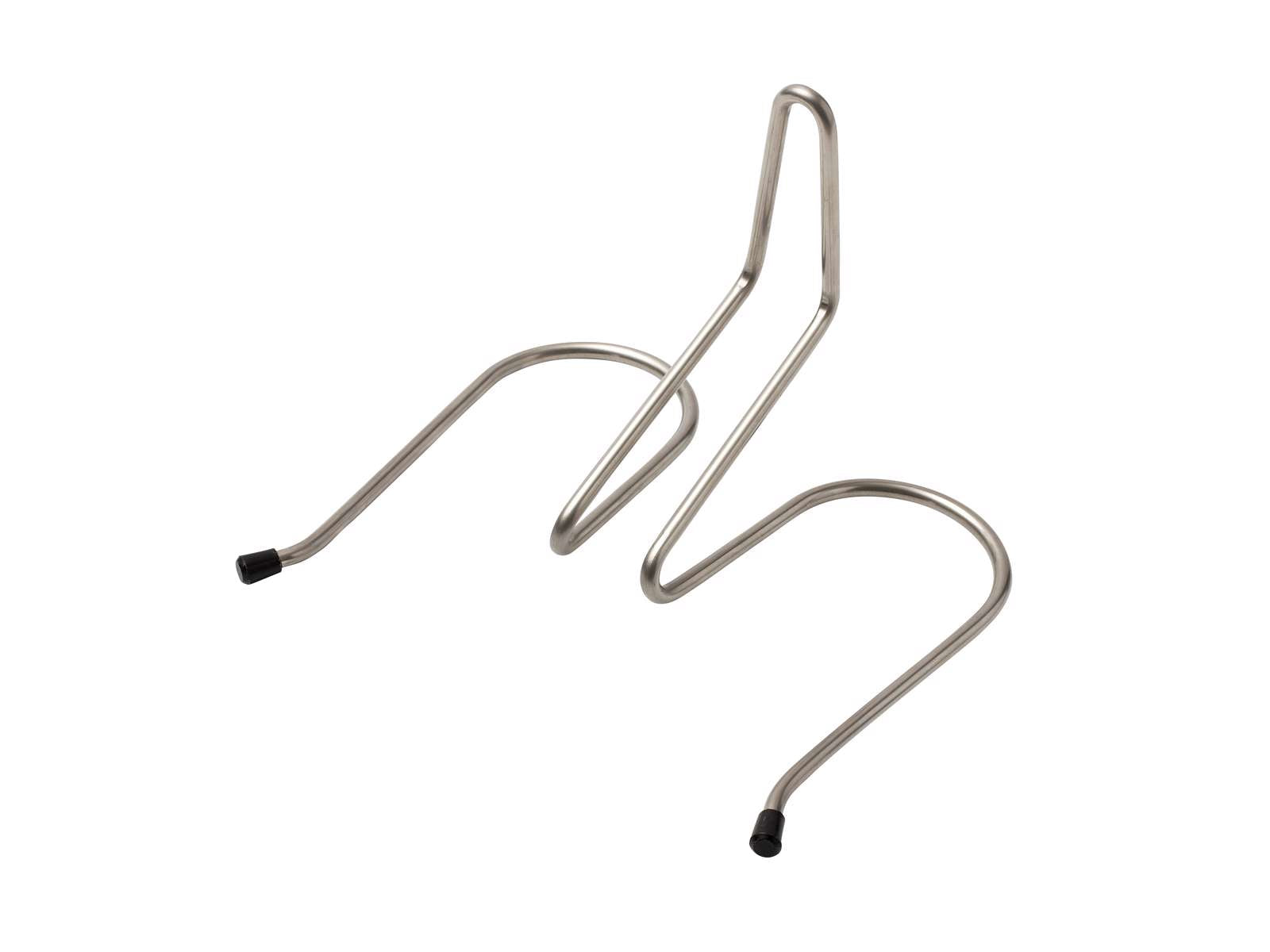
Store waders loose or hanging according to the manufacturer’s instructions, away from sharp tackle and direct sunlight. Investigate leaks promptly and replace equipment with cracked material, failed seams or unsafe soles.