Sliding floats for deep water and long rigs
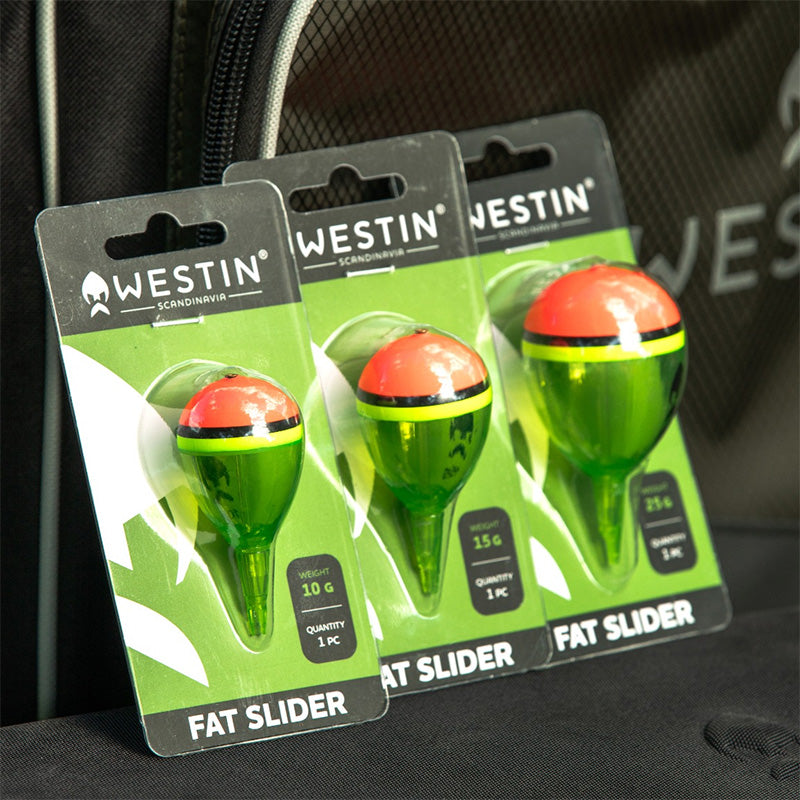
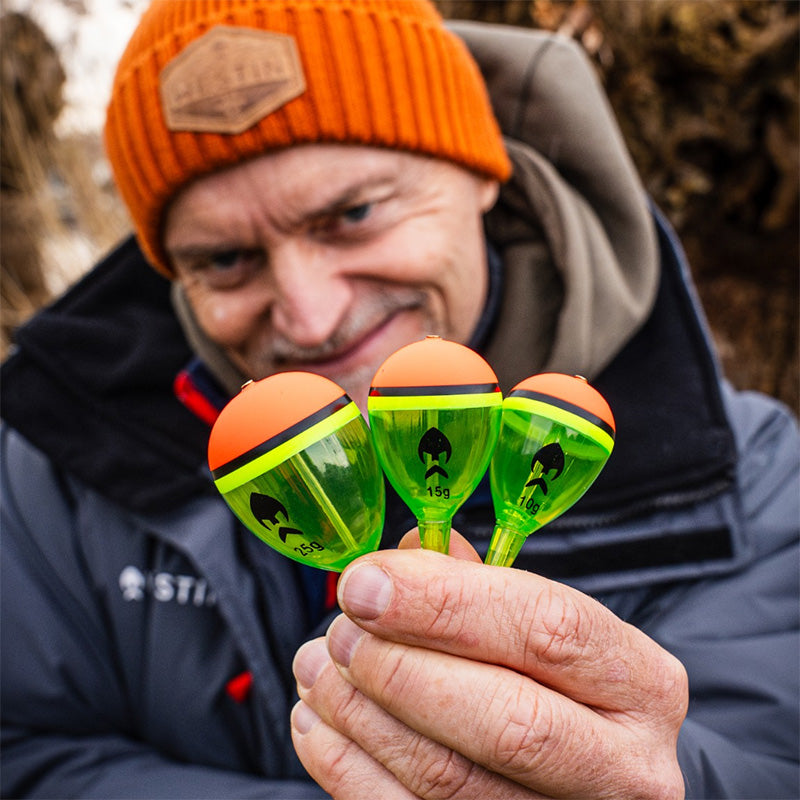
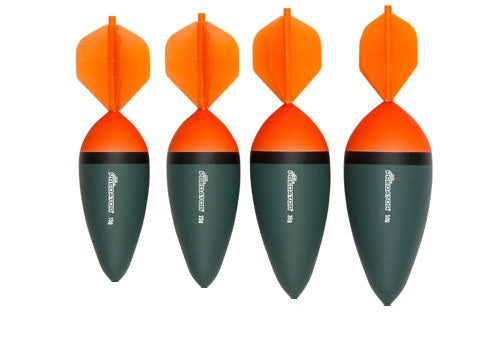
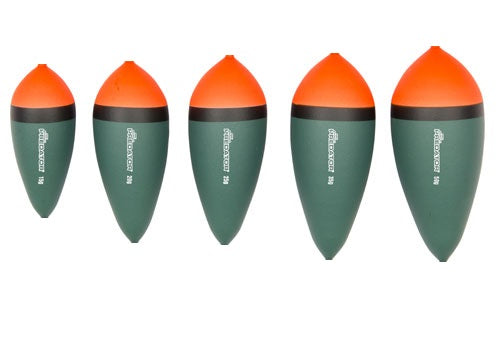
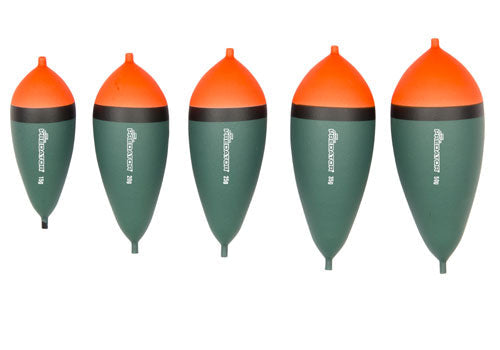
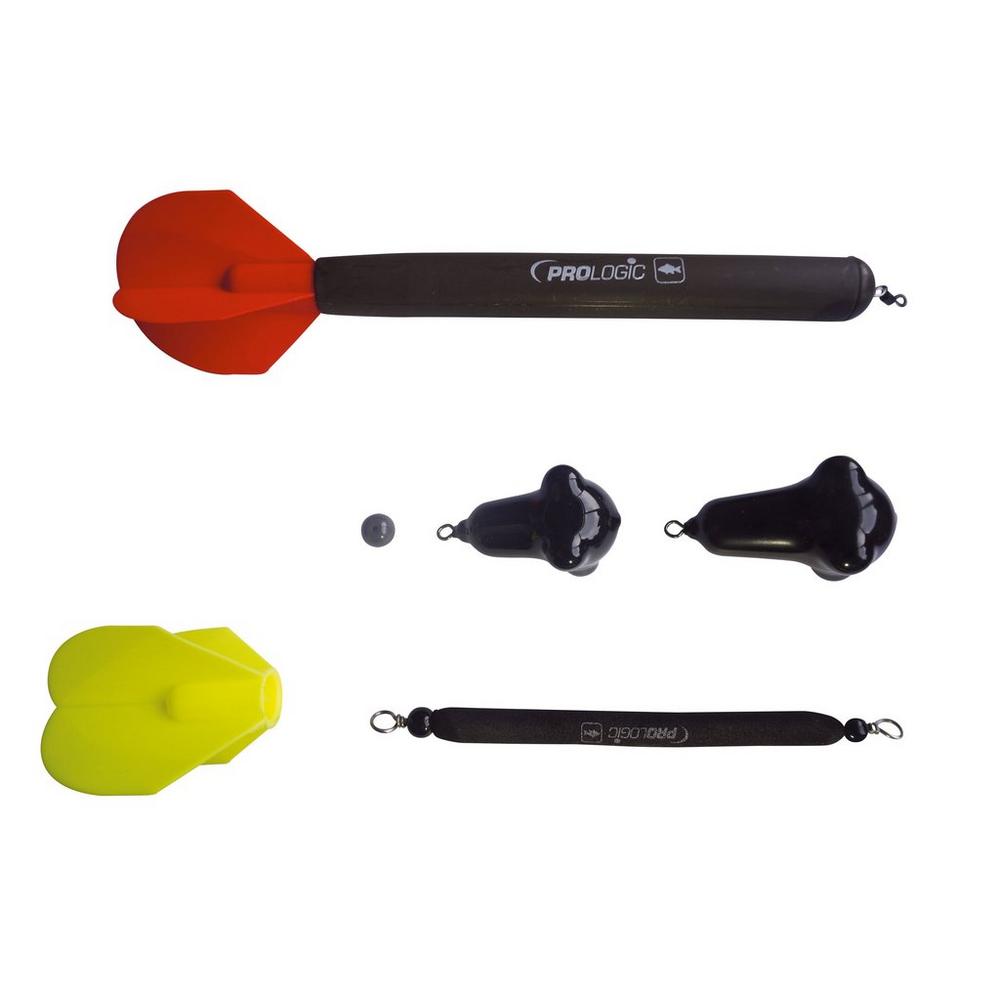
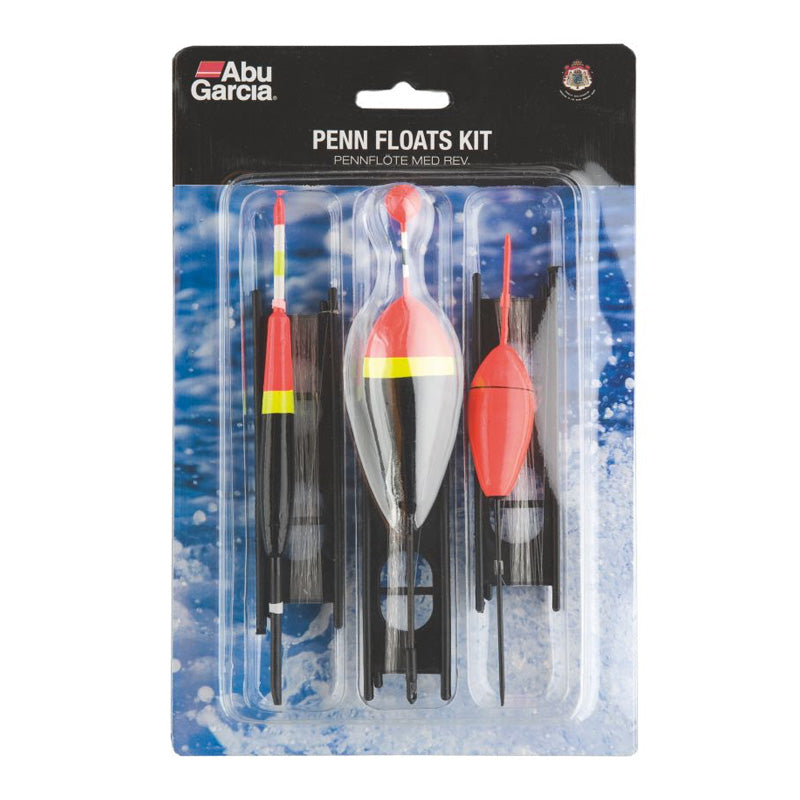
Sliding floats travel along the main line until they meet a stop, allowing anglers to fish a depth that would be awkward with a fixed float. The live range includes coarse and predator patterns from Zebco, Fox Rage, Westin, Korum and Kinetic. Construction, carrying capacity and attachment must match the bait and complete rig.
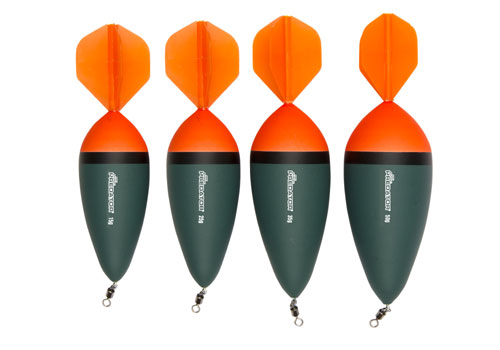
A float stop sets depth, while a bead prevents the stop passing through the float eye or line channel. The stop must grip the line without damage and, where reeled through the guides, remain compact enough to cast cleanly. Pike slider systems need stronger components than delicate coarse rigs.
Browse the parent fishing floats range, compare fixed or loaded wagglers, explore bubble floats, or use close-control pole floats for pole and whip methods.
Set depth, capacity and stop position
Choose a float that supports the bait, hook, leader and required weight without becoming insensitive. A larger bait or stronger current needs more carrying capacity, but an oversized float can mask movement. Keep the complete load within the rod's rating and test the rig in shallow water before casting.
Place the stop at the measured depth, add the correct bead and confirm that the float slides freely. Shot placement determines how quickly the bait reaches the target level and whether the rig tangles. A bulk weight descends quickly; a spread pattern provides a slower fall. Predator rigs require components strong enough for casting and fish control.
Visibility matters at range. Select a tip colour and diameter that remain distinct against the background without adding unnecessary bulk. If the float lies flat or fails to cock, check for a trapped line, insufficient weight, tangled leader or bait resting on the bottom.
Cast and inspect sliding-float rigs
Cast with a smooth stroke and feather the rig before impact so the float and terminal tackle separate. Watch the stop pass through the guides and stop fishing if it catches or damages the line. Recheck depth after moving position or changing the weight pattern.
Inspect the float channel, beads, stops, swivels and leader after snags. Replace cracked floats and weakened line immediately. Where pike may be present, use an appropriate bite-resistant trace and suitable unhooking tools.