Feeder links and booms for organised rigs
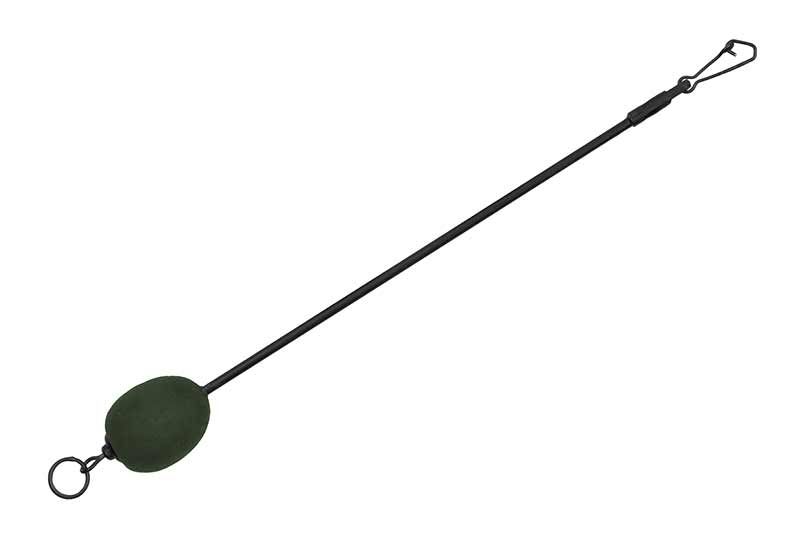
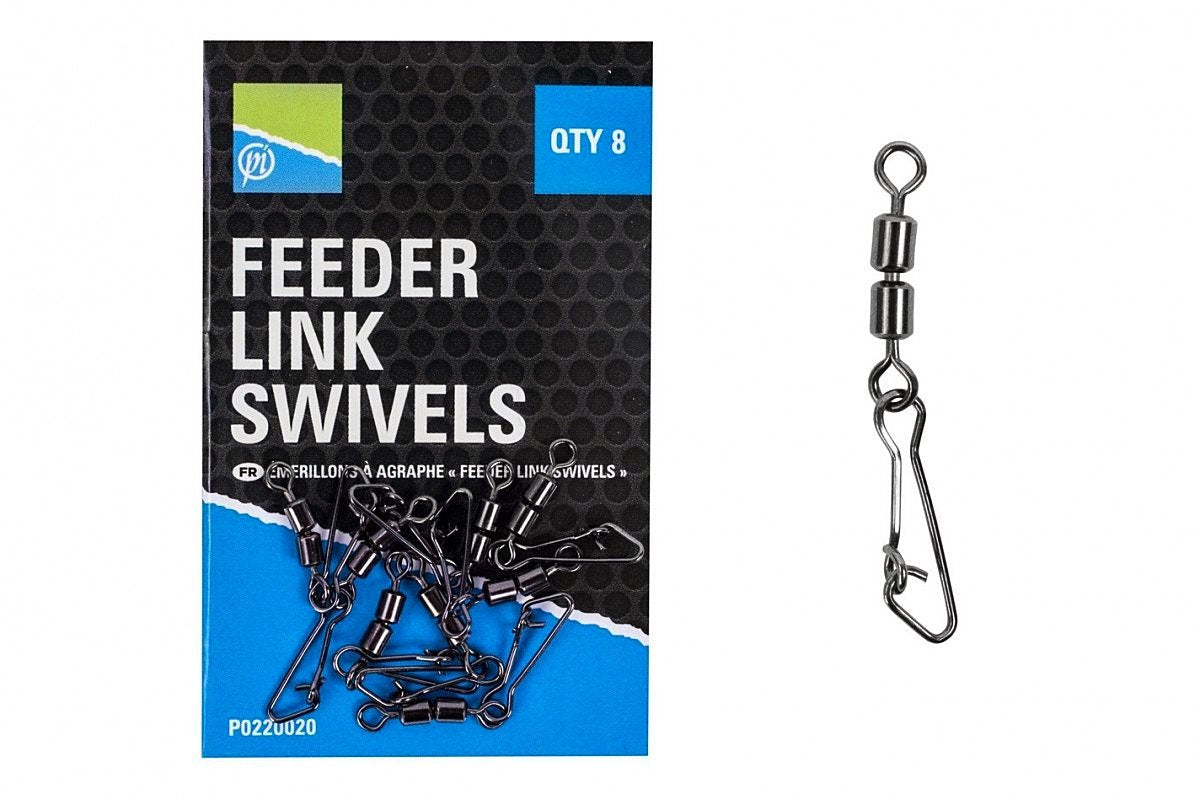
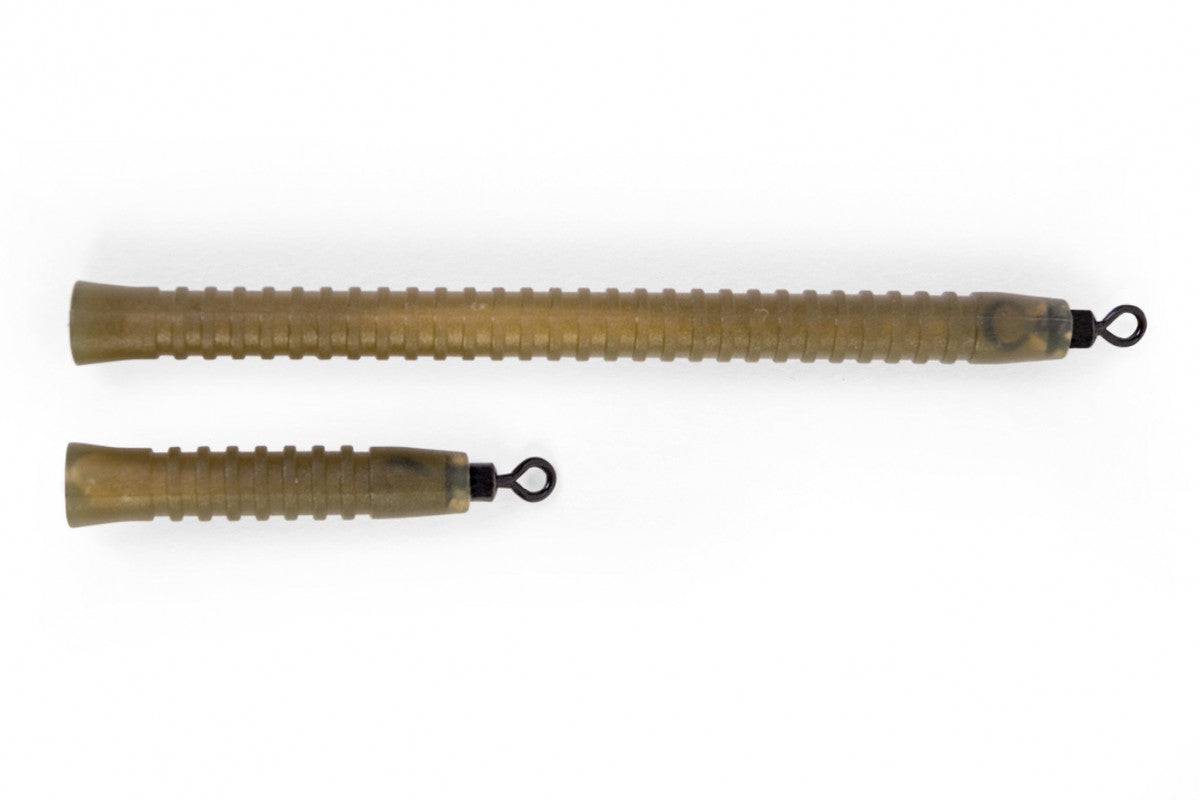
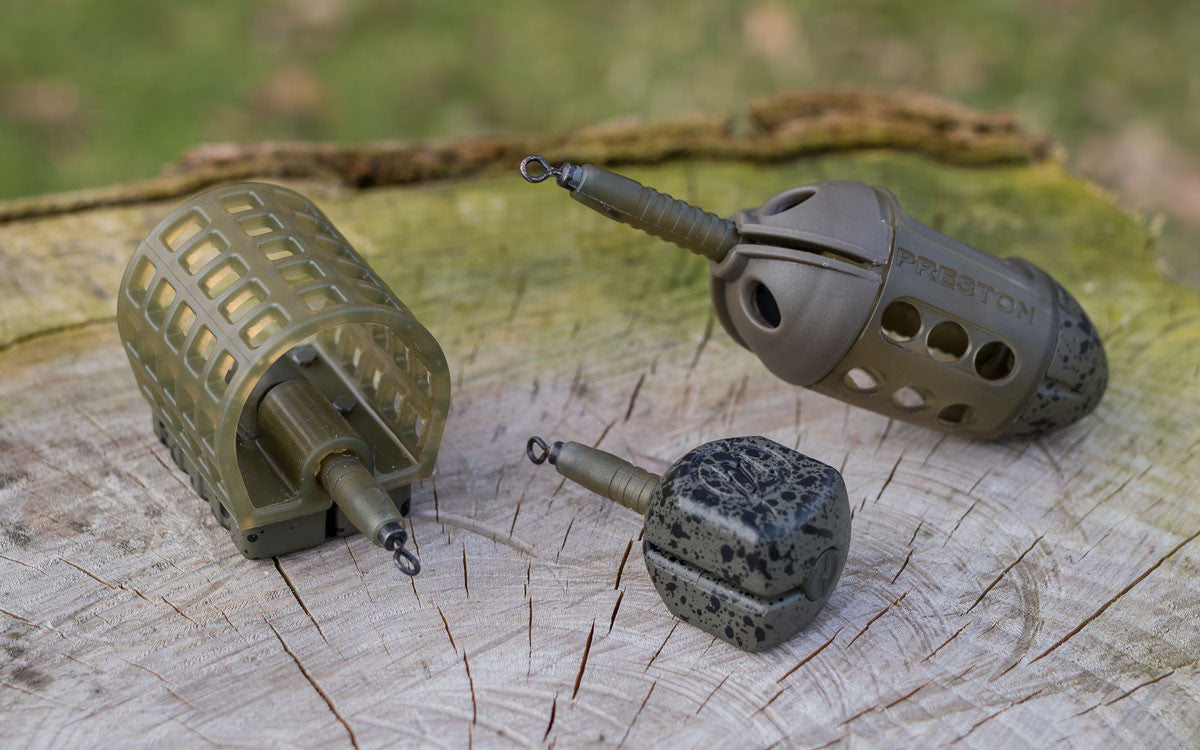
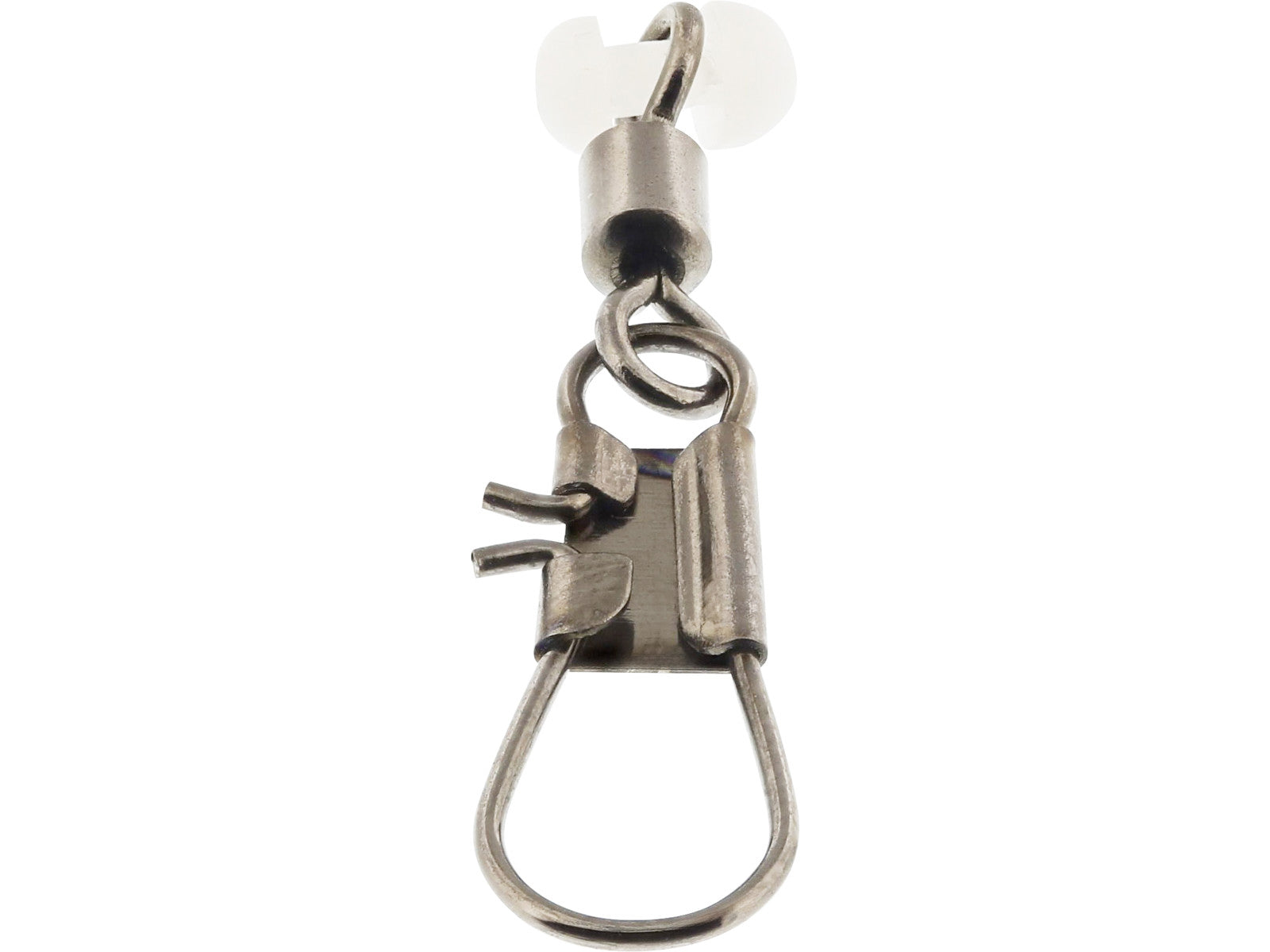
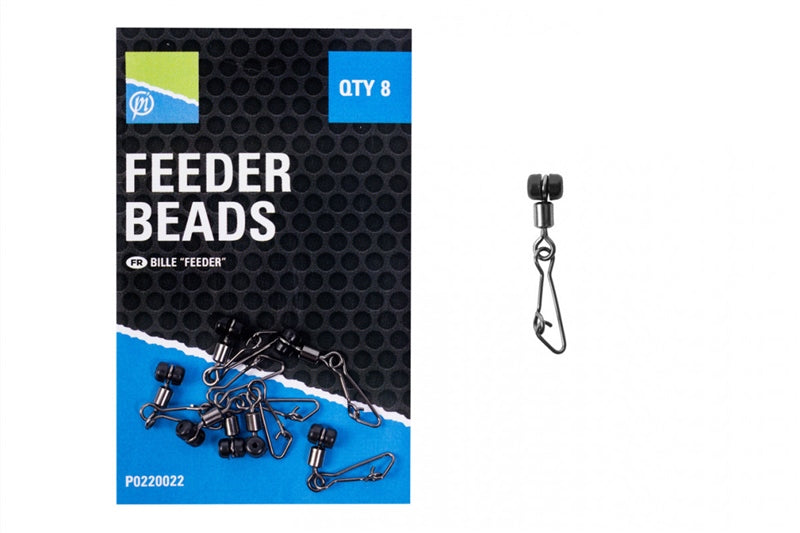
Feeder links and booms connect a feeder or weight while helping separate it from the hooklength during casting and descent. Designs range from simple swivel-and-clip links to stiffer anti-tangle booms and running connectors. The correct component depends on the feeder style, casting load, line, hooklength and venue rules.
A longer or stiffer boom can improve separation but adds hardware and may alter presentation. A compact link keeps the rig simple but offers less physical distance between components. Running systems allow line movement through the connection, while fixed or semi-fixed arrangements must be built only where permitted and with an appropriate safety principle.
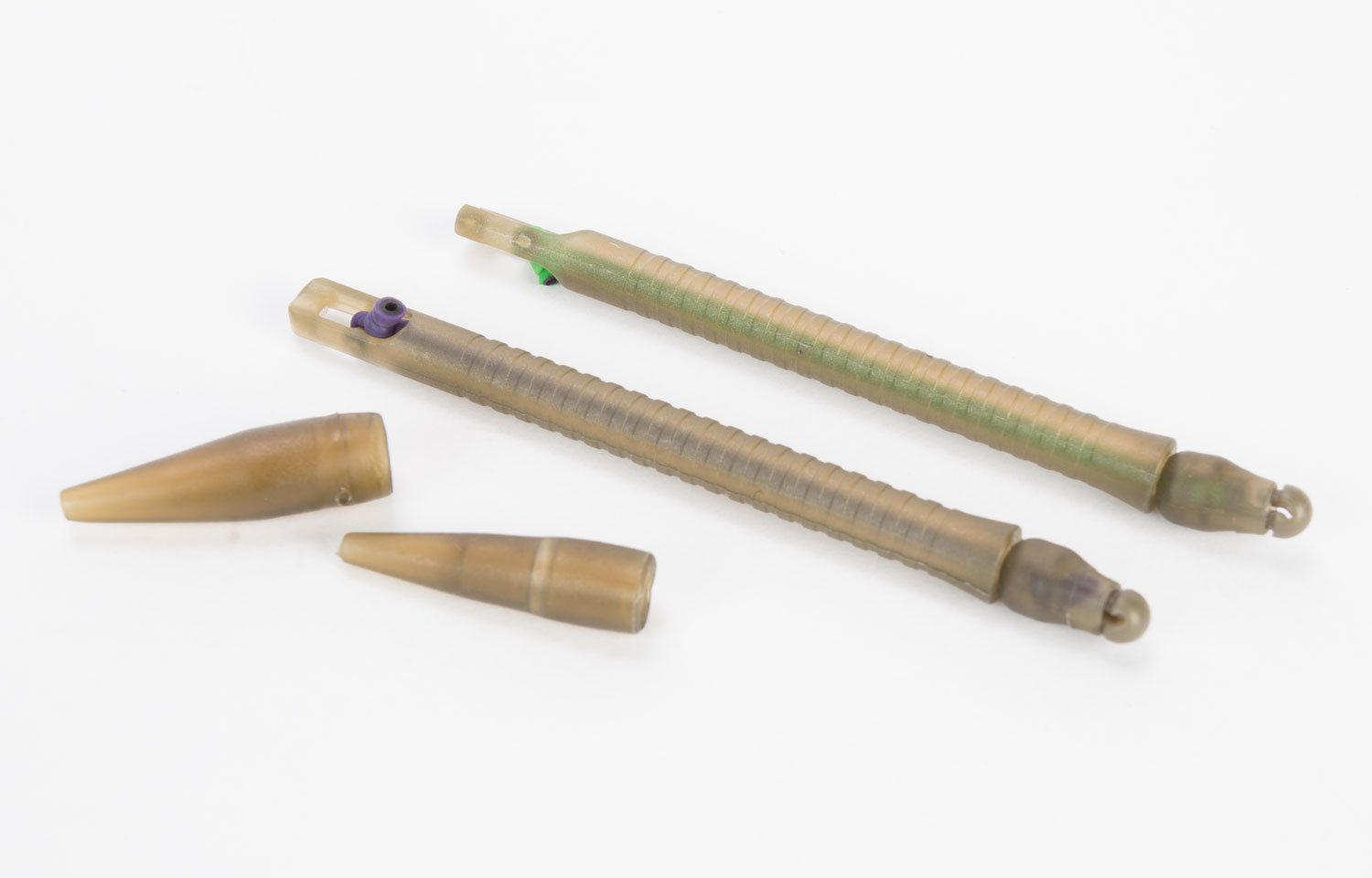
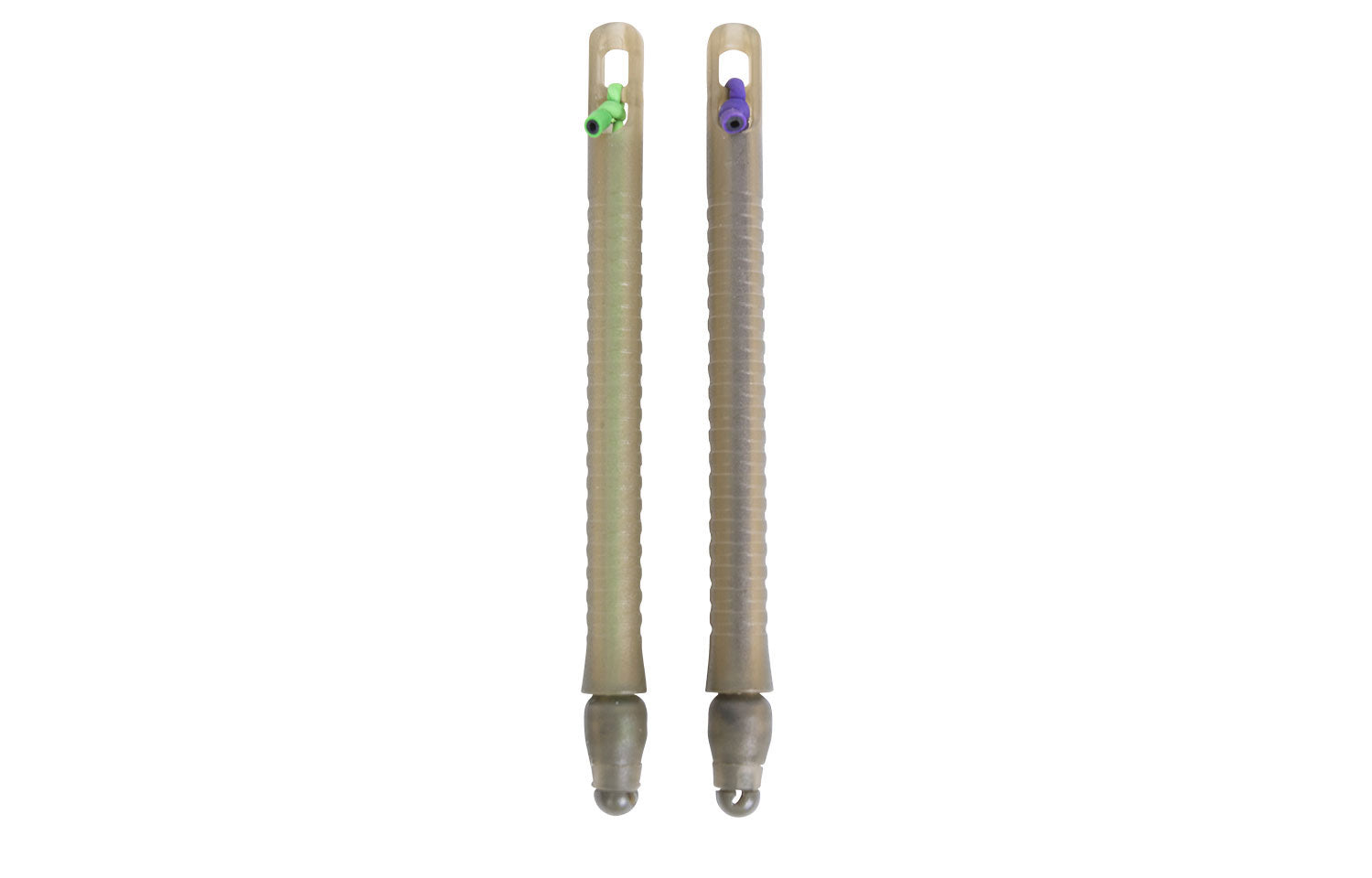
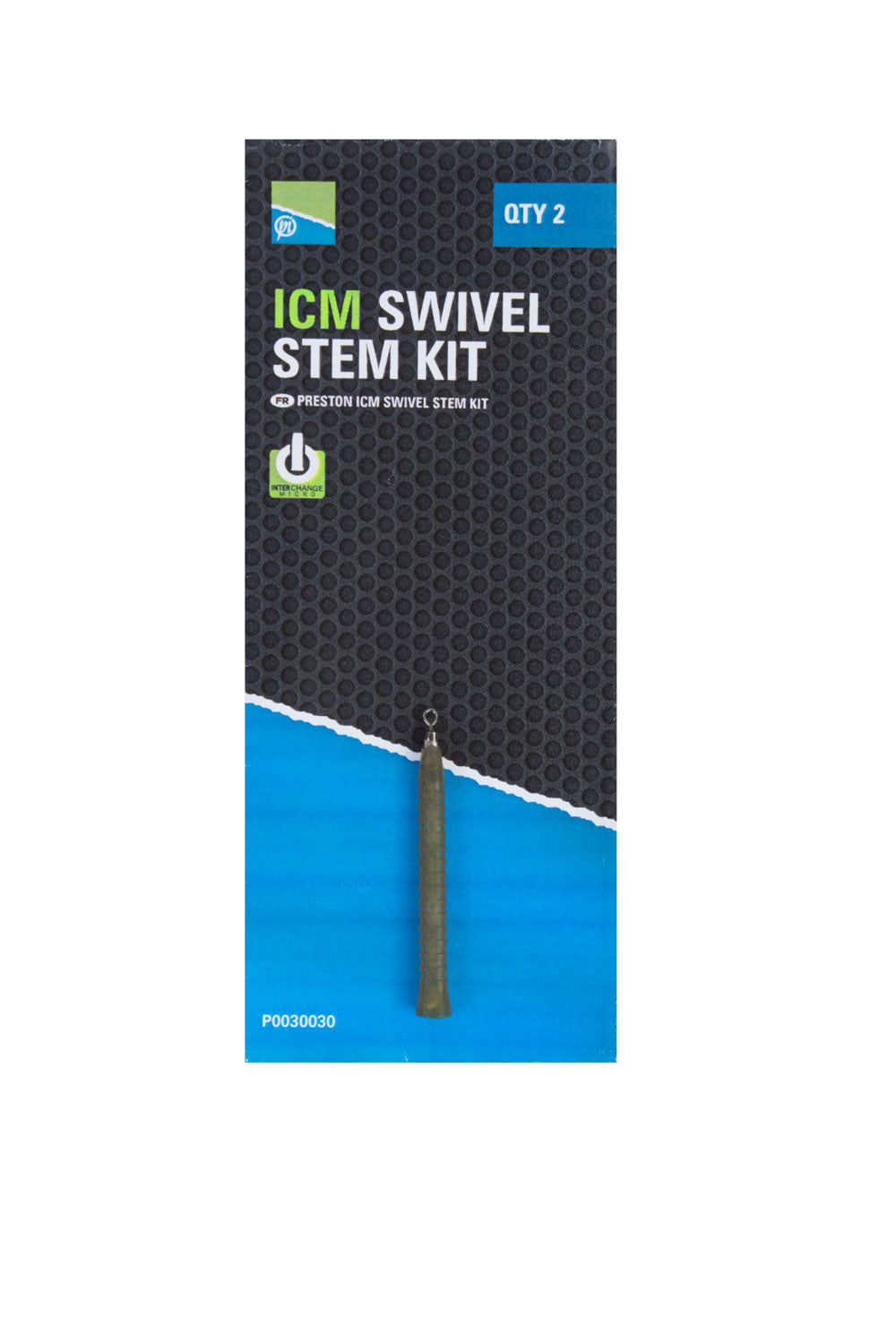
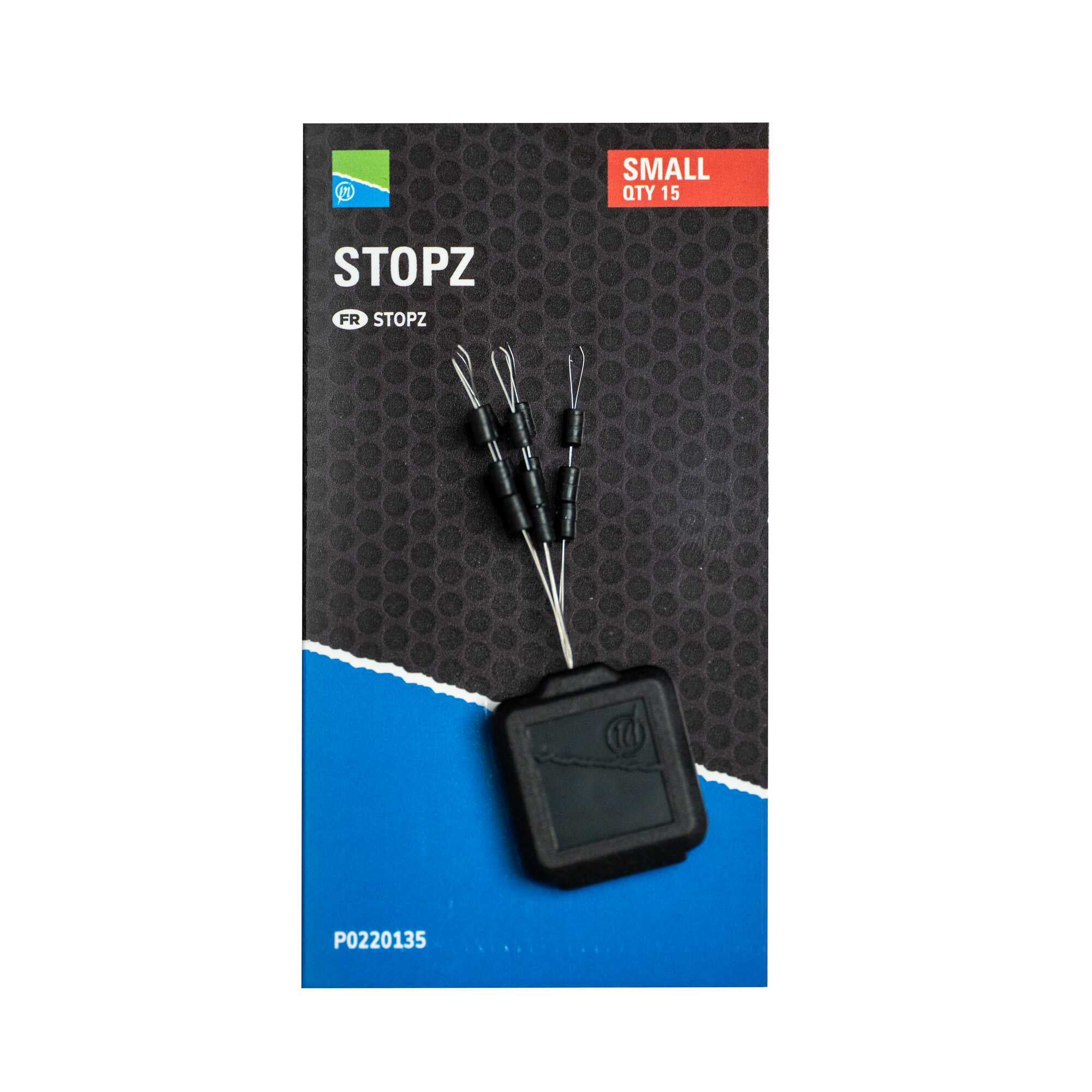
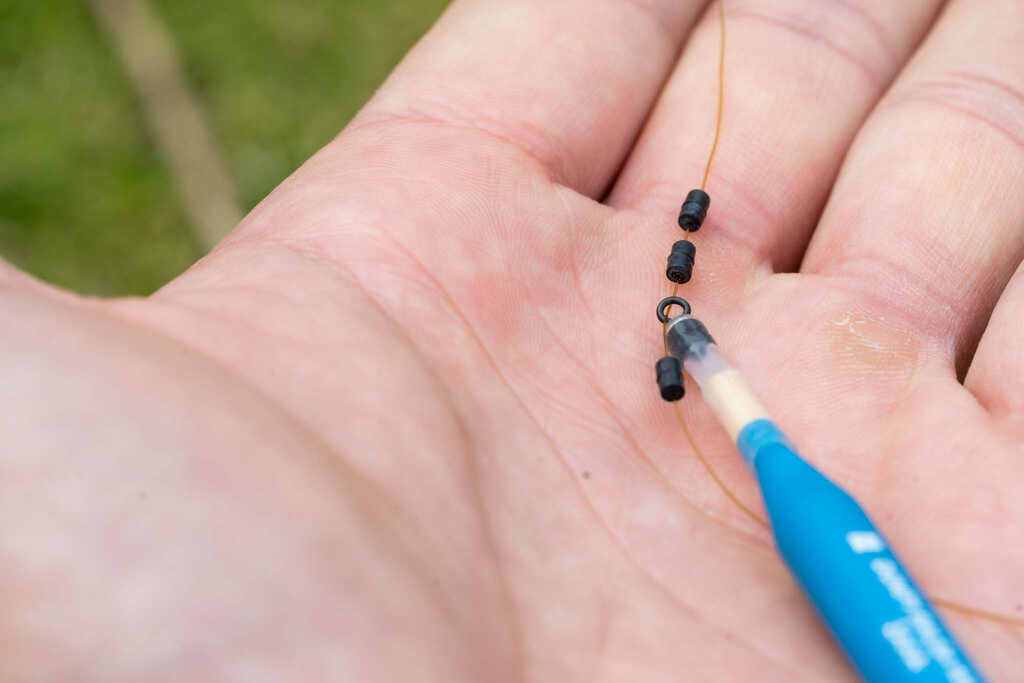
Browse all terminal tackle, compare compatible leaders and traces, add protective beads, tubing and sleeves, or use suitable stops and bands where the rig design requires controlled positioning.
Match the link to the feeder setup
Check the stated strength against the complete casting load, including feeder and contents. The clip must close fully and fit the feeder eye without binding. A swivel should rotate freely and the boom must not have sharp edges that can damage the main line or hooklength.
Pair the terminal system with suitable feeder rods and feeder reels. Rod casting range, reel line capacity and main-line strength must work together. Select the actual fishing feeder by venue, bait, distance and current rather than changing the terminal link to compensate for an unsuitable load.
Before casting, pull the rig straight and check that the hooklength clears the feeder and boom. Cast smoothly and feather the line before impact to help components separate. If tangles persist, review hooklength length, feeder shape, casting stroke and line twist rather than adding unnecessary clips and tubing.
Inspect links, clips and line contact
Examine the clip, swivel, boom and any running eye after repeated casting or snags. Replace bent wire, cracked plastic, rough swivels and components that no longer close securely. Check the line at every contact point and retie if it is flattened or abraded.
Keep links sorted by type and strength, and do not mix unidentified components into prepared rigs. Recover broken feeders and line where safe, dispose of damaged terminal tackle responsibly and follow local rules on running rigs, lead systems and fish-safe release.