Fishing spinners for flash and vibration
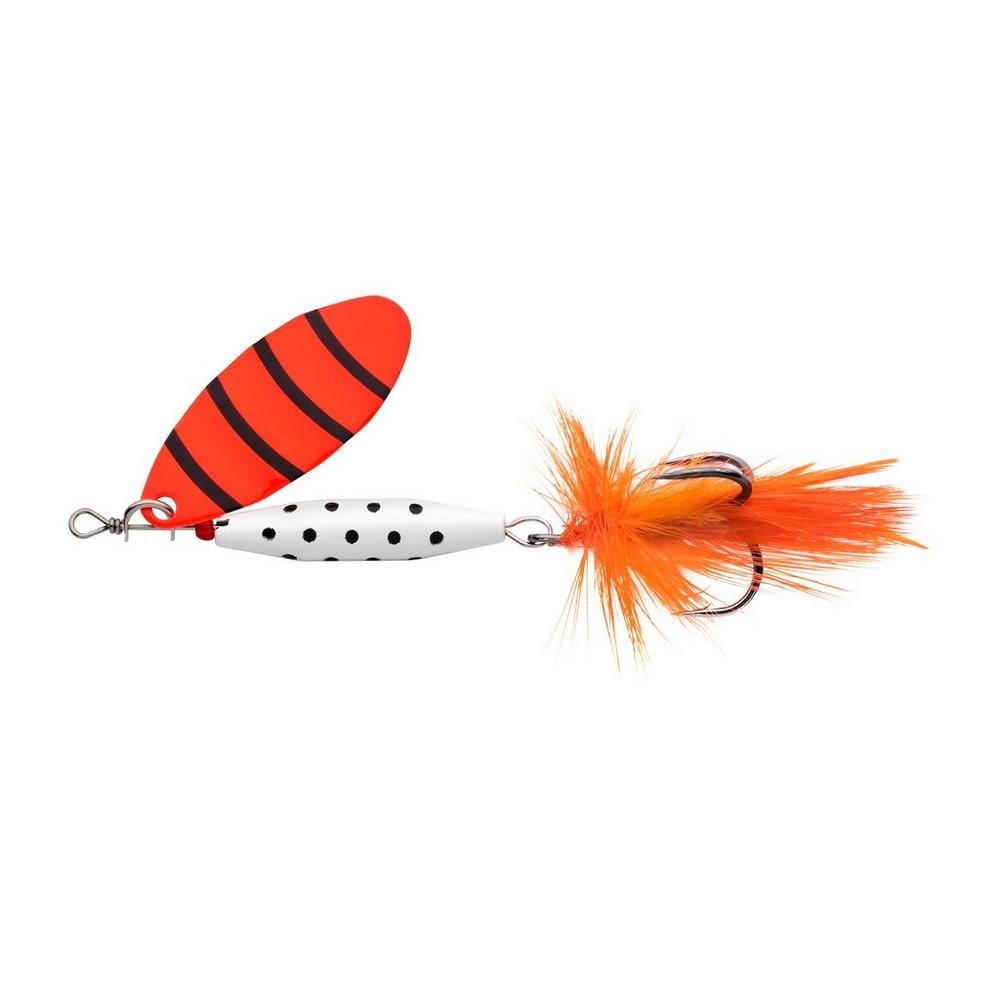
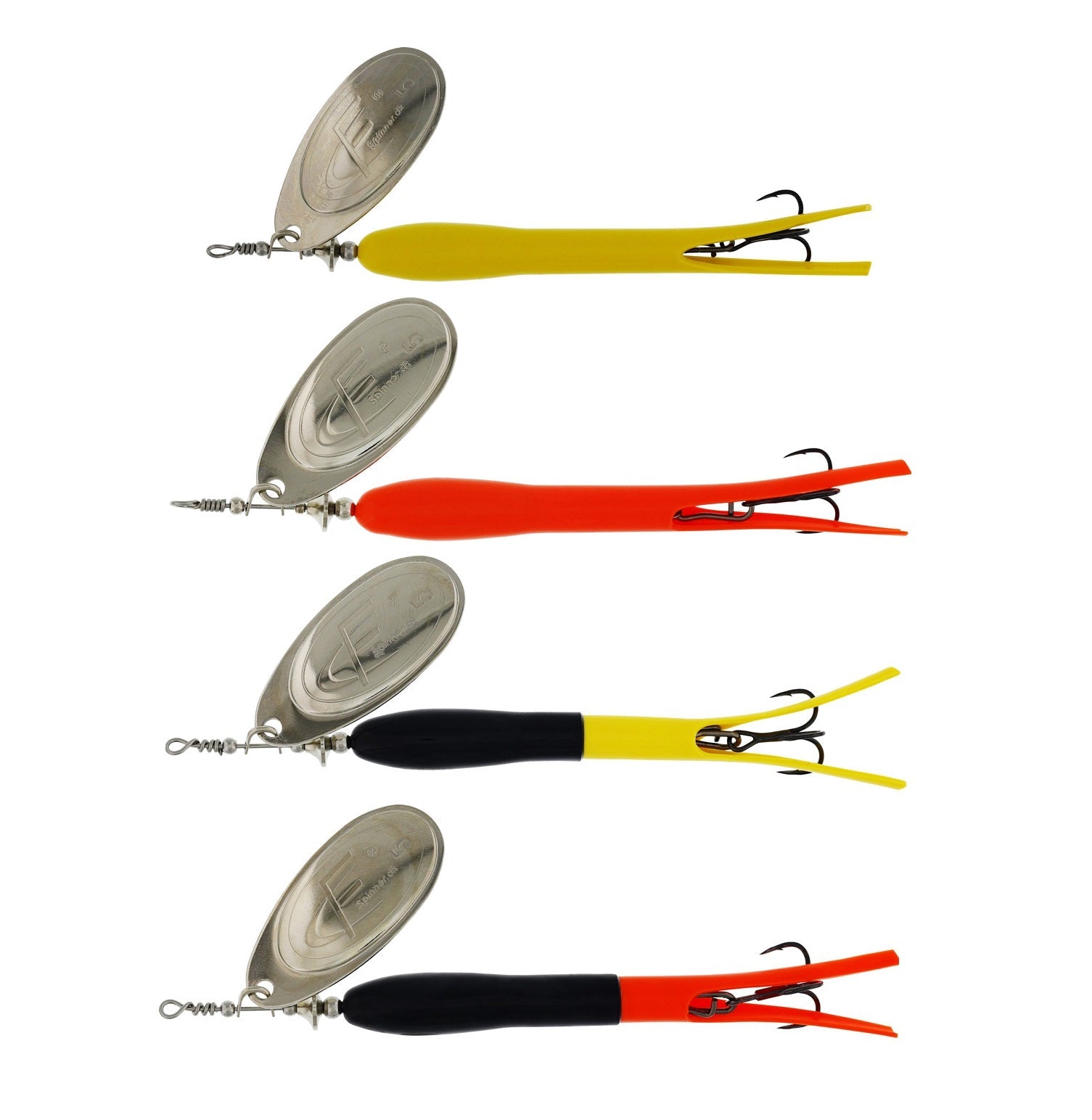
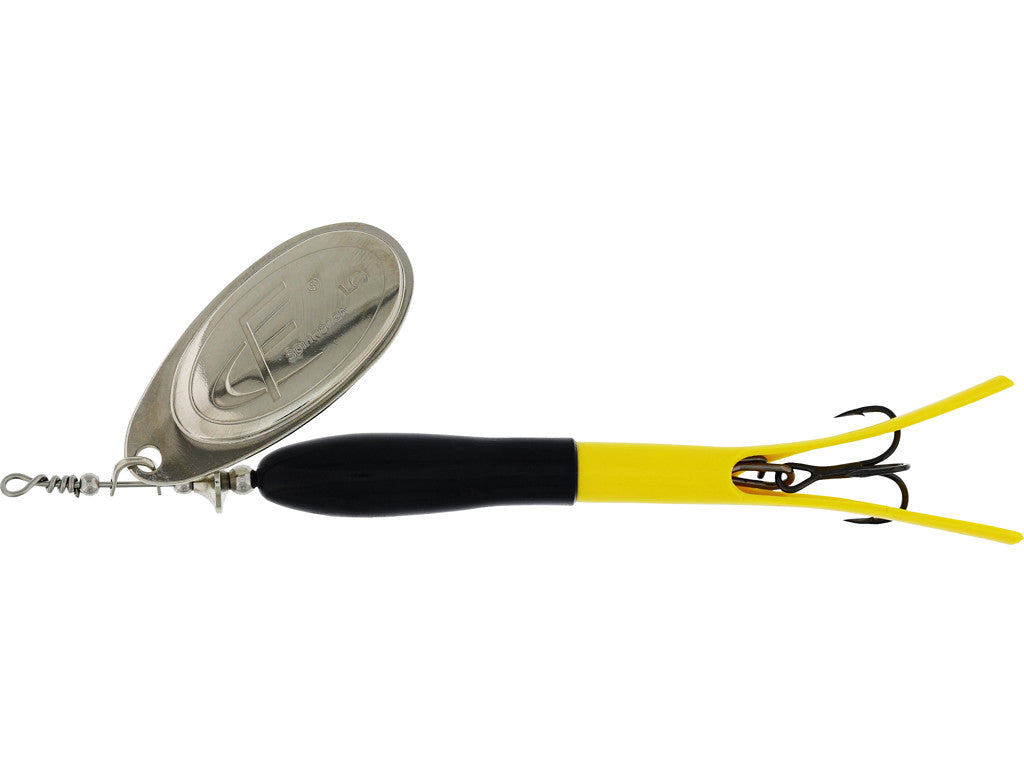
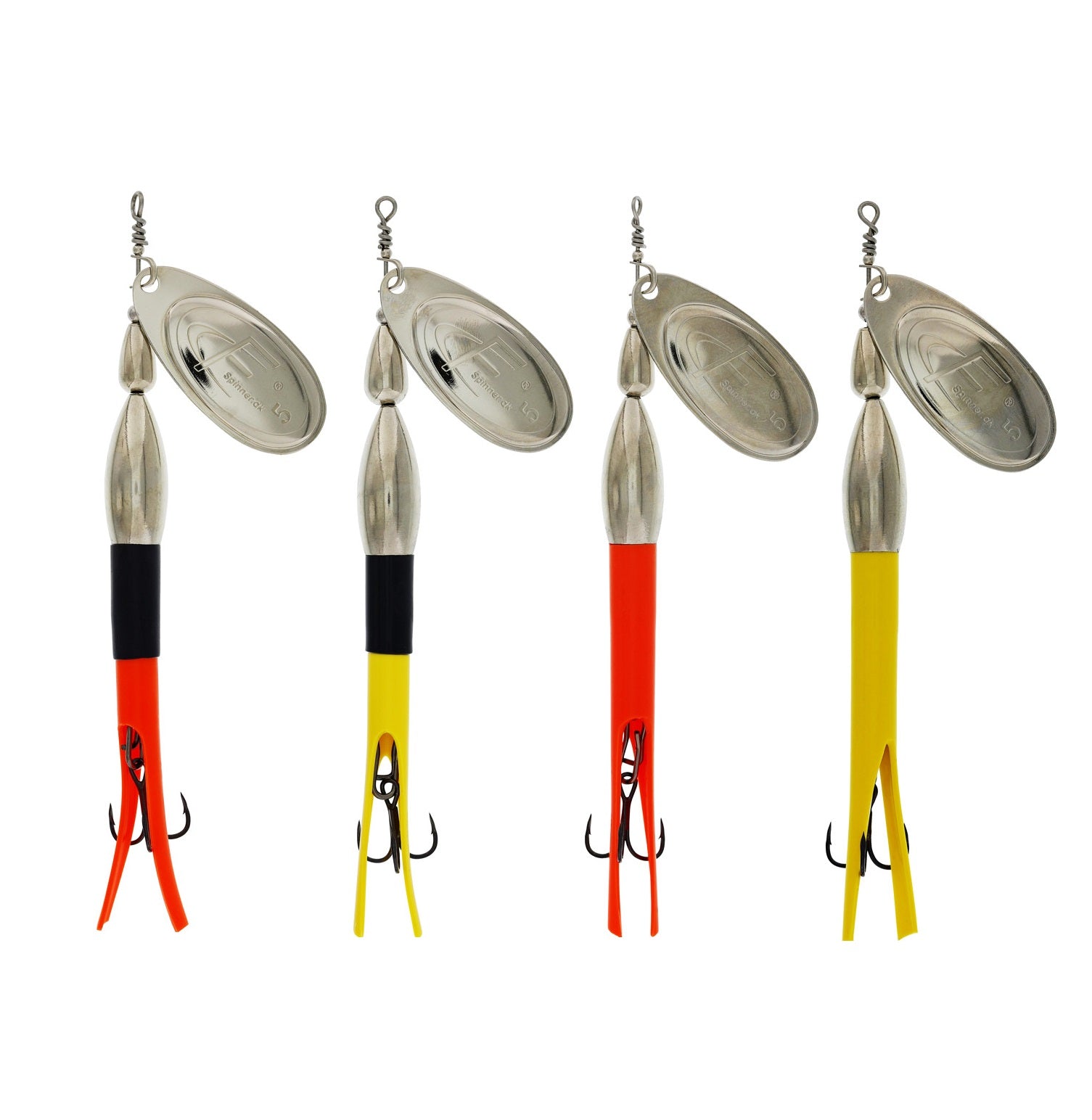
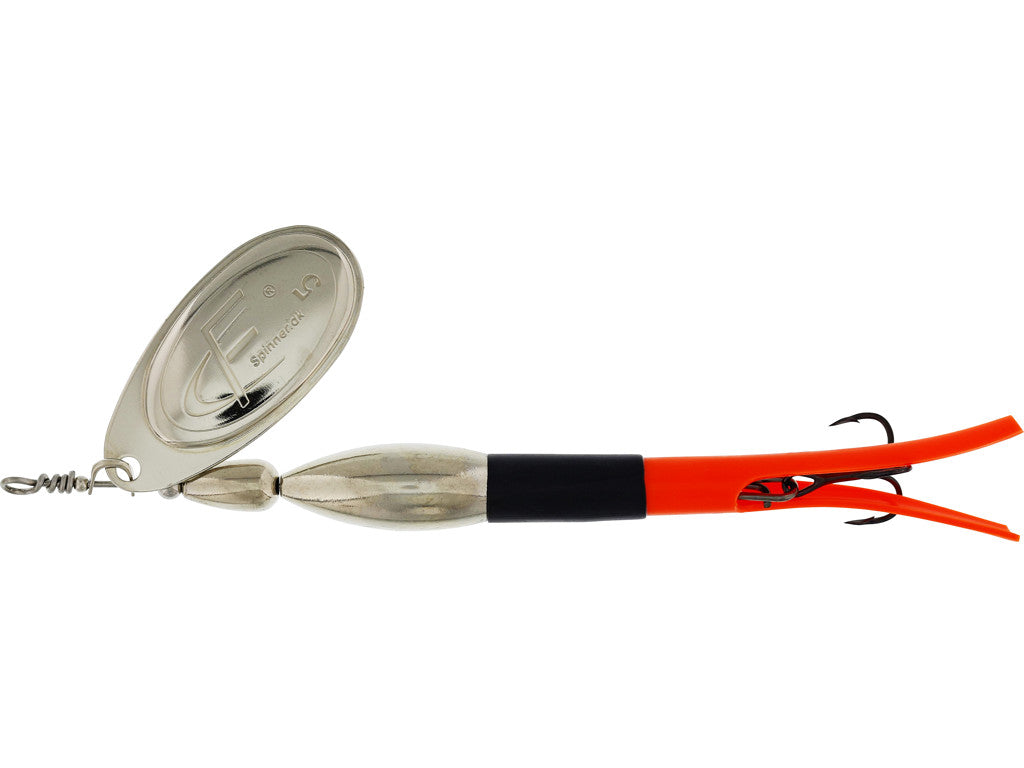
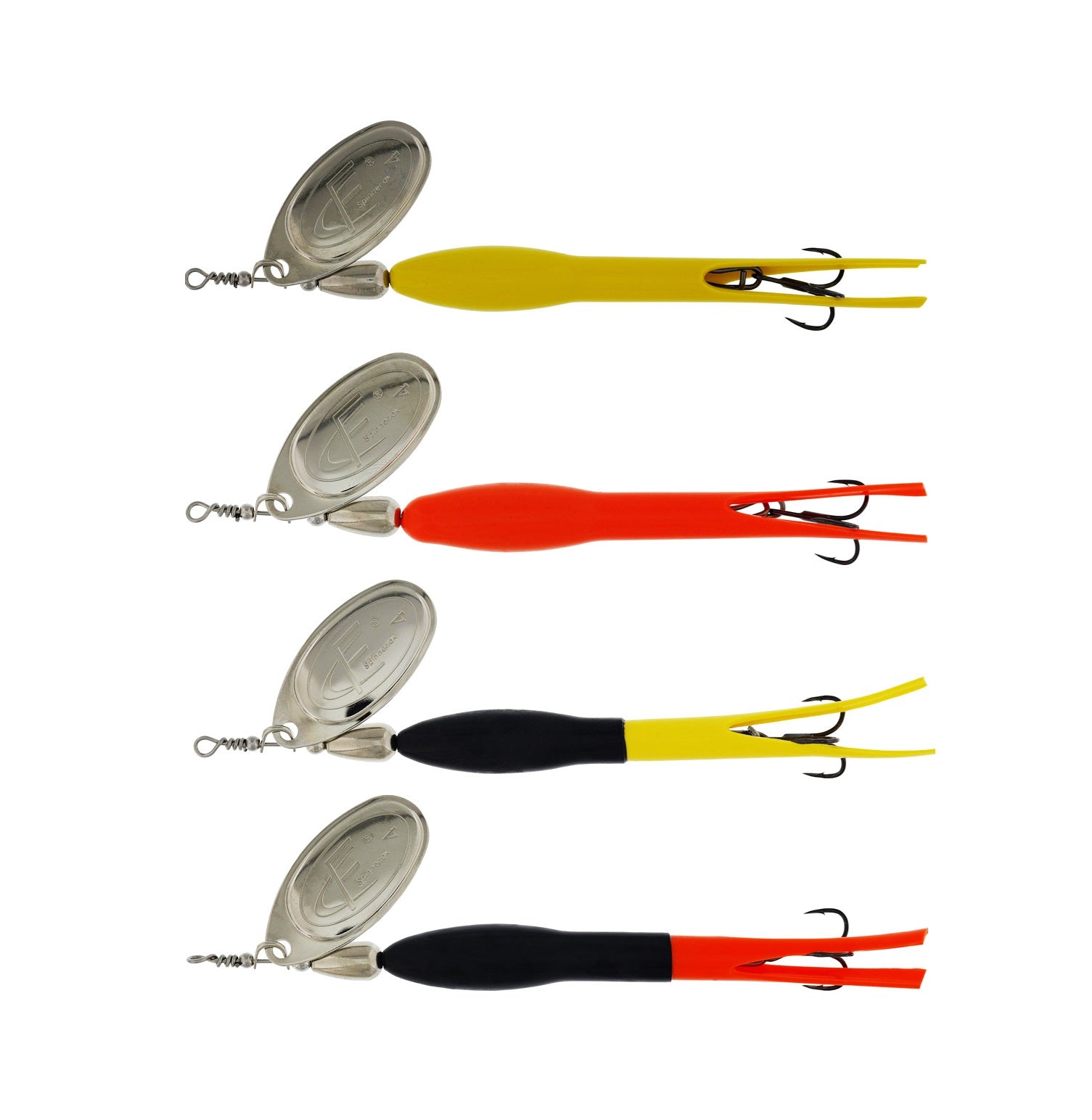
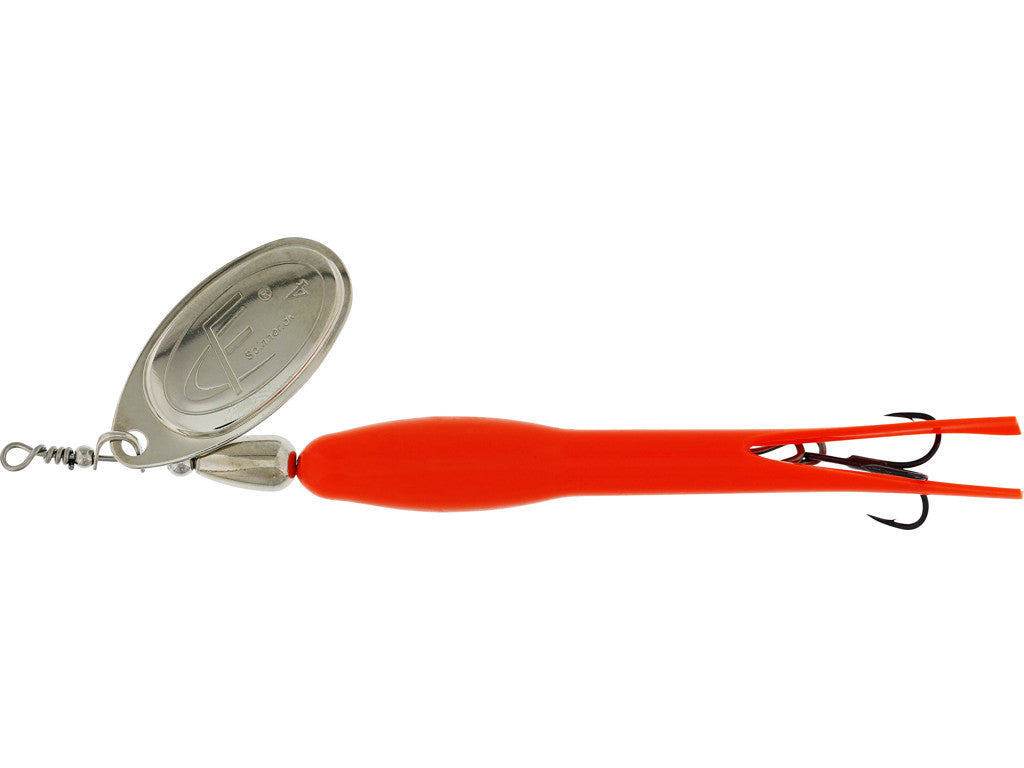
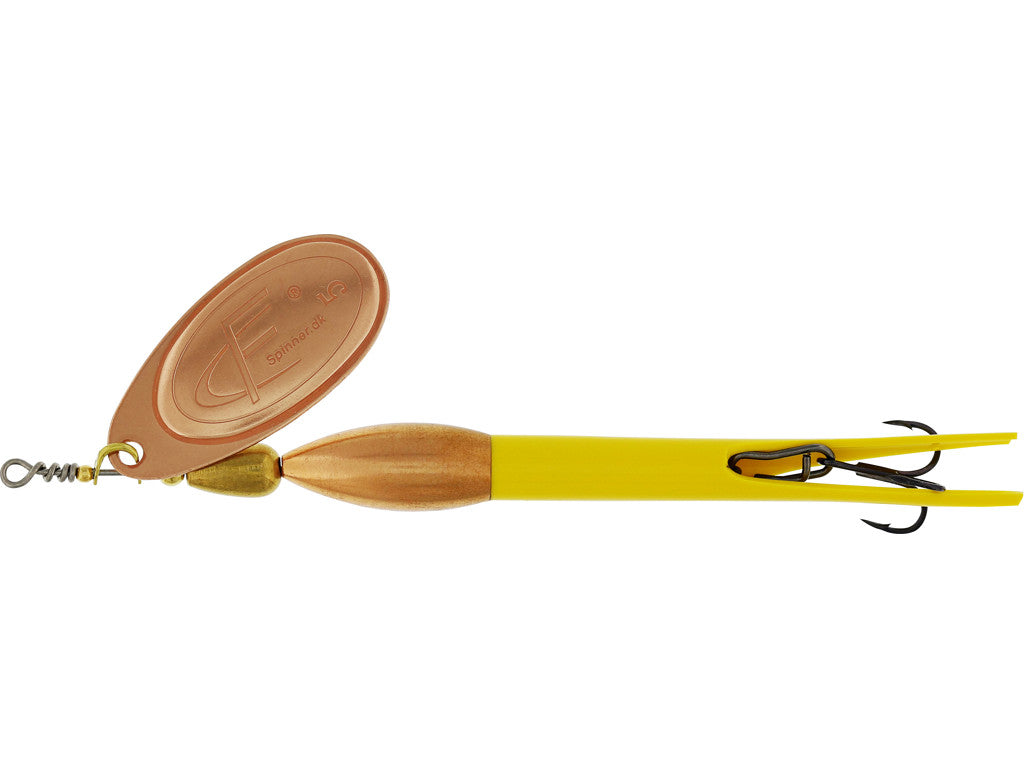
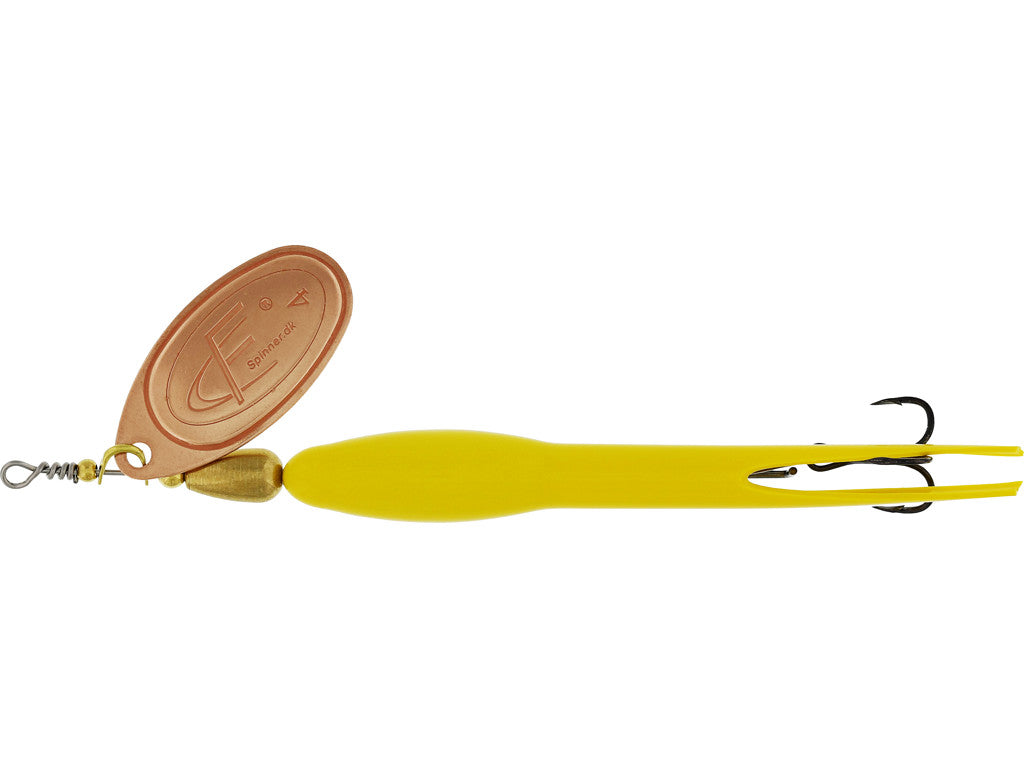
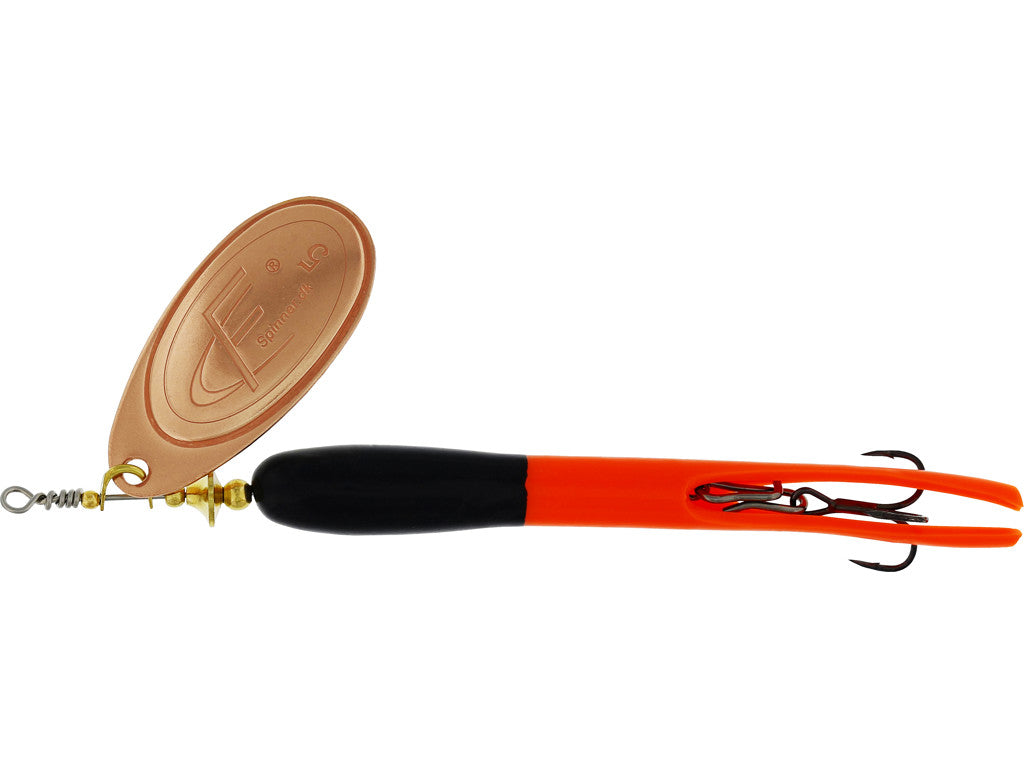
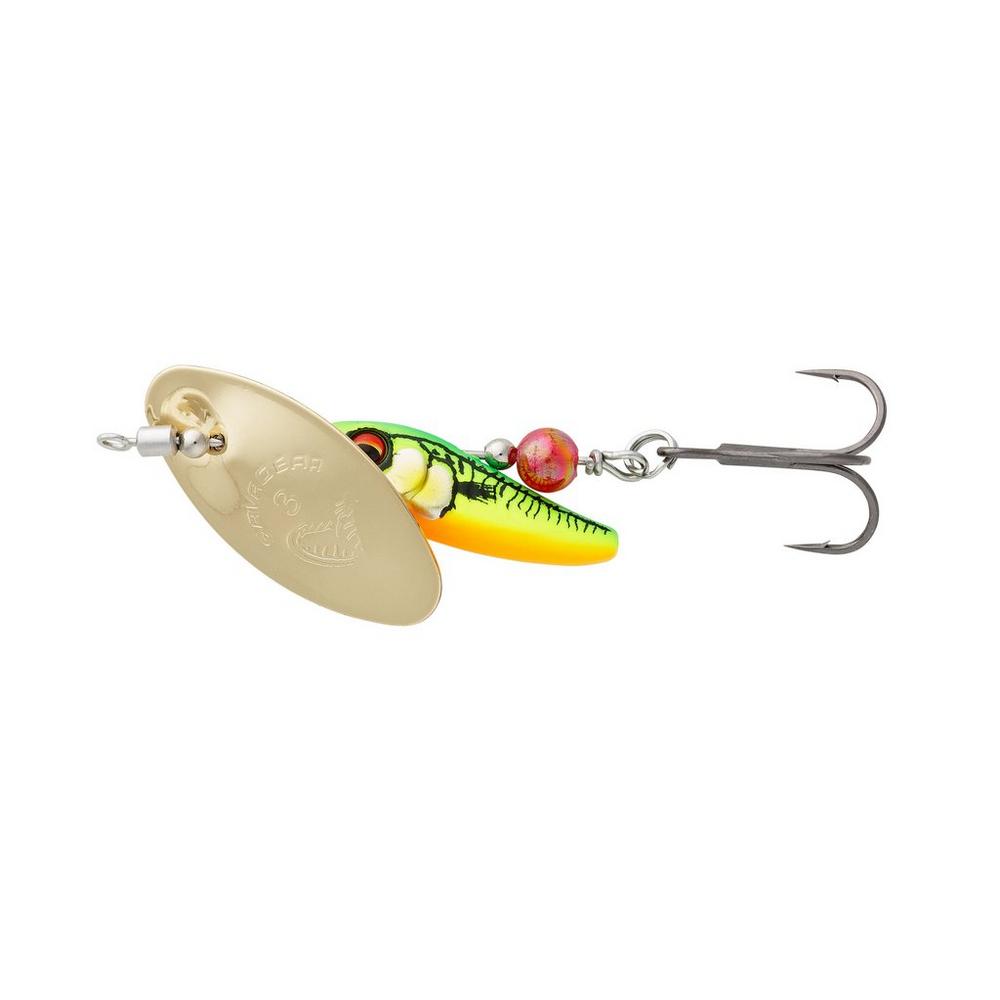
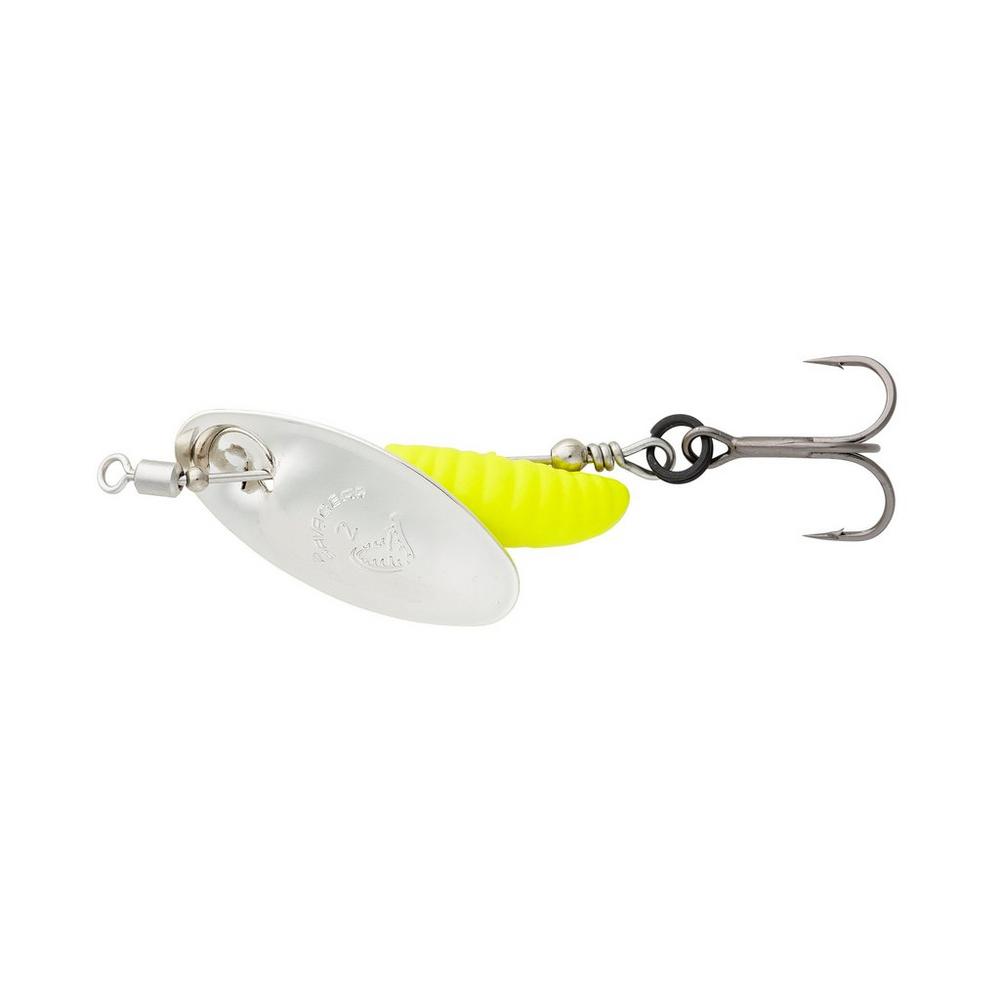
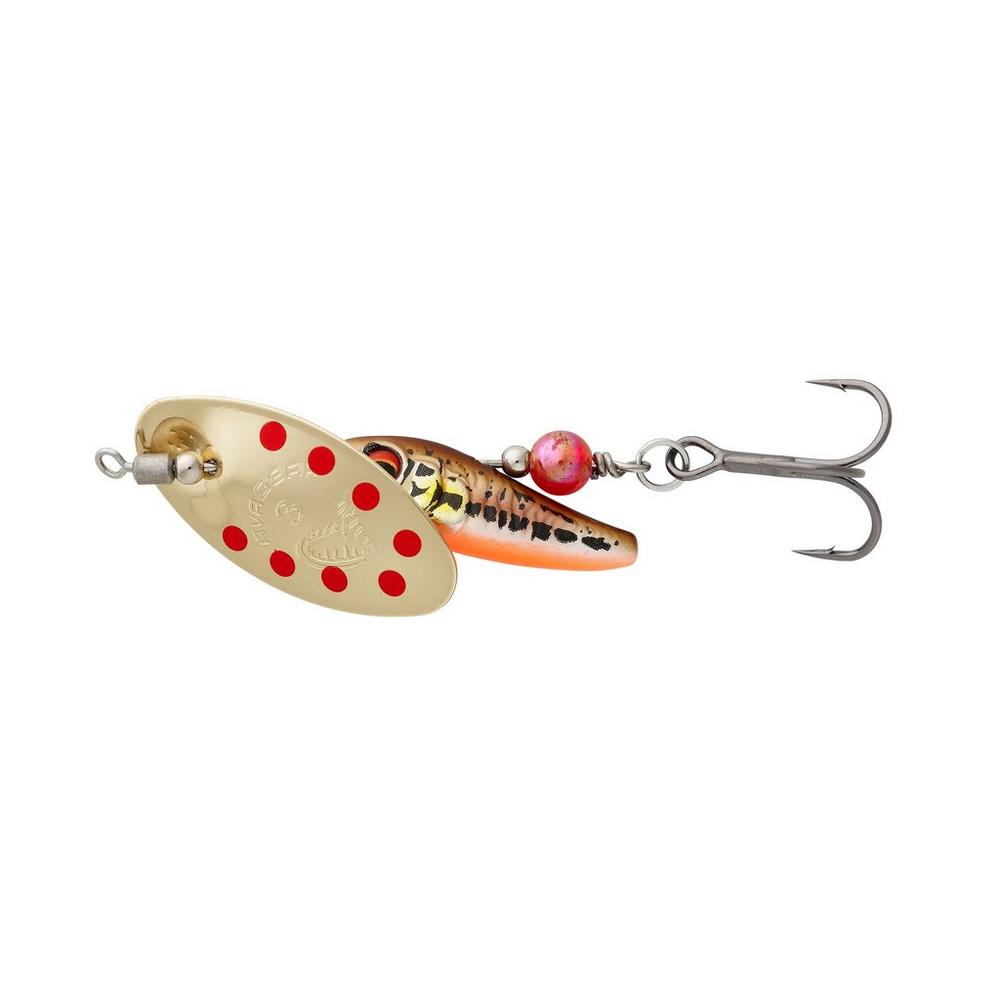
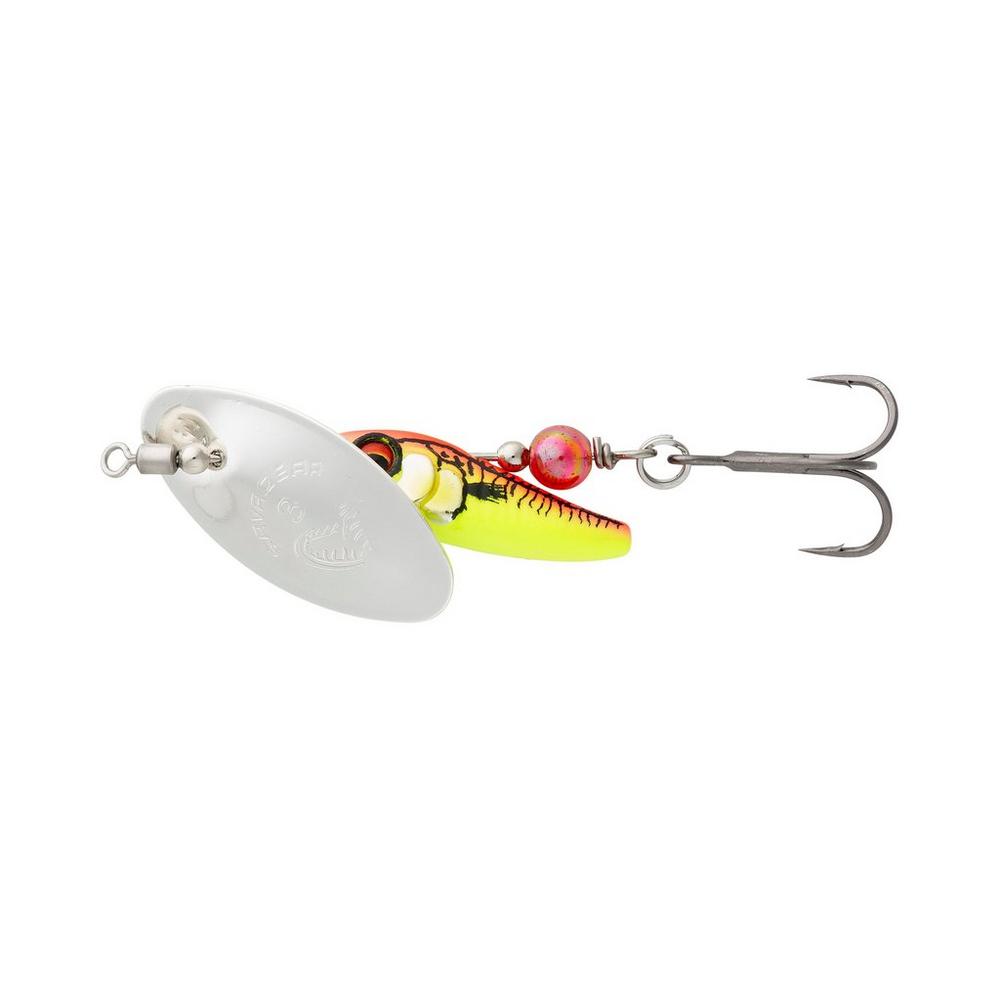
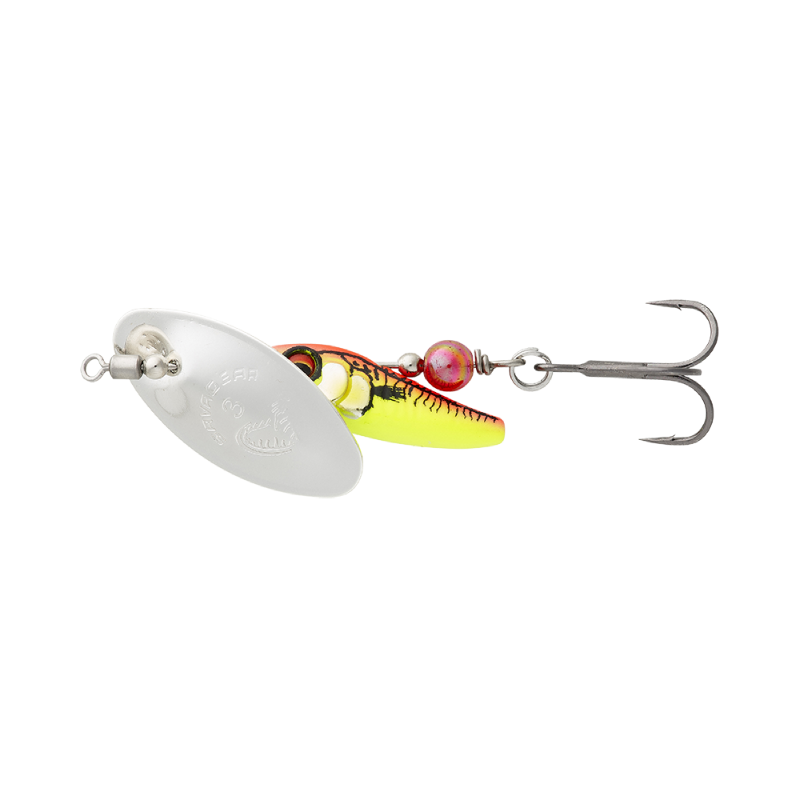
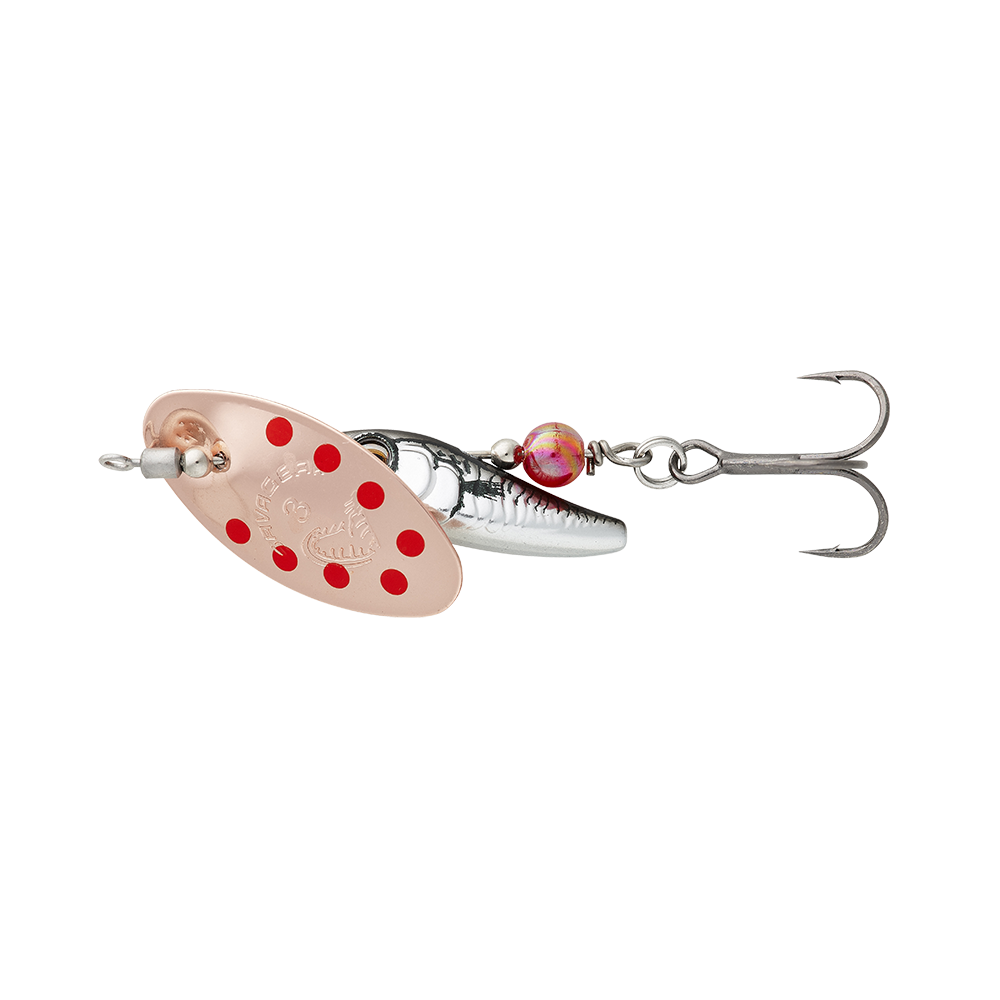
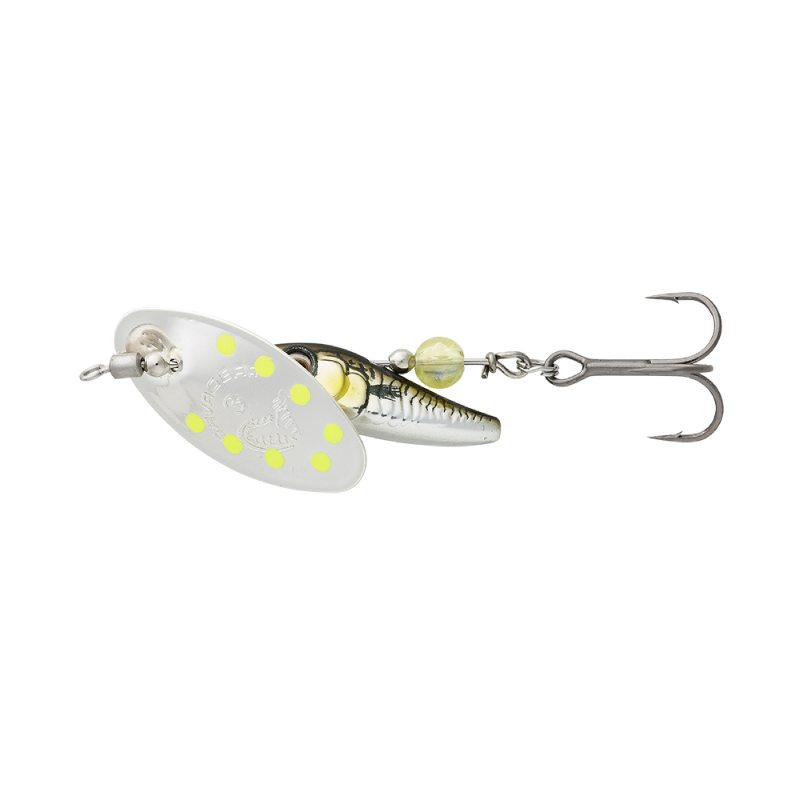
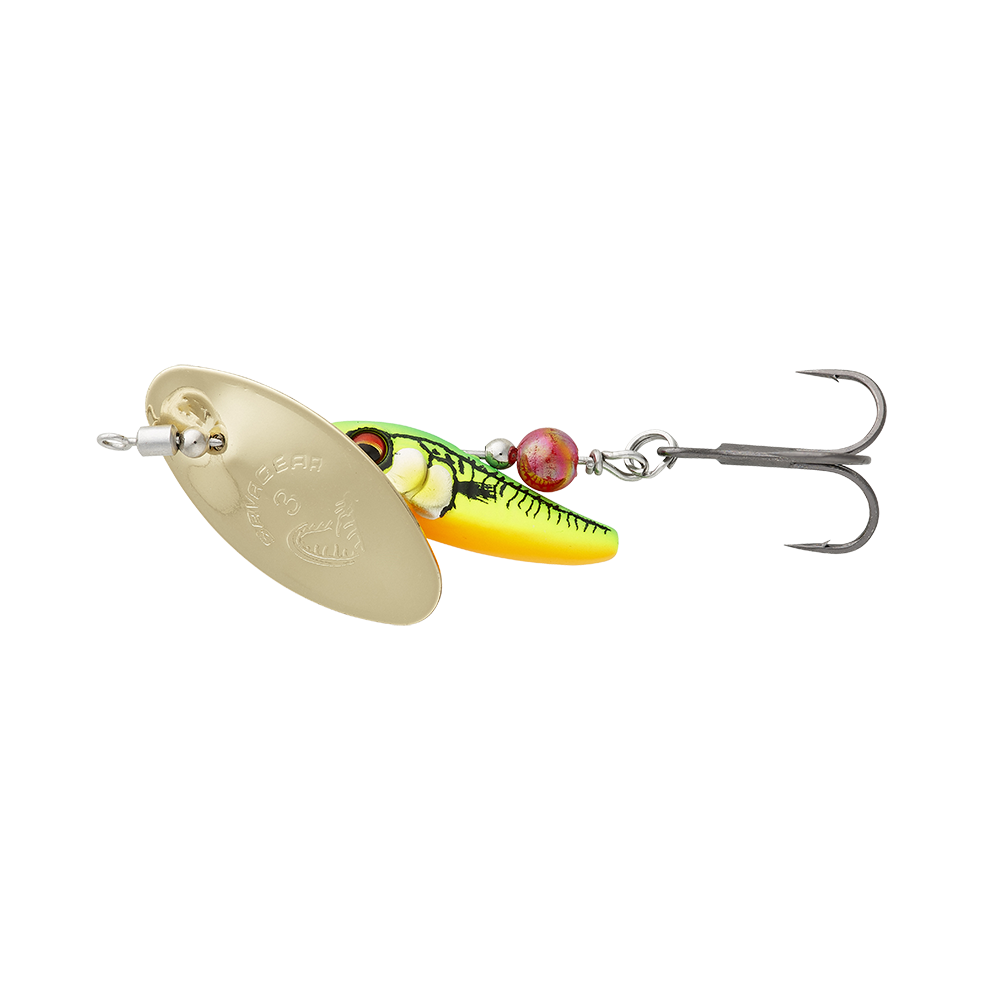
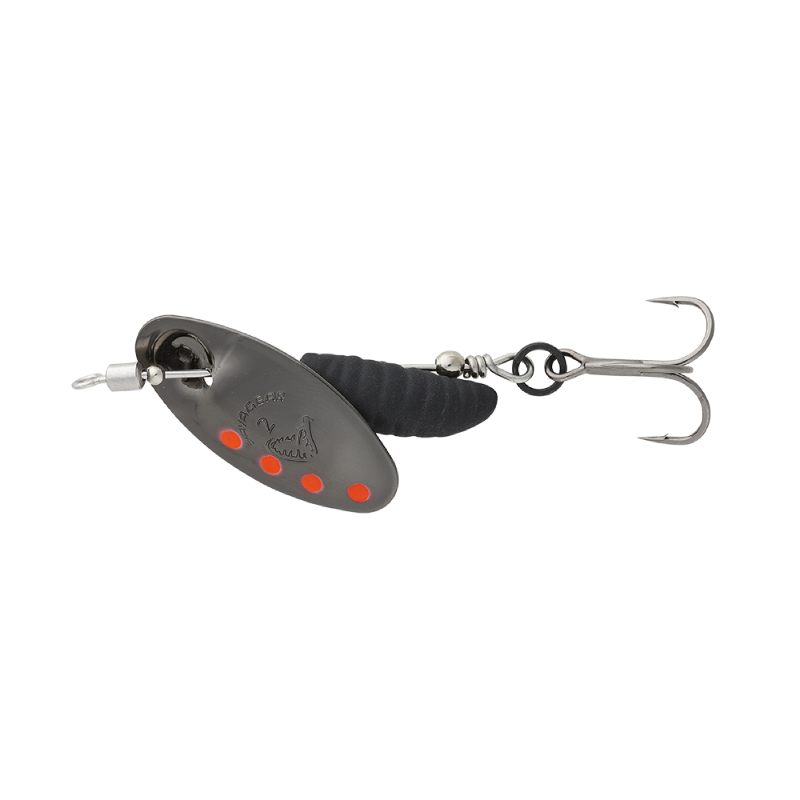
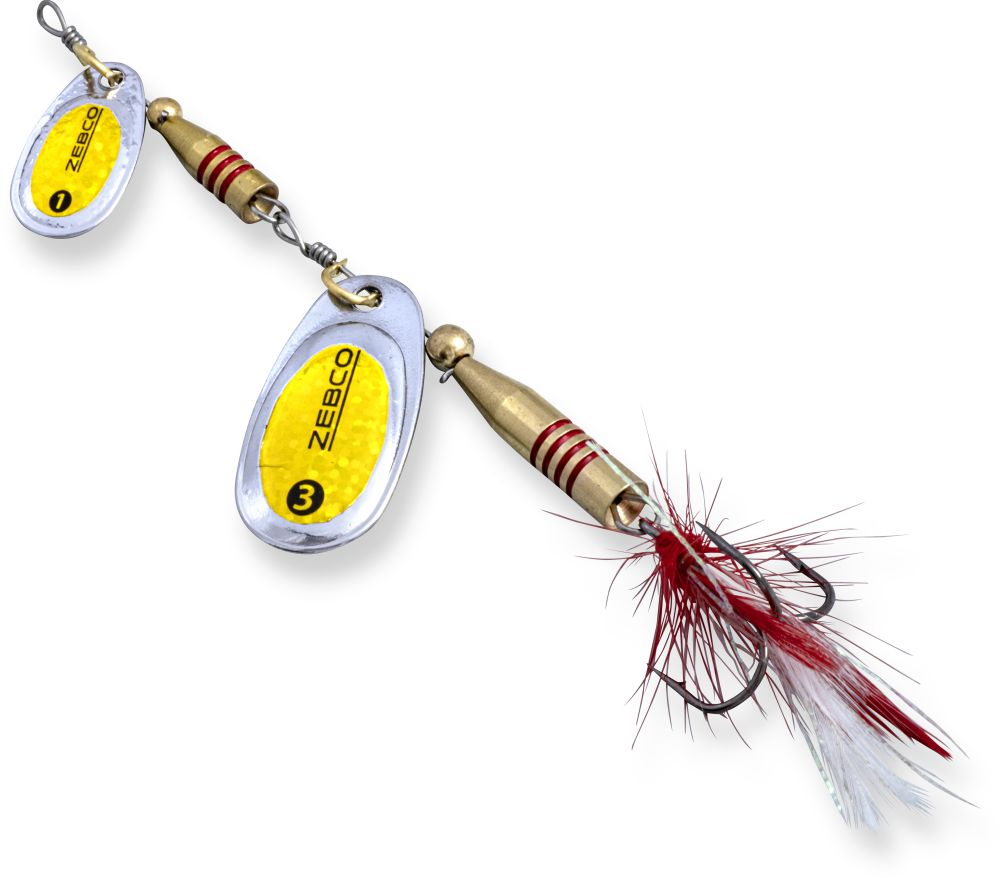
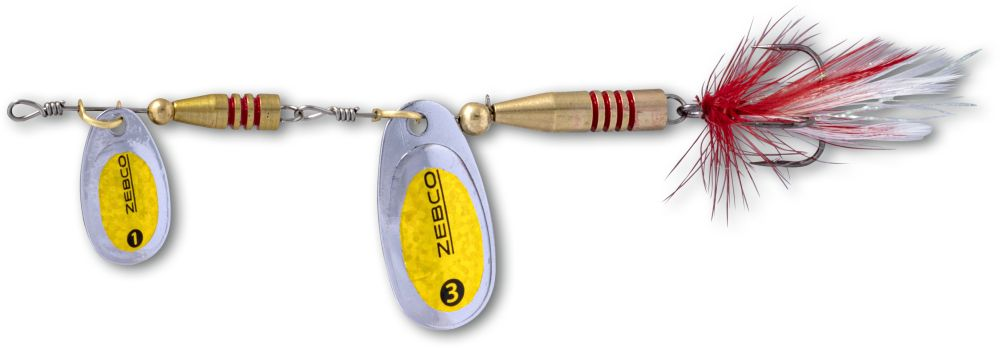
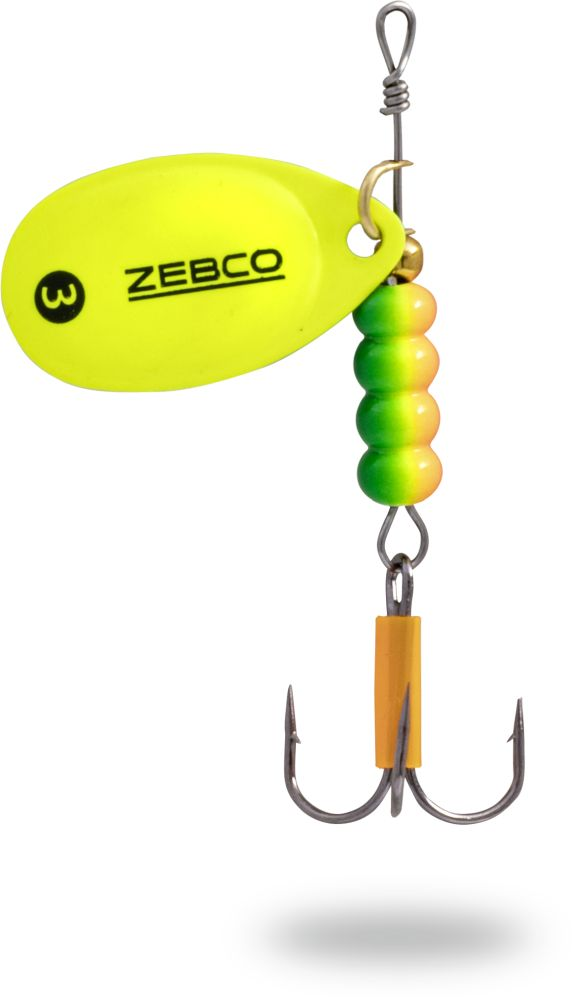
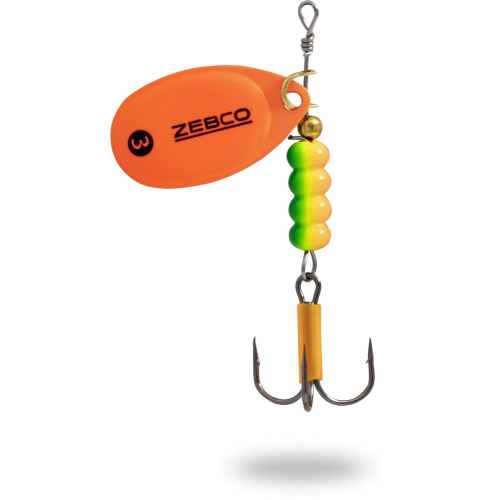
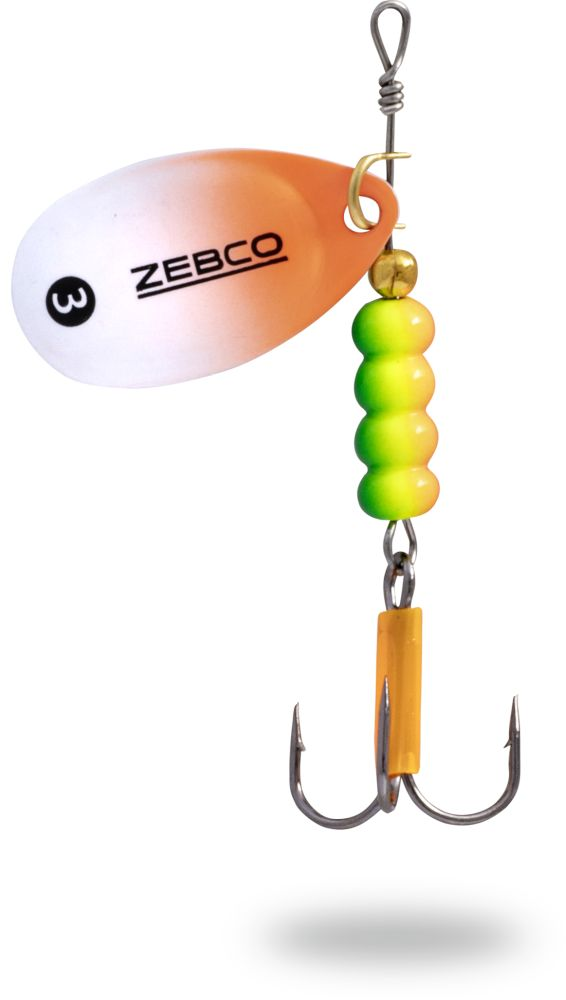
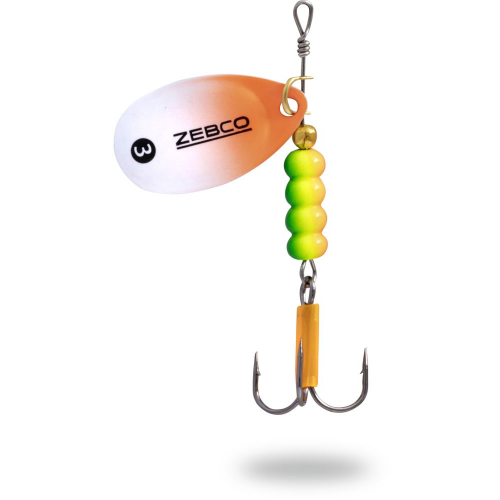
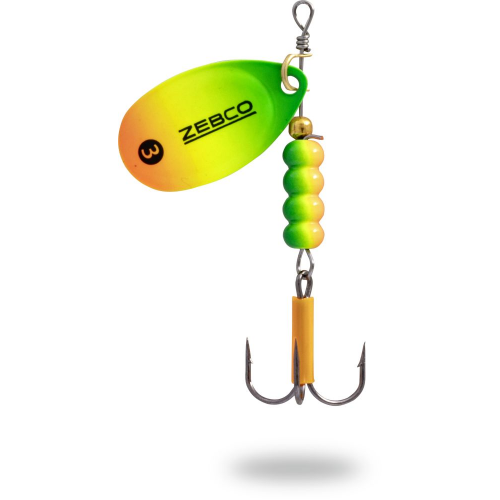
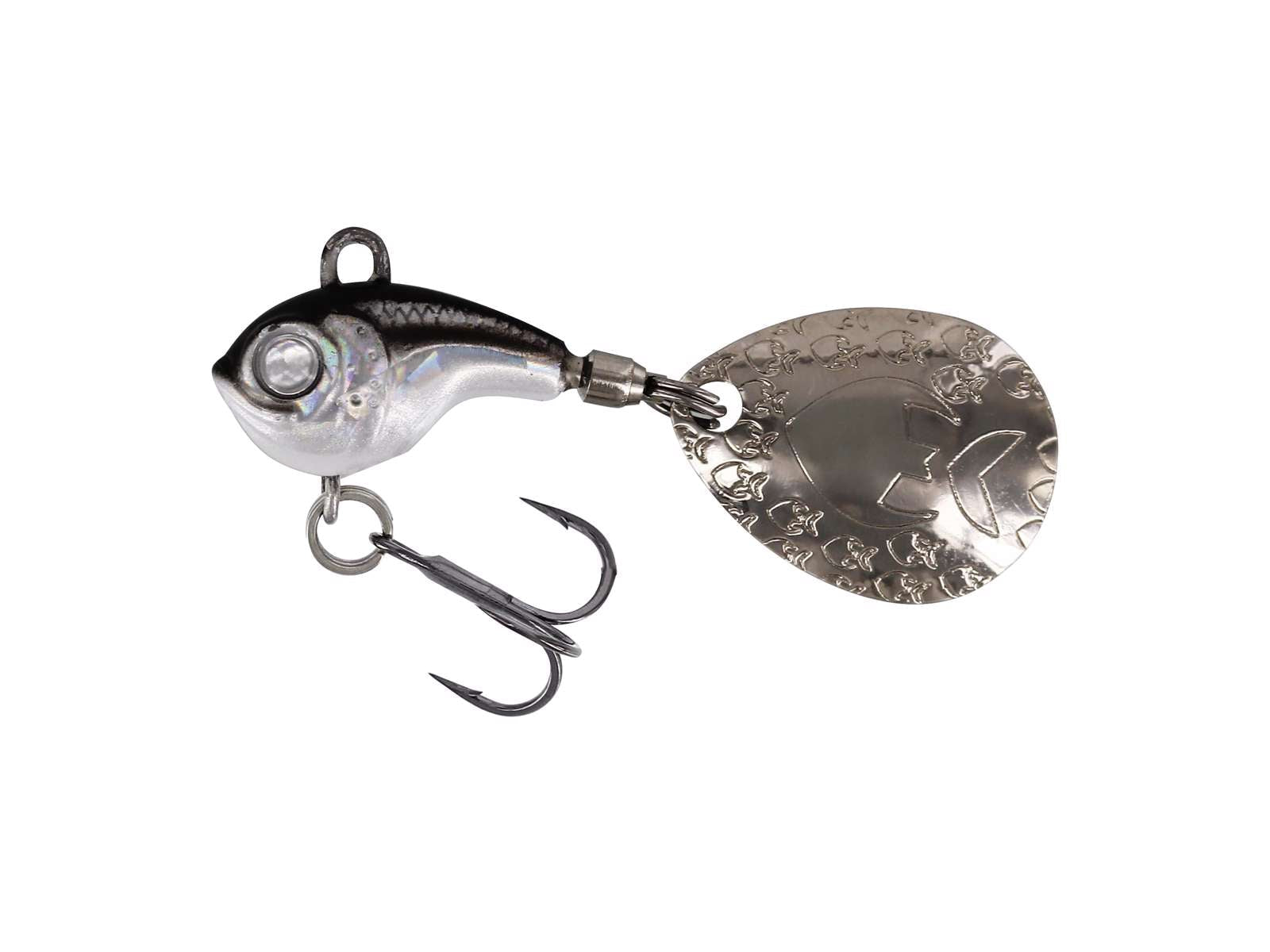
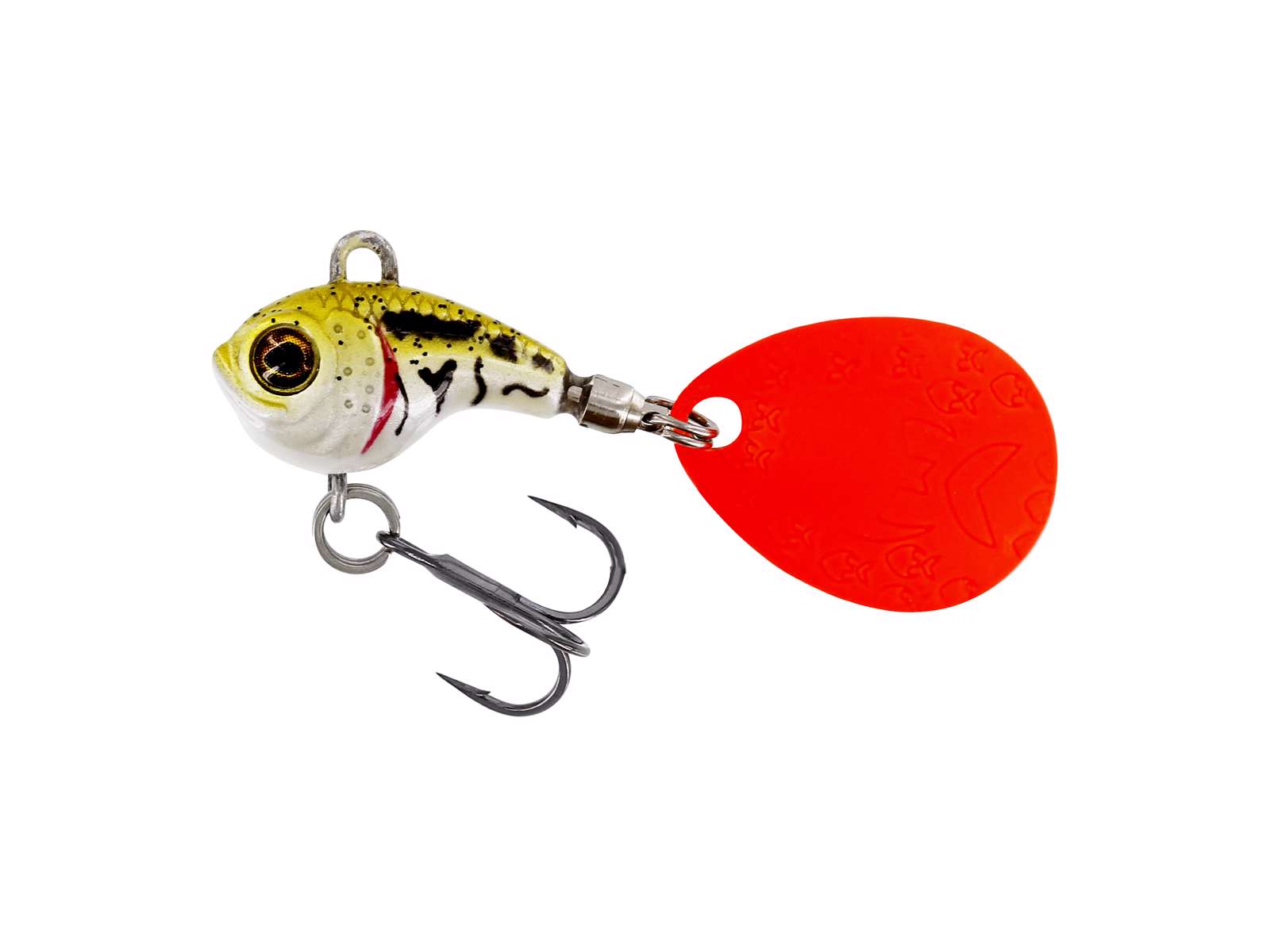
Spinners use a rotating blade to create flash, vibration and water displacement around a compact body. They are effective search lures for trout, perch, pike and salmon when weight, blade size and retrieve speed suit the venue. The collection includes Abu Garcia, Kinetic, Savage Gear, Westin, Zebco and Yarie across light and heavier patterns.
Blade shape influences resistance and lift. A broad blade generally produces stronger thump and may run higher at a given speed, while a narrower blade can cope better with current and deeper presentations. Body weight affects casting and sink rate, but the complete lure must remain within the rod's stated casting range.
Browse all fishing lures, compare jerkbaits for an erratic pause-and-twitch action, explore spinnerbaits for a wire-framed skirted profile, or use minnows and crankbaits to target a more defined running depth.
Choose weight, blade and retrieve
For shallow water, begin retrieving as the spinner lands and keep the rod tip high enough to clear cover. To fish deeper, allow a controlled sink while maintaining contact, then retrieve slowly enough to hold depth while keeping the blade rotating. Count-down timing is only a guide because current, line diameter and lure shape alter the fall.
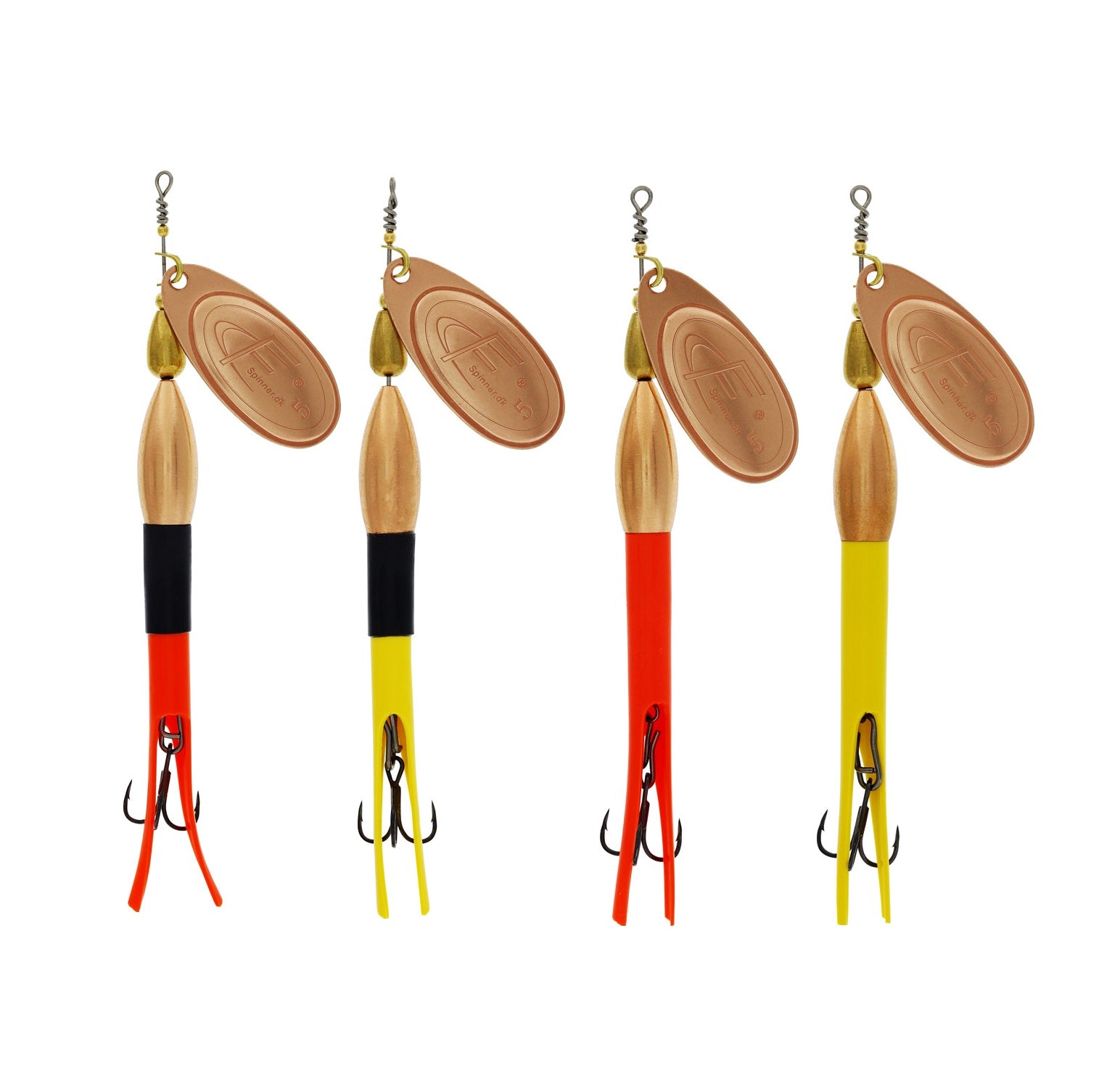
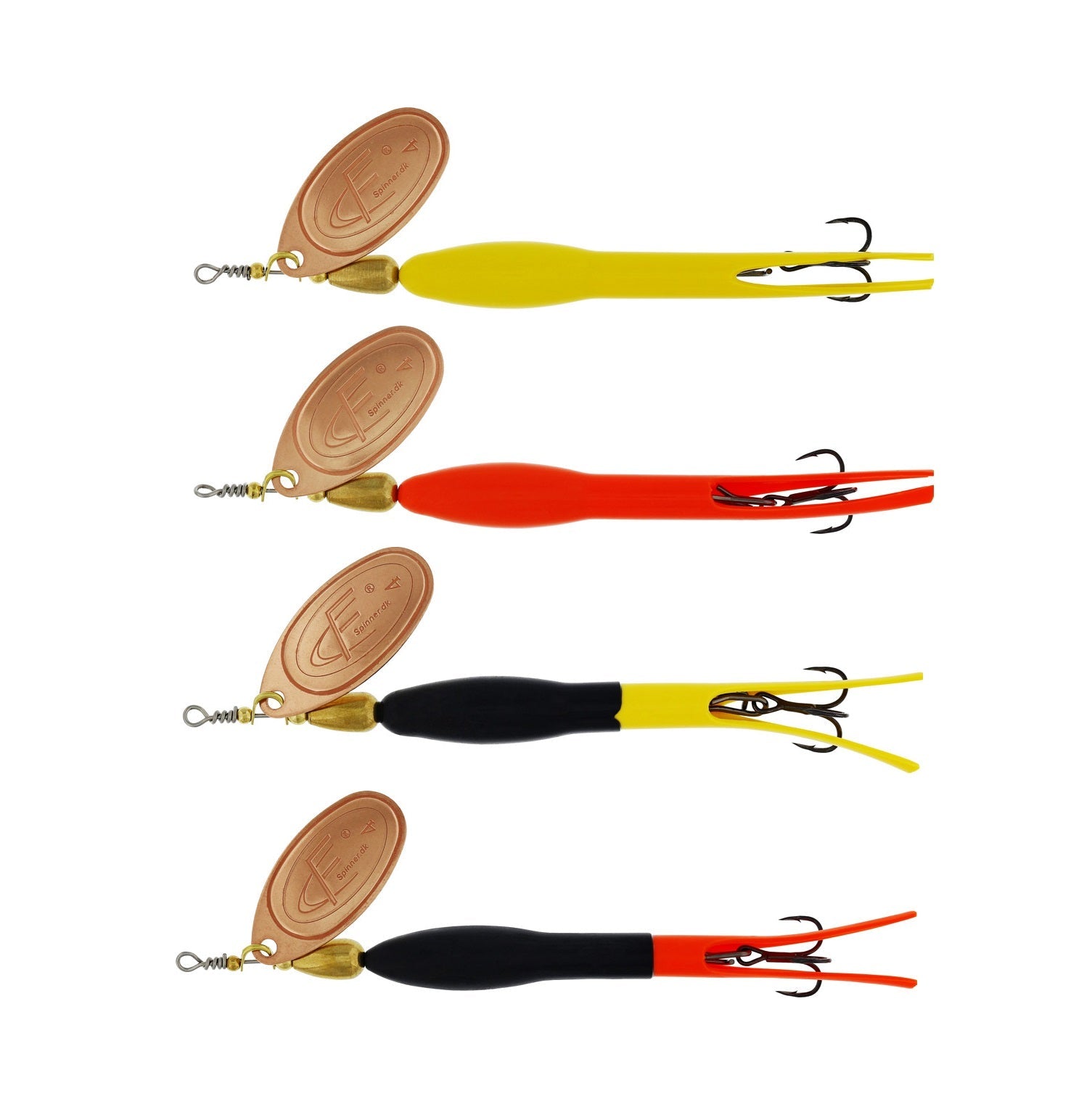
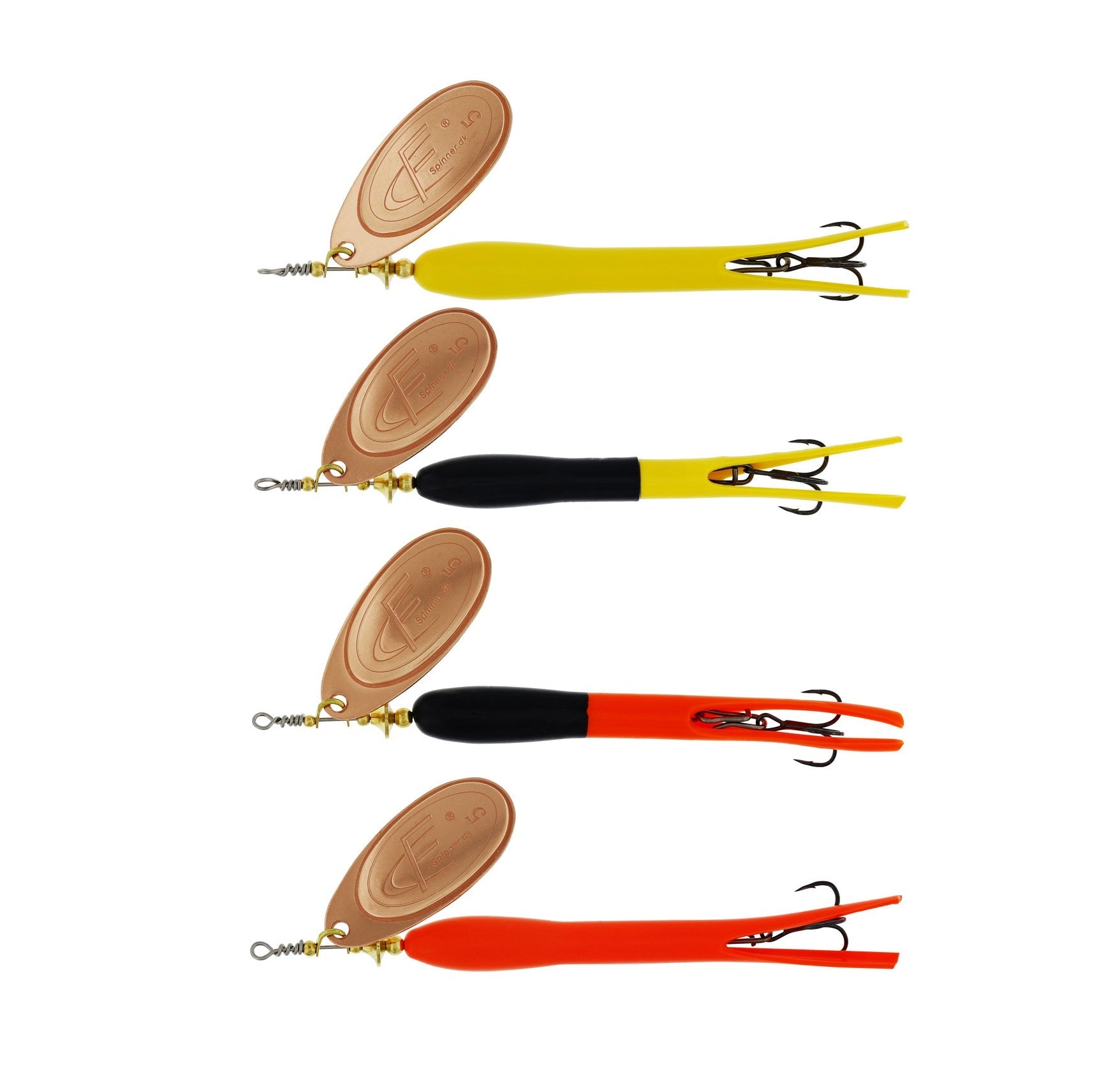
Natural metallic finishes can imitate small fish in clear water, while copper, black, fluorescent or high-contrast patterns may show better in peat-stained water, cloud or low light. Change one factor at a time. If the blade does not start, a brief lift of the rod tip or increase in speed can engage it before settling into the intended retrieve.
Spinners can twist line, particularly when the lure body rotates with the blade. Use sound swivels or terminal connections where appropriate, check line regularly and avoid adding so much hardware that it damages the action. The perch fishing with spinners guide covers a practical species-specific approach.
Rig safely for trout, perch, pike and salmon
Choose line and leader strength for the fish and cover. Where pike may be present, use a suitable bite-resistant trace and carry long-handled unhooking tools. Check fishery regulations for permitted hook number, barb style and lure restrictions, especially on trout and salmon waters.
Inspect hooks, split rings, blade hangers and shafts after snags or fish. Rinse and dry spinners after saltwater use, and separate damaged or rusty hooks from other tackle. For rod selection and casting range, read the trout fishing rod guide.