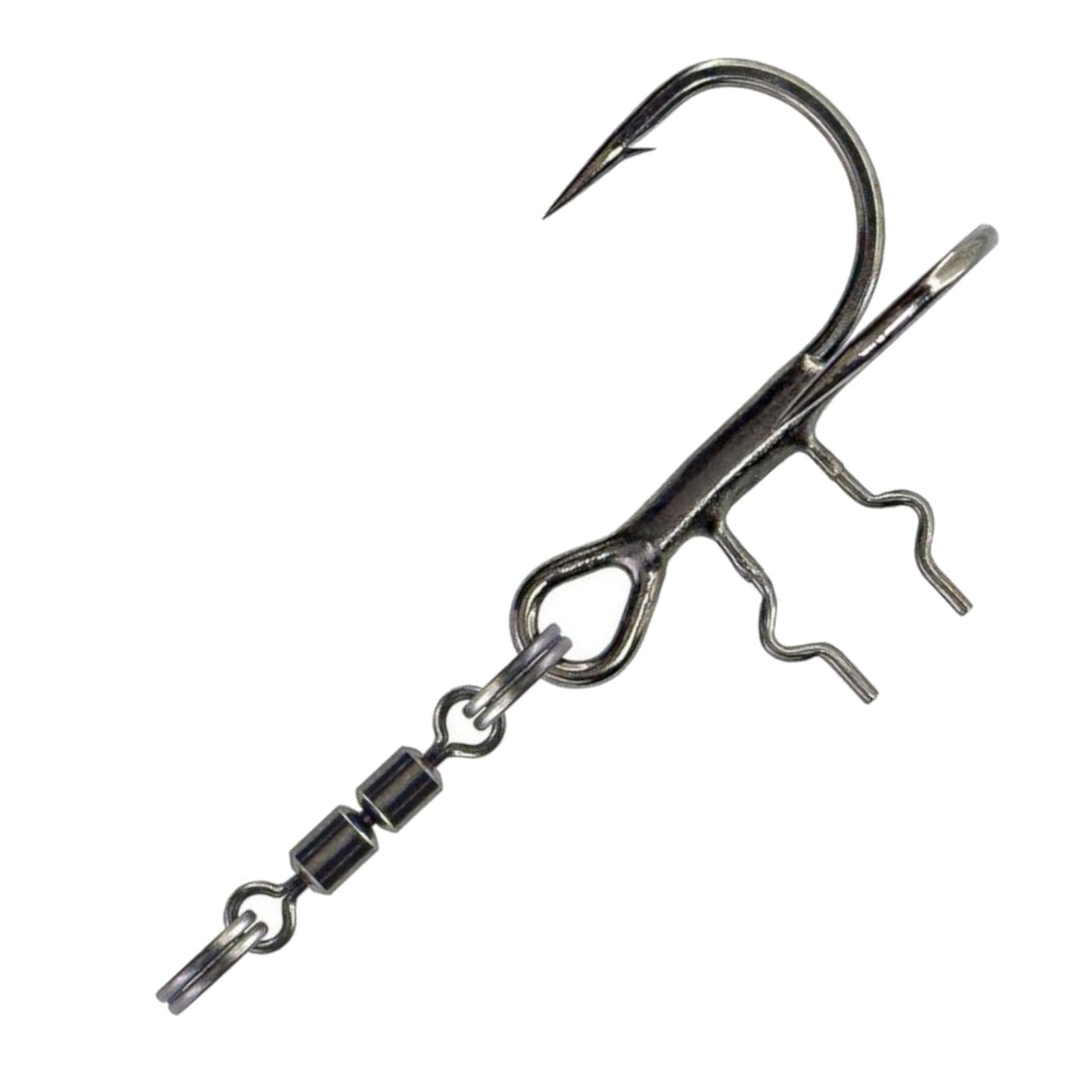
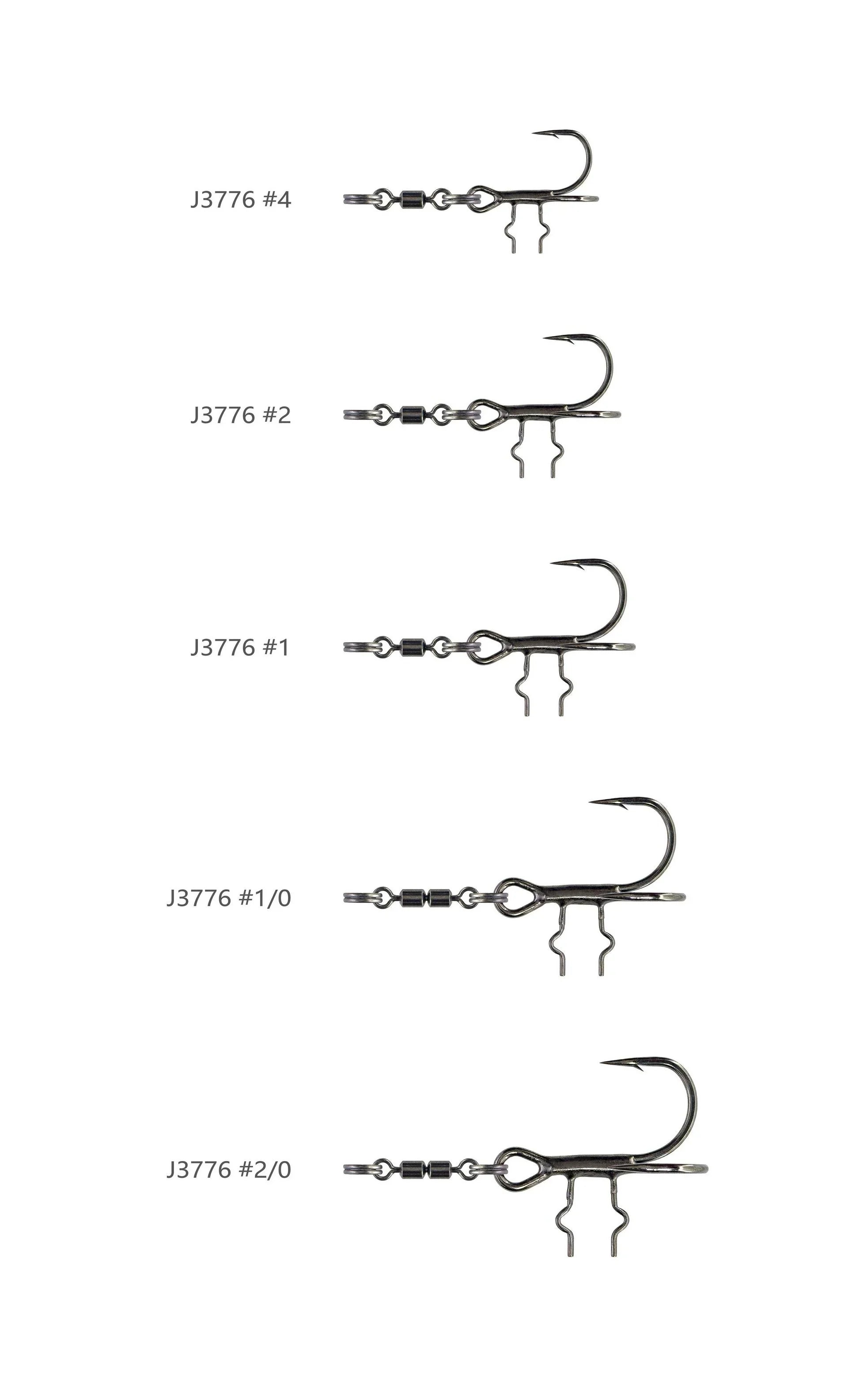
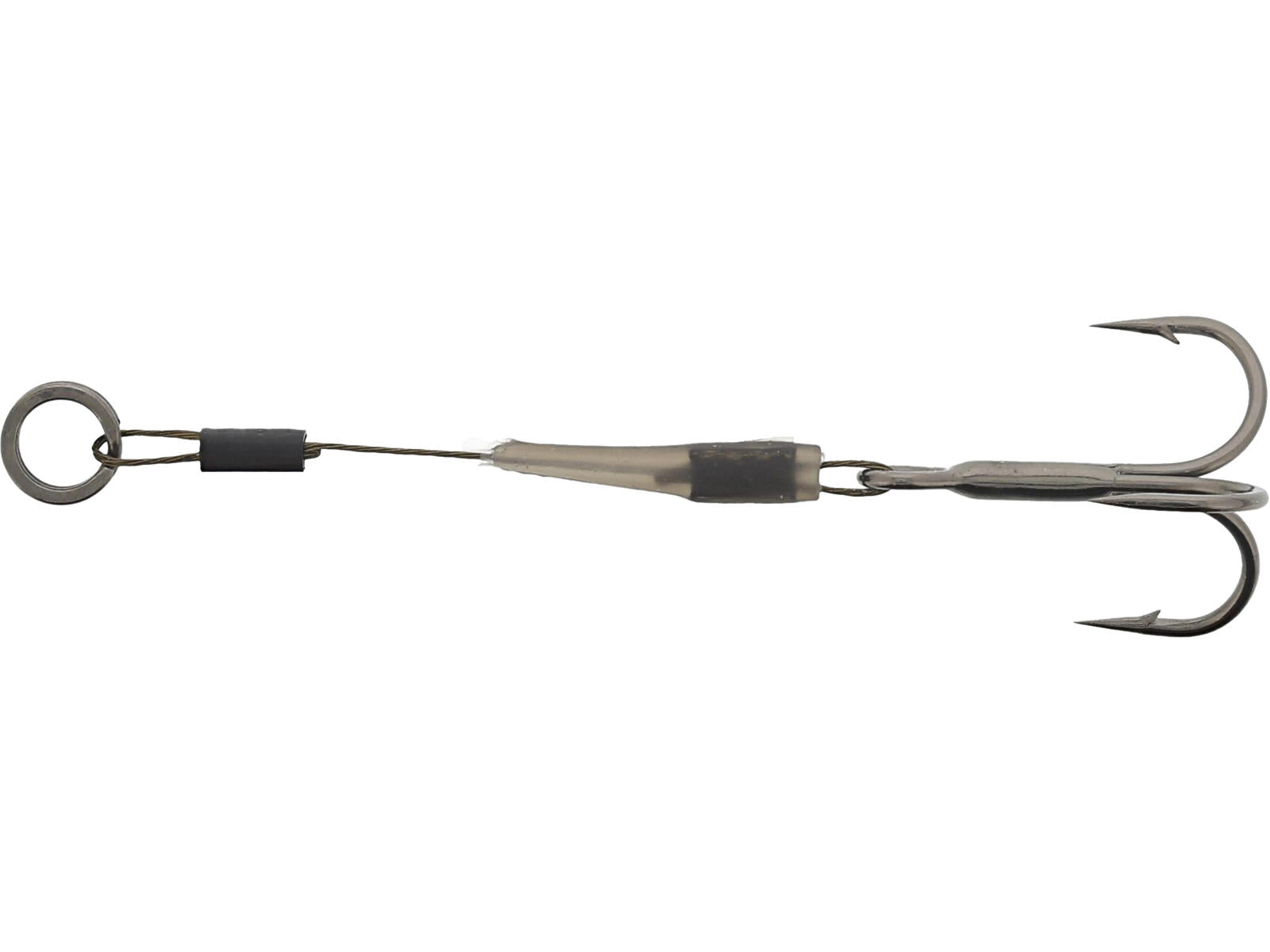
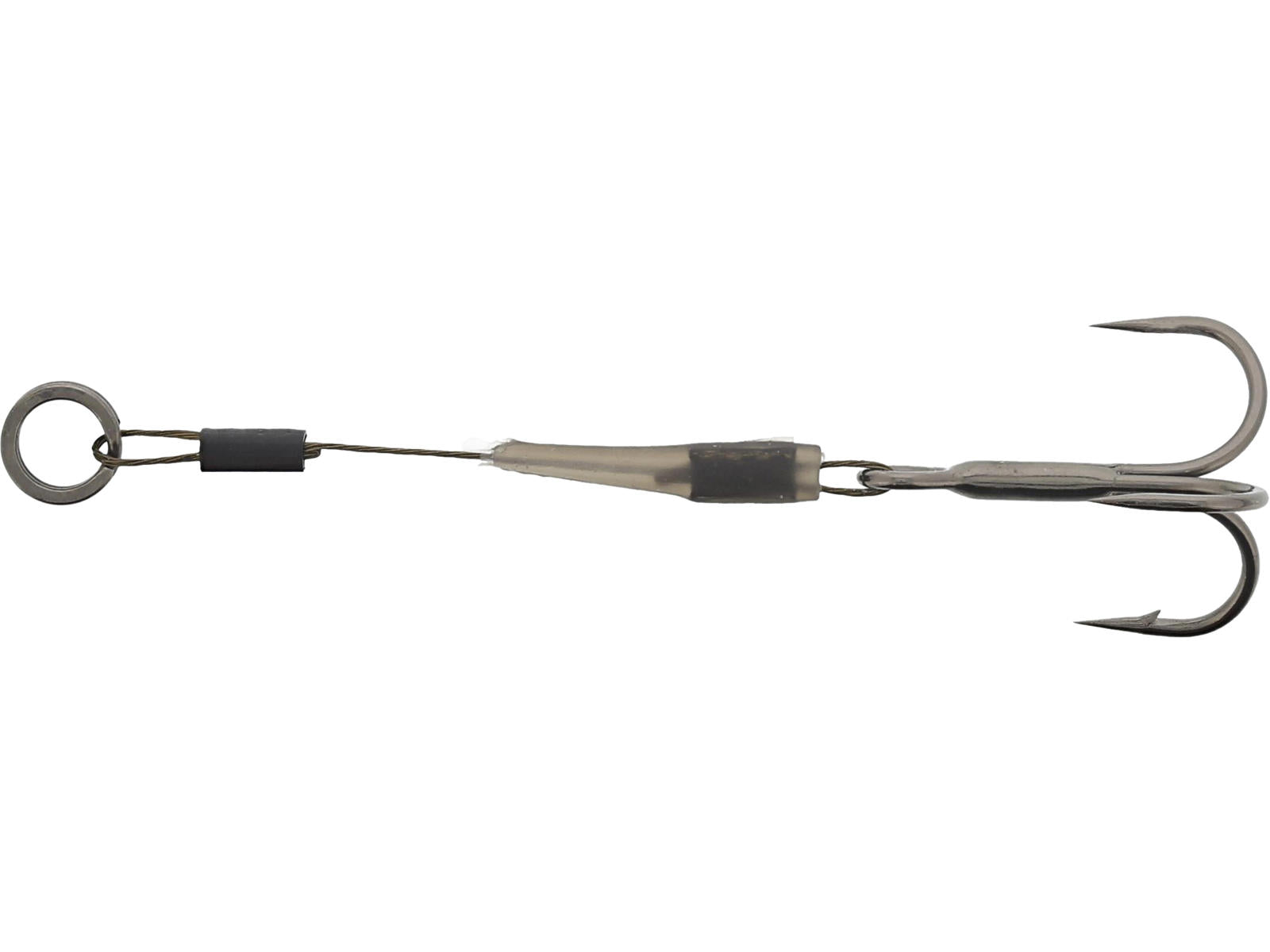
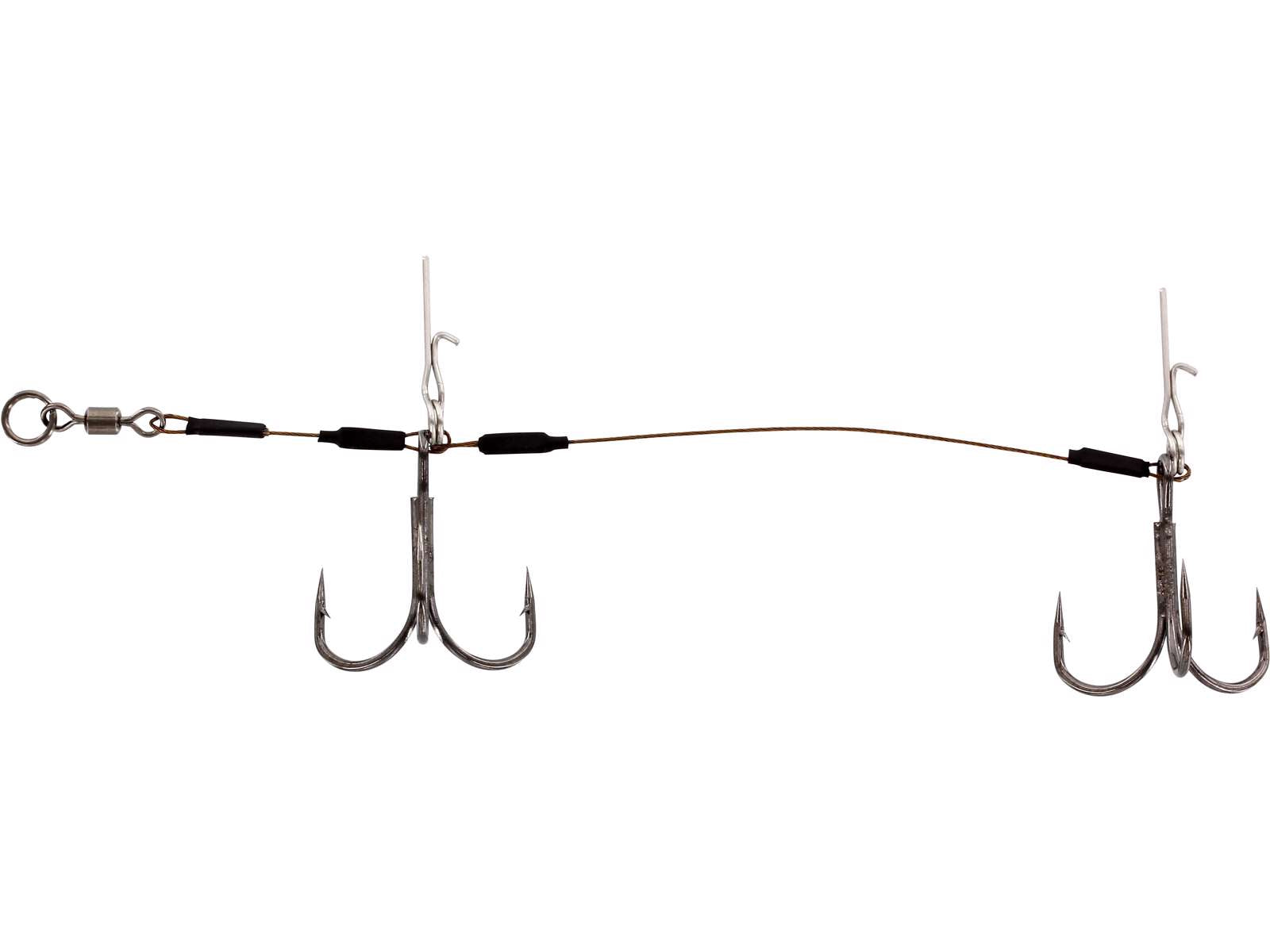
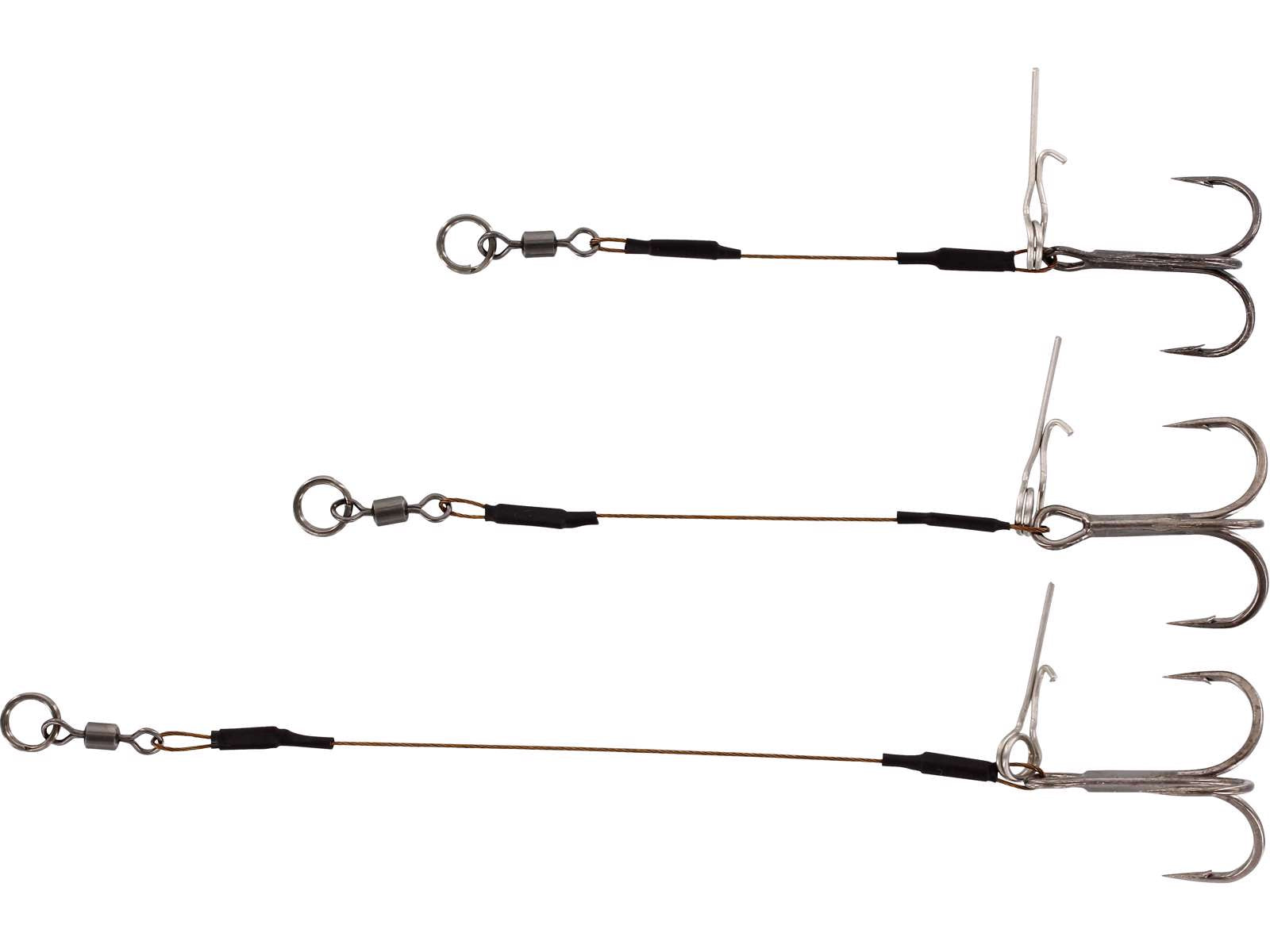
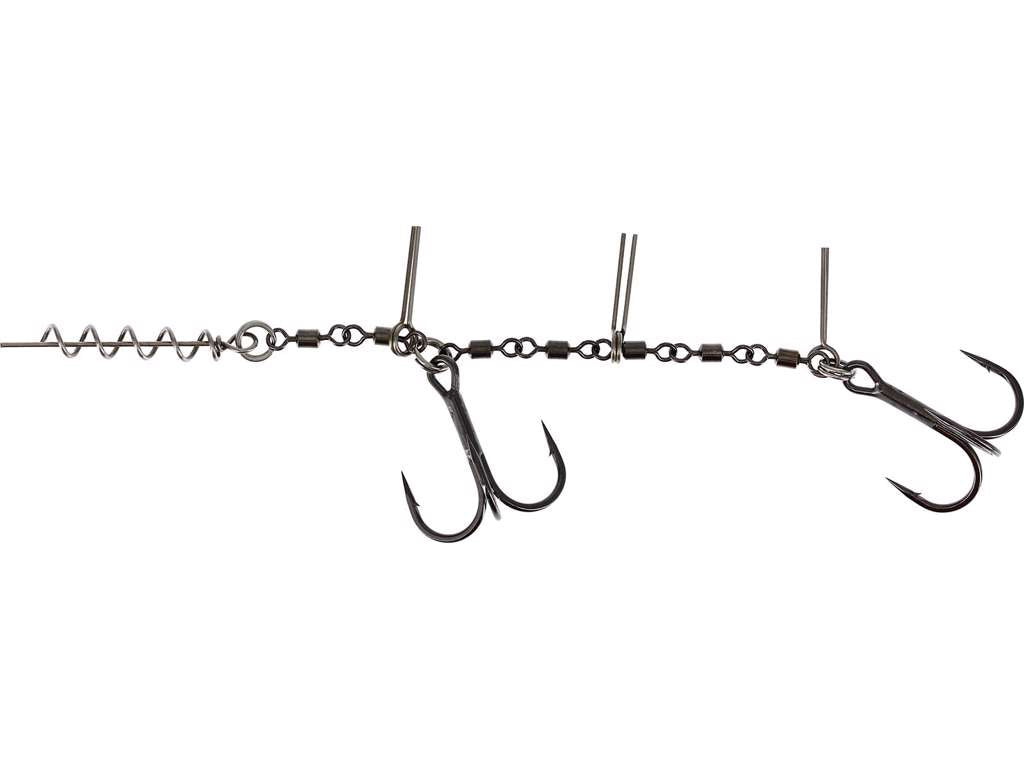
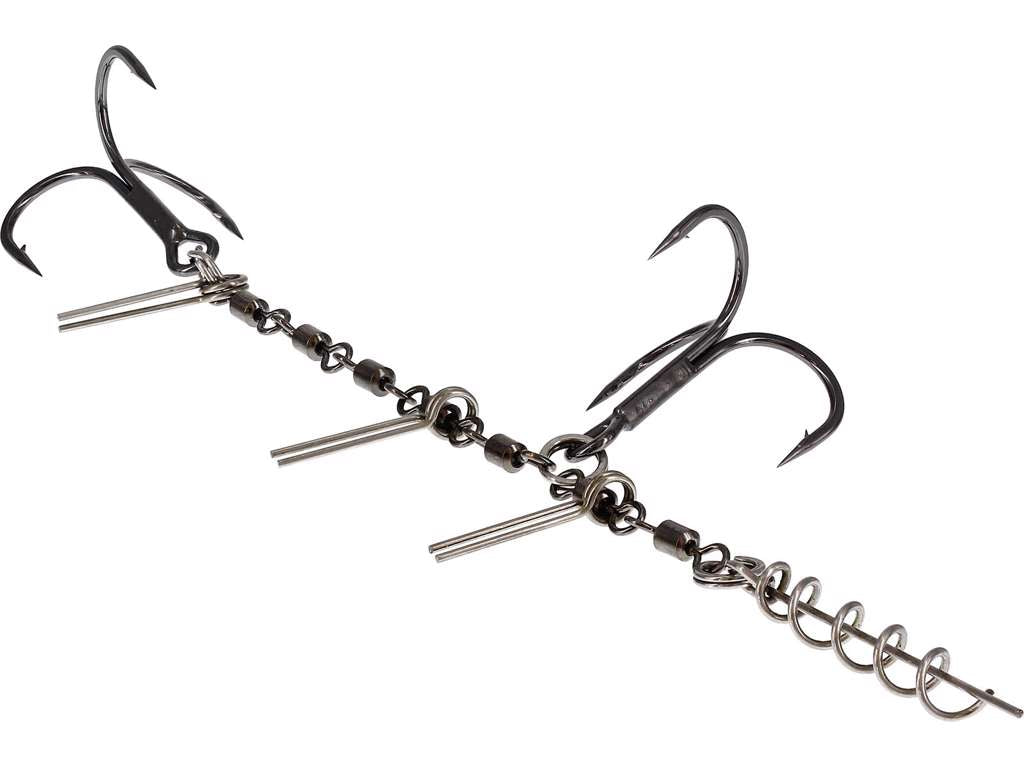
Stingers for predator soft-lure rigs
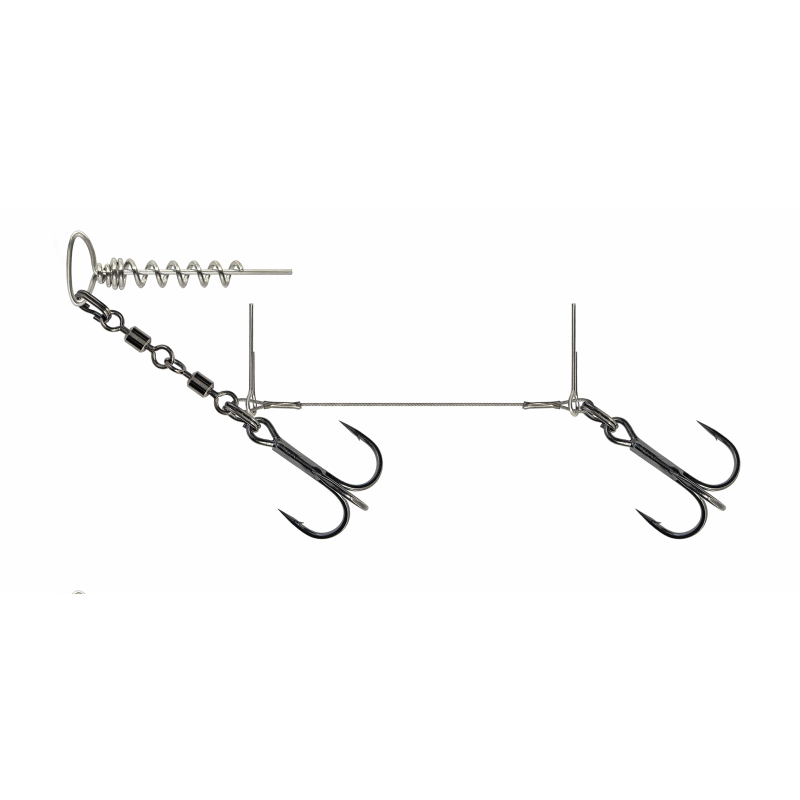
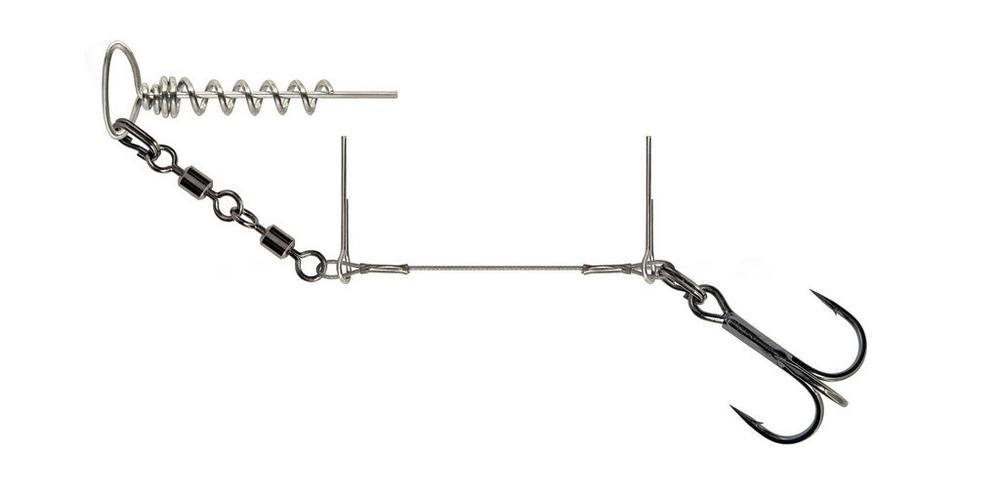
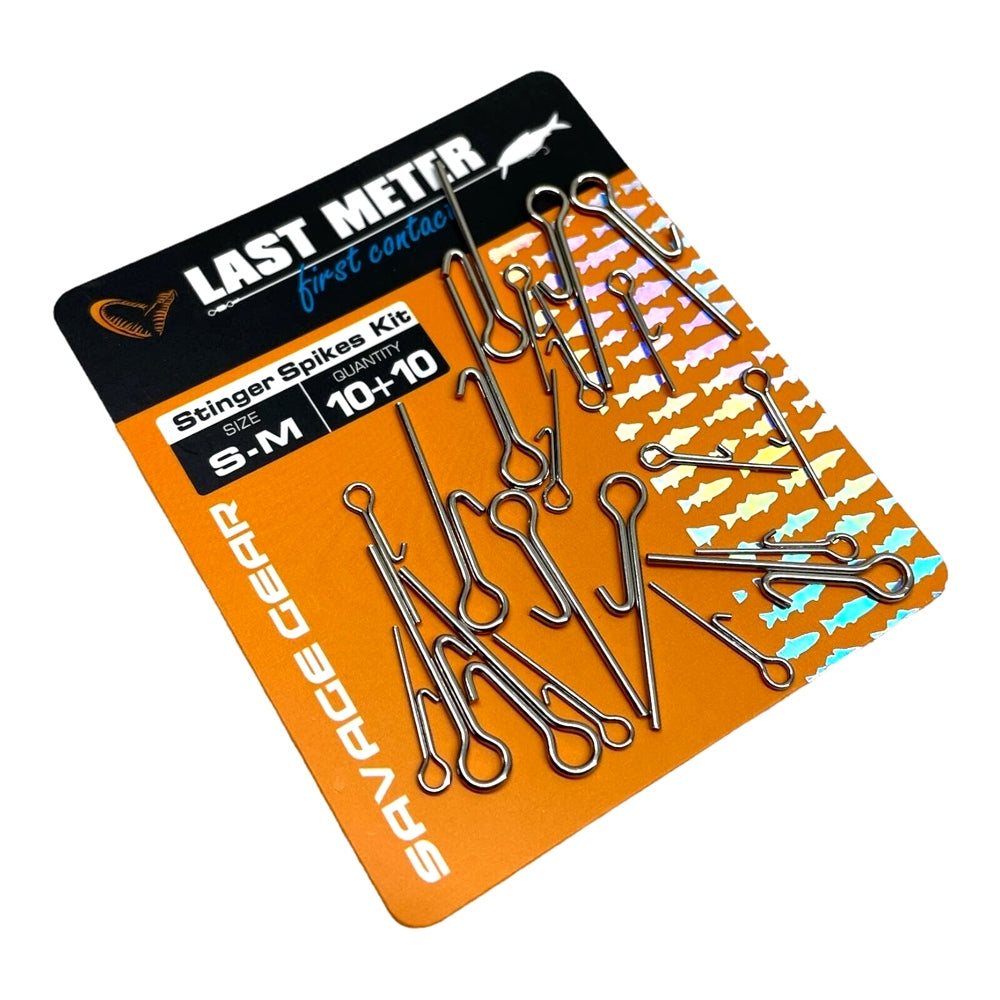
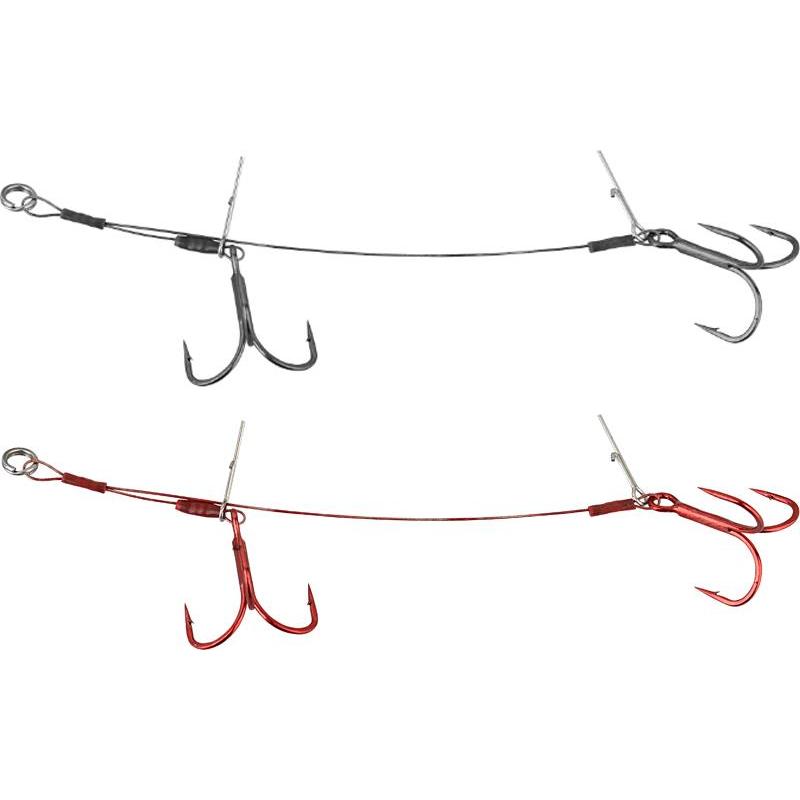
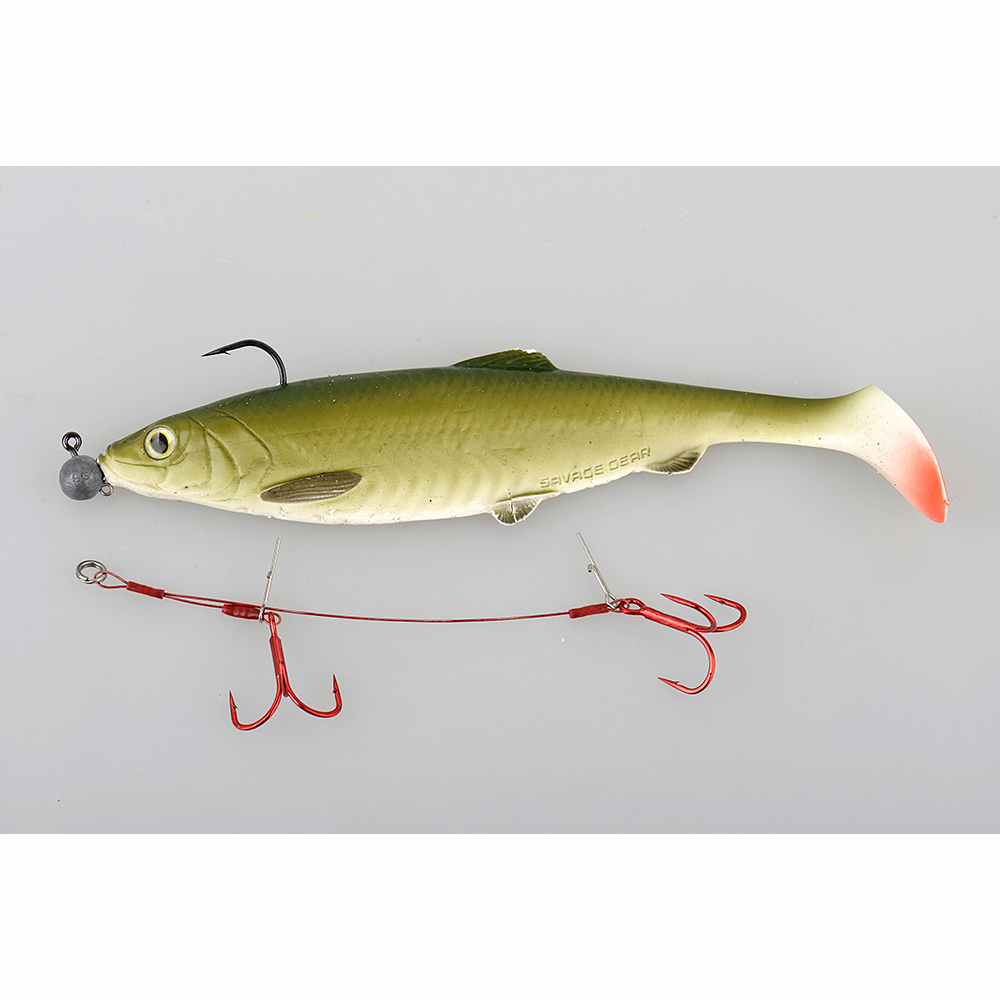
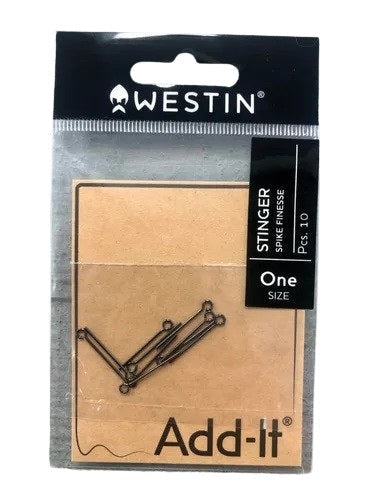
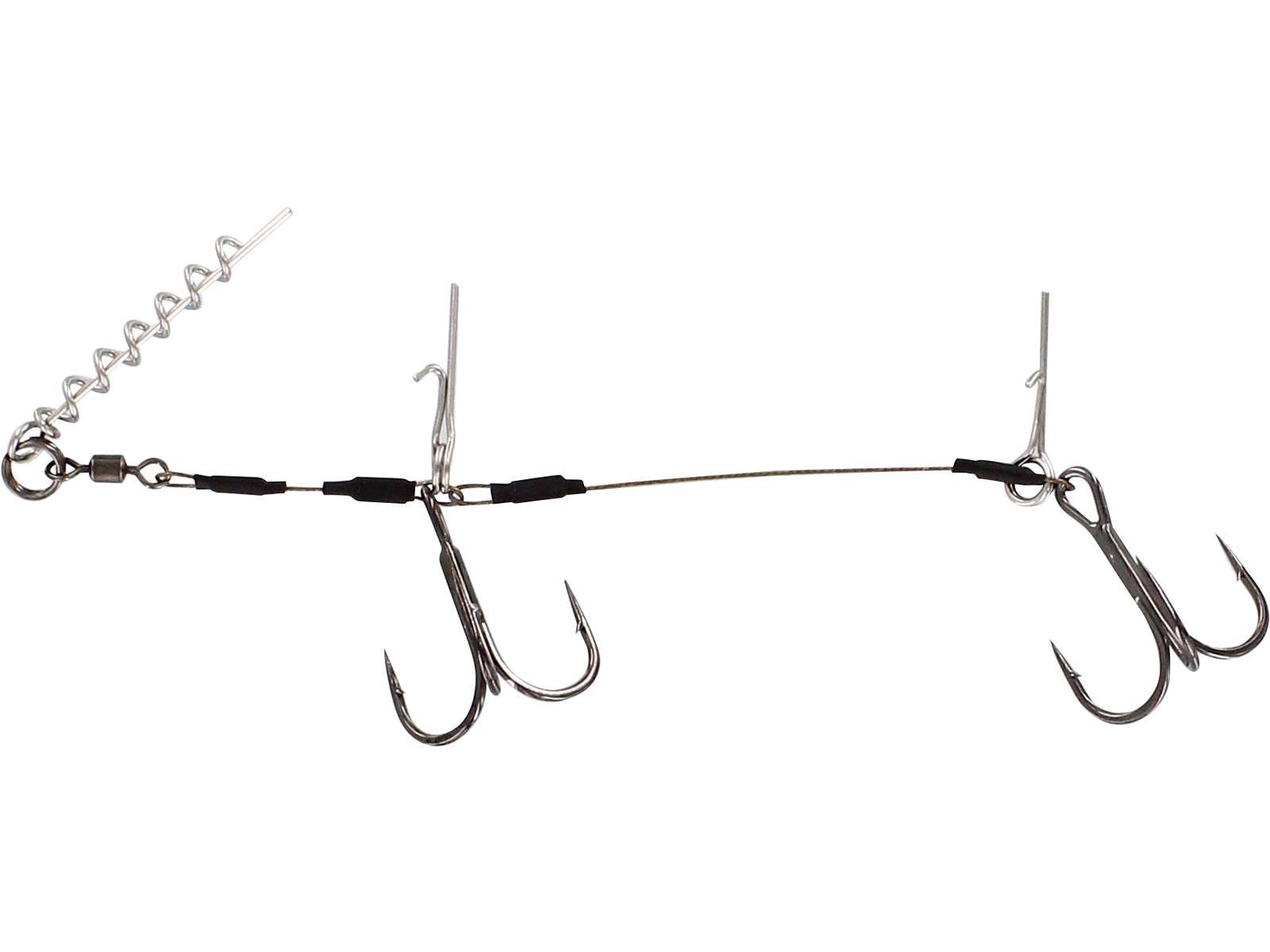
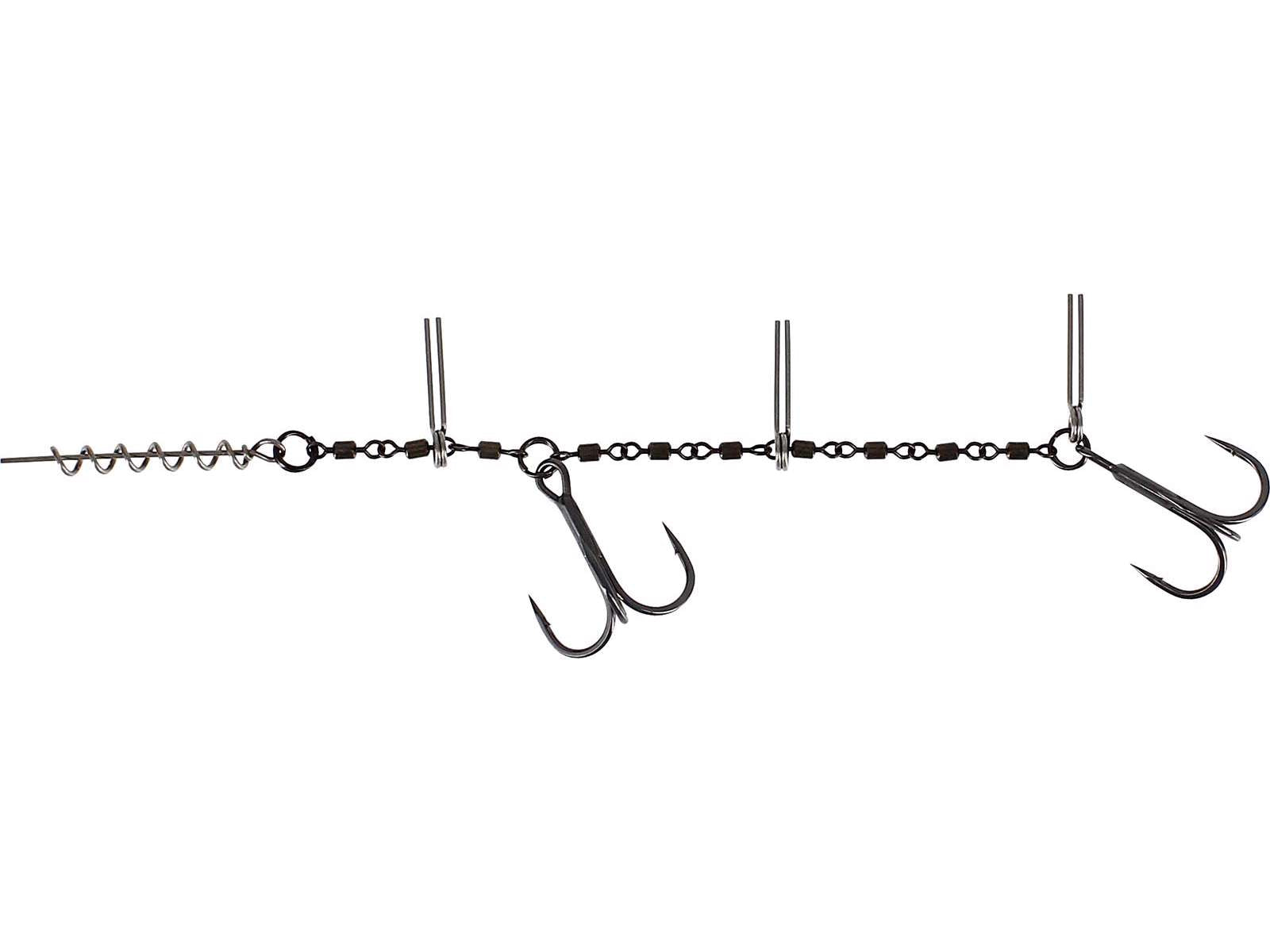
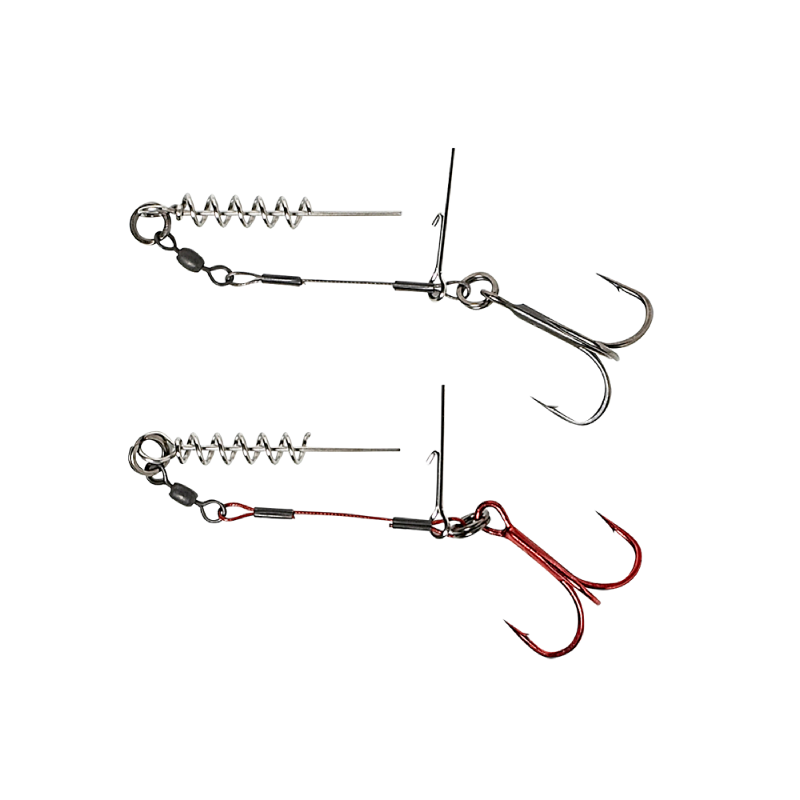
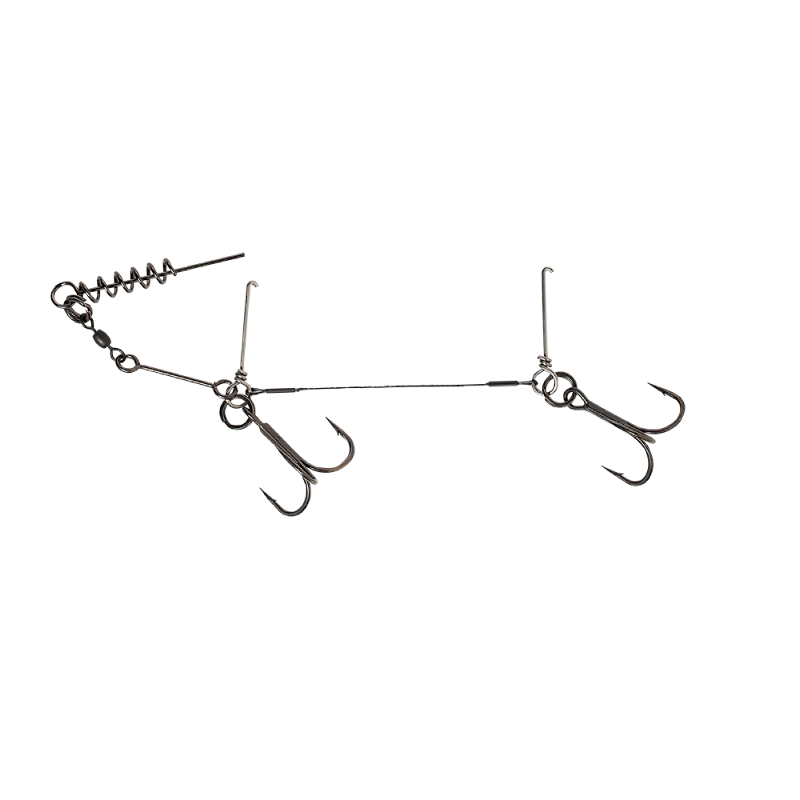
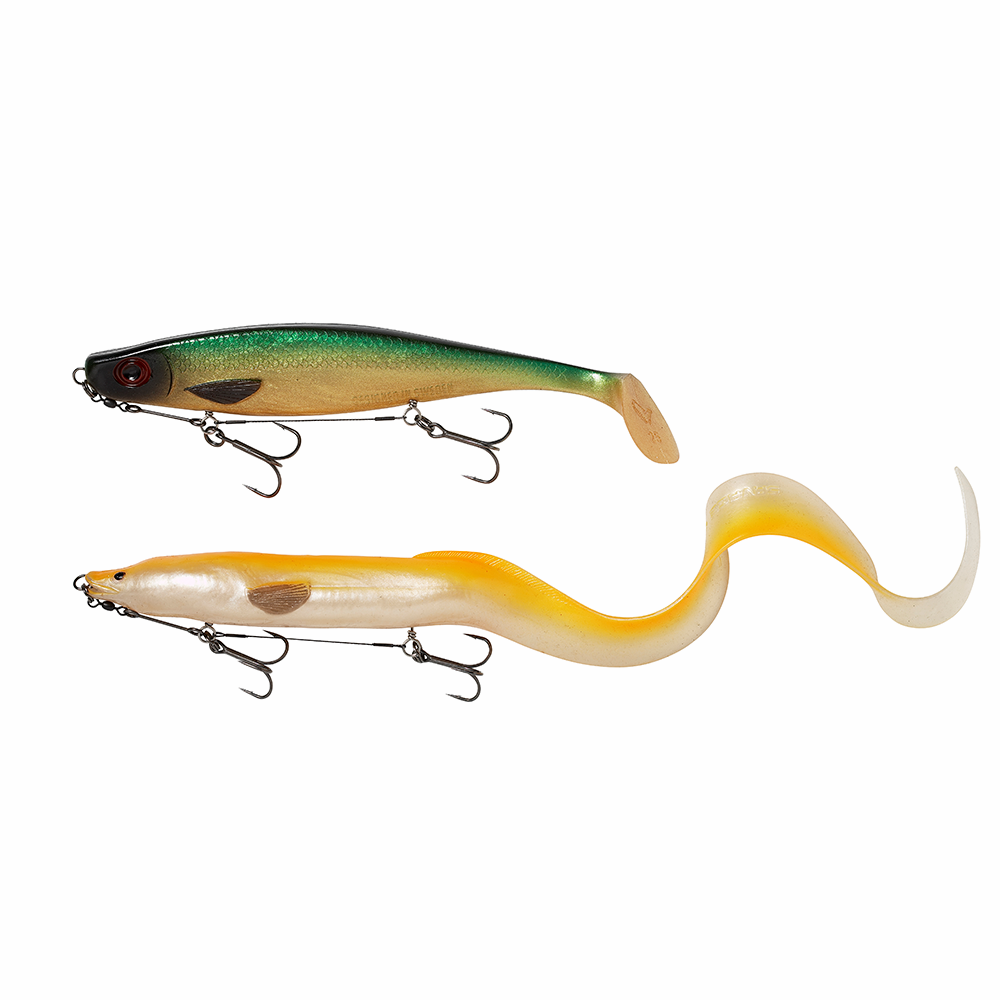
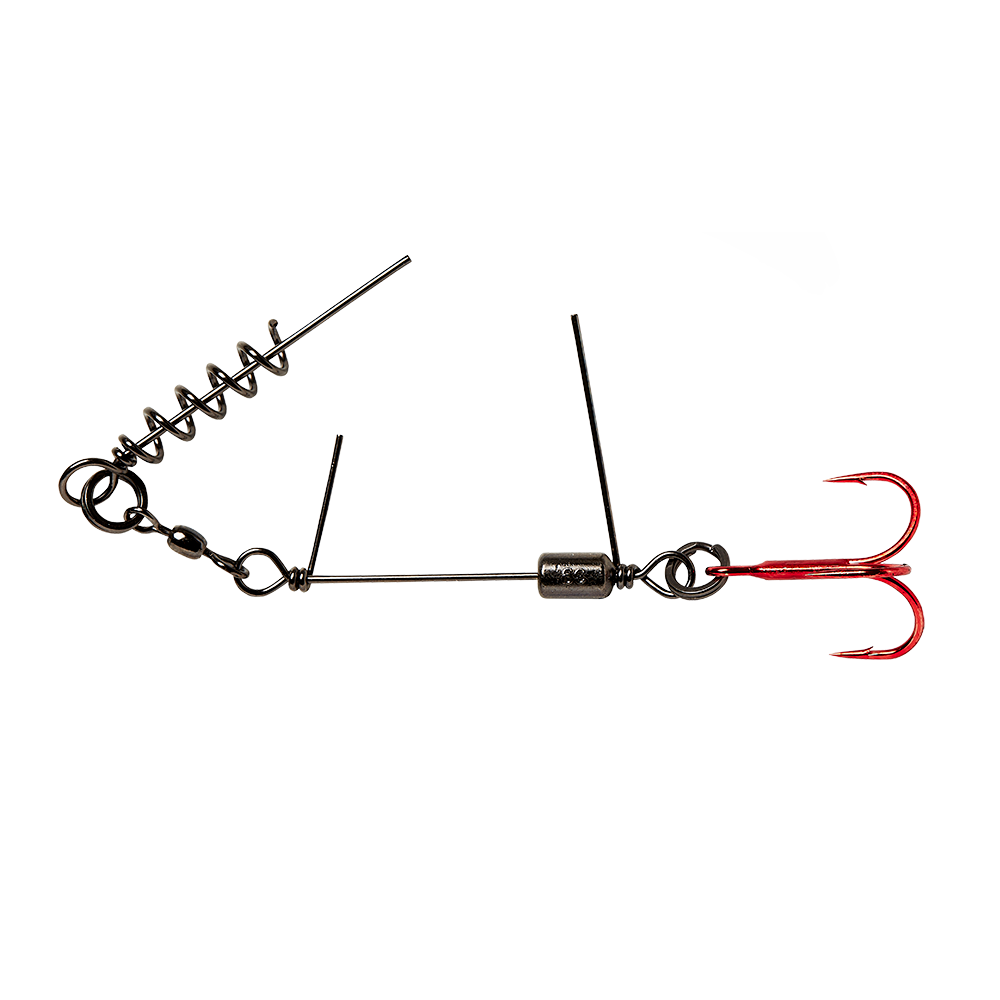
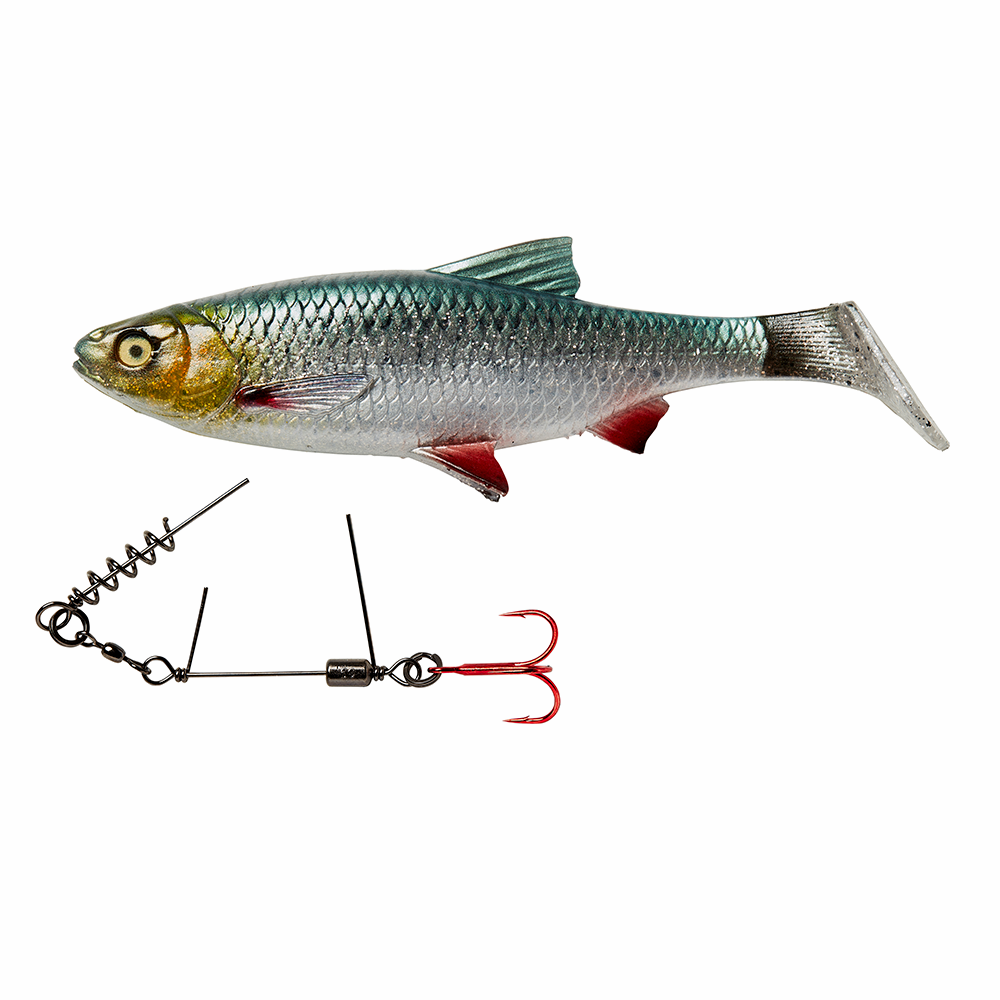
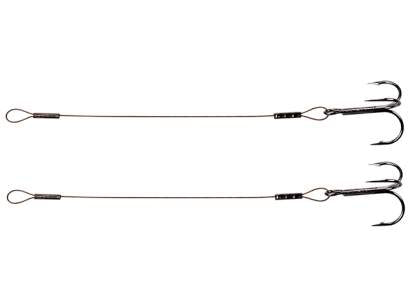
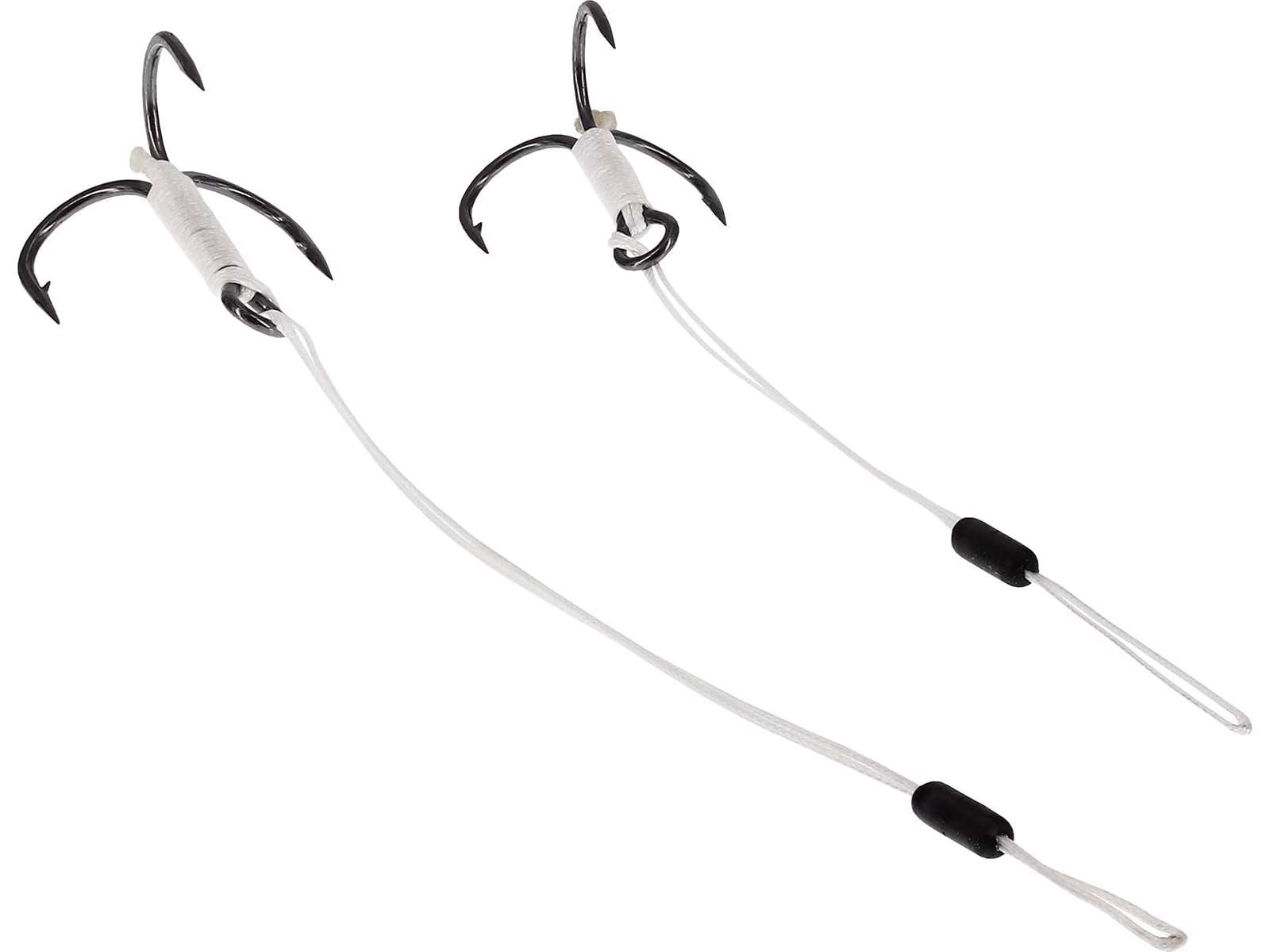
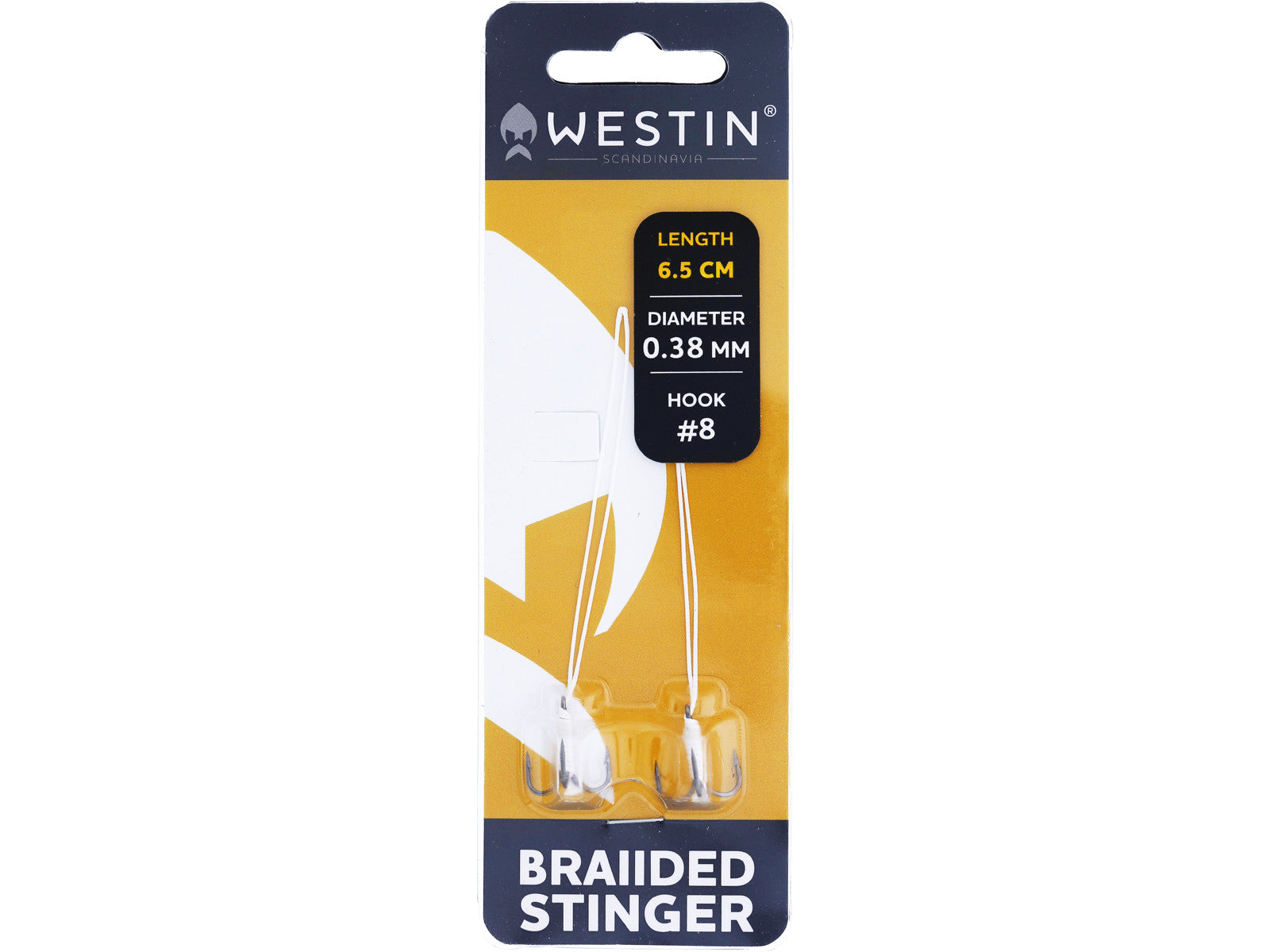
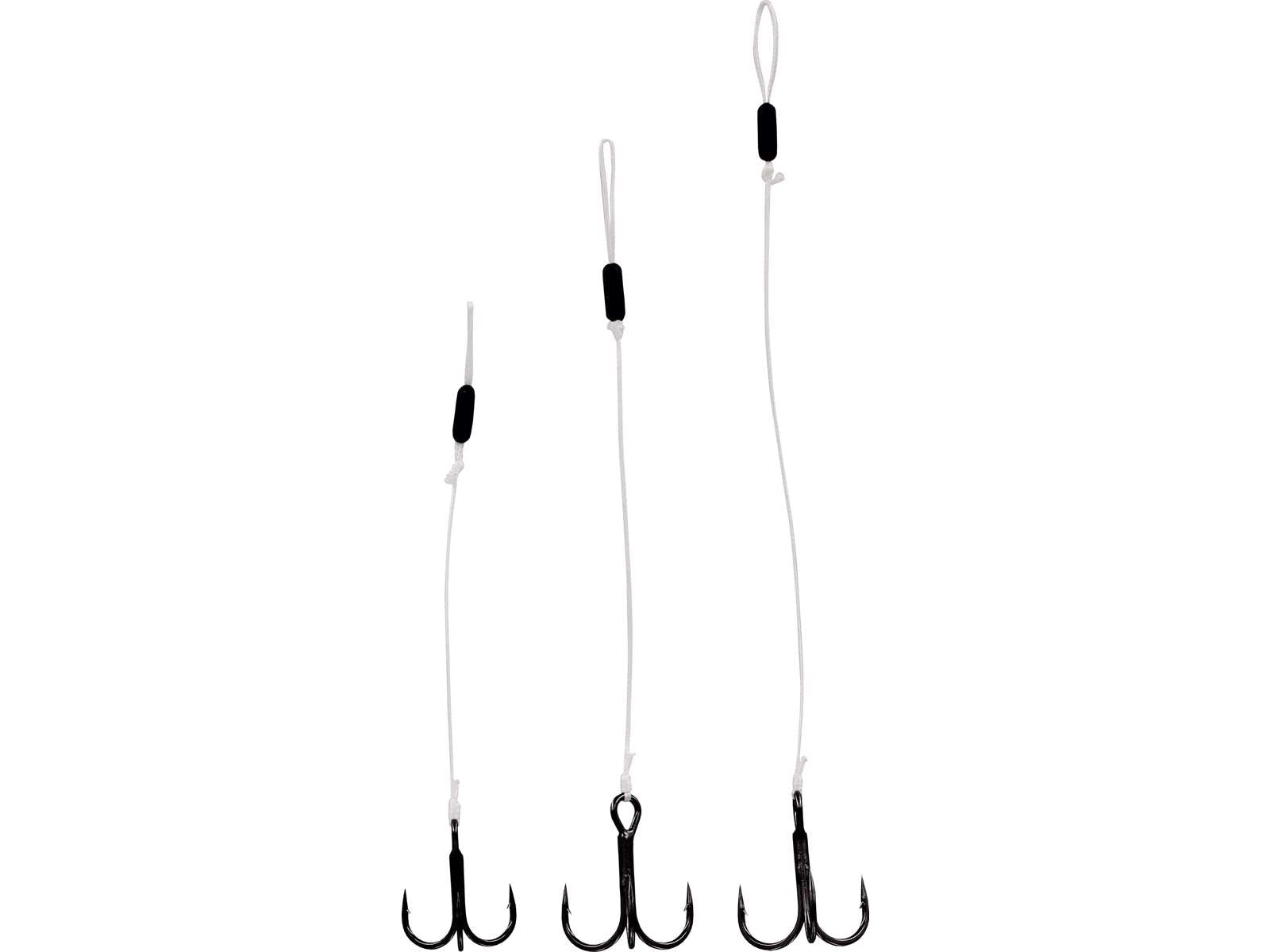
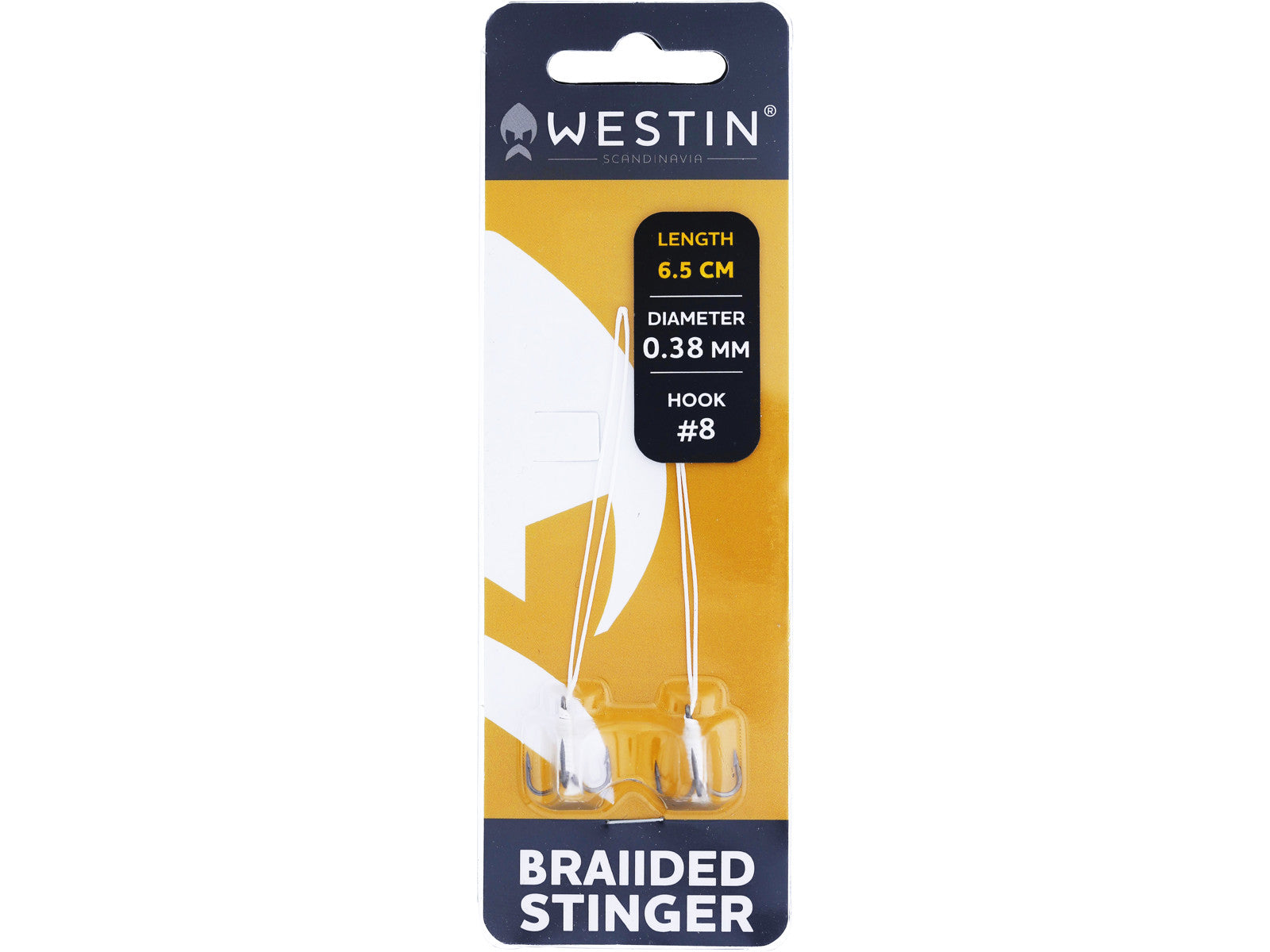
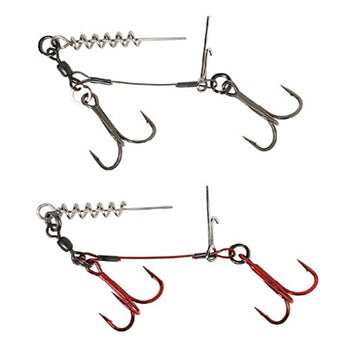
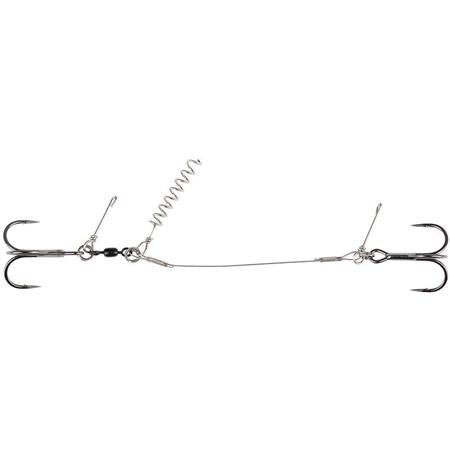
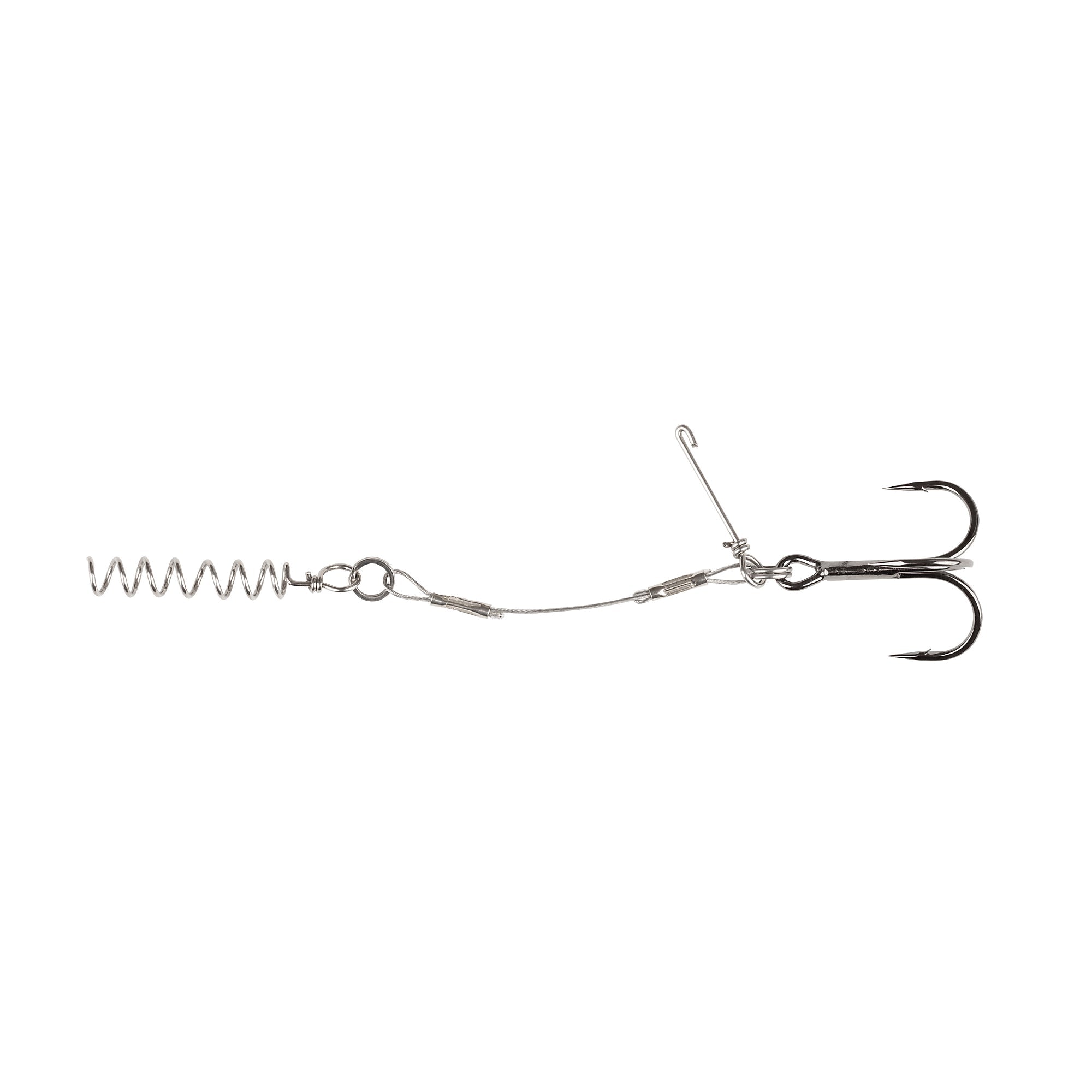
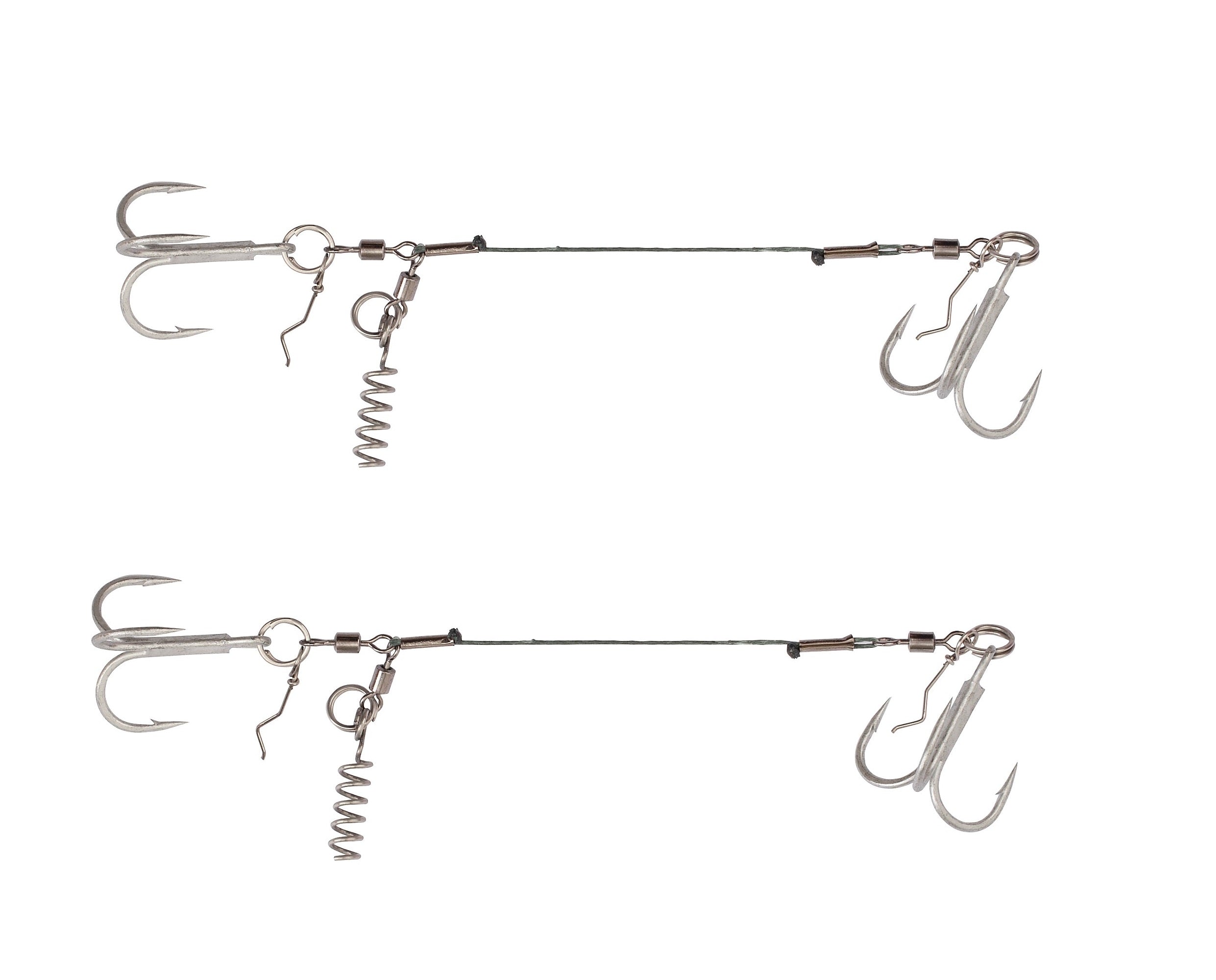
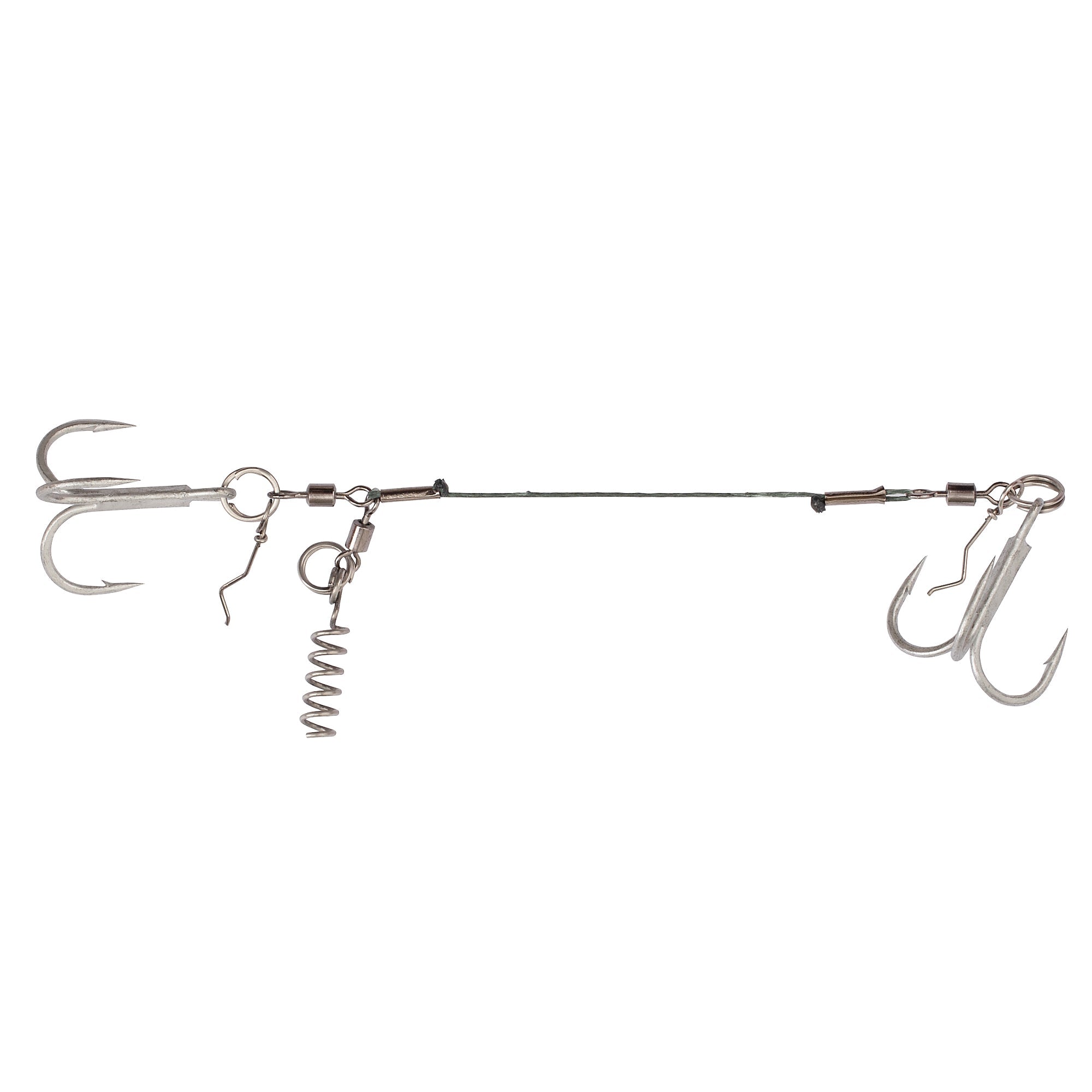
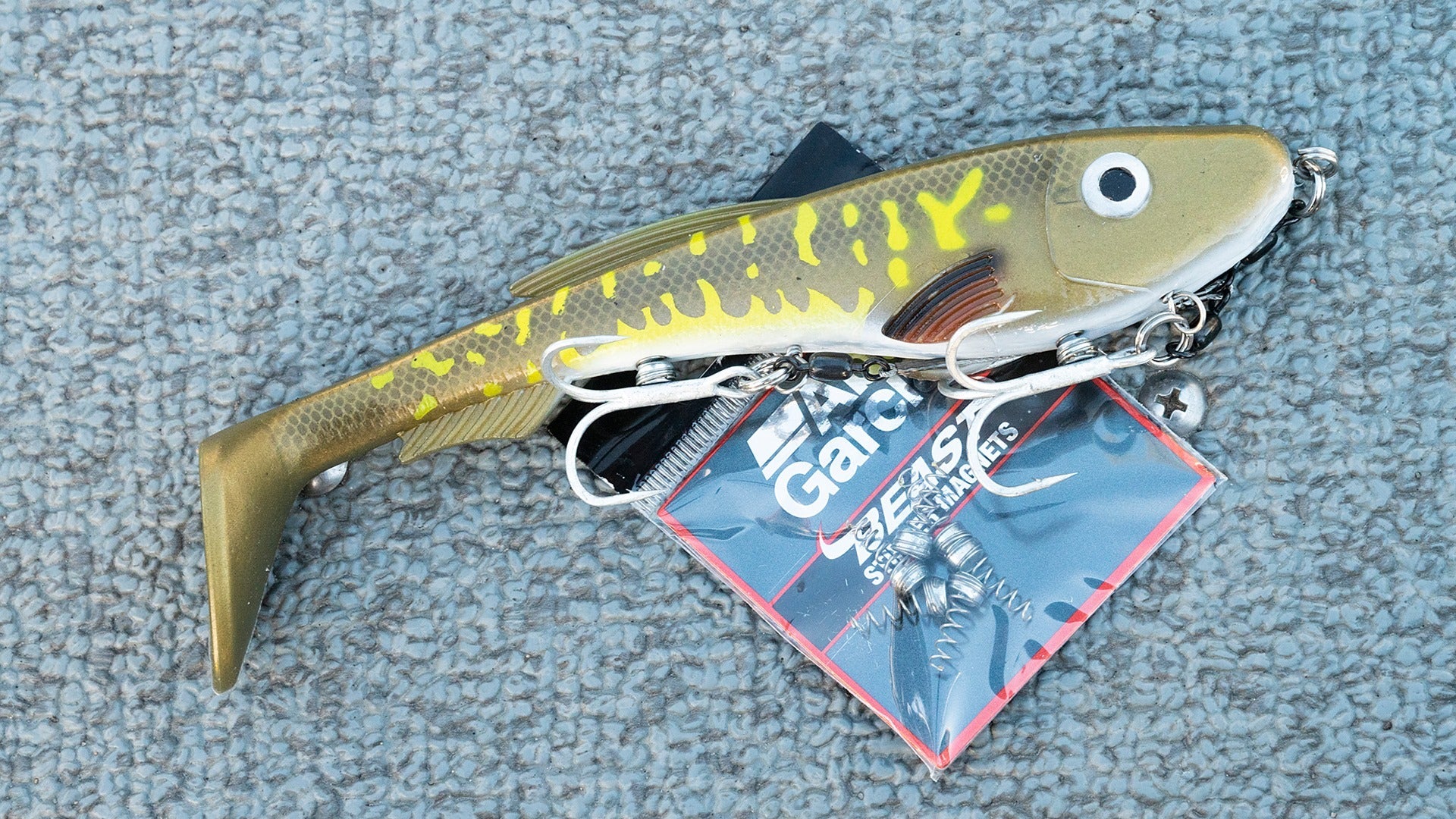
Stingers add a supplementary hook behind or beneath a soft lure when the main hook position does not cover the full bait. The current range includes ready-made wire, double, jointed, multi-purpose and spike components from Westin, Savage Gear, Abu Garcia, Kinetic, Fox Rage and DAM. Product construction must be checked before rigging.
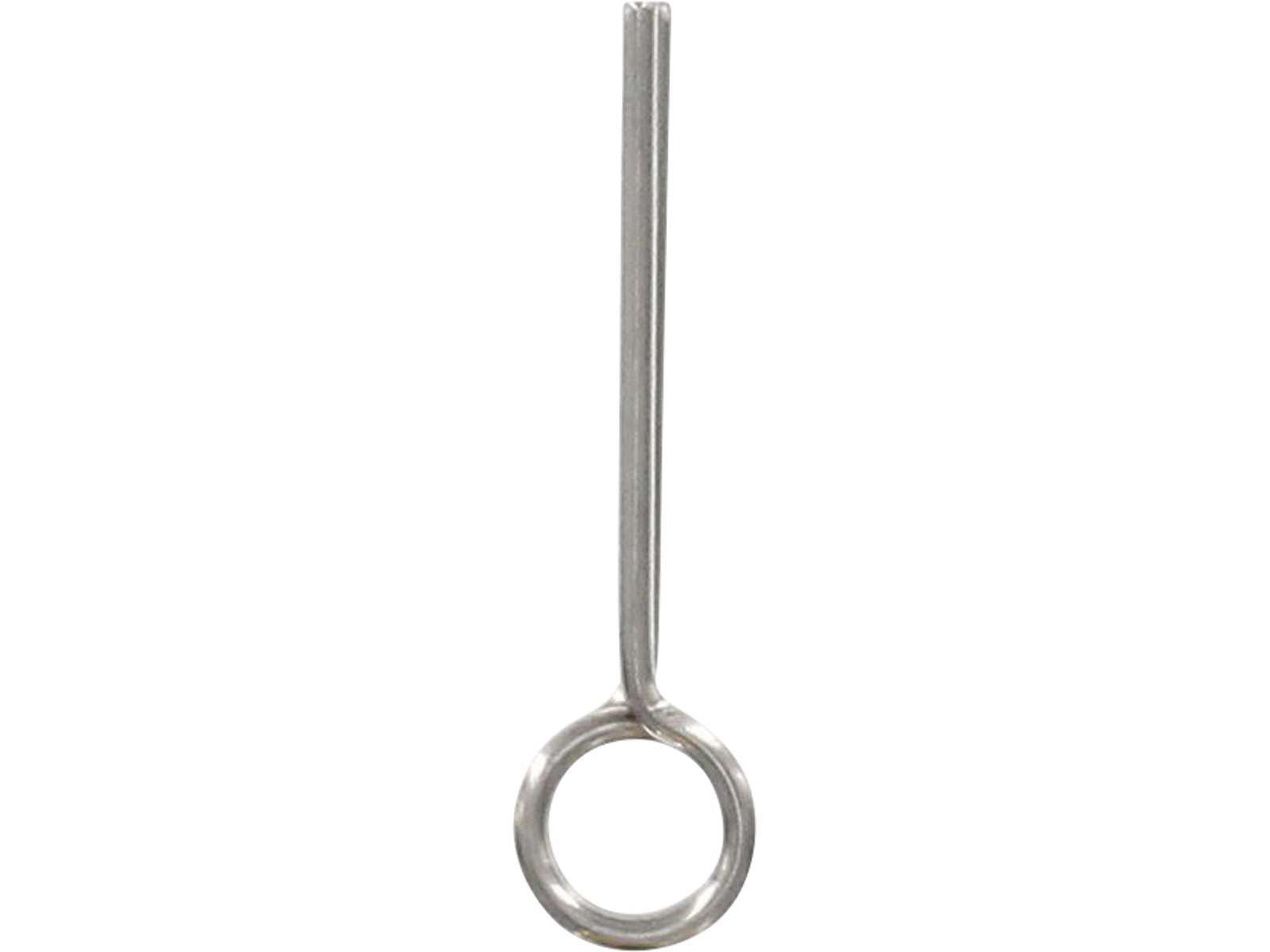
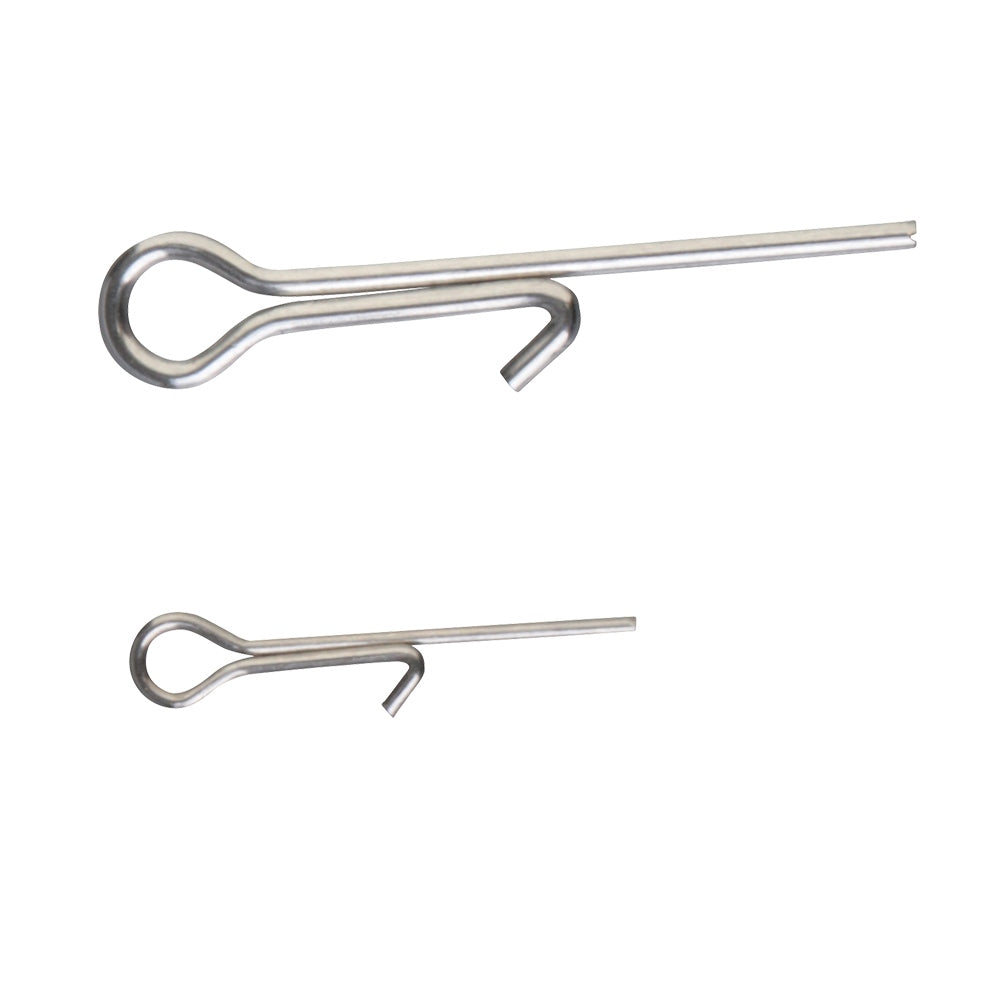
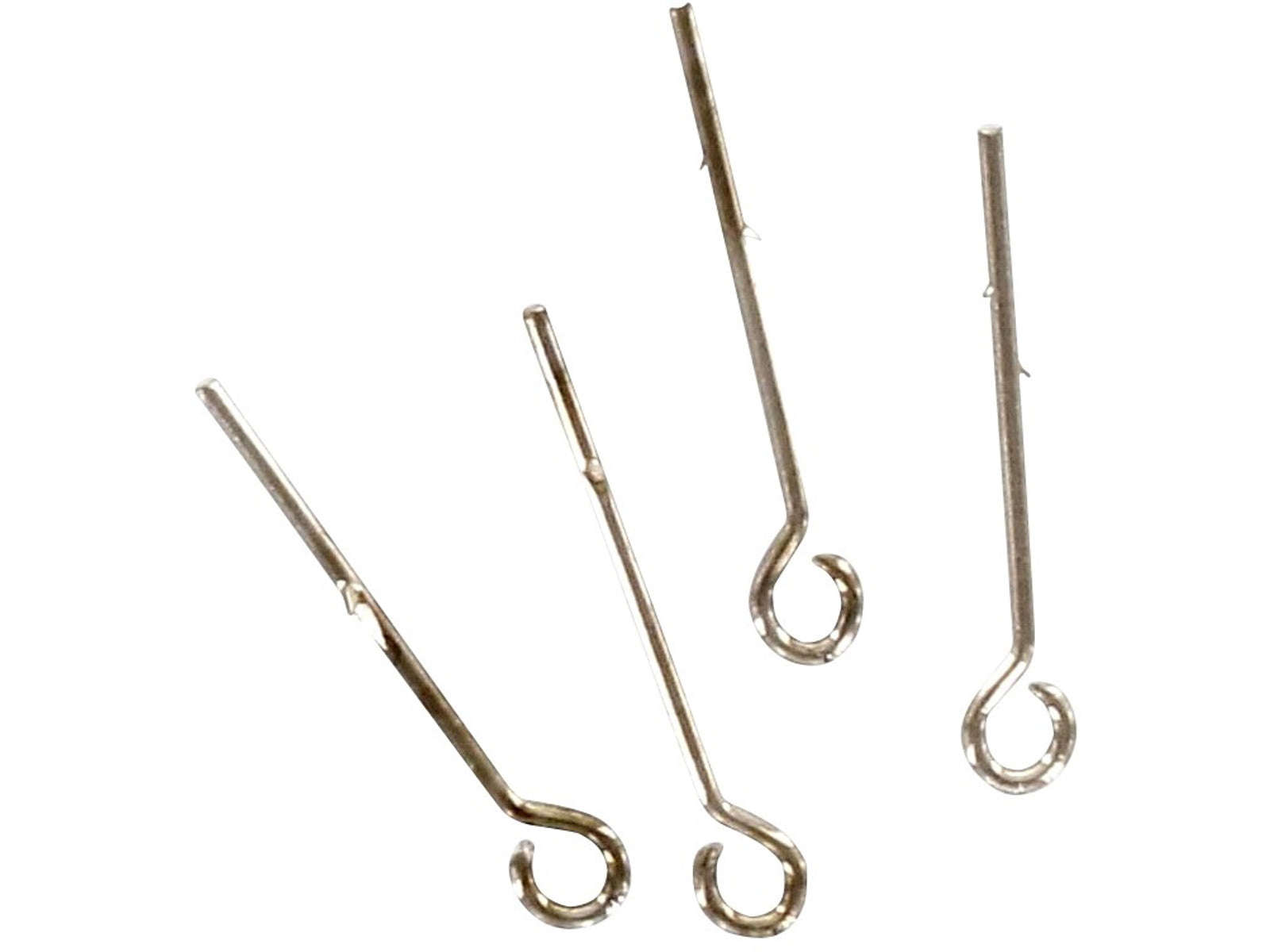
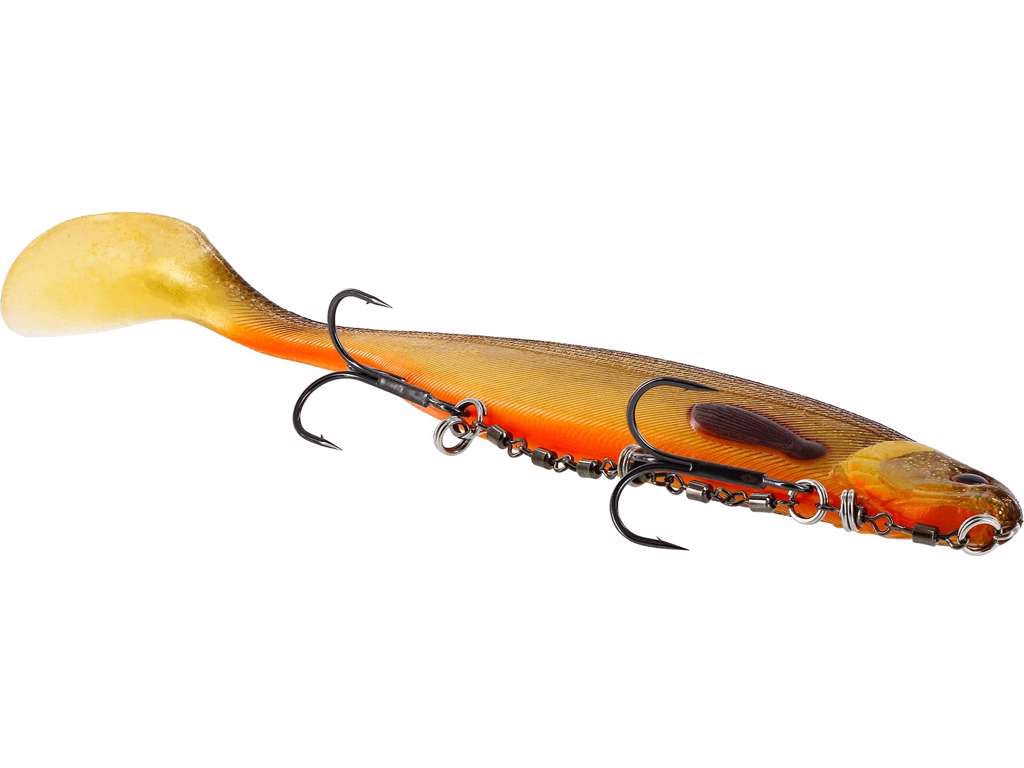
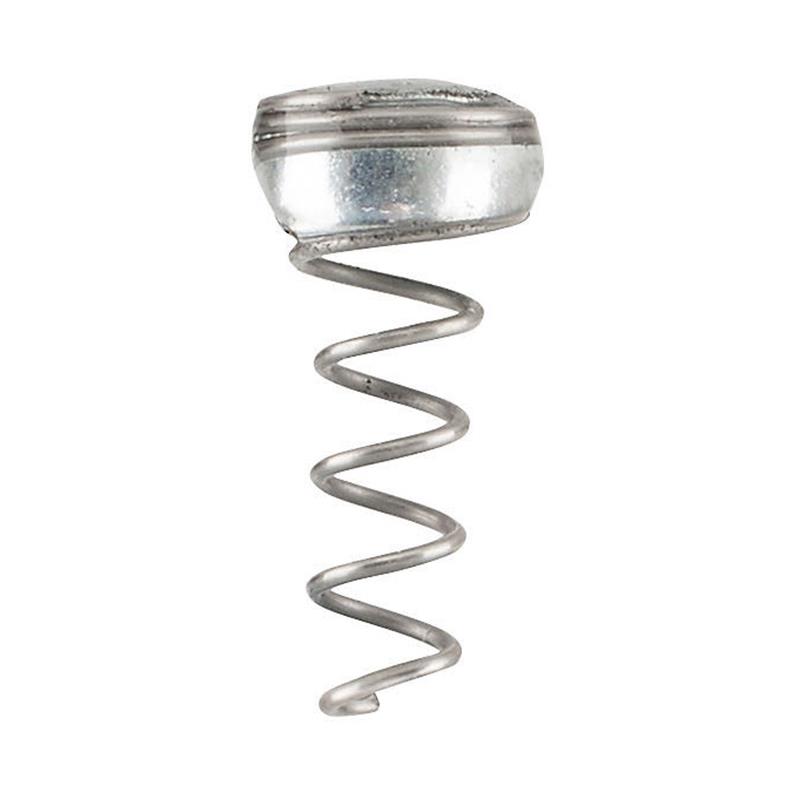
Length should place the hook at the intended strike zone without allowing it to hang beyond the lure or tangle around the leader. A stinger that is too short can restrict movement, while one that is too long may foul on the cast or catch debris. Spike systems hold the rig against the soft-plastic body and should release without tearing excessively.
Stingers appears beneath both fishing hooks and terminal tackle in the menu. Both placements should point to this one canonical page. Compare jig heads for the weighted front connection and offset hooks for weedless single-hook soft-plastic rigs.
Choose length, hook and wire construction
Match hook size to the lure and target fish, considering gape, wire gauge, point and barb style. Larger is not automatically better: excess weight can change action and may increase damage. Check venue rules because multiple-point hooks, trebles and barbs may be restricted even when sold as part of a ready-made stinger.
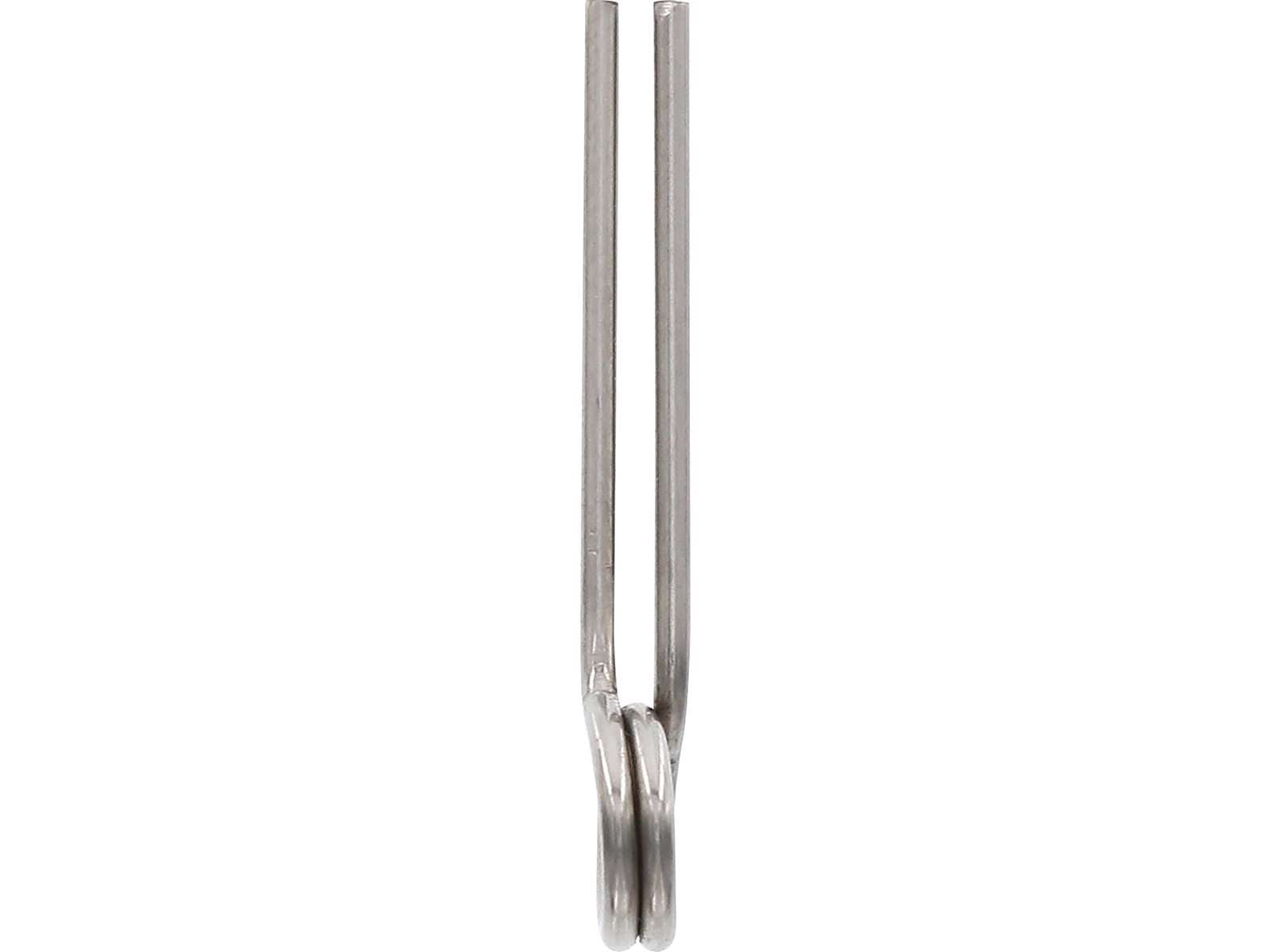
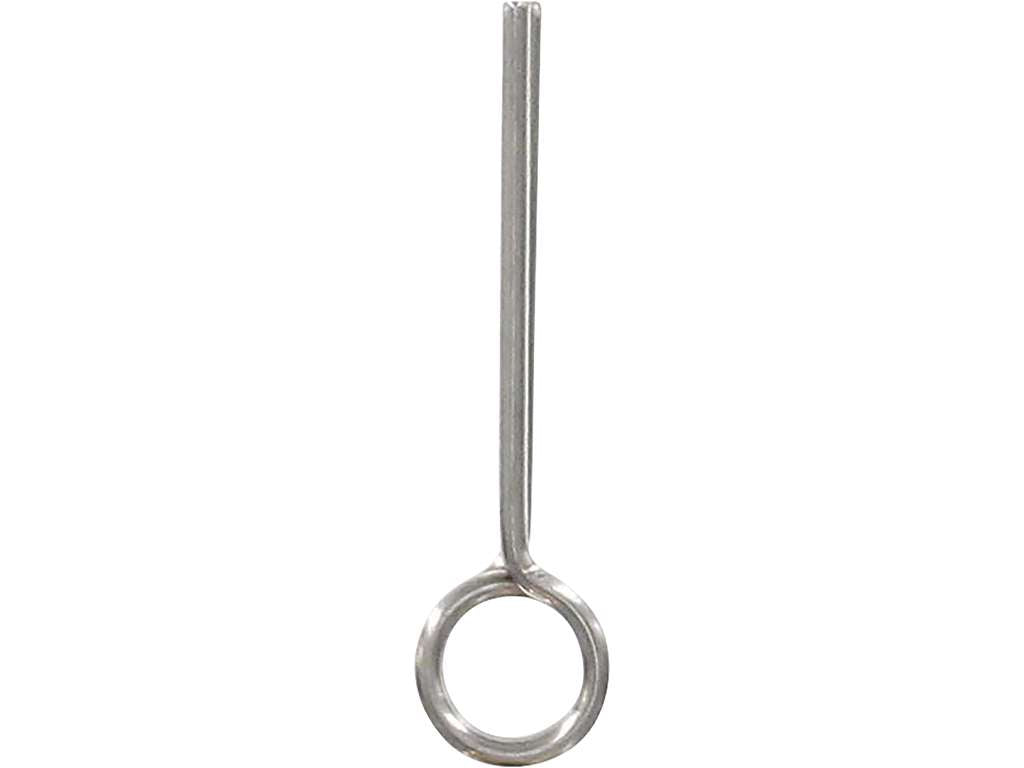
Wire or other bite-resistant construction is important where pike may contact the rig, but the full system is only as strong as its weakest crimp, swivel, split ring or clip. Confirm the stated strength and compatibility rather than combining parts by appearance. Test each finished connection with controlled pressure before casting.
The Double Hooks page is currently empty and should be stocked before it is promoted. A product described as a double stinger is not necessarily the same thing as a standalone double hook, so merchandising and rig instructions should keep those categories distinct.
Rig, inspect and unhook safely
Position the stinger so its hook remains exposed and the lure hangs straight. Use only compatible spikes or retainers and avoid repeatedly piercing the same damaged area. Check that the rig separates from the lure as intended during a take, then replace torn soft plastic before it can slide or cast off.
Carry long-handled forceps, cutters and an appropriate landing and unhooking setup. Secure every free hook before handling a fish. Inspect wire for kinks, coatings for splits and crimps for movement after every fish or snag, and replace damaged assemblies rather than straightening them repeatedly.