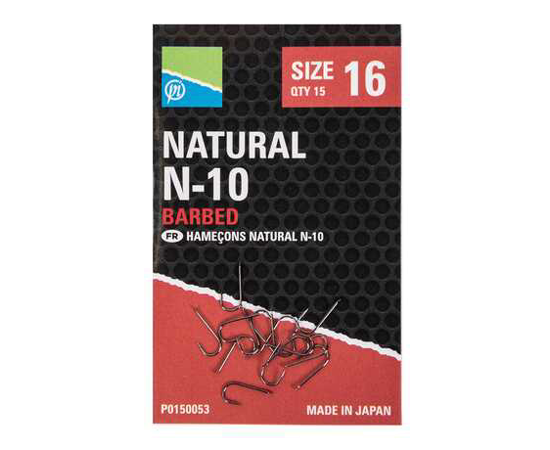
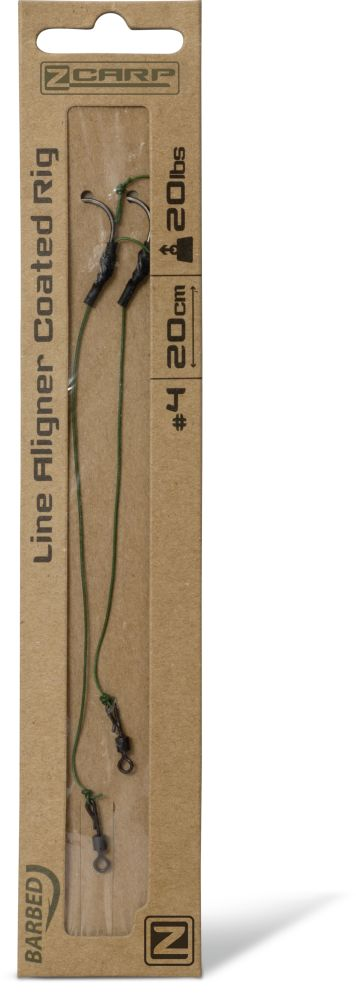
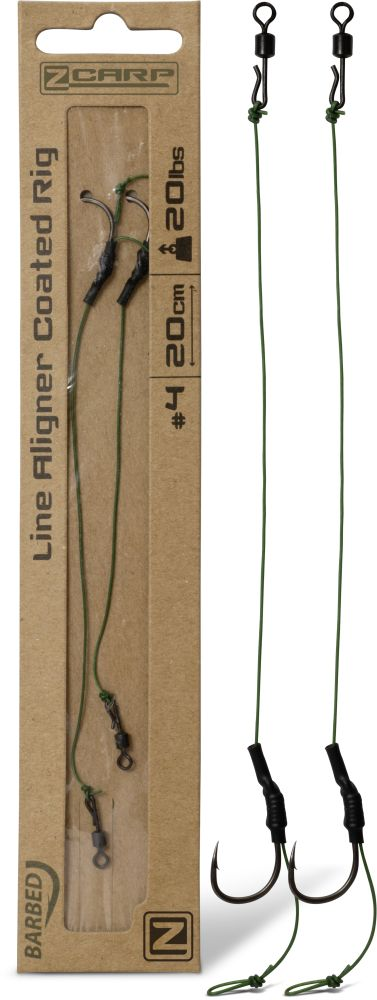
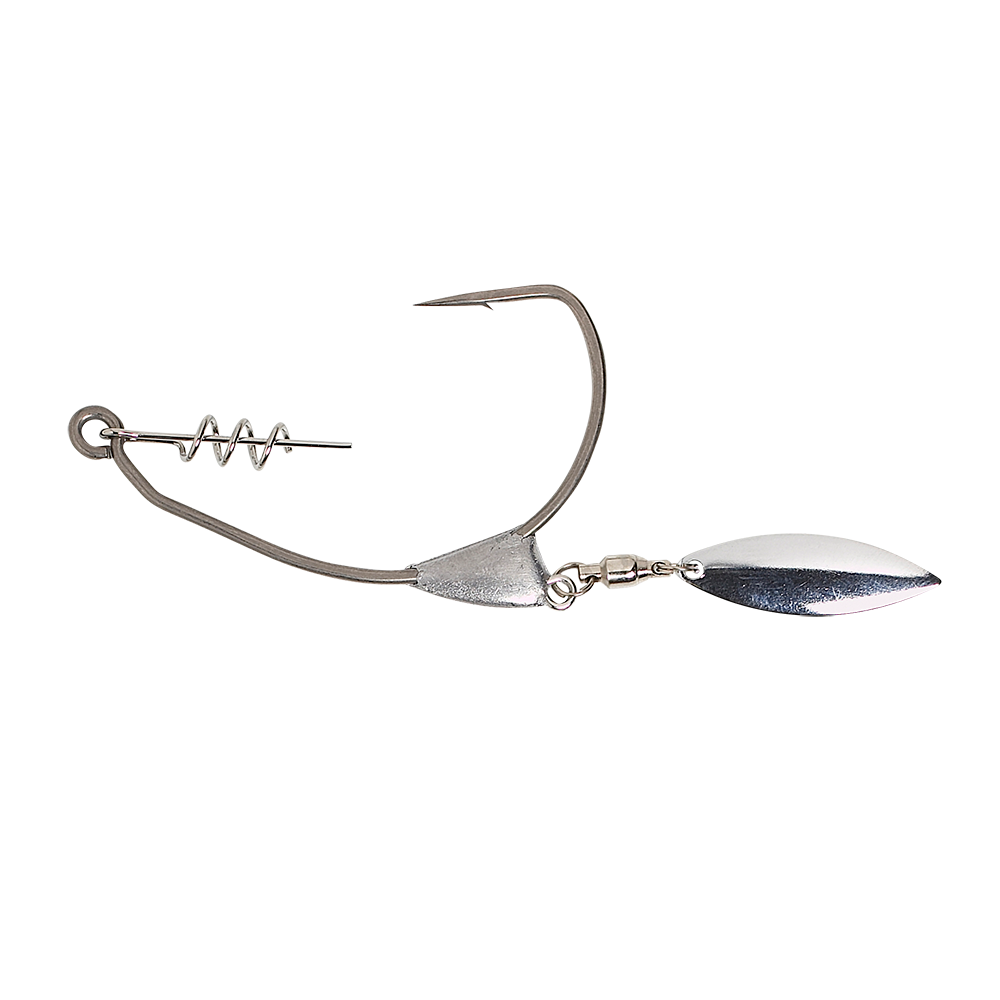
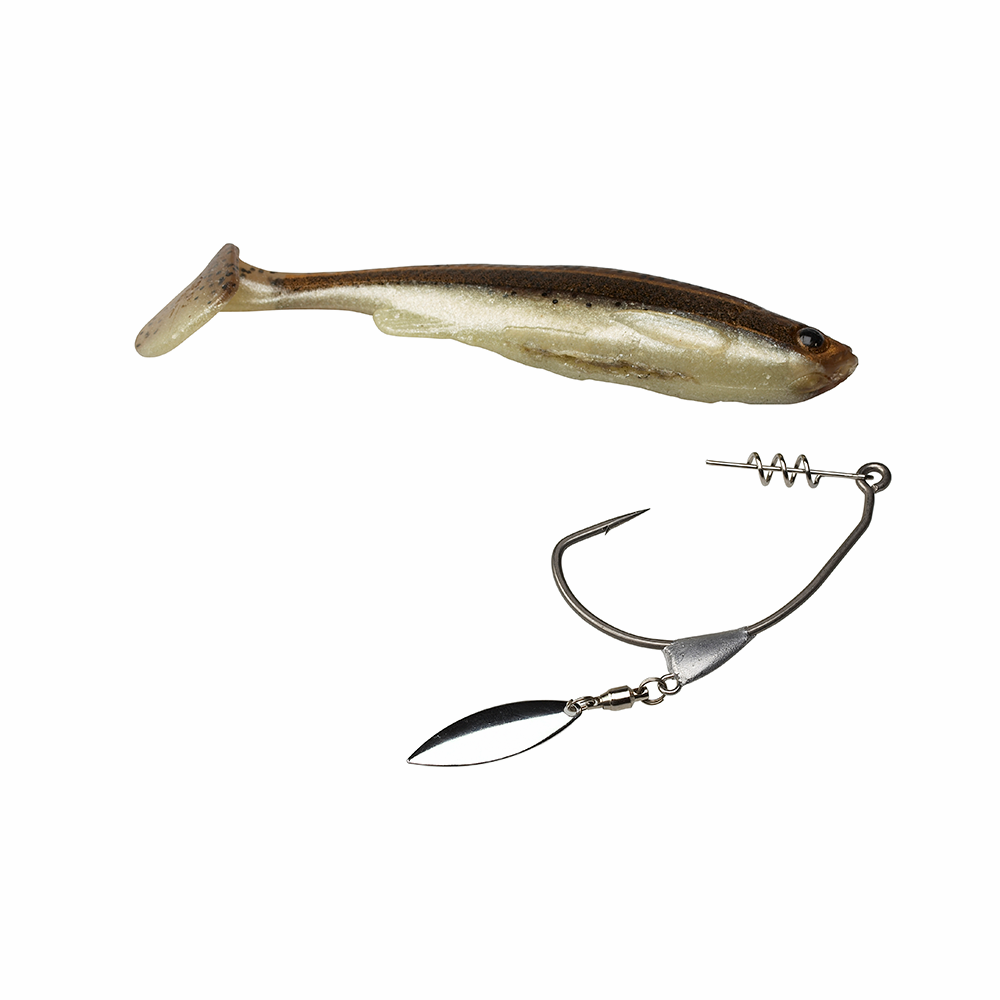
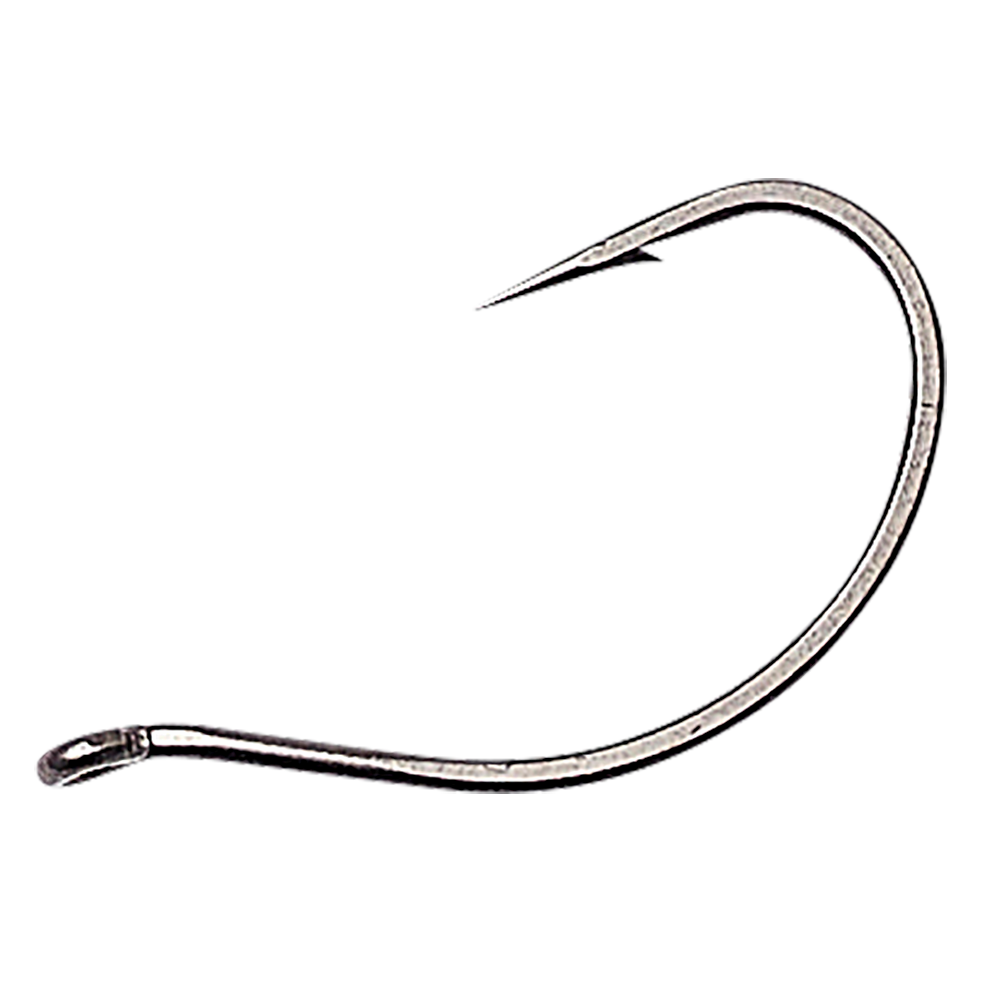
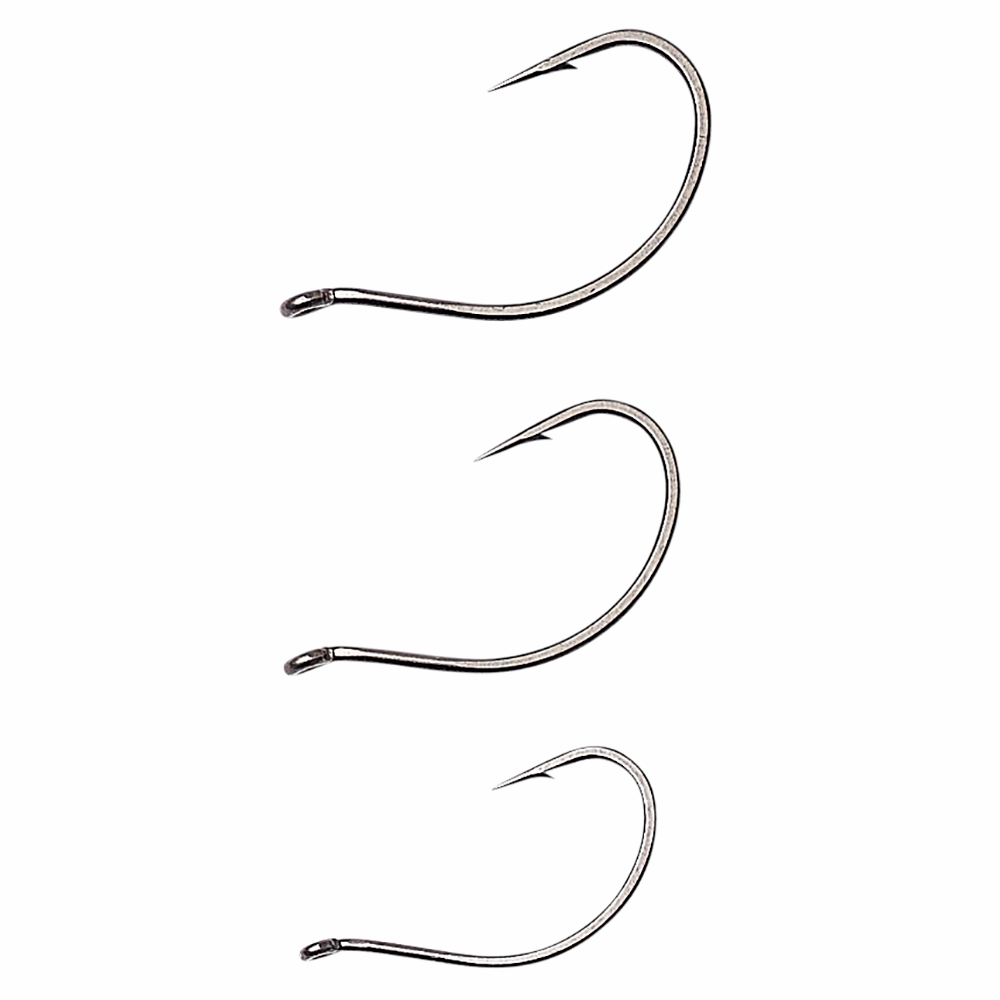
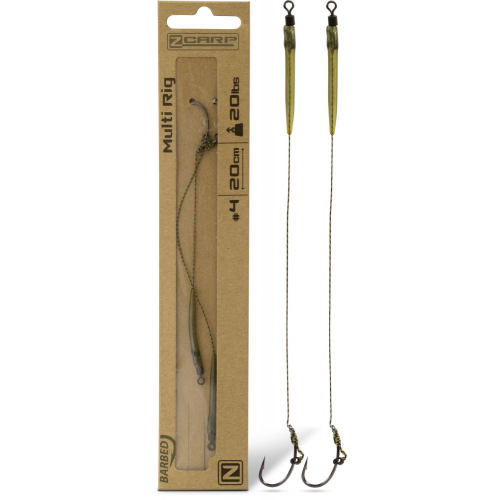
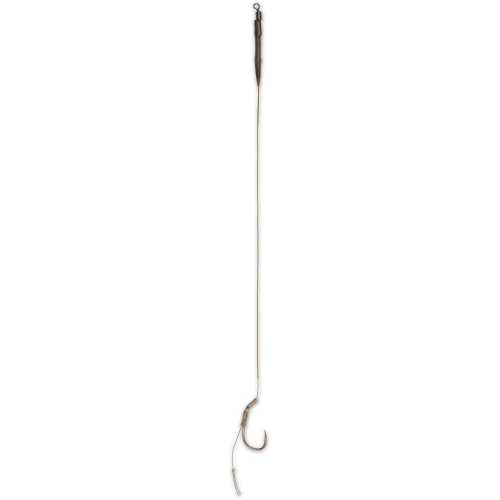
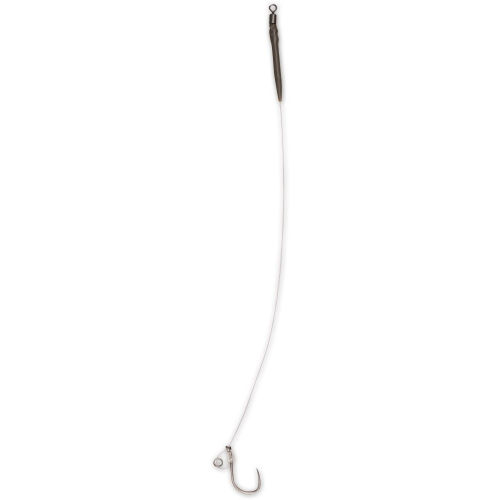
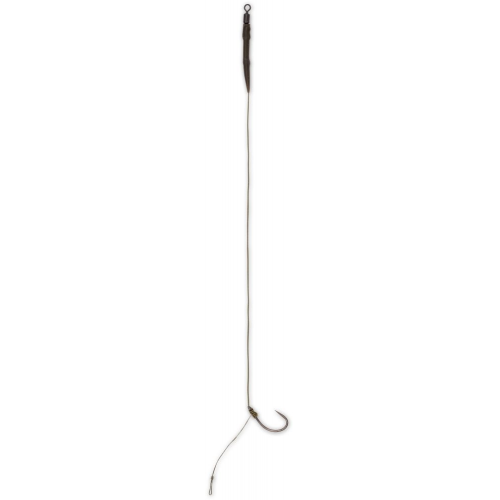
Single hooks for different fishing methods
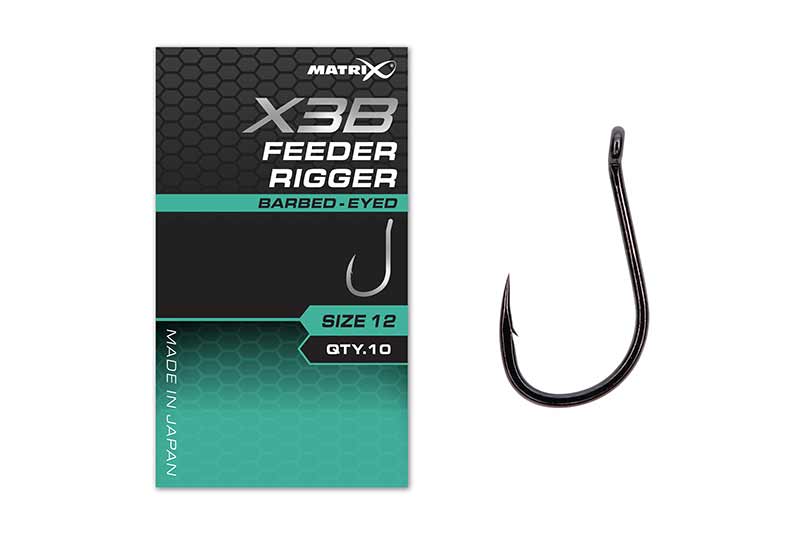
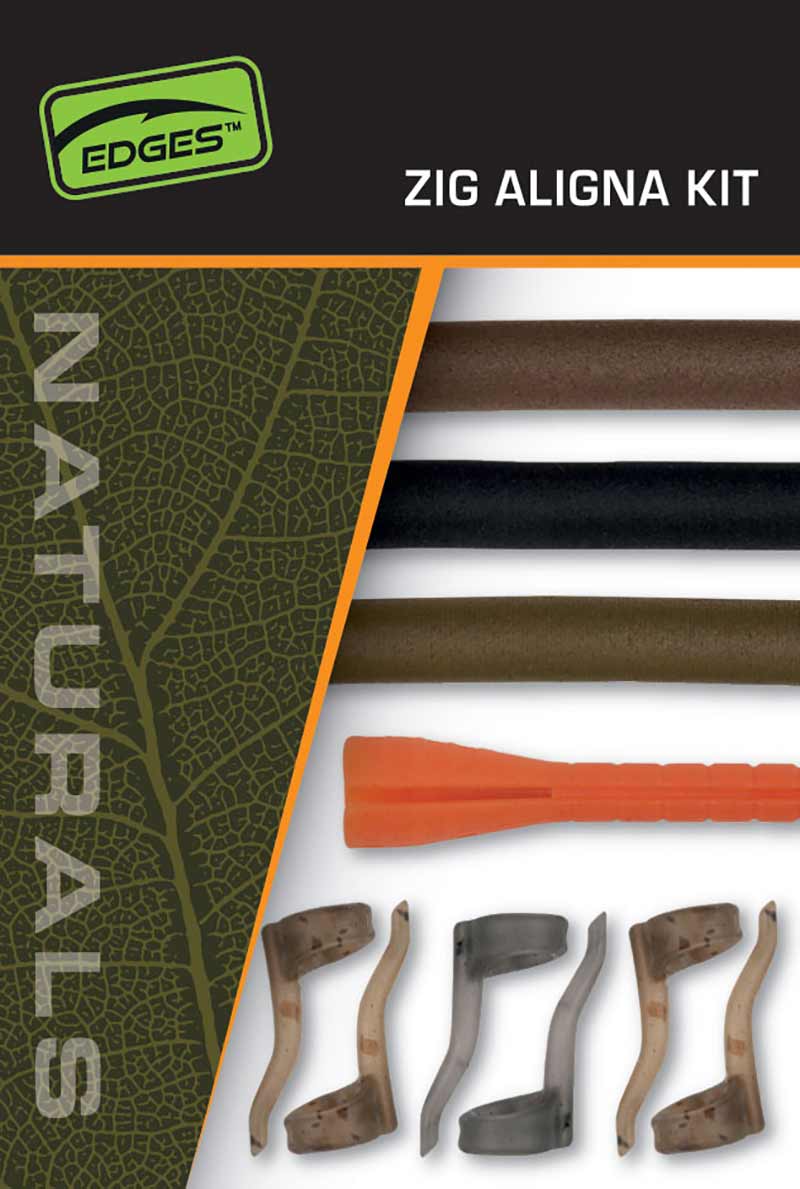
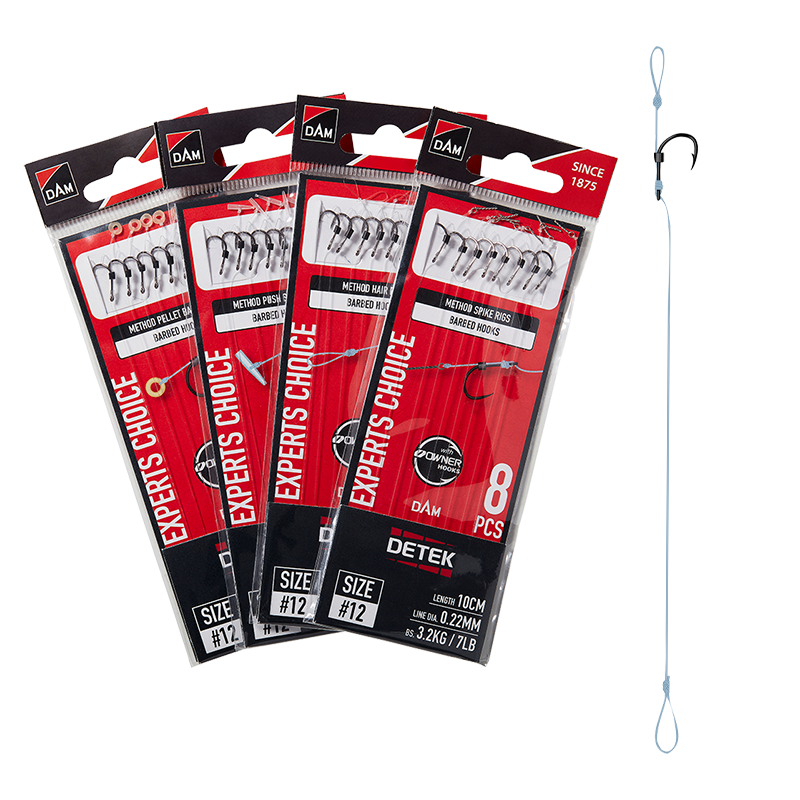
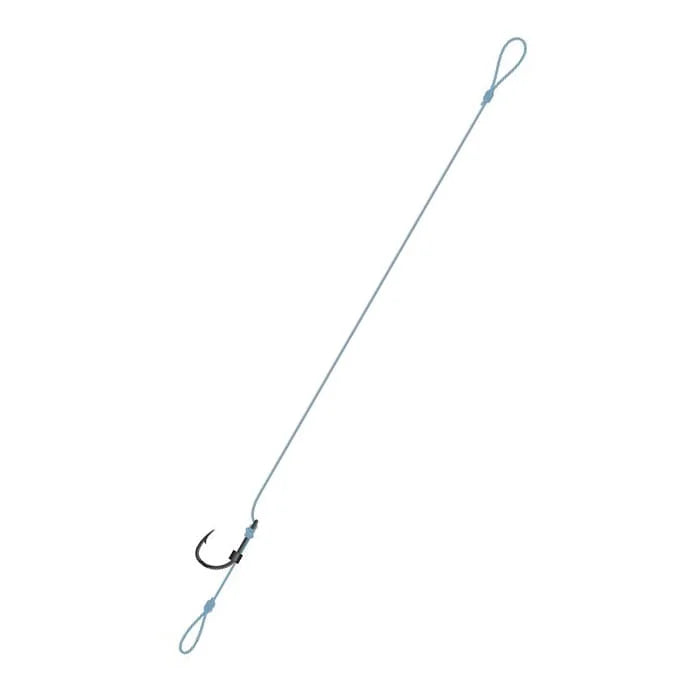
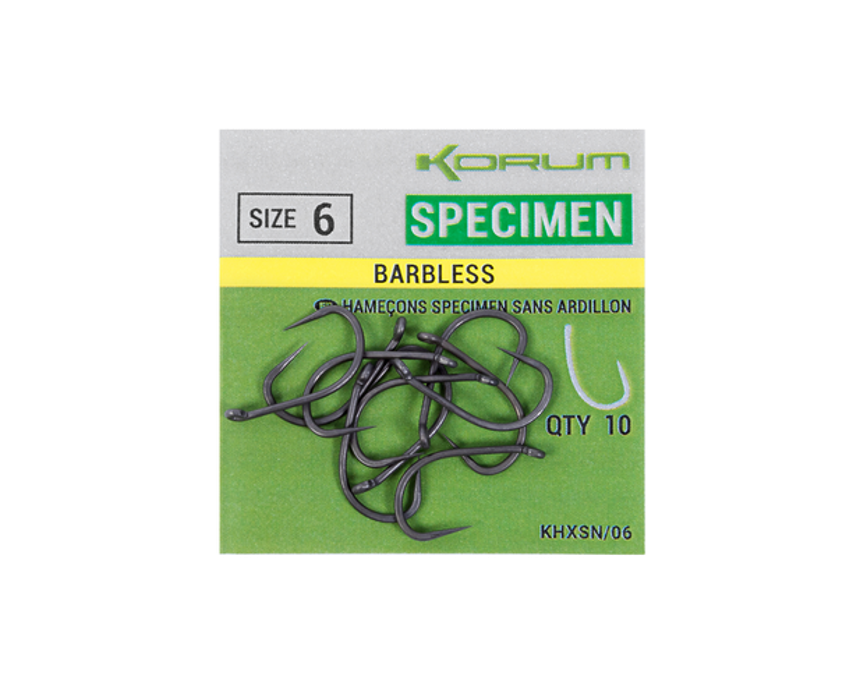
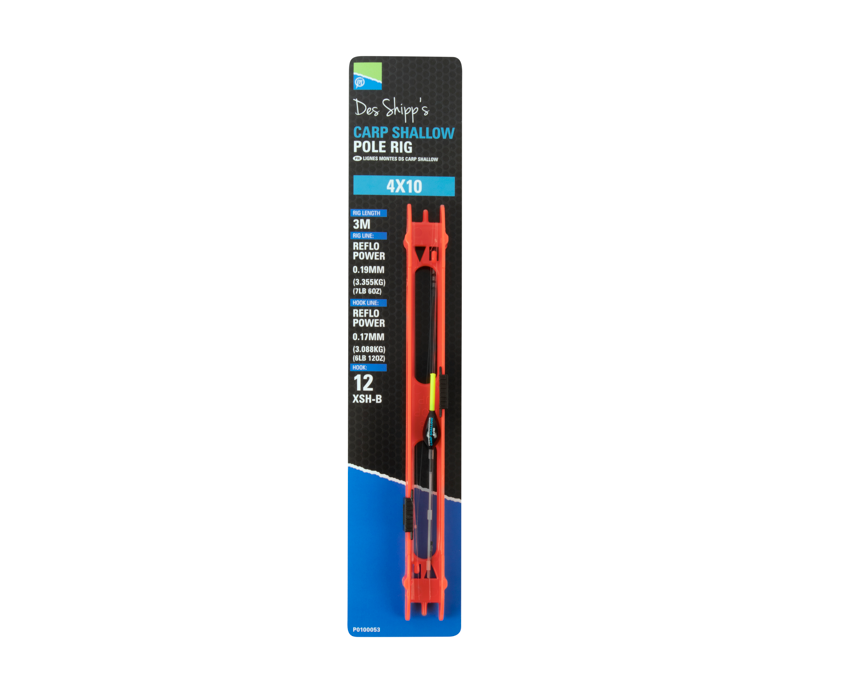
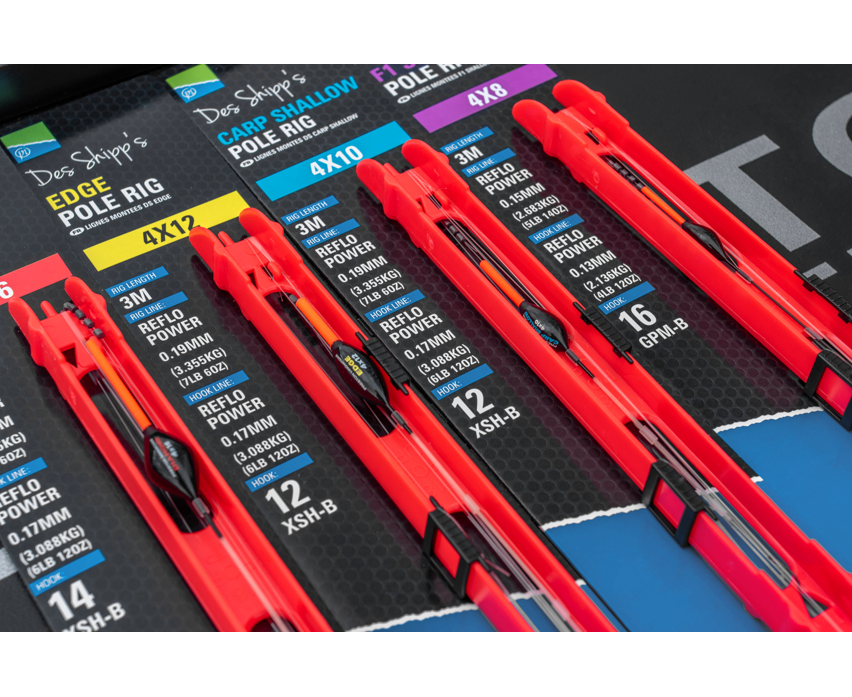
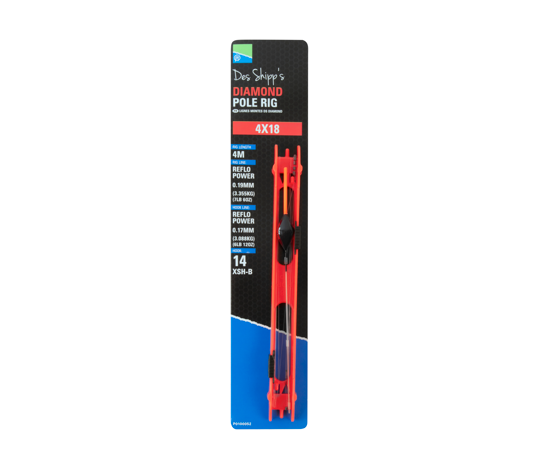
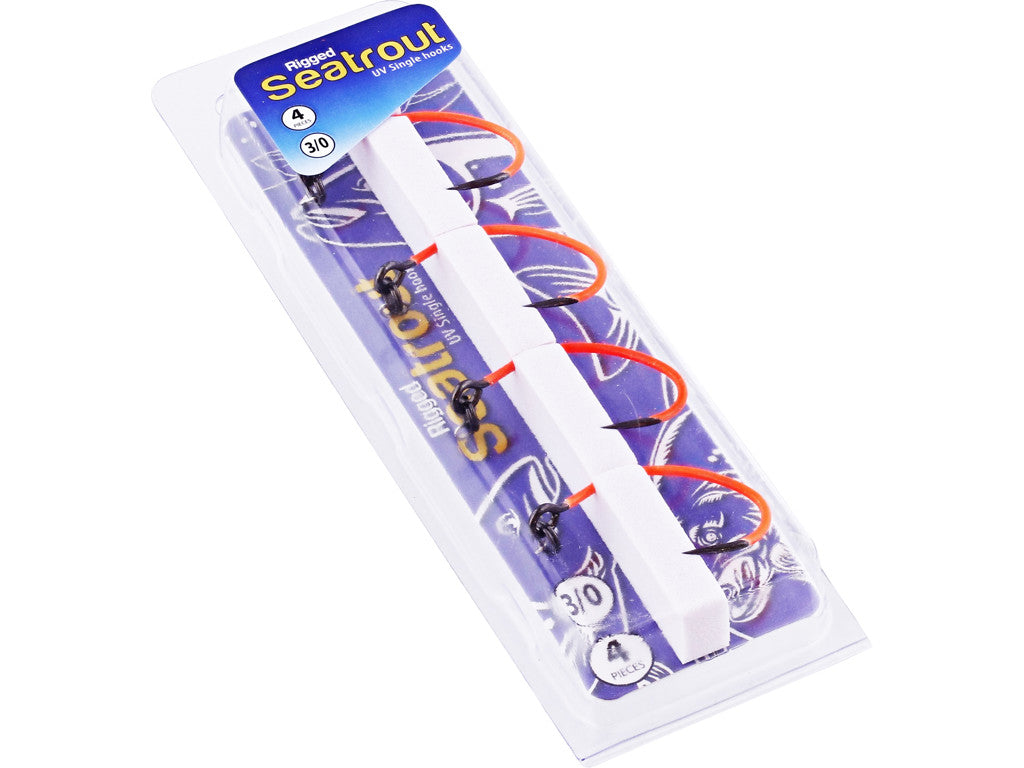
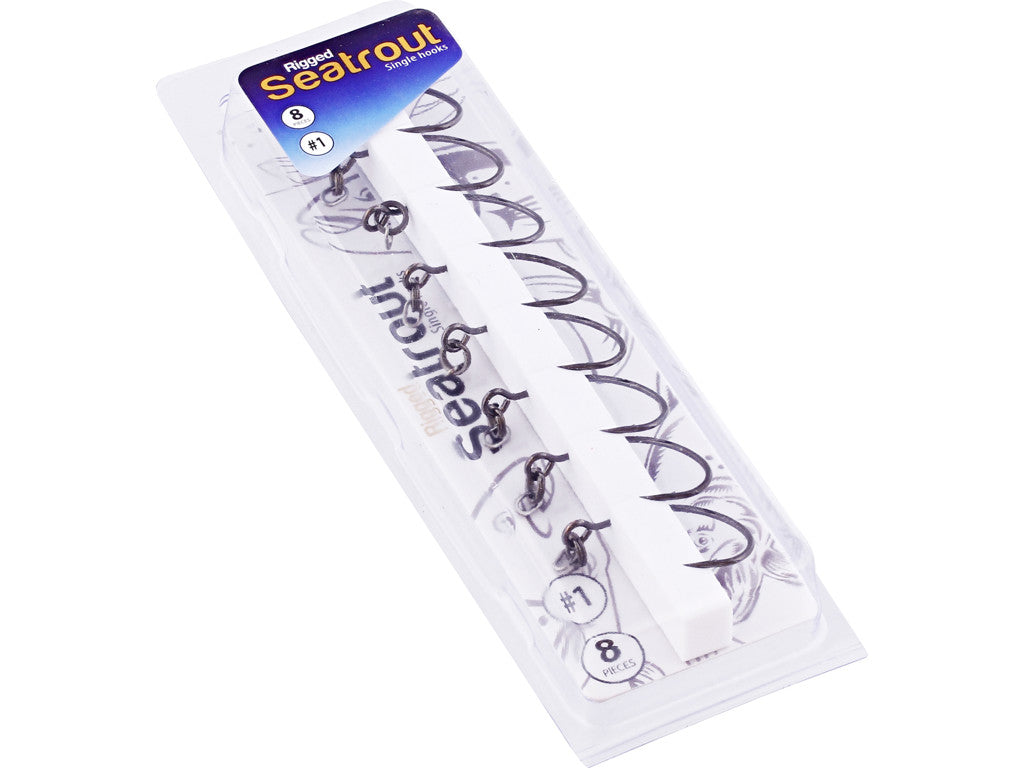
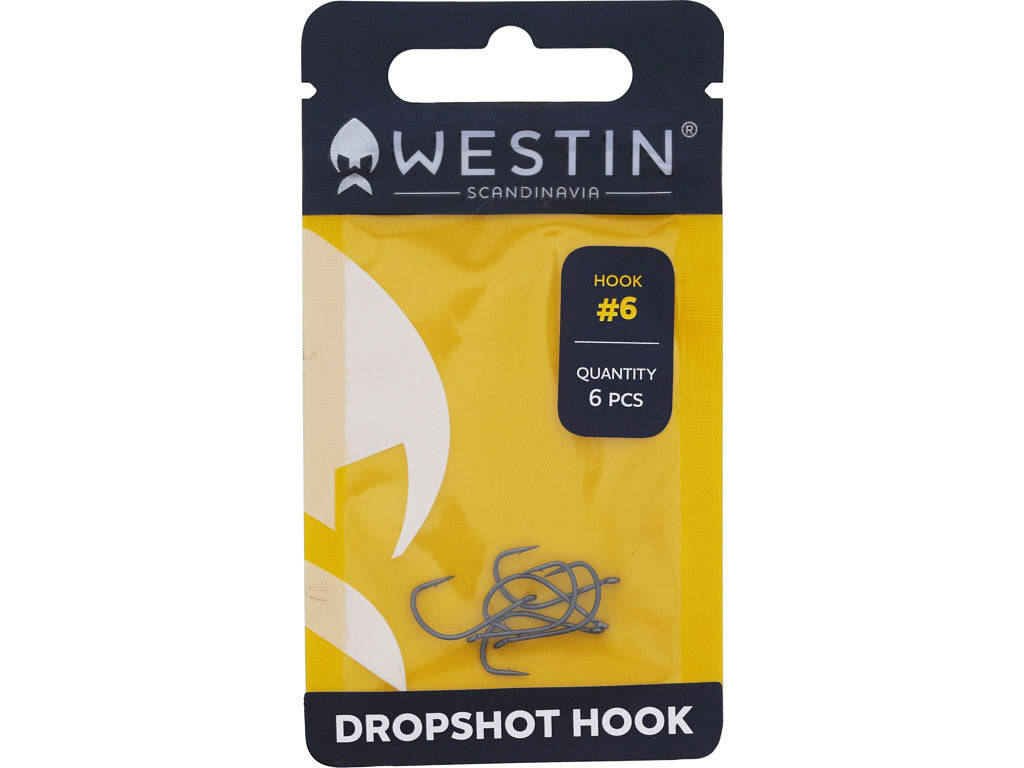
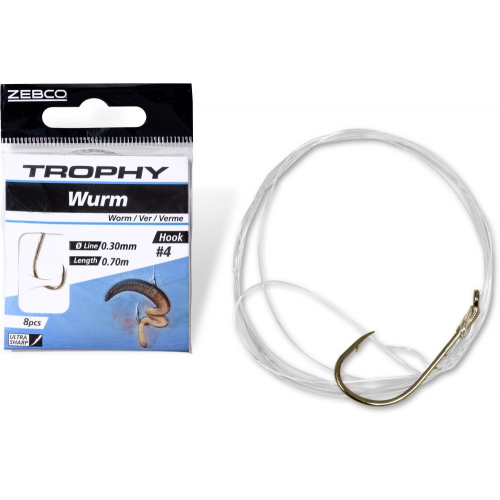
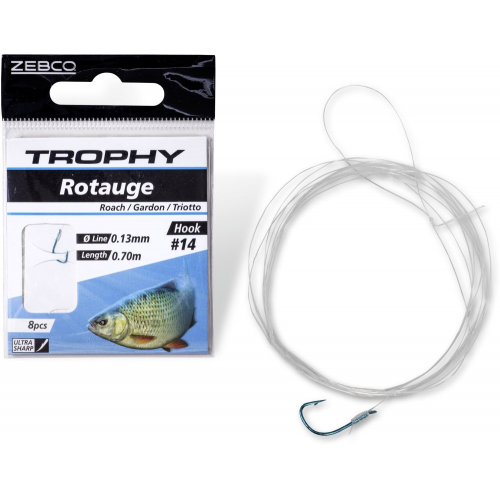
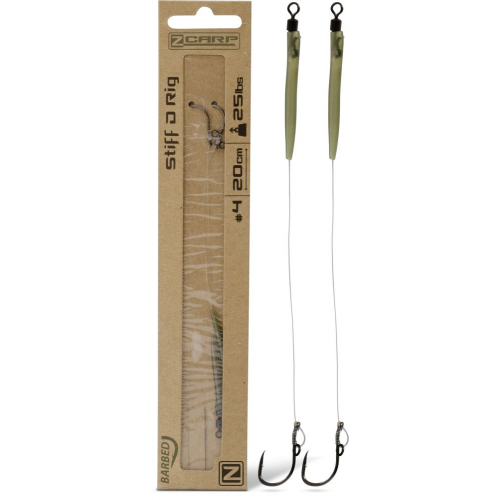
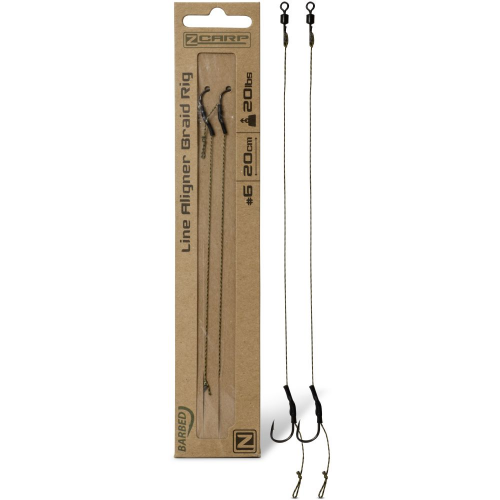
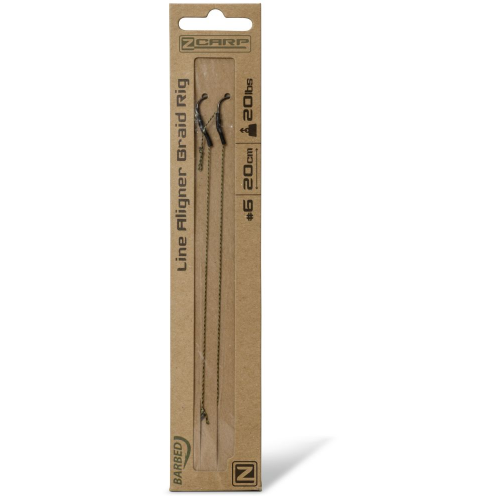
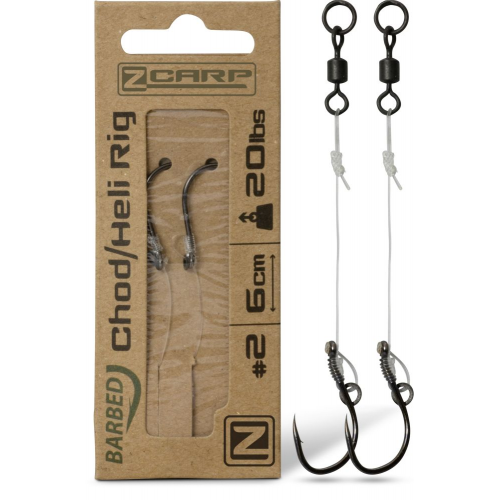
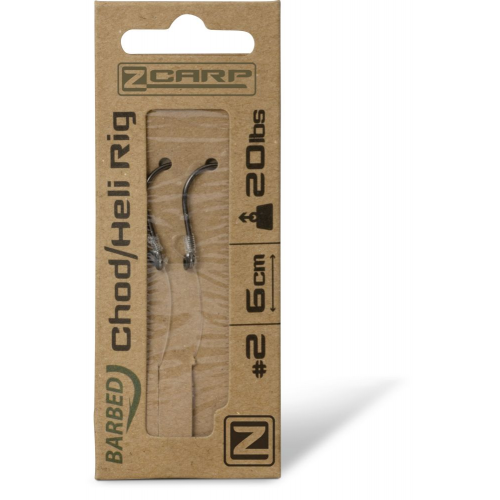
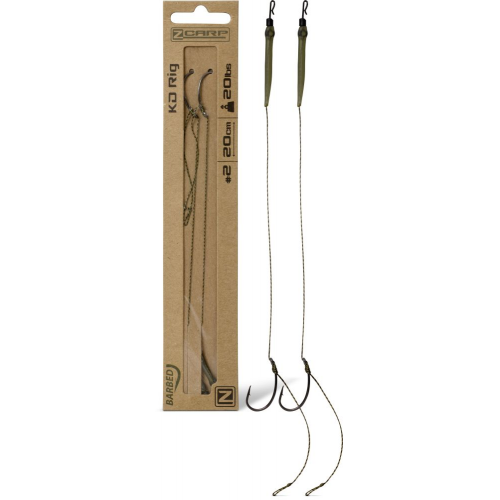
Single hooks cover everything from fine coarse presentations to strong carp, predator and sea rigs. The live assortment is broad, with loose hooks, specialist patterns, hook kits and complete pre-tied rigs from Matrix, Preston Innovations, Korum, Fox, Westin, Zebco and other brands. Always read the individual specification rather than choosing by the collection name alone.
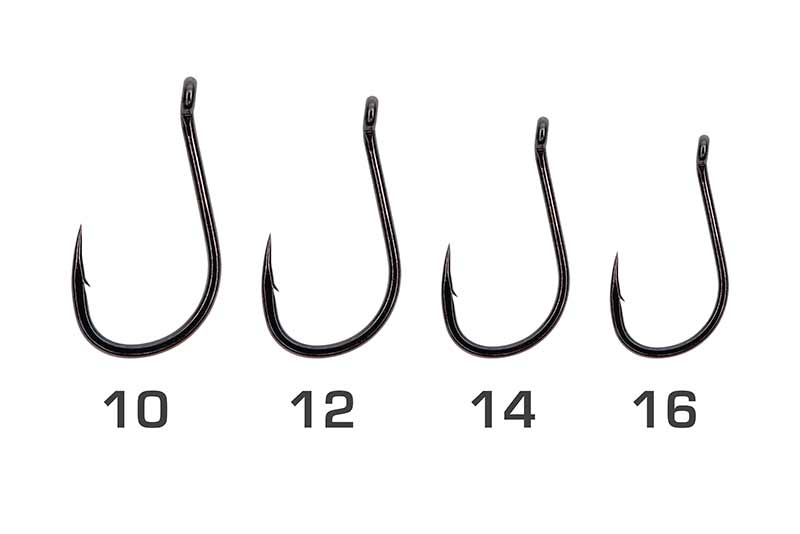
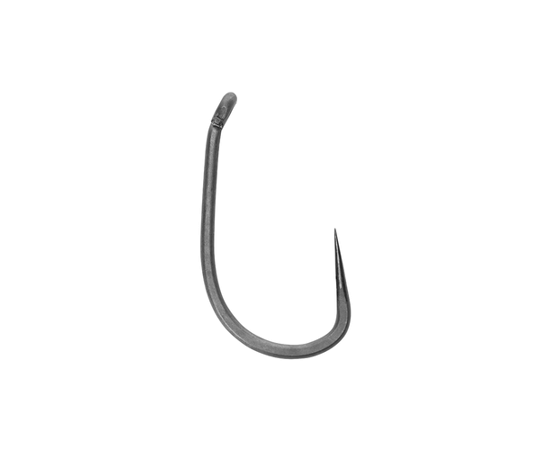
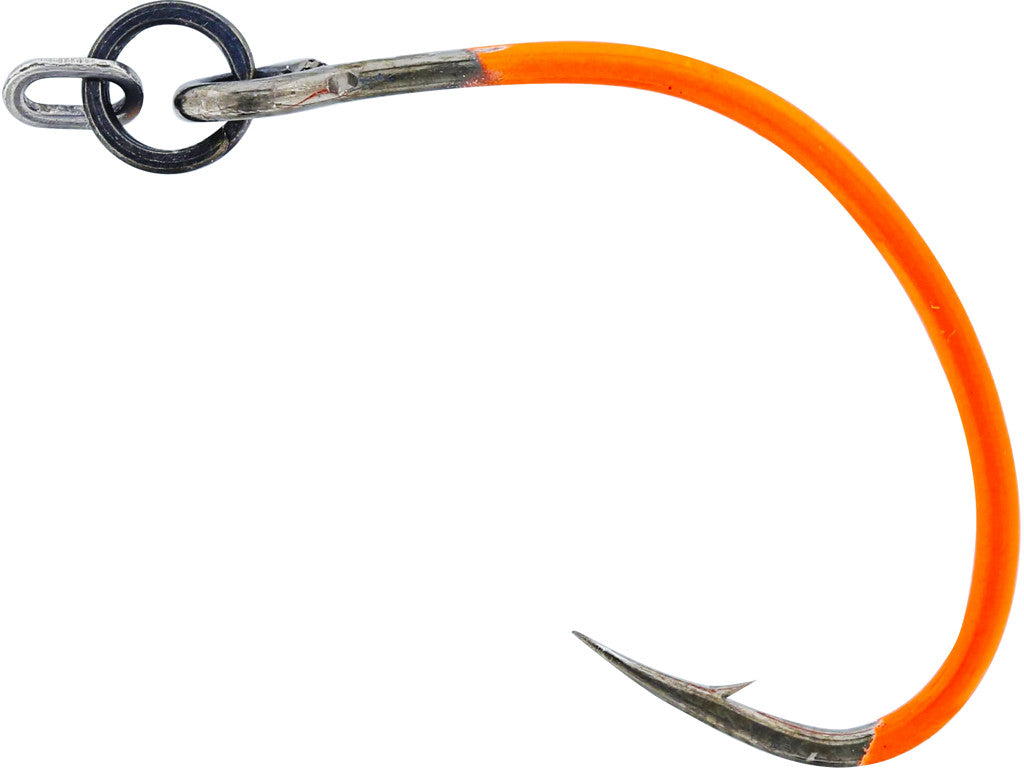
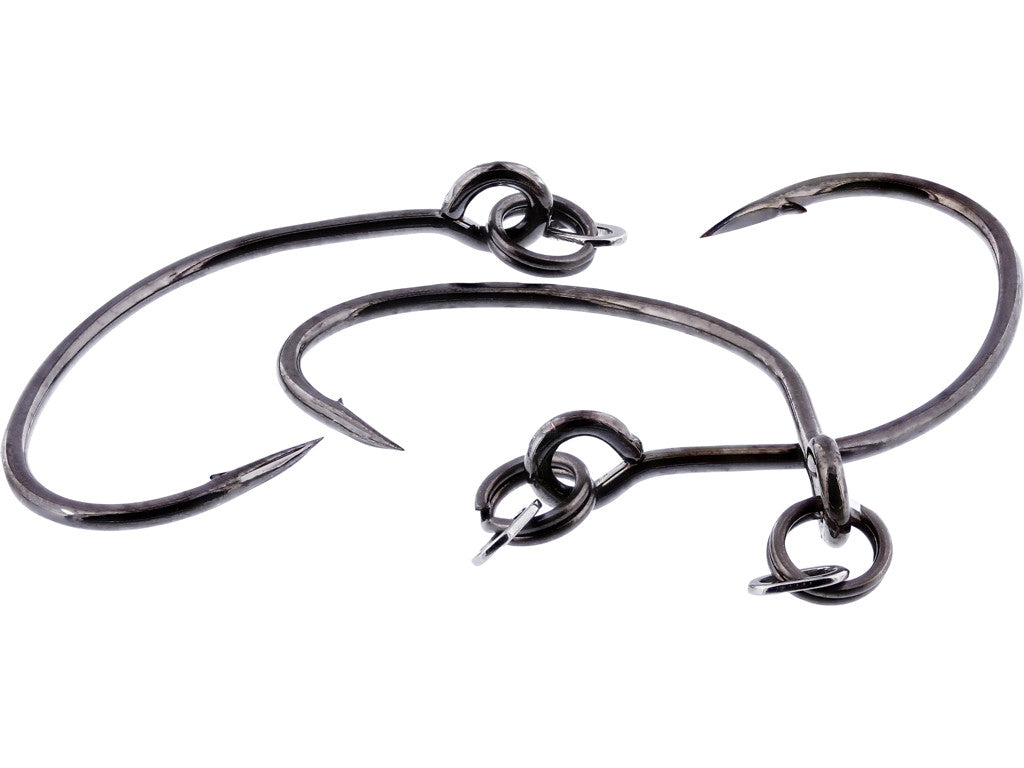
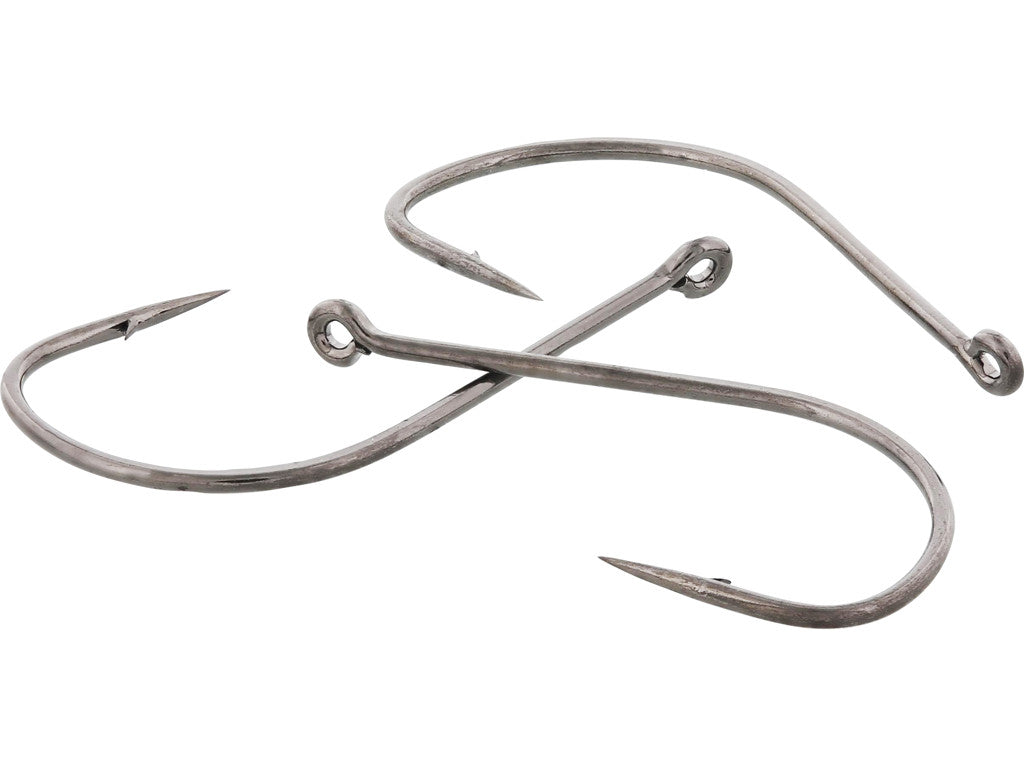
Hook shape affects how bait sits and how the point turns into a fish. Wide-gape patterns leave more point exposed around bulky baits, long shanks provide separation, and short or curved shanks suit other rig mechanics. Wire gauge, point style, eye or spade end, barb configuration and finish must all match the method, line strength and expected fish.
Browse the parent fishing hooks range. Within the current menu structure, Single Hooks leads to predator hooks, carp hooks, coarse hooks, carp rigs and fly-tying hooks. Carp Rigs is a broader rig category, so its position beneath Single Hooks should be reviewed even though the structural link is retained here.
Choose size, strength and point style
Hook sizes are not perfectly standard between brands or patterns. Compare actual dimensions and wire gauge where available, then select enough strength for the tackle without making the presentation unnecessarily heavy. Fine-wire hooks can improve delicate bait behaviour, while heavier wire is normally required for powerful fish, thick cover or demanding terminal systems.
Barbed, micro-barbed and barbless choices depend on venue rules and angling method. A barb does not replace steady pressure or a suitable landing setup. Inspect the point before tying or attaching a rig; replace a hook that is blunt, opened, corroded or damaged. If a lure requires multiple points, compare purpose-built treble hooks rather than modifying an unsuitable single pattern.
Rig, test and handle hooks safely
Match the knot or pre-tied connection to the hook eye and line material. Keep the point clear of knots, bait stops and dressing, and test every connection with controlled pressure before casting. For spade-end hooks, check that the whipping sits on the correct face and cannot slip over the spade.
The guide to choosing fishing hooks explains common hook features in more detail. Carry a disgorger or forceps suited to the hook size, cover loose points during transport and dispose of damaged hooks in a sealed container. Follow fishery rules on hook type, number of hooks and barbs.