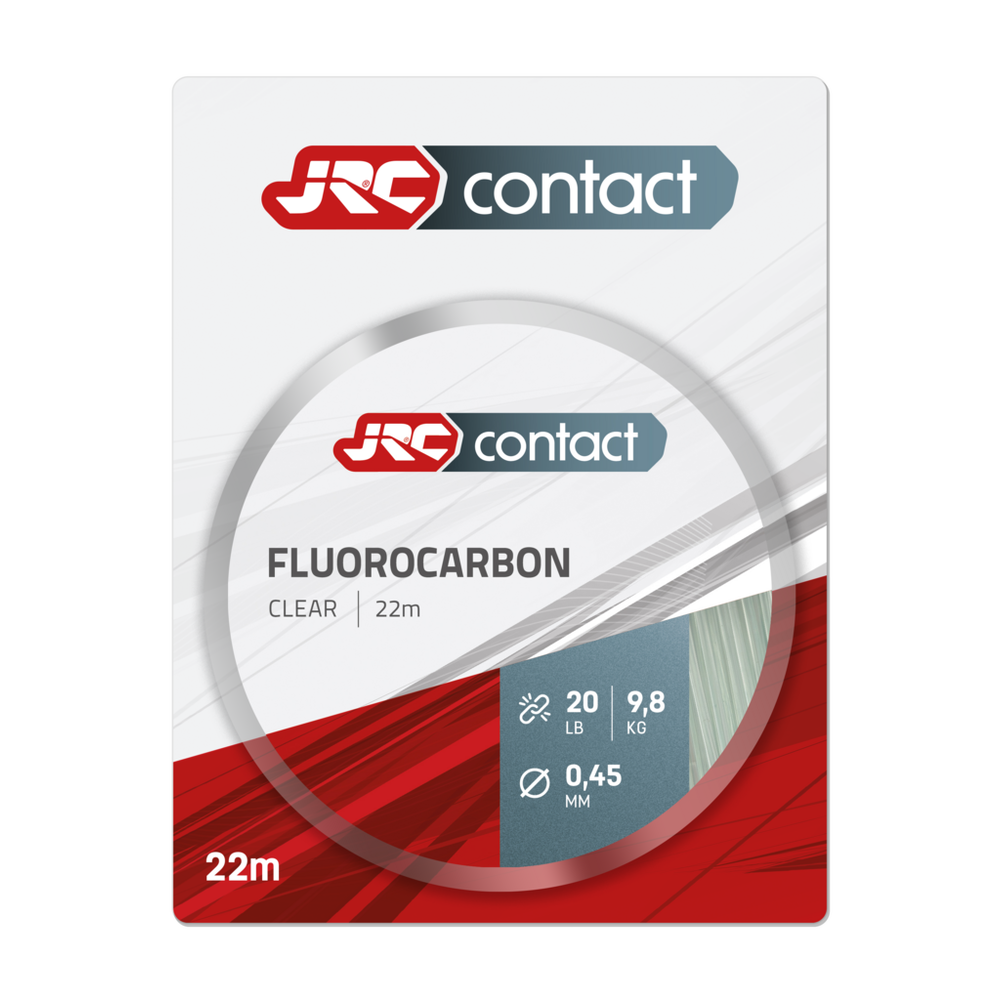
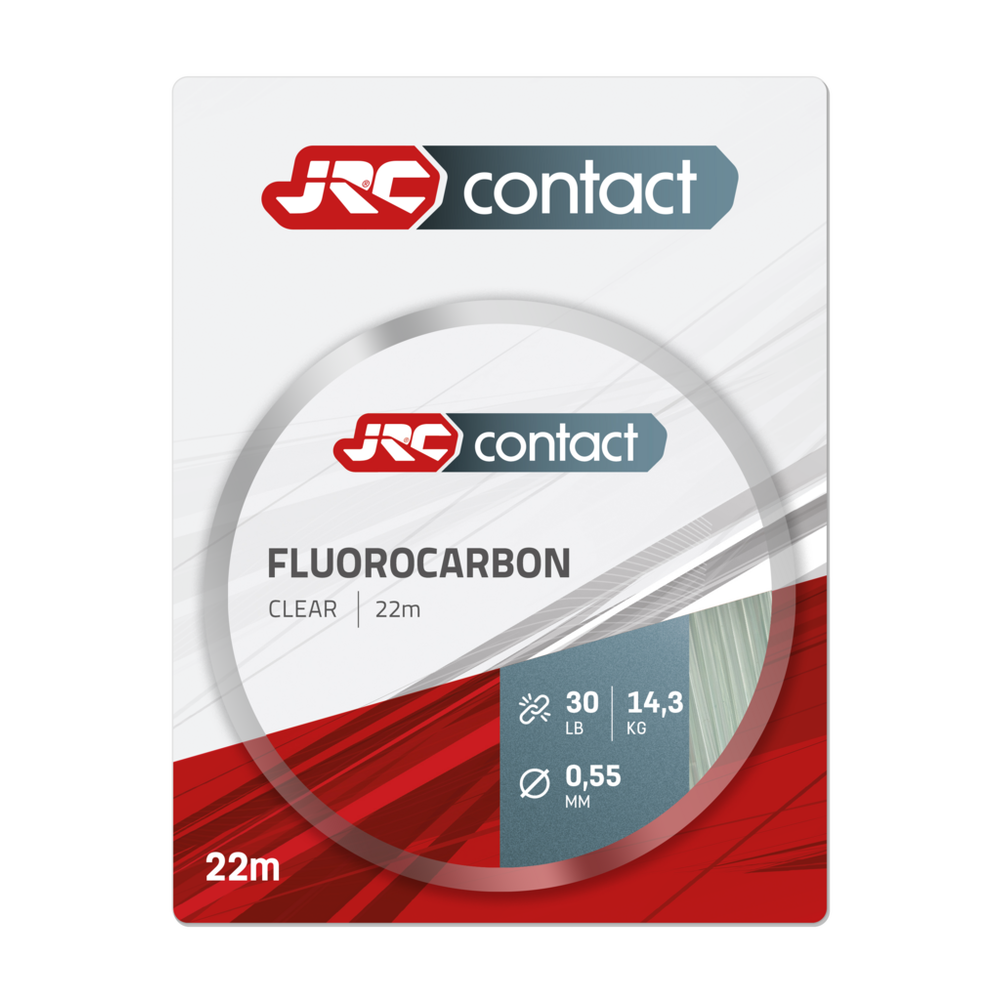
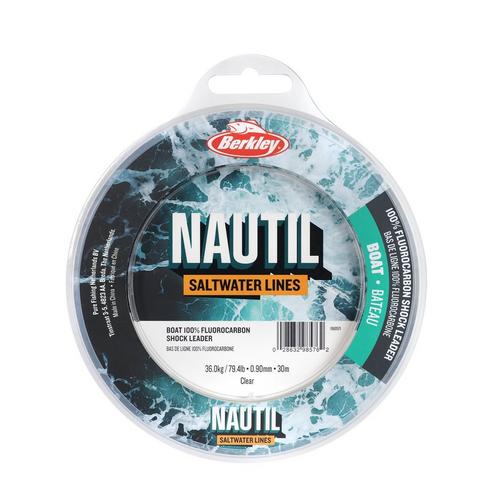
Fluorocarbon line for leaders and rigs
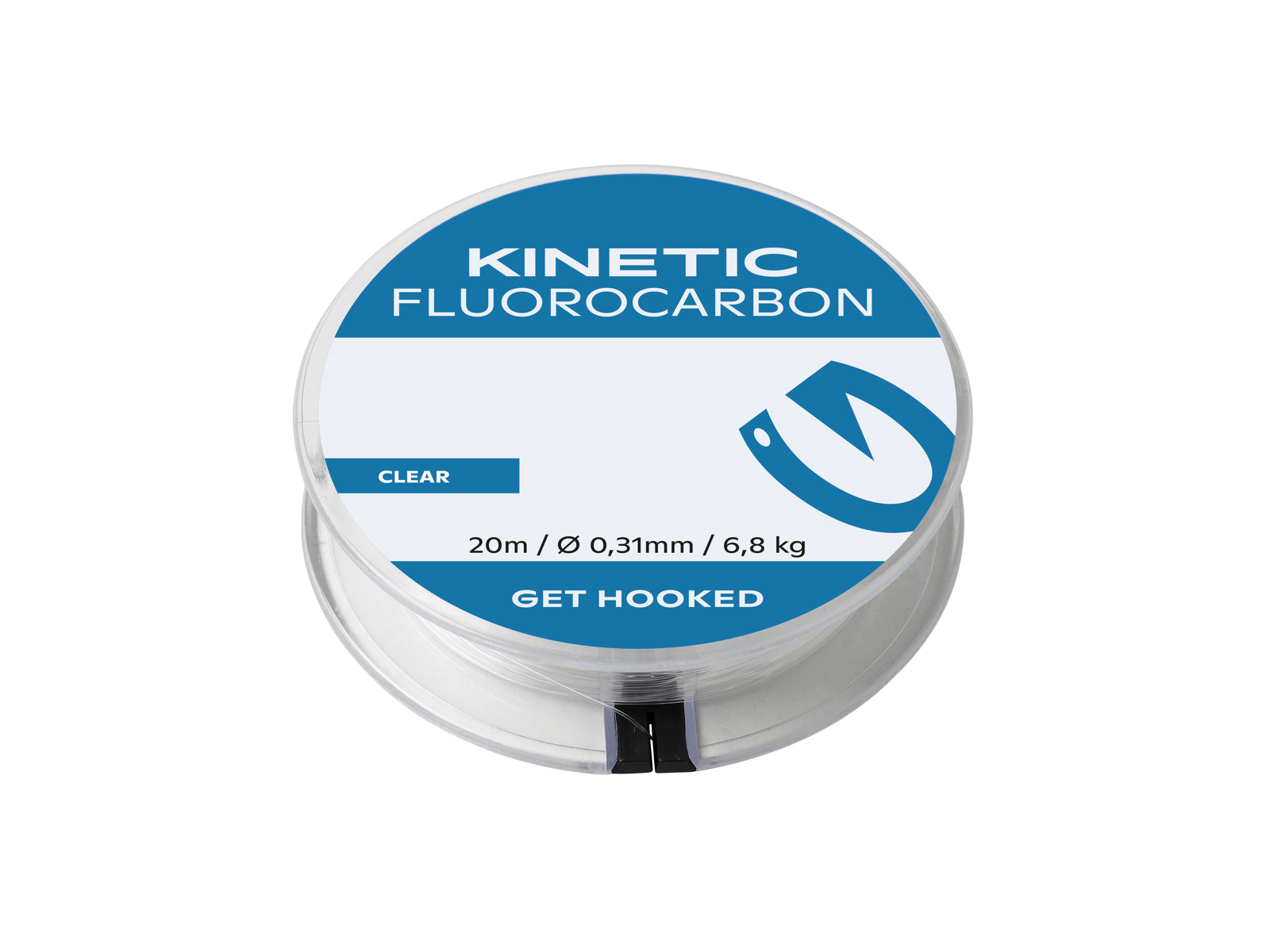
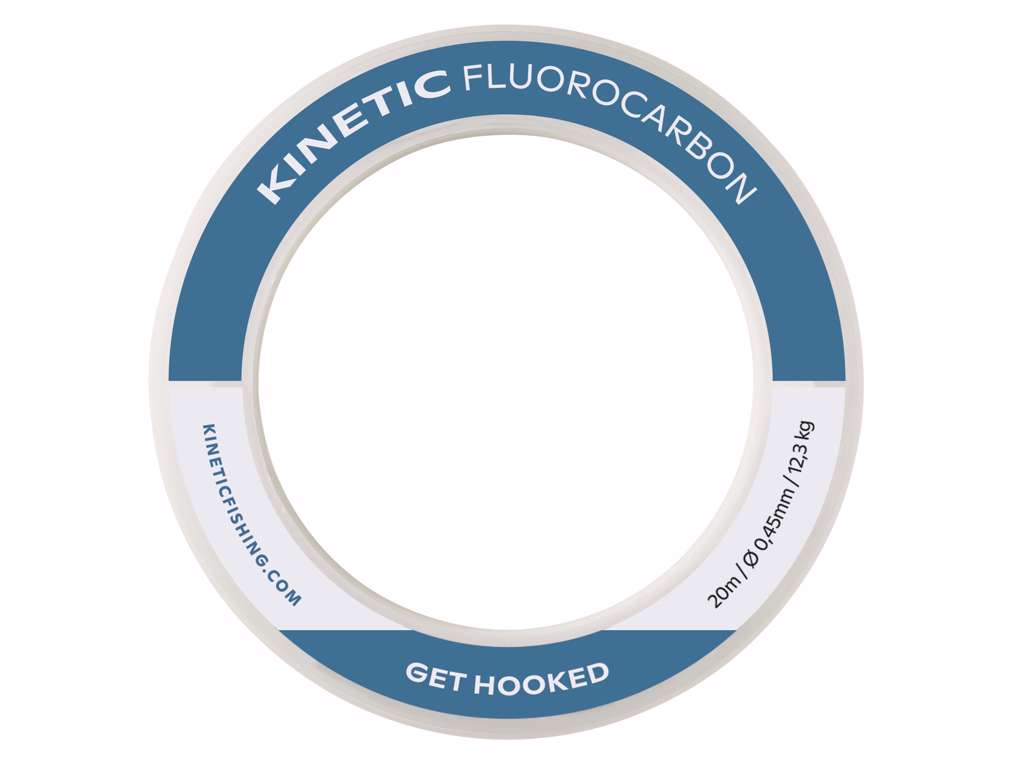
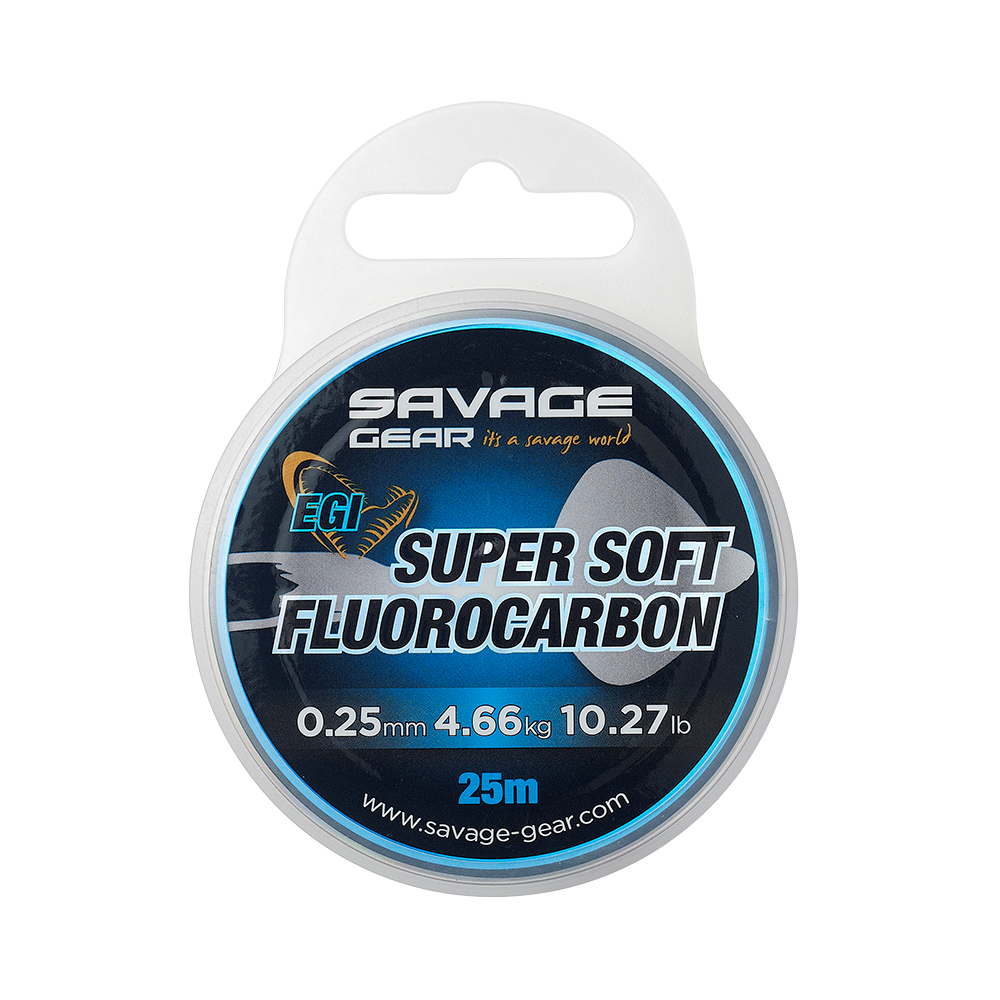
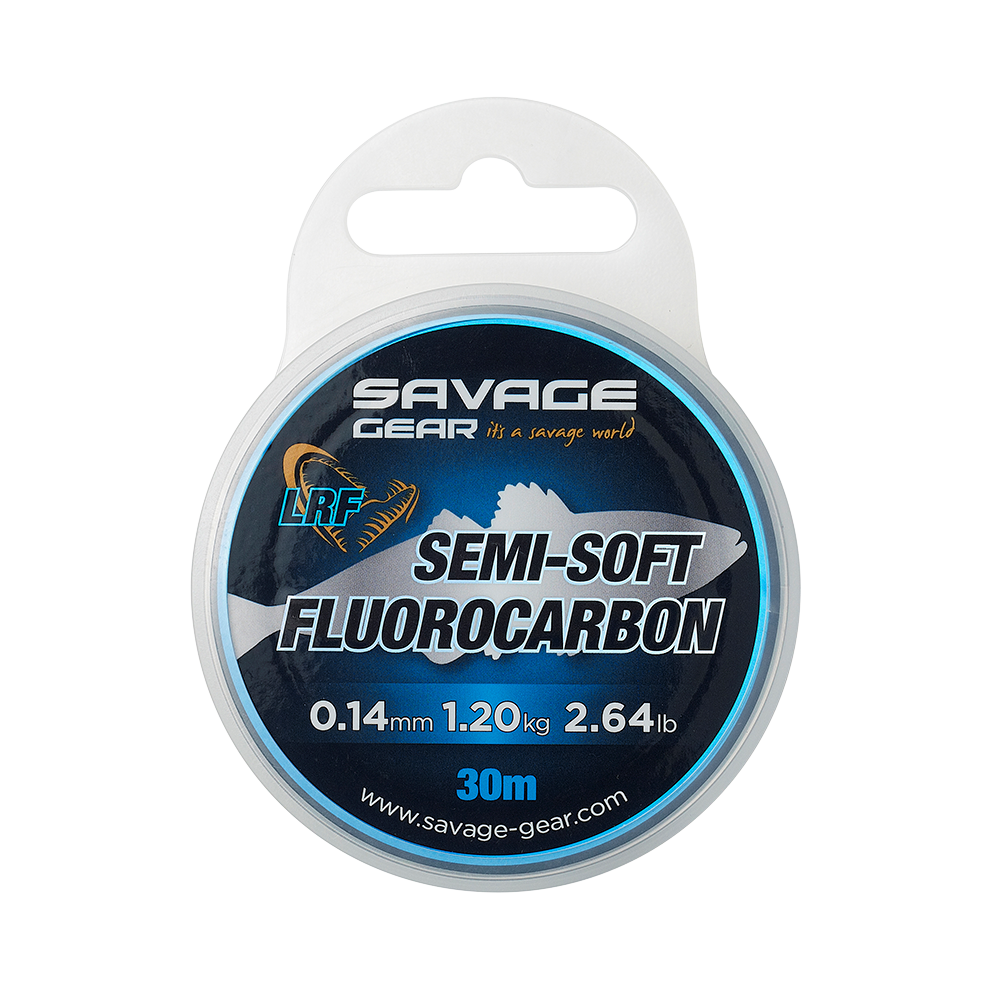
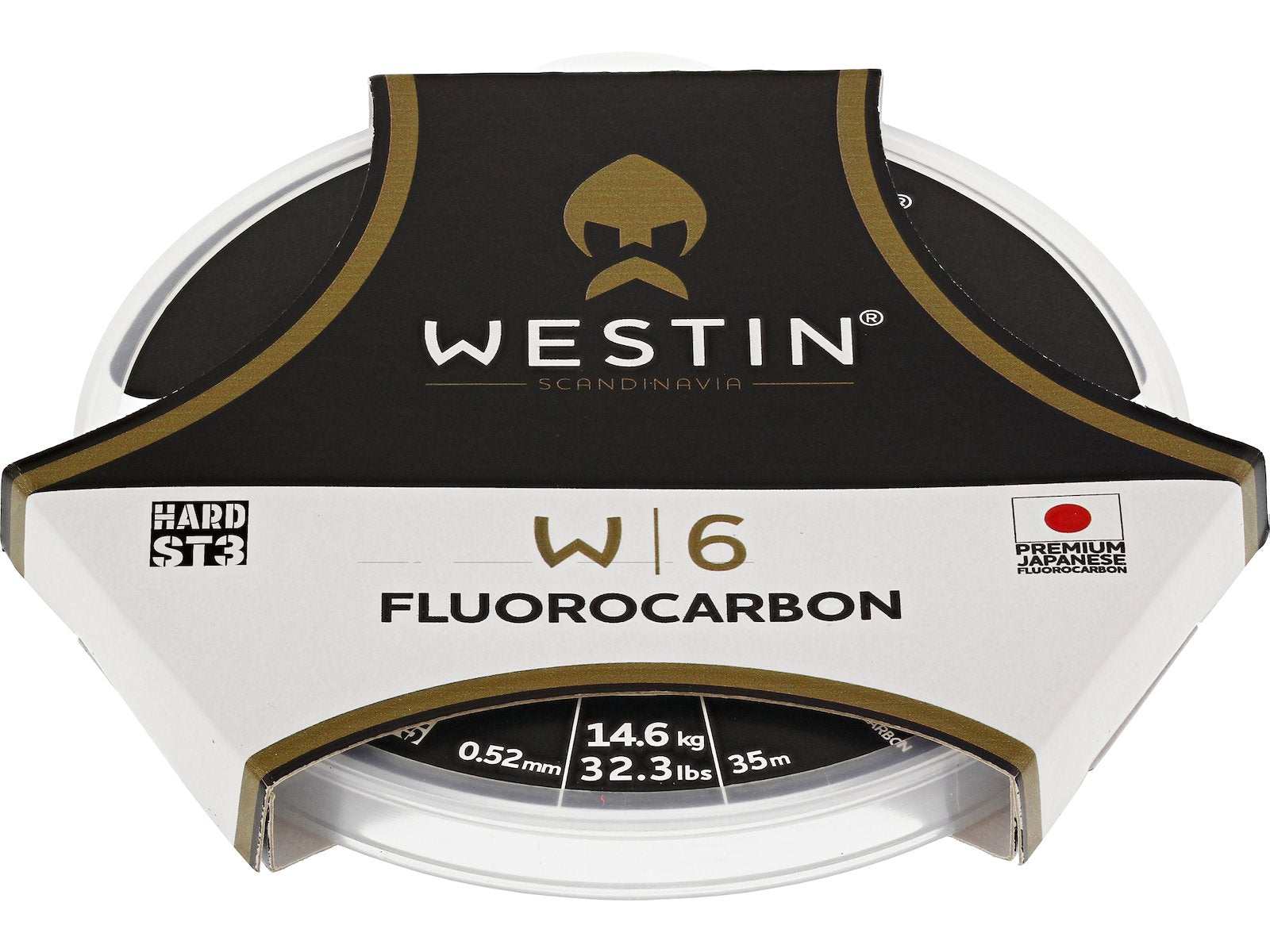
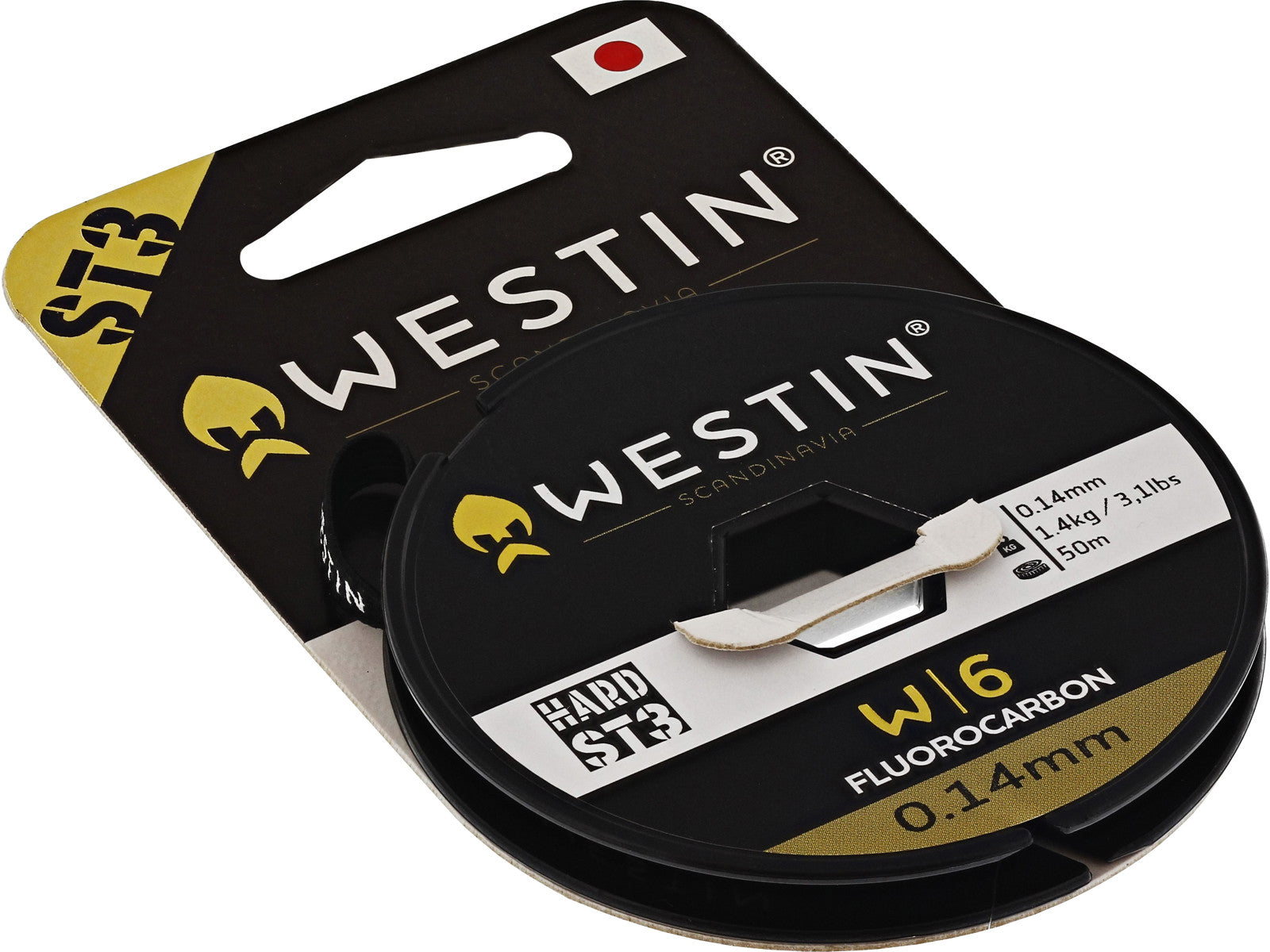
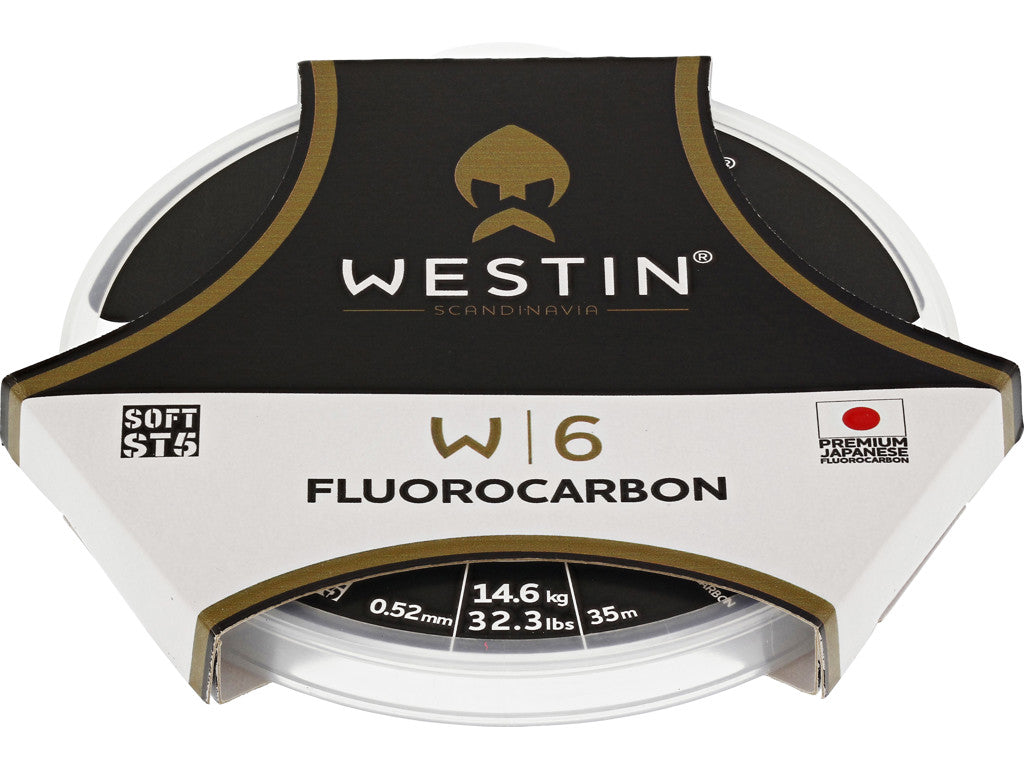
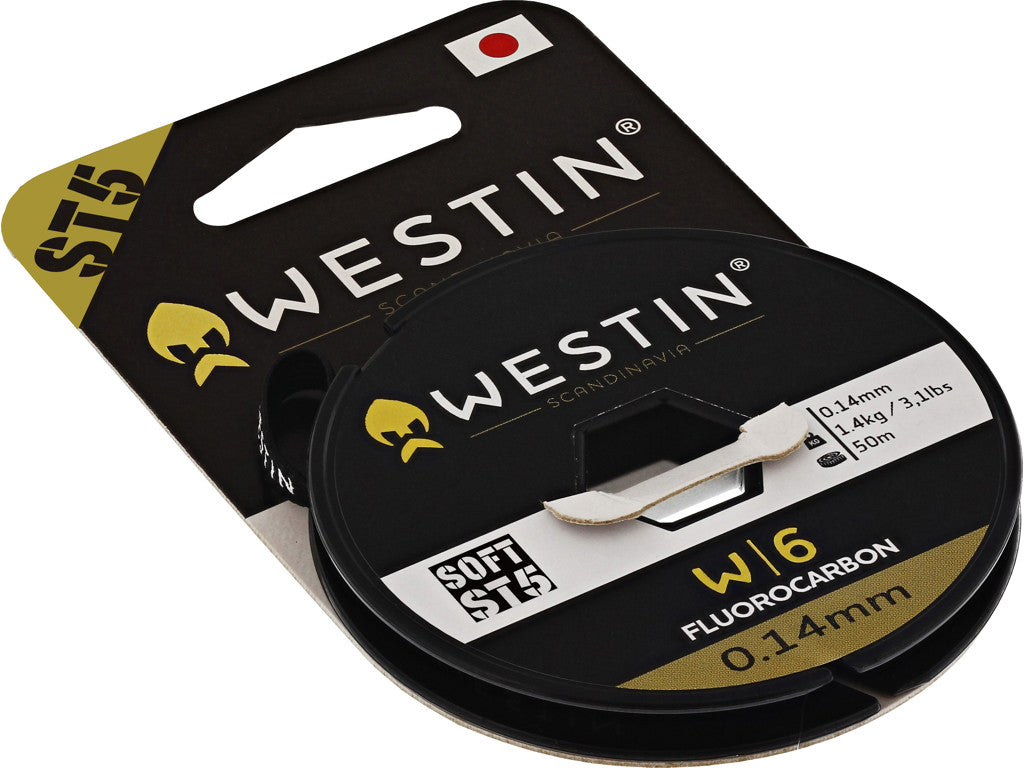
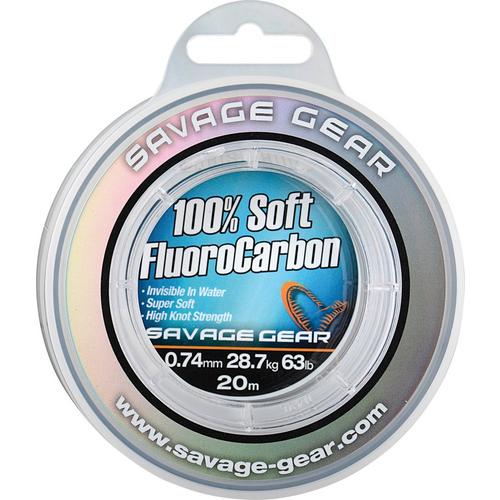
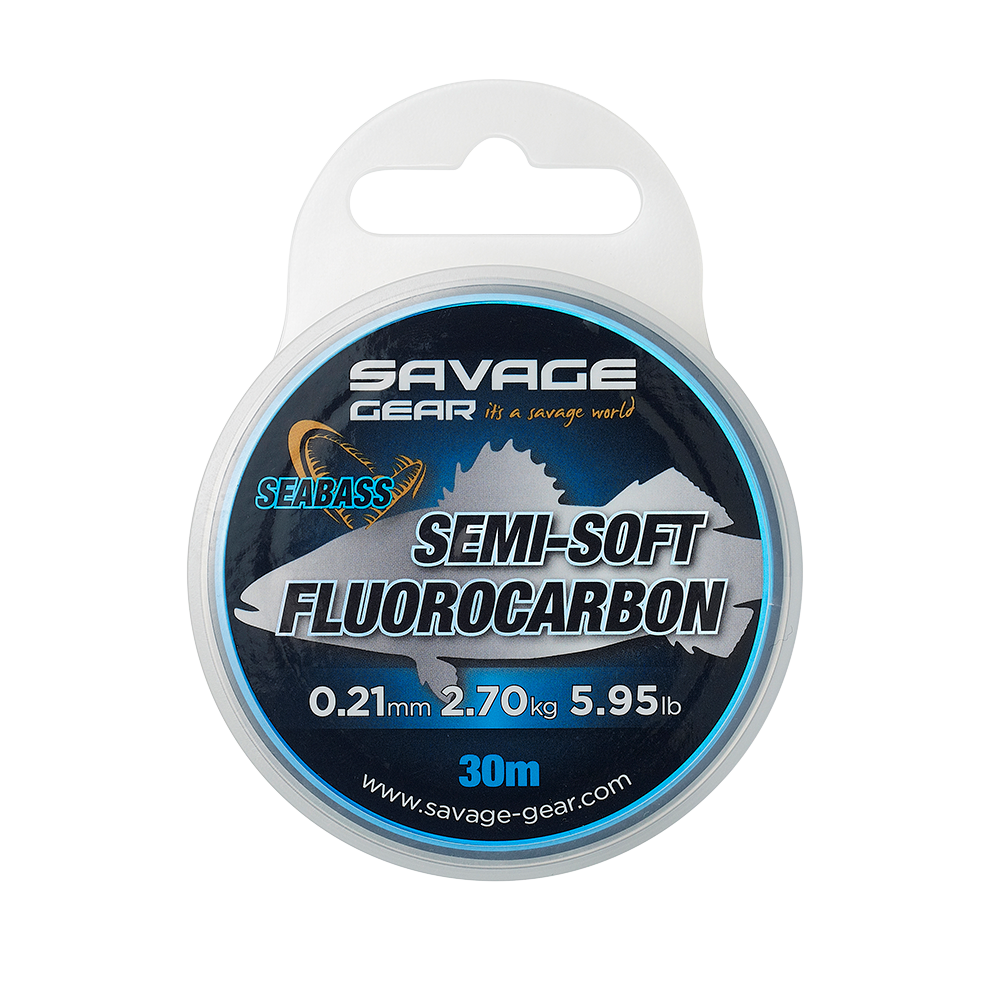
Fluorocarbon is commonly used as leader or rig material where abrasion resistance, controlled stiffness and reduced underwater visibility are useful. It is denser than many nylon monofilaments and can help a leader sink, although behaviour still depends on diameter and presentation. The range includes Savage Gear, Westin, Kinetic, Varivas, Berkley and DAM.
Fluorocarbon is less visible underwater than many other materials, but it is not invisible. Diameter, surface damage, light, water colour and movement still matter. Some products are soft for lure leaders; others are stiffer for rig construction. Confirm whether the spool is intended as leader material, hooklink or reel main line before choosing it.
Browse all fishing lines, compare low-stretch braided line, explore method-specific hooklength line, or use monofilament line where more stretch and softer handling are helpful.
Choose diameter, stiffness and abrasion resistance
Match diameter to the lure, hook, target fish and surrounding structure. Fine material allows natural movement but loses abrasion margin. Thick fluorocarbon can resist rubbing better, yet stiffness may restrict small lures or delicate rigs. Test the chosen leader with the actual terminal connection rather than assuming the highest breaking strain will perform best.
Use a knot recommended for the diameter and connection type, wet it before tightening and draw it down slowly. Fluorocarbon can be damaged by sharp bends, heat and poorly seated knots. Trim tags carefully and test each leader firmly before casting. Inspect it again after rock contact, snags or fish.
Fluorocarbon is not a reliable substitute for a bite-resistant trace where pike may be present unless a product is explicitly rated and selected for that purpose. Follow species and fishery requirements. The guide to choosing sea bass lures gives a coastal leader context.
Build and maintain a leader system
Keep the leader length appropriate to casting, guides and abrasion risk. A long, heavy connection can catch in small guides or upset lure action. When joining braid to fluorocarbon, practise the knot with the exact diameters, tighten every wrap evenly and cut only after testing.
Read the perch fishing with spinners guide for a lighter application. Store spools away from heat and sunlight, discard kinked or cloudy sections, and collect every offcut securely to protect wildlife.