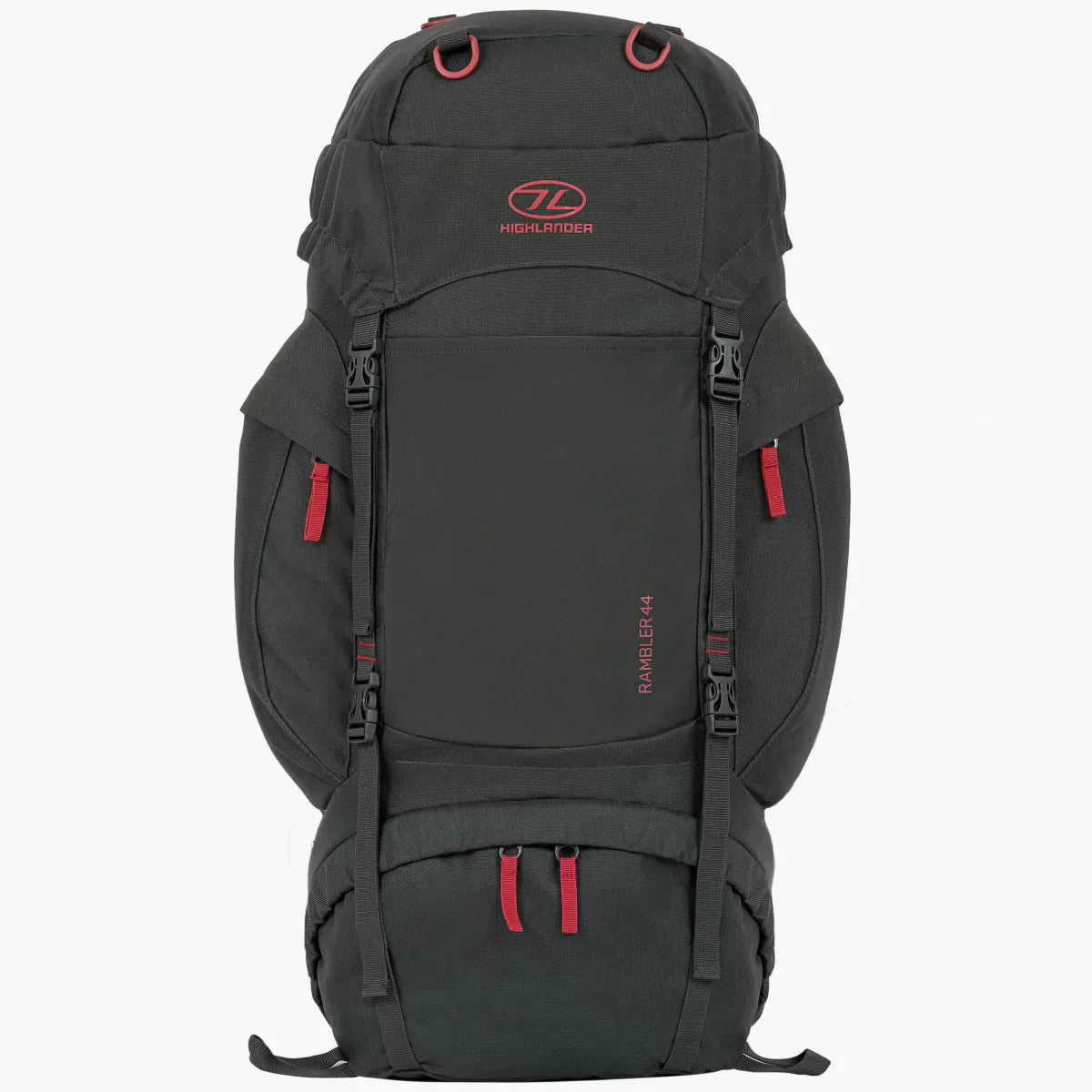
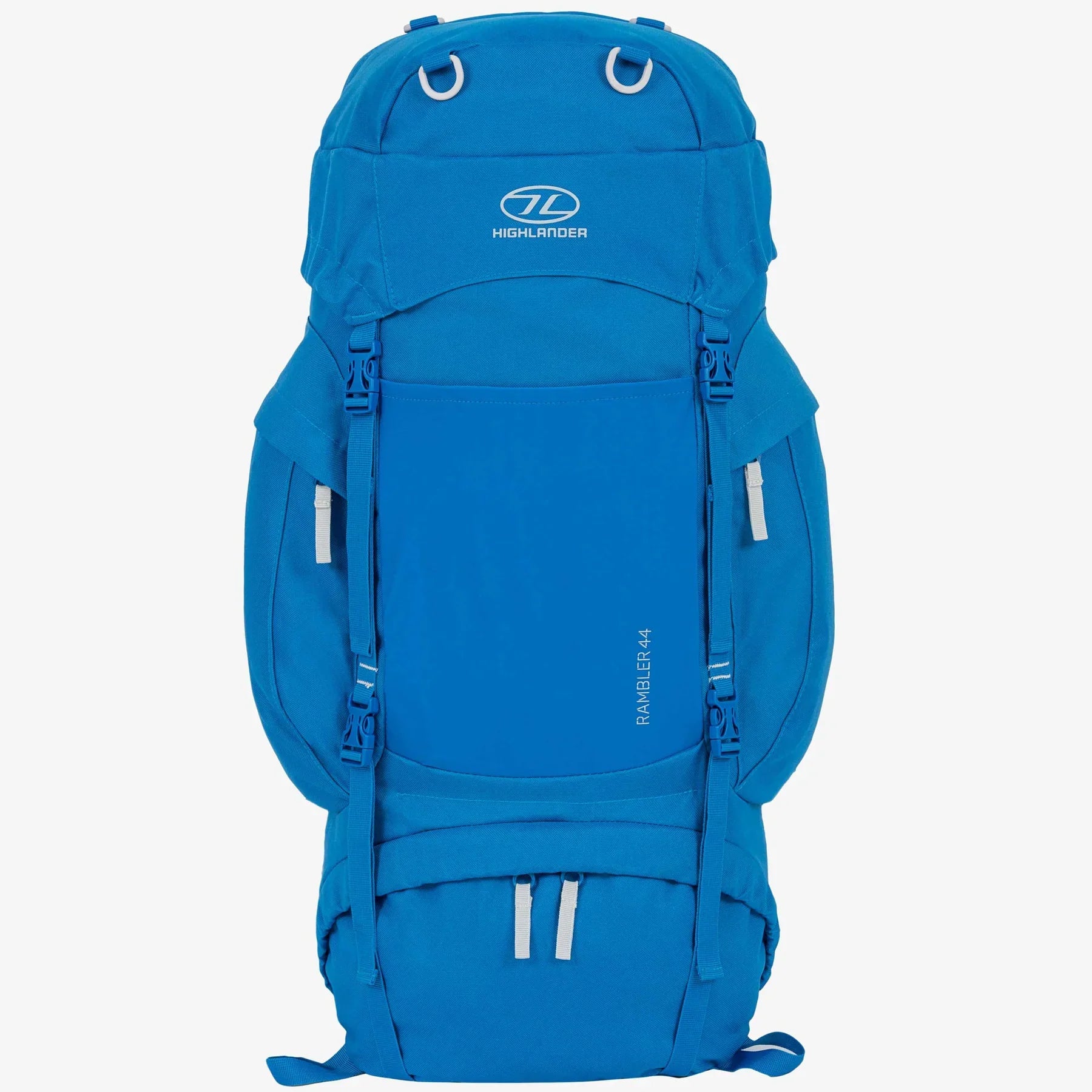
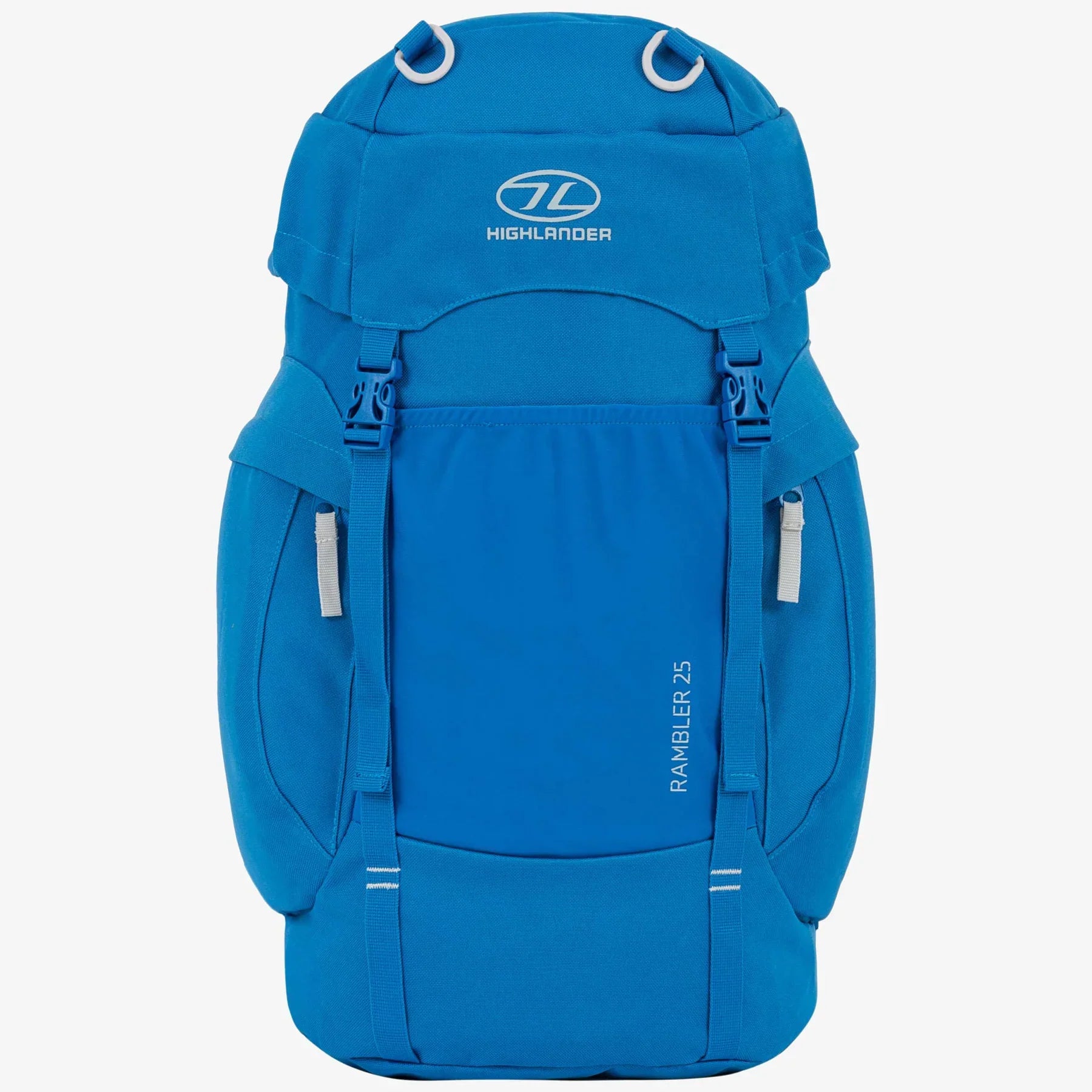
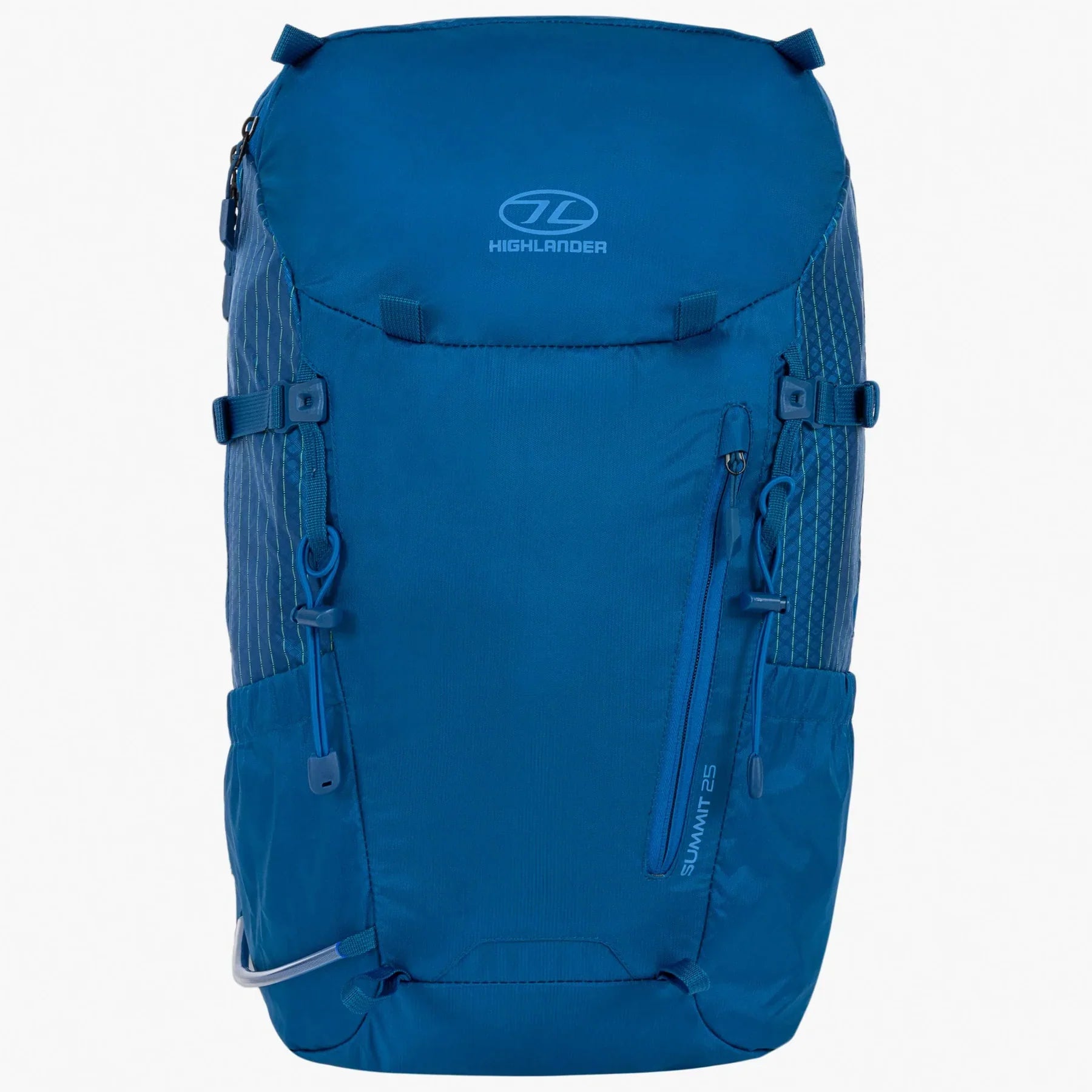
Fishing rucksacks for mobile tackle transport
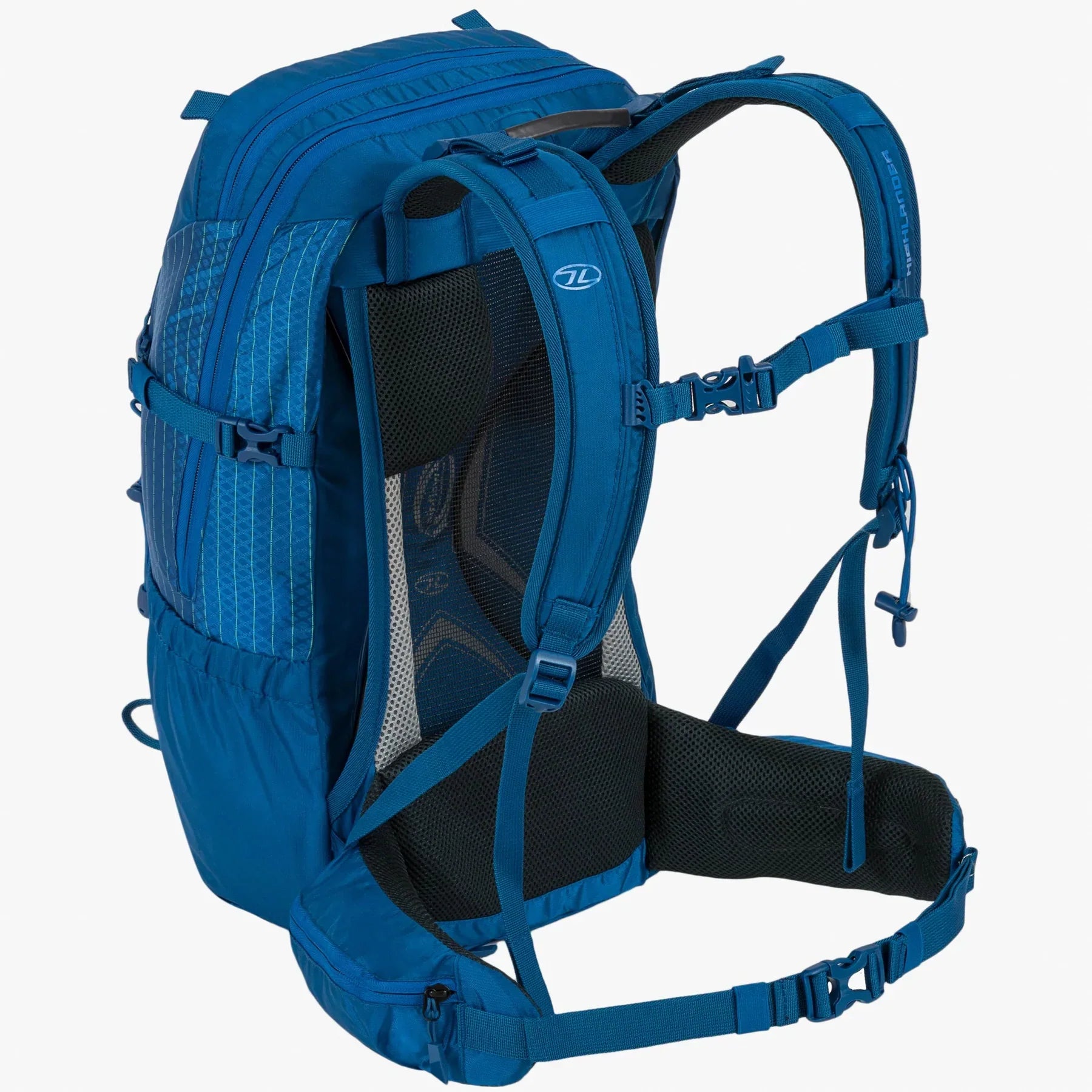
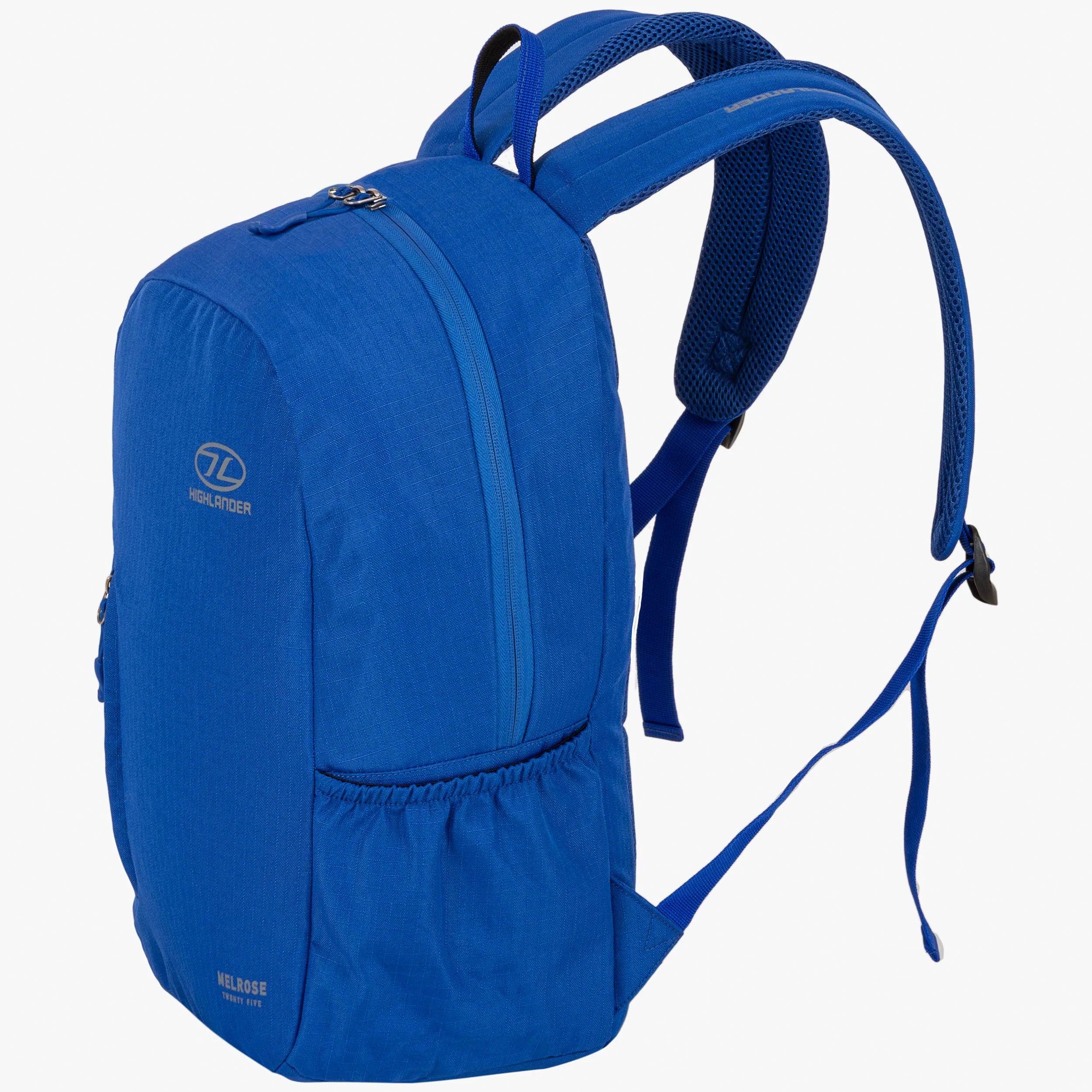
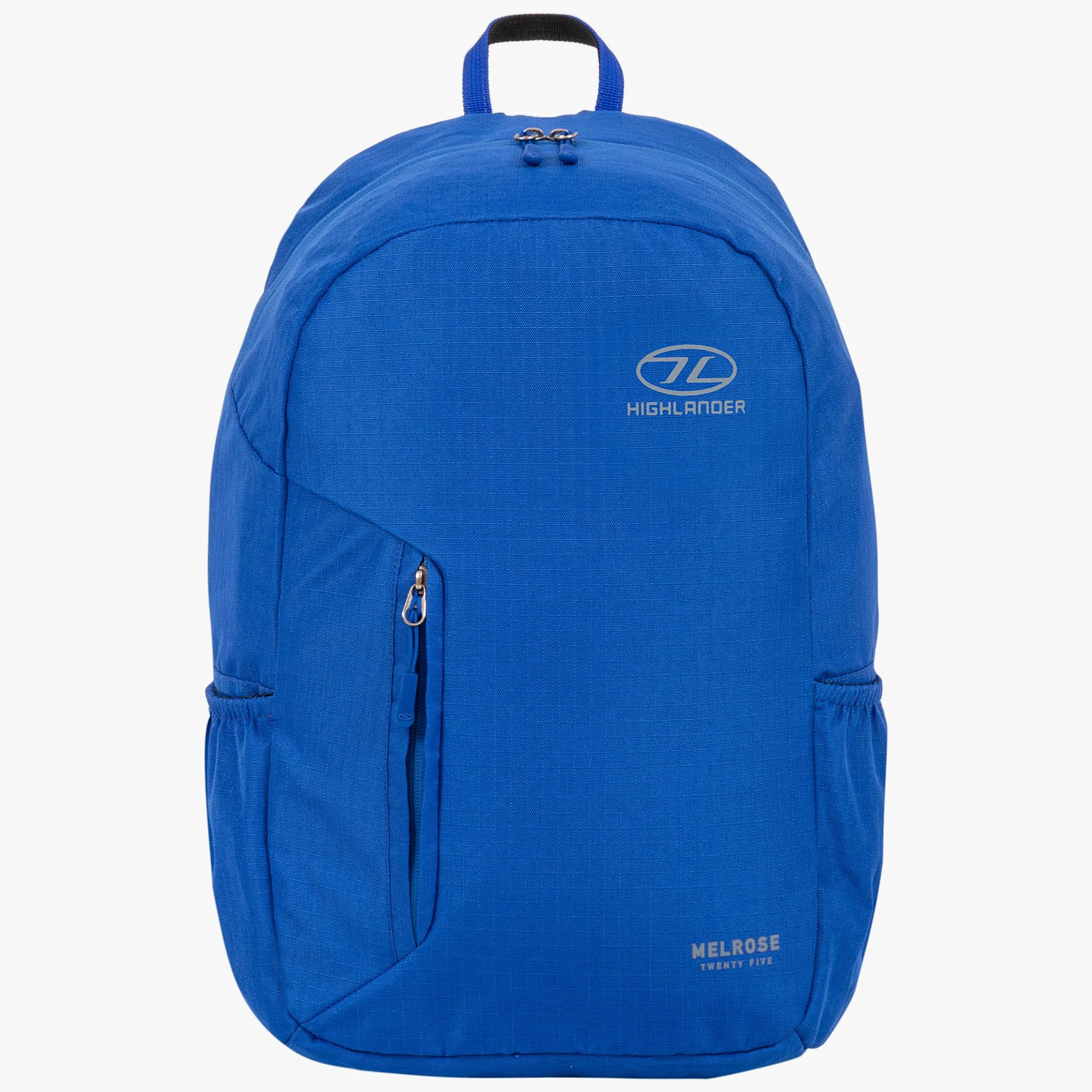
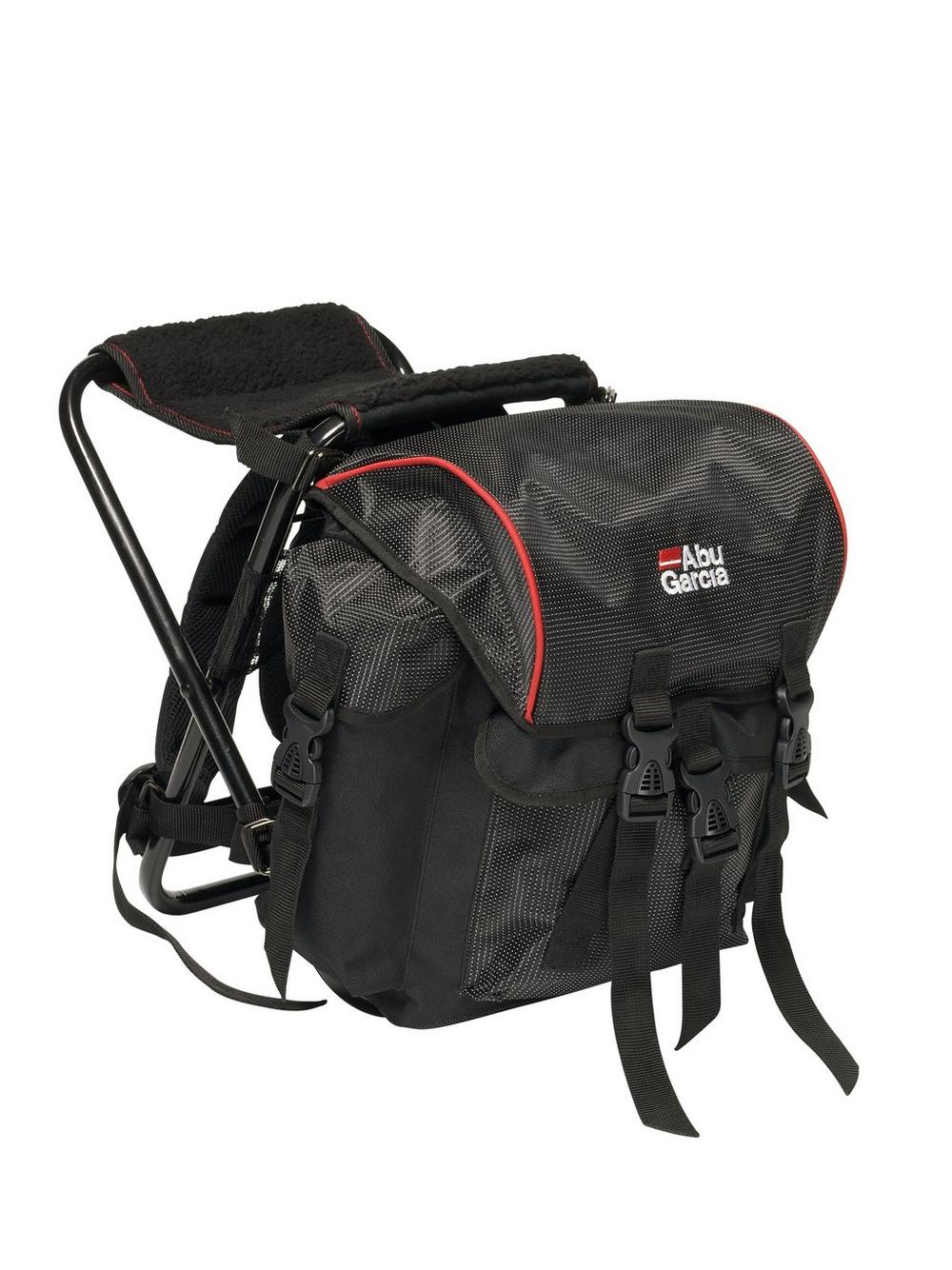
A fishing rucksack keeps both hands available for rods, a landing net or safe movement across uneven terrain. It can organise tackle boxes, food, clothing and accessories in one balanced load. The best size is determined by a typical trip rather than maximum capacity, because an oversized pack quickly becomes heavy and difficult to search.
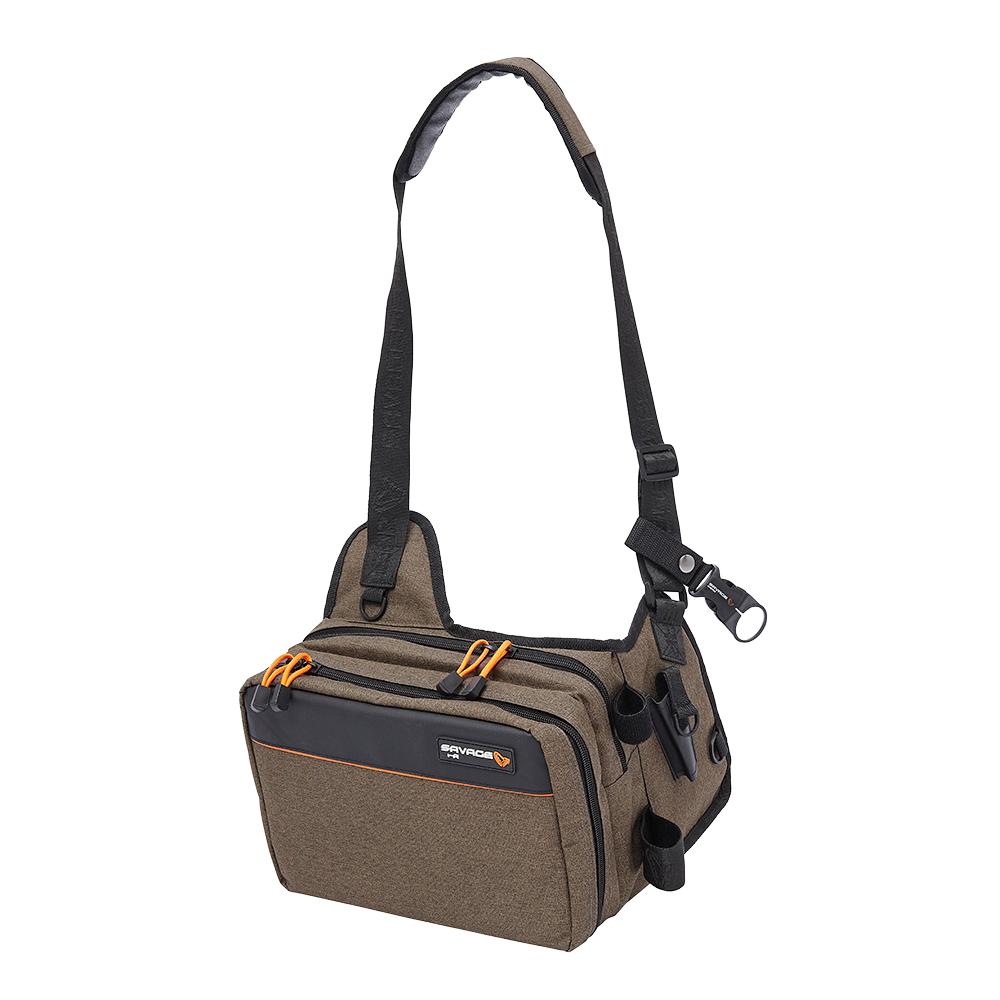
Measure the largest boxes and equipment, then compare the main opening and internal dimensions. A tall compartment may suit clothing and containers, while side pockets can separate tools or bottles. The pocket layout should remain usable when the main bag is full, and every closure must keep small tackle from escaping when the pack is set down.
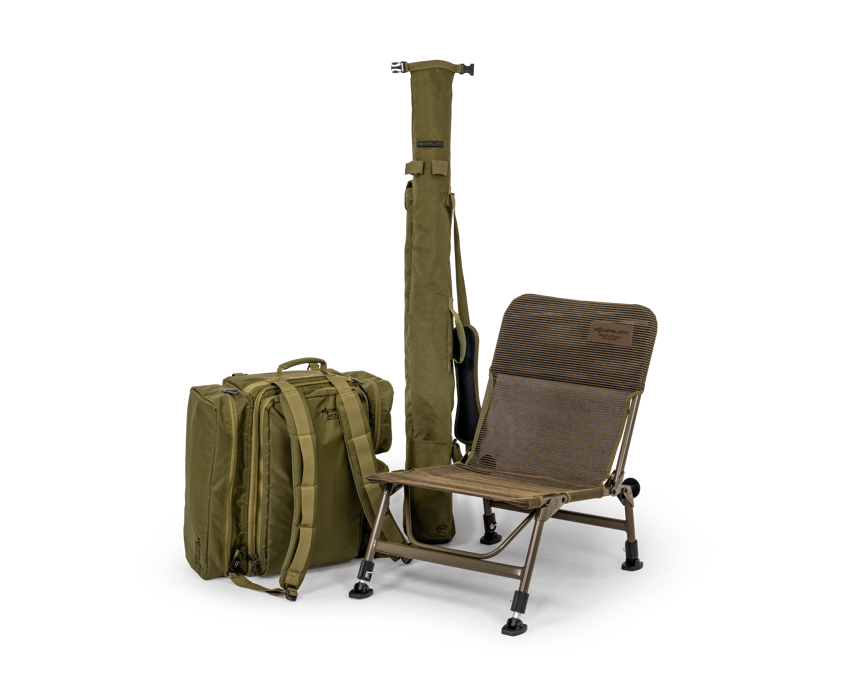
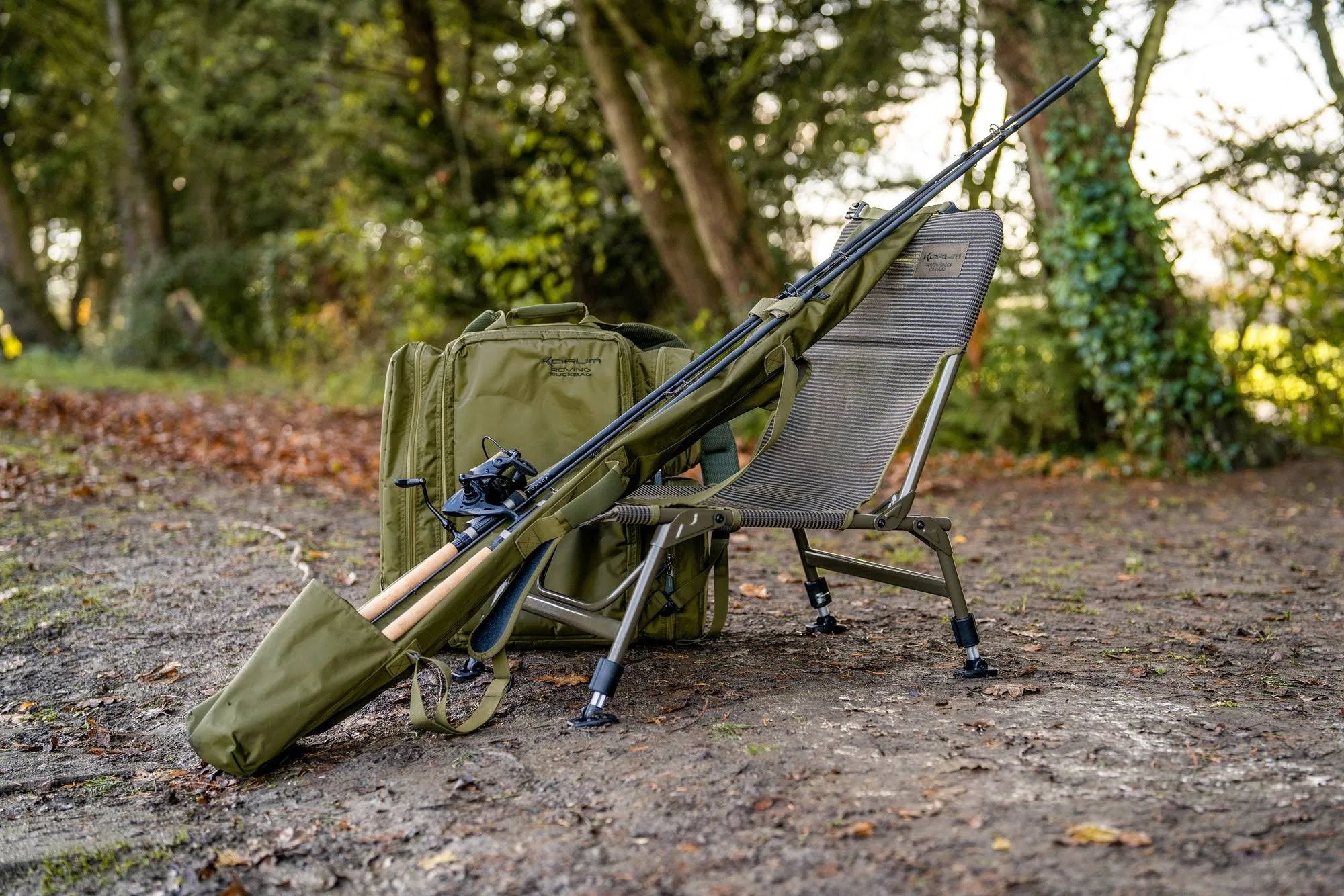
Browse the parent fishing luggage range, organise prepared tackle in rig wallets, carry fish-care equipment with suitable unhooking mats, and transport rods separately in rod holdalls. Smaller accessory bags can create removable modules inside a larger pack.
Choose fit, support and practical capacity
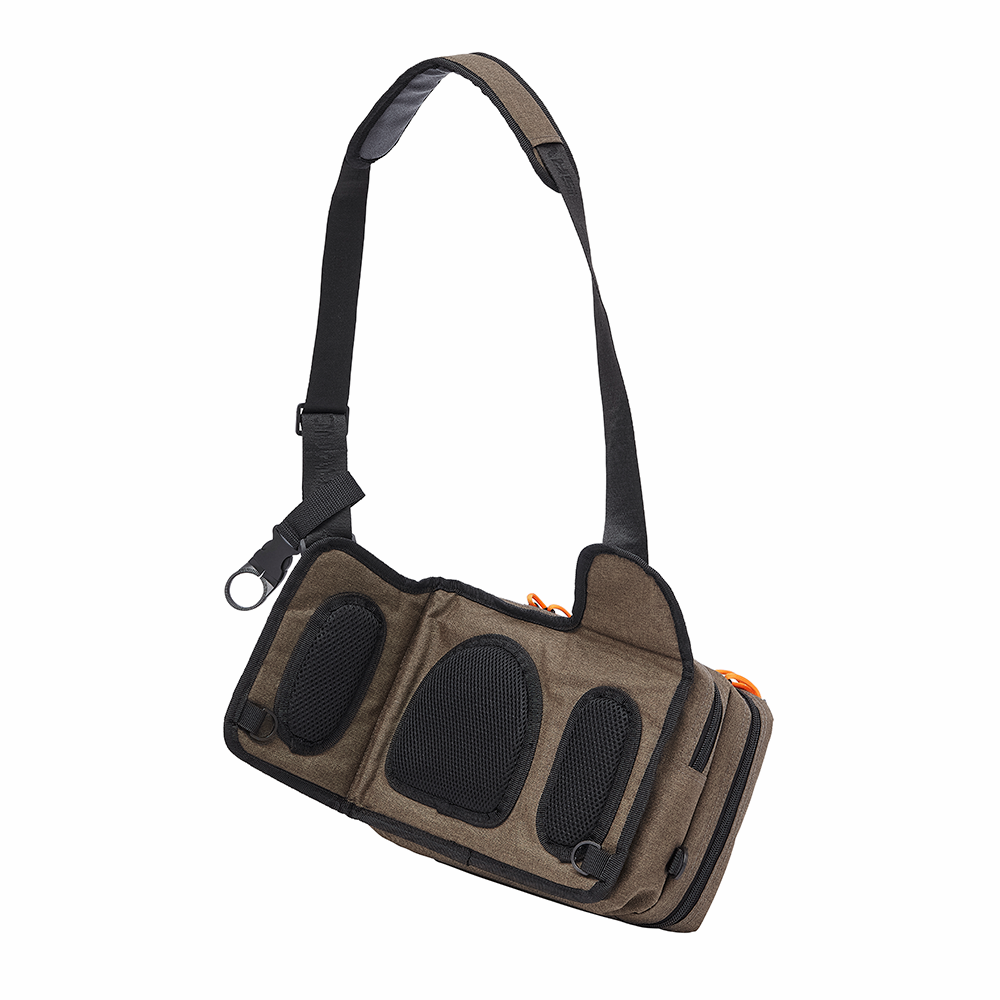
Shoulder straps should spread the load without cutting into the neck, and a chest or waist strap can improve stability where the design includes one. Adjust the back length and straps while the pack contains realistic weight. The bag should sit close enough to remain balanced without restricting casting or forcing an uncomfortable posture.
Place dense tackle low and near the back panel, then add lighter clothing above it. Keep exposed hooks and cutters in rigid containers, liquids upright and wet towels or mats inside a separate washable bag. Do not attach heavy equipment to loops unless the manufacturer states that they are load bearing.
Water-resistant fabric and a rain cover can reduce exposure, but seams, zips and openings may still admit water. Confirm the stated protection and use an internal dry bag for clothing, electronics or emergency items that must remain isolated.
Pack and maintain a fishing rucksack
Build a repeatable layout and test the loaded pack over a short distance before a long walk. Keep frequently used safety and fish-care items accessible, and avoid hanging rods or tools where they can catch branches, gates or another person.
After fishing, remove every damp item, brush away grit and clean the pack according to its care label. Dry pockets fully open and inspect straps, buckles, zips, stitching and the base. Stop using the rucksack for heavy loads if a structural seam or attachment point is damaged.