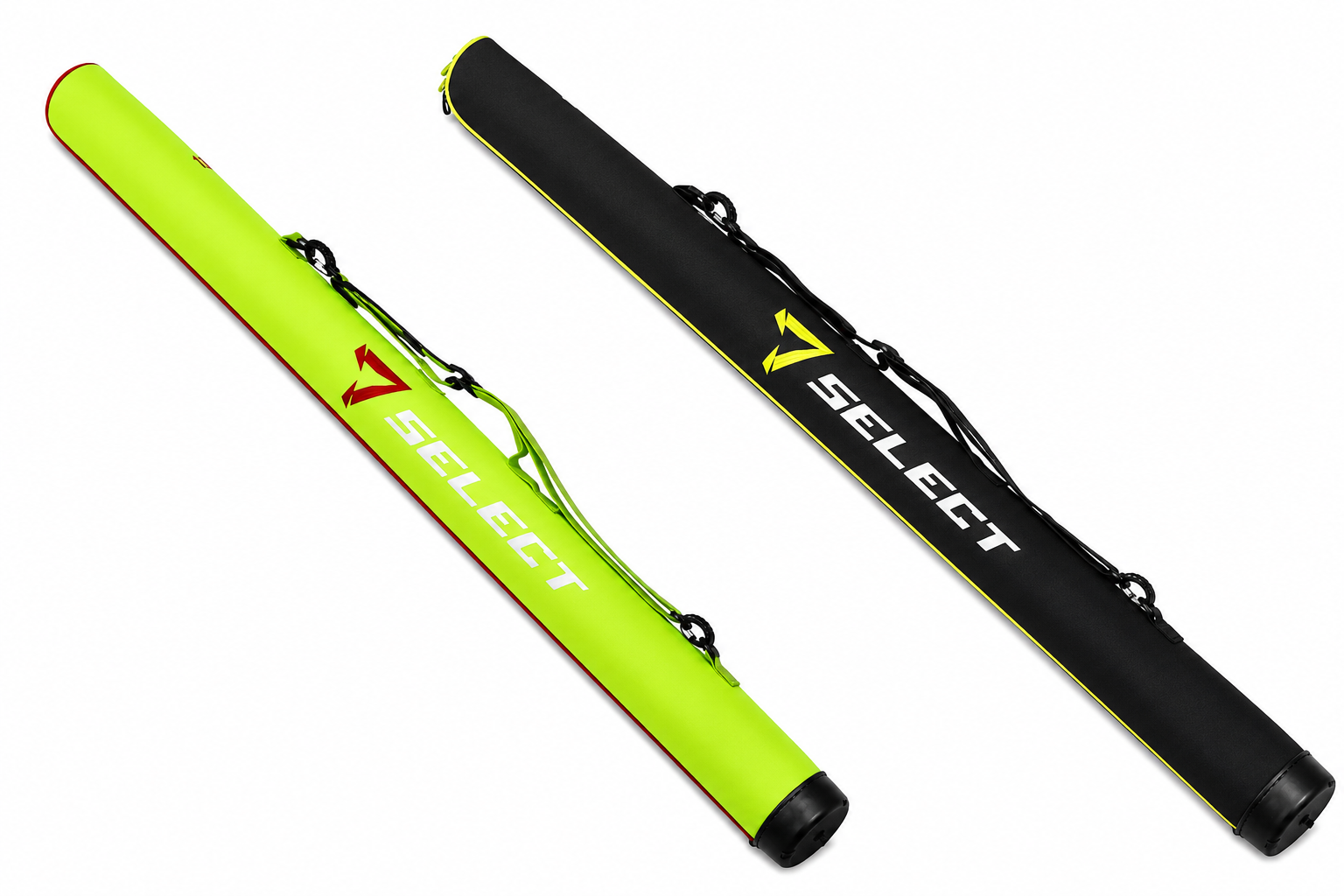
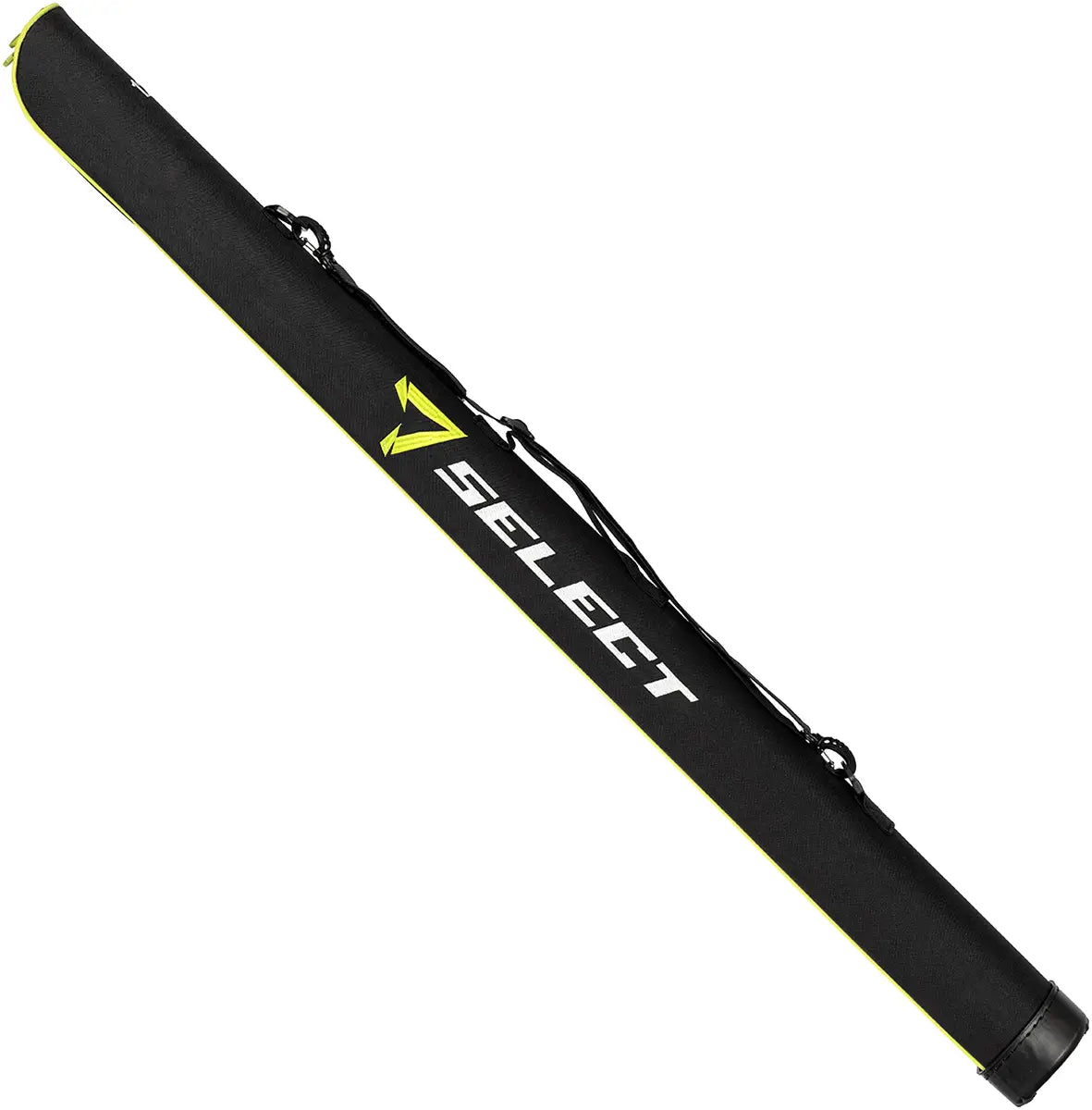
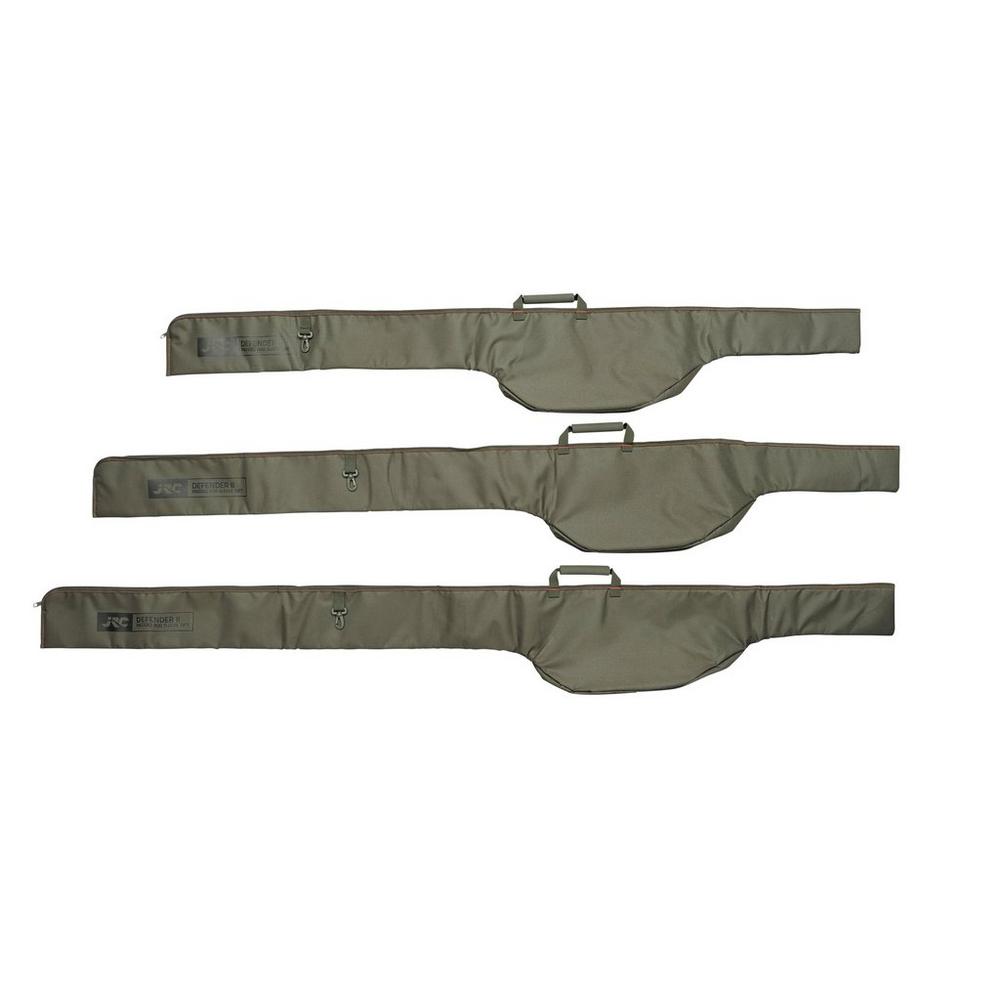
Fishing rod holdalls for protected transport
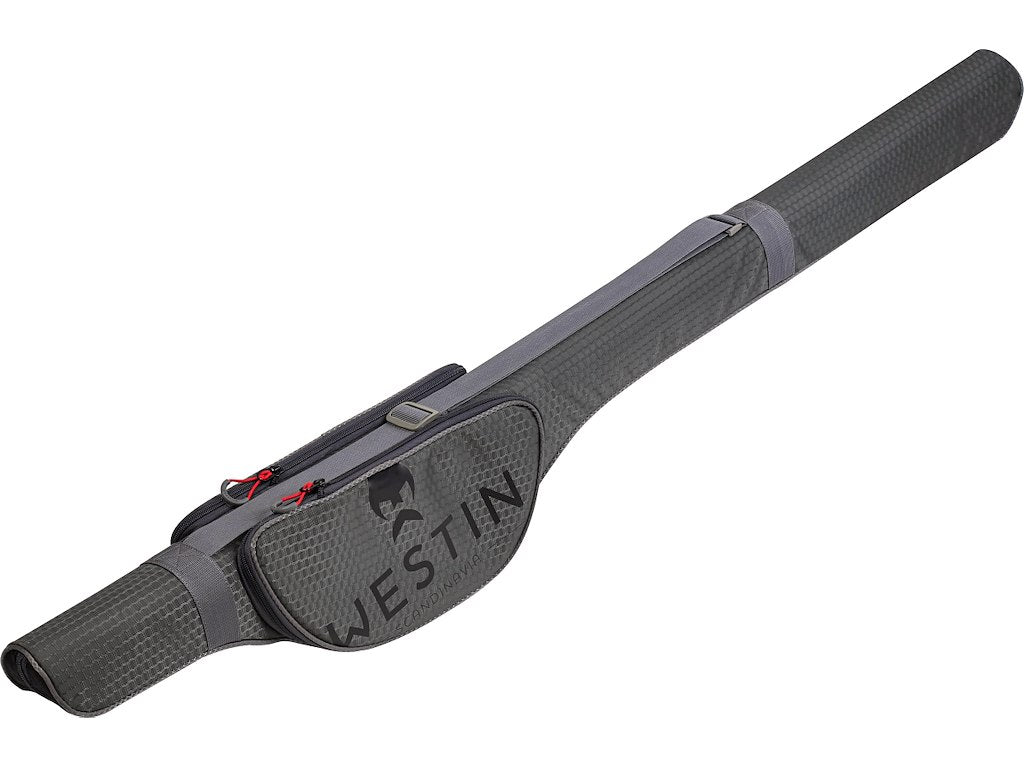
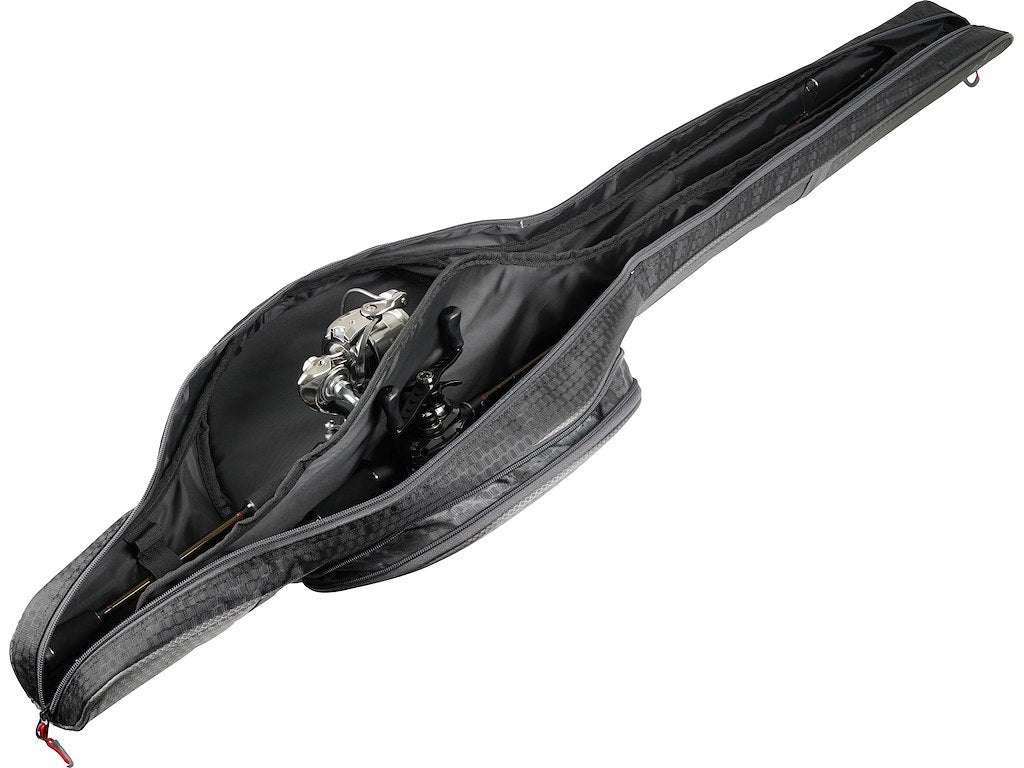
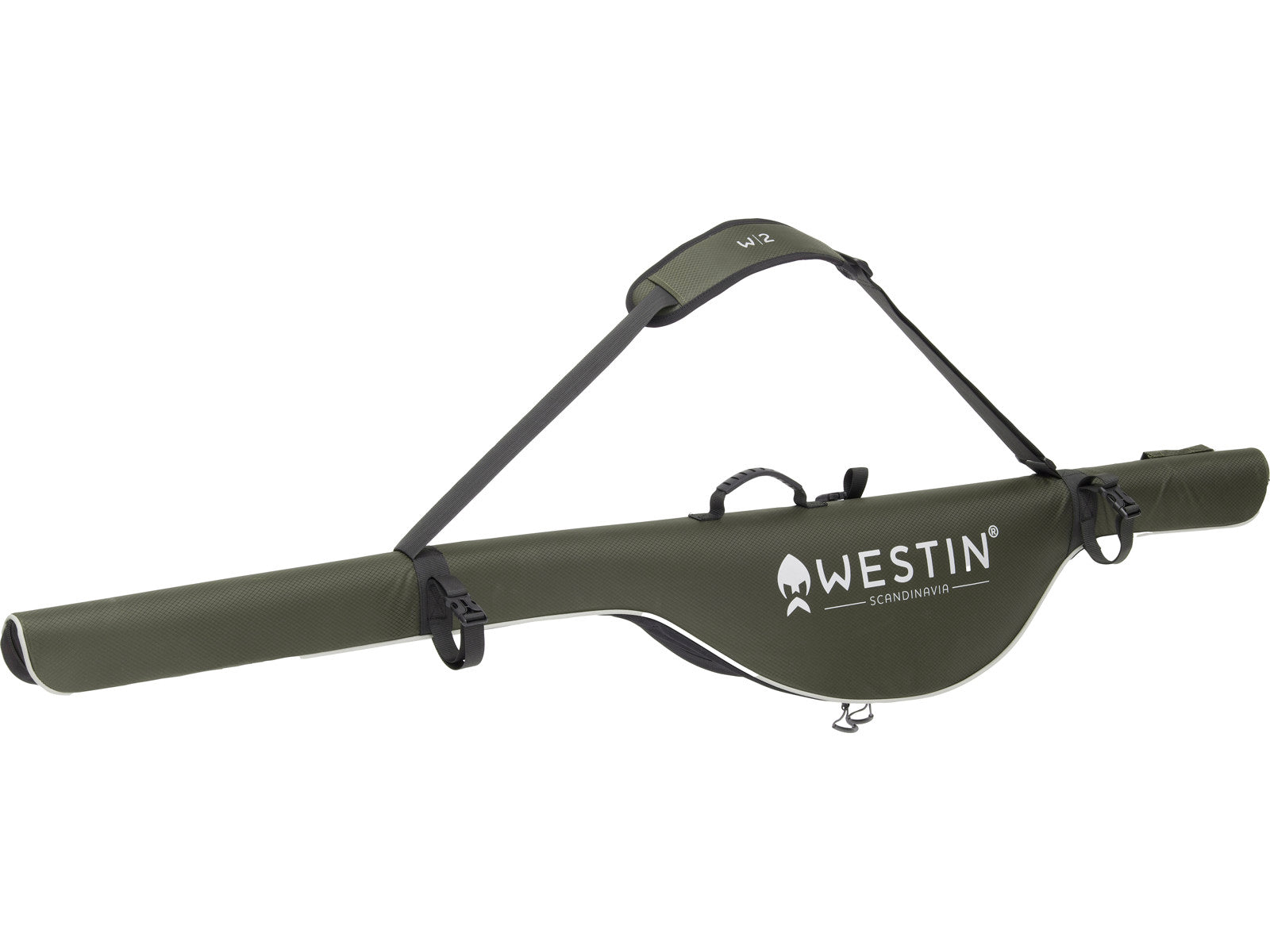
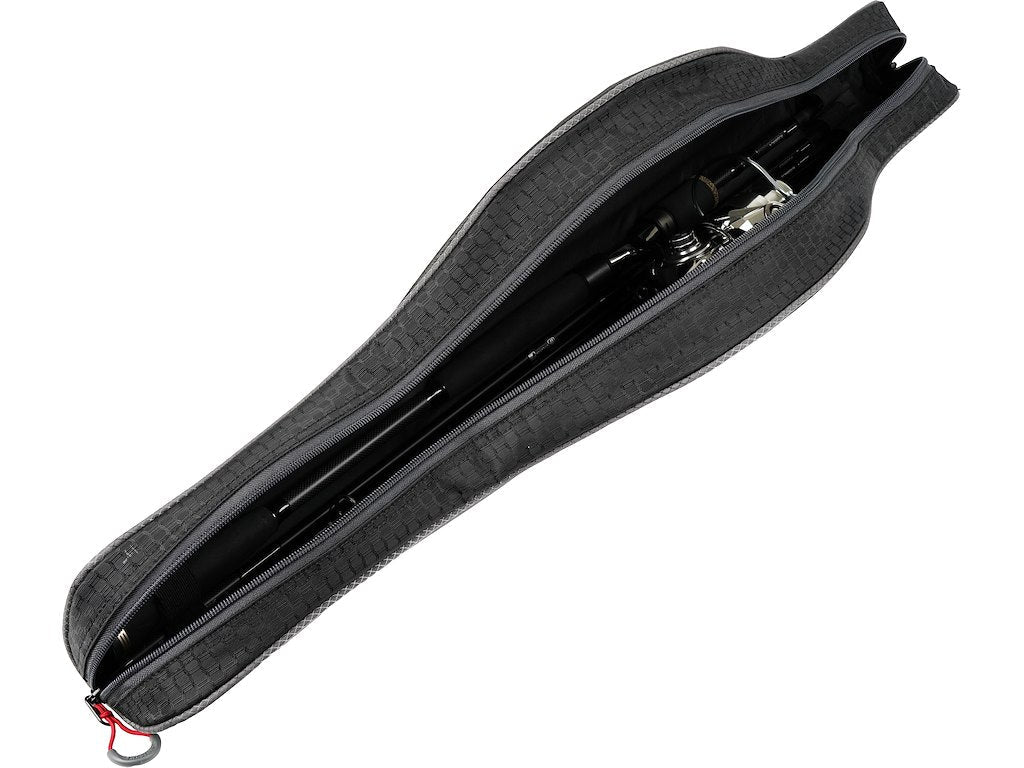
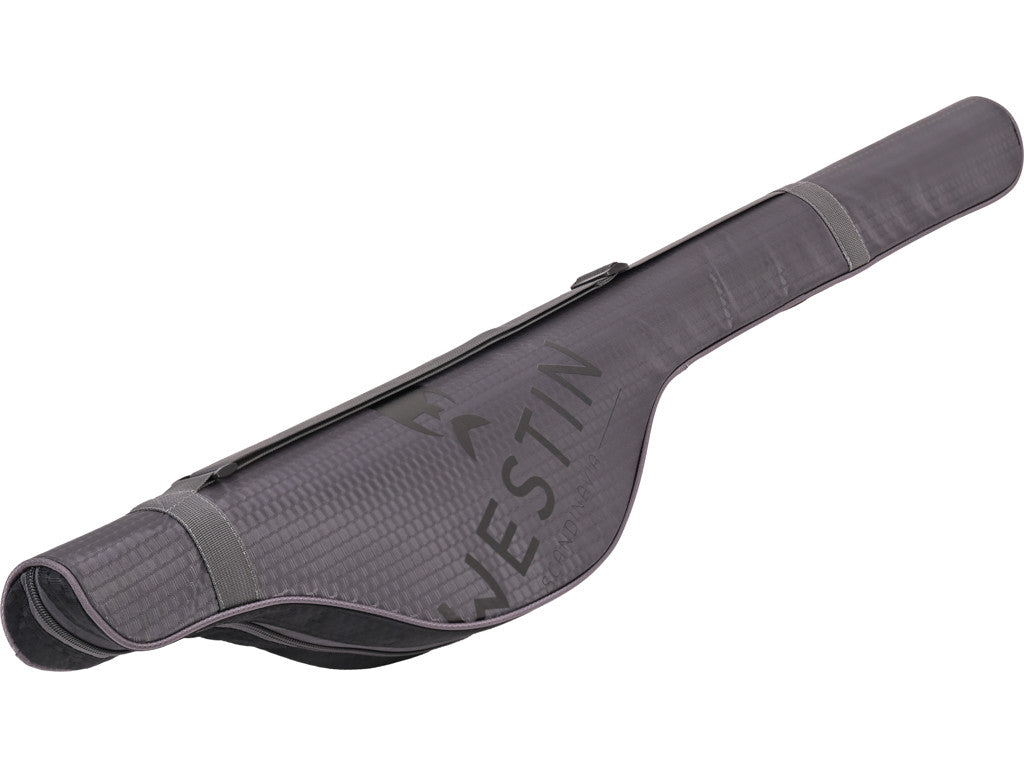
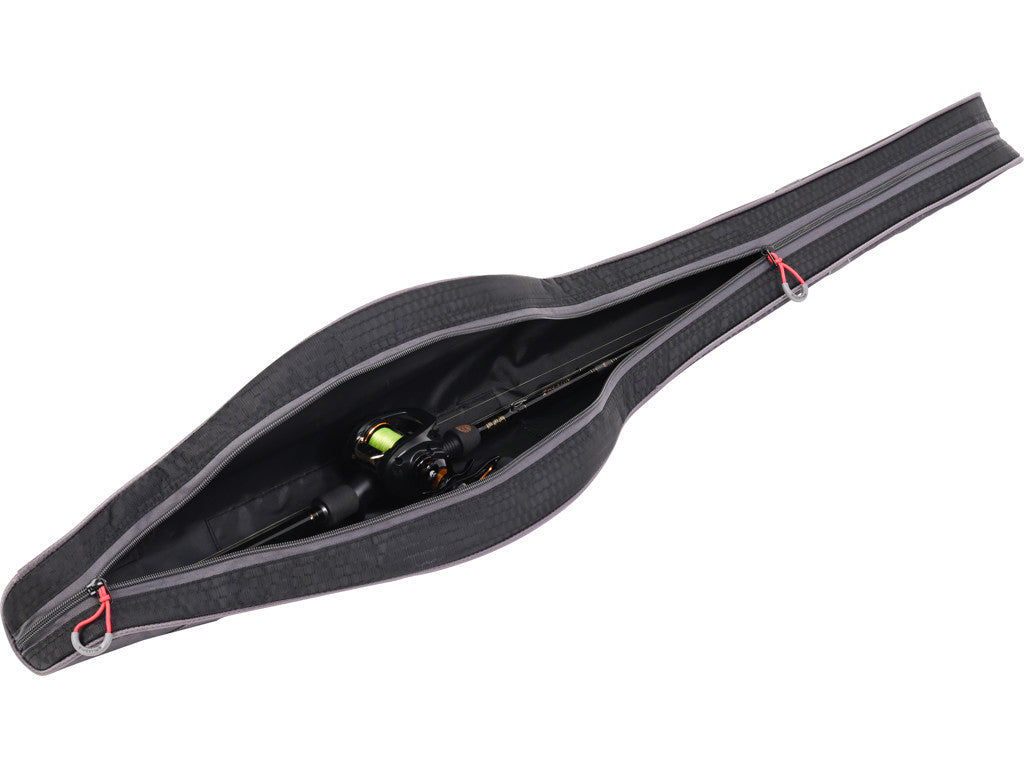
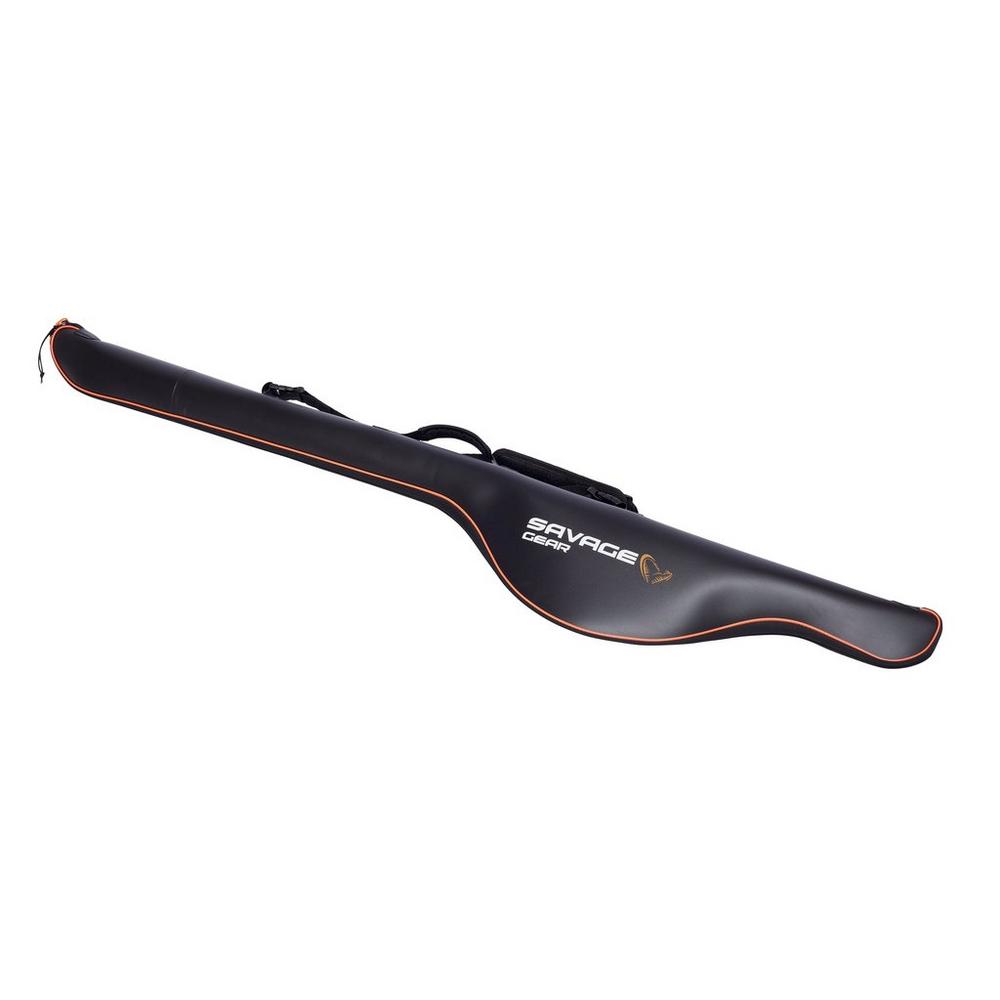
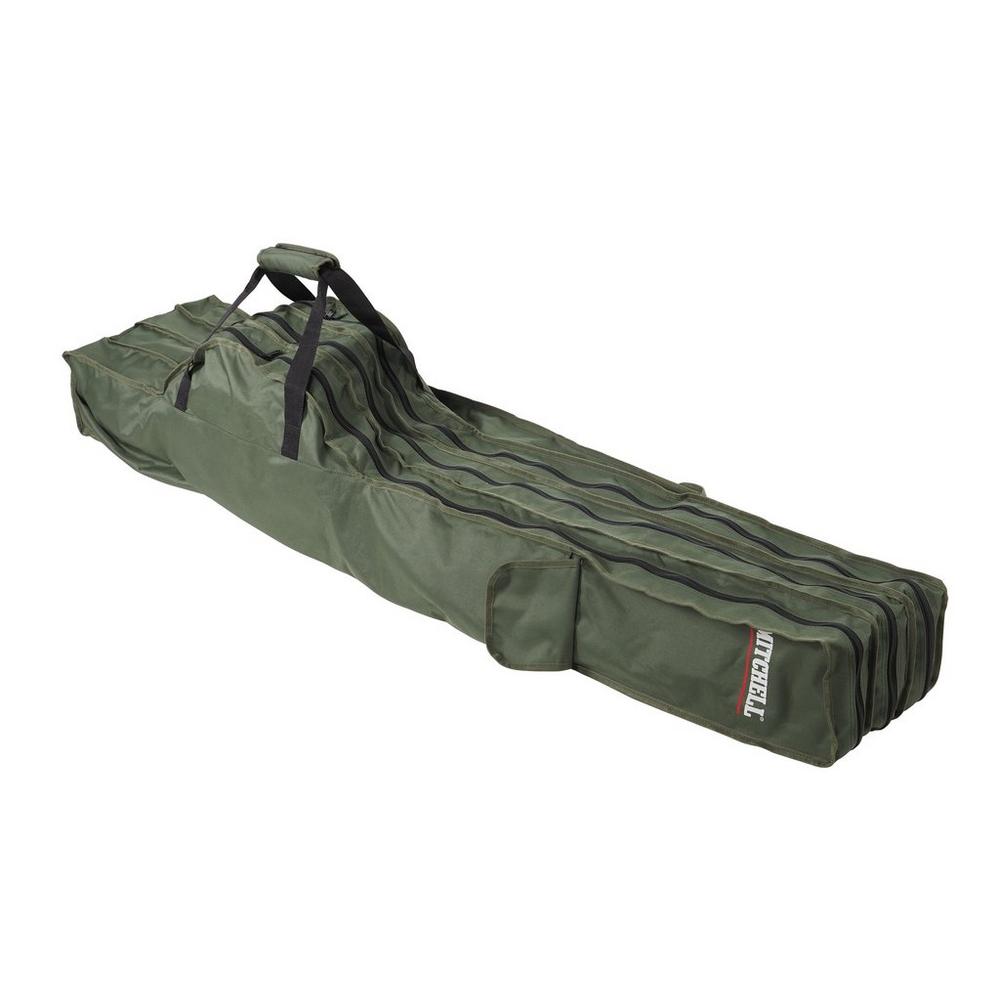
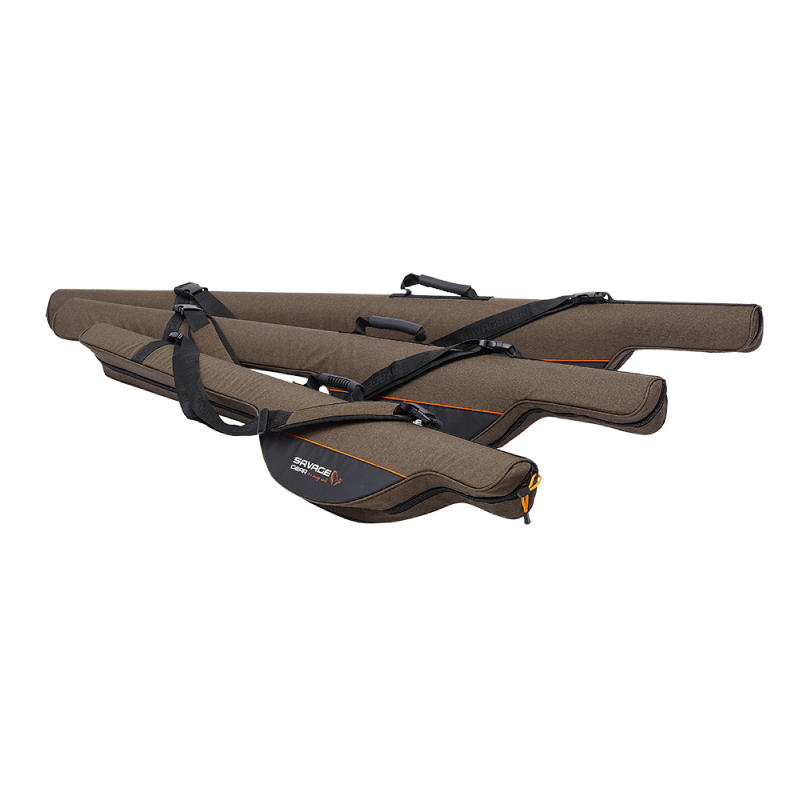
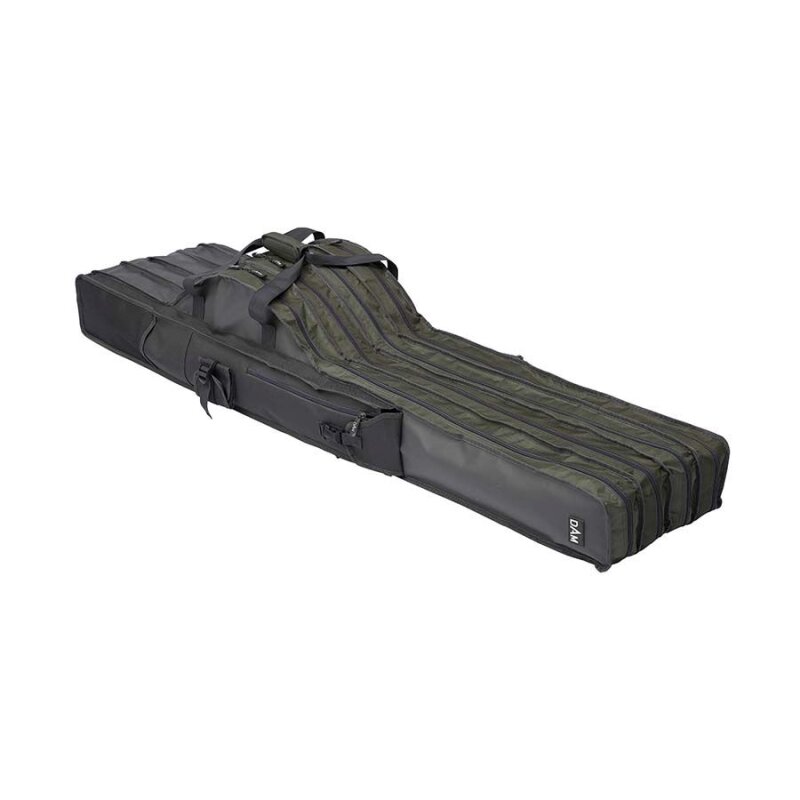
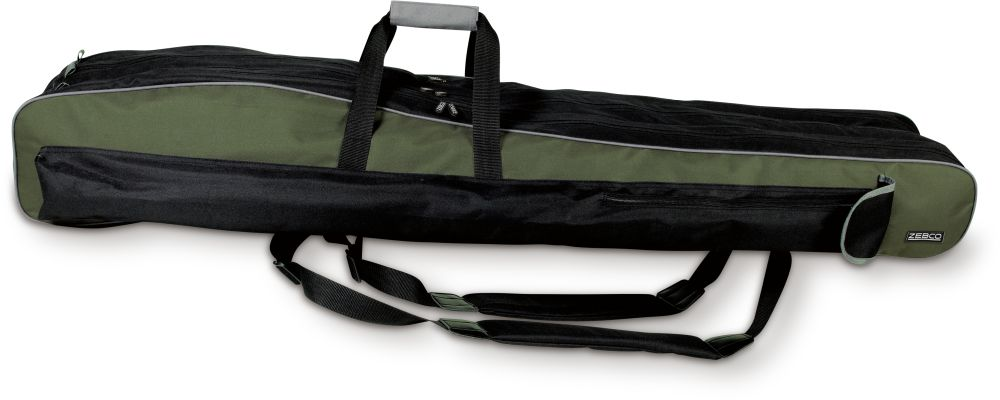
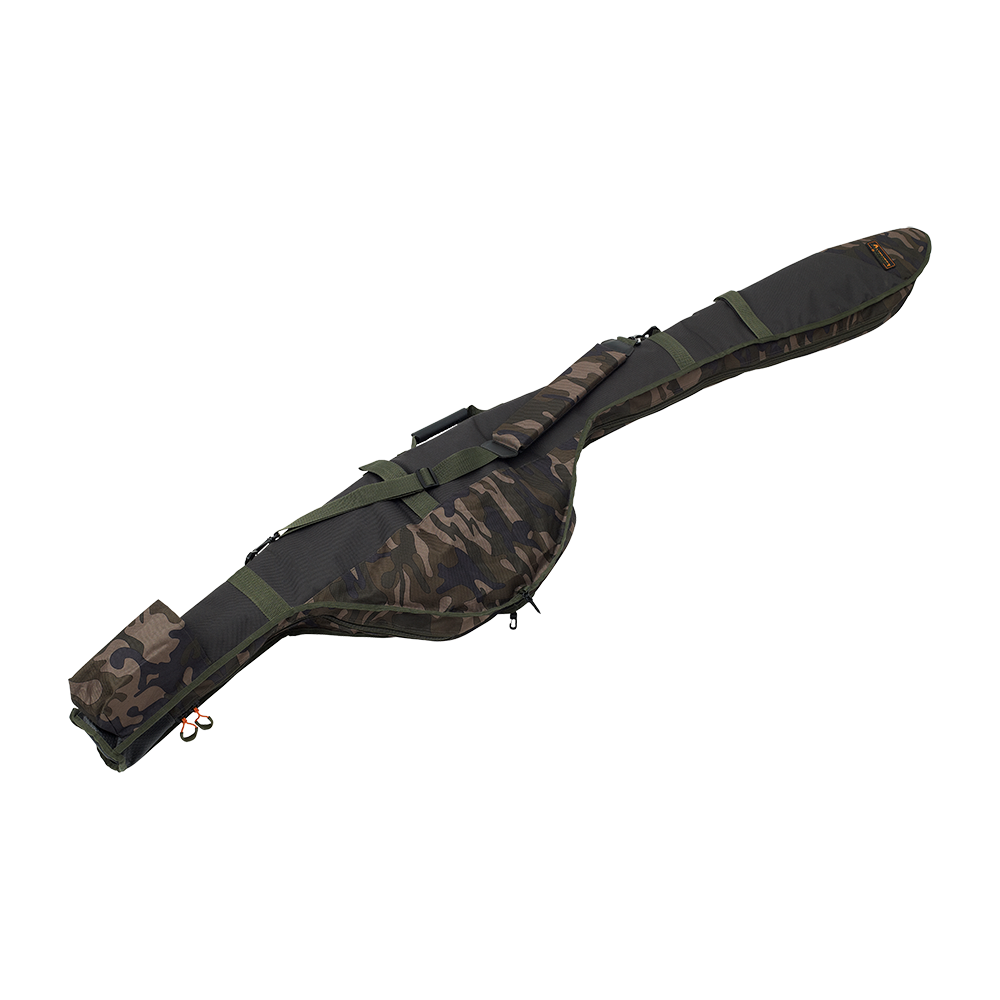
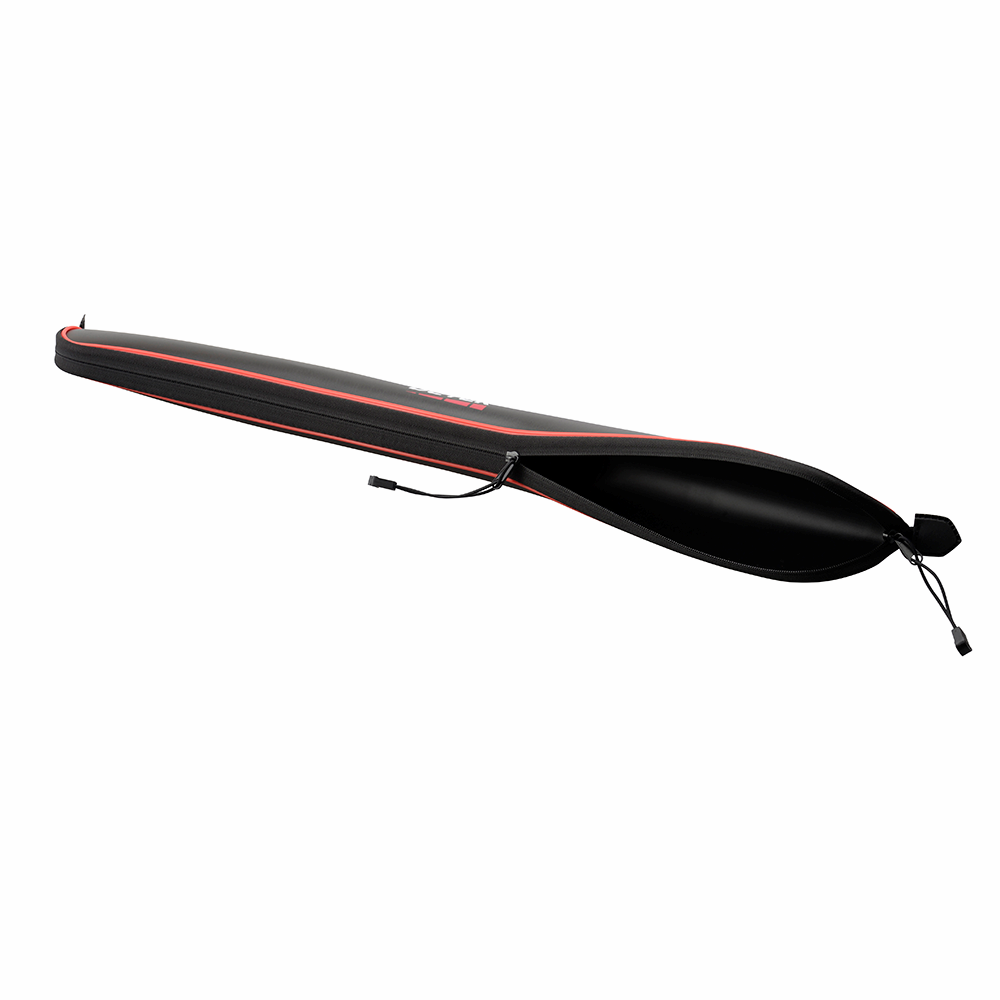
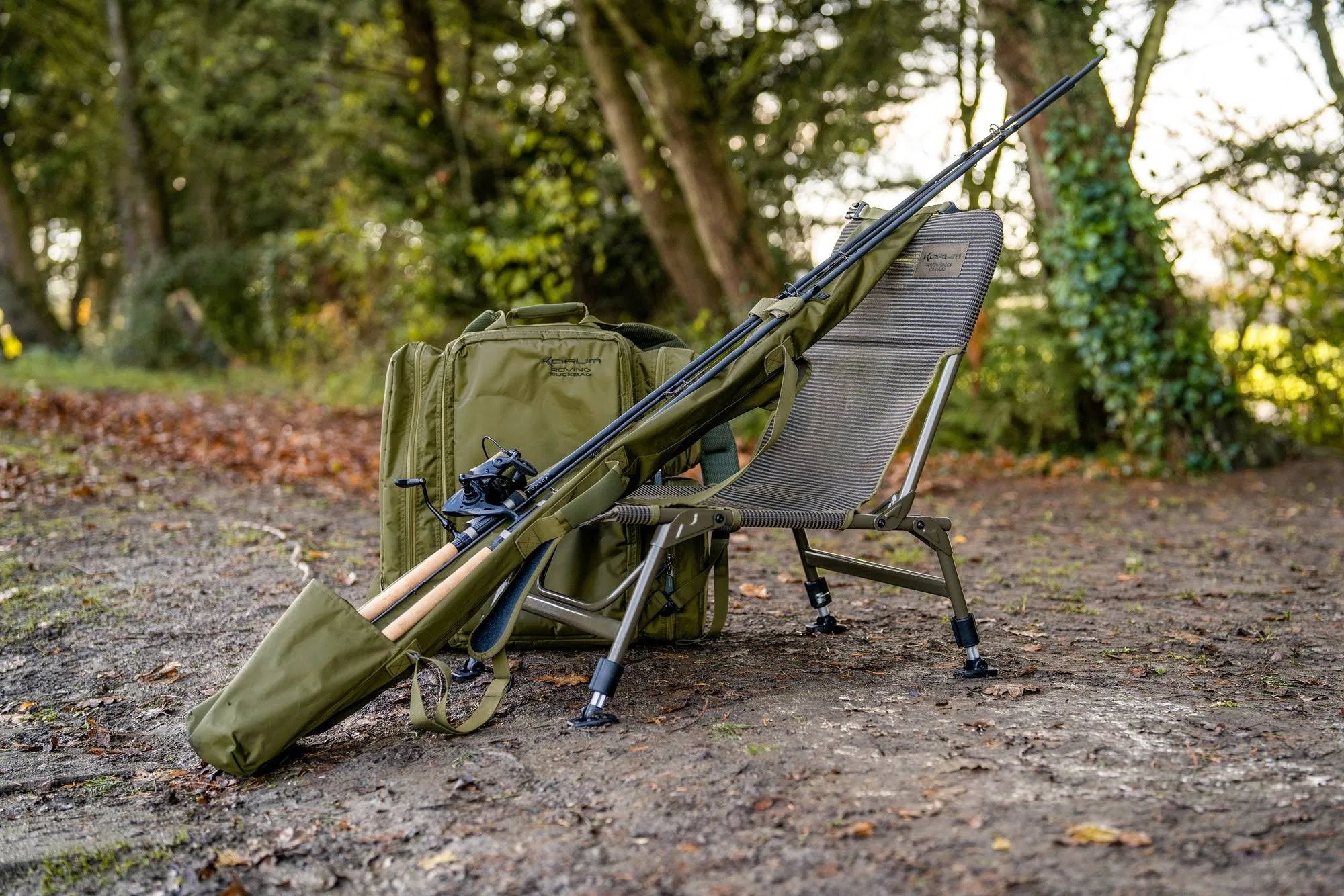
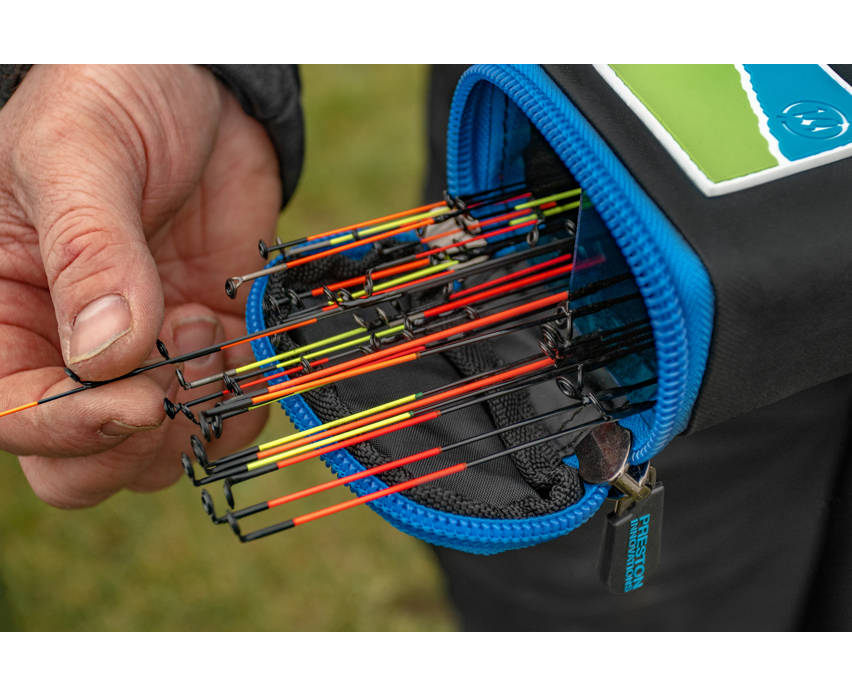
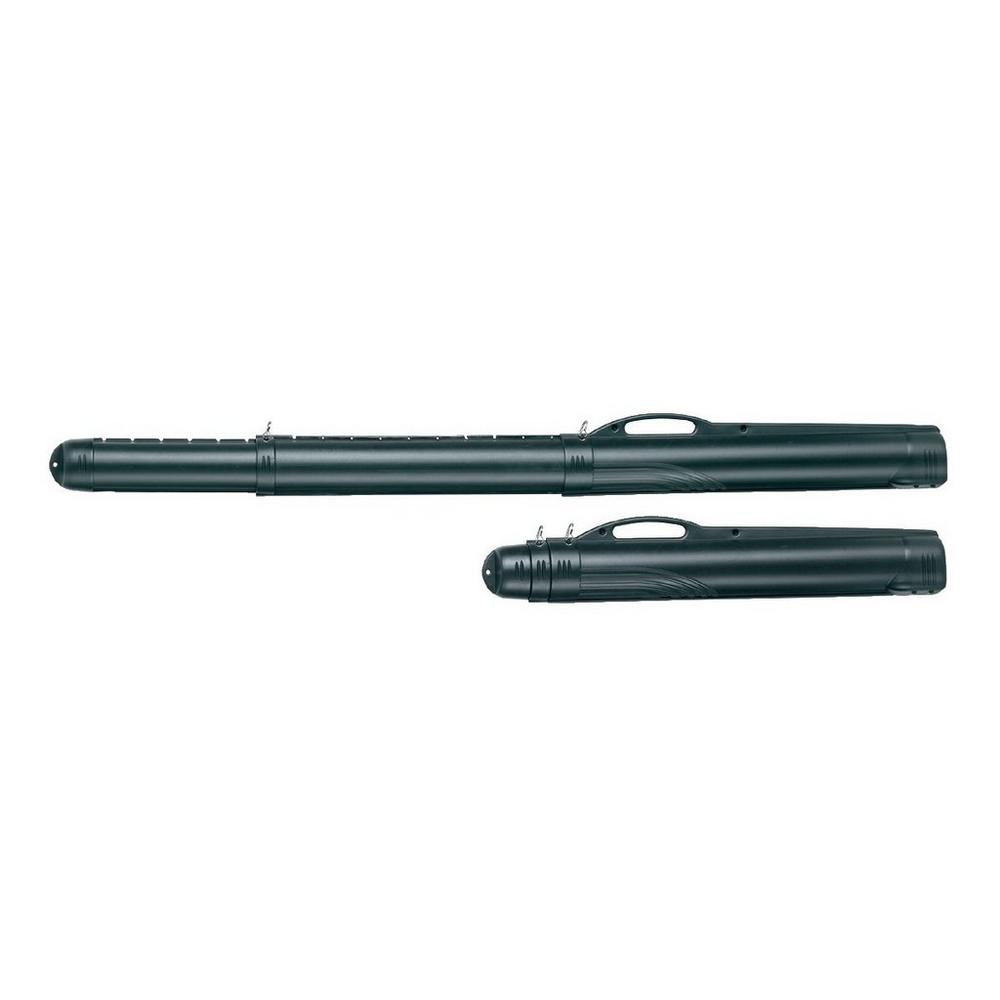
A rod holdall keeps sections aligned and reduces contact with vehicle interiors, doors and other tackle. Sleeves for unmade rods are usually slimmer, while holdalls for made-up outfits need room for reels and larger guides. Capacity descriptions vary, so the internal layout and dimensions are more reliable than a simple rod count.
Measure the longest packed section from butt to tip, then allow space for caps, guide frames and padding. If reels remain attached, compare the position and size of each reel compartment. Dividers should prevent rods and reels pressing against one another when the holdall is lifted or laid flat.
Browse all fishing luggage, protect detached reels in reel pouches, and keep prepared tackle in rig wallets. Match the holdall to the packed dimensions of carp rods or surf rods, rather than only the nominal fishing length.
Choose length, capacity and carrying support
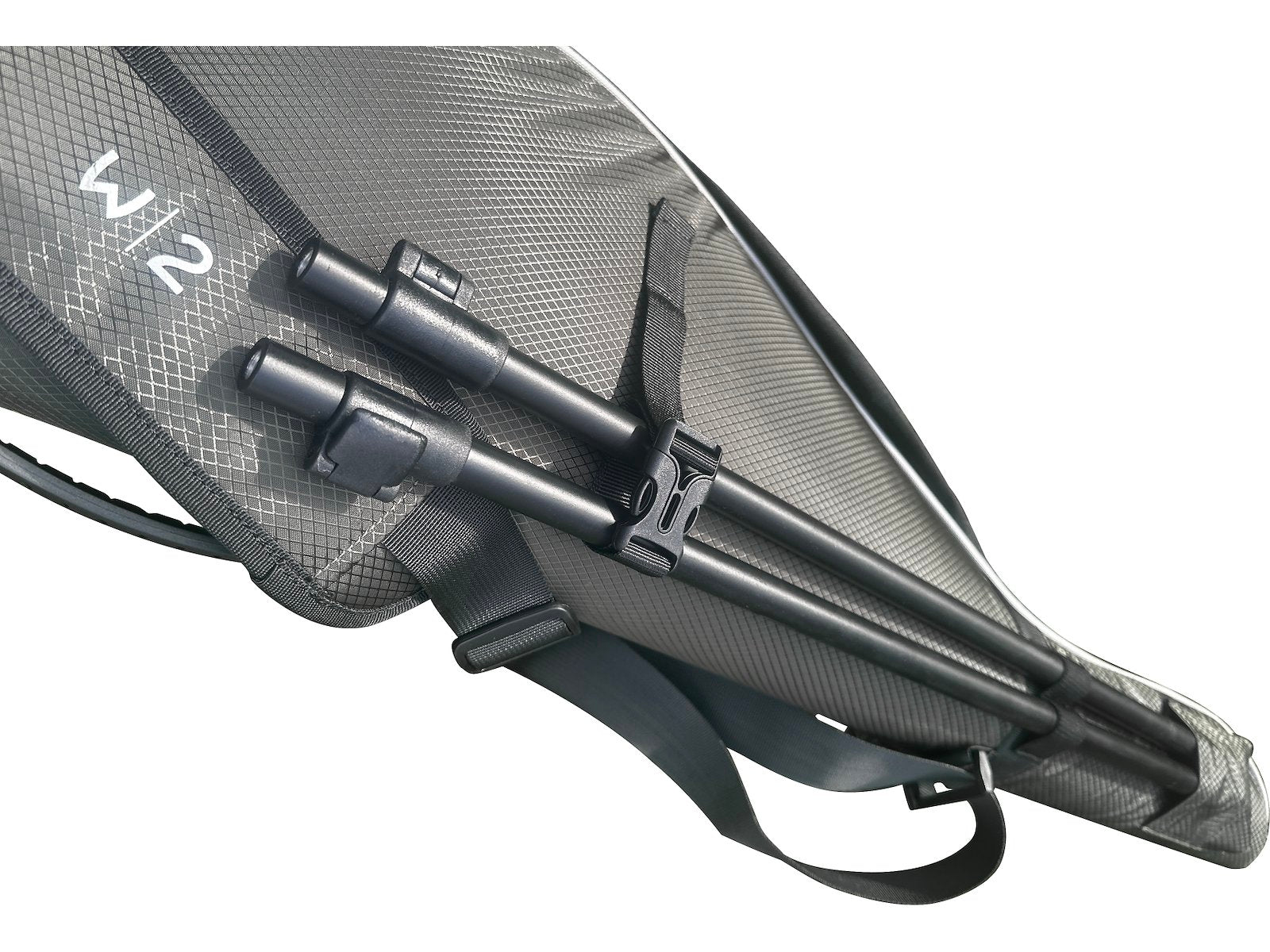
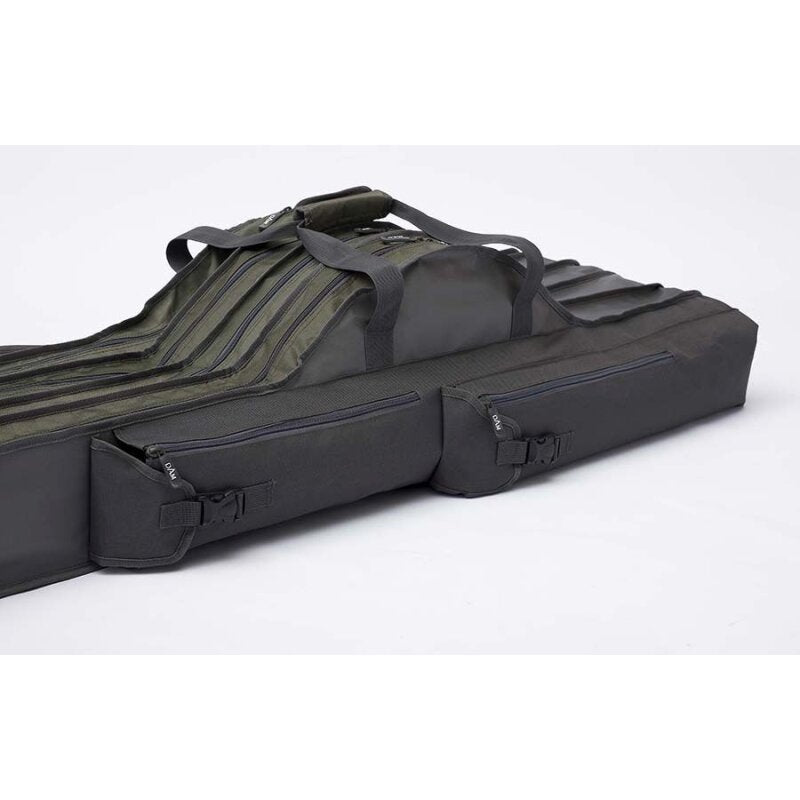
Extra compartments can carry landing-net handles, banksticks or umbrellas, but they also increase weight and width. Check each pocket length and closure, and keep hard or pointed items away from rod blanks. A reinforced base can protect against routine ground contact, though it should not be dropped or used as a support.
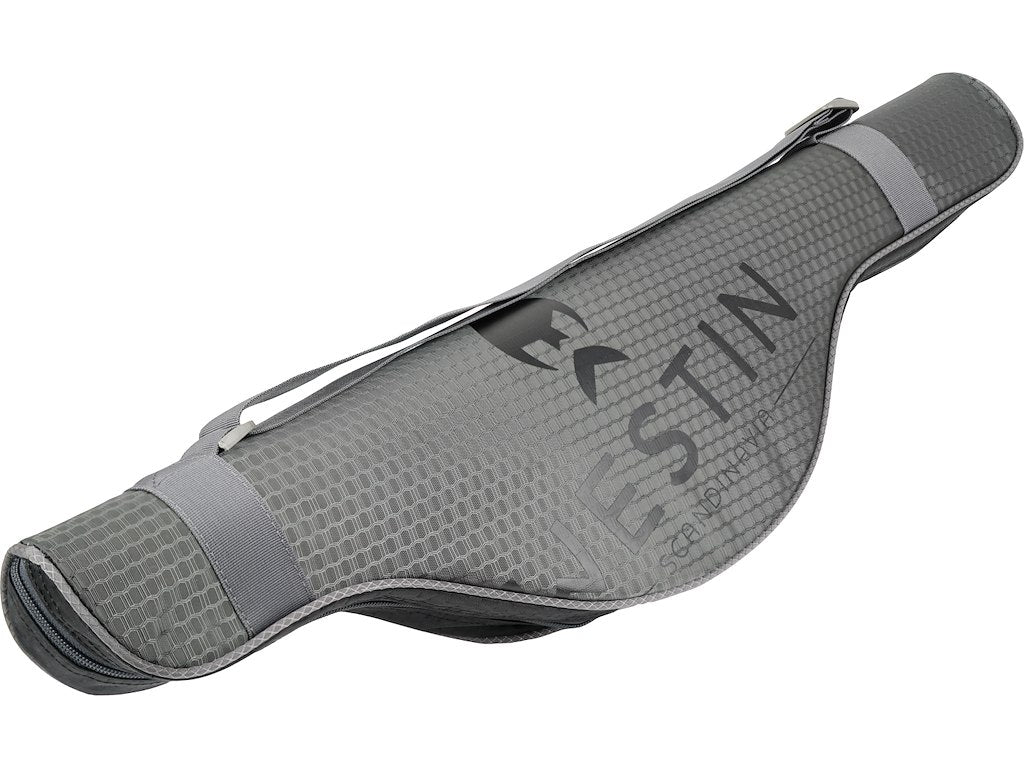
Padding is most useful around tips, guides, reel seats and dividers. Structured or semi-rigid construction may offer more crush resistance, while a soft holdall can be lighter and easier to store. Neither format makes rods immune to heavy loads, vehicle movement or doors closing on the case.
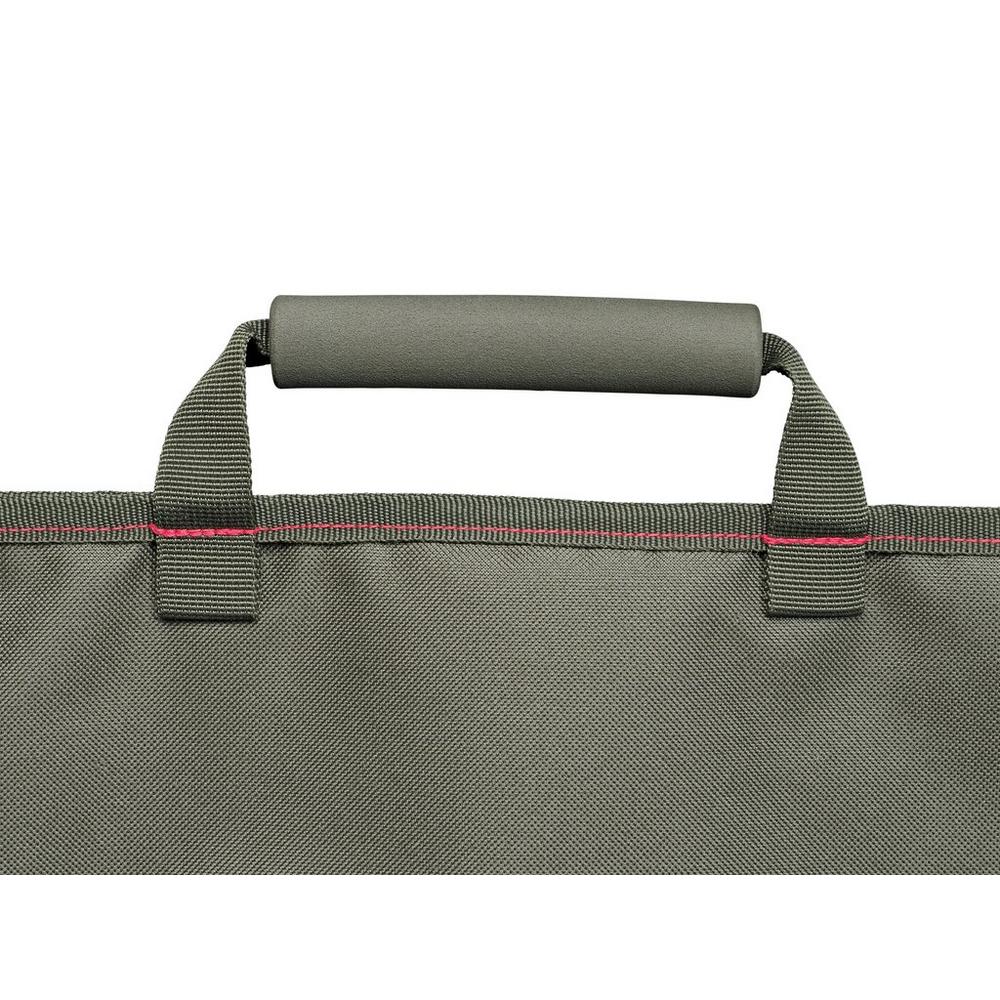
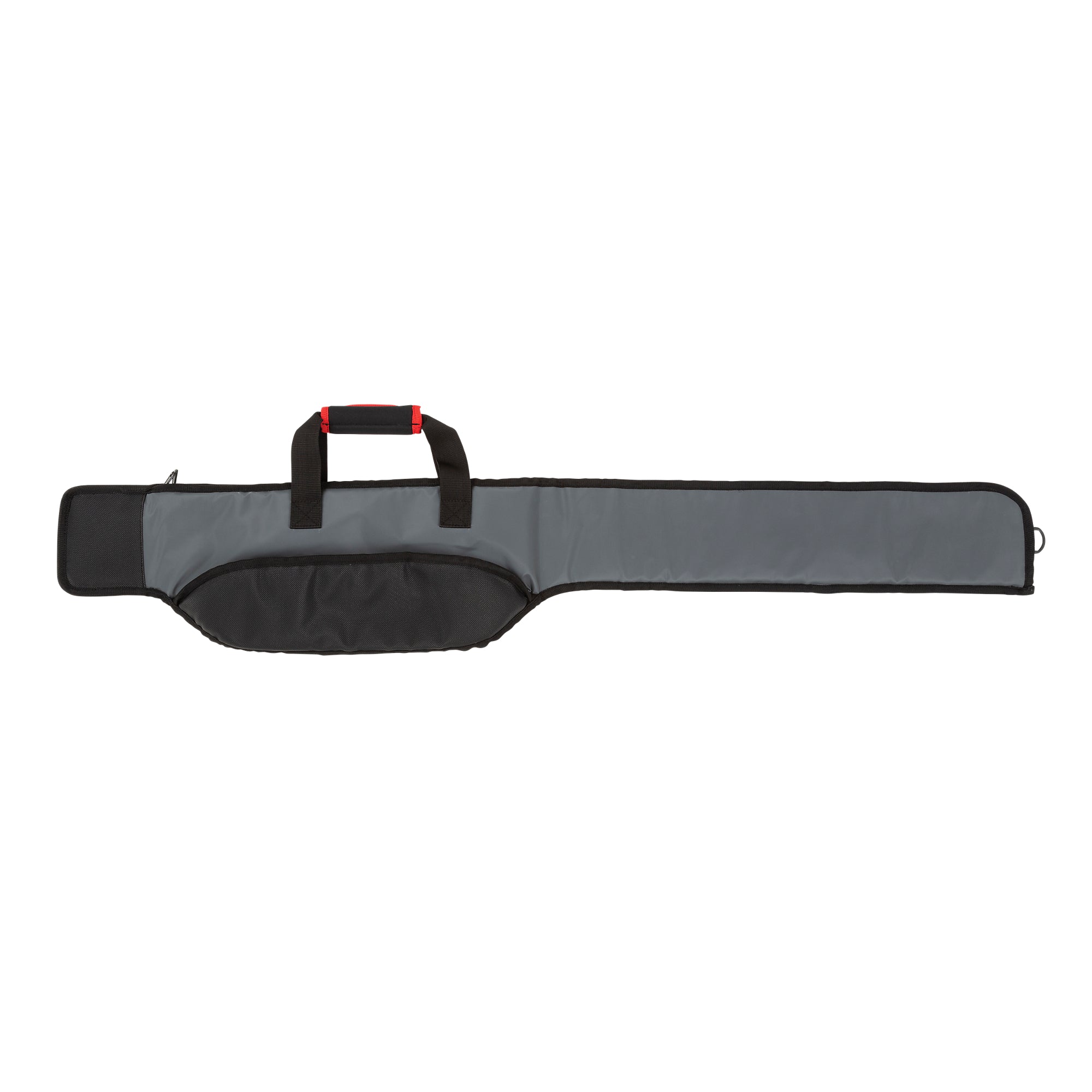
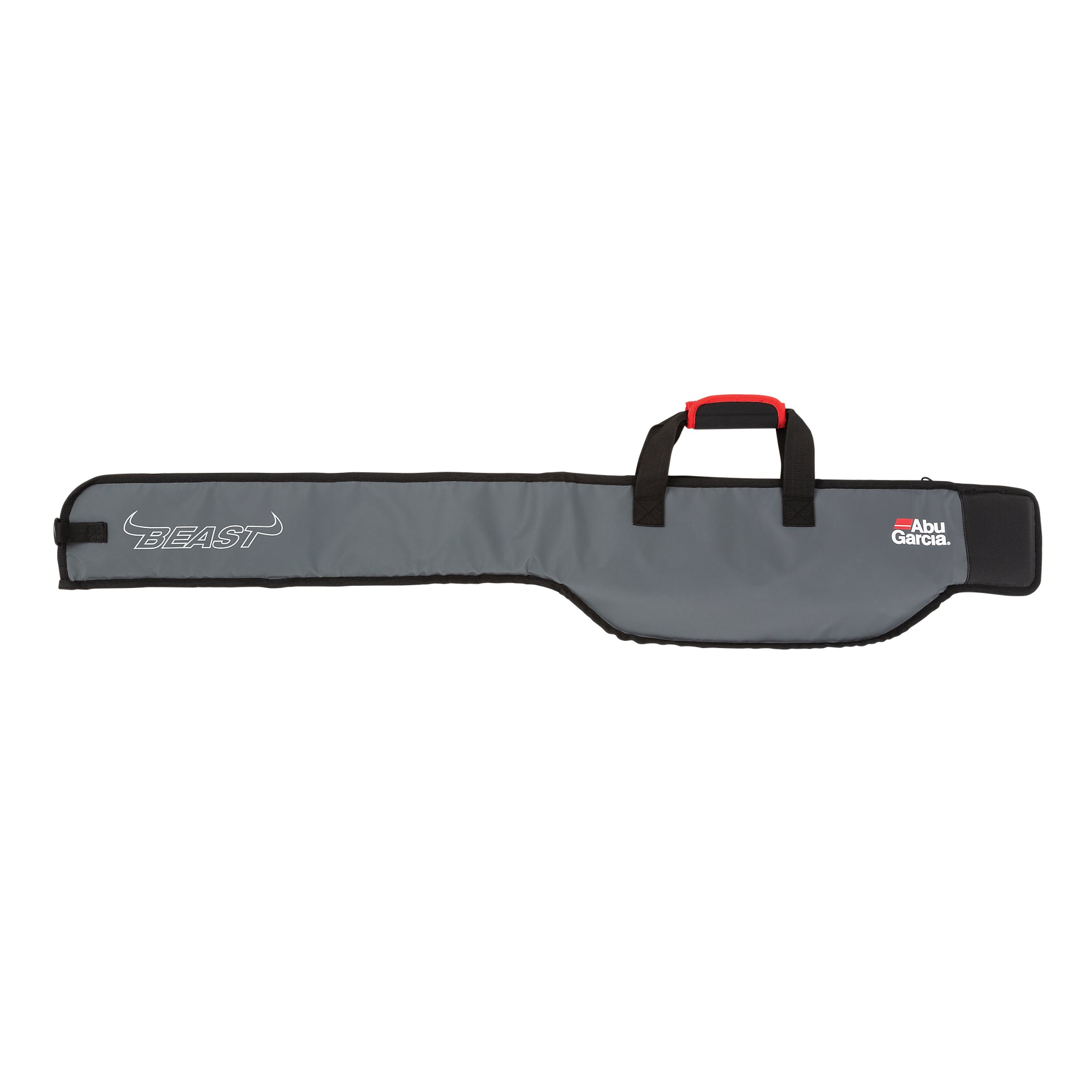
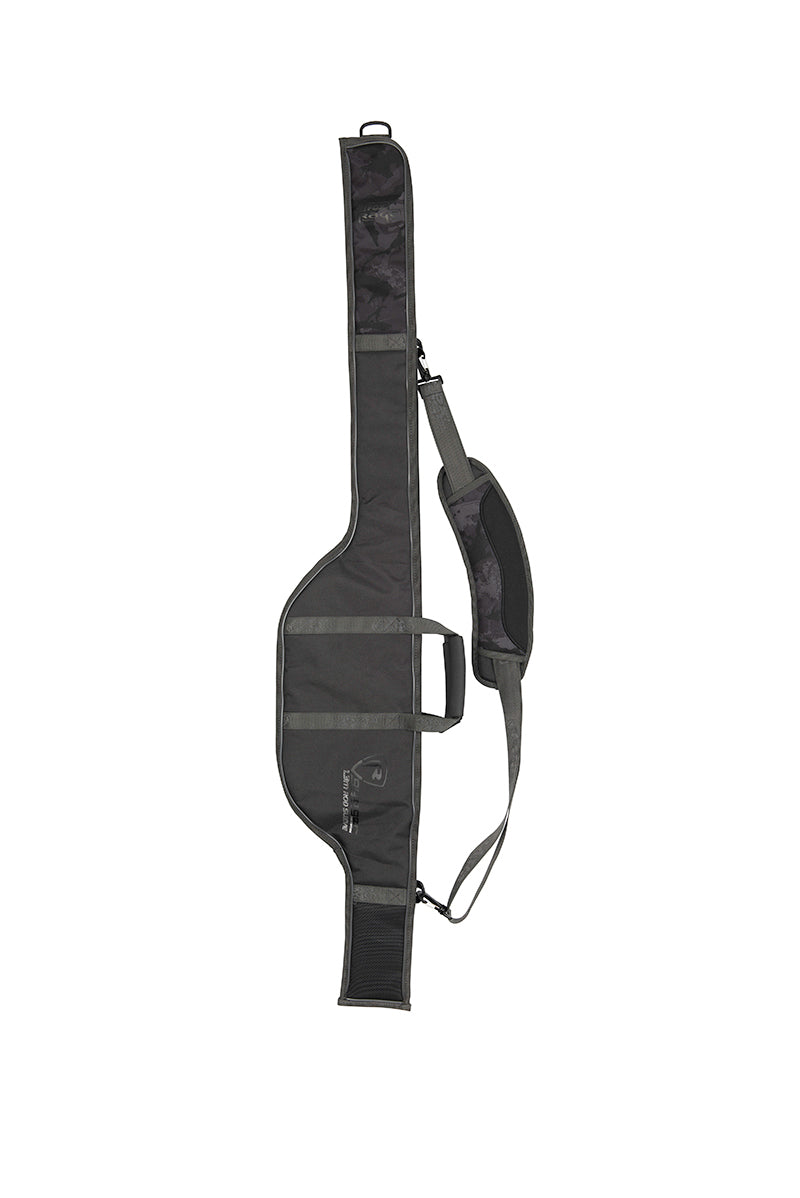
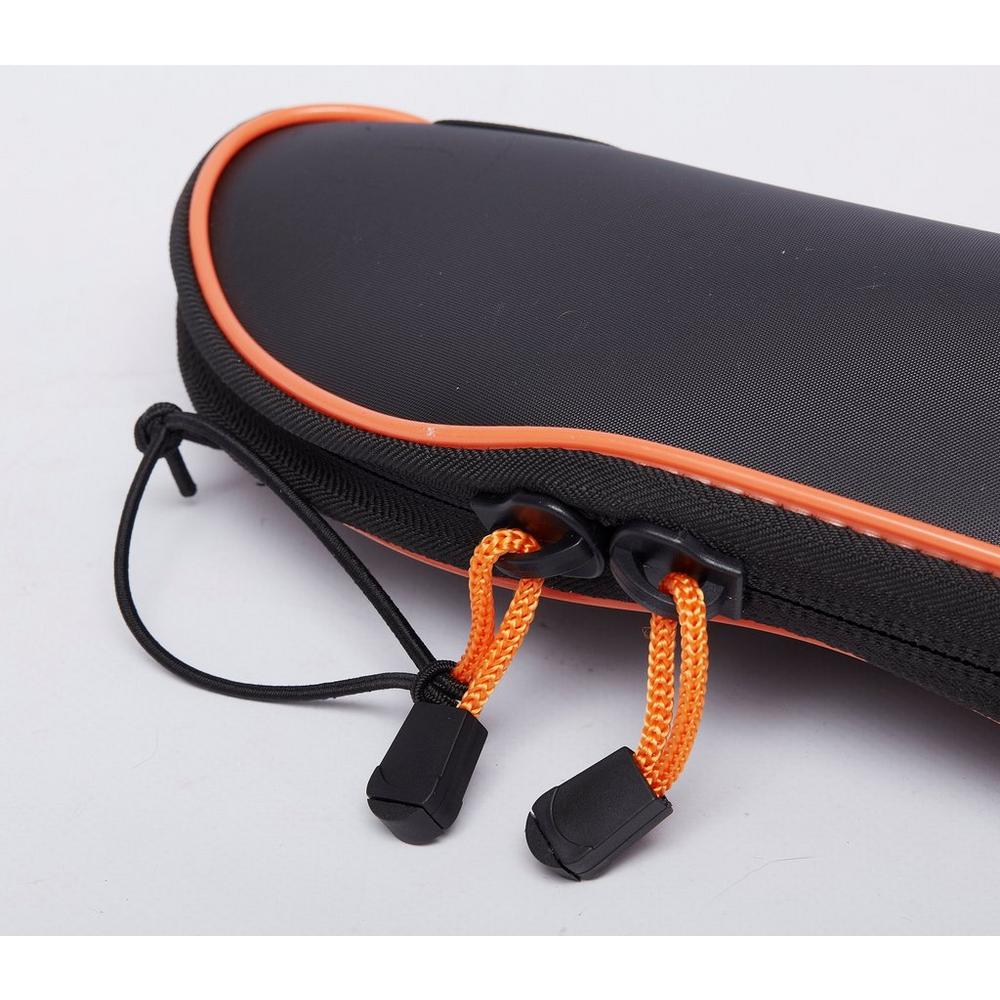
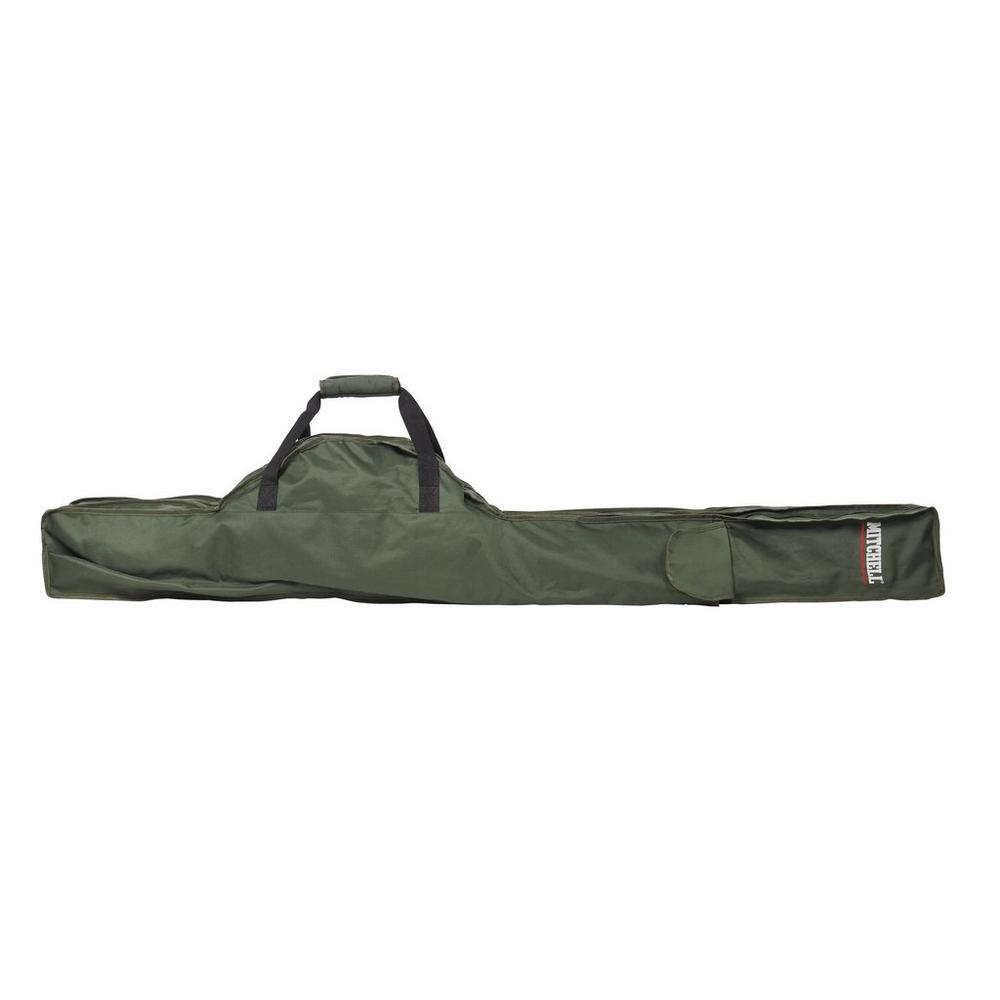
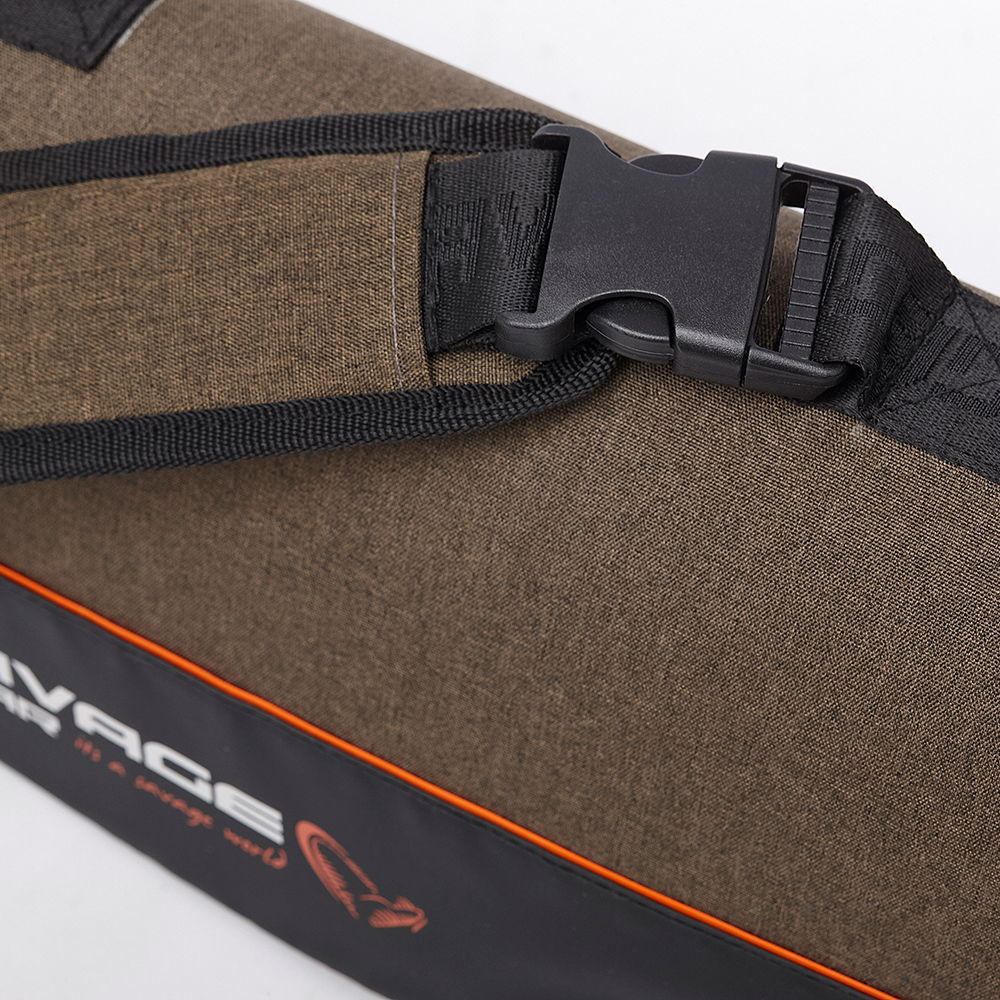
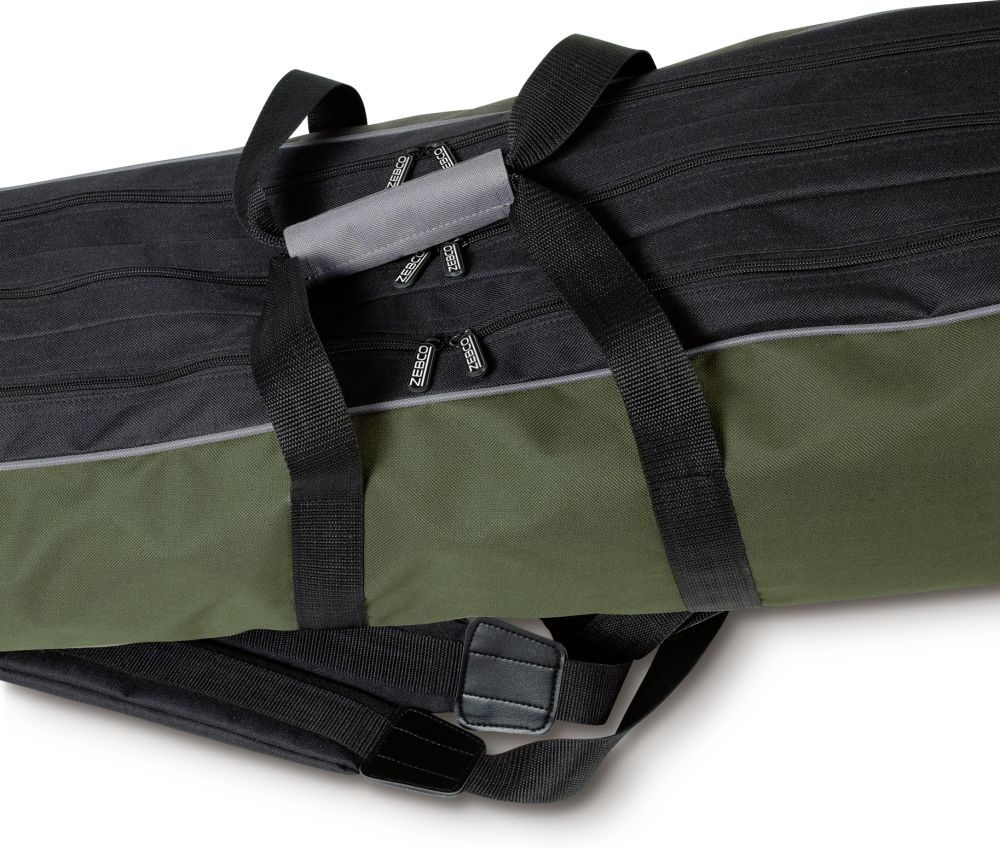
Adjust shoulder straps so the holdall remains balanced and does not extend into people, traffic or overhead obstacles. Use both handles when the design requires them, close every zip and secure loose external straps. Check the packed length before travel on public transport or in a small vehicle.
Pack rods and plan the complete setup
Use tip protectors or rod bands where appropriate, place guides away from pressure points and avoid tightening straps directly over fragile blanks. Dry rods and the interior before storage, especially after rain or saltwater use, and inspect seams, zips, straps and base panels.
For method-specific planning, read the carp rod setup guide or the surf and pier rod guide. Once the rod type and packed dimensions are known, choose a holdall that protects the real setup without unnecessary bulk.