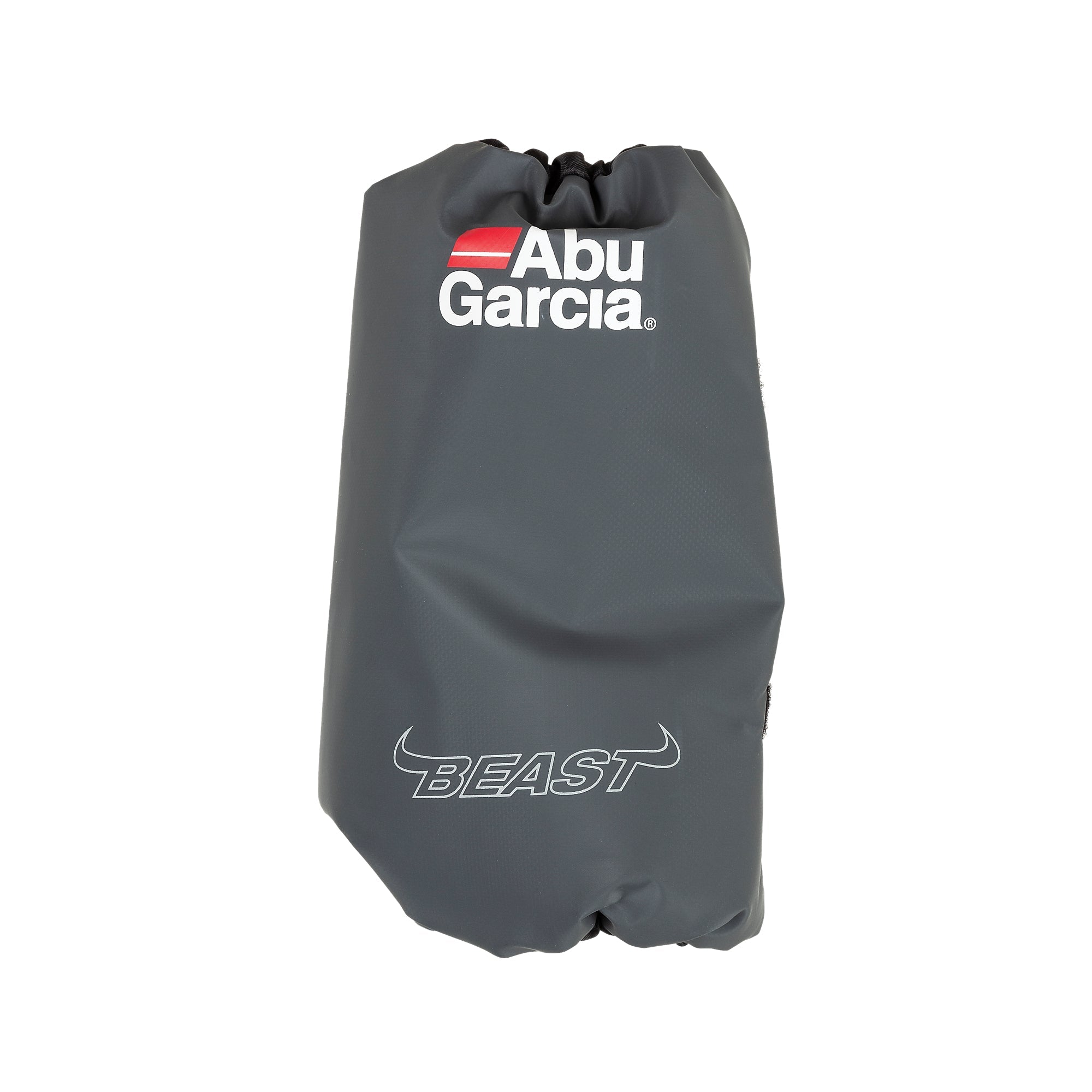
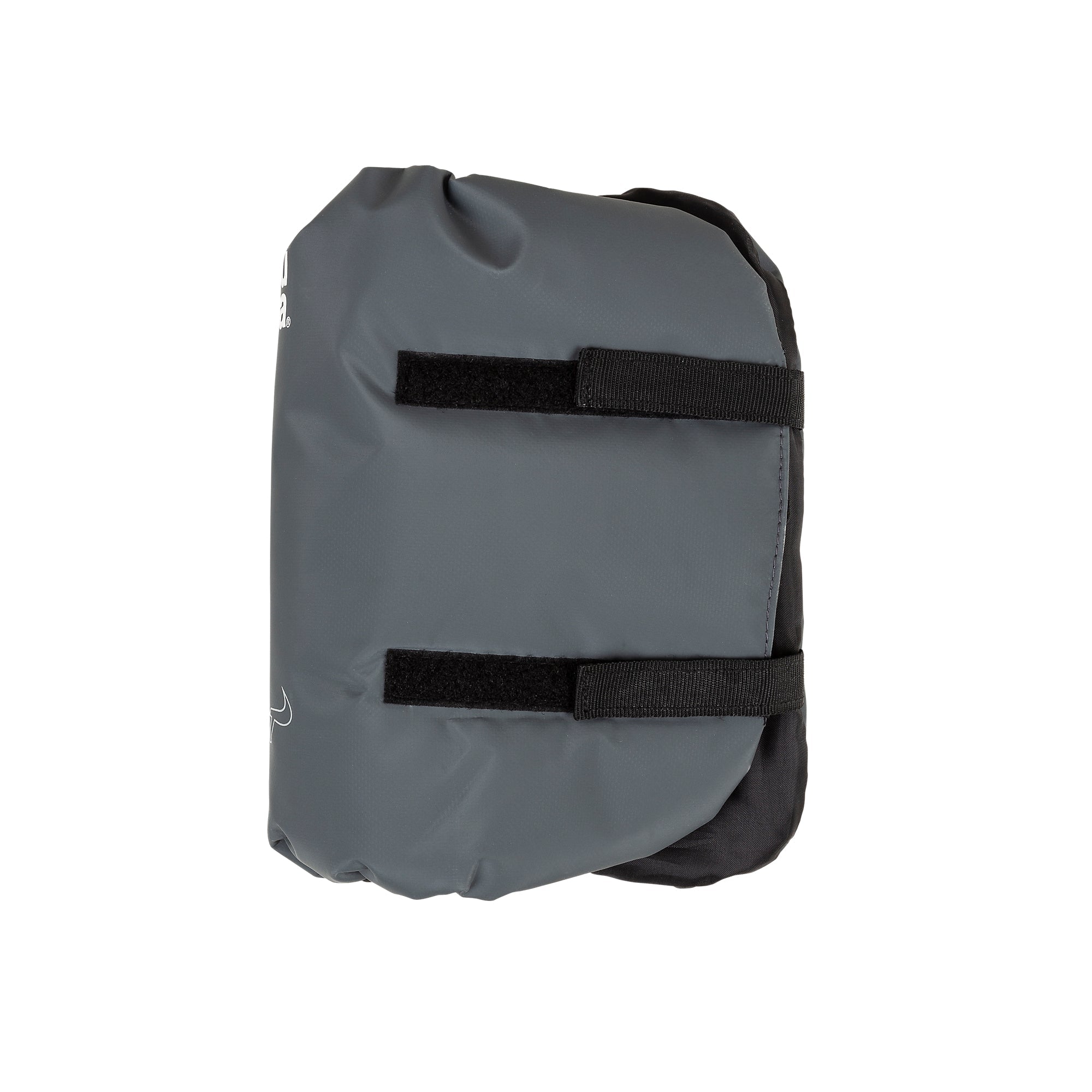
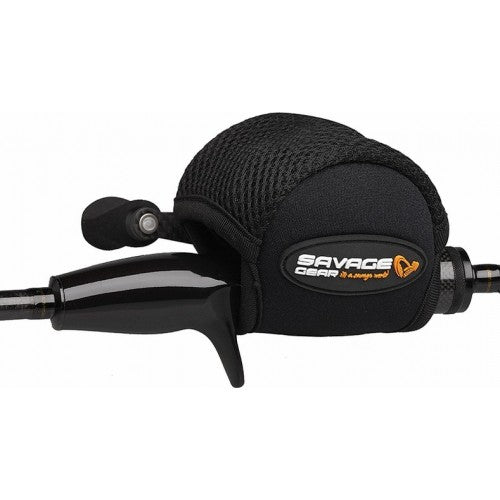
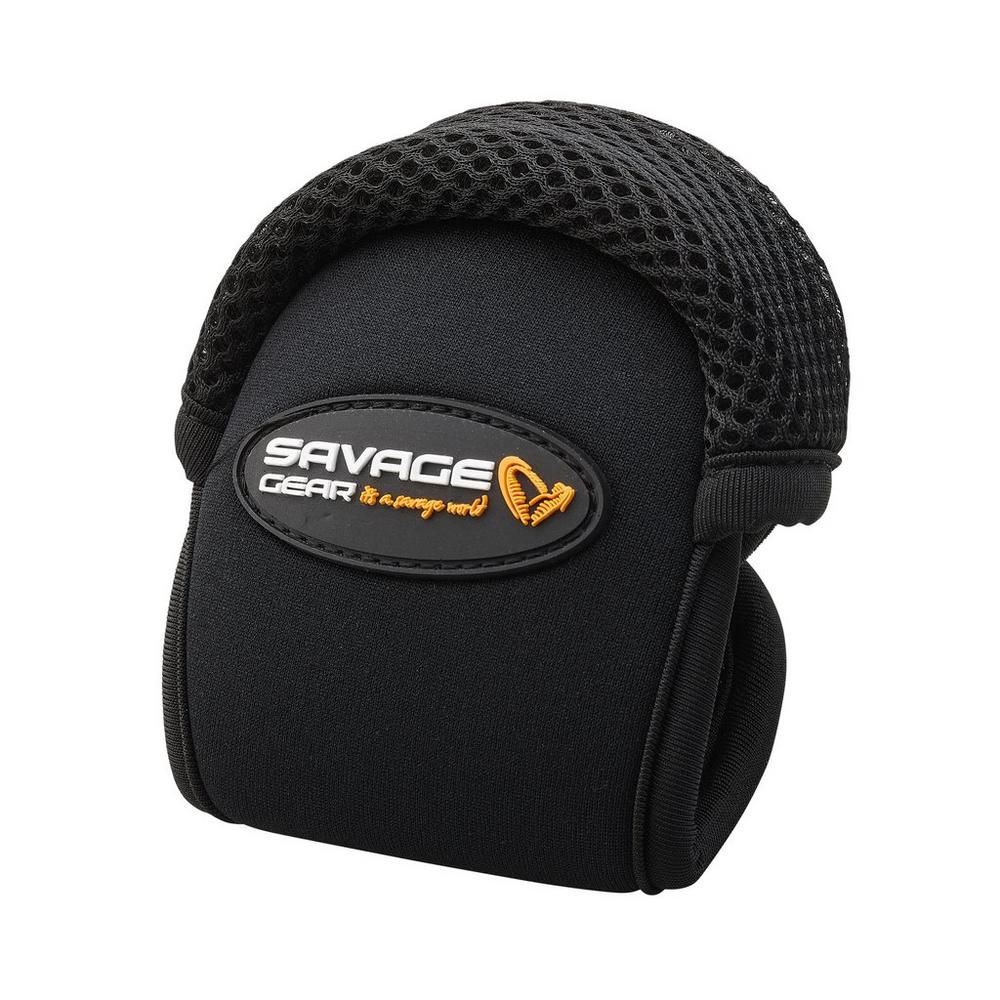
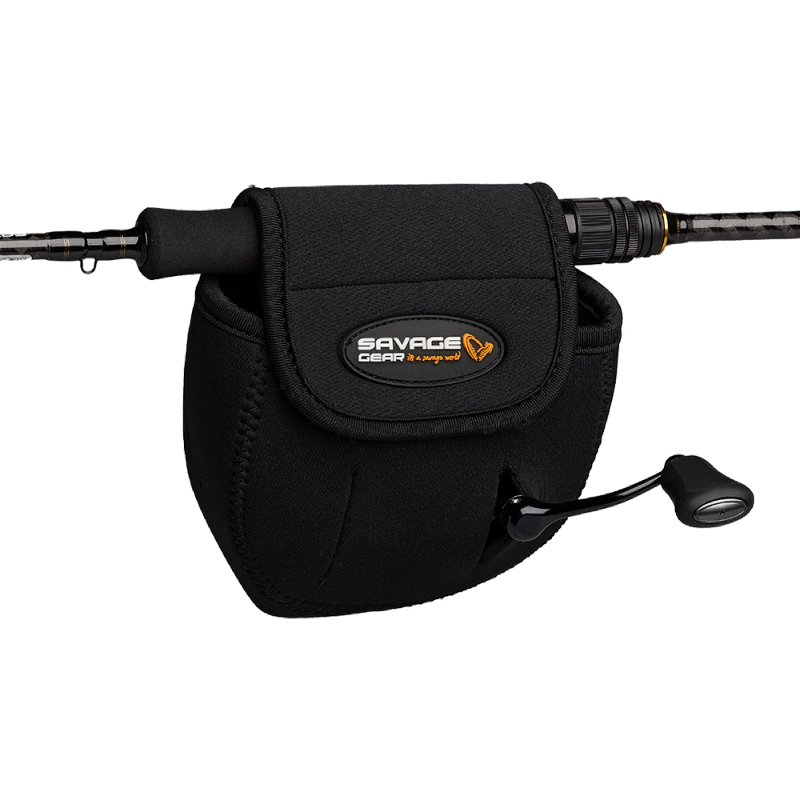
Reel pouches for padded transport and storage
A reel pouch protects a reel from knocks, grit and contact with other tackle inside a bag or holdall. Soft sleeves reduce surface abrasion, while more structured cases can provide additional crush protection. The required shape depends on reel body size, handle position, spool width and whether the reel remains attached to a rod.
Measure the reel at its widest points and include the handle, bail arm, reel foot or line guide. Internal padding reduces usable space, and forcing a reel into a tight pouch can bend a bail, press a drag knob or load the handle shaft. A secure closure should hold the pouch shut without contacting line or delicate controls.
Browse the parent fishing luggage range, pair pouches with protective rod holdalls, organise mobile tackle in lure bags, and compare suitable spinning reels. Routine lubrication products are listed separately under reel oils.
Choose fit, padding and closure
Use model-specific compatibility only when the product states it. Otherwise, compare measured internal length, width and depth with the reel. Check whether the handle must be folded or removed and whether a spare spool has a separate compartment. Never loosen a component for storage without following the reel manual.
Padding should support the body without trapping hooks, sand or salt. A smooth lining protects finishes, but wet lining can hold moisture against metal parts. Water resistance varies between fabric, seams and zips, so a pouch described as weather-resistant should not be treated as a waterproof case unless its rating confirms that use.
A label window or distinct colour can help identify several reels without opening every case. If the pouch clips to another bag, check the attachment and loaded weight. Do not leave it hanging where it can strike the ground, boat fittings or vehicle doors.
Prepare reels before packing
Remove dirt, bait and salt according to the reel manufacturer’s care guidance, then allow the reel to dry fully. Back off drag pressure for storage only where recommended, secure loose line and keep the handle positioned so it cannot press against the body.
Dry the pouch open after each trip and inspect seams, lining, padding and closures. Store it away from heat and crushing weight. A reel pouch reduces transport damage, but it cannot compensate for a wet reel, incorrect lubrication or heavy equipment stacked on top.