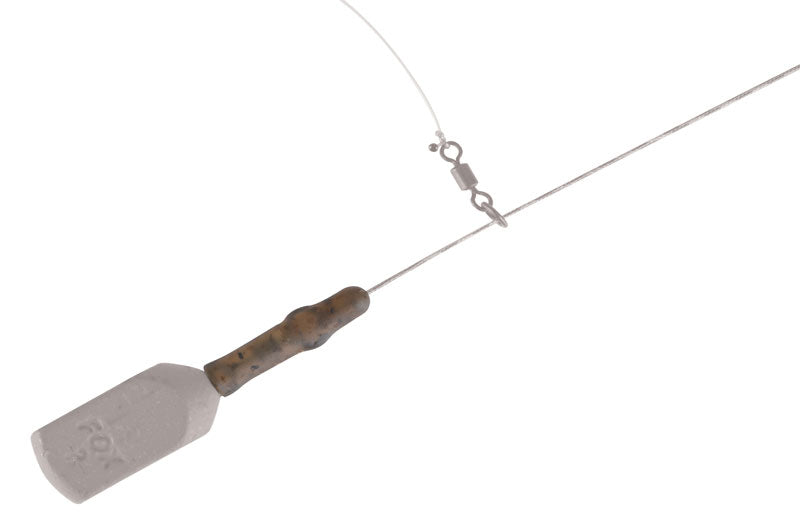
Fishing beads, tubing and sleeves for rig building
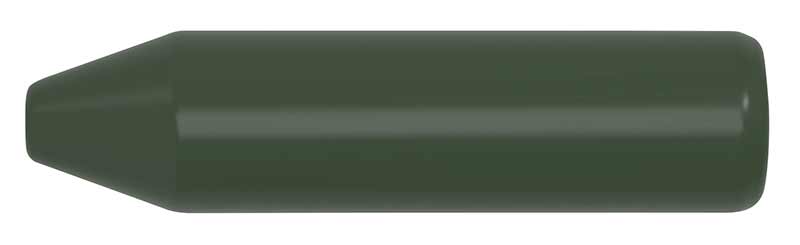
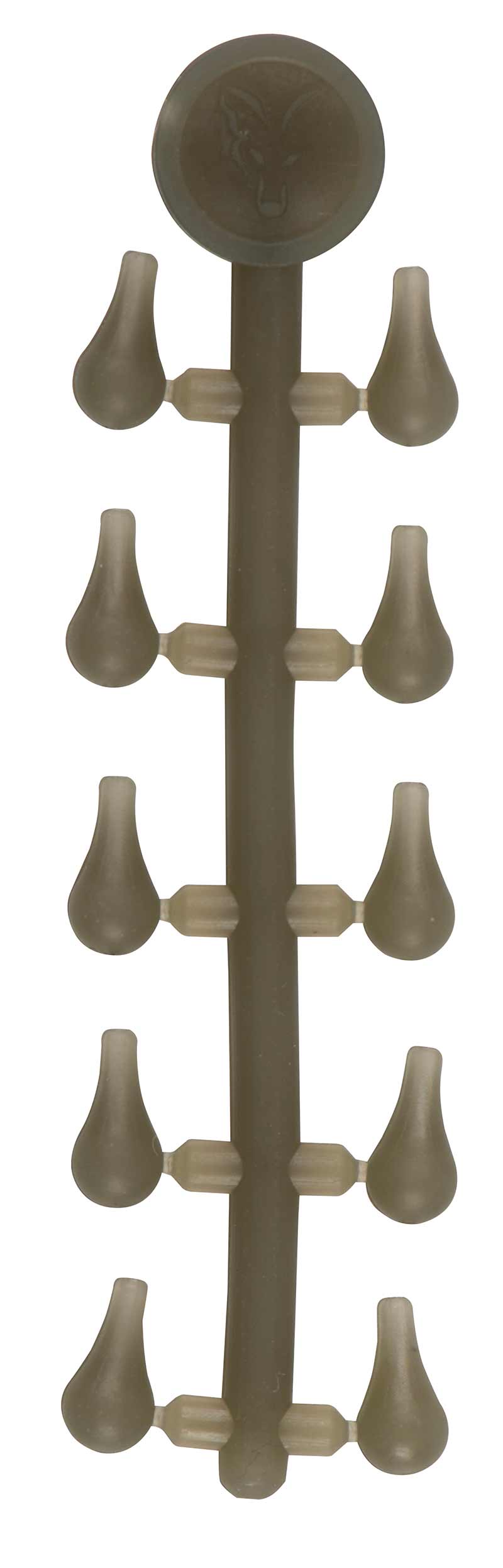
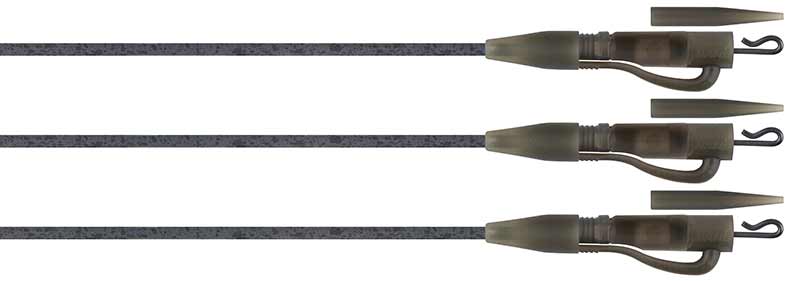
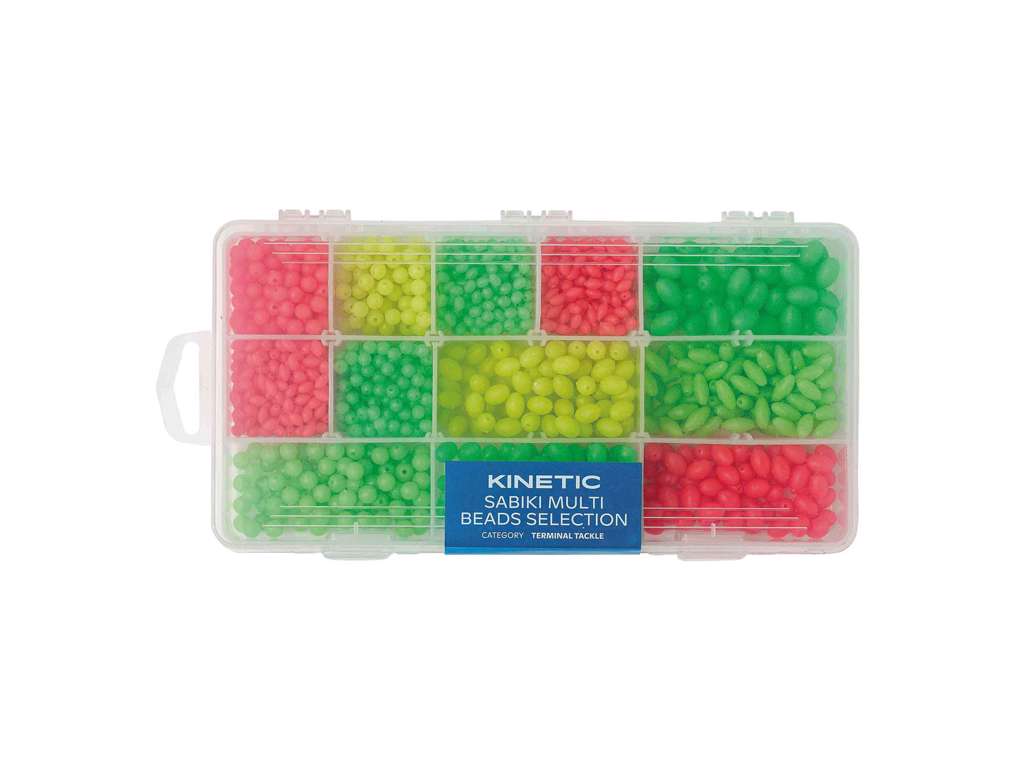
Beads, tubing and sleeves perform small but important jobs in terminal rigs. Beads can buffer knots or set spacing, tubing can protect line or conceal and organise sections, and sleeves can cover swivels, clips, crimps or hook connections. Their material, bore, stiffness and fit determine whether they help or hinder the rig.
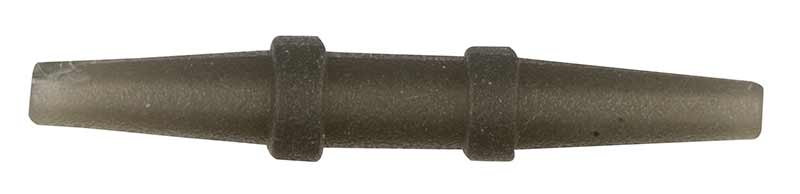
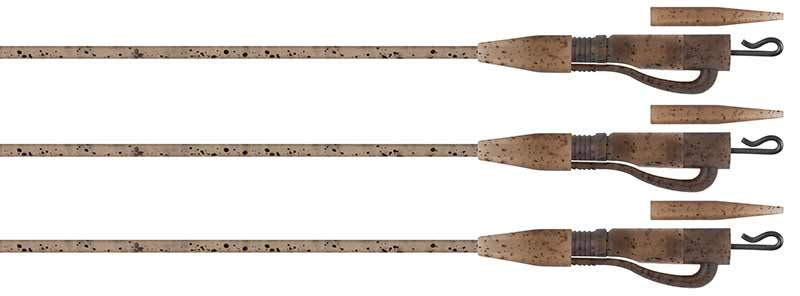
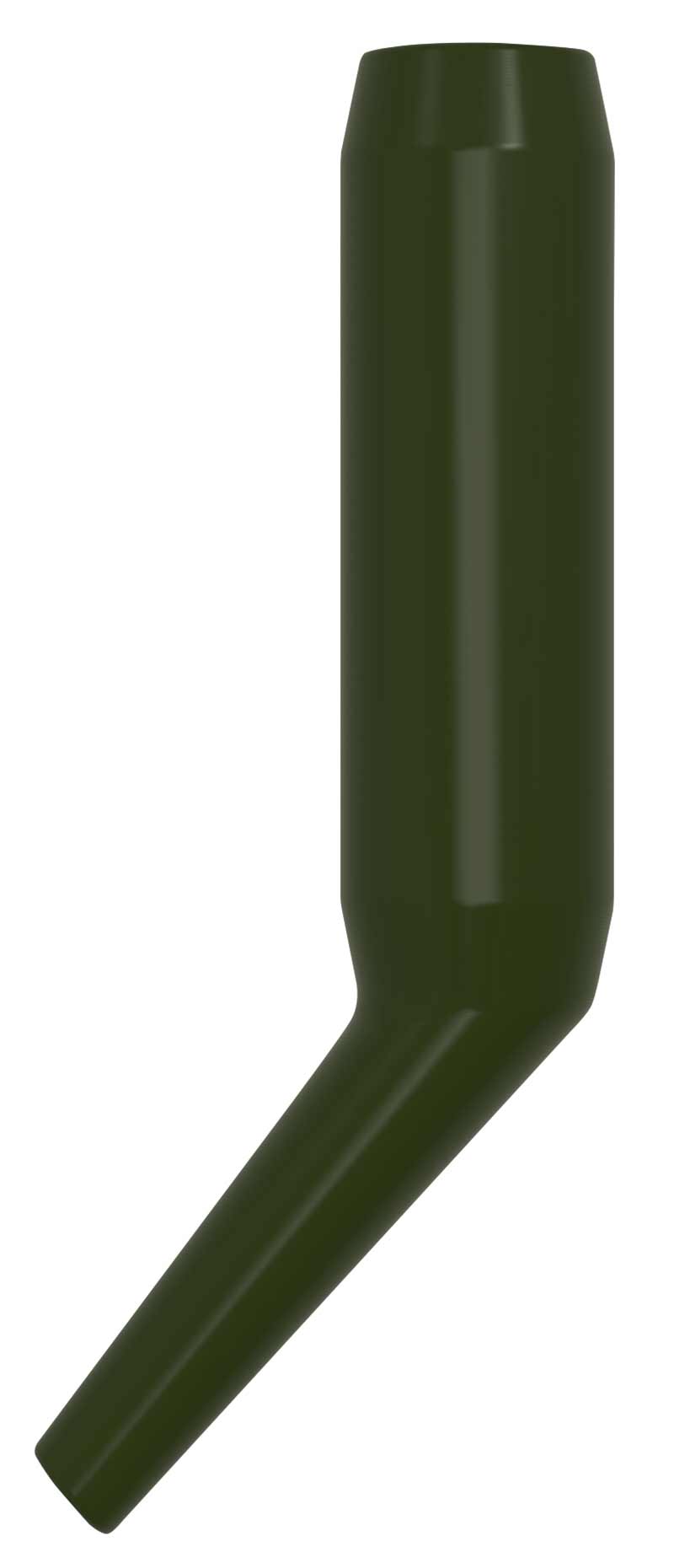
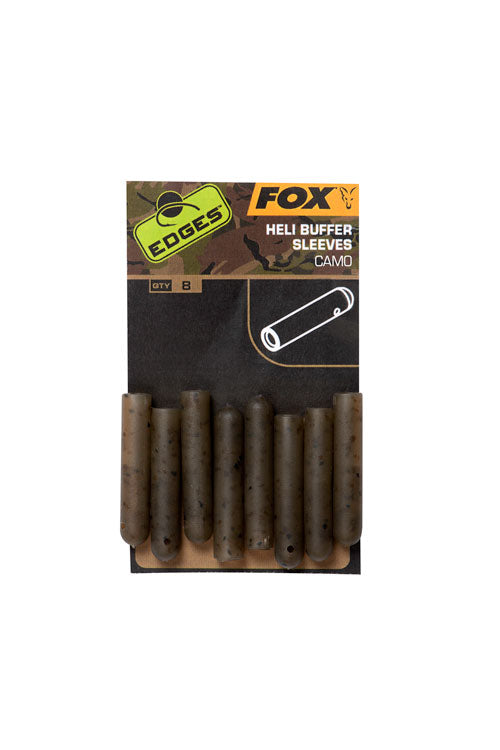
A buffer bead must absorb contact without sliding over the knot or connector it is meant to protect. Anti-tangle sleeves guide the hooklength away from a swivel, while rig tubing may protect the main line or reduce tangles. Heat-shrink tubing should be heated only when the specific product is designed for it.
Browse the parent terminal tackle range, compare feeder links and booms, use specialist jig heads for weighted soft-lure rigs, or select compatible leaders and traces for the final line section.
Choose diameter, stiffness and fit
Match the internal diameter to the line, swivel, clip or crimp. A sleeve that is too loose may move or expose the connection; one that is too tight can damage line, prevent a swivel turning or split during fitting. Check the external profile where the rig must pass through weed, guides or a narrow feeder attachment.
Stiff sleeves can create separation and reduce tangles, while softer materials follow the rig more closely. Colour may help conceal the component against a particular bottom, but fit and function matter more. Avoid stacking extra beads or tubing without a clear mechanical purpose, as bulk can change movement and trap debris.
When using tubing near hooks or lures, ensure it does not obstruct the point, gape or intended articulation. Wet line where appropriate before sliding tight components, and use a suitable threading tool instead of forcing sharp wire through soft material.
Inspect and store small rig components
Check beads for cracks and sharp moulding edges, tubing for splits and sleeves for stretching or hardening. Replace any component that has slipped after a cast or fish. Inspect the hidden knot, crimp or swivel beneath a sleeve rather than assuming the cover means the connection is sound.
Keep small parts in labelled, closed compartments and separate heat-shrink from ordinary sleeves. Collect dropped plastic and offcuts, dispose of them responsibly and follow fishery rules on tubing, fixed rigs and lead-release systems.