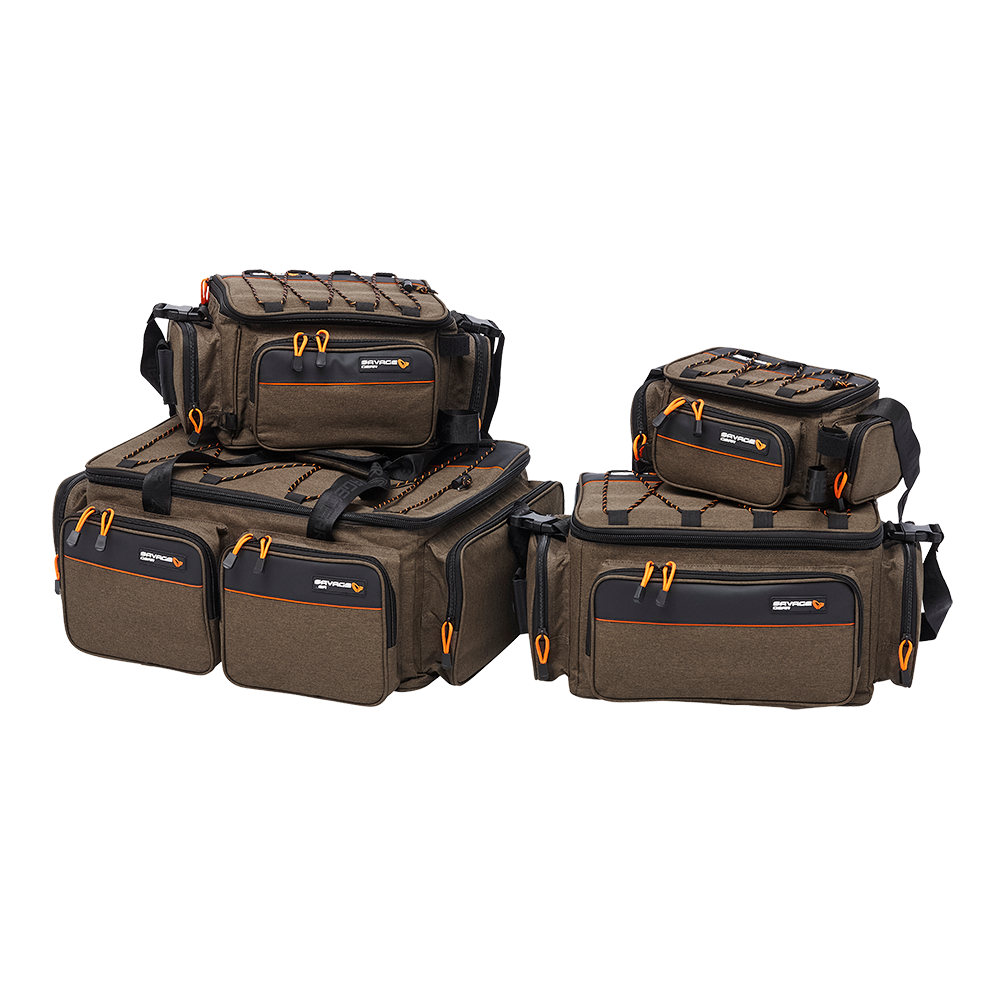
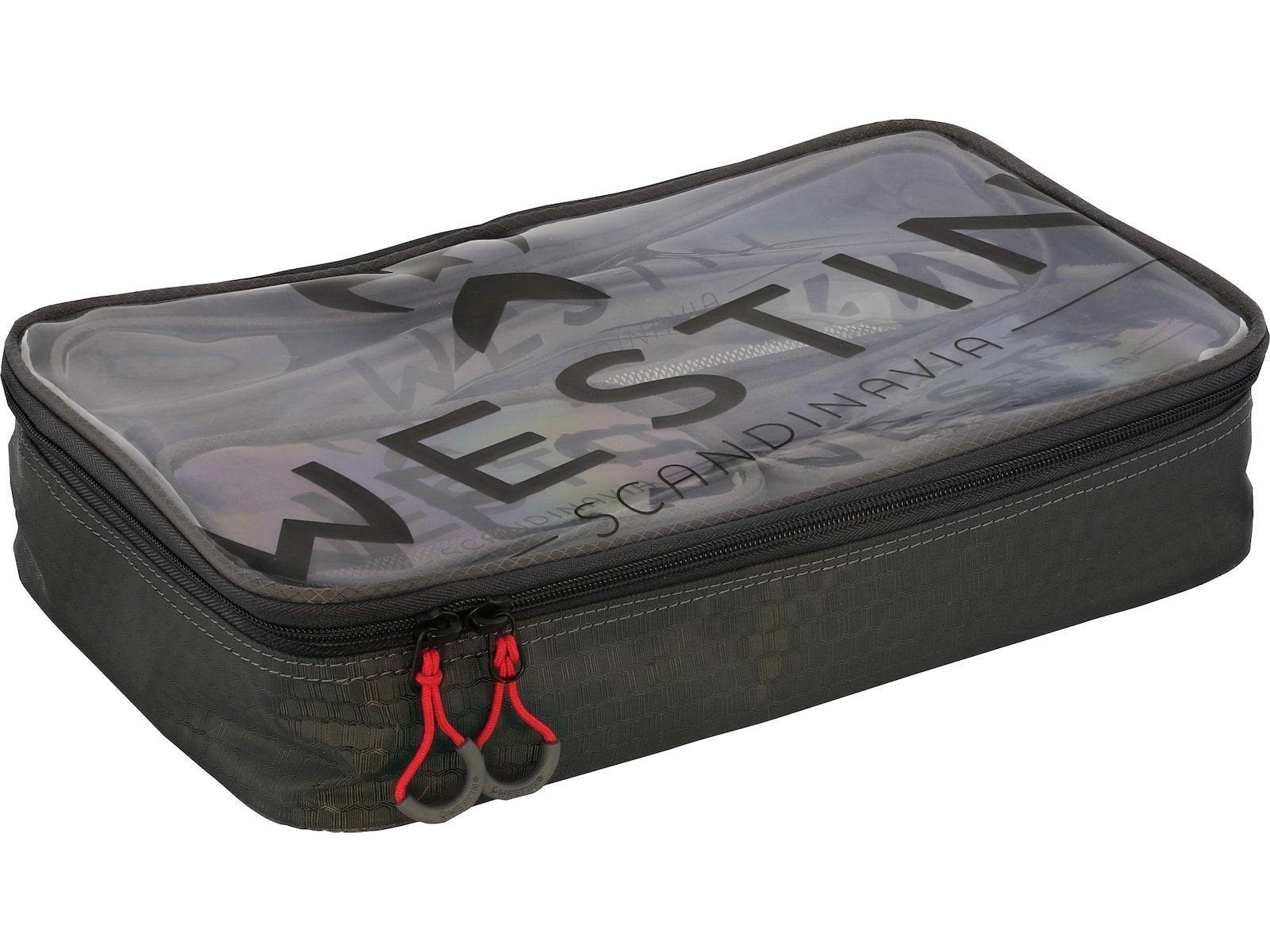
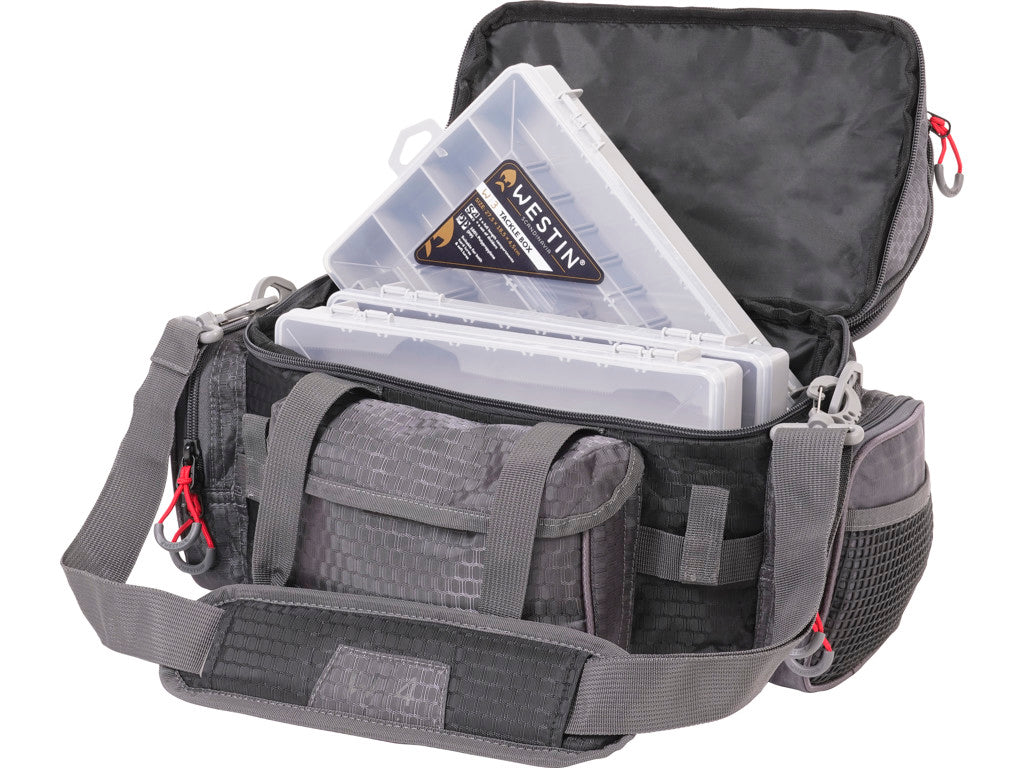
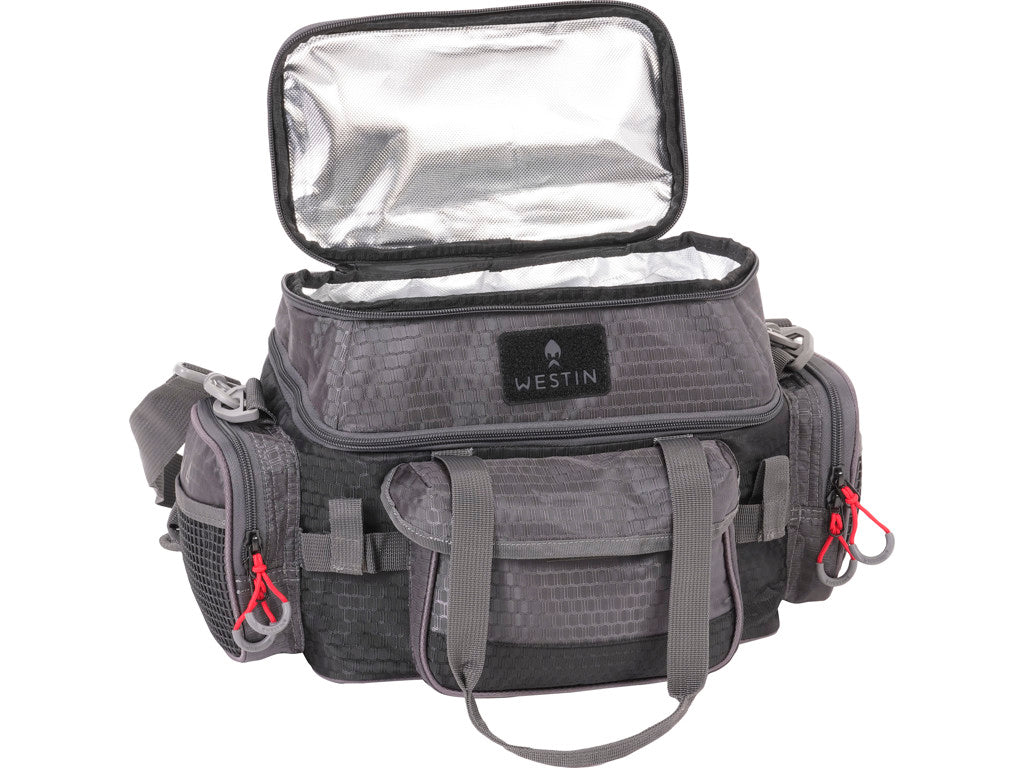
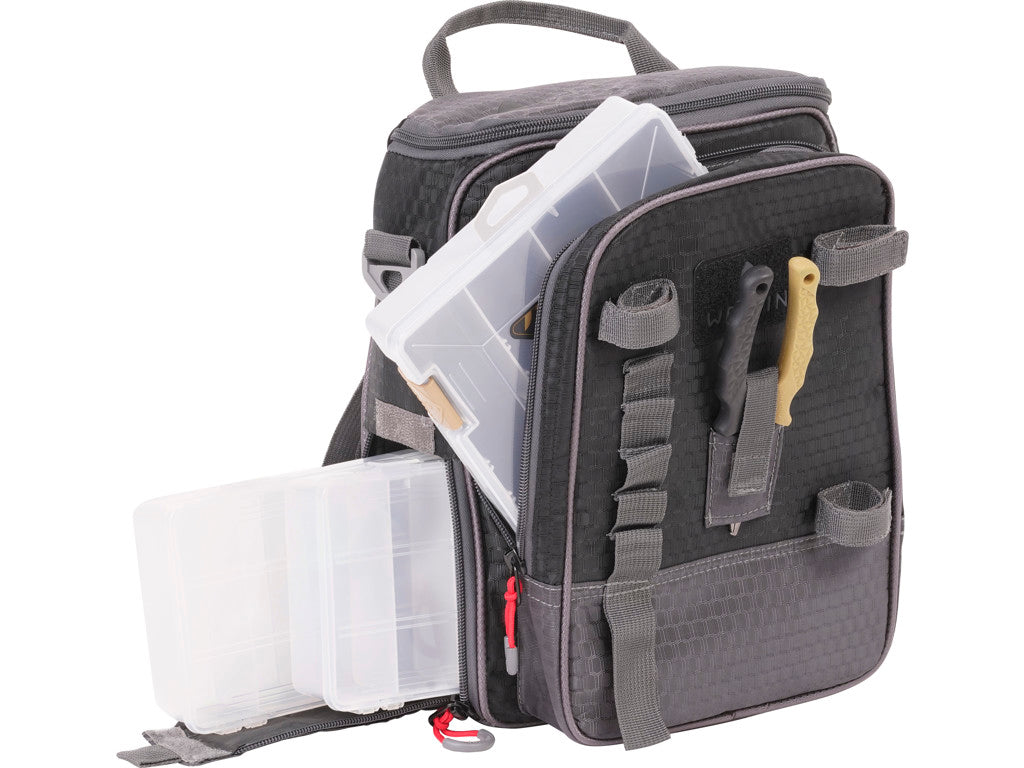
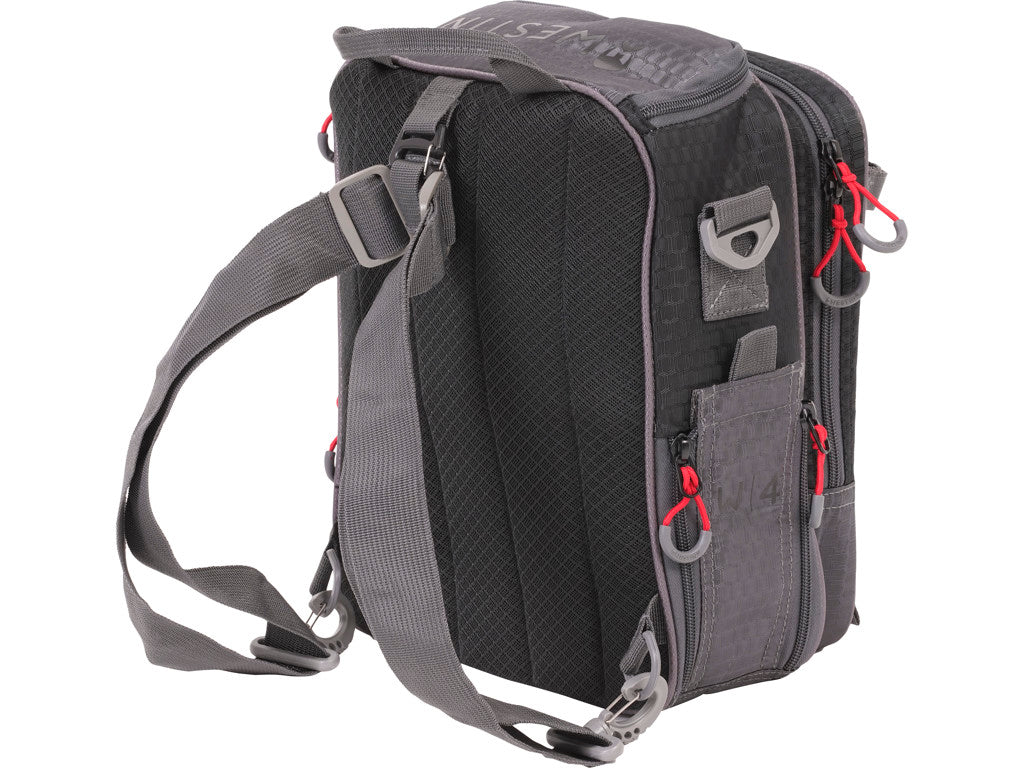
Lure bags for mobile fishing and organised boxes
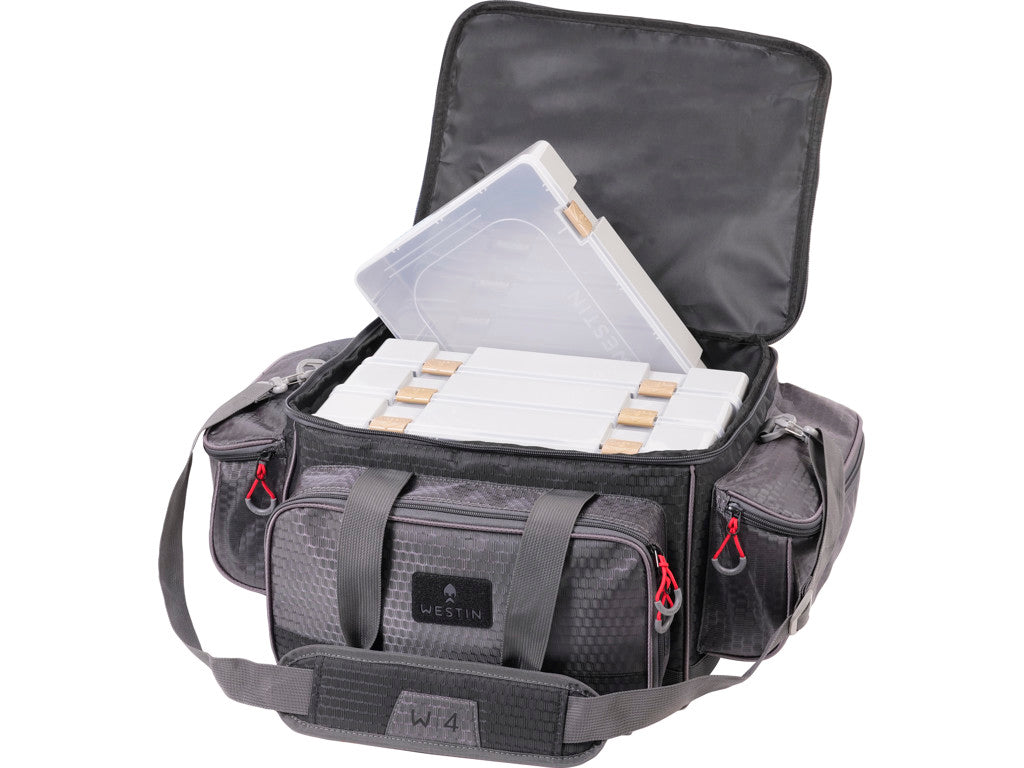
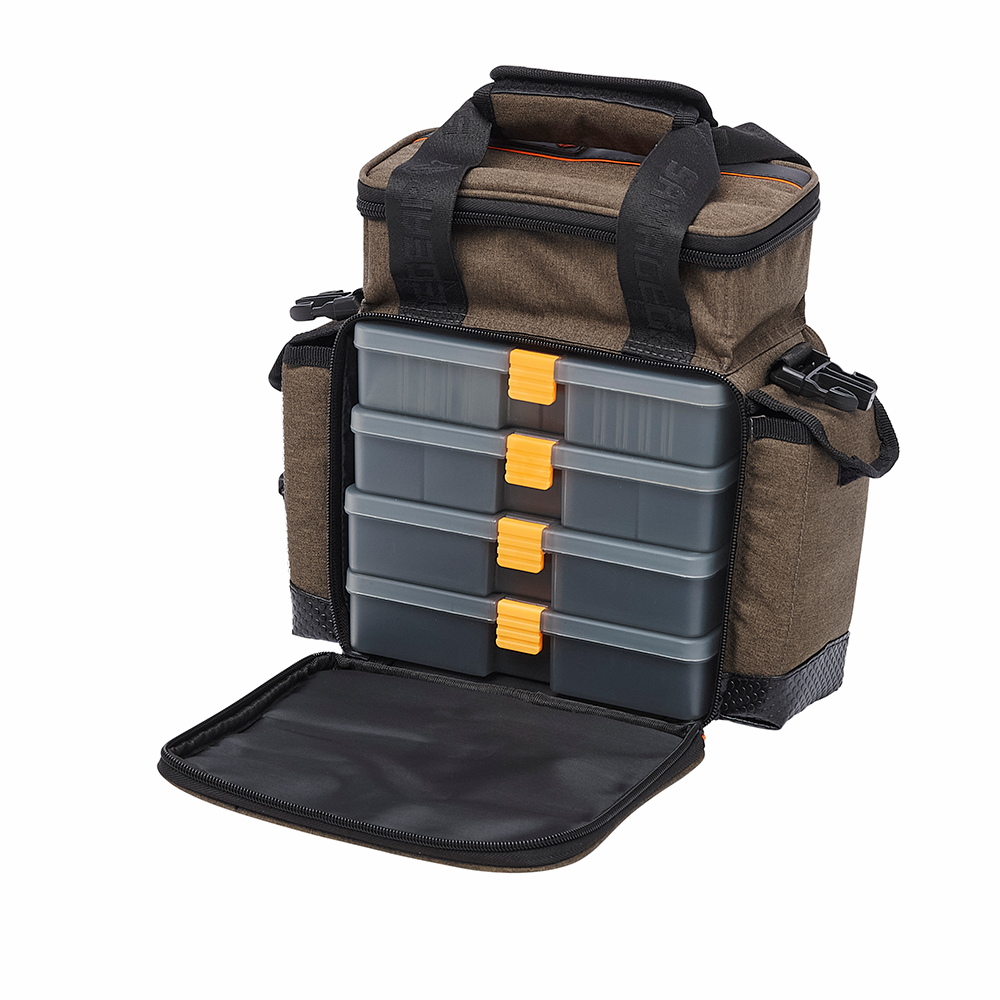
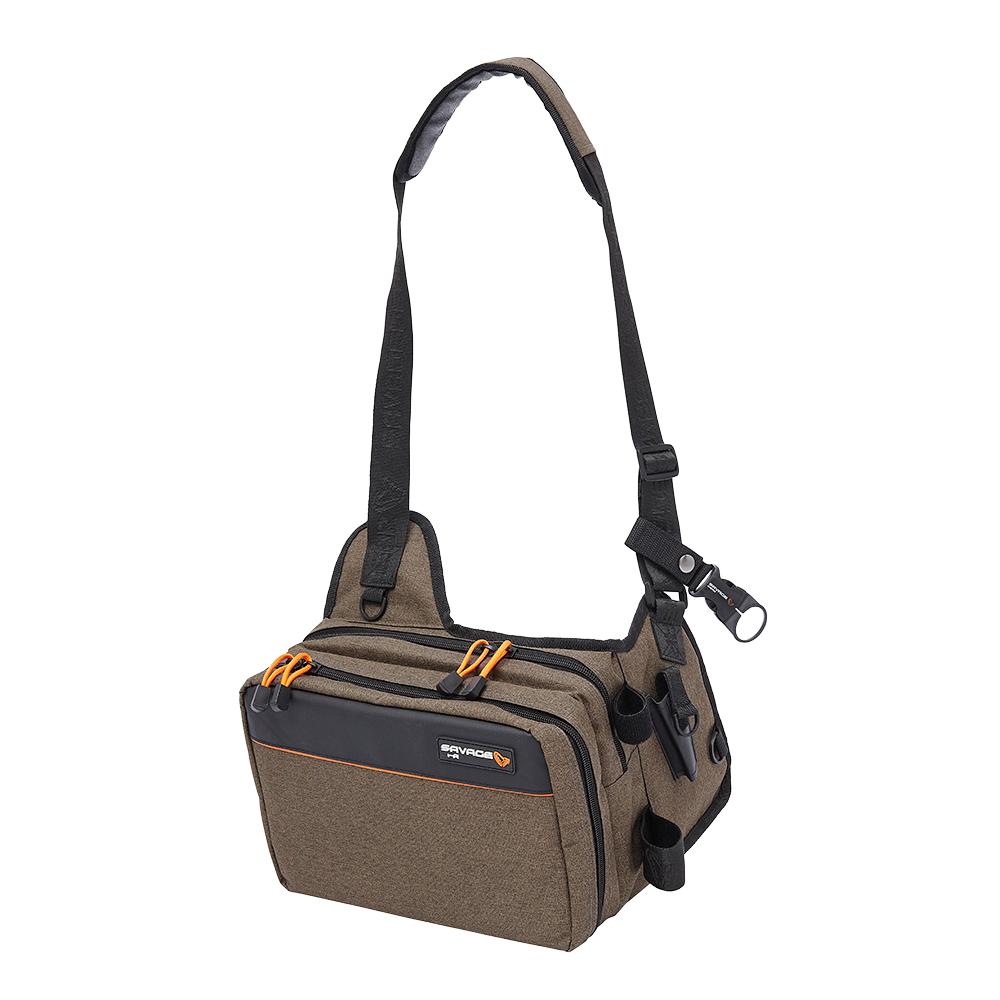
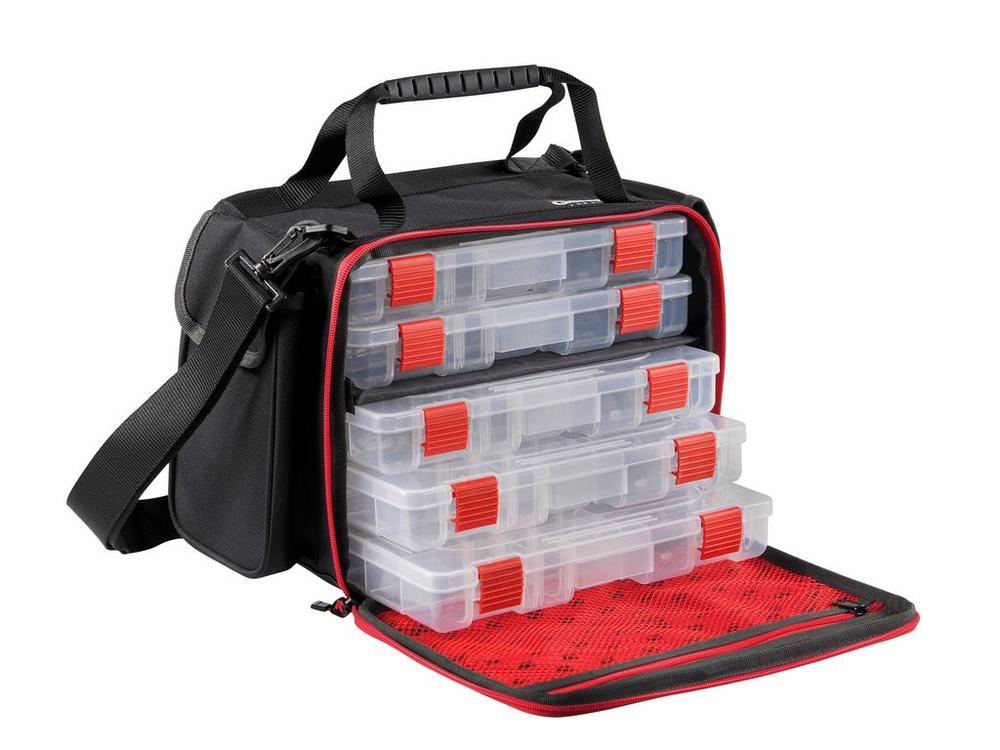
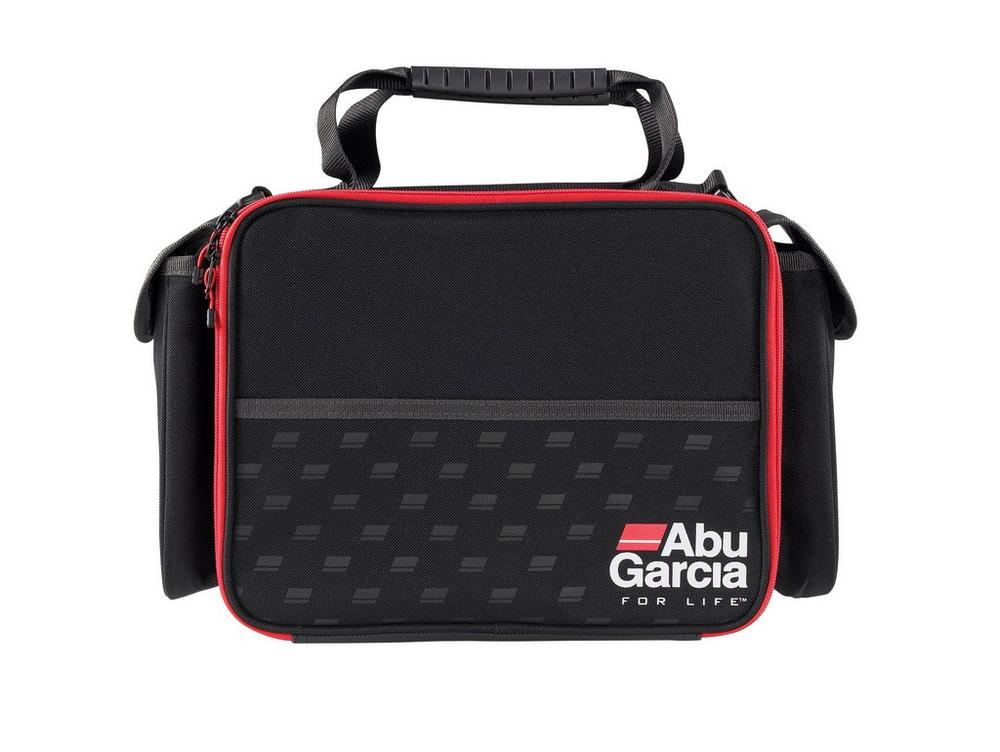
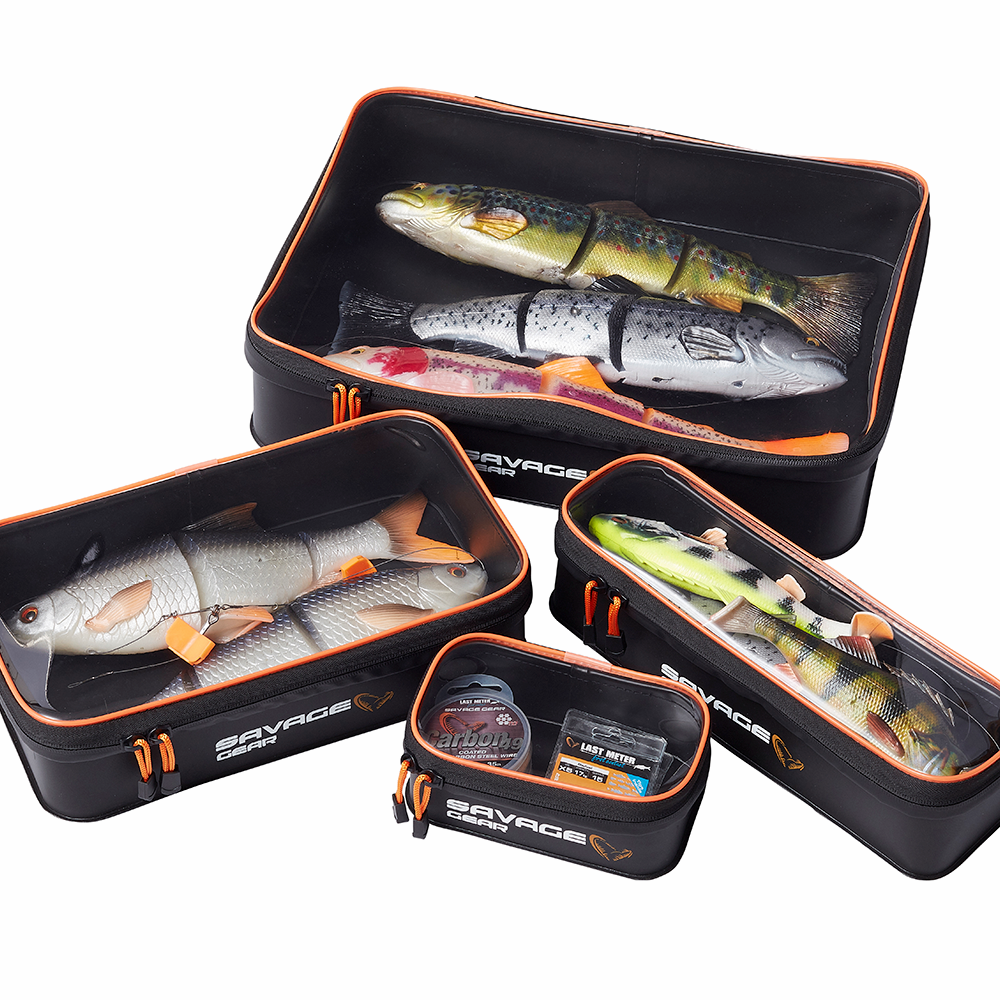
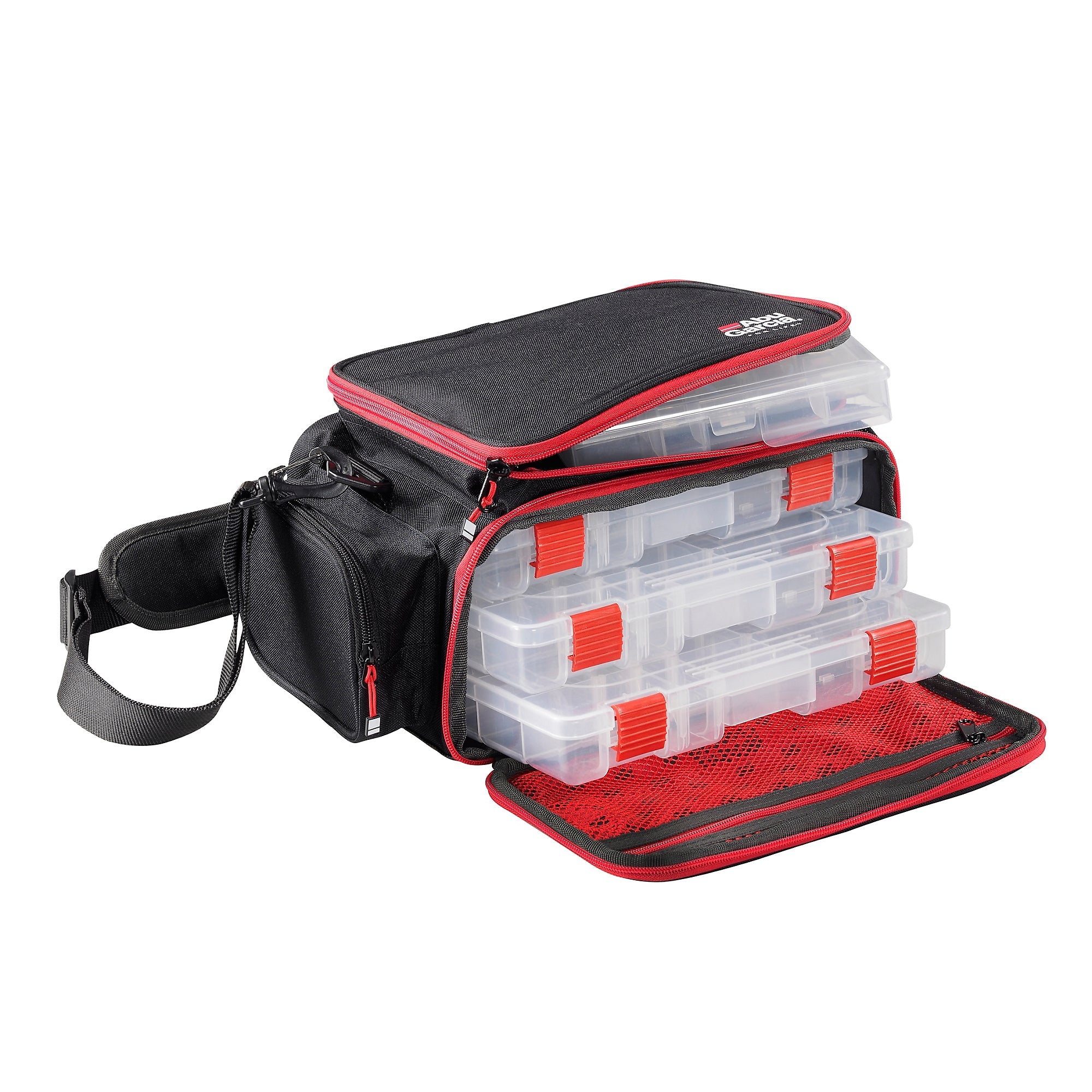
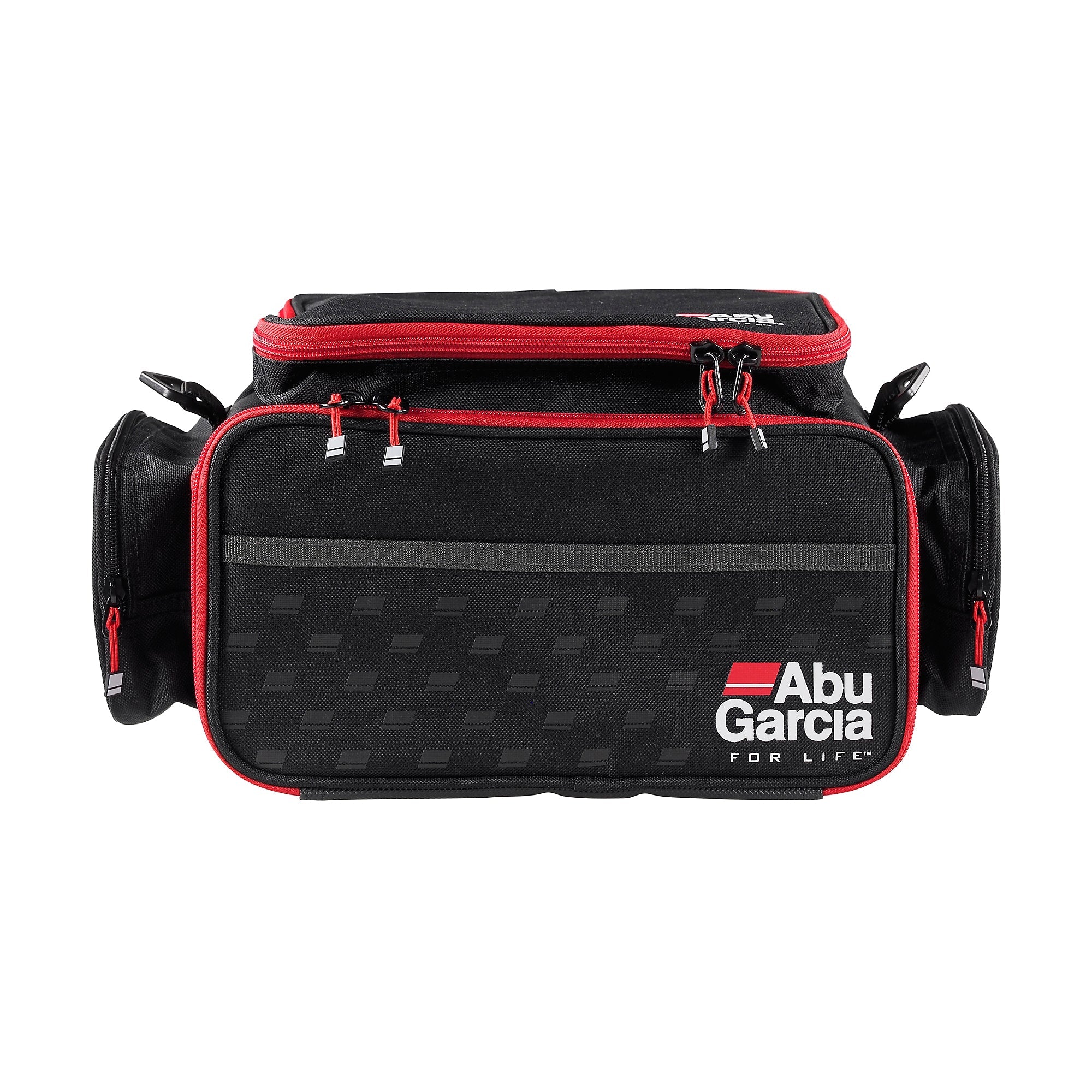
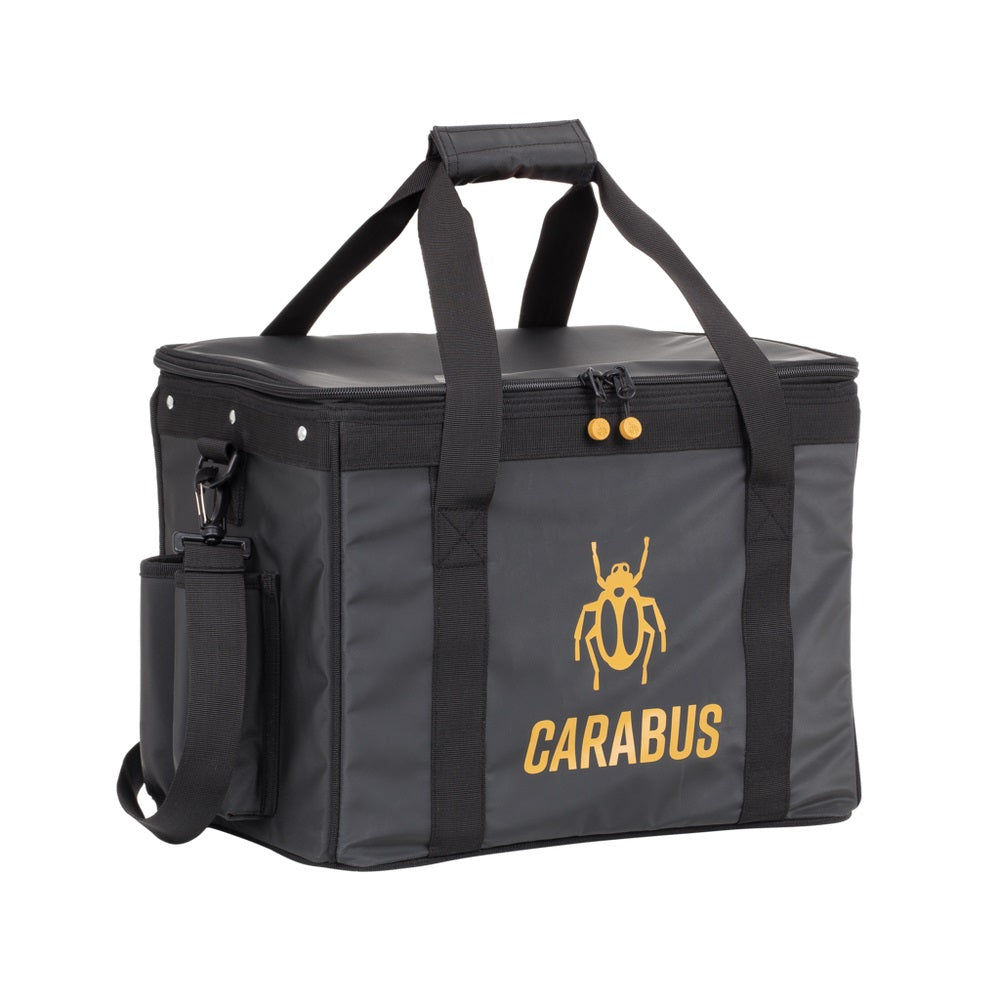
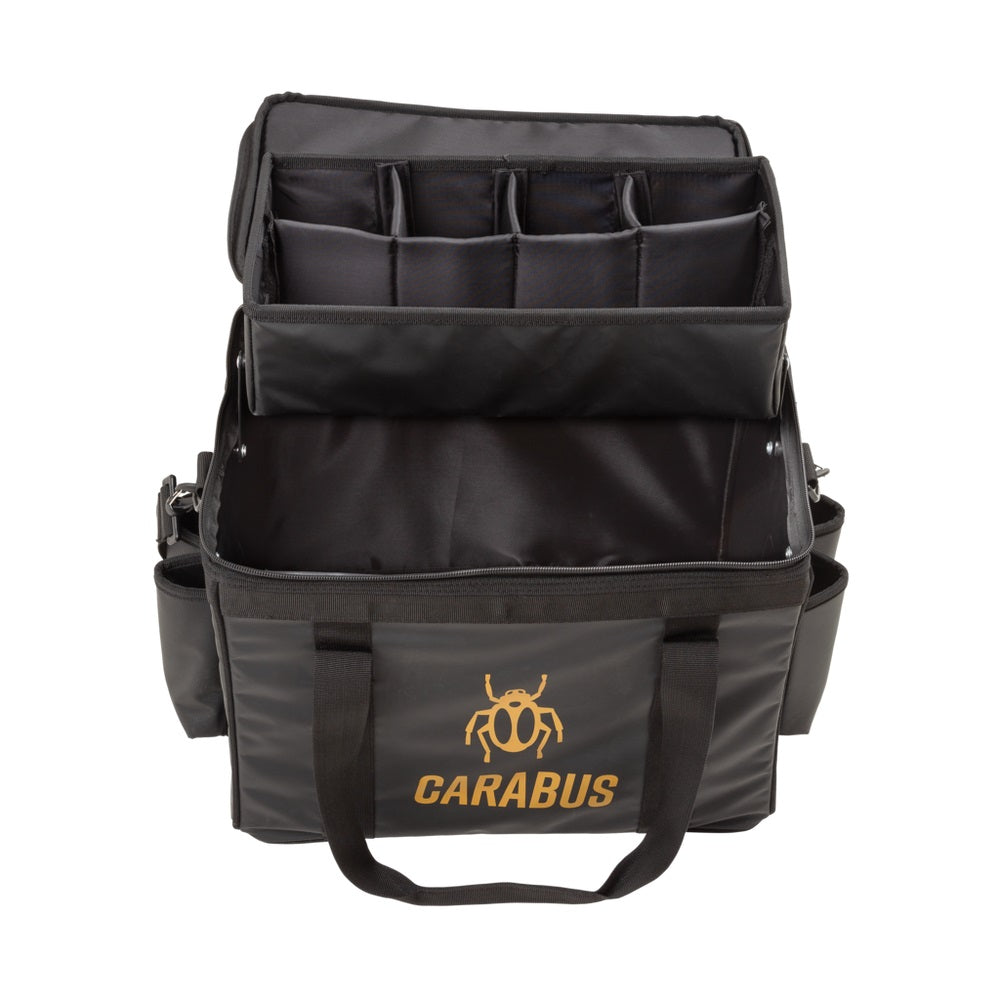
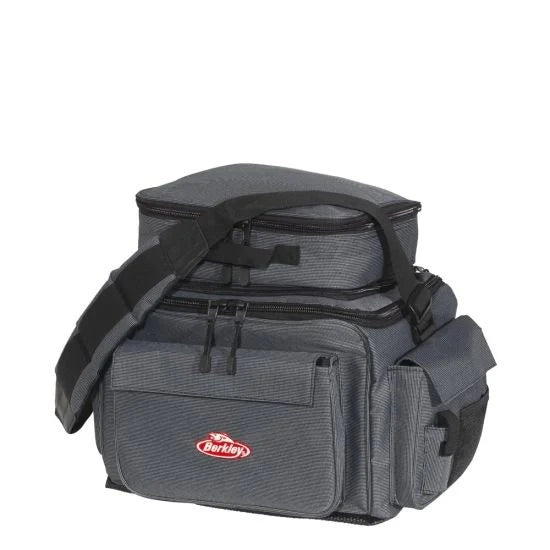
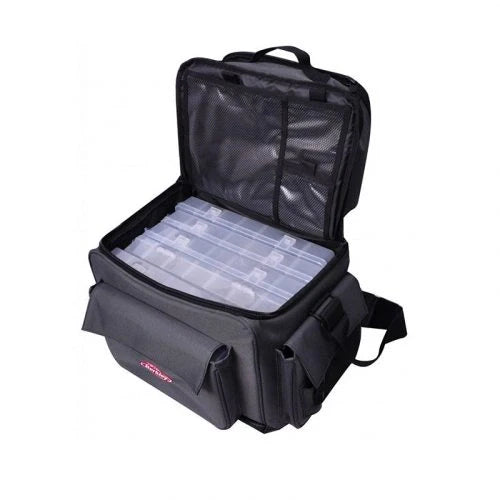
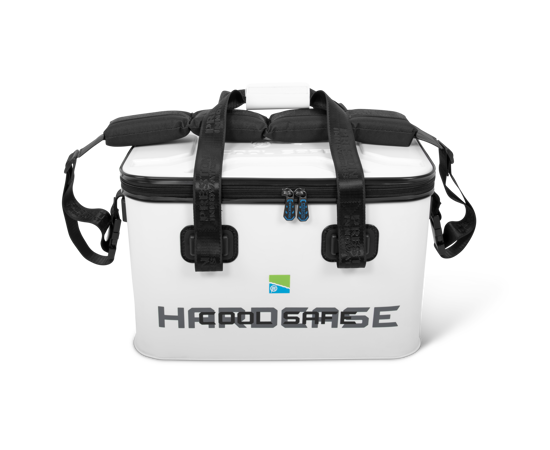
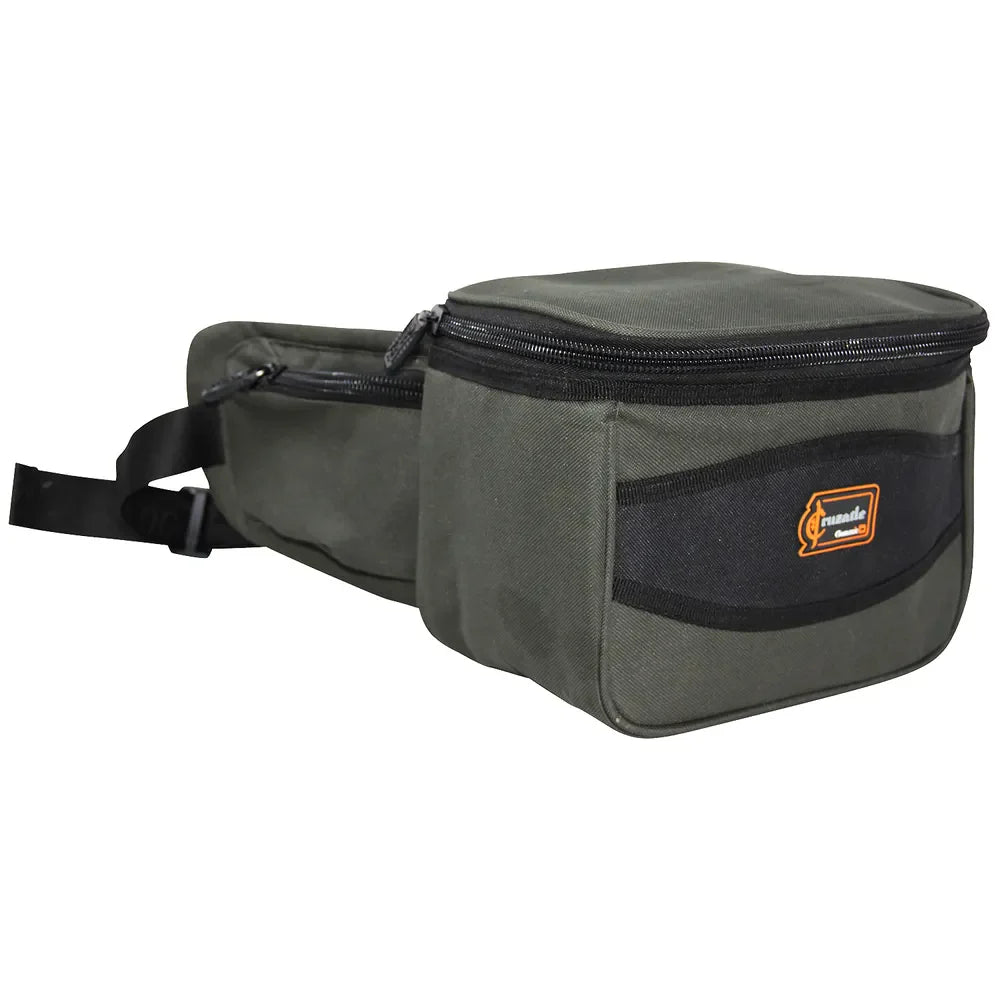
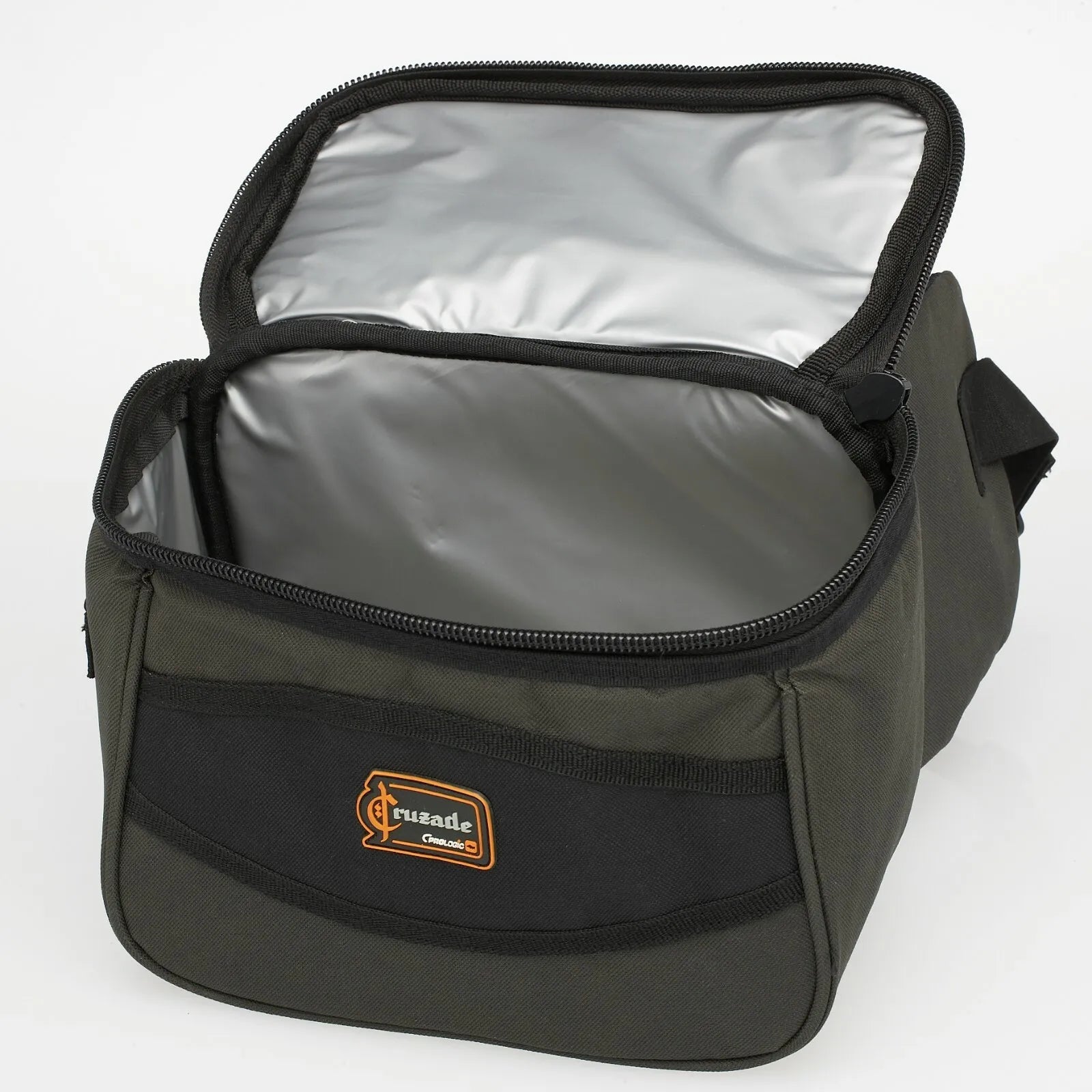
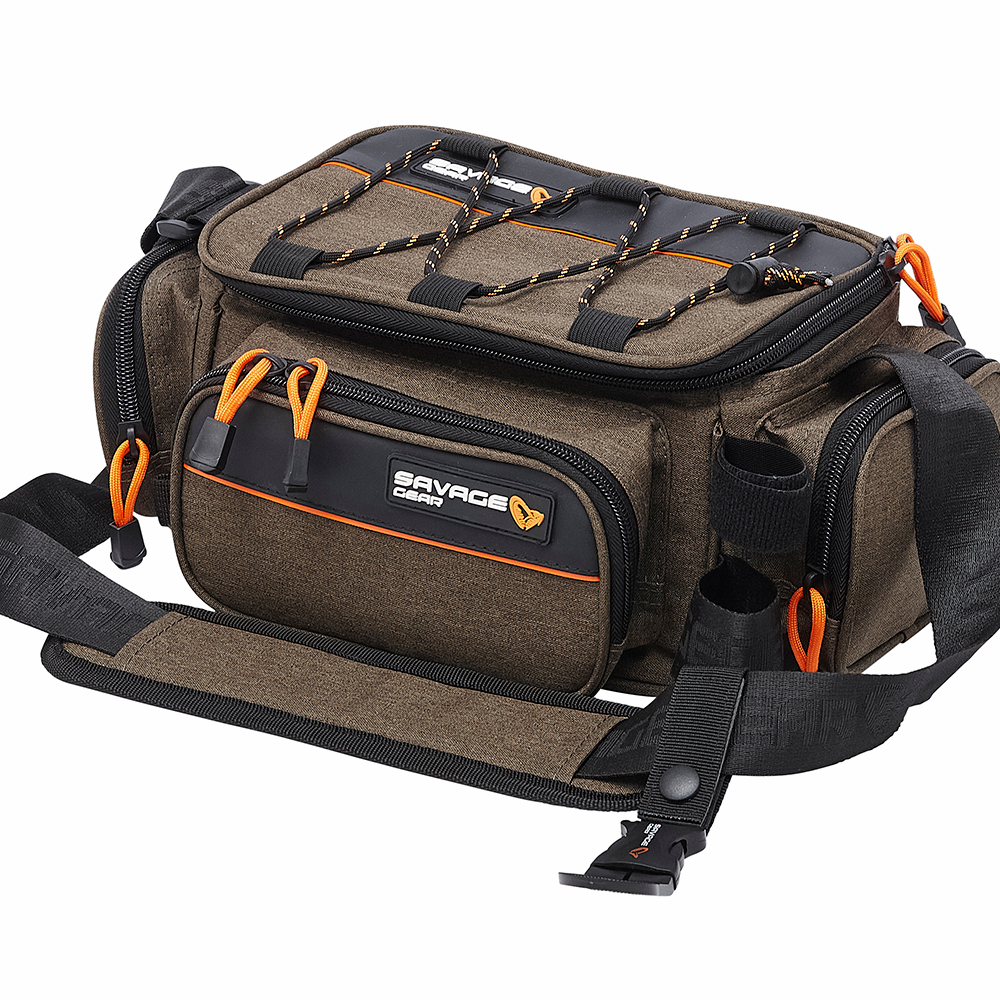
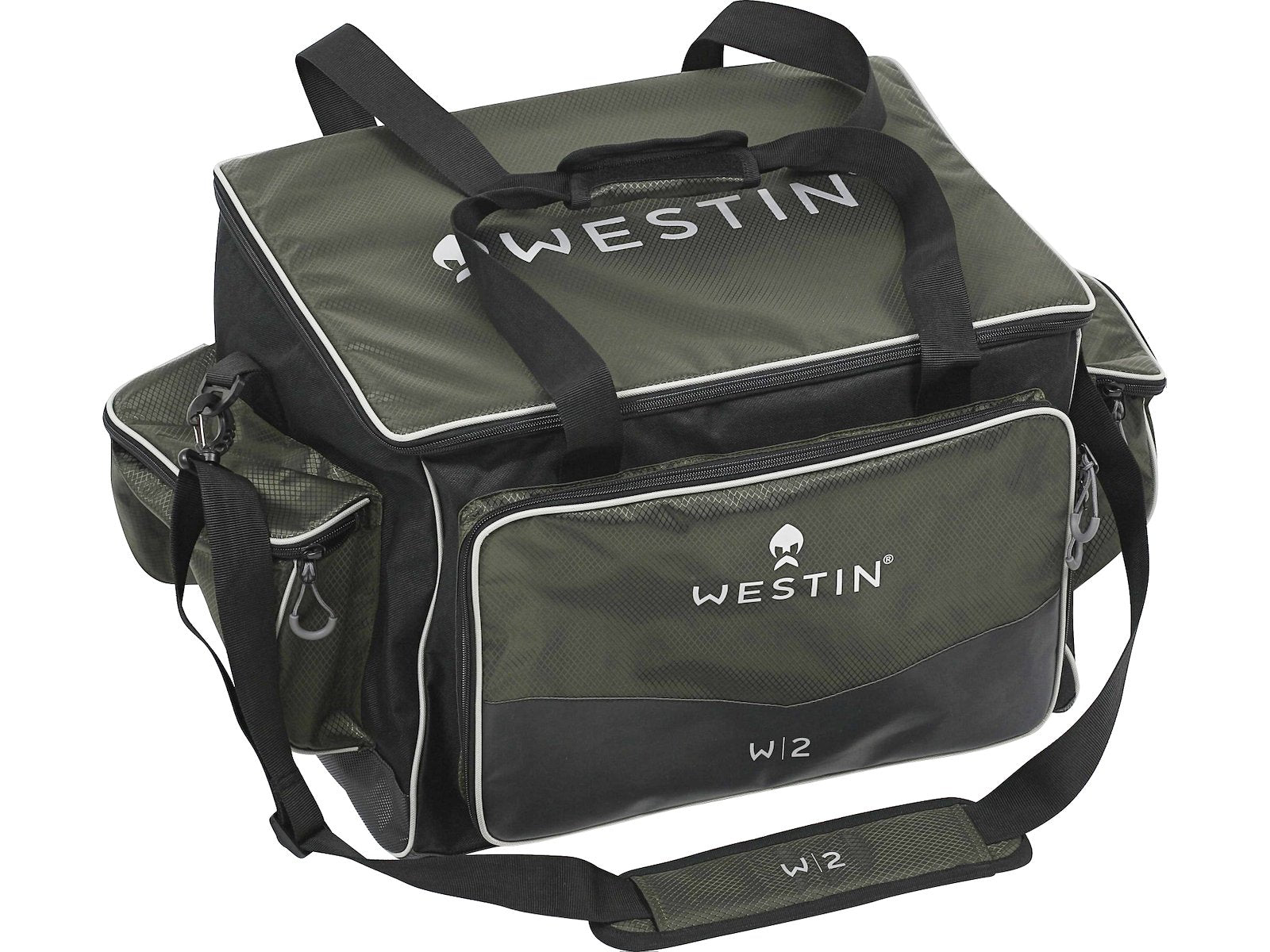
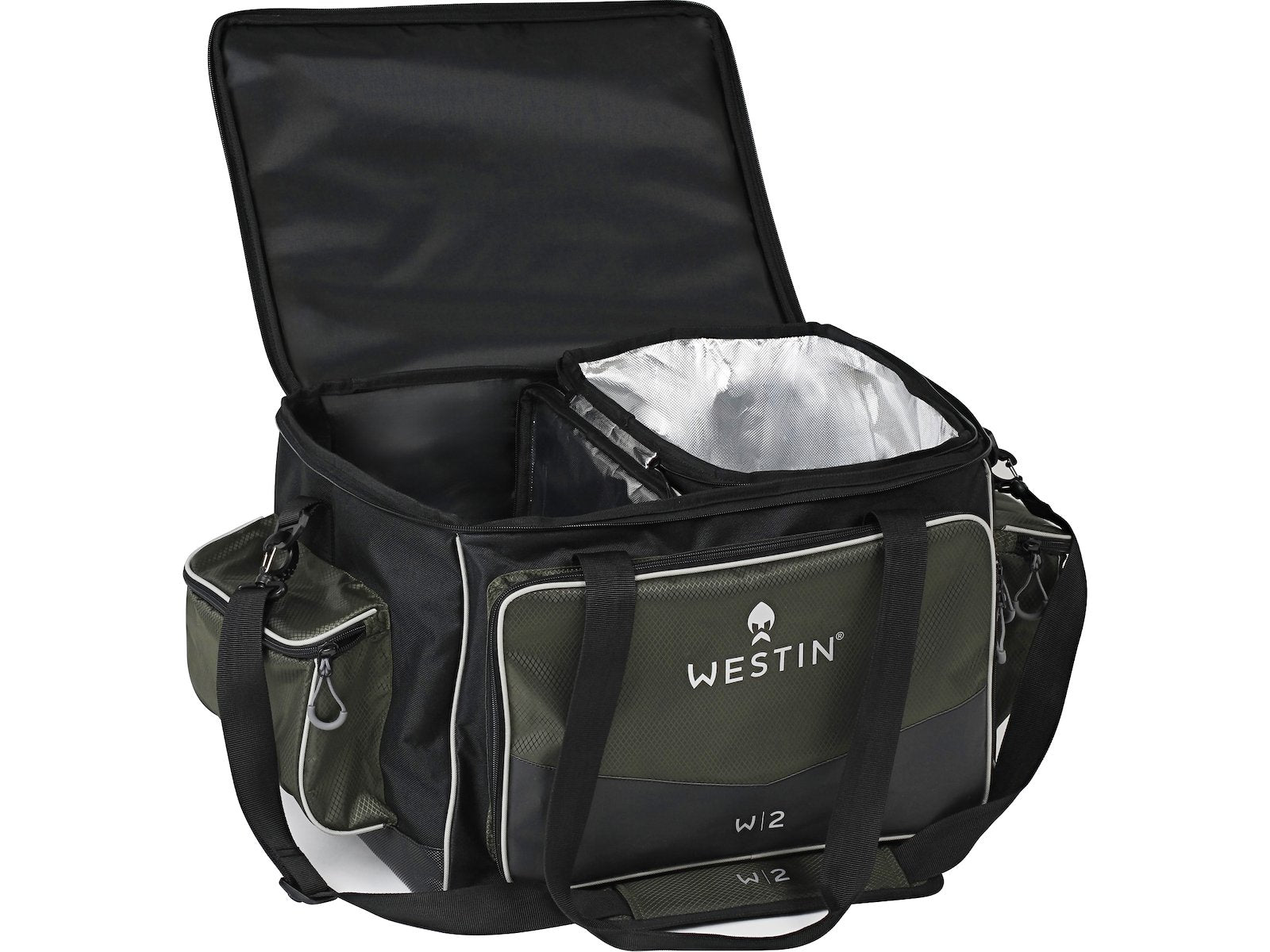
A lure bag keeps frequently changed baits and tools arranged by size, depth, species or technique. Some formats are built around removable tackle boxes, while others use pockets, sleeves or a waist and shoulder system. The correct layout should allow safe access without exposing several loose trebles at once.
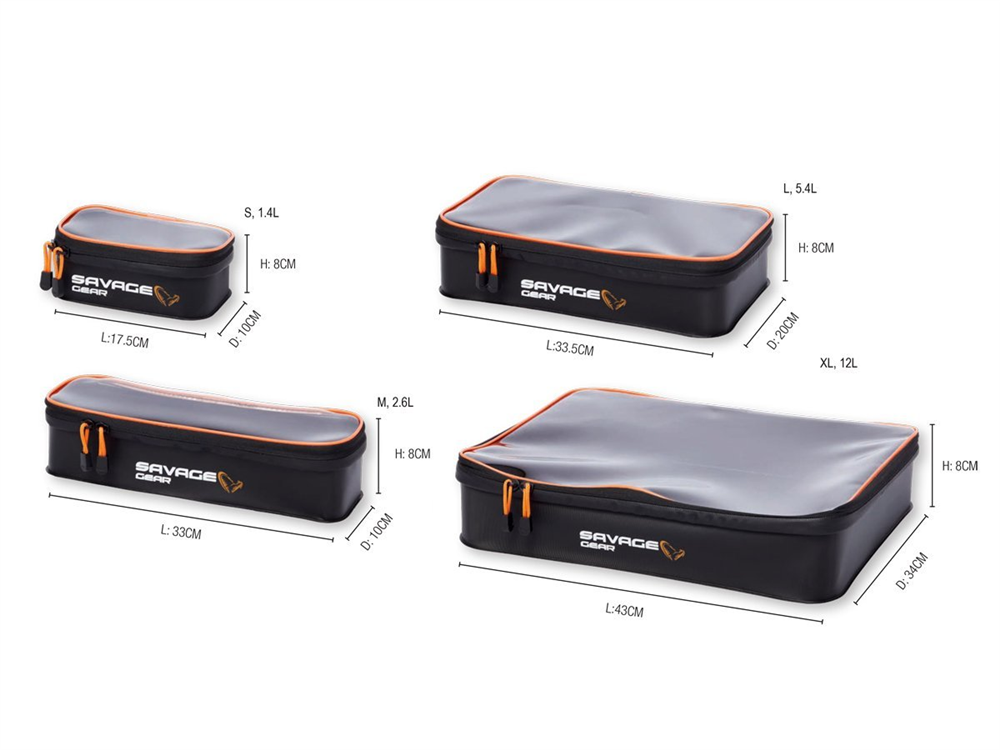
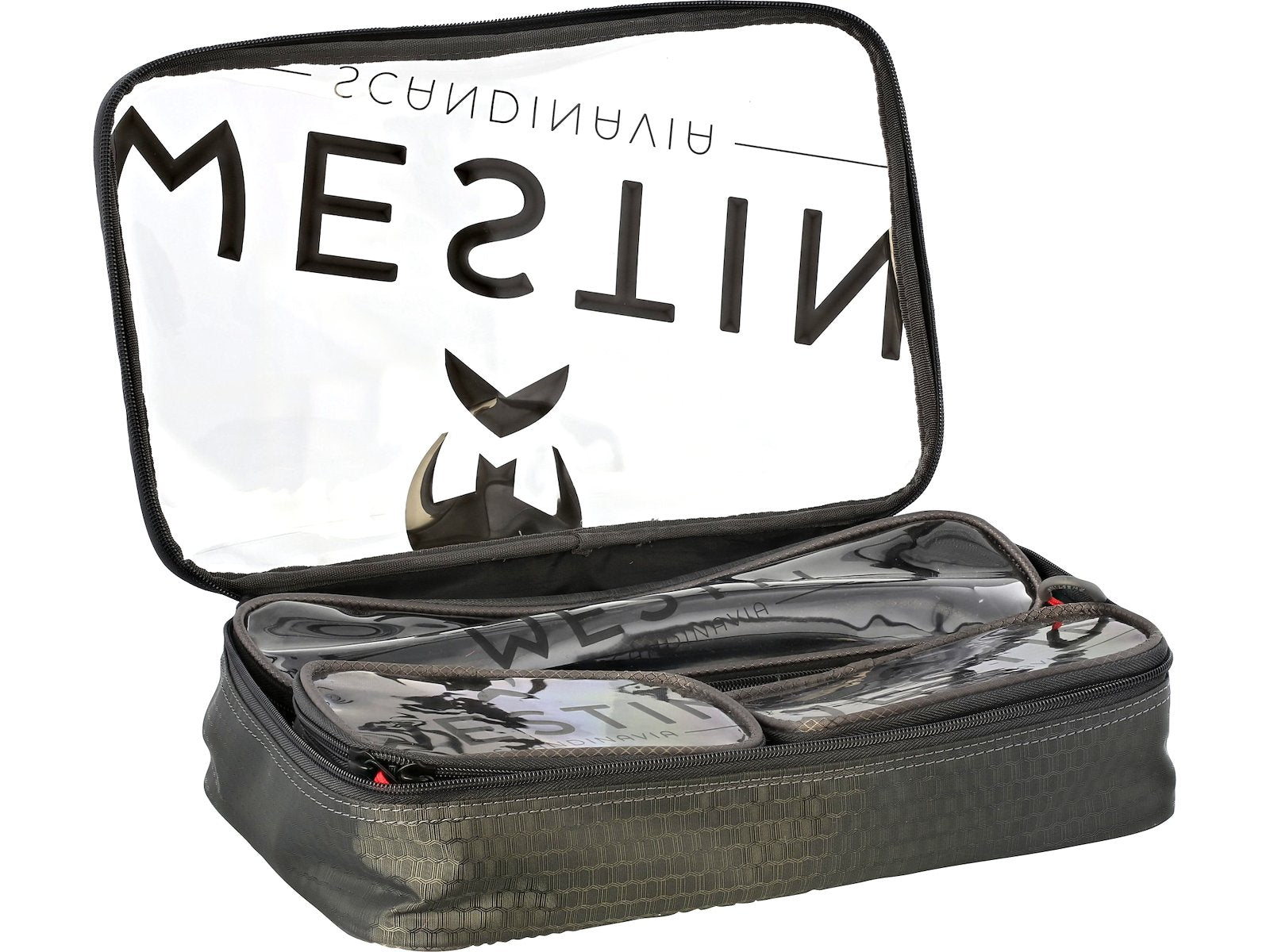
Check whether boxes are included and compare their measured external dimensions with the bag compartments. Deep trays suit bulky hard baits, while shallow dividers can organise jig heads and terminal tackle. Soft plastics may react with other materials, so retain them in compatible packaging or containers according to the manufacturer’s guidance.
Browse all fishing luggage, protect spare equipment in reel pouches, and compare separate tackle boxes. Build a mobile lure setup with suitable spinning rods, spinning reels and braided line.
Choose access, capacity and carrying style
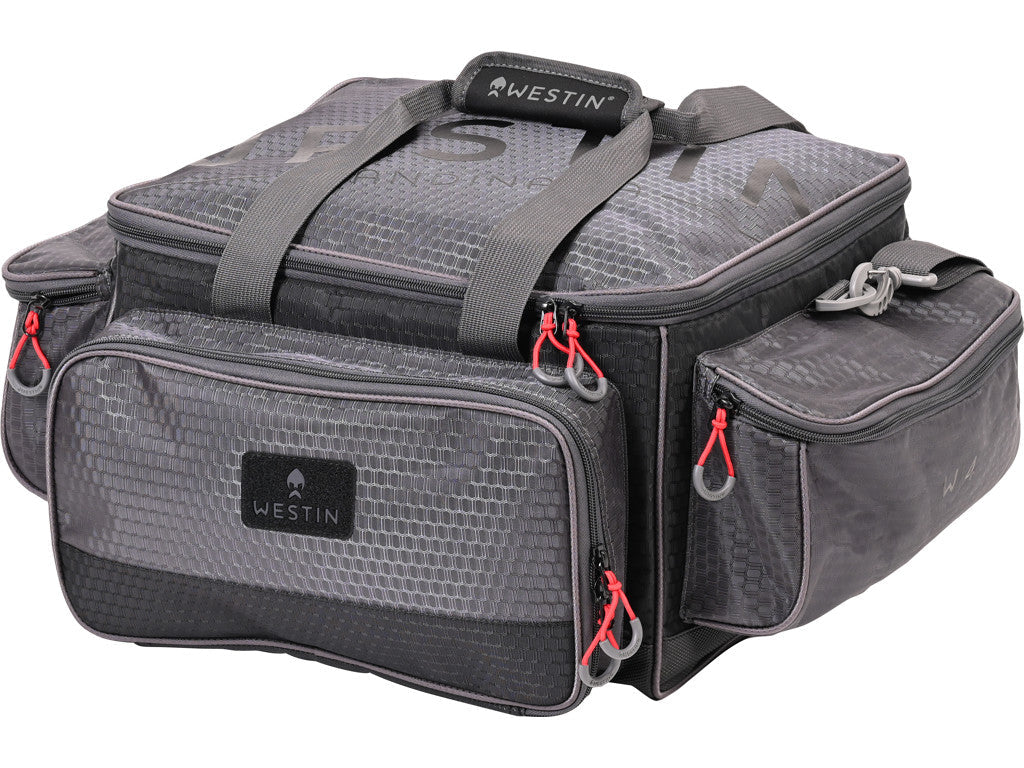
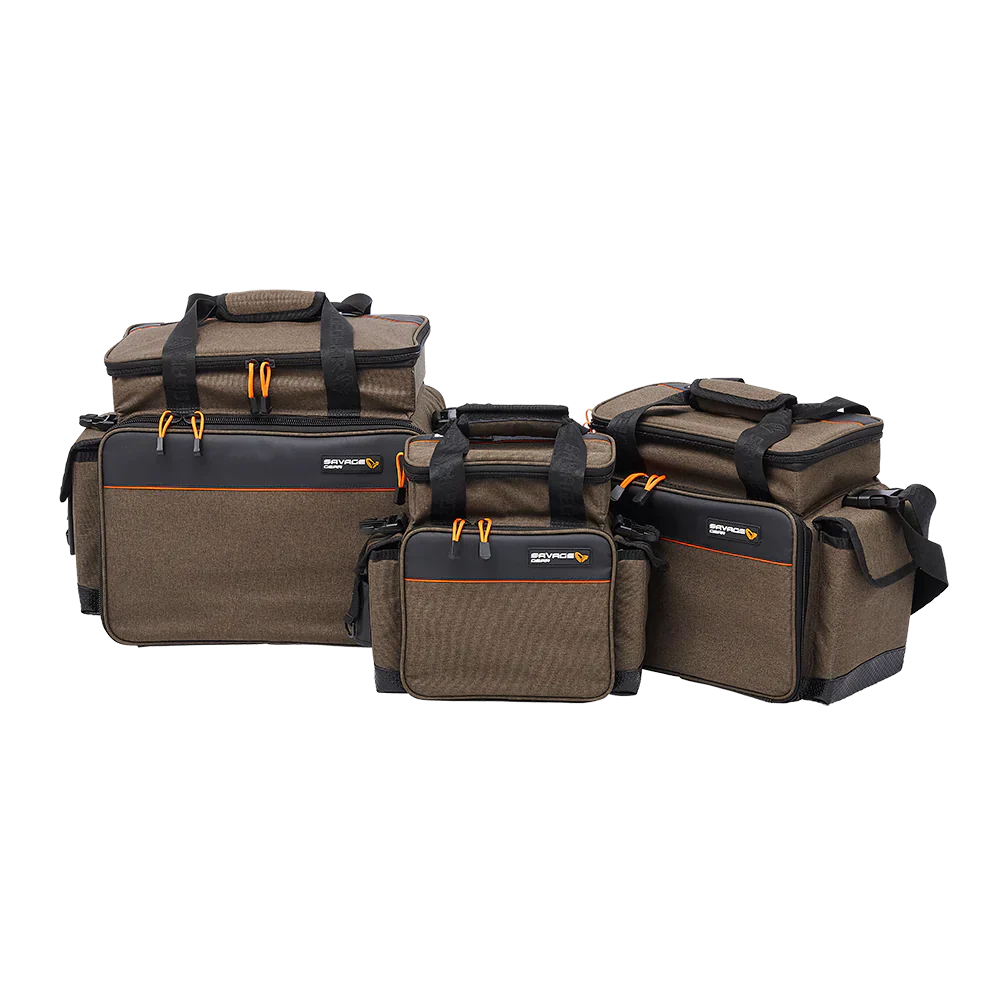
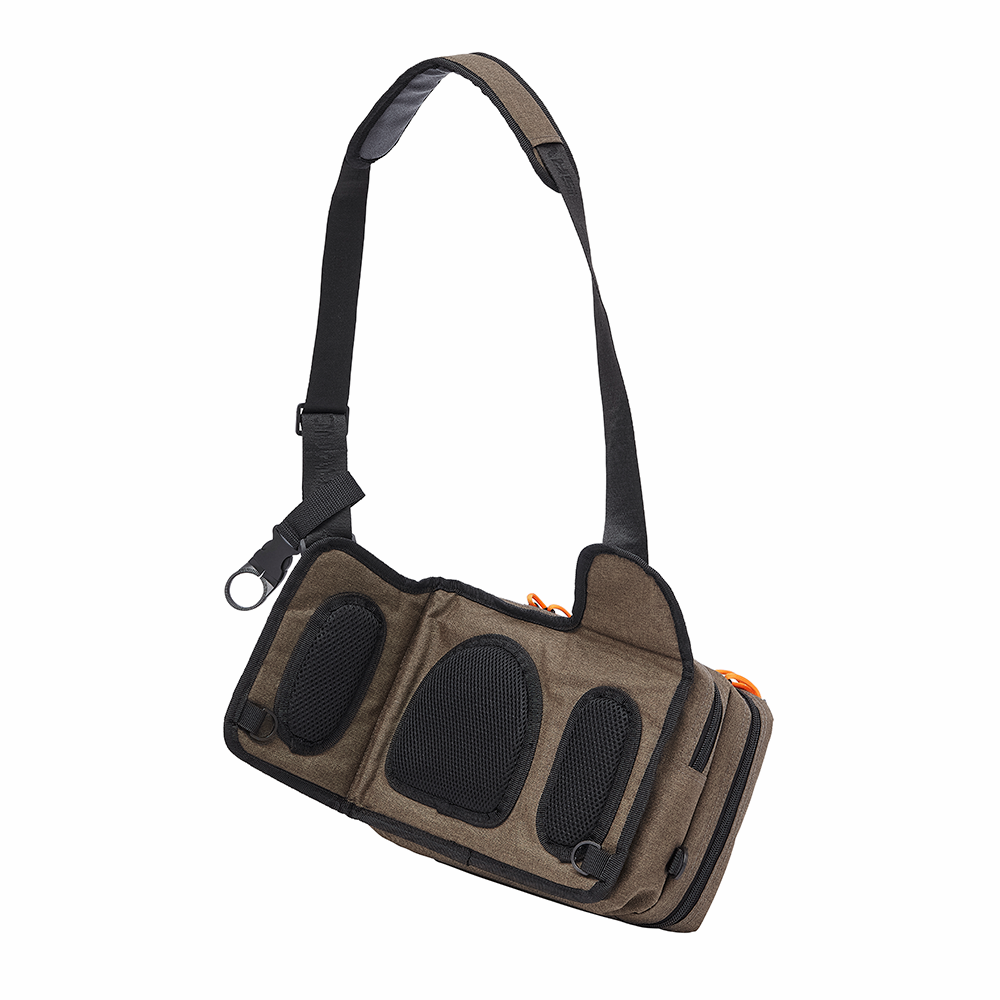
Bank and shore anglers who cover distance need a bag that remains stable while walking and casting. Check strap width, adjustment, ventilation and how the load sits against the body. Waist, sling and shoulder designs place weight differently, and the best choice depends on total load and personal comfort.
Keep pliers and cutters accessible but secured in sleeves or lanyard points. Heavy jigs and weights should sit low, while delicate lures need compartments that prevent crushing. External pockets must close fully so packets and leaders cannot fall out when the bag is rotated or set down.
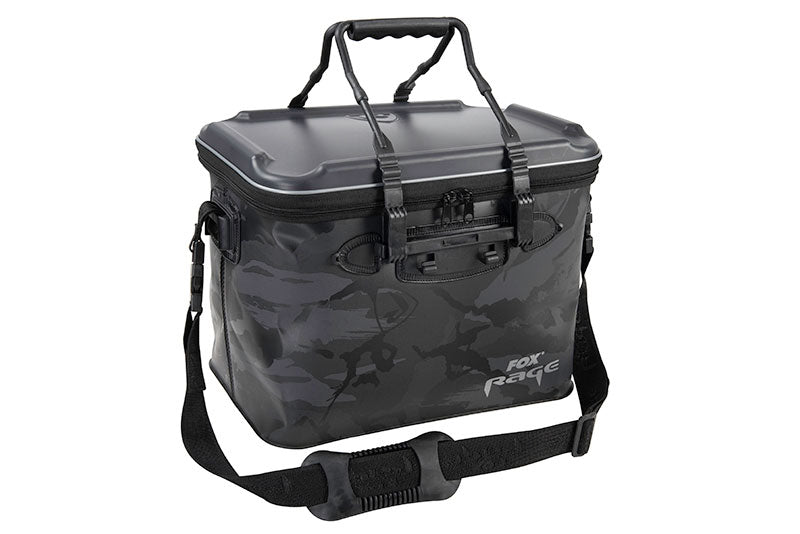
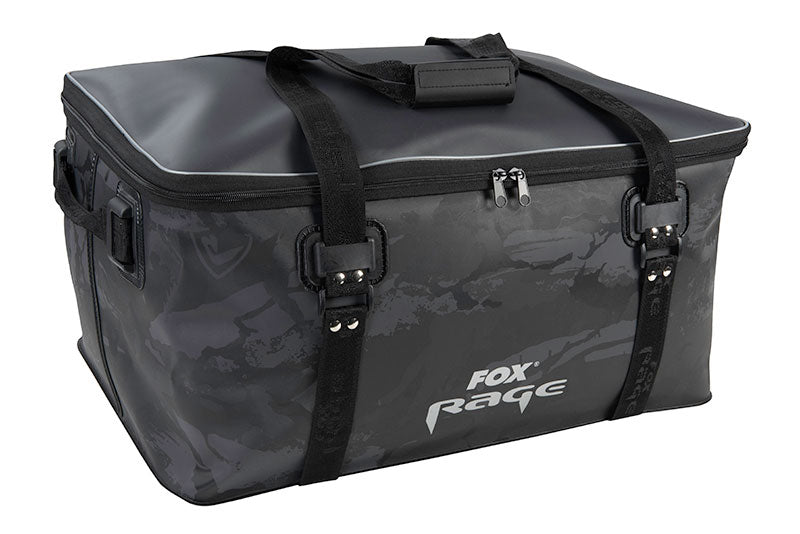
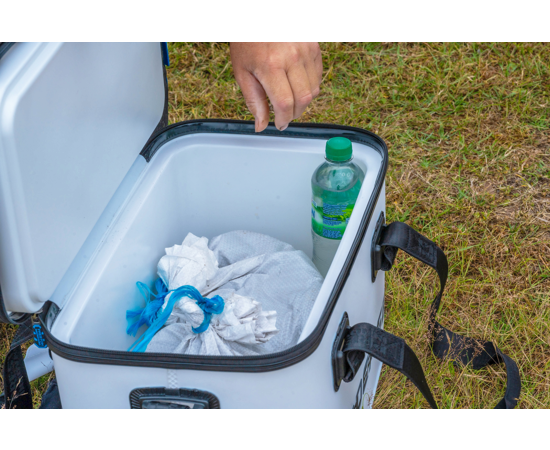
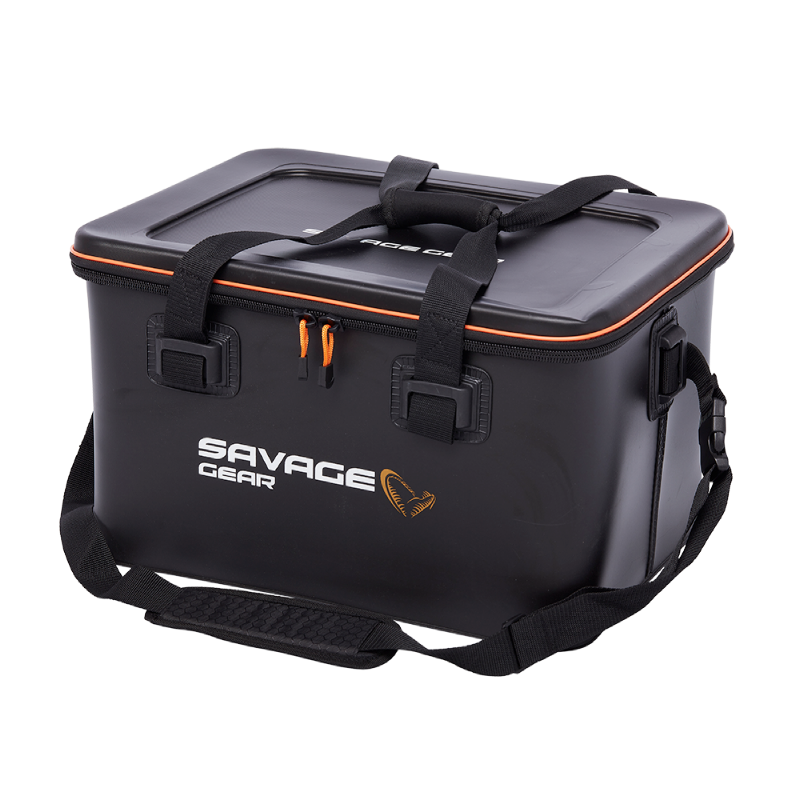
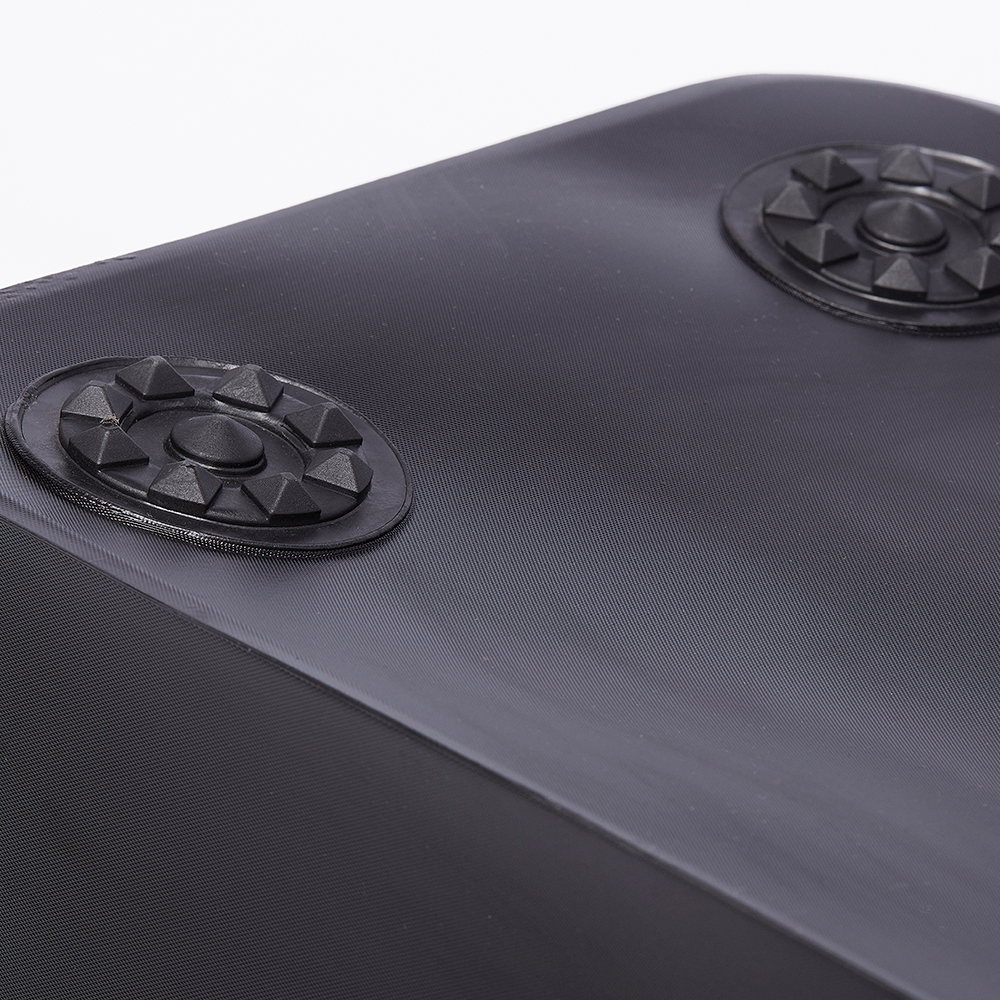
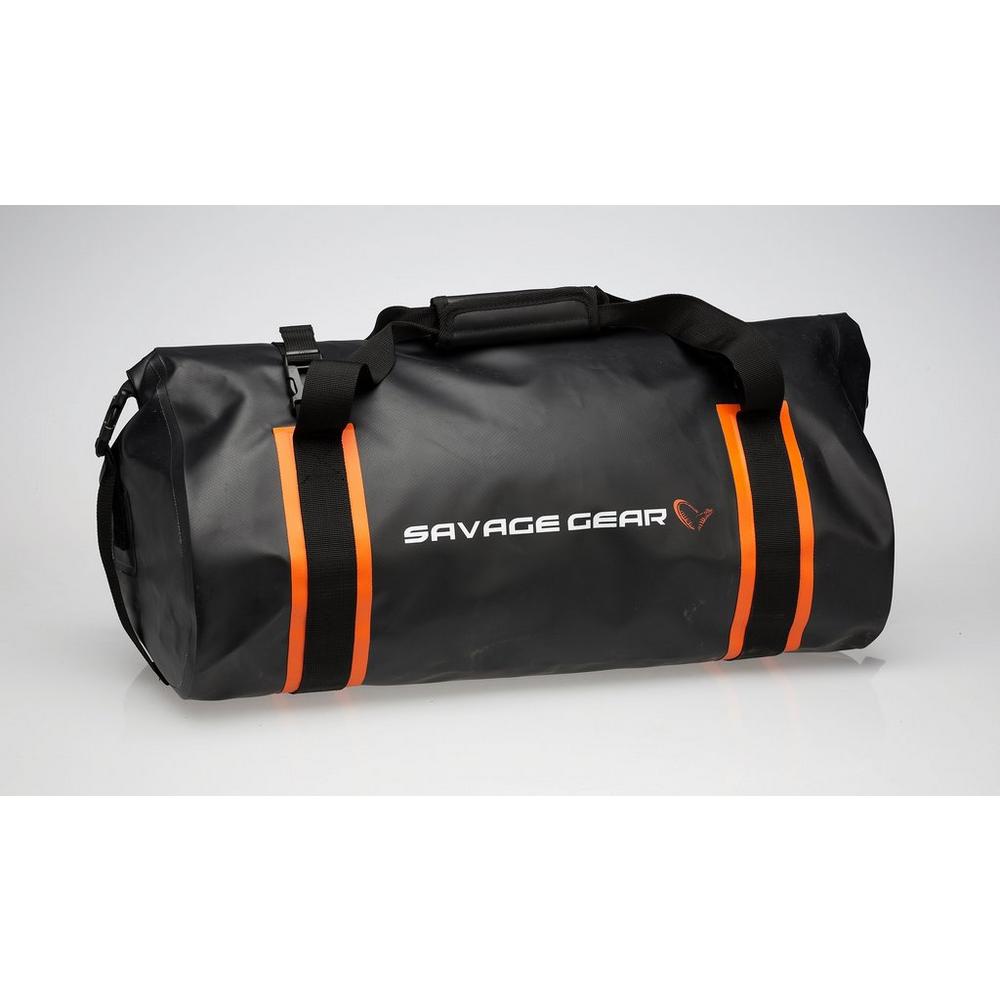
Water-resistant material can reduce rain and spray entry but does not guarantee submersion protection. A rigid base helps on wet ground, while drainage may be useful for appropriate compartments. Check every stated feature on the product page and never assume a loaded bag will float.
Rinse, dry and review lure storage
After use, isolate wet or salty lures rather than sealing them beside dry hooks and tools. Rinse suitable tackle, dry it fully and check points, split rings and leaders before returning each item to its labelled place.
Empty sand and debris from the bag, clean it according to the care label and dry all boxes open. Inspect zips, straps, attachment loops and dividers. Remove rusted hooks, torn packets and rarely used duplicates so the bag stays balanced, safe and quick to search during the next session.