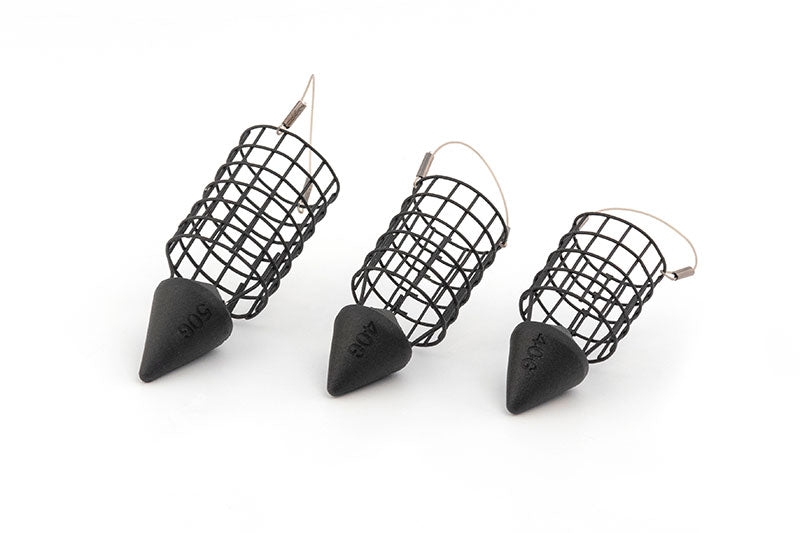
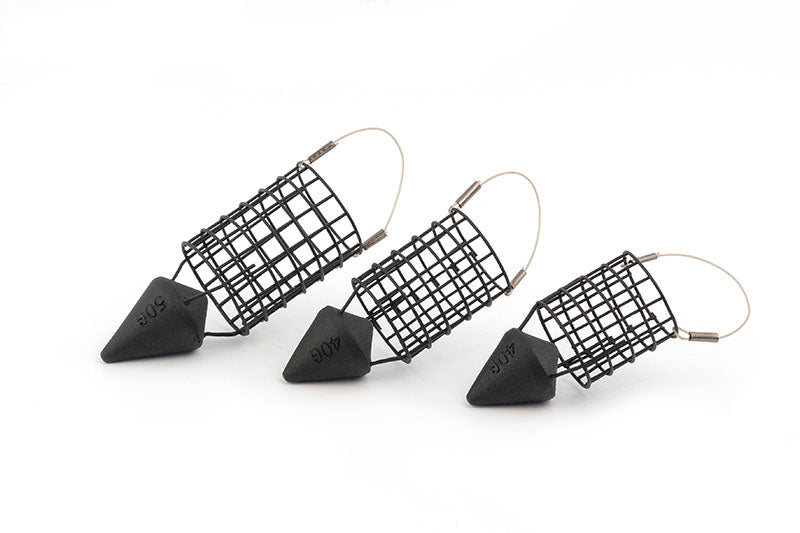
Cage feeders for controlled groundbait release
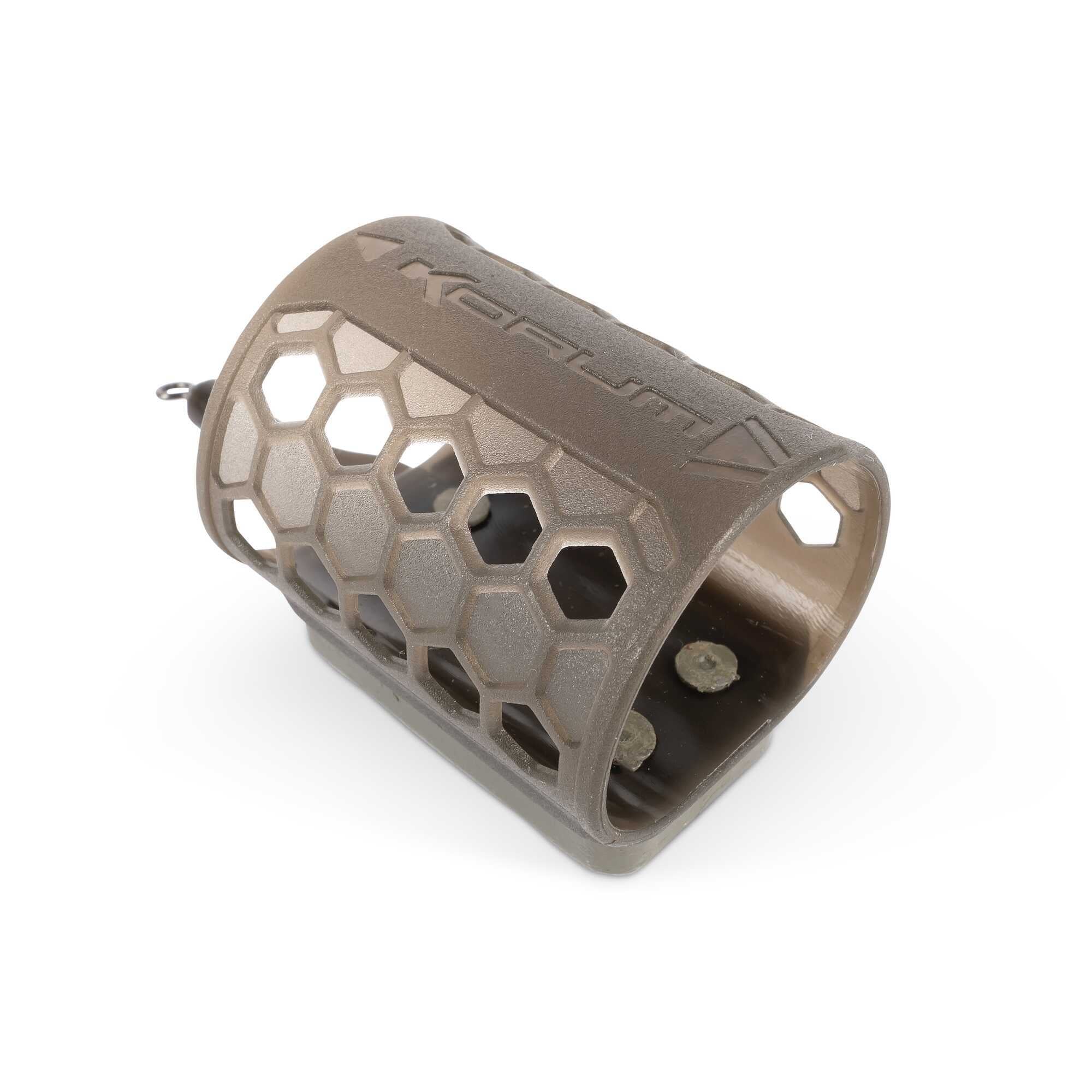
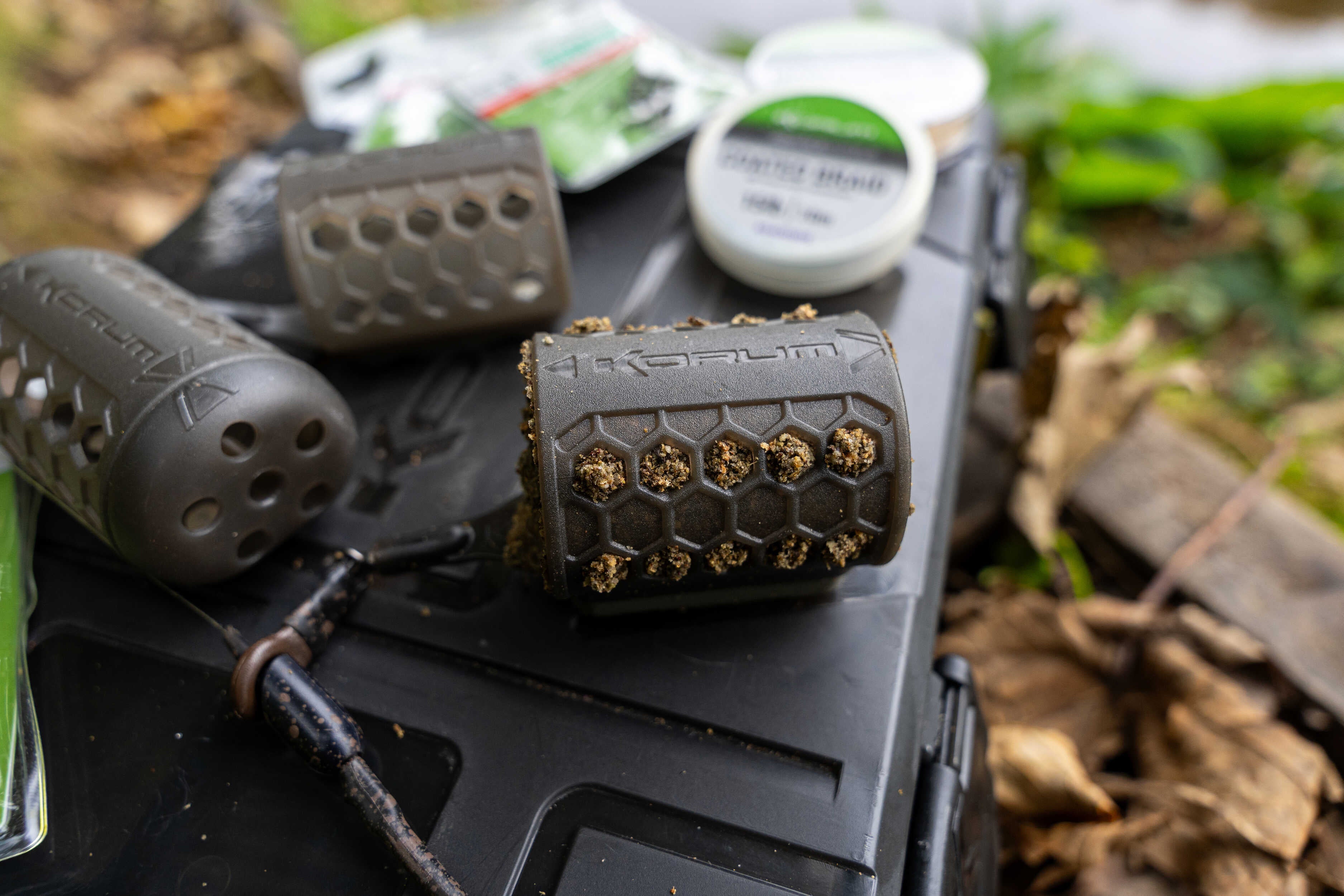
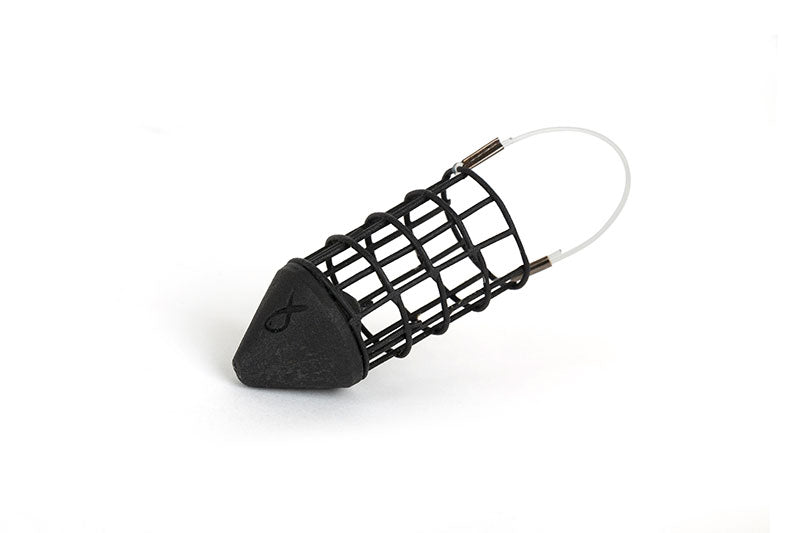
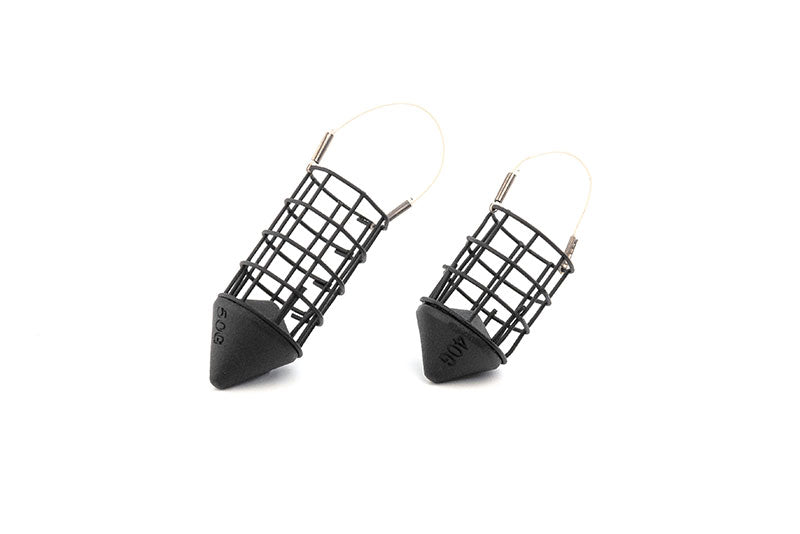
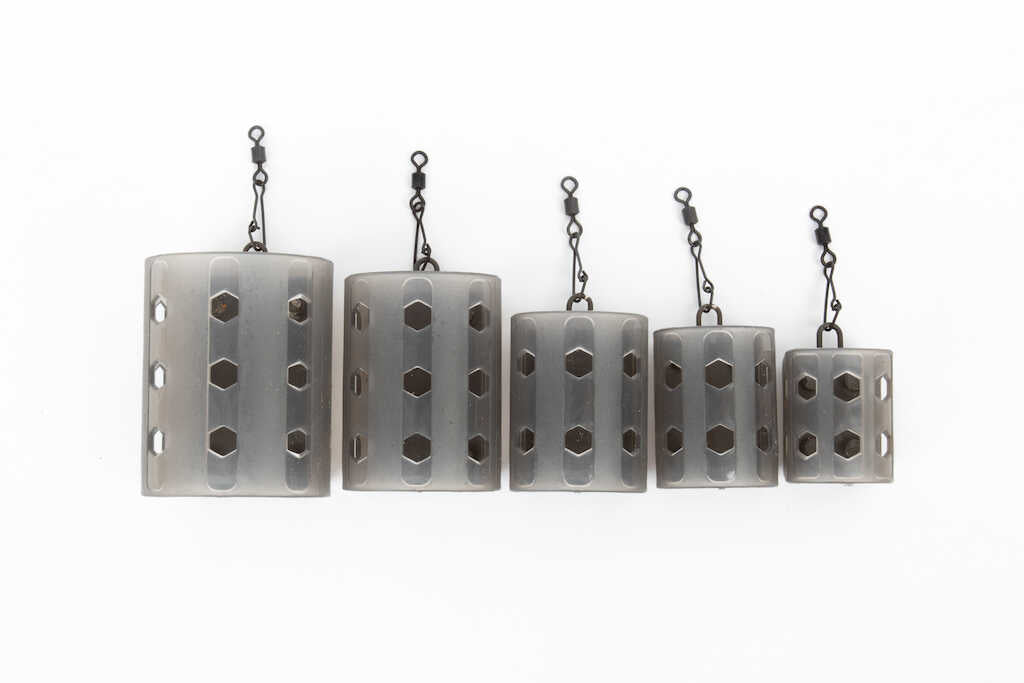
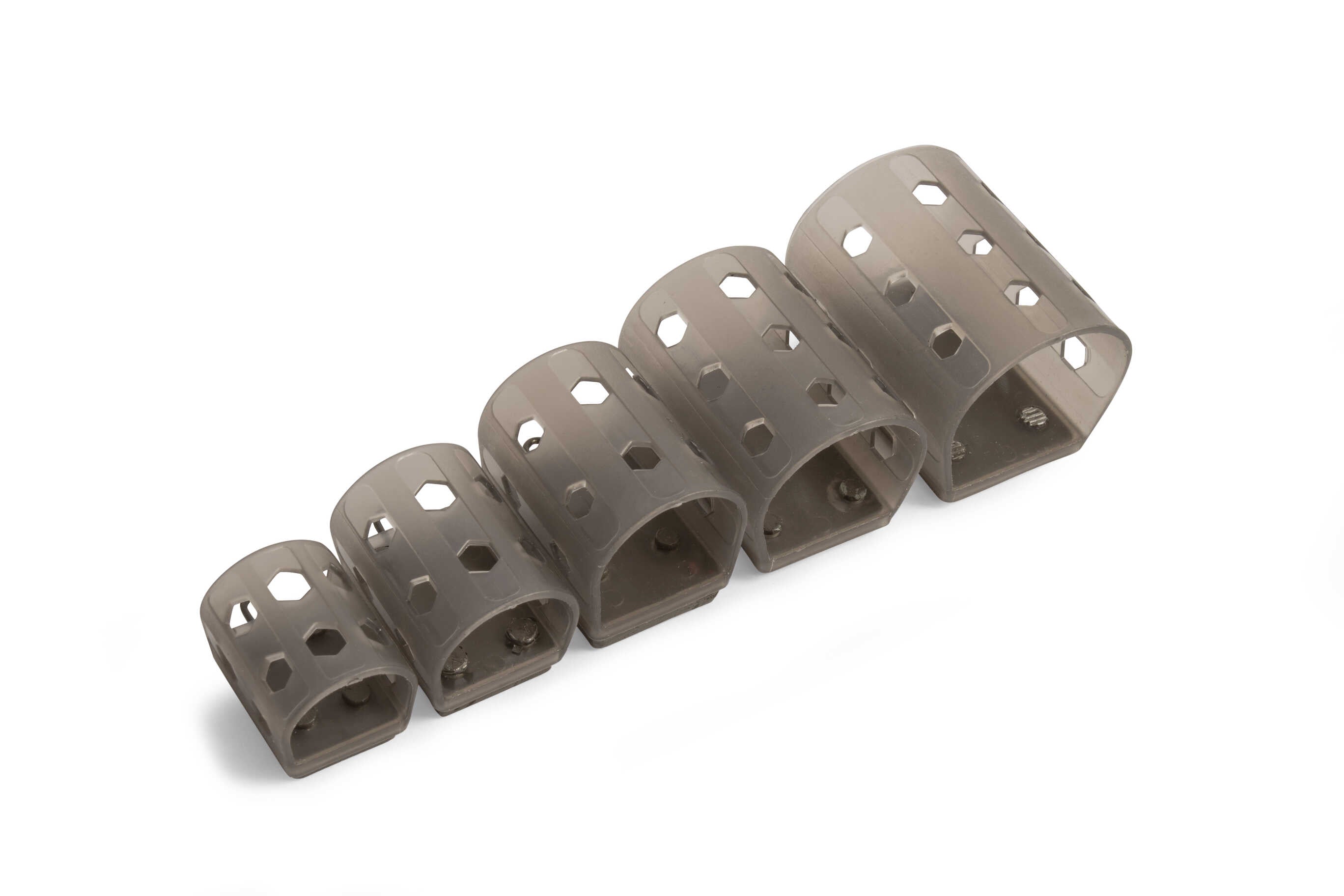
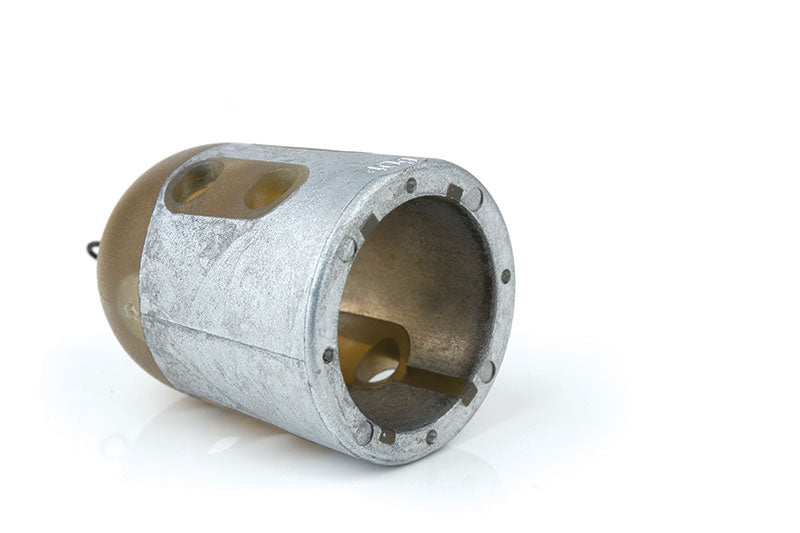
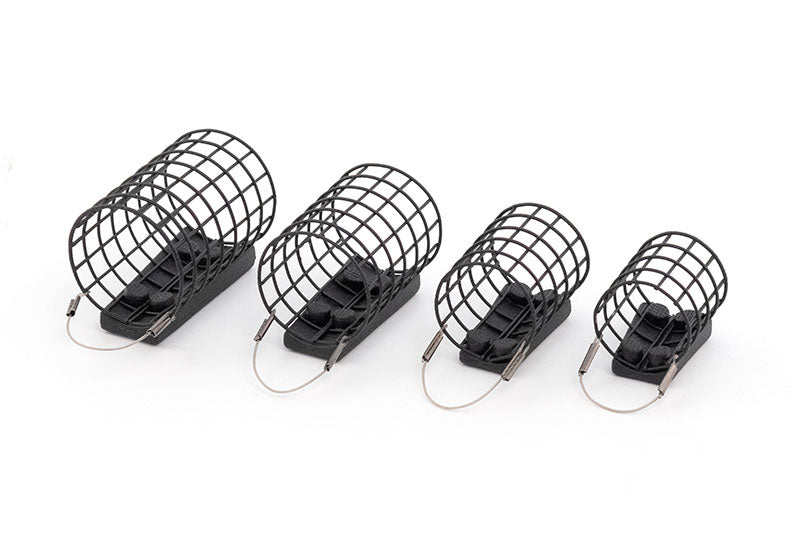
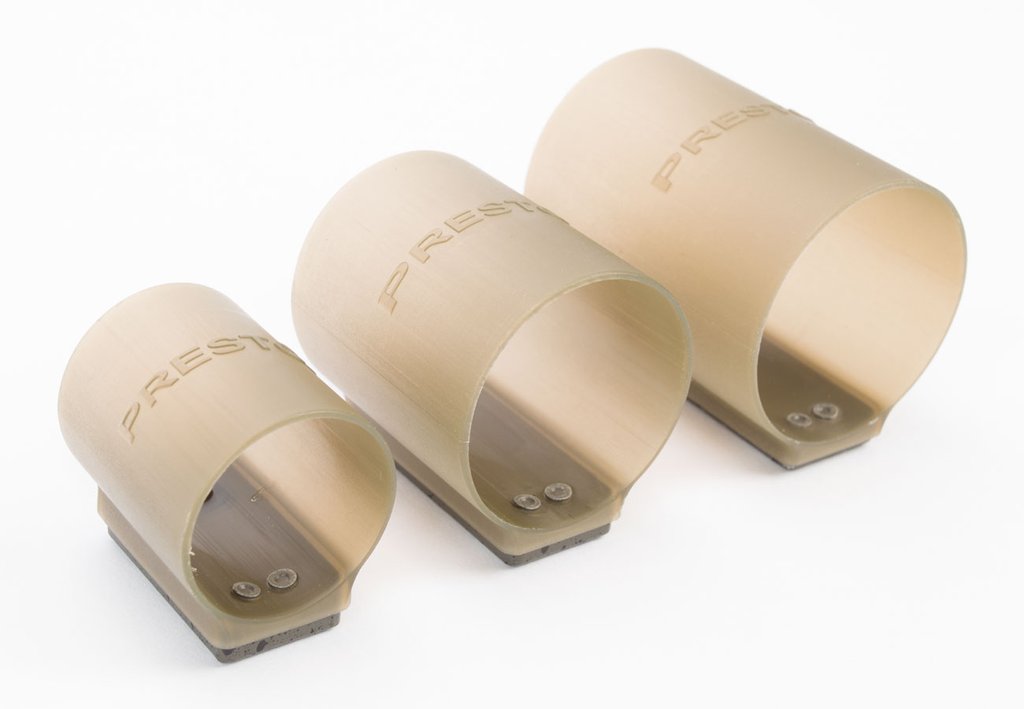
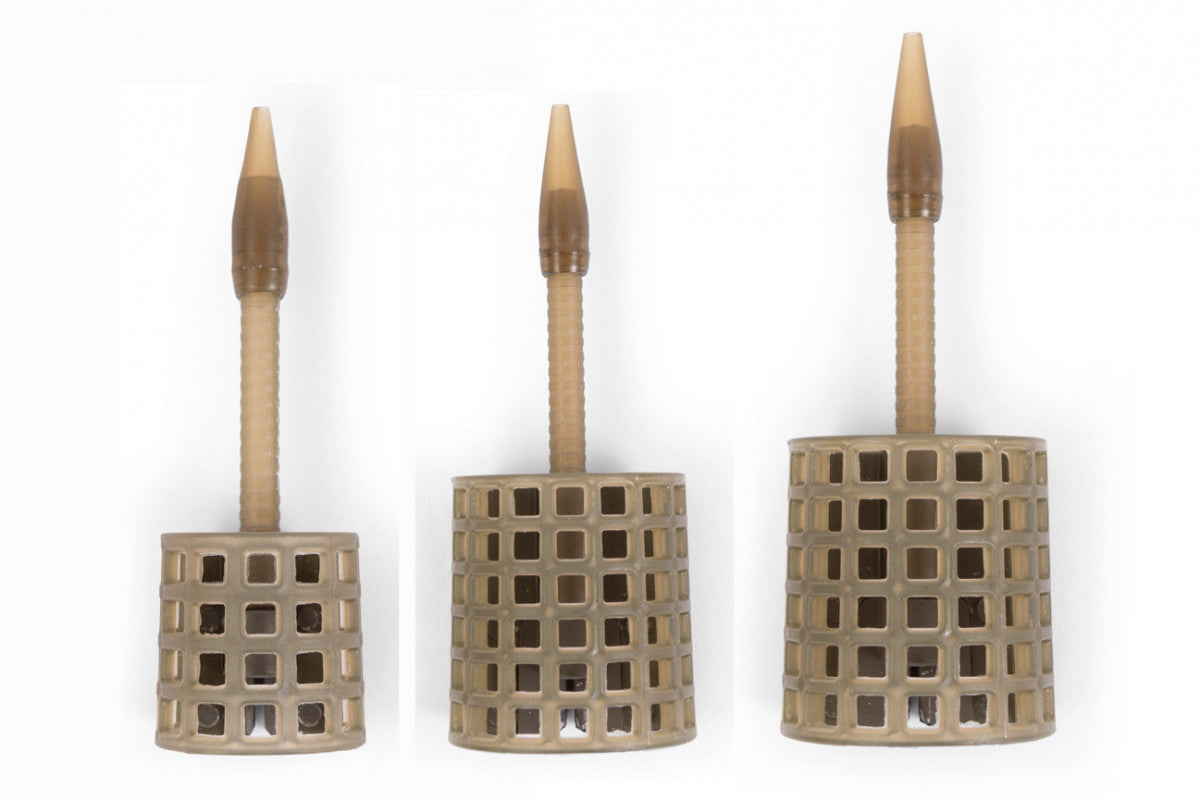
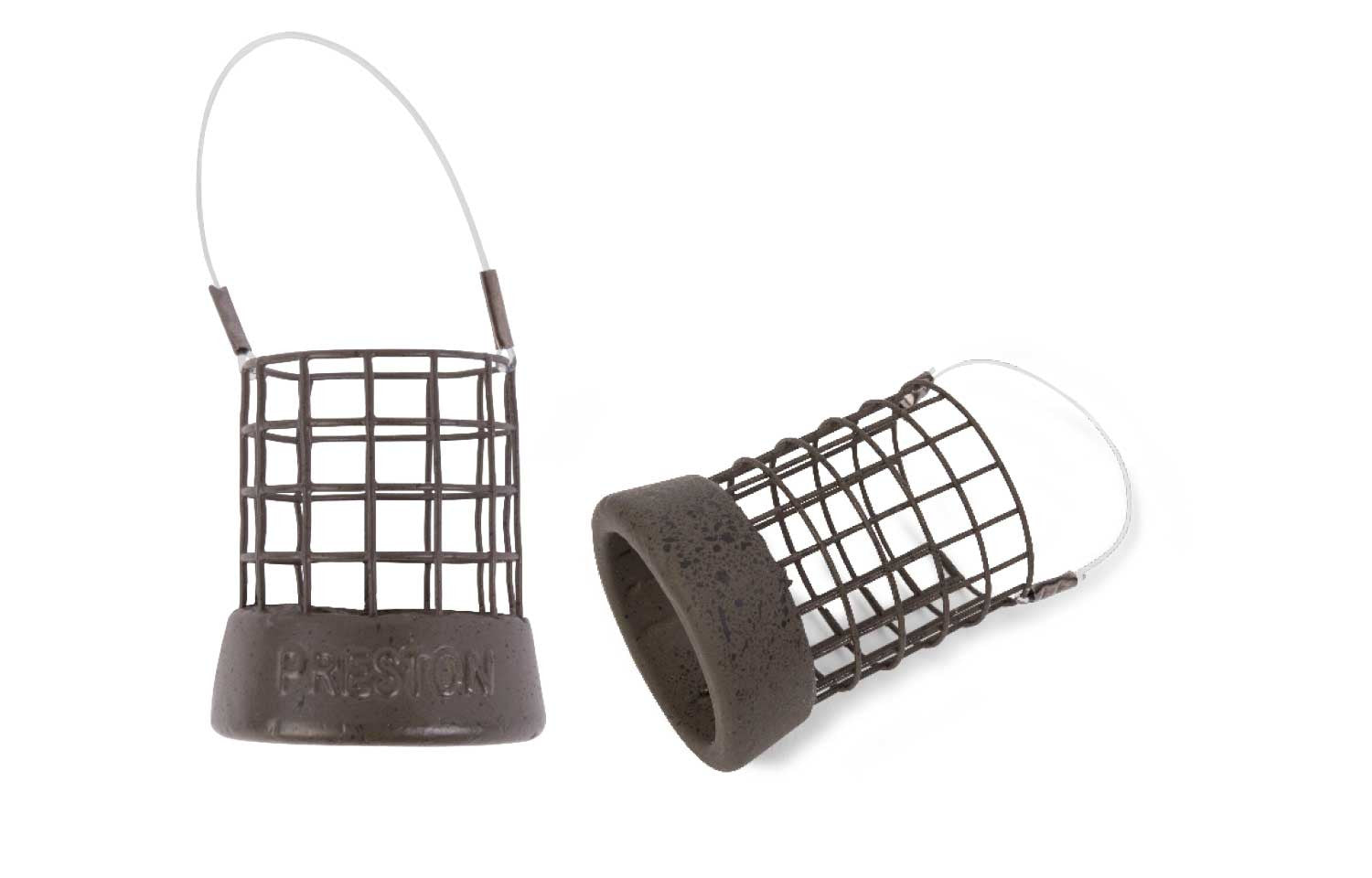
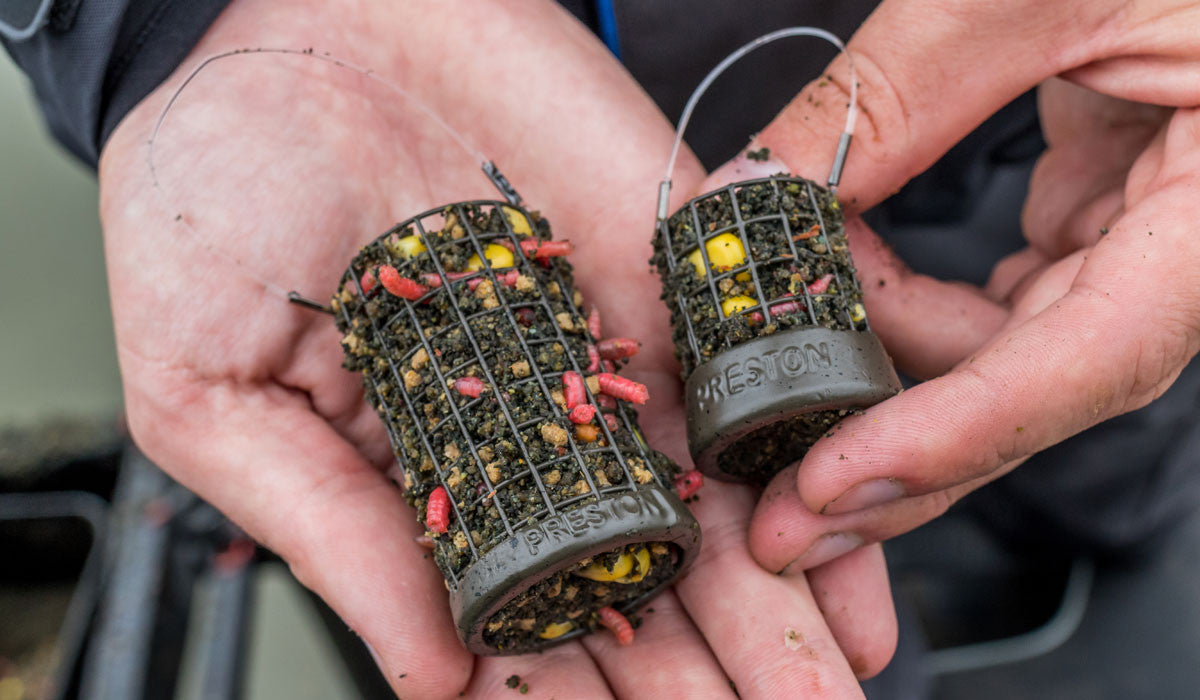
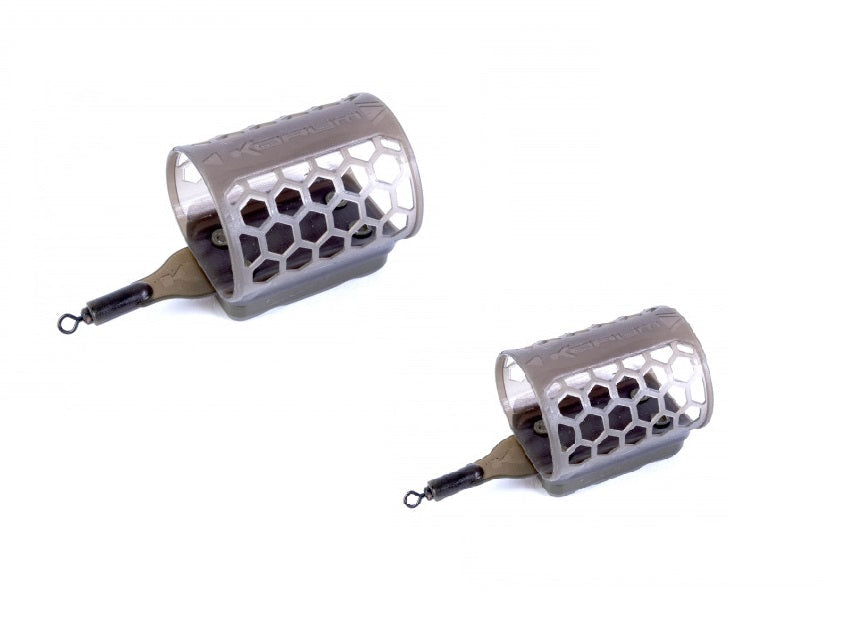
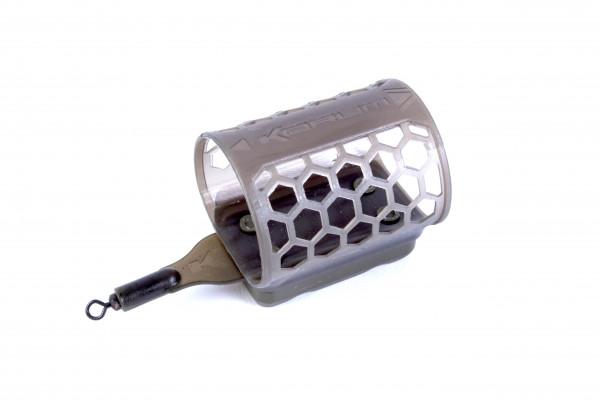
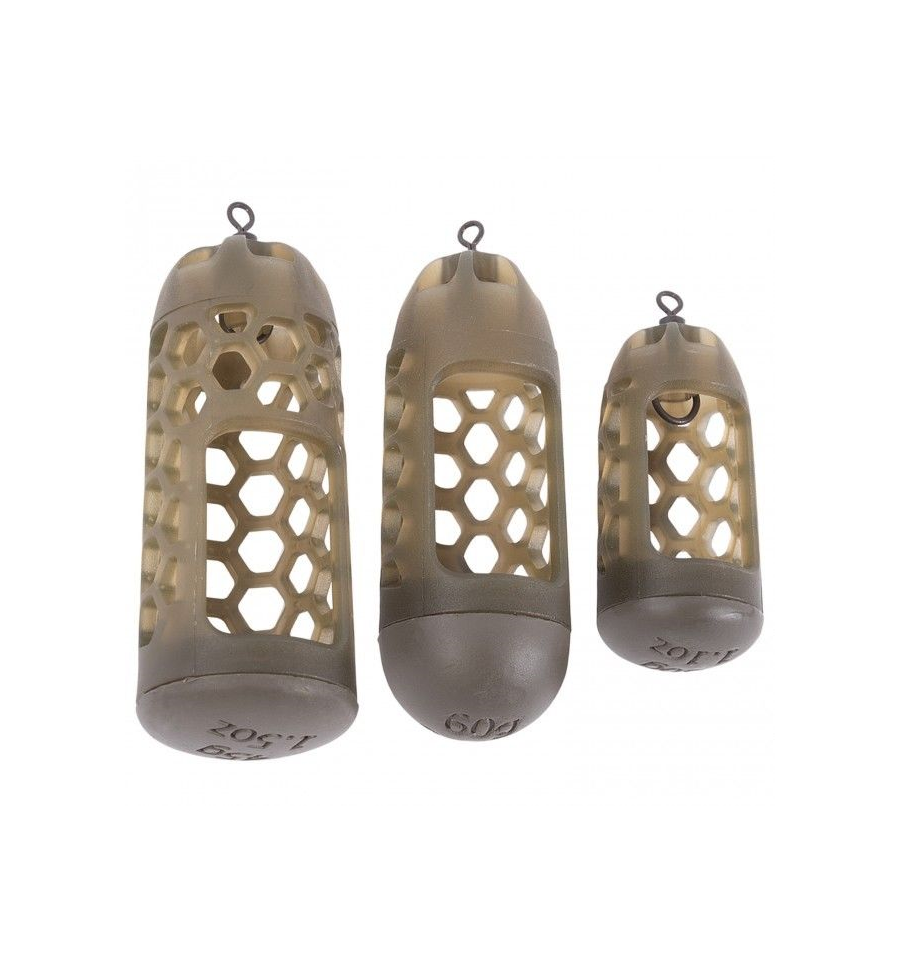
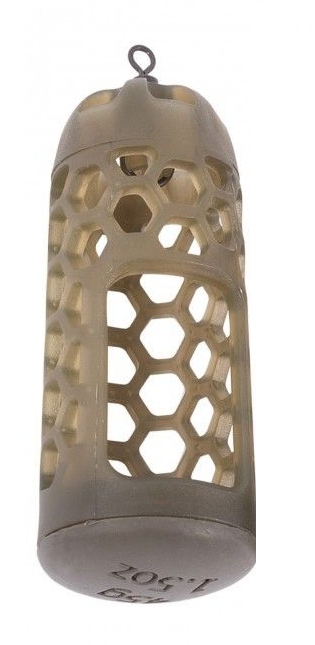
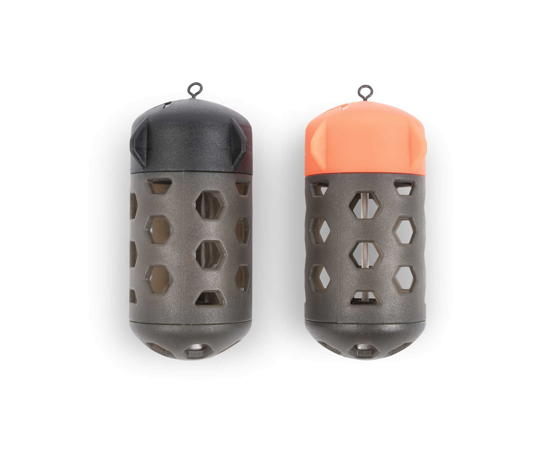
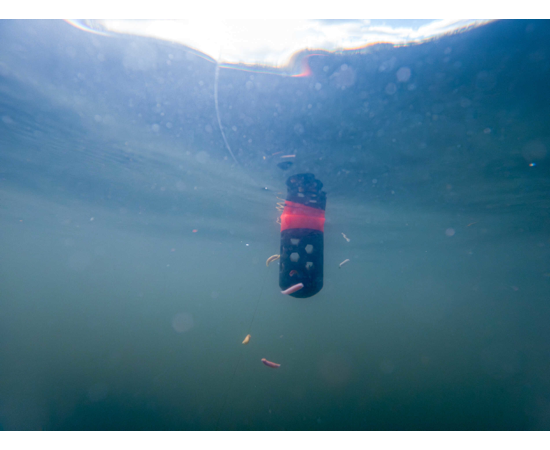
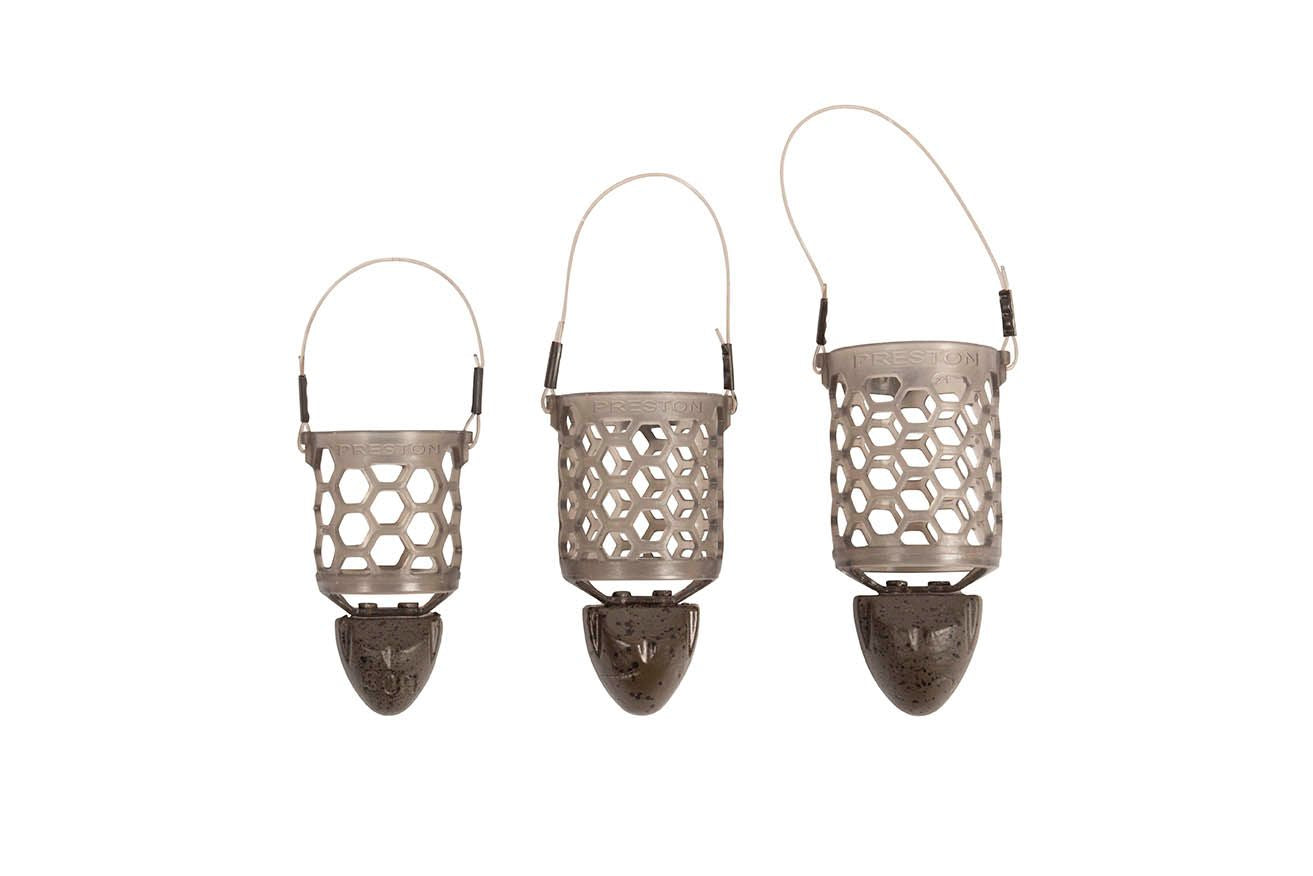
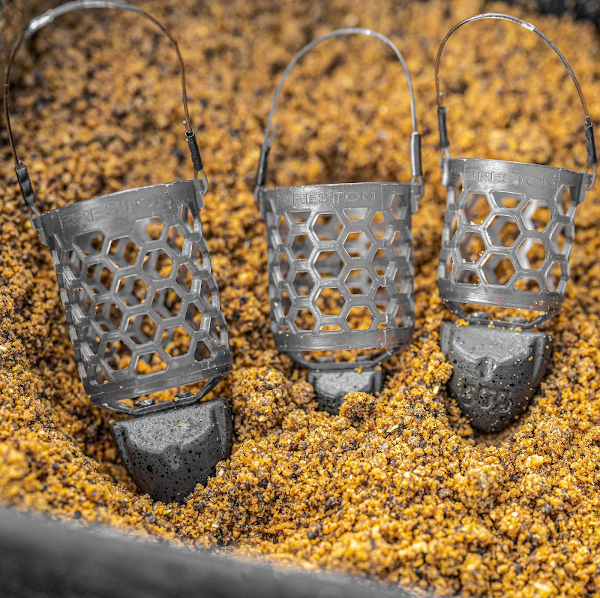
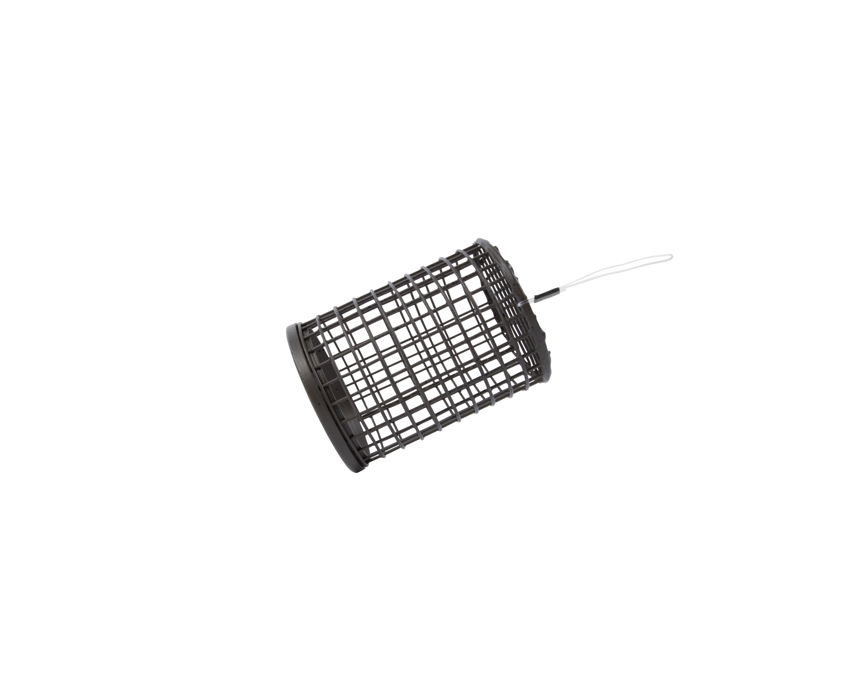
Cage feeders carry groundbait and small feed particles to a defined area, then allow the mix to wash through an open mesh or perforated body. Size, opening pattern and loading determine how much bait is delivered and how quickly it releases. The mix must suit both the feeder and the water conditions.
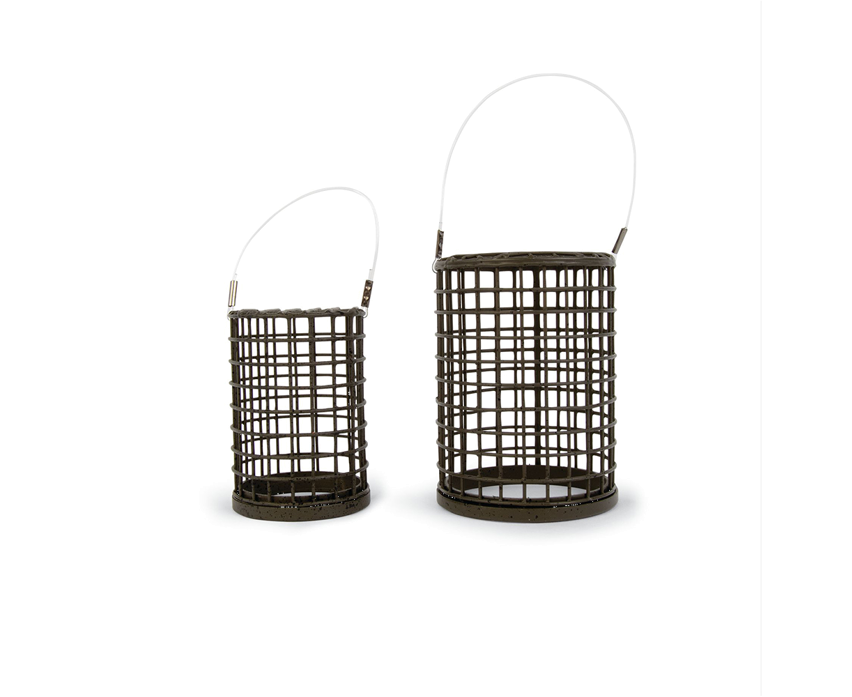
An open cage empties quickly with a dry or active mix, while a tighter pattern or firmer groundbait can slow release. Larger cages build a feed bed but add casting weight and disturbance. Compact feeders suit measured feeding or difficult conditions where repeated small deposits are more appropriate.
Browse all fishing feeders, compare aerodynamic distance feeders, use maggot feeders for live-bait delivery, or review method feeders for compact bait presentation around the hook bait.
Choose size, weight and opening pattern
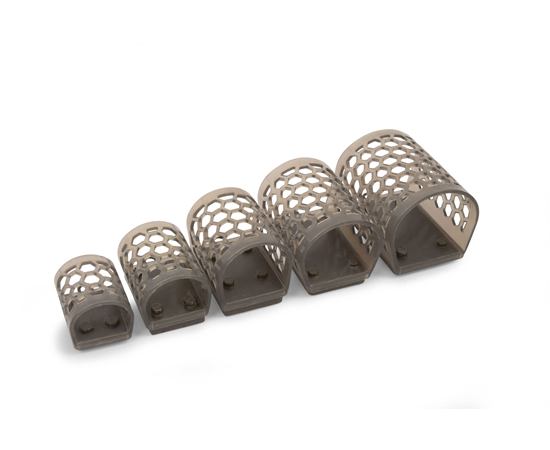
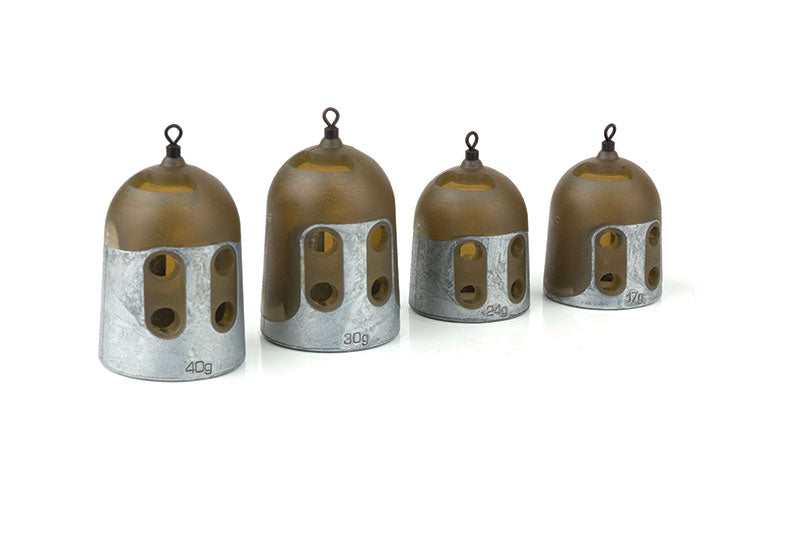
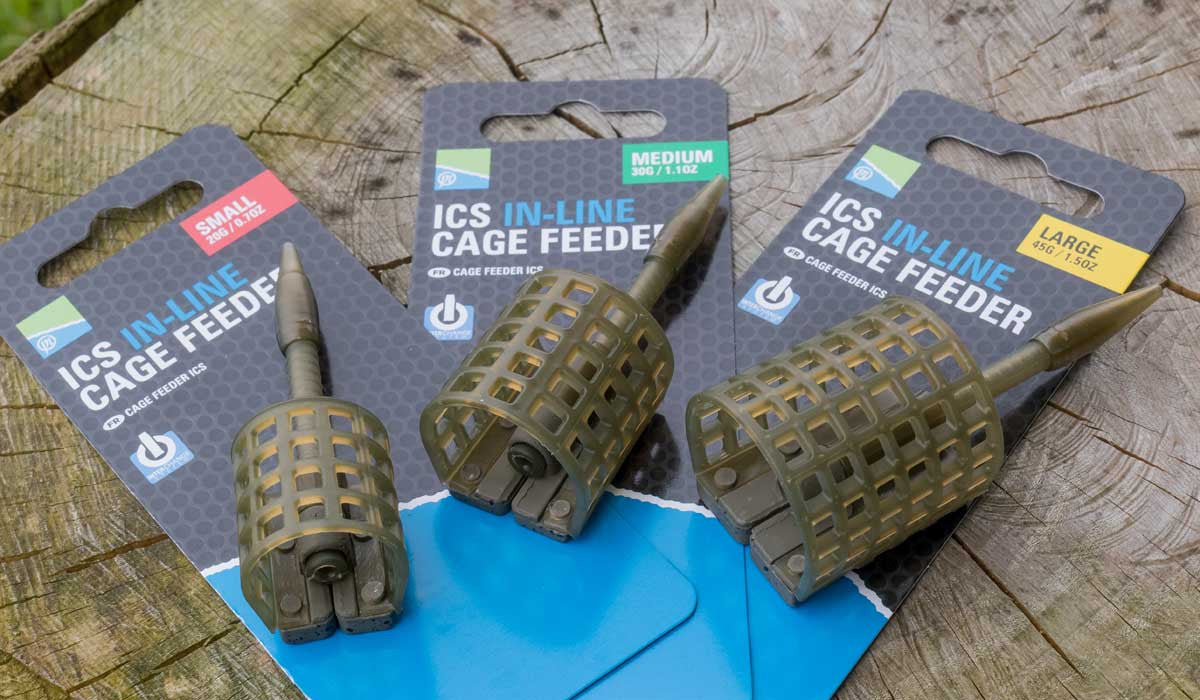
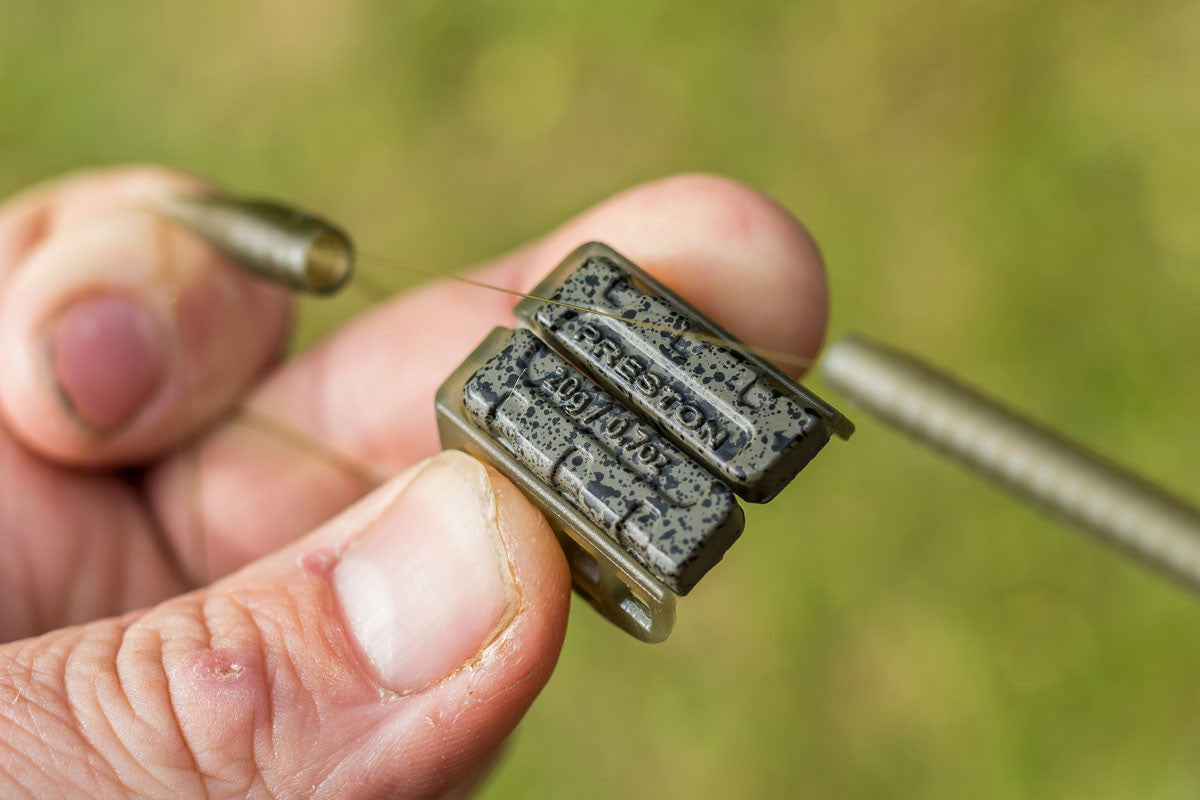
Use enough feeder weight to reach the target and hold position without exceeding the rod's rating. Count the feeder, fully loaded bait and terminal components together. More weight can improve stability and distance, but an unnecessarily heavy feeder reduces sensitivity and places greater strain on line, knots and casting tackle.
Match body capacity to the feeding plan. A large cage is useful for quickly establishing an area, while a small feeder supports cautious top-ups. In current, choose a profile and weight that resist rolling. On soft silt, consider a shape and total load that will not bury the rig excessively.
Pair the setup with suitable feeder rods and feeder reels. Main line, shock leader where required, reel capacity and rod casting range must work as one system.
Load, cast and inspect the feeder
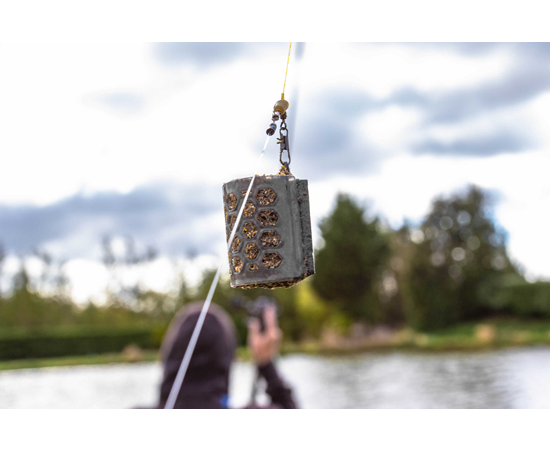
Fill the cage evenly without compressing the mix beyond the intended release. Test it in the margin and adjust moisture or binding rather than repeatedly changing feeder size. Cast smoothly, use a consistent reference point and feather the line before impact.
Inspect the frame, lead or alternative weight, attachment eye, swivel and line after snags. Replace bent cages and sharp or loose components. Follow venue rules on feeder type, weight material and rig safety, and retrieve broken line and tackle where safe.