
Rig Wallets
2 products
Showing 1 - 2 of 2 products
Explore fishing rig wallets for carrying prepared hooklengths, leaders, traces, rigs and terminal tackle in Ireland. Compare wallet dimensions, sleeves, boards, winders, pockets, capacity, closure, labelling space and moisture protection. Choose a format that supports the full rig without sharp folds, cover every hook point and keep damp or used tackle separate until it has been cleaned, inspected and dried.


Recently viewed
Rig wallets for prepared hooklengths and traces
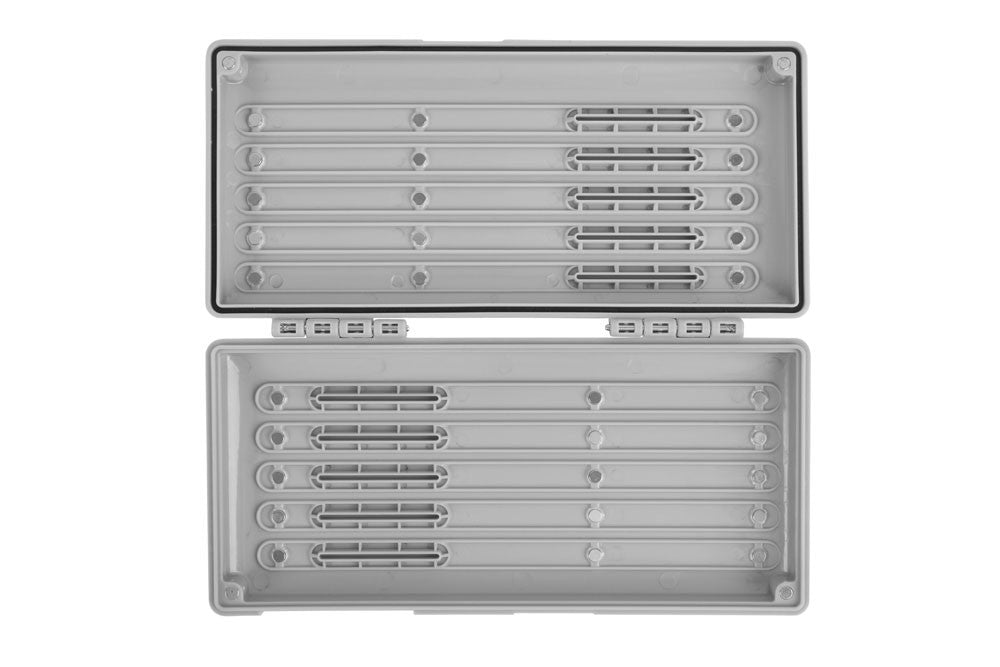
A rig wallet keeps pre-tied tackle arranged by method, hook size, line diameter or target species. Sleeve-based wallets hold packets and flat components, while designs with boards, foam or winders support complete rigs. The correct format depends on rig length, hook pattern, leader material and the number of variations carried.
Fine monofilament and fluorocarbon can take memory from tight coils, while coated wire and stiff leaders may weaken at repeated folds. Measure the longest rig and check the storage diameter or board length. Pins and retainers should secure the tackle without touching knots, coatings or hook points.
Browse the wider fishing luggage range, carry longer equipment in rod holdalls, protect spare reels with reel pouches, or place compact wallets inside fishing rucksacks. Compare specialist hook and rig storage for other prepared-tackle formats.
Choose format, capacity and protection
Compartments should prevent hooks, swivels and clips moving between sections when the wallet is turned. Transparent sleeves improve identification, but labels for hook size, line strength, date tied and venue rule are more dependable. Keep barbed and barbless rigs clearly separated where requirements differ.
Check closure strength, hinge or spine flexibility and whether the wallet remains flat when full. Water-resistant outer fabric can reduce spray entry, but wet rigs can still trap moisture inside. Exposed points need hook guards, foam or another intended securing system so they cannot pierce the wallet or injure the user.
Do not overload pockets with heavy leads or tools that can crush leaders and deform boards. If a wallet sits inside another bag, place it where the zip and spine are not bent. Use a separate container for sharp cutters, oils and liquids.
Label, dry and replace stored rigs
After fishing, remove any used or wet rig and inspect the hook point, knot, crimp, line and coating. Rinse appropriate tackle, dry it fully and discard damaged components securely. Never return an unidentified rig to the ready-to-use section.
Leave the wallet open until all moisture has dispersed, then store it away from heat and direct sunlight. Audit labels and dates periodically, replace cracked sleeves or loose retainers and remove old rigs whose material or strength cannot be confirmed. A smaller current selection is safer than a full wallet of unreliable tackle.