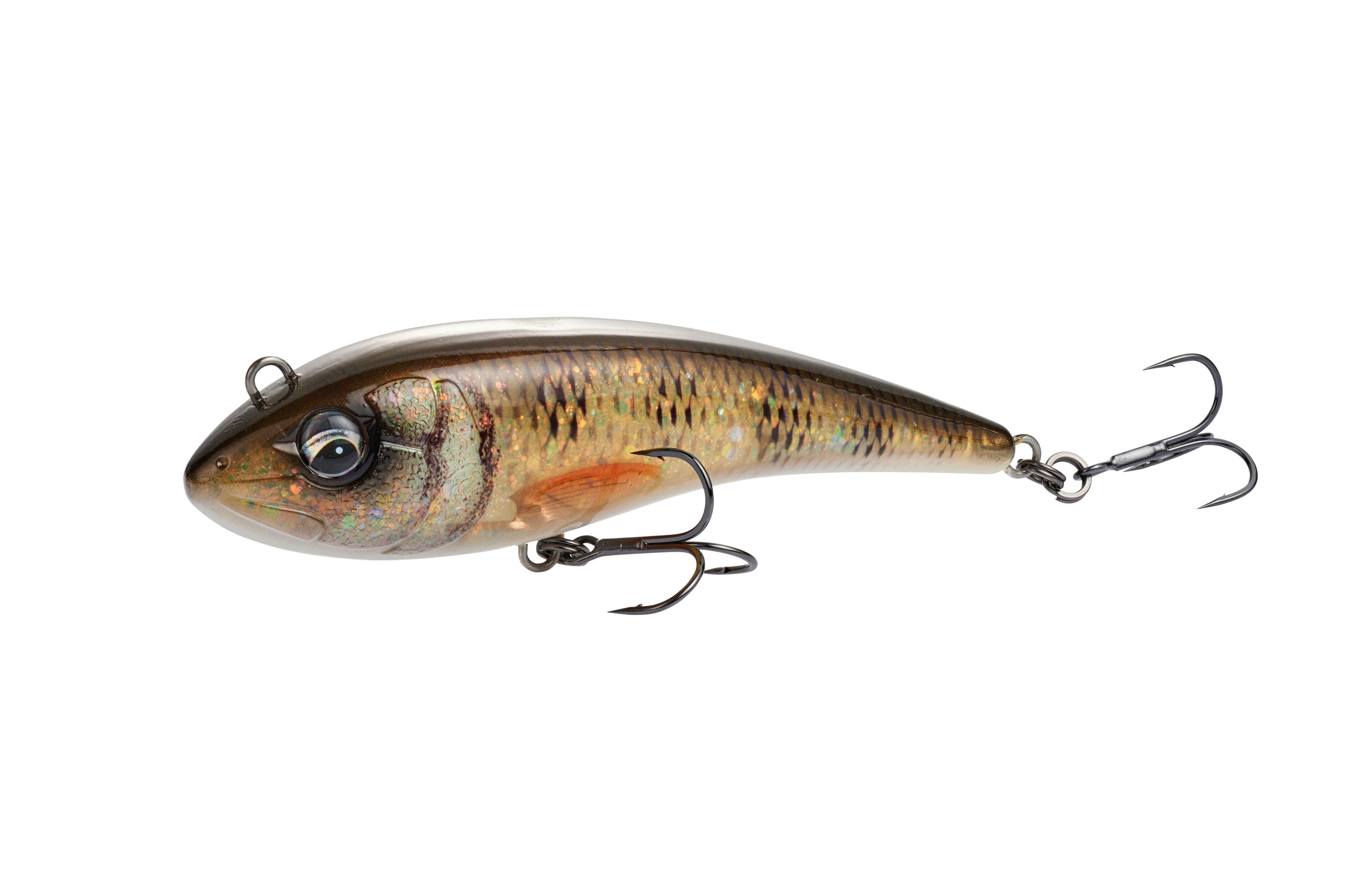
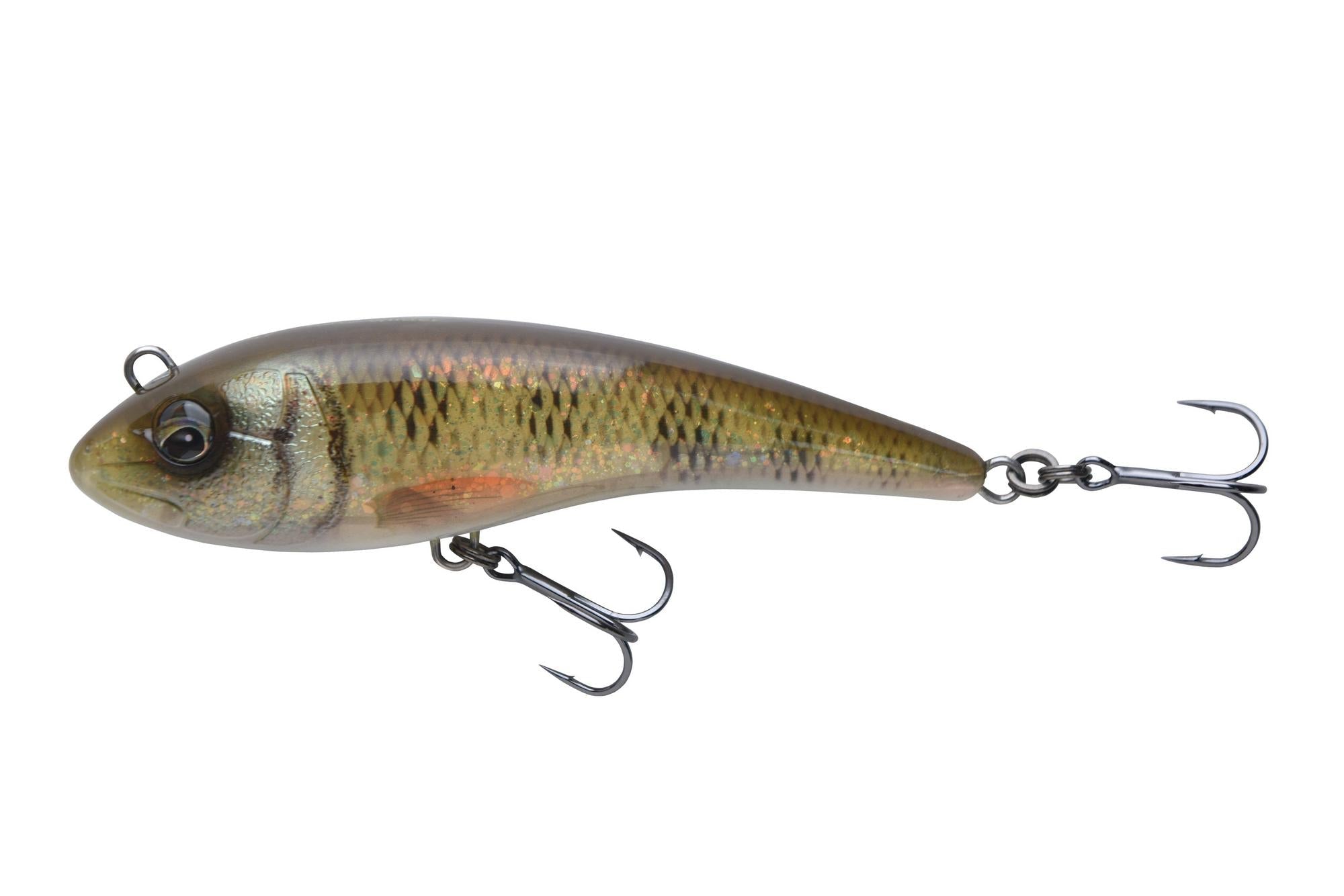
Jerkbaits for pike and predator fishing
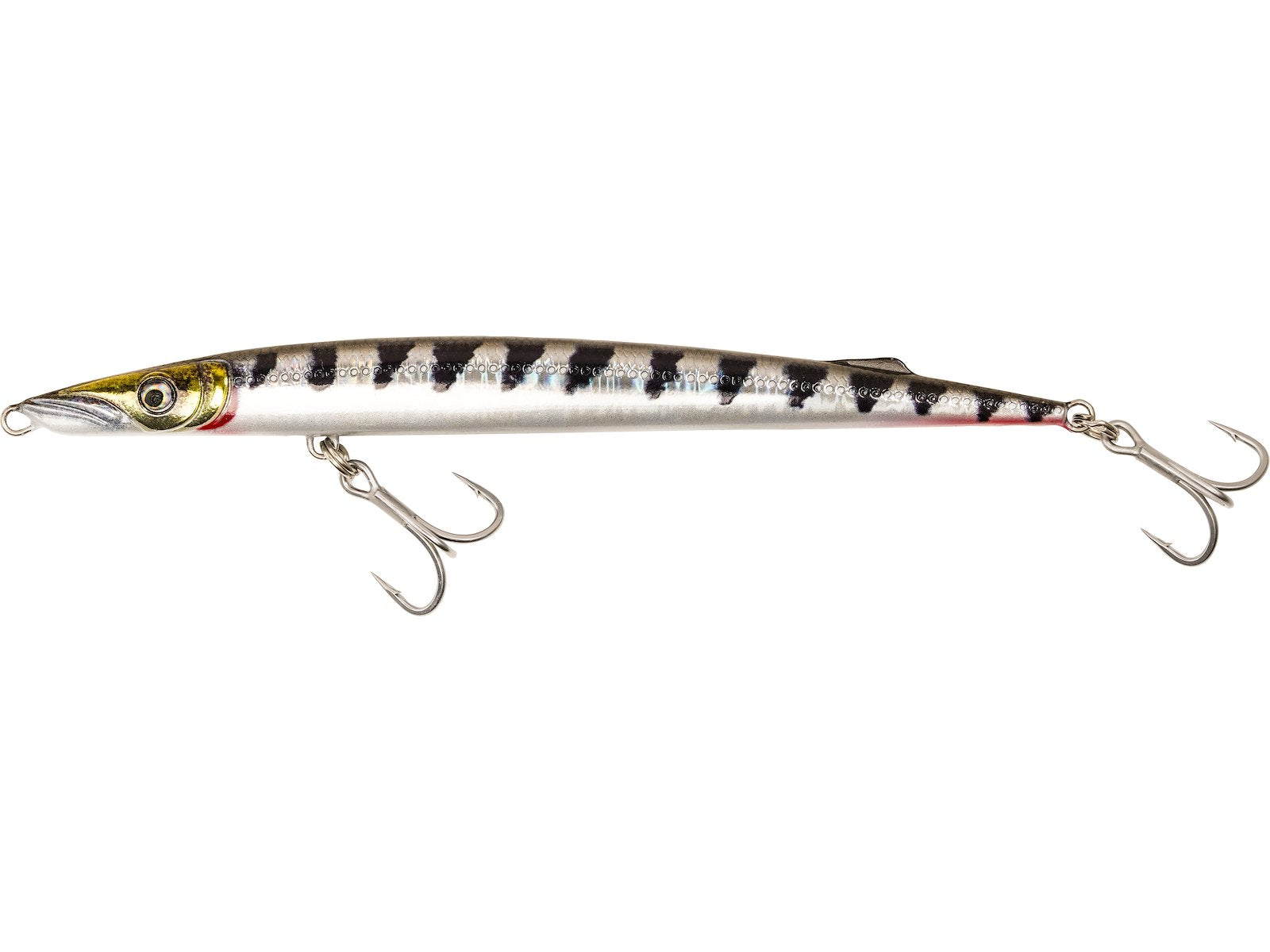
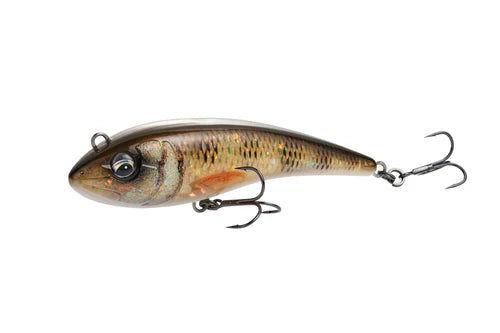
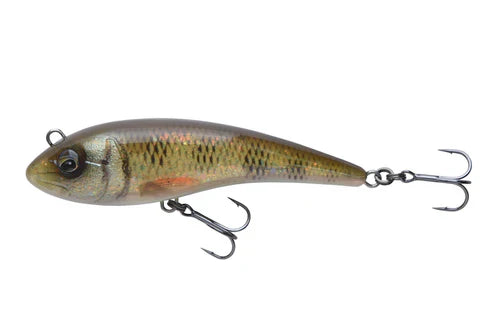
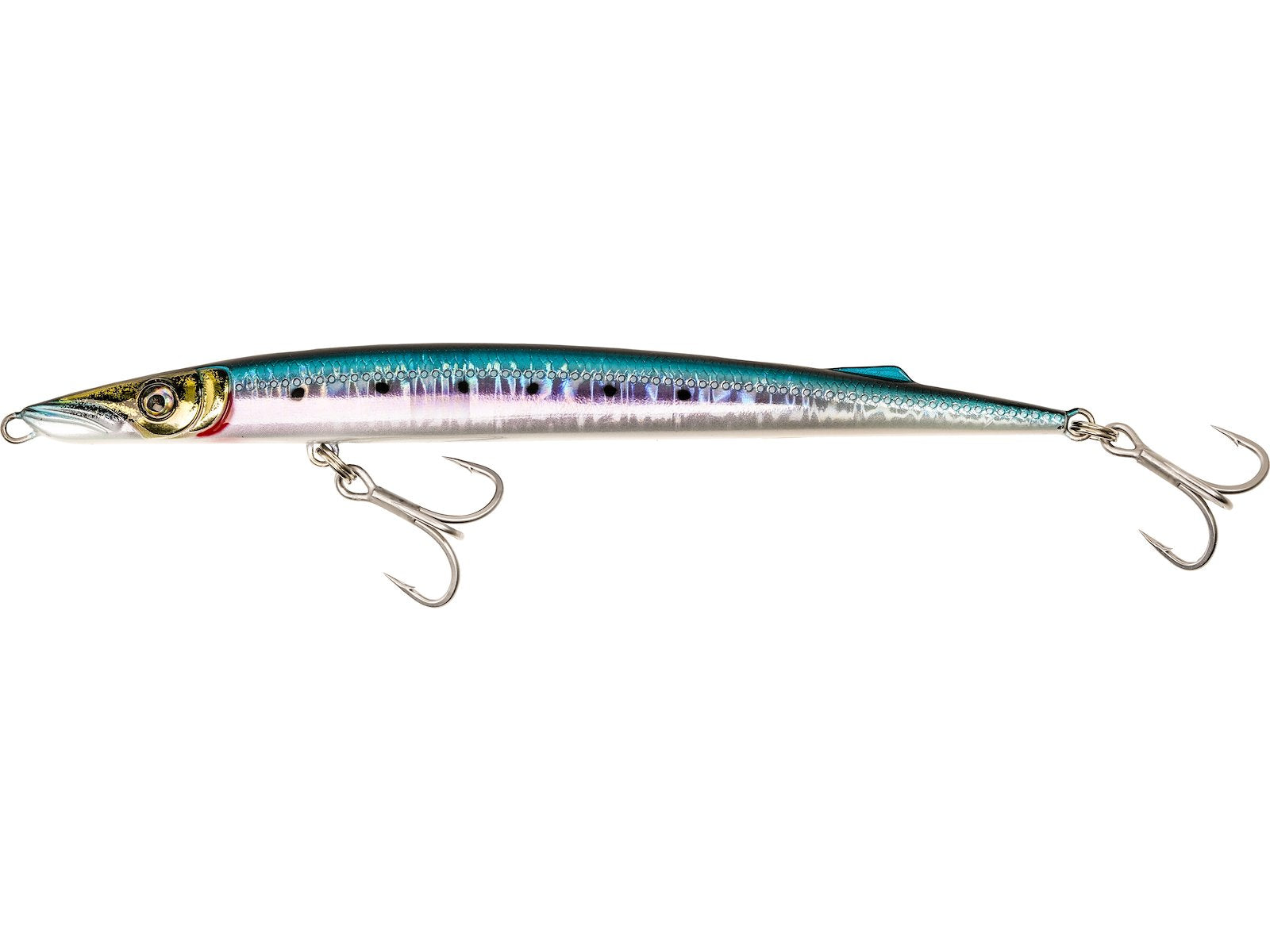
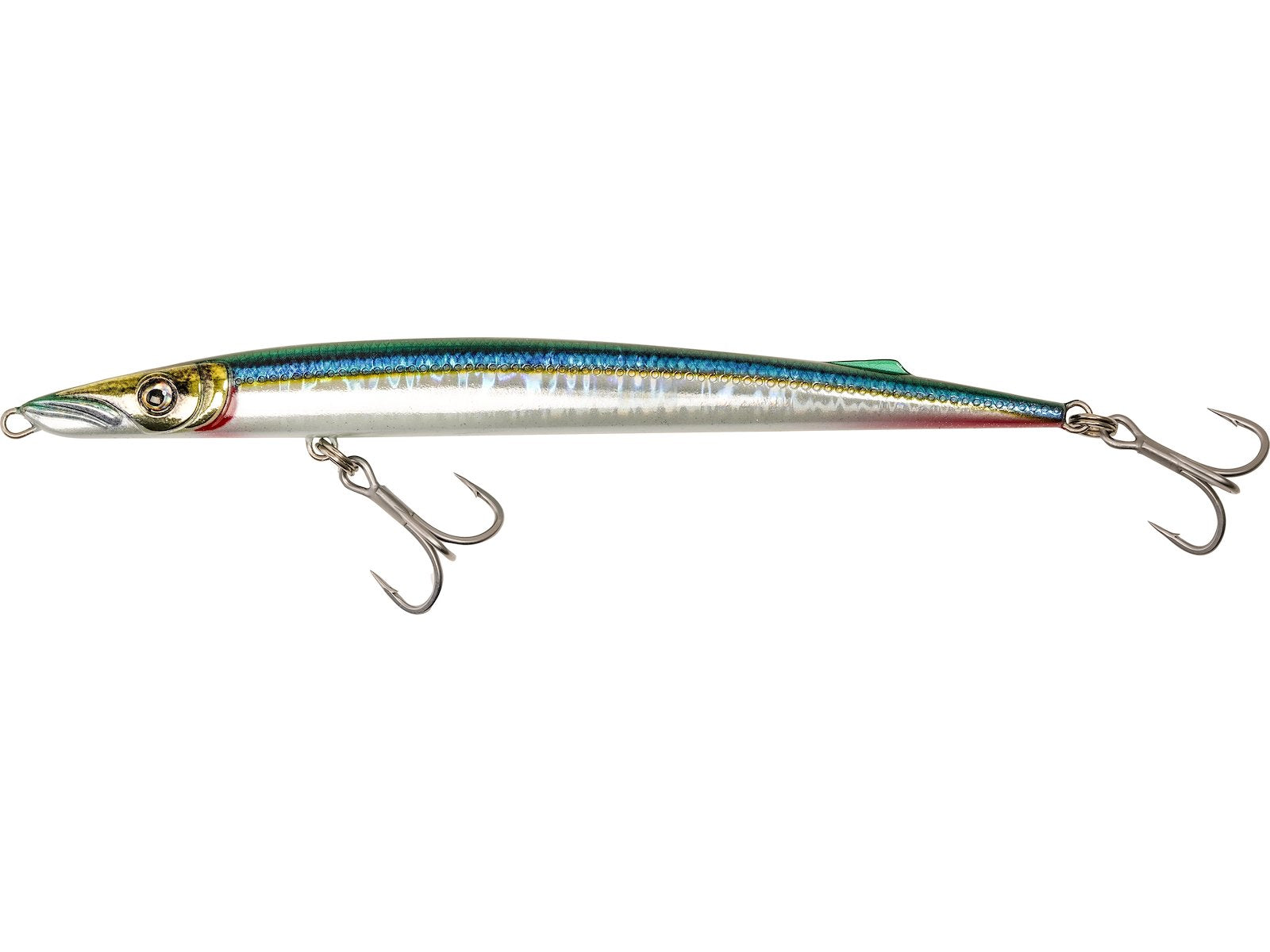
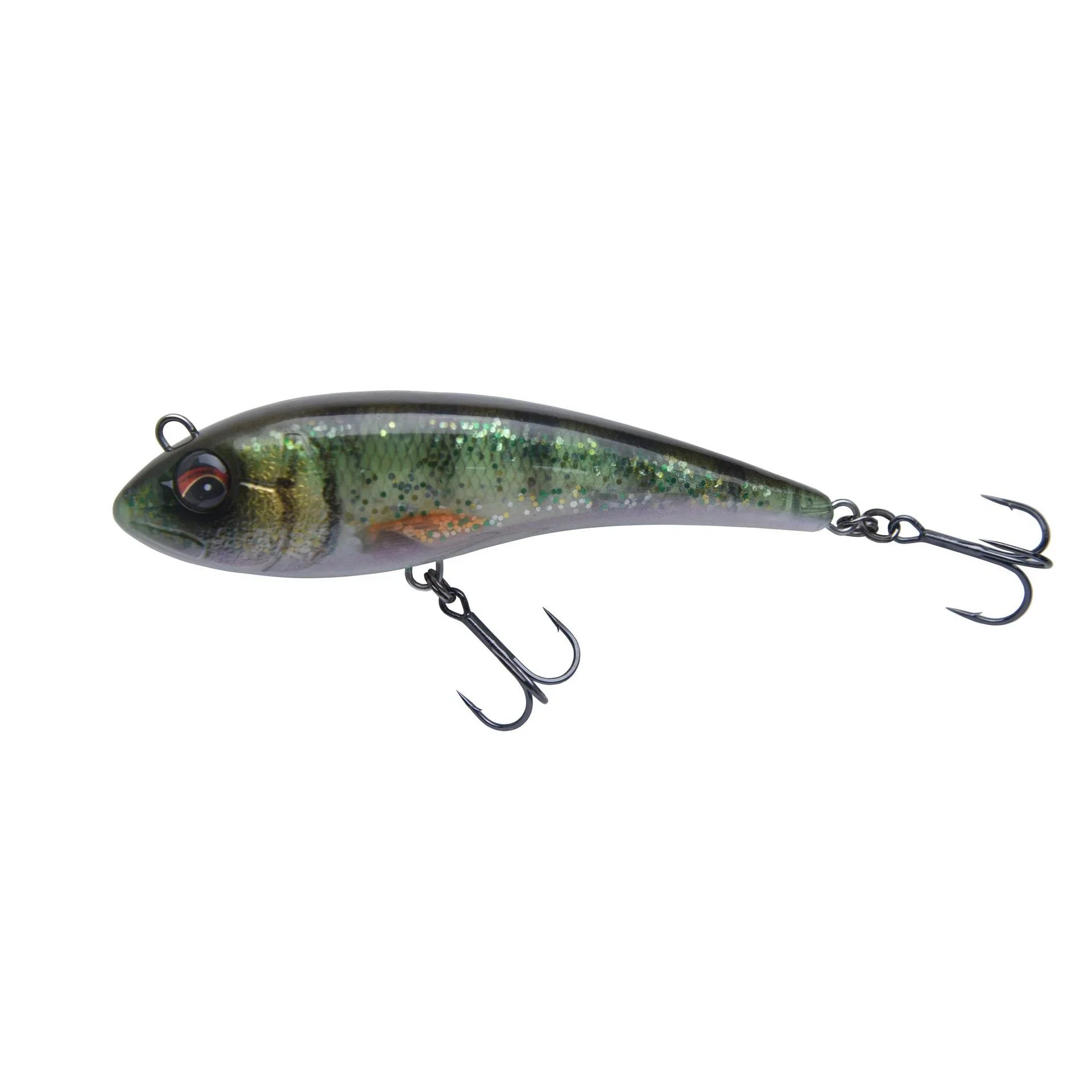
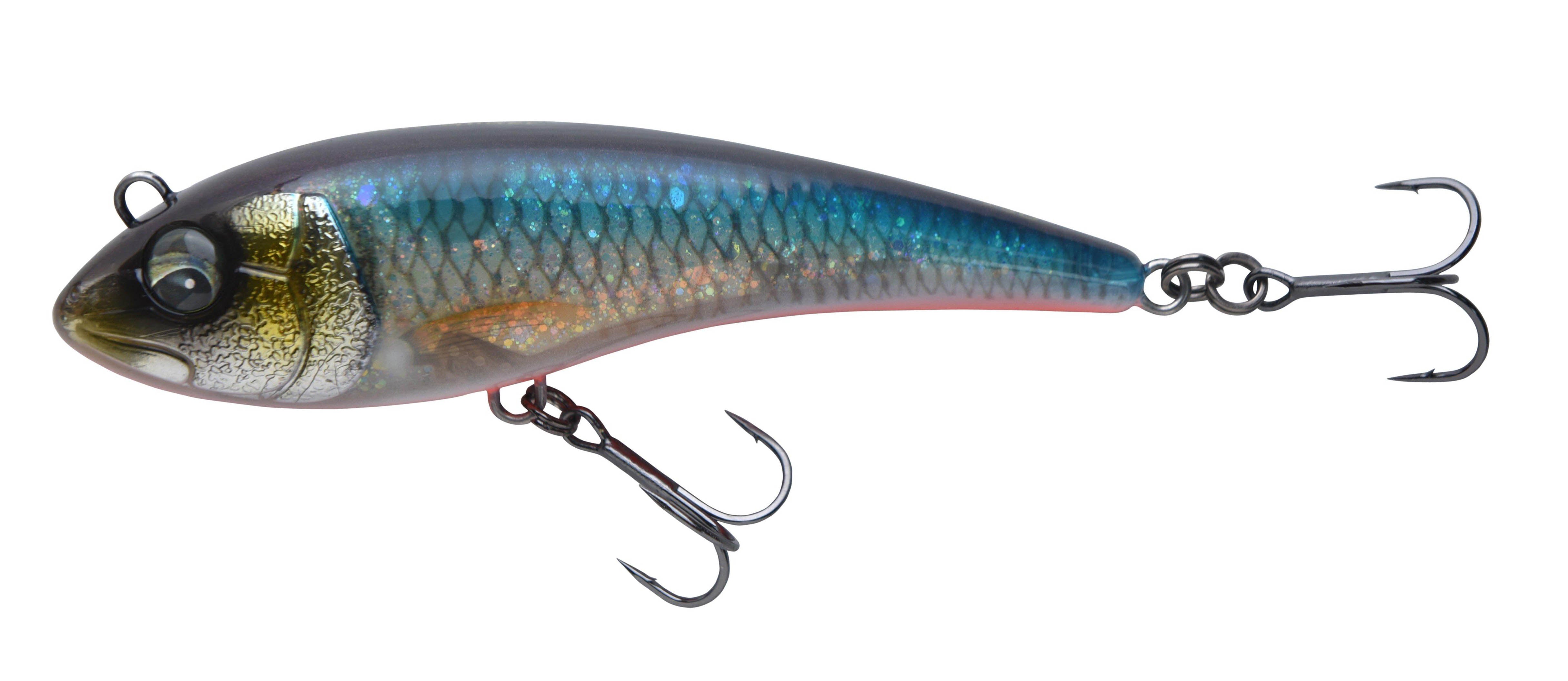
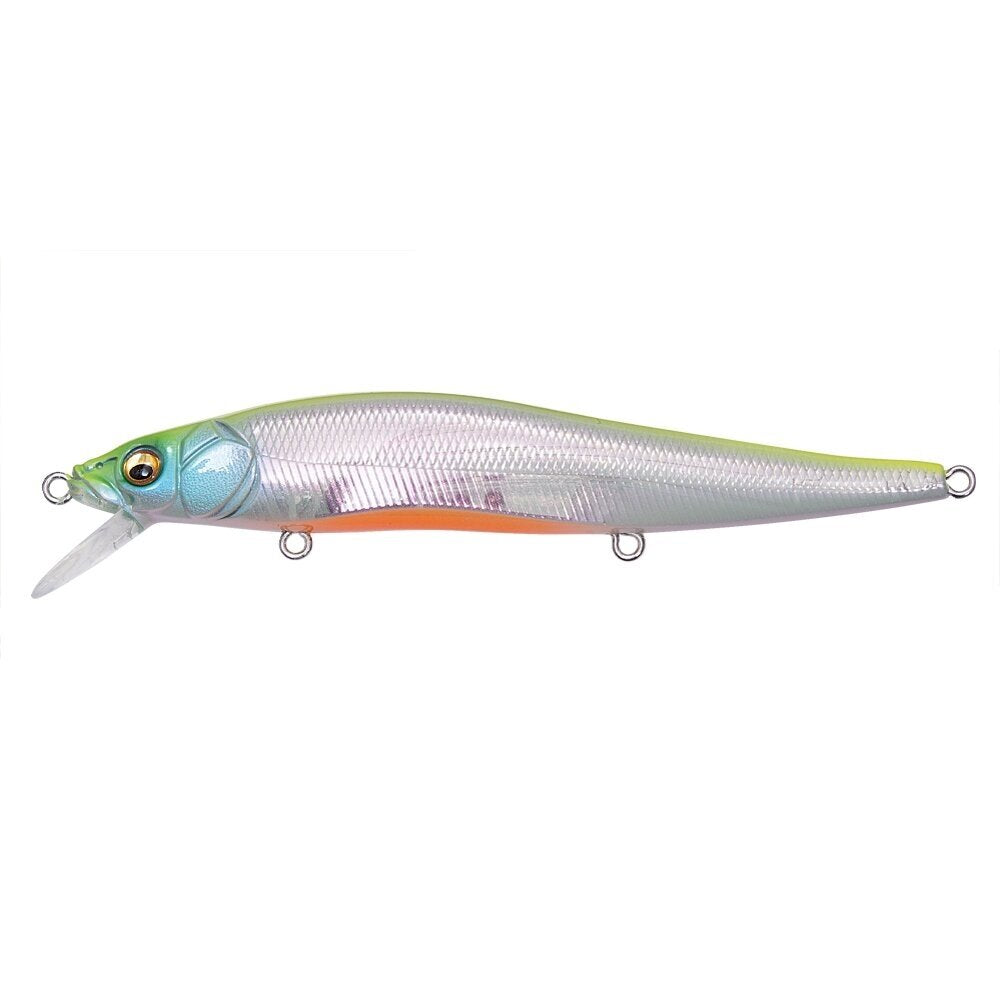
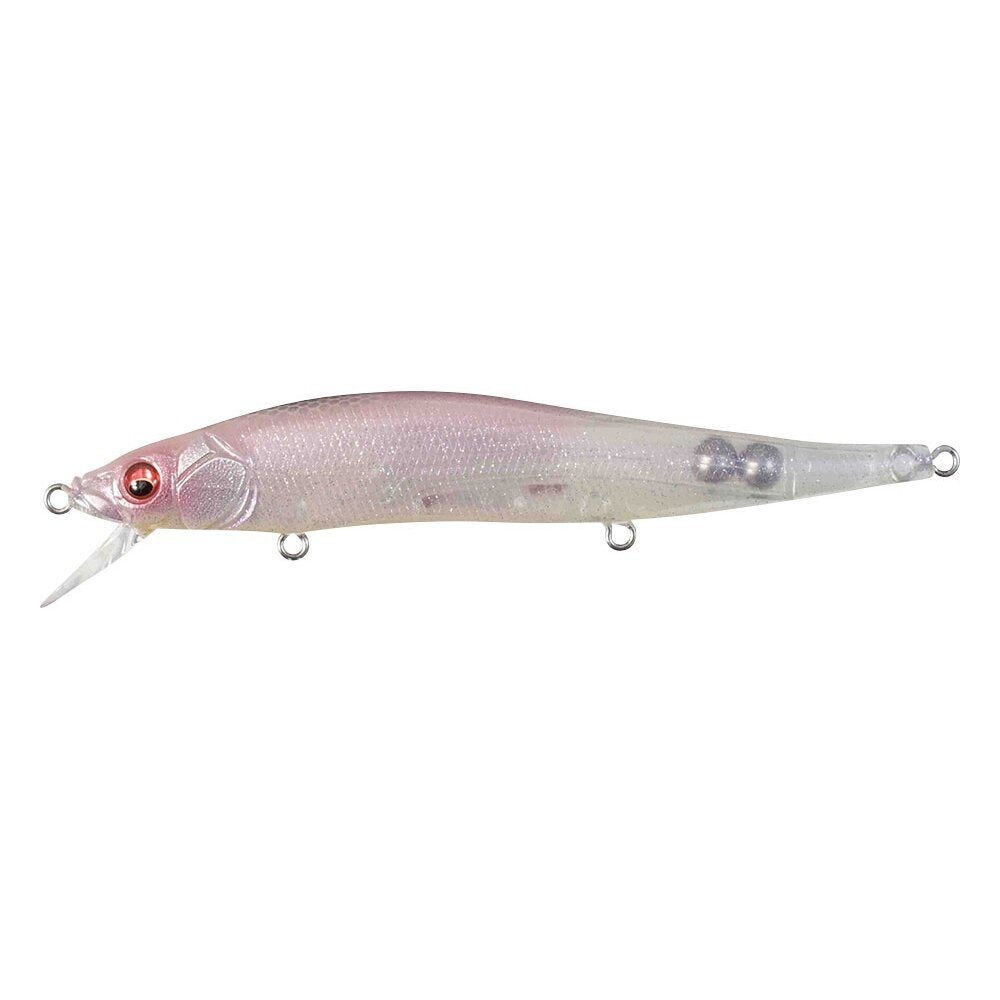
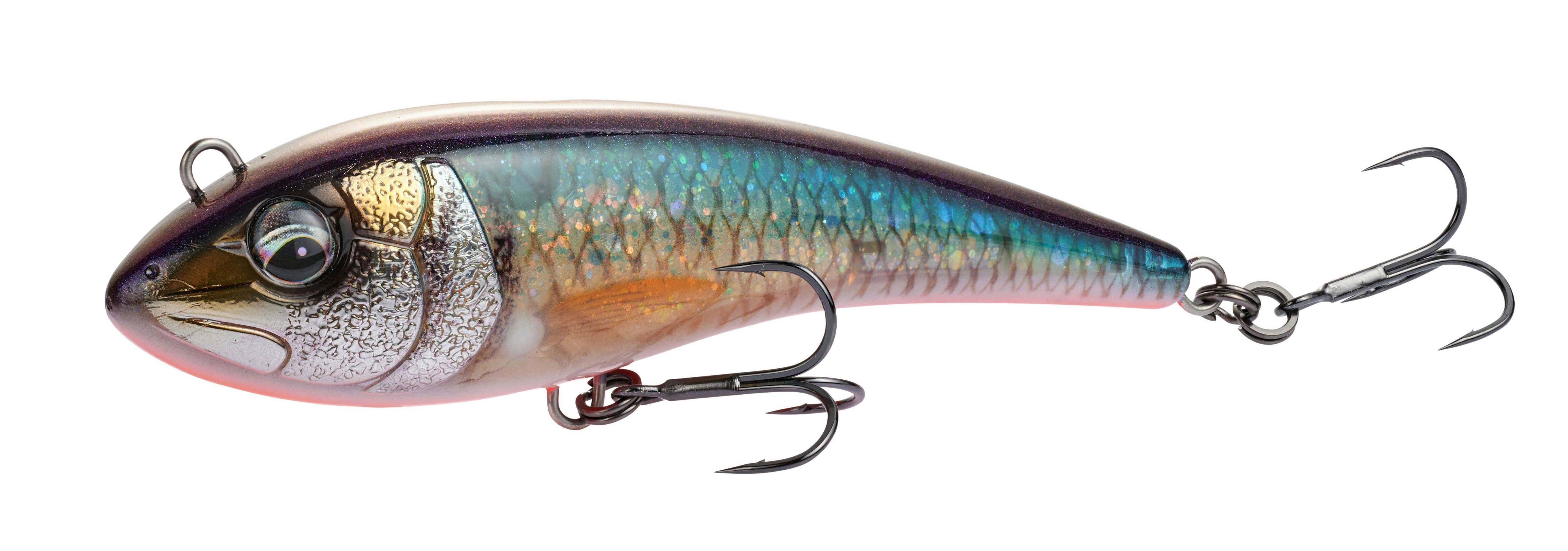
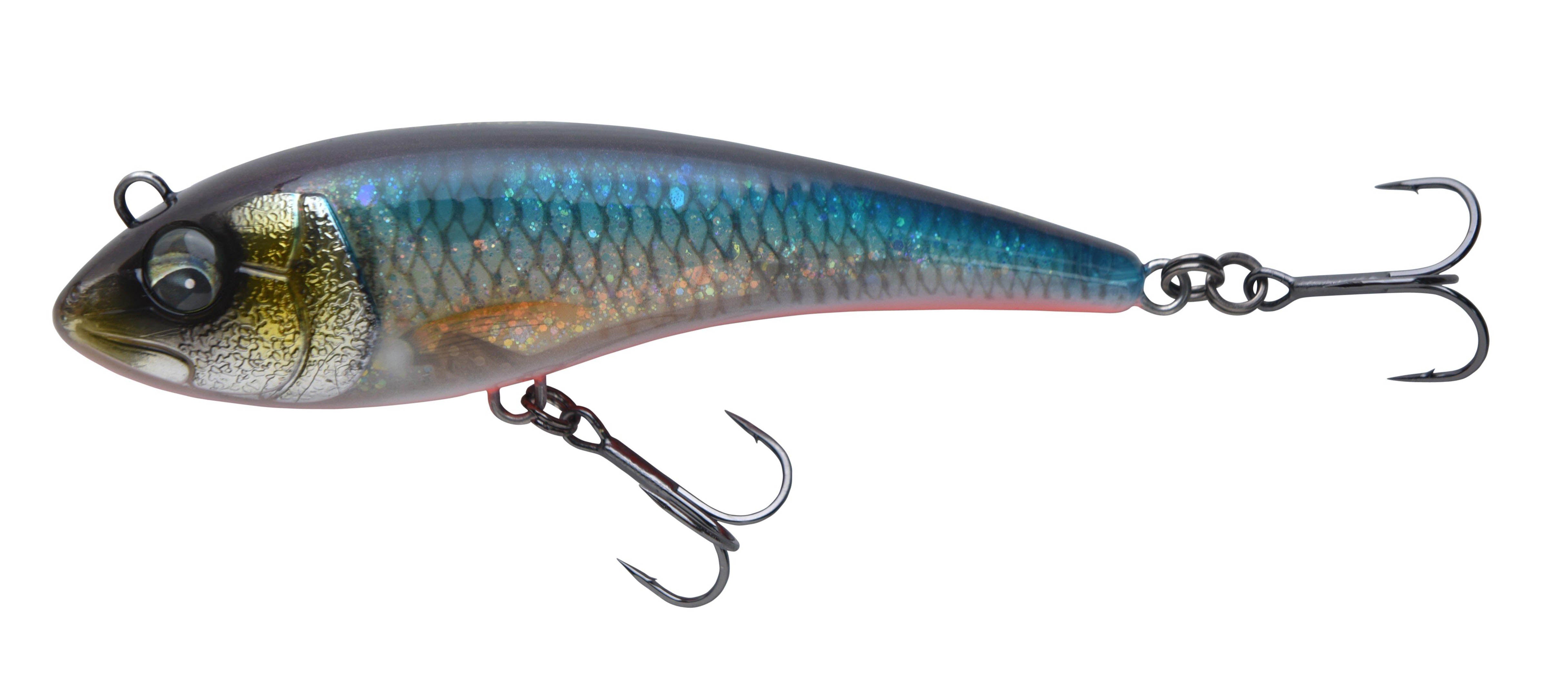
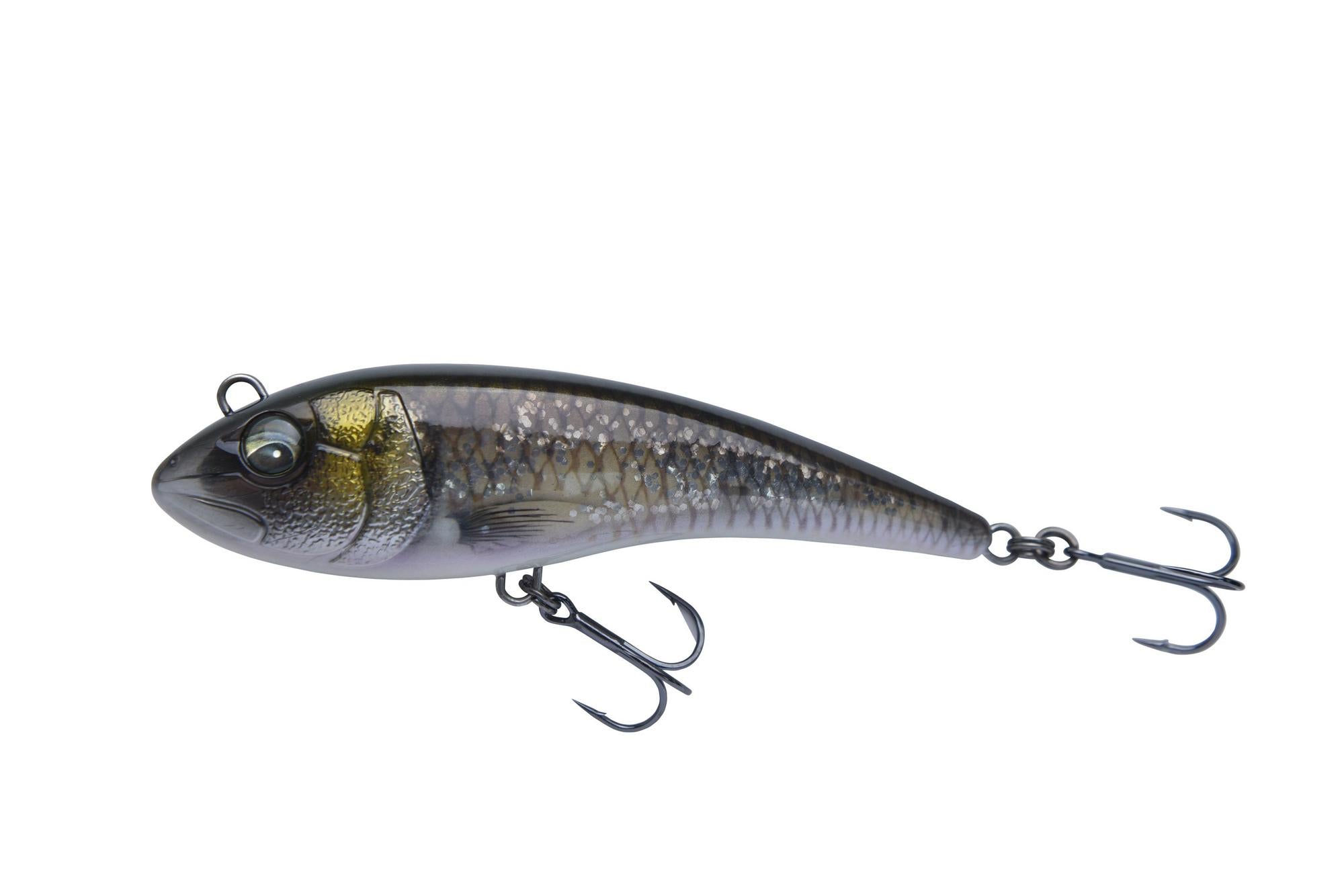
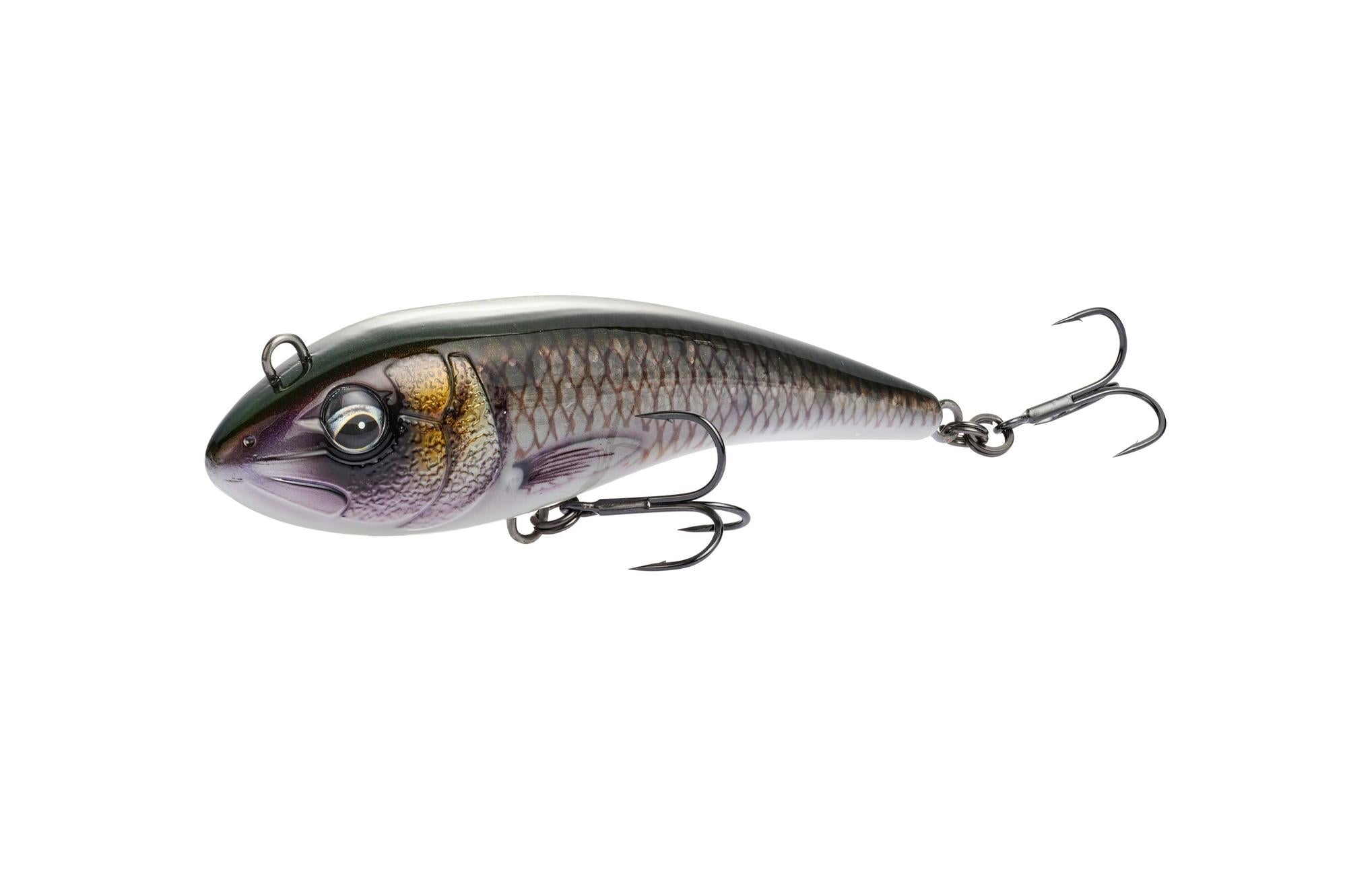
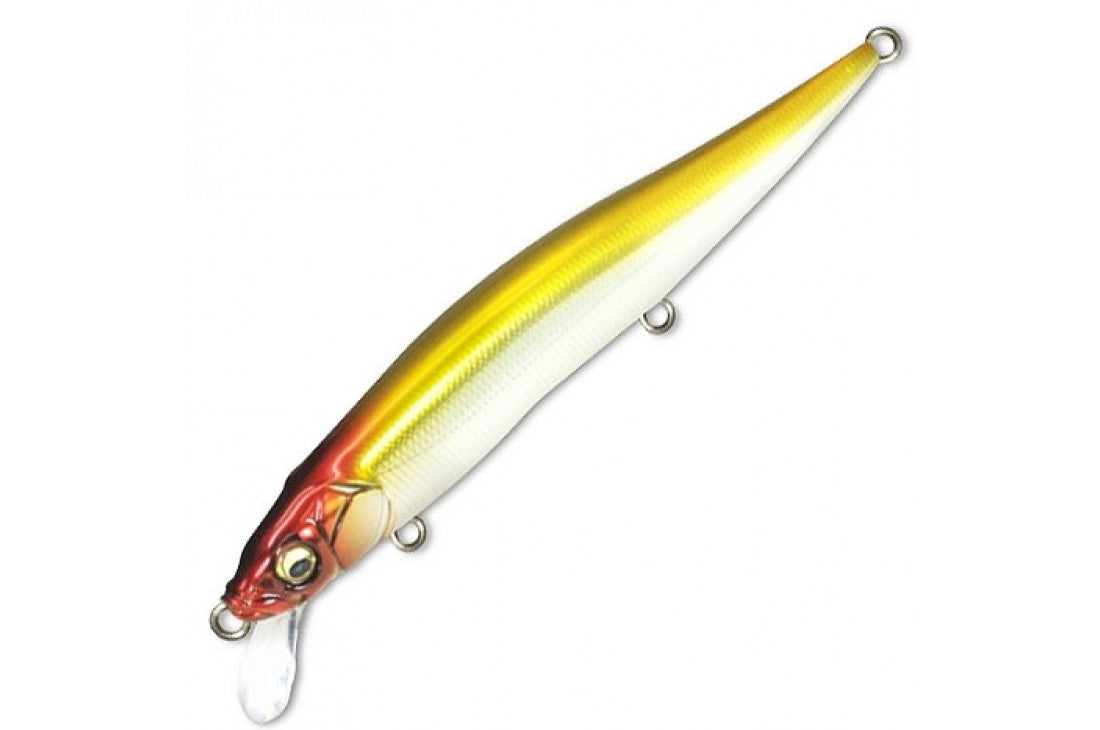
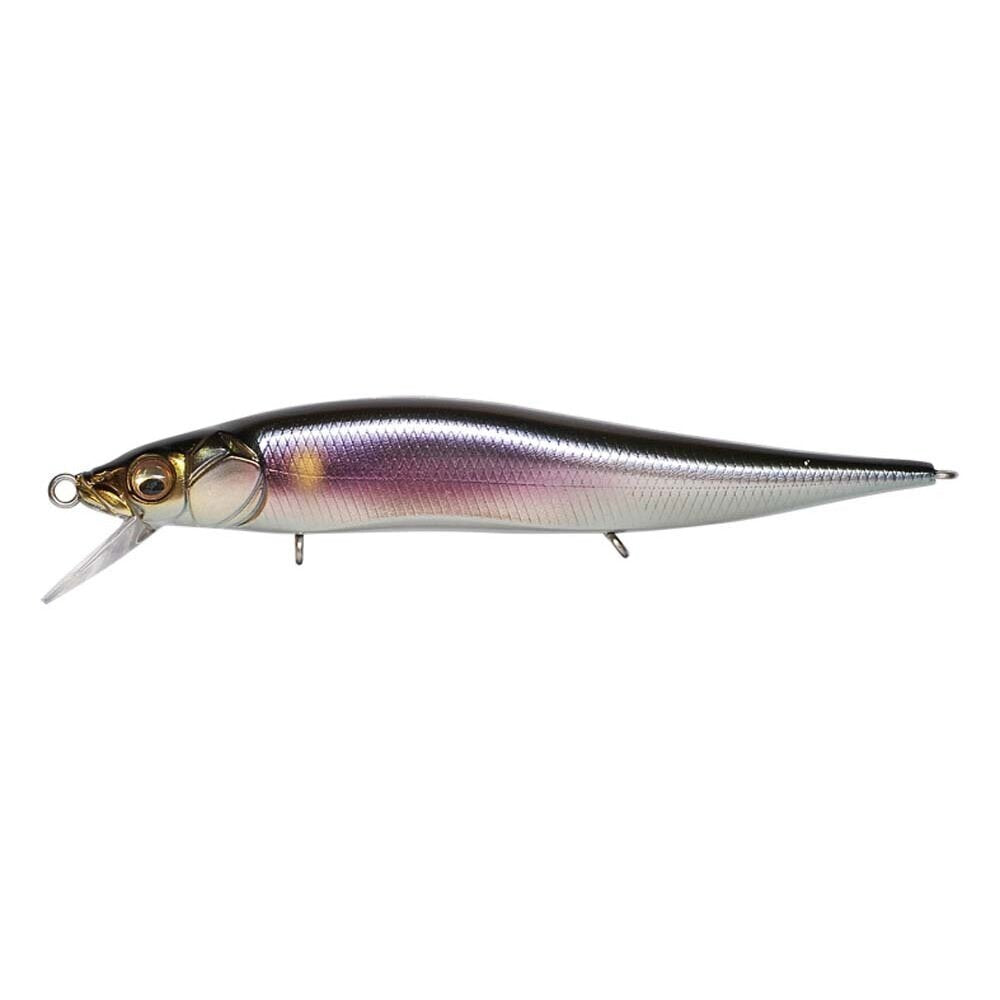
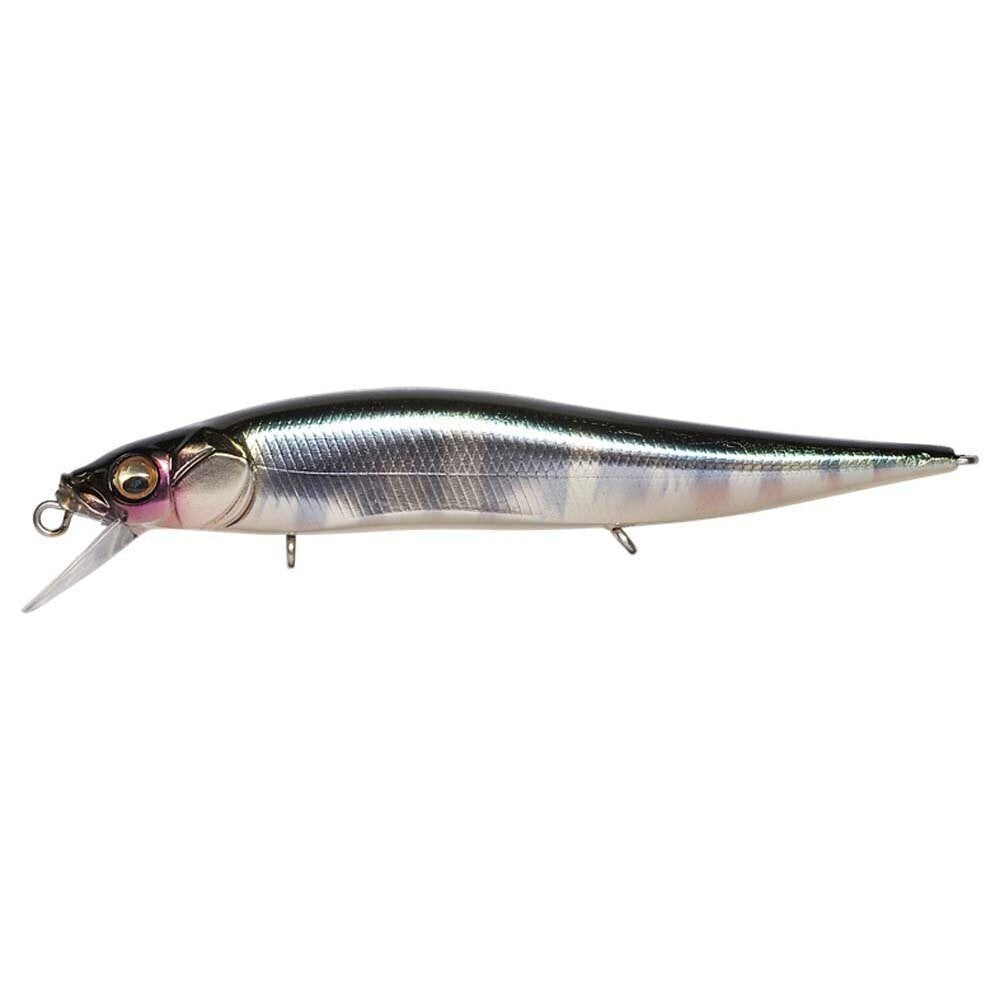
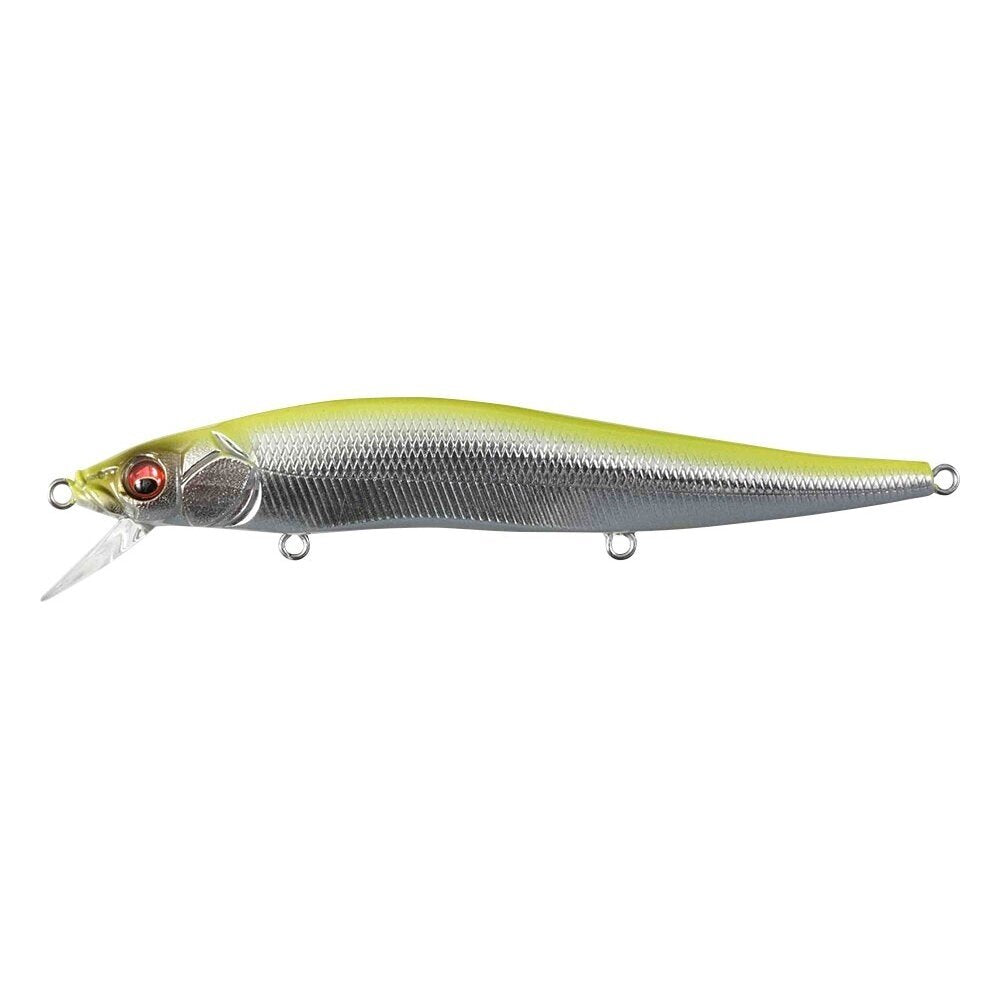
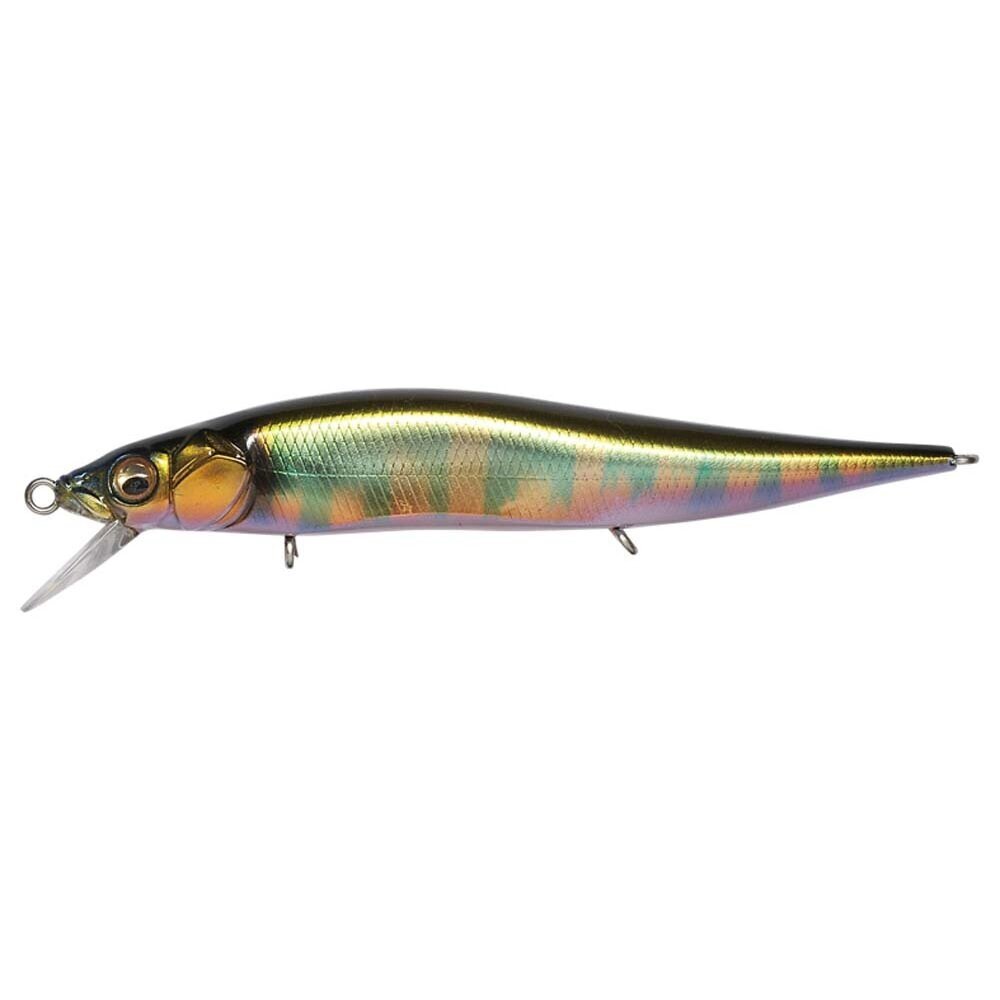
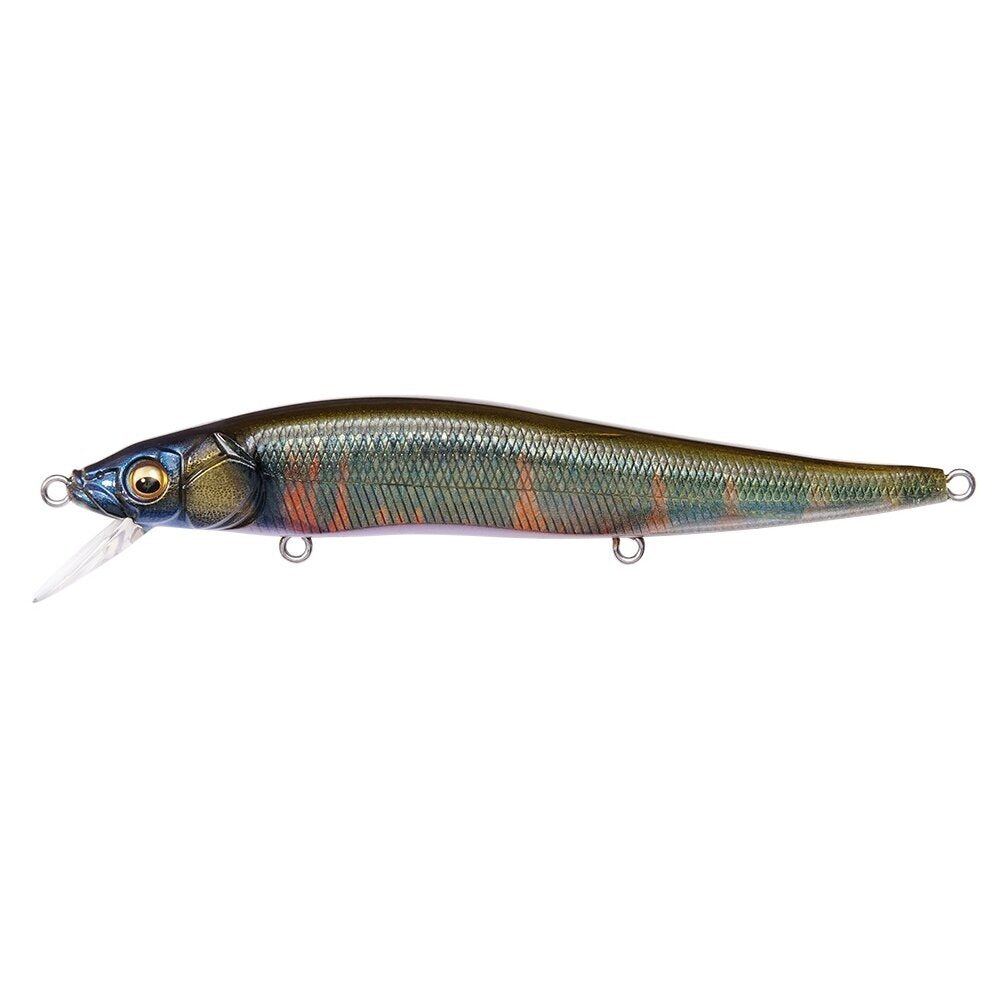
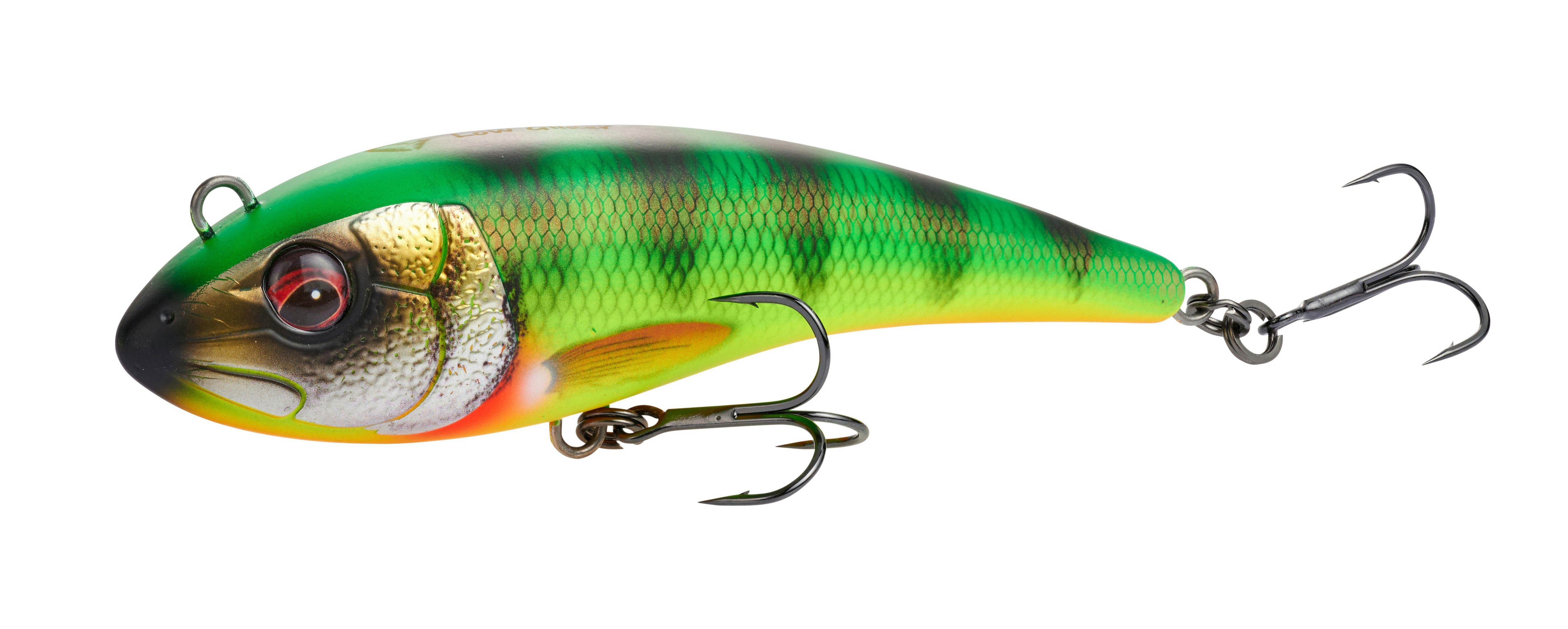
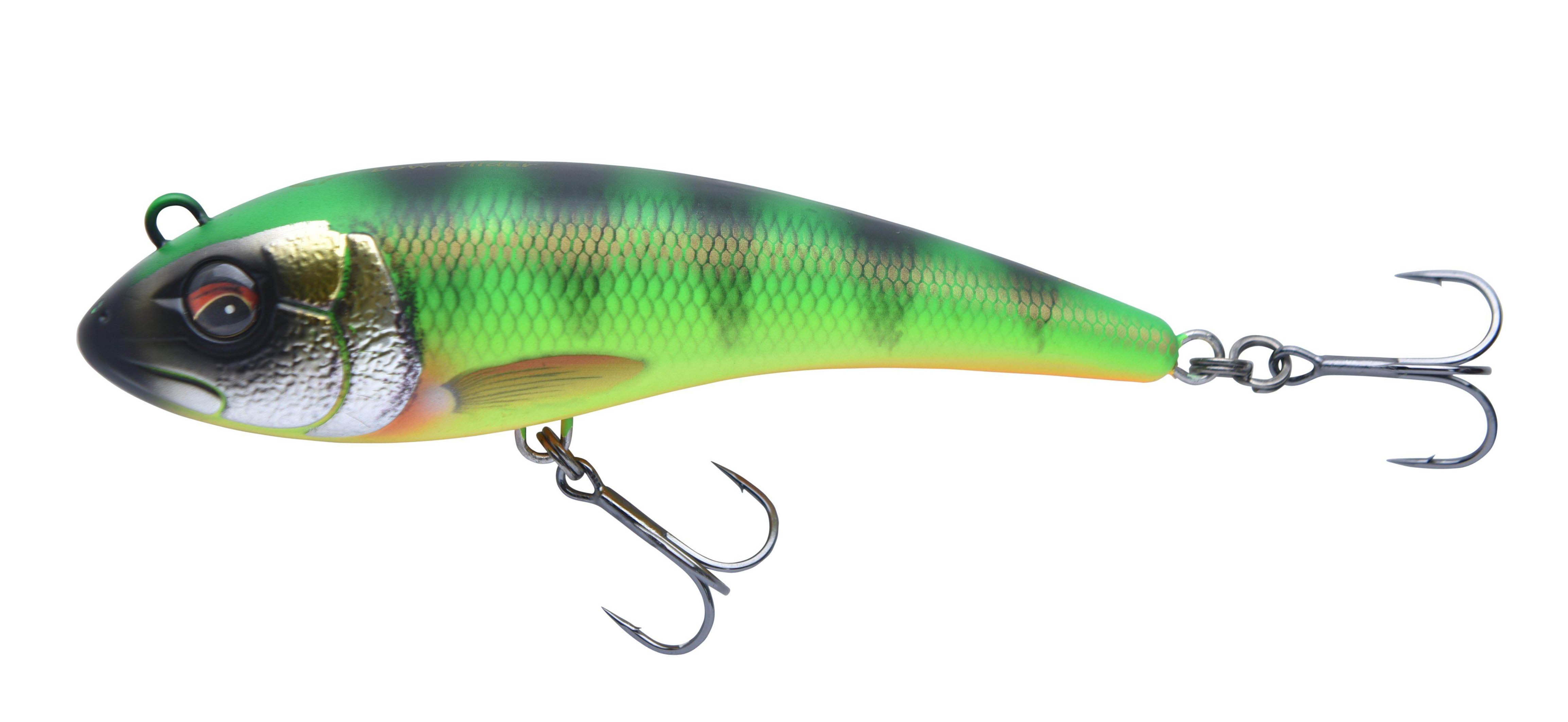
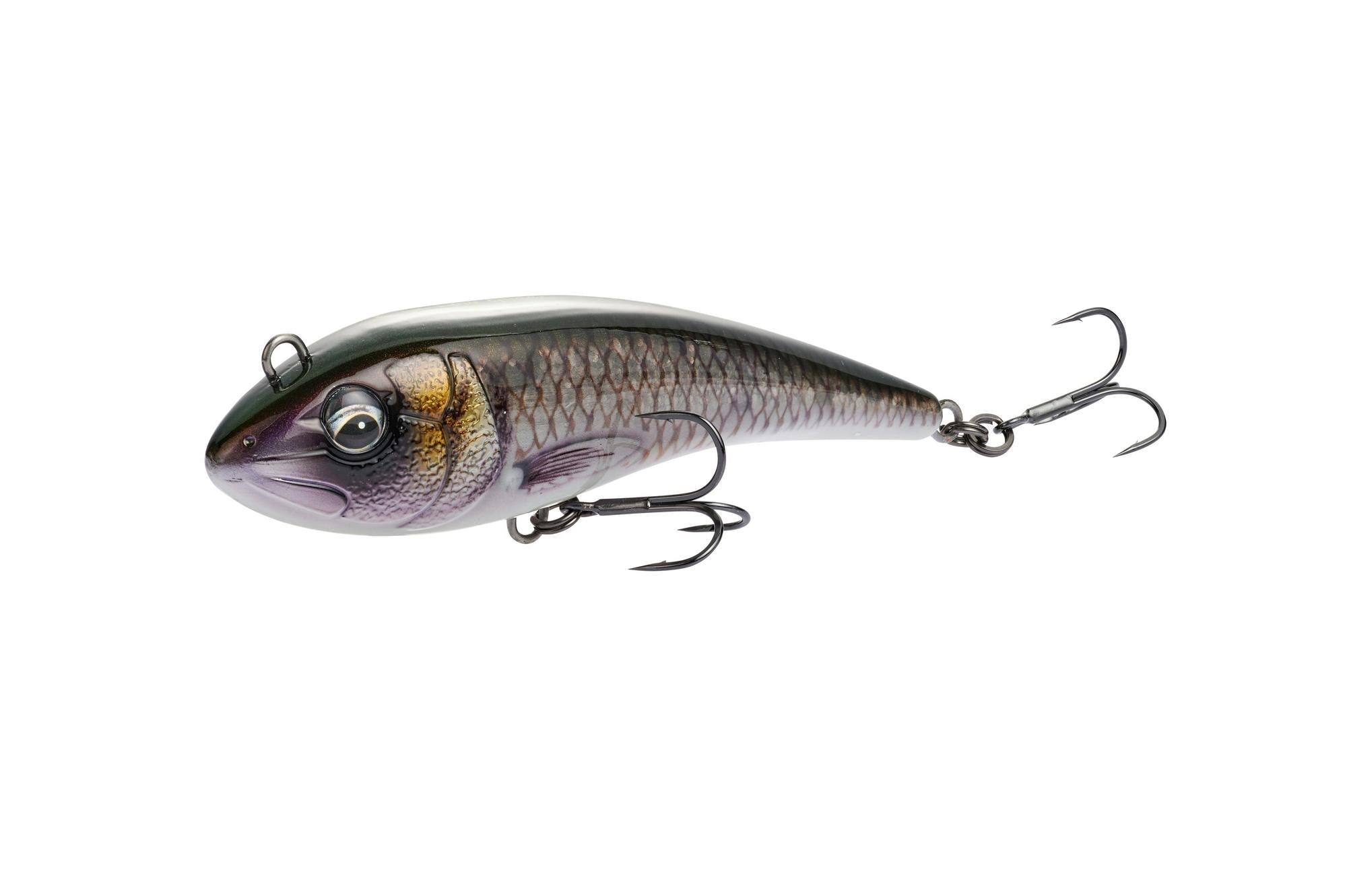
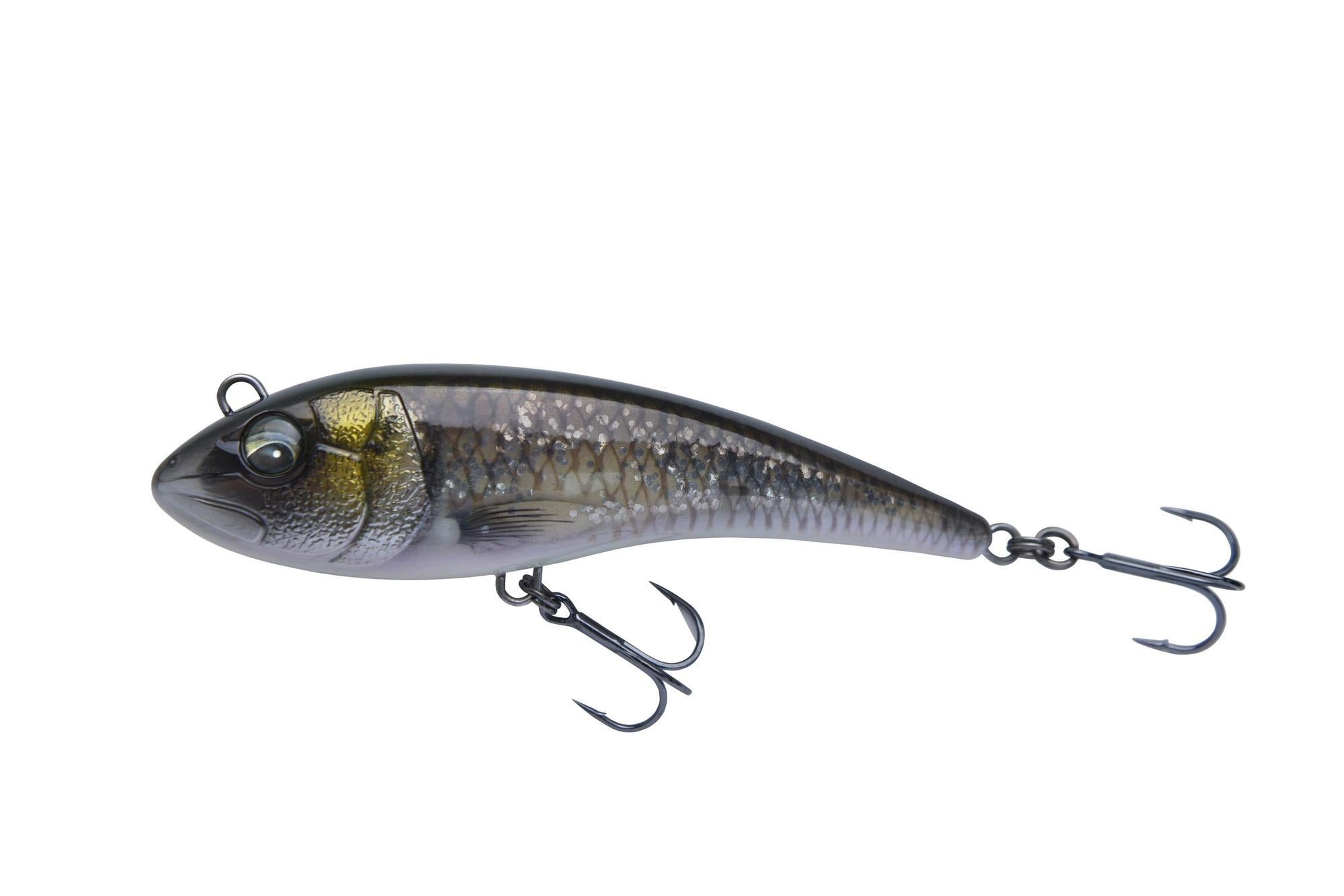
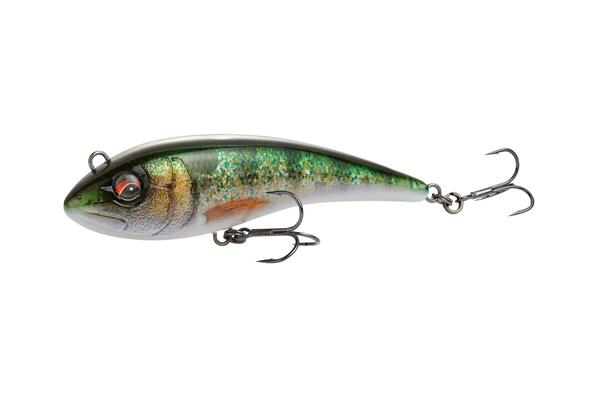
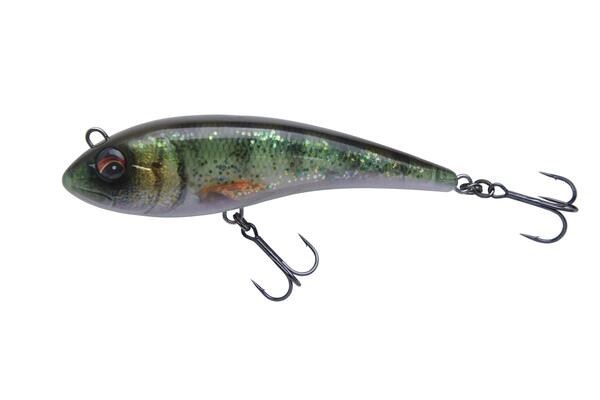
Jerkbaits are hard lures worked with sweeps, twitches, pauses or changes of retrieve speed to produce an erratic prey-like path. The category covers compact twitchbaits, longer minnow profiles and broader gliding designs. Brands represented include Westin, Megabass, Berkley, DUO, Savage Gear and Abu Garcia, with weights for light and heavier predator outfits.
Not every jerkbait needs an aggressive retrieve. Some respond best to short taps and slack-line pauses, while glide baits require measured sweeps that let the lure change direction. Floating, suspending and sinking models offer different ways to control depth. Test each lure at close range to learn its cadence before casting over weed, timber or rock.
Compare the full fishing lures selection, including minnows and crankbaits for a more continuous swimming action, spinners for blade flash and soft lures for adaptable rigging and fall speed.
Match weight, buoyancy and tackle
The lure's total weight must sit inside the rod's casting range, but resistance and hook size matter too. Larger jerkbaits can require a powerful rod with a responsive tip and a reel that retrieves slack quickly. A shorter handle can help wrist movement, though the best balance depends on whether the lure is worked tip-down, sideways or from a boat.
Use line and leader strength appropriate to the target fish and surrounding cover. Braid gives direct contact for sharp inputs, while the leader provides abrasion or bite resistance. Pike fishing requires a suitable trace, strong connections and tools for controlled unhooking. Check that snaps and split rings can handle repeated changes of direction without opening.
Choose buoyancy for the available depth. Floating lures can rise over shallow cover, suspending models hold near the strike zone during a pause, and sinking jerkbaits help reach deeper fish. Water temperature, salinity and replacement hooks may alter the rate, so observe the actual lure rather than relying only on the label.
Vary cadence and care for the lure
Begin with a steady rhythm, then extend pauses or add isolated twitches. Cold or pressured fish may respond to a lure held nearly still, while active fish may favour a faster search pattern. Our passive pike fishing tactics and hybrid lure retrieve guide offer further ideas.
Inspect hooks and hardware after contact with fish or structure. Dry hard lures before storage and rinse them after saltwater use. Keep treble-hooked baits separated where practical, and carry cutters and long-handled tools suitable for the hook size.