
Whips
2 products
Showing 1 - 2 of 2 products
Shop fishing whips and telescopic poles for simple fixed-line coarse fishing in Ireland. Compare compact Shakespeare and Abu Garcia options for canals, ponds and accessible stillwaters, including selected starter sets. Choose a manageable length and check whether line, connector or rig components are supplied, with adult supervision for young or first-time anglers.
Recently viewed
Fishing whips for simple fixed-line angling
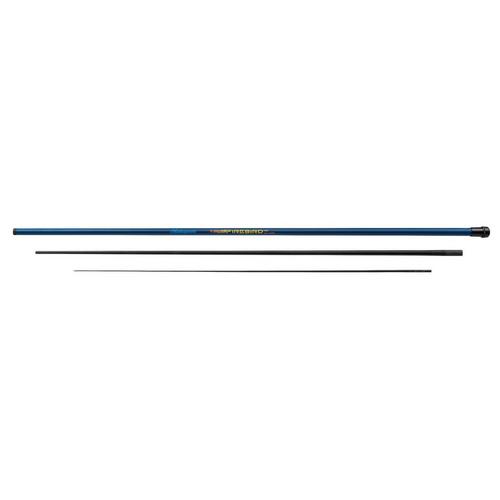
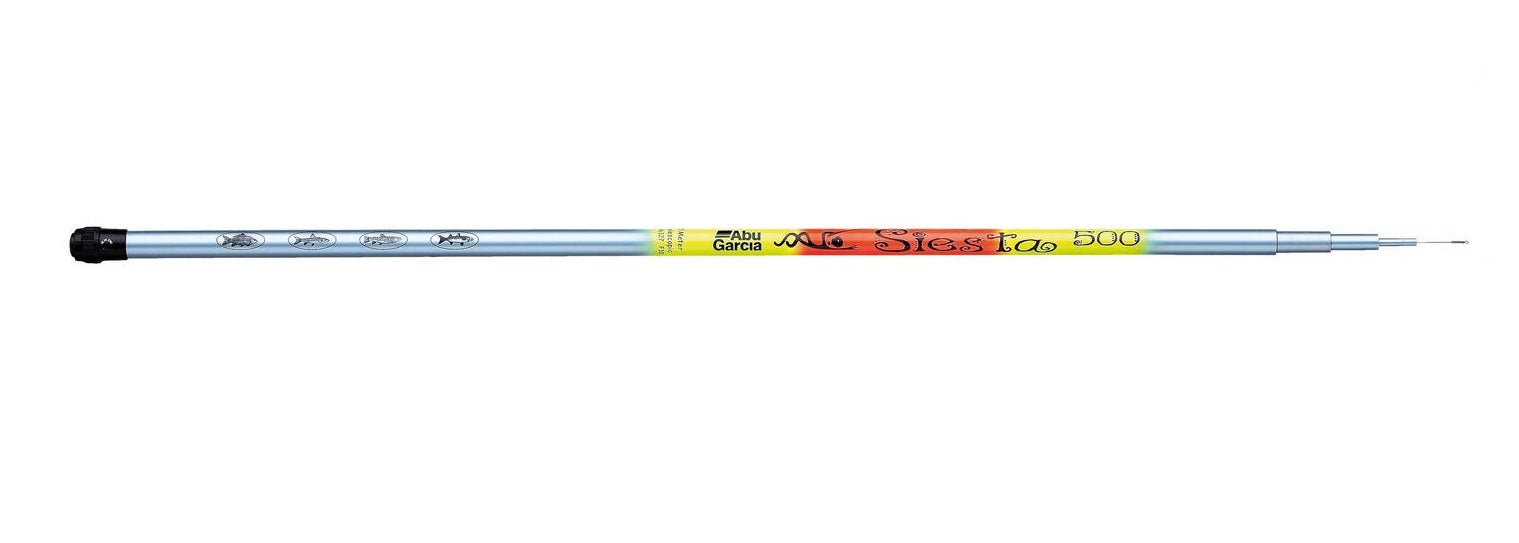
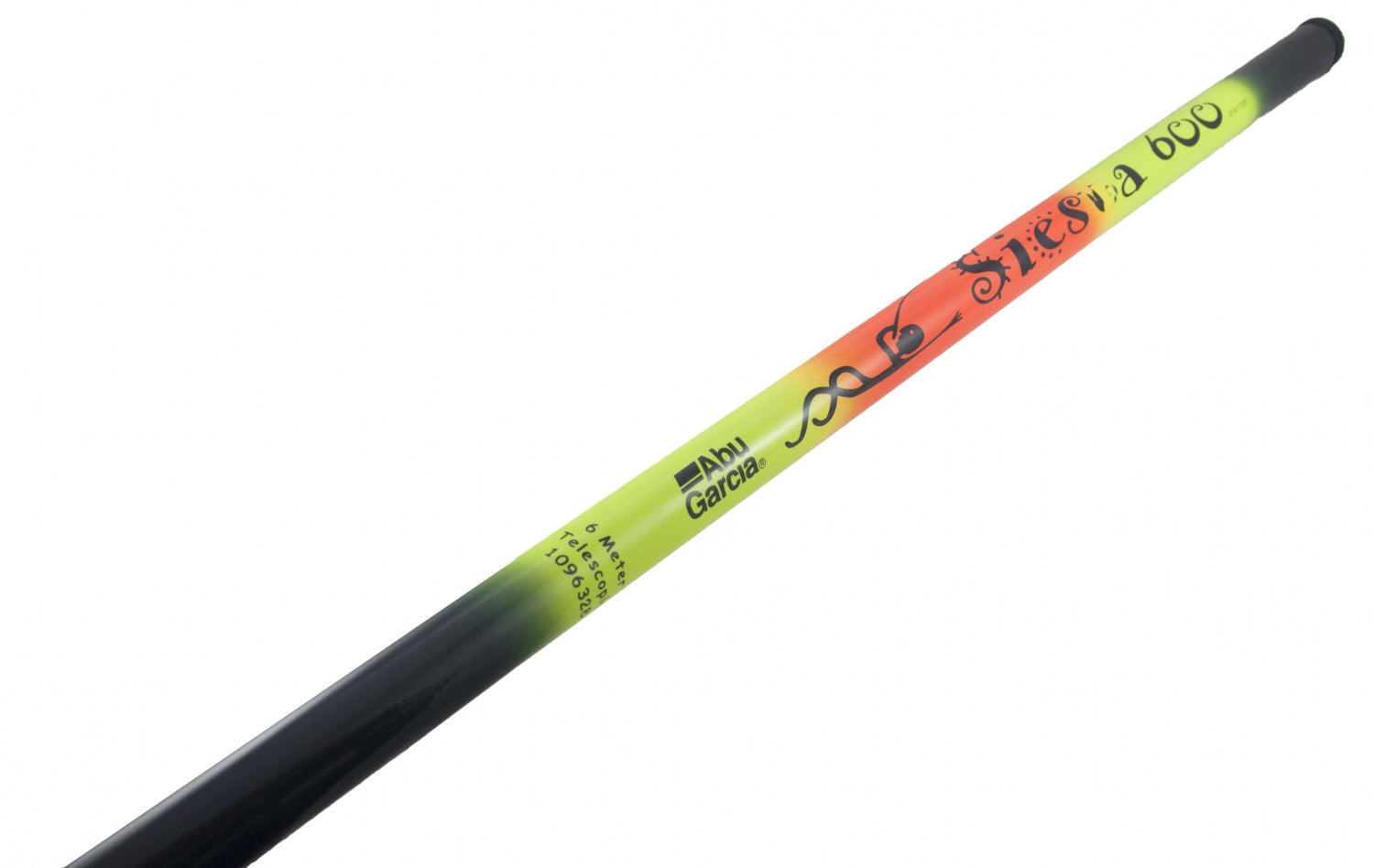
A fishing whip is a lightweight pole used with a fixed length of line rather than a reel. It offers a direct way to present a float rig at close range and can suit small coarse fish on canals, ponds and sheltered stillwaters. The current collection is small, with Shakespeare and Abu Garcia whips, telescopic poles and a selected starter set.
Because the line is fixed, a whip provides immediate contact and quick presentation, but playing range is limited. It suits small fish and regular bites rather than heavy specimen work. The angler must lift and net fish without overloading the fine tip.
Whips differ from full-length take-apart poles and from match rods fitted with reels. The fishing range is governed by the whip length and attached line, so they are best where fish can be reached without long casting. Check whether the tip has a connector, whether line or rig components are included and what species or line strength the manufacturer recommends.
Choose length and set up the line
A shorter whip is lighter and easier to control, especially for a beginner. A longer model reaches more water but places greater leverage on the hands and requires additional clear space behind the angler. Extend telescopic sections gently, align them and never force a joint. Attach line only with the intended connector or approved method.
Use a balanced float, light line and hook appropriate to the target fish and venue rules. Keep the rig slightly shorter than or close to the whip length so a fish can be brought within netting distance. The pole and feeder rod guide explains how fixed-line and feeder approaches differ.
Compare other coarse-fishing rods
For longer casting with a reel and bite-indicating tip, browse feeder rods. The existing Mach Rods collection covers selected long float and match-style options, while the wider fishing rods category includes other methods.
Keep hooks controlled, use a suitable landing net and avoid lifting larger fish directly by the whip. Collapse clean, dry sections carefully and protect the fine tip during transport. Children and new anglers should remain under close supervision around hooks and water.