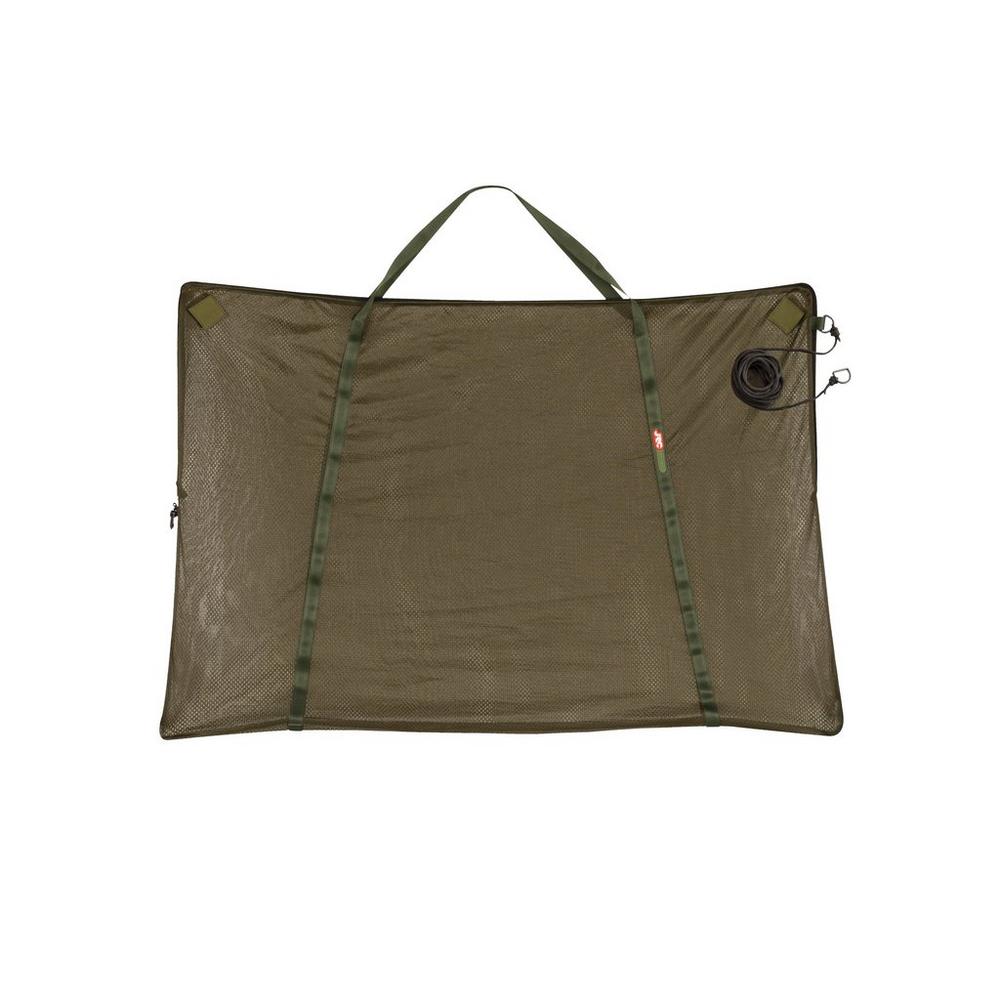
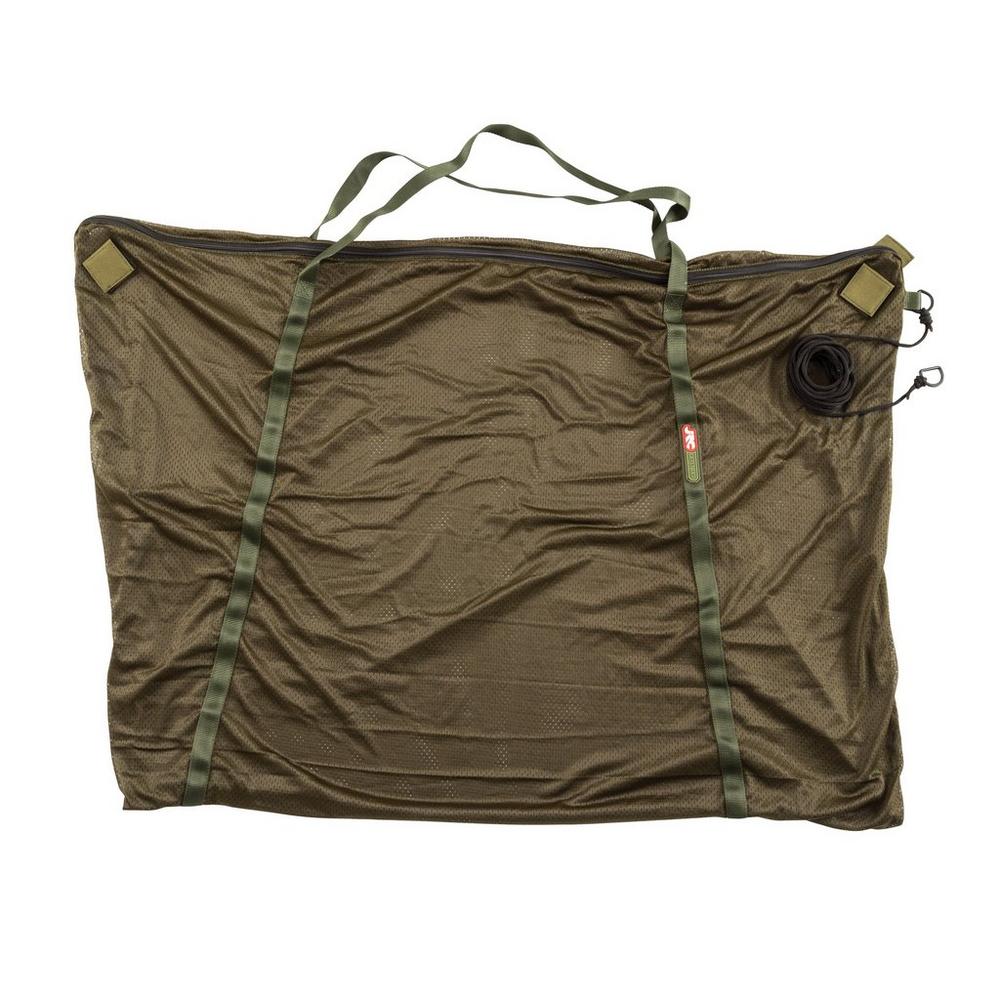
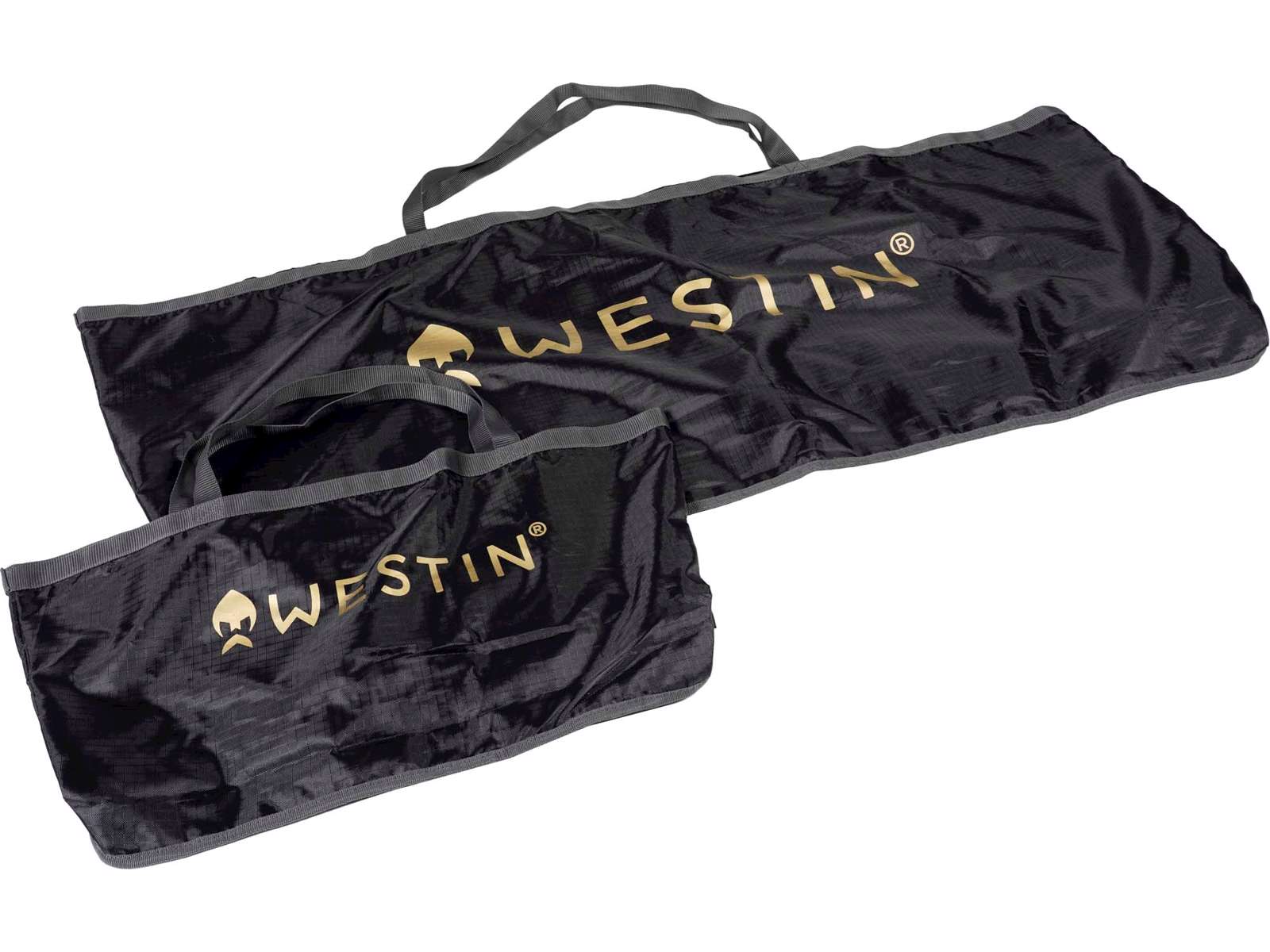
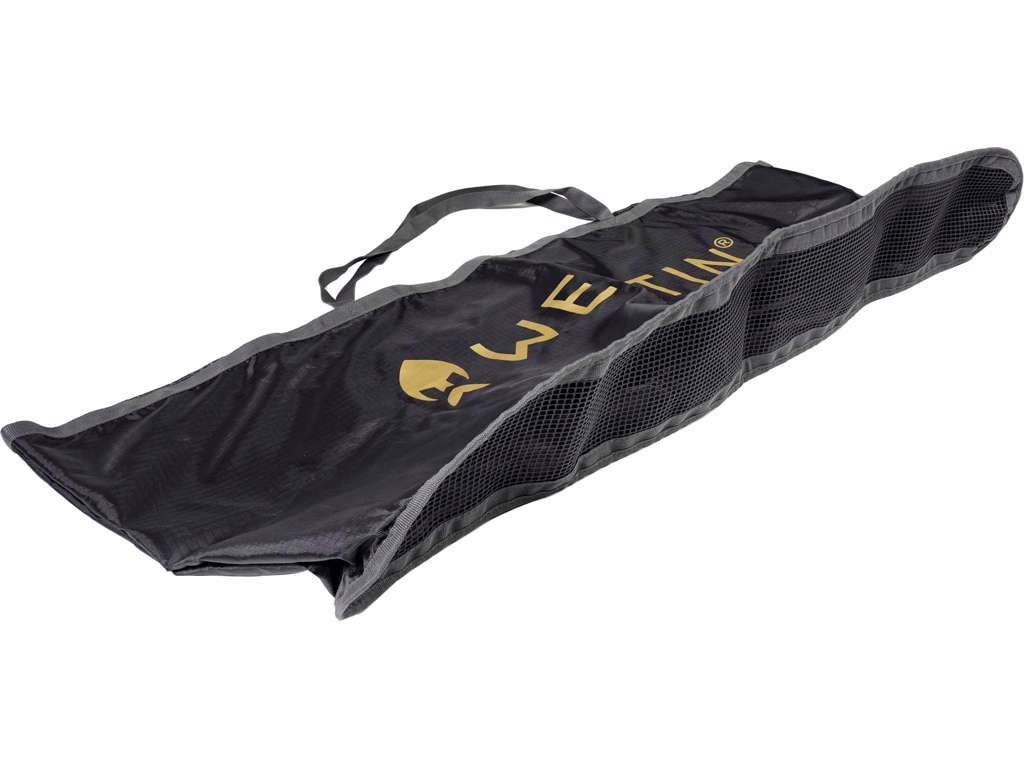
Fishing dry bags for separating wet and dry gear
A dry bag creates a separate compartment for clothing, documents, electronics or other items that need protection from rain, spray and wet tackle. It can also isolate damp equipment from the rest of the load after a session. The level of protection depends on material, seams, closure and correct use, not simply the words dry bag.
Roll-top systems normally require several clean, even folds before the buckle is closed, while zipped or press-seal designs follow different instructions. Overfilling prevents the closure working correctly. Leave enough empty material at the top and remove trapped objects from the sealing area.
Browse all fishing luggage, separate muddy footwear in boot bags, and protect weather-ready fishing clothing. Boat anglers can coordinate storage with the boating collection, while delicate lamps and power items are organised under fishing electronics.
Choose capacity, closure and protection level
Capacity in litres does not show the exact shape, so compare dimensions with the items being packed. A narrow bag may suit rolled clothing, while cameras or tackle boxes require adequate width and a flat support. Use padded cases inside the dry bag for equipment that needs impact protection.
Water resistance, waterproofing and submersion ratings are different claims. Check the product specification and intended environment. A bag designed for rain or spray may leak if placed underwater, and most dry bags are not approved buoyancy devices or personal flotation equipment.
Attachment loops and straps must be used within their stated limits. Secure the bag where it cannot contact a propeller, hot surface, sharp hook or rough deck edge. Do not tow it in the water or attach it outside a moving vehicle unless the manufacturer explicitly permits that use.
Pack, test and care for a dry bag
Before a critical trip, inspect the empty bag and test it according to the manufacturer’s guidance without risking valuable contents. Pack sharp tools and exposed hooks in rigid containers. Put emergency clothing or communications equipment where the bag remains accessible.
After use, rinse mud or salt as directed, wipe the closure clean and dry the bag inside and out. Inspect seams, coating, buckles and straps. Store it open and uncompressed, and replace a bag with punctures, peeling material or a closure that no longer seals consistently.