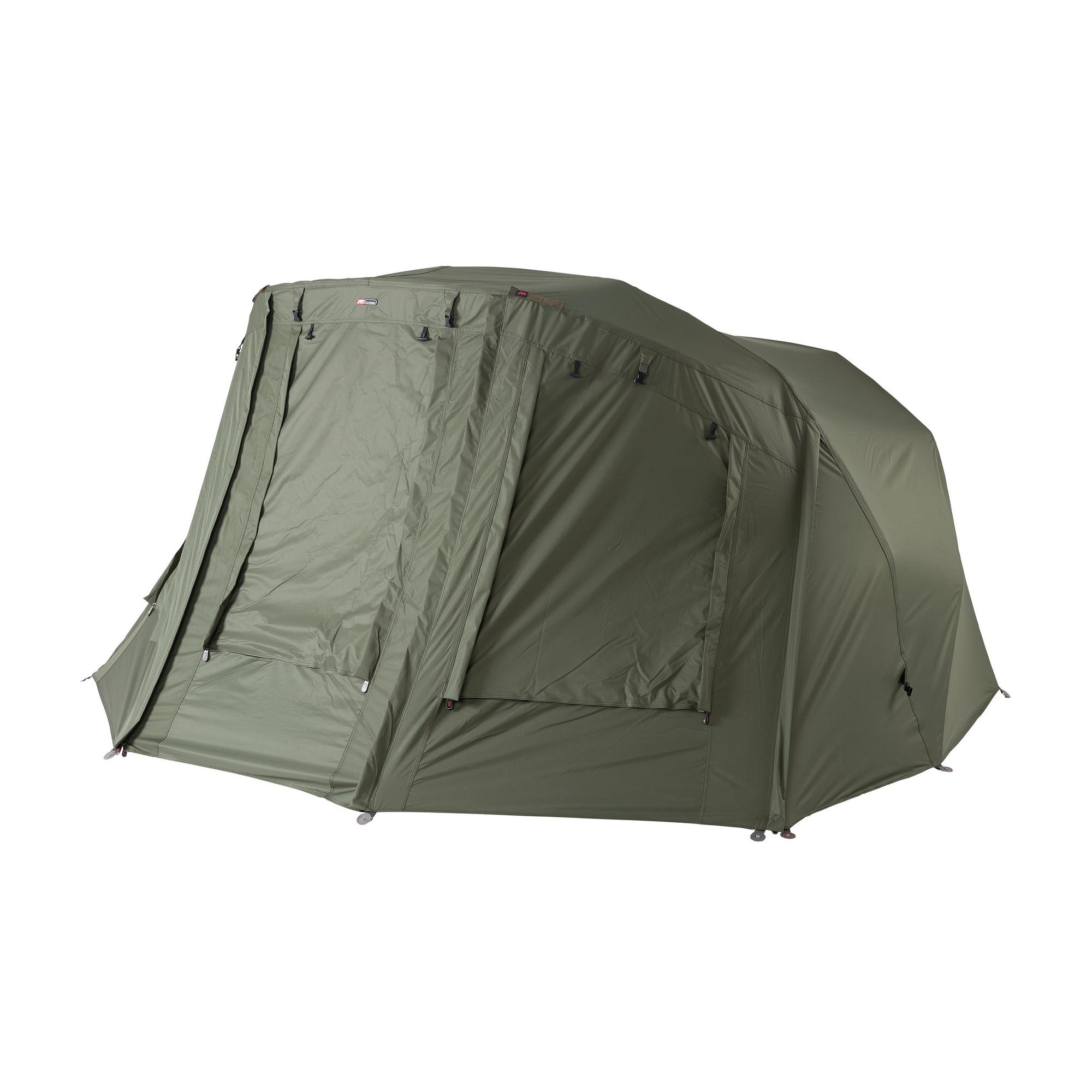
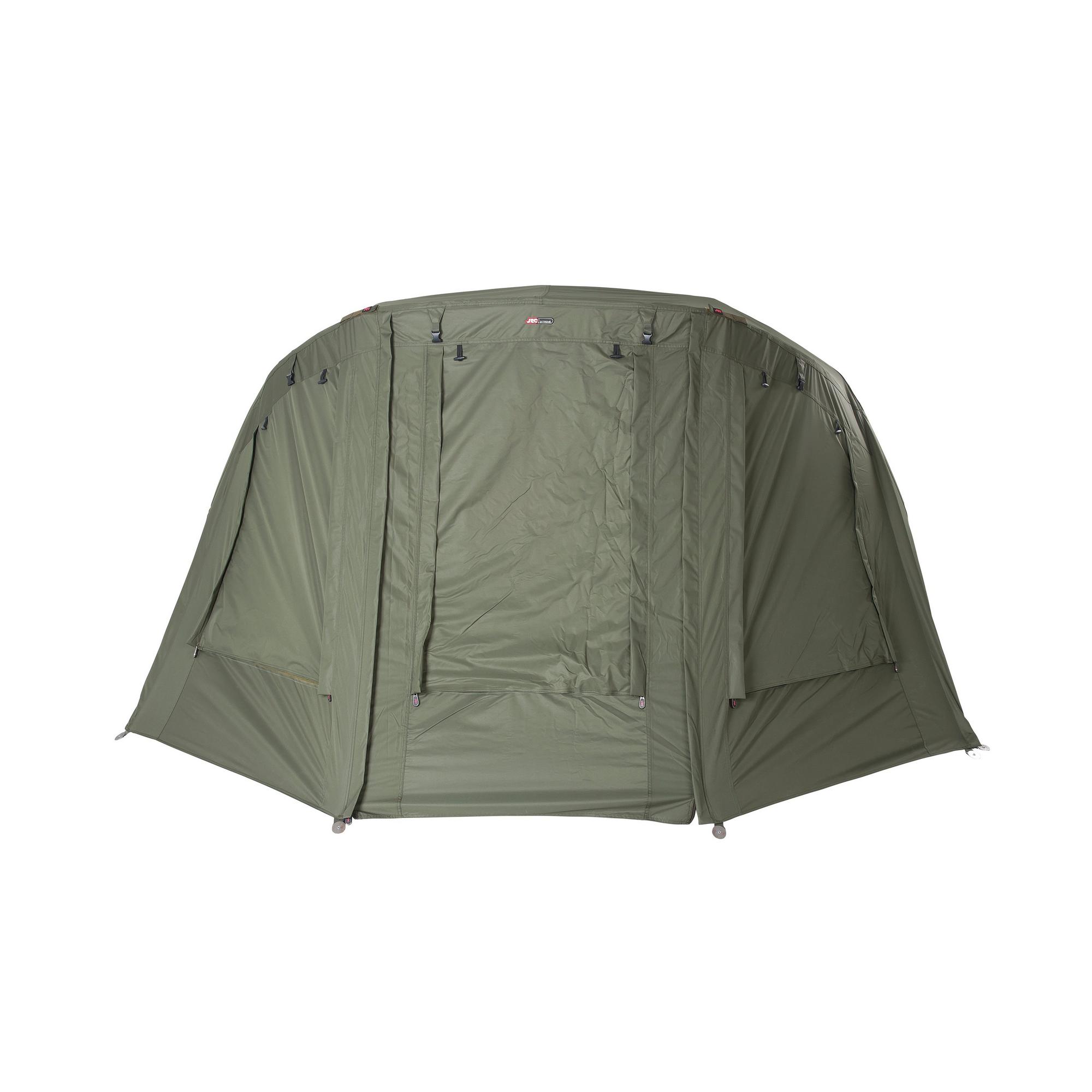
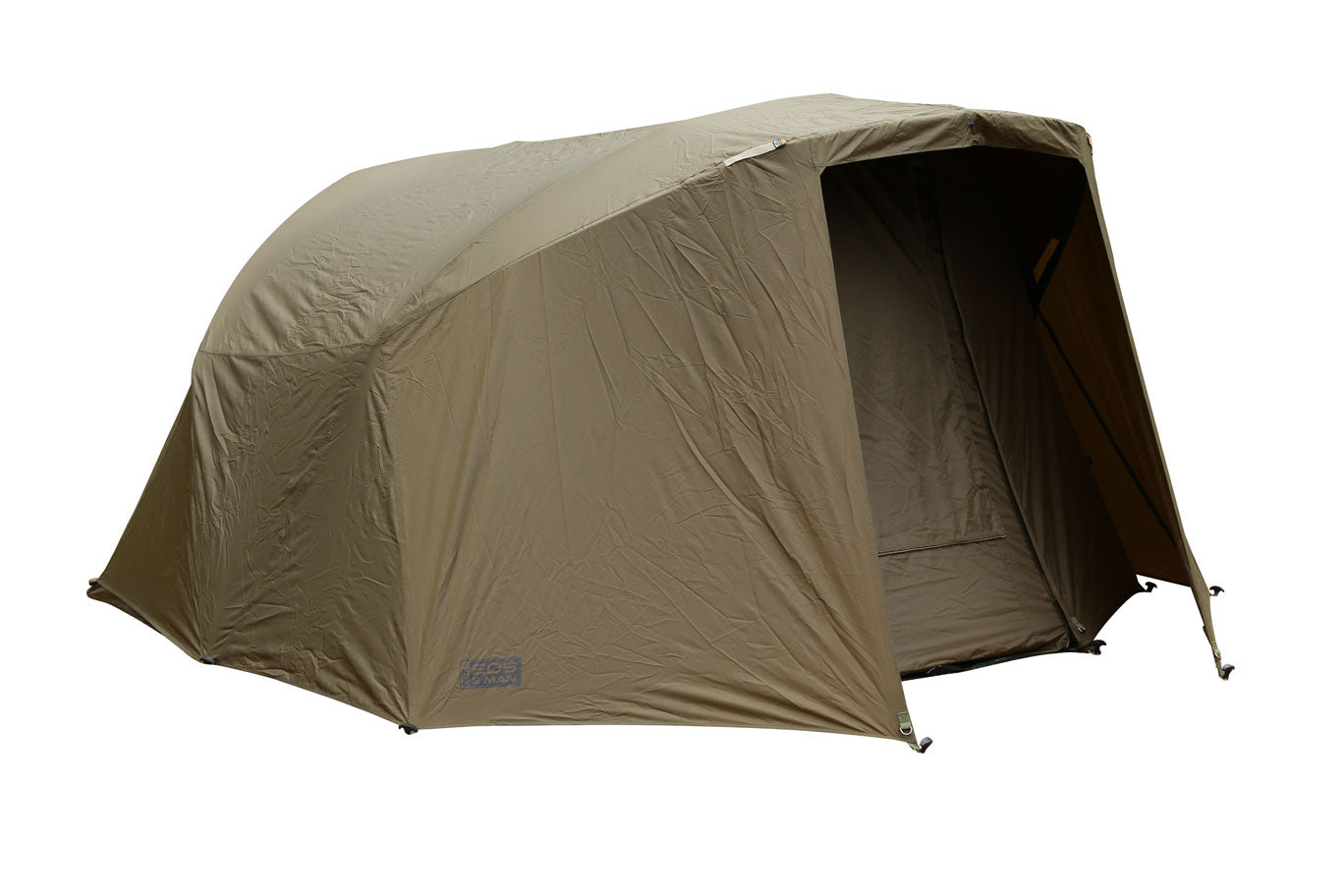
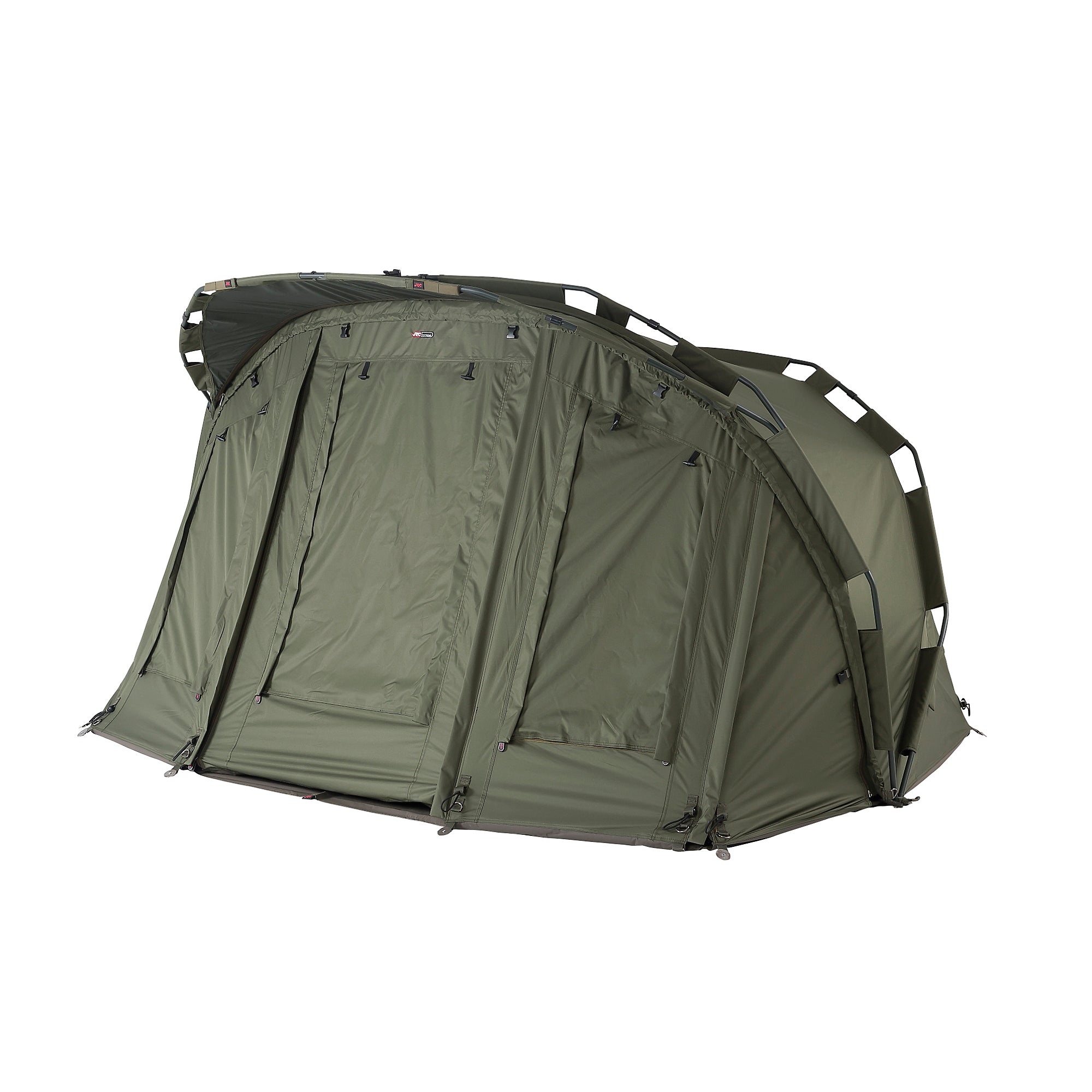
Fishing tents and shelters for bank sessions
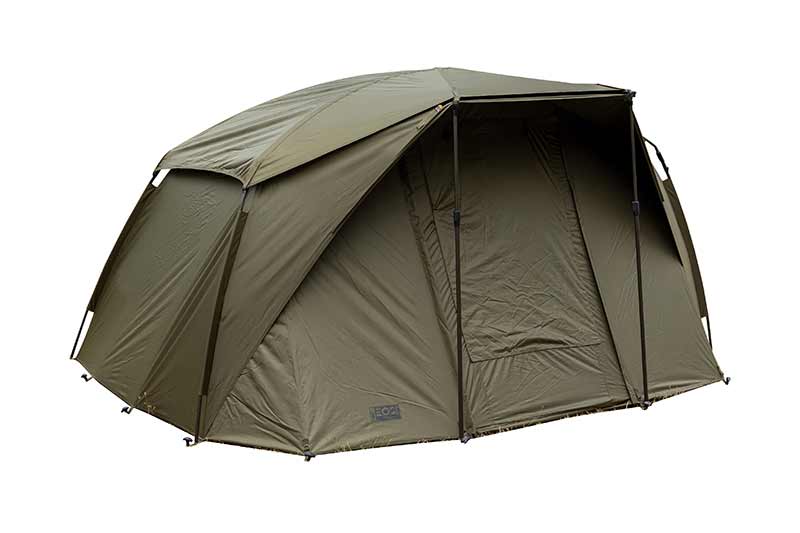
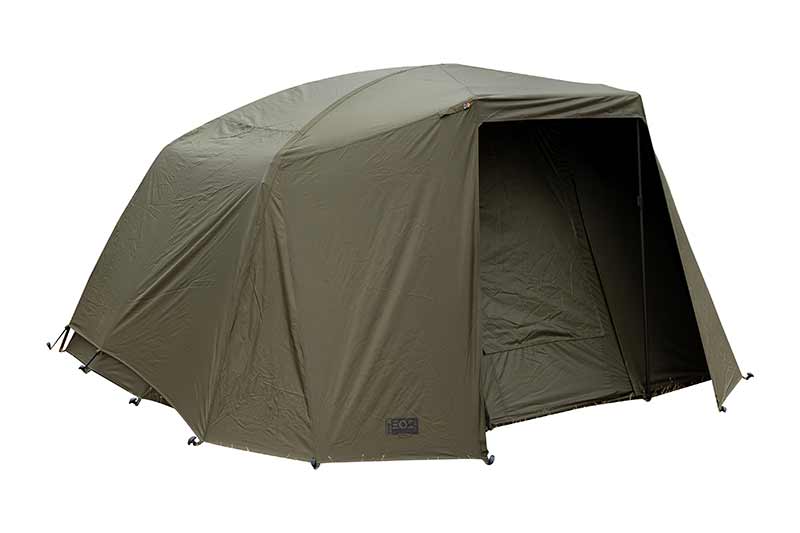
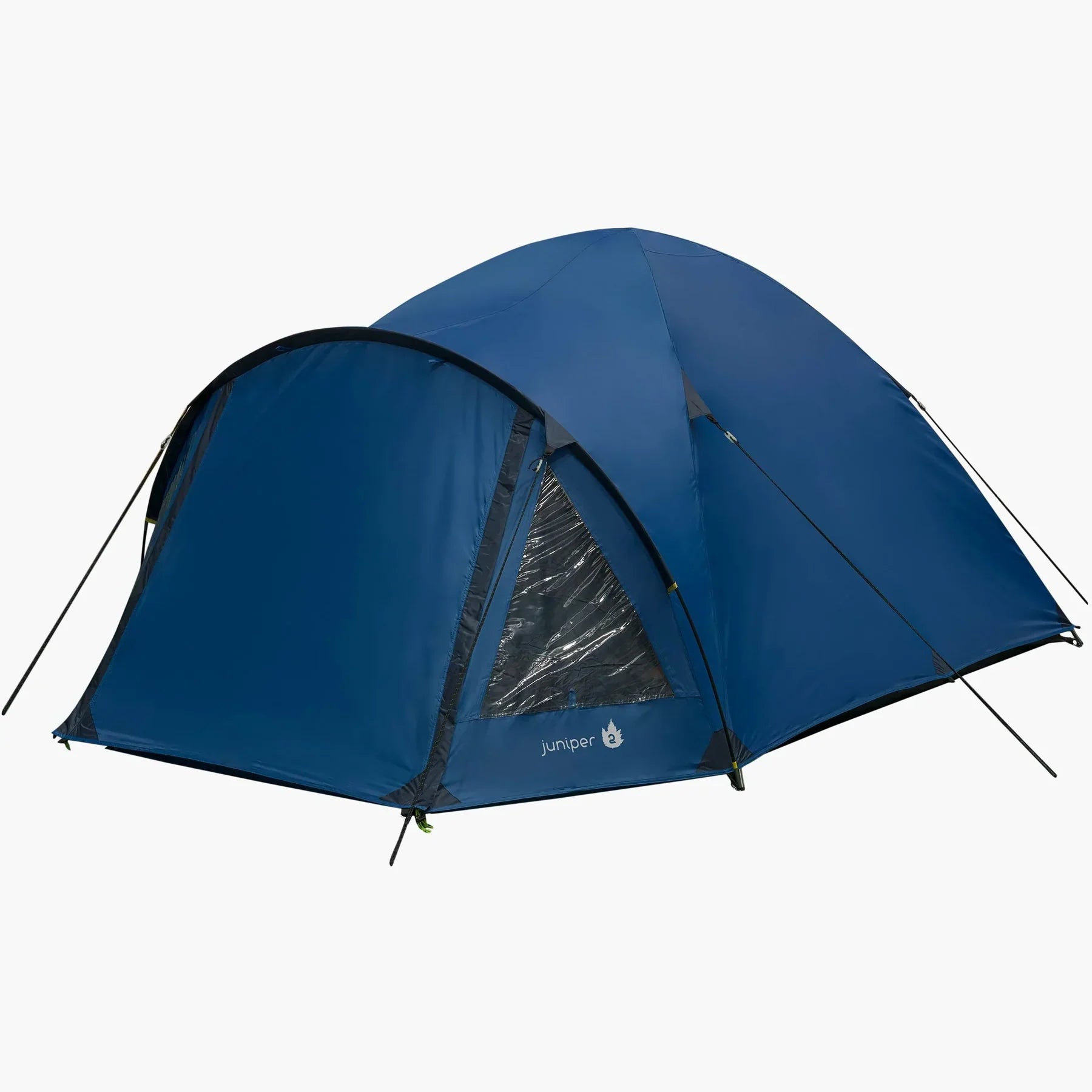
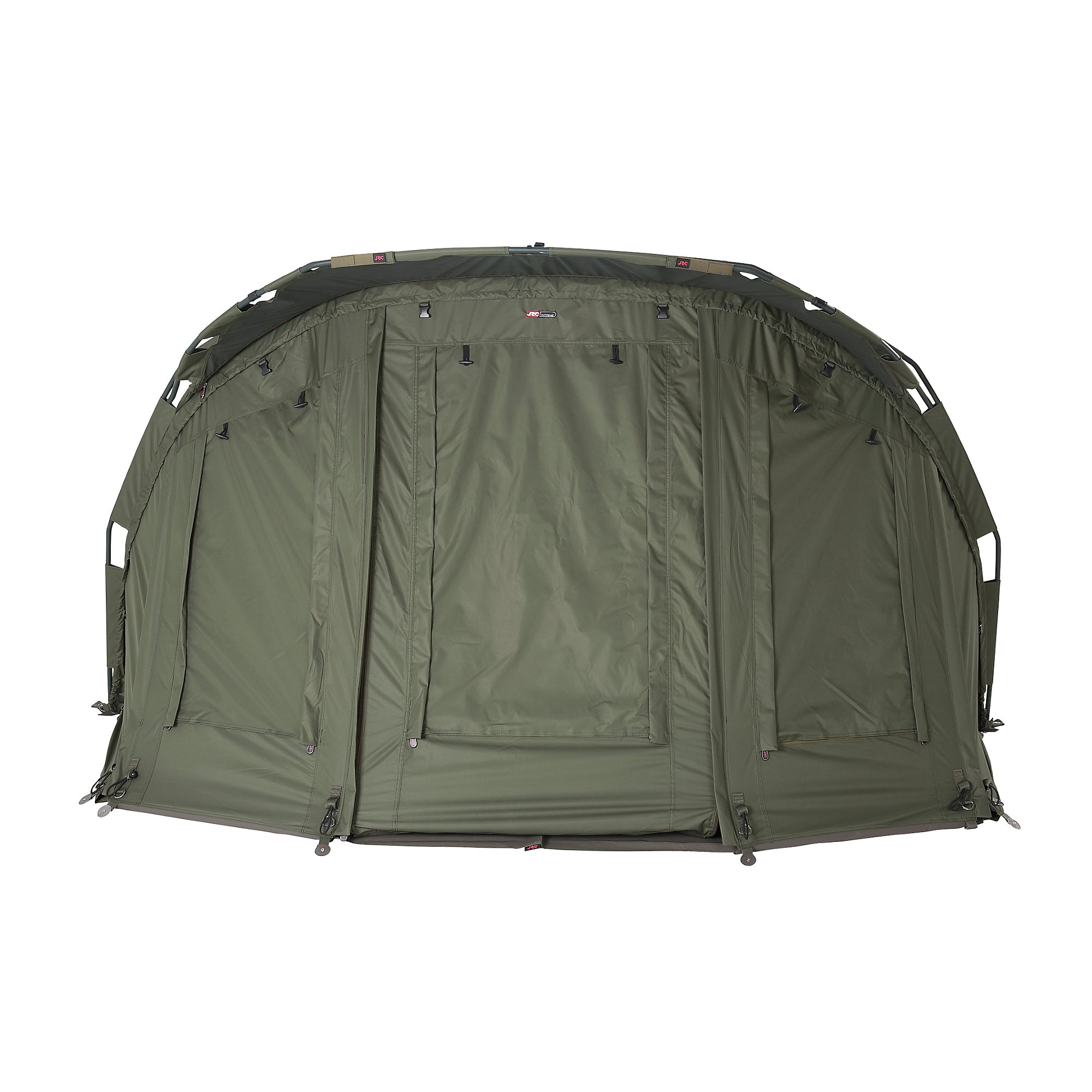
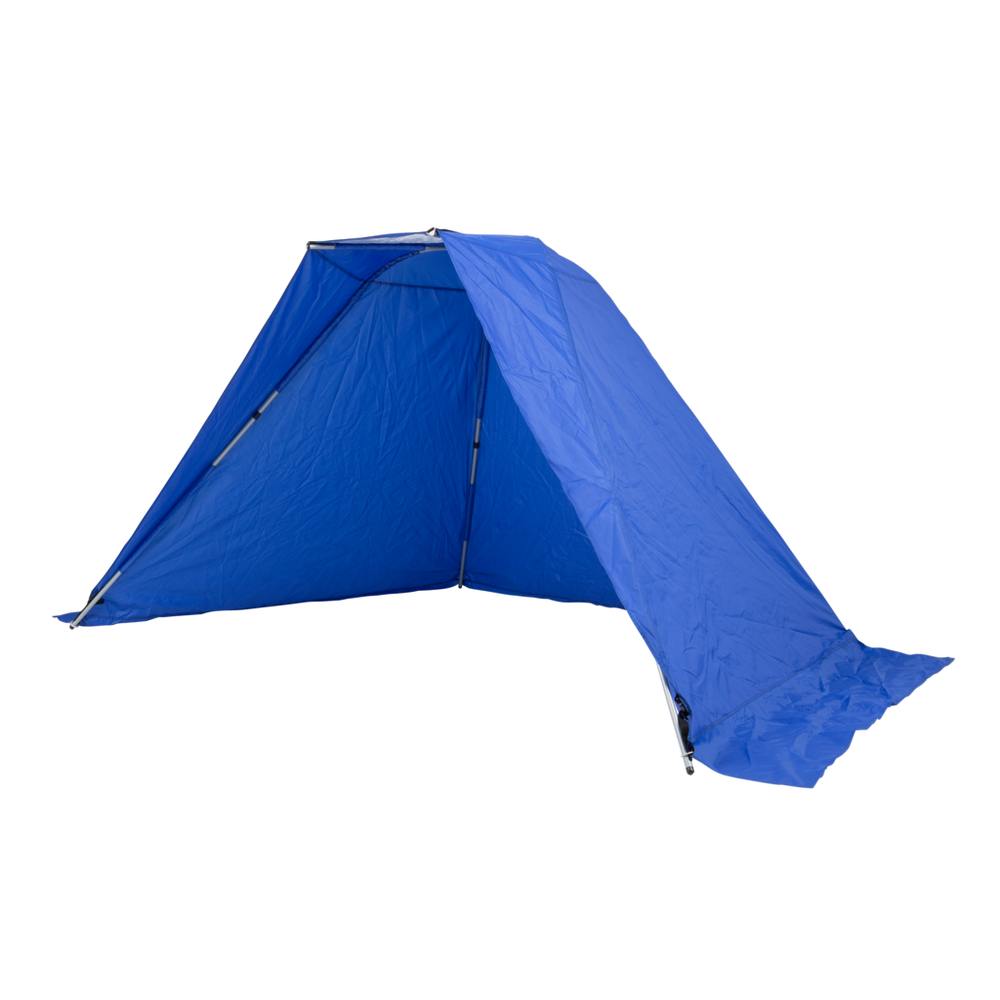
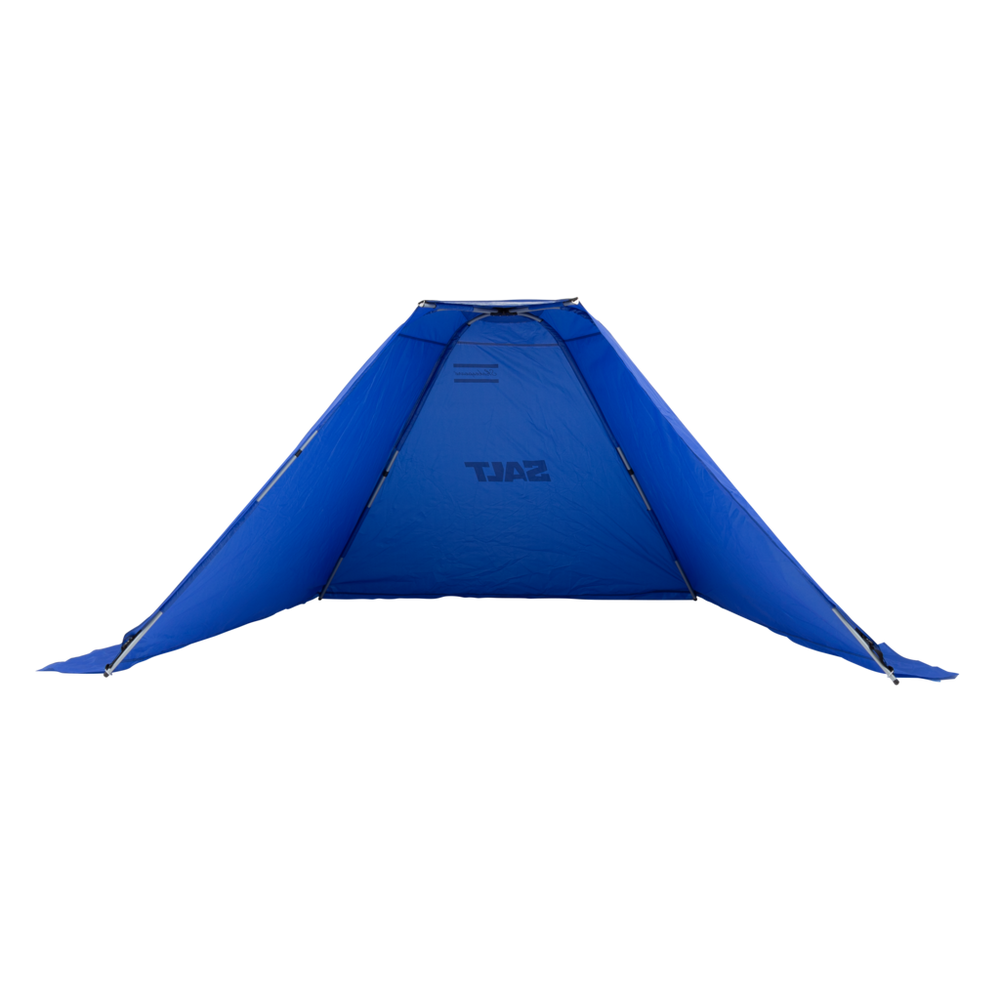
A fishing tent or bivvy creates protected space for rest, clothing and equipment during permitted sessions. Compact shelters reduce weight and footprint, while larger models add living space. The correct capacity depends on occupants, bed chairs, luggage and the safe clearance needed around doors and ventilation.
Waterproof fabric, hydrostatic figures and taped seams describe parts of weather protection, but setup and site selection remain essential. Water can enter through open doors, damaged groundsheets or pooling beneath the shelter. Ventilation must remain open enough to control condensation.
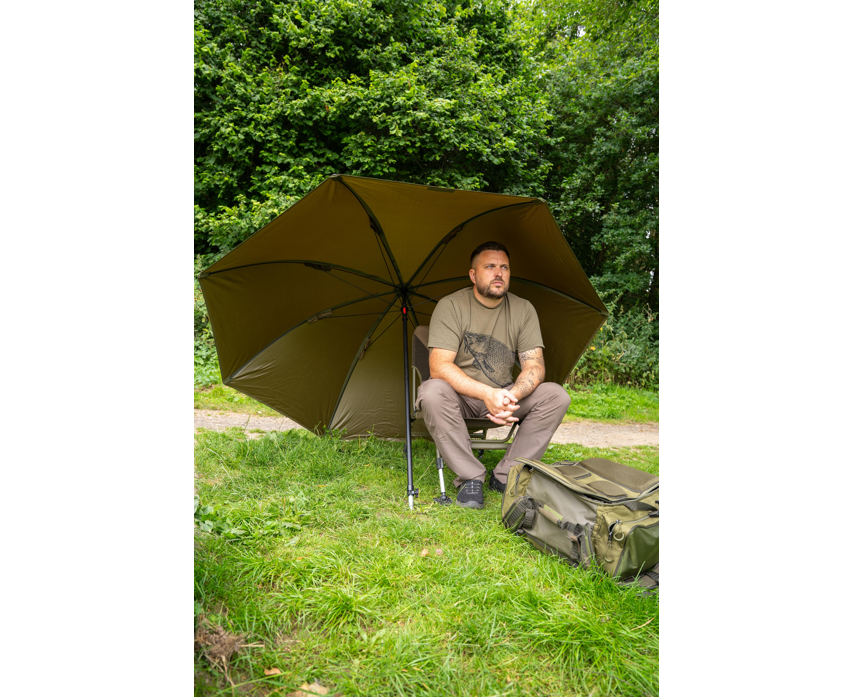
Browse the parent bank-fishing equipment range, add suitable sleeping bags, organise meals with camping and cooking equipment, or create a lighter rest area with picnic blankets. Compare quick cover from fishing umbrellas.
Choose size, frame and safe pitch
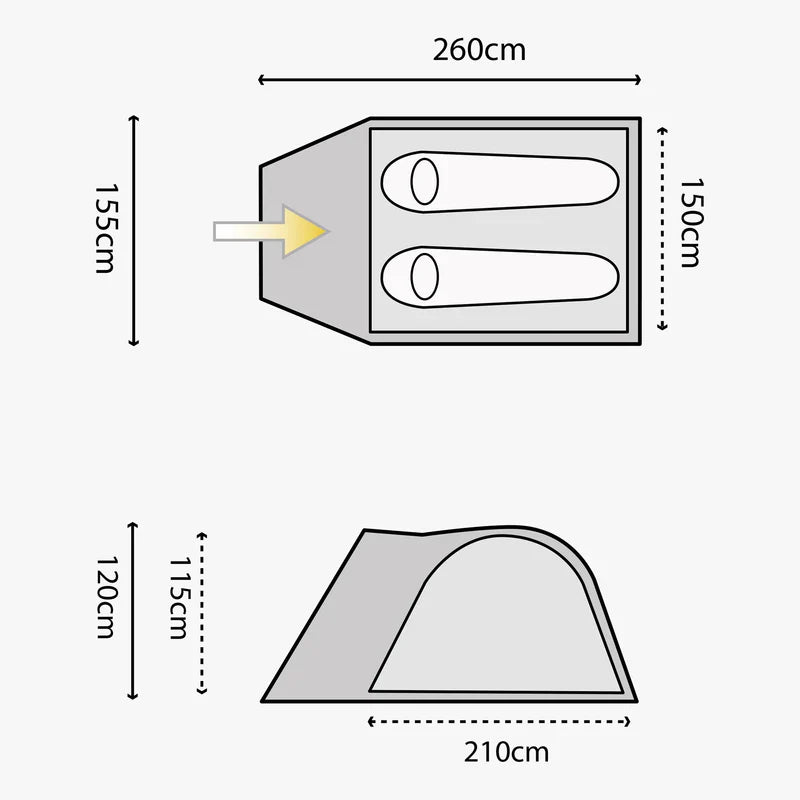
Measure bed chairs and bags, then compare usable floor dimensions rather than occupant labels alone. Peak height affects sitting and dressing, while low profiles resist wind differently. Check frame joints, pole material, door direction and whether inner capsules or groundsheets are included.
Pitch on level, permitted ground away from flood lines, unstable trees, cliffs and paths. Use the supplied or compatible pegs and guy lines, making every line visible. Do not block access to the swim or emergency exit.
Never operate stoves, heaters, barbecues or fuel-burning lamps inside a tent or enclosed porch. Carbon monoxide has no reliable smell or visible warning. Cook outdoors with clearance and ventilation.
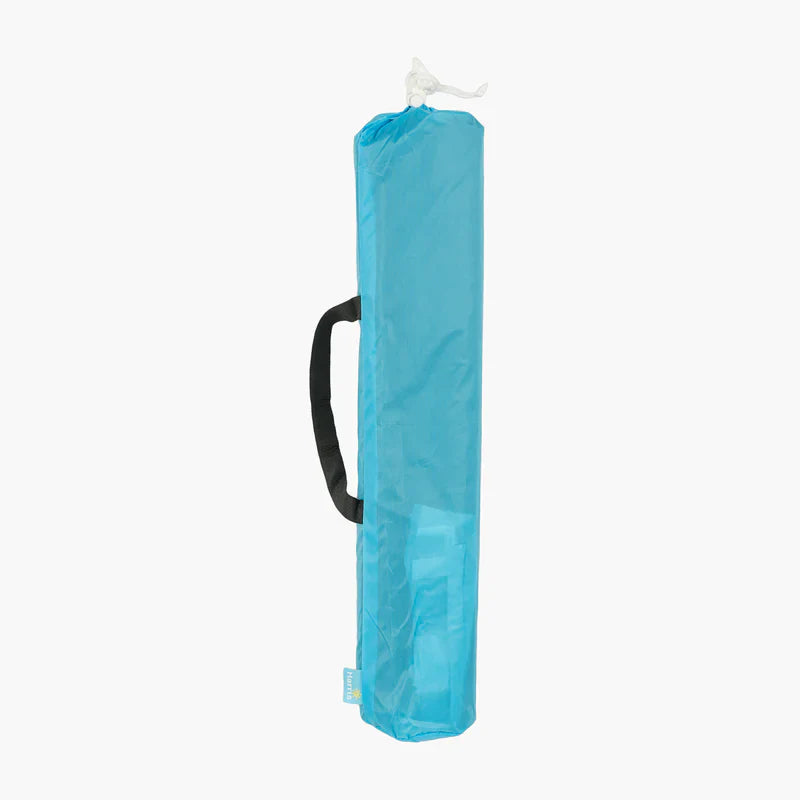
Practise pitching the complete shelter before taking it to the bank. Identify pole sections, door options and pegging sequence, and confirm that every component returns to the carry bag. A familiar setup reduces mistakes in poor light or rain and makes it easier to recognise a missing or damaged structural part.
Dry and inspect tents after use
Remove mud, dry the flysheet, inner and groundsheet fully and clean poles and pegs. Packing damp fabric encourages odour, coating damage and corrosion.
Inspect seams, zips, poles, hubs and guy points. Repair only with compatible methods, store loosely where possible and replace structural parts that no longer lock or support the shelter.