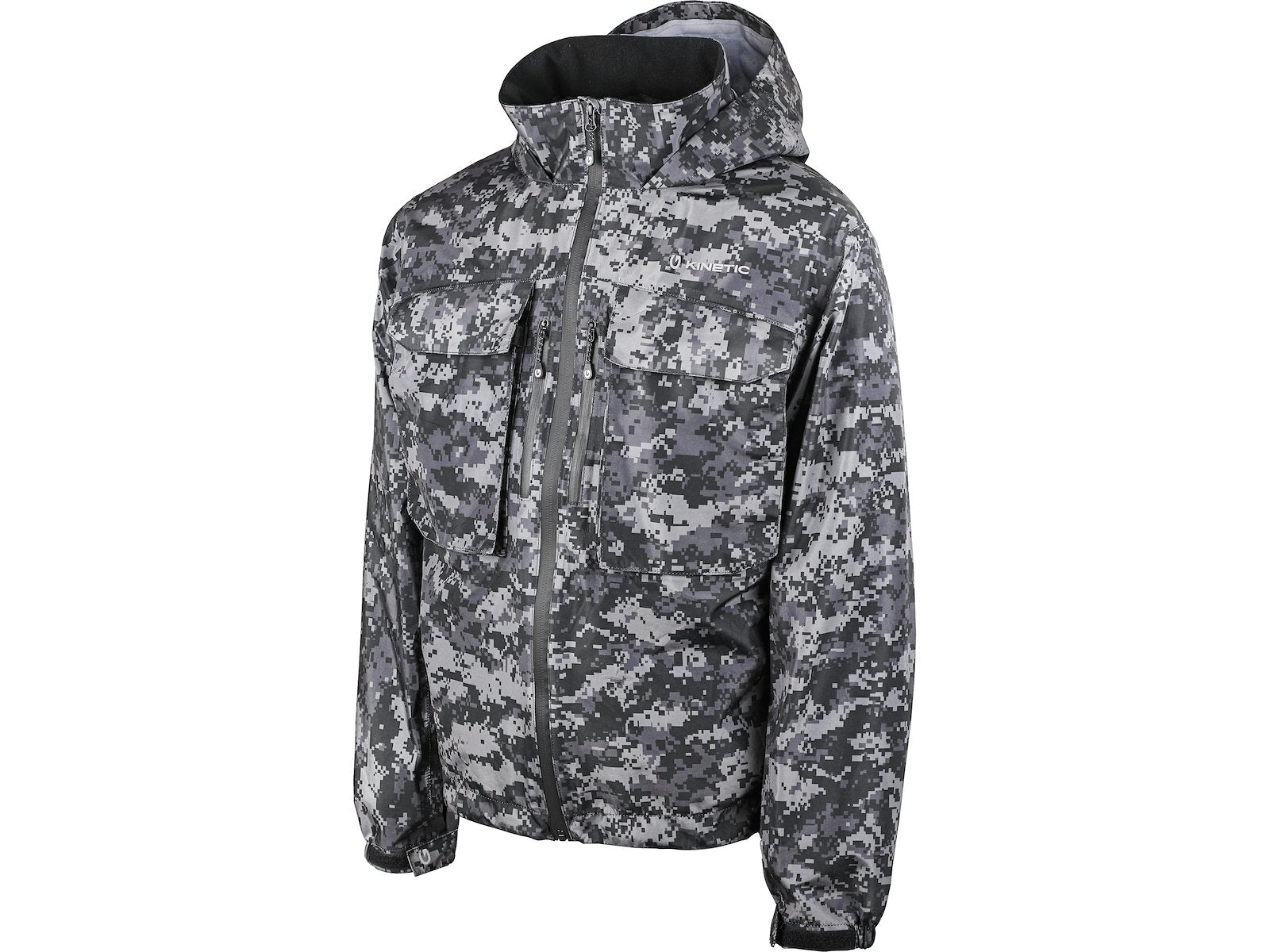
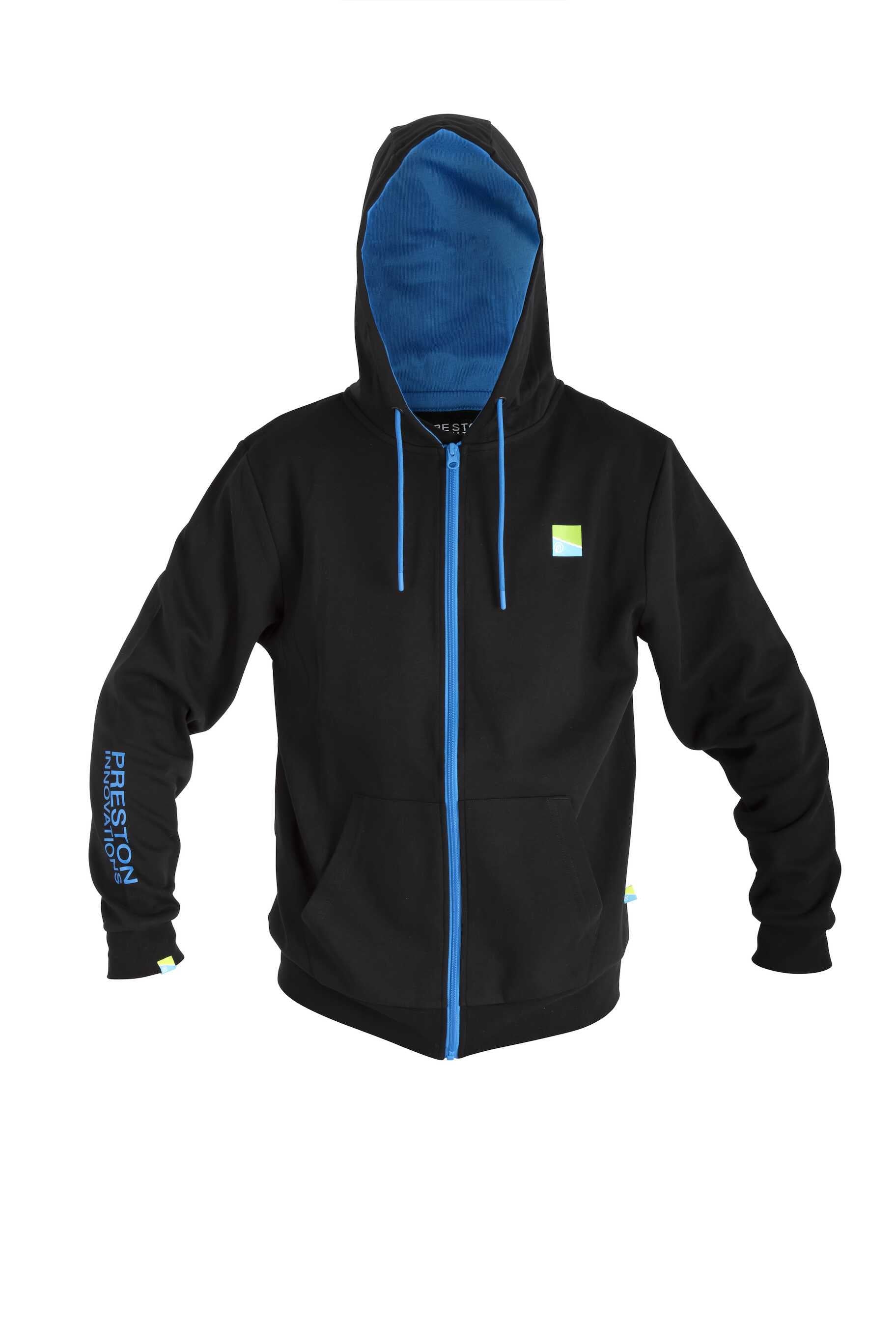
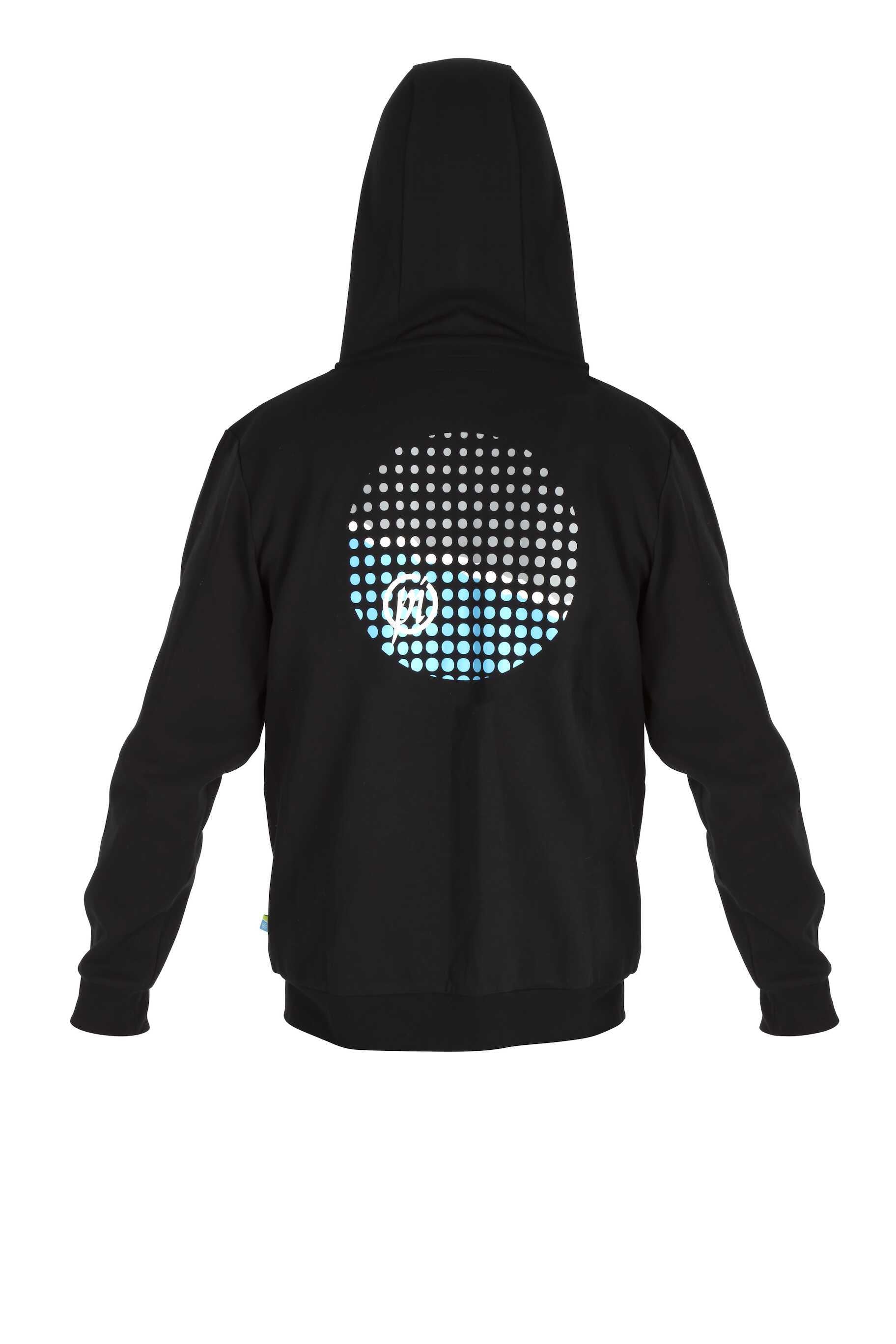
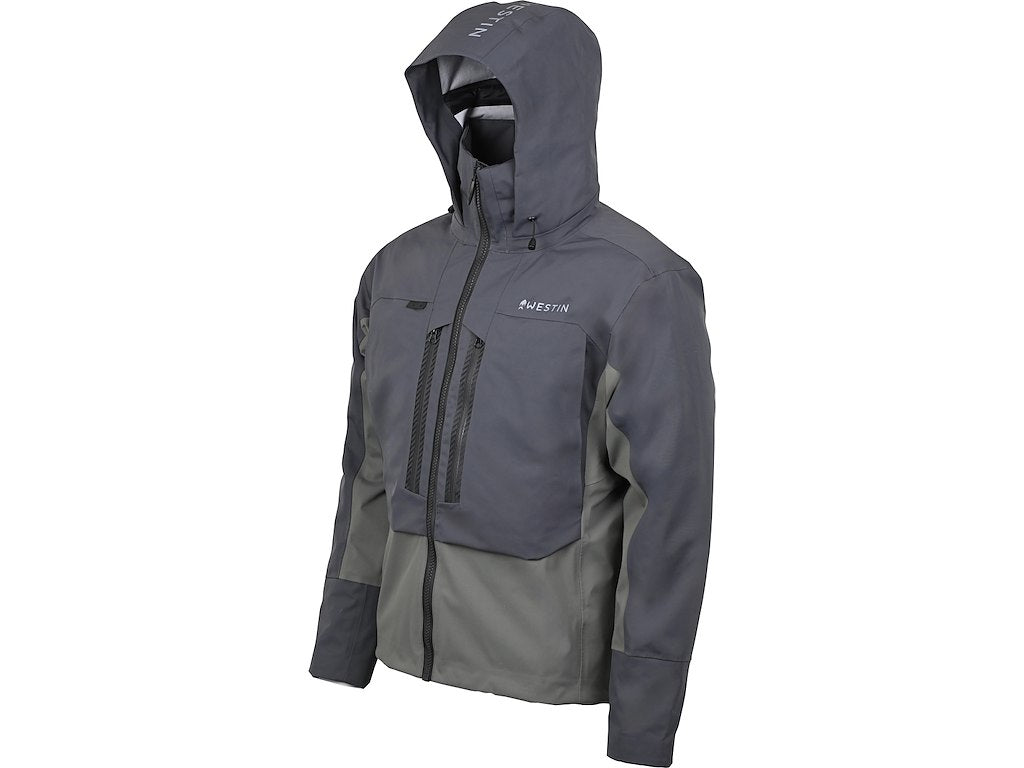
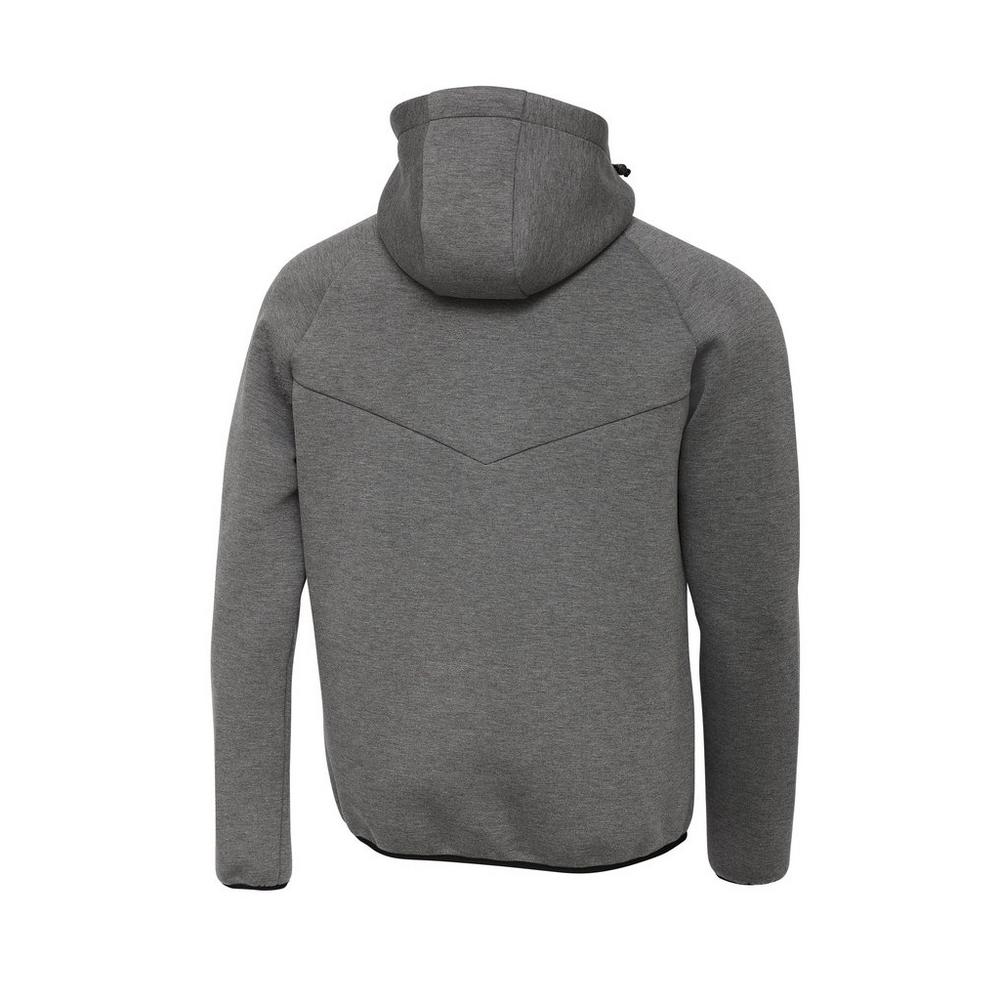
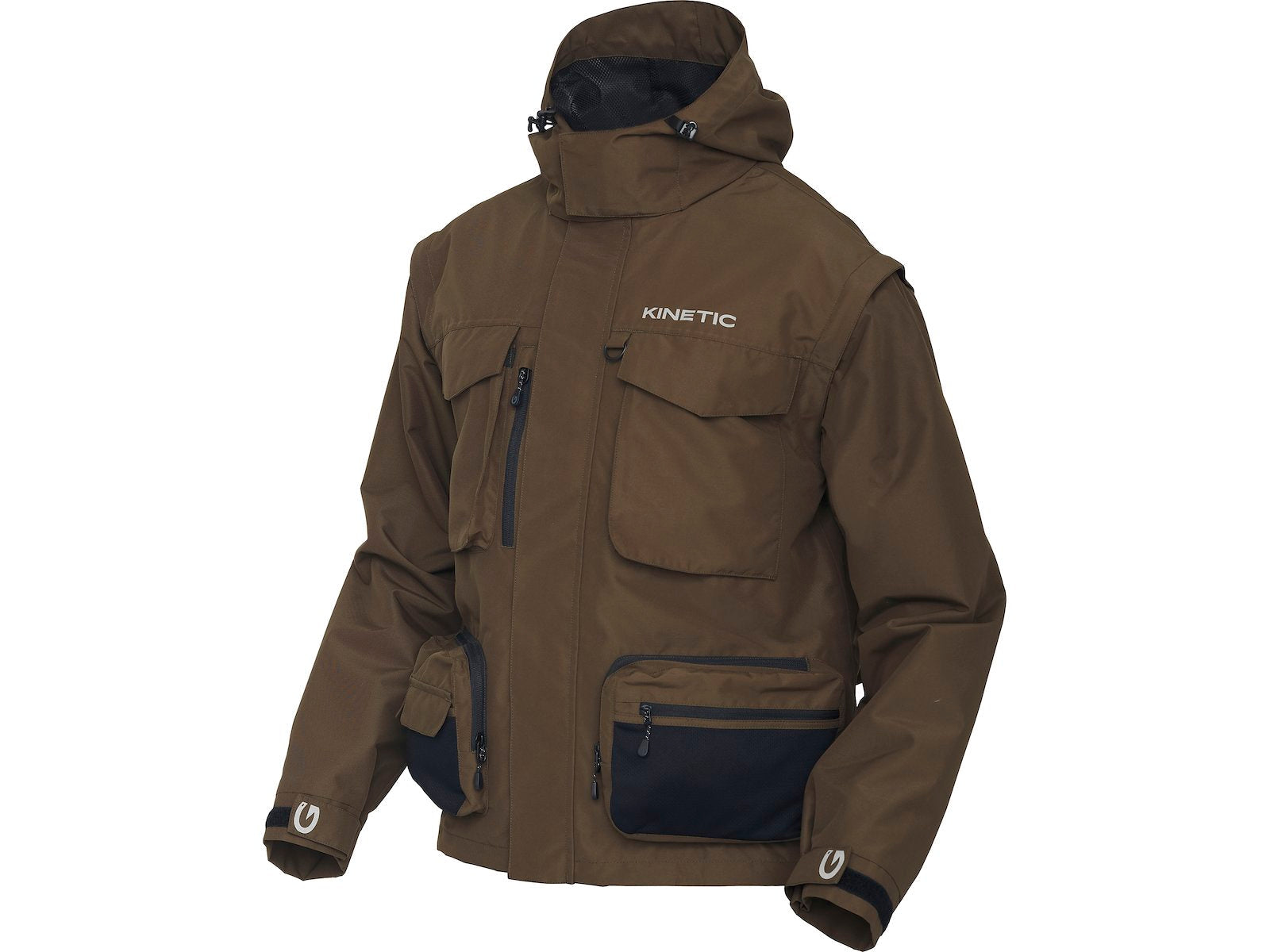
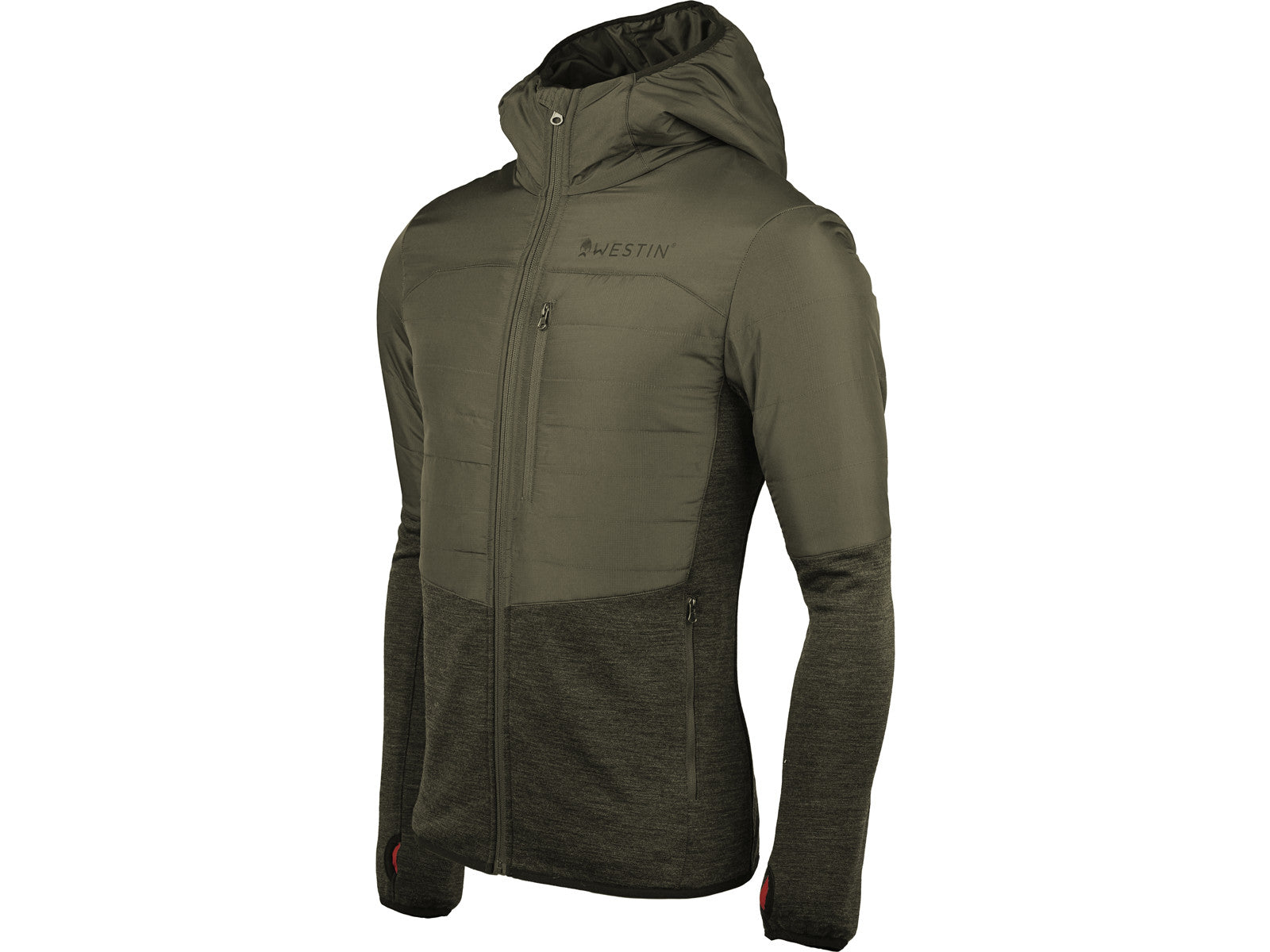
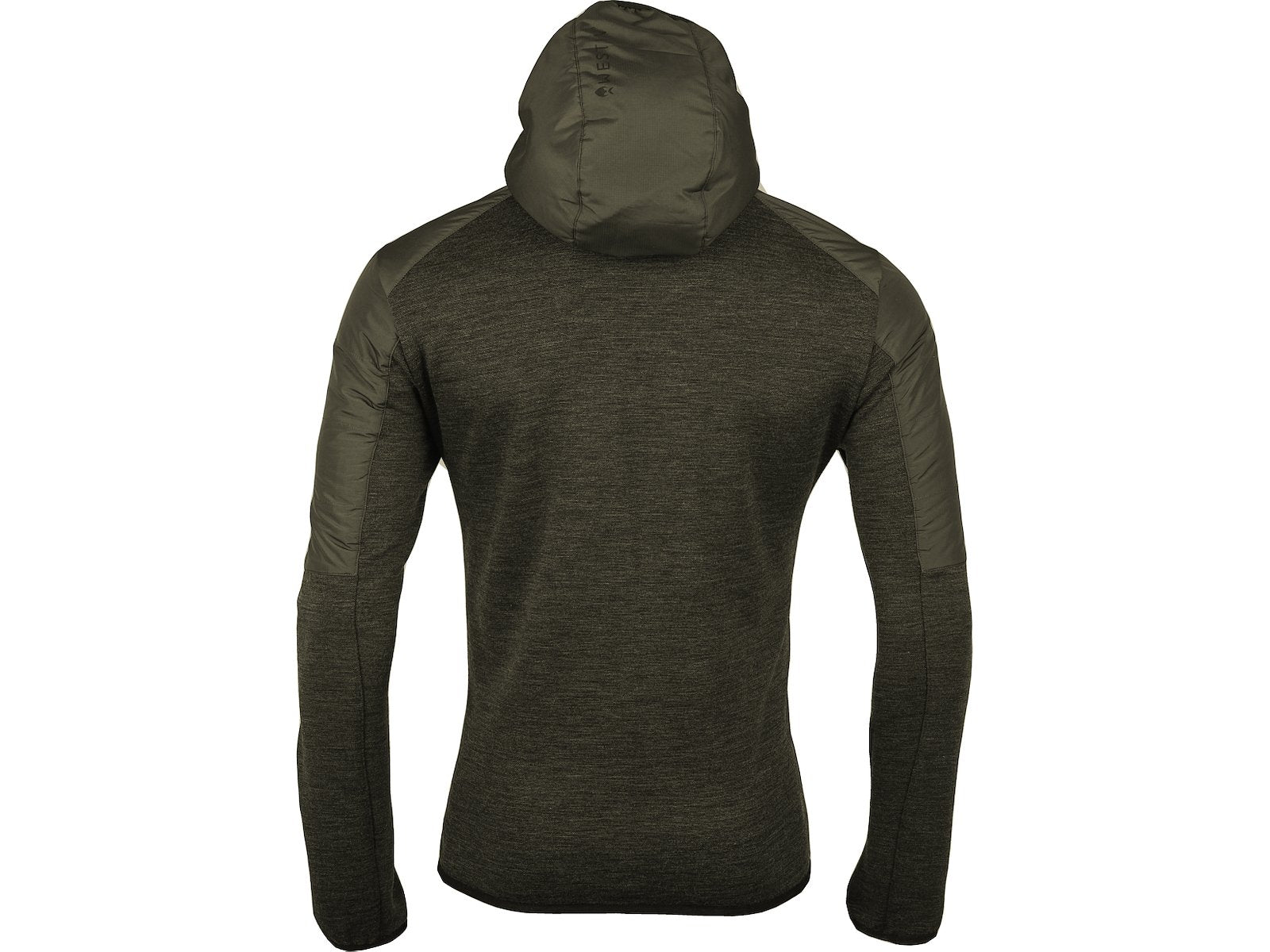
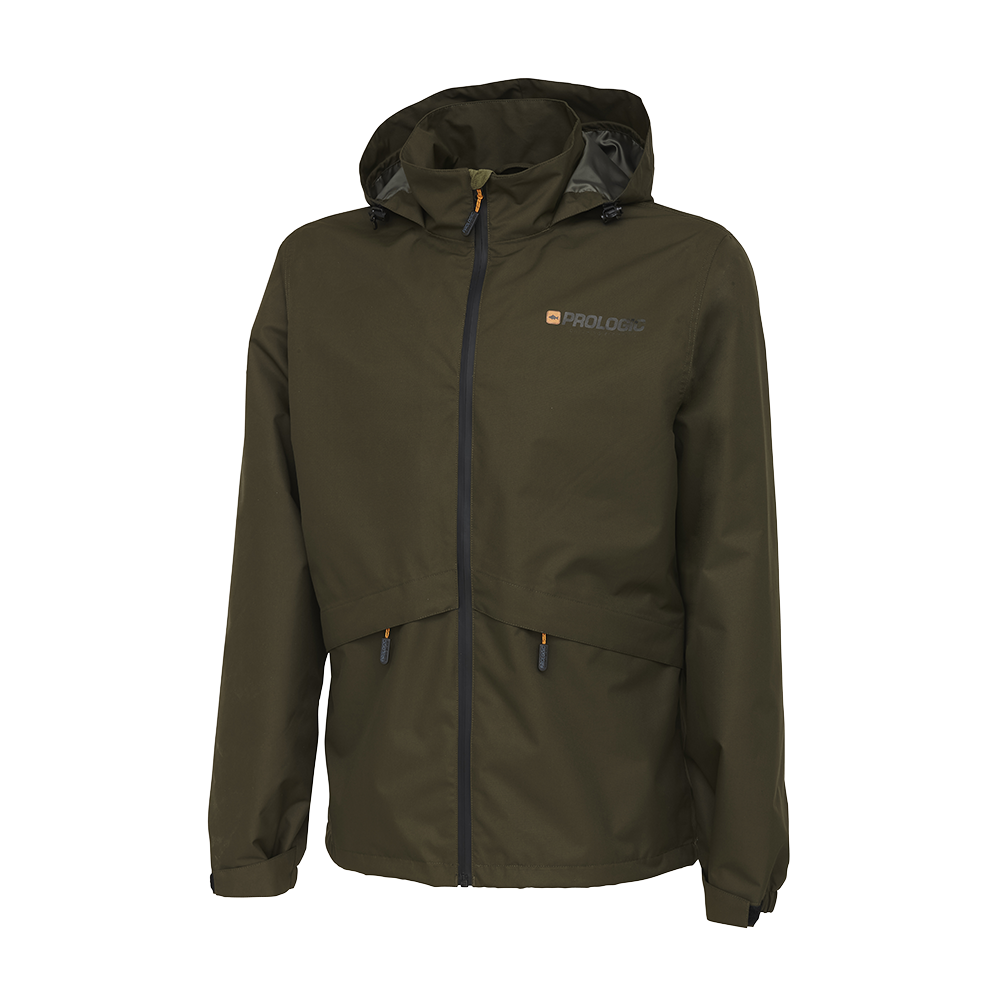
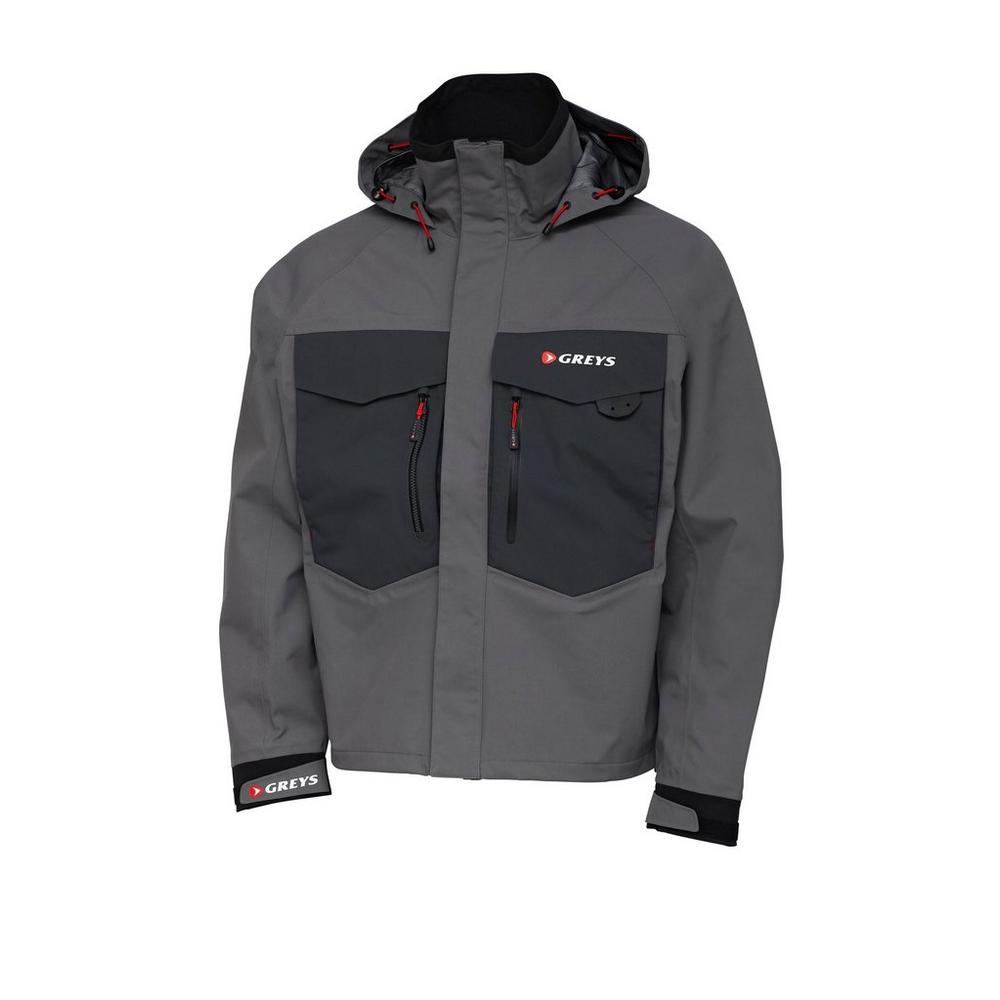
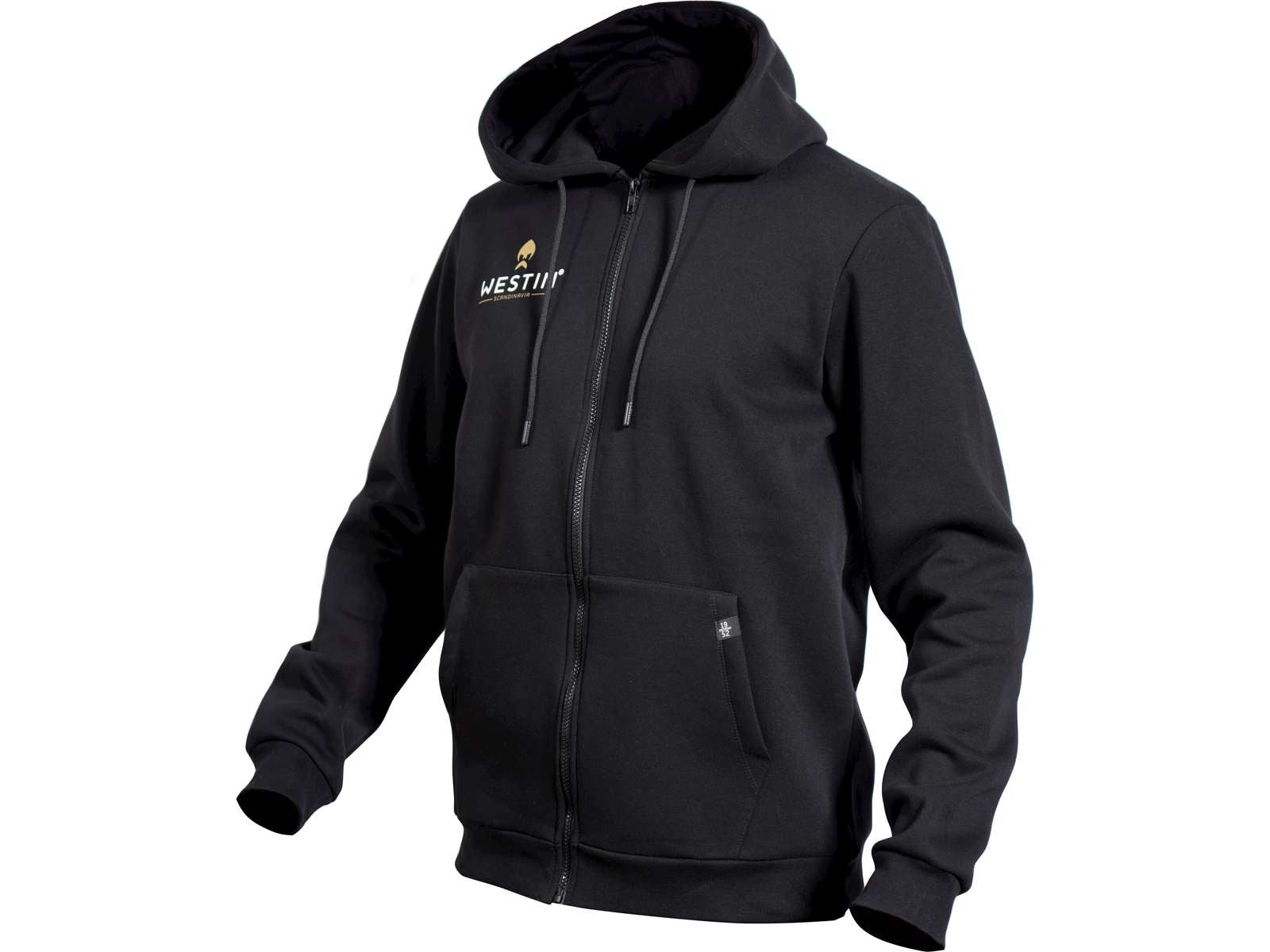
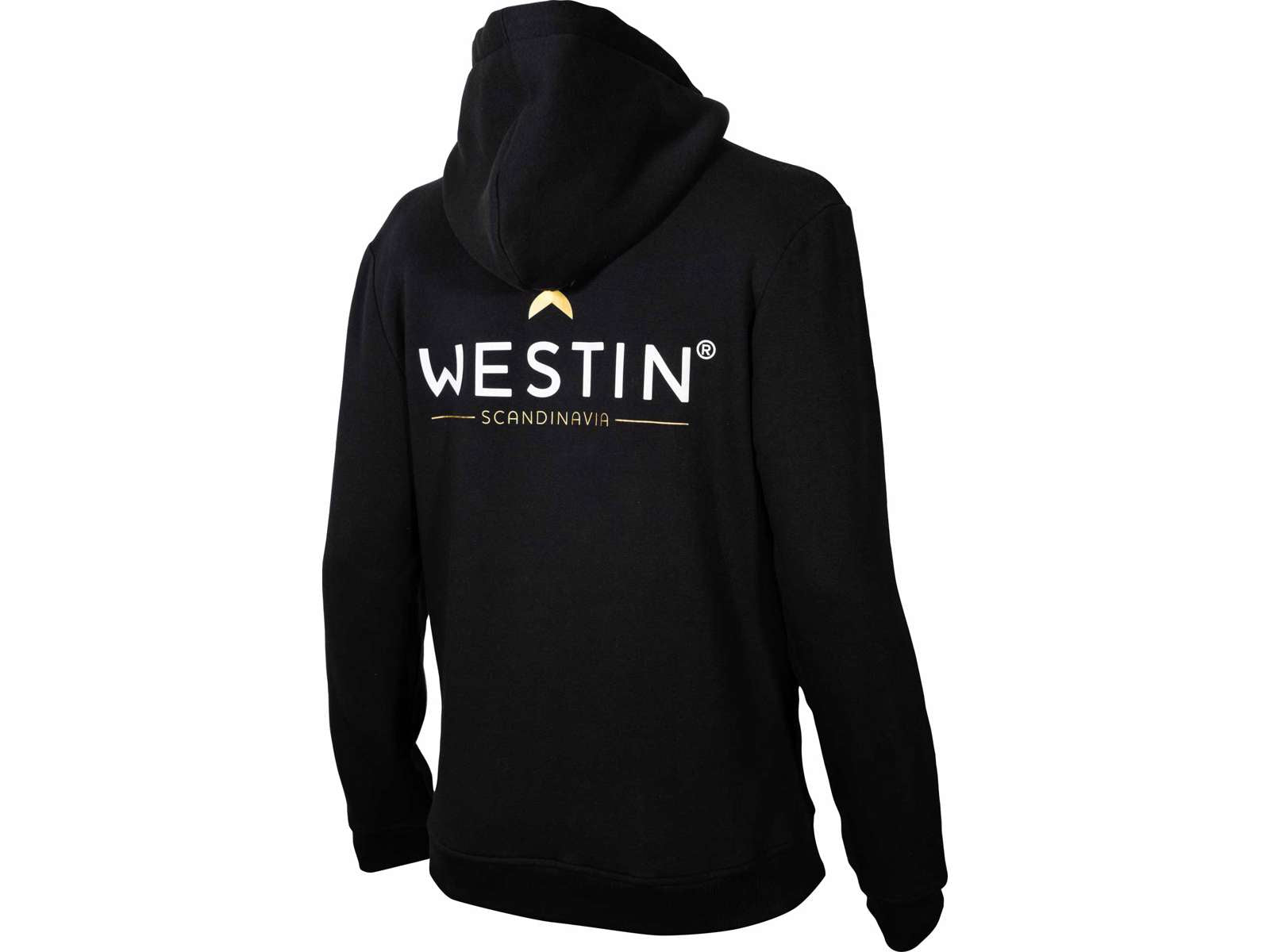
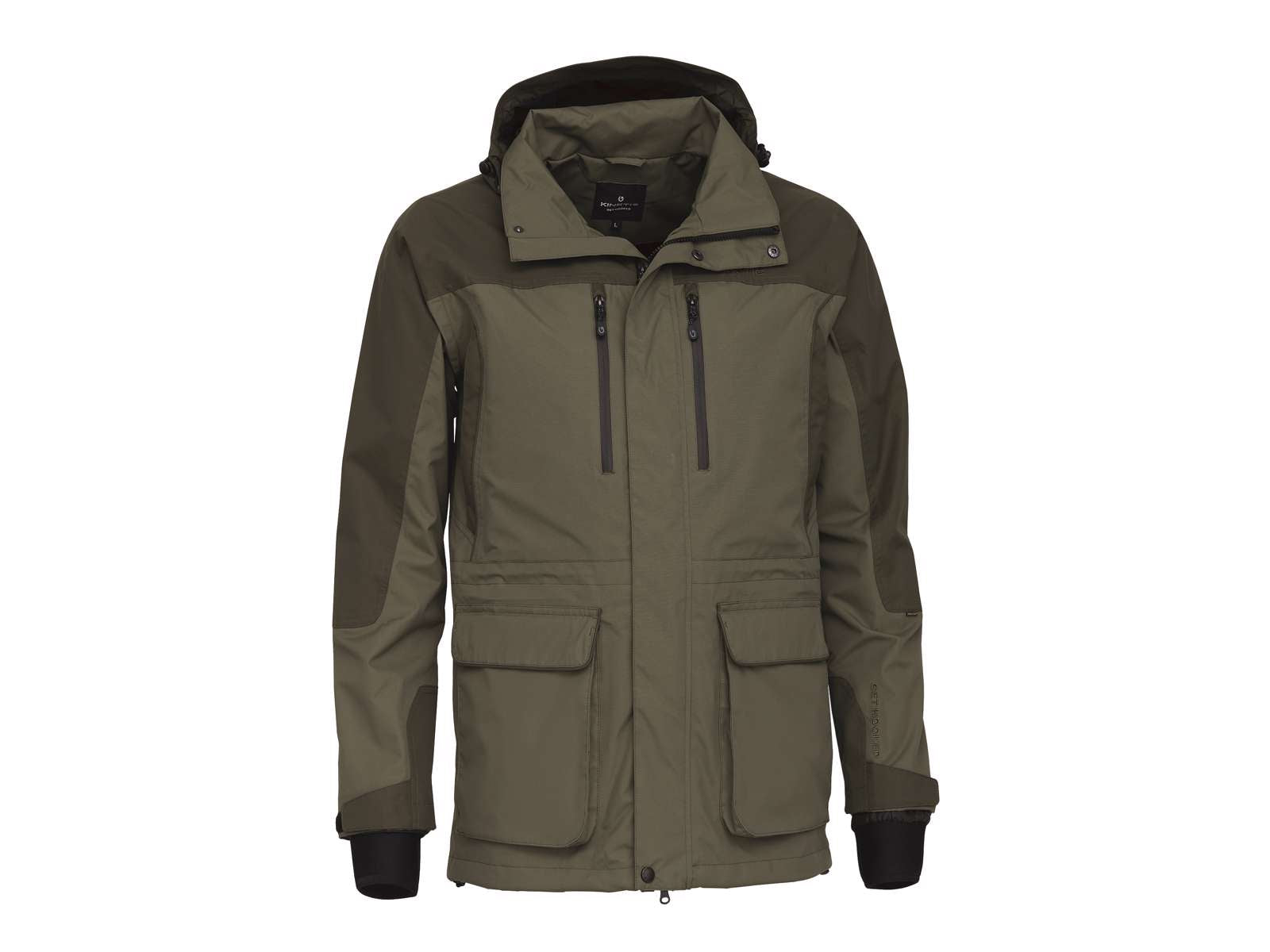
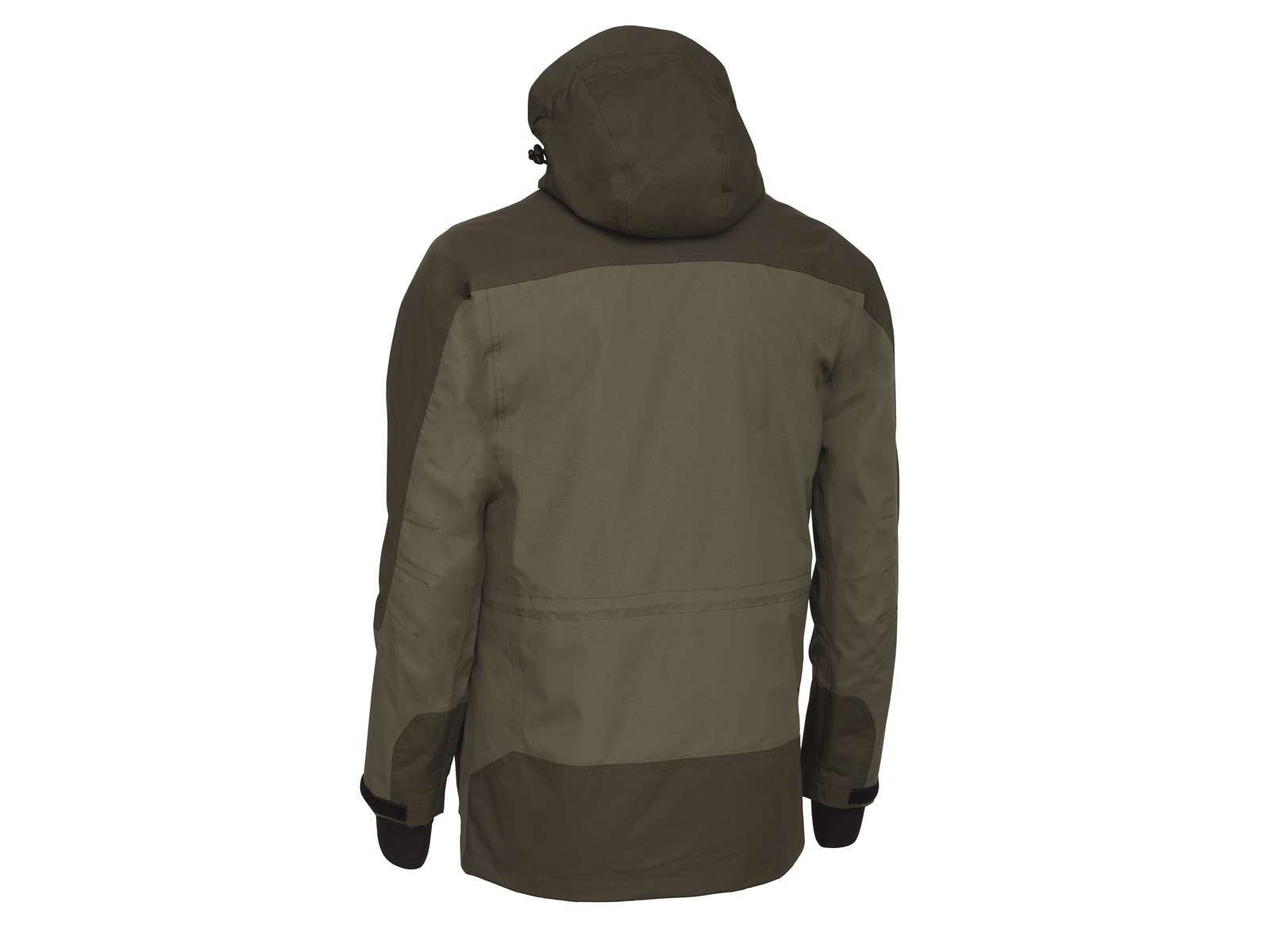
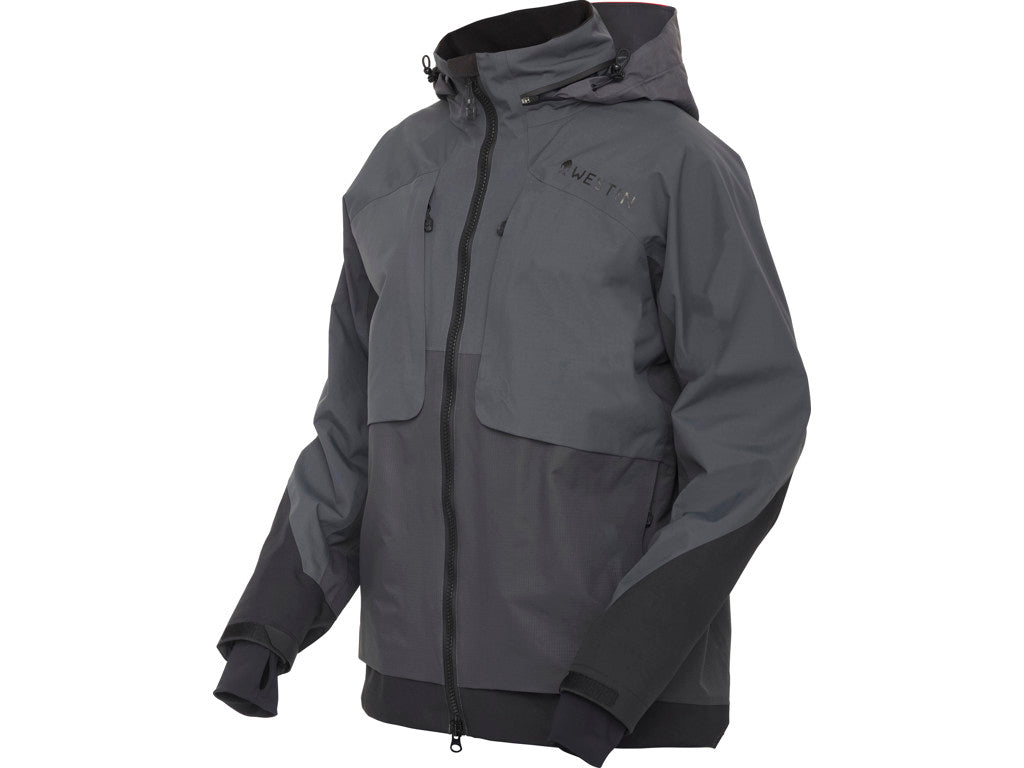
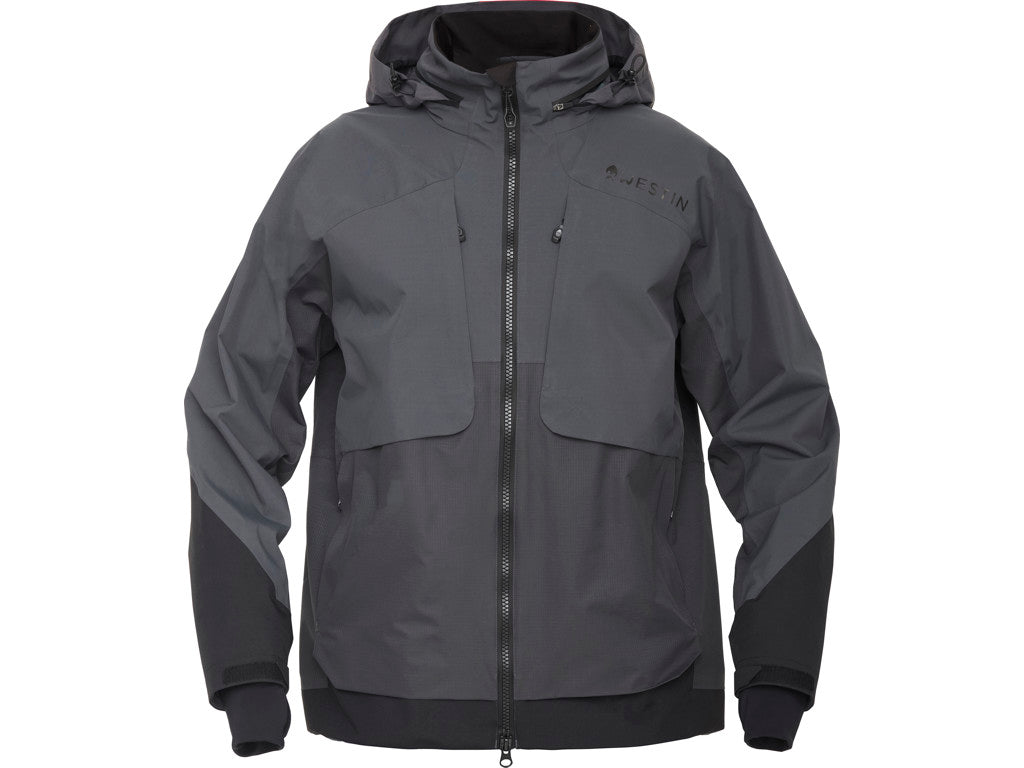
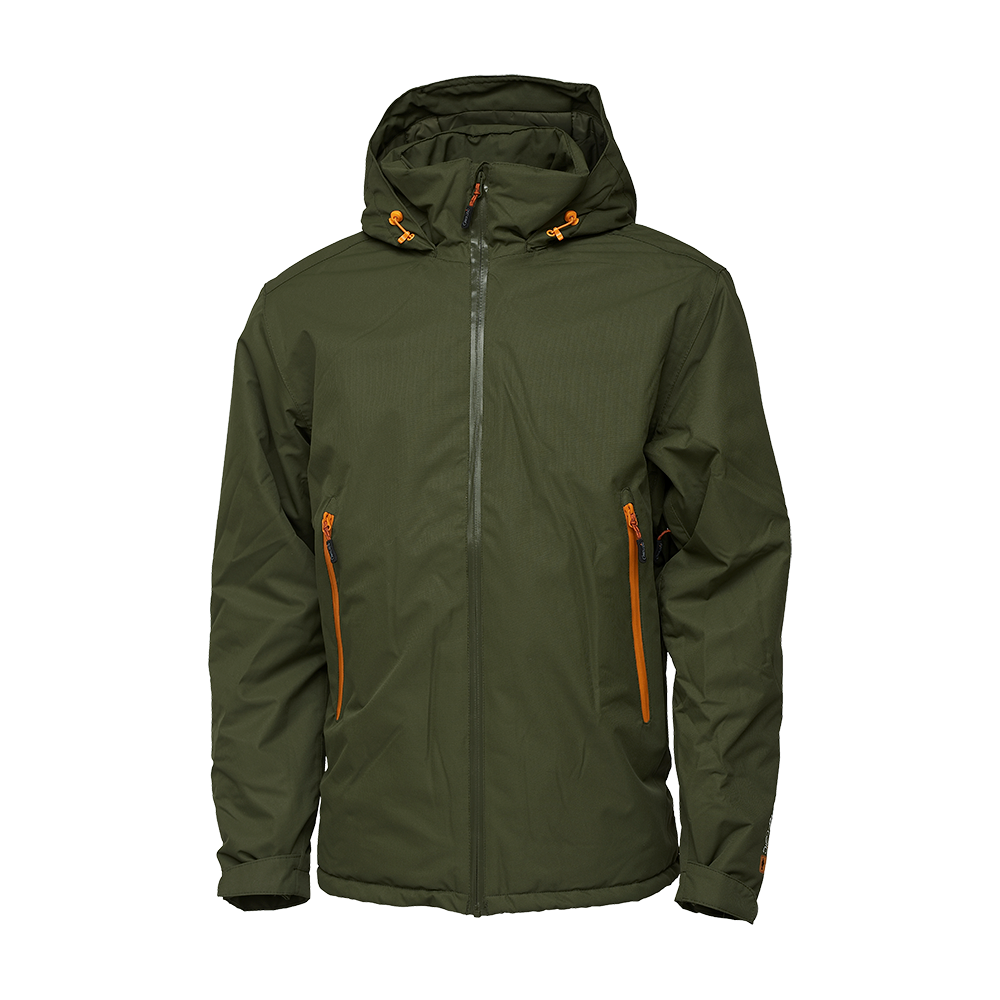
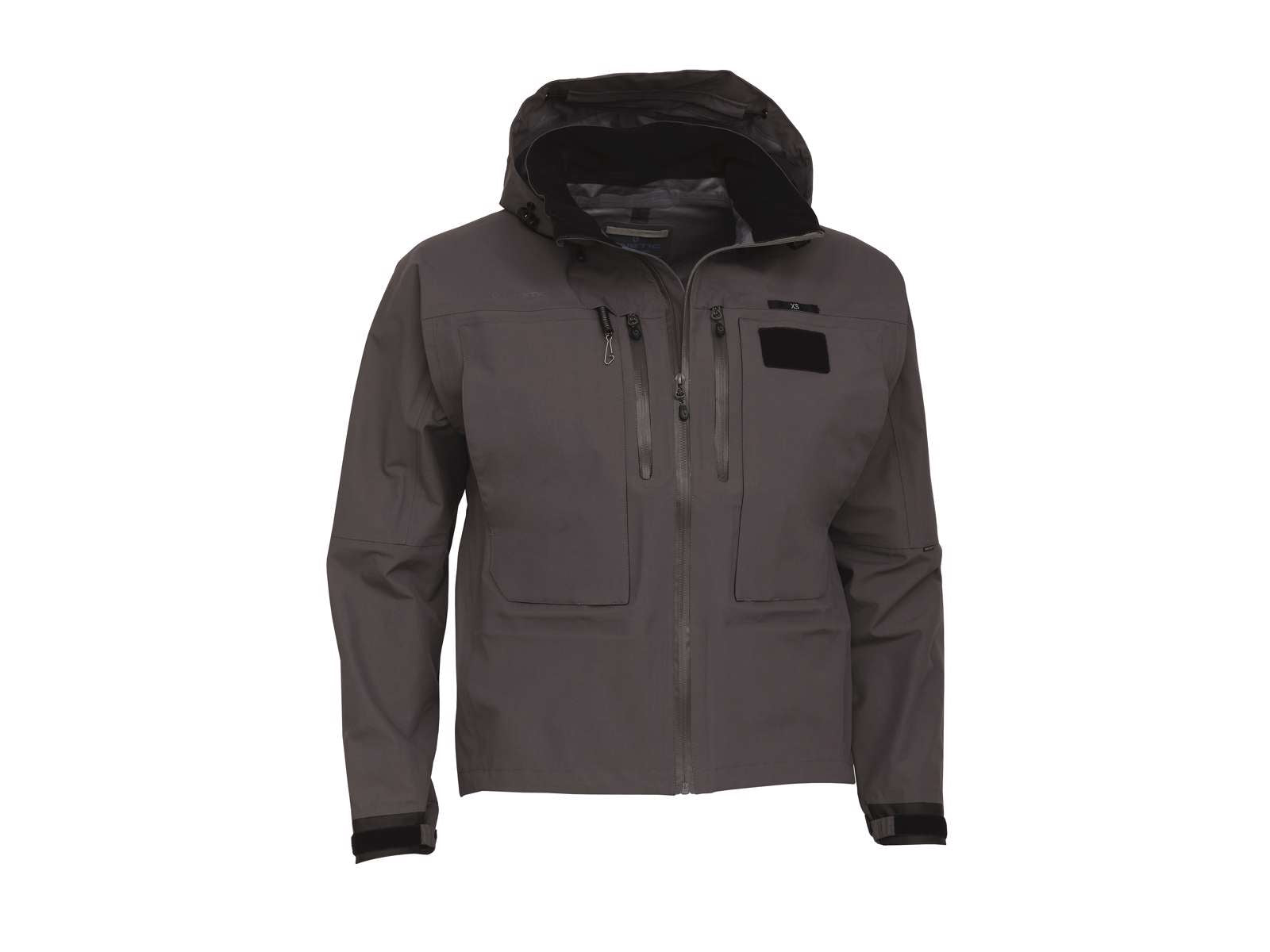
Fishing jackets for rain, wind and cold
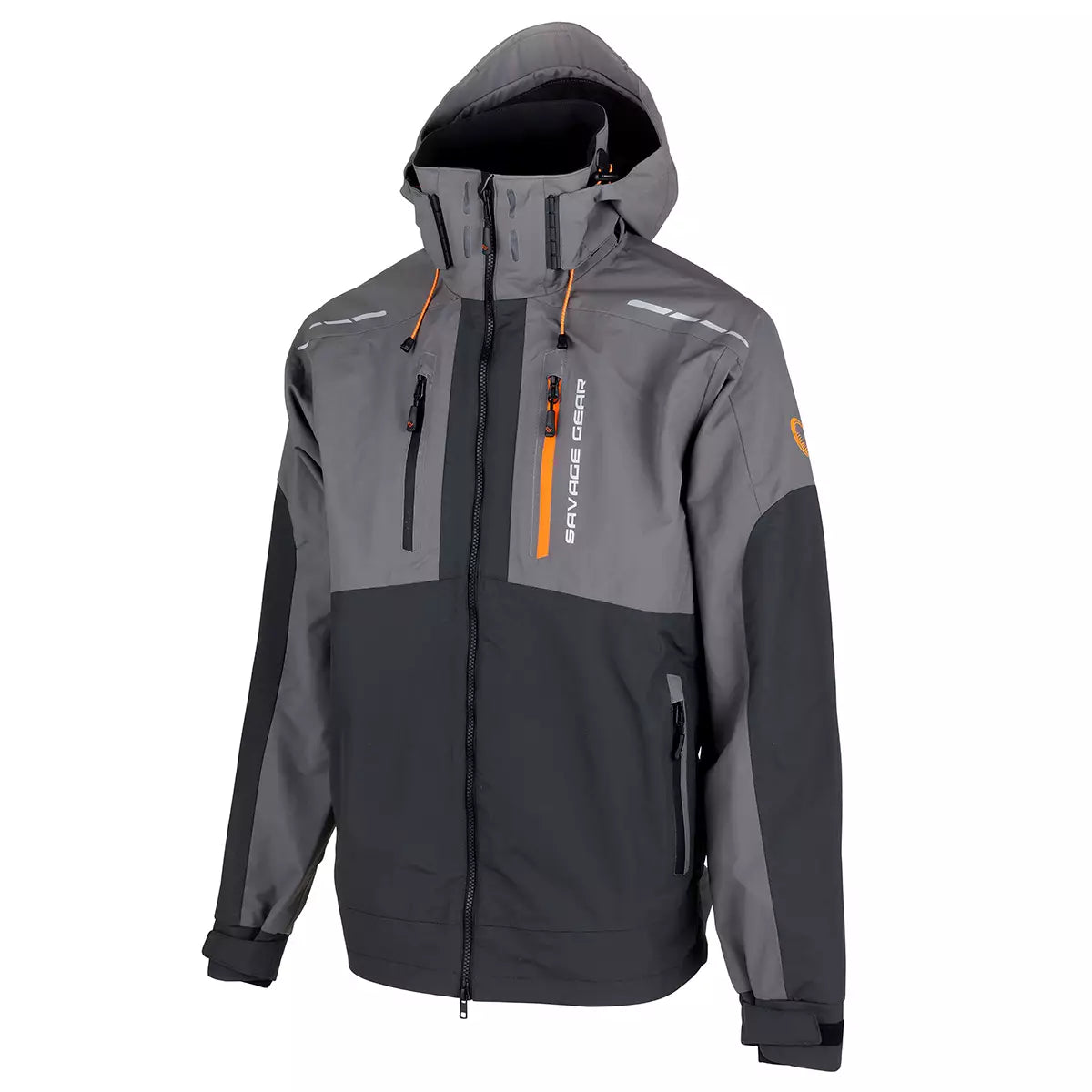
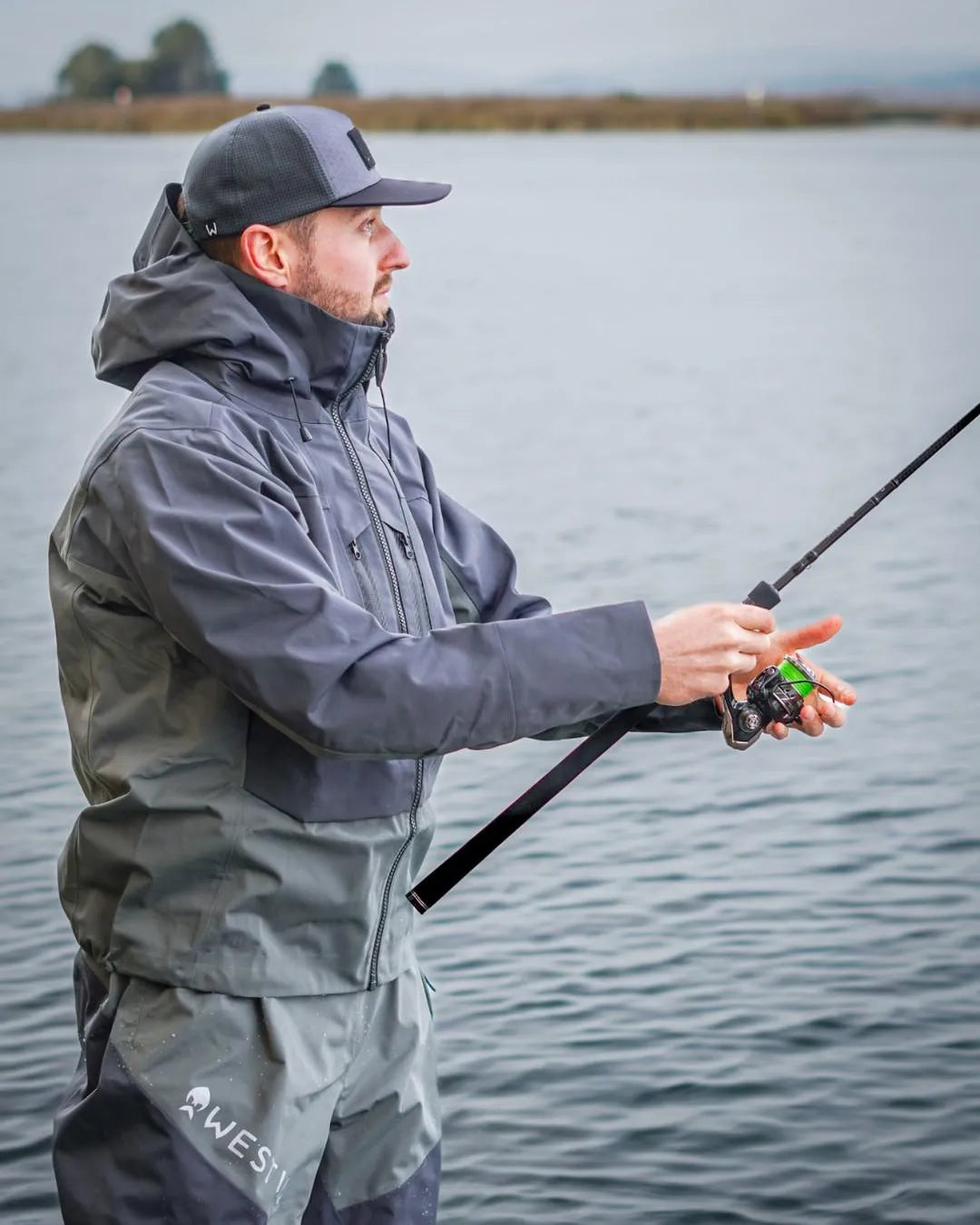
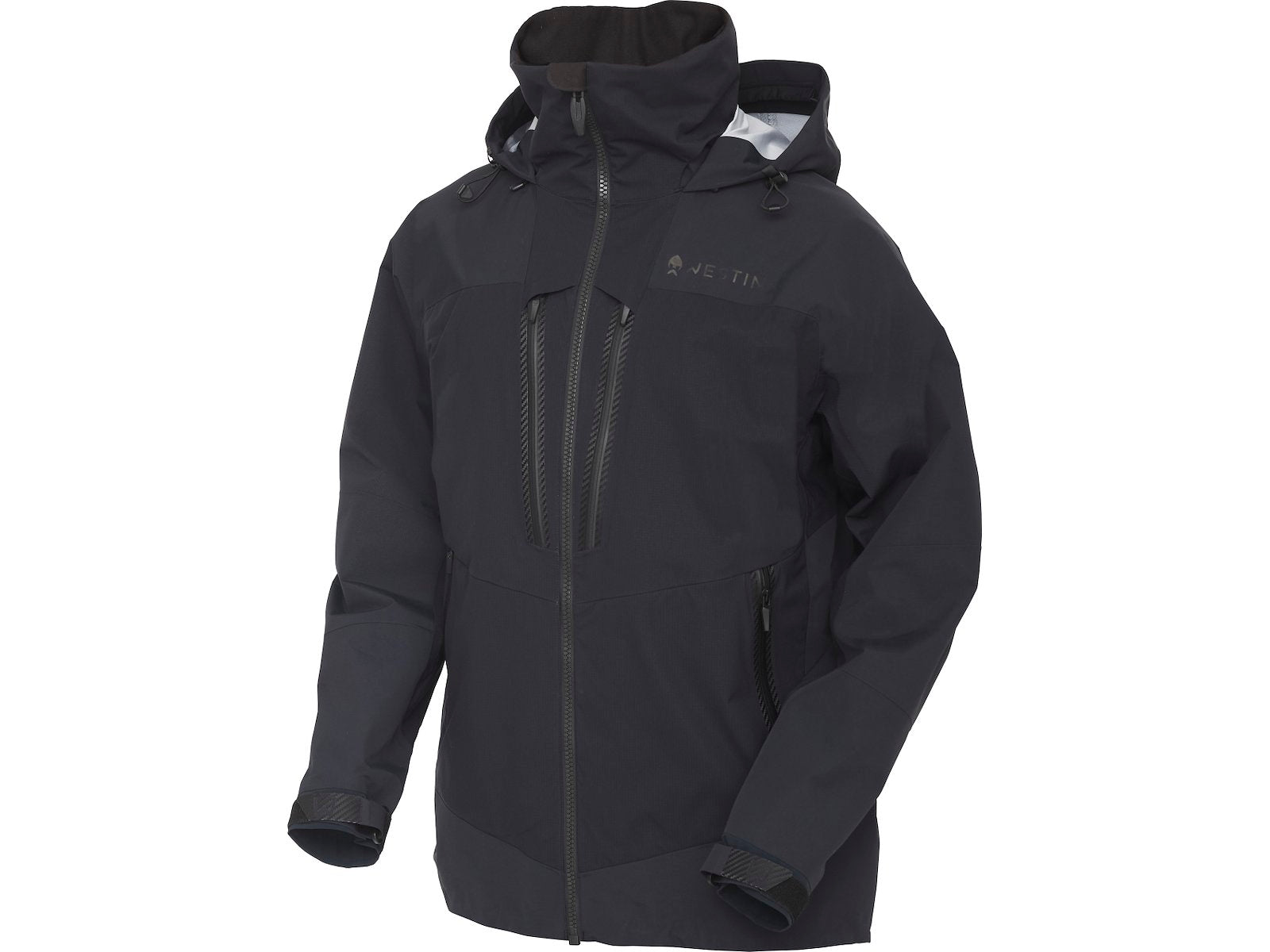
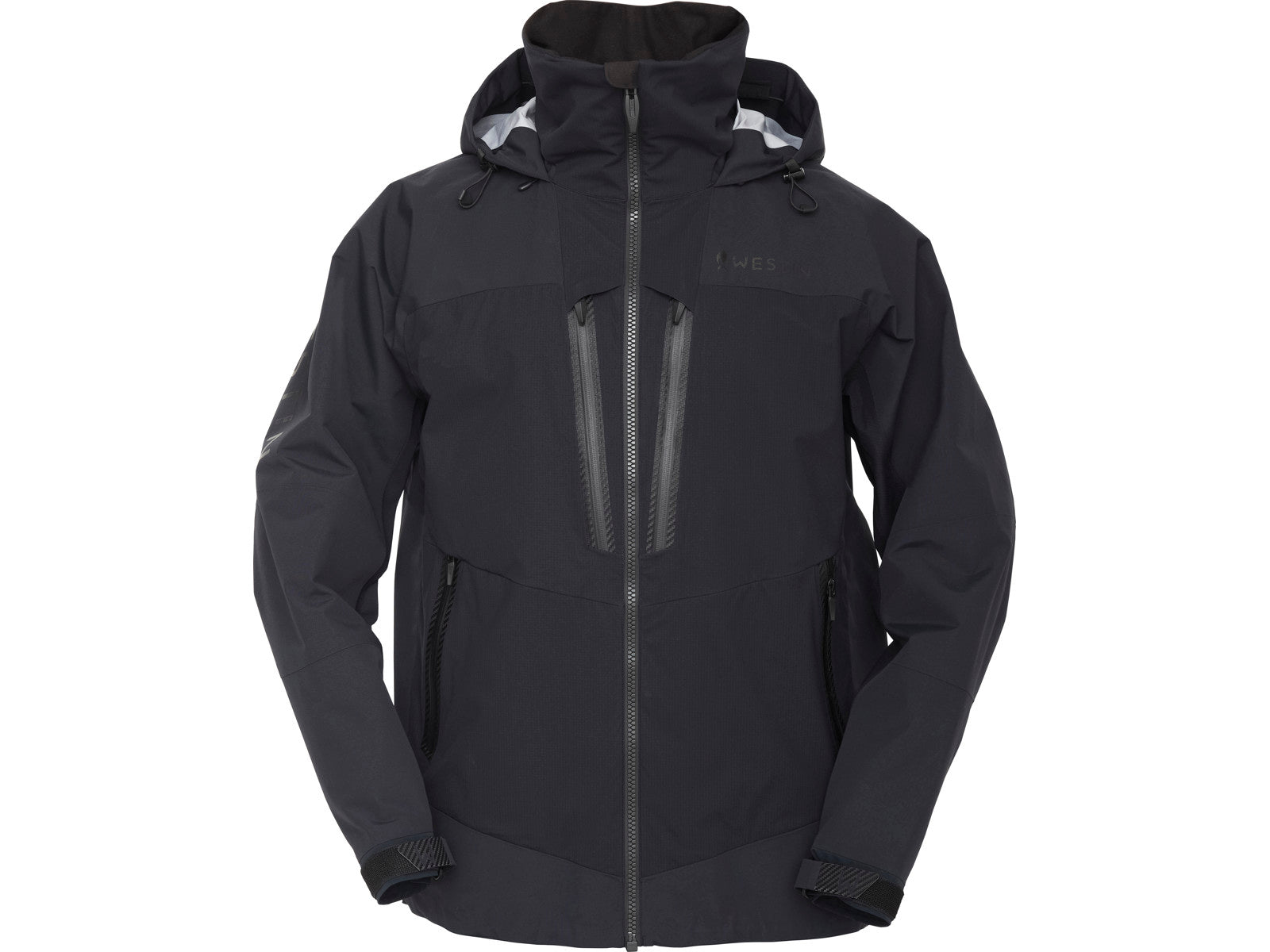
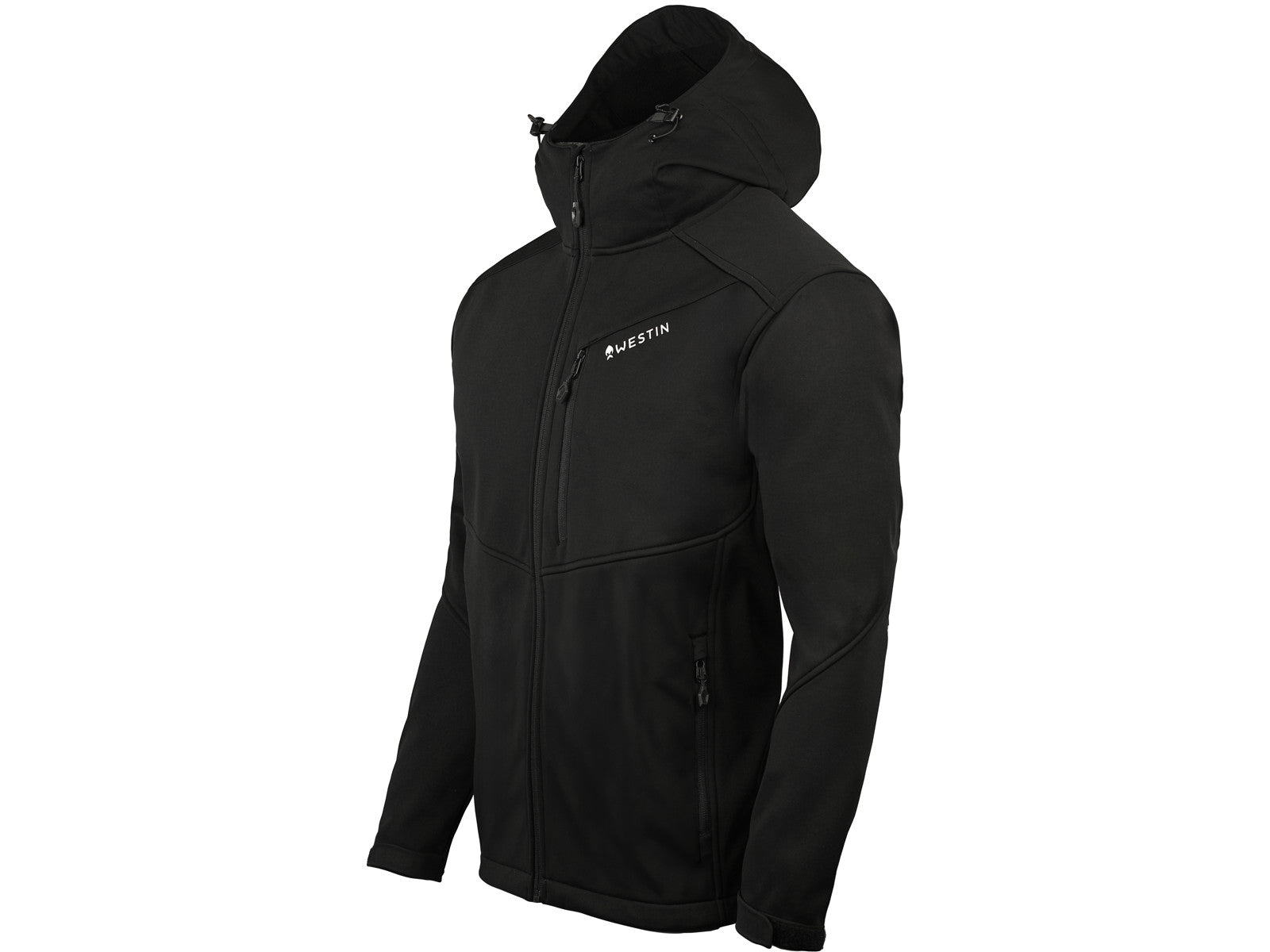
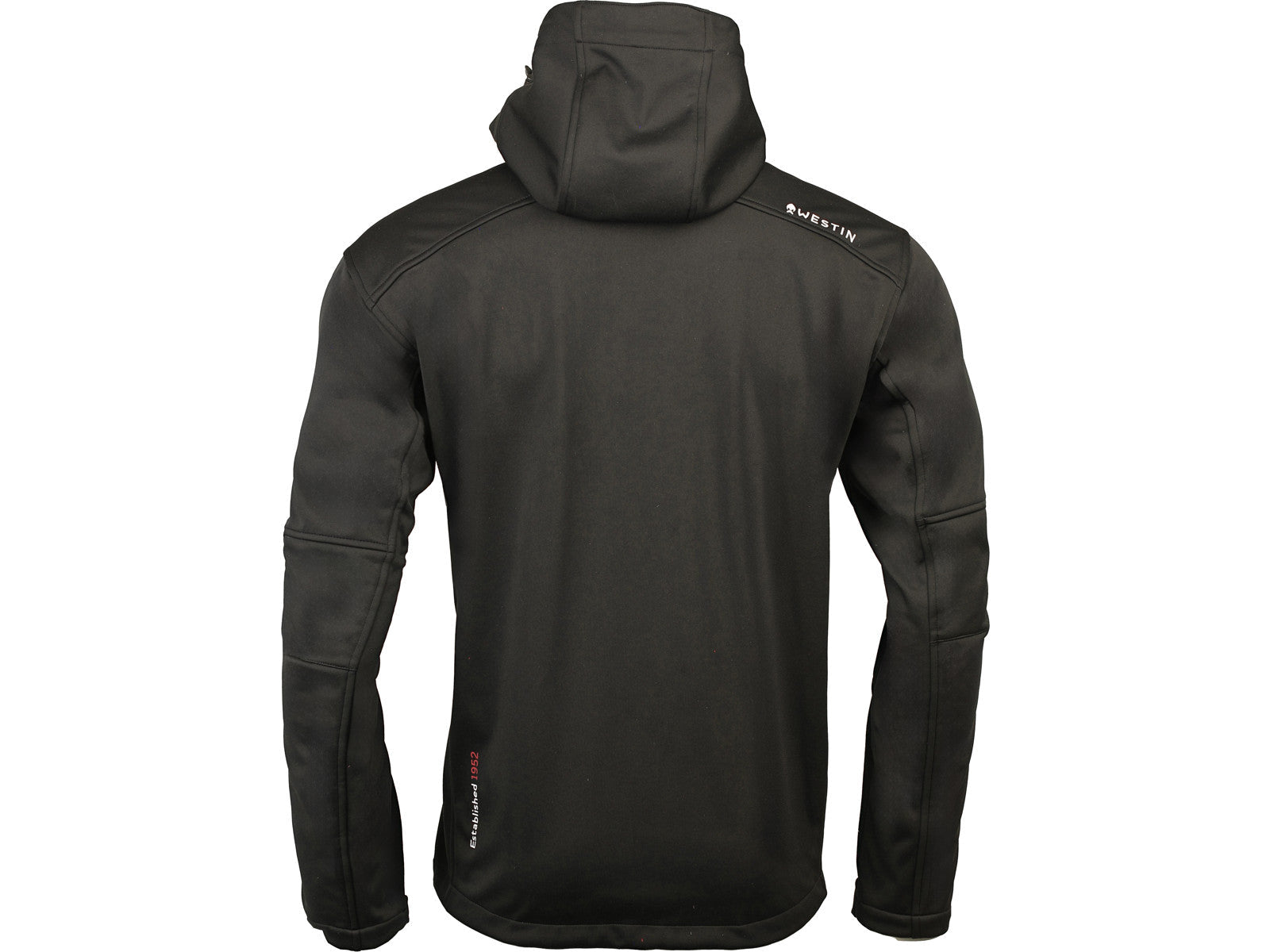
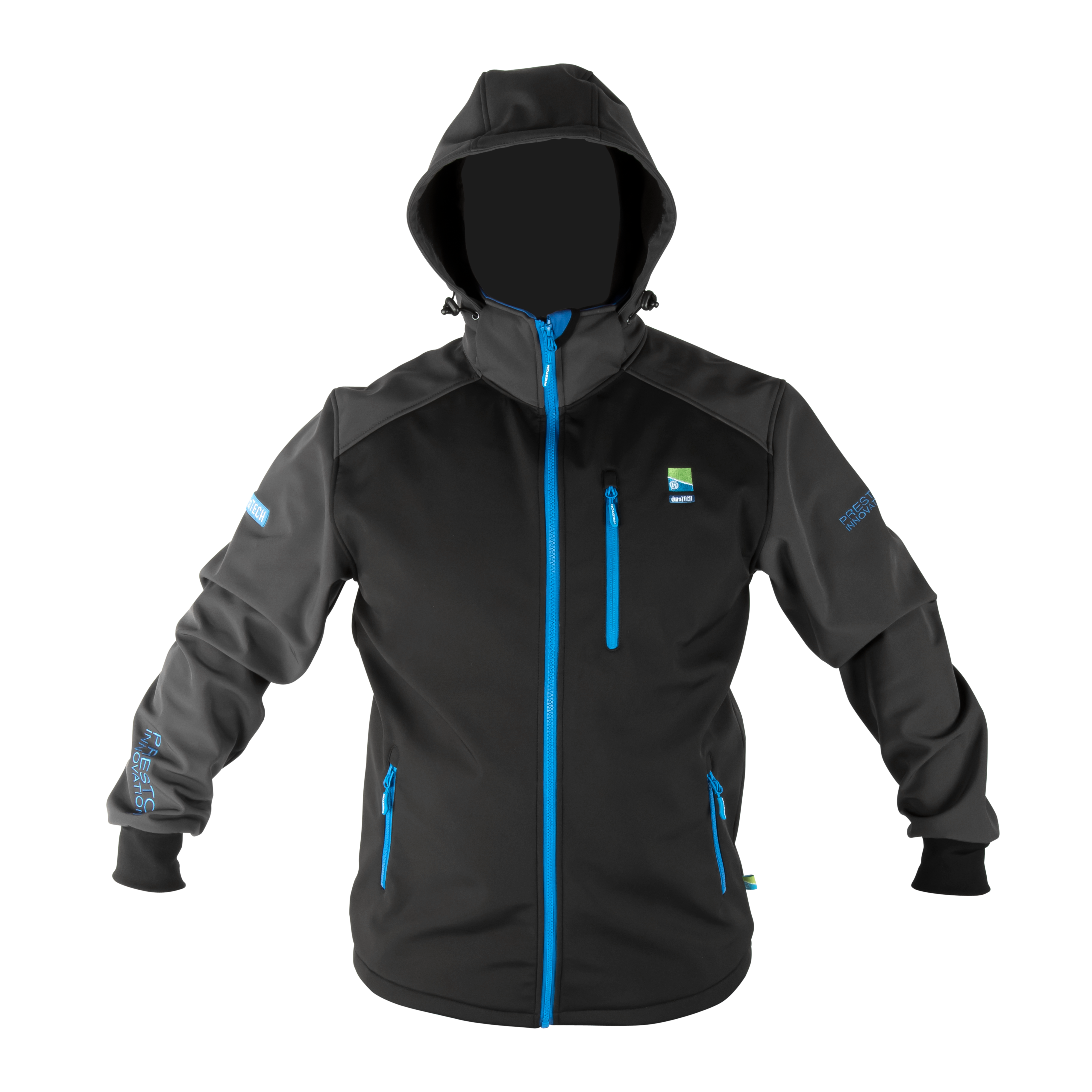
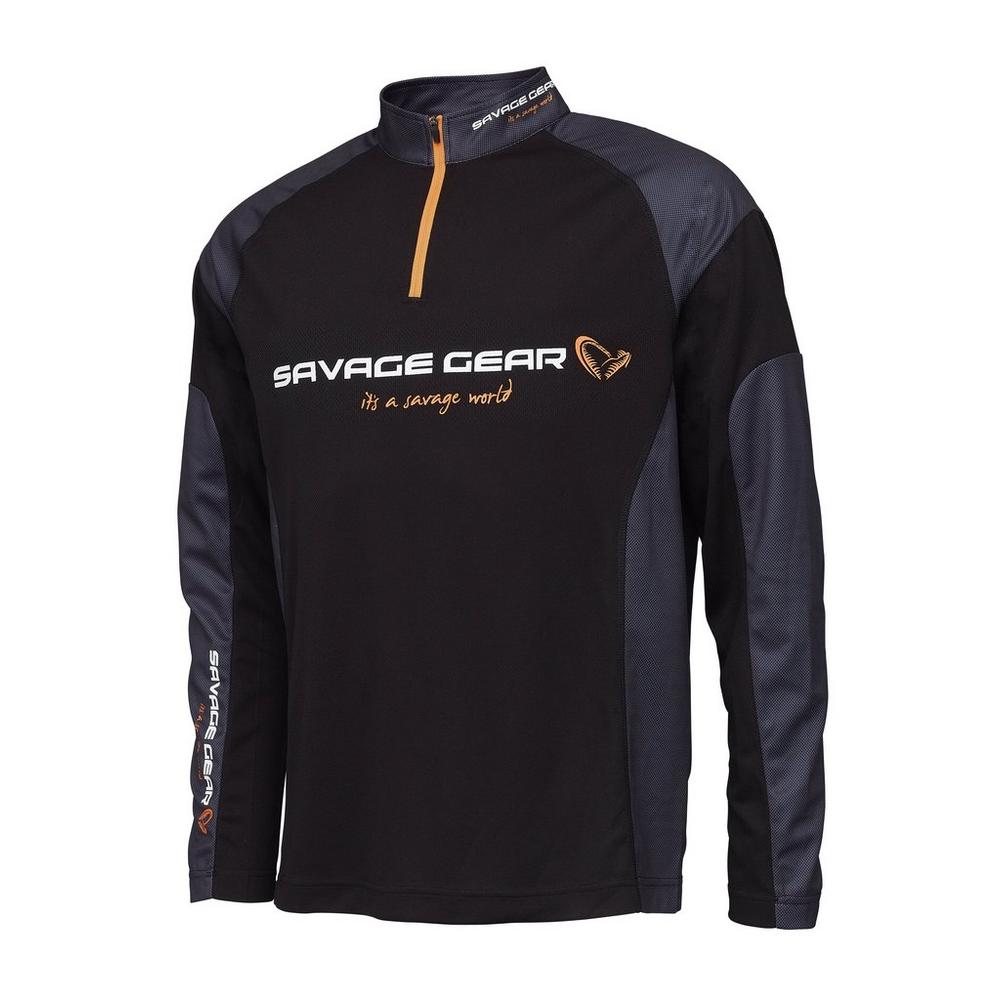
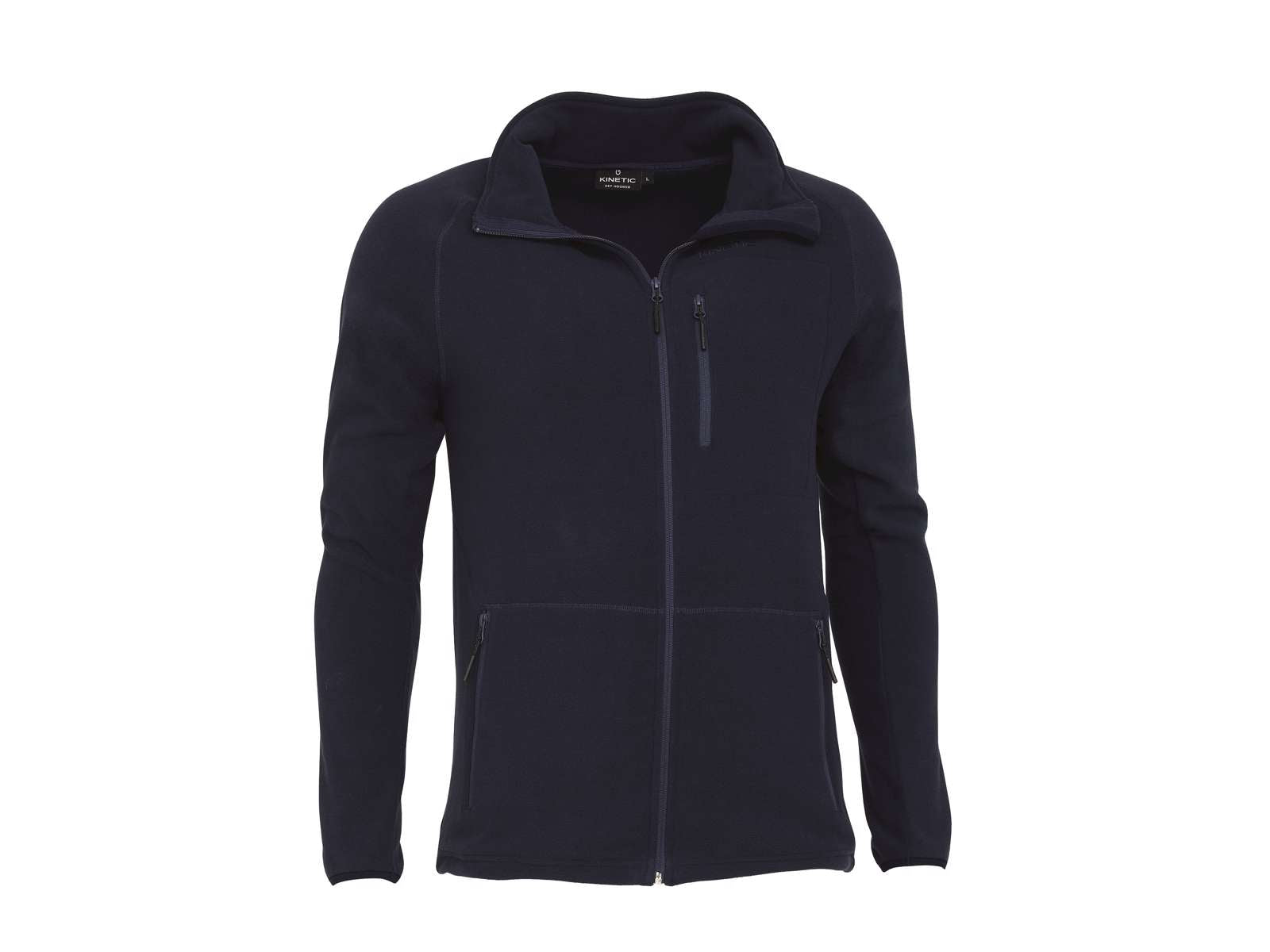
A fishing jacket is the outer part of a clothing system, controlling exposure while allowing casting, walking and fish care. Waterproof shells focus on rain and spray, insulated jackets retain warmth, and hybrid designs balance both. The right choice depends on duration, activity level, temperature and whether the session is on a bank, shore or boat.
Waterproof and breathability figures use specific test methods and are not directly interchangeable across every product. Check the stated rating, taped seams, zip protection and hood design. A jacket can be made from waterproof fabric yet still admit water through openings, damaged seams or poorly adjusted cuffs.
Browse the parent fishing clothing range and build the system with fishing trousers, gloves and suitable headwear. Use base layers to manage moisture, and compare waders where the method requires entering shallow water.
Choose fit, hood and pocket layout
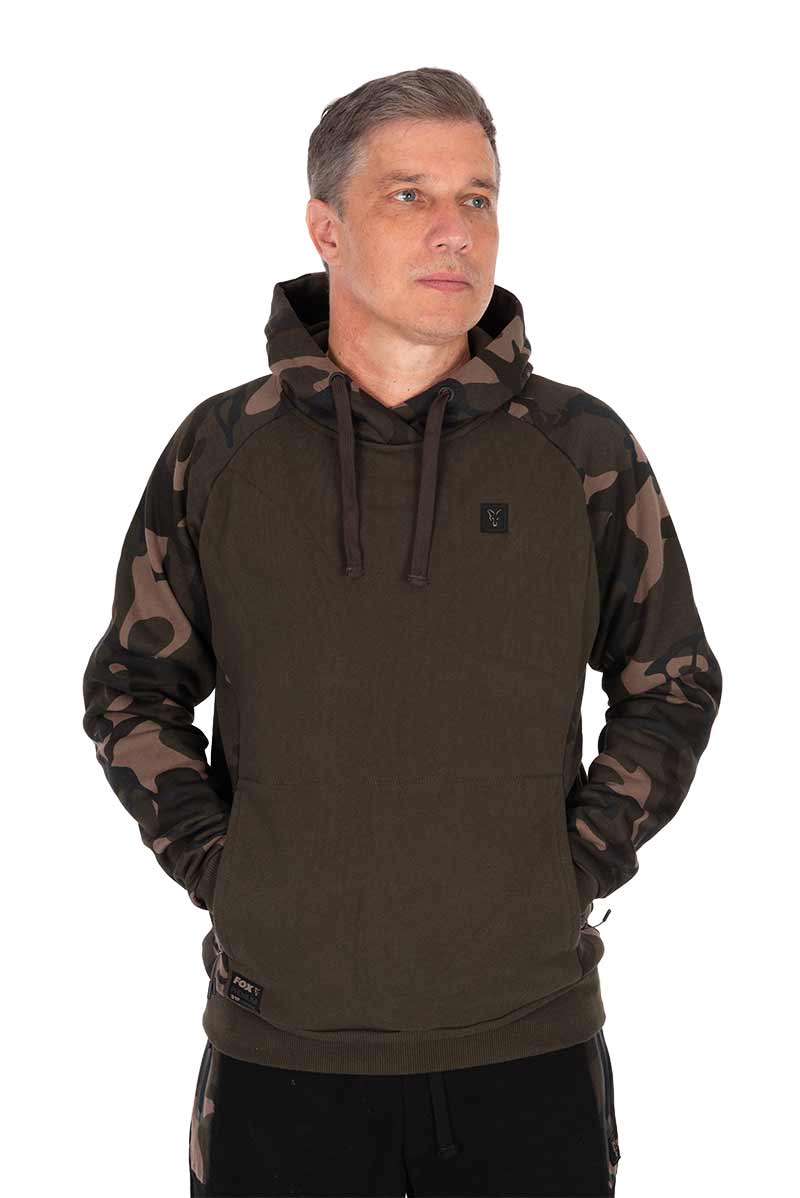
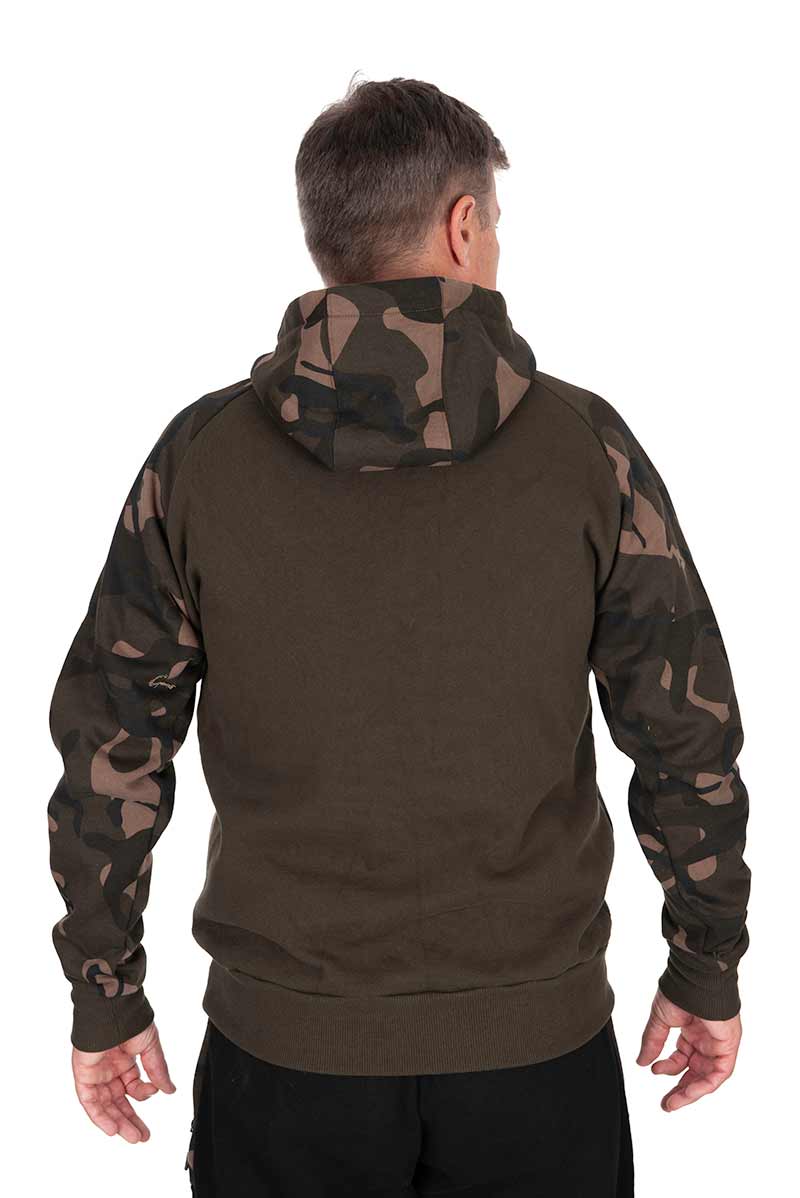
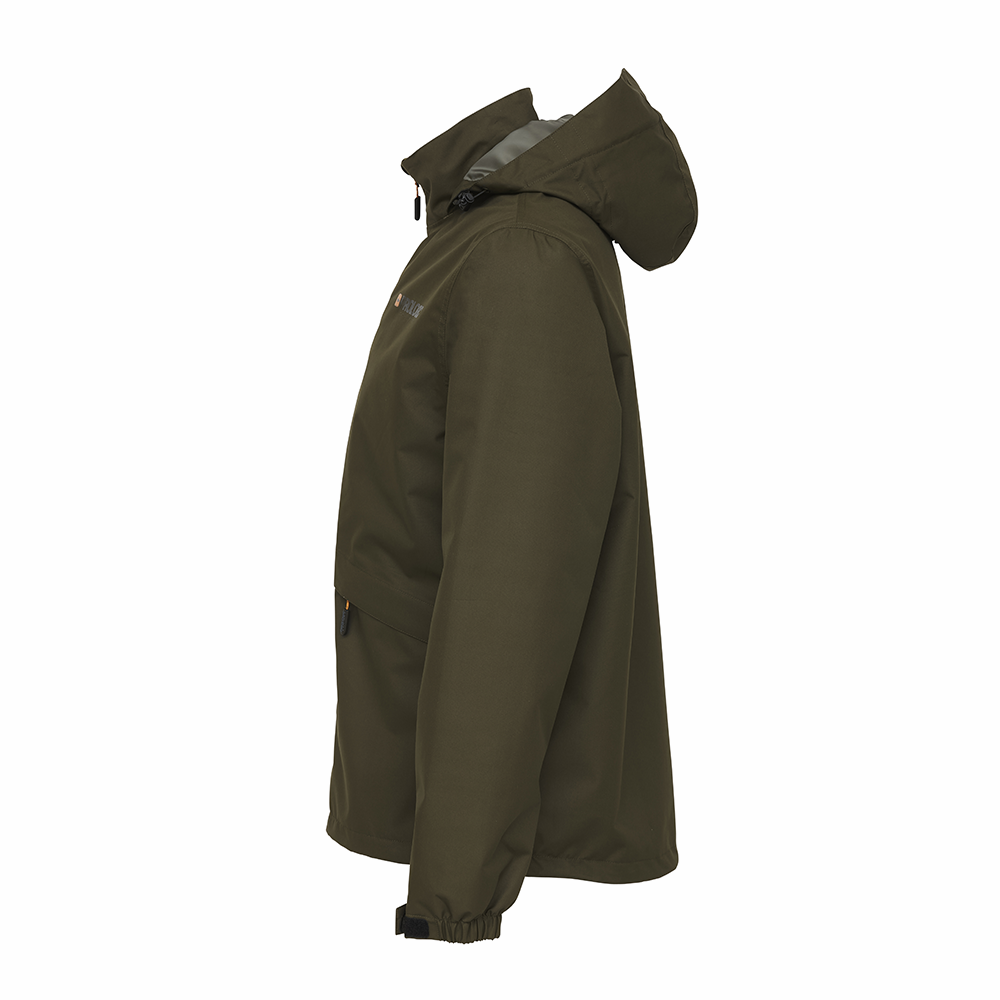
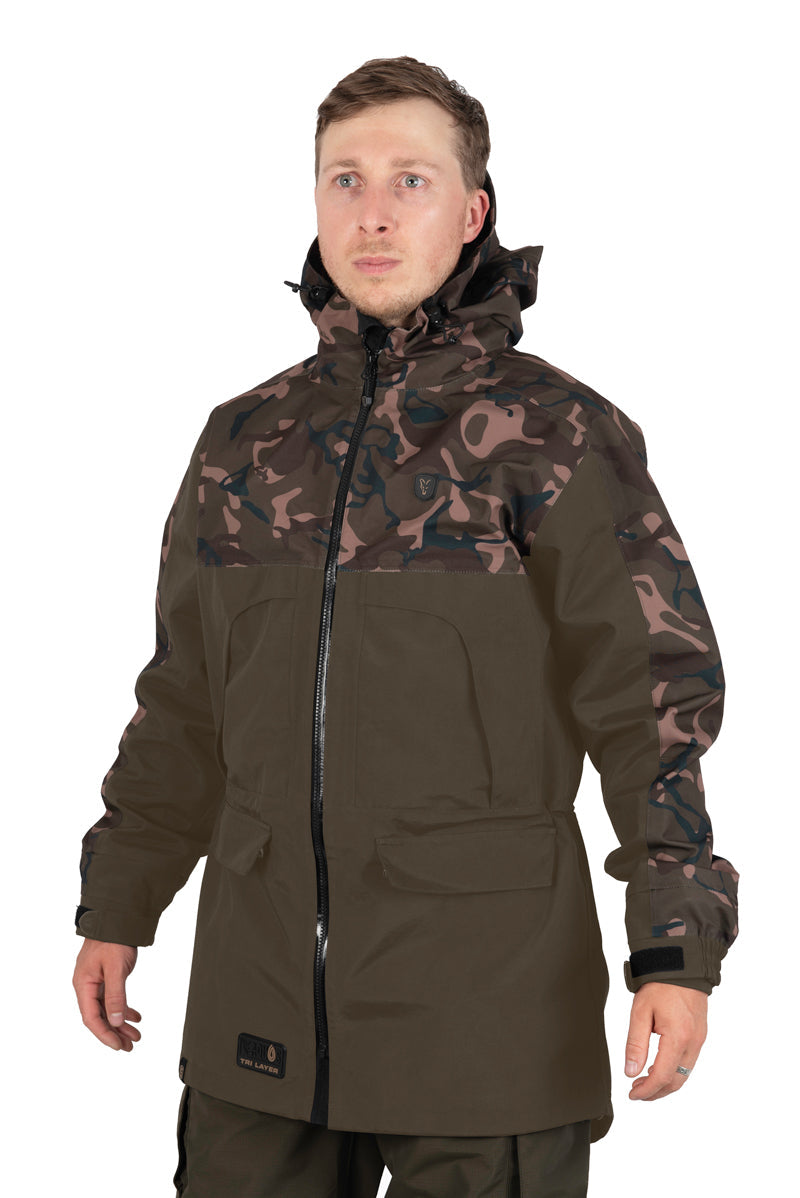
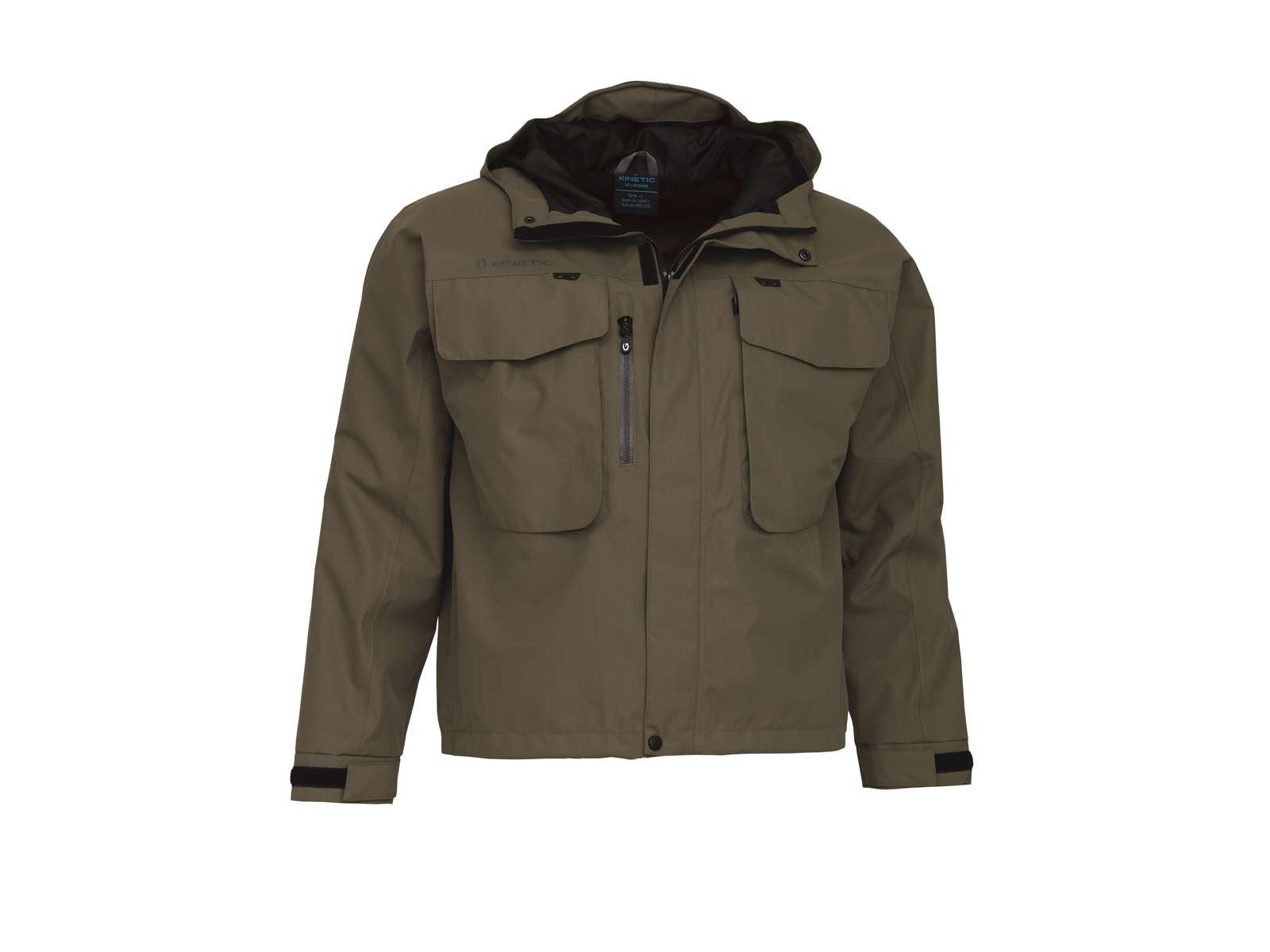
Use the size chart and allow room for planned insulation without leaving loose fabric around hooks and boat fittings. Test shoulder reach, elbow bend and the ability to close the jacket over layers. The hem should overlap trousers or waders without restricting steps or sitting comfort.
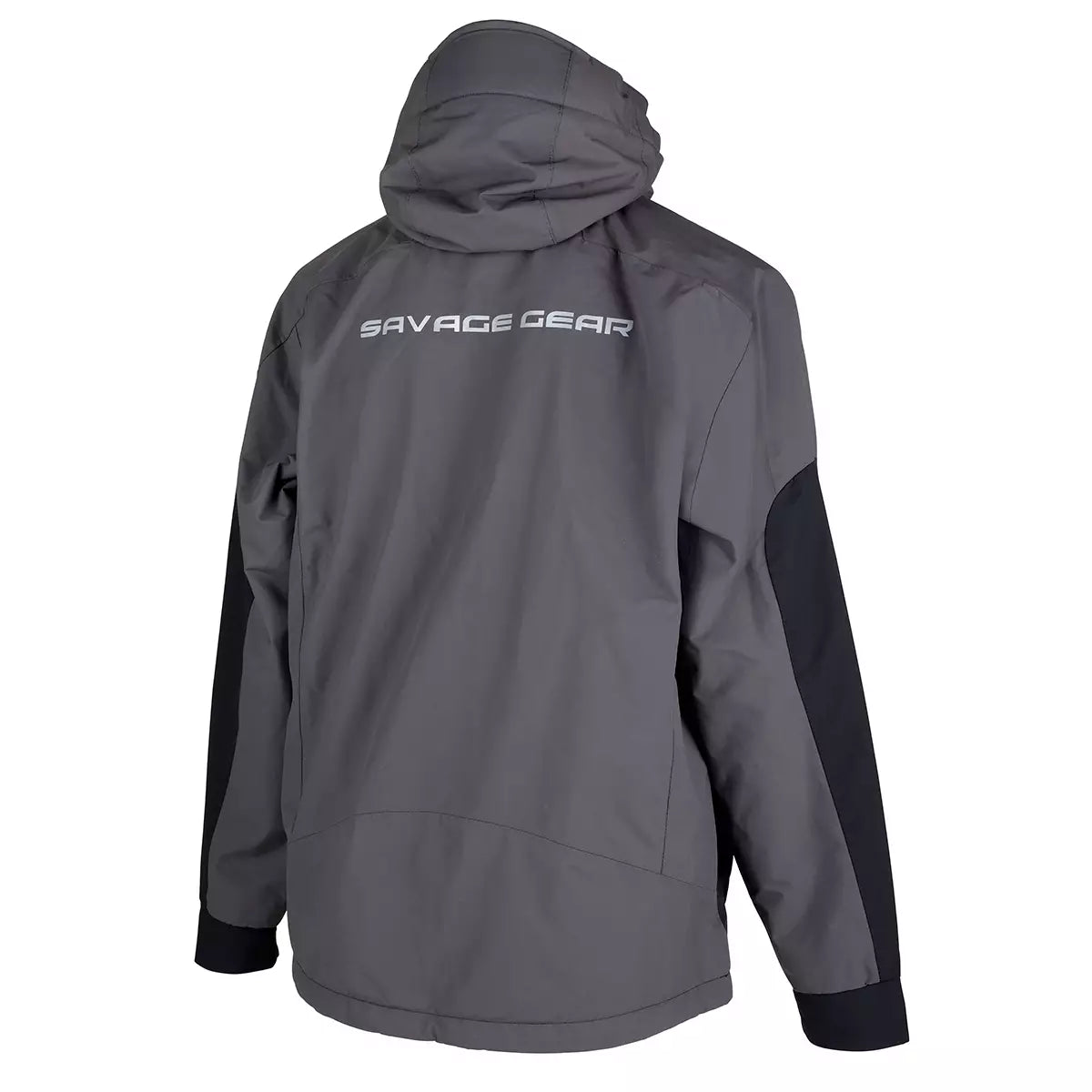
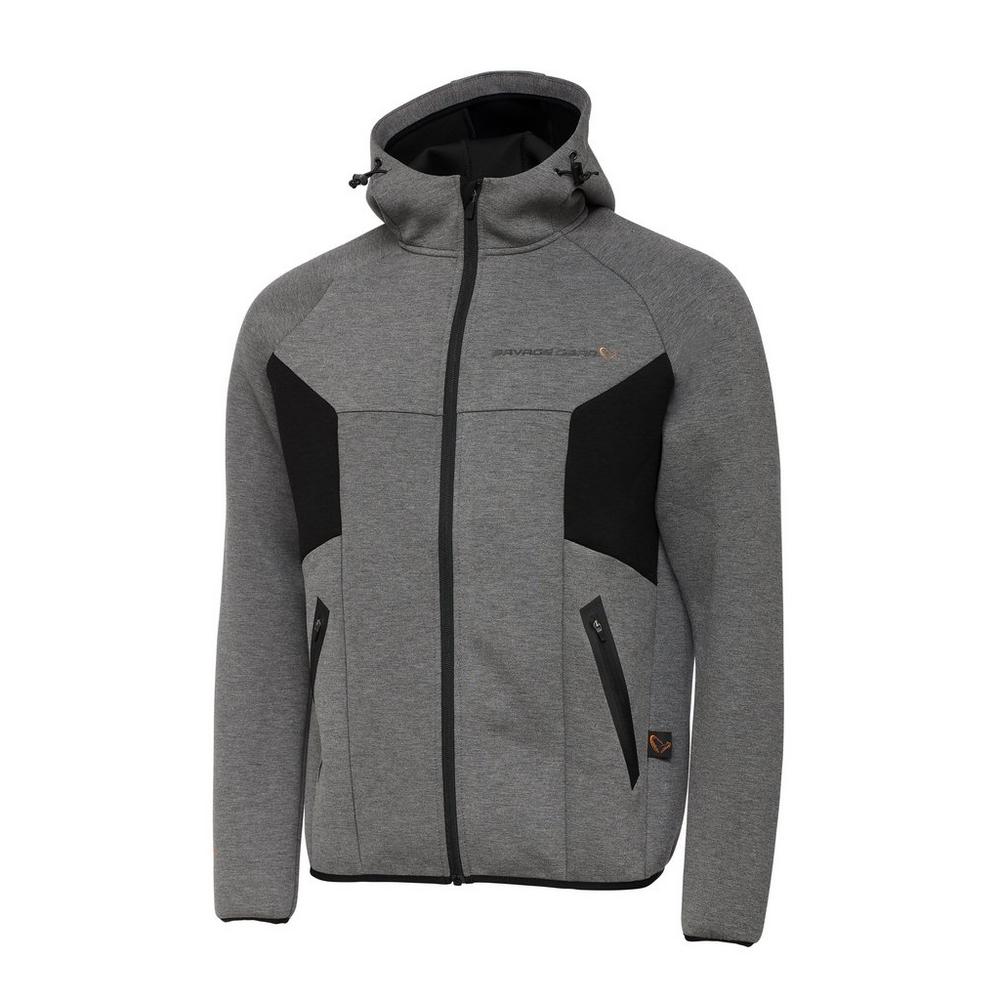
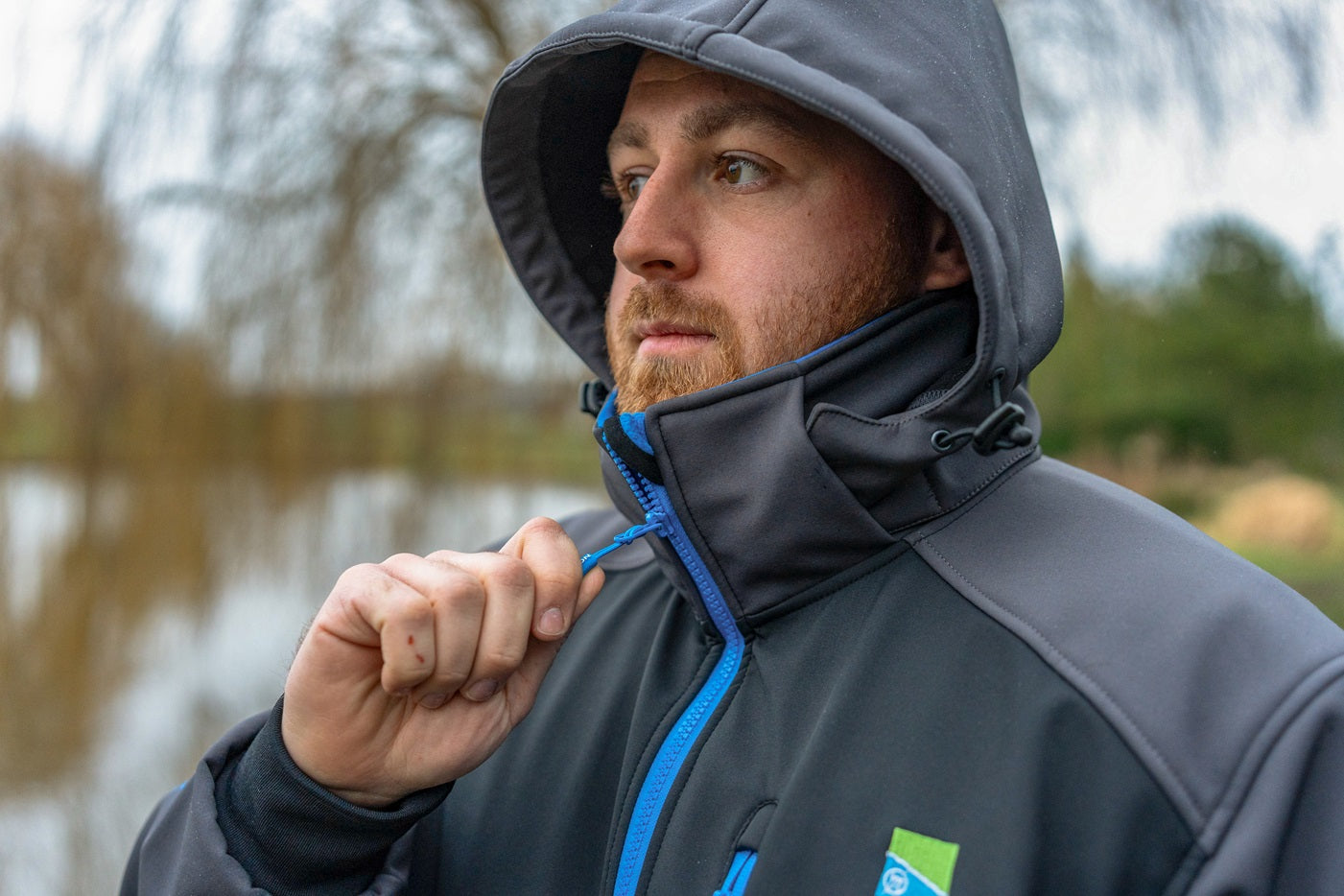
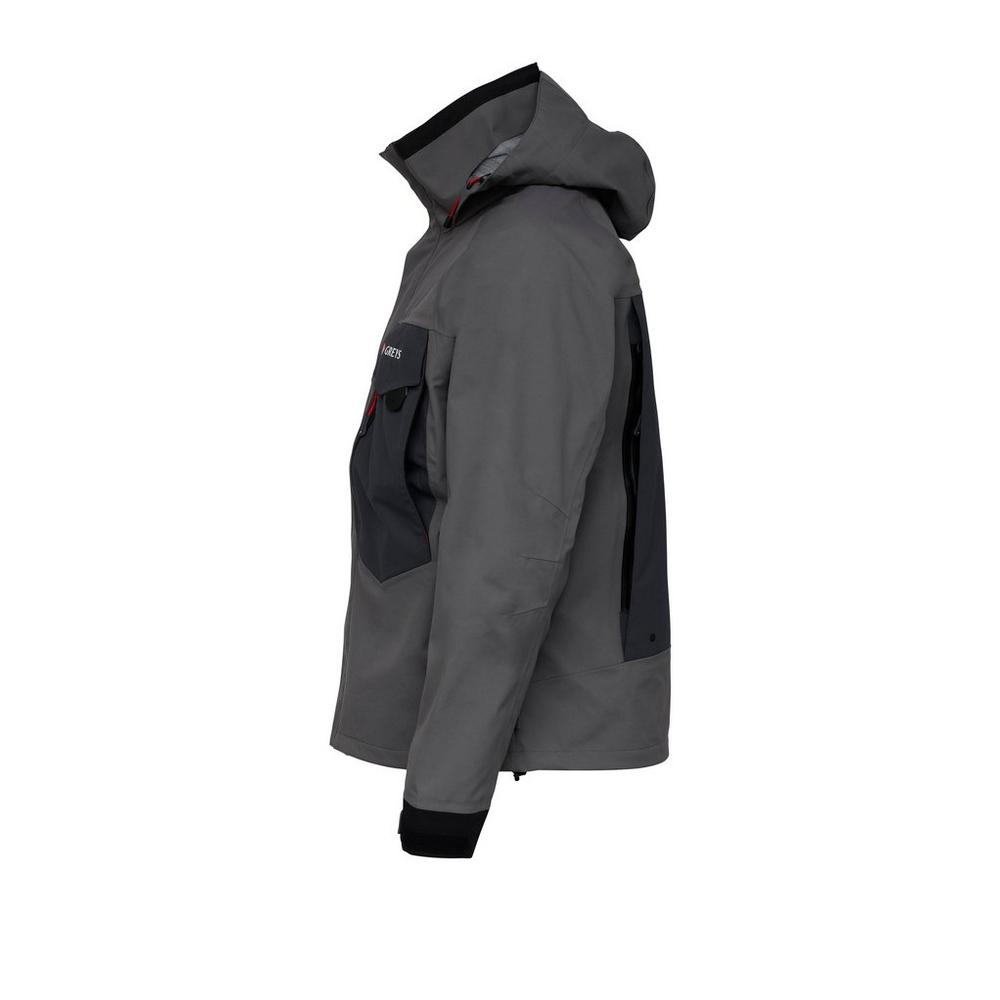
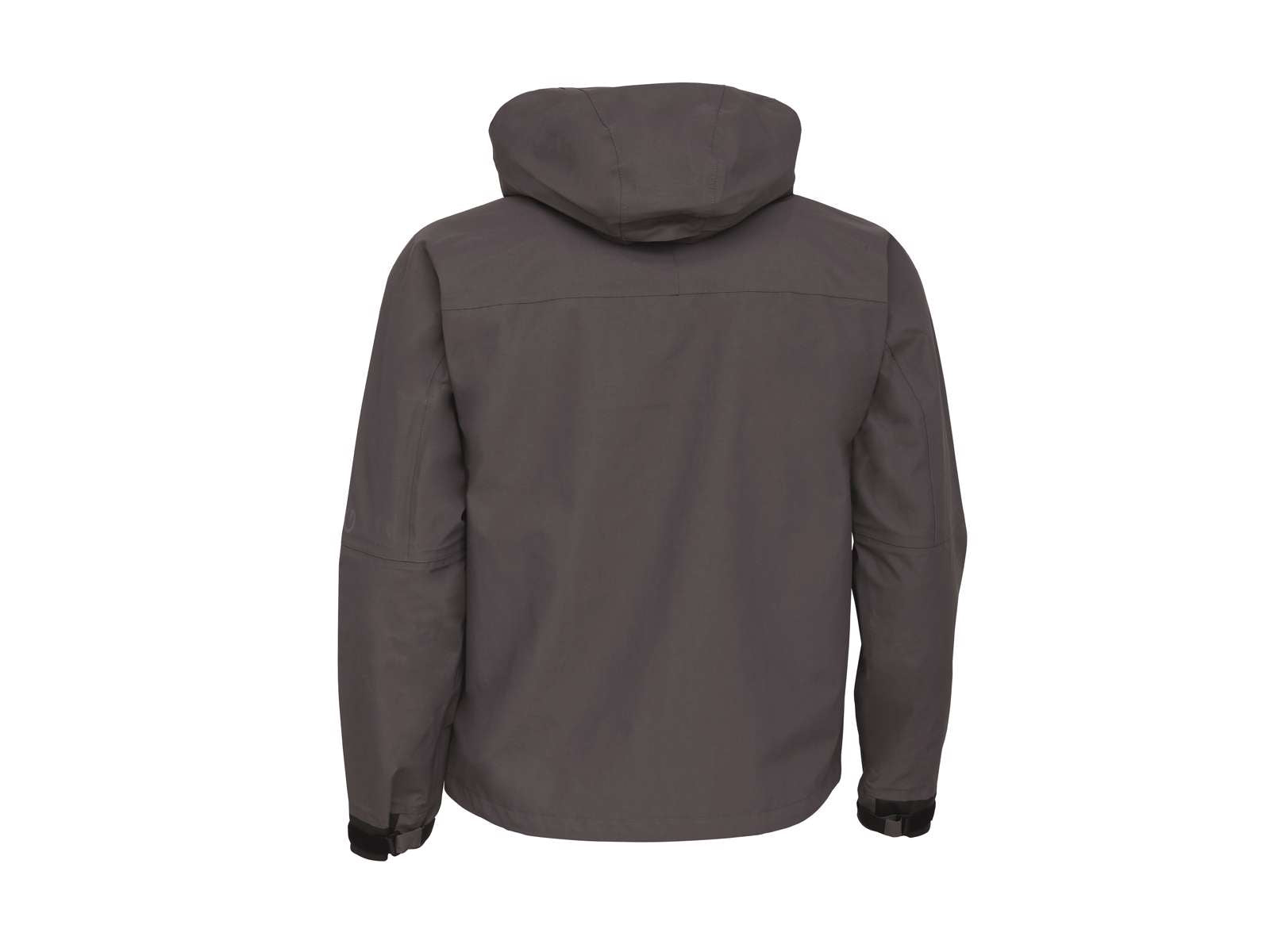
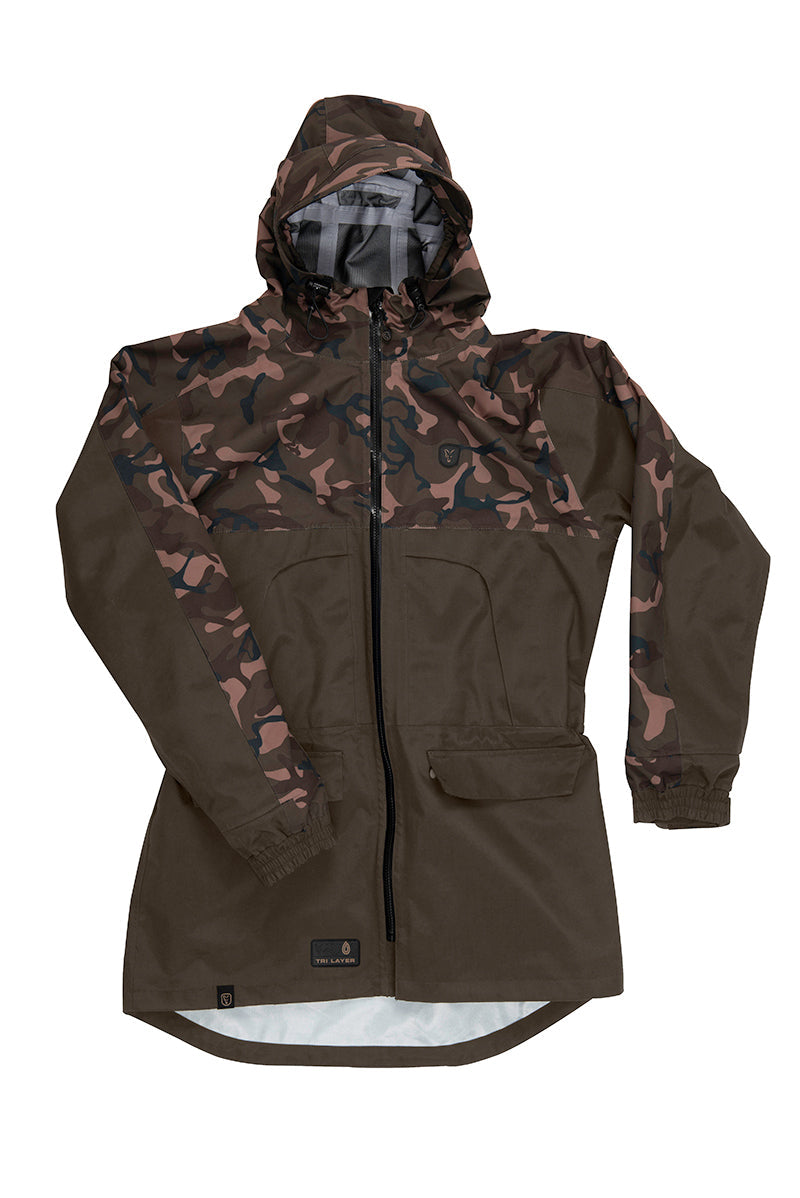
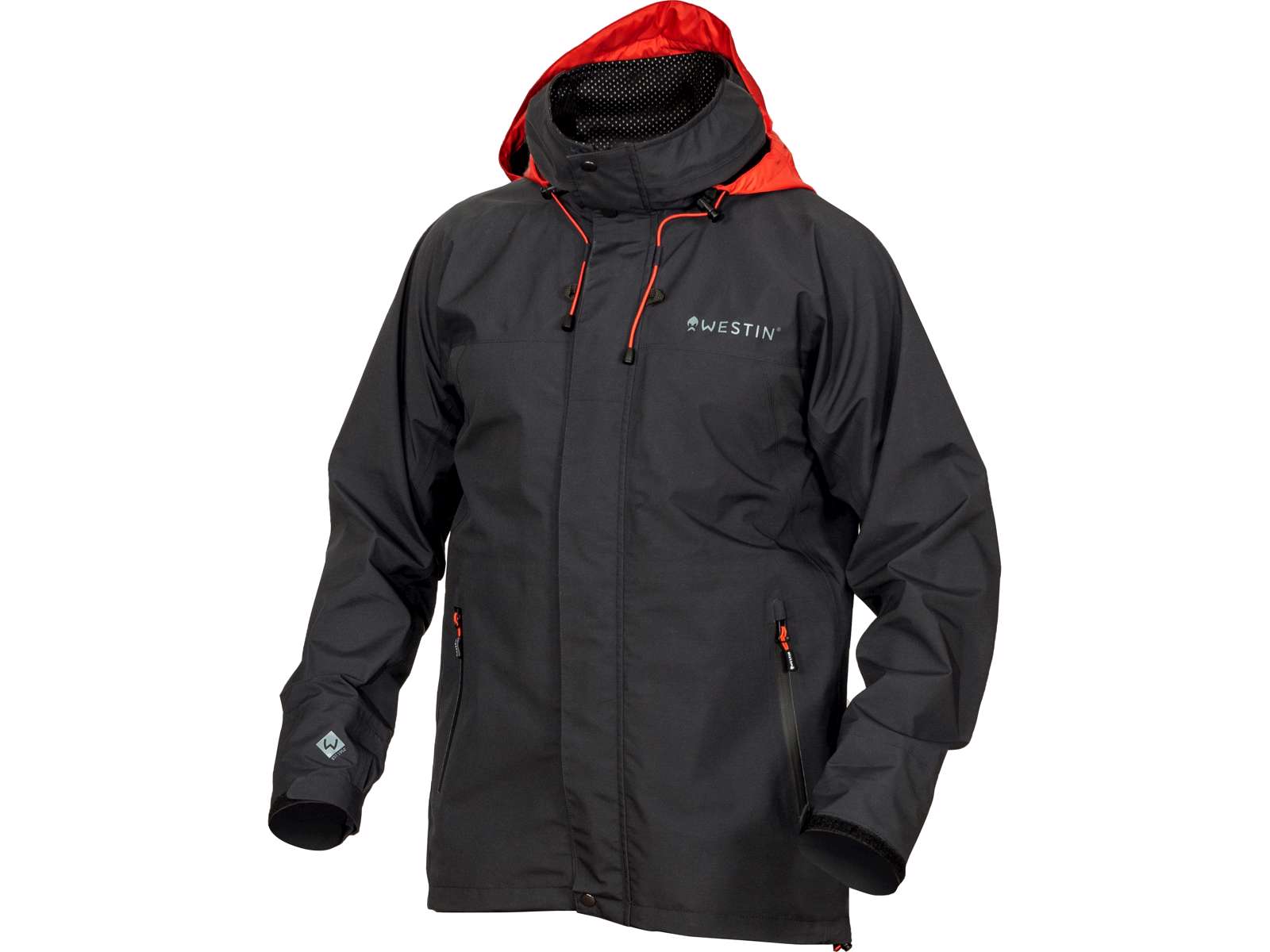
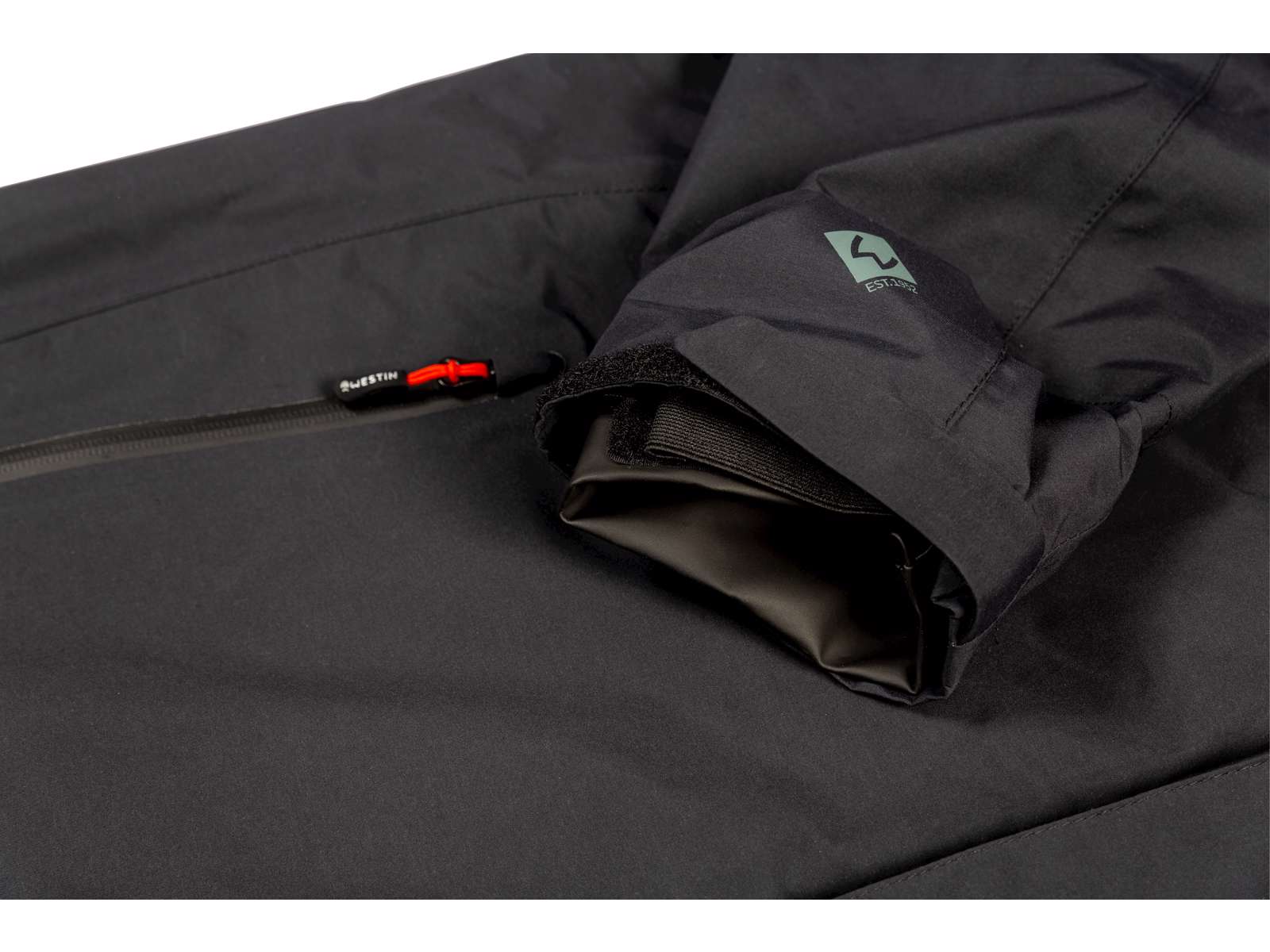
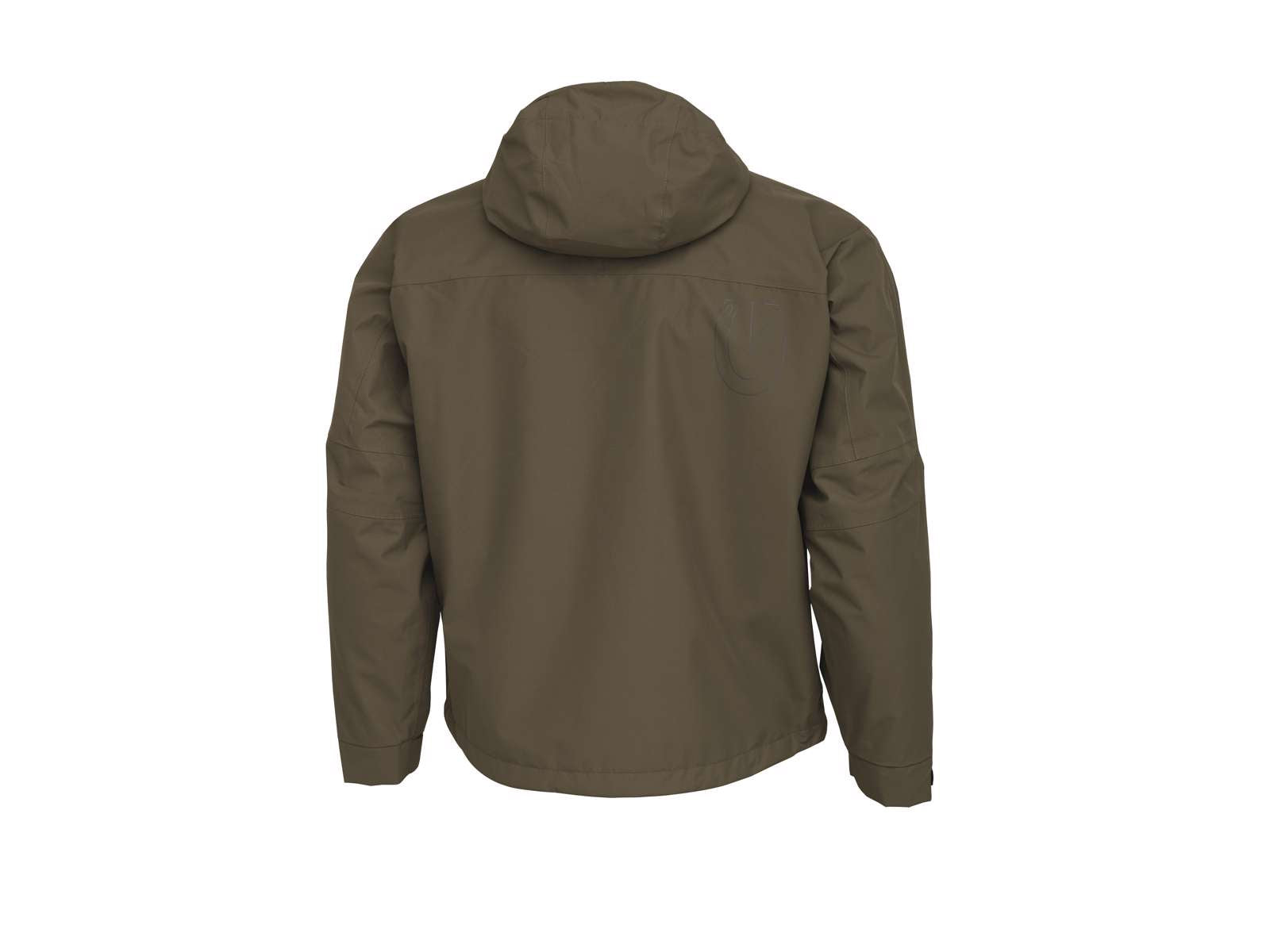
A hood needs adjustment around the crown and face so it turns with the head and does not block side vision. Cuffs should seal over or under gloves according to the design. High pockets remain accessible above waders or a life jacket, while low pockets may be easier for bank wear.
Reflective or bright details can improve visibility, but they do not make a garment safety equipment. For boat use, wear an appropriate life jacket over or with the clothing exactly as its fitting instructions require.
Wash and restore jacket performance
Close fasteners, empty pockets and wash the jacket only as directed. Ordinary detergent, fabric softener or high heat can damage membranes and water-repellent treatments. Reproof only with a compatible product and method.
Dry the jacket fully before storage and inspect seams, zips, cuffs and hood adjusters. Repair permitted minor damage promptly; replace or professionally repair failures that compromise protection or secure fit.