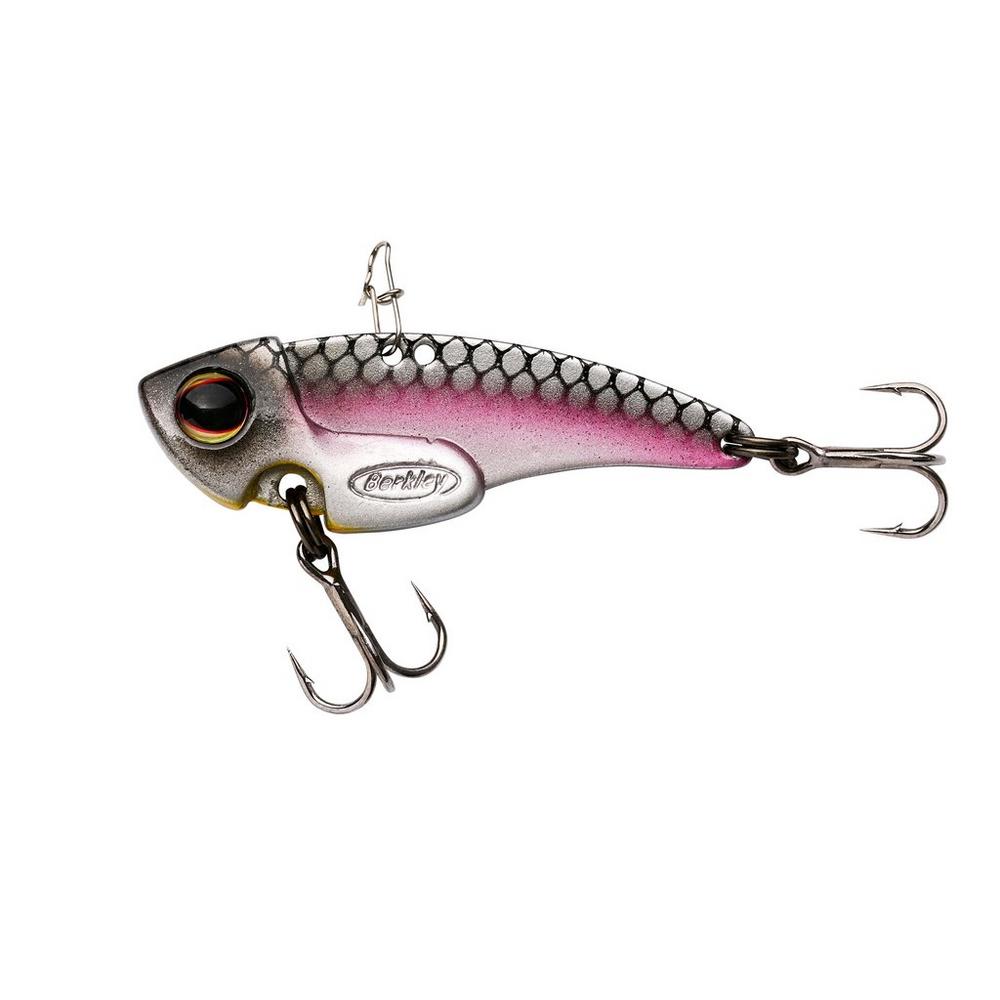
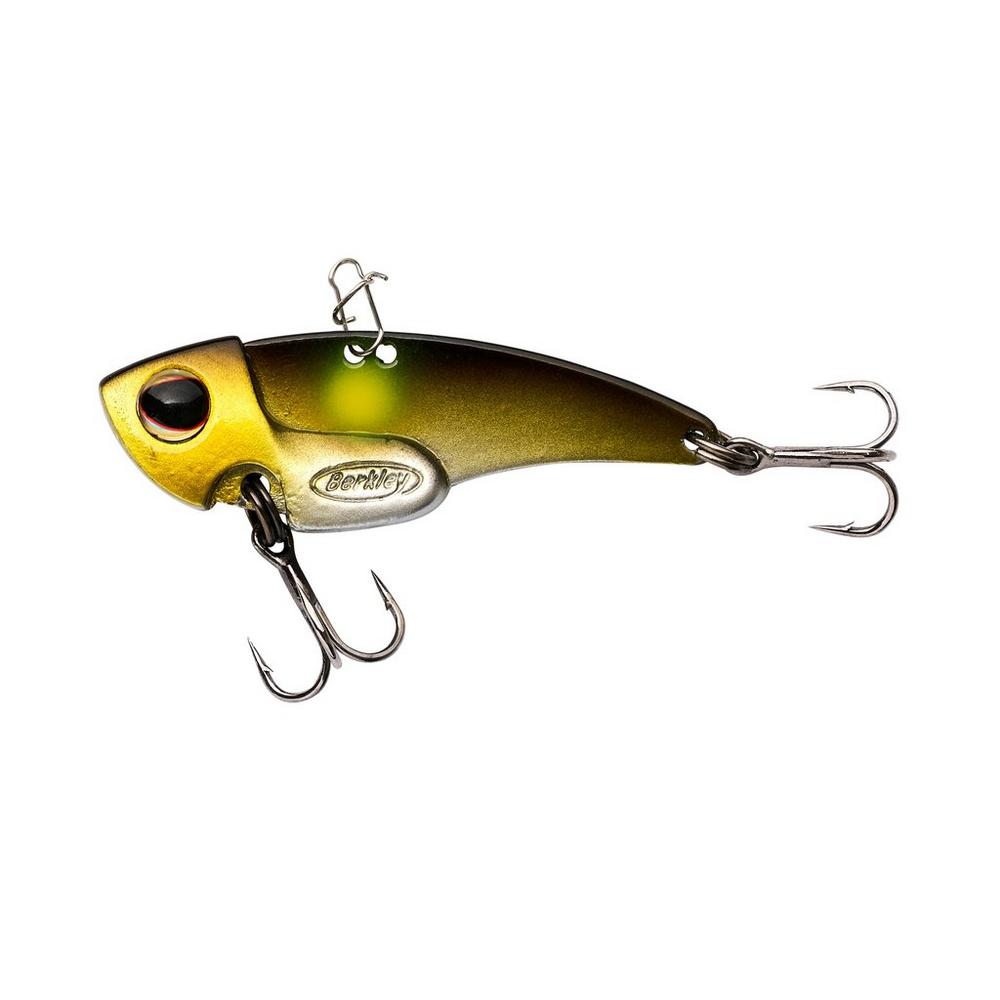
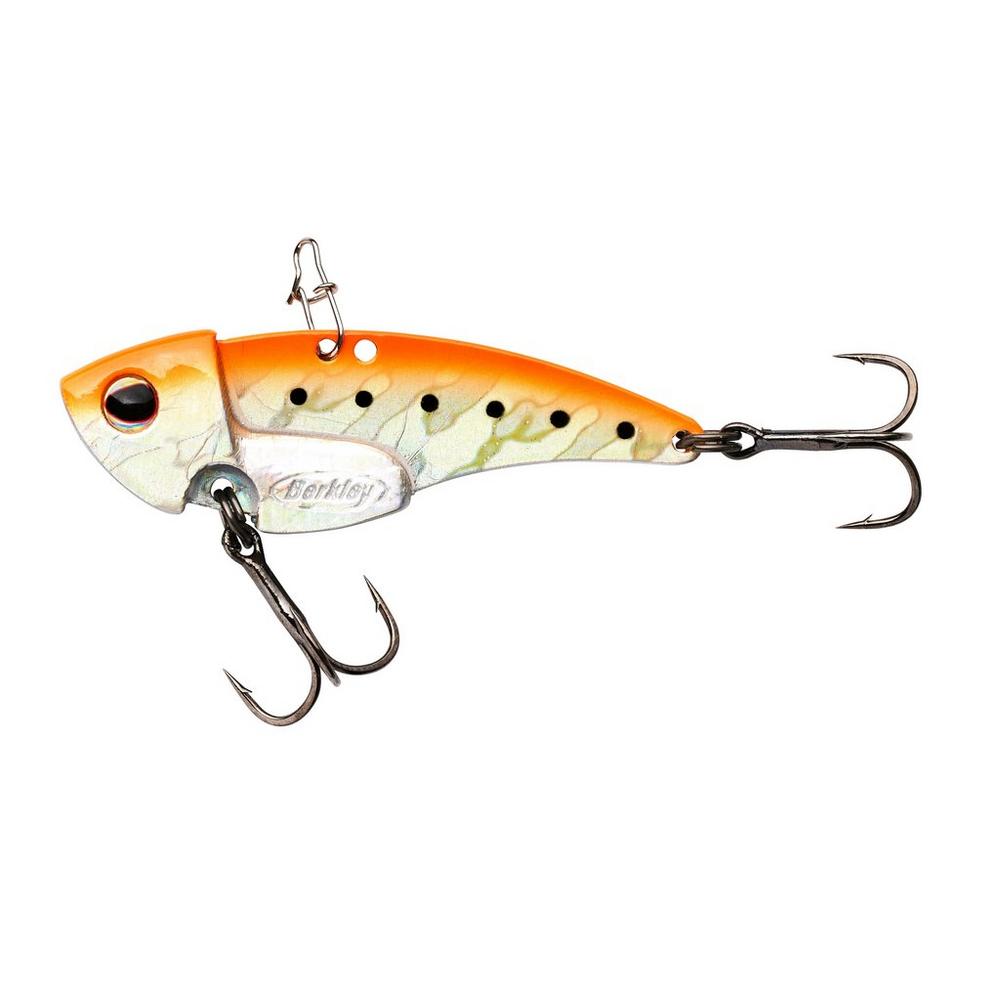
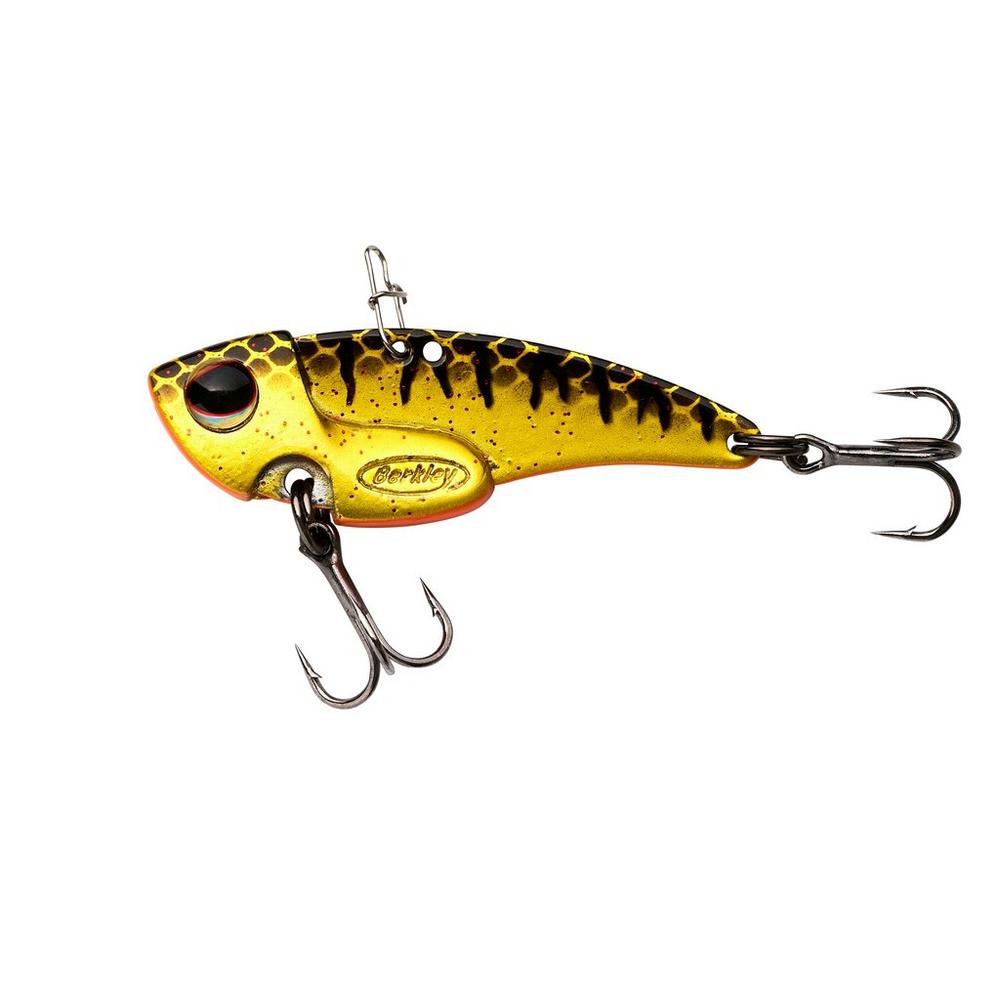
Vibe lures for strong vibration at depth
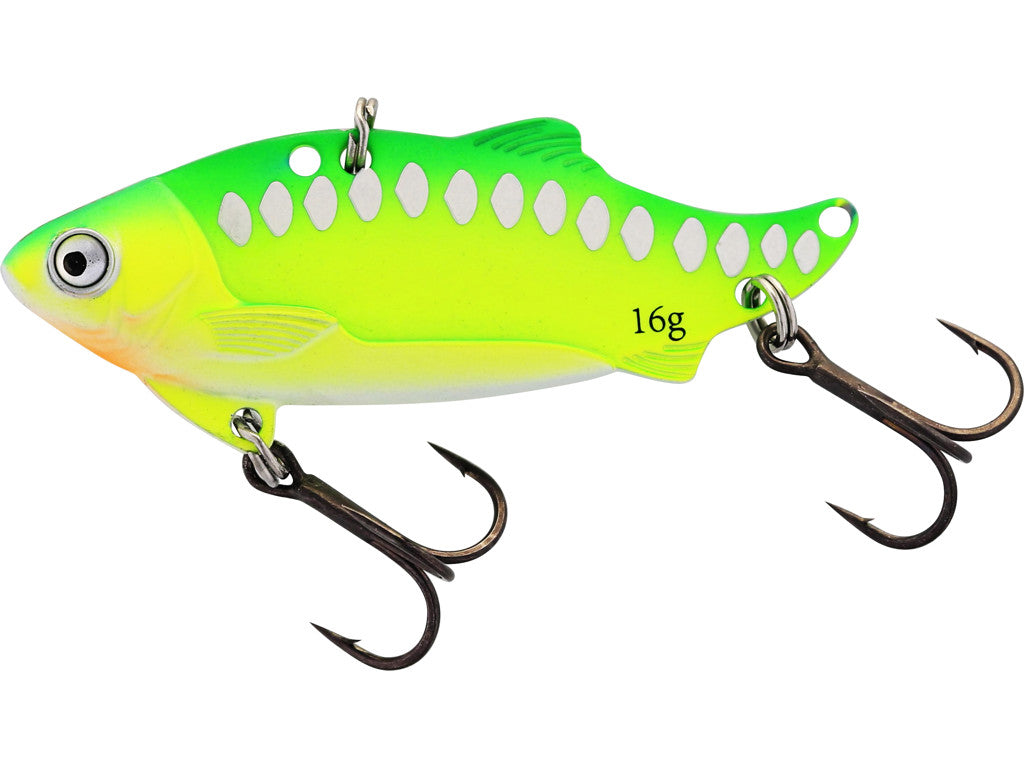
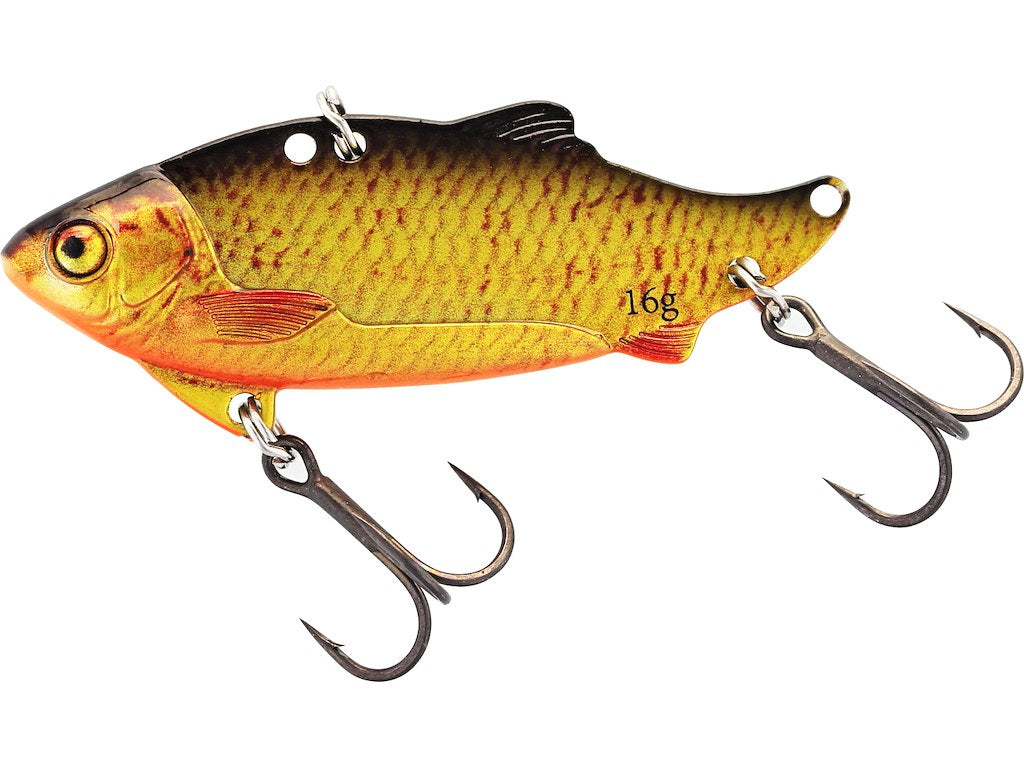
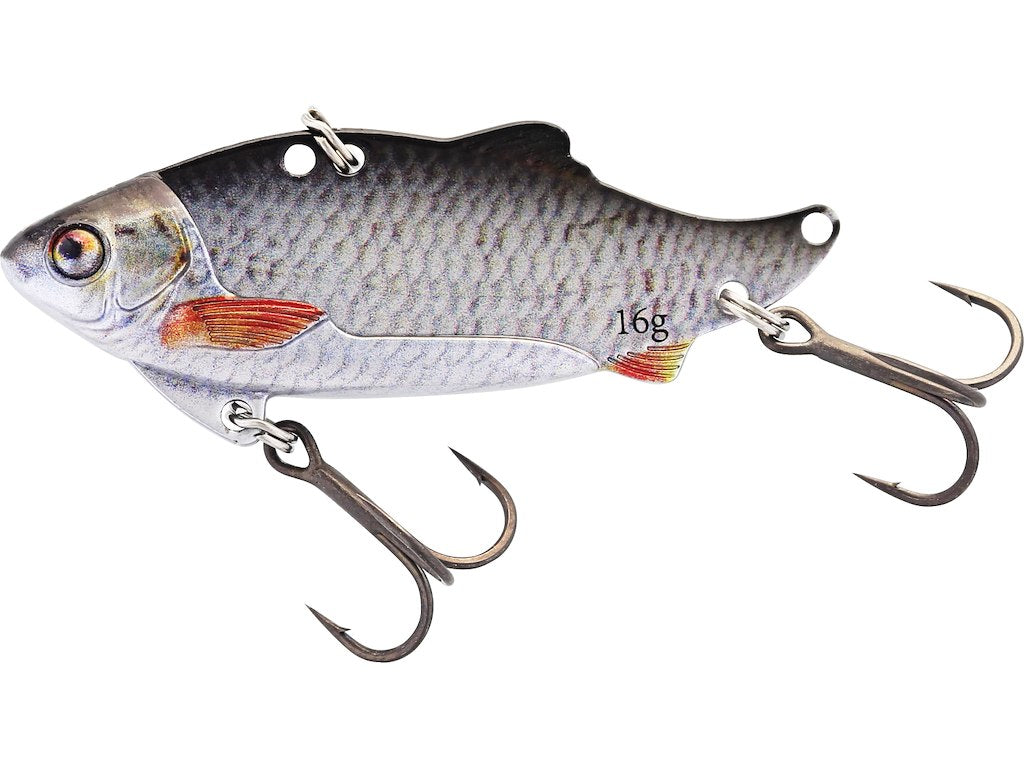
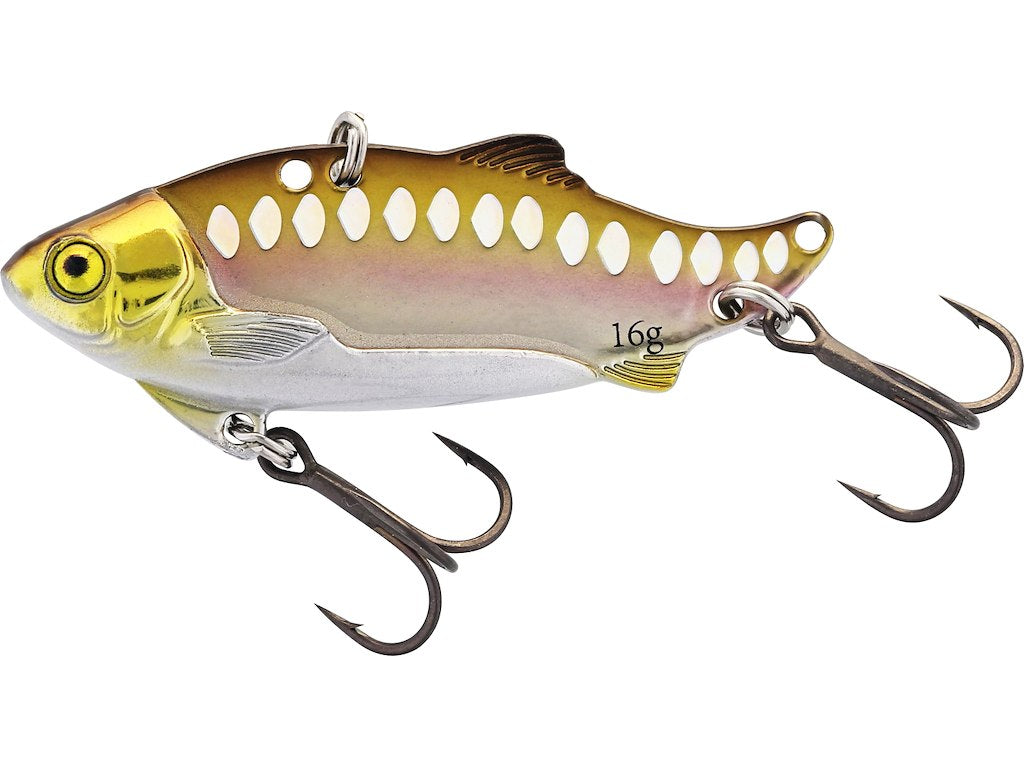
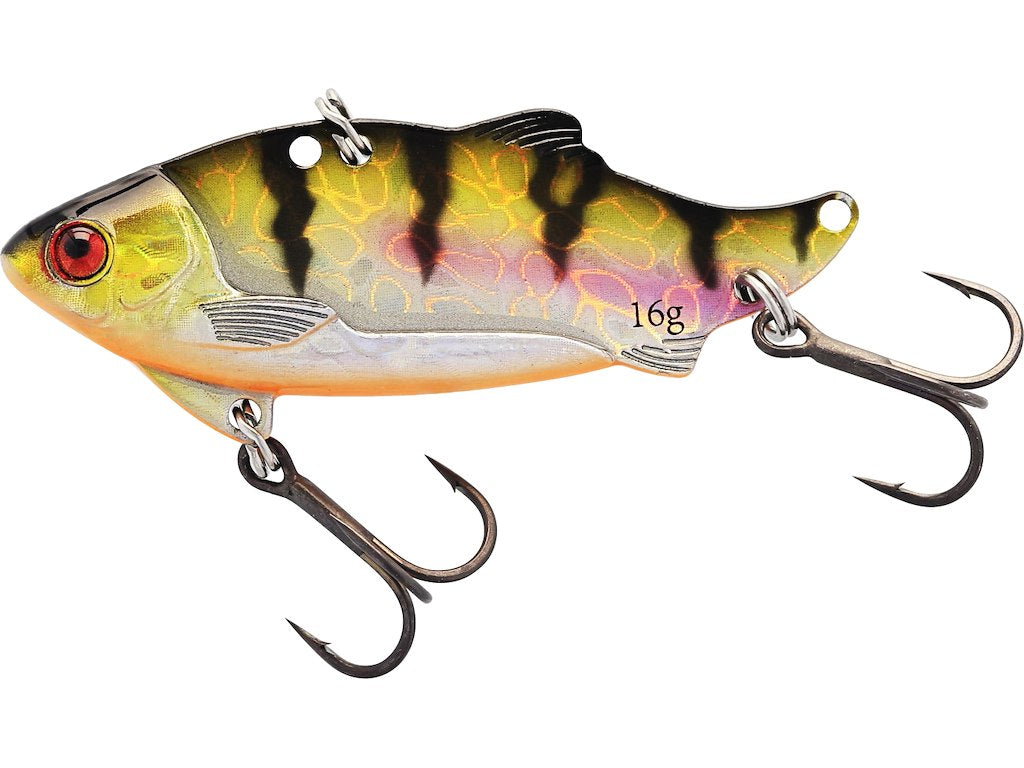
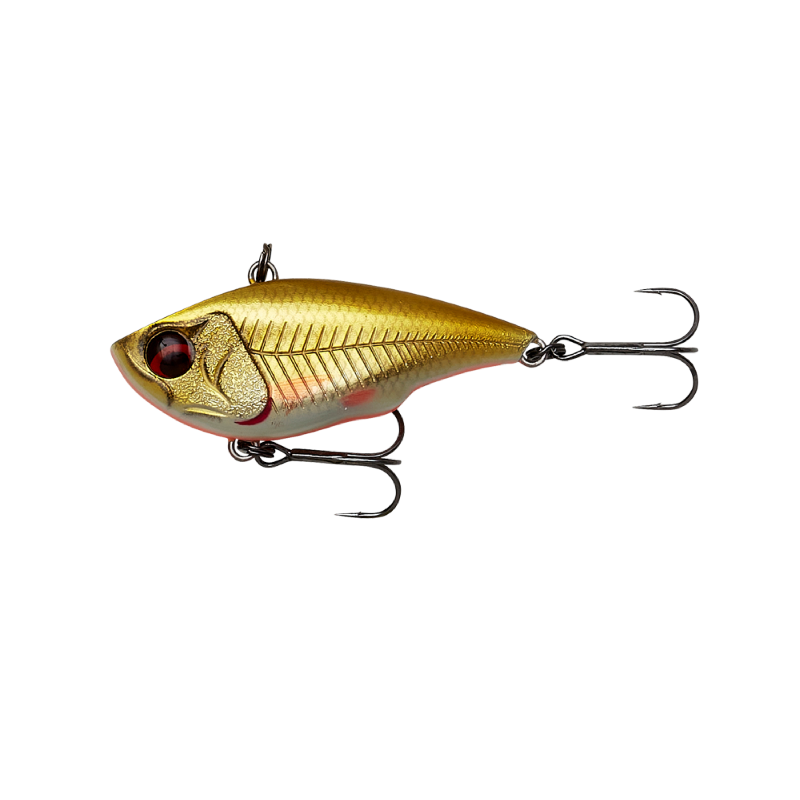
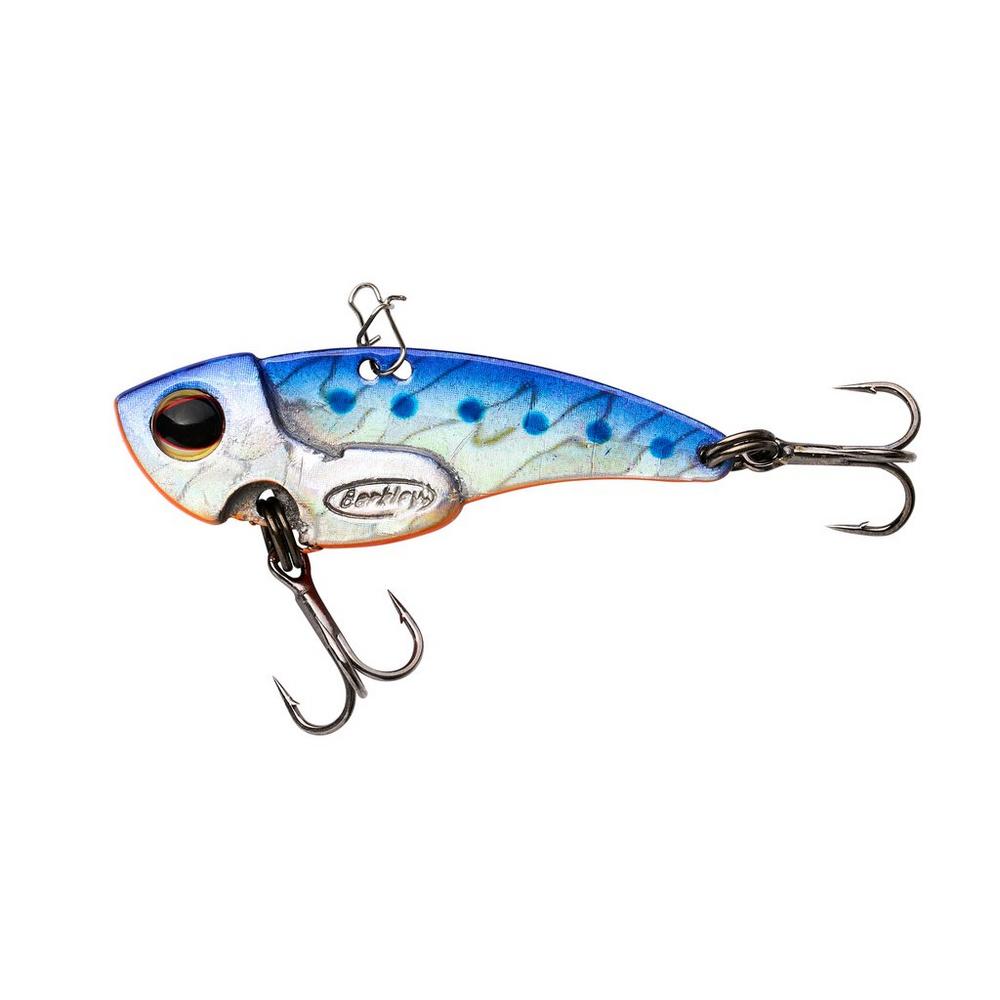
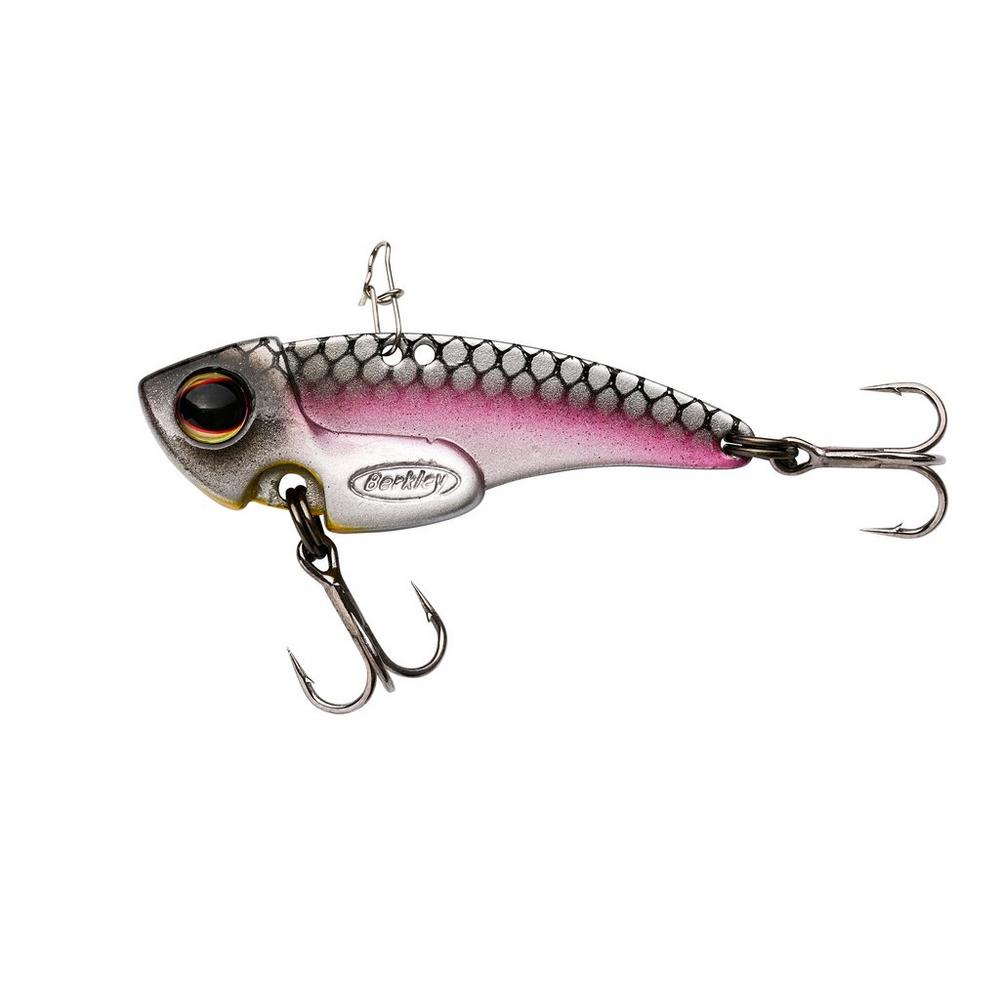
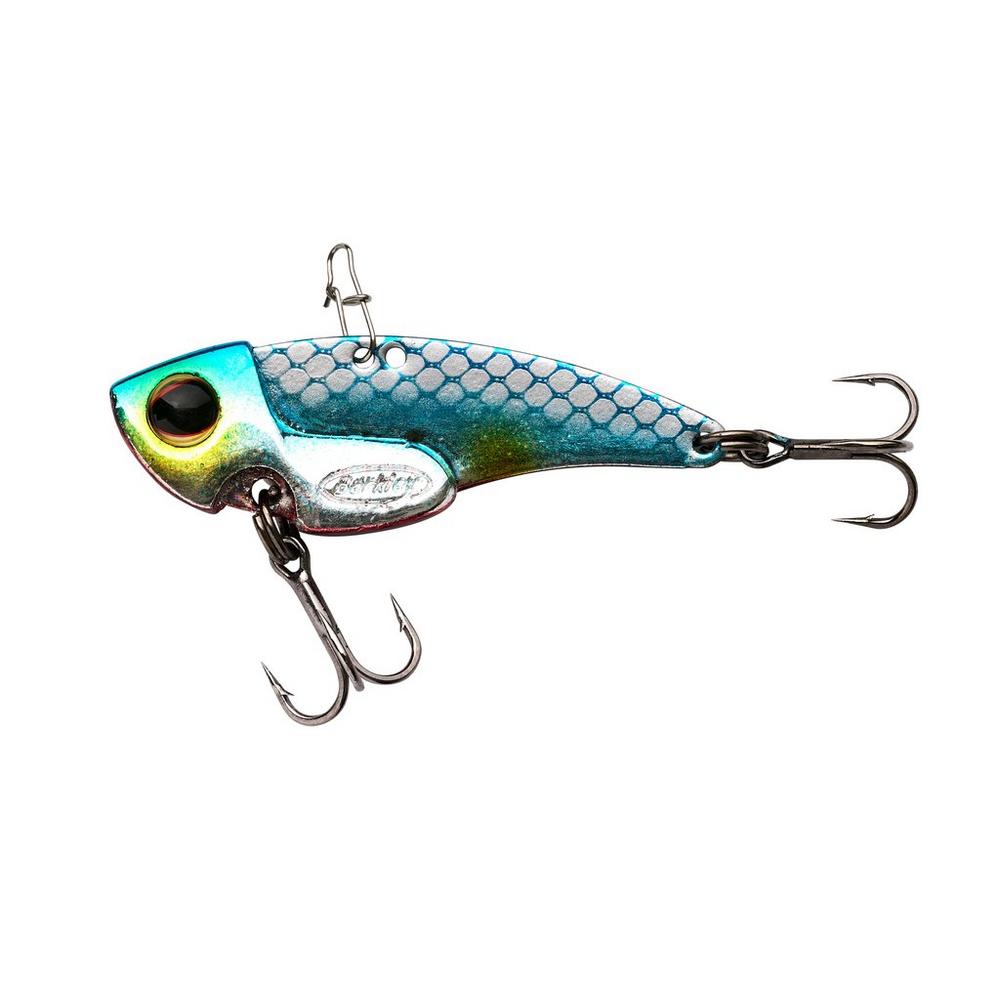
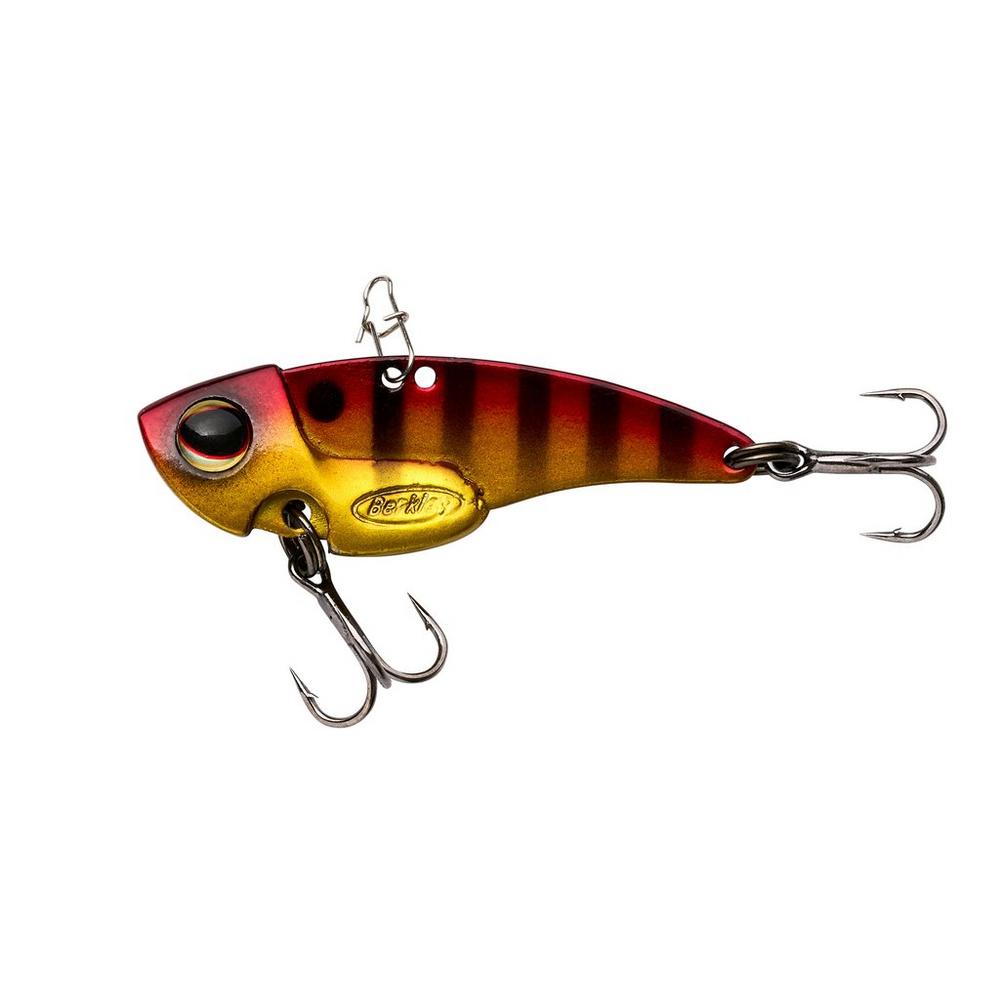
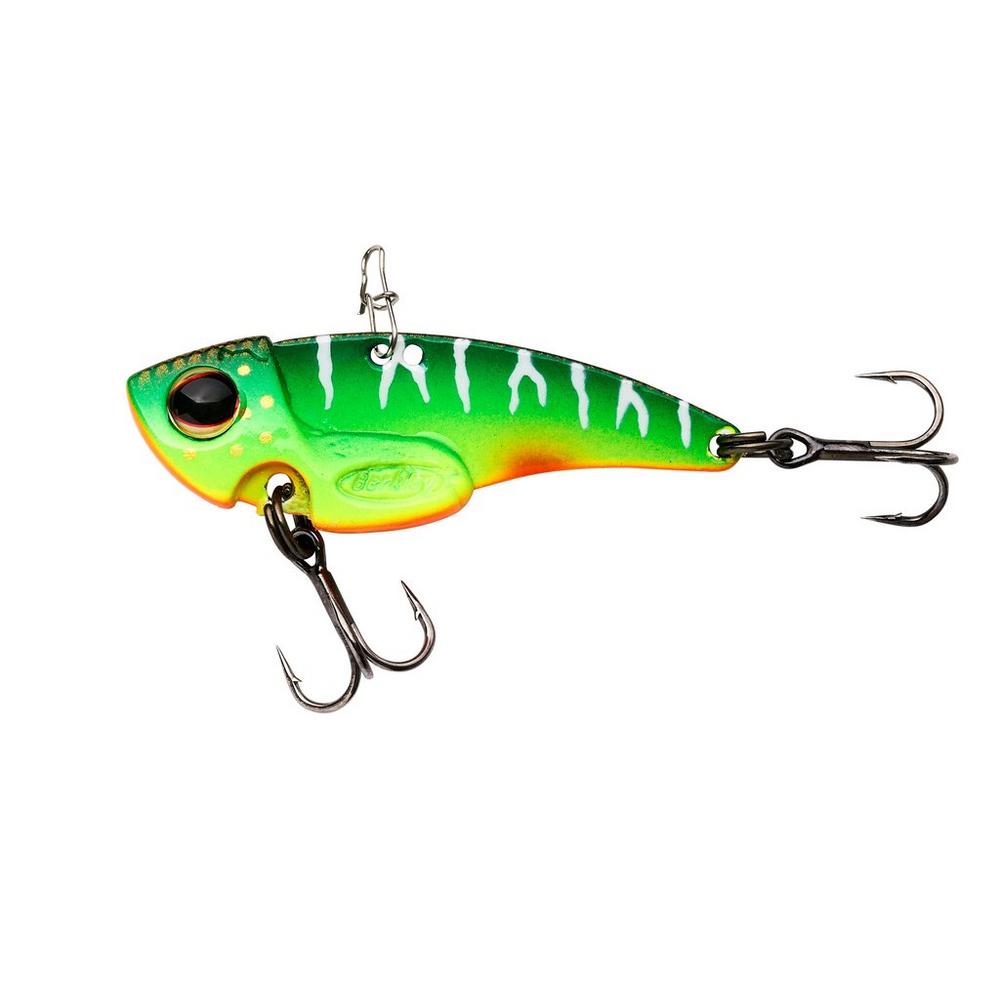
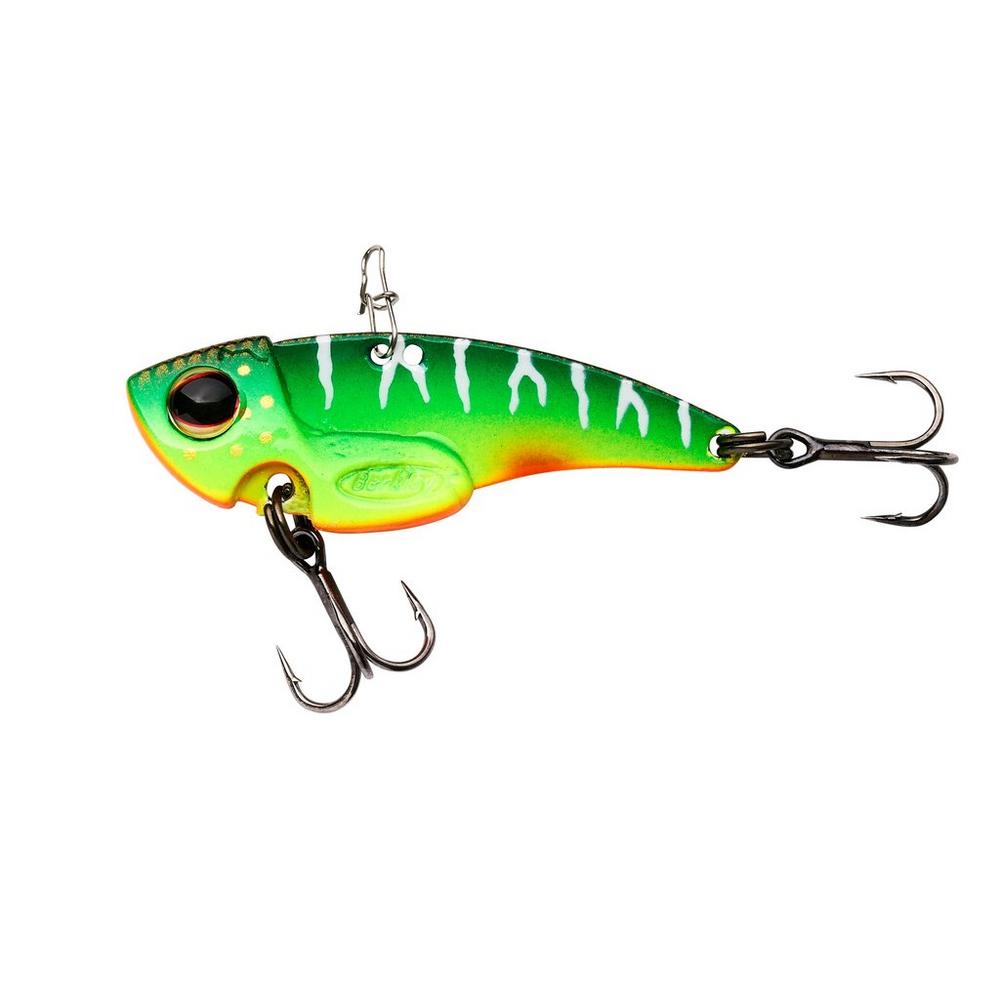
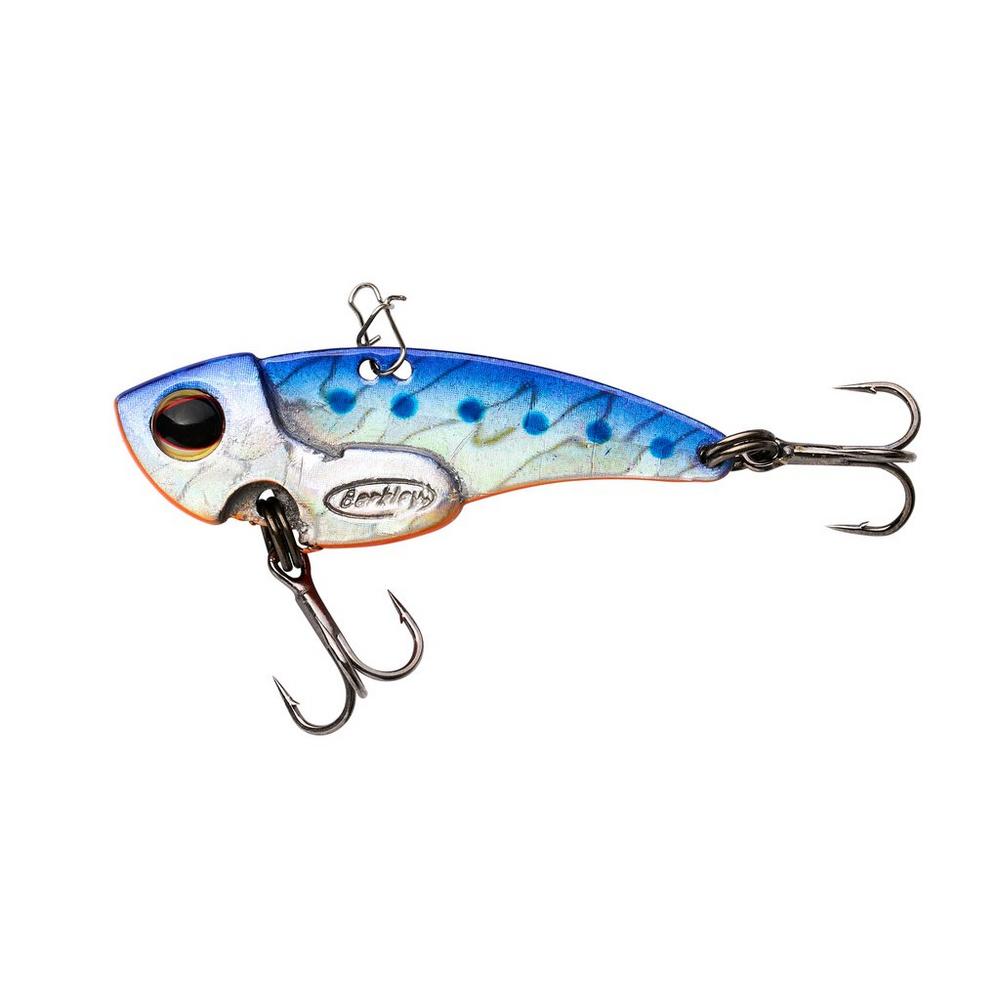
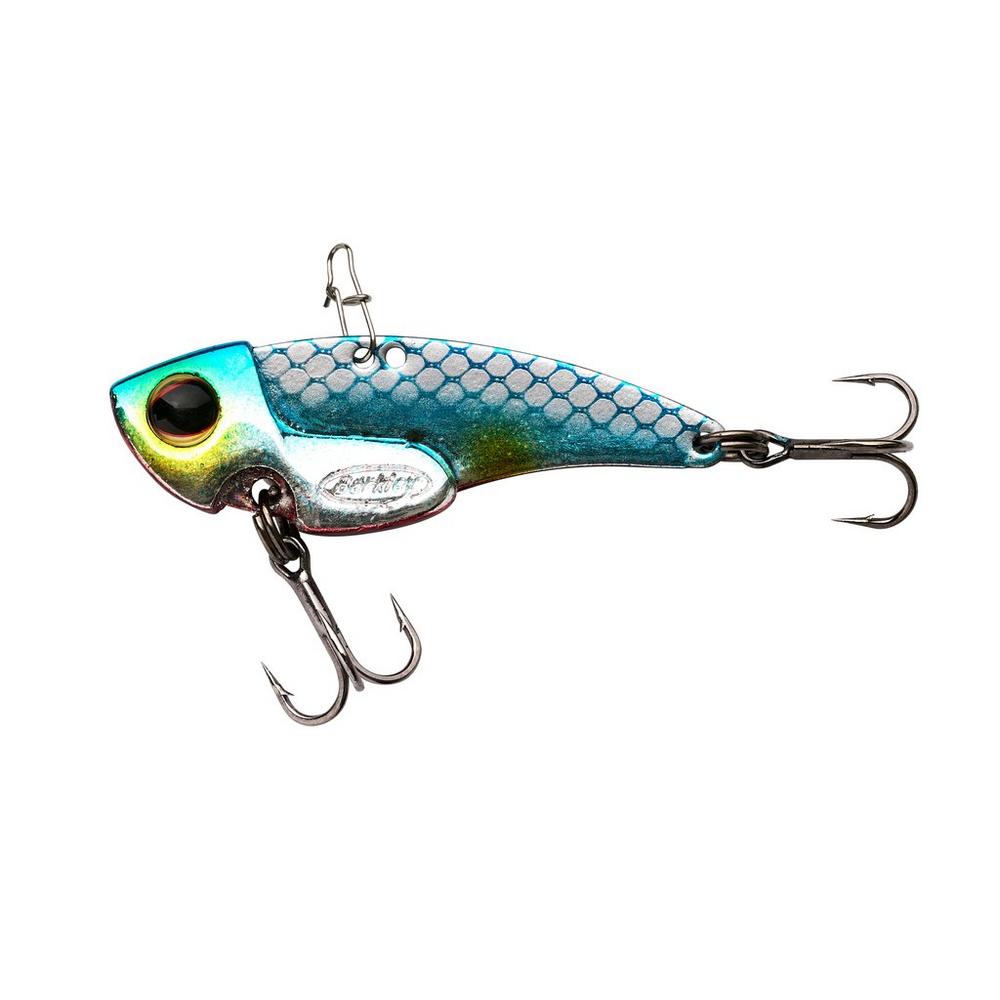
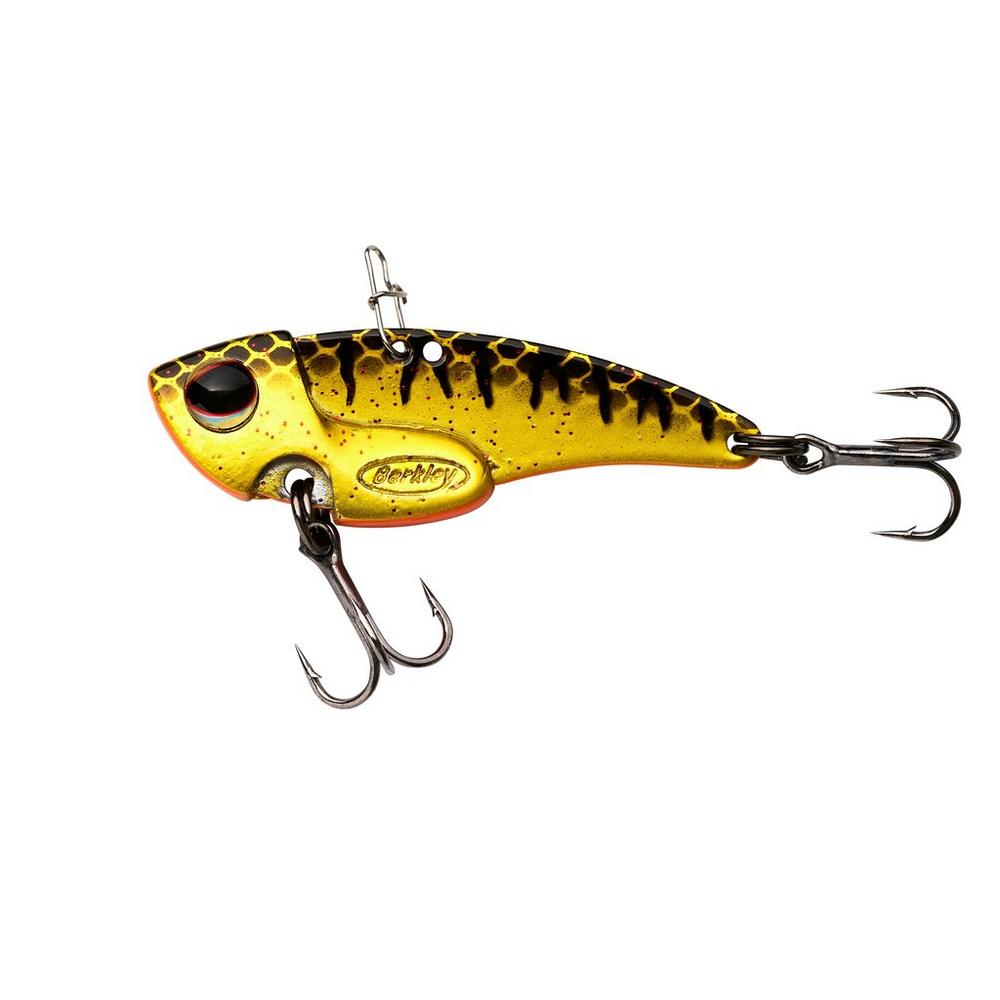
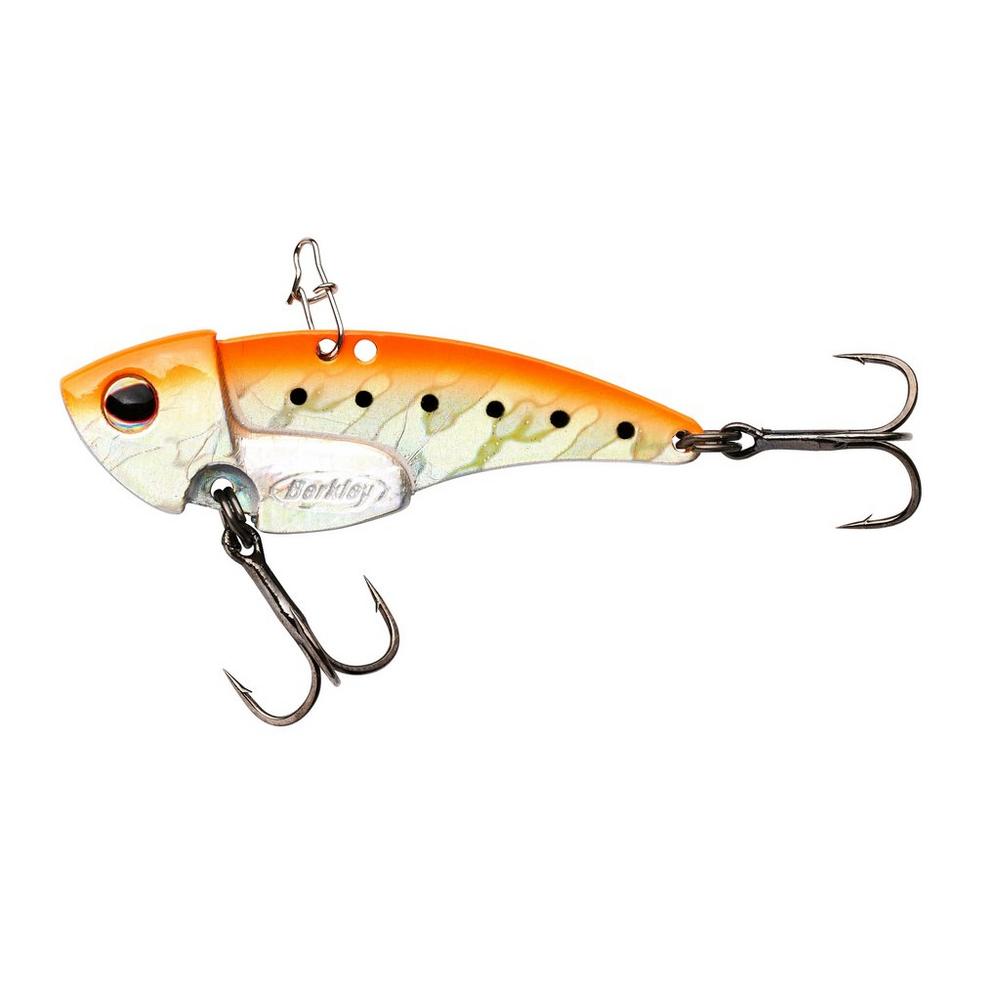
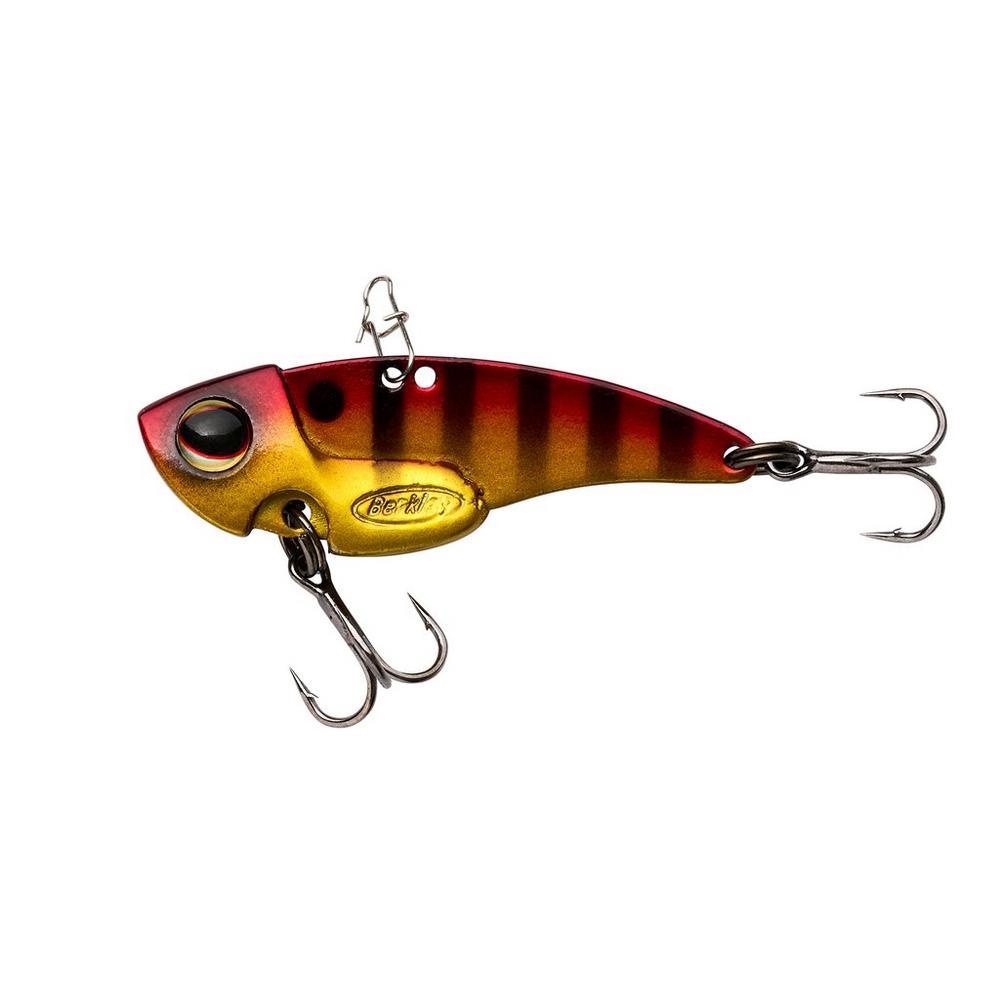
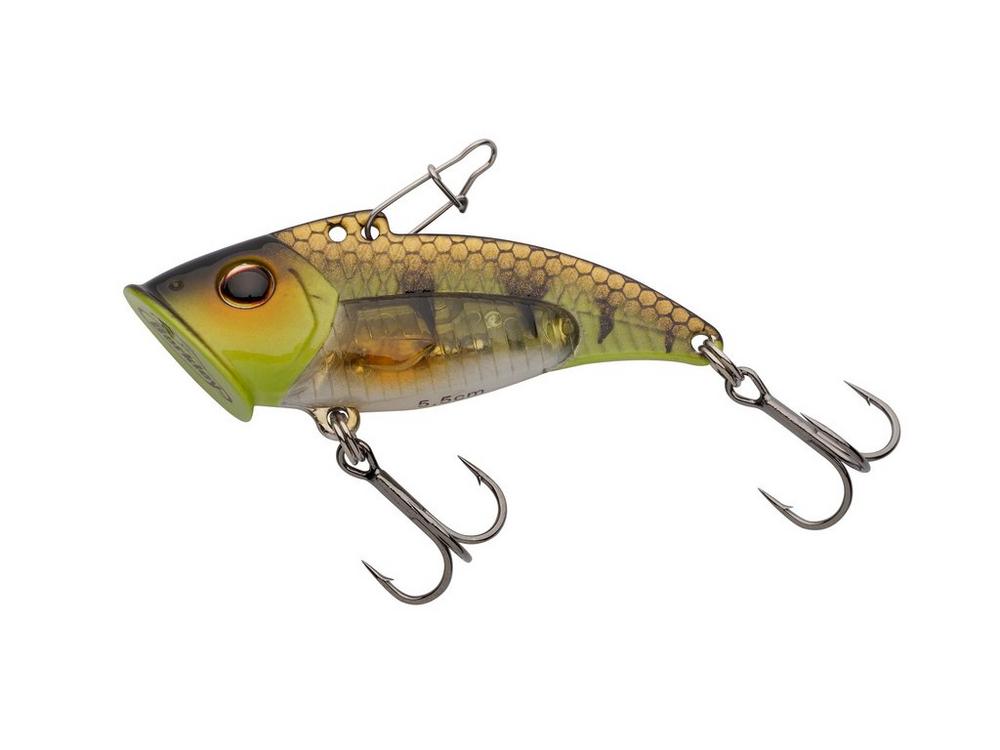
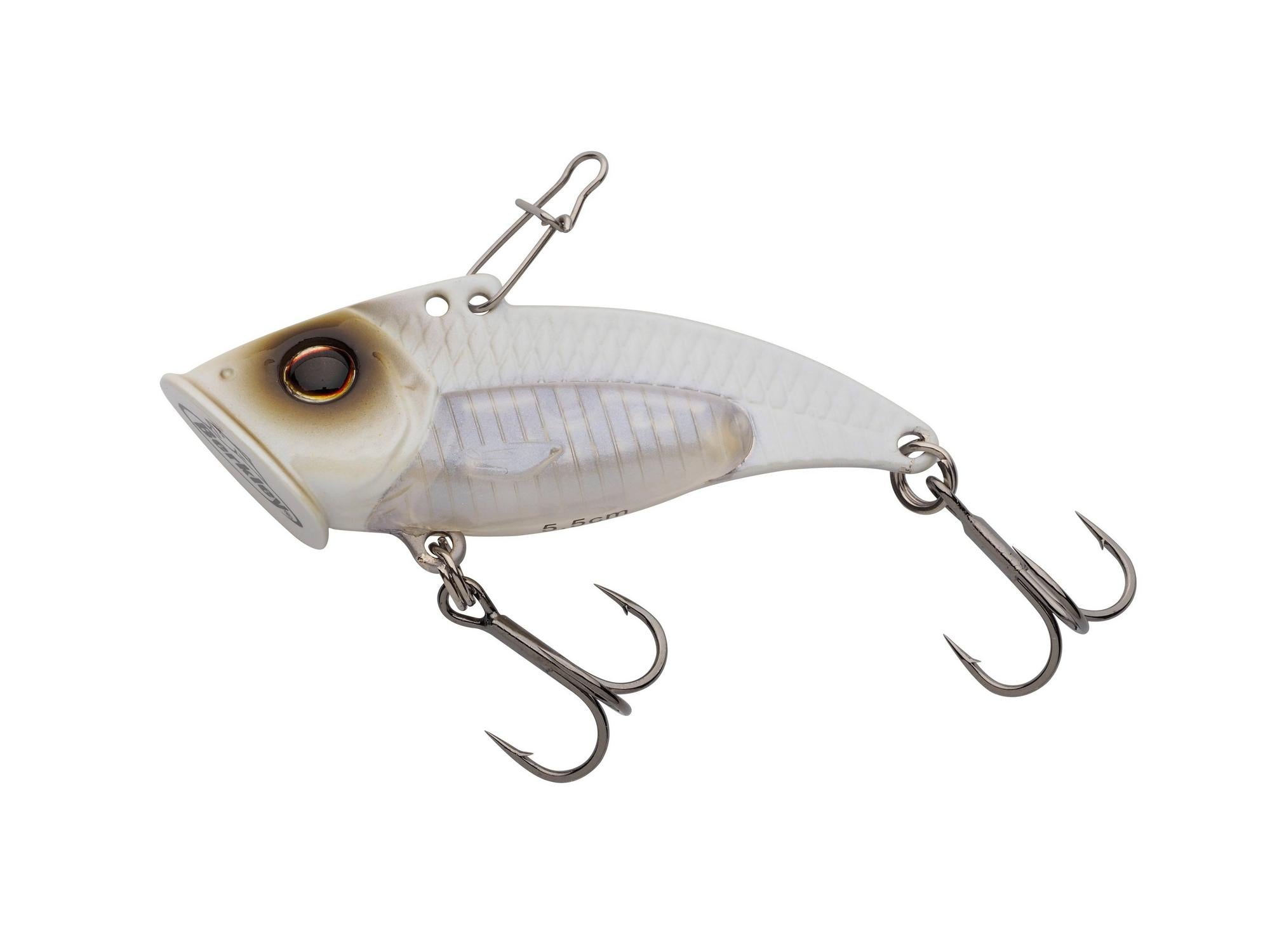
Vibe lures are compact sinking baits designed to produce pronounced vibration when retrieved or lifted. The category includes hard vibration baits and blade-style profiles from Westin, Savage Gear, Berkley and Megabass. Their weight-to-size ratio helps with casting, depth control and fishing in wind, current or open water.
Many vibration baits work on a steady retrieve, while others can be lifted from the bottom and allowed to fall under controlled tension. The lure should vibrate cleanly rather than roll. Some designs offer more than one attachment point, which can change the angle and intensity; follow the manufacturer's guidance before changing the standard connection.
Use the parent fishing lures page to compare other actions. Tail spinners add a rear blade, surface lures work the top layer, and spinnerbaits create flash and vibration around a wire frame or bladed jig.
Control depth, fall and retrieve speed
Select weight around depth, current and the rod's casting range. A heavier lure reaches the bottom quickly but also finds snags quickly, so learn the sink rate in a clear margin. Keep enough tension to detect a take on the drop without preventing the lure from falling naturally. Stop the descent above known weed or rough ground.
For a steady search retrieve, begin slowly and increase speed until the vibration becomes clear. For lift-and-fall work, use short controlled movements rather than extreme rod sweeps. Fish may take as the lure changes direction, so keep the line organised and be ready to tighten smoothly without striking into slack.
Colour choice follows visibility and prey. Natural roach, perch or silver patterns suit clear water, while high contrast and brighter accents can be useful in colour or low light. Vibration is already a strong signal, so a subtler finish can sometimes work better on pressured fish.
Build a direct-contact setup
A responsive rod and braided line can help distinguish clean vibration, bottom contact and a take. Add a leader suited to abrasion, clarity and the species. Where pike may be present, use an appropriate bite-resistant trace and strong terminal connections.
Check treble hooks, split rings and attachment points after striking rock or timber. Carry suitable unhooking and cutting tools, keep hands clear of spare hooks, and follow venue rules on hook patterns. Rinse saltwater-exposed lures, dry them fully and replace any corroded hardware before reuse.