Fishing T-shirts and polos for casual angling
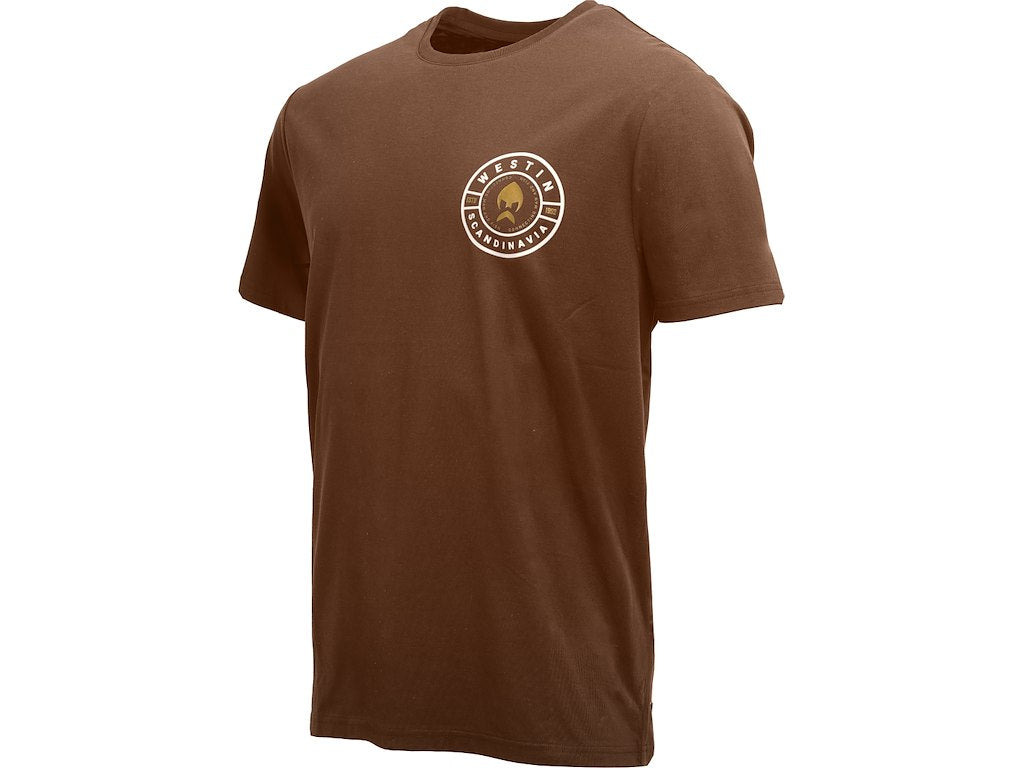
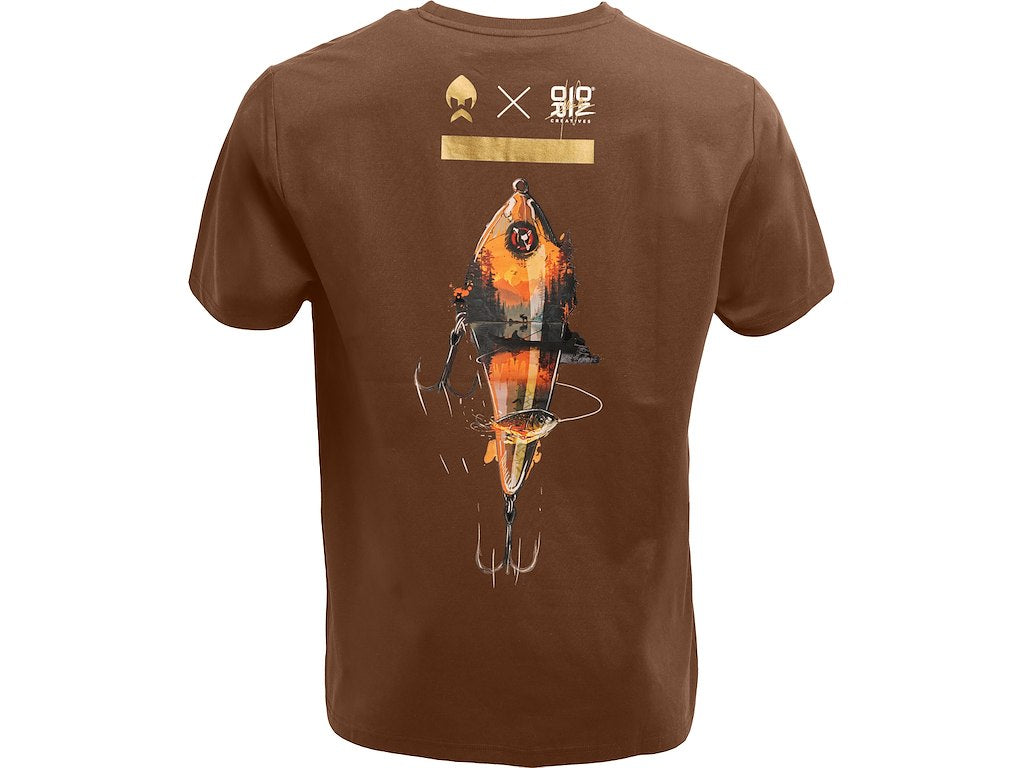
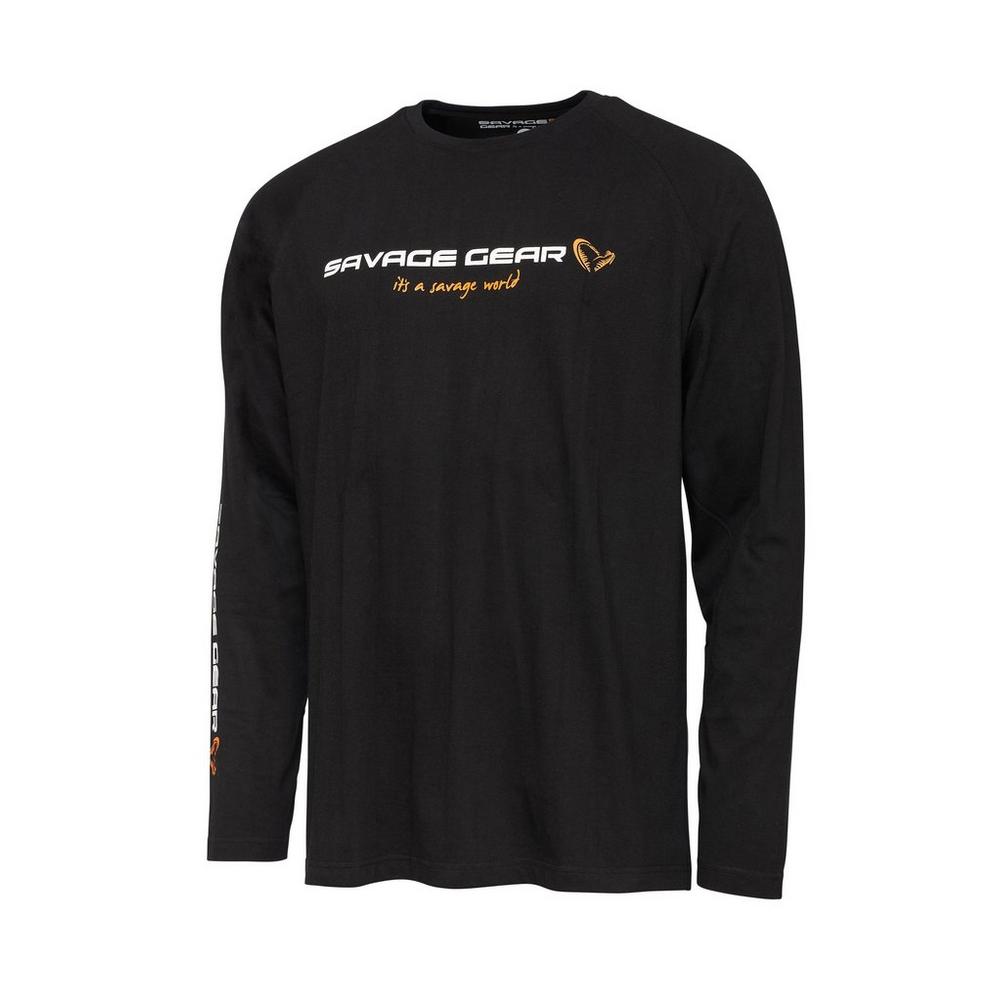
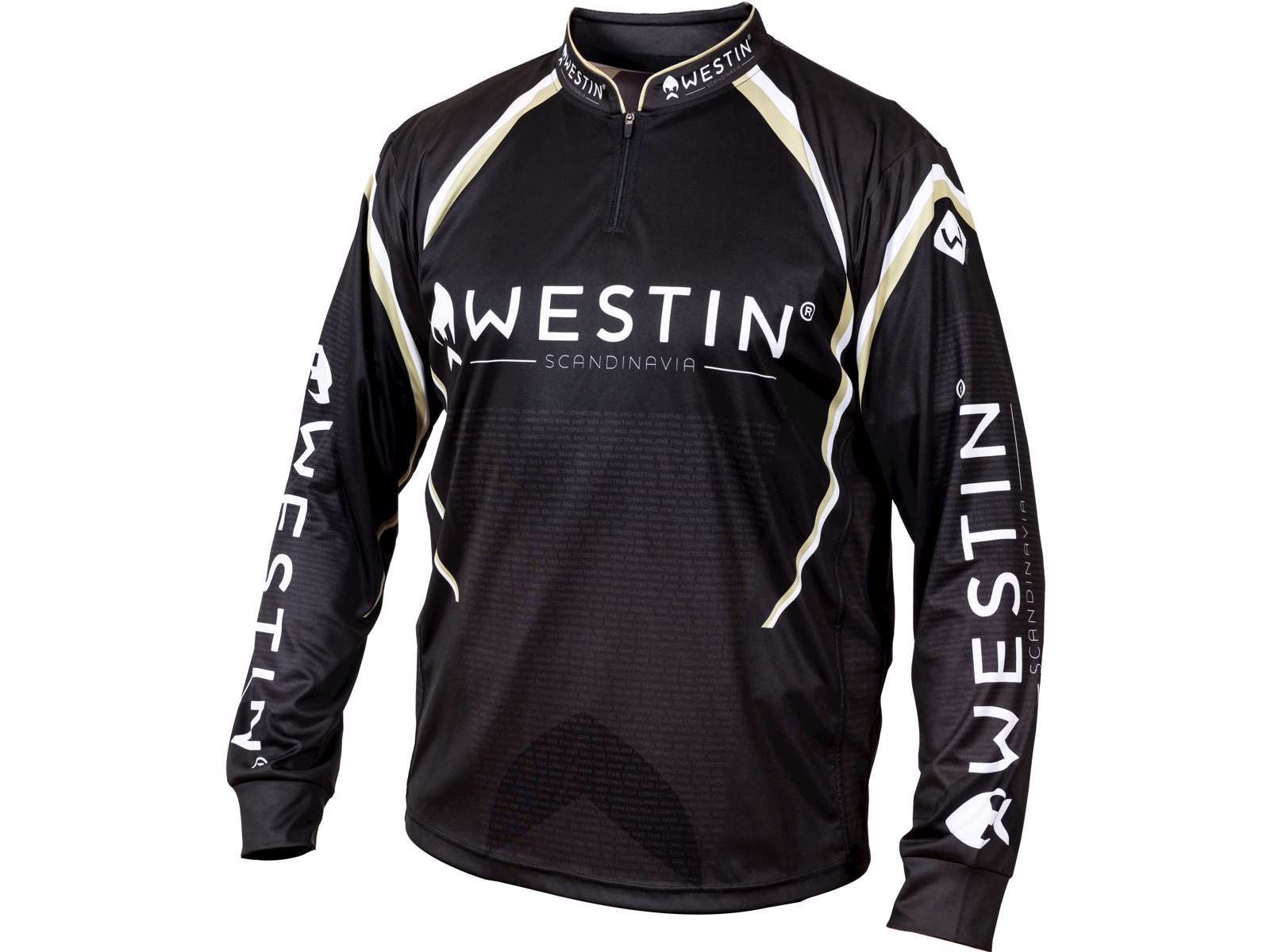
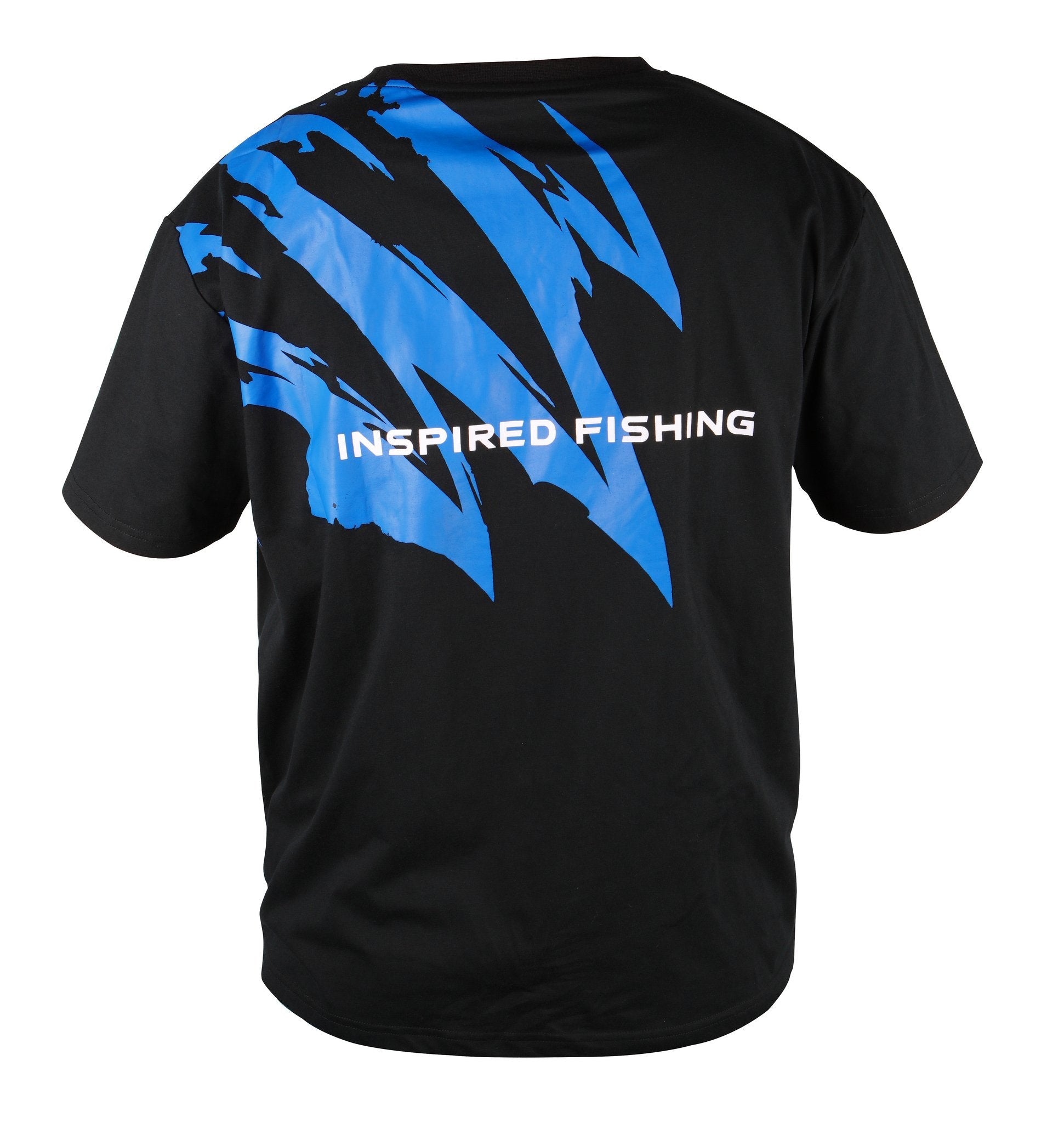
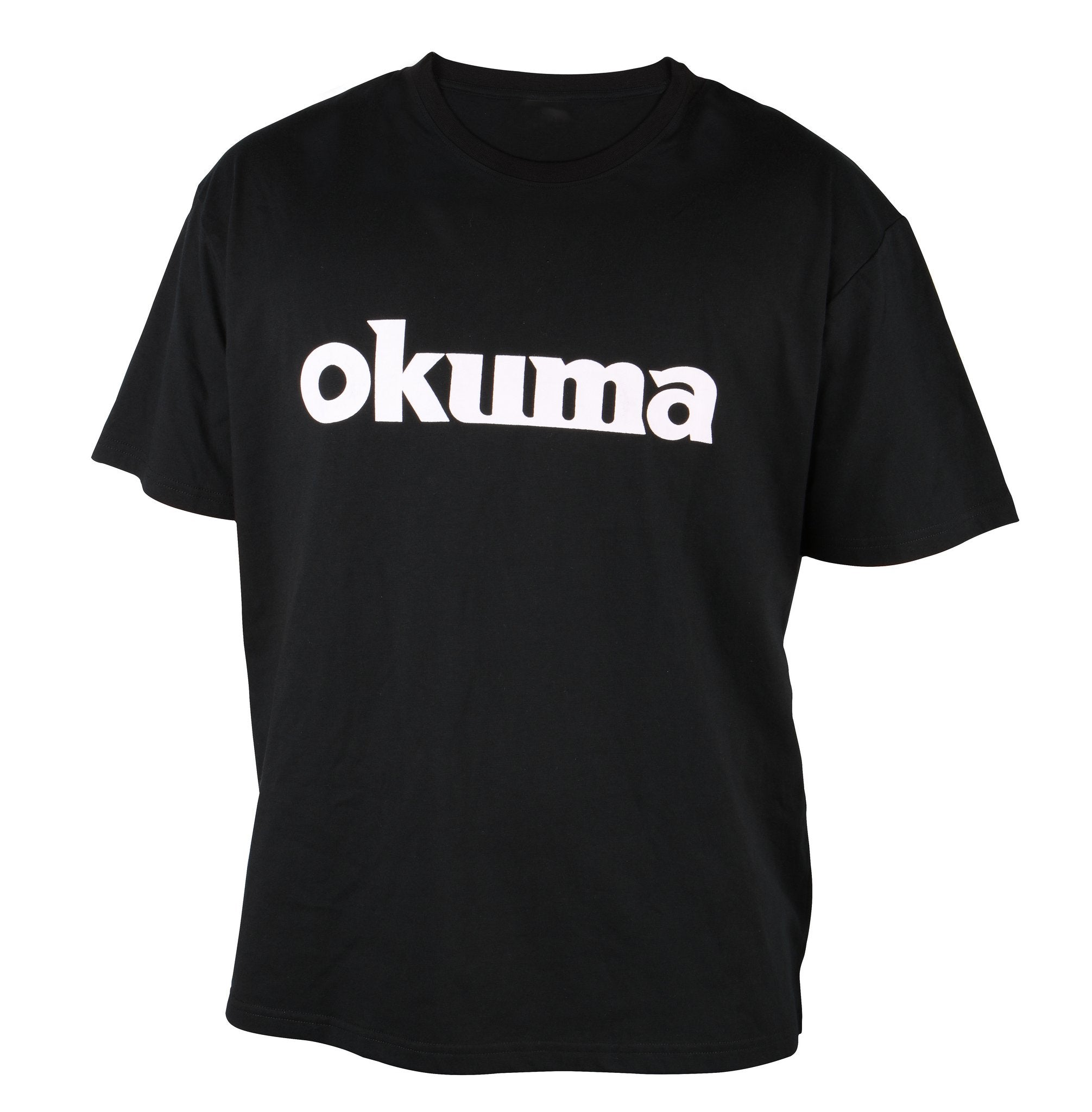
T-shirts and polos provide a light first or outer layer for mild conditions, travel, shop work and everyday wear. Cotton, synthetic and blended fabrics differ in feel, drying time and moisture handling. The correct choice depends on heat, activity, planned layers and whether the garment is intended for technical outdoor use.
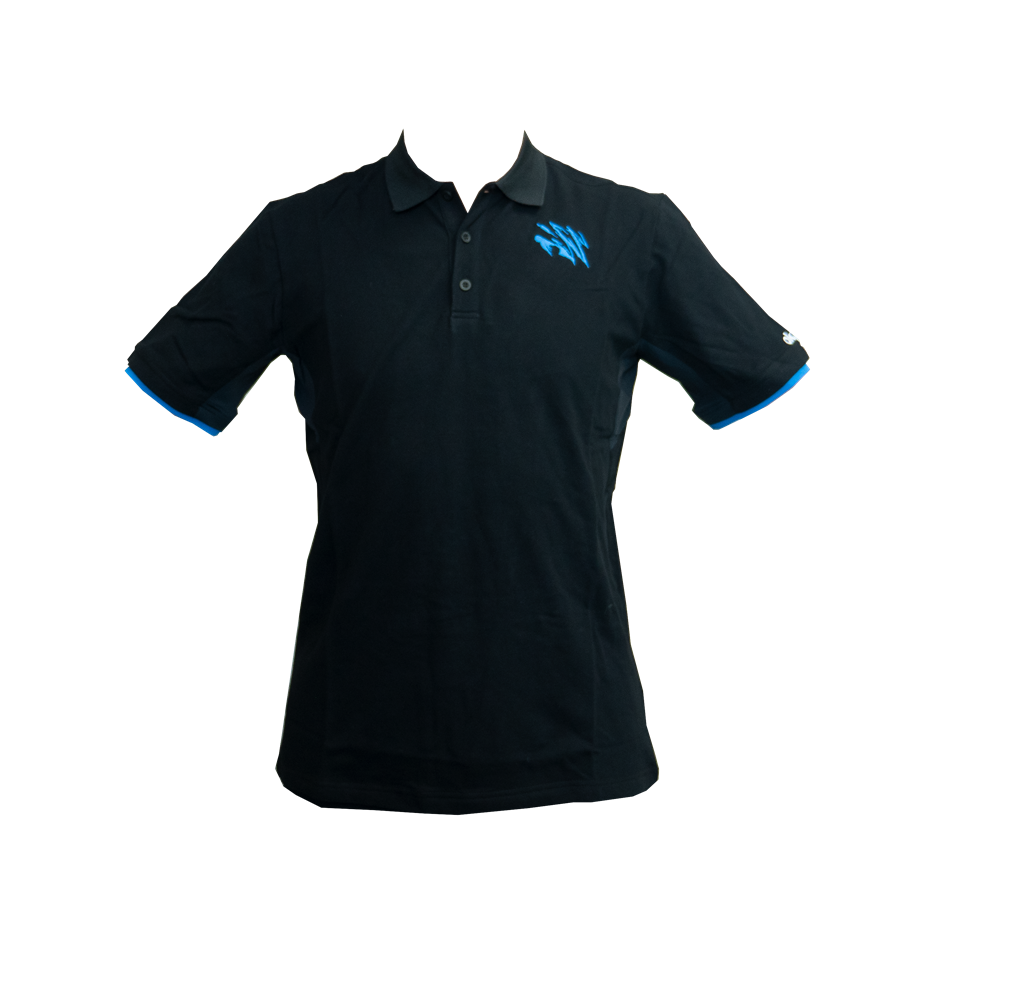
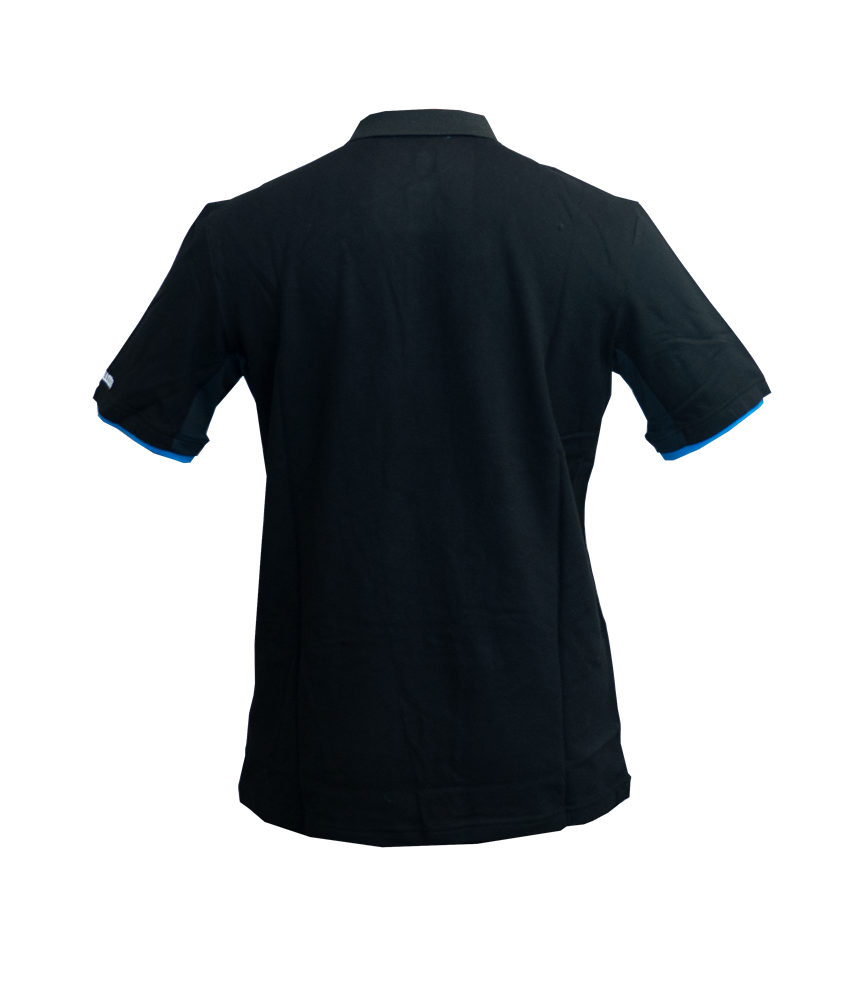
A polo collar provides a different fit and appearance, while crew-neck T-shirts keep the design simple. Short sleeves allow ventilation but leave more skin exposed to sun, wind and insects. Long sessions may require sunscreen, shade or a garment with a stated protective rating.
Browse the parent fishing clothing range, compare technical base layers, add a practical fishing vest and carry a weather-ready jacket. Suitable fishing headwear can add shade or warmth as conditions change.
Choose fabric, fit and sleeve length
Use the size chart for chest, shoulder and body length, allowing enough reach for casting without a loose hem catching tackle. A regular fit suits general wear, while a close technical fit may work better beneath layers. Check whether the collar, seams or printed areas create pressure beneath straps.
Light synthetic fabrics can dry quickly, while cotton may remain damp after rain or heavy activity. Fibre blends balance different properties. Do not assume ultraviolet protection, antibacterial treatment or rapid drying unless the individual product specification confirms it.
Choose visibility for the venue and activity. Bright colours can help a person stand out, but clothing colour is not a substitute for lights, reflective safety equipment or a certified life jacket where those are required.
Pack a spare for travel and change promptly after heavy rain.
Wash and store fishing tops
Remove bait, sunscreen, salt and fish residue according to the care label. Turn printed garments inside out where instructed, close polo buttons and avoid heat or detergent that can damage logos, fibres or technical treatments.
Dry tops fully before storage and inspect collars, seams, cuffs and printed areas. Keep a clean spare in a sealed bag during long sessions. Replace garments that have lost fit, coverage or a stated protective treatment.